Halogénures organiques
Sous-catégories appartenant à la catégorie "Halogénures organiques"
20442 produits trouvés pour "Halogénures organiques"
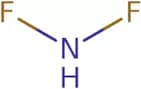
Difluoroamine
CAS :Produit contrôléDifluoroamine is a chemical compound that is used in the production of organic compounds. It has been shown to have high stability and detection sensitivity, which is attributed to its hydrogen bond forming ability. Difluoroamine also reacts with trifluoroacetic acid and hydrogen fluoride, both of which are strong acids. The reaction mechanism of difluoroamine involves the protonation of nitrogen atoms on the molecule followed by a nucleophilic attack on the electrophilic carbon atom that results in the formation of an amine group. This reaction can be carried out in a flow system as well as in a batch process. Difluoramine is an intermediate product during this process and can be converted into glycol ethers or nitrobenzene.
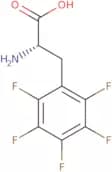
Formule :F2HNDegré de pureté :Min. 95%Masse moléculaire :53.01 g/mol2,3,4,5,6-Pentafluoro-L-phenylalanine
CAS :2,3,4,5,6-Pentafluoro-L-phenylalanine (PFPA) is a substrate molecule that has been shown to inhibit the α1 subunit of the Na+/K+ ATPase in human heart cells. PFPA also inhibits the growth of bacteria in culture and is active against bacterial strains that have developed resistance to other antimicrobial agents. PFPA is also effective against bowel disease caused by H. pylori. PFPA has been shown to inhibit the production of an antimicrobial peptide by hl-60 cells in vitro and has been shown to be effective against a number of infectious diseases including tuberculosis and some autoimmune diseases.
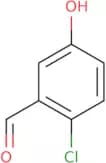
Formule :C9H6F5NO2Degré de pureté :Min. 95%Couleur et forme :PowderMasse moléculaire :255.14 g/mol2-Chloro-5-hydroxybenzaldehyde
CAS :2-Chloro-5-hydroxybenzaldehyde is an organic compound that can be used as a starting material for the synthesis of many other chemicals. It is a building block for the production of high quality and fine chemicals, such as research chemicals and speciality chemicals. 2-Chloro-5-hydroxybenzaldehyde also has versatile uses in chemical reactions, such as condensation reactions, nucleophilic substitution reactions, and electrophilic addition reactions. The CAS number of this chemical is 7310-94-3.
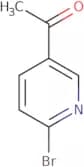
Formule :C7H5ClO2Degré de pureté :Min. 98 Area-%Couleur et forme :PowderMasse moléculaire :156.57 g/mol2-Bromo-5-acetylpyridine
CAS :2-Bromo-5-acetylpyridine is a chemical compound that belongs to the amide class. It has been shown to have an inhibitory effect on amines, which are compounds that are important in the production of urea and other substances. 2-Bromo-5-acetylpyridine can be used as an analog for imatinib, a kinase inhibitor. This compound may also be used as a chloride ion scavenger, which could be useful in the treatment of cancer. 2-Bromo-5-acetylpyridine has been shown to have anticancer activity in molecular modeling studies, but further research needs to be done to see if it is effective against cancer cells.
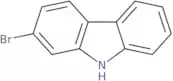
Formule :C7H6BrNODegré de pureté :Min. 95%Couleur et forme :PowderMasse moléculaire :200.03 g/mol2-Bromocarbazole
CAS :2-Bromocarbazole is an organic compound that binds to the mineralocorticoid receptor. It has been shown to be a potent inhibitor of sodium transport in both anhydrous and hydrated conditions. 2-Bromocarbazole is also a cationic polymerization agent, which can be used in photophysical studies. This compound has been shown to have fluorescence properties, as well as receptor α binding capabilities. 2-Bromocarbazole was also able to inhibit the enzyme picolinic acid carboxylase, which catalyzes the conversion of picolinic acid into nicotinamide adenine dinucleotide phosphate (NADP) and CO2. The molecular docking analysis of 2-bromocarbazole with human recombinant MRAPα confirms this inhibition.
Formule :C12H8BrNDegré de pureté :Min. 98 Area-%Couleur et forme :PowderMasse moléculaire :246.1 g/molMagnesium chloride
CAS :Magnesium chloride is the inorganic compound of magnesium and chlorine with a chemical formula MgCl2. It is a white, odorless solid that can be dissolved in water to make a solution. The optimum concentration for this compound is between 10 and 20%. This chemical has been used for wastewater treatment, as well as for the production of high-purity steviol glycosides. Magnesium chloride has shown to have many biological effects, including inhibition of leukemia inhibitory factor and copper chloride. It also demonstrates thermodynamic data for cardiac effects.
Formule :MgCl2Degré de pureté :Min. 95%Couleur et forme :White PowderMasse moléculaire :95.21 g/mol1-(5-Trifluoromethyl-[1,3,4]thiadiazol-2-yl)-piperazine
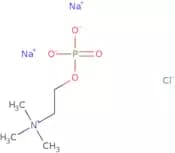
CAS :1-(5-Trifluoromethyl-[1,3,4]thiadiazol-2-yl)-piperazine is a high quality and versatile building block for the synthesis of various chemical compounds. It is an intermediate for the synthesis of other organic substances and can be used in reactions involving nucleophilic substitution, elimination, or addition reactions. 1-(5-Trifluoromethyl-[1,3,4]thiadiazol-2-yl)-piperazine is a reagent that can be used as a complex compound to create fine chemicals. This compound is also useful as a reaction component in research chemicals and speciality chemicals.Formule :C7H9F3N4SDegré de pureté :(Hplc-Ms) Min. 95 Area-%Couleur et forme :PowderMasse moléculaire :238.23 g/molPhosphocholine chloride sodium salt hydrate
CAS :Phosphocholine chloride sodium salt hydrate is an organic compound that is used as a cross-linking agent in the production of polymers. It is also used as a reactant in ring-opening reactions and as an intermediate in the synthesis of pyridinium salts. This product has been shown to be metabolized by human serum to form fatty acids, which may play a role in metabolic disorders such as obesity and diabetes. The reagent can also be used for the chromatographic determination of cholesterol and other lipids.
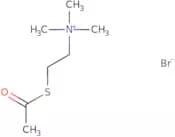
Formule :C5H13ClNNa2O4P·xH2ODegré de pureté :Min. 95%Couleur et forme :White PowderMasse moléculaire :263.58 g/molAcetylthiocholine bromide
CAS :Acetylthiocholine bromide is a lipase inhibitor that has been shown to be nontoxic in doses as high as 250 mg/kg. Acetylthiocholine bromide has an acetylcholinesterase-inhibiting effect, which makes it a potential drug for the treatment of Alzheimer's disease and other neurological disorders. Acetylthiocholine bromide is also used in the detection of acetylcholine in biological samples, such as serum and urine. The surface-enhanced Raman (SERS) technique is used to detect the presence of acetylthiocholine bromide. This technique uses gold nanoparticles deposited on a substrate to increase the intensity of Raman scattering from molecules adsorbed on the surface. Inhibition of acetylcholinesterase by acetylthiocholine bromide leads to increased levels of acetylcholine and prevents its breakdown by cholinesterases. This leads
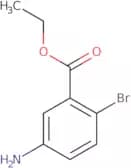
Formule :C7H16BrNOSDegré de pureté :Min. 95%Couleur et forme :White Off-White PowderMasse moléculaire :242.18 g/mol5-Amino-2-bromobenzoic acid ethyl ester
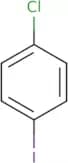
CAS :5-Amino-2-bromobenzoic acid ethyl ester is a chemical compound that can be used for the production of pharmaceuticals and research chemicals. It is a versatile building block that can be used in the synthesis of complex compounds with valuable applications. 5-Amino-2-bromobenzoic acid ethyl ester is a reagent, speciality chemical, and useful building block that can be used in the synthesis of high quality compounds. This compound has been identified as an intermediate in organic reactions and as a reaction component. CAS No. 208176-32-3Formule :C9H10BrNO2Degré de pureté :Min. 95%Couleur et forme :PowderMasse moléculaire :244.09 g/mol1-Chloro-4-iodobenzene
CAS :1-Chloro-4-iodobenzene is a crystalline compound that can be used in the synthesis of palladium complexes. It reacts with amines to form aryl halides, which are useful intermediates for the synthesis of a variety of organic compounds. The reaction mechanism for 1-chloro-4-iodobenzene and amines is an electrophilic substitution reaction, which involves a nucleophilic attack by the amine on the carbon atom adjacent to the halogen atom. Halides are introduced as reagents in this reaction because they are nucleophiles. The reaction is thermodynamically favorable and efficient because 1-chloro-4-iodobenzene has a high concentration of iodine atoms, which react with the amine to form an intermediate diazonium salt. This salt then reacts with trifluoroacetic acid to produce the desired product and hydrogen iodide.
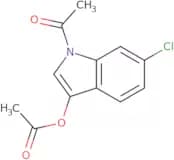
Formule :C6H4ClIDegré de pureté :Min. 98 Area-%Couleur et forme :PowderMasse moléculaire :238.45 g/mol6-Chloro-3-indolyl 1,3-diacetate
CAS :6-Chloro-3-indolyl 1,3-diacetate is an aglycone that is used as a chromogenic substrate for the detection of bacteria. It reacts with specific enzymes in the bacterial cell wall to produce a red or pink color. 6-Chloro-3-indolyl 1,3-diacetate is used as a diagnostic tool to identify bacteria and has been shown to be excreted in urine.
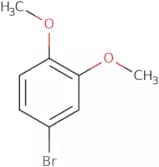
Formule :C12H10ClNO3Degré de pureté :Min. 95%Couleur et forme :Yellow To Light Brown SolidMasse moléculaire :251.67 g/mol4-Bromoveratrole
CAS :4-Bromoveratrole is a triphenylene with a molecular weight of 454.42 g/mol and a melting point of 90°C. It has been shown that this molecule binds to the receptor for acetylcholine, which is found in the central nervous system and on muscles. The binding of 4-bromoveratrole to this receptor leads to the release of chloride ions from the cell, which increases the activity of acetylcholine. The detection sensitivity of 4-bromoveratrole in solution was determined by adding malonic acid or hydrochloric acid, which led to an increase in fluorescence intensity. This molecule also has fatty acid and hydroxyl groups that have been shown to have anti-inflammatory properties.
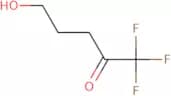
Formule :C8H9BrO2Degré de pureté :Min. 95%Couleur et forme :Clear LiquidMasse moléculaire :217.06 g/mol1,1,1-Trifluoro-5-hydroxy-2-pentanone
CAS :1,1,1-Trifluoro-5-hydroxy-2-pentanone is a versatile building block that has been used extensively in the synthesis of complex compounds. It is an important reagent for the preparation of speciality chemicals and reactive intermediates. 1,1,1-Trifluoro-5-hydroxy-2-pentanone is also a useful intermediate for the synthesis of other compounds. This compound can be reacted with various groups to produce valuable scaffolds for drug discovery research.
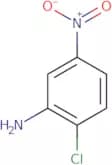
Formule :C5H7F3O2Degré de pureté :Min. 95%Couleur et forme :PowderMasse moléculaire :156.1 g/mol2-Chloro-5-nitroaniline
CAS :2-Chloro-5-nitroaniline (2C5N) is a drug substance that belongs to the group of amines. It is an intermediate that is used in the synthesis of caffeine and other amines. 2C5N has been shown to have genotoxic impurities, which may be due to its reaction with hydrochloric acid and acylation. 2C5N has also been shown to be soluble in water, but not chloroform or ethers.
Formule :C6H5ClN2O2Degré de pureté :Min. 95%Couleur et forme :PowderMasse moléculaire :172.57 g/mol(R)-2-(2,5-Difluorophenyl)pyrrolidine hydrochloride
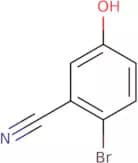
CAS :(R)-2-(2,5-Difluorophenyl)pyrrolidine hydrochloride is a fine chemical that is useful as a building block in the synthesis of complex compounds. It can be used as a reagent or intermediate for the synthesis of other chemical compounds. (R)-2-(2,5-Difluorophenyl)pyrrolidine hydrochloride is also a versatile building block in organic chemistry due to its ability to react with many different functional groups. As a speciality chemical, it is listed on the Chemical Abstracts Service Registry Number 1218935-60-4.Formule :C10H12ClF2NDegré de pureté :Min. 95%Couleur et forme :PowderMasse moléculaire :219.66 g/mol2-Bromo-5-hydroxybenzonitrile
CAS :2-Bromo-5-hydroxybenzonitrile is a chemical compound that is used in research and organic synthesis. It can be used to synthesise 2-bromo-5-hydroxybenzoic acid, which has been shown to have anticancer activity.
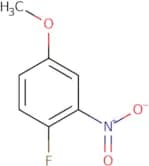
2-Bromo-5-hydroxylbenzonitrile was synthesized by bromination of 5-hydroxybenzonitrile with NBS. The resulting product was purified by distillation and then recrystallized from ethanol.Formule :C7H4BrNODegré de pureté :Min. 95%Couleur et forme :PowderMasse moléculaire :198.02 g/mol4-Fluoro-3-nitroanisole
CAS :4-Fluoro-3-nitroanisole is a useful chemical intermediate and building block. It is a versatile compound that can be used in research as well as commercial applications. 4-Fluoro-3-nitroanisole has the CAS number 61324-93-4. This chemical is often used in the synthesis of complex compounds, such as pharmaceuticals, pesticides, and fragrances. The high quality of this product makes it a good reagent for laboratory experiments.
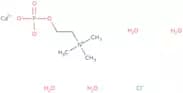
Formule :C7H6FNO3Degré de pureté :Min. 95%Couleur et forme :Slightly Yellow PowderMasse moléculaire :171.13 g/molPhosphocholine chloride calcium salt tetrahydrate
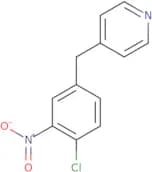
CAS :Phosphocholine chloride calcium salt tetrahydrate is a lipid-regulating agent that can be used in health-care products. It has a safety profile and does not cause any adverse reactions when taken orally. The uptake of phosphocholine chloride calcium salt tetrahydrate is pH dependent, and it has been shown to inhibit lipoprotein lipase activity at acidic pH levels (below 4.5). This drug is used in the preparation of samples for fluorescence assays, such as monoclonal antibodies or density lipoprotein, which requires hydrophobic substances to bind with the fluorescent dye. Phosphocholine chloride calcium salt tetrahydrate can also be used as an emulsifying agent in enzymatic methods, such as calcium carbonate or chloride.Formule :C5H13CaClNO4P·4H2OCouleur et forme :White PowderMasse moléculaire :329.73 g/mol4-(4-Chloro-3-nitrobenzyl)pyridine
CAS :Ai Product Descriptions 50 Creative
Formule :C12H9ClN2O2Degré de pureté :Min. 95%Couleur et forme :PowderMasse moléculaire :248.66 g/molTiotropium bromide monohydrate
CAS :Muscarinic antagonist; bronchodilator
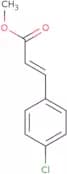
Formule :C19H22NO4S2•Br•H2ODegré de pureté :Min. 95%Couleur et forme :PowderMasse moléculaire :490.43 g/molMethyl 4-chlorocinnamate
CAS :Methyl 4-chlorocinnamate is an aryl chloride that is synthesized by the reaction of methoxyethyl chloride with cinnamic acid derivatives. It has bacteriostatic activity against a variety of bacteria species, including staphylococcus and candida glabrata. Methyl 4-chlorocinnamate reacts with amine groups in proteins to form amides, which are strong inhibitors of protein synthesis. This compound also inhibits the growth of Candida glabrata by inhibiting phosphonates, which are essential for cell division.
Formule :C10H9ClO2Degré de pureté :Min. 95%Masse moléculaire :196.63 g/mol1-Bromo-4-chloro-2-fluorobenzene
CAS :1-Bromo-4-chloro-2-fluorobenzene is an antifungal agent that has been shown to be active against staphylococci, gram-negative bacteria, and fungi. The combination of 1-bromo-4-chloro-2-fluorobenzene with formaldehyde yields a synergistic effect. The inhibitory concentration for the growth of cereus and carbonation is 0.5% and 0.1%, respectively. It also shows antibacterial properties towards Gram positive bacteria, including Staphylococcus aureus and Enterococcus faecalis. 1–Bromo-4–chloro–2–fluorobenzene inhibits bacterial growth by binding to DNA gyrase, which prevents transcription and replication. The high frequency of human activity has been shown using a patch clamp technique on human erythrocytes. This active form is metabolized through a number of metabolic transformations,
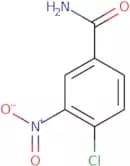
Formule :C6H3BrClFDegré de pureté :Min. 95%Couleur et forme :Clear LiquidMasse moléculaire :209.44 g/mol4-Chloro-3-nitrobenzamide
CAS :4-Chloro-3-nitrobenzamide (4CNBA) is a potent inducer of hepatic drug metabolizing enzymes. It reacts with methyl cinnamate to form the 4-chloro-3-nitrobenzamide methyl ester and chloride ions. This reaction is catalyzed by copper, which binds to the 4CNBA molecule. The chloride ion then displaces water from the ester, producing a nitroso intermediate. This intermediate breaks down into an unstable nitrite, which in turn reacts with hydrogen peroxide to form a hydroxylamine intermediate. Hydroxylamine can then react with sulfhydryl groups to produce reactive thiols that are responsible for the induction of detoxification enzymes in the liver.
4CNBA has been shown to be toxic at high concentrations and is rapidly detoxified by Phase II enzymes such as glutathione S transferase, UDP glucuronosyltransferase, and N-acetylFormule :C7H5ClN2O3Degré de pureté :Min. 95%Couleur et forme :PowderMasse moléculaire :200.58 g/mol6,6'-Dibromoindigo
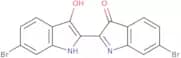
CAS :6,6'-Dibromoindigo is a substrate for enzymes that catalyze the oxidation of aromatic compounds. It can be used to measure the activity of these enzymes in biological samples. 6,6'-Dibromoindigo is also an inhibitor of human pathogens, such as Escherichia coli and Proteus mirabilis. It has been shown to have an apoptotic effect on certain cells in a model system and to inhibit HIV-1 protease. 6,6'-Dibromoindigo binds to the receptors of some bacteria and inhibits their growth by binding to cysteine residues within the bacterial cell wall. This binding prevents formation of the final product from 2 molecules of pyruvic acid, which inhibits oxidative phosphorylation and energy production by mitochondria.
Formule :C16H8Br2N2O2Degré de pureté :Min. 95%Couleur et forme :Purple PowderMasse moléculaire :420.06 g/molRef: 3D-FD32493
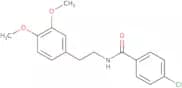
Produit arrêtéN-(2-(3,4-dimethoxyphenyl)ethyl)(4-chlorophenyl)formamide
CAS :Produit contrôléPlease enquire for more information about N-(2-(3,4-dimethoxyphenyl)ethyl)(4-chlorophenyl)formamide including the price, delivery time and more detailed product information at the technical inquiry form on this page
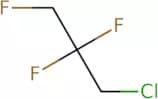
Degré de pureté :Min. 95%1-Chloro-2,2,3-Trifluoropropane
CAS :Produit contrôlé1-Chloro-2,2,3-trifluoropropane is a chemical compound that belongs to the group of chlorinating agents. It is a preparative agent for chlorine and hydrochloric acid. 1-Chloro-2,2,3-trifluoropropane has been used in thermoelectric applications as an intermediate in the production of hydrogen fluoride. It has also been used as a reagent for producing fluorine gas or hydrofluoric acid. This chemical is also used in preparative methods to produce diode lasers or monofluorides.
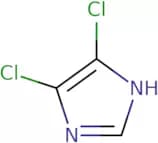
Formule :C3H4ClF3Degré de pureté :Min. 95%Masse moléculaire :132.51 g/mol4,5-Dichloroimidazole
CAS :4,5-Dichloroimidazole is a chelate ligand with hydrogen bonds. It is an aromatic compound that is used in the synthesis of other aromatic compounds and heterocyclic compounds. 4,5-Dichloroimidazole has been shown to have high cytotoxicity against cancer cells and has been explored as a potential anticancer drug. It also has high affinity for metal ions, such as zinc and nickel. This property makes it useful in gas sensors for detecting hydrogen sulfide, ammonia, and carbon dioxide gases. The dipole moment of 4,5-Dichloroimidazole gives it the ability to react with hydroxide ions and benzoate (a chemical used in antiseptics) to form corresponding esters. The reaction mechanism can be explained by molecular modeling studies.
Formule :C3H2Cl2N2Degré de pureté :Min. 95%Masse moléculaire :136.97 g/molPerfluoroalkylethyl acrylate
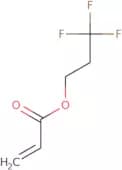
CAS :Perfluoroalkylethyl acrylate is a chemical compound that belongs to the group of fluorinated aliphatic hydrocarbons. It is stable in low light and is resistant to oxidation. The polymerization of perfluoroalkylethyl acrylate can be achieved by heating with phosphorus pentachloride, sodium carbonate, and a cationic surfactant under constant pressure at an optimal reaction temperature. Perfluoroalkylethyl acrylate has been used as a monomer for the synthesis of polyfluoroalkyl methacrylates, which have been shown to have high durability and chemical stability.
Formule :C5H7FO2•(CF2)nDegré de pureté :Min. 92 Area-%Couleur et forme :Colourless liquid.1-(3,4-Difluorophenyl)-2-nitroethene
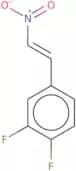
CAS :1-(3,4-Difluorophenyl)-2-nitroethene is a versatile chemical building block that can be used as a reagent, intermediate, or scaffold in the synthesis of complex compounds. It is a high quality product with a wide range of uses. 1-(3,4-Difluorophenyl)-2-nitroethene has been shown to react with various other chemicals to form new compounds. For example, it reacts with methyl bromoacetate to form 1-(3,4-difluorophenyl)ethanone and 2-bromoacetaldehyde. This product can also be used as an intermediate in the synthesis of organic derivatives such as 3-[(2'-chloro-1'-fluoroethyl)amino]propionitrile hydrochloride.
Formule :C8H5F2NO2Degré de pureté :Min. 95%Masse moléculaire :185.13 g/molPalmatine chloride
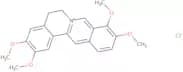
CAS :Palmatine chloride is an alkaloid that has been isolated from the roots of Corydalis yanhusuo. Palmatine chloride inhibits the activity of toll-like receptor 4, which is a key molecule in inflammation and autoimmunity. This compound also inhibits the synthesis of proinflammatory cytokines such as IL-1β, IL-6, and TNF-α. Palmatine chloride has also been shown to inhibit the production of inflammatory mediators such as nitric oxide (NO) and prostaglandin E2 (PGE2). Furthermore, palmatine chloride has been found to have anti-cancer properties through its inhibition of squamous cell carcinoma cells.
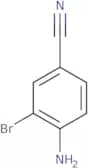
Formule :C21H22NO4ClDegré de pureté :Min. 98 Area-%Couleur et forme :PowderMasse moléculaire :387.86 g/mol4-Amino-3-bromobenzonitrile
CAS :4-Amino-3-bromobenzonitrile is a chemical compound that is synthesized by the reaction of 4-amino-2-bromobenzonitrile and NaBH4. It can be used as a ligand for copper, nickel, and cobalt ions. The crystalline form of 4-amino-3-bromobenzonitrile has been studied using x-ray diffraction and ultraviolet irradiation. The absorption spectra of the compound are in agreement with its nature as an azobenzene derivative.
Formule :C7H5BrN2Degré de pureté :Min. 95%Couleur et forme :PowderMasse moléculaire :197.03 g/molMethyltriphenoxyphosphonium Trifluoromethanesulfonate
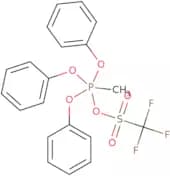
CAS :Produit contrôléMethyltriphenoxyphosphonium Trifluoromethanesulfonate is a reagent for the synthesis of alkenes, ethers, nitriles, esters and alkanes. It is also used to synthesize heterocycles. Methyltriphenoxyphosphonium Trifluoromethanesulfonate can be used to synthesise a wide variety of organic compounds. It reacts with electrophiles such as alcohols, amines and carboxylic acids to produce the corresponding ethers, nitriles, esters or alkanes. This reagent can also be used in many different cross-coupling reactions such as Suzuki-Miyaura reaction or Sonogashira reaction.
Formule :C20H18F3O6PSDegré de pureté :Min. 95%Masse moléculaire :474.39 g/molFluorescent Brightener 210, Technical grade
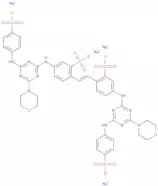
CAS :Fluorescent Brightener 210 is a water-soluble, non-toxic, non-irritating, and non-sensitizing penetrant that fluoresces under ultraviolet light. It is used in the textile industry as a dye for cotton and wool and to increase the brightness of colors on paper. Fluorescent Brightener 210 is also used as an effective drug for mycoses, such as tinea pedis and ringworm of the body. This drug can be applied topically or taken by mouth. Fluorescent Brightener 210 has been shown to be effective against tinea pedis when irradiated with ultraviolet light at a dosage of 2 milligrams per square centimeter of skin for 8 hours per day for 4 weeks. The drug must be applied twice daily to the affected area during this time period. When used orally, Fluorescent Brightener 210 has been shown to reduce symptoms of tinea corporis and tinea cruris within 3 days of treatment in most
Formule :C40H36N12O14S4Na4Couleur et forme :Clear LiquidMasse moléculaire :1,129 g/molBis(2,2,2-trichloroethyl)azodicarboxylate
CAS :Bis(2,2,2-trichloroethyl)azodicarboxylate is a nucleophile that can be used as an alkylating agent in the industrial process. It is also used to prepare chiral amines by adding an amine to the enantiomerically pure bis(2,2,2-trichloroethyl)azodicarboxylate. The anticancer activity of Bis(2,2,2-trichloroethyl)azodicarboxylate is due to its ability to inhibit tumor cell proliferation. Bis(2,2,2-trichloroethyl)azodicarboxylate is not effective against cancerous cells that do not have functional groups such as amino acids.
Formule :C6H4Cl6N2O4Degré de pureté :Min. 95%Couleur et forme :Yellow SolidMasse moléculaire :380.82 g/molBromocresol green
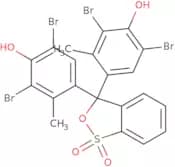
CAS :Bromocresol green is a cationic surfactant that is used as a fluorescent indicator dye. It binds to proteins and can be detected with an optical sensor. Bromocresol green has been shown to react with hydrochloric acid, which may be due to the protonation of the cationic group. This reaction is reversible and depends on pH. The binding of bromocresol green to serum proteins results in a decrease in fluorescence intensity due to quenching by adsorption at the protein-protein interface. The kinetic data for this dye have been found to depend on α1-acid glycoprotein concentration.
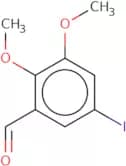
Formule :C21H14Br4O5SCouleur et forme :PowderMasse moléculaire :698.01 g/mol5-Iodo-2,3-dimethoxybenzaldehyde
CAS :5-Iodo-2,3-dimethoxybenzaldehyde is a fine chemical that is useful as a scaffold for the synthesis of other compounds. It can be used as an intermediate for research chemicals or as a reaction component in the synthesis of complex compounds. 5-Iodo-2,3-dimethoxybenzaldehyde is used for the manufacture of high quality reagents and building blocks.
Formule :C9H9IO3Degré de pureté :Min. 95%Couleur et forme :PowderMasse moléculaire :292.07 g/mol2-Bromo-5-nitrobenzoic acid
CAS :2-Bromo-5-nitrobenzoic acid is an amine that has been shown to have a potent inhibitory effect on the enzyme fibrinogen, which is needed for blood clotting. It also inhibits other enzymes in the fibrinogen pathway, including those involved in protein synthesis and cellular metabolism. 2-Bromo-5-nitrobenzoic acid has been shown to inhibit cancer cells by blocking their ability to use amino acids as building blocks for new proteins. This drug may be used as a treatment for cancer and other diseases where protein synthesis is critical.
Formule :C7H4BrNO4Degré de pureté :Min. 95%Couleur et forme :PowderMasse moléculaire :246.02 g/mol3,3',5-Triiodo thyroacetic acid
CAS :3,3',5-Triiodo thyroacetic acid is a synthetic thyroid hormone that acts as a thyroid hormone receptor agonist. It binds to the thyroid hormone receptor, leading to the activation of other transcription factors and increased synthesis of proteins. 3,3',5-Triiodo thyroacetic acid has been shown to increase the metabolic rate in rats by increasing the expression of epidermal growth factor in skin cells and signal transduction in nerve cells. This drug also causes an increase in transcriptional regulation and protein synthesis. 3,3',5-Triiodo thyroacetic acid does not have any known side effects or toxicity.
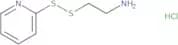
Formule :C14H9I3O4Degré de pureté :Min. 95%Couleur et forme :White Off-White PowderMasse moléculaire :621.93 g/mol(S)-2-Pyridylthio cysteamine hydrochloride
CAS :(S)-2-Pyridylthio cysteamine hydrochloride is a cell-permeant, basic, thiol-containing compound that is currently being investigated as an anticancer agent. It has been shown to inhibit the growth of tumor cells in vitro and in vivo. This drug binds to the disulfide bonds of proteins, which leads to the formation of a stable covalent bond between two protein molecules. (S)-2-Pyridylthio cysteamine hydrochloride also inhibits cell proliferation by interfering with the production of epidermal growth factor. This drug can be used for cancer treatment by binding to the mitochondria and inhibiting ATP synthesis, leading to apoptosis. The uptake of this drug is dependent on its interaction with basic proteins in the plasma membrane, which may be due to its ability to induce epidermal growth factor (EGF) production in cultured cells.Formule :C7H11ClN2S2Degré de pureté :Min. 97 Area-%Couleur et forme :White PowderMasse moléculaire :222.76 g/molRef: 3D-FP27341
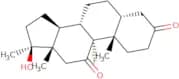
Produit arrêté9-Fluoro-17β-Hydroxy-17-Methyl-5β-Androstane-3,11-Dione
CAS :Produit contrôlé9-Fluoro-17beta-Hydroxy-17-Methyl-5β-Androstane-3,11-Dione is a chemical compound that has oxidizing properties. It is a white or light yellow crystalline powder that can be prepared from potassium and 9-fluoroandrostenedione. The compound is insoluble in water, but soluble in organic solvents. It has a melting point of about 138°C, and does not react with alkali metals or bases. 9FAD has been shown to have thermal treatment applications for the fields of pulverulent materials and input introduction. Thermally applied, it can be used to increase the surface area of input materials such as coal and ore, as well as being able to convert them into more reactive forms.
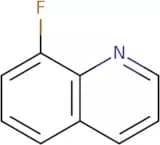
Formule :C20H29FO3Degré de pureté :Min. 95%Masse moléculaire :336.44 g/mol8-Fluoroquinoline
CAS :8-Fluoroquinoline is a quinoline derivative that has been shown to have in vitro anticancer activity against colon adenocarcinoma cells. It is a chiral molecule that can exist as two stereoisomers, (R)-8-fluoroquinoline and (S)-8-fluoroquinoline. These isomers may have different interactions with the tumorigenic cells, but both of them have anticancer activity. 8-Fluoroquinoline also interacts with cytochrome P450 enzymes, enhancing their ability to metabolize carcinogens.
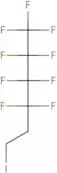
Formule :C9H6FNDegré de pureté :Min. 95%Masse moléculaire :147.15 g/mol1H,1H,2H,2H-Nonafluorohexyl iodide
CAS :Nonafluorohexyl iodide (NF3) is a fluorinated ionic liquid that exhibits strong surfactant properties. It has been used as a solvent for the analysis of anions, such as CO32-, NO3-, SO42-, and ClO4-. NF3 has also been used as a calibration gas in GC-MS, where it is typically used to desorb analytes from the column. The volatility of NF3 makes it easy to transfer between containers and to recover the analyte after desorption. The compound is detectable by GC-MS and can be analyzed using mass spectrometry. One application is the detection of 1-methylimidazole in urine samples.
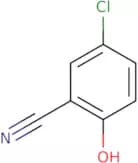
Formule :C6H4F9IDegré de pureté :Min. 95%Couleur et forme :Clear LiquidMasse moléculaire :373.99 g/mol5-Chloro-2-hydroxybenzonitrile
CAS :5-Chloro-2-hydroxybenzonitrile is a liquid crystal compound that is used for the enhancement of phototransformation. It has been shown to be capable of absorbing light and transferring energy to electron acceptors, such as chloride ions, which react with the excited state. 5-Chloro-2-hydroxybenzonitrile shows a single band in the visible region on an absorption spectrum, which may be due to its molecular structure or anisotropy. The frequency of this compound's vibration is in the range of 3200 - 3600 cm^{-1}.
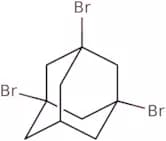
Formule :C7H4ClNODegré de pureté :Min. 95%Couleur et forme :PowderMasse moléculaire :153.57 g/mol1,3,5-Tribromoadamantane
CAS :1,3,5-Tribromoadamantane is a molecule that contains a bromine atom. It has been shown to react with solvents and deforms. The kinetics of the reaction have been studied using dipole measurements. This compound reacts with lithium metal in an acidic environment and undergoes ring-opening reactions with halogens and aluminium. 1,3,5-Tribromoadamantane can be used as a substrate molecule for chromatography experiments. The stereogenic center of this molecule is thermodynamically unstable due to its electron withdrawing properties.
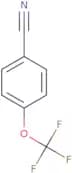
Formule :C10H13Br3Degré de pureté :Min. 95%Couleur et forme :PowderMasse moléculaire :372.92 g/molp-(Trifluoromethoxy)benzonitrile
CAS :p-(Trifluoromethoxy)benzonitrile is an organic compound that reacts with electron-rich molecules to form a covalent bond. It has been shown to be reactive in abiotic conditions and can be used as a probe for electron transfer reactions. p-Trifluoromethoxybenzonitrile undergoes a reaction mechanism in which the carbonyl group first reacts with an electron donor, such as acetonitrile, to form an unstable intermediate. This intermediate then reacts with a second electron-rich molecule to form the product. p-Trifluoromethoxybenzonitrile also has been shown to react efficiently with benzonitrile and produce the desired product in one step.
Formule :C8H4F3NODegré de pureté :Min. 95%Couleur et forme :Clear LiquidMasse moléculaire :187.12 g/mol2,2,2-Trifluoroacetamide
CAS :2,2,2-Trifluoroacetamide is a chemical compound that is stable under normal conditions and can be stored for long periods of time. The compound has been shown to react with trifluoroacetic acid and in the presence of an electrochemical probe to give a redox reaction. This reaction mechanism has been studied by using pharmacokinetic properties of 2,2,2-trifluoroacetamide and its metabolites. The compound is not active against infectious diseases but may be used as a reagent in analytical methods. 2,2,2-Trifluoroacetamide has also been investigated for its ability to bind hydrogen atoms and form intramolecular hydrogen bonds with tryptophan residues in proteins.
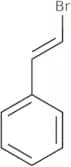
Formule :C2H2F3NODegré de pureté :Min. 95%Couleur et forme :PowderMasse moléculaire :113.04 g/molβ-Bromostyrene
CAS :β-Bromostyrene is a halogenated aromatic hydrocarbon that has been used as a cross-coupling reagent. β-Bromostyrene reacts with an organometallic reagent to form a new carbon-carbon bond. This reaction is catalyzed by palladium, which is often dissolved in the reaction vessel along with the β-bromostyrene and the organometallic reagent. The palladium enhances the rate of this reaction by increasing the concentration of reactive molecules, while also acting as a catalyst for the coupling of two organic molecules. β-Bromostyrene has been shown to be useful in wastewater treatment, where it reacts with organic compounds such as benzene, toluene, and xylene to form water soluble products called bromoxylates.
The detection sensitivity of β-bromostyrene can be increased through its use as an indicator for pH changes in acidic environments (pH 3). TheFormule :C8H7BrDegré de pureté :Min. 97 Area-%Couleur et forme :Colorless Clear LiquidMasse moléculaire :183.05 g/molTributyltin chloride
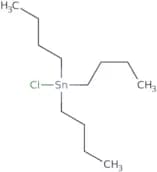
CAS :Produit contrôléTributyltin chloride is an experimental chemical that is used as a model for apoptosis. It binds to the chloride ion and induces apoptosis in 3T3-L1 preadipocytes. The process of apoptosis involves the mitochondrial membrane potential, which is an important factor in the regulation of intracellular Ca2+ levels. Tributyltin chloride has also been shown to increase copper-induced toxicity in cells by inhibiting ryanodine receptors, which are involved in calcium homeostasis. Tributyltin chloride has a phase transition temperature of -25°C and is not soluble in water; it can be dissolved in methanol, ethanol, acetone, benzene, chloroform, hexane, or ether. Tributyltin chloride also has been shown to have physiological effects on cell nuclei and maternal blood cells.
Formule :C12H27ClSnDegré de pureté :Min. 95%Couleur et forme :Colourless To Yellowish LiquidMasse moléculaire :325.51 g/mol3-Bromo-5-(trifluoromethyl)phenol
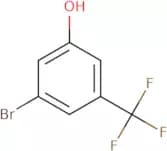
CAS :3-Bromo-5-(trifluoromethyl)phenol is a versatile building block that is used as a scaffold for synthesis of complex compounds. It can be used as a reaction component in the synthesis of valuable chemical products, such as fine chemicals and research chemicals. 3-Bromo-5-(trifluoromethyl)phenol is also useful for the production of speciality chemicals. This chemical has been shown to have high quality and can be used as a reagent in organic synthesis.
Formule :C7H4BrF3ODegré de pureté :Min. 95%Couleur et forme :Colorless Clear LiquidMasse moléculaire :241.01 g/mol(4-Iodophenyl)hydrazine hydroiodide
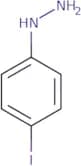
CAS :(4-Iodophenyl)hydrazine hydroiodide is a synthetic compound that has shown anti-viral activity against HIV and cytomegalovirus. It also has anticancer properties and can be used to treat colon cancer. The compound binds to the nucleic acid in a number of ways, including by forming reversible covalent bonds with functional groups on the nucleic acid. These interactions are primarily due to its pyrazole ring and hydrazine moiety. (4-Iodophenyl)hydrazine hydroiodide is structurally similar to phenyldiazenyl, which exhibits photochromism and fluorescence properties. This similarity may account for the observed photochemical changes in the molecule when exposed to light.
Formule :C6H7IN2Degré de pureté :Min. 95%Masse moléculaire :234.04 g/mol4-Chloropyridine-3-carboxaldehyde
CAS :4-Chloropyridine-3-carboxaldehyde (4CPCA) is a potent inhibitor of the enzyme, formylation. 4CPCA is synthesized in an experimental method involving reaction of 4-chloropyridine and 3-bromoformaldehyde with a base, followed by hydrolysis to produce the desired product. This compound has been shown to inhibit formylation in vitro with inhibition potentials as high as 5000 μM. The IC 50 value for 4CPCA was found to be 0.6 mM. Formylation activity was inhibited in cell free systems and in cells from rat liver and human erythrocytes. The pharmacokinetic profile of 4CPCA is dose dependent and it is metabolized into inactive compounds by oxidation or conjugation with glucuronic acid.
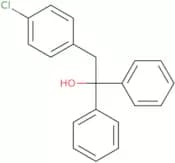
Formule :C6H4ClNODegré de pureté :Min. 95%Couleur et forme :Yellow SolidMasse moléculaire :141.55 g/mol4-Chlorobenzyl diphenyl carbinol
CAS :4-Chlorobenzyl diphenyl carbinol is an organic compound that is used as a reagent, intermediate, and building block in the synthesis of other compounds. The product is a white, crystalline solid and has a molecular weight of 243.3 g/mol. It can be used as a scaffold for the synthesis of new chemical compounds or as a building block to create speciality chemicals. 4-Chlorobenzyl diphenyl carbinol has been shown to react with a variety of functional groups and can be used in both research and industrial contexts.
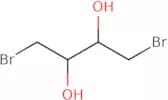
Formule :C20H17ClODegré de pureté :Min. 95%Couleur et forme :PowderMasse moléculaire :308.8 g/mol1,4-Dibromo-2,3-butandiol
CAS :1,4-Dibromo-2,3-butandiol is a halogenated butandiol.
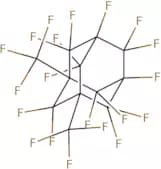
Formule :C4H8Br2O2Degré de pureté :Min. 95%Couleur et forme :PowderMasse moléculaire :248.11 g/mol1,2,2,3,4,4,6,6,8,8,9,9,10,10-Tetradecafluoro-5,7-Bis(Trifluoromethyl)Adamantane
CAS :Produit contrôlé1,2,2,3,4,4,6,6,8,8,9,9,10,10-Tetradecafluoro-5,7-Bis(trifluoromethyl)adamantane (FDP) is a perfluorinated gas with an electron affinity that can be used to measure the rate of oxygen transport. It is also a diagnostic agent for bone growth and can be used to measure the proliferative activity in animals. FDP is insoluble in water and has a particle size of approximately 3 nm. Impurities such as hydrocarbons are often found in FDP samples because it is created by reacting dichlorodifluoromethane with hydrogen fluoride at high temperatures. This chemical species has been shown to have a low toxicity profile in animal studies.
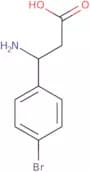
Formule :C12F20Degré de pureté :Min. 95%Masse moléculaire :524.1 g/mol3-Amino-3-(4-bromophenyl)propanoic acid
CAS :3-Amino-3-(4-bromophenyl)propanoic acid is a versatile building block that is used in the synthesis of many different compounds. It is a reagent, useful as a research chemical and as a speciality chemical. 3-Amino-3-(4-bromophenyl)propanoic acid has been used in the synthesis of a number of complex compounds, including pharmaceuticals and pesticides. This compound is a good choice for use in organic synthesis because it reacts readily with an array of functional groups, such as carboxylic acids and amines.Formule :C9H10BrNO2Degré de pureté :Min. 95%Couleur et forme :PowderMasse moléculaire :244.09 g/mol2-chloro-n-(4-chlorophenyl)acetamide
CAS :2-Chloro-N-(4-chlorophenyl)acetamide (2CPA) is an antimycobacterial agent that inhibits the growth of Mycobacterium tuberculosis. The antimycobacterial activity of 2CPA has been demonstrated in a dilution method, where it reduced the number of viable cells in cultures of M. tuberculosis and Mycobacterium smegmatis. The antimicrobial activity of 2CPA was confirmed using a fluorescence assay, which showed that this compound is active against M. tuberculosis H37Rv and M. smegmatis at concentrations above 0.1 mM. 2CPA also has a potent bactericidal effect on Staphylococcus aureus with an MIC value of 0.06 mg/mL at 30 minutes and is active against Enterococcus faecalis with an MIC value of 4 mg/mL at 30 minutes.
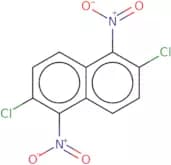
Formule :C8H7Cl2NODegré de pureté :Min. 95%Masse moléculaire :204.05 g/mol2,6-Dichloro-1,5-dinitronaphthalene
CAS :2,6-Dichloro-1,5-dinitronaphthalene is an organic compound that is used as a reagent for the synthesis of other compounds. It can also be used in research for the synthesis of 2,6-dichloro-1,5-dinitronaphthalene derivatives. The CAS number for this compound is 320600-07-5. This compound is a versatile building block and has many uses as a fine chemical.
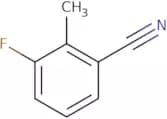
Formule :C10H4Cl2N2O4Degré de pureté :Min. 95%Couleur et forme :PowderMasse moléculaire :287.06 g/mol3-Fluoro-2-methylbenzonitrile
CAS :3-Fluoro-2-methylbenzonitrile is a novel androgen receptor modulator that binds to the androgen receptor with high affinity and selectivity. 3-Fluoro-2-methylbenzonitrile has been shown to have agonistic activity in vivo. It has been proposed as an alternative to testosterone for the treatment of muscle wasting, osteoporosis, and other hormone deficiencies. 3-Fluoro-2-methylbenzonitrile is metabolized by CYP3A4 enzymes, which may be modified to improve its metabolic stability and thus increase its bioavailability. In addition, modifications of 3-fluoro-2-methylbenzonitrile may be made that would improve its pharmacokinetic profile (e.g., naphthalene profiles).
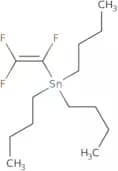
Formule :C8H6FNDegré de pureté :Min. 95%Couleur et forme :PowderMasse moléculaire :135.14 g/molTributyl(trifluoroethenyl)stannane
CAS :Produit contrôléTributyl(trifluoroethynyl)stannane is a drug that has immunosuppressive activity. It is used to treat certain cancers, including chronic lymphocytic leukemia and rheumatoid arthritis. Tributyl(trifluoroethynyl)stannane has been shown to inhibit the production of cytokines and other inflammatory mediators by macrophages, which may be due to its ability to inhibit DNA synthesis.
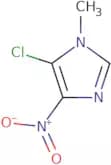
Formule :C14H27F3SnDegré de pureté :Min. 95%Masse moléculaire :371.07 g/mol5-Chloro-1-methyl-4-nitroimidazole
CAS :5-Chloro-1-methyl-4-nitroimidazole (5C1MI) is a fatty acid that is synthesized by the reaction of phosphorus pentachloride and an aliphatic hydrocarbon. It has been shown to be effective in treating women with breast cancer. 5C1MI blocks the activity of a protein called HER2, which promotes tumor growth. The drug has been shown to cause an increase in the number of circulating lymphocytes and natural killer cells, as well as an increase in the production of antibodies in mice. These effects are likely caused by 5C1MI's ability to inhibit the proliferation of T cells and B cells. 5C1MI has also been shown to have a high solubility in water and low solubility in lipids, which makes it suitable for administration via intravenous injection.
Formule :C4H4ClN3O2Degré de pureté :Min. 95%Couleur et forme :PowderMasse moléculaire :161.55 g/molMolindone hydrochloride
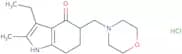
CAS :Molindone is a neuroleptic agent that has been shown to be effective in the treatment of schizophrenia. It also has antipsychotic properties and may treat other mental disorders. Molindone is a potent dopamine antagonist, which is thought to explain its therapeutic effects in these conditions. The drug is well absorbed orally and crosses the blood-brain barrier easily, making it suitable for oral administration. Molindone has been shown to have toxic effects in animal studies, including a decrease in serum prolactin levels, an increase in liver weights, and an increase in the number of animals that died during toxicity studies. These side-effect profiles are similar to those seen with haloperidol (a phenothiazine antipsychotic), which suggests that molindone may be used as an alternative to haloperidol when treating psychosis or other mental disorders.
Formule :C16H24N2O2•HClDegré de pureté :Min. 95%Couleur et forme :White To Light (Or Pale) Yellow To Light (Or Pale) Red SolidMasse moléculaire :312.83 g/molDiphenyleneiodonium chloride
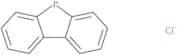
CAS :Diphenyleneiodonium chloride is a diphenyliodonium salt that inhibits neuronal death and induces pluripotent stem cells. It has been shown to activate toll-like receptor 4 (TLR4) which initiates the inflammatory response, leading to the activation of growth factor-β1 and polymerase chain reactions. This compound also has an oral hypoglycemic effect and can be used as an antidiabetic drug. Diphenyleneiodonium chloride has also been shown to induce oxidative cell death in cancer cells by inhibiting the production of NADPH oxidase, which is required for caspase-independent cell death.
Formule :C12H8ClIDegré de pureté :Min. 95%Couleur et forme :White PowderMasse moléculaire :314.55 g/mol3-Methoxy-5-(trifluoromethyl)aniline
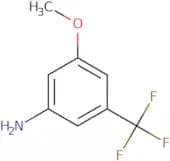
CAS :3-Methoxy-5-(trifluoromethyl)aniline is a chemical building block that is used in the preparation of pharmaceuticals, agrochemicals, dyes, and other chemicals. 3-Methoxy-5-(trifluoromethyl)aniline is also a versatile intermediate that can be used to produce heterocyclic compounds. 3-Methoxy-5-(trifluoromethyl)aniline has been found to be high quality and useful for many reactions. It is an important compound for research use because it can be used as a reagent or scaffold for complex compounds.
Formule :C8H8F3NODegré de pureté :Min. 95%Couleur et forme :PowderMasse moléculaire :191.15 g/molp-Azidophenacyl bromide
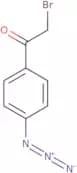
CAS :p-Azidophenacyl bromide is an enzyme form that catalyzes the hydrolysis of azides, such as nitrobenzene. It is chemically stable and can be used in human serum. The enzyme form has been shown to hydrolyze DNA with high specificity and low background. p-Azidophenacyl bromide also has antiviral properties against herpes simplex virus because it inhibits the synthesis of viral DNA. This enzyme form also binds to benzyl groups on the surface of cell membranes, which are part of a ternary complex formation with lysine residues and hydroxyl groups. p-Azidophenacyl bromide is present in mitochondria and cytochrome plasma mass spectrometry has shown that it is a mitochondrial cytochrome.
Formule :C8H6BrN3ODegré de pureté :Min. 95%Couleur et forme :PowderMasse moléculaire :240.06 g/molRef: 3D-FA18106
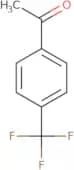
Produit arrêté4'-(Trifluoromethyl)acetophenone
CAS :4'-(Trifluoromethyl)acetophenone is a phosphatase inhibitor that has been shown to have inhibitory activity against chemokines. Chemokines are a type of cytokine that are secreted by immune cells and play an important role in inflammation. 4'-(Trifluoromethyl)acetophenone has also been shown to have an effect on the cell membrane permeability of amines and 2-aminobenzyl alcohol, which are substrates for the enzyme. 4'-(Trifluoromethyl)acetophenone reacts with imidazole derivatives, such as trifluoride, forming hydrogen bonds between the two molecules. Kinetic studies have demonstrated that this reaction is reversible in solution at room temperature.
Formule :C9H7F3ODegré de pureté :Min. 95%Couleur et forme :PowderMasse moléculaire :188.15 g/mol(Des-Gly10,D-Trp6,D-Leu7,Pro-NHEt 9)-LHRH trifluoroacetate salt
Please enquire for more information about (Des-Gly10,D-Trp6,D-Leu7,Pro-NHEt 9)-LHRH trifluoroacetate salt including the price, delivery time and more detailed product information at the technical inquiry form on this pageFormule :C64H83N17O12Degré de pureté :Min. 95%Couleur et forme :PowderMasse moléculaire :1,282.45 g/molo-Fluorobenzyl alcohol
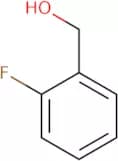
CAS :O-Fluorobenzyl alcohol is a compound with the chemical formula of C6H5FO. It is a colorless liquid with a sweet odor and tastes like ether. This compound is soluble in water, ethanol, and acetone. O-Fluorobenzyl alcohol has been used as an analytical reagent for the determination of protonated molecules such as phenols or carbohydrates. It also has cytotoxic properties, which have been shown to be effective against cancer cells. O-Fluorobenzyl alcohol acts as a γ-secretase inhibitor by binding to the catalytic site of the enzyme, preventing proteolytic cleavage of amyloid precursor protein (APP) and subsequent production of amyloid β peptide (Aβ).
Formule :C7H7FODegré de pureté :Min. 95%Couleur et forme :Clear LiquidMasse moléculaire :126.13 g/molRef: 3D-FF64462
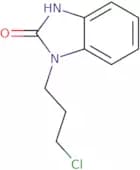
Produit arrêté1-(3-Chloropropyl)-1,3-dihydro-2H-benzimidazole-2-one
CAS :Phenylmethyl (PM) is a drug that belongs to the class of phenylmethanesulfonamides. It is used in the treatment of diarrhea, specifically in cases where there are no other suitable anti-diarrheal drugs available. The active form of PM is 1-(3-chloropropyl)-1,3-dihydro-2H-benzimidazole-2-one (PCP). This drug inhibits bacterial growth by binding to the 50S ribosomal subunit and inhibiting protein synthesis. PCP has been shown to have a narrow spectrum of activity against most enteric bacteria and some protozoa. The drug is poorly absorbed from the gastrointestinal tract and does not cross the blood–brain barrier, which limits its use for systemic infections.
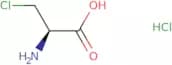
Formule :C10H11ClN2ODegré de pureté :Min. 95%Couleur et forme :PowderMasse moléculaire :210.66 g/molb-Chloro-L-alanine hydrochloride
CAS :b-Chloro-L-alanine hydrochloride (BCA) is a synthetic compound that has been shown to have anticarcinogenic and antioxidant effects. It can be produced by the hydrogen peroxide-dependent oxidation of b-chloroalanine. BCA's effect on cancer cells is attributed to its ability to inhibit the synthesis of sulfoxides, which are needed for the biosynthesis of pyrimidine nucleotides. BCA also inhibits oxidative stress by scavenging free radicals and reactive oxygen species. This product has been shown to be effective in treating Aeropyrum pernix infections, which are caused by a type of anaerobic bacteria with a metabolic pathway that includes sulfide oxidation.
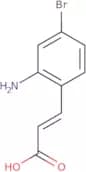
Formule :C3H6NO2Cl·HClDegré de pureté :Min. 95%Couleur et forme :White PowderMasse moléculaire :160 g/mol2-Amino-4-bromocinnamic acid
CAS :2-Amino-4-bromocinnamic acid is a fine chemical with a CAS number of 914636-63-8. It is used in the synthesis of complex compounds and useful building blocks, as well as in research. This compound has been shown to be an intermediate for the preparation of derivatives with potential pharmaceutical applications, such as antihistamines, antipsychotics, and antibiotics. 2-Amino-4-bromocinnamic acid is also an important reagent for organic syntheses.
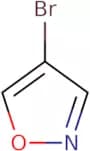
Formule :C9H8BrNO2Degré de pureté :Min. 98 Area-%Couleur et forme :PowderMasse moléculaire :242.07 g/mol4-Bromoisoxazole
CAS :4-Bromoisoxazole is a reactive isoxazole that can be prepared by the reaction of an azide and a boronic ester. This compound has been shown to be effective for the treatment of cancer, but it also has an inhibitory effect on the synthesis of proteins and enzymes. The 4-bromoisoxazole can be synthesized from phenyl substituted isoxazoles and palladium-catalyzed cross-coupling reactions. Preparative methods for this compound include the use of acetonitrile as solvent with a dipolarity of 0.5D or greater, and argon as inert gas at atmospheric pressure. Hydrochloric acid should not be used in these preparations as it will react with 4-bromoisoxazole to produce toxic hydrochloric acid fumes.
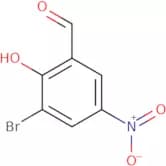
Formule :C3H2BrNODegré de pureté :Min. 95%Couleur et forme :PowderMasse moléculaire :147.96 g/mol3-Bromo-2-hydroxy-5-nitrobenzaldehyde
CAS :3-Bromo-2-hydroxy-5-nitrobenzaldehyde is a hydroxy group with a formyl group, an imine and an isomeric structure. It can be used as a fluorescence probe in biological studies. The compound has been shown to have antioxidant activity, which may be due to its ability to donate hydrogen bonds or its ability to act as a phenylhydrazone. 3-Bromo-2-hydroxy-5-nitrobenzaldehyde also has the ability to react with ammonium nitrate and produce nitrogen gas (NH3) when heated. This reaction is exothermic and produces an orange color.Formule :C7H4BrNO4Degré de pureté :Min. 95%Couleur et forme :PowderMasse moléculaire :246.02 g/mol(R)-Apomorphine hydrochloride hemihydrate
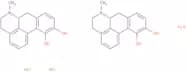
CAS :Apomorphine hydrochloride is the salt form of apomorphine, a morphine derivative D2 dopamine agonist. The high selectivity for D2, D3, D4 and D5 receptors makes apomorphine hydrochloride a possible drug candidate and it is in clinical trials for diagnosis and treatment of Parkinsons disease. Moreover, apomorphine and apomorphine hydrochloride have been investigated in diverse studies for treating movement disorders.
Formule :C17H17NO2•HCl•(H2O)0Degré de pureté :Min. 95%Couleur et forme :White PowderMasse moléculaire :312.79 g/mol4-Chloro-1,3-dioxolan-2-one
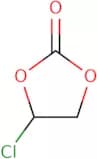
CAS :4-Chloro-1,3-dioxolan-2-one is a reactive functional group that can be classified as a carbonyl compound. It has been shown to react with hydroxyl groups and methyl ethyl groups. 4-Chloro-1,3-dioxolan-2-one is also a strong nucleophile and can also be used in transfer reactions.
The reaction solution of 4-chloro-1,3-dioxolan 2 one contains constant pressure and electrochemical impedance spectroscopy (EIS). The carbonate anion reacts with hydrogen fluoride to release CO2 gas, which was observed by particle tracking velocimetry (PTV) and PTV analysis. The nitrogen atoms in the molecule are low energy and react with HCl at room temperature to produce NH4Cl.
4 Chloro 1,3 dioxolan 2 one is not soluble in water but it is soluble in hydrochloricFormule :C3H3ClO3Degré de pureté :Min. 95%Couleur et forme :Colorless Clear LiquidMasse moléculaire :122.51 g/mol(S)-Tetrahydrofuran-3-amine hydrochloride
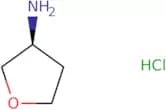
CAS :Please enquire for more information about (S)-Tetrahydrofuran-3-amine hydrochloride including the price, delivery time and more detailed product information at the technical inquiry form on this page
Formule :C4H9NO•HClDegré de pureté :Min. 95%Couleur et forme :SolidMasse moléculaire :123.58 g/molRef: 3D-FT142376
Produit arrêté2-Amino-4,6-dichloro-s-triazine
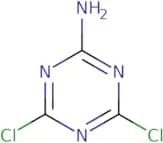
CAS :2-Amino-4,6-dichloro-s-triazine is a chemical compound that is used as an antimicrobial agent in wastewater treatment. It inhibits the growth of bacteria by binding to cell walls and disrupting the formation of crosslinks between peptidoglycan strands, thereby inhibiting the synthesis of proteins necessary for bacterial growth and reproduction. 2-Amino-4,6-dichloro-s-triazine has been shown to be effective against group p2 bacteria in cell culture experiments. This drug also displays antiinflammatory properties and has been shown to inhibit HIV infection in vitro.
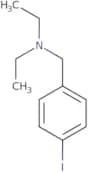
Formule :C3H2Cl2N4Degré de pureté :Min. 95%Couleur et forme :White To Light (Or Pale) Yellow SolidMasse moléculaire :163.96565N,N-Diethyl-N-(4-iodobenzyl)amine
CAS :N,N-Diethyl-N-(4-iodobenzyl)amine is a high quality and versatile building block that is used as a reagent, speciality chemical, or intermediate. The compound has been found to be useful in the synthesis of complex compounds. It can also be used as a reaction component for various organic synthesis reactions. N,N-Diethyl-N-(4-iodobenzyl)amine is commercially available from Sigma Aldrich with CAS No. 914636-94-5.
Formule :C11H16INDegré de pureté :Min. 95%Couleur et forme :PowderMasse moléculaire :289.16 g/mol4-Chlorobenzanilide
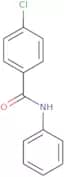
CAS :4-Chlorobenzanilide is an efficient method for the synthesis of aryl chlorides. 4-Chlorobenzanilide is used as an antibacterial agent in the treatment of intestinal infections, and has been shown to have a suppressive effect on cancer. 4-Chlorobenzanilide inhibits bacterial growth by binding to DNA-dependent RNA polymerase, thereby preventing transcription and replication. It also has an antibacterial activity that is mediated by the desulfurisation of sulfhydryl groups present in amides.
Formule :C13H10ClNODegré de pureté :Min. 95%Couleur et forme :SolidMasse moléculaire :231.68 g/mol5-(Acetylamino)-N,N'-bis(2,3-dihydroxypropyl)-2,4,6-triiodo-1,3-benzenedicarboxamide
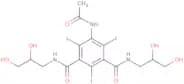
CAS :5-(Acetylamino)-N,N'-bis(2,3-dihydroxypropyl)-2,4,6-triiodo-1,3-benzenedicarboxamide is a reactive iodinated contrast agent that is used in the diagnostic imaging of body cavities and blood vessels. It can be prepared by the acetylation of 5-(acetylamino)naphthalene-2,3-diol with 2,4,6-triiodobenzene dicarboxylic acid using an alkali metal as a base. The yields for this reaction are dependent on the type of solvent used. This chemical has two functional groups: an amide and an acetate group. It reacts with iohexol to form a radiocontrast product that contains both iodine and propanediol. This process is industrially carried out by mixing 5-(acetylamino)naphthalene-2,
Formule :C16H20I3N3O7Degré de pureté :Min. 95%Couleur et forme :White PowderMasse moléculaire :747.06 g/mol3-Chloro-4-toluic acid
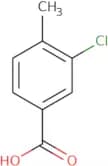
CAS :3-Chloro-4-toluic acid is a quinone, which is derived from 3,4-dichlorotoluene. It has been shown to bind to nuclear receptors and act as a retinoic acid linker. This compound is also used in the synthesis of organic compounds by desorption in an acidic environment, followed by methyl esterification with an alcohol. 3-Chloro-4-toluic acid can be converted into zirconium chloride or hydrotalcite through chlorination or hydrochlorination. The resulting product can be used for dispersive solid-phase extraction methods.
Formule :C8H7ClO2Degré de pureté :Min. 95%Couleur et forme :PowderMasse moléculaire :170.59 g/molChloroacetaldehyde (40% aq.)
CAS :Chloroacetaldehyde is a reactive compound that is found in wastewater. It can be used to remove other pollutants from the water. Chloroacetaldehyde has been shown to be toxic and may cause cancer, but it also has been used as a model system for studying energy metabolism. This substance is toxic because it reacts with cellular components such as proteins and DNA by cross-linking them. The cytosolic Ca2+ concentration increases when chloroacetaldehyde binds to cellular proteins, which affects cell physiology and the production of MMP-9.
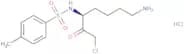
Formule :ClCH2CHODegré de pureté :Min. 95%Couleur et forme :Clear LiquidMasse moléculaire :78.5 g/molN-alpha-Tosyl-L-lysine chloromethyl ketone HCl
CAS :N-alpha-Tosyl-L-lysine chloromethyl ketone HCl is a chemical compound that binds to DNA. It has been shown to induce neuronal death and caspase-independent cell death in HL60 cells. The compound can also be used as a biochemical probe to study the apoptosis pathway. N-alpha-Tosyl-L-lysine chloromethyl ketone HCl is currently being investigated as an antiinflammatory agent for chronic coughs due to its ability to inhibit proteases.Formule :C14H21ClN2O3S·HClDegré de pureté :Min. 95%Couleur et forme :PowderMasse moléculaire :369.31 g/molMethyl 2-amino-3-bromobenzoate
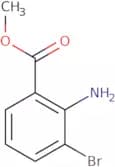
CAS :Methyl 2-amino-3-bromobenzoate is a high quality, versatile building block that is used as a reagent and intermediate in the synthesis of biologically active compounds. Methyl 2-amino-3-bromobenzoate is a complex compound that has proven useful as an intermediate in the synthesis of various fine chemicals, such as speciality chemicals. The compound also serves as a useful scaffold for the preparation of other compounds, such as research chemicals. Methyl 2-amino-3-bromobenzoate can be used in reactions with other reagents to form new compounds. It is also used to make important reaction components, such as CAS No. 104670-74-8.
Formule :C8H8BrNO2Degré de pureté :Min. 95%Couleur et forme :PowderMasse moléculaire :230.06 g/mol4-(Trifluoromethylthio)benzonitrile
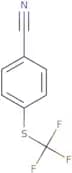
CAS :4-(Trifluoromethylthio)benzonitrile is a chemical that is used as a scaffold in the synthesis of other chemicals. It can be used as a building block for complex compounds and as a starting material for research chemicals. This chemical has been reported to have high purity and quality, and it has been found to be useful as an intermediate. 4-(Trifluoromethylthio)benzonitrile is also versatile and can be used as an intermediate for organic synthesis or as a reagent in chemical reactions. It has CAS number 332-26-3.
Formule :C8H4F3NSDegré de pureté :Min. 95%Couleur et forme :Off-White PowderMasse moléculaire :203.19 g/mol4-Chloro-3-nitrobenzanilide
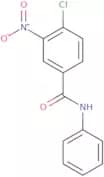
CAS :4-Chloro-3-nitrobenzanilide is a versatile building block for the preparation of complex compounds. It is used as a reagent in research and as a speciality chemical for the production of high quality fine chemicals. This compound can be used as a reaction component or scaffold to synthesize other compounds. 4-Chloro-3-nitrobenzanilide is a useful intermediate in organic synthesis because it has many functional groups that are easy to modify, making it easy to synthesize new compounds.
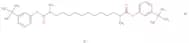
Formule :C13H9ClN2O3Degré de pureté :Min. 95%Couleur et forme :PowderMasse moléculaire :276.67 g/molDemecarium bromide
CAS :Demecarium bromide is a diagnostic drug that can be used to identify the presence of cancer cells. It reacts with sodium citrate and water vapor to produce a red color in tissue culture. The demecarium bromide test is a simple, inexpensive, and highly specific screening method for cancer. Demecarium bromide has been shown to be effective in the treatment of glaucoma and as an antiglaucoma agent. It has also been used in the treatment of insulin resistance, although its clinical relevance is not known. Demecarium bromide may also have potential use in degenerative diseases such as Parkinson's disease or Alzheimer's disease.
Formule :C32H52N4O4·2BrDegré de pureté :Min. 95%Couleur et forme :PowderMasse moléculaire :716.59 g/molAmmonium tetrachloropalladate(II) - 94%
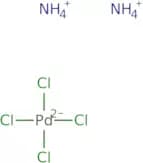
CAS :Ammonium tetrachloropalladate(II) is a chemical compound that acts as an oxidation catalyst, which is used in the production of polyvinyl chloride. Ammonium tetrachloropalladate(II) is also used as a catalyst in organic reactions such as the sodium citrate-catalyzed oxidation of alcohols to form esters and acyl chlorides. This compound is stable at high temperatures and has been shown to be genotoxic in vitro. Ammonium tetrachloropalladate(II) can be synthesized by reacting palladium with zirconium oxide in a plasma mass spectrometry process.
Formule :(NH4)2PdCl4Degré de pureté :Min. 95%Couleur et forme :PowderMasse moléculaire :284.31 g/mol6-(Trifluoromethyl)pyridine-2-boronic acid
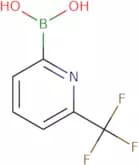
CAS :6-(Trifluoromethyl)pyridine-2-boronic acid is a solid chemical that is soluble in organic solvents. It is a building block for the synthesis of more complex compounds, and also serves as an intermediate in the synthesis of pharmaceuticals. 6-(Trifluoromethyl)pyridine-2-boronic acid has been shown to be useful for the preparation of fine chemicals and has been widely used as a reagent in research.
Formule :C6H5BF3NO2Degré de pureté :Min. 95%Couleur et forme :PowderMasse moléculaire :190.92 g/molOxybutynin chloride
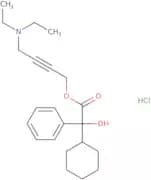
CAS :Muscarinic antagonist; anti-spasmodic
Formule :C22H32ClNO3Degré de pureté :Min. 95%Couleur et forme :White PowderMasse moléculaire :393.95 g/molStrontium chloride hexahydrate
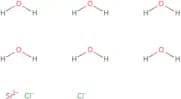
CAS :Strontium chloride hexahydrate is a chemical compound that belongs to the group of strontium compounds. It is used as an injection solution and reaction solution, and has been shown to have a beneficial effect on liver lesions in mice. Strontium chloride hexahydrate can be injected intravenously or intraperitoneally to treat patients with hypercalcemia or hypophosphatemia. This drug also has a toll-like receptor (TLR) agonistic effect, which may be due to its ability to stimulate the production of proinflammatory cytokines such as IL-1β, IL-6, IL-8, and TNF-α in macrophages. The optimum concentration for this drug is 1 mmol/L. Strontium chloride hexahydrate binds to plasma proteins through ionic interactions with chloride ions. This binding makes it difficult for the drug to pass through cell membranes, which limits its effectiveness.
Formule :SrCl2•(H2O)6Degré de pureté :Min 99%Couleur et forme :Colorless PowderMasse moléculaire :266.62 g/mol5-Chloroindole
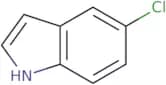
CAS :5-Chloroindole is a molecule that can bind to the CB2 cannabinoid receptor. It has been shown in experiments to be an allosteric modulator of this receptor. 5-Chloroindole has been found to have an inhibitory effect on degenerative diseases, such as Huntington's disease and Alzheimer's disease, and may have therapeutic potential for these disorders. 5-Chloroindole binds to a metal surface by forming hydrogen bonds with the oxygen atom of its carboxyl group and the metal surface. The nucleophilic nature of 5-chloroindole allows it to react with chloride ions present in solution. 5-Chloroindole reacts with the carbon source in tissue culture, which leads to receptor activity and inhibition of cell proliferation.
Formule :C8H6ClNCouleur et forme :White PowderMasse moléculaire :151.59 g/mol2,6-Dichlorohydroquinone
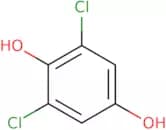
CAS :2,6-Dichlorohydroquinone (2,6-DCQ) is a reactive chemical that has been shown to be cytotoxic and genotoxic in vitro. 2,6-DCQ binds to the thiol group of cysteine residues on the enzyme's active site. This binding changes the redox potential of the molecule and inhibits its activity. 2,6-DCQ also reacts with other proteins in the cell and disrupts their function. This compound is found in high concentrations in samples from wastewater treatment plants. It is also found to be present in some foods such as milk and cheese due to bacterial metabolism.
2,6-DCQ is a metabolite of chlorpyrifos (an insecticide), and it has been shown that it can react with glutathione reductase to form a glutathione adduct which may have toxic effects on cells. The mechanism by which this occurs is not well understood at this time butFormule :C6H4Cl2O2Degré de pureté :Min. 95 Area-%Couleur et forme :White PowderMasse moléculaire :179 g/mol2-Chloro-5-hydroxybenzoic acid
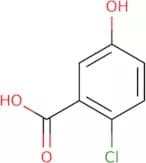
CAS :2-Chloro-5-hydroxybenzoic acid is a compound that contains a hydroxyl group. It is an organic acid and a monomer that can be used in the preparation of coumarin derivatives. 2-Chloro-5-hydroxybenzoic acid can be prepared by oxidation of 2,3,4,5,6 tetrahydrobenzoquinone with hydrogen peroxide followed by hydrolysis. The oxidation step is carried out using potassium permanganate as oxidant and activated manganese dioxide as catalyst. This method yields the desired product in high yield.
Formule :C7H5ClO3Degré de pureté :Min. 95%Couleur et forme :PowderMasse moléculaire :172.57 g/mol2-Aza-7-bromocycloheptanone
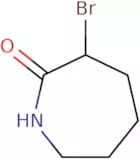
CAS :2-Aza-7-bromocycloheptanone is a heterocyclic system that can be synthesized from the condensation of ethyl 2-bromocaproate and triethyloxonium chloride. This compound has been shown to have lactam ring opening activity, as well as the ability to form azepine rings with amines. The synthesis of this compound is limited by its instability, which may be due to the presence of an azepine group. The ethylation of this heterocycle leads to a more stable product with increased lactam ring opening activity.
Formule :C6H10BrNODegré de pureté :Min. 80 Area-%Couleur et forme :PowderMasse moléculaire :192.05 g/mol3-Amino-4-chlorobenzamide
CAS :3-Amino-4-chlorobenzamide is an organic compound that belongs to the class of aminobenzoic acids and is used as a coupling agent in organic synthesis. It reacts with aryl halides or halides to form 3-amino-4-chlorobenzonitrile, which can be converted into anilines by heating with ammonia and ammonium chloride. This reaction has been shown to be reversible with heat. 3-Amino-4-chlorobenzamide is also used as a water absorber in paper products, such as diapers and sanitary napkins.
Formule :C7H7ClN2ODegré de pureté :Min. 95%Couleur et forme :PowderMasse moléculaire :170.6 g/mol1,1,2,2,3,3,4,4-Octafluoro-1,4-Bis[(1,1,1,2,3,3,3-Heptafluoro-2-Propanyl)Oxy]Butane
CAS :Produit contrôlé1,1,2,2,3,3,4,4-Octafluoro-1,4-Bis[(1,1,1,2,3,3-Heptafluoro-2-propanyl)oxy]butane is a signal that has been used for demographic and population modelling. Gravity modelling is one of the techniques that has been used to analyse this signal. Regression techniques have also been used to analyse this data set. This signal has shown disparities between different parameters in test results.
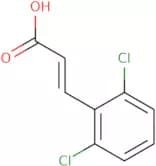
Formule :C10F22O2Degré de pureté :Min. 95%Masse moléculaire :570.07 g/mol2,6-Dichlorocinnamic acid
CAS :2,6-Dichlorocinnamic acid is an organic compound that is used as a reagent in the synthesis of other chemicals. 2,6-Dichlorocinnamic acid has been used as a component in the synthesis of various kinds of fine chemicals and useful building blocks. This chemical is also used as a speciality chemical and research chemical. 2,6-Dichlorocinnamic acid can be used as a versatile building block for the preparation of various compounds. It can be synthesized by heating cinnamic acid with chlorine gas and then reacting it with sodium hydroxide.
Formule :C9H6Cl2O2Degré de pureté :Min. 95%Couleur et forme :PowderMasse moléculaire :217.05 g/mol4-Nitro-3-iodoanisole
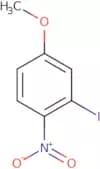
CAS :4-Nitro-3-iodoanisole is a bauerine that is used as a ligand in asymmetric catalysis. It is an atropisomeric compound, meaning it can exist in two different forms. The two forms of 4-nitro-3-iodoanisole are identical except for the orientation of the axial ligands on opposite sides of the molecule. The axial ligands on one form are biphenyl and nitrous oxide, while the axial ligands on the other form are nitrous oxide and biphenyl. 4-Nitro-3-iodoanisole has been used to catalyze reactions such as alkylation and coupling reactions with a variety of substrates, including β-carbolines, phenols, and amines.
Formule :C7H6INO3Degré de pureté :Min. 95%Couleur et forme :PowderMasse moléculaire :279.03 g/molAllylpentafluorobenzene
CAS :Allylpentafluorobenzene is a monomer that can be used in coatings and polymers. It has a reactive functional group that reacts with phosphorus pentoxide to form a polymerization initiator. The polymerization initiator then reacts with other functional groups, such as 3-mercaptopropionic acid, to produce polymers. The diameter of these polymers is around 2 nm and they are hybridized. These polymers are able to absorb light efficiently, which makes them useful for energy efficiency applications. Allylpentafluorobenzene has been shown to react with iron oxides and phosphorus pentoxide in the presence of air to form an iron oxide-allylpentafluorobenzene complex. This complex is more stable than the original allylpentafluorobenzene, which decreases its reactivity with oxygen.
Formule :C9H5F5Degré de pureté :Min. 95%Couleur et forme :Clear LiquidMasse moléculaire :208.13 g/mol


![1-(5-Trifluoromethyl-[1,3,4]thiadiazol-2-yl)-piperazine](/_next/image/?url=https%3A%2Fstatic.cymitquimica.com%2Fproducts%2F3D%2Fthumb-webp%2FFT50922.webp&w=3840&q=75)











![1,1,2,2,3,3,4,4-Octafluoro-1,4-Bis[(1,1,1,2,3,3,3-Heptafluoro-2-Propanyl)Oxy]Butane](/_next/image/?url=https%3A%2Fstatic.cymitquimica.com%2Fproducts%2F3D%2Fthumb-webp%2FFO100941.webp&w=3840&q=75)