Halogénures organiques
Sous-catégories appartenant à la catégorie "Halogénures organiques"
20442 produits trouvés pour "Halogénures organiques"
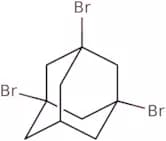
1,3,5-Tribromoadamantane
CAS :1,3,5-Tribromoadamantane is a molecule that contains a bromine atom. It has been shown to react with solvents and deforms. The kinetics of the reaction have been studied using dipole measurements. This compound reacts with lithium metal in an acidic environment and undergoes ring-opening reactions with halogens and aluminium. 1,3,5-Tribromoadamantane can be used as a substrate molecule for chromatography experiments. The stereogenic center of this molecule is thermodynamically unstable due to its electron withdrawing properties.
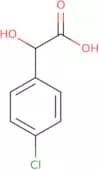
Formule :C10H13Br3Degré de pureté :Min. 95%Couleur et forme :PowderMasse moléculaire :372.92 g/mol4-Chloromandelic acid
CAS :4-Chloromandelic acid is an organic compound that is an important intermediate in the synthesis of pharmaceuticals and other organic compounds. It can be used as a ligand to form complexes with transition metals, such as Mo(VI), which are used to catalyze hydrogenation reactions. 4-Chloromandelic acid binds to the substrate binding site on the enzyme through hydrogen bonding interactions. This binding causes a conformational change in the enzyme that inhibits its activity. The kinetic data for 4-chloromandelic acid was determined using trifluoroacetic acid as the solvent and supercritical carbon dioxide as the antisolvent. The enantiomer of 4-chloromandelic acid was identified by analytical methods, including gas chromatography and mass spectroscopy.
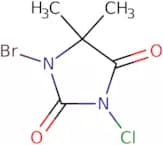
Formule :C8H7ClO3Degré de pureté :Min. 95%Couleur et forme :PowderMasse moléculaire :186.59 g/mol1-Bromo-3-chloro-5,5-dimethylhydantoin
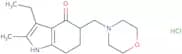
CAS :1-Bromo-3-chloro-5,5-dimethylhydantoin is a disinfectant that can be made from the reaction of dry dianthus caryophyllus with sodium carbonate. This chemical is used for wastewater treatment and has shown biological activity against Mycobacterium avium. 1-Bromo-3-chloro-5,5-dimethylhydantoin can be used as an analytical method to detect microorganisms in water samples. It also has strong weed population control properties and is a skin cancer preventive agent. 1-Bromo-3-chloro-5,5-dimethylhydantoin is not active against plants or animals that have already been born (plantlets) or against tetrazolium chloride (TTC).Formule :C5H6BrClN2O2Degré de pureté :Min. 95%Couleur et forme :PowderMasse moléculaire :241.47 g/molMolindone hydrochloride
CAS :Molindone is a neuroleptic agent that has been shown to be effective in the treatment of schizophrenia. It also has antipsychotic properties and may treat other mental disorders. Molindone is a potent dopamine antagonist, which is thought to explain its therapeutic effects in these conditions. The drug is well absorbed orally and crosses the blood-brain barrier easily, making it suitable for oral administration. Molindone has been shown to have toxic effects in animal studies, including a decrease in serum prolactin levels, an increase in liver weights, and an increase in the number of animals that died during toxicity studies. These side-effect profiles are similar to those seen with haloperidol (a phenothiazine antipsychotic), which suggests that molindone may be used as an alternative to haloperidol when treating psychosis or other mental disorders.
Formule :C16H24N2O2•HClDegré de pureté :Min. 95%Couleur et forme :White To Light (Or Pale) Yellow To Light (Or Pale) Red SolidMasse moléculaire :312.83 g/molTrazodone hydrochloride
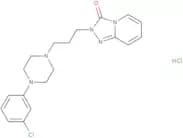
CAS :Produit contrôléTrazodone is an antidepressant that acts as a serotonin reuptake inhibitor. It has been shown to be effective in the treatment of depression and anxiety, and is also used to treat other conditions such as insomnia, chronic pain, and cancer-related symptoms. Trazodone is thought to have anti-inflammatory effects in some cases due to its ability to inhibit prostaglandin synthesis. Trazodone has a number of drug interactions, including with sedatives and other antidepressants. It can also cause drowsiness and dizziness, which may increase the risk for accidents or falls. Trazodone hydrochloride can be taken with food if stomach upset occurs.
Formule :C19H23Cl2N5ODegré de pureté :Min. 97 Area-%Couleur et forme :White PowderMasse moléculaire :408.32 g/mol5-(3-Chlorophenyl)-2H-tetrazole
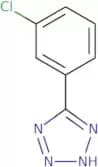
CAS :The synthesis of 5-(3-chlorophenyl)-2H-tetrazole, a new heterocyclic compound, was accomplished in an efficient and simple way by condensation of piperazine with amines using acidic catalysis. This reaction is catalyzed by the use of nonmetal halides as additives and can be performed in organic solvents. The synthesis of 5-(3-chlorophenyl)-2H-tetrazole has been shown to be possible with various azides and halides. Furthermore, this compound has been found to contain functional groups such as nitro, nitrile, carboxylic acid, phenolic hydroxyl group, and amino.
Formule :C7H5ClN4Degré de pureté :Min. 95%Couleur et forme :PowderMasse moléculaire :180.59 g/molD-tert-Leucine methyl ester hydrochloride
CAS :Ab-fubinaca is a synthetic cannabinoid that is a potent agonist of the CB2 receptor and a weak agonist at the CB1 receptor. It has been shown to be an effective analgesic in animal models of pain, similarly to other synthetic cannabinoids. Ab-fubinaca has also been shown to have anti-inflammatory effects in mice by inhibiting the production of cytokines such as tumor necrosis factor alpha (TNF-α) and interleukin 1 beta (IL-1β). Ab-fubinaca is structurally similar to D-tert-leucine methyl ester hydrochloride, which is an amino acid derivative that acts as a pharmacological chaperone.
Formule :C7H16ClNO2Degré de pureté :Min 96%Couleur et forme :White PowderMasse moléculaire :181.66 g/molBromocresol purple
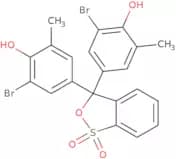
CAS :Bromocresol purple is a hydrophilic dye that has applications in indicating pH and measuring serum albumin concentrations.
Formule :C21H16Br2O5SDegré de pureté :Min. 95%Couleur et forme :PowderMasse moléculaire :540.22 g/mol3-Ethoxybenzylamine hydrochloride
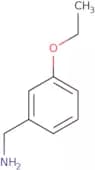
CAS :3-Ethoxybenzylamine hydrochloride is a chemical compound that belongs to the group of industrial chemicals. It is used as an intermediate for the production of vanillin and as a catalyst for hydrogenation reactions. 3-Ethoxybenzylamine hydrochloride can be used in large-scale, industrial reactions. The target product is a reaction solvent that can be used in reduction reactions and aminations. The catalytic activity of 3-ethoxybenzylamine hydrochloride has been shown to increase with increasing pH, temperature, and concentration. The use of this product as a catalyst in the hydrogenation process results in high yield products with low levels of byproducts.
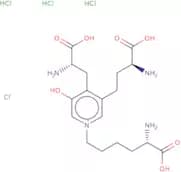
Formule :C9H13NO·HClDegré de pureté :Min. 95%Couleur et forme :White PowderMasse moléculaire :187.67 g/molDeoxypyridinoline chloride 3HCl
CAS :Deoxypyridinoline chloride 3HCl is a fine chemical that is used as a building block in the synthesis of organic compounds. Deoxypyridinoline chloride 3HCl can be used as a reagent and speciality chemical in research laboratories, as well as in the manufacture of pharmaceuticals and other organic molecules. Deoxypyridinoline chloride 3HCl is also versatile, serving as an intermediate to produce other chemicals, or as a reaction component to produce complex products with specialized properties. The compound has been registered by the Chemical Abstracts Service (CAS) under CAS No. 204074-56-6.
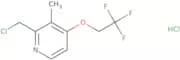
Formule :C18H32Cl4N4O7Degré de pureté :Min. 95%Couleur et forme :PowderMasse moléculaire :558.28 g/mol2-Chloromethyl-3-methyl-4-(2,2,2-trifluoroethoxy)pyridine, hydrochloride
CAS :Please enquire for more information about 2-Chloromethyl-3-methyl-4-(2,2,2-trifluoroethoxy)pyridine, hydrochloride including the price, delivery time and more detailed product information at the technical inquiry form on this page
Formule :C9H10Cl2F3NODegré de pureté :Min. 95%Masse moléculaire :276.08 g/molPerfluoro-N-Methylmorpholine
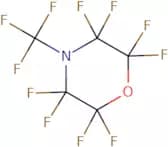
CAS :Perfluoro-N-Methylmorpholine (PMM) is a perfluorinated solvent with high boiling point, which makes it suitable for high temperature and pressure applications. PMM is an acyl halide that can be used as a solvent or in the synthesis of other perfluorinated compounds. The cyclic structure of PMM provides stability and high yields. The oxidation resistance of PMM allows it to be used in harsh environments. Cleavage products from PMM are not toxic, making this compound environmentally friendly. PMM can be used in organic chemistry as a solvent for reactions involving dialkylamino groups, such as the production of cyclic compounds. It can also be used in the synthesis of perfluorinated polymers as well as in the manufacture of coatings, foams, lubricants, and surfactants.
Formule :C5F11NODegré de pureté :Min. 95%Couleur et forme :Clear LiquidMasse moléculaire :299.04 g/molRef: 3D-FP78734
Produit arrêté1-(Aminomethyl)cyclopropanecarboxamide hydrochloride
CAS :1-(Aminomethyl)cyclopropanecarboxamide hydrochloride is a versatile building block that can be used in the synthesis of complex compounds. It has been shown to be an excellent reagent for the synthesis of novel pharmaceuticals and speciality chemicals. This compound is also a useful intermediate for the preparation of high-quality products and can be used as a reaction component or scaffold in synthesis.Formule :C5H10N2O·HClDegré de pureté :Min. 95%Couleur et forme :White PowderMasse moléculaire :150.61 g/molChloro(triphenylphosphine)gold(I)
CAS :Chloro(triphenylphosphine)gold(I) is a compound that binds to proteins with high affinity and specificity. The binding constants of the two compounds are 1x10 M-1. It has been shown to bind to β-amino acid and organic molecules in human serum, as well as in other biological fluids. Chloro(triphenylphosphine)gold(I) has been shown to have apoptotic properties and can be used for the treatment of cancer cells. It has also been shown to be useful for the treatment of Alzheimer's disease, Parkinson's disease, and Huntington's disease.
Formule :C18H15P•AuClDegré de pureté :Min. 98 Area-%Couleur et forme :White Off-White PowderMasse moléculaire :494.7 g/mol5-Chloroindole
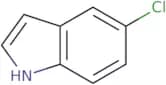
CAS :5-Chloroindole is a molecule that can bind to the CB2 cannabinoid receptor. It has been shown in experiments to be an allosteric modulator of this receptor. 5-Chloroindole has been found to have an inhibitory effect on degenerative diseases, such as Huntington's disease and Alzheimer's disease, and may have therapeutic potential for these disorders. 5-Chloroindole binds to a metal surface by forming hydrogen bonds with the oxygen atom of its carboxyl group and the metal surface. The nucleophilic nature of 5-chloroindole allows it to react with chloride ions present in solution. 5-Chloroindole reacts with the carbon source in tissue culture, which leads to receptor activity and inhibition of cell proliferation.
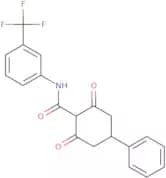
Formule :C8H6ClNCouleur et forme :White PowderMasse moléculaire :151.59 g/mol(2,6-dioxo-4-phenylcyclohexyl)-N-(3-(trifluoromethyl)phenyl)formamide
CAS :Please enquire for more information about (2,6-dioxo-4-phenylcyclohexyl)-N-(3-(trifluoromethyl)phenyl)formamide including the price, delivery time and more detailed product information at the technical inquiry form on this page
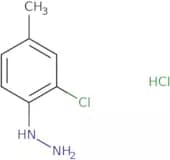
Degré de pureté :Min. 95%(2-Chloro-4-methylphenyl)hydrazine hydrochloride
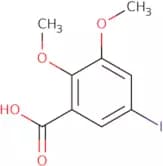
CAS :(2-Chloro-4-methylphenyl)hydrazine hydrochloride is a high quality reagent that is a useful intermediate for the synthesis of complex compounds. It has been used as a building block for the synthesis of speciality chemicals and research chemicals. This compound can be used to produce versatile building blocks and reaction components.Formule :C7H9ClN2·HClDegré de pureté :Min. 95%Couleur et forme :PowderMasse moléculaire :193.07 g/mol5-Iodo-2,3-dimethoxybenzoic acid
CAS :5-Iodo-2,3-dimethoxybenzoic acid (5IMB) is a synthetic chemical that is used as a radiolabeled substrate for the synthesis of dopamine. The 5IMB is a substrate for the enzyme monoamine oxidase, which converts it to 5-hydroxyindoleacetic acid (5HIAA). The intensity of the signal emitted by 5IMB increases with the increase in concentration of dopamine. It can be used as a positron emission tomography (PET) tracer for dopamine receptors in the brain. The kinetic and uptake properties of 5IMB are different in various regions of the brain, such as striatum and caudate putamen. This difference can be measured using high-performance liquid chromatography (HPLC) and flow rate.
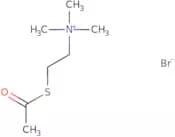
5IMB has been shown to have anti-oxidant properties due to its ability to scavenge peroxide radicals.Formule :C9H9IO4Degré de pureté :Min. 98 Area-%Couleur et forme :PowderMasse moléculaire :308.07 g/molAcetylthiocholine bromide
CAS :Acetylthiocholine bromide is a lipase inhibitor that has been shown to be nontoxic in doses as high as 250 mg/kg. Acetylthiocholine bromide has an acetylcholinesterase-inhibiting effect, which makes it a potential drug for the treatment of Alzheimer's disease and other neurological disorders. Acetylthiocholine bromide is also used in the detection of acetylcholine in biological samples, such as serum and urine. The surface-enhanced Raman (SERS) technique is used to detect the presence of acetylthiocholine bromide. This technique uses gold nanoparticles deposited on a substrate to increase the intensity of Raman scattering from molecules adsorbed on the surface. Inhibition of acetylcholinesterase by acetylthiocholine bromide leads to increased levels of acetylcholine and prevents its breakdown by cholinesterases. This leads
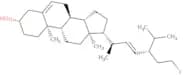
Formule :C7H16BrNOSDegré de pureté :Min. 95%Couleur et forme :White Off-White PowderMasse moléculaire :242.18 g/mol(3β,22E)-29-Fluorostigmasta-5,22-dien-3-ol
CAS :Produit contrôlé3β,22E)-29-Fluorostigmasta-5,22-dien-3-ol is a plant growth regulator that belongs to the group of fatty alcohols. It is found in the horticultural and tissue culture industries and is used as an additive in bioassays. 3β,22E)-29-Fluorostigmasta-5,22-dien-3-ol enhances the growth rate of nematodes and has been shown to be a potent inhibitor of benzoate degradation. This compound also has hormone effects that are similar to those of furostanols or steroids.
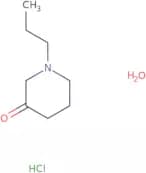
Formule :C29H47FODegré de pureté :Min. 95%Masse moléculaire :430.68 g/mol1-Propyl-3-piperidone hydrochloride hydrate
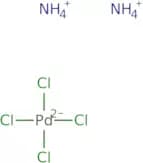
CAS :1-Propyl-3-piperidone hydrochloride hydrate is a high quality chemical that can be used as a reagent in organic synthesis. It is an intermediate for the production of pharmaceuticals, agrochemicals, and other chemicals. 1-Propyl-3-piperidone hydrochloride hydrate is also a versatile building block with many uses as a reaction component. This compound has been shown to have antiulcer properties and may also have potential as an analgesic.Formule :C8H15NO·HCl·H2ODegré de pureté :Min. 95%Couleur et forme :PowderMasse moléculaire :195.69 g/molAmmonium tetrachloropalladate(II) - 94%
CAS :Ammonium tetrachloropalladate(II) is a chemical compound that acts as an oxidation catalyst, which is used in the production of polyvinyl chloride. Ammonium tetrachloropalladate(II) is also used as a catalyst in organic reactions such as the sodium citrate-catalyzed oxidation of alcohols to form esters and acyl chlorides. This compound is stable at high temperatures and has been shown to be genotoxic in vitro. Ammonium tetrachloropalladate(II) can be synthesized by reacting palladium with zirconium oxide in a plasma mass spectrometry process.
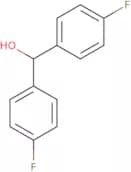
Formule :(NH4)2PdCl4Degré de pureté :Min. 95%Couleur et forme :PowderMasse moléculaire :284.31 g/mol4,4'-Difluorobenzhydrol
CAS :4,4'-Difluorobenzhydrol is an inhibitor of the dopamine reuptake transporter. It is a fluorescent derivative of 4-fluorobenzhydrol and has a piperazine group as an analog to 4-fluoropiperazine. The reaction rate of the drug was determined in vitro by measuring fluorescence intensity over time. The analog is more potent than the original molecule and has a longer half-life in the body. Phase liquid chromatography was used to analyze the drugs in vivo studies. Coatings containing this agent are under development for use as anticaries agents.
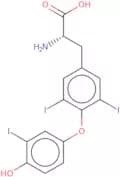
Formule :C13H10F2ODegré de pureté :Min. 98%Couleur et forme :White To Off-White To Light Brown SolidMasse moléculaire :220.21 g/mol3,3',5-Triiodo-L-thyronine
CAS :Triiodothyronine (T3) is a thyroid hormone that has a high affinity for the thyrotropin receptor. It regulates the metabolic rate, cell specific transcriptional regulation, and transcriptional regulation of genes involved in fatty acid synthesis. T3 is synthesized from the amino acid tyrosine through a series of reactions catalyzed by enzymes such as tyrosine hydroxylase, thyroperoxidase, and type 2 iodothyronine deiodinase. The enzyme thyroid peroxidase converts inactive T3 to the active form of T3 (triiodothyronine). In addition, triiodothyronine can be converted to reverse T3 (rT3), which is inactive. Triiodothyronine has an optimal ph of 7.4-8.0 and an optimum igf-i concentration of 100 ng/ml, where it can stimulate growth hormone release from the anterior pituitary gland.
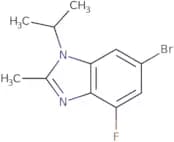
Formule :C15H12I3NO4Degré de pureté :Min. 95 Area-%Couleur et forme :Off-White PowderMasse moléculaire :650.97 g/mol6-Bromo-4-fluoro-2-methyl-1-propan-2-ylbenzimidazole
CAS :6-Bromo-4-fluoro-2-methyl-1-propan-2-ylbenzimidazole is an environmental pollutant that can be found in deionized water, as a result of the reaction between hydrochloric acid and benzene. It has been synthesized using the industrial synthesis method by reacting n-hexane with sodium sulfate, followed by treatment with acetone and hydriodic acid. 6BFMBI is a white solid that reacts with hydrogen to produce acetone and formaldehyde. The reaction time for this compound is about three hours at room temperature.
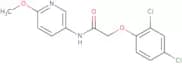
Formule :C11H12BrFN2Degré de pureté :Min. 95%Couleur et forme :PowderMasse moléculaire :271.13 g/mol2-(2,4-dichlorophenoxy)-N-(6-methoxy(3-pyridyl))ethanamide
CAS :Please enquire for more information about 2-(2,4-dichlorophenoxy)-N-(6-methoxy(3-pyridyl))ethanamide including the price, delivery time and more detailed product information at the technical inquiry form on this pageDegré de pureté :Min. 95%6-Chlorochromone-2-carboxylic acid
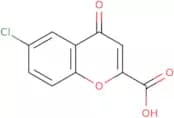
CAS :6-Chlorochromone-2-carboxylic acid is a synthetic carboxylic acid that is a reagent in organic synthesis. It has been used to synthesize a number of new compounds, including substituted carboxylic acids and nitro compounds. The discovery of 6-chlorochromone-2-carboxylic acid was made possible by optimizing the reaction parameters, such as substituent and reaction time. This compound is cost effective and can be obtained from chromones.
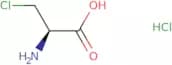
Formule :C10H5ClO4Degré de pureté :Min. 95%Couleur et forme :PowderMasse moléculaire :224.6 g/molb-Chloro-L-alanine hydrochloride
CAS :b-Chloro-L-alanine hydrochloride (BCA) is a synthetic compound that has been shown to have anticarcinogenic and antioxidant effects. It can be produced by the hydrogen peroxide-dependent oxidation of b-chloroalanine. BCA's effect on cancer cells is attributed to its ability to inhibit the synthesis of sulfoxides, which are needed for the biosynthesis of pyrimidine nucleotides. BCA also inhibits oxidative stress by scavenging free radicals and reactive oxygen species. This product has been shown to be effective in treating Aeropyrum pernix infections, which are caused by a type of anaerobic bacteria with a metabolic pathway that includes sulfide oxidation.
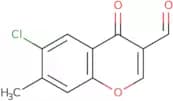
Formule :C3H6NO2Cl·HClDegré de pureté :Min. 95%Couleur et forme :White PowderMasse moléculaire :160 g/mol6-Chloro-7-methyl-3-formylchromone
CAS :6-Chloro-7-methyl-3-formylchromone is a magnetic nanoparticle that can be used in the detection of coordination compounds. The coordination compound is first reduced to form the corresponding phosphoryl complex, which is then detected by the change in color and intensity of the magnetic nanoparticles. This reaction is linear over a wide range of concentrations and pH values and does not require additional reagents or solvents. The colorimetric method for this reaction has been shown to be effective for detecting ursolic acid, zirconium, gold nanoparticles, and linear ranges.br>br>
The phosphatase PTP1B enzyme is responsible for regulating glucose levels in cells. It has been shown that 6-chloro-7-methyl-3-formylchromone inhibits PTP1B activity by dephosphorylation at cysteine residues. This inhibition leads to increased glucose uptake and decreased insulin release from pancreatic beta cellsFormule :C11H7ClO3Degré de pureté :Min. 95%Couleur et forme :PowderMasse moléculaire :222.62 g/mol1-(5-Trifluoromethyl-[1,3,4]thiadiazol-2-yl)-piperazine
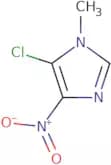
CAS :1-(5-Trifluoromethyl-[1,3,4]thiadiazol-2-yl)-piperazine is a high quality and versatile building block for the synthesis of various chemical compounds. It is an intermediate for the synthesis of other organic substances and can be used in reactions involving nucleophilic substitution, elimination, or addition reactions. 1-(5-Trifluoromethyl-[1,3,4]thiadiazol-2-yl)-piperazine is a reagent that can be used as a complex compound to create fine chemicals. This compound is also useful as a reaction component in research chemicals and speciality chemicals.Formule :C7H9F3N4SDegré de pureté :(Hplc-Ms) Min. 95 Area-%Couleur et forme :PowderMasse moléculaire :238.23 g/mol5-Chloro-1-methyl-4-nitroimidazole
CAS :5-Chloro-1-methyl-4-nitroimidazole (5C1MI) is a fatty acid that is synthesized by the reaction of phosphorus pentachloride and an aliphatic hydrocarbon. It has been shown to be effective in treating women with breast cancer. 5C1MI blocks the activity of a protein called HER2, which promotes tumor growth. The drug has been shown to cause an increase in the number of circulating lymphocytes and natural killer cells, as well as an increase in the production of antibodies in mice. These effects are likely caused by 5C1MI's ability to inhibit the proliferation of T cells and B cells. 5C1MI has also been shown to have a high solubility in water and low solubility in lipids, which makes it suitable for administration via intravenous injection.
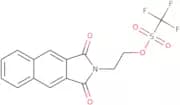
Formule :C4H4ClN3O2Degré de pureté :Min. 95%Couleur et forme :PowderMasse moléculaire :161.55 g/mol2-(2,3-Naphthalimino)ethyl trifluoromethanesulfonate
CAS :2-(2,3-Naphthalimino)ethyl trifluoromethanesulfonate (2NTF) is a nonsteroidal anti-inflammatory drug that acts by inhibiting the enzyme cyclooxygenase. It is used as a sample preparation agent for epoxyeicosatrienoic acids (EETs). 2NTF is applied to a hydrophilic interaction chromatography column and then eluted with caproic acid, which selectively binds to the fatty acid component of EETs. The eluate can then be analyzed using a fluorescence detector and chromatographic methods. 2NTF has been shown to have no effect on carnitine levels in human serum.
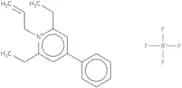
Formule :C15H10F3NO5SDegré de pureté :Min. 97%Couleur et forme :White PowderMasse moléculaire :373.3 g/molN-Propyl-1-ene-2,6-diethyl-4-phenylpyridinium tetrafluoroborate
CAS :N-Propyl-1-ene-2,6-diethyl-4-phenylpyridinium tetrafluoroborate (NPEEDPBF) is a fine chemical that has been used as a building block in research and industrial chemistry. The synthesis of NPEEDPBF typically involves the reaction of diethyl phenylpyridinium bromide with n propyl iodide. It can be used as a reagent for organic syntheses and as an intermediate for other compounds. NPEEDPBF is also a versatile building block for complex compounds.Formule :C18H22N•BF4Degré de pureté :Min. 95%Masse moléculaire :339.18 g/molTriphenylchlorosilane
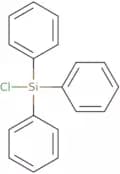
CAS :Triphenylchlorosilane is a reactive compound that has been used as a model system for studying the reaction of congestive heart failure. It has been shown to inhibit energy metabolism and cell factor, which are important factors in the progression of congestive heart failure. Triphenylchlorosilane also reacts with p-hydroxybenzoic acid to form an unstable intermediate, which undergoes intramolecular hydrogen transfer to give the final product. The reaction mechanism is proposed to be a coordination geometry involving three chlorine atoms. This compound is not reactive with sodium salts or structural analysis, but it does bind signal peptide in vivo models and can be used as a probe for protein-protein interactions.
Formule :C18H15ClSiDegré de pureté :Min. 95%Couleur et forme :PowderMasse moléculaire :294.85 g/mol4-Fluorophenylhydrazine hydrochloride
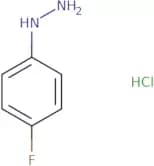
CAS :4-Fluorophenylhydrazine HCl is a chemical compound with the molecular formula C8H4FO2N. It is a white crystalline solid that is soluble in water and alcohol. 4-Fluorophenylhydrazine HCl is commonly used as an intermediate in the synthesis of other compounds. The functional groups present on 4-fluorophenylhydrazine are methyl and hydroxyl groups, which are derived from the starting material, phenol. This synthetic process starts by reacting sodium hydrogen with methylating agents such as polyalthenol or hydrochloric acid to produce the desired product. In addition, it has been shown to have antiinflammatory activity and can inhibit tumour cell lines in vitro.Formule :C6H7FN2·HClDegré de pureté :Min. 95%Couleur et forme :Red PowderMasse moléculaire :162.59 g/molChlorpromazine
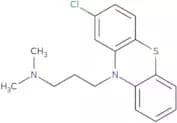
CAS :Produit contrôléDopamine receptor antagonist; antipsychotic; inhibitor of HSP27
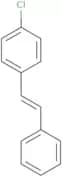
Formule :C17H19ClN2SDegré de pureté :Min. 95%Masse moléculaire :318.86 g/moltrans-4-Chlorostilbene
CAS :Trans-4-chlorostilbene is a debromination agent that has been used to enhance the production of epoxides. It is an isomer of stilbene, which is a bicyclic molecule with two phenyl rings joined by a double bond. Trans-4-chlorostilbene belongs to the group of stereoselective agents, meaning that it reacts preferentially with one isomer over the other. This compound has a second-order rate constant for its reaction with epoxides and also undergoes thermal isomerization, which means that it changes from trans form to cis form when heated. Trans-4-chlorostilbene has acidic properties and can be used in both acidic and neutral pH environments. This compound also reacts with boric acid to create boron complexes and reacts with water molecules to produce hydrogen gas, although it does not react with air or oxygen.
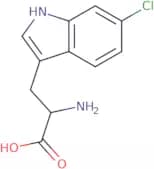
Formule :C14H11ClDegré de pureté :Min. 95%Couleur et forme :PowderMasse moléculaire :214.69 g/mol6-Chloro-D,L-tryptophan
CAS :6-Chloro-D,L-tryptophan is a chemical intermediate that is used in the production of pharmaceuticals. It is a precursor to the amino acid tryptophan and has been shown to inhibit protein synthesis in human macrophages and microglia cells. In addition, this compound has been shown to inhibit the uptake of tryptophan by human macrophages and thp-1 cells. This drug also inhibits the activity of aminotransferase enzymes, which are involved in the metabolism of tryptophan. 6-Chloro-D,L-tryptophan has enantiomeric purity and is an aryl halide with chlorine as its functional group. It can form 3-hydroxyanthranilic acid when it reacts with acid or an acidifying agent. 6-Chloro-D,L-tryptophan has been shown to inhibit the herpes simplex virus (HSV
Formule :C11H11ClN2O2Degré de pureté :Min. 95%Masse moléculaire :238.67 g/molTetracosafluoroundecane
CAS :Produit contrôléTetracosafluoroundecane is a perfluorinated compound that can be used to pattern surfaces. It has a hydroxyl group and fluorine atom, which are important for the polymerization process. Tetracosafluoroundecane can be used as a coating to provide chemical protection against corrosion, abrasion, and heat. The film is also non-sticky and easy to clean. The polymer film has been shown to have no adverse health effects on human serum and caco-2 cells in cell culture studies. The toxicity of tetracosafluoroundecane has been shown to be low in mice with radiation exposure, making it an ideal candidate for diagnostic purposes.
Formule :C11F24Degré de pureté :Min. 95%Masse moléculaire :588.08 g/molAmodiaquine
CAS :Amodiaquine is a drug that belongs to the class of antimalarial agents. It is used for the treatment and prevention of malaria caused by erythrocytic forms of Plasmodium falciparum. Amodiaquine has shown synergistic effects with other drugs, such as sulfadoxine and pyrimethamine, for the treatment of malaria due to P. falciparum. The mechanism of action of amodiaquine is not well understood, but it may involve inhibition of the Toll-like receptor. Amodiaquine has been shown to inhibit polymerase chain reaction in a concentration-dependent manner and also inhibits polymorphonuclear leucocytes, which are important in innate immunity. In addition, amodiaquine is a hypoglycemic agent and can be used for the treatment of bowel disease.
Formule :C20H22ClN3ODegré de pureté :Min. 95%Couleur et forme :Off-White PowderMasse moléculaire :355.86 g/molPerfluoroalkylethyl acrylate
CAS :Perfluoroalkylethyl acrylate is a chemical compound that belongs to the group of fluorinated aliphatic hydrocarbons. It is stable in low light and is resistant to oxidation. The polymerization of perfluoroalkylethyl acrylate can be achieved by heating with phosphorus pentachloride, sodium carbonate, and a cationic surfactant under constant pressure at an optimal reaction temperature. Perfluoroalkylethyl acrylate has been used as a monomer for the synthesis of polyfluoroalkyl methacrylates, which have been shown to have high durability and chemical stability.
Formule :C5H7FO2•(CF2)nDegré de pureté :Min. 92 Area-%Couleur et forme :Colourless liquid.3,4-Dimethylphenylhydrazine hydrochloride
CAS :3,4-Dimethylphenylhydrazine hydrochloride is a chemical compound with high quality, which is a useful intermediate for the synthesis of complex compounds. It also has potential as a building block for the synthesis of other compounds. 3,4-Dimethylphenylhydrazine hydrochloride is used in research and development.
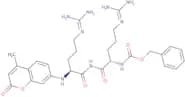
Formule :C8H12N2·HClDegré de pureté :Min. 95%Couleur et forme :PowderMasse moléculaire :172.66 g/molZ-Arg-Arg-AMC hydrochloride salt
CAS :Z-Arg-Arg-AMC hydrochloride salt is a versatile compound that acts as a catalyst and forms strong hydrogen bonds. It exhibits proteolytic activity and has been found to be effective in breaking down proteins. In addition, Z-Arg-Arg-AMC hydrochloride salt has been shown to possess neuroprotective properties, making it a potential candidate for the treatment of neurological disorders. It also demonstrates anthelmintic activity, which means it can be used to combat parasitic worm infections. Furthermore, this compound has antioxidant activity and can help reduce lipid peroxidation, protecting cells from oxidative damage. With its diverse range of characteristics, Z-Arg-Arg-AMC hydrochloride salt holds great promise in various research fields such as biochemistry and medicine.
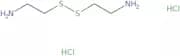
Formule :C30H39N9O6·xHClDegré de pureté :Min. 95%Couleur et forme :PowderMasse moléculaire :621.69 g/molCystamine dihydrochloride
CAS :Cystamine dihydrochloride is a cysteamine prodrug that is converted to cysteamine in the body. Cysteamine is an antioxidant that has been shown to be effective in treating oxidative injury and increasing neuronal survival. The oxidation of cysteamine also depends on the presence of calcium, pantothenate, and metal ions such as zinc or copper. This process can be monitored by measuring the rate constant or the concentration of metal ions. Cystamine dihydrochloride is used to treat bowel disease, but it can also be used as a pharmacological agent. It has been shown to have antibacterial properties against Escherichia coli and Staphylococcus aureus. Cystamine dihydrochloride has not yet been found to cause any adverse effects in humans at doses up to 10 g per day.
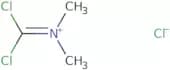
Formule :C4H12N2S2•2HClDegré de pureté :(Titration) Min 99%Couleur et forme :White PowderMasse moléculaire :225.2 g/molPhosgeneiminium chloride
CAS :Phosgeneiminium chloride is a polycarboxylic acid that is synthesized by the reaction of phosphorus pentachloride and hydroxylamine. It has been shown to have an active form with regiospecificity in nucleophilic attack and amide synthesis. Phosgeneiminium chloride can be used as a reagent for the preparation of organic compounds, such as 3-hydroxybenzoic acid, which are intermediates for medicines such as tamoxifen. This compound also shows antitumor activity against leukemia cells and may be useful for fighting cancer. The efficient method of this compound is coordination chemistry.
Formule :C3H6Cl3NDegré de pureté :Min. 95%Masse moléculaire :162.44 g/mol1-Bromo-4-chloro-2-fluorobenzene
CAS :1-Bromo-4-chloro-2-fluorobenzene is an antifungal agent that has been shown to be active against staphylococci, gram-negative bacteria, and fungi. The combination of 1-bromo-4-chloro-2-fluorobenzene with formaldehyde yields a synergistic effect. The inhibitory concentration for the growth of cereus and carbonation is 0.5% and 0.1%, respectively. It also shows antibacterial properties towards Gram positive bacteria, including Staphylococcus aureus and Enterococcus faecalis. 1–Bromo-4–chloro–2–fluorobenzene inhibits bacterial growth by binding to DNA gyrase, which prevents transcription and replication. The high frequency of human activity has been shown using a patch clamp technique on human erythrocytes. This active form is metabolized through a number of metabolic transformations,
Formule :C6H3BrClFDegré de pureté :Min. 95%Couleur et forme :Clear LiquidMasse moléculaire :209.44 g/mol(3-(2,6-dichlorophenyl)-5-methylisoxazol-4-yl)-N-(2,5-dimethoxyphenyl)formamide
CAS :Please enquire for more information about (3-(2,6-dichlorophenyl)-5-methylisoxazol-4-yl)-N-(2,5-dimethoxyphenyl)formamide including the price, delivery time and more detailed product information at the technical inquiry form on this page
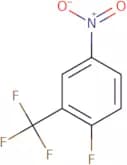
Degré de pureté :Min. 95%2-Fluoro-5-nitrobenzotrifluoride
CAS :2-Fluoro-5-nitrobenzotrifluoride is a chiral, fluorinated organic compound that has been shown to be an effective antiviral agent. It is active against Coxsackievirus B3 and other viruses in vitro. The antiviral activity of 2-fluoro-5-nitrobenzotrifluoride appears to be due to its ability to inhibit the virus's ability to bind and enter the host cell. In vivo studies have shown that 2-fluoro-5-nitrobenzotrifluoride can reduce the spread of coxsackievirus B3 in mice. This compound also has been shown to inhibit viral replication by preventing the synthesis of viral protein pai-1, which is necessary for viral assembly and release from infected cells.
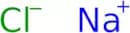
Formule :C7H3F4NO2Degré de pureté :Min. 95%Couleur et forme :PowderMasse moléculaire :209.1 g/molSodium chloride
CAS :Sodium chloride is a chemical compound that belongs to the group of inorganic salts. It is an important electrolyte, which regulates fluid balance and pH levels. Sodium chloride has been used as a model system for polymerase chain reactions and has been shown to inhibit the growth of malignant cells in the brain under constant pressure. The reaction solution may be pre-treated with hydrogen fluoride to remove interfering impurities prior to addition of sodium chloride. This process can be used for an in vitro method, where the reaction solution is exposed to plasma mass spectrometry or laser ablation before being analyzed for drug interactions with plasma mass spectrometry or electrochemical impedance spectroscopy. Sodium chloride can cause water vapor to form when it reacts with hydrochloric acid, producing hydrogen gas and hydrochloric acid.
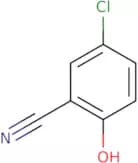
Formule :NaClCouleur et forme :PowderMasse moléculaire :58.44 g/mol5-Chloro-2-hydroxybenzonitrile
CAS :5-Chloro-2-hydroxybenzonitrile is a liquid crystal compound that is used for the enhancement of phototransformation. It has been shown to be capable of absorbing light and transferring energy to electron acceptors, such as chloride ions, which react with the excited state. 5-Chloro-2-hydroxybenzonitrile shows a single band in the visible region on an absorption spectrum, which may be due to its molecular structure or anisotropy. The frequency of this compound's vibration is in the range of 3200 - 3600 cm^{-1}.
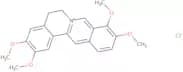
Formule :C7H4ClNODegré de pureté :Min. 95%Couleur et forme :PowderMasse moléculaire :153.57 g/molPalmatine chloride
CAS :Palmatine chloride is an alkaloid that has been isolated from the roots of Corydalis yanhusuo. Palmatine chloride inhibits the activity of toll-like receptor 4, which is a key molecule in inflammation and autoimmunity. This compound also inhibits the synthesis of proinflammatory cytokines such as IL-1β, IL-6, and TNF-α. Palmatine chloride has also been shown to inhibit the production of inflammatory mediators such as nitric oxide (NO) and prostaglandin E2 (PGE2). Furthermore, palmatine chloride has been found to have anti-cancer properties through its inhibition of squamous cell carcinoma cells.
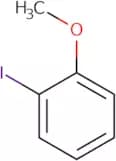
Formule :C21H22NO4ClDegré de pureté :Min. 98 Area-%Couleur et forme :PowderMasse moléculaire :387.86 g/mol1-Iodo-2-methoxybenzene
CAS :1-Iodo-2-methoxybenzene is a compound that has shown to have anti-cancer properties. It is an effective inhibitor of protein tyrosine kinases, which are involved in the activation of inflammatory diseases and cancer. The hydroxyl group on the benzenoid ring activates the molecule by hydrogen bonding with the protein target, thereby inhibiting its activity. 1-Iodo-2-methoxybenzene may also be used as a contrast agent for magnetic resonance imaging (MRI) due to its light emission properties.
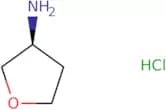
Formule :C7H7IODegré de pureté :Min. 95%Couleur et forme :Clear LiquidMasse moléculaire :234.03 g/mol(S)-Tetrahydrofuran-3-amine hydrochloride
CAS :Please enquire for more information about (S)-Tetrahydrofuran-3-amine hydrochloride including the price, delivery time and more detailed product information at the technical inquiry form on this page
Formule :C4H9NO•HClDegré de pureté :Min. 95%Couleur et forme :SolidMasse moléculaire :123.58 g/molRef: 3D-FT142376
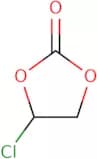
Produit arrêté4-Chloro-1,3-dioxolan-2-one
CAS :4-Chloro-1,3-dioxolan-2-one is a reactive functional group that can be classified as a carbonyl compound. It has been shown to react with hydroxyl groups and methyl ethyl groups. 4-Chloro-1,3-dioxolan-2-one is also a strong nucleophile and can also be used in transfer reactions.
The reaction solution of 4-chloro-1,3-dioxolan 2 one contains constant pressure and electrochemical impedance spectroscopy (EIS). The carbonate anion reacts with hydrogen fluoride to release CO2 gas, which was observed by particle tracking velocimetry (PTV) and PTV analysis. The nitrogen atoms in the molecule are low energy and react with HCl at room temperature to produce NH4Cl.
4 Chloro 1,3 dioxolan 2 one is not soluble in water but it is soluble in hydrochloricFormule :C3H3ClO3Degré de pureté :Min. 95%Couleur et forme :Colorless Clear LiquidMasse moléculaire :122.51 g/mol1-[(2,6-Difluorophenyl)Methyl]-4-Methyl-2-Propan-2-Ylbenzimidazole
CAS :Produit contrôlé1-[(2,6-Difluorophenyl)Methyl]-4-Methyl-2-Propan-2-Ylbenzimidazole is a broad spectrum HIV drug that inhibits the HIV transcriptase. It binds to the active site of the enzyme and blocks the binding of nucleotides, preventing RNA synthesis. 1-[(2,6-Difluorophenyl)Methyl]-4-Methyl-2-Propan-2-Ylbenzimidazole has been shown to be effective against HIV in vitro and in vivo. This inhibitor has been shown to inhibit both wild type and mutant forms of HIV transcriptase by binding to the same region of the enzyme. The molecule also shows good activity against other types of viruses, including influenza virus, vesicular stomatitis virus and poliovirus.
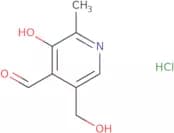
Formule :C18H18F2N2Degré de pureté :Min. 95%Masse moléculaire :300.35 g/molPyridoxal hydrochloride
CAS :Pyridoxal hydrochloride is a vitamin B6 metabolite. It is involved in many biochemical reactions, including trans-sulfuration, amino acid synthesis, and neurotransmitter synthesis. Pyridoxal hydrochloride has been shown to have antimicrobial activity against some bacteria species by inhibiting their enzyme activities. This compound also inhibits the growth of various fungi. The redox potentials of pyridoxal hydrochloride can be determined by titration calorimetry, which can be used to study its structural properties. In vitro experiments with cells have shown that pyridoxal hydrochloride may increase the efficiency of protein production when used during cell transfection. Toxicity studies have shown that pyridoxal hydrochloride is not toxic to humans at doses up to 2000 mg/kg body weight per day for up to 14 days.
Formule :C8H9NO3·HClDegré de pureté :Min. 98 Area-%Couleur et forme :White PowderMasse moléculaire :203.62 g/molMetoclopramide hydrochloride hydrate
CAS :Dopamine (D2) receptor antagonist; 5-HT4 serotonin receptor agonist
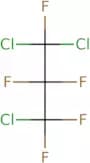
Formule :C14H22ClN3O2·HCl·H2OCouleur et forme :White Off-White PowderMasse moléculaire :354.27 g/molα-Chloro-ω-(2,2-Dichloro-1,1,2-Trifluoroethyl)-Poly(Difluoromethylene)
CAS :Produit contrôléAlpha-Chloro-Omega-(2,2-Dichloro-1,1,2-Trifluoroethyl)-Poly(Difluoromethylene) is a fluorinated polymer that has been shown to be effective in removing chlorine atoms from the atmosphere. The production of this polymer requires an irradiation process with a magnetic field. Alpha-Chloro-Omega-(2,2-Dichloro-1,1,2-Trifluoroethyl)-Poly(Difluoromethylene) is produced by the reaction of alpha chlorohydrin and trifluoroethylene. This polymer is insoluble in water and is not flammable or explosive. It can be used as a chemical precursor for other fluoropolymers or as an additive for polyurethane. Alpha Chloro Omega - ( 2 , 2 - Dichloro - 1 , 1 , 2 - Trifluoroethyl )
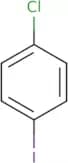
Formule :C3Cl3F5Degré de pureté :Min. 95%Masse moléculaire :237.38 g/mol1-Chloro-4-iodobenzene
CAS :1-Chloro-4-iodobenzene is a crystalline compound that can be used in the synthesis of palladium complexes. It reacts with amines to form aryl halides, which are useful intermediates for the synthesis of a variety of organic compounds. The reaction mechanism for 1-chloro-4-iodobenzene and amines is an electrophilic substitution reaction, which involves a nucleophilic attack by the amine on the carbon atom adjacent to the halogen atom. Halides are introduced as reagents in this reaction because they are nucleophiles. The reaction is thermodynamically favorable and efficient because 1-chloro-4-iodobenzene has a high concentration of iodine atoms, which react with the amine to form an intermediate diazonium salt. This salt then reacts with trifluoroacetic acid to produce the desired product and hydrogen iodide.
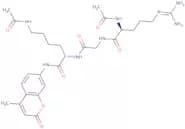
Formule :C6H4ClIDegré de pureté :Min. 98 Area-%Couleur et forme :PowderMasse moléculaire :238.45 g/molAc-Arg-Gly-Lys(Ac)-AMC trifluoroacetate salt
CAS :Ac-Arg-Gly-Lys(Ac)-AMC is a potent apoptotic agent that induces the apoptosis of cancer cells by binding to the caspase-9, which is an enzyme that initiates the process of apoptosis. Ac-Arg-Gly-Lys(Ac)-AMC has been shown to inhibit the growth of cancer cells in cell culture and also shows potent antitumor activity against MDA-MB-231 breast cancer cells. This drug can be used as a potential therapeutic agent for cancers such as colorectal, prostate, and pancreatic cancer. Ac-Arg-Gly-Lys(Ac)-AMC is also able to induce apoptosis in human leukemia cells and may have a potential role in therapy for acute myelogenous leukemia (AML).
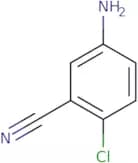
Formule :C28H40N8O7•C2HF3O2Degré de pureté :Min. 98 Area-%Couleur et forme :PowderMasse moléculaire :714.69 g/mol5-Amino-2-chlorobenzonitrile
CAS :5-Amino-2-chlorobenzonitrile is a functional theory that has been optimised for the synthesis of pesticides. It has been shown to have high affinity constants and to be a good potential for monitoring. 5-Amino-2-chlorobenzonitrile is synthesized in the form of monoclonal antibodies, which are then optimised using vibrational frequencies. The parameters of these molecules are optimized by comparing the calculated frequencies with those obtained from experimental data. This theory can be used to develop new pesticides that are less harmful to humans and animals, as well as being more environmentally friendly.
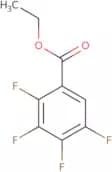
Formule :C7H5ClN2Degré de pureté :Min. 95%Couleur et forme :PowderMasse moléculaire :152.58 g/mol2,3,4,5-Tetrafluorobenzoic acid ethyl ester
CAS :2,3,4,5-Tetrafluorobenzoic acid ethyl ester is a fine chemical that is useful in the synthesis of complex compounds. It is a versatile building block with many potential applications in research and as a reagent. 2,3,4,5-Tetrafluorobenzoic acid ethyl ester has been shown to have high purity and quality. This compound can be used as a reaction component for other chemical reactions and as an intermediate for the production of pharmaceuticals. CAS No. 122894-73-9
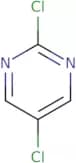
Formule :C9H6F4O2Degré de pureté :Min. 95%Masse moléculaire :222.14 g/mol2,5-Dichloropyrimidine
CAS :2,5-Dichloropyrimidine is a cytotoxic drug that is activated by acetonitrile to form an intermediate, which is then converted to the active form. This drug has been shown to be neuroprotective in animal models of neurodegenerative diseases. 2,5-Dichloropyrimidine also blocks the production of nitric oxide by binding to the factor receptor and prevents activation of the growth factor. The drug has been shown to inhibit the growth of cancer cells in vitro and in vivo.
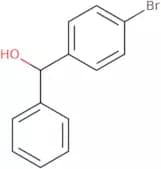
Formule :C4H2Cl2N2Degré de pureté :Min. 95%Couleur et forme :PowderMasse moléculaire :148.98 g/mol4-Bromobenzhydrol
CAS :4-Bromobenzhydrol is a potent inhibitor of the enzyme histamine N-methyltransferase that is used in the treatment of chronic inflammatory disorders. In pharmacological tests, 4-bromobenzhydrol has been shown to be an inhibitor of acidic aldehyde reactions and also inhibits hypophosphorous acid formation. This drug also reacts with serum albumin, ethanolamine, and ethylene oxide to form a model protein. 4-Bromobenzhydrol has been shown to have immunosuppressive activity by inhibiting the T cell response.
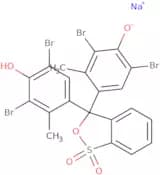
Formule :C13H11BrODegré de pureté :Min. 95%Couleur et forme :PowderMasse moléculaire :263.13 g/molBromocresol green, sodium salt
CAS :Bromocresol green is a dye that is used in biological assays to measure the kinetics of fluorescence. It is a type of tryptophan-releasing compound that releases a yellowish-green light when it absorbs light at wavelengths between 350 and 450 nm. Bromocresol green has been quantified by measuring the intensity of the fluorescence emission as a function of time. This can be done visually or using an instrument called a fluorometer, which detects changes in light intensity over time. Bromocresol green can be used to detect the presence of amino acid residues in proteins through protonation reactions with their tryptophan residues and subsequent quenching with acetonitrile. The bromocresol green dye is also used in lithographic printing, where it serves as an acceptor for electrons from an arene (aromatic hydrocarbon). This process generates energy for lithography and also provides contrast between regions with different electron densities.
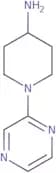
Formule :C21H14Br4O5SNaCouleur et forme :PowderMasse moléculaire :721 g/mol1-Pyrazin-2-ylpiperidin-4-amine dihydrochloride
CAS :1-Pyrazin-2-ylpiperidin-4-amine dihydrochloride is a fine chemical that is used as an intermediate for the synthesis of research chemicals, speciality chemicals and other complex compounds. This compound has been shown to be useful in the synthesis of a variety of building blocks, including pharmaceuticals and agrochemicals. It can be used in reactions with a wide range of reagents and catalysts, which makes it an excellent starting point for new product development.Formule :C9H14N4·2HClDegré de pureté :Min. 95%Couleur et forme :PowderMasse moléculaire :251.16 g/mol4-Amino-3-bromobenzonitrile
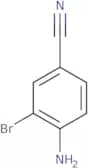
CAS :4-Amino-3-bromobenzonitrile is a chemical compound that is synthesized by the reaction of 4-amino-2-bromobenzonitrile and NaBH4. It can be used as a ligand for copper, nickel, and cobalt ions. The crystalline form of 4-amino-3-bromobenzonitrile has been studied using x-ray diffraction and ultraviolet irradiation. The absorption spectra of the compound are in agreement with its nature as an azobenzene derivative.
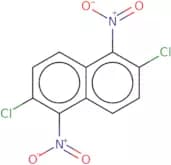
Formule :C7H5BrN2Degré de pureté :Min. 95%Couleur et forme :PowderMasse moléculaire :197.03 g/mol2,6-Dichloro-1,5-dinitronaphthalene
CAS :2,6-Dichloro-1,5-dinitronaphthalene is an organic compound that is used as a reagent for the synthesis of other compounds. It can also be used in research for the synthesis of 2,6-dichloro-1,5-dinitronaphthalene derivatives. The CAS number for this compound is 320600-07-5. This compound is a versatile building block and has many uses as a fine chemical.
Formule :C10H4Cl2N2O4Degré de pureté :Min. 95%Couleur et forme :PowderMasse moléculaire :287.06 g/molSibutramine hydrochloride monohydrate
CAS :Produit contrôléSerotonin receptor 5-HT antagonist; noradrenaline reuptake inhibitorFormule :C17H29Cl2NODegré de pureté :Min. 95%Couleur et forme :PowderMasse moléculaire :334.32 g/molRef: 3D-FS27826
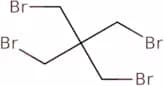
Produit arrêtéPentaerythrityl tetrabromide
CAS :Pentaerythrityl tetrabromide is a brominated derivative of pentaerythritol. It can be used as a radiation-absorbing coating, and has been shown to have good hydrophobic properties. The FTIR spectrum of pentaerythrityl tetrabromide shows features at 3,000-3,600 cm-1 that are attributed to the NH and OH groups in the molecule. This compound has been shown to have good water permeability in cell culture experiments, which may be due to its acidic nature. Pentaerythrityl tetrabromide reacts with hydrochloric acid and sodium carbonate to produce chloride ions, which may be responsible for its acidic nature.
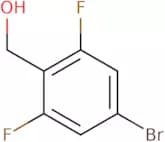
Formule :C5H8Br4Degré de pureté :Min. 95%Couleur et forme :White Clear LiquidMasse moléculaire :387.73 g/mol4-Bromo-2,6-difluorobenzyl alcohol
CAS :4-Bromo-2,6-difluorobenzyl alcohol (4BDFA) is a molecule that has been shown to be able to produce magnetic resonance images. It can be used in tumor diagnosis as well as in the imaging of tumors. 4BDFA is synthesized by coupling 2,6-difluoroaniline with bromoacetaldehyde diethyl acetal. The syntheses are carried out under phase transfer catalysis conditions and the reaction is monitored by thin layer chromatography.
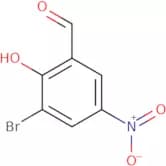
The synthesis of 4BDFA starts with the preparation of 2,6-difluoroaniline via a Grignard reaction between aniline and magnesium metal. The Grignard reagent is then added to bromoacetaldehyde diethyl acetal in dichloromethane followed by addition of triethylamine dropwise to maintain pH neutrality. The product is then extracted from the organic solution using ethyl etherFormule :C7H5BrF2ODegré de pureté :Min. 95%Couleur et forme :PowderMasse moléculaire :223.01 g/mol3-Bromo-2-hydroxy-5-nitrobenzaldehyde
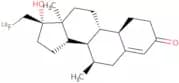
CAS :3-Bromo-2-hydroxy-5-nitrobenzaldehyde is a hydroxy group with a formyl group, an imine and an isomeric structure. It can be used as a fluorescence probe in biological studies. The compound has been shown to have antioxidant activity, which may be due to its ability to donate hydrogen bonds or its ability to act as a phenylhydrazone. 3-Bromo-2-hydroxy-5-nitrobenzaldehyde also has the ability to react with ammonium nitrate and produce nitrogen gas (NH3) when heated. This reaction is exothermic and produces an orange color.Formule :C7H4BrNO4Degré de pureté :Min. 95%Couleur et forme :PowderMasse moléculaire :246.02 g/mol20-Fluoromibolerone
CAS :Produit contrôlé20-Fluoromibolerone is a fluorinated analogue of the natural hormone mibolerone. It has been shown to have affinity for prostate tissue and to be selective for cancer cells in vivo, when injected into rats. The uptake of 20-fluoromibolerone into tissues is very high, with preferential accumulation in the liver, kidney and prostate. This drug is metabolized by sulfation and excreted in the urine as sulfate and positron. 20-Fluoromibolerone also has been shown to have a strong affinity for bone, which may be due to its ability to accumulate in bone tissue.
Formule :C20H29FO2Degré de pureté :Min. 95%Masse moléculaire :320.44 g/mol3-Bromo-4-methoxybenzaldehyde
CAS :3-Bromo-4-methoxybenzaldehyde is a heterocycle that contains a covalent inhibitor. It has been shown to have inhibitory activity against imines, hydroxyl groups, and human serum. 3-Bromo-4-methoxybenzaldehyde has been shown to be an efficient method for the synthesis of nitrogen containing heterocycles with potential use as pharmaceuticals. This compound has also been used in the asymmetric synthesis of diphenyl ethers, which are useful in pharmacological studies. The reaction mechanism of this compound is not well understood and needs more research before it can be applied to other areas.
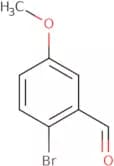
Formule :C8H7BrO2Degré de pureté :Min. 95%Couleur et forme :PowderMasse moléculaire :215.04 g/mol2-Bromo-5-methoxybenzaldehyde
CAS :2-Bromo-5-methoxybenzaldehyde is an organic compound that is used as a synthetic intermediate. It has been shown to be a substrate for the acid transporter SLC26A2, which transports it into cells. This compound has also been found in low levels in human tissues and fluids, where it may play a role in the development of cancer. 2-Bromo-5-methoxybenzaldehyde has been shown to inhibit the growth of cancer cells by uv absorption and terminal alkynes. The anticancer activity of this compound is due to its ability to react with functional groups such as benzyl groups and other alkyl groups.
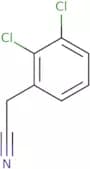
Formule :C8H7BrO2Degré de pureté :Min. 95%Couleur et forme :PowderMasse moléculaire :215.04 g/mol(2,3-Dichlorophenyl)acetonitrile
CAS :(2,3-Dichlorophenyl)acetonitrile is a fine chemical that is useful as a building block in the synthesis of more complex compounds. It has been used in research as a reagent and as a speciality chemical. (2,3-Dichlorophenyl)acetonitrile reacts with many different types of compounds to form new molecules. This intermediate can be used in the synthesis of many different types of compounds and also serves as an important scaffold for larger molecules.
Formule :C8H5Cl2NDegré de pureté :Min. 95%Couleur et forme :PowderMasse moléculaire :186.04 g/molIralukast Na
CAS :Iralukast Na is a leukotriene receptor antagonist that prevents bronchoconstrictor response. It binds to the cystic fibrosis transmembrane conductance regulator (CFTR) and blocks the binding of leukotrienes, which are potent bronchoconstrictors. Iralukast Na also blocks the activity of inflammatory cells and reduces bowel inflammation. Iralukast Na has been shown to be effective in treating asthma, inflammatory bowel disease, and other autoimmune diseases.
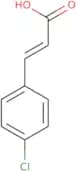
Formule :C38H36F3NaO8SDegré de pureté :Min. 95%Masse moléculaire :732.198074-Chlorocinnamic acid
CAS :4-Chlorocinnamic acid is a malonic acid derivative and one of the cinnamic acid derivatives that has been shown to inhibit many chemical reactions. It inhibits the production of tyrosinase, which is an enzyme that catalyzes the conversion of tyrosinase to 4-hydroxycinnamic acid. 4-Chlorocinnamic acid also inhibits the growth of Candida glabrata in vitro. The effect on candida is due to its ability to inhibit the production of hydroxyl group and aromatic hydrocarbon, both of which are required for candida's survival. 4-Chlorocinnamic acid binds with aryl halide and neutral ph, preventing it from reacting with other substances.
Formule :C9H7ClO2Degré de pureté :Min. 95%Couleur et forme :PowderMasse moléculaire :182.6 g/molRef: 3D-FC37374
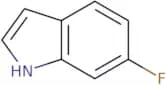
Produit arrêté6-Fluoroindole
CAS :6-Fluoroindole is an aromatic organic compound that has been shown to have anti-inflammatory and antioxidant properties in vitro and in vivo. 6-Fluoroindole is a 5-methoxyindole and can be synthesized from the amino acid tryptophan, which is a precursor of serotonin. 6-Fluoroindole has also been shown to be active against plant pathogens, human protein, and human pathogens. It can produce hemolytic activity at high concentrations and its chemical stability was tested by incubating it with various acids such as hydrochloric acid or acetic acid. 6-Fluoroindole showed no reaction with either of these acids. The vibrational spectra of 6-fluoroindole was measured using dipolar coupling constants and found to have a dipole moment of 0.01 D for the molecule.
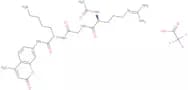
Formule :C8H6FNDegré de pureté :Min. 98 Area-%Couleur et forme :White Yellow PowderMasse moléculaire :135.14 g/molAc-Arg-Gly-Lys-AMC trifluoroacetate salt
CAS :Ac-Arg-Gly-Lys-AMC trifluoroacetate salt is a fine chemical that is used as a building block in the synthesis of complex compounds. Ac-Arg-Gly-Lys-AMC trifluoroacetate salt has been used as a reagent, speciality chemical and intermediate in research projects. Ac-Arg-Gly-Lys-AMC trifluoroacetate salt can be used to produce useful scaffolds for medicinal chemistry studies.
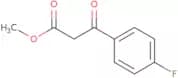
Formule :C26H38N8O6•C2HF3O2Degré de pureté :Min. 97 Area-%Couleur et forme :PowderMasse moléculaire :672.65 g/molMethyl 4-fluorobenzoylacetate
CAS :Methyl 4-fluorobenzoylacetate is a prenyl compound that can be used as an anti-oxidant, hepatoprotective, and regulatory agent. The prenyl group in this molecule is responsible for its antioxidant activity. It also has been shown to have hepatoprotective properties in experimental animals with liver injuries. Methyl 4-fluorobenzoylacetate is used as a synthetic intermediate in the synthesis of coumarin derivatives and phenylcoumarins. This molecule may also have anti-inflammatory properties, which are due to its ability to inhibit cyclooxygenase enzymes. Methyl 4-fluorobenzoylacetate is also an antibacterial agent and has been shown to be a potent inhibitor of bacterial DNA gyrase and topoisomerase IV, which maintain the integrity of bacterial DNA. In addition, methyl 4-fluorobenzoylacetate has anticoagulant
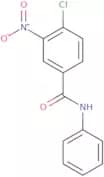
Formule :C10H9FO3Degré de pureté :Min. 85%Couleur et forme :Colourless To Pale Yellow LiquidMasse moléculaire :196.18 g/mol4-Chloro-3-nitrobenzanilide
CAS :4-Chloro-3-nitrobenzanilide is a versatile building block for the preparation of complex compounds. It is used as a reagent in research and as a speciality chemical for the production of high quality fine chemicals. This compound can be used as a reaction component or scaffold to synthesize other compounds. 4-Chloro-3-nitrobenzanilide is a useful intermediate in organic synthesis because it has many functional groups that are easy to modify, making it easy to synthesize new compounds.
Formule :C13H9ClN2O3Degré de pureté :Min. 95%Couleur et forme :PowderMasse moléculaire :276.67 g/molFmoc-3-chloro-L-tyrosine
CAS :Fmoc-3-chloro-L-tyrosine is a fine chemical that belongs to the class of versatile building blocks. It is a reagent and speciality chemical that is used in the synthesis of complex compounds. Fmoc-3-chloro-L-tyrosine can be used as a useful scaffold to produce high quality and versatile building blocks, which are useful for research purposes. Fmoc-3-chloro-L-tyrosine has CAS No. 478183-58-3, which shows its high quality and usefulness.
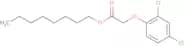
Formule :C24H20ClNO5Degré de pureté :Min. 95%Couleur et forme :White PowderMasse moléculaire :437.87 g/molOctyl (2,4-dichlorophenoxy)acetate
CAS :Octyl (2,4-dichlorophenoxy)acetate is a herbicide that has high selectivity and selectivity. It is used to control grassland weeds. Octyl (2,4-dichlorophenoxy)acetate is an efficient herbicide that can be used in a variety of situations. It can be applied as a pre-emergent or post-emergent herbicide to control weeds on lawns and other turfgrass areas, or as a selective herbicide for the control of broadleaf weeds in fields and other non-crop areas. This compound is also an effective emulsifier for the preparation of various compounds with octadecyl groups. Octyl (2,4-dichlorophenoxy)acetate has been used in China to control Euphorbiae weeds.
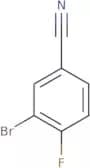
Formule :C16H22Cl2O3Degré de pureté :Min. 95%Couleur et forme :Colorless PowderMasse moléculaire :333.25 g/mol3-Bromo-4-fluorobenzonitrile
CAS :3-Bromo-4-fluorobenzonitrile is a pyridine derivative that is used as a reactant in the synthesis of pharmaceuticals and other organic compounds. It can be prepared by reacting a bromine with an aminopyridine, followed by reaction with morpholine to form the desired product. The efficiency of this compound has been demonstrated in vivo, where it showed significant catalytic activity and was found to be selective for the desired product. 3-Bromo-4-fluorobenzonitrile has also been shown to have pharmaceutical properties, such as coordination and ligand profiles, which are important for drug development.
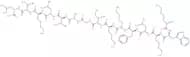
Formule :C7H3BrFNDegré de pureté :Min. 95%Couleur et forme :White PowderMasse moléculaire :200.01 g/molCecropin A (1-7)-Melittin A (2-9) amide trifluoroacetate salt
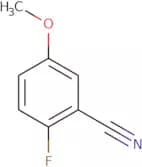
CAS :Cecropin A (1-7)-Melittin A (2-9) amide trifluoroacetate salt is a cecropin-melittin hybrid peptide that has been immobilized on cellulose nanofibers for use as an antimicrobial. It has been shown to have strong antimicrobial activity against bacillus subtilis, and the immobilization process ensures that the peptide is not released from the surface of the material. The process of coating with nanopaper and then applying the peptides provides a stable surface with high antimicrobial activity. The synthetic peptides are synthesized by solid phase synthesis using Fmoc chemistry and purified by preparative HPLC.Formule :C89H152N22O15Degré de pureté :Min. 95%Couleur et forme :PowderMasse moléculaire :1,770.3 g/mol2-Fluoro-5-methoxybenzonitrile
CAS :2-Fluoro-5-methoxybenzonitrile is a metal catalyst that has been shown to be effective in the synthesis of various organic compounds. The use of ultrasound can increase the yields of reactions involving 2-fluoro-5-methoxybenzonitrile. 2-Fluoro-5-methoxybenzonitrile has also been demonstrated as a pharmacological agent with a number of potential applications. It inhibits the activity of phosphodiesterase 4, which may lead to an improved therapeutic profile for conditions such as asthma and erectile dysfunction. 2-Fluoro-5-methoxybenzonitrile is also used in photochemical reactions, where it acts as an inhibitor to prevent the formation of undesired products.
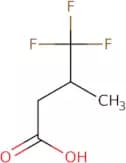
Formule :C8H6FNODegré de pureté :Min. 95%Couleur et forme :PowderMasse moléculaire :151.14 g/mol3-Trifluoromethylbutyric acid
CAS :3-Trifluoromethylbutyric acid is a synthetic compound that has been studied as a potential drug for the treatment of dyslipidemia. 3-Trifluoromethylbutyric acid binds to the enzyme phosphatase, which is a key regulator of lipid metabolism and controls the production of lipids in cells. This binding prevents the phosphatase from breaking down phosphoinositides, leading to an increase in the levels of phosphoinositides. The resulting increase in the levels of these molecules causes an increase in the number of insulin receptors on cell surfaces and leads to an improvement in insulin sensitivity. 3-Trifluoromethylbutyric acid also has binding sites on human cells that are specific for subtype 7, which is associated with lower risk for cardiovascular disease, obesity, and diabetes.
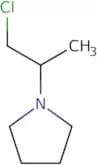
Formule :C5H7F3O2Degré de pureté :Min. 95%Couleur et forme :Colorless PowderMasse moléculaire :156.1 g/mol1-(2-Chloro-1-methylethyl)pyrrolidine hydrochloride
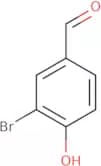
CAS :1-(2-Chloro-1-methylethyl)pyrrolidine hydrochloride is a versatile building block that can be used in the synthesis of fine chemicals, complex compounds, research chemicals, reagents and specialty chemicals. This compound is also useful as a building block for the synthesis of pharmaceuticals and chemical products. 1-(2-Chloro-1-methylethyl)pyrrolidine hydrochloride is a high quality chemical that can be used as a reaction component or scaffold for the synthesis of new chemical entities.Formule :C7H15Cl2NDegré de pureté :Min. 95%Couleur et forme :PowderMasse moléculaire :184.1 g/mol3-Bromo-4-hydroxybenzaldehyde
CAS :3-Bromo-4-hydroxybenzaldehyde is a fluorescence probe that can be used to identify the presence of hydroxyl groups in organic solutions. It reacts with hydrochloric acid to form a green solution and a gas. 3-Bromo-4-hydroxybenzaldehyde has been used to study hydroxyl groups in human serum, plant physiology, and surfactant sodium dodecyl (SDS). This compound has shown potent inhibition against an enzyme called benzoyl peroxide reductase. 3-Bromo-4-hydroxybenzaldehyde is soluble in water, but not in ether. The molecular weight of this compound is 176.3 g/mol.
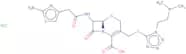
Formule :C7H5BrO2Degré de pureté :Min. 95%Couleur et forme :PowderMasse moléculaire :201.02 g/molCefotiam dihydrochloride
CAS :Cefotiam dihydrochloride is a semisynthetic antibiotic that belongs to the class of cephalosporin antibiotics. It inhibits bacterial growth by binding to penicillin-binding proteins and blocking cell wall synthesis. Cefotiam has been shown to be effective against Gram-positive bacteria, such as Streptococcus pneumoniae, Staphylococcus aureus, and Clostridium perfringens. This drug is used in the treatment of infectious diseases caused by Gram-positive bacteria, including meningitis, endocarditis, osteomyelitis, and peritonitis. The intravenous injection of cefotiam has been shown to be safe and well tolerated in adults with septicemia or bacteremia. Cefotiam is excreted unchanged in the urine.
Formule :C18H25Cl2N9O4S3Degré de pureté :Min. 95%Couleur et forme :White PowderMasse moléculaire :598.55 g/molRef: 3D-FC19863
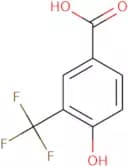
Produit arrêté4-Hydroxy-3-(trifluoromethyl)benzoic acid
CAS :4-Hydroxy-3-(trifluoromethyl)benzoic acid (4OTFB) is a ligand that binds to the inflammatory response receptor complex. The 4OTFB-ligand complex has been shown to inhibit inflammation in animals and humans, which may be due to its ability to inhibit the production of proinflammatory cytokines and suppress the production of reactive oxygen species (ROS). 4OTFB was found to bind strongly to sew2871, a protein that regulates the inflammatory response. However, it did not bind with any other proteins in the brain tissue extract. This suggests that 4OTFB might not have any adverse effects on brain function.
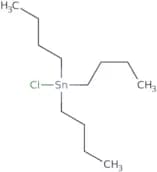
Formule :C8H5F3O3Degré de pureté :Min. 95%Couleur et forme :PowderMasse moléculaire :206.12 g/molTributyltin chloride
CAS :Produit contrôléTributyltin chloride is an experimental chemical that is used as a model for apoptosis. It binds to the chloride ion and induces apoptosis in 3T3-L1 preadipocytes. The process of apoptosis involves the mitochondrial membrane potential, which is an important factor in the regulation of intracellular Ca2+ levels. Tributyltin chloride has also been shown to increase copper-induced toxicity in cells by inhibiting ryanodine receptors, which are involved in calcium homeostasis. Tributyltin chloride has a phase transition temperature of -25°C and is not soluble in water; it can be dissolved in methanol, ethanol, acetone, benzene, chloroform, hexane, or ether. Tributyltin chloride also has been shown to have physiological effects on cell nuclei and maternal blood cells.
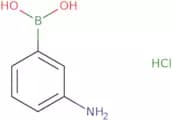
Formule :C12H27ClSnDegré de pureté :Min. 95%Couleur et forme :Colourless To Yellowish LiquidMasse moléculaire :325.51 g/mol(3-Aminophenyl)boronic acid hydrochloride
CAS :3-Aminophenylboronic acid hydrochloride is a chemical compound that is used for analytical chemistry, bioconjugate chemistry, and clinical diagnostics. The compound binds to model proteins with high affinity and specificity. 3-Aminophenylboronic acid hydrochloride has been shown to have low binding constants with polyols, which make it ideal for use in cell culture. 3-Aminophenylboronic acid hydrochloride has a pK of 2.7 at pH 7.4, making it acidic at this pH. The compound also has a pK of 9.3 at pH 4.5, making it neutral at this pH. 3-Aminophenylboronic acid hydrochloride is an electrochemically active molecule and can be used as an electrode material in electrochemical impedance spectroscopy experiments.
Formule :C6H9BClNO2Degré de pureté :Min. 95%Couleur et forme :PowderMasse moléculaire :173.4 g/mol[2-(Pyridin-2-ylthio)ethyl]amine dihydrochloride
CAS :2-(Pyridin-2-ylthio)ethyl]amine dihydrochloride is a chemical compound that has been used as a research reagent. It reacts with other compounds to produce new substances, and it can be used as a building block for more complex compounds. 2-(Pyridin-2-ylthio)ethyl]amine dihydrochloride is soluble in water and organic solvents such as acetone and ethanol, making it useful for reactions that require both types of solvents. This product also has CAS No. 40379-31-5, which means it is listed on the Chemical Abstracts Service registry. 2-(Pyridin-2-ylthio)ethyl]amine dihydrochloride has an interesting chemical structure that makes it a versatile building block or intermediate for many different reactions.
Formule :C7H10N2S•(HCl)2Degré de pureté :Min. 95%Couleur et forme :PowderMasse moléculaire :227.15 g/mol2-[Methyl[(tridecafluorohexyl)sulphonyl]amino]ethyl acrylate
CAS :Please enquire for more information about 2-[Methyl[(tridecafluorohexyl)sulphonyl]amino]ethyl acrylate including the price, delivery time and more detailed product information at the technical inquiry form on this page
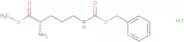
Formule :C12H10F13NO4SDegré de pureté :80%MinCouleur et forme :PowderMasse moléculaire :511.26 g/molNd-Z-L-ornithine methyl ester hydrochloride
CAS :Please enquire for more information about Nd-Z-L-ornithine methyl ester hydrochloride including the price, delivery time and more detailed product information at the technical inquiry form on this page
Formule :C14H20N2O4·HClDegré de pureté :Min. 95%Couleur et forme :PowderMasse moléculaire :316.78 g/mol5-Amino-1,3-dimethyl-1,3-dihydro-2H-benzimidazol-2-one dihydrochloride
CAS :5-Amino-1,3-dimethyl-1,3-dihydro-2H-benzimidazol-2-one dihydrochloride (5ADMB) is a high quality reagent that is used as a complex compound. It has been shown to be useful in the synthesis of various compounds and is a fine chemical that can be used as a building block. 5ADMB has also been shown to be an excellent scaffold for the synthesis of benzo[b]thiophenes. This compound is also useful as a research chemical or specialty chemical. 5ADMB can be used in organic syntheses as a versatile building block and it reacts with nucleophiles such as alcohols and amines to form substituted derivatives. It has an appearance of white solid powder and its CAS number is 1986846-08-5.
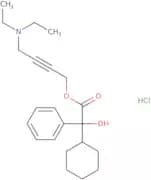
Formule :C9H11N3O·2HClDegré de pureté :Min. 95%Couleur et forme :PowderMasse moléculaire :250.12 g/molOxybutynin chloride
CAS :Muscarinic antagonist; anti-spasmodic
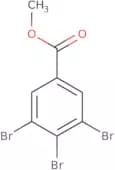
Formule :C22H32ClNO3Degré de pureté :Min. 95%Couleur et forme :White PowderMasse moléculaire :393.95 g/mol3,4,5-Tribromobenzoic acid methyl ester
CAS :3,4,5-Tribromobenzoic acid methyl ester is a versatile building block for organic synthesis. It is a boron compound with the chemical formula C6H3Br3O2. It has been shown to be useful as a reagent, reaction component, and intermediate in organic synthesis. 3,4,5-Tribromobenzoic acid methyl ester is a complex compound that can be used as a speciality chemical or fine chemical.Formule :C8H5Br3O2Degré de pureté :Min. 95%Couleur et forme :PowderMasse moléculaire :372.84 g/mol




![1-(5-Trifluoromethyl-[1,3,4]thiadiazol-2-yl)-piperazine](/_next/image/?url=https%3A%2Fstatic.cymitquimica.com%2Fproducts%2F3D%2Fthumb-webp%2FFT50922.webp&w=3840&q=75)





![1-[(2,6-Difluorophenyl)Methyl]-4-Methyl-2-Propan-2-Ylbenzimidazole](/_next/image/?url=https%3A%2Fstatic.cymitquimica.com%2Fproducts%2F3D%2Fthumb-webp%2FFD98108.webp&w=3840&q=75)





![[2-(Pyridin-2-ylthio)ethyl]amine dihydrochloride](/_next/image/?url=https%3A%2Fstatic.cymitquimica.com%2Fproducts%2F3D%2Fthumb-webp%2FFP121658.webp&w=3840&q=75)
![2-[Methyl[(tridecafluorohexyl)sulphonyl]amino]ethyl acrylate](/_next/image/?url=https%3A%2Fstatic.cymitquimica.com%2Fproducts%2F3D%2Fthumb-webp%2FFM96258.webp&w=3840&q=75)