Halogénures organiques
Sous-catégories appartenant à la catégorie "Halogénures organiques"
20442 produits trouvés pour "Halogénures organiques"
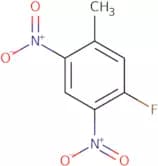
2,4-Dinitro-5-fluorotoluene
CAS :2,4-Dinitro-5-fluorotoluene is a fine chemical that can be used as a versatile building block in the synthesis of complex compounds. It is an intermediate in many reactions involving aliphatic nitro compounds and has been shown to be reactive with aromatic amines. This chemical has been used as a research chemical for the detection of proteins and nucleic acids and is also a good reagent for the synthesis of other chemicals. The compound reacts quickly with acid to produce a highly explosive gas which can be stabilized by reacting it with potassium nitrate or sodium bicarbonate.
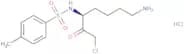
Formule :C7H5FN2O4Degré de pureté :Min. 95%Couleur et forme :PowderMasse moléculaire :200.12 g/molN-alpha-Tosyl-L-lysine chloromethyl ketone HCl
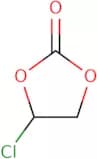
CAS :N-alpha-Tosyl-L-lysine chloromethyl ketone HCl is a chemical compound that binds to DNA. It has been shown to induce neuronal death and caspase-independent cell death in HL60 cells. The compound can also be used as a biochemical probe to study the apoptosis pathway. N-alpha-Tosyl-L-lysine chloromethyl ketone HCl is currently being investigated as an antiinflammatory agent for chronic coughs due to its ability to inhibit proteases.Formule :C14H21ClN2O3S·HClDegré de pureté :Min. 95%Couleur et forme :PowderMasse moléculaire :369.31 g/mol4-Chloro-1,3-dioxolan-2-one
CAS :4-Chloro-1,3-dioxolan-2-one is a reactive functional group that can be classified as a carbonyl compound. It has been shown to react with hydroxyl groups and methyl ethyl groups. 4-Chloro-1,3-dioxolan-2-one is also a strong nucleophile and can also be used in transfer reactions.
The reaction solution of 4-chloro-1,3-dioxolan 2 one contains constant pressure and electrochemical impedance spectroscopy (EIS). The carbonate anion reacts with hydrogen fluoride to release CO2 gas, which was observed by particle tracking velocimetry (PTV) and PTV analysis. The nitrogen atoms in the molecule are low energy and react with HCl at room temperature to produce NH4Cl.
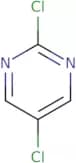
4 Chloro 1,3 dioxolan 2 one is not soluble in water but it is soluble in hydrochloricFormule :C3H3ClO3Degré de pureté :Min. 95%Couleur et forme :Colorless Clear LiquidMasse moléculaire :122.51 g/mol2,5-Dichloropyrimidine
CAS :2,5-Dichloropyrimidine is a cytotoxic drug that is activated by acetonitrile to form an intermediate, which is then converted to the active form. This drug has been shown to be neuroprotective in animal models of neurodegenerative diseases. 2,5-Dichloropyrimidine also blocks the production of nitric oxide by binding to the factor receptor and prevents activation of the growth factor. The drug has been shown to inhibit the growth of cancer cells in vitro and in vivo.
Formule :C4H2Cl2N2Degré de pureté :Min. 95%Couleur et forme :PowderMasse moléculaire :148.98 g/molSex Pheromone Inhibitor iPD1 trifluoroacetate salt
CAS :Sex pheromone inhibitor IPD1 is an antibody that inhibits the production of sex pheromones by Streptococcus faecalis. It is used to diagnose and treat allergic diseases, such as atopic dermatitis or bronchial asthma. This antibody binds to a protein called polypide, which is involved in the synthesis of sex pheromones, and inhibits its activity. It has been shown to inhibit the production of sex pheromones by Streptococcus faecalis when analyzed using an SDS-polyacrylamide gel electrophoresis method. Sex pheromone inhibitor IPD1 also binds to antibodies against streptococcus, acari, and other bacteria.
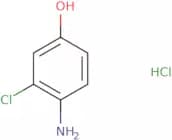
Formule :C39H72N8O11Degré de pureté :Min. 95%Couleur et forme :PowderMasse moléculaire :829.04 g/mol4-Amino-3-chlorophenol hydrochloride
CAS :Intermediate in the synthesis of lenvatinibFormule :C6H7Cl2NODegré de pureté :Min. 95%Couleur et forme :PowderMasse moléculaire :180.03 g/mol(3-(2,6-dichlorophenyl)-5-methylisoxazol-4-yl)-N-(2,5-dimethoxyphenyl)formamide
CAS :Please enquire for more information about (3-(2,6-dichlorophenyl)-5-methylisoxazol-4-yl)-N-(2,5-dimethoxyphenyl)formamide including the price, delivery time and more detailed product information at the technical inquiry form on this page
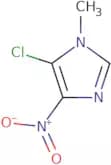
Degré de pureté :Min. 95%5-Chloro-1-methyl-4-nitroimidazole
CAS :5-Chloro-1-methyl-4-nitroimidazole (5C1MI) is a fatty acid that is synthesized by the reaction of phosphorus pentachloride and an aliphatic hydrocarbon. It has been shown to be effective in treating women with breast cancer. 5C1MI blocks the activity of a protein called HER2, which promotes tumor growth. The drug has been shown to cause an increase in the number of circulating lymphocytes and natural killer cells, as well as an increase in the production of antibodies in mice. These effects are likely caused by 5C1MI's ability to inhibit the proliferation of T cells and B cells. 5C1MI has also been shown to have a high solubility in water and low solubility in lipids, which makes it suitable for administration via intravenous injection.
Formule :C4H4ClN3O2Degré de pureté :Min. 95%Couleur et forme :PowderMasse moléculaire :161.55 g/mol5-Amino-4,6-dichloropyrimidine
CAS :5-Amino-4,6-dichloropyrimidine is a fluorescent probe that can be used in the detection of nucleophiles. It has been shown to inhibit the growth of cells infected with herpes simplex virus and hl-60 cells. This compound has also been shown to have nicotinic acetylcholine receptor activity and can be used as an analog for purines. The nitrogen atoms in this molecule are responsible for its anti-cancer properties. 5-Amino-4,6-dichloropyrimidine binds to epidermal growth factor (EGF) and blocks its binding site on the cell surface, reducing cancer cell proliferation. Benzyl groups on either end of this molecule act as a protective group against acid hydrolysis, making it stable in acidic environments such as stomach acid. This drug also contains chlorine atoms that make it easy to synthesize and purify by reacting with trifluoroacetic acid.
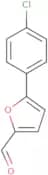
Formule :C4H3Cl2N3Degré de pureté :Min. 95%Couleur et forme :PowderMasse moléculaire :163.99 g/mol5-(4-Chlorophenyl)-2-furaldehyde
CAS :5-(4-Chlorophenyl)-2-furaldehyde (5-CPFA) is an antitubercular drug that inhibits the growth of tuberculosis bacteria by disrupting the synthesis of DNA. It is a functional theory that 5-CPFA inhibits the bacterial enzyme, chalcone hydroxylase, which is involved in the conversion of chalcones to flavones. This inhibition prevents the formation of reactive oxygen species and leads to cell death. The mechanism of action for 5-CPFA has been shown to be due to its ability to form covalent bonds with metal ions such as copper, zinc, and iron. When exposed to ultraviolet radiation, this compound reacts with these metal ions and causes bond cleavage in DNA strands. The resulting damage in DNA strands leads to cell death within hours.
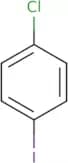
Formule :C11H7ClO2Degré de pureté :Min. 95%Couleur et forme :PowderMasse moléculaire :206.62 g/mol1-Chloro-4-iodobenzene
CAS :1-Chloro-4-iodobenzene is a crystalline compound that can be used in the synthesis of palladium complexes. It reacts with amines to form aryl halides, which are useful intermediates for the synthesis of a variety of organic compounds. The reaction mechanism for 1-chloro-4-iodobenzene and amines is an electrophilic substitution reaction, which involves a nucleophilic attack by the amine on the carbon atom adjacent to the halogen atom. Halides are introduced as reagents in this reaction because they are nucleophiles. The reaction is thermodynamically favorable and efficient because 1-chloro-4-iodobenzene has a high concentration of iodine atoms, which react with the amine to form an intermediate diazonium salt. This salt then reacts with trifluoroacetic acid to produce the desired product and hydrogen iodide.
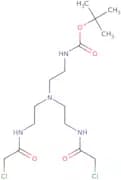
Formule :C6H4ClIDegré de pureté :Min. 98 Area-%Couleur et forme :PowderMasse moléculaire :238.45 g/mol2N-Boc-2',2''-triaminotriethylamine-bis(chloroacetamide)
CAS :2N-Boc-2',2''-triaminotriethylamine-bis(chloroacetamide) is a fine chemical and reagent for the synthesis of pharmaceuticals. It is also a useful building block for the synthesis of complex compounds. This product can be used as a reaction component in organic chemistry, or it can be used as a reagent in research or development laboratories.
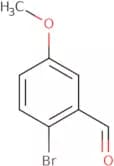
Formule :C15H28Cl2N4O4Degré de pureté :Min. 95%Masse moléculaire :399.31 g/mol2-Bromo-5-methoxybenzaldehyde
CAS :2-Bromo-5-methoxybenzaldehyde is an organic compound that is used as a synthetic intermediate. It has been shown to be a substrate for the acid transporter SLC26A2, which transports it into cells. This compound has also been found in low levels in human tissues and fluids, where it may play a role in the development of cancer. 2-Bromo-5-methoxybenzaldehyde has been shown to inhibit the growth of cancer cells by uv absorption and terminal alkynes. The anticancer activity of this compound is due to its ability to react with functional groups such as benzyl groups and other alkyl groups.
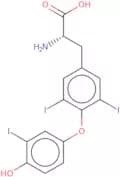
Formule :C8H7BrO2Degré de pureté :Min. 95%Couleur et forme :PowderMasse moléculaire :215.04 g/mol3,3',5-Triiodo-L-thyronine
CAS :Triiodothyronine (T3) is a thyroid hormone that has a high affinity for the thyrotropin receptor. It regulates the metabolic rate, cell specific transcriptional regulation, and transcriptional regulation of genes involved in fatty acid synthesis. T3 is synthesized from the amino acid tyrosine through a series of reactions catalyzed by enzymes such as tyrosine hydroxylase, thyroperoxidase, and type 2 iodothyronine deiodinase. The enzyme thyroid peroxidase converts inactive T3 to the active form of T3 (triiodothyronine). In addition, triiodothyronine can be converted to reverse T3 (rT3), which is inactive. Triiodothyronine has an optimal ph of 7.4-8.0 and an optimum igf-i concentration of 100 ng/ml, where it can stimulate growth hormone release from the anterior pituitary gland.
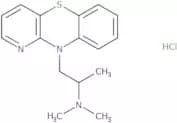
Formule :C15H12I3NO4Degré de pureté :Min. 95 Area-%Couleur et forme :Off-White PowderMasse moléculaire :650.97 g/molIsothipendyl hydrochloride
CAS :Isothipendyl hydrochloride is a crystalline cellulose derivative that is used as an excipient in pharmaceutical preparations. It has been shown to inhibit the growth of animal cells and bacteria, including Gram-positive and Gram-negative bacteria, with optimum concentrations ranging from 3 to 30%. Isothipendyl hydrochloride has also been shown to have anti-inflammatory properties against inflammatory diseases, such as allergic rhinitis and asthma. Isothipendyl hydrochloride may also be used for the treatment of autoimmune diseases, such as psoriasis or rheumatoid arthritis. Isothipendyl hydrochloride has also been shown to have anti-cancer activity, inhibiting skin cancer cell growth. This may be due to its effects on receptor activity by inhibiting certain cellular functions necessary for tumor cell proliferation. Isothipendyl hydrochloride can be prepared by reacting thiourea with 2-aminoethanol followed by hydro
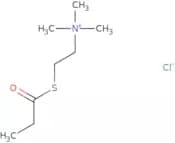
Formule :C16H20ClN3SDegré de pureté :Min. 95%Couleur et forme :PowderMasse moléculaire :321.87 g/molS-Propionylthiocholine chloride
CAS :S-Propionylthiocholine chloride is a pesticide that belongs to the group of organophosphate pesticides. It is used to control pests on fruit, vegetables, and ornamental crops. S-Propionylthiocholine chloride can be detected in the environment for up to 14 days after application. It can be detected in fruits and vegetables for up to 2 weeks after application. This compound has been shown to have a high sensitivity for detecting organophosphate pesticides residues and residuals in the environment.
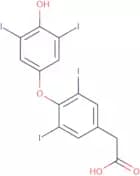
Formule :C8H18ClNOSDegré de pureté :Min. 95%Couleur et forme :PowderMasse moléculaire :211.75 g/mol3,3',5-Triiodo thyroacetic acid
CAS :3,3',5-Triiodo thyroacetic acid is a synthetic thyroid hormone that acts as a thyroid hormone receptor agonist. It binds to the thyroid hormone receptor, leading to the activation of other transcription factors and increased synthesis of proteins. 3,3',5-Triiodo thyroacetic acid has been shown to increase the metabolic rate in rats by increasing the expression of epidermal growth factor in skin cells and signal transduction in nerve cells. This drug also causes an increase in transcriptional regulation and protein synthesis. 3,3',5-Triiodo thyroacetic acid does not have any known side effects or toxicity.
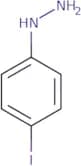
Formule :C14H9I3O4Degré de pureté :Min. 95%Couleur et forme :White Off-White PowderMasse moléculaire :621.93 g/mol(4-Iodophenyl)hydrazine hydroiodide
CAS :(4-Iodophenyl)hydrazine hydroiodide is a synthetic compound that has shown anti-viral activity against HIV and cytomegalovirus. It also has anticancer properties and can be used to treat colon cancer. The compound binds to the nucleic acid in a number of ways, including by forming reversible covalent bonds with functional groups on the nucleic acid. These interactions are primarily due to its pyrazole ring and hydrazine moiety. (4-Iodophenyl)hydrazine hydroiodide is structurally similar to phenyldiazenyl, which exhibits photochromism and fluorescence properties. This similarity may account for the observed photochemical changes in the molecule when exposed to light.
Formule :C6H7IN2Degré de pureté :Min. 95%Masse moléculaire :234.04 g/mol2-chloro-n-(4-chlorophenyl)acetamide
CAS :2-Chloro-N-(4-chlorophenyl)acetamide (2CPA) is an antimycobacterial agent that inhibits the growth of Mycobacterium tuberculosis. The antimycobacterial activity of 2CPA has been demonstrated in a dilution method, where it reduced the number of viable cells in cultures of M. tuberculosis and Mycobacterium smegmatis. The antimicrobial activity of 2CPA was confirmed using a fluorescence assay, which showed that this compound is active against M. tuberculosis H37Rv and M. smegmatis at concentrations above 0.1 mM. 2CPA also has a potent bactericidal effect on Staphylococcus aureus with an MIC value of 0.06 mg/mL at 30 minutes and is active against Enterococcus faecalis with an MIC value of 4 mg/mL at 30 minutes.
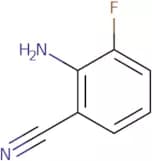
Formule :C8H7Cl2NODegré de pureté :Min. 95%Masse moléculaire :204.05 g/mol2-Amino-3-fluorobenzonitrile
CAS :A 2-aminopyridine substituent is added to the 3-position of benzonitrile to form 2-amino-3-fluorobenzonitrile. The hydrogenolysis of this compound at low temperatures yields indoles. Cyanogen bromide can be used as a catalyst for the reaction, but it must be removed before the product is purified. This reaction also produces a cyano group, which can be used in other reactions such as nitration or reduction. The glycinate molecule can also be formed by this process, and it is a neutral functional group that is capable of forming esters with carboxylic acids.
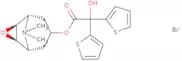
Formule :C7H5FN2Degré de pureté :Min. 95%Masse moléculaire :136.13 g/molTiotropium bromide
CAS :Muscarinic antagonist; bronchodilator
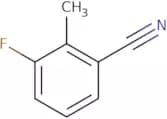
Formule :C19H22BrNO4S2Degré de pureté :Min. 95%Couleur et forme :PowderMasse moléculaire :472.42 g/mol3-Fluoro-2-methylbenzonitrile
CAS :3-Fluoro-2-methylbenzonitrile is a novel androgen receptor modulator that binds to the androgen receptor with high affinity and selectivity. 3-Fluoro-2-methylbenzonitrile has been shown to have agonistic activity in vivo. It has been proposed as an alternative to testosterone for the treatment of muscle wasting, osteoporosis, and other hormone deficiencies. 3-Fluoro-2-methylbenzonitrile is metabolized by CYP3A4 enzymes, which may be modified to improve its metabolic stability and thus increase its bioavailability. In addition, modifications of 3-fluoro-2-methylbenzonitrile may be made that would improve its pharmacokinetic profile (e.g., naphthalene profiles).
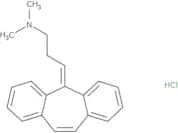
Formule :C8H6FNDegré de pureté :Min. 95%Couleur et forme :PowderMasse moléculaire :135.14 g/molCyclobenzaprine hydrochloride
CAS :Antagonist of serotonin 5HT-2, histamine H1 and α-adrenergic receptors
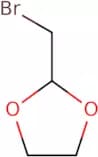
Formule :C20H21N·ClHDegré de pureté :Min. 95%Couleur et forme :White PowderMasse moléculaire :311.85 g/mol2-Bromomethyl-1,3-dioxolane
CAS :2-Bromomethyl-1,3-dioxolane is an organic compound that belongs to the chemical family of diketones. It can be used for the synthesis of a wide range of organic compounds, including amines and other heterocyclic compounds. 2-Bromomethyl-1,3-dioxolane is also found in the 5HT1A receptor of the brain and has been shown to have antidepressant effects. The chemical reactions that occur when 2-bromomethyl-1,3-dioxolane is heated with hydrochloric acid are as follows: The reaction between 2-bromomethyl-1,3-dioxolane and anhydrous sodium carbonate produces sodium bromide and water. 2BrCH=CHCOONa + HCL → NaBr + H2O The reaction between 2-bromomethyl-1,
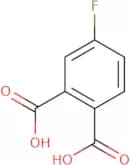
Formule :C4H7BrO2Degré de pureté :Min. 95 Area-%Couleur et forme :Clear LiquidMasse moléculaire :167 g/mol4-Fluorophthalic acid
CAS :4-Fluorophthalic acid is a monomer that forms polymers with high molecular weights. 4-Fluorophthalic acid is soluble in water and has been shown to be effective as a disinfectant. It has also been shown to have strong antifungal activity against Candida albicans and other species of yeast, due to its ability to penetrate the cell wall. Fluorinated surfaces have been shown to have increased resistance to bacterial colonization, which may be due to an increase in surface wettability or the formation of a fluorocarbon film on the surface. 4-Fluorophthalic acid can be used for the production of covid-19 (pandemic influenza vaccine), which is a vaccine that contains small quantities of 4-fluorophthalic acid, making it more stable during storage. The presence of this molecule makes it possible for Covid-19 vaccines to be safely stored at room temperature without refrigeration
Formule :C8H5FO4Degré de pureté :Min. 95%Couleur et forme :White PowderMasse moléculaire :184.12 g/mol4-[3-(Trifluoromethyl)-3H-diazirin-3-yl]benzenemethanamine hydrochloride
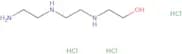
CAS :Please enquire for more information about 4-[3-(Trifluoromethyl)-3H-diazirin-3-yl]benzenemethanamine hydrochloride including the price, delivery time and more detailed product information at the technical inquiry form on this pageFormule :C9H9ClF3N3Degré de pureté :Min. 95%Couleur et forme :White PowderMasse moléculaire :251.64 g/mol2-(2-(2-Aminoethylamino)ethylamino)ethanol trihydrochloride
CAS :2-(2-(2-Aminoethylamino)ethylamino)ethanol trihydrochloride is a chemical compound that is used as a reaction component and as a reagent in the synthesis of other chemicals. 2-(2-(2-Aminoethylamino)ethylamino)ethanol trihydrochloride is an intermediate for many organic compounds, including pharmaceuticals and pesticides. It has also been used to synthesize drugs for treating bacterial infections. 2-(2-(2-Aminoethylamino)ethylamino)ethanol trihydrochloride can be used in research or as a specialty chemical.Formule :C6H17N3O·3HClDegré de pureté :Min. 95%Couleur et forme :PowderMasse moléculaire :256.6 g/molAc-Lys-pNA hydrochloride
CAS :Ac-Lys-pNA hydrochloride is a protease that belongs to the endopeptidase class of proteolytic enzymes. It is used in research and recombinant expression to cleave proteins at specific sites. Ac-Lys-pNA hydrochloride is activated by ammonium sulfate, which binds to the active site of the enzyme. The enzyme also cleaves peptides with Lys or Arg at the C terminus. Ac-Lys-pNA hydrochloride has been shown to be effective against aeruginosa, but not escherichia coli, which are both gram negative bacteria.
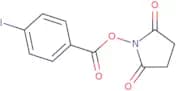
Formule :C14H20N4O4•HClDegré de pureté :Min. 95%Couleur et forme :SolidMasse moléculaire :344.79 g/molN-Succinimidyl 4-iodobenzoate
CAS :N-Succinimidyl 4-iodobenzoate is a succinimyl activated heterocycle
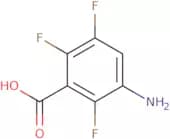
Formule :C11H8INO4Degré de pureté :Min. 95%Couleur et forme :PowderMasse moléculaire :345.09 g/mol3-Amino-2,5,6-trifluorobenzoic acid
CAS :3-Amino-2,5,6-trifluorobenzoic acid is a pharmaceutical agent that can be used in the synthesis of dyestuffs and as a matrix for laser desorption/ionization (LDI) mass spectrometry. 3-Amino-2,5,6-trifluorobenzoic acid has been shown to form crystals that are insoluble in water or organic solvents. The crystal morphology was determined by using XRD and FTIR. 3-Amino-2,5,6-trifluorobenzoic acid also has high concentrations of impurities such as 2,4,6-trichloroaniline and 2-(3,4 dichlorophenyl) ethyl amine.
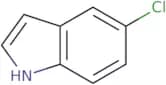
Formule :C7H4F3NO2Degré de pureté :Min. 95%Couleur et forme :PowderMasse moléculaire :191.11 g/mol5-Chloroindole
CAS :5-Chloroindole is a molecule that can bind to the CB2 cannabinoid receptor. It has been shown in experiments to be an allosteric modulator of this receptor. 5-Chloroindole has been found to have an inhibitory effect on degenerative diseases, such as Huntington's disease and Alzheimer's disease, and may have therapeutic potential for these disorders. 5-Chloroindole binds to a metal surface by forming hydrogen bonds with the oxygen atom of its carboxyl group and the metal surface. The nucleophilic nature of 5-chloroindole allows it to react with chloride ions present in solution. 5-Chloroindole reacts with the carbon source in tissue culture, which leads to receptor activity and inhibition of cell proliferation.
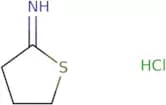
Formule :C8H6ClNCouleur et forme :White PowderMasse moléculaire :151.59 g/mol2-Iminothiolane hydrochloride
CAS :2-Iminothiolane hydrochloride is an amine that reacts with free thiol groups in proteins. It can be used to generate models of protein structures, as well as to study the effects of disulfide bonds on protein stability and function. 2-Iminothiolane hydrochloride has been shown to inhibit HIV infection by blocking the uptake of all-trans retinoic acid into cells. This drug also has minimal toxicity and can be used for cancer therapy. The drug was shown to have minimal toxicity in vitro, but it has not yet been tested in vivo.
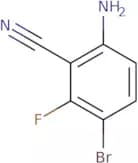
Formule :C4H8ClNSDegré de pureté :Min. 95%Couleur et forme :White Off-White PowderMasse moléculaire :137.63 g/mol2-Cyano-3-fluoro-4-bromo aniline
CAS :2-Cyano-3-fluoro-4-bromo aniline is a plant growth regulator that can be used to prevent and control the spread of viral diseases in plants. 2-Cyano-3-fluoro-4-bromo aniline inhibits the replication of influenza virus strains by binding to the viral coat protein. It also has been shown to inhibit proteolytic enzymes when applied as a coating on particles. The main mechanism of this compound is through its ability to bind to regulatory proteins, which prevents them from binding with other regulatory proteins and activating transcription factors. The expression profile suggests that this compound may regulate the expression of genes involved in plant development, cell division, and response to stress.
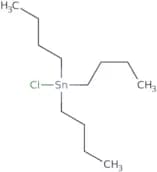
Formule :C7H4BrFN2Degré de pureté :Min. 95%Couleur et forme :PowderMasse moléculaire :215.02 g/molTributyltin chloride
CAS :Produit contrôléTributyltin chloride is an experimental chemical that is used as a model for apoptosis. It binds to the chloride ion and induces apoptosis in 3T3-L1 preadipocytes. The process of apoptosis involves the mitochondrial membrane potential, which is an important factor in the regulation of intracellular Ca2+ levels. Tributyltin chloride has also been shown to increase copper-induced toxicity in cells by inhibiting ryanodine receptors, which are involved in calcium homeostasis. Tributyltin chloride has a phase transition temperature of -25°C and is not soluble in water; it can be dissolved in methanol, ethanol, acetone, benzene, chloroform, hexane, or ether. Tributyltin chloride also has been shown to have physiological effects on cell nuclei and maternal blood cells.
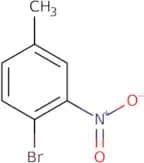
Formule :C12H27ClSnDegré de pureté :Min. 95%Couleur et forme :Colourless To Yellowish LiquidMasse moléculaire :325.51 g/mol4-Bromo-3-nitrotoluene
CAS :4-Bromo-3-nitrotoluene is a carbazole that has been found to have insecticidal activity. The compound reacts with serotonin to form the reactive intermediate 4-bromo-3-nitrosobenzaldehyde, which is then oxidized to the final product 4-bromo-3-nitrobenzoic acid. The insecticidal activity of 4-Bromo-3-nitrotoluene was found to be due in part to its ability to inhibit serotonin uptake and metabolism by blocking serotonin transporters. It also induces dihedral angles in positron emission tomography (PET) imaging of human brain tissue, suggesting it may be useful for brain imaging studies.
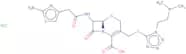
Formule :C7H6BrNO2Degré de pureté :Min. 95%Couleur et forme :Clear LiquidMasse moléculaire :216.03 g/molCefotiam dihydrochloride
CAS :Cefotiam dihydrochloride is a semisynthetic antibiotic that belongs to the class of cephalosporin antibiotics. It inhibits bacterial growth by binding to penicillin-binding proteins and blocking cell wall synthesis. Cefotiam has been shown to be effective against Gram-positive bacteria, such as Streptococcus pneumoniae, Staphylococcus aureus, and Clostridium perfringens. This drug is used in the treatment of infectious diseases caused by Gram-positive bacteria, including meningitis, endocarditis, osteomyelitis, and peritonitis. The intravenous injection of cefotiam has been shown to be safe and well tolerated in adults with septicemia or bacteremia. Cefotiam is excreted unchanged in the urine.
Formule :C18H25Cl2N9O4S3Degré de pureté :Min. 95%Couleur et forme :White PowderMasse moléculaire :598.55 g/molRef: 3D-FC19863
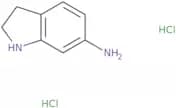
Produit arrêté6-Aminoindoline dihydrochloride
CAS :Please enquire for more information about 6-Aminoindoline dihydrochloride including the price, delivery time and more detailed product information at the technical inquiry form on this page
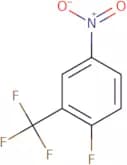
Formule :C8H10N2•(HCl)2Degré de pureté :Min. 95%Masse moléculaire :207.1 g/mol2-Fluoro-5-nitrobenzotrifluoride
CAS :2-Fluoro-5-nitrobenzotrifluoride is a chiral, fluorinated organic compound that has been shown to be an effective antiviral agent. It is active against Coxsackievirus B3 and other viruses in vitro. The antiviral activity of 2-fluoro-5-nitrobenzotrifluoride appears to be due to its ability to inhibit the virus's ability to bind and enter the host cell. In vivo studies have shown that 2-fluoro-5-nitrobenzotrifluoride can reduce the spread of coxsackievirus B3 in mice. This compound also has been shown to inhibit viral replication by preventing the synthesis of viral protein pai-1, which is necessary for viral assembly and release from infected cells.
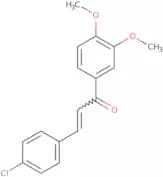
Formule :C7H3F4NO2Degré de pureté :Min. 95%Couleur et forme :PowderMasse moléculaire :209.1 g/mol4-Chloro-3',4'-dimethoxychalcone
CAS :Please enquire for more information about 4-Chloro-3',4'-dimethoxychalcone including the price, delivery time and more detailed product information at the technical inquiry form on this page
Degré de pureté :Min. 95%[2-(Pyridin-2-ylthio)ethyl]amine dihydrochloride
CAS :2-(Pyridin-2-ylthio)ethyl]amine dihydrochloride is a chemical compound that has been used as a research reagent. It reacts with other compounds to produce new substances, and it can be used as a building block for more complex compounds. 2-(Pyridin-2-ylthio)ethyl]amine dihydrochloride is soluble in water and organic solvents such as acetone and ethanol, making it useful for reactions that require both types of solvents. This product also has CAS No. 40379-31-5, which means it is listed on the Chemical Abstracts Service registry. 2-(Pyridin-2-ylthio)ethyl]amine dihydrochloride has an interesting chemical structure that makes it a versatile building block or intermediate for many different reactions.
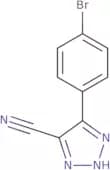
Formule :C7H10N2S•(HCl)2Degré de pureté :Min. 95%Couleur et forme :PowderMasse moléculaire :227.15 g/mol4-(4-Bromophenyl)-1H-1,2,3-triazole-5-carbonitrile
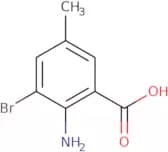
CAS :4-(4-Bromophenyl)-1H-1,2,3-triazole-5-carbonitrile (1) is an organic compound with a molecular formula of C8H6BrN3 and a molar mass of 218.9 g/mol. It has been shown to be a useful scaffold for the synthesis of complex compounds with interesting biological properties, such as antibiotic activity, antiviral activity and cytotoxicity. This compound can be used as a building block in the synthesis of other chemical compounds or as an intermediate in pharmaceutical research. 1 is also used as a reagent in organic synthesis and as a reactant for the production of fine chemicals.Formule :C9H5BrN4Degré de pureté :Min. 97 Area-%Couleur et forme :PowderMasse moléculaire :249.07 g/mol2-Amino-3-bromo-5-methylbenzoic acid
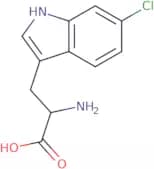
CAS :2-Amino-3-bromo-5-methylbenzoic acid is a fatty acid that belongs to the group of undescribed organic acids. It is found in soil as well as in organisms such as bacteria and fungi. The 2-Amino-3-bromo-5-methylbenzoic acid molecule has been shown to be an antibiotic, inhibiting the growth of bacterial strains belonging to the phyla Actinobacteria and Proteobacteria. It may also be present in plants, where it is channeled out through the roots. This fatty acid also has nucleobase properties, which are essential for DNA replication.br>br> span style="font-size: 12px;">2 Amino 3 bromo 5 methyl benzoic acid (2ABMB) was first isolated from soil samples collected from a site near Beijing, China. It is one of many undescribed organic acids that are foundFormule :C8H8BrNO2Degré de pureté :Min. 95%Couleur et forme :PowderMasse moléculaire :230.06 g/mol6-Chloro-D,L-tryptophan
CAS :6-Chloro-D,L-tryptophan is a chemical intermediate that is used in the production of pharmaceuticals. It is a precursor to the amino acid tryptophan and has been shown to inhibit protein synthesis in human macrophages and microglia cells. In addition, this compound has been shown to inhibit the uptake of tryptophan by human macrophages and thp-1 cells. This drug also inhibits the activity of aminotransferase enzymes, which are involved in the metabolism of tryptophan. 6-Chloro-D,L-tryptophan has enantiomeric purity and is an aryl halide with chlorine as its functional group. It can form 3-hydroxyanthranilic acid when it reacts with acid or an acidifying agent. 6-Chloro-D,L-tryptophan has been shown to inhibit the herpes simplex virus (HSV
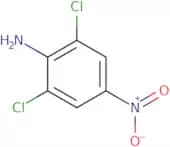
Formule :C11H11ClN2O2Degré de pureté :Min. 95%Masse moléculaire :238.67 g/mol2,6-Dichloro-4-nitroaniline
CAS :2,6-Dichloro-4-nitroaniline is an organic compound that has been shown to have anti-inflammatory properties. It can be used for the treatment of inflammatory skin diseases such as psoriasis and eczema. Short-term exposure to 2,6-dichloro-4-nitroaniline showed no toxic effects in cell culture studies and 2,6-dichloro-4-nitroaniline does not cause damage to skin cells or light exposure. The hydroxyl group on the aromatic ring of this molecule can react with hydrochloric acid to form a reactive intermediate. This intermediate reacts with N2H2 molecules to form a molecule called dinitrochlorobenzene. Dinitrochlorobenzene is a highly toxic substance that will react with nitrogen atoms on the cell wall surface in an acidic environment, forming nitrosamines which are highly carcinogenic compounds.
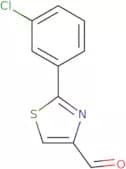
Formule :C6H4Cl2N2O2Degré de pureté :Min. 95%Couleur et forme :Slightly Yellow PowderMasse moléculaire :207.01 g/mol2-(3-Chlorophenyl)thiazole-4-carbaldehyde
CAS :Please enquire for more information about 2-(3-Chlorophenyl)thiazole-4-carbaldehyde including the price, delivery time and more detailed product information at the technical inquiry form on this page
Formule :C10H6ClNOSDegré de pureté :Min. 95%Couleur et forme :PowderMasse moléculaire :223.68 g/mol5-Amino-1,3-dimethyl-1,3-dihydro-2H-benzimidazol-2-one dihydrochloride
CAS :5-Amino-1,3-dimethyl-1,3-dihydro-2H-benzimidazol-2-one dihydrochloride (5ADMB) is a high quality reagent that is used as a complex compound. It has been shown to be useful in the synthesis of various compounds and is a fine chemical that can be used as a building block. 5ADMB has also been shown to be an excellent scaffold for the synthesis of benzo[b]thiophenes. This compound is also useful as a research chemical or specialty chemical. 5ADMB can be used in organic syntheses as a versatile building block and it reacts with nucleophiles such as alcohols and amines to form substituted derivatives. It has an appearance of white solid powder and its CAS number is 1986846-08-5.
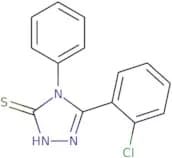
Formule :C9H11N3O·2HClDegré de pureté :Min. 95%Couleur et forme :PowderMasse moléculaire :250.12 g/mol3-(2-chlorophenyl)-4-phenyl-1,2,4-triazoline-5-thione
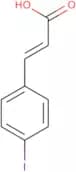
CAS :Please enquire for more information about 3-(2-chlorophenyl)-4-phenyl-1,2,4-triazoline-5-thione including the price, delivery time and more detailed product information at the technical inquiry form on this pageDegré de pureté :Min. 95%4-Iodocinnamic acid
CAS :4-Iodocinnamic acid is a mesomorphic, supramolecular organic acid that has potent cytotoxicity against cancer cells. It is also an analogue of the natural product cinnamic acid. 4-Iodocinnamic acid binds to the active site of the enzyme DNA polymerase and inhibits DNA synthesis by preventing the incorporation of deoxynucleotide triphosphates into synthesized DNA chains. The compound has been shown to have strong antimicrobial activity against Gram-positive bacteria such as Staphylococcus aureus, Enterococcus faecalis, and Bacillus cereus. 4-Iodocinnamic acid is also an effective inhibitor of cancer cell proliferation and induces apoptosis in these cells.
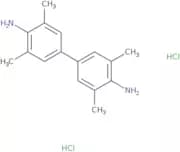
Formule :C9H7IO2Degré de pureté :Min. 95%Couleur et forme :PowderMasse moléculaire :274.06 g/mol3,3',5,5'-Tetramethylbenzidine dihydrochloride dihydrate
CAS :3,3',5,5'-Tetramethylbenzidine dihydrochloride dihydrate is a hydrophilic, non-fluorescent, and water-soluble chemical that is used as an enzyme-linked immunosorbent assay (ELISA) substrate. It has been shown to be reactive with peroxide and hydrogen peroxide in vitro and in vivo. 3,3',5,5'-Tetramethylbenzidine dihydrochloride dihydrate also has peroxidase-like activity when interacting with monomers to form polymers. The monomers are recombinantly human proteins that have been modified to increase the molecule's solubility. This increased solubility increases the interaction of the monomers with oxidants such as hydrogen peroxide or peroxides.
Formule :C16H20N2·2HCl·2H2ODegré de pureté :Min. 95%Couleur et forme :PowderMasse moléculaire :349.3 g/molDecafluorobis(Trifluoromethyl)Cyclohexane
CAS :Produit contrôléDecafluorobis(trifluoromethyl)cyclohexane is a film-forming polymer that can be used as a nutrient solution. It is synthesized by the thermal decomposition of hydrogen fluoride and caproic acid. Decafluorobis(trifluoromethyl)cyclohexane can be analyzed by combining it with fatty acids in an enzyme hydrolysis reaction. The product will then form a film on the surface of the container, which can be analyzed using ionization techniques such as mass spectrometry or nuclear magnetic resonance.
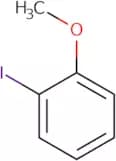
Formule :C8F16Degré de pureté :Min. 95%Masse moléculaire :400.06 g/mol1-Iodo-2-methoxybenzene
CAS :1-Iodo-2-methoxybenzene is a compound that has shown to have anti-cancer properties. It is an effective inhibitor of protein tyrosine kinases, which are involved in the activation of inflammatory diseases and cancer. The hydroxyl group on the benzenoid ring activates the molecule by hydrogen bonding with the protein target, thereby inhibiting its activity. 1-Iodo-2-methoxybenzene may also be used as a contrast agent for magnetic resonance imaging (MRI) due to its light emission properties.
Formule :C7H7IODegré de pureté :Min. 95%Couleur et forme :Clear LiquidMasse moléculaire :234.03 g/mol3,5,3',5'-Tetraiodothyroacetic acid
CAS :3,5,3',5'-Tetraiodothyroacetic acid (T4) is a thyroid hormone that can be found in the blood and has been shown to have angiogenic properties. T4 has been shown to bind to integrin receptors on endothelial cells and stimulate the proliferation of these cells. This hormone also has pro-apoptotic activity, inducing programmed cell death in cancer cells. T4 is used as a model system for studying the molecular pathogenesis of thyroid cancer. T4 is also able to inhibit DNA polymerase activity, which may be responsible for its ability to inhibit tumor growth.
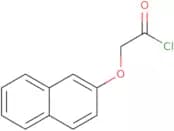
Formule :C14H8I4O4Degré de pureté :Min. 95%Couleur et forme :White PowderMasse moléculaire :747.83 g/mol(2-Naphthyloxy)acetyl chloride
CAS :(2-Naphthyloxy)acetyl chloride is an inhibitor of alcohol dehydrogenase, which is the enzyme that catalyzes the conversion of ethanol to acetaldehyde. It has been shown to be active against grapevine, but not against the yeast Saccharomyces cerevisiae. (2-Naphthyloxy)acetyl chloride inhibits alcohol dehydrogenase with a potency comparable to hexanol and ethylene glycol. It also inhibits esterases, which may account for its inhibitory effect on vinifera l. (2-Naphthyloxy)acetyl chloride has been shown to be more selective in inhibiting both alcohol and aldehyde dehydrogenases than hexanol or ethylene glycol.
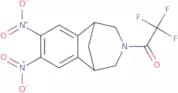
Formule :C12H9ClO2Degré de pureté :Min. 95%Couleur et forme :Off-White PowderMasse moléculaire :220.65 g/mol2,3,4,5-Tetrahydro-7,8-dinitro-3-(trifluoroacetyl)-1,5-methano-1H-3-benzazepine
CAS :2,3,4,5-Tetrahydro-7,8-dinitro-3-(trifluoroacetyl)-1,5-methano-1H-3-benzazepine is a supplement that may be used to treat depression. It has been shown to have a receptor activity on the acetylcholine receptors. 2,3,4,5-Tetrahydro-7,8-dinitro-3-(trifluoroacetyl)-1,5-methano-1H-3-benzazepine has also been shown to increase the activity of the endothelial function by increasing the production of nitric oxide. This drug has also been shown to be an effective treatment for reducing appetite in cases of anorexia nervosa and for treating Alzheimer's disease. The drug works by activating nicotinic acetylcholine receptors in the brain.Formule :C13H10F3N3O5Degré de pureté :Min. 98 Area-%Couleur et forme :PowderMasse moléculaire :345.23 g/mol6,6'-Dibromoindigo
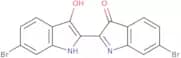
CAS :6,6'-Dibromoindigo is a substrate for enzymes that catalyze the oxidation of aromatic compounds. It can be used to measure the activity of these enzymes in biological samples. 6,6'-Dibromoindigo is also an inhibitor of human pathogens, such as Escherichia coli and Proteus mirabilis. It has been shown to have an apoptotic effect on certain cells in a model system and to inhibit HIV-1 protease. 6,6'-Dibromoindigo binds to the receptors of some bacteria and inhibits their growth by binding to cysteine residues within the bacterial cell wall. This binding prevents formation of the final product from 2 molecules of pyruvic acid, which inhibits oxidative phosphorylation and energy production by mitochondria.
Formule :C16H8Br2N2O2Degré de pureté :Min. 95%Couleur et forme :Purple PowderMasse moléculaire :420.06 g/molRef: 3D-FD32493
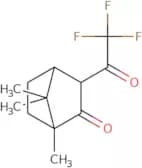
Produit arrêté3-Trifluoroacetyl-D-Camphor
CAS :3-Trifluoroacetyl-D-camphor is a ligand that binds to the quinine site on the mitochondrial membrane potential. It has been shown to have synergistic effects with metal chelates in cancer treatments. 3-Trifluoroacetyl-D-camphor is also a phosphorescent compound that emits photons when excited by light. The emission of light can be used as a probe for determining mitochondrial membrane potential and as a luminophore in devices such as gas sensors. 3-Trifluoroacetyl-D-camphor is found in the mitochondrial membranes of HL60 cells, and its concentration increases when mitochondria are exposed to hydrogen phosphine.
Formule :C12H15F3O2Degré de pureté :Min. 95%Couleur et forme :Clear LiquidMasse moléculaire :248.24 g/mol2,6-Dichlorophenolindophenol
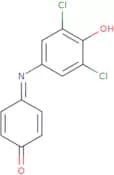
CAS :2,6-Dichlorophenolindophenol is a redox indicator that can be used as an optical sensor for the measurement of hydrogen peroxide and other reactive oxygen species. It has been shown to inhibit caspase-independent cell death in carcinoma cells and is active against the opportunistic fungus Candida glabrata. The optimum concentration for this compound has been determined to be 1 mM.
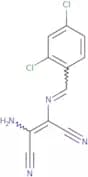
Formule :C12H7Cl2NO2Degré de pureté :Min. 95%Couleur et forme :Black Green PowderMasse moléculaire :268.09 g/mol2-Amino-1-(1-aza-2-(2,4-dichlorophenyl)vinyl)ethene-1,2-dicarbonitrile
CAS :Please enquire for more information about 2-Amino-1-(1-aza-2-(2,4-dichlorophenyl)vinyl)ethene-1,2-dicarbonitrile including the price, delivery time and more detailed product information at the technical inquiry form on this page
Formule :C11H6Cl2N4Degré de pureté :Min. 95%Couleur et forme :PowderMasse moléculaire :265.1 g/molPerfluoro-N-Methylmorpholine
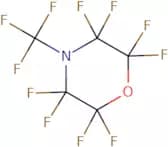
CAS :Perfluoro-N-Methylmorpholine (PMM) is a perfluorinated solvent with high boiling point, which makes it suitable for high temperature and pressure applications. PMM is an acyl halide that can be used as a solvent or in the synthesis of other perfluorinated compounds. The cyclic structure of PMM provides stability and high yields. The oxidation resistance of PMM allows it to be used in harsh environments. Cleavage products from PMM are not toxic, making this compound environmentally friendly. PMM can be used in organic chemistry as a solvent for reactions involving dialkylamino groups, such as the production of cyclic compounds. It can also be used in the synthesis of perfluorinated polymers as well as in the manufacture of coatings, foams, lubricants, and surfactants.
Formule :C5F11NODegré de pureté :Min. 95%Couleur et forme :Clear LiquidMasse moléculaire :299.04 g/molRef: 3D-FP78734
Produit arrêté4-[[4-(4-Chlorophenyl)-2-thiazolyl]amino]phenol
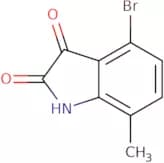
CAS :4-[[4-(4-Chlorophenyl)-2-thiazolyl]amino]phenol is a chemical that has been used in analytical and in vitro methods to study the cellular physiology of cells. It was found to inhibit sphingosine kinase, which is an enzyme that is involved in the synthesis of sphingosine. The inhibition of this enzyme leads to decreased levels of sphingosine and the effect on the cell. 4-[[4-(4-Chlorophenyl)-2-thiazolyl]amino]phenol can also affect mitochondrial membrane potential and cyclase activity, which may be useful for treating hyperproliferative diseases such as breast cancer.Formule :C15H11ClN2OSDegré de pureté :Min. 95%Masse moléculaire :302.78 g/mol4-Bromo-7-methylisatin
CAS :4-Bromo-7-methylisatin is a chemical compound that is used as a reagent, reaction component, and building block in organic chemistry. 4-Bromo-7-methylisatin is an important intermediate for the synthesis of other compounds and has been shown to have versatile applications in the synthesis of complex compounds. It has also been used as a speciality chemical in research applications and as a fine chemical.
Formule :C9H6BrNO2Degré de pureté :Min. 95%Couleur et forme :PowderMasse moléculaire :240.05 g/molDemecarium bromide
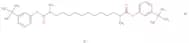
CAS :Demecarium bromide is a diagnostic drug that can be used to identify the presence of cancer cells. It reacts with sodium citrate and water vapor to produce a red color in tissue culture. The demecarium bromide test is a simple, inexpensive, and highly specific screening method for cancer. Demecarium bromide has been shown to be effective in the treatment of glaucoma and as an antiglaucoma agent. It has also been used in the treatment of insulin resistance, although its clinical relevance is not known. Demecarium bromide may also have potential use in degenerative diseases such as Parkinson's disease or Alzheimer's disease.
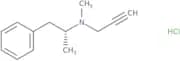
Formule :C32H52N4O4·2BrDegré de pureté :Min. 95%Couleur et forme :PowderMasse moléculaire :716.59 g/molSelegiline hydrochloride
CAS :Produit contrôléMonoamine oxidase B inhibitor
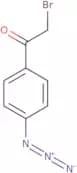
Formule :C13H18ClNDegré de pureté :(Hplc) Min. 98 Area-%Couleur et forme :White PowderMasse moléculaire :223.74 g/molp-Azidophenacyl bromide
CAS :p-Azidophenacyl bromide is an enzyme form that catalyzes the hydrolysis of azides, such as nitrobenzene. It is chemically stable and can be used in human serum. The enzyme form has been shown to hydrolyze DNA with high specificity and low background. p-Azidophenacyl bromide also has antiviral properties against herpes simplex virus because it inhibits the synthesis of viral DNA. This enzyme form also binds to benzyl groups on the surface of cell membranes, which are part of a ternary complex formation with lysine residues and hydroxyl groups. p-Azidophenacyl bromide is present in mitochondria and cytochrome plasma mass spectrometry has shown that it is a mitochondrial cytochrome.
Formule :C8H6BrN3ODegré de pureté :Min. 95%Couleur et forme :PowderMasse moléculaire :240.06 g/molRef: 3D-FA18106
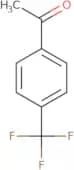
Produit arrêté4'-(Trifluoromethyl)acetophenone
CAS :4'-(Trifluoromethyl)acetophenone is a phosphatase inhibitor that has been shown to have inhibitory activity against chemokines. Chemokines are a type of cytokine that are secreted by immune cells and play an important role in inflammation. 4'-(Trifluoromethyl)acetophenone has also been shown to have an effect on the cell membrane permeability of amines and 2-aminobenzyl alcohol, which are substrates for the enzyme. 4'-(Trifluoromethyl)acetophenone reacts with imidazole derivatives, such as trifluoride, forming hydrogen bonds between the two molecules. Kinetic studies have demonstrated that this reaction is reversible in solution at room temperature.
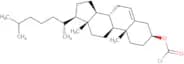
Formule :C9H7F3ODegré de pureté :Min. 95%Couleur et forme :PowderMasse moléculaire :188.15 g/molCholesterol chloroformate
CAS :Produit contrôléCholesterol chloroformate is a cholesterol derivative that has been shown to have good solubility in water. It is a white crystalline solid that is insoluble in ether, benzene, and chlorinated hydrocarbons. The compound has been used as a phase-transition temperature indicator and has been shown to be more resistant to degradation by enzymes than steric interactions. Cholesterol chloroformate is also an intermediate for the synthesis of other compounds such as cholesteryl sulfate and dextran sulfate. This compound binds to the Toll-like receptor 4 (TLR4) on cells, triggering an inflammatory response and activating the immune system. Cholesterol chloroformate can be used to study tumor cell growth by inhibiting mitosis in mouse tumors with subcutaneous injections of this agent.
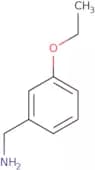
Formule :C28H45ClO2Degré de pureté :Min. 95%Masse moléculaire :449.11 g/mol3-Ethoxybenzylamine hydrochloride
CAS :3-Ethoxybenzylamine hydrochloride is a chemical compound that belongs to the group of industrial chemicals. It is used as an intermediate for the production of vanillin and as a catalyst for hydrogenation reactions. 3-Ethoxybenzylamine hydrochloride can be used in large-scale, industrial reactions. The target product is a reaction solvent that can be used in reduction reactions and aminations. The catalytic activity of 3-ethoxybenzylamine hydrochloride has been shown to increase with increasing pH, temperature, and concentration. The use of this product as a catalyst in the hydrogenation process results in high yield products with low levels of byproducts.
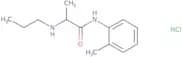
Formule :C9H13NO·HClDegré de pureté :Min. 95%Couleur et forme :White PowderMasse moléculaire :187.67 g/molPrilocaine hydrochloride
CAS :Sodium channel blocker
Formule :C13H20N2O•HClDegré de pureté :Min. 95%Couleur et forme :PowderMasse moléculaire :256.77 g/molRef: 3D-FP61505
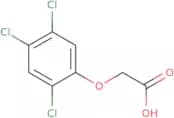
Produit arrêté2,4,5-Trichlorophenoxyacetic acid
CAS :Produit contrôlé2,4,5-Trichlorophenoxyacetic acid (2,4,5-T) is a herbicide that inhibits the growth of plants by inhibiting photosynthesis. It can be found in the environment as a contaminant of manufactured items such as vinyl chloride and polyurethane. 2,4,5-T is also used to produce dioxin and polychlorinated biphenyls (PCBs). The mechanism of toxicity involves inhibition of the activity of an enzyme called acetolactate synthase (ALS), which is responsible for synthesizing an important amino acid called L-alanine. ALS inhibitors are toxic to animals because they inhibit the formation of L-alanine and disrupt cellular energy production. In CD-1 mice, 2,4,5-T has been shown to have an inhibitory dose at 1 mg/kg body weight with long-term toxicity at doses up to 5 mg/kg body weight. 2,4,5
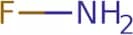
Formule :Cl3C6H2OCH2CO2HDegré de pureté :Min. 95%Couleur et forme :PowderMasse moléculaire :255.48 g/molMonofluoroamine
CAS :Produit contrôléMonofluoroamine is a chemical substance with the chemical formula NH2F. It is a colorless liquid that is stable to both acidic and basic environments, but reacts with fluorine gas to form hydrofluoric acid. Monofluoroamine is used in the synthesis of pharmaceuticals, pesticides, and other organic compounds. This compound can be prepared by reacting ammonia with hydrogen fluoride at low temperature or by reacting ammonia with hydrogen fluoride at high pressure. The Friedel-Crafts reaction of monofluoroamine with an amide produces the corresponding amine. Monofluoroamine has been used as a conditioning agent in NMR spectroscopy experiments to remove the water signal from complex NMR spectra. In addition, this compound has been shown to have antiviral effects against HIV infection through its ability to inhibit protein synthesis.
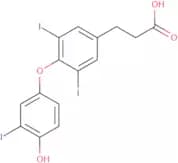
Formule :FH2NDegré de pureté :Min. 95%Masse moléculaire :35.02 g/mol3,3',5-Triiodo thyropropionic acid
CAS :Triiodothyropropionic acid is a metabolite of thyroxine, an important hormone that regulates the basal metabolic rate. It has been shown to be involved in the repair mechanism of cardiac and liver cells. Triiodothyropropionic acid is also a major metabolite of thyroxine and it is produced by the action of hydroxylases on thyroxine with water vapor as the substrate. This compound has been shown to increase cardiac function and improve heart tissue repair at physiological levels. The uptake, distribution, and excretion of triiodothyropropionic acid are similar to those for thyroxine. The metabolism of triiodothyropropionic acid occurs mainly in the liver, where it is converted into fatty acids such as 3-hydroxybutyric acid. Triiodothyropropionic acid has been shown to have effects on protein genes and rat liver microsomes.
Formule :C15H11I3O4Degré de pureté :Min. 95%Couleur et forme :PowderMasse moléculaire :635.96 g/mol3,4-Dimethoxybenzyl bromide
CAS :3,4-Dimethoxybenzyl bromide is an organic compound that is used in the synthesis of isoquinoline alkaloids. This chemical has been found to have anticancer activity against human colon cancer cells (HCT116) and low energy properties. The asymmetric synthesis of 3,4-dimethoxybenzyl bromide can be achieved through a Grignard reaction with phenylmagnesium bromide. A linker can be used to attach 3,4-dimethoxybenzyl bromide to other chemicals such as biphenyls or amines.
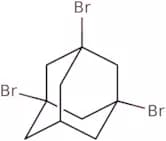
Formule :C9H11BrO2Degré de pureté :Min. 95 Area-%Couleur et forme :White PowderMasse moléculaire :231.09 g/mol1,3,5-Tribromoadamantane
CAS :1,3,5-Tribromoadamantane is a molecule that contains a bromine atom. It has been shown to react with solvents and deforms. The kinetics of the reaction have been studied using dipole measurements. This compound reacts with lithium metal in an acidic environment and undergoes ring-opening reactions with halogens and aluminium. 1,3,5-Tribromoadamantane can be used as a substrate molecule for chromatography experiments. The stereogenic center of this molecule is thermodynamically unstable due to its electron withdrawing properties.
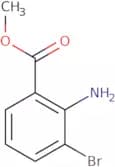
Formule :C10H13Br3Degré de pureté :Min. 95%Couleur et forme :PowderMasse moléculaire :372.92 g/molMethyl 2-amino-3-bromobenzoate
CAS :Methyl 2-amino-3-bromobenzoate is a high quality, versatile building block that is used as a reagent and intermediate in the synthesis of biologically active compounds. Methyl 2-amino-3-bromobenzoate is a complex compound that has proven useful as an intermediate in the synthesis of various fine chemicals, such as speciality chemicals. The compound also serves as a useful scaffold for the preparation of other compounds, such as research chemicals. Methyl 2-amino-3-bromobenzoate can be used in reactions with other reagents to form new compounds. It is also used to make important reaction components, such as CAS No. 104670-74-8.
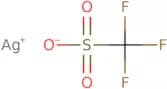
Formule :C8H8BrNO2Degré de pureté :Min. 95%Couleur et forme :PowderMasse moléculaire :230.06 g/molSilver trifluoromethanesulfonate
CAS :Silver trifluoromethanesulfonate is a silver salt that is used in carbohydrate chemistry. It can be used for the synthesis of coumarin derivatives, which are important for the development of pharmaceuticals and other organic compounds. The reaction with acylating agents produces an acylated silver ion that reacts with amines to form a cationic polymerization. This polymerization is activated by the presence of high salt or amines, and proceeds with high efficiency. The asymmetric synthesis of carbohydrates using this method has been demonstrated using x-ray diffraction data and nmr spectroscopic data.
Formule :CAgF3O3SDegré de pureté :Min. 95%Couleur et forme :White PowderMasse moléculaire :256.94 g/molRef: 3D-FS43297
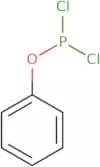
Produit arrêtéPhenylphosphorodichloridite
CAS :Phenylphosphorodichloridite is a solid catalyst that is used in the production of polymers. It has been shown to inhibit the synthesis of glycogen, which is an important energy storage molecule, and phosphorous acid, which may play a role in the regulation of glycolysis. The antiviral effect of phenylphosphorodichloridite has been demonstrated by its ability to inhibit influenza virus replication. This agent also inhibits the production of proteins necessary for viral replication, such as covid-19 pandemic. Phenylphosphorodichloridite shows light resistance and can be used for organic synthesis in the presence of oxygen and light.
Formule :C6H5Cl2OPDegré de pureté :Min. 95%Couleur et forme :Colorless Clear LiquidMasse moléculaire :194.98 g/molN-[6-Chloro-5-(2-methoxyphenoxy)-(2,2-bipyrimidine)4-4-yl]-(1,1-dimethylethyl)-benzenesulfonamide
CAS :N-[6-Chloro-5-(2-methoxyphenoxy)-(2,2-bipyrimidine)4-4-yl]-(1,1-dimethylethyl)-benzenesulfonamide is a reagent that can be used as a reaction component in the synthesis of complex compounds. It has high quality and is a versatile building block for the synthesis of speciality chemicals. N-[6-Chloro-5-(2-methoxyphenoxy)-(2,2-bipyrimidine)4-4-yl]-(1,1-dimethylethyl)-benzenesulfonamide is also a useful intermediate in the synthesis of fine chemicals.
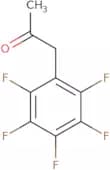
Formule :C25H24ClN5O4SDegré de pureté :Min. 95%Couleur et forme :White PowderMasse moléculaire :526.01 g/mol(2,3,4,5,6-Pentafluorophenyl)cetone
CAS :(2,3,4,5,6-Pentafluorophenyl)cetone is a specialty chemical that is used as a reagent in organic synthesis. It has been used as a building block for the synthesis of other fine chemicals and research chemicals. CAS No. 19225-86-6
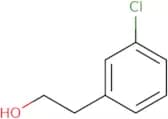
Formule :C9H5F5ODegré de pureté :Min. 95%Masse moléculaire :224.13 g/mol2-(3-Chlorophenyl)ethanol
CAS :2-(3-Chlorophenyl)ethanol (CLPE) is an agonist of the beta-adrenergic receptor. It is used in the treatment of asthma and other pulmonary diseases. CLPE binds to the beta-adrenergic receptor, which increases airway opening by relaxing bronchial smooth muscle. The drug also has a backup effect on the alpha-adrenergic receptors in the lungs, which helps to overcome any adverse effects caused by beta-blockers. CLPE has been shown to be effective in treating asthma attacks that are resistant to inhaled corticosteroids and long-acting β2-agonists. It may be used as an alternative treatment for patients who cannot tolerate or have not responded well to first line treatments such as long acting β2 agonists or inhaled corticosteroids.
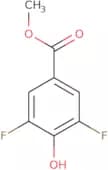
Formule :C8H9ClODegré de pureté :Min. 95%Couleur et forme :Clear LiquidMasse moléculaire :156.61 g/mol3,5-Difluoro-4-hydroxybenzoic acid methyl ester
CAS :3,5-Difluoro-4-hydroxybenzoic acid methyl ester (DFHBME) is a chemical compound that belongs to the class of useful building blocks. It is used in research as a reagent and in the synthesis of various complex compounds. DFHBME reacts with nucleophiles such as amines or alcohols to produce useful intermediates or scaffolds for organic synthesis. This compound is also useful as a speciality chemical due to its high quality and versatility.
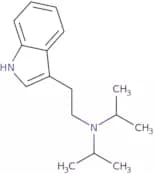
Formule :C8H6F2O3Degré de pureté :Min. 95%Couleur et forme :PowderMasse moléculaire :188.13 g/mol3-(2-Diisopropylaminoethyl)indole hydrochloride
CAS :Produit contrôlé3-(2-Diisopropylaminoethyl)indole hydrochloride is an inhibitor of the enzyme monoamine oxidase (MAO). MAO is responsible for the degradation of monoamines such as serotonin, dopamine, and norepinephrine. 3-(2-Diisopropylaminoethyl)indole hydrochloride inhibits these enzymes in order to increase the levels of these neurotransmitters in the brain. These effects are observed with a sectional study on the host plant species. 3-(2-Diisopropylaminoethyl)indole hydrochloride has been shown to have low potency for inhibiting 5-HT1A and 5-HT2A receptors in rat studies, but it is not active against 5-HT2C receptors. This drug was used to measure urinary serotonin and dopamine levels in human urine samples.
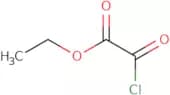
Formule :C16H25ClN2Degré de pureté :Min. 95%Masse moléculaire :280.84 g/molEthyl oxalyl monochloride
CAS :Ethyl oxalyl monochloride is an ester that has been used to treat tumors. This drug is a prodrug that is hydrolyzed in vivo to form ethyl chloroformate and oxalic acid. Ethyl oxalyl monochloride inhibits the activity of receptors for acetylcholine, histamine, and serotonin. It also inhibits the production of nitric oxide, which causes vasodilation and hypotension. Ethyl oxalyl monochloride may be useful in treating bowel disease by inhibiting the production of prostaglandins.
br>br>
Ethyl oxalyl monochloride has shown efficacy against autoimmune diseases such as rheumatoid arthritis and multiple sclerosis, but it can also cause eye disorders or hiv infection when used at higher concentrations.br>br>
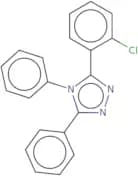
Ethyl oxalyl monochloride binds with lipids in mitochondrial membranes, leading to a decrease in mitochondrial membrane potentialFormule :C4H5ClO3Degré de pureté :Min. 95%Couleur et forme :Colorless Clear LiquidMasse moléculaire :136.53 g/mol5-(2-Chlorophenyl)-1,2-diphenyl-1,3,4-triazole
CAS :5-(2-Chlorophenyl)-1,2-diphenyl-1,3,4-triazole is a research chemical that can be used as a building block for the synthesis of more complex molecules. This compound has been shown to have a high yield and is useful for the synthesis of various reaction components including pharmaceuticals and pesticides. It also has an excellent quality and is available in bulk quantities.Formule :C20H14ClN3Degré de pureté :Min. 95%Masse moléculaire :331.8 g/mol2-Bromothioanisole
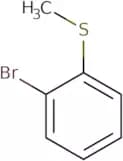
CAS :2-Bromothioanisole is an enolate that is derived from the reaction of thioanisoles with a variety of solvents. This compound has been shown to have inhibitory activities against sulfoxide formation by immobilized enzymes and molecular modeling studies. 2-Bromothioanisole can be used as a substrate molecule for preparation of sulfoxide compounds using high performance liquid chromatography (HPLC). The sulfoxides formed from this compound are found to inhibit the enzyme activity in the trichloroacetic acid, trifluoroacetic acid, and sulfonic acid.
Formule :C7H7BrSDegré de pureté :Min. 95%Masse moléculaire :203.1 g/mol2,6-Dibromopyrazine
CAS :2,6-Dibromopyrazine is a quinoxaline molecule with two nitrogen atoms. It is an electropolymerizable material that can be used to create patterned surfaces. 2,6-Dibromopyrazine has been used in the fabrication of devices such as fluorescent lamps and light emitting diodes (LEDs). The fluorescence of these devices depends on the alignment of molecules within the device. The number and position of nitrogen atoms in the molecule determine the wavelength emission. 2,6-Dibromopyrazine is a structural isomer of 1,8-dibromopyrazine.
2,6-Dibromopyrazine has homologues such as anilines and amines that have been used in organic synthesis for decades.Formule :C4H2Br2N2Degré de pureté :Min. 95%Couleur et forme :SolidMasse moléculaire :237.88 g/mol2-Chloro-5-(4-chloro-5-difluoromethoxy-1-methylpyrazol-3-yl)-4-fluorophenoxyacetic acid monohydrate
CAS :2-Chloro-5-(4-chloro-5-difluoromethoxy-1-methylpyrazol-3-yl)-4-fluorophenoxyacetic acid monohydrate (2,4,5P) is a phenoxy herbicide that has been shown to be an effective broadleaf and grass weed control agent. 2,4,5P is a granule formulation that can be applied by helicopter or ground equipment. It has synergistic effects with glyphosate when applied together to soybean plants and can be used in combination with other herbicides for more effective weed control.
Formule :C13H9Cl2F3N2O·H2ODegré de pureté :Min. 95%Couleur et forme :White PowderMasse moléculaire :355.14 g/molBiotinyl-(Cys1,Lys(biotinyl)18)-Calcitonin (human) trifluoroacetate salt
CAS :Please enquire for more information about Biotinyl-(Cys1,Lys(biotinyl)18)-Calcitonin (human) trifluoroacetate salt including the price, delivery time and more detailed product information at the technical inquiry form on this pageFormule :C171H254N44O49S5Degré de pureté :Min. 95%Masse moléculaire :3,870.44 g/molTolonium chloride
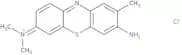
CAS :Tolonium chloride is a chemical compound used as an optical sensor for the measurement of water vapor. It has been shown to be effective against a number of microorganisms, including bacteria and fungi. Tolonium chloride is used in a model system to study the structural analysis of biological samples. It has also been used as an antimicrobial agent in various industries, such as textiles and food processing. The mechanisms by which tolonium chloride kills microorganisms are not well understood. However, it is believed that the reaction produces nitrite ions that react with magnesium salt at high temperatures to form nitric oxide gas (NO). This gas reacts with oxygen to produce ozone, which damages bacterial cell membranes and kills the microbes. Tolonium chloride can be activated by mixing it with a strong acid, such as nitric acid or sulfuric acid, which creates an electrochemical process that can be monitored using electrochemical impedance spectroscopy.
The use of tolonium chloride in flow assays hasFormule :C15H16N3SClDegré de pureté :Min. 95%Couleur et forme :PowderMasse moléculaire :305.83 g/molTetrakis(bromomethyl)methane - 94%
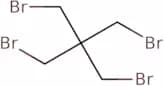
CAS :Tetrakis(bromomethyl)methane is a chemical compound that contains an aromatic hydrocarbon and a hydroxyl group. It can be synthesized by reacting an aliphatic hydrocarbon with bromine in the presence of a base such as sodium carbonate. The reaction solution is acidic and can be neutralized with a base, such as sodium carbonate. Tetrakis(bromomethyl)methane has been used to crosslink polymers, such as polystyrene, for use in cell culture experiments. FT-IR spectroscopy has shown that this compound contains both nitrogen atoms and aliphatic hydrocarbons.
Formule :C5H8Br4Degré de pureté :(%) Min. 94%Couleur et forme :Clear LiquidMasse moléculaire :387.73 g/mol2-Bromo-3,6-difluorobenzaldehyde
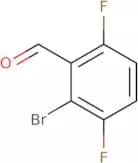
CAS :2-Bromo-3,6-difluorobenzaldehyde is a versatile building block that is used in the synthesis of many complex compounds. It has been shown to be a useful intermediate and reaction component in organic synthesis. 2-Bromo-3,6-difluorobenzaldehyde can be used as a reagent or speciality chemical for research purposes. This compound has high quality and is a useful scaffold for the preparation of fine chemicals.
Formule :C7H3BrF2ODegré de pureté :Min. 95%Couleur et forme :Off-White PowderMasse moléculaire :221 g/molRef: 3D-FB67309
Produit arrêtéTris(4-bromophenyl)amine
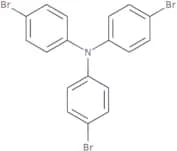
CAS :Tris(4-bromophenyl)amine is a chemical compound that is used as an intermediate in the synthesis of other compounds. It has been studied for its electrochemical properties, which include its stability and ability to react with ethyl diazoacetate. The reaction mechanism of tris(4-bromophenyl)amine has been studied using electrochemical techniques, including kinetic and spectroscopic studies. Tris(4-bromophenyl)amine reacts with acid to produce nitrite ions and bromine water, which can then react with ethyl diazoacetate to produce aryl diazonium salts such as 3-nitrophenol. This process can be repeated multiple times to form aryl diazonium salts such as 6-nitrophenol or 5-nitrophenol. The electron reduction potential of tris(4-bromophenyl)amine is low enough that it can be easily oxid
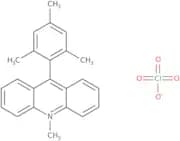
Formule :C18H12Br3NDegré de pureté :Min. 95%Couleur et forme :PowderMasse moléculaire :482.01 g/mol9-Mesityl-10-methylacridinium perchlorate
CAS :9-Mesityl-10-methylacridinium perchlorate is a cross-coupling reagent that can be used to form amines from alkenes via bond cleavage. The mechanism of this reaction involves irradiation, which generates radical species, and the use of molecular probes to rationalize the rate of the reaction. 9-Mesityl-10-methylacridinium perchlorate is a highly reactive compound with a short half life, which makes it an ideal candidate for generating radicals in order to study mechanistic studies on acridinium.Formule :C23H22ClNO4Degré de pureté :Min. 95%Couleur et forme :PowderMasse moléculaire :411.88 g/molL-Phenylalanine ethyl ester hydrochloride
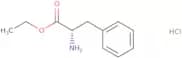
CAS :L-Phenylalanine ethyl ester hydrochloride is a chemical compound that is the ethyl ester of L-phenylalanine. It has been shown to have anticancer activity in vitro, and has been studied as a potential treatment for leukemia. The anticancer effects of L-phenylalanine ethyl ester hydrochloride are thought to be due to its ability to disrupt the DNA replication machinery by attacking amines and other nucleophilic groups. L-Phenylalanine ethyl ester hydrochloride was found to induce apoptosis in human hepatoma cells through the generation of reactive oxygen species and activation of caspases. This compound also has an absorption peak at 260 nm, which makes it suitable for use as a UV light absorber.
Formule :C11H15NO2·HClDegré de pureté :Min. 95%Couleur et forme :White PowderMasse moléculaire :229.7 g/mol4-Aminobenzyl alcohol hydrochloride
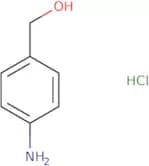
CAS :4-Aminobenzyl alcohol hydrochloride is a fine chemical that is used as a building block for research chemicals, reagents, and specialty chemicals. It can be used as a versatile building block in the synthesis of many complex compounds. 4-Aminobenzyl alcohol hydrochloride is also an intermediate for the synthesis of pharmaceuticals and other useful compounds. CAS No. 170926-25-7Formule :C7H10ClNODegré de pureté :Min. 95%Couleur et forme :PowderMasse moléculaire :159.61 g/mol1,4-Bis(bromomethyl)benzene
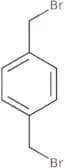
CAS :1,4-Bis(bromomethyl)benzene is a molecule that has a variety of uses. It is used as an adsorbent for the purification of aromatic hydrocarbons and can also be used in synthesizing coumarin derivatives. It is also a component in x-ray crystal structures, ether linkages, chemical structures, and other organic compounds. 1,4-Bis(bromomethyl)benzene reacts with nucleophiles such as chloride to form diphenyl ethers. The synthesis of 1,4-bis(bromomethyl)benzene begins with the reaction of pyridinedicarboxylic acid and bromine in the presence of an organic solvent. This process creates a mixture containing diphenyl ethers and other halogenated aromatic compounds that can then be purified by crystallization or distillation.
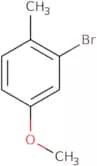
Formule :C8H8Br2Degré de pureté :Min. 95%Couleur et forme :White Clear LiquidMasse moléculaire :263.96 g/mol3-Bromo-4-methylanisole
CAS :3-Bromo-4-methylanisole is a natural product that has been shown to selectively activate the transcription factor, proliferator activated receptor γ (PPARγ), which plays a central role in cell differentiation and lipid metabolism. 3-Bromo-4-methylanisole is a competitive inhibitor of the catalytic site of PPARγ and also inhibits the activity of other transcriptional factors. This compound has been shown to stimulate the production of peroxisomes, which are organelles involved in lipid metabolism. 3-Bromo-4-methylanisole can be synthesized from toluene by a two step process involving electrolysis followed by chlorination. It can also be prepared from magnolol, a natural product isolated from Magnolia officinalis, by oxidation with potassium dichromate and sodium bisulfite.
Formule :C8H9BrODegré de pureté :Min. 95%Couleur et forme :PowderMasse moléculaire :201.06 g/mol4-Chloro-5-ethylisatin
CAS :4-Chloro-5-ethylisatin is a fine chemical that can be used as a versatile building block in the synthesis of complex compounds. It has been shown to be a useful intermediate and reaction component for the preparation of high quality reagents. 4-Chloro-5-ethylisatin is commercially available from Sigma Aldrich, catalog number 1379340-45-0.
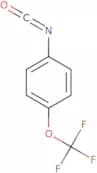
Formule :C10H8ClNO2Degré de pureté :Min. 95%Masse moléculaire :209.63 g/mol4-(Trifluoromethoxy)phenyl isocyanate
CAS :4-(Trifluoromethoxy)phenyl isocyanate (4-TFPC) is a potent antagonist of the platelet P2Y12 receptor. It inhibits platelet aggregation and adhesion, as well as prevents the formation of blood clots. 4-TFPC has a low molecular weight and can be administered orally. It also has been shown to increase insulin sensitivity and reduce blood glucose levels in mice with type 2 diabetes. This antiplatelet agent binds to receptors on the surface of platelets, preventing activation. 4-TFPC is also an inhibitor of protein kinase C and phosphodiesterases, which are enzymes that regulate cell signalling pathways. In vitro studies have shown that 4-TFPC inhibits cycloheptyl (CPH)-induced aggregation in human platelets in a dose-dependent manner with an IC50 value of 0.5 μM.END>
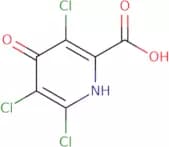
Formule :C8H4F3NO2Degré de pureté :Min. 95%Couleur et forme :Colorless Clear LiquidMasse moléculaire :203.12 g/mol3,5,6-Trichloro-4-hydroxy-2-picolinic acid
CAS :3,5,6-Trichloro-4-hydroxy-2-picolinic acid is a high quality reagent that is used as a building block for the synthesis of complex compounds with potential pharmaceutical applications. It can be used as an intermediate in the production of fine chemicals and speciality chemicals. This compound is also useful for research purposes and as a versatile building block for reactions.
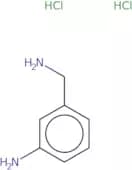
Formule :C6H2Cl3NO3Degré de pureté :Min. 95%Couleur et forme :White to off-white solid.Masse moléculaire :242.44 g/mol3-Aminobenzylamine dihydrochloride
CAS :3-Aminobenzylamine dihydrochloride is a chemical building block that is useful for the synthesis of complex compounds. 3-Aminobenzylamine dihydrochloride is an aminobenzamide and has been used as a reagent or reaction component in laboratory research. This chemical is a versatile building block that can be used to synthesize a variety of compounds. 3-Aminobenzylamine dihydrochloride has been shown to be effective in the synthesis of 1,2,4-triazole derivatives, which are useful as pharmaceuticals or herbicides. 3-Aminobenzylamine dihydrochloride is also useful for the preparation of other fine chemicals and speciality chemicals.
Formule :C7H10N2·2ClHDegré de pureté :Min. 95%Couleur et forme :SolidMasse moléculaire :195.09 g/mol






![4-[3-(Trifluoromethyl)-3H-diazirin-3-yl]benzenemethanamine hydrochloride](/_next/image/?url=https%3A%2Fstatic.cymitquimica.com%2Fproducts%2F3D%2Fthumb-webp%2FFT99415.webp&w=3840&q=75)

![[2-(Pyridin-2-ylthio)ethyl]amine dihydrochloride](/_next/image/?url=https%3A%2Fstatic.cymitquimica.com%2Fproducts%2F3D%2Fthumb-webp%2FFP121658.webp&w=3840&q=75)

![4-[[4-(4-Chlorophenyl)-2-thiazolyl]amino]phenol](/_next/image/?url=https%3A%2Fstatic.cymitquimica.com%2Fproducts%2F3D%2Fthumb-webp%2FFC137468.webp&w=3840&q=75)

![N-[6-Chloro-5-(2-methoxyphenoxy)-(2,2-bipyrimidine)4-4-yl]-(1,1-dimethylethyl)-benzenesulfonamide](/_next/image/?url=https%3A%2Fstatic.cymitquimica.com%2Fproducts%2F3D%2Fthumb-webp%2FFC20113.webp&w=3840&q=75)