Halogénures organiques
Sous-catégories appartenant à la catégorie "Halogénures organiques"
20442 produits trouvés pour "Halogénures organiques"
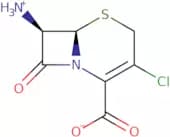
7-Amino-3-chloro cephalosporanic acid
CAS :7-Amino-3-chloro cephalosporanic acid is a molecule that can be used to synthesize the drug cefaclor. It is a synthetic compound that has been shown to have anticancer activity and antibacterial activity. This molecule is an ester hydrochloride and has a bulk density of 1.2 g/cm³. 7-Amino-3-chloro cephalosporanic acid is activated by hydrochloric acid in the presence of an organic solvent, such as ethyl acetate, at room temperature. The molecule is also bioactive and its expression can be induced by adding an activator, such as sodium butyrate or benzyl alcohol, to the medium.br>br>
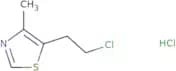
7-Amino-3-chloro cephalosporanic acid exhibits antibacterial activity against Gram positive bacteria, such as Bacillus subtilis and Staphylococcus epidermidFormule :C7H7ClN2O3SDegré de pureté :Min. 95%Couleur et forme :PowderMasse moléculaire :234.66 g/mol5-(2-Chloroethyl)-4-methyl-thiazole hydrochloride
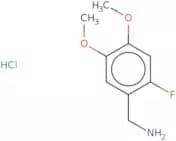
CAS :Produit contrôlé5-(2-Chloroethyl)-4-methyl-thiazole hydrochloride is an inorganic acid that can be synthesized from 2-chloroethanol and thiourea. It has been used as a reagent to determine the activity of human liver enzymes, such as butyrolactone and thiocyanation. 5-(2-Chloroethyl)-4-methyl-thiazole hydrochloride has also been used in the study of drug absorption, with chloride as its conjugate base. 5-(2-Chloroethyl)-4-methyl-thiazole hydrochloride has been shown to have significant inhibitory effects on the growth of various infectious bacteria, including S. aureus. This compound is a specific agonist for ThP1 cells and is synthetically produced by reacting 2 chloroethanol with thiourea.Formule :C6H8ClNS·HClDegré de pureté :Min. 95%Couleur et forme :PowderMasse moléculaire :198.11 g/mol4,5-Dimethoxy-2-fluorobenzylamine hydrochloride
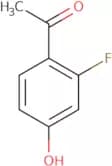
CAS :4,5-Dimethoxy-2-fluorobenzylamine hydrochloride is a fine chemical that is the building block for a variety of other compounds. It has been used as an intermediate in organic synthesis and as a research chemical. 4,5-Dimethoxy-2-fluorobenzylamine hydrochloride has also been used as a reaction component in the preparation of complex compounds with interesting physical and chemical properties. This compound is also used as a reagent in the production of high quality products.Formule :C9H12FNO2·HClDegré de pureté :Min. 95%Masse moléculaire :221.66 g/mol2'-Fluoro-4'-hydroxyacetophenone
CAS :2'-Fluoro-4'-hydroxyacetophenone is a glycosylated molecule that is used in phase transfer catalysis. It is a glycoside that can undergo the glycosylation reaction and can be used as a phase transfer reagent. 2'-Fluoro-4'-hydroxyacetophenone has been studied for its potential use in the synthesis of xylosides and selenadiazoles. In addition, it has shown anti-inflammatory properties, which may be due to its inhibition of prostaglandin synthesis.
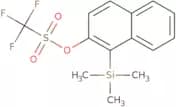
Formule :C8H7FO2Degré de pureté :Min. 95%Masse moléculaire :154.14 g/mol1-(Trimethylsilyl)-2-naphthyl Trifluoromethanesulfonate
CAS :1-(Trimethylsilyl)-2-naphthyl Trifluoromethanesulfonate is a solvent that has been used for the synthesis of oxygen heterocycles. It is also used as a reagent to cleave bonds in organic molecules, such as alkene, solvents, aldehydes and activated esters. This compound is an unsymmetrical nucleophile that reacts with electron-poor alkenes to generate an unsaturated bond between two carbons. Mechanistic studies have shown that the reaction proceeds through a concerted mechanism involving the formation of a covalent phosphine intermediate.
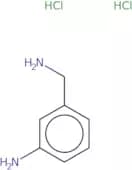
Formule :C14H15F3O3SSiDegré de pureté :Min. 95%Couleur et forme :PowderMasse moléculaire :348.41 g/mol3-Aminobenzylamine dihydrochloride
CAS :3-Aminobenzylamine dihydrochloride is a chemical building block that is useful for the synthesis of complex compounds. 3-Aminobenzylamine dihydrochloride is an aminobenzamide and has been used as a reagent or reaction component in laboratory research. This chemical is a versatile building block that can be used to synthesize a variety of compounds. 3-Aminobenzylamine dihydrochloride has been shown to be effective in the synthesis of 1,2,4-triazole derivatives, which are useful as pharmaceuticals or herbicides. 3-Aminobenzylamine dihydrochloride is also useful for the preparation of other fine chemicals and speciality chemicals.
Formule :C7H10N2·2ClHDegré de pureté :Min. 95%Couleur et forme :SolidMasse moléculaire :195.09 g/mol2-Anilino-6-dibutylamino-3-methylfluoran
CAS :2-Anilino-6-dibutylamino-3-methylfluoran is a switchable fluorescent dye that has been used to detect and measure biochemically active substances in living cells. The dye is introduced into the cell, where it binds to specific proteins or nucleic acids, causing a change in fluorescence. This change can then be detected using a microscope with an ultraviolet light source. 2-Anilino-6-dibutylamino-3-methylfluoran has also been used to detect bacteria in wastewater samples. An experiment was conducted to determine the effects of temperature on the reaction time of 2AADMF and metal ion concentration. Increasing the temperature resulted in an increase in reaction time, while increasing the concentration of metal ions had no effect on reaction time. 2AADMF also reacts differently depending on whether it is inside microcapsules or not. Microcapsules with 2AADMF reacted faster than those without it when
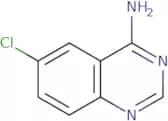
Formule :C35H36N2O3Degré de pureté :Min. 95%Couleur et forme :White PowderMasse moléculaire :532.67 g/mol6-Chloroquinazolin-4-amine
CAS :6-Chloroquinazolin-4-amine is a versatile building block that can be used in the synthesis of various drugs and other compounds. This compound is a useful intermediate for the synthesis of various heterocyclic compounds, including pharmaceuticals, agrochemicals, and other speciality chemicals. The high quality of 6-chloroquinazolin-4-amine makes it an excellent starting material for chemical reactions. It's also a useful scaffold for research into new drug development.
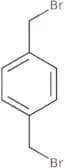
Formule :C8H6ClN3Degré de pureté :Min. 95%Couleur et forme :Off-White PowderMasse moléculaire :179.61 g/mol1,4-Bis(bromomethyl)benzene
CAS :1,4-Bis(bromomethyl)benzene is a molecule that has a variety of uses. It is used as an adsorbent for the purification of aromatic hydrocarbons and can also be used in synthesizing coumarin derivatives. It is also a component in x-ray crystal structures, ether linkages, chemical structures, and other organic compounds. 1,4-Bis(bromomethyl)benzene reacts with nucleophiles such as chloride to form diphenyl ethers. The synthesis of 1,4-bis(bromomethyl)benzene begins with the reaction of pyridinedicarboxylic acid and bromine in the presence of an organic solvent. This process creates a mixture containing diphenyl ethers and other halogenated aromatic compounds that can then be purified by crystallization or distillation.
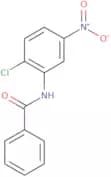
Formule :C8H8Br2Degré de pureté :Min. 95%Couleur et forme :White Clear LiquidMasse moléculaire :263.96 g/molN-(2-Chloro-5-Nitrophenyl)Benzamide
CAS :Please enquire for more information about N-(2-Chloro-5-Nitrophenyl)Benzamide including the price, delivery time and more detailed product information at the technical inquiry form on this page
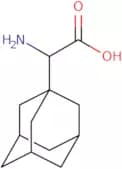
Formule :C13H9ClN2O3Degré de pureté :Min. 95%Couleur et forme :PowderMasse moléculaire :276.67 g/mol1-Adamantyl(amino)acetic acid hydrochloride
CAS :1-Adamantyl(amino)acetic acid hydrochloride is an organic compound that is used as a versatile building block and intermediate in the synthesis of complex compounds. It reacts with nitric acid to form 1-Adamantyl nitrate, which is a useful reagent for organic synthesis. This compound has CAS number 16091-96-6 and can be found on the list of speciality chemicals. It is a fine chemical with high quality and is useful for research purposes.
Formule :C12H19NO2·HClDegré de pureté :Min. 95%Couleur et forme :PowderMasse moléculaire :245.75 g/mol4-Fluoro-3-methoxybenzonitrile
CAS :4-Fluoro-3-methoxybenzonitrile (4FM) is an orally active dihydrobenzofuran derivative that has been optimized for oral bioavailability. The drug is a potent inhibitor of efflux and can be used to lower the oral bioavailability of drugs that are substrates for efflux. 4FM also inhibits heterocycle metabolism, which can be used as a strategy to evolve drugs with improved physicochemical properties. 4FM has shown preclinical efficacy in lowering heterocycle levels, including lowering of methadone levels in humans. The drug is a competitive inhibitor of the enzyme P450 2D6, which is responsible for the metabolism of many drugs. This inhibition may have adverse effects on these drugs and should be monitored closely during treatment with 4FM.
Formule :C8H6FNODegré de pureté :Min. 95%Couleur et forme :PowderMasse moléculaire :151.14 g/mol4-Chloro-5-ethylisatin
CAS :4-Chloro-5-ethylisatin is a fine chemical that can be used as a versatile building block in the synthesis of complex compounds. It has been shown to be a useful intermediate and reaction component for the preparation of high quality reagents. 4-Chloro-5-ethylisatin is commercially available from Sigma Aldrich, catalog number 1379340-45-0.
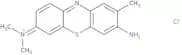
Formule :C10H8ClNO2Degré de pureté :Min. 95%Masse moléculaire :209.63 g/molTolonium chloride
CAS :Tolonium chloride is a chemical compound used as an optical sensor for the measurement of water vapor. It has been shown to be effective against a number of microorganisms, including bacteria and fungi. Tolonium chloride is used in a model system to study the structural analysis of biological samples. It has also been used as an antimicrobial agent in various industries, such as textiles and food processing. The mechanisms by which tolonium chloride kills microorganisms are not well understood. However, it is believed that the reaction produces nitrite ions that react with magnesium salt at high temperatures to form nitric oxide gas (NO). This gas reacts with oxygen to produce ozone, which damages bacterial cell membranes and kills the microbes. Tolonium chloride can be activated by mixing it with a strong acid, such as nitric acid or sulfuric acid, which creates an electrochemical process that can be monitored using electrochemical impedance spectroscopy.
The use of tolonium chloride in flow assays hasFormule :C15H16N3SClDegré de pureté :Min. 95%Couleur et forme :PowderMasse moléculaire :305.83 g/mol[2-(3-Methyl-1,2,4-oxadiazol-5-yl)ethyl]amine hydrochloride
CAS :2-(3-Methyl-1,2,4-oxadiazol-5-yl)ethyl]amine hydrochloride is a high quality chemical reagent that can be used as a complex intermediate in organic synthesis. It is also a useful scaffold for the synthesis of other complex compounds. 2-(3-Methyl-1,2,4-oxadiazol-5-yl)ethyl]amine hydrochloride is an excellent building block for the synthesis of various fine chemicals and research chemicals. This compound has many uses as a versatile building block in chemical reactions due to its reactivity.
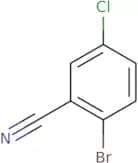
Formule :C5H9N3O·HClDegré de pureté :Min. 95%Couleur et forme :White PowderMasse moléculaire :163.61 g/mol2-Bromo-5-chlorobenzonitrile
CAS :2-Bromo-5-chlorobenzonitrile (2BC) is a synthetic drug that has been used in the treatment of neuropsychiatric disorders. It is a glutamate receptor subtype agonist, which activates the metabotropic glutamate receptor. 2BC binds to the pyridinium site of the mGluR5 subtype, inhibiting glutamate binding and preventing activation of ion channels. The benzothiazole moiety has been found to be essential for this activity. 2BC also has antiviral properties and can inhibit HIV replication in vitro.
2BC is currently being explored as a potential therapeutic agent for schizophrenia and other neuropsychiatric disorders that involve glutamatergic dysfunction such as depression, bipolar disorder, and anxiety disorder.br>br>
br>br>
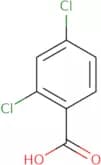
Potential side effects include sedation, dizziness, blurred vision, headache, drowsiness, fatigue, nausea/vomiting and increased appetite.Formule :C7H3BrClNDegré de pureté :Min. 95%Couleur et forme :PowderMasse moléculaire :216.46 g/mol2,4-Dichlorobenzoic acid
CAS :2,4-Dichlorobenzoic acid is a chemical compound that is commonly used for sample preparation for analytical methods. It is also used as a nutrient in group P2 bacteria. 2,4-Dichlorobenzoic acid has coordination geometry of octahedral with the central atom being surrounded by six ligands. This chemical has hydrogen bonding interactions that are most likely due to the electronegative chlorine atoms.
Formule :C7H4Cl2O2Degré de pureté :Min. 95%Couleur et forme :PowderMasse moléculaire :191.01 g/mol2-[2-[4-[Bis(4-fluorophenyl)methyl]piperazin-1-yl]ethoxy]acetic acid HCl
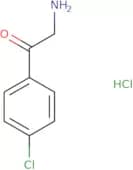
CAS :2-[2-[4-[Bis(4-fluorophenyl)methyl]piperazin-1-yl]ethoxy]acetic acid HCl (BAY-85788) is a drug which acts as a histamine receptor antagonist. It has been shown to be effective in the treatment of idiopathic urticaria. BAY-85788 has also been found to have less potential for drug interactions than other histamine receptor antagonists, and does not cause an increase in blood pressure, unlike other compounds with this activity. This compound is metabolized by cytochrome P450 enzymes and does not contain nitrogen atoms or heterocyclic rings. Experimental studies have shown that orally administered BAY-85788 is absorbed from the GI tract and eliminated unchanged in urine. Studies have also shown that BAY-85788 is active against inflammatory diseases such as atopic dermatitis, asthma, and chronic obstructive pulmonary disease (COPDFormule :C21H24F2N2O3·xHClDegré de pureté :Min. 95%Couleur et forme :PowderMasse moléculaire :390.42 g/mol2-Amino-4'-chloroacetophenone hydrochloride
CAS :Produit contrôlé2-Amino-4'-chloroacetophenone hydrochloride is a cytotoxic compound that inhibits the polymerization of tubulin. It has been shown to have cytotoxic effects and inhibit the growth of cancer cells in vitro at low micromolar concentrations. 2-Amino-4'-chloroacetophenone hydrochloride is a member of the cytotoxic class of compounds and can be used to slow or stop cell division by inhibiting the production of proteins vital for cell division, such as tubulin. This effect is due to its ability to bind to the beta subunit of tubulin, which disrupts its structure and prevents polymerization from occurring.
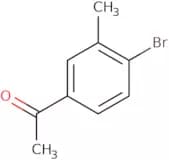
Formule :C8H8ClNO•HClDegré de pureté :Min. 95%Couleur et forme :PowderMasse moléculaire :206.07 g/mol4'-Bromo-3'-methylacetophenone, 75%
CAS :4'-Bromo-3'-methylacetophenone, 75% is a high quality reagent that is a useful intermediate for the synthesis of complex compounds. It has CAS No. 37074-40-1 and can be used as a fine chemical or speciality chemical in research. This product is also a versatile building block that can be used as an intermediate in reactions and as a reaction component.
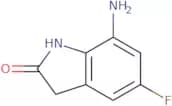
Formule :C9H9BrODegré de pureté :Min. 95%Masse moléculaire :213.07 g/mol7-Amino-5-fluoro-1,3-dihydroindol-2-one
CAS :7-Amino-5-fluoro-1,3-dihydroindol-2-one is a compound that can be used as a research chemical. It has been shown to react with various other compounds in the laboratory and may have potential uses as a versatile building block or useful intermediate. 7-Amino-5-fluoro-1,3-dihydroindol-2-one is also known for its high quality and speciality chemical status.
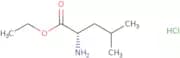
Formule :C8H7FN2ODegré de pureté :Min. 95%Couleur et forme :PowderMasse moléculaire :166.15 g/molL-Leucine ethyl ester hydrochloride
CAS :L-Leucine ethyl ester hydrochloride (L-LEE) is a hydroxylated form of leucine, which is an essential amino acid. LEE has been shown to have anti-inflammatory effects, which may be due to its ability to inhibit the formation of proinflammatory cytokines. It also has been shown to have antioxidant and anti-atherogenic properties, as well as the ability to reduce cholesterol levels in rats. This product has been shown effective in treating bowel disease and metabolic disorders such as hepatic steatosis, fatty liver disease, and metabolic syndrome. LEE also can activate aryl hydrocarbon receptor ligand (AhR), which is involved in the regulation of genes that control inflammation and immune responses.
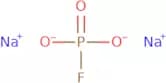
Formule :C8H17NO2•HClDegré de pureté :Min. 95 Area-%Couleur et forme :PowderMasse moléculaire :195.69 g/molSodium monofluorophosphate
CAS :Sodium monofluorophosphate is a salt that contains sodium cations and fluorine anions. It is used as an agent in the production of dental fillings, toothpaste, and other products. Sodium monofluorophosphate has been shown to inhibit the activity of serine proteases such as trypsin by interfering with their catalytic activity and binding to their active site. This agent has also been shown to react with p-nitrophenyl phosphate to form a fluorescent product, which can be detected at low concentrations. Sodium monofluorophosphate has a thermal expansion coefficient that is only slightly larger than those of water and glycerol, which makes it ideal for use in the production of dental fillings.
Formule :FNa2O3PDegré de pureté :Min. 95%Couleur et forme :White PowderMasse moléculaire :143.95 g/mol2,3-Dichloroquinoxaline
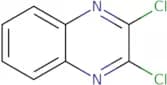
CAS :2,3-Dichloroquinoxaline is a chemical compound that has inhibitory properties against the growth of bacteria. It is reactive and can be used as a disinfectant and antimicrobial agent. 2,3-Dichloroquinoxaline has been shown to have a bactericidal effect against P. aeruginosa in the presence of hydrochloric acid. This chemical also binds to human immunoglobulin (Ig)G molecules and has transport properties. Quinoxalines are an important class of quinoline derivatives that include 2,4-dichlorobenzoic acid, which inhibits bacterial growth by binding to DNA gyrase. The fluorescence property of 2,3-Dichloroquinoxaline is due to its nitrogen nucleophile and chloride ion content. In addition, this chemical's protein–protein interaction activity leads it to bind with other proteins in the cell membrane or cytoplasmic membrane.
Formule :C8H4Cl2N2Degré de pureté :Min. 95%Couleur et forme :Off-White PowderMasse moléculaire :199.04 g/mol1-Phenyl-3-(4-chlorostyrene)pyrazole
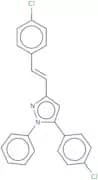
CAS :1-Phenyl-3-(4-chlorostyrene)pyrazole is a high quality reagent that can be used as an intermediate in the production of complex compounds. It is also used as a building block in the synthesis of speciality chemicals, research chemicals, and versatile building blocks. 1-Phenyl-3-(4-chlorostyrene)pyrazole has been shown to be useful as a reaction component in the synthesis of fine chemicals and useful scaffolds.
Formule :C23H16Cl2N2Degré de pureté :Min. 95%Masse moléculaire :391.29 g/mol2-Cyanobenzylamine hydrochloride
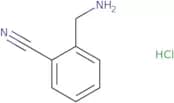
CAS :2-Cyanobenzylamine hydrochloride is a chemical building block and intermediate that can be used in the synthesis of many different compounds. It is also a useful reagent for reactions involving nitro compounds. 2-Cyanobenzylamine hydrochloride is a fine chemical that is registered with the Chemical Abstract Service (CAS No. 1134529-25-1). It has been identified as a versatile building block and useful intermediate in the synthesis of pharmaceuticals, agrochemicals, and other organic chemicals.
Formule :C8H8N2·HClDegré de pureté :Min. 95%Couleur et forme :White/Off-White SolidMasse moléculaire :168.62 g/molEthyl oxalyl monochloride
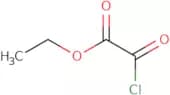
CAS :Ethyl oxalyl monochloride is an ester that has been used to treat tumors. This drug is a prodrug that is hydrolyzed in vivo to form ethyl chloroformate and oxalic acid. Ethyl oxalyl monochloride inhibits the activity of receptors for acetylcholine, histamine, and serotonin. It also inhibits the production of nitric oxide, which causes vasodilation and hypotension. Ethyl oxalyl monochloride may be useful in treating bowel disease by inhibiting the production of prostaglandins.
br>br>
Ethyl oxalyl monochloride has shown efficacy against autoimmune diseases such as rheumatoid arthritis and multiple sclerosis, but it can also cause eye disorders or hiv infection when used at higher concentrations.br>br>
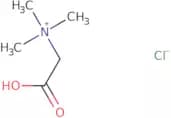
Ethyl oxalyl monochloride binds with lipids in mitochondrial membranes, leading to a decrease in mitochondrial membrane potentialFormule :C4H5ClO3Degré de pureté :Min. 95%Couleur et forme :Colorless Clear LiquidMasse moléculaire :136.53 g/molBetaine hydrochloride
CAS :Betaine hydrochloride is a betaine prodrug that is metabolized by the body to form glycine and choline. Betaine hydrochloride has been shown to have anti-inflammatory properties, which may be due to its ability to inhibit surfactant sodium dodecyl (SDS) from activating enzymes such as polymerase chain reaction (PCR). Betaine hydrochloride also has been shown to improve disease activity in bowel disease patients and can be used as a dietary supplement for individuals with low levels of choline.
Formule :C5H11NO2·HClDegré de pureté :Min. 95%Couleur et forme :PowderMasse moléculaire :153.61 g/mol1-(2-Chlorophenyl)-5-phenyl-1-H-pyrazole-3-carboxylic acid
CAS :Produit contrôlé1-(2-Chlorophenyl)-5-phenyl-1H-pyrazole-3-carboxylic acid is a high quality, reagent, complex compound that has been shown to be useful as an intermediate in the synthesis of a number of different compounds. It has been shown to be useful as a speciality chemical and research chemicals with versatile building blocks that can be used for the synthesis of other compounds. The CAS number for 1-(2-chlorophenyl)-5-phenyl-1H-pyrazole-3-carboxylic acid is 116572-69-1.
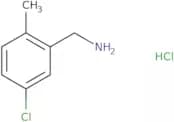
Formule :C16H11ClN2O2Degré de pureté :Min. 95%Masse moléculaire :298.72 g/mol5-Chloro-2-methylbenzylamine hydrochloride
CAS :5-Chloro-2-methylbenzylamine hydrochloride is a chemical reagent used in the production of pharmaceuticals and other chemicals. It is also known as 5-Chloro-2-methylbenzaldehyde, or 5-Methoxyindole. 5-Chloro-2-methylbenzylamine hydrochloride is an important building block for the synthesis of many complex compounds with high purity and quality. This compound is also versatile and can be used as a reaction component or as a reagent. CAS No: 28096-37-9.
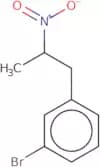
Formule :C8H10ClN·HClDegré de pureté :Min. 95%Masse moléculaire :192.09 g/mol1-(3-Bromophenyl)-2-nitropropane
CAS :1-(3-Bromophenyl)-2-nitropropane is a fine chemical that is used as a building block in the synthesis of complex organic compounds. It can be used as a reagent and speciality chemical with high quality. 1-(3-Bromophenyl)-2-nitropropane is versatile for use in reactions, such as coupling reactions, because it can be used as an intermediate or scaffold to create many different compounds. CAS No.: 155988-18-4
Formule :C9H10BrNO2Degré de pureté :Min. 95%Masse moléculaire :244.09 g/molSodium fluoride
CAS :Produit contrôléSodium fluoride is a chemical that can be used to treat water and wastewater. It is an effective inhibitor of the growth of bacteria, fungi, and algae. The use of sodium fluoride improves the quality of drinking water by reducing levels of hydrogen ion and trihalomethanes (THMs). This chemical also has been shown to have beneficial effects in patients with inflammatory bowel disease. Sodium fluoride inhibits the activity of enzymes in mitochondria, which are responsible for converting food into energy. The inhibition leads to a decrease in the production of free radicals and reactive oxygen species, which may reduce oxidative stress in the body.
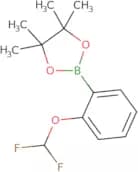
Formule :NaFDegré de pureté :Min. 95%Couleur et forme :White PowderMasse moléculaire :41.99 g/mol2-Difluoromethoxyphenylboronic acid pinacol ester
CAS :2-Difluoromethoxyphenylboronic acid pinacol ester is a high quality reagent that can be used as a useful intermediate, fine chemical, or speciality chemical in reactions. This compound is an important building block for synthesizing other chemicals and can also be used to make novel compounds with pharmaceutical properties. 2-Difluoromethoxyphenylboronic acid pinacol ester is versatile and can be used in many different reactions. It has been reported to react with various other molecules to form new scaffolds and building blocks for use in organic synthesis.
Formule :C13H17BF2O3Degré de pureté :Min. 95%Couleur et forme :PowderMasse moléculaire :270.08 g/mol(1R,4R)-tert-Butyl 2,5-diazabicyclo[2.2.1]heptane-2-carboxylate hydrochloride
CAS :Tert-Butyl 2,5-diazabicyclo[2.2.1]heptane-2-carboxylate hydrochloride (TBDAHC) is a fine chemical that is an intermediate for the synthesis of other compounds. TBDAHC is a versatile building block that can be used in research chemicals, reaction components, and specialty chemicals. It is also a useful scaffold for making complex compounds and useful building blocks. The compound has high quality and can be used as a reagent in organic chemistry.
Formule :C10H18N2O2·HClDegré de pureté :Min. 95%Couleur et forme :White PowderMasse moléculaire :234.72 g/mol4-(Trifluoromethylthio)benzoic acid
CAS :4-(Trifluoromethylthio)benzoic acid is a versatile building block, useful intermediate, and reagent for research and development. 4-(Trifluoromethylthio)benzoic acid has been shown to be a high quality chemical with high purity. The CAS number for 4-(Trifluoromethylthio)benzoic acid is 330-17-6.
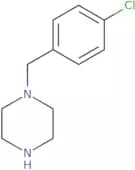
Formule :C8H5F3O2SDegré de pureté :Min. 98 Area-%Couleur et forme :PowderMasse moléculaire :222.19 g/mol1-(4-Chlorobenzyl)piperazine
CAS :Produit contrôlé1-(4-Chlorobenzyl)piperazine is an amine that belongs to the class of hydrogen-bond acid amides. It has a piperazine structure and is structurally related to other substances, such as dopamine. 1-(4-Chlorobenzyl)piperazine has been shown to inhibit spontaneous emission in animals and inhibit spontaneous activity at d4 receptors. This drug also inhibits the binding of agonists to the d4 receptor subtype, without affecting other subtypes.
Formule :C11H15ClN2Degré de pureté :Min. 98 Area-%Couleur et forme :Colorless Clear LiquidMasse moléculaire :210.7 g/mol3,3'-Diaminobenzidine tetrahydrochloride
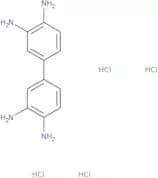
CAS :3,3'-Diaminobenzidine tetrahydrochloride or DAB hydrochloride is the hydrochloride salt of biphenyl tetra-aniline. DAB hydrochloride is a water-soluble formulation of DAB and is used in immunohistochemical staining of nucleic acids and proteins. DAB hydrochloride is used in Alzheimer's disease research, Aβ protein amyloid plaques are targeted by a primary antibody, and subsequently by a secondary antibody, which is conjugated with a peroxidase enzyme. This will bind DAB as a substrate and oxidize causing a colour change. 3,3’-Diaminobenzidine tetrahydrochloride is also available as the tetrahydrochloride hydrate and as the free base.
Formule :C12H14N4•4HClDegré de pureté :Min. 95%Couleur et forme :Off-White PowderMasse moléculaire :360.12 g/mol5-Bromo-2-fluorobenzaldehyde
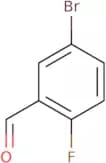
CAS :Intermediate in the synthesis of ipragliflozin
Formule :C7H4BrFODegré de pureté :Min. 95%Couleur et forme :PowderMasse moléculaire :203.01 g/molFTY720 octanoic acid hydrochloride
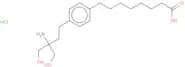
CAS :Please enquire for more information about FTY720 octanoic acid hydrochloride including the price, delivery time and more detailed product information at the technical inquiry form on this page
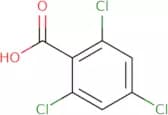
Formule :C19H31NO4•HClDegré de pureté :Min. 95%Masse moléculaire :373.92 g/mol2,4,6-Trichlorobenzoic acid
CAS :2,4,6-Trichlorobenzoic acid is a trifluoroacetic acid that has been used as a solvent in vitro assays and as a carbon source for kinetic studies. It has also been shown to be an effective inhibitor of bacterial growth when tested with dextrans. 2,4,6-Trichlorobenzoic acid is toxic to cells in culture and can inhibit fatty acid synthesis by inhibiting the activity of fatty acid synthase.
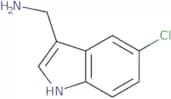
2,4,6-Trichlorobenzoic acid has also been found to have anti-inflammatory properties and may be useful for the treatment of asthma.Formule :C7H3Cl3O2Degré de pureté :Min. 95%Couleur et forme :PowderMasse moléculaire :225.46 g/mol(5-Chloro-1H-indol-3-yl)methanamine
CAS :5-Chloro-1H-indol-3-ylamine (5CI) is a chemical that has been shown to have antitubercular and antifungal properties. It is a potent inhibitor of mycobacterium tuberculosis, inhibiting the growth of mycobacterium tuberculosis at concentrations as low as 10 micrograms per milliliter. 5CI also has antibacterial activity against various strains of bacteria and antimicrobial activity against various strains of fungi. 5CI was shown to be more active than isoniazid in inhibiting the growth of Mycobacterium tuberculosis.
Formule :C9H9ClN2Degré de pureté :Min. 95%Couleur et forme :Off-White PowderMasse moléculaire :180.63 g/molGlycine t-butyl ester hydrochloride
CAS :Glycine t-butyl ester hydrochloride is a glycine prodrug that is converted to the neurotransmitter, cinchonidine, by carboxylesterase. It has been shown to be effective in resistant cancer cells and has good bioavailability in humans. Glycine t-butyl ester hydrochloride is synthesized from glycine and butyric acid with sodium carbonate as a catalyst and then reacted with anhydrous hydrogen chloride to form the final product. This synthesis requires an asymmetric reaction solution, which can be achieved by using a chiral reactant such as potassium carbonate or magnesium chloride. The dehydration of the ester group can be performed by heating in vacuum at 120°C for 2 hours.
Formule :C6H14ClNO2Degré de pureté :Min. 95%Couleur et forme :White PowderMasse moléculaire :167.63 g/mol2-(Chloromethyl)-1,2-epoxybutane
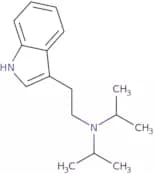
CAS :Formule :C5H9ClODegré de pureté :>95.0%(GC)Couleur et forme :Colorless to Almost colorless clear liquidMasse moléculaire :120.583-(2-Diisopropylaminoethyl)indole hydrochloride
CAS :Produit contrôlé3-(2-Diisopropylaminoethyl)indole hydrochloride is an inhibitor of the enzyme monoamine oxidase (MAO). MAO is responsible for the degradation of monoamines such as serotonin, dopamine, and norepinephrine. 3-(2-Diisopropylaminoethyl)indole hydrochloride inhibits these enzymes in order to increase the levels of these neurotransmitters in the brain. These effects are observed with a sectional study on the host plant species. 3-(2-Diisopropylaminoethyl)indole hydrochloride has been shown to have low potency for inhibiting 5-HT1A and 5-HT2A receptors in rat studies, but it is not active against 5-HT2C receptors. This drug was used to measure urinary serotonin and dopamine levels in human urine samples.
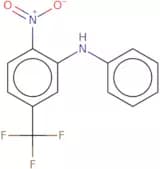
Formule :C16H25ClN2Degré de pureté :Min. 95%Masse moléculaire :280.84 g/molN-Phenyl-2-nitro-4-trifluoromethyl-phenylamine
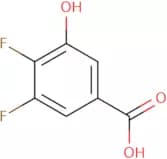
CAS :N-Phenyl-2-nitro-4-trifluoromethylphenylamine is a versatile building block. It is a fine chemical that is used in research and as a reagent, speciality chemical, or useful scaffold for the synthesis of complex compounds. This compound has CAS No. 5108-04-3 and can be used as an intermediate in reactions. It is also useful in the synthesis of various types of building blocks. N-Phenyl-2-nitro-4-trifluoromethylphenylamine has been shown to be a high quality product that can be used in various ways.Formule :C13H9F3N2O2Degré de pureté :Min. 95%Masse moléculaire :282.22 g/mol4,5-Difluoro-3-hydroxybenzoic acid
CAS :4,5-Difluoro-3-hydroxybenzoic acid is a chemical intermediate that is used in the production of 4,5-difluoro-3-hydroxyphenylacetic acid. The process development of this compound was carried out to produce indian refractories and discontinuity. It has been envisaged that monocrystalline postulated treatments will be required for the ancillary transfer of beneficiation and magnesite advances as well as isoxazolidines.
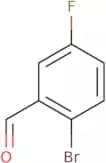
Formule :C7H4F2O3Degré de pureté :Min. 95%Couleur et forme :PowderMasse moléculaire :174.1 g/mol2-Bromo-5-fluorobenzaldehyde
CAS :2-Bromo-5-fluorobenzaldehyde is a chemical compound that has been shown to inhibit the activity of ns3 protease, an enzyme responsible for the cleavage of peptides in HIV. 2-Bromo-5-fluorobenzaldehyde binds to the active site of ns3 protease and prevents it from carrying out its function. This drug has also been shown to bind to the active site of ns5b polymerase and inhibit its activity, which is necessary for viral DNA synthesis. 2-Bromo-5-fluorobenzaldehyde has been used as a fungicide and has shown high potency against Candida albicans, Cryptococcus neoformans, Saccharomyces cerevisiae, and Aspergillus fumigatus.
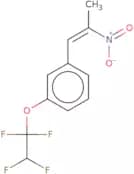
Formule :C7H4BrFODegré de pureté :Min. 95%Couleur et forme :PowderMasse moléculaire :203.01 g/mol3'-(Tetrafluoroethoxy)-beta-methyl-beta-nitrostyrene
CAS :3'-(Tetrafluoroethoxy)-beta-methyl-beta-nitrostyrene is a versatile building block that can be used as a reaction component for the synthesis of more complex compounds. This compound is also known to have speciality chemical and research chemical properties. 3'-(Tetrafluoroethoxy)-beta-methyl-beta-nitrostyrene has been shown to be an effective reagent for the synthesis of high quality complex compounds.Formule :C11H9F4NO3Degré de pureté :Min. 95%Masse moléculaire :279.19 g/molL-Phenylalanine ethyl ester hydrochloride
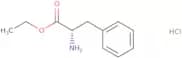
CAS :L-Phenylalanine ethyl ester hydrochloride is a chemical compound that is the ethyl ester of L-phenylalanine. It has been shown to have anticancer activity in vitro, and has been studied as a potential treatment for leukemia. The anticancer effects of L-phenylalanine ethyl ester hydrochloride are thought to be due to its ability to disrupt the DNA replication machinery by attacking amines and other nucleophilic groups. L-Phenylalanine ethyl ester hydrochloride was found to induce apoptosis in human hepatoma cells through the generation of reactive oxygen species and activation of caspases. This compound also has an absorption peak at 260 nm, which makes it suitable for use as a UV light absorber.
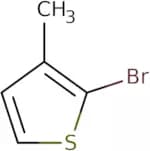
Formule :C11H15NO2·HClDegré de pureté :Min. 95%Couleur et forme :White PowderMasse moléculaire :229.7 g/mol2-Bromo-3-methylthiophene
CAS :2-Bromo-3-methylthiophene (2BMT) is an organic chemical compound that has been used for the Suzuki coupling reaction. It can be prepared by reacting 2-bromo-3-methylthiophene with potassium hydroxide in a hydroxide solution. 2BMT has shown to inhibit the activity of tiagabine hydrochloride, which is a drug that regulates GABA neurotransmission. 2BMT is also used as an intermediate in the synthesis of carbonyl group compounds and halides. The structure and physical properties of 2BMT have been studied in detail by x-ray crystallography and nmr spectroscopy.
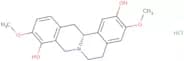
Formule :C5H5BrSDegré de pureté :Min. 95%Couleur et forme :Clear LiquidMasse moléculaire :177.06 g/molScoulerin hydrochloride
CAS :Scoulerin hydrochloride is a fine chemical that is a versatile building block for the synthesis of complex compounds. Scoulerin hydrochloride has CAS number 20180-95-4 and can be used as a research chemical, reagent, or speciality chemical. Scoulerin hydrochloride has been shown to be useful in the synthesis of high quality and useful intermediate products. This compound also serves as an important reaction component for the synthesis of useful scaffolds.
Formule :C19H21NO4·HClDegré de pureté :Min. 95%Masse moléculaire :363.84 g/mol1,4-Dibromo-2,5-dimethylbenzene
CAS :1,4-Dibromo-2,5-dimethylbenzene is a functional group that exhibits red fluorescence. This compound is synthesized in the laboratory through a Suzuki coupling reaction with phenyl groups and stannous octoate. The 1,4-dibromo-2,5-dimethylbenzene has an allosteric modulator effect on aromatic hydrocarbons. This chemical is soluble in trifluoroacetic acid and vinylene.
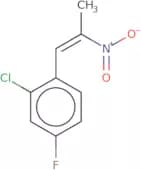
Formule :C8H8Br2Degré de pureté :Min. 95%Couleur et forme :PowderMasse moléculaire :263.96 g/mol1-(2-Chloro-4-fluorophenyl)-2-nitropropene
CAS :1-(2-Chloro-4-fluorophenyl)-2-nitropropene is a versatile building block that can be used to produce a variety of compounds with various properties. It is a high quality, reagent grade chemical that is useful for research and development purposes. This compound has been shown to be an effective intermediate in the synthesis of complex compounds, such as pharmaceuticals and pesticides.
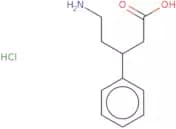
Formule :C9H7ClFNO2Degré de pureté :Min. 95%Masse moléculaire :215.61 g/mol4-(Aminomethyl)-3-phenylbutyric acid hydrochloride
CAS :4-(Aminomethyl)-3-phenylbutyric acid hydrochloride is a reagent that can be used as a building block in synthesizing new chemical compounds. It is also an intermediate for the synthesis of 4-(aminomethyl)benzoic acid, which is useful for producing pharmaceuticals, pesticides, and other agrochemicals. 4-(Aminomethyl)-3-phenylbutyric acid hydrochloride has a CAS number of 860252-34-2 and can be used in reactions with a variety of reagents to produce fine chemicals, research chemicals, and speciality chemicals.
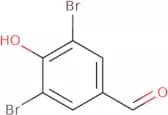
Formule :C11H16ClNO2Degré de pureté :Min. 95%Masse moléculaire :229.7 g/mol3,5-Dibromo-4-hydroxybenzaldehyde
CAS :3,5-Dibromo-4-hydroxybenzaldehyde is an aldehyde that is used as a precursor to other organic compounds. It can be produced using the efficient method of reacting 3,5-dibromo-4-hydroxybenzoic acid with sodium borohydride in methanol. The molecule has three hydroxymethyl groups and two functional groups. 3,5-Dibromo-4-hydroxybenzaldehyde is soluble in water and organic solvents such as ethanol and acetone. This compound has shown antibacterial activity against some strains of bacteria, including group P2 bacteria. The reaction yield for the synthesis of this compound is approximately 93%. The inhibitory activities of 3,5-dibromo-4-hydroxybenzaldehyde have been demonstrated against both Gram positive and Gram negative bacteria.
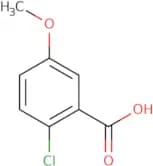
Formule :C7H4Br2O2Degré de pureté :Min. 95%Couleur et forme :PowderMasse moléculaire :279.91 g/mol2-Chloro-5-methoxybenzoic acid
CAS :2-Chloro-5-methoxybenzoic acid (2CMB) is a copper chelator that has been shown to have antagonistic properties against microglia cells. 2CMB is synthesized from 2,5-dichlorobenzoic acid and methoxylamine. It has been shown to inhibit the synthesis of inflammatory mediators in rat spinal cord microglia cells by inhibiting the activity of polyphosphoric acid, anions and additives. 2CMB also has a high affinity for chloride ions and can be used as a tracer to measure chloride profiles. 2CMB reacts with copper ions at a slow rate and can be used as an indicator for the presence of microglia cells.
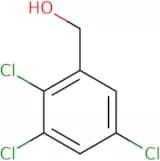
Formule :C8H7ClO3Degré de pureté :Min. 95%Masse moléculaire :186.59 g/mol2,3,5-Trichlorobenzyl alcohol
CAS :2,3,5-Trichlorobenzyl alcohol is a chemical compound with the chemical formula CHClBrO. It is a colorless liquid that has a sweet odor and can be used as a research chemical or as a reagent. 2,3,5-Trichlorobenzyl alcohol is also used as an intermediate in organic synthesis and as a building block for complex compounds. The CAS number of this chemical is 4681-17-8.
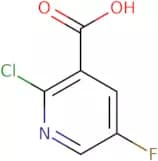
Formule :C7H5Cl3ODegré de pureté :Min. 95%Masse moléculaire :211.47 g/mol2-Chloro-5-fluoropyridine-3-carboxylic acid
CAS :2-Chloro-5-fluoropyridine-3-carboxylic acid is an intermediate in the synthesis of fluorine compounds used in the industrial process. It can be synthesized by chlorinating 5-fluoropyridine with chlorine gas and a catalyst such as platinum, or by hydrogenating 2-chloro-5-pyridinecarboxylic acid. This chemical is used to manufacture other chemicals such as ethylene oxide, tetrafluoroethylene, and hexafluoroethane.
Formule :C6H3ClFNO2Degré de pureté :Min. 95%Masse moléculaire :175.54 g/mol2-Chloro-5-(4-chloro-5-difluoromethoxy-1-methylpyrazol-3-yl)-4-fluorophenoxyacetic acid monohydrate
CAS :2-Chloro-5-(4-chloro-5-difluoromethoxy-1-methylpyrazol-3-yl)-4-fluorophenoxyacetic acid monohydrate (2,4,5P) is a phenoxy herbicide that has been shown to be an effective broadleaf and grass weed control agent. 2,4,5P is a granule formulation that can be applied by helicopter or ground equipment. It has synergistic effects with glyphosate when applied together to soybean plants and can be used in combination with other herbicides for more effective weed control.
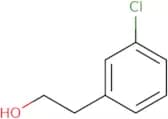
Formule :C13H9Cl2F3N2O·H2ODegré de pureté :Min. 95%Couleur et forme :White PowderMasse moléculaire :355.14 g/mol2-(3-Chlorophenyl)ethanol
CAS :2-(3-Chlorophenyl)ethanol (CLPE) is an agonist of the beta-adrenergic receptor. It is used in the treatment of asthma and other pulmonary diseases. CLPE binds to the beta-adrenergic receptor, which increases airway opening by relaxing bronchial smooth muscle. The drug also has a backup effect on the alpha-adrenergic receptors in the lungs, which helps to overcome any adverse effects caused by beta-blockers. CLPE has been shown to be effective in treating asthma attacks that are resistant to inhaled corticosteroids and long-acting β2-agonists. It may be used as an alternative treatment for patients who cannot tolerate or have not responded well to first line treatments such as long acting β2 agonists or inhaled corticosteroids.
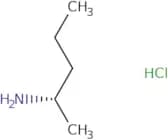
Formule :C8H9ClODegré de pureté :Min. 95%Couleur et forme :Clear LiquidMasse moléculaire :156.61 g/mol(2S)-Pentan-2-amine hydrochloride
CAS :(2S)-Pentan-2-amine hydrochloride is a versatile building block that can be used as a reaction component, reagent, or useful scaffold for the synthesis of complex organic compounds. It is a high quality chemical that can be used in both research and commercial applications. CAS No. 216237-52-4.
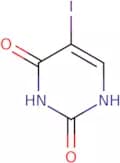
Formule :C5H14ClNDegré de pureté :Min. 95%Couleur et forme :PowderMasse moléculaire :123.62 g/mol5-Iodouracil
CAS :5-Iodouracil is an irreversible inhibitor of 5-hydroxytryptamine 2B receptor (5-HT2B) that is a group p2 molecule. It has been found to be effective in the treatment of various types of cancer, including colorectal cancer. 5-Iodouracil inhibits cell proliferation by blocking the binding of the growth factor to its receptor on the surface of cells. The drug also inhibits the enzyme activities of human serum albumin and tyrosine phosphatase.
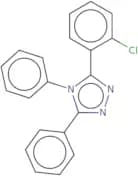
Formule :C4H3IN2O2Degré de pureté :Min. 97 Area-%Couleur et forme :White PowderMasse moléculaire :237.98 g/mol5-(2-Chlorophenyl)-1,2-diphenyl-1,3,4-triazole
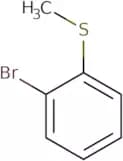
CAS :5-(2-Chlorophenyl)-1,2-diphenyl-1,3,4-triazole is a research chemical that can be used as a building block for the synthesis of more complex molecules. This compound has been shown to have a high yield and is useful for the synthesis of various reaction components including pharmaceuticals and pesticides. It also has an excellent quality and is available in bulk quantities.Formule :C20H14ClN3Degré de pureté :Min. 95%Masse moléculaire :331.8 g/mol2-Bromothioanisole
CAS :2-Bromothioanisole is an enolate that is derived from the reaction of thioanisoles with a variety of solvents. This compound has been shown to have inhibitory activities against sulfoxide formation by immobilized enzymes and molecular modeling studies. 2-Bromothioanisole can be used as a substrate molecule for preparation of sulfoxide compounds using high performance liquid chromatography (HPLC). The sulfoxides formed from this compound are found to inhibit the enzyme activity in the trichloroacetic acid, trifluoroacetic acid, and sulfonic acid.
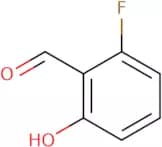
Formule :C7H7BrSDegré de pureté :Min. 95%Masse moléculaire :203.1 g/mol6-Fluorosalicylaldehyde
CAS :6-Fluorosalicylaldehyde is a sulfate that has been used in the synthesis of 6-fluorosalicylic acid, which is an intermediate for the production of aspirin. It also can be used to synthesize phenols and formylation products. The reaction with hydroxylamine leads to salicylaldehydes, while the reaction with methoxide leads to salicylaldehyde.
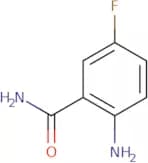
6-Fluorosalicylaldehyde reacts with magnesium salts in acidic conditions to produce paraformaldehyde. Deprotonation of 6-fluorosalicylaldehyde yields methoxide.Formule :C7H5FO2Degré de pureté :Min. 95%Couleur et forme :PowderMasse moléculaire :140.11 g/mol2-Amino-5-fluorobenzamide
CAS :2-Amino-5-fluorobenzamide (2AFB) is a compound that has been shown to have neurotoxic properties. 2AFB is a ring-opening agent, which means it can open the six-membered ring of aromatic compounds such as benzene or pyridine. 2AFB also has affinity for metal ions and therefore can be used in magnetic separations. The reaction system of 2AFB includes an enzyme, pentylenetetrazole (PTZ), that catalyzes the reaction between 2AFB and its substrate, 4-nitrophenol (4NP). This reaction produces free radicals that react with oxygen to produce peroxides. These peroxides are then detected by a chemiluminescence assay. In this way, the amount of 2AFB and 4NP can be measured quantitatively.
2AFB also has antioxidant properties, which may be due to its ability to scavenge free radicals fromFormule :C7H7FN2ODegré de pureté :Min. 95%Couleur et forme :PowderMasse moléculaire :154.14 g/molMethyl 3,5-dibromo-2-methoxybenzoate
CAS :Methyl 3,5-dibromo-2-methoxybenzoate is a fine chemical that is useful as a scaffold for the preparation of a variety of compounds. It is also used as an intermediate in the synthesis of pharmaceuticals and research chemicals. Methyl 3,5-dibromo-2-methoxybenzoate can be used as a reaction component to generate complex compounds with high purity and quality. This compound has been classified as a speciality chemical and may be reclassified due to its usefulness in research.
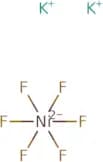
Formule :C9H8Br2O3Degré de pureté :Min. 95%Masse moléculaire :323.97 g/molPotassium hexafluoronickelate(IV)
CAS :Potassium hexafluoronickelate is a chemical compound that is a versatile building block and can be used as a reagent in organic synthesis. It is also an important intermediate for the preparation of other chemicals, such as potassium hexafluoroarsenate, which is used to make perfluorocarbons. Potassium hexafluoronickelate has many uses as a research chemical and as an intermediate in the production of other compounds. The compound has been shown to be useful in reactions involving carbon-carbon bond formation, such as the synthesis of heterocycles. Potassium hexafluoronickelate can also be used to produce metal complexes for use in catalysis or polymerization reactions.
Formule :F6K2NiDegré de pureté :Min. 95%Couleur et forme :PowderMasse moléculaire :250.88 g/mol3-Piperazin-1-yl-benzo[d]isothiazole hydrochloride
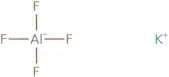
CAS :3-Piperazin-1-yl-benzo[d]isothiazole hydrochloride is an atypical antipsychotic that belongs to the group of inorganic compounds. It has been shown to have a high affinity for acidic surfaces and can be used in industrial applications such as the removal of metal ions from water by filtration. 3-Piperazin-1-yl-benzo[d]isothiazole hydrochloride is synthesized by reacting an inorganic base with a piperazine compound, followed by hydrolysis of the piperazine ring using acid. Impurities are often found during synthesis, which may contain traces of other compounds such as pyridine or methylamine.Formule :C11H13N3SDegré de pureté :Min. 95%Couleur et forme :PowderMasse moléculaire :219.31 g/molPotassium fluoroaluminate
CAS :Potassium fluoroaluminate (KAlF) is a reactive chemical compound that is used as a reducing agent in metallurgical processes. KAlF is not an aluminothermic reaction product, but it can be produced as a by-product of the reaction between aluminum and hydrogen fluoride. It is produced when potassium reacts with hydrogen fluoride in the presence of sodium carbonate or boron nitride. KAlF does not produce stable complexes with zinc or magnesium, but it does stabilize zirconium oxide to some extent. The human serum contains antibodies against KAlF particles, which may cause allergic reactions following inhalation or skin contact.
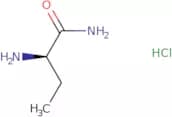
Formule :AlF4•KCouleur et forme :PowderMasse moléculaire :142.07 g/mol(R)-2-Aminobutanamide hydrochloride
CAS :(R)-2-Aminobutanamide hydrochloride is a compound that contains chloride gas. This compound is an alkylating agent, which means it can form new carbon-nitrogen bonds by adding to the electrophilic center of a molecule. This process is used industrially to produce butyronitrile, which is a precursor for nylon and other plastics. The introduction of (R)-2-aminobutanamide hydrochloride into industrial processes has decreased the use of l-tartaric acid, diluent, and hydrogen chloride. The impurities in this compound are typically quantified using gas chromatography with flame ionization detection.
(R)-2-Aminobutanamide hydrochloride is an acidic compound that dissociates in water to release hydrogen chloride. It has two chiral forms:
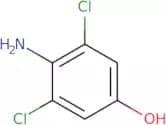
The enantiomers have different chemical properties due to their different configurations around the central carbon atom. In the case of (Formule :C4H10N2O·HClDegré de pureté :Min. 95%Couleur et forme :White PowderMasse moléculaire :138.6 g/mol4-Amino-3,5-dichlorophenol
CAS :4-Amino-3,5-dichlorophenol is a decoupling agent that has been shown to have acute toxicities in cultures. It is also used as a regulatory control for the analysis of hydroxyl groups and for broad-spectrum antimicrobial agents. 4-Amino-3,5-dichlorophenol reacts with hydrochloric acid to form chlorohydrin, which can be detected by an electrochemical detector. This reaction mechanism has been proposed as the basis for the use of this chemical as a decoupling agent in analytical chemistry. Its use as an antimicrobial agent is based on its ability to inhibit bacterial growth by reacting with thiol groups in enzymes or proteins and blocking their activity.
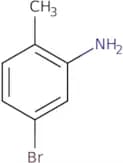
Formule :C6H5Cl2NODegré de pureté :Min. 95%Couleur et forme :PowderMasse moléculaire :178.02 g/mol5-Bromo-2-methylaniline
CAS :5-Bromo-2-methylaniline (5BMA) is a nonsteroidal, insecticidal compound. It is an alkylating agent that reacts with nucleophilic sites such as DNA and proteins to form covalent bonds. 5BMA has been shown to act as a surfactant in the synthesis of carbinols. It can also be used as an additive or a coupling reagent for the synthesis of other compounds. The bromine atom in 5BMA is electron-rich and has high affinity for electrophiles, which makes it useful for reactions involving nucleophiles such as DNA, proteins, or phosphines. The functional groups on 5BMA are fluorine and two methoxy groups. It can bind to DNA by forming hydrogen bonds with the phosphate backbone. Hybridization occurs when 5BMA binds to its complementary strand of DNA; this process prevents transcription and replication of genetic material.
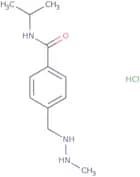
Formule :C7H8BrNDegré de pureté :Min. 95%Masse moléculaire :186.05 g/molProcarbazine hydrochloride
CAS :Anti-cancer alkylating agent; inhibits protein, RNA and DNA synthesis
Formule :C12H19N3O•HClDegré de pureté :Min. 95%Couleur et forme :PowderMasse moléculaire :257.76 g/molMagnesium hexafluorosilicate hexahydrate
CAS :Magnesium hexafluorosilicate hexahydrate is a fine chemical that can be used as a versatile building block in the synthesis of organic compounds. It can also be used as a reaction component and provides a speciality chemical reagent for research purposes. Magnesium hexafluorosilicate hexahydrate is an intermediate in the synthesis of other chemicals and has been commercially available since 2006. This compound can also be used as a catalyst for the polymerization of polystyrene, polyurethane, and polyester resins. Magnesium hexafluorosilicate hexahydrate is high quality and is not hazardous to health or the environment.
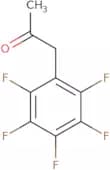
Formule :F6Si•(H2O)6•MgDegré de pureté :Min. 95%Couleur et forme :PowderMasse moléculaire :274.47 g/mol(2,3,4,5,6-Pentafluorophenyl)cetone
CAS :(2,3,4,5,6-Pentafluorophenyl)cetone is a specialty chemical that is used as a reagent in organic synthesis. It has been used as a building block for the synthesis of other fine chemicals and research chemicals. CAS No. 19225-86-6
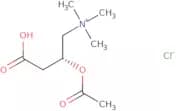
Formule :C9H5F5ODegré de pureté :Min. 95%Masse moléculaire :224.13 g/molAcetyl L-carnitine chloride
CAS :Acetyl L-carnitine chloride (ALCAR) is a carnitine molecule that is used as a dietary supplement. It can be converted to acetyl coenzyme A, which provides energy for the cells and helps with the production of neurotransmitters. ALCAR has been shown to reduce neuronal death in an animal model of oxidative injury. It also increases levels of glutathione and prevents lipid peroxidation. Acetyl L-carnitine chloride is a cell permeable reagent that can be used to measure GSH-px activities in biological samples. This compound has been shown to inhibit the activity of cell nuclei and mitochondrial enzymes, such as succinate dehydrogenase, citrate synthase, and malate dehydrogenase.
Formule :C9H18ClNO4Degré de pureté :Min. 95%Couleur et forme :White PowderMasse moléculaire :239.7 g/molAmmonium hexafluorotitanate(iv)
CAS :Ammonium hexafluorotitanate(IV) is a fine chemical that can be used as a reagent, building block, or intermediate in the synthesis of other chemicals. It is a versatile building block and reacts with other compounds to form complex compounds. Ammonium hexafluorotitanate(IV) is also an intermediate for the production of ammonium hexafluorophosphate (III), which is used in the manufacture of fertilizers. Ammonium hexafluorotitanate(IV) can be used as a reactant to produce titanium metal, which has many industrial applications.
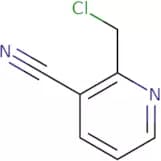
Formule :F6H8N2TiDegré de pureté :Min. 95%Couleur et forme :White SolidMasse moléculaire :197.93 g/mol2-(Chloromethyl)nicotinonitrile
CAS :2-(Chloromethyl)nicotinonitrile is a chlorinated organic compound that is used as a reagent, building block, and intermediate in organic synthesis. It is also a useful scaffold for drug design. 2-(Chloromethyl)nicotinonitrile has been shown to be an effective intermediate for the synthesis of complex compounds, such as antibiotics and pharmaceuticals. This chemical is used in the production of fine chemicals, such as pesticides and cosmetics. CAS No. 848774-96-9
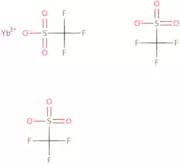
Formule :C7H5ClN2Degré de pureté :Min. 95%Couleur et forme :Yellow PowderMasse moléculaire :152.58 g/molYtterbium(III) trifluoromethanesulfonate
CAS :Ytterbium (III) trifluoromethanesulfonate is a cationic polymerization catalyst that is used for the allylation and methyl ketones, amines, receptor activity, kinetic and epoxides reactions. It is also used as a reagent in structural analysis of polymers. Ytterbium (III) trifluoromethanesulfonate can be synthesized by reacting ytterbium oxide with hydrogen fluoride and chloroform in methanol. The resulting product is purified by sublimation under vacuum. Ytterbium (III) trifluoromethanesulfonate is soluble in organic solvents such as benzene, toluene, ethers and acetone. This compound has been shown to inhibit the growth of cells in culture by acting on surface receptors that are involved in cell proliferation and migration. Ytterbium (III) trifluorFormule :C3F9O9S3YbDegré de pureté :Min. 95%Couleur et forme :White/Off-White SolidMasse moléculaire :620.26 g/mol2-Amino-4-(2,4-dichlorophenyl)-5-methylthiophene-3-carbonitrile
CAS :The frequency range of 2-Amino-4-(2,4-dichlorophenyl)-5-methylthiophene-3-carbonitrile is between 0.1 and 1.0 GHz. The channel is between 1 and 10 MHz. The algorithm used for this frequency is the Gaussian algorithm. This frequency has been shown to have a frequency range of 0.1 to 1.0 GHz with a channel of 1 to 10 MHz and an algorithm of the Gaussian algorithm.
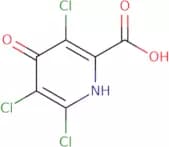
Formule :C12H8Cl2N2SDegré de pureté :Min. 95%Couleur et forme :Brown PowderMasse moléculaire :283.18 g/mol3,5,6-Trichloro-4-hydroxy-2-picolinic acid
CAS :3,5,6-Trichloro-4-hydroxy-2-picolinic acid is a high quality reagent that is used as a building block for the synthesis of complex compounds with potential pharmaceutical applications. It can be used as an intermediate in the production of fine chemicals and speciality chemicals. This compound is also useful for research purposes and as a versatile building block for reactions.
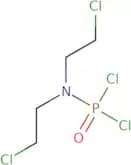
Formule :C6H2Cl3NO3Degré de pureté :Min. 95%Couleur et forme :White to off-white solid.Masse moléculaire :242.44 g/molBis(2-chloroethyl)aminophosphoric dichloride
CAS :Bis(2-chloroethyl)aminophosphoric dichloride is a fatty acid ester that is used as an antibiotic. It binds to the fatty acid of the bacterial cell membrane, thereby inhibiting the production of vital cell components. Bis(2-chloroethyl)aminophosphoric dichloride has been shown to be active against chondrosarcoma cells in rats and tumor tissue in mice. This drug also inhibits bacterial growth by binding to the fatty acids on the surface of Gram-positive bacteria, such as subtilis and staphylococci. Bis(2-chloroethyl)aminophosphoric dichloride has been shown to have antibacterial activity against Gram-negative bacteria, including Escherichia coli and Salmonella enterica serotype Typhimurium. The binding constants for this drug are high for both Gram-positive and Gram-negative bacteria; however, it does not bind to sugar alcohols or l12
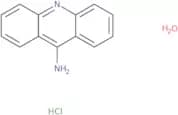
Formule :C4H8Cl4NOPDegré de pureté :Min. 95%Couleur et forme :White PowderMasse moléculaire :258.9 g/mol9-Acridinamine hydrochloride hydrate
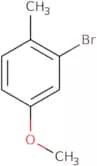
CAS :9-Acridinamine hydrochloride hydrate is a redox agent that has been shown to have genotoxic effects in vitro. It can be used for the treatment of infectious diseases such as tuberculosis and leprosy, but it is not active against gram-positive bacteria. 9-Acridinamine hydrochloride hydrate has been shown to inhibit the growth of bacteria by binding to DNA and preventing transcription, replication, and repair. This compound also inhibits bacterial protein synthesis by forming covalent bonds with amino groups on proteins. 9-Acridinamine hydrochloride hydrate has been shown to be safe when administered orally in animal studies, but it may cause hepatotoxicity.Formule :C13H10N2·HCl·H2ODegré de pureté :Min. 95%Couleur et forme :Yellow PowderMasse moléculaire :248.71 g/mol3-Bromo-4-methylanisole
CAS :3-Bromo-4-methylanisole is a natural product that has been shown to selectively activate the transcription factor, proliferator activated receptor γ (PPARγ), which plays a central role in cell differentiation and lipid metabolism. 3-Bromo-4-methylanisole is a competitive inhibitor of the catalytic site of PPARγ and also inhibits the activity of other transcriptional factors. This compound has been shown to stimulate the production of peroxisomes, which are organelles involved in lipid metabolism. 3-Bromo-4-methylanisole can be synthesized from toluene by a two step process involving electrolysis followed by chlorination. It can also be prepared from magnolol, a natural product isolated from Magnolia officinalis, by oxidation with potassium dichromate and sodium bisulfite.
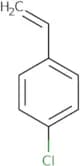
Formule :C8H9BrODegré de pureté :Min. 95%Couleur et forme :PowderMasse moléculaire :201.06 g/mol4-Chlorostyrene - stabilised with 4-tert-butylcatechol
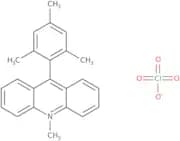
CAS :4-Chlorostyrene is a chlorinated organic compound. This chemical has been shown to bind to the hydroxyl group of polyhydroxy compounds, such as poly(vinyl alcohol), with a frequency shift of 1.0 cm-1 in the infrared spectrum. The ph optimum for this reaction is between 4 and 5. When exposed to cationic polymerization, chlorine atoms are incorporated into the polymer chain and the resultant product is a cationic polymer that has an isolated yield of 82%. In order for this reaction to be successful, both 4-chlorostyrene and 4-tert-butylcatechol must be present. The reaction mechanism is believed to involve diazonium salt formation followed by activation energies of 20 kcal/mol and 25 kcal/mol.Formule :C8H7ClDegré de pureté :Min. 95%Couleur et forme :Colorless Clear LiquidMasse moléculaire :138.59 g/mol9-Mesityl-10-methylacridinium perchlorate
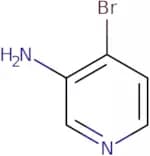
CAS :9-Mesityl-10-methylacridinium perchlorate is a cross-coupling reagent that can be used to form amines from alkenes via bond cleavage. The mechanism of this reaction involves irradiation, which generates radical species, and the use of molecular probes to rationalize the rate of the reaction. 9-Mesityl-10-methylacridinium perchlorate is a highly reactive compound with a short half life, which makes it an ideal candidate for generating radicals in order to study mechanistic studies on acridinium.Formule :C23H22ClNO4Degré de pureté :Min. 95%Couleur et forme :PowderMasse moléculaire :411.88 g/mol3-Amino-4-bromopyridine
CAS :3-Amino-4-bromopyridine is a receptor binding ligand that belongs to the group of synthetic, active natural products. It has been shown to stabilize nicotinic acetylcholine receptors and inhibit the release of acetylcholine. 3-Amino-4-bromopyridine has been shown to be a potent antagonist at nicotinic acetylcholine receptors and can be used in the treatment of disorders such as Parkinson's disease, Alzheimer's disease, and schizophrenia. 3-Amino-4-bromopyridine binds to pyridiniums in an inorganic acid environment and stabilizes them, which prevents their interaction with carbolines that are important for the modulation of neuronal activity.
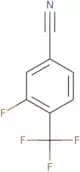
Formule :C5H5BrN2Degré de pureté :Min. 95%Couleur et forme :Off-White PowderMasse moléculaire :173.01 g/mol3-Fluoro-4-(trifluoromethyl)benzonitrile
CAS :3-Fluoro-4-(trifluoromethyl)benzonitrile is a chemical compound with biological activity. It is structurally related to anthelmintics, and has been shown to be nematocidal in laboratory experiments. 3-Fluoro-4-(trifluoromethyl)benzonitrile has not been evaluated for safety or efficacy in humans.
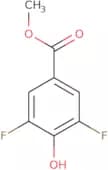
!--END-->Formule :C8H3F4NDegré de pureté :Min. 95%Couleur et forme :PowderMasse moléculaire :189.11 g/mol3,5-Difluoro-4-hydroxybenzoic acid methyl ester
CAS :3,5-Difluoro-4-hydroxybenzoic acid methyl ester (DFHBME) is a chemical compound that belongs to the class of useful building blocks. It is used in research as a reagent and in the synthesis of various complex compounds. DFHBME reacts with nucleophiles such as amines or alcohols to produce useful intermediates or scaffolds for organic synthesis. This compound is also useful as a speciality chemical due to its high quality and versatility.
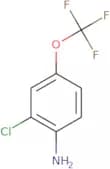
Formule :C8H6F2O3Degré de pureté :Min. 95%Couleur et forme :PowderMasse moléculaire :188.13 g/mol2-Chloro-4-(trifluoromethoxy)aniline
CAS :2-Chloro-4-(trifluoromethoxy)aniline is a chemical reagent that is used in organic synthesis. It has a variety of uses including as a building block for complex compounds, an intermediate for the synthesis of other chemicals, and a reagent for the production of pharmaceuticals. 2-Chloro-4-(trifluoromethoxy)aniline is also useful in research to study the mechanism of certain reactions. The high quality and versatility of this compound make it a speciality chemical with many applications.
Formule :C7H5ClF3NOMasse moléculaire :211.57 g/mol2,6-Dibromopyrazine
CAS :2,6-Dibromopyrazine is a quinoxaline molecule with two nitrogen atoms. It is an electropolymerizable material that can be used to create patterned surfaces. 2,6-Dibromopyrazine has been used in the fabrication of devices such as fluorescent lamps and light emitting diodes (LEDs). The fluorescence of these devices depends on the alignment of molecules within the device. The number and position of nitrogen atoms in the molecule determine the wavelength emission. 2,6-Dibromopyrazine is a structural isomer of 1,8-dibromopyrazine.
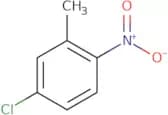
2,6-Dibromopyrazine has homologues such as anilines and amines that have been used in organic synthesis for decades.Formule :C4H2Br2N2Degré de pureté :Min. 95%Couleur et forme :SolidMasse moléculaire :237.88 g/mol5-Chloro-2-nitrotoluene
CAS :5-Chloro-2-nitrotoluene is an anti-cancer drug that has been shown to be effective against a variety of cancer cell lines, including carcinoma and pancreatic cancer cell lines. 5-Chloro-2-nitrotoluene inhibits the growth of cancer cells by binding to sulfhydryl groups in cellular membranes, which prevents the release of essential building blocks for the synthesis of proteins, nucleic acids, and lipids. This compound also inhibits the activity of enzymes that are involved in the synthesis of these compounds. It has been shown to have chemopreventive effects in animal studies.
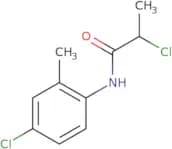
Formule :C7H6ClNO2Degré de pureté :Min. 95%Masse moléculaire :171.58 g/molN-(4-Chloro-2-methylphenyl)-2-chloropropanamide
CAS :Please enquire for more information about N-(4-Chloro-2-methylphenyl)-2-chloropropanamide including the price, delivery time and more detailed product information at the technical inquiry form on this page
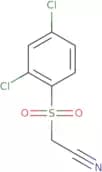
Degré de pureté :Min. 95%2,4-Dichlorobenzenesulphonylacetonitrile
CAS :Please enquire for more information about 2,4-Dichlorobenzenesulphonylacetonitrile including the price, delivery time and more detailed product information at the technical inquiry form on this page
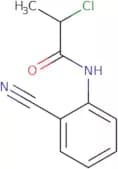
Degré de pureté :Min. 95%N-(2-Cyanophenyl)-2-chloropropanamide
CAS :Please enquire for more information about N-(2-Cyanophenyl)-2-chloropropanamide including the price, delivery time and more detailed product information at the technical inquiry form on this page
Degré de pureté :Min. 95%1-(4-(2-Nitro-4-(trifluoromethyl)phenoxy)phenyl)ethan-1-one
CAS :Please enquire for more information about 1-(4-(2-Nitro-4-(trifluoromethyl)phenoxy)phenyl)ethan-1-one including the price, delivery time and more detailed product information at the technical inquiry form on this page
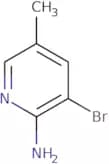
Degré de pureté :Min. 95%2-Amino-3-bromo-5-methylpyridine
CAS :2-Amino-3-bromo-5-methylpyridine is an imidazopyrazine that interacts with the magnetic field and can be used as a ligand. It has been synthesized from pyrazole derivatives and has been shown to have antimicrobial activity against Cryptococcus neoformans. 2-Amino-3-bromo-5-methylpyridine has also been shown to inhibit the growth of bacterial cells by binding to the nicotinamide adenine dinucleotide phosphate (NADP) cofactor in bacterial cells, thereby preventing ATP production. This drug is structurally related to fluoroquinolones, which are known for their antibacterial activity. 2-Amino-3-bromo-5-methylpyridine is an amido compound that ionizes in acidic environments and transfers electrons via resonance transfer. Its FTIR spectra show strong absorption bands at 3595 cm−1
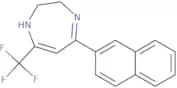
Formule :C6H7BrN2Degré de pureté :Min. 95%Masse moléculaire :187.04 g/mol7-(2-Naphthyl)-5-(trifluoromethyl)-1H,2H,3H-1,4-diazepine
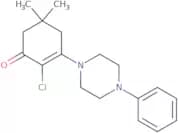
CAS :Please enquire for more information about 7-(2-Naphthyl)-5-(trifluoromethyl)-1H,2H,3H-1,4-diazepine including the price, delivery time and more detailed product information at the technical inquiry form on this pageFormule :C16H13F3N2Degré de pureté :Min. 95%Couleur et forme :PowderMasse moléculaire :290.28 g/mol2-Chloro-5,5-dimethyl-3-(4-phenylpiperazinyl)cyclohex-2-en-1-one
CAS :Please enquire for more information about 2-Chloro-5,5-dimethyl-3-(4-phenylpiperazinyl)cyclohex-2-en-1-one including the price, delivery time and more detailed product information at the technical inquiry form on this pageFormule :C18H23ClN2ODegré de pureté :Min. 95%Couleur et forme :PowderMasse moléculaire :318.84 g/mol




![[2-(3-Methyl-1,2,4-oxadiazol-5-yl)ethyl]amine hydrochloride](/_next/image/?url=https%3A%2Fstatic.cymitquimica.com%2Fproducts%2F3D%2Fthumb-webp%2FFM120047.webp&w=3840&q=75)
![2-[2-[4-[Bis(4-fluorophenyl)methyl]piperazin-1-yl]ethoxy]acetic acid HCl](/_next/image/?url=https%3A%2Fstatic.cymitquimica.com%2Fproducts%2F3D%2Fthumb-webp%2FFB98570.webp&w=3840&q=75)


![(1R,4R)-tert-Butyl 2,5-diazabicyclo[2.2.1]heptane-2-carboxylate hydrochloride](/_next/image/?url=https%3A%2Fstatic.cymitquimica.com%2Fproducts%2F3D%2Fthumb-webp%2FFB15223.webp&w=3840&q=75)







![3-Piperazin-1-yl-benzo[d]isothiazole hydrochloride](/_next/image/?url=https%3A%2Fstatic.cymitquimica.com%2Fproducts%2F3D%2Fthumb-webp%2FFP50755.webp&w=3840&q=75)