Halogénures organiques
Sous-catégories appartenant à la catégorie "Halogénures organiques"
20442 produits trouvés pour "Halogénures organiques"
(2E)-1-[5,6-Dihydro-3-(trifluoromethyl)-1,2,4-triazolo[4,3-a]pyrazin-7(8H)-yl]-4-(2,4,5-trifluorophenyl)-2-buten-1-one
CAS :Please enquire for more information about (2E)-1-[5,6-Dihydro-3-(trifluoromethyl)-1,2,4-triazolo[4,3-a]pyrazin-7(8H)-yl]-4-(2,4,5-trifluorophenyl)-2-buten-1-one including the price, delivery time and more detailed product information at the technical inquiry form on this page
Formule :C16H12F6N4ODegré de pureté :95%NmrMasse moléculaire :390.28 g/molRef: 3D-FD103313
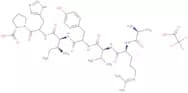
Produit arrêtéAcetyl-ACTH (4-24) (human, bovine, rat) trifluoroacetate salt
CAS :Please enquire for more information about Acetyl-ACTH (4-24) (human, bovine, rat) trifluoroacetate salt including the price, delivery time and more detailed product information at the technical inquiry form on this pageFormule :C123H193N37O26SDegré de pureté :Min. 95%Masse moléculaire :2,638.15 g/molPHM-27 (human) trifluoroacetate salt
CAS :PHM-27 is a human protein that contains a c-terminal histidine and n-terminal lysine. It contains an amino acid composition of histidine, valine, alanine, aspartic acid, glycine, serine, threonine, arginine, and methionine. PHM-27 is present in the cardiovascular system, nervous system, gastrointestinal system, and respiratory system. It has been shown to be involved in the synthesis of peptides important for blood clotting.
Formule :C135H214N34O40SDegré de pureté :Min. 95%Masse moléculaire :2,985.41 g/molNeuropeptide EI (human, mouse, rat) trifluoroacetate salt
CAS :Neuropeptide EI is a cyclic peptide that has been shown to have receptor activity in the caudate putamen, as well as locomotor activity and metabolic rate. Neuropeptide EI has also been shown to inhibit lymphatic vessels and amide sequences in fat cells. It has been shown to have various biological functions, such as an anti-inflammatory agent, an analgesic, and a chemotherapeutic agent. It is active against cancer cells and autoimmune diseases, but is inactive against bacteria.
Formule :C63H98N16O23Degré de pureté :Min. 95%Masse moléculaire :1,447.55 g/molVIP (3-28) (human, mouse, rat) trifluoroacetate salt
CAS :Please enquire for more information about VIP (3-28) (human, mouse, rat) trifluoroacetate salt including the price, delivery time and more detailed product information at the technical inquiry form on this pageFormule :C138H226N40O39SDegré de pureté :Min. 95%Masse moléculaire :3,101.58 g/molTetraethylammonium tetrafluoroborate
CAS :Tetraethylammonium tetrafluoroborate is a diamagnetic chemical species that reacts with water, forming the hydrated salt tetraethylammonium hydroxide. Tetraethylammonium tetrafluoroborate has a high resistance to oxidation and reduction reactions. It can be used as an electrolyte in electrochemistry and as a thermal expansion agent in plastics. The potentials of this substance are around +1 V, which makes it useful for electrochemical impedance spectroscopy. Tetraethylammonium tetrafluoroborate is activated by organic solvents, but not by water vapor.
Formule :C8H20N·BF4Couleur et forme :White Off-White PowderMasse moléculaire :217.06 g/molRef: 3D-FT75558
Produit arrêtéSerpinin (mouse, rat) trifluoroacetate salt
CAS :Please enquire for more information about Serpinin (mouse, rat) trifluoroacetate salt including the price, delivery time and more detailed product information at the technical inquiry form on this pageFormule :C123H202N32O46Degré de pureté :Min. 95%Masse moléculaire :2,865.11 g/molChloromethyl acetate
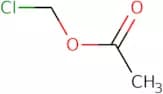
CAS :Chloromethyl acetate is a potent antibacterial agent that inhibits the growth of bacteria by inhibiting the synthesis of fatty acids. It also has an inhibitory effect on adenosine receptors and is used to treat congestive heart failure, inflammatory diseases, metabolic disorders, and other conditions. Chloromethyl acetate has been shown to be effective against a number of bacterial strains, including methicillin-resistant Staphylococcus aureus (MRSA), Streptococcus pneumoniae, and Mycobacterium tuberculosis. Chloromethyl acetate binds to the cyanoformate group in the bacterial cell wall by competitive inhibition. This binding prevents the formation of an antibiotic-inhibitor complex with the enzyme fatty acid synthase that is required for fatty acid biosynthesis, inhibiting protein synthesis and cell division.
Formule :C3H5ClO2Degré de pureté :Min. 95%Masse moléculaire :108.52 g/molRef: 3D-FP171385
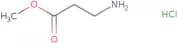
Produit arrêtéb-Alanine methyl ester hydrochloride
CAS :b-Alanine methyl ester hydrochloride is a fatty acid that is found in animal and plant tissues. It is a bifunctional molecule that can act as an inhibitor of serine proteases and also as an activator of fatty acid uptake by cells. This molecule has the potential to be used for the treatment of heart disease and other conditions caused by activation of serine proteases.
Formule :C4H9NO2·HClDegré de pureté :Min. 95%Couleur et forme :White PowderMasse moléculaire :139.58 g/molLIP2 (human) trifluoroacetate salt
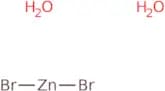
Please enquire for more information about LIP2 (human) trifluoroacetate salt including the price, delivery time and more detailed product information at the technical inquiry form on this pageFormule :C184H288N58O58Degré de pureté :Min. 95%Masse moléculaire :4,240.61 g/molZinc bromide dihydrate
CAS :Zinc bromide dihydrate is a crystalline compound that is used as a catalyst for the conversion of metalloporphyrins to hydroporphyrins. This process is used in the production of vitamin B12. Zinc bromide dihydrate can also be used to inhibit the function of ion pumps, which are proteins that pump ions across membranes. The inhibition of these pumps may lead to a decrease in intracellular calcium levels and an increase in free radicals.
Zinc bromide dihydrate has been shown to react with chlorophylls, vinylated heterostructures, and polyvinyl nonmetals. These reactions produce morphology changes in zinc bromide dihydrate crystalsFormule :ZnBr2•2H2ODegré de pureté :Min. 95%Couleur et forme :PowderMasse moléculaire :261.22 g/mol3-Fluoro-2-nitrobenzaldehyde
CAS :3-Fluoro-2-nitrobenzaldehyde is a pyridine derivative that has been used in the synthesis of a number of important heterocyclic compounds. This compound can be prepared by reacting 3,4-dichloroaniline with nitrous acid and then hydrolyzing the resulting 3-chloroquinoline with hydrochloric acid. The reaction yields anilines and quinolines in regiospecifically, as well as formylation, cyclisation, and condensation products. It is also capable of aromatisation reactions with benzene to produce benzofuran derivatives.
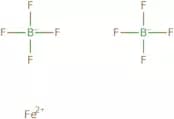
Formule :C7H4FNO3Degré de pureté :Min. 95%Couleur et forme :Yellow PowderMasse moléculaire :169.11 g/molIron(II) tetrafluoroborate - 40-45% aqueous solution
CAS :Iron(II) tetrafluoroborate is a green-yellow crystalline solid that is soluble in water. It has been shown to have structural and optical properties that are similar to those of ferric chloride, but with the advantage of being less toxic. Iron(II) tetrafluoroborate is used as a homogeneous catalyst for organic reactions such as the hydrogenation of nitroarenes and the reduction of ketones. The catalytic activity of Iron(II) tetrafluoroborate arises from its ability to form hydrogen bonding interactions with other molecules and ions in solution.
Iron(II) tetrafluoroborate undergoes a number of reactions with other compounds, including cleavage products such as hydrogen sulfate and nitrogen atoms, which may be due to its chelate ligand. In coordination chemistry, Iron(II) tetrafluoroborate can form coordination complexes by reacting with potassium dichromate or calcium carbonate. These complexes areFormule :B2F8FeDegré de pureté :About 45%Couleur et forme :Slightly Green Clear LiquidMasse moléculaire :229.45 g/mol3-Amino-4-fluorobenzoic acid
CAS :3-Amino-4-fluorobenzoic acid is a hydrocarbon that is used as an analgesic. It has been shown to be nontoxic and has analgesic effects in the intestinal tract. 3-Amino-4-fluorobenzoic acid also has radiopaque properties, which makes it useful for diagnosis and treatment of certain types of cancer and other tumors. The analgesic effect of 3-amino-4-fluorobenzoic acid may be due to its ability to act as a competitive antagonist at the N -methyl--aspartate (NMDA) receptor, which is important in pain perception.
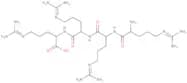
Formule :C7H6FNO2Degré de pureté :Min. 95%Masse moléculaire :155.13 g/molH-Arg-Arg-Arg-Arg-OH trifluoroacetate salt
CAS :Trifluoroacetate salt
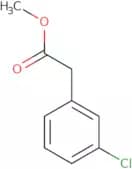
Formule :C24H50N16O5Degré de pureté :Min. 95%Masse moléculaire :642.76 g/molMethyl 3-chlorophenylacetate
CAS :Methyl 3-chlorophenylacetate is a chemical intermediate that has been used in the synthesis of pharmaceuticals and organic compounds. It has also been used as a reagent for research, especially in the study of organic chemistry. Methyl 3-chlorophenylacetate is a versatile building block and can be used as a reaction component to synthesize other chemicals. This compound is also an excellent scaffold for medicinal chemistry.
Formule :C9H9ClO2Degré de pureté :Min. 95%Couleur et forme :Clear LiquidMasse moléculaire :184.62 g/molAcetyl-PACAP-38 (human, mouse, ovine, porcine, rat) trifluoroacetate salt
CAS :Please enquire for more information about Acetyl-PACAP-38 (human, mouse, ovine, porcine, rat) trifluoroacetate salt including the price, delivery time and more detailed product information at the technical inquiry form on this pageFormule :C205H333N63O54SDegré de pureté :Min. 95%Masse moléculaire :4,576.3 g/mol4-Fluoro-3-nitroaniline
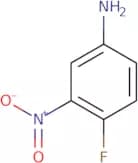
CAS :4-Fluoro-3-nitroaniline is a chemical that can be used for industrial preparation. It is an efficient method for the production of 4-fluoroaniline, which is used in the manufacture of dyes and pharmaceuticals. The chemical ionization technique has been shown to be a good way to determine the presence of 4-fluoro-3 nitroaniline in animals. It has also been found to be active against infections caused by bacteria such as Salmonella enterica, Escherichia coli, and Klebsiella pneumoniae. This chemical may have adverse effects on testicular function and hematocrit levels in animals.
Formule :C6H5FN2O2Degré de pureté :Min. 95%Masse moléculaire :156.11 g/molNociceptin trifluoroacetate salt
CAS :Nociceptin trifluoroacetate salt is an opioid with low potency that is used in the treatment of pain. It has been shown to bind to the protein and inhibit protease, which has been proposed as a possible mechanism for its analgesic effects. Nociceptin trifluoroacetate salt may also have indirect effects on brain functions by regulating levels of nociceptin, a neuropeptide that interacts with nociceptive neurons in the brain. This drug has been shown to have nootropic effects in mice, including increased locomotor activity and improved memory retention. Nociceptin trifluoroacetate salt inhibits kappa-opioid receptors and is therefore used as a pharmacological tool for research into opioid receptor function.
Formule :C79H129N27O22Degré de pureté :Min. 95%Masse moléculaire :1,809.04 g/molPhenylacetyl-(D-Arg2·28,p-chloro-Phe6, Homoarg 9·29,Tyr(Me)10, Abu 15, Nle 27)-GRF (1-29) amide (human)
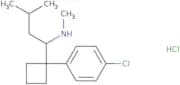
CAS :Please enquire for more information about Phenylacetyl-(D-Arg2·28,p-chloro-Phe6, Homoarg 9·29,Tyr(Me)10, Abu 15, Nle 27)-GRF (1-29) amide (human) including the price, delivery time and more detailed product information at the technical inquiry form on this pageFormule :C172H284ClN53O41Degré de pureté :Min. 95%Masse moléculaire :3,785.88 g/molDesmethyl sibutramine hydrochloride salt
CAS :Desmethyl sibutramine hydrochloride salt is a pharmaceutical preparation that has been used in the treatment of depression and chronic pain. It is a synthetic drug that increases the level of dopamine in the brain by inhibiting its reuptake. In addition, it has been shown to be effective in the treatment of hyperactivity, diabetic neuropathy, and other amines. Desmethyl sibutramine hydrochloride salt also has an antidepressant effect by decreasing serotonin reuptake.
Formule :C16H25Cl2NDegré de pureté :Min. 95 Area-%Couleur et forme :White PowderMasse moléculaire :302.28 g/mol(Des-Ser3)-ACTH (1-24) (human, bovine, rat) trifluoroacetate salt
Please enquire for more information about (Des-Ser3)-ACTH (1-24) (human, bovine, rat) trifluoroacetate salt including the price, delivery time and more detailed product information at the technical inquiry form on this pageFormule :C133H205N39O29SDegré de pureté :Min. 95%Masse moléculaire :2,846.36 g/molTrimethylsulfoxonium bromide
CAS :Trimethylsulfoxonium Bromide is a fungicide that inhibits the growth of fungal cells. It binds to the sterol biosynthesis pathway and disrupts the production of ergosterol, which is an essential component for fungal cell membranes. Trimethylsulfoxonium Bromide has been shown to be effective against chronic bronchitis and other pulmonary diseases. This drug also has a horticultural use as a plant growth regulator. The chemical formula for Trimethylsulfoxonium Bromide is C1-C4-haloalkyl, profile, tebuconazole, fluconazole, triethyl orthoformate, chronic bronchitis, carbonyl group, hydroxyl group, anti-fungal.
Formule :C3H9BrOSDegré de pureté :Min. 95%Masse moléculaire :173.07 g/molRef: 3D-FT61303
Produit arrêté(Asp371)-Tyrosinase (369-377) (human) trifluoroacetate salt
CAS :Trifluoroacetate saltFormule :C42H66N10O16S2Degré de pureté :Min. 95%Masse moléculaire :1,031.16 g/mol6-Bromoindazole
CAS :6-Bromoindazole is a hydrogen bond inhibitor that has potential neuroprotective effects. It inhibits the enzyme DNA Gyrase, which is necessary for bacterial replication, and has antibacterial properties. 6-Bromoindazole interacts with the receptor tyrosine kinase axitinib and inhibits its activity. This interaction may be responsible for its neuroprotective effects.
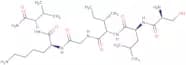
Formule :C7H5BrN2Degré de pureté :Min. 95%Masse moléculaire :197.03 g/molPAR-2 (1-6) amide (human) trifluoroacetate salt
CAS :PAR-2 (1-6) amide (human) trifluoroacetate salt H-Ser-Leu-Ile-Gly-Lys-Val-NH2 trifluoroacetate salt is a protease inhibitor that inhibits the activity of PAR2, a protein receptor. PAR2 is implicated in cancer and inflammation. It has been shown to inhibit growth factor signaling, as well as activate toll-like receptor 4 and other inflammatory pathways. PAR2 inhibition has also been studied in vivo and found to be effective in treating wild type mice with melanoma cells. In vitro studies have shown that PAR2 inhibition by PAR 2 (1-6) amide (human) trifluoroacetate salt H-Ser-Leu-Ile-Gly-Lys-Val NH2 trifluoroacetate salt blocks the production of tumour necrosis factor alpha and interleukin 6.Formule :C28H54N8O7Degré de pureté :Min. 95%Masse moléculaire :614.78 g/mol(Dibromomethyl)benzene
CAS :Dibromomethylbenzene is a reactive, non-metallic chemical compound with the formula CHBr2. It is a colorless liquid that is soluble in water and has a strong odor. Dibromomethylbenzene can be used to treat wastewater by removing metals, such as iron and copper, that are not removed by conventional methods. This compound also has been shown to inhibit the growth of infectious bacteria, such as Salmonella enterica and Escherichia coli. Dibromomethylbenzene reacts with metal hydroxides to produce volatile bromide ions, which react with the carbohydrate to form cyclic peptides. These reactions are catalyzed by solid catalysts like activated carbon or alumina.
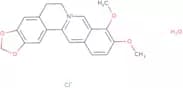
Formule :C7H6Br2Degré de pureté :95%MinMasse moléculaire :249.93 g/molBerberine chloride hydrate
CAS :Berberine chloride hydrate is an isoquinoline alkaloid, which is a natural compound derived from various plants, such as Berberis species, with a robust pharmacological profile. Its mode of action is primarily through the modulation of multiple biochemical pathways. Berberine activates adenosine monophosphate-activated protein kinase (AMPK), a crucial regulator of energy homeostasis, and influences lipid and glucose metabolism. It exhibits significant antimicrobial activity, disrupting microbial cell walls and inhibiting the nucleic acid synthesis of pathogens.
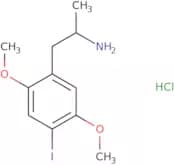
Formule :C20H18ClNO4•(H2O)xDegré de pureté :Min. 95%Couleur et forme :Yellow PowderMasse moléculaire :371.81 g/mol(±)-DOI Hydrochloride
CAS :Produit contrôlé(±)-DoiHydrochloride is a serotonergic drug that belongs to the group of serotonin reuptake inhibitors. It affects the serotonergic system by inhibiting serotonin reuptake, which leads to increased synaptic concentrations of serotonin. This in turn activates signal pathways and increases levels of dopamine, norepinephrine, and epinephrine. (±)-DoiHydrochloride has antioxidative properties and can be used for the treatment of chronic schizophrenia. It was shown to be effective in patients with atrial fibrillation who were not responding well to other treatments.
Formule :C11H16INO2•HClDegré de pureté :Min. 95%Masse moléculaire :357.62 g/molRef: 3D-FD152269
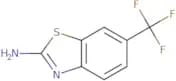
Produit arrêté2-Amino-6-(trifluoromethyl)benzothiazole
CAS :2-Amino-6-(trifluoromethyl)benzothiazole is a new, optimised insecticide with alkylthio, halogen and alkoxy groups. It is highly toxic to insects and has been shown to be active against various species of Lepidoptera, Coleoptera and Diptera. 2-Amino-6-(trifluoromethyl)benzothiazole is also a broad spectrum contact insecticide that exhibits systemic properties. This insecticide can be used on plants, crops, livestock and pets.Formule :C8H5F3N2SDegré de pureté :Min. 95%Masse moléculaire :218.2 g/molPz-Pro-Leu-Gly-Pro-D-Arg-OH trifluoroacetate salt
CAS :Pz-Pro-Leu-Gly-Pro-D-Arg-OH trifluoroacetate salt is a synthetic substrate that can be used for the synthesis of cyclic peptides. It has been shown to act as a competitive inhibitor of the serine protease, chymotrypsin, and cytochalasin B. Pz-Pro-Leu-Gly-Pro-D-Arg is a soluble substrate that can be used in tissue culture experiments with caco2 cells. This compound also has high solubility and is stable at pH values between 5 and 12. The optimum pH for this compound is 8.
Formule :C38H52N10O8Degré de pureté :Min. 95%Masse moléculaire :776.88 g/molAcetyl-ACTH (7-24) (human, bovine, rat) trifluoroacetate salt
CAS :Please enquire for more information about Acetyl-ACTH (7-24) (human, bovine, rat) trifluoroacetate salt including the price, delivery time and more detailed product information at the technical inquiry form on this page
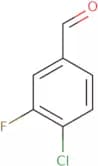
Formule :C107H170N32O21Degré de pureté :Min. 95%Masse moléculaire :2,240.7 g/mol4-Chloro-3-fluorobenzaldehyde
CAS :4-Chloro-3-fluorobenzaldehyde is an atypical molecule that has a deuterium atom. It is classified as a group p2 functional theory reuptake inhibitor, which blocks the reuptake of noradrenaline at the synapse. The vibrational and spectroscopic properties of this molecule are similar to those of other molecules in its class. 4-Chloro-3-fluorobenzaldehyde was shown to inhibit the production of noradrenaline in rat brain tissue and is used as a model for studying genetic polymorphism. Techniques such as nuclear magnetic resonance spectroscopy, infrared spectroscopy, and X-ray crystallography have been used to investigate the structure and reactivity of 4-chloro-3-fluorobenzaldehyde.
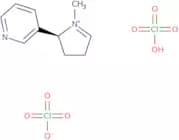
Formule :C7H4ClFODegré de pureté :Min. 95%Masse moléculaire :158.56 g/molS-(-)-Nicotine-delta1’-(5’)-iminium diperchlorate salt
CAS :Please enquire for more information about S-(-)-Nicotine-delta1’-(5’)-iminium diperchlorate salt including the price, delivery time and more detailed product information at the technical inquiry form on this page
Formule :C10H14Cl2N2O8Degré de pureté :Min. 95%Masse moléculaire :361.13 g/molRef: 3D-FN26207
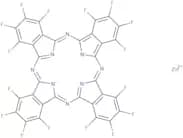
Produit arrêtéZinc 1,2,3,4,8,9,10,11,15,16,17,18,22,23,24,25-hexadecafluoro-29H,31H-phthalocyanine
CAS :Please enquire for more information about Zinc 1,2,3,4,8,9,10,11,15,16,17,18,22,23,24,25-hexadecafluoro-29H,31H-phthalocyanine including the price, delivery time and more detailed product information at the technical inquiry form on this pageFormule :C32F16N8ZnDegré de pureté :Min. 95%Masse moléculaire :865.75 g/molRef: 3D-FZ101052
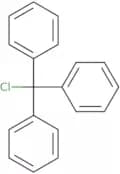
Produit arrêtéTrityl chloride resin
CAS :Trityl chloride resin is a chemical compound that is used as a model system for the study of trifluoroacetic acid and its reactions. Trityl chloride resin is insoluble in water and has been used as a reaction solution for transfer reactions. It has been shown to be an effective ligand for many types of receptors, with binding constants ranging from 10 M-1 to 10 M-10. Trityl chloride resin can also be chiral, which means that it may exist in two forms that are mirror images of each other. The physiological effects of this compound are not well understood, but it has been shown to have an effect on coordination geometry.
Couleur et forme :PowderAmmonium Undecafluorohexanoate
CAS :Undecafluorohexanoic acid is a perfluoroalkyl carboxylic acid that has been shown to disrupt steroidogenesis in vitro. It may be able to inhibit the transport of cholesterol, fats, and other lipids in cells, which causes disruption in steroidogenesis. This compound also has anti-cancer properties due to its ability to induce apoptosis and arrest cancer cell proliferation. Undecafluorohexanoic acid may also have developmental effects on animals because it can bind to estrogen receptors and disrupt the normal process of estrogen-mediated signaling pathways.
Formule :C6H4F11NO2Degré de pureté :Min. 95%Masse moléculaire :331.08 g/molAngiotensin A (1-7) trifluoroacetate
CAS :Endogenous heptapetide which causes vasodilation and has anti-hypertensive properties.
Formule :C40H62N12O9•(C2HF3O2)xDegré de pureté :Min. 95%Couleur et forme :PowderMasse moléculaire :855 g/mol2,3,5-Trichlorobenzaldehyde
CAS :2,3,5-Trichlorobenzaldehyde is a chemical compound that has been shown to have anticancer and apoptotic effects. It inhibits the growth of bacteria by chelating iron ions and inhibiting bacterial dna synthesis. 2,3,5-Trichlorobenzaldehyde has also been shown to inhibit the growth of cancer cells in culture in an experimental study. This chemical has been used as a substrate for nmr spectroscopy to study its functional groups and radical scavenging activities. 2,3,5-Trichlorobenzaldehyde can be synthesized from phenacyl chloride and benzaldehyde in the presence of hydrogen chloride gas. The carbonyl group in 2,3,5-trichlorobenzaldehyde may cause metabolic disorders such as diabetes mellitus or hyperglycemia.
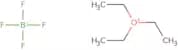
Formule :C7H3Cl3ODegré de pureté :Min. 95%Couleur et forme :PowderMasse moléculaire :209.46 g/molTriethyloxonium tetrafluoroborate
CAS :Triethyloxonium tetrafluoroborate is an antimicrobial agent that inhibits the transfer of electrons from one molecule to another. It has been shown to be effective against methicillin-resistant Staphylococcus aureus and Mycobacterium tuberculosis. Triethyloxonium tetrafluoroborate binds to the bacterial enzyme, Jak1, which is involved in the formation of cytokines and interleukins. This binding inhibits the production of these molecules, leading to cell death by apoptosis. The use of triethyloxonium tetrafluoroborate as a research tool has facilitated its discovery as a potential anti-inflammatory drug for autoimmune diseases such as type 1 diabetes mellitus and rheumatoid arthritis. Triethyloxonium tetrafluoroborate can be used to inhibit amide synthesis, which may have applications in the study of carbohydrate chemistry and nitrogen atoms in biological systems. This compound has also been used
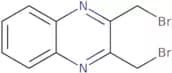
Formule :C6H15BF4ODegré de pureté :Min. 95%Couleur et forme :PowderMasse moléculaire :189.99 g/mol2,3-Bis(bromomethyl)quinoxaline
CAS :2,3-Bis(bromomethyl)quinoxaline is a nitrogenous heterocyclic compound that has a coordination geometry of square planar. It has been used as an inhibitor for the protein p21 and the nucleophile in palladium complexes. 2,3-Bis(bromomethyl)quinoxaline is also a model system for studying reaction mechanisms and chemical structures. The electron density map of the compound was obtained by X-ray crystal structure analysis. The reaction mechanism of this molecule is proposed to be through a chelate ring cross-coupling process.
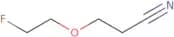
Formule :C10H8Br2N2Degré de pureté :Min. 95%Couleur et forme :Brown PowderMasse moléculaire :315.99 g/mol3-(2-Fluoroethoxy)Propanenitrile
CAS :3-(2-Fluoroethoxy)Propanenitrile is a chemical with toxic properties. It is classified as a fluoroacetic acid and has been used in the production of other chemicals. Fluoroacetic acid is toxic to humans, showing signs of skin irritation, respiratory tract irritation, and kidney damage. 3-(2-Fluoroethoxy)Propanenitrile is not found naturally and has been sponsored by many companies.
Formule :C5H8FNODegré de pureté :Min. 95%Masse moléculaire :117.12 g/mol
![(2E)-1-[5,6-Dihydro-3-(trifluoromethyl)-1,2,4-triazolo[4,3-a]pyrazin-7(8H)-yl]-4-(2,4,5-trifluorop…](/_next/image/?url=https%3A%2Fstatic.cymitquimica.com%2Fproducts%2F3D%2Fthumb-webp%2FFD103313.webp&w=3840&q=75)