Halogénures organiques
Dans cette catégorie, vous trouverez des molécules organiques contenant un ou plusieurs atomes d'halogène dans leur structure. Ces halogénures organiques incluent des composés bromés, iodés, chlorés et des halogénures cycliques. Les halogénures organiques sont largement utilisés en synthèse organique, en pharmaceutique, en agrochimie et en science des matériaux en raison de leur réactivité et de leur capacité à subir une variété de transformations chimiques. Chez CymitQuimica, nous offrons une sélection complète d'halogénures organiques de haute qualité pour soutenir vos applications de recherche et industrielles, garantissant une performance fiable et efficace dans vos projets synthétiques et analytiques.
Sous-catégories appartenant à la catégorie "Halogénures organiques"
20440 produits trouvés pour "Halogénures organiques"
Trier par
Degré de pureté (%)
0
100
|
0
|
50
|
90
|
95
|
100
[1,4-Bis(diphenylphosphino)butane]palladium(II) Dichloride
CAS :Produit contrôlé<p>[1,4-Bis(diphenylphosphino)butane]palladium(II) dichloride (PdCl2(DPPB)) is a covalent catalyst that is used in the cross-coupling of styrene with chlorides. It has been shown to be a very effective catalyst for this reaction and yields high yields. The use of this catalyst allows for the quantification of the phosphine ligand that is used in the reaction. [1,4-Bis(diphenylphosphino)butane]palladium(II) dichloride has also been shown to be an efficient catalyst for other reactions, such as solvents and diphosphine ligands.</p>Formule :C28H28Cl2P2PdDegré de pureté :Min. 95%Masse moléculaire :603.79 g/molSodium tetrachloropalladate(II)
CAS :Sodium tetrachloropalladate(II) is a photoelectron acceptor that absorbs x-rays in the wavelength range of 0.2-1.5 Å. It is used as a nanomaterial for the preparation of microspheres and optical devices. Sodium tetrachloropalladate(II) has been shown to have a chloride ion content of 36%. The chemical composition of this element can be determined by using preparative methods such as suzuki coupling reaction, phase chromatography, or elemental analysis. The isolated yield of sodium tetrachloropalladate(II) can be determined by immobilizing it on an ion exchange resin and eluting with 0.1 M HCl.Formule :Cl4Na2PdDegré de pureté :Min. 95%Masse moléculaire :294.21 g/molDiethyl 2-(chloromethylene)malonate
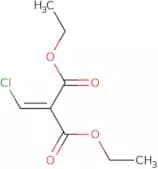
CAS :Please enquire for more information about Diethyl 2-(chloromethylene)malonate including the price, delivery time and more detailed product information at the technical inquiry form on this pageDegré de pureté :Min. 95%Chloroacetic Acid-13C2
CAS :Please enquire for more information about Chloroacetic Acid-13C2 including the price, delivery time and more detailed product information at the technical inquiry form on this pageDegré de pureté :Min. 95%2-Amino-1-(4-fluorophenyl)-1-propanone
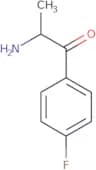
CAS :Produit contrôlé<p>2-Amino-1-(4-fluorophenyl)-1-propanone (Fluoroamphetamine) is a chemical that binds to the serotonin transporter, which is responsible for the reuptake of serotonin into the presynaptic neuron. Fluoroamphetamine has been shown to lower empathy and increase feelings of reward in animals. This drug has no significant effect on dopamine and noradrenaline levels but does cause an increase in metabolic acidosis. Fluoroamphetamine is most often used by analytical laboratories as a synthetic intermediate, but it can also be used as a strategy to develop specific antidotes against serotonin blockers. Fluoroamphetamine's health effects are similar to those of amphetamine with regards to cardiovascular risks and addictive potential.</p>Formule :C9H10FNODegré de pureté :Min. 95%Masse moléculaire :167.18 g/mol(5-Carboxypentyl)triphenylphosphonium bromide
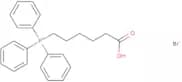
CAS :5-Carboxypentyl)triphenylphosphonium bromide (5CPPBr) is an activated form of the drug taxol. It is a potent anticancer agent that binds to microtubules and stabilizes them. This prevents the microtubules from dissociating, which disrupts the cell’s ability to divide. 5CPPBr also has high uptake in cells and mitochondria, which are important sites for anticancer activity. The drug has shown efficacy in humans and animals, with few side effects. 5CPPBr has been shown to inhibit tumor growth by inducing apoptosis and inhibiting angiogenesis. Further research is needed on its effect on human morphology and hyaluronic acid production.Formule :C24H26BrO2PDegré de pureté :Min. 95%Masse moléculaire :457.34 g/molChloranilic acid
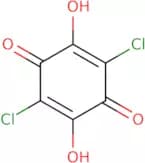
CAS :<p>Chloranilic acid is a thermally unstable compound that undergoes a number of reactions with the addition of heat. It reacts with nitrogen atoms to form amides, nitriles, and nitro compounds. Chloranilic acid also reacts with polymerases to form stable complexes. The proton at the center of the chloranilic acid molecule is lost when it forms an acid complex. This reaction occurs in aqueous solution as well as in biological systems, where it is used for hydrogen bonding interactions. The stable complexes that are formed by chloranilic acid have been shown to have biological properties such as antimicrobial activity, antiviral activity, and antifungal activity.</p>Formule :C6H2Cl2O4Degré de pureté :Min. 95%Couleur et forme :Orange To Red SolidMasse moléculaire :208.98 g/molDL-threo-methylphenidate hydrochloride
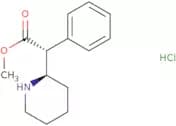
CAS :Produit contrôléD-threo-methylphenidate hydrochloride (DL-threo-MPH) is an inorganic acid that has been shown to be effective in the treatment of symptoms associated with attention deficit hyperactivity disorder (ADHD) and narcolepsy. It has long-term efficacy, which means it can be taken for a long time without causing adverse effects. DL-threo-MPH is also used to treat alopecia areata, which is an autoimmune disease that causes hair loss. This drug works by increasing dopamine levels in the brain and blocking the reuptake of dopamine. DL-threo-MPH has been tested on mice and found to have pharmacokinetic properties that are similar to those of dextromethorphan, but is more potent and selective.Formule :C14H20ClNO2Degré de pureté :Min. 95%Masse moléculaire :269.77 g/mol1-Bromo-3-ethylbenzene
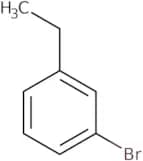
CAS :<p>1-Bromo-3-ethylbenzene (1BEB) is a trifluoroacetic acid that is used as a reagent in the analysis of urine samples. It reacts with glutathione to form a fluorescent product, which can be detected by fluorescence spectroscopy. 1BEB reacts with methyl groups in the sample to produce an intermediate compound that can be measured by liquid chromatography-mass spectrometry (LC/MS). The reaction time for this process depends on the temperature and other conditions such as pH. LC/MS has been shown to be more accurate than kinetic measurements for the determination of 1BEB concentrations in urine because it takes into account the chemical reactions that take place during the analysis. In addition, methylbenzenes are also formed during this process, which can be analysed using gas chromatography-mass spectrometry (GC/MS). GC/MS has been shown to be more accurate than LC/MS methods for evaluating</p>Formule :C8H9BrDegré de pureté :Min. 95%Masse moléculaire :185.06 g/molrac 1,2-Bis-palmitoyl-3-chloropropanediol-D5
CAS :Produit contrôlé<p>Rac-1,2-Bis-palmitoyl-3-chloropropanediol (rac1,2BPC) is a dispersive compound that has been used in the experimental phase of extraction. It has been shown to be efficient in the quantification and screening of fatty acids. Rac1,2BPC has also been used as a spiking agent for food samples to identify contaminants. The recoveries have been validated and linearity has been demonstrated. Rac1,2BPC is an anion that can be quantified by liquid chromatography with wavelength detection at 202 nm.</p>Formule :C35H62D5ClO4Degré de pureté :Min. 95%Masse moléculaire :592.38 g/molMART-1 (26-35) (human) trifluoroacetate salt
CAS :Native Melan-A (26-35) decapeptide derives from the melanocyte lineage-specific protein Melan-A/MART-1, which is expressed in almost 75-100% of primary and metastatic melanomas. The region 26-35 of Melan-A protein acts as an antigenic peptide that is recognized by CD8+ tumor-reactive cytolytic T lymphocytes (CTLs) for designing antigen-specific cancer vaccines1. It has been shown that CD8+ Melan-A-specific CTLs isolated from melanoma patients efficiently lyse the Melan-A-expressing HLA-A*0201+ melanoma cell line. However, CTLs preferentially recognize the Melan-A (26-35) peptide as compared with the Melan-A (27-35) peptide. Moreover, the Melan-A (26-35) A27L analog (ELAGIGILTV) has a higher binding affinity to HLA-A*0201 than the native Melan-A (26-35) peptide (EAAGIGILTV), and consequently displays more potent antigenicity and immunogenicity. It has been reported that the concentration of Melan-A (26-35) A27L analog required to obtain 50% of maximal antigenic activity (EC50) is 0.01nM, whereas that of the native Melan-A (26-35) peptide is 0.25nM1. Therefore, the relative activity of Melan-A (26-35) A27L analog is 25 fold higher than that of the native Melan-A (26-35) peptide. Furthermore, functional competition assay has shown that the concentration of Melan-A (26-35) A27L analog required to achieve 50% inhibition (IC50) of tumor lysis is 2nM, which is 10 fold lower than that of the native Melan-A (26-35) peptide. Regarding peptide stability in human serum, the half-lifes (t1/2) of the native Melan-A (26-35) peptide and the A27L analog are quite similar (45 and 40min, respectively) as measured by HPLC-ESI-MS, but much higher than that of the Melan-A (27-35) nonapeptide (5min).Formule :C42H74N10O14Degré de pureté :Min. 95%Masse moléculaire :943.1 g/molLithium tetrakis(pentafluorophenyl)borate ethyl etherate
CAS :Produit contrôlé<p>Lithium tetrakis(pentafluorophenyl)borate ethyl etherate is a lithium salt of the etherate ester of pentafluorophenylboronic acid (B(C6F5)3). The complex is an electron donor and ligand, which can stabilize the high-energy intermediate state in the reaction. Lithium tetrakis(pentafluorophenyl)borate ethyl etherate reacts with magnesium to form a magnesium salt and ethylene. This product can be used as a co-catalyst for coupling reactions, such as the synthesis of cyclic compounds from alkenes.</p>Formule :C24BF20·(C4H10O)2·LiDegré de pureté :Min. 95%Masse moléculaire :760.11 g/mol1,3-Dichloropropene
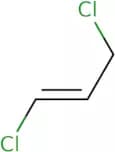
CAS :<p>1,3-Dichloropropene is a fumigant that inhibits the production of malonic acid by inhibiting the enzyme malonate semialdehyde dehydrogenase. 1,3-Dichloropropene has been shown to be toxic in vitro, but not in vivo. In addition, this compound has been shown to inhibit the activity of enzymes such as quillaja saponaria and polymerase chain reaction (PCR) in vitro. 1,3-Dichloropropene has been found to cause chronic exposure and site specific toxicity in rats. Chronic exposure was associated with an increased incidence of lymphomas and leukemias. The mechanism for these effects is unknown, but may be due to damage to DNA or inhibition of RNA synthesis.</p>Formule :C3H4Cl2Degré de pureté :Min. 95%Couleur et forme :Clear Colourless To Yellow To Dark Brown LiquidMasse moléculaire :110.97 g/molNG,NG'-Dimethyl-L-arginine dihydrochloride
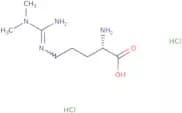
CAS :NG,NG'-Dimethyl-L-arginine dihydrochloride is a substrate for nitrite reductase and is used to diagnose kidney disease. It has been shown in vitro to inhibit the activity of steroidogenic enzymes in the zona fasciculata of the adrenal gland. NG,NG'-Dimethyl-L-arginine dihydrochloride is also used as a diagnostic agent in pediatric patients with hypogonadotropic hypogonadism and during inhalation therapy in adults with asthma. NG,NG'-Dimethyl-L-arginine dihydrochloride has been shown to reduce inflammatory diseases such as rheumatoid arthritis and Crohn's disease by inhibiting arginine methylation. The drug also reduces age-related changes in steroidogenesis and blood pressure.Formule :C8H18N4O2·2HClDegré de pureté :Min. 95%Couleur et forme :PowderMasse moléculaire :275.18 g/mol6a-Bromo androstenedione
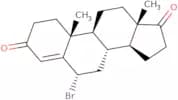
CAS :Produit contrôlé6a-Bromo androstenedione is a nonsteroidal, non-aromatizable, competitive inhibitor of aromatase. It binds to the active site of the enzyme and blocks the conversion of testosterone to estradiol. 6a-Bromo androstenedione has been shown to inhibit aromatase activity in vitro at an IC50 of about 5 nM. The affinity for the enzyme is about 10 times higher than that for aminoglutethimide, which is another competitive inhibitor of aromatase. 6a-Bromo androstenedione has also been shown to have inhibitory activity against estrogen synthetase in rats.Formule :C19H25BrO2Degré de pureté :Min. 95%Masse moléculaire :365.3 g/mol2-Bromo-6-methoxypyridin-3-amine
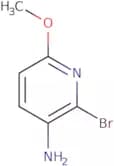
CAS :2-Bromo-6-methoxypyridin-3-amine is a perovskite that has been shown to have a high photoluminescence quantum yield and can be used in solar cells. This compound interacts with both the ligands and the acceptors, boosting the efficiency of these compounds. The 2-bromo-6 methoxypyridin-3 amine is a semiconductor with an electron affinity of 1.9 eV and a band gap of 1.6 eV. It has been shown to be efficient as a photoluminescent material in nanocrystals.Formule :C6H7BrN2ODegré de pureté :Min. 95%Masse moléculaire :203.04 g/mol2-Ethylbutyryl chloride
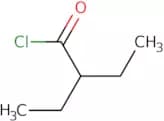
CAS :<p>2-Ethylbutyryl chloride is a growth regulator and plant hormone. It is a non-competitive inhibitor of the enzyme glutamate decarboxylase. 2-Ethylbutyryl chloride has been shown to be effective in treating horticultural crops, such as apples, peaches, and pears. This chemical also has pharmacokinetic properties that are unique to its structure. For example, it is eliminated by the liver and kidney quickly and completely, with a half-life of about 1 minute in mice. In addition, this chemical does not affect nitric oxide production or cause hemolysis in mouse models.</p>Formule :C6H11ClODegré de pureté :Min. 95%Masse moléculaire :134.6 g/molMethcathinone hydrochloride
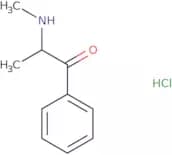
CAS :Produit contrôléβ-ketone analogue of methamphetamine and has comparable effects on monoamine uptFormule :C10H14ClNODegré de pureté :Min. 95 Area-%Masse moléculaire :199.68 g/mol(4-Phenylpiperazin-1-yl)piperidin-4-yl-methanone dihydrochloride
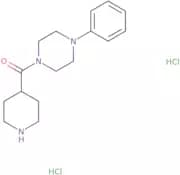
CAS :Produit contrôléPlease enquire for more information about (4-Phenylpiperazin-1-yl)piperidin-4-yl-methanone dihydrochloride including the price, delivery time and more detailed product information at the technical inquiry form on this pageFormule :C16H25Cl2N3ODegré de pureté :Min. 95%Masse moléculaire :346.29 g/mol2-(4-Bromophenyl)piperazine
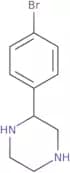
CAS :<p>Please enquire for more information about 2-(4-Bromophenyl)piperazine including the price, delivery time and more detailed product information at the technical inquiry form on this page</p>Formule :C10H13BrN2Degré de pureté :Min. 95%Masse moléculaire :241.13 g/mol
![[1,4-Bis(diphenylphosphino)butane]palladium(II) Dichloride](/_next/image/?url=https%3A%2Fstatic.cymitquimica.com%2Fproducts%2F3D%2Fthumb-webp%2FFB60968.webp&w=3840&q=75)