Halogénures organiques
Sous-catégories appartenant à la catégorie "Halogénures organiques"
20442 produits trouvés pour "Halogénures organiques"
Demethyl chlorpromazine hydrochloride
CAS :Chlorpromazine is a phenothiazine antipsychotic drug that is used to treat schizophrenia and other mental disorders. It is also used in the treatment of nausea, vomiting, and hiccups. Chlorpromazine binds to the D2 receptor in the brain, which blocks dopamine from binding to this receptor. In addition to its effects on dopamine receptors, chlorpromazine also inhibits phosphodiesterase activity and n-oxide formation. These effects are thought to be responsible for chlorpromazine's ability to inhibit tumor growth and prolong survival in some cancer patients. Chlorpromazine has been shown to inhibit filamentous fungi by inhibiting kinesin-like proteins that are essential for cell division. This drug also has low potency against cyclic nucleotide phosphodiesterases (PDEs) and may act as an inhibitor of PDE4B1 which is involved in the inflammatory response.
Formule :C16H18Cl2N2SDegré de pureté :Min. 95%Couleur et forme :White/Off-White SolidMasse moléculaire :341.3 g/molEtifoxine hydrochloride
CAS :Produit contrôléEtifoxine hydrochloride is a drug that has been used in the treatment of asthma and other pulmonary diseases. It is a potent inhibitor of phospholipase A2, which modulates the production of inflammatory mediators. Etifoxine hydrochloride has been shown to have neurotrophic effects, with potential for clinical use in the treatment of neurodegenerative disorders such as Alzheimer's disease and Parkinson's disease. This drug also has anti-inflammatory properties due to its inhibition of prostaglandin synthesis. Etifoxine hydrochloride acts as an agonist on receptors, which may be responsible for some of its biological properties, including thermal expansion and axonal growth. In addition, this drug is a competitive inhibitor of the enzyme poly(ADP-ribose) polymerase (PARP), which is involved in DNA repair and cell division.
Formule :C17H18Cl2N2ODegré de pureté :Min. 95%Masse moléculaire :337.24 g/mol1,1,1-Trifluoro-3-iodopropane
CAS :1,1,1-Trifluoro-3-iodopropane is a coordination compound that is used as an additive in the production of polymers. It has been shown to be an effective γ-secretase inhibitor in vitro and in vivo. This drug prevents the formation of β-amyloid protein by blocking proteolytic cleavage of amyloid precursor protein (APP). 1,1,1-Trifluoro-3-iodopropane has also shown potential as a therapeutic agent for Alzheimer’s disease. The toxicity of this drug has been studied using a variety of methods. These studies have shown that this drug is not toxic to cells in culture and does not cause DNA damage or mutagenicity. 1,1,1-Trifluoro-3-iodopropane inhibits the enzyme triazolo metathesis reactions in alkene synthesis and alkylation reactions with pentene.
Formule :C3H4F3IDegré de pureté :Min. 95%Couleur et forme :Colourless To Pink Clear LiquidMasse moléculaire :223.96 g/mol2-Bromo-1-cyclohexylethanone
CAS :2-Bromo-1-cyclohexylethanone is an organic compound with a cyclohexane ring and two bromine atoms. It has been shown to be an inhibitor of the immunoproteasome, which is a protein complex that degrades proteins in the cell. This inhibition results in increased concentrations of hydrogen peroxide, which has antioxidant properties. 2-Bromo-1-cyclohexylethanone also has radical scavenging activity, which prevents the oxidation of other molecules by reactive oxygen species. This compound has shown medicinal values for autoimmune diseases, inflammatory diseases, and allergies. The flavonoids contained in 2-bromo-1-cyclohexylethanone are responsible for its antiallergic effects and its ability to inhibit histamine release from mast cells. 2-Bromo-1-cyclohexylethanone is stereoselective in inhibiting the immunoproteasome as it binds to only
Formule :C8H13BrODegré de pureté :Min. 95%Masse moléculaire :205.09 g/mol3-Desmethoxy-3-bromo Trimethoprim
CAS :Please enquire for more information about 3-Desmethoxy-3-bromo Trimethoprim including the price, delivery time and more detailed product information at the technical inquiry form on this page
Formule :C13H15BrN4O2Degré de pureté :Min. 95%Masse moléculaire :339.19 g/molRef: 3D-FD21221
Produit arrêté7-Bromo-3-O-acetyl pregnenolone
CAS :Produit contrôléPlease enquire for more information about 7-Bromo-3-O-acetyl pregnenolone including the price, delivery time and more detailed product information at the technical inquiry form on this page
Formule :C23H33BrO3Degré de pureté :Min. 95%Masse moléculaire :437.41 g/molDideschloro florfenicol
CAS :Produit contrôléPlease enquire for more information about Dideschloro florfenicol including the price, delivery time and more detailed product information at the technical inquiry form on this page
Formule :C12H16FNO4SDegré de pureté :Min. 95%Masse moléculaire :289.32 g/mol4-(4-Chlorophenoxy)butyric acid
CAS :Produit contrôlé4-(4-Chlorophenoxy)butyric acid (4CBA) is a nitrobenzodiazepine derivative. It has been shown to bind to the benzodiazepine receptor at the same site as benzodiazepines, but with a different conformation. This drug has been shown to be an effective treatment for anxiety, but not depression. In addition, 4CBA has been shown to interact with GABA receptors and modulate their activity. It also appears that this drug may be useful in the treatment of epilepsy and other neurological disorders because it can enhance GABAergic transmission. 4CBA binds to the carboxylate site on GABA A receptors and inhibits chloride ion influx, which leads to membrane hyperpolarization. This binding also causes conformational changes in the receptor protein that have an effect on the binding of other ligands at the same site. The molecular modelling techniques used for this research showed that 4CBA binds in a similar manner as benzod
Formule :C10H11ClO3Degré de pureté :Min. 95%Masse moléculaire :214.65 g/molrac 1,2-dioleoyl-3-chloropropanediol
CAS :Rac-1,2-dioleoyl-3-chloropropanediol is a fatty acid and can be used for the preparation of isotopically labelled fatty acids. Rac-1,2-dioleoyl-3-chloropropanediol has been used as an internal standard in the quantification of fatty acid esters in plant oils. The use of rac 1,2-dioleoyl-3-chloropropanediol was found to be appropriate for calibrating liquid chromatography with a quadrupole mass spectrometer.
Formule :C39H71ClO4Degré de pureté :Min. 95%Masse moléculaire :639.43 g/molRef: 3D-FR27410
Produit arrêté1H,1H-Tridecafluoroheptyl Iodide
CAS :Please enquire for more information about 1H,1H-Tridecafluoroheptyl Iodide including the price, delivery time and more detailed product information at the technical inquiry form on this page
Formule :C7H2F13IDegré de pureté :Min. 95%Masse moléculaire :459.97 g/molPhenylpropylmethylamine hydrochloride
CAS :Produit contrôléPhenylpropylmethylamine hydrochloride is a chemical compound with the molecular formula CHClN. It is soluble in water and organic solvents. Phenylpropylmethylamine hydrochloride can be prepared by reacting chloropropane with hydrogen chloride, or by reacting phenylpropanolamine with hydrochloric acid in the presence of dodecyl mercaptan and sodium hydroxide solution. The impurities present in this product include chloropropane, chloride gas, and hydroxide ions. The reactions involved are exothermic reactions that require cooling to prevent overheating. Impurities may also form if this product is not reacted under an inert atmosphere of nitrogen gas. The following are some common uses for Phenylpropylmethylamine hydrochloride: -as a solvent in the production of certain types of plastics -in the manufacture of dyes, drugs, rubber products, and soaps -in researchFormule :C10H16ClNDegré de pureté :Min. 95%Couleur et forme :PowderMasse moléculaire :185.69 g/mol(Pyrimidin-4-ylmethyl)amine dihydrochloride
CAS :Pyrimidin-4-ylmethyl)amine dihydrochloride is a drug that belongs to the class of drugs known as kinase inhibitors. Pyrimidin-4-ylmethyl)amine dihydrochloride inhibits the kinase activity of Jak3, which is involved in regulating inflammation and immune response. This inhibitor has been shown to be effective against chronic inflammatory diseases such as asthma, psoriasis, and rheumatoid arthritis. Pyrimidin-4-ylmethyl)amine dihydrochloride has an affinity for ATP binding sites and can be used to regulate kinase activity by competing with ATP for these binding sites.
Formule :C5H7N3Degré de pureté :Min. 95%Masse moléculaire :109.13 g/molAdiphenine hydrochloride
CAS :Produit contrôléAdiphenine hydrochloride is a hydrogen-bonded molecule that is soluble in water. This drug has been used as an occlusive agent in the management of cervical cancer and synchronous fluorescence diagnosis. Adiphenine hydrochloride exhibits thermodynamic data that can be used to calculate its solubility, vapor pressure, and log octanol-water partition coefficient (log Kow). It can also be used as a fluorescent probe for diagnosing cancer by measuring the fluorescence resonance of adiponitrile.
Degré de pureté :Min. 95%L-Serine amide hydrochloride
CAS :L-Serine amide hydrochloride is a synthetic, anti-HIV drug that is used as an antiviral agent. It inhibits the viral life cycle by inhibiting the activity of acyclic nucleoside phosphonates, which are vital to viral DNA synthesis. L-Serine amide hydrochloride binds to the cyclopentane ring of guanosine and prevents its interaction with the enzyme ribonucleotide reductase. This binding prevents the conversion of guanosine into GTP, thereby preventing HIV from using this molecule in their life cycle. L-Serine amide hydrochloride is not active against cellular proteins or prostaglandins.
Formule :C3H8N2O2·HClDegré de pureté :Min. 95%Masse moléculaire :140.57 g/molGabapentin Hydrochloride
CAS :Produit contrôléGabapentin is a drug that binds to the alpha2-delta subunit of voltage-gated calcium channels, which are found in the brain and peripheral nervous system. This binding prevents the influx of calcium ions into nerve cells, which prevents neurotransmitter release and blocks transmission of pain signals. Gabapentin has been shown to reduce diabetic neuropathy pain in women by inhibiting the release of substance P from sensory nerves in the bladder. The time for gabapentin to be detected in urine can range from 1 day to 2 weeks, depending on the type of test used. Gabapentin is also used for other indications such as epilepsy, postherpetic neuralgia, and bipolar disorder. Gabapentin may be administered as an acid addition salt with hydrochloric acid or trifluoroacetic acid. It is a crystalline polymorph that exhibits different properties when heated or cooled.
Formule :C9H17NO2·HClDegré de pureté :Min. 95%Masse moléculaire :207.7 g/mol2-Chloro-5-(trifluoromethyl)pyridin-4-ol
CAS :Please enquire for more information about 2-Chloro-5-(trifluoromethyl)pyridin-4-ol including the price, delivery time and more detailed product information at the technical inquiry form on this page
Formule :C6H3ClF3NODegré de pureté :Min. 95%Masse moléculaire :197.54 g/mol3-(4-Chlorophenyl)glutaric acid
CAS :3-(4-Chlorophenyl)glutaric acid is a subunit of lanthanide complexes. It has been synthesized from cinchona alkaloids and single-crystal x-ray diffraction data obtained in the absence of ligands. 3-(4-Chlorophenyl)glutaric acid is a desymmetrization reagent and has been shown to be an effective ligand for lanthanide complexes. This compound has the potential to form impurities during the synthesis process, which can lead to morphological changes, luminescence, or high-performance liquid chromatography interference.
Formule :C11H11ClO4Degré de pureté :Min. 95%Masse moléculaire :242.66 g/mol2-Chloropyridine-3,5-dicarbonitrile
CAS :2-Chloropyridine-3,5-dicarbonitrile is a potential drug that can be used as an anionic linker in the synthesis of donepezil. Donepezil is a pharmacological agent that inhibits the enzyme acetylcholinesterase and may be effective in treating Alzheimer's disease. 2-Chloropyridine-3,5-dicarbonitrile has been shown to have good profile against cholinesterase inhibitors. It binds to the active site of acetylcholinesterase and inhibits its activity. This inhibition prevents the breakdown of acetylcholine, which is required for memory and cognitive function. 2-Chloropyridine-3,5-dicarbonitrile also has molecular modeling properties and has been studied at the μm range.
Formule :C7H2ClN3Degré de pureté :Min. 95%Masse moléculaire :163.56 g/mol2-Chloroethyl ethyl ether
CAS :2-Chloroethyl ethyl ether is a fluorescence probe that can be used in the viscosity measurement of polymers. In lung fibroblast cells, 2-chloroethyl ethyl ether induces cationic polymerization. This reaction mechanism has been elucidated by computational methods. The functional groups are hydroxide and chloride. 2-Chloroethyl ethyl ether is a liquid at room temperature and morphology is hexagonal crystal. 2-Chloroethyl ethyl ether has been shown to form micelles in sodium hydroxide solution and hexane.
Formule :C4H9ClODegré de pureté :Min. 95%Masse moléculaire :108.57 g/mol7-Chlorothieno[3,2-B]Pyridine
CAS :7-Chlorothieno[3,2-B]pyridine is a nucleophilic compound that is used as an inhibitor of the tyrosine kinase enzyme. It binds to the ATP binding site and blocks the enzymatic activity of the enzyme, preventing cell proliferation. 7-Chlorothieno[3,2-B]pyridine has been shown to inhibit growth in tumour cell lines and has been shown to be effective against tyrosine kinase receptor positive cancer cells. This drug also shows a cytotoxic activity against tumour cells in vivo, which may be due to its ability to inhibit factor receptor and receptor tyrosine.
Formule :C7H4ClNSDegré de pureté :Min. 95%Masse moléculaire :169.63 g/molBoc-4-(4-fluorophenyl)-piperidine-4-carboxylic acid
CAS :Please enquire for more information about Boc-4-(4-fluorophenyl)-piperidine-4-carboxylic acid including the price, delivery time and more detailed product information at the technical inquiry form on this page
Formule :C17H22FNO4Degré de pureté :Min. 95%Masse moléculaire :323.36 g/molRef: 3D-FB57316
Produit arrêtéFmoc-Nd-L-ornithine hydrochloride
CAS :Please enquire for more information about Fmoc-Nd-L-ornithine hydrochloride including the price, delivery time and more detailed product information at the technical inquiry form on this pageFormule :C20H22N2O4•HClDegré de pureté :Min. 95%Couleur et forme :PowderMasse moléculaire :390.86 g/mol2-Chloro-N-(2,3-dihydro-1H-inden-2-yl)acetamide
CAS :Produit contrôléPlease enquire for more information about 2-Chloro-N-(2,3-dihydro-1H-inden-2-yl)acetamide including the price, delivery time and more detailed product information at the technical inquiry form on this page
Formule :C11H12ClNODegré de pureté :Min. 95%Masse moléculaire :209.67 g/mol(2-Iodophenyl)(2,3,6,7-tetrahydro-1H,5H-benzo[ij]quinolizin-9-yl)methanone
2-Iodophenyl)(2,3,6,7-tetrahydro-1H,5H-benzo[ij]quinolizin-9-yl)methanone is a high quality reagent that can be used as a useful intermediate and building block in the synthesis of complex compounds.
Formule :C19H18INODegré de pureté :Min. 95 Area-%Masse moléculaire :403.26 g/mol3-(Trifluoromethyl)benzaldehyde
CAS :3-(Trifluoromethyl)benzaldehyde is an organic compound that has the chemical formula C8H7FO. It is a trifunctional molecule with three phenolic hydroxyl groups, which makes it a good candidate for drug design. 3-(Trifluoromethyl)benzaldehyde can be synthesized by reacting an imine with a chiral acid chloride in the presence of a base and a catalytic amount of DMAP. The reaction yield is low, but this synthetic method is efficient. 3-(Trifluoromethyl)benzaldehyde has been shown to inhibit the growth of Mycobacterium avium, but not Mycobacterium tuberculosis or other bacteria such as Listeria monocytogenes and Escherichia coli. This might be due to its ability to inhibit protein synthesis by binding to ribosomes. This compound also possesses anti-inflammatory properties and inhibits leukemia Hl-
Formule :C8H5F3ODegré de pureté :Min. 95%Couleur et forme :Clear LiquidMasse moléculaire :174.12 g/mol3-Tolylmagnesium bromide - 1.0 M in Tetrahydrofuran
CAS :Produit contrôlé3-Tolylmagnesium bromide is a Grignard reagent that can react with carbinols such as alcohols, phenols, and ethers to form ethers or esters. 3-Tolylmagnesium bromide is also a halogenating agent and can be used in the production of chlorides. It is soluble in organic solvents such as tetrahydrofuran, chloroform, and benzene. 3-Tolylmagnesium bromide reacts with organic compounds containing electron-donating groups such as carbinols, chlorides, and esters. This reaction forms an ion pair between the magnesium cation and the electron-deficient carbon atom of the 3-tolyl group. The reaction between 3-tolylmagnesium bromide and an alkyne produces a reactive intermediate that can undergo substitution by various nucleophiles to form products such as vinyl chloride or glycidyl chloride
Formule :C7H7BrMgDegré de pureté :Min. 95%Masse moléculaire :195.34 g/mol3,5,3',5' -Tetraiodo thyromandelic acid
CAS :Please enquire for more information about 3,5,3',5' -Tetraiodo thyromandelic acid including the price, delivery time and more detailed product information at the technical inquiry form on this page
Formule :C14H8I4O5Degré de pureté :Min. 95%Couleur et forme :PowderMasse moléculaire :763.83 g/molH-Pro-AMC hydrobromide salt
CAS :H-Pro-AMC hydrobromide salt is an enzyme that belongs to the family of proteases. H-Pro-AMC hydrobromide salt has been shown to have carboxypeptidase activity, which cleaves peptides at the C terminus of a single amino acid. It has also been shown to interact with other enzymes and proteins, such as recombinant proteins and enzymes from the ubiquitin-proteasome system. This enzyme's ability to cleave peptides at the C terminus of a single amino acid makes it useful for protein sequencing. H-Pro-AMC hydrobromide salt has also been sequenced and found to share homology with other proteases, such as subtilisin E.
Formule :C15H16N2O3Degré de pureté :Min. 95%Masse moléculaire :272.3 g/mol3-(2-Methyl-1H-imidazol-1-yl)propan-1-ol hydrochloride
CAS :Please enquire for more information about 3-(2-Methyl-1H-imidazol-1-yl)propan-1-ol hydrochloride including the price, delivery time and more detailed product information at the technical inquiry form on this page
Formule :C7H12N2ODegré de pureté :Min. 95%Masse moléculaire :140.18 g/mol1-(4-Chlorophenyl)-3-(4-methylphenyl)-1H-pyrazole-5-carboxylic acid
CAS :Produit contrôléPlease enquire for more information about 1-(4-Chlorophenyl)-3-(4-methylphenyl)-1H-pyrazole-5-carboxylic acid including the price, delivery time and more detailed product information at the technical inquiry form on this pageFormule :C17H13ClN2O2Degré de pureté :Min. 95%Masse moléculaire :312.75 g/molN-Demethyl methylone hydrochloride
CAS :Produit contrôléPlease enquire for more information about N-Demethyl methylone hydrochloride including the price, delivery time and more detailed product information at the technical inquiry form on this page
Formule :C10H12ClNO3Degré de pureté :Min. 95%Masse moléculaire :229.66 g/mol21-Amino-17-hydroxypregna-1,4-diene-3,11,20-trioneHydrochloride
CAS :Produit contrôléPlease enquire for more information about 21-Amino-17-hydroxypregna-1,4-diene-3,11,20-trioneHydrochloride including the price, delivery time and more detailed product information at the technical inquiry form on this pageFormule :C21H28ClNO4Degré de pureté :Min. 95%Masse moléculaire :393.9 g/mol2-(4-Bromophenyl)piperazine
CAS :Please enquire for more information about 2-(4-Bromophenyl)piperazine including the price, delivery time and more detailed product information at the technical inquiry form on this page
Formule :C10H13BrN2Degré de pureté :Min. 95%Masse moléculaire :241.13 g/molAcetyl-ACTH (3-24) (human, bovine, rat) trifluoroacetate salt
CAS :Please enquire for more information about Acetyl-ACTH (3-24) (human, bovine, rat) trifluoroacetate salt including the price, delivery time and more detailed product information at the technical inquiry form on this page
Formule :C126H198N38O28SDegré de pureté :Min. 95%Masse moléculaire :2,725.23 g/molTrichlorooctadecylsilane
CAS :Trichlorooctadecylsilane is a model system that consists of a monolayer of octadecyltrichlorosilane particles. The dispersive solid-phase extraction technique can be used to extract analytes from the surface of this particle. This technique involves removing the solvent from a sample by passing it through an adsorbent. The hydrophobic effect, which is the phenomenon that a nonpolar substance is dissolved in a nonpolar solvent, will cause analytes to bind to the hydrophobic surface of octadecyltrichlorosilane particles because they are hydrophobic.
Degré de pureté :Min. 95%2-Diethylamino)ethanol hydrochloride
CAS :Produit contrôlé2-Diethylamino)ethanol hydrochloride is a chemical compound that is used in analytical chemistry as a stationary phase for thin layer chromatography. Sephadex G-100 was developed by Pharmacia & Upjohn Company and marketed in the 1970s. It has been shown to be useful in plasma mass spectrometry experiments, which measure the molecular weight of proteins and other compounds. The solubility of 2-diethylamino)ethanol hydrochloride has been studied using experimental solubility data, electrochemical impedance spectroscopy, and amines. The reaction mechanism of 2-diethylamino)ethanol hydrochloride is not well understood but it appears to involve potassium dichromate, hydrochloric acid, fluoroacetic acid, benzalkonium chloride and other chemicals.
Formule :C6H16ClNODegré de pureté :Min. 95%Masse moléculaire :153.65 g/molPhenyltrimethylammonium tribromide
CAS :Phenyltrimethylammonium tribromide is a quaternary ammonium compound that is used in combination preparations. It is an inhibitor of the replication of RNA and DNA, and modulates enzyme activity. Phenyltrimethylammonium tribromide has been shown to be a potent inhibitor of nicotinic acetylcholine receptors, which are important for nerve transmission. This drug also has been shown to inhibit the replication of HIV-1 and other viruses in vitro. Phenyltrimethylammonium tribromide can be synthesized by reacting epoxides with benzalkonium chloride or other quaternary ammonia compounds. The structural formula for phenyltrimethylammonium tribromide can be viewed here: br> C8H17N+Br− br> C6H5N+(CH3)3+Br− br>
Formule :C9H14Br3NDegré de pureté :Min. 95%Masse moléculaire :375.93 g/mol2-(5-chloro-2-methyl-1H-indol-3-yl)ethanamine
CAS :Produit contrôléPlease enquire for more information about 2-(5-chloro-2-methyl-1H-indol-3-yl)ethanamine including the price, delivery time and more detailed product information at the technical inquiry form on this pageFormule :C11H13ClN2Degré de pureté :Min. 95%Masse moléculaire :208.69 g/mol(1S,2R)-2-Aminocyclohexanol hydrochloride
CAS :Please enquire for more information about (1S,2R)-2-Aminocyclohexanol hydrochloride including the price, delivery time and more detailed product information at the technical inquiry form on this page
Formule :C6H14ClNODegré de pureté :Min. 95%Masse moléculaire :151.63 g/molAdrenalone hydrochloride
CAS :Produit contrôléAdrenalone hydrochloride is a synthetic form of epinephrine, which is an endogenous catecholamine. Adrenalone hydrochloride has been used to treat autoimmune diseases and bowel disease. Adrenalone hydrochloride binds to the alpha and beta receptors on the surface of cells, which stimulates the production of other hormones and neurotransmitters. It has also been shown to have antimicrobial properties against bacteria, fungi, and viruses. Adrenalone hydrochloride has a chemical stability that is greater than that of dopamine or adrenaline.
Formule :C9H11NO3·HClDegré de pureté :Min. 95%Masse moléculaire :217.65 g/mol5-Bromo-2,3-dihydro-1H-inden-2-amine hydrobromide
CAS :Produit contrôléPlease enquire for more information about 5-Bromo-2,3-dihydro-1H-inden-2-amine hydrobromide including the price, delivery time and more detailed product information at the technical inquiry form on this page
Formule :C9H10BrN·HBrDegré de pureté :Min. 95%Masse moléculaire :293 g/molBuphedrone hydrochloride
CAS :Produit contrôléBuphedrone hydrochloride (BH) is a synthetic cathinone that belongs to the group of stimulants. It has been shown to have similar pharmacological effects as amphetamines, such as increased locomotor activity and decreased food intake. BH also has effects on the brain, including increased neuronal cell division and growth, which are mediated by its interactions with dopamine receptors. BH is structurally similar to methamphetamine and can be synthesized using the same methods. This drug has been found in products labelled as "bath salts" or "plant food."
Formule :C11H16ClNODegré de pureté :Min. 95%Masse moléculaire :213.7 g/mol3-Amino-2,3-dihydro-1λ6-thiophene-1,1-dione hydrochloride
CAS :Please enquire for more information about 3-Amino-2,3-dihydro-1λ6-thiophene-1,1-dione hydrochloride including the price, delivery time and more detailed product information at the technical inquiry form on this page
Formule :C4H7NO2S•HClDegré de pureté :Min. 95%Masse moléculaire :169.63 g/molChloro[2-(di-tert-butylphosphino)-2',4',6'-triisopropyl-1,1'-biphenyl][2-(2-aminoethyl)phenyl)]palladium(II)
CAS :Produit contrôléChloro[2-(di-tert-butylphosphino)-2',4',6'-triisopropyl-1,1'-biphenyl][2-(2-aminoethyl)phenyl)]palladium(II) is a molecule that inhibits the adenosine receptor in autoimmune diseases and cancer. It also has an inhibitory effect on the membrane transport of glucose, glucosan, and aziridine. This drug can be used to treat inflammatory diseases such as diabetes, asthma, and inflammatory bowel disease. The geometric isomers of this molecule are not identical in shape or size and can have different effects on the body.
Formule :C37H55ClNPPdDegré de pureté :Min. 95%Masse moléculaire :686.69 g/molL-Tyrosine hydrochloride
CAS :L-Tyrosine hydrochloride is a pharmaceutical preparation that has been used clinically in the treatment of infectious diseases, cancer, and autoimmune diseases. Tyrosine is an amino acid with a hydroxyl group on its side chain. Tyrosine can be synthesized from phenylalanine by hydroxylation of the phenolic group and decarboxylation of the carboxylic acid group. It is also a precursor to catecholamines and other important biological molecules. L-Tyrosine hydrochloride is used as an intermediate in the production of monoclonal antibodies for use in cancer research. In addition, it has been shown to be an effective inhibitor of virus replication when combined with ester hydrochloride, which prevents the release of progeny virus particles from infected cells.
Formule :C9H11NO3·HClDegré de pureté :Min. 95%Masse moléculaire :217.65 g/molMethyl 3-(aminomethyl)-5-methylhexanoate hydrochloride
CAS :Produit contrôléPlease enquire for more information about Methyl 3-(aminomethyl)-5-methylhexanoate hydrochloride including the price, delivery time and more detailed product information at the technical inquiry form on this page
Degré de pureté :Min. 95%N-Desmethyl diphenhydramine hydrochloride
CAS :N-Desmethyl diphenhydramine hydrochloride is a high quality, complex compound with CAS No. 53499-40-4 that can be used as a useful intermediate, speciality chemical, or research chemicals. It is a versatile building block and reaction component.Formule :C16H20ClNODegré de pureté :Min. 95 Area-%Couleur et forme :PowderMasse moléculaire :277.79 g/molRef: 3D-FD21261
Produit arrêtéN-[1-(4-Fluorophenyl)propan-2-Yl]-N-methylprop-2-Yn-1-amine
CAS :Produit contrôléN-[1-(4-Fluorophenyl)propan-2-Yl]-N-methylprop-2-Yn-1-amine is a synthetic molecule that has been shown to be an inhibitor of the enzyme nitroethane reductase. This drug is also capable of inhibiting the activity of other enzymes and is being investigated for its potential use in the treatment of various types of cancer. N-[1-(4-Fluorophenyl)propan-2-Yl]-N-methylprop-2-Yn-1-amine inhibits nitroethane reductase by binding reversibly to the active site and competitively inhibiting the substrate. The potency of this drug against nitroethane reductase has been shown to be increased by alkylation.br> The inhibition of nitroethane reductase by N-[1-(4-fluorophenyl)propan-2-Yl]-Formule :C13H16FNDegré de pureté :Min. 95%Masse moléculaire :205.27 g/moltrans-Crotyl bromide
CAS :Trans-crotyl bromide is a pharmaceutical preparation of the hydroxyl group. It is an allylation reagent that reacts with halides to form an organic compound with a new chemical function. Trans-crotyl bromide has been shown to inhibit the activity of inflammatory enzymes, such as kinases and proteases. This inhibition may be due to the release of reactive oxygen species from the active site or by blocking access to the active site. Trans-crotyl bromide also inhibits HIV-1 infection by interfering with viral protein synthesis, which may be due to its ability to bind to polyproteins and inhibit ribosome binding.
Formule :C4H7BrDegré de pureté :Min. 95%Couleur et forme :Colorless Clear LiquidMasse moléculaire :135 g/mol(2S)-2-Amino-2-[(5S)-3-chloro-4,5-dihydroisoxazol-5-Yl]acetic acid
CAS :(2S)-2-Amino-2-[(5S)-3-chloro-4,5-dihydroisoxazol-5-Yl]acetic acid is an inhibitor of the enzyme glutathione reductase (GR) and cytochrome P450. GR activates glutathione in cells to form a powerful antioxidant that protects against oxidative stress. (2S)-2-Amino-2-[(5S)-3-chloro-4,5-dihydroisoxazol-5-Yl]acetic acid inhibits GR and cytochrome P450 activity, leading to increased oxidative stress and neuronal death. This drug has been shown to have inhibitory properties on bowel disease by reducing the production of proinflammatory cytokines IL1β and TNFα. The compound also exhibits anti tumor response against mouse tumors by inducing apoptosis and inhibiting cell proliferation. The compound targets intracellular targets
Formule :C5H7ClN2O3Degré de pureté :Min. 95%Couleur et forme :White PowderMasse moléculaire :178.57 g/mol4-Phenylbenzoyl chloride
CAS :4-Phenylbenzoyl chloride is a primary amino compound that has been studied extensively in the context of biological studies and as an electroluminescent device. It is also used to study the effects of alkylation on biological systems. 4-Phenylbenzoyl chloride has been shown to be cytotoxic against monocytic cell lines, with a mechanism of action that involves its ability to react with DNA, forming adducts that interfere with DNA replication. In addition, it also reacts with amines in human tissue samples, which may lead to carcinogenic effects. This compound is also effective against protozoan parasites and Leishmania species, although not thiosemicarbazide.
Formule :C13H9ClODegré de pureté :Min. 95%Couleur et forme :PowderMasse moléculaire :216.66 g/mol(S)-Cetirizine dihydrochloride
CAS :Cetirizine is a levorotatory antihistamine that has been shown to have a linear response to changes in concentration. It is used as an anti-allergic agent for the treatment of allergic conjunctivitis and other allergic disorders. Cetirizine is an H1 receptor antagonist and its activity is due to competitive inhibition of histamine binding at this site. Cetirizine also inhibits the release of inflammatory mediators from mast cells, including histamine, prostaglandin D2, leukotrienes, and interleukins. This drug also has a rapid onset of action and it can be administered on a once-daily schedule.
Degré de pureté :Min. 95%Masse moléculaire :461.81(aS,2S)-alpha-Phenyl-2-piperidineacetic acid Ethyl ester hydrochloride
CAS :Produit contrôléPlease enquire for more information about (aS,2S)-alpha-Phenyl-2-piperidineacetic acid Ethyl ester hydrochloride including the price, delivery time and more detailed product information at the technical inquiry form on this pageFormule :C15H21NO2·HClDegré de pureté :Min. 95%Masse moléculaire :283.79 g/molBenzyl bromoacetate
CAS :Benzyl bromoacetate is a bicyclic heterocycle that is metabolized by the enzyme benzyl alcohol dehydrogenase. The resulting metabolites are then converted to methyl benzoate and benzyl alcohol. It has been shown to inhibit prostate cancer cells and basic fibroblasts, which may be due to its ability to inhibit enzymes involved in fatty acid synthesis. Benzyl bromoacetate also has therapeutic effects on autoimmune diseases such as bowel disease, which may be due to its ability to reduce inflammation and suppress the immune system.
Formule :C9H9BrO2Degré de pureté :Min. 95%Couleur et forme :Clear Colourless To Light (Or Pale) Yellow LiquidMasse moléculaire :229.07 g/molAlfentanil hydrochloride
CAS :Produit contrôléAlfentanil is an opioid analgesic that is used for the treatment of severe or acute pain. It is a potent synthetic analog of fentanyl, which is an opioid analgesic that is used for the treatment of short-term (acute) and long-term (chronic) pain. Alfentanil has been shown to have a high affinity for α1-acid glycoprotein, which has been associated with drug interactions and blood sampling. Alfentanil also has chemical stability in experimental models and does not interact with nonsteroidal anti-inflammatory drugs. This drug may have a matrix effect on the concentration of cortisol in the blood.
Formule :C21H33ClN6O3Degré de pureté :Min. 95%Masse moléculaire :452.98 g/molMethyl 2-methylpropanimidic acid hydrochloride
CAS :Methyl 2-methylpropanimidic acid hydrochloride is a neutralizing agent that can be used to react with water, acids, and bases. It has been shown to react with gaseous compounds at temperatures as high as 200°C. Methyl 2-methylpropanimidic acid hydrochloride is soluble in organic solvents such as alcohols, ethers, and acetone and can be used to prepare esters by reacting with the corresponding alcohol or phenol. In addition, it has been shown to interact with haloalkyl groups and oxazinones. This compound also has nod-like receptor binding properties that have been shown to play a role in mediating the transport of organic solutions into cells. A receptor protein that reacts with methyl 2-methylpropanimidic acid hydrochloride has been identified in some organisms. The stereostructure of this compound resembles that of triazines and other organometallic compounds.
Formule :C5H11NO·HClDegré de pureté :Min. 95%Masse moléculaire :137.61 g/mol1-[(4-Chlorophenyl)phenylmethyl]piperazine
CAS :Produit contrôlé1-[(4-Chlorophenyl)phenylmethyl]piperazine is an analytical reagent that is used in the determination of meclozine, a drug used for the treatment of nausea and vomiting. 1-[(4-Chlorophenyl)phenylmethyl]piperazine is a nucleophile, which means that it can donate electrons to other molecules. It can be used as a catalyst to increase the rate of chemical reactions. 1-[(4-Chlorophenyl)phenylmethyl]piperazine may also be used in wastewater treatment because it has been shown to have phospholipidosis inhibiting properties. The levorotatory form (1R-enantiomer) of this compound has been shown to inhibit protein synthesis in vitro and is an amine oxidase inhibitor that binds to proteins with nitrogen atoms. This nucleophilic compound may also be converted into an n-oxide or dinucleotide phosphate by hydrochloric acid and
Formule :C17H19ClN2Degré de pureté :Min. 95%Masse moléculaire :286.8 g/mol2-(4-Fluoro-benzyl)pyrrolidine
CAS :Produit contrôléPlease enquire for more information about 2-(4-Fluoro-benzyl)pyrrolidine including the price, delivery time and more detailed product information at the technical inquiry form on this page
Formule :C11H14FNDegré de pureté :Min. 95%Masse moléculaire :179.23 g/mol5-Oxo Rosuvastatin
CAS :5-Oxo Rosuvastatin is a drug product that has been synthesized from natural ingredients. It is an analytical standard for the impurity, 5-oxo-rosuvastatin, which is a potential impurity in the API, rosuvastatin. This drug product has been custom synthesized in order to provide an Impurity Standard for HPLC. This drug product is also used as a Synthetic Reference Standard for Drug Development and Research and Development.
Formule :C22H26FN3O6SDegré de pureté :Min. 95%Couleur et forme :Off-White To Light (Or Pale) Yellow To Dark Yellow SolidMasse moléculaire :479.52 g/molRef: 3D-FF103553
Produit arrêtéCadmium chloride
CAS :Cadmium chloride is a compound that belongs to the group of inorganic compounds. Cadmium chloride inhibits the activity of c-jun, an important transcription factor involved in cell growth and differentiation. It also affects the activity of other transcription factors, such as NF-κB, and has been shown to induce cell death by inhibiting DNA synthesis. The cytotoxicity of cadmium chloride is related to its ability to interact with hydrogen bonding sites on proteins. In vitro studies have shown that it has significant cytotoxicity against tumor cells with a cell specific response. Cadmium chloride has also been used in therapy groups for patients with inflammatory bowel disease and rheumatoid arthritis.
Formule :CdCl2Degré de pureté :Min. 95%Masse moléculaire :183.32 g/molRef: 3D-FC19623
Produit arrêté1,1,2,2,3,3,4,4,5-Nonafluoro-5-(Trifluoromethyl)-Cyclopentane
CAS :Produit contrôléNonafluoro-5-(trifluoromethyl)cyclohexane is a film-forming polymer that consists of a mixture of long-chain fatty acids, malic acid and sodium citrate. It is used as an intravitreal injection to fill the eye cavity in patients with eye diseases such as macular degeneration or diabetic retinopathy. The polymer is injected into the eye to form a protective layer on the surface of the retina. The film is insoluble and provides an extended release of fatty acids, malic acid and sodium citrate that are then slowly released into the vitreous humor. This decreases inflammation, prevents the formation of new blood vessels, and reduces the risk of neovascularization. Nonafluoro-5-(trifluoromethyl)cyclohexane has been shown to be effective in reducing fat accumulation in animal models with obesity induced by high-fat diets. It also has been shown to limit weight
Formule :C6F12Degré de pureté :Min. 95%Masse moléculaire :300.05 g/mol1,2,3,4-Tetrahydronaphthalen-2-amine hydrobromide
CAS :Produit contrôlé1,2,3,4-Tetrahydronaphthalen-2-amine hydrobromide (THNA) is an amine that inhibits the enzyme tyrosine hydroxylase. This inhibition leads to a decrease in the synthesis of dopamine and norepinephrine. THNA has been shown to have inhibitory properties on locomotor activity, acid complex formation, and aminotransferases. It also exhibits receptor binding and agonist binding site activity. One study found that THNA had no effect on rat striatal tissue. The drug has been shown to be effective in metabolic disorders such as obesity.
Formule :C10H13NDegré de pureté :Min. 95%Masse moléculaire :147.22 g/mol2-Bromopropionic acid
CAS :2-Bromopropionic acid is a tetroxide used in organic synthesis. It is an intermediate in the synthesis of 2,4-dibromopropionamide and 2,4-dibromo-3-methylpentanoic acid. The reaction mechanism of this process starts with the formation of a bromine atom from bromine monoxide and hydrogen peroxide. This bromine atom reacts with the carbon to form an alkyl radical that reacts with another molecule of bromine monoxide to form an alkyl radical that is stabilized by two atoms of hydrogen (i.e., CBr). The alkyl radical then undergoes a nucleophilic attack on iodobenzene to form an iodoalkane intermediate. This intermediate reacts with acetic acid to form the desired product, acetyl chloride. This reaction also produces iodoacetic acid as a byproduct.
Formule :C3H5BrO2Degré de pureté :Min. 95%Masse moléculaire :152.97 g/mol2-Chloro-N,N-dimethylethanamine hydrochloride hydrate
Produit contrôléPlease enquire for more information about 2-Chloro-N,N-dimethylethanamine hydrochloride hydrate including the price, delivery time and more detailed product information at the technical inquiry form on this page
Formule :C4H13Cl2NODegré de pureté :Min. 95%Masse moléculaire :162.06 g/mol3-Desmethylprodine hydrochloride
CAS :Produit contrôléPlease enquire for more information about 3-Desmethylprodine hydrochloride including the price, delivery time and more detailed product information at the technical inquiry form on this page
Formule :C15H22ClNO2Degré de pureté :Min. 95%Masse moléculaire :283.79 g/mol4-Chloronitrobenzene
CAS :4-Chloronitrobenzene is a type strain of the bacterium Nitrosomonas europaea. It has been shown to be toxic to cells in both aerobic and anaerobic culture. 4-Chloronitrobenzene inhibits the activity of hydrogenase enzymes, which are required for the reduction of molecular oxygen to water. The toxicity of 4-chloronitrobenzene is due to its ability to inhibit enzyme activity, leading to cell death. This bacterium also has the ability to use chlorinated hydrocarbons as a carbon source and cause chlorination of other biological molecules. In addition, it can reduce metal hydroxides and form metal complexes with palladium and platinum metals. 4-Chloronitrobenzene is found in soil samples that have high concentrations of chloride ions or neutral pH values. Its phase equilibrium diagram shows that this compound exists mainly in liquid form when it is at low temperature, but becomes more
Formule :C6H4ClNO2Degré de pureté :Min. 95%Couleur et forme :SolidMasse moléculaire :157.55 g/mol2-(2-Fluoro-3,4-dimethoxyphenyl)ethanamine
CAS :Produit contrôléPlease enquire for more information about 2-(2-Fluoro-3,4-dimethoxyphenyl)ethanamine including the price, delivery time and more detailed product information at the technical inquiry form on this page
Formule :C10H14FNO2Degré de pureté :Min. 95%Masse moléculaire :199.22 g/mol4-Ethyl-2,5-dimethoxy-benzeneethanamineHydrochloride
CAS :Produit contrôlé4-Ethyl-2,5-dimethoxy-benzeneethanamineHydrochloride is a metabolic substrate of CYP2D6. It is also an inhibitor of CYP1A2 and CYP3A4. The class of 4-Ethyl-2,5-dimethoxy-benzeneethanamineHydrochloride is not yet known. 4-Ethyl-2,5-dimethoxy-benzeneethanamineHydrochloride has been shown to cause toxicity in animal studies. Toxicity may be due to its inhibition of cytochrome P450 enzymes, which are involved in metabolism and detoxification.Formule :C12H20ClNO2Degré de pureté :Min. 95%Masse moléculaire :245.75 g/mol1,2-Dichloro-3-iodobenzene
CAS :Iodobenzene is a chemical compound that is composed of two benzene rings joined by a single bond. Iodobenzene isomers are also called iodosobenzenes and they contain one or more chlorine atoms. Iodobenzene has been shown to have anti-inflammatory properties, which may be due to its inhibition of prostaglandin synthesis. Iodobenzene inhibits the enzyme phospholipase A2, which is involved in the production of prostaglandins. Iodobenzene binds to enzymes by forming a covalent bond with an electron-rich atom such as oxygen, nitrogen or sulfur in the active site of the enzyme. This type of inhibition is called non-nucleoside inhibition because it does not require an intermediate molecule such as ATP or NADH for binding to the enzyme. Carbonyl groups on iodobenzene molecules form strong bonds with nucleophilic groups on enzymes, leading to enzyme inhibition and
Formule :C6H3Cl2IDegré de pureté :Min. 95%Masse moléculaire :272.9 g/mol2-(Aminomethyl)-1,3-benzothiazole hydrochloride
CAS :Please enquire for more information about 2-(Aminomethyl)-1,3-benzothiazole hydrochloride including the price, delivery time and more detailed product information at the technical inquiry form on this page
Formule :C8H8N2S·HClDegré de pureté :Min. 95%Masse moléculaire :200.69 g/molo-Chloramine T
CAS :O-Chloramine T is a chemical compound that is used in the treatment of cancer. It is an endoreduplication agent and has been shown to cause endothelial cell growth and apoptosis in cancer cells. O-Chloramine T binds to the membrane of cancer cells, which leads to a decrease in autocrine activity and cell binding. O-Chloramine T also inhibits endothelial cell growth by inhibiting protein synthesis and blocking the synthesis of DNA and RNA. This drug has been shown to have anti-cancer properties in animal models and hyperosmolarity properties, which may be due to its ability to cause vessels to collapse.
Formule :C7H7ClNNaO2SCouleur et forme :PowderMasse moléculaire :227.64 g/molHydrazine Monohydrobromide
CAS :Produit contrôléHydrazine monohydrobromide is a reactive chemical that is soluble in water and organic solvents. It is a white crystalline solid that exists as polymorphic forms, and has a molecular weight of 121.06. Hydrazine monohydrobromide is an important precursor for the production of other compounds, such as hydrazine sulfate and hydrazine nitrate. It also acts as a pharmacological agent, used to treat heart disease. Hydrazine monohydrobromide reacts with an inorganic acid to produce hydrogen gas and an organic solution containing the reaction products of nitrogen atoms and hydrogen atoms. These particles can be found on metal surfaces such as copper or silver, where they form morphogenetic proteins due to their ability to catalyze reactions.
Formule :H4N2·HBrDegré de pureté :Min. 95%Masse moléculaire :112.96 g/molR-(-)-Apocodeine hydrochloride
CAS :Produit contrôléApocodeine hydrochloride is a natural product that is used in the treatment of cancer. It has been shown to have antiproliferative effects on cho-k1 cells, which are human colon carcinoma cells. Apocodeine hydrochloride also inhibits the production of dopamine in rat brain and has been shown to inhibit bromocriptine-induced prolactin release from rat pituitary cells in vitro. Apocodeine hydrochloride has been extensively studied in epidemiological studies and has been found to be effective against cancer, with no adverse side effects.
Formule :C18H20ClNO2Degré de pureté :Min. 95%Couleur et forme :PowderMasse moléculaire :317.81 g/molS-Aminoethyl-L-cysteine hydrochloride
CAS :S-Aminoethyl-L-cysteine hydrochloride is an amino acid that is used in the diagnosis of metabolic disorders. It has been found to have a high concentration in plasma and can be used to measure the activity of bowel disease. S-Aminoethyl-L-cysteine hydrochloride is also used as a diagnostic marker for inflammatory diseases. It is extensively metabolized by acidic hydrolysis, which results in the release of chloride ions and amines.
Formule :C5H12N2O2S·HClDegré de pureté :Min. 95%Couleur et forme :White PowderMasse moléculaire :200.69 g/molNonafluorohexyltrichlorosilane
CAS :Nonafluorohexyltrichlorosilane is a silicon-based surfactant that can be used as a surface treatment agent. It is hydrophilic and has excellent wetting properties. Nonafluorohexyltrichlorosilane is also an effective coagulant, which makes it useful for the treatment of wastewater containing suspended solids. This agent can be used to coat surfaces with silicon to make them more hydrophobic, making it useful in the production of photoreceptors, emulsions, and immobilized cell culture. The chemical structure of Nonafluorohexyltrichlorosilane allows it to be easily synthesized by the reaction between chlorosilanes and alcohols.
Formule :C6H4Cl3F9SiDegré de pureté :Min. 95%Couleur et forme :Clear LiquidMasse moléculaire :381.53 g/mol4-Nitrobenzotrifluoride
CAS :4-Nitrobenzotrifluoride is a chemical with the formula C6H3N3O2F3. It is a white solid that is soluble in organic solvents and insoluble in water. The compound has been used as a precursor to other compounds, including 4-nitrobenzoic acid, 4-nitrophenol, and 2,4-dinitrobenzenesulfonic acid. The nitro group of this compound can be reduced to an amine by reaction with hydroxide solution. This reaction is exothermic and produces hydrogen gas as a byproduct. Further reactions involving the nitro group can be performed in the presence of aryl chlorides or alkali metals such as potassium or sodium hydroxide. These reactions yield products that have the functional groups RNH2, RCOOH, and RN=C=O. The product of these reactions can be identified using nuclear magnetic resonance spectroscopy
Formule :C7H4F3NO2Degré de pureté :Min. 95%Masse moléculaire :191.11 g/molChlorogenic acid hemihydrate
CAS :Chlorogenic acid hemihydrate is a natural phenolic compound that belongs to the family of flavonol glycosides. The molecule has two caffeoylquinic acids and one chlorogenic acid functional groups, which are responsible for its antioxidant properties. Chlorogenic acid hemihydrate is soluble in water and can be used as a solid dispersion. This compound has been shown to have significant interactions with other drugs, including polymeric matrix, protocatechuic acid, and α-amyrin acetate. It also has been shown to have cell culture and in vivo model evidence of efficacy against cancer cells.
Degré de pureté :Min. 95%2,4-Difluorobenzenethiol
CAS :2,4-Difluorobenzenethiol is a chemical with the molecular formula CHClF2SH. It has a high yield and can be used in the production of medicines and chemicals. Industrially, 2,4-difluorobenzenethiol is used as a raw material for the manufacture of dyes, perfumes and other products. The synthesis of this chemical involves treating 2-fluoroaniline with sulfuric acid. This process produces 2,4-difluorobenzenethiol as a byproduct.
Formule :C6H4F2SDegré de pureté :Min. 95%Masse moléculaire :146.16 g/molDichloromethylsilane
CAS :Dichloromethylsilane (DCS) is a chemical compound that is used in the synthesis of silicone rubber, silicone elastomers, and silicone sealants. It can also be used as a cross-linking agent for polymers such as polyurethane, epoxy resin, and silicone. The synthesis of DCS is achieved by reacting chlorosilanes with methyl alcohol or methyl chloride in the presence of an acid catalyst. DCS exhibits high chemical stability and can be activated at room temperature. This product has been shown to be useful for fabricating medical devices that are implanted into the human body because it does not react with water or blood.
Formule :CH4Cl2SiDegré de pureté :Min. 95%Masse moléculaire :115.03 g/molRef: 3D-FD59624
Produit arrêtéTriethanolamine hydrochloride
CAS :Produit contrôléTriethanolamine hydrochloride, widely known as TEA-HCl, is a buffer used in biochemistry to maintain a stable pH in the range of 7.3 to 8.3 during processes like protein extraction and purification. They are also used in enzyme assays.
Formule :C6H15NO3·HClDegré de pureté :Min. 95%Couleur et forme :PowderMasse moléculaire :185.65 g/mol2-Fluoro-6-hydroxybenzonitrile
CAS :2-Fluoro-6-hydroxybenzonitrile is a white crystalline solid that is soluble in water and ethanol. It hydrolyzes in aqueous solutions to form phenols, carboxylic acids and methoxybenzenes. 2-Fluoro-6-hydroxybenzonitrile may be used as an intermediate in the synthesis of other organic compounds.
Formule :C7H4FNODegré de pureté :Min. 95%Couleur et forme :PowderMasse moléculaire :137.11 g/mol1-(2-Aminoethyl)-3-Phenylurea Hydrochloride
CAS :Please enquire for more information about 1-(2-Aminoethyl)-3-Phenylurea Hydrochloride including the price, delivery time and more detailed product information at the technical inquiry form on this page
Formule :C9H13N3O·HClDegré de pureté :Min. 95%Masse moléculaire :215.68 g/mol2-Methyl-4-(trifluoromethoxy)iodobenzene
CAS :Please enquire for more information about 2-Methyl-4-(trifluoromethoxy)iodobenzene including the price, delivery time and more detailed product information at the technical inquiry form on this page
Formule :C8H6F3IODegré de pureté :Min. 95%Masse moléculaire :302.03 g/mol4-(2-Chloroethyl)morpholine hydrochloride
CAS :4-(2-Chloroethyl)morpholine hydrochloride (PCEM) is a potent and selective inhibitor of bacterial topoisomerase IV. The compound has been found to have no effect on the mammalian enzyme, but does inhibit growth in bacteria such as Staphylococcus aureus and Escherichia coli. PCEM exhibits good stability in organic solvents, including water, and is not toxic to mammals at high doses. The compound has been used as an antibacterial agent in pharmaceutical preparations.
Formule :C6H12ClNO•HClCouleur et forme :PowderMasse moléculaire :186.08 g/molSilicon tetrabromide
CAS :Silicon tetrabromide is a chemical compound that is reactive and has the chemical formula SiBr4. This compound is prepared by reacting ethylene diamine with water vapor over a solid catalyst such as phosphorus pentoxide. Silicon tetrabromide can be used as a catalyst in various organic reactions, such as the production of glycerin from the reaction of halides and glycerin. Silicon tetrabromide can also be used to produce low energy silicon radicals from aromatic hydrocarbons, which are useful for structural analysis.
Formule :Br4SiDegré de pureté :Min. 95%Couleur et forme :Clear LiquidMasse moléculaire :347.7 g/molDimethylcarbamoyl chloride
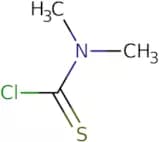
CAS :Dimethylcarbamoyl chloride is a chemical that is used as an ionization reagent in analytical chemistry. It is a colorless liquid with a neutral pH, boiling point of 73 °C, and density of 1.01 g/mL. Dimethylcarbamoyl chloride can be used to synthesize acylated amines and carbonyls for use in pharmaceuticals, polymers, dyes and other chemicals. The chlorine atom can also be substituted with other halogens. The compound has been shown to be chemically stable and resistant to oxidation by catalysts such as oxygen or hydrogen peroxide. Dimethylcarbamoyl chloride is mainly used as an analytical tool for the detection of carbonyl groups in molecules using chemical ionization (CI). Dimethylcarbamoyl chloride has also been shown to have anti-cancer properties due to its effects on choroidal neovascularization (a condition associated with eye diseases) by inhibiting vascular endothelial growth
Formule :C3H6ClNODegré de pureté :Min. 95%Couleur et forme :Colourless To Pale Yellow LiquidMasse moléculaire :107.54 g/molSilver hexafluorophosphate
CAS :Silver hexafluorophosphate (AgPF) is a silver salt of the inorganic acid hexafluoro-phosphoric acid. It has been shown to have a high reactivity with organic compounds and is insoluble in water. Silver hexafluorophosphate is used as an additive for certain polymers, such as PVC, to improve their insulating properties. In addition, AgPF has shown biological properties that may be due to its ability to act as a chelate ligand and bind metal ions. The reaction mechanism of AgPF involves the formation of hydrogen bonding interactions with nitrogen atoms, which are found in biological molecules such as proteins and nucleic acids.
Formule :AgPF6Degré de pureté :Min. 95%Masse moléculaire :252.83 g/molRef: 3D-FS78234
Produit arrêtéPhenylselenenyl chloride
CAS :Phenylselenenyl chloride is an organoselenium compound with the chemical formula CHSeCl. It has been shown to have a low redox potential, which makes it a good candidate for use in organic synthesis. Phenylselenenyl chloride is used as a catalyst in palladium-catalyzed coupling reactions and has been shown to be effective in the synthesis of epoxy hydroxy compounds. The x-ray crystal structures of phenylselenenyl chloride have been determined, revealing that the molecule contains steric interactions between the chloride and hydroxyl groups. This discovery explains why phenylselenenyl chloride is so selective for these two groups and may lead to improved synthetic methods for this molecule.
Formule :C6H5ClSeDegré de pureté :Min. 95%Couleur et forme :PowderMasse moléculaire :191.52 g/molNickel(II) chloride hexahydrate
CAS :Nickel chloride hexahydrate is a compound that belongs to the group of inorganic compounds. It has a linear range and is used as an electrode material for electrochemical measurements. Nickel chloride hexahydrate forms a helical structure with a supramolecular assembly of the metal ions in its crystal lattice, which is stabilized by hydrogen bonding. This compound can be used in FTIR spectroscopy and deionized water as well as other electrolytes to measure the concentration of chloride, magnesium, and other ions.
Formule :NiCl2•(H2O)6Degré de pureté :Min. 95%Couleur et forme :PowderMasse moléculaire :237.69 g/mol[2-(2,5-Dimethyl-1H-indol-3-yl)ethyl]amine hydrochloride
CAS :Produit contrôléPlease enquire for more information about [2-(2,5-Dimethyl-1H-indol-3-yl)ethyl]amine hydrochloride including the price, delivery time and more detailed product information at the technical inquiry form on this pageFormule :C12H16N2Degré de pureté :Min. 95%Masse moléculaire :188.27 g/mol2,3-Dichlorothiophene
CAS :2,3-Dichlorothiophene is a heterocyclic compound that can be used as an intermediate in organic synthesis. The compound has two isomers, 2,2-dichlorothiophene and 2,3-dichlorothiophene. The first isomer reacts with water to form a protonated species and the second isomer reacts with chlorine to form a protonated species. The thermodynamic parameters for the reaction of 2,3-dichlorothiophene with chlorine are more favorable than those for the reaction of 2,2-dichlorothiophene with chlorine. This means that the equilibrium lies to the right when 2,3-chlorothiophene is reacted with chlorine (to form 2,3-dichloroethane), but not when 2,2-chlorothiophene is reacted with chlorine (to form chloroform).
Formule :C4H2Cl2SDegré de pureté :Min. 95%Couleur et forme :Clear LiquidMasse moléculaire :153.03 g/mol1,2,3,5-Tetrachlorobenzene
CAS :1,2,3,5-Tetrachlorobenzene (1,2,3,5-TCB) is a chlorinated aromatic compound that inhibits the growth of bacteria. It has been used as a model system to study the inhibition of aniline-dependent enzymes by 1,2,3,5-TCB. The rate of elimination of 1,2,3,5-TCB from human and rat tissues varies with the type of tissue and the type of fatty acid present in the tissue. In addition to its effects on enzyme activity and bacterial growth rate, 1,2,3,5-TCB can also inhibit mitochondrial electron transport chain function and vitamin B12 absorption.
Formule :C6H2Cl4Degré de pureté :Min. 95%Masse moléculaire :215.89 g/mol2-Chloro-4-pyrimidinecarbonitrile
CAS :2-Chloro-4-pyrimidinecarbonitrile is a synthetic compound that belongs to the group of phenylpyrimidines. It inhibits the tyrosine kinase activity and cytokine production in cells. 2-Chloro-4-pyrimidinecarbonitrile is used as an immunomodulatory agent in the treatment of cancer, autoimmune disorders and other immune dysfunctions. This drug also has anti-inflammatory properties and can be used for the treatment of inflammatory bowel diseases, such as ulcerative colitis or Crohn's disease. 2CPCN is metabolized by deamination and demethylation, which leads to the formation of nitrite ion, a reactive nitrogen species that can cause DNA damage.
Formule :C5H2ClN3Degré de pureté :Min. 95%Masse moléculaire :139.54 g/mol2-Fluoro-5-methoxyaniline
CAS :2-Fluoro-5-methoxyaniline is a high quality reagent that is used as an intermediate in the synthesis of various complex compounds. The CAS number for this chemical is 62257-15-2 and it has been shown to be useful as a building block for the synthesis of fine chemicals, speciality chemicals, and research chemicals with many different uses. It is also a versatile building block that can be used in reactions involving amines, alcohols, thiols, and nitriles. 2-Fluoro-5-methoxyaniline may also be used as a reaction component in organic syntheses.
Formule :C7H8FNODegré de pureté :Min. 95%Couleur et forme :PowderMasse moléculaire :141.14 g/mol1-Butyl-3-methylimidazolium chloride
CAS :1-Butyl-3-methylimidazolium chloride is an ionic liquid that is made up of a cation, 1-butyl-3-methylimidazolium, and an anion, chloride. It has been shown to be biocompatible with human serum and water vapor. The interaction between the cation and anion creates a solvation shell around the solvent molecules in the ionic liquid. This solvation shell leads to hydrogen bonding interactions with cellulose, which prevents crystalline cellulose from forming. 1-Butyl-3-methylimidazolium chloride has been shown to be effective in wastewater treatment because it removes copper ions from the solution by electrochemical reactions.Formule :C8H15N2·ClDegré de pureté :Min. 95%Couleur et forme :White Clear LiquidMasse moléculaire :174.67 g/mol(5-Chloropyridin-3-yl)boronic acid
CAS :Please enquire for more information about (5-Chloropyridin-3-yl)boronic acid including the price, delivery time and more detailed product information at the technical inquiry form on this page
Formule :C5H5BClNO2Degré de pureté :Min. 95%Masse moléculaire :157.36 g/mol1-(4-Chlorophenoxy)-1-(1H-imidazol-1-yl)-3,3-dimethyl-2-butanone
CAS :1-(4-Chlorophenoxy)-1-(1H-imidazol-1-yl)-3,3-dimethyl-2-butanone (CID) is a hydroxylated fatty acid that is used as an antimicrobial agent. CID has been shown to be effective against Gram negative bacteria such as Escherichia coli and Pseudomonas aeruginosa, but not against Gram positive bacteria such as Staphylococcus aureus. The optimum concentration of CID for the inhibition of bacterial growth was determined by analyzing different concentrations of the compound in vitro. A model system was developed to investigate the effect of matrix components on the solubility of CID. LCMS/MS analysis was performed to measure the concentration of CID in wastewater samples. Climbazole, glycol ethers, and experimental solubility data were also collected and analyzed for this study
Formule :C15H17ClN2O2Degré de pureté :Min. 95%Couleur et forme :PowderMasse moléculaire :292.76 g/mol(NZ)-4-chloro-N-[1-[2-(4-nitrophenyl)ethyl]piperidin-2-ylidene]benzenesulfonamide
CAS :Produit contrôléPlease enquire for more information about (NZ)-4-chloro-N-[1-[2-(4-nitrophenyl)ethyl]piperidin-2-ylidene]benzenesulfonamide including the price, delivery time and more detailed product information at the technical inquiry form on this page
Formule :C19H20ClN3O4SDegré de pureté :Min. 95%Masse moléculaire :421.9 g/mol2,4-Difluorobromobenzene
CAS :2,4-Difluorobromobenzene is an efficient method for synthesizing a variety of fluorinated arenes. It is a member of the class of compounds known as fluoroarenes. The synthesis starts with 2-bromobenzene, which reacts with butyllithium in the presence of trifluoroacetic acid to form 2-bromo-4-fluorobenzene. This compound can then be converted to the desired product by treatment with activated carbon or photochromic agents such as benzophenone and tetracyanoethylene. 2,4-Difluorobromobenzene can also be used as a synthetic intermediate for antifungal agents such as fluconazole and it has been shown to have some activity against Cryptococcus neoformans.
Formule :C6H3BrF2Degré de pureté :Min. 95%Masse moléculaire :192.99 g/mol(2-Bromoethoxy)-tert-butyldimethylsilane
CAS :2-Bromoethoxy-tert-butyldimethylsilane is a conjugate that has been shown to have anticancer efficacy in vivo. It is a pyrimidine derivative and inhibits the viral enzyme RNA polymerase, thereby inhibiting viral replication. 2-Bromoethoxy-tert-butyldimethylsilane also inhibits glyceraldehyde 3-phosphate dehydrogenase, which is an enzyme that catalyzes the conversion of glucose into glyceraldehyde 3-phosphate and plays an important role in glycolysis. The compound has been shown to be active against mouse tumors, which are associated with endogenous retroviruses. The compound has also been shown to inhibit gapdh, an enzyme involved in energy metabolism and cancer therapy.Formule :C8H19BrOSiDegré de pureté :Min. 95%Couleur et forme :Colorless Clear LiquidMasse moléculaire :239.23 g/molRef: 3D-FB76750
Produit arrêté2-Amino-1-(4-fluorophenyl)-1-propanone
CAS :Produit contrôlé2-Amino-1-(4-fluorophenyl)-1-propanone (Fluoroamphetamine) is a chemical that binds to the serotonin transporter, which is responsible for the reuptake of serotonin into the presynaptic neuron. Fluoroamphetamine has been shown to lower empathy and increase feelings of reward in animals. This drug has no significant effect on dopamine and noradrenaline levels but does cause an increase in metabolic acidosis. Fluoroamphetamine is most often used by analytical laboratories as a synthetic intermediate, but it can also be used as a strategy to develop specific antidotes against serotonin blockers. Fluoroamphetamine's health effects are similar to those of amphetamine with regards to cardiovascular risks and addictive potential.
Formule :C9H10FNODegré de pureté :Min. 95%Masse moléculaire :167.18 g/molPotassium tetrachloroplatinate(II)
CAS :Potassium tetrachloroplatinate(II) is a metal chelate of potassium and platinum. It can be used as a catalyst for organic syntheses, such as hydrogenation reactions. Potassium tetrachloroplatinate(II) has a high affinity for the amide ligands in substrates, which allows it to be used for hydrogenation reactions. The reaction mechanism of this compound has been investigated by x-ray crystal structures and in vitro experiments. The reaction mechanism primarily involves the formation of an organometallic intermediate that subsequently reacts with the substrate via an addition-elimination process. This compound also emits light when heated and produces a dark red color due to its ability to absorb visible light.
Formule :K2PtCl4Degré de pureté :Min. 95%Couleur et forme :PowderMasse moléculaire :415.09 g/molDiethylamine hydrochloride
CAS :Produit contrôléDiethylamine hydrochloride is a chemical compound that is used as an intermediate in the manufacture of other chemicals. It can be used to treat metabolic disorders such as diabetes, hypothyroidism, and osteoporosis. Diethylamine hydrochloride has been shown to inhibit group P2 phosphodiesterases (PDEs) and prevent their degradation by the enzyme dipeptidyl peptidase-IV (DPP-IV). This inhibition leads to increased levels of cyclic AMP in cells, which contributes to its anti-inflammatory activity. The structural analysis of diethylamine hydrochloride has been performed using x-ray diffraction data and x-ray crystal structures.
Formule :C4H12ClNDegré de pureté :Min. 95%Masse moléculaire :109.6 g/mol4-Chloro-2-nitroaniline
CAS :4-Chloro-2-nitroaniline (4CNA) is a chemical that is used for wastewater treatment. 4CNA reacts with phosphorus pentachloride or phosphorus pentoxide to form phosphoric acid, which can be used as a pH buffer in water treatment applications. It is also used as an antidepressant treatment in pharmaceutical dosage and has been shown to have signal properties. 4CNA is also used in the production of monoclonal antibodies, n-dimethyl formamide and intracranial haemorrhage treatments. It can be produced by reacting hydrochloric acid with membrane systems at low energy.
Formule :C6H5ClN2O2Degré de pureté :Min. 95%Masse moléculaire :172.57 g/mol3,5-Dichloroisothiazole-4-carbonitrile
CAS :3,5-Dichloroisothiazole-4-carbonitrile is used as a reagent in organic synthesis. It is a regiospecifically chlorinated derivative of 3,5-dichloroisonicotinamide that can be prepared by reacting ethyl bromoacetate with chlorosulfonyl isocyanate. This compound reacts with phenols to give 3-chloro-1,2,4-benzothiadiazoles and other products. The reaction is catalysed by alkalis and reactive chlorine compounds such as chlorine gas or chlorosulfonic acid. 3,5-Dichloroisothiazole-4-carbonitrile also reacts with amines to give amides. 3,5-Dichloroisothiazole-4-carbonitrile reacts with halogens to form alkyl halides or alkyl sulfonates.Formule :C4Cl2N2SDegré de pureté :Min. 95 Area-%Couleur et forme :PowderMasse moléculaire :179.03 g/molrac 1,2-Bis-palmitoyl-3-chloropropanediol-D5
CAS :Produit contrôléRac-1,2-Bis-palmitoyl-3-chloropropanediol (rac1,2BPC) is a dispersive compound that has been used in the experimental phase of extraction. It has been shown to be efficient in the quantification and screening of fatty acids. Rac1,2BPC has also been used as a spiking agent for food samples to identify contaminants. The recoveries have been validated and linearity has been demonstrated. Rac1,2BPC is an anion that can be quantified by liquid chromatography with wavelength detection at 202 nm.
Formule :C35H62D5ClO4Degré de pureté :Min. 95%Masse moléculaire :592.38 g/mol2,4,6-Trichlorobenzoyl chloride
CAS :2,4,6-Trichlorobenzoyl chloride is a chemical compound that forms during the synthesis of benzalkonium chloride. It can be used as an efficient method for the synthesis of fatty acids and cyclic peptides. The reaction products are chlorinated and have a hydroxyl group. The 2,4,6-trichlorobenzoyl chloride is used in the synthesis of fatty acids by reacting with acetic acid to produce a chlorinated fatty acid. Hydroxyl groups react with 2,4,6-trichlorobenzoyl chloride to form a chlorinated hydroxy fatty acid. This product has been shown to inhibit cervical cancer cell growth and reduce the incidence of cervical cancer by inhibiting DNA replication.
Formule :C7H2Cl4ODegré de pureté :Min. 95%Couleur et forme :Clear LiquidMasse moléculaire :243.9 g/molrac-8-hydroxy-2-dipropylaminotetralin hydrobromide
CAS :Produit contrôléRac-8-hydroxy-2-dipropylaminotetralin hydrobromide is a potent 5-HT agonist that has been shown to inhibit the release of prolactin in the serum of rats. Rac-8-hydroxy-2-dipropylaminotetralin hydrobromide was found to be an antagonist of 5HT receptors, with a potency comparable to that of 8-OHDPAT and WAY 100635. Rac rac8-hydroxy-2-dipropylaminotetralin hydrobromide also inhibits locomotor activity induced by the 5HT1A agonist 8OHDPAT. Experiments in vivo have shown that rac rac8-hydroxy-2-dipropylaminotetralin hydrobromide binds to benzodiazepine binding sites and has a low affinity for dopamine receptors. It also blocks cholinergic transmission in the brain, which may explain its
Formule :C16H26BrNODegré de pureté :Min. 95%Masse moléculaire :328.29 g/mol3-Fluoro-2-(tributylstannyl)pyridine
CAS :Produit contrôléPlease enquire for more information about 3-Fluoro-2-(tributylstannyl)pyridine including the price, delivery time and more detailed product information at the technical inquiry form on this page
Formule :C17H30FNSnDegré de pureté :Min. 95%Masse moléculaire :386.14 g/molSilver hexafluoroantimonate(V)
CAS :Silver hexafluoroantimonate is a polymeric matrix that is used for its reaction mechanism. The hydroxyl group on the surface of the silver hexafluoroantimonate reacts with hydrochloric acid to produce hydrogen fluoride and an ionic silver chloride complex. Silver hexafluoroantimonate can also be synthesized by cationic polymerization, which involves a coordination complex between the metal and the nitrogen atoms. This coordination geometry allows for hydrogen bonding interactions.
Formule :AgSbF6Degré de pureté :Min. 95%Couleur et forme :White PowderMasse moléculaire :343.62 g/molRef: 3D-FS59850
Produit arrêtéDimethylammonium dichlorotri(mu-chloro)bis[(R)-(+)-5,5'-bis(diphenylphosphino)-4,4'-bi-1,3-benzodioxole]diruthenate(II)
CAS :Produit contrôléPlease enquire for more information about Dimethylammonium dichlorotri(mu-chloro)bis[(R)-(+)-5,5'-bis(diphenylphosphino)-4,4'-bi-1,3-benzodioxole]diruthenate(II) including the price, delivery time and more detailed product information at the technical inquiry form on this pageFormule :C78H64Cl5O8P4Ru2NDegré de pureté :Min. 95%Masse moléculaire :1,646.64 g/mol1H,1H-Nonafluoropentylamine
CAS :Please enquire for more information about 1H,1H-Nonafluoropentylamine including the price, delivery time and more detailed product information at the technical inquiry form on this page
Formule :C5H4F9NDegré de pureté :Min. 95%Couleur et forme :Clear LiquidMasse moléculaire :249.08 g/molTetrabutylphosphonium 2H,2H-perfluorodecanoate
CAS :Produit contrôléPlease enquire for more information about Tetrabutylphosphonium 2H,2H-perfluorodecanoate including the price, delivery time and more detailed product information at the technical inquiry form on this pageFormule :C16H36P•C10H2F17O2Degré de pureté :Min. 95%Couleur et forme :PowderMasse moléculaire :736.53 g/molRef: 3D-FT146423
Produit arrêté3-Chloro-4-nitropyridine 1-oxide
CAS :3-Chloro-4-nitropyridine 1-oxide is the condensation product of 2-chloro-3-nitropyridine and nitric acid. 3-Chloro-4-nitropyridine 1-oxide has an isomeric nature and can be purified by recrystallization from water. The compound has a molecular weight of 286.1 g/mol and a monoclinic crystal structure. It has two n-oxides, which are isomers of each other, with nmr spectra that differ by the shift in the chemical shifts of the protons on the aromatic ring. 3-Chloro-4-nitropyridine 1-oxide condenses with lanthanides to form lanthanide complexes, such as Eu(III)(3,5'-ClO 4 ) 2 . This compound is also used in the synthesis of phenoxathiine derivatives that have antihypertensive activity.
Formule :C5H3ClN2O3Degré de pureté :Min. 95%Masse moléculaire :174.54 g/molRef: 3D-FC139827
Produit arrêté7-Bromo-[1,2,4]triazolo[1,5-a]pyridin-2-ylamine
CAS :Please enquire for more information about 7-Bromo-[1,2,4]triazolo[1,5-a]pyridin-2-ylamine including the price, delivery time and more detailed product information at the technical inquiry form on this pageFormule :C6H5BrN4Degré de pureté :Min. 95%Masse moléculaire :213.03 g/molRef: 3D-FB140382
Produit arrêtéMethyl 4-chloro-4-oxobutanoate
CAS :Methyl 4-chloro-4-oxobutanoate is a chemical compound that is used as a medicine. It has been shown to have an affinity for the human immunodeficiency virus (HIV) and can be used to treat HIV infection. Methyl 4-chloro-4-oxobutanoate is also used in other types of medicines, such as those for treating high blood pressure and heart disease. This chemical binds to the receptors on cells that are responsible for regulating blood pressure and heart rate, which leads to inhibition of cyclic guanosine monophosphate (cGMP) production. Methyl 4-chloro-4-oxobutanoate inhibits the activity of lipolytic enzymes, which break down fats into smaller units, by binding at the active site of these enzymes. It also binds to chloride ions and prevents them from being released from cells, which causes a rise in intracellular chloride levels. This increase in chloride
Formule :C5H7ClO3Degré de pureté :Min. 95%Couleur et forme :Clear LiquidMasse moléculaire :150.56 g/mol3-(trifluoromethoxy)aniline
CAS :3-(trifluoromethoxy)aniline is a compound that contains a trifluoromethoxy group. It has been shown to have antiproliferative effects in prostate cancer cells. 3-(trifluoromethoxy)aniline inhibits the activity of pim-1, which is important for cell proliferation and differentiation. The synthesis of 3-(trifluoromethoxy)aniline can be accomplished by one of two methods. In the first method, 3-chloroaniline is reacted with trifluoroacetic acid and bis(trimethylsilyl)acetamide in dichloromethane to form 3-hydroxy-4-chlorobenzenesulfonyl chloride (3HCBSCl). In the second method, the desired product is synthesized from 3-aminophenol and trifluoroacetic acid in acetonitrile. These two methods produce different isomers
Formule :C7H6F3NODegré de pureté :Min. 95%Couleur et forme :PowderMasse moléculaire :177.12 g/molL-b-Homotyrosine hydrochloride
CAS :Please enquire for more information about L-b-Homotyrosine hydrochloride including the price, delivery time and more detailed product information at the technical inquiry form on this page
Formule :C10H13NO3·HClDegré de pureté :Min. 95%Masse moléculaire :231.68 g/mol(+)-B-Chlorodiisopinocampheylborane - 60-65% in Hexane
CAS :(+)-B-Chlorodiisopinocampheylborane is a chiral organoboron reagent that can be used for the enantioselective synthesis of amines. It is prepared from the reaction of chlorodiphenyl borane with (+)-diaminobenzene in hexane. The product can be purified by column chromatography or recrystallization. (+)-B-Chlorodiisopinocampheylborane can also be used in the synthesis of other compounds, such as pyrroles and pantolactones. It is an excellent catalyst for the dehydration of primary amines to give unsymmetrical ketones. This reagent has been shown to be effective in asymmetric hydrogenation reactions, such as the reduction of chiral secondary alcohols, and is also capable of catalyzing aldol reactions.Formule :C20H34BClDegré de pureté :Min. 95%Couleur et forme :Clear LiquidMasse moléculaire :320.75 g/molRef: 3D-FC59961
Produit arrêté2,4-Dinitrobenzenesulfonyl chloride
CAS :2,4-Dinitrobenzenesulfonyl chloride is a chemical reagent that is used in analytical chemistry. It reacts with pyrazole rings to form 2-aminopyridine derivatives. The reaction can be enhanced by adding metal ions such as copper(II) or zinc(II). 2,4-Dinitrobenzenesulfonyl chloride is also used in the solid-phase synthesis of heterocycles and in the synthesis of pharmaceuticals. The compound has been shown to react with human serum and form an unstable intermediate that undergoes hydrolysis to produce sulfate ion and trifluoroacetic acid. This reaction mechanism can be applied to other nucleophilic compounds such as bromide ion. 2,4-Dinitrobenzenesulfonyl chloride reacts with the amine group of proteins using the S N 1 mechanism. The resulting product is a chlorinated amino acid derivative which exhibits fluorescence properties when reacted with
Formule :C6H3ClN2O6SDegré de pureté :Min. 95%Masse moléculaire :266.62 g/mol1-Methylimidazole-2-sulfonyl chloride
CAS :1-Methylimidazole-2-sulfonyl chloride is a synthetic estrogen that is used for the treatment of estrogen deficiency in women. It has been shown to increase plasma estradiol levels and reduce plasma testosterone levels. This drug is not active at physiological levels, but was found to have biological relevance when administered at higher doses. 1-Methylimidazole-2-sulfonyl chloride has been found to be effective in the treatment of cancer in humans, with a specific effect on breast cancer cells.
Formule :C4H5ClN2O2SDegré de pureté :Min. 95%Masse moléculaire :180.61 g/molAmmonium Hexafluoroniobate
CAS :Ammonium hexafluoroniobate is an organosilicon compound that does not react with water and is used as a solvent for other organics. It can be activated to form a reactive surface by treatment with a metal such as copper or aluminum, which can then be used in the treatment of metals. Ammonium hexafluoroniobate has been used as a diagnostic agent and diagnostic reagent in various reactions at different temperatures. It has also been used as the photoreceptor in electrophotographic printing processes, where it is exposed to light-sensitive material and then developed using organic solvents.
Formule :F6H4NNbDegré de pureté :Min. 95%Masse moléculaire :224.94 g/mol10-[2-(1-Methyl-2-piperidinyl)ethyl]-2-(methylthio)-10H-phenothiazine hydrochloride
CAS :Produit contrôléThe drug, 10-[2-(1-methyl-2-piperidinyl)ethyl]-2-(methylthio)-10H-phenothiazine hydrochloride (CGP 46660), is a competitive antagonist at the human histamine H3 receptor. It has been shown to bind to the histamine H3 receptor in the range of 0.001 to 1 μM and is selective for this receptor over other receptors. CGP 46660 is an optical sensor that can be used in titration calorimetry experiments to measure changes in heat production when it binds to histamine H3 receptors. The drug also has been shown to inhibit guanine nucleotide-binding protein (G protein) signaling pathways and brain functions such as memory formation, learning, and attention span. These effects were demonstrated in humans by measuring EEG activity. The optimum concentration of CGP 46660 for these effects was found to be between 0.01 and 10 μM.
Formule :C21H27ClN2S2Degré de pureté :Min. 95%Couleur et forme :PowderMasse moléculaire :407.04 g/mol3-Bromo-N,N-dimethylpropan-1-amine hydrobromide
CAS :Please enquire for more information about 3-Bromo-N,N-dimethylpropan-1-amine hydrobromide including the price, delivery time and more detailed product information at the technical inquiry form on this page
Degré de pureté :Min. 95%Ref: 3D-FB142343
Produit arrêtéN-(2-Chlorobenzyl)-1-phenylpropan-2-amine hydrochloride
CAS :Produit contrôléN-(2-Chlorobenzyl)-1-phenylpropan-2-amine hydrochloride (CBP) is a potent stimulant drug that is used to treat chronic pain. It has been shown to be effective in the treatment of alopecia areata and inflammatory diseases, such as Crohn's disease, ulcerative colitis, and rheumatoid arthritis. CBP blocks protein synthesis by inhibiting the activity of the enzyme dinucleotide phosphate (DNP). This inhibition leads to the accumulation of adenosine monophosphate (AMP), which inhibits cyclic AMP production and protein synthesis. CBP also prevents the binding of DNP to RNA polymerase II at promoter sites, leading to a decrease in mRNA production. As a result, CBP may inhibit protein synthesis by preventing transcription or translation.Formule :C16H18ClN•HClDegré de pureté :Min. 95%Couleur et forme :PowderMasse moléculaire :296.24 g/mol(R)-Benzphetamine hydrochloride
CAS :Produit contrôléPlease enquire for more information about (R)-Benzphetamine hydrochloride including the price, delivery time and more detailed product information at the technical inquiry form on this page
Formule :C17H22ClNDegré de pureté :Min. 95%Masse moléculaire :275.82 g/mol1-Methyl-2-(piperazin-1-ylcarbonyl)-1H-indole hydrochloride
CAS :Produit contrôléPlease enquire for more information about 1-Methyl-2-(piperazin-1-ylcarbonyl)-1H-indole hydrochloride including the price, delivery time and more detailed product information at the technical inquiry form on this pageFormule :C14H17N3ODegré de pureté :Min. 95%Masse moléculaire :243.3 g/molNonafluoro-4-hydroxybiphenyl
CAS :Please enquire for more information about Nonafluoro-4-hydroxybiphenyl including the price, delivery time and more detailed product information at the technical inquiry form on this page
Formule :C12HF9ODegré de pureté :Min. 95%Masse moléculaire :332.12 g/molRef: 3D-FN102618
Produit arrêté2-bromo-6-fluoronaphthalene
CAS :2-bromo-6-fluoronaphthalene is a molecule that has been shown to be a good electron donor in organic solar cells. It is also an analgesic and antinociceptive agent. 2-Bromo-6-fluoronaphthalene has shown to have antiinflammatory effects and inhibit the production of prostaglandins, which are chemical messengers that induce inflammation. The molecular structure of 2-bromo-6-fluoronaphthalene consists of two bromine atoms attached to two naphthalene rings. The bromine atoms provide strong electron donating properties and the naphthalene rings provide stability for the molecule.
Formule :C10H6BrFDegré de pureté :Min. 95%Masse moléculaire :225.06 g/mol4-Fluoro(pentafluorosulfanyl)benzene
CAS :4-Fluoro(pentafluorosulfanyl)benzene is a fluorinating agent that can be used to produce fluorides, including the trifluoroacetic acid. The cost-effective nature of this compound makes it an attractive alternative to hydrogen fluoride and other fluorinating agents.
Formule :C6H4F6SDegré de pureté :Min. 95%Masse moléculaire :222.15 g/mol3-Chlorobenzenesulfonyl chloride
CAS :3-Chlorobenzenesulfonyl chloride is a versatile building block that is used in the preparation of complex compounds. 3-Chlorobenzenesulfonyl chloride is also a reagent, speciality chemical, and useful scaffold for the synthesis of high quality chemical products. It can be used as a starting material to produce a variety of organic molecules with diverse functional groups. 3-Chlorobenzenesulfonyl chloride is commercially available from companies such as Sigma Aldrich, TCI America, and Acros Organics.
Formule :C6H4Cl2O2SDegré de pureté :Min. 95%Couleur et forme :Colourless To Yellow LiquidMasse moléculaire :211.07 g/mol5-Bromophthalazine
CAS :5-Bromophthalazine is a hydrazine that has planar, two-dimensional molecular geometry. It forms hemihydrates with hydrogen bonds and has the chemical formula CHBrN. This compound has been shown to inhibit the growth of bacteria such as Mycobacterium tuberculosis by inhibiting RNA synthesis. 5-Bromophthalazine is also active against fungi and plants.
Formule :C8H5BrN2Degré de pureté :Min. 95%Masse moléculaire :209.04 g/molTetrafluoroterephthalonitrile
CAS :Tetrafluoroterephthalonitrile is a hydroxyl group-containing organic chemical compound with the molecular formula (CF)CO. It has been used in analytical chemistry as a reagent for the determination of peptide binding constants and disulfide bonds. Tetrafluoroterephthalonitrile binds to nucleophilic sites on proteins, such as the pim-1 protein, and can be used to transport other molecules across cell membranes. In addition, it has been used to produce polymers for use in analytical chemistry. This chemical is also able to bind with magnetic particles under constant pressure conditions, which makes it useful for optical sensor applications. Tetrafluoroterephthalonitrile is a hydroxyl group-containing organic chemical compound with the molecular formula (CF)CO. It has been used in analytical chemistry as a reagent for the determination of peptide binding constants and disulfide bonds. Tetrafluoroterephthal
Formule :C8F4N2Degré de pureté :Min. 95%Masse moléculaire :200.09 g/molEthyl 5-chloro-1,3-dimethyl-1H-indole-2-carboxylate
CAS :Produit contrôléPlease enquire for more information about Ethyl 5-chloro-1,3-dimethyl-1H-indole-2-carboxylate including the price, delivery time and more detailed product information at the technical inquiry form on this page
Formule :C13H14ClNO2Degré de pureté :Min. 95%Masse moléculaire :251.71 g/mol1-(4-Fluorophenyl)pyrazole-4-boronic acid
CAS :Please enquire for more information about 1-(4-Fluorophenyl)pyrazole-4-boronic acid including the price, delivery time and more detailed product information at the technical inquiry form on this page
Formule :C9H8BFN2O2Degré de pureté :Min. 95%Masse moléculaire :205.98 g/molBromocresol purple sodium salt
CAS :Bromocresol purple sodium salt is a dye that emits light when it is irradiated with light of a particular wavelength. It has been used to detect amniotic fluid contamination in the laboratory and as an absorber in polymer films. Bromocresol purple sodium salt absorbs ultraviolet and visible light, which causes it to emit red light. The molecules of bromocresol purple sodium salt are long-chain triazoles, which absorb water vapor and emit infrared radiation. This property can be used to detect the presence of alkali metals. The luminescent property of bromocresol purple sodium salt can be enhanced by adding an alkali metal, such as potassium or lithium chloride, to the solution where it is dissolved.
Formule :C21H15Br2O5S·NaDegré de pureté :Min. 95%Masse moléculaire :562.2 g/molcis-Dichloro(N,N,N',N'-tetramethylethylenediamine)palladium(II)
CAS :Produit contrôléPlease enquire for more information about cis-Dichloro(N,N,N',N'-tetramethylethylenediamine)palladium(II) including the price, delivery time and more detailed product information at the technical inquiry form on this pageFormule :C6H16Cl2N2PdDegré de pureté :Min. 95%Masse moléculaire :293.53 g/mol4-Amino-3-bromo-1-(tert-butyl)-1H-pyrazolo[3,4-d]pyrimidine
CAS :4-Amino-3-bromo-1-(tert-butyl)-1H-pyrazolo[3,4-d]pyrimidine is a drug that inhibits the growth of tumour cells by binding to and inhibiting kinases. It has been shown to have a significant inhibitory effect on lung cancer cells and pyridazine derivatives in vitro. 4-Amino-3-bromo-1-(tert-butyl)-1H-pyrazolo[3,4-d]pyrimidine has been shown to be effective against lung cancer cells in vivo. This drug may be useful for the treatment of cancer.
Formule :C9H12BrN5Degré de pureté :Min. 95%Masse moléculaire :270.13 g/mol(1S,2R)-2-(2-Benzylamino-1-hydroxyethyl)-6-fluorochromane
CAS :Please enquire for more information about (1S,2R)-2-(2-Benzylamino-1-hydroxyethyl)-6-fluorochromane including the price, delivery time and more detailed product information at the technical inquiry form on this page
Formule :C18H20FNO2Degré de pureté :Min. 95%Masse moléculaire :301.36 g/molDesmethyl fluorometholone
CAS :Produit contrôléPlease enquire for more information about Desmethyl fluorometholone including the price, delivery time and more detailed product information at the technical inquiry form on this page
Formule :C21H27FO4Degré de pureté :Min. 95%Couleur et forme :SolidMasse moléculaire :362.44 g/molOxychlordane
CAS :Oxychlordane is an insecticide that is classified as a chlordane. It is mainly used in agricultural and residential settings to control pests, such as mosquitoes and flies. Oxychlordane has been shown to have dose-dependent effects on rat liver microsomes and mitochondria of humans, with the toxicity being more pronounced in females than males. This chemical also can cause an increase in body mass index for both sexes. Oxychlordane has been shown to decrease the mitochondrial membrane potential, which leads to apoptosis or death of fatty acid cells. Oxychlordane also has a variety of effects on fatty acid synthesis, including inhibiting the activity of enzymes such as phospholipase A2 and acyl-CoA synthetase.
Formule :C10H4Cl8ODegré de pureté :Min. 95%Couleur et forme :PowderMasse moléculaire :423.76 g/mol2-Cyano-5-fluoropyridine
CAS :2-Cyano-5-fluoropyridine is a potential antitubercular agent that has shown penetrability in the central nervous system and activity against Mycobacterium tuberculosis. It is orally active at low doses, and has been shown to be an effective inhibitor of mycobacterial growth and lipid synthesis. In addition, this compound also has antimycobacterial activity against M. avium complex and M. ulcerans, and is a potent inhibitor of β-amyloid aggregation.
Formule :C6H3FN2Degré de pureté :Min. 95%Masse moléculaire :122.1 g/molDiprenorphine hydrochloride
CAS :Produit contrôléDiprenorphine hydrochloride is a drug that belongs to the class of opioids. It is used as an antidote for opioid overdose and has been shown to be effective in reducing the severity of withdrawal symptoms. Diprenorphine hydrochloride has been shown to inhibit P-glycoprotein (P-gp), which is a membrane protein that transports certain substances from the brain back into the blood. This inhibition leads to increased concentrations of dopamine in the brain, which may contribute to its clinical relevance as an anti-psychotic agent. Diprenorphine hydrochloride also has binding affinity for μ-, κ-, δ-, and ν-opioid receptors, which can lead to decreased locomotor activity, antinociceptive effects, and sedation.
Formule :C26H36ClNO4Degré de pureté :Min. 95%Couleur et forme :PowderMasse moléculaire :462.02 g/mol8-Chloro-1-methyl-2,3,4,5-tetrahydro-1H-benzo[d]azepine
CAS :Produit contrôlé8-Chloro-1-methyl-2,3,4,5-tetrahydro-1H-benzo[d]azepine is an antipsychotic drug that is a member of the class of drugs known as serotonin receptor antagonists. It is a synthetic process that has been used to produce antidepressant and antipsychotic drugs. This drug was first synthesized in 1966 by chemists at Smith Kline & French Laboratories as part of a program to develop novel antidepressants. 8-Chloro-1-methyl-2,3,4,5-tetrahydro-1H-benzo[d]azepine is one of the few antipsychotics that does not cause extrapyramidal side effects such as tardive dyskinesia. The enantiomers are active with the (S) form being more potent than the (R) form.Formule :C11H14ClNDegré de pureté :Min. 95%Masse moléculaire :195.69 g/molValethamate bromide
CAS :Valethamate bromide is a pharmaceutical drug that is used as a neuroprotective agent. It is believed to be involved in memory, learning, and motor control. Valethamate bromide has been shown to statistically improve the clinical response of women with Alzheimer's disease. However, it does not have any effect on people without Alzheimer's disease. The molecular weight of this compound is 220.24 g/mol and its chemical formula is C14H17BrNO2. Valethamate bromide has been shown to produce an average particle diameter of 3 microns when analyzed by chromatography.
Formule :C19H32BrNO2Degré de pureté :Min. 95%Couleur et forme :SolidMasse moléculaire :386.37 g/mol4-(Difluoromethyl)-2-fluoropyridine
CAS :Please enquire for more information about 4-(Difluoromethyl)-2-fluoropyridine including the price, delivery time and more detailed product information at the technical inquiry form on this page
Formule :C6H4F3NDegré de pureté :Min. 95%Masse moléculaire :147.1 g/mol2- (4-Bromophenoxy) - N, N- diethylethanamine
CAS :Produit contrôléPlease enquire for more information about 2- (4-Bromophenoxy) - N, N- diethylethanamine including the price, delivery time and more detailed product information at the technical inquiry form on this pageFormule :C12H18BrNODegré de pureté :Min. 95%Masse moléculaire :272.18 g/mol3-Chloro-5-(3-chloropropyl)-10,11-dihydro-5H-dibenz[b,f]azepine
CAS :Please enquire for more information about 3-Chloro-5-(3-chloropropyl)-10,11-dihydro-5H-dibenz[b,f]azepine including the price, delivery time and more detailed product information at the technical inquiry form on this page
Formule :C17H17Cl2NDegré de pureté :90%MinMasse moléculaire :306.23 g/molQuinine hydrochloride dihydrate
CAS :Quinine hydrochloride dihydrate is a natural compound that has been used for centuries as a treatment for malaria. It is an effective anti-malarial agent and is also used to treat nocturnal leg cramps, although it has a low potency. Quinine hydrochloride dihydrate is active against the parasite Plasmodium falciparum in vitro. It binds to hemozoin, which is the pigment that the malaria parasites produce during digestion of hemoglobin from red blood cells. This binding inhibits the growth of the parasite and causes cell death by inhibiting protein synthesis. Quinine hydrochloride dihydrate has been shown to be genotoxic in vivo, but not in vitro. The genotoxic effects may be due to its ability to create reactive oxygen species (ROS) through photochemical reactions with light exposure and other chemical reactions, such as thermal expansion or matrix effects.
Formule :C20H24N2O2·HCl·2H2OCouleur et forme :PowderMasse moléculaire :396.91 g/molPotassium vinyltrifluoroborate
CAS :Potassium vinyltrifluoroborate is a salt that contains the inorganic anion potassium and the organic ligand vinyltrifluoroborate. It is used as an electrolyte in electrochemical cells, such as fuel cells, to increase power output by increasing the conductivity of the electrolyte. This compound has been shown to be effective against chronic kidney disease and infectious diseases such as HIV and malaria. Potassium vinyltrifluoroborate also has anti-cancer properties due to its ability to inhibit cellular proliferation and induce apoptosis in cancer cells. The mechanism of action of this drug is still unclear but may be due to its ability to inhibit proteases, such as ns3 protease found in human erythrocytes.
Formule :C2H3BF3KDegré de pureté :Min. 95%Couleur et forme :PowderMasse moléculaire :133.95 g/molRef: 3D-FP16428
Produit arrêté2,2’,3,3’,4,4’,5,5’,6-Nonabromobiphenyl
CAS :Produit contrôléPlease enquire for more information about 2,2’,3,3’,4,4’,5,5’,6-Nonabromobiphenyl including the price, delivery time and more detailed product information at the technical inquiry form on this page
Formule :C12HBr9Degré de pureté :Min. 95%Masse moléculaire :864.27 g/mol2-Bromo-1-methyl-1H-imidazole
CAS :Please enquire for more information about 2-Bromo-1-methyl-1H-imidazole including the price, delivery time and more detailed product information at the technical inquiry form on this page
Formule :C4H5BrN2Degré de pureté :Min. 95%Masse moléculaire :161 g/mol4-Fluorobenzene-1,3-dioyl dichloride
CAS :Please enquire for more information about 4-Fluorobenzene-1,3-dioyl dichloride including the price, delivery time and more detailed product information at the technical inquiry form on this page
Formule :C8H3Cl2FO2Degré de pureté :Min. 95%Masse moléculaire :221.01 g/mol4-Bromobenzenesulfonic acid
CAS :4-Bromobenzenesulfonic acid is a chemical used in the synthesis of organic molecules. It is an intermediate in the production of cyclopropylboronic acid, which is used as a building block in various organic syntheses. 4-Bromobenzenesulfonic acid can be prepared by reacting pyridine with acetic anhydride and then adding sodium carbonate to remove water. This reaction produces a molecule with two acid groups that are nucleophilic and can react with carboxylic acids to form esters. The yield for this reaction is high and it does not require any special equipment or conditions. This chemical is also used as a linker for other compounds during synthesis reactions, such as diazonium salts or dioxane. 4-Bromobenzenesulfonic acid reacts with triethylphosphite to give disulfides, which are important for protein structure.
Formule :C6H7BO5SDegré de pureté :Min. 95%Masse moléculaire :201.99 g/molSilver fluoride
CAS :Silver fluoride is a chemical compound that consists of silver and fluoride. It is used in the form of a powder or a solution to sterilize surfaces, and can be applied to skin as an antiseptic. The chemical stability of silver fluoride has been studied using thermodynamic data and biological properties. Silver fluoride is able to inhibit the metabolism of some microorganisms, such as the growth of Staphylococcus aureus and Escherichia coli. Silver fluoride also inhibits the synthesis of DNA and RNA, which are important for cell division.
Formule :AgFDegré de pureté :Min. 95%Couleur et forme :PowderMasse moléculaire :126.87 g/mol2-Chloroethylamine hydrochloride
CAS :2-Chloroethylamine hydrochloride is a chemical compound that has a hydroxyl group, which is an epoxide. It reacts with itself to form aziridine and amines, which are genotoxic compounds. 2-Chloroethylamine hydrochloride is used as an analytical method for the determination of the concentration of epoxides in air samples and can be produced by reacting chlorine with ethylamine. The reaction mechanism for this process is not well understood but it may involve coordination geometry and particle formation. This chemical compound can also be found in pharmaceutical drugs designed to treat cancer or heart disease.
Formule :C2H6ClN•HClDegré de pureté :Min. 95%Couleur et forme :PowderMasse moléculaire :115.99 g/molSalbutamon hydrochloride
CAS :Produit contrôléPlease enquire for more information about Salbutamon hydrochloride including the price, delivery time and more detailed product information at the technical inquiry form on this page
Formule :C13H20ClNO3Degré de pureté :Min. 95%Masse moléculaire :273.76 g/molDecachlorobiphenyl
CAS :Produit contrôléDecachlorobiphenyl is a chemical that is produced by the reaction of chlorine with biphenyl or diphenyl ether. Decachlorobiphenyl has been shown to inhibit the enzyme activity of fatty acid synthase in liver cells, which is responsible for synthesizing fatty acids. It also inhibits the enzyme activity of acetyl-CoA carboxylase, which is involved in regulating the production of ketone bodies and fatty acids. The mechanism of action for decachlorobiphenyl inhibition of these enzymes is thought to be due to its ability to bind to the active site and interfere with the formation of an enzyme-substrate complex. Decachlorobiphenyl can be detected using chemical ionization mass spectrometry at m/z=313 and 314, corresponding to C13H9Cl10+ and C13H9Cl7+, respectively.
Formule :C12Cl10Degré de pureté :Min. 95%Couleur et forme :PowderMasse moléculaire :498.66 g/mol2,3-Difluoro pyridine
CAS :2,3-Difluoro pyridine is an organic compound with the chemical formula C6H3F2N. It is a colorless liquid that has a strong odor and a boiling point of 147°C. 2,3-Difluoro pyridine has antibacterial properties and can be used to treat bacterial infections by inhibiting the synthesis of proteins in bacterial cells. This inhibition prevents the formation of new cell walls, which leads to cell death. 2,3-Difluoro pyridine is also used as an intermediate in organic chemistry reactions involving hydrogen fluoride. The transport properties of this compound are low due to its high melting point and low solubility in water. There are three different polymorphs for 2,3-difluoropyridine: form II, form III and form IV, with form II being the most common. Form II has a trigonal planar molecular geometry, whereas forms III and IV have tetragonal
Formule :C5H3F2NDegré de pureté :Min. 95%Couleur et forme :Clear LiquidMasse moléculaire :115.08 g/molPentafluoroiodobenzene, stabilized with copper
CAS :Pentafluoroiodobenzene is a hydrogen fluoride (HF) derivative of the aromatic compound, benzene. It is an important industrial chemical used in the production of polymers, pharmaceuticals, and dyes. The structure of pentafluoroiodobenzene has been elucidated by X-ray crystallography and found to be a planar molecule with two fluorine atoms occupying the ortho positions and three iodine atoms occupying the para positions. Pentafluoroiodobenzene is a halogen that forms ionic bonds with metals and other halogens to form ionic compounds. Pentafluoroiodobenzene is also able to form coordination complexes with metal ions such as copper or zinc. The reaction mechanism for this process is not known at this time.
Formule :C6F5IDegré de pureté :Min. 95%Masse moléculaire :293.96 g/molDibromomethane
CAS :Dibromomethane is a reactive gas that can be found in the atmosphere, oceans, and soil. It is an important component of the redox cycle and can be used to study the upwelling process in marine environments. Dibromomethane reacts with malonic acid to form methylene malonic acid, which has been shown to have a positive effect on photosynthetic activity. It also reacts with sodium carbonate to produce bromous acid, which is used as a reagent in organic synthesis reactions. The compound class of dibromomethane has been shown to have a variety of effects on other organic compounds such as styryl dye and transfer reactions.
Formule :CH2Br2Degré de pureté :Min. 95%Masse moléculaire :173.83 g/molCarbonylbis(triphenylphosphine)rhodium(I) Chloride
CAS :Produit contrôléCarbonylbis(triphenylphosphine)rhodium(I) Chloride is a carbonyl compound that is prepared by reacting alcohols with diethyl ether in the presence of rhodium chloride. It is used as a reagent for alkylation, recrystallization, and purification of organic compounds. Carbonylbis(triphenylphosphine)rhodium(I) Chloride has been used to synthesize formaldehyde from ethylene glycol and formaldehyde-based resins. It also has been used as a catalyst in the conversion of aliphatic hydrocarbons to alcohols. This compound is insoluble in water and crystallizes yellow when dried.
Formule :C37H30ClOP2RhDegré de pureté :Min. 95%Masse moléculaire :690.94 g/molBis(pyridine)iodonium tetrafluoroborate
CAS :Bis(pyridine)iodonium tetrafluoroborate is a reagent that can be used to iodinate organic compounds. It is prepared by the reaction of pyridine with iodine and bromine in tetrafluoroboric acid. Bis(pyridine)iodonium tetrafluoroborate is an active compound that can be used for amino acid analysis, optical properties, and functional groups. This compound also can be used for magnetic resonance analysis, palladium-catalyzed coupling, and synthetic reactions. Bis(pyridine)iodonium tetrafluoroborate has been found to have radiation transport properties and a strong reactivity towards acids.
Formule :C10H10BF4IN2Degré de pureté :Min. 95%Masse moléculaire :371.91 g/mol2-Iodothioanisole
CAS :2-Iodothioanisole is a synthetic compound that is used as an inhibitor of the enzyme cox-2. It has been shown to inhibit the production of prostaglandins, which are involved in inflammation and pain. 2-Iodothioanisole also inhibits chloride channels, which may be related to its anti-inflammatory activity. This molecule was synthesized by coupling two chlorides with a palladium catalyst. The chlorine atoms were introduced into the molecule using a cross-coupling reaction. 2-Iodothioanisole has been shown to inhibit cox-2 by binding to the active site of this enzyme. 2-Iodothioanisole has also been found to have anti-inflammatory properties, mediated by its inhibition of prostaglandin synthesis and chloride channels.
Formule :C7H7ISDegré de pureté :Min. 95%Masse moléculaire :250.1 g/mol7-Hydroxy granisetron hydrochloride
CAS :Produit contrôléPlease enquire for more information about 7-Hydroxy granisetron hydrochloride including the price, delivery time and more detailed product information at the technical inquiry form on this pageFormule :C18H25ClN4O2Degré de pureté :Min. 95%Masse moléculaire :364.87 g/mol17b-Acetoxy 6b-hydroxy Trichloropyridyltentagel
Produit contrôléPlease enquire for more information about 17b-Acetoxy 6b-hydroxy Trichloropyridyltentagel including the price, delivery time and more detailed product information at the technical inquiry form on this pageDegré de pureté :Min. 95%S-(+)-α-Methoxy-α-(trifluoromethyl)phenylacetic acid chloride
CAS :S-(+)-alpha-Methoxy-alpha-(trifluoromethyl)phenylacetic acid chloride is an optical, amide, and epoxidation derivatizing agent that is used to chiralify amines. It is a liquid at room temperature with a molecular weight of 123.87 g/mol. This chemical reacts with alcohols to form esters, which can be identified by their different retention times in chromatography. It also reacts with hydroxyl groups to form ethers and esters, as well as hydroxyls on other molecules such as amino acids, peptides, and proteins. S-(+)-alpha-Methoxy-alpha-(trifluoromethyl)phenylacetic acid chloride has been used for the synthesis of bisoprolol from metoprolol and triethylphosphite.
Formule :C10H8ClF3O2Degré de pureté :Min. 95%Masse moléculaire :252.62 g/mol5-Amino-2-chloropyridine-4-carboxylic acid
CAS :5-Amino-2-chloropyridine-4-carboxylic acid is a potent tyrosine kinase inhibitor. It inhibits the activation of EGFR, which may be due to its binding to the ATP-binding pocket in EGFR. 5-Amino-2-chloropyridine-4-carboxylic acid has been shown to inhibit cancer cell growth and induce apoptosis in vitro. This drug has also been shown to have potent anticancer activity in vivo, as well as inhibitory effect on tumor growth in xenograft models of human cancer cells. In addition, it inhibits the production of formamidine acetate, a precursor for histamine synthesis. 5-Amino-2-chloropyridine-4-carboxylic acid binds to formamide and formamidine acetate with high affinity and therefore inhibits histamine synthesis.Formule :C6H5ClN2O2Degré de pureté :Min. 95%Couleur et forme :White PowderMasse moléculaire :172.57 g/mol1-(3-Chlorophenyl)-4-(3-chloropropyl)piperazine Hydrochloride
CAS :Produit contrôlé1-(3-Chlorophenyl)-4-(3-chloropropyl)piperazine Hydrochloride is an antidepressant that belongs to the class of nefazodone. It is a prodrug, which is hydrolyzed to nefazodone in the liver. It has been shown to have a high affinity for serotonin receptors and as such may be useful for the treatment of depression. 1-(3-Chlorophenyl)-4-(3-chloropropyl)piperazine Hydrochloride also has anticonvulsant properties, which may be due to its inhibition of neuronal excitability by blocking sodium channels in the brain.Formule :C13H18Cl2N2·HClDegré de pureté :Min. 95%Masse moléculaire :309.66 g/molN,N-bis(2-Chloroethyl) benzenesulfonamide
CAS :Please enquire for more information about N,N-bis(2-Chloroethyl) benzenesulfonamide including the price, delivery time and more detailed product information at the technical inquiry form on this page
Formule :C10H13Cl2NO2SDegré de pureté :Min. 95 Area-%Masse moléculaire :282.19 g/molRef: 3D-FC44788
Produit arrêté5-Bromonicotinoyl chloride
CAS :5-Bromonicotinoyl chloride is a synthetic compound that has been shown to be an inhibitor of some cancer cells. This compound has been shown to inhibit the enzyme phosphatidylinositol 3-kinase (PI3K) in a specific ligand-dependent manner. The precise mechanism of action is not yet understood, but it is thought that 5-bromonicotinoyl chloride may bind to the enzyme and inhibit its activity by hydrogen bonding interactions. This product inhibits PI3K, which is responsible for generating phosphatidylinositol 3,4,5-triphosphate (PIP3). PIP3 activates protein kinase B (AKT), which promotes cell proliferation and inhibits apoptosis. It also inhibits the enzyme phosphodiesterase type 4 (PDE4), which controls intracellular levels of cyclic GMP. PDE4 activity leads to vasodilation and platelet aggregation.
Formule :C6H3BrClNO2Degré de pureté :Min. 95%Masse moléculaire :236.54 g/molRef: 3D-FB02811
Produit arrêtéN-Methyl-5H-dibenzo[a,d]cycloheptene-5-propylamine hydrochloride
CAS :Produit contrôléN-Methyl-5H-dibenzo[a,d]cycloheptene-5-propylamine hydrochloride (NMBPD) is a drug with anti-inflammatory properties that belongs to the class of tricyclic antidepressants. It has been shown to have synergistic effects with synthetic matrix in vitro. This drug also has receptor activity and can be used to treat infectious diseases such as HIV and tuberculosis. NMBPD is excreted in the urine, which can lead to kidney fibrosis. The drug is metabolized by α1-acid glycoprotein, which may be related to its potential adverse effects on the liver and kidneys. The analytical method for quantification of NMBPD includes gas chromatography with mass spectrometry detection (GC/MS).
Formule :C19H22ClNDegré de pureté :Min. 95%Couleur et forme :PowderMasse moléculaire :299.84 g/molRef: 3D-FN76683
Produit arrêté3-Fluoro-4-methylaniline
CAS :3-Fluoro-4-methylaniline is a synthesized compound that is used to produce anti-cancer agents. It is an amide and has anti-cancer properties. 3-Fluoro-4-methylaniline also binds to DNA and inhibits the synthesis of proteins in cancer cells. The binding constants for ligands are found to be high. 3-Fluoro-4-methylaniline can also bind with DNA through intercalation or hybridization, which prevents transcription of RNA from DNA, thereby inhibiting protein synthesis. This results in cell death by apoptosis.
Formule :C7H8FNDegré de pureté :Min. 95%Couleur et forme :Clear LiquidMasse moléculaire :125.14 g/molTetrafluoroterephthaldehyde
CAS :Tetrafluoroterephthaldehyde (TFPA) is a reactive aldehyde that can be synthesized in the laboratory by the reaction of trifluoromethanesulfonic acid with an aromatic hydrocarbon or ester compound. TFPA has been used to study the synthesis of supramolecular assemblies and supramolecular chemistry. The radiation-induced formation of TFPA is a useful method for the synthesis of polymers, and the thermal expansion of TFPA is high enough to be used as a thermometer. TFPA has shown chemical stability in both acidic and alkaline media, as well as resistance to radiation and oxidation. TFPA also has a high boiling point, making it useful for desolvation during gas chromatography experiments.
Formule :C8H2F4O2Degré de pureté :Min. 95%Couleur et forme :PowderMasse moléculaire :206.09 g/molN-Propyl-N-(2,3-epoxypropyl)perfluoro-n-octylsulfonamide
CAS :Produit contrôléPlease enquire for more information about N-Propyl-N-(2,3-epoxypropyl)perfluoro-n-octylsulfonamide including the price, delivery time and more detailed product information at the technical inquiry form on this page
Formule :C14H12F17NO3SDegré de pureté :Min. 95%Masse moléculaire :597.29 g/molDichloroisocyanuric acid sodium dihydrate
CAS :Dichloroisocyanduric acid sodium salt (DCD) is a disinfectant that is used to control bacteria, fungi, and algae in wastewater treatment plants. DCD has been shown to be an effective antimicrobial agent against bacterial spores and the fungal plant pathogen "Botrytis cinerea" when used at concentrations of 0.1-0.3%. DCD also has a low toxicity for mammals, with LD50 values of 3.5g/kg for rats and 2g/kg for mice. The chemical stability of DCD can be increased by adding sodium carbonate or other alkaline substances in a neutral pH environment.
Formule :C3HCl2N3O3•(H2O)2•NaDegré de pureté :Min. 95%Couleur et forme :PowderMasse moléculaire :256.98 g/molRef: 3D-FD153140
Produit arrêté2,3,7,8-Tetrachlorodibenzofuran
CAS :2,3,7,8-Tetrachlorodibenzofuran (2,3,7,8-TCDF) is a congener of polychlorinated dibenzo-p-dioxin. It is found in the environment as a byproduct from the manufacture of chlorophenols and pentachlorophenol. 2,3,7,8-TCDF is an endocrine disruptor that affects cell nuclei and causes oxidative stress to the liver. There are few studies on 2,3,7,8-TCDF because it is not commercially available for use in research or industry. The only study done on this chemical found that it was potent inducer of glucuronide conjugation enzymes and decreased the activity of rat liver microsomes.
Formule :C12H4Cl4ODegré de pureté :Min. 95%Masse moléculaire :305.97 g/mol5-(Chloromethyl)-3-ethylisoxazole
CAS :Please enquire for more information about 5-(Chloromethyl)-3-ethylisoxazole including the price, delivery time and more detailed product information at the technical inquiry form on this page
Formule :C6H8ClNODegré de pureté :Min. 95%Masse moléculaire :145.59 g/molRef: 3D-FC119813
Produit arrêtéMethixene hydrochloride hydrate
CAS :Produit contrôléMethixene hydrochloride hydrate is a drug that is used to treat inflammatory bowel disease. It works by inhibiting the activity of enzymes involved in the production of epidermal growth factor, which is a protein that stimulates the growth of cells in the lining of the intestine. Methixene hydrochloride hydrate may also be used for other purposes not listed here. Methixene hydrochloride hydrate can cause liver damage and bone cancer and should not be taken by people with infectious diseases or those who are pregnant. This medication has an effect on dopamine levels and may help with Parkinson's disease. Although methixene hydrochloride hydrate is used to treat many different illnesses, it cannot cure them all.
Formule :C20H26ClNOSDegré de pureté :Min. 95%Couleur et forme :PowderMasse moléculaire :363.95 g/molPiperidin-3-one hydrochloride
CAS :Piperidin-3-one hydrochloride is an organic solvent that belongs to the group of benzyl compounds. It is a reagent for the synthesis of sulfides, which are used in the production of dyes, pharmaceuticals, and other products. Piperidin-3-one hydrochloride can be used as a constant in calculating the shift of tetrafluoroborate ions. This compound has been shown to be assembled into planar structures with six atoms per side. The resonance frequencies of this compound depend on the solvents and its aliphatic nature. Piperidin-3-one hydrochloride can be used to generate dimethyl sulfide by reacting with methanol or methyl chloride.
Formule :C5H10NOClDegré de pureté :Min. 95%Couleur et forme :White PowderMasse moléculaire :135.59 g/mol(7a,17beta)-7-(9-Bromononyl)estra-1,3,5(10)-triene-3,17-diol
CAS :Produit contrôléPlease enquire for more information about (7a,17beta)-7-(9-Bromononyl)estra-1,3,5(10)-triene-3,17-diol including the price, delivery time and more detailed product information at the technical inquiry form on this page
Formule :C27H41BrO2Degré de pureté :Min. 95%Masse moléculaire :477.52 g/mol4-Iodobenzoyl chloride
CAS :4-Iodobenzoyl chloride (4-IB) is a specific agent that is used as a radiopaque contrast agent for X-ray imaging. It binds to cellular chloride ion channels, which are expressed on the cell surface, and allows for the accumulation of intracellular ions. 4-IB is metabolized by the liver and excreted in the bile. This drug has shown no mutagenic or carcinogenic effects in mice. Furthermore, 4-IB has shown an ability to inhibit dopamine uptake into 5HT2A receptors in CD1 mice. Clinical studies have been performed to assess its efficacy in cancer detection with inconclusive results.
Formule :C7H4ClIODegré de pureté :Min. 95%Masse moléculaire :266.46 g/molPoly(2-hydroxypropyldimethylammonium chloride)
CAS :Produit contrôléPoly(2-Hydroxypropyl Dimethylammonium Chloride) is a polymer that has been shown to inhibit the growth of bacteria by forming stable complexes with chloride ions. Its application include water treatment.Formule :(C5H12ClNO)nDegré de pureté :Min. 95%Couleur et forme :Clear Liquid8-Bromo-imidazo[1,2-a]pyridine
CAS :8-Bromo-imidazo[1,2-a]pyridine is a neutralizing agent that can be used in the synthesis of succinimide. It reacts with chloroacetaldehyde to yield the imidate ester. This reaction is catalyzed by alkali and requires filtration to remove the bromine and any other impurities. The reaction generates heat, so it must be performed in a well-ventilated area.
Formule :C7H5BrN2Degré de pureté :Min. 95%Masse moléculaire :197.03 g/molRef: 3D-FB54448
Produit arrêtéTin(II) chloride dihydrate
CAS :Tin(II) chloride dihydrate is a white or pale yellow crystalline solid. It is soluble in water and has a relatively low melting point. Tin(II) chloride dihydrate is used as an acid catalyst for the preparation of esters from ethyl trifluoroacetate, and as an intermediate for synthesizing quinoline derivatives. Tin(II) chloride dihydrate can also be used to deactivate fatty acids by reacting with them in the presence of water. The reaction vessel is heated to about 300°C to evaporate the solvent and leave a residue of tin chloride, which can then be recovered by distillation. Tin(II) chloride dihydrate has been shown to have transport properties that are similar to those of other metal chlorides at comparable concentrations.
Formule :SnCl2•(H2O)2Degré de pureté :Min. 95%Couleur et forme :Colorless Clear LiquidMasse moléculaire :225.65 g/mol4-Aminobicyclo[2.2.2]octan-1-ol hydrochloride
CAS :Please enquire for more information about 4-Aminobicyclo[2.2.2]octan-1-ol hydrochloride including the price, delivery time and more detailed product information at the technical inquiry form on this page
Formule :C8H15NO•HClDegré de pureté :Min. 95%Masse moléculaire :177.67 g/mol(2-Aminothiophen-3-yl)(4-bromophenyl)methanone
CAS :2-Aminothiophen-3-yl)(4-bromophenyl)methanone is a new compound that is being developed as a potential antiviral agent. Covid-19, the trade name for 2-aminothiophen-3-yl)(4-bromophenyl)methanone, prevents the replication of viruses by binding to their nucleic acids and blocking their ability to produce proteins. Covid-19 has been shown to be effective against both influenza A and B viruses in cellular and animal models. The antiviral activity of Covid-19 is due to its ability to bind to viral nucleic acid, preventing the production of proteins vital for viral replication. This compound has also been shown to have anti-inflammatory properties, which may be due to its ability to inhibit the production of amyloid plaques in mice with Alzheimer's disease.
Formule :C11H8BrNOSDegré de pureté :Min. 95%Masse moléculaire :282.16 g/molNonadecafluorodecanoic acid
CAS :Nonadecafluorodecanoic acid (NDFA) is a fatty acid that has been shown to be an effective solvent for wastewater treatment. This product has been found to have a matrix effect on mouse tumor cells, as well as enzyme activities in vitro. NDFA has also been shown to have acute toxicities in mice and genotoxic activity in vitro. NDFA is not carcinogenic and does not react with DNA, but does cause mutagenic effects such as single-stranded breaks, double-stranded breaks, or cross-linkages between DNA strands. The molecular weight of NDFA is 216 g/mol and the melting point is -52°C. It can be detected by electrochemical detector at concentrations of 0.1 ppm and by optical sensor at concentrations of 1 ppm. The analytical method used for NDFA quantification is gas chromatography/mass spectrometry (GC/MS).
Formule :C10HF19O2Degré de pureté :Min. 95%Couleur et forme :PowderMasse moléculaire :514.08 g/mol1-Bromo-3,4,5-trifluorobenzene
CAS :1-Bromo-3,4,5-trifluorobenzene is a chemical compound that belongs to the trimethyl group. It is synthesized from cyclohexane by dehydration and chlorination. 1-Bromo-3,4,5-trifluorobenzene has been shown to have a redox potential of -0.76 V vs. Ag/AgCl and is therefore an electron donor in reactions with electron acceptors such as chloride or multi-walled carbon nanotubes. The synthesis process for this compound involves a Suzuki coupling reaction between bromine and phenylacetylene followed by hydrolysis of the resulting intermediate to produce 2-bromopropane. The final step in the synthetic process involves the treatment of the intermediate with hydrogen fluoride to yield 1-bromo-3,4,5-trifluorobenzene. This chemical can be used as an industrial solvent for organic sol
Formule :C6H2BrF3Degré de pureté :Min. 95%Couleur et forme :Clear LiquidMasse moléculaire :210.98 g/molDimethylthiocarbamoyl chloride
CAS :Dimethylthiocarbamoyl chloride is an organic compound that can be used to synthesize a hydroxy derivative. Dimethylthiocarbamoyl chloride has been shown to have physiological activities in animal models, including anti-inflammatory activity and oxidative injury. It also has antioxidant properties and can reduce the production of pro-inflammatory mediators such as TNFα, IL-1β, and IL-6. Dimethylthiocarbamoyl chloride is a precursor for the synthesis of many chemical compounds, including drugs and dyes. The hydrochloride salt is commonly used in organic synthesis as a reagent for introducing the methyl group into organic molecules.
Formule :C3H6ClNSDegré de pureté :Min. 95%Couleur et forme :White PowderMasse moléculaire :123.61 g/mol2,6-Dichloro-5-nitropyrimidin-4-amine
CAS :2,6-Dichloro-5-nitropyrimidin-4-amine is a chlorinating agent that reacts with aliphatic and aromatic amines to form substituted pyrimidines. The substitution pattern of the product depends on the regioselectivity of the reaction. 2,6-Dichloro-5-nitropyrimidin-4-amine is one of the few chlorinating agents that react with propylamine. Substitution at position 2 of the purine ring has been found to be more selective than substitution at position 6. The 2,6-dichloropyrimidine can also be used as a nitro group source in chemical synthesis or as an intermediate in production of other compounds.
Formule :C4H2Cl2N4O2Degré de pureté :Min. 95%Couleur et forme :SolidMasse moléculaire :208.99 g/mol2-(Trifluoroacetamido)Ethylamine Hydrochloride
CAS :Please enquire for more information about 2-(Trifluoroacetamido)Ethylamine Hydrochloride including the price, delivery time and more detailed product information at the technical inquiry form on this page
Formule :C4H7F3N2ODegré de pureté :Min. 95%Masse moléculaire :156.11 g/mol2-Methylbenzyl chloride
CAS :2-Methylbenzyl chloride is a reactive compound that has been shown to have inhibitory properties against cancer cells. It is an aromatic compound that is synthesized by the reaction of benzene and methyl chloride. This chemical appears as a white solid at room temperature. 2-Methylbenzyl chloride has been shown to have antimicrobial properties, which are due to its ability to react with fatty acids. The addition of 2-methylbenzyl chloride to fatty acid esters leads to the formation of hydroxylated derivatives, which are reactive and inhibit the growth of bacteria and fungi. This chemical also reacts with carbon disulphide, hydrogen chloride, and chloride in the presence of light or heat. The metabolic profiles of this chemical have not been well characterized, but it has been shown to be reactive with Mcf-7 cells.br>br> The following product details are for a product called "3DCTKP." br>br
Formule :C8H9ClDegré de pureté :Min. 95%Couleur et forme :Clear LiquidMasse moléculaire :140.61 g/molRef: 3D-FM36760
Produit arrêtéD-(+)-2-ChlorophenylglycIne
CAS :D-(+)-2-Chlorophenylglycine is a synthetic, chiral aldehyde that serves as an industrial solvent. It is used to produce other organic compounds and has been shown to cause environmental pollution. D-(+)-2-Chlorophenylglycine is also used in the synthesis of thiourea and organocatalysts. This compound is synthesized from quinidine and enantiomeric (D or L) thionyl chloride, which are both manufactured on an industrial scale. The stereoselective process for D-(+)-2-chlorophenylglycine involves the use of a chiral catalyst.
Degré de pureté :Min. 95%Poly(allylamine hydrochloride) - MW 15000
CAS :Allylamine HCl content - max 7%
Formule :(C3H7N)x•(HCl)xCouleur et forme :Clear Liquid3-Amino-4-hydroxybenzoic acid hydrochloride
CAS :3-Amino-4-hydroxybenzoic acid hydrochloride (3ABA) is a crystalline compound with a molecular formula of C6H5NO2. It is an acidic compound that is soluble in water and alcohol, but not in ether. 3ABA has been used as the starting material for the synthesis of many other organic compounds. It can be obtained by reacting phenol with chlorobenzoyl chloride to form the chlorobenzoate salt, which on hydrolysis yields 3ABA. This compound has also been used as a reagent for synthesizing carbon nanotubes. The crystal structure of 3ABA was determined using X-ray diffraction data from crystallographic studies, and it was found to have three independent molecules per unit cell. Diffraction indicated that each molecule is composed of two benzene rings joined by a single bond between carbon atoms 1 and 2 and another bond between carbon atoms 2 and 3.
Formule :C7H8ClNO3Degré de pureté :Min. 95%Masse moléculaire :189.6 g/mol3-Fluoro-2-nitrobenzaldehyde
CAS :3-Fluoro-2-nitrobenzaldehyde is a pyridine derivative that has been used in the synthesis of a number of important heterocyclic compounds. This compound can be prepared by reacting 3,4-dichloroaniline with nitrous acid and then hydrolyzing the resulting 3-chloroquinoline with hydrochloric acid. The reaction yields anilines and quinolines in regiospecifically, as well as formylation, cyclisation, and condensation products. It is also capable of aromatisation reactions with benzene to produce benzofuran derivatives.
Formule :C7H4FNO3Degré de pureté :Min. 95%Couleur et forme :Yellow PowderMasse moléculaire :169.11 g/mol(D-Pen 2,p-chloro-Phe4,D-Pen 5)-Enkephalin
CAS :D-Pen 2,p-chloro-Phe4,D-Pen 5)-Enkephalin H-Tyr-D-Pen-Gly-p-chloro-Phe-D-Pen (Disulfide bond) is a peptide that belongs to the family of opioid drugs. It has low potency and is used in pharmacological studies as a nonselective antagonist of δ-, μ-, and κ-(kappa) receptors. This drug blocks pain by binding to the same receptor sites that are activated by endogenous opioids and has been shown to be effective against both inflammatory and neuropathic pain. DPDPE has also been shown to have a high safety profile with minimal side effects.
Formule :C30H38ClN5O7S2Degré de pureté :Min. 95%Masse moléculaire :680.24 g/mol3-Iodo-L-tyrosine
CAS :Please enquire for more information about 3-Iodo-L-tyrosine including the price, delivery time and more detailed product information at the technical inquiry form on this page
Formule :C9H10INO3Degré de pureté :Min. 96.0 Area-%Couleur et forme :PowderMasse moléculaire :307.09 g/molAmylin (human) trifluoroacetate salt
CAS :Amylin is a hormone that regulates the release of insulin from the pancreas. Amylin is a protein that consists of 39 amino acids, and in its natural form it is not soluble in water. The amyloid fibrils are insoluble aggregates of proteins that can be found in the brain tissue of patients with Alzheimer's disease. Amylin has been shown to have an entrapment efficiency greater than 96% by using polymeric particles with a diameter less than 50 microns. These particles are able to increase water solubility and nutrient metabolism, as well as improve evaporation rates. They also provide an increased surface area for absorption and pharmacological properties. Amylin has been shown to lower postprandial glycemia when used with insulin in type II diabetes mellitus patients, and may also be an anorectic agent.
Formule :C165H261N51O55S2Degré de pureté :Min. 95%Masse moléculaire :3,903.28 g/mol



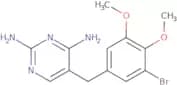
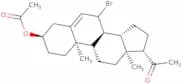
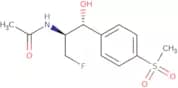

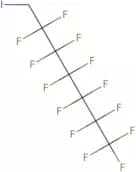

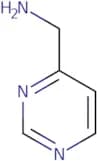
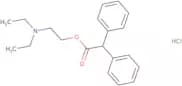
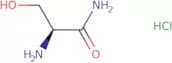
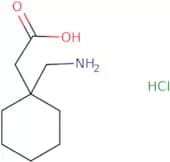
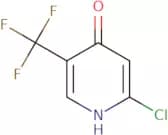
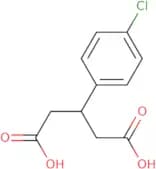
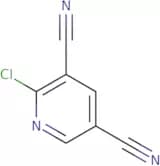

![7-Chlorothieno[3,2-B]Pyridine](/_next/image/?url=https%3A%2Fstatic.cymitquimica.com%2Fproducts%2F3D%2Fthumb-webp%2FFC53344.webp&w=3840&q=75)
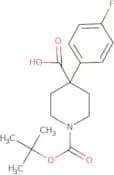
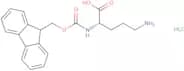
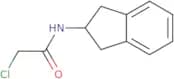
![(2-Iodophenyl)(2,3,6,7-tetrahydro-1H,5H-benzo[ij]quinolizin-9-yl)methanone](/_next/image/?url=https%3A%2Fstatic.cymitquimica.com%2Fproducts%2F3D%2Fthumb-webp%2FI-7660.webp&w=3840&q=75)
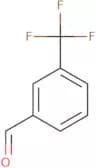
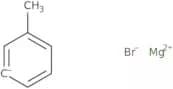
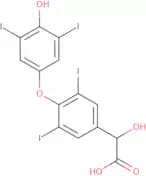
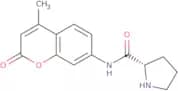
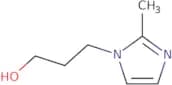
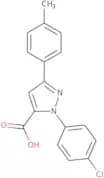
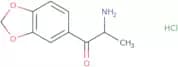
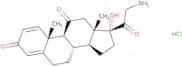
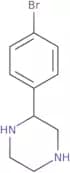
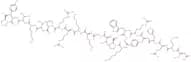


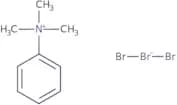
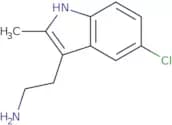


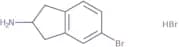
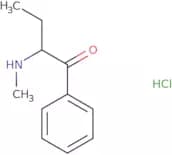
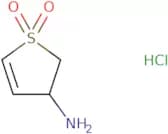
![Chloro[2-(di-tert-butylphosphino)-2',4',6'-triisopropyl-1,1'-biphenyl][2-(2-aminoethyl)phenyl)]pal…](/_next/image/?url=https%3A%2Fstatic.cymitquimica.com%2Fproducts%2F3D%2Fthumb-webp%2FFC156938.webp&w=3840&q=75)
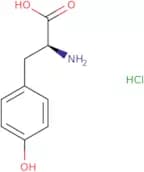
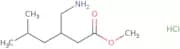
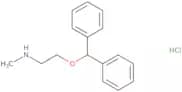
![N-[1-(4-Fluorophenyl)propan-2-Yl]-N-methylprop-2-Yn-1-amine](/_next/image/?url=https%3A%2Fstatic.cymitquimica.com%2Fproducts%2F3D%2Fthumb-webp%2FFF95966.webp&w=3840&q=75)
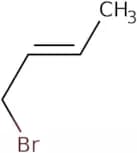
![(2S)-2-Amino-2-[(5S)-3-chloro-4,5-dihydroisoxazol-5-Yl]acetic acid](/_next/image/?url=https%3A%2Fstatic.cymitquimica.com%2Fproducts%2F3D%2Fthumb-webp%2FFA17203.webp&w=3840&q=75)
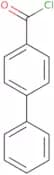
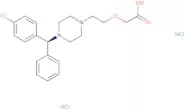
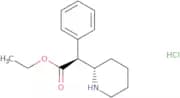
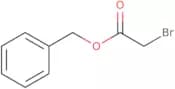
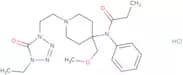
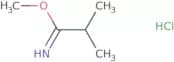
![1-[(4-Chlorophenyl)phenylmethyl]piperazine](/_next/image/?url=https%3A%2Fstatic.cymitquimica.com%2Fproducts%2F3D%2Fthumb-webp%2FFC20350.webp&w=3840&q=75)
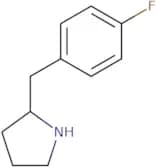
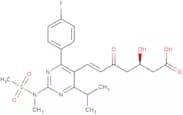

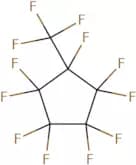
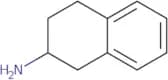
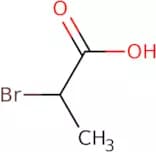
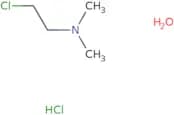
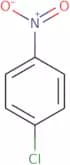
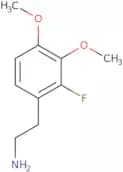
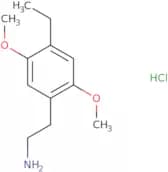
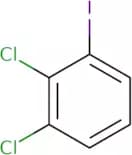




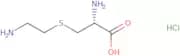
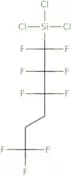
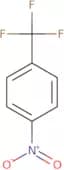
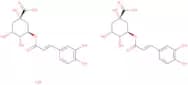
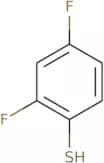
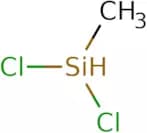
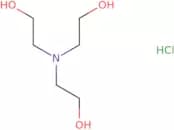
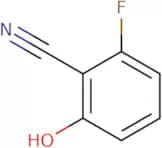

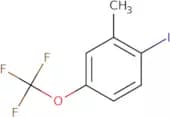
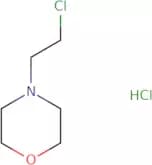
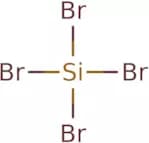
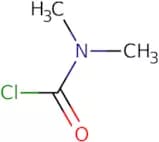
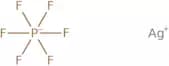
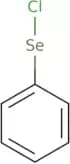
![[2-(2,5-Dimethyl-1H-indol-3-yl)ethyl]amine hydrochloride](/_next/image/?url=https%3A%2Fstatic.cymitquimica.com%2Fproducts%2F3D%2Fthumb-webp%2FFD118369.webp&w=3840&q=75)
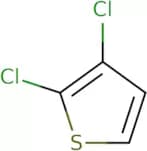
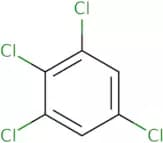
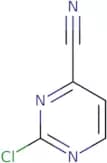

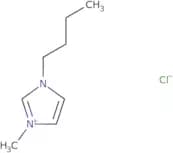

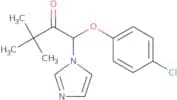
![(NZ)-4-chloro-N-[1-[2-(4-nitrophenyl)ethyl]piperidin-2-ylidene]benzenesulfonamide](/_next/image/?url=https%3A%2Fstatic.cymitquimica.com%2Fproducts%2F3D%2Fthumb-webp%2FFN154024.webp&w=3840&q=75)
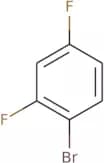
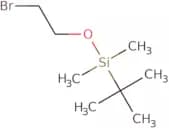
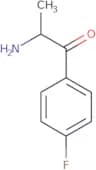

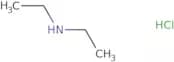
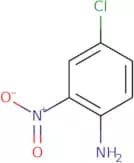
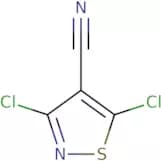

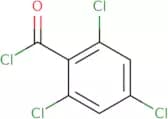
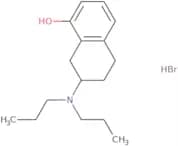
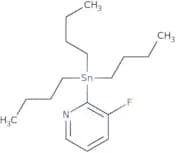
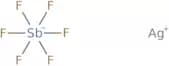

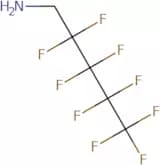
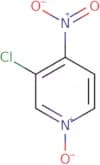
![7-Bromo-[1,2,4]triazolo[1,5-a]pyridin-2-ylamine](/_next/image/?url=https%3A%2Fstatic.cymitquimica.com%2Fproducts%2F3D%2Fthumb-webp%2FFB140382.webp&w=3840&q=75)
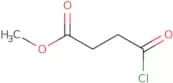
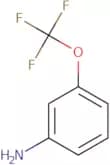
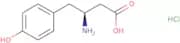
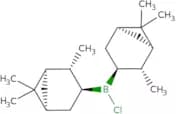

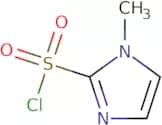
![10-[2-(1-Methyl-2-piperidinyl)ethyl]-2-(methylthio)-10H-phenothiazine hydrochloride](/_next/image/?url=https%3A%2Fstatic.cymitquimica.com%2Fproducts%2F3D%2Fthumb-webp%2FFT28238.webp&w=3840&q=75)
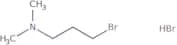
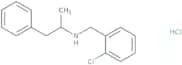
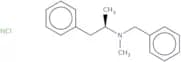
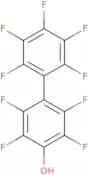
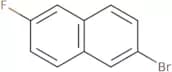
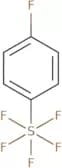
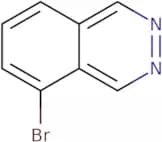

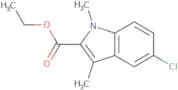

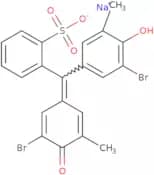
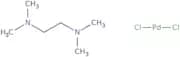
![4-Amino-3-bromo-1-(tert-butyl)-1H-pyrazolo[3,4-d]pyrimidine](/_next/image/?url=https%3A%2Fstatic.cymitquimica.com%2Fproducts%2F3D%2Fthumb-webp%2FFA168683.webp&w=3840&q=75)
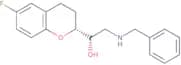
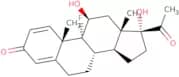
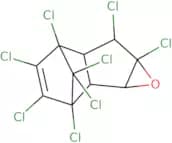
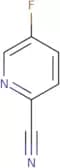
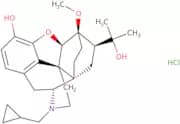
![8-Chloro-1-methyl-2,3,4,5-tetrahydro-1H-benzo[d]azepine](/_next/image/?url=https%3A%2Fstatic.cymitquimica.com%2Fproducts%2F3D%2Fthumb-webp%2FFC148171.webp&w=3840&q=75)
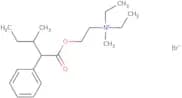
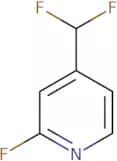
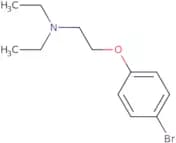
![3-Chloro-5-(3-chloropropyl)-10,11-dihydro-5H-dibenz[b,f]azepine](/_next/image/?url=https%3A%2Fstatic.cymitquimica.com%2Fproducts%2F3D%2Fthumb-webp%2FFC20114.webp&w=3840&q=75)
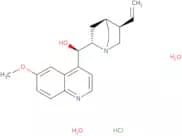
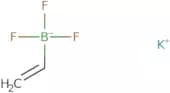


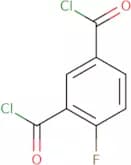
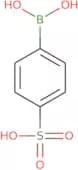

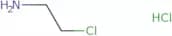
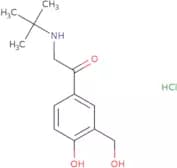
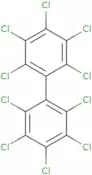
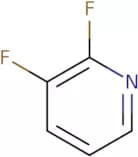
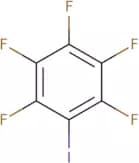
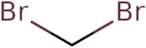
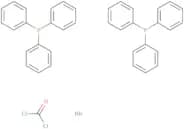
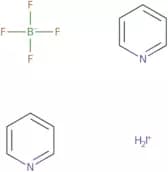
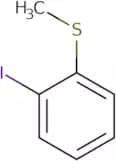
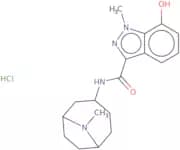
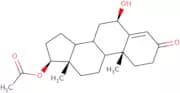
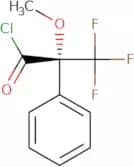
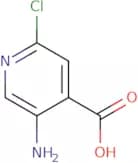
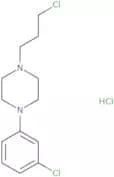
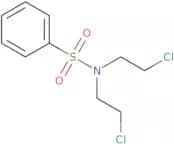
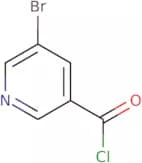
![N-Methyl-5H-dibenzo[a,d]cycloheptene-5-propylamine hydrochloride](/_next/image/?url=https%3A%2Fstatic.cymitquimica.com%2Fproducts%2F3D%2Fthumb-webp%2FFN76683.webp&w=3840&q=75)
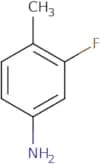
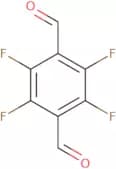
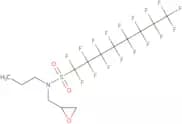
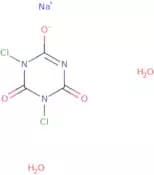
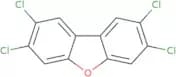
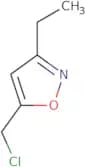
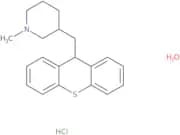
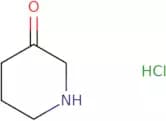
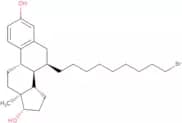
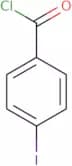
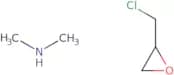
![8-Bromo-imidazo[1,2-a]pyridine](/_next/image/?url=https%3A%2Fstatic.cymitquimica.com%2Fproducts%2F3D%2Fthumb-webp%2FFB54448.webp&w=3840&q=75)
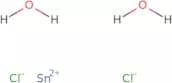
![4-Aminobicyclo[2.2.2]octan-1-ol hydrochloride](/_next/image/?url=https%3A%2Fstatic.cymitquimica.com%2Fproducts%2F3D%2Fthumb-webp%2FFA63102.webp&w=3840&q=75)