Halogénures organiques
Sous-catégories appartenant à la catégorie "Halogénures organiques"
20442 produits trouvés pour "Halogénures organiques"
1-Benzyl-4-(chloromethyl)piperidine hydrochloride
CAS :1-Benzyl-4-(chloromethyl)piperidine hydrochloride is a research chemical that is a versatile building block for the synthesis of complex compounds. It is an intermediate in the preparation of other useful compounds, and has been used as a reagent for organic synthesis. 1-Benzyl-4-(chloromethyl)piperidine hydrochloride has shown to be a useful scaffold for the synthesis of fine chemicals, and can be used as a speciality chemical in many different reactions.Formule :C13H18ClN·HClDegré de pureté :Min. 95 Area-%Couleur et forme :White PowderMasse moléculaire :260.2 g/mol3-(Difluoromethoxy)-2,4,5-trifluorobenzoic acid
CAS :3-(Difluoromethoxy)-2,4,5-trifluorobenzoic acid is an antibacterial drug that belongs to the class of fluoroquinolones. It inhibits bacterial growth by binding to DNA gyrase and topoisomerase IV enzymes in bacteria. 3-(Difluoromethoxy)-2,4,5-trifluorobenzoic acid has been shown to be active against a wide variety of bacteria and is used as a treatment for urinary tract infections and skin infections. 3-(Difluoromethoxy)-2,4,5-trifluorobenzoic acid can also be used in combination with other antibiotics such as tetrabutyl ammonium chloride to enhance their effects.Formule :C8H3F5O3Degré de pureté :Min. 95%Couleur et forme :SolidMasse moléculaire :242.1 g/mol2,5-Dichloronitrobenzene
CAS :2,5-Dichloronitrobenzene is a compound that is used to manufacture dyes and pharmaceuticals. It can be synthesized from sodium carbonate, 4-tert-butylbenzoic acid, and sodium hydroxide solution. To produce 2,5-dichloronitrobenzene, the reactants are heated in a reaction vessel with a diphenyl ether as an acid catalyst. The product of this reaction is then dissolved in deionized water or water containing other solvents such as methanol or ethanol. The reaction yield is approximately 95%. The byproducts of this process include 2-chloroacetophenone and hydrogen chloride gas. 2,5-Dichloronitrobenzene reacts with sodium hydroxide solution to form 4-tert-butyl benzoic acid and sodium chloride. This reaction occurs because these compounds have polar functional groups which can form hydrogen bonds with eachFormule :C6H3Cl2NO2Degré de pureté :Min. 95%Couleur et forme :PowderMasse moléculaire :192 g/mol4,6-Dichloropyrimidine
CAS :4,6-Dichloropyrimidine is an intermediate in the production of malonic acid. It is also used as a process optimization agent in the synthesis of hydrochloric acid and water vapor. 4,6-Dichloropyrimidine reacts with hydrogen chloride to form a chlorinating agent that can be used for the chlorination of amines and alcohols. The reaction product is hydrochloric acid and dichloropyrimidine. This intermediate can also be used to synthesize amides through a Suzuki coupling reaction with hydroxyl groups, amines, and n-dimethyl formamide.
Formule :C4H2Cl2N2Degré de pureté :Min. 95%Couleur et forme :White PowderMasse moléculaire :148.98 g/mol5-Fluoro-2-methoxybenzaldehyde
CAS :5-Fluoro-2-methoxybenzaldehyde is an inhibitor that blocks the enzyme acetylcholinesterase. It has been shown to be useful in the synthesis of a variety of drugs, including anticancer agents and antibiotics. 5-Fluoro-2-methoxybenzaldehyde is used in the industrial production of acetonitrile and can also be found in small quantities as a natural component of many fruits and vegetables. It is also used as a precursor for other chemicals, such as pharmaceuticals and pesticides. The compound is generally synthesized by condensation reactions involving benzaldehyde, acetamide, and formaldehyde. This chemical has been studied in medicinal chemistry because it can inhibit bacterial growth by binding to DNA gyrase.Formule :C8H7FO2Degré de pureté :Min. 95%Couleur et forme :White PowderMasse moléculaire :154.14 g/mol4-Amino-2-chlorobenzoic acid methyl ester
CAS :4-Amino-2-chlorobenzoic acid methyl ester (4ACBME) is a chemical compound that has been used in the treatment of autoimmune diseases. It acts as an immunoreceptor and regulatory molecule by binding to specific receptors on the surface of lymphocytes, which are cells that play a central role in the immune system. 4ACBME also inhibits the production of inflammatory molecules, such as TNF-α, IL-1β, IL-6 and IL-8. The regression of tissue inflammation was observed in animal models after 4ACBME treatment. This compound has been shown to have no genotoxic impurities in vitro studies and its molecular descriptors are consistent with those found for other immunoreceptors.Formule :C8H8ClNO2Degré de pureté :Min. 95%Couleur et forme :White PowderMasse moléculaire :185.61 g/mol4,4'-Dibromobenzhydrol
CAS :4,4'-Dibromobenzhydrol (DBH) is a bidentate ligand that can be synthesised in high yields. It has been shown to bind to cancer cells with high affinity and specificity. DBH has also been used as a scaffold for the synthesis of supramolecular architectures, which have shown to be cytotoxic to cancer cells and also provide an improved understanding of the binding mechanism. This compound has been tested for toxicity in animal studies and found to have low toxicity.
Formule :C13H10Br2ODegré de pureté :Min. 95%Couleur et forme :White PowderMasse moléculaire :342.03 g/molSodium 2-[[3-(trifluoromethyl)phenyl]amino]benzoate
CAS :Sodium 2-[[3-(trifluoromethyl)phenyl]amino]benzoate (TFPB) is a synthetic substrate that has been used in the synthesis of microcapsules. TFPB is soluble in water, which allows it to be administered orally and provides a non-toxic environment for the release of protein drugs. TFPB is also able to bind with receptors on polymorphonuclear leucocytes and can be used as an adjuvant therapy in women.
Formule :C14H9F3NNaO2Degré de pureté :Min. 95%Couleur et forme :PowderMasse moléculaire :303.21 g/molN-alpha-Benzoyl-L-arginine amide hydrochloride
CAS :N-alpha-Benzoyl-L-arginine amide hydrochloride (BA) is a synthetic, noncompetitive inhibitor of phosphodiesterase. It has been shown to inhibit protease activity in vitro and rhizosphere enzyme activities in vivo. BA also inhibits the formation of hippuric acid from benzoic acid, which is a reaction catalyzed by the enzyme phosphatase. The kinetics of this inhibition have been studied using a number of different substrates and enzymes. BA binds to the catalytic site on the enzyme, sterically hindering binding of the substrate and preventing hydrolysis.Formule :C13H19N5O2·HClDegré de pureté :Min. 95%Couleur et forme :PowderMasse moléculaire :313.78 g/mol(R)-1-[3,5-Bis(trifluoromethyl)phenyl]ethan-1-ol
CAS :(R)-1-[3,5-Bis(trifluoromethyl)phenyl]ethan-1-ol is a triazolinone that has been shown to be an efficient contactor for the removal of organic pollutants from water. It is activated by potassium t-butoxide and immobilized on silicone gels. This compound is also active against a broad range of bacteria and fungi.Formule :C10H8F6ODegré de pureté :Min. 98%Couleur et forme :White PowderMasse moléculaire :258.16 g/mol2,6-Dibromo-1,4-benzoquinone
CAS :2,6-Dibromo-1,4-benzoquinone is an organic compound that has been shown to be genotoxic in the bladder. It reacts with hydrochloric acid to form a dibrominated diphenyl ether, which can undergo a number of reactions. 2,6-Dibromo-1,4-benzoquinone produces reactive hydroxyl groups and chemical structures that are carcinogenic. The reaction mechanism is not well understood but it has been shown to inhibit DNA synthesis and cause cancer in laboratory animals. 2,6-Dibromo-1,4-benzoquinone also inhibits RNA synthesis and protein synthesis by forming covalent bonds with amino acids in the ribosome or by reacting with nucleotides in DNA molecules. This leads to cell death as cells are unable to synthesize proteins for growth and repair.
Formule :C6H2Br2O2Degré de pureté :Min. 95%Couleur et forme :PowderMasse moléculaire :265.89 g/molAmmonium trifluoroacetate
CAS :Ammonium trifluoroacetate is a chemical compound that has two hydroxyl groups. It is used for the treatment of autoimmune diseases, such as rheumatoid arthritis, and in the synthesis of nomegestrol acetate, which is an estrogenic drug. Ammonium trifluoroacetate is also used to study the biological properties of receptors and other proteins. The thermal expansion property of ammonium trifluoroacetate can be used to determine its concentration in a sample. Ammonium trifluoroacetate also has potent antagonistic effects against HIV infection and can be detected with high sensitivity. Studies have shown that ammonium trifluoroacetate is toxic to humans; however, it does not accumulate in the body.Formule :C2H4F3NO2Degré de pureté :Min. 95%Couleur et forme :PowderMasse moléculaire :131.05 g/mol4-Chloro-2-methoxyaniline
CAS :4-Chloro-2-methoxyaniline is an organic compound with the chemical formula CHClNO. It is a colorless liquid that smells like benzene. 4-Chloro-2-methoxyaniline reacts with diazonium salt to produce a red-orange dye and is used to create other azo compounds. It also reacts with anionic substances and can be used in fibre production. 4-Chloro-2-methoxyaniline has been shown to have fungicidal properties, which may be due to its ability to oxidize the fungal cell membrane.
Formule :C7H8ClNODegré de pureté :Min. 98 Area-%Masse moléculaire :157.6 g/molethyl 2-amino-4-(2-fluorophenyl)-7,7-dimethyl-5-oxo-4,6,7,8-tetrahydro2H-chromene-3-carboxylate
CAS :Please enquire for more information about ethyl 2-amino-4-(2-fluorophenyl)-7,7-dimethyl-5-oxo-4,6,7,8-tetrahydro2H-chromene-3-carboxylate including the price, delivery time and more detailed product information at the technical inquiry form on this pageDegré de pureté :Min. 95%4-Chloro-2-nitrobenzylamine hydrochloride
CAS :4-Chloro-2-nitrobenzylamine hydrochloride is a fine chemical that can be used as a reagent or speciality chemical. It is also a versatile building block and reaction component for the preparation of various chemical compounds. 4-Chloro-2-nitrobenzylamine hydrochloride has been used as an intermediate in the synthesis of other chemicals, such as 1,2,3,4,5,6-hexahydrobenzo[e]pyrrolo[1,2-a]pyrazine. This compound has been shown to have antibacterial activity against Escherichia coli and Pseudomonas aeruginosa.Formule :C7H7ClN2O2•HClDegré de pureté :Min. 95%Masse moléculaire :223.06 g/mol1-Chloro-1,1,2,3,3,3-Hexafluoropropane
CAS :Produit contrôlé1-Chloro-1,1,2,3,3,3-Hexafluoropropane (CFC-114) is a hydrofluorocarbon that is used in refrigeration and air conditioning. It is a colorless liquid with a sweet odor. CFC-114 has been found to be environmentally friendly as it does not deplete the ozone layer and has low global warming potential. The chemical properties of CFC-114 are constant over long periods of time and at different temperatures. This property can be measured using calorimetry and thermodynamics and can be calculated by parameters such as liquid phase and efficiency.Formule :C3HClF6Degré de pureté :Min. 95%Masse moléculaire :186.48 g/mol4-Hydroxy-3-(trifluoromethyl)acetophenone
CAS :4-Hydroxy-3-(trifluoromethyl)acetophenone is a chemical that has been shown to be useful in the synthesis of biologically active compounds. It is a versatile building block for organic synthesis and can be used as a research chemical, reaction component, or speciality chemical. 4-Hydroxy-3-(trifluoromethyl)acetophenone is also a high quality reagent with CAS No. 149105-11-3.Formule :C9H7F3O2Degré de pureté :Min. 95%Masse moléculaire :204.15 g/molMethyl 2,4-dichlorobenzoate
CAS :Methyl 2,4-dichlorobenzoate is an organic chemical that contains chloride and a carboxylic acid group. It is used as a reagent in analytical chemistry. Methyl 2,4-dichlorobenzoate reacts with aldehydes to produce the corresponding alcohols. The reaction is catalyzed by activated charcoal. The yield of transfer reactions are high, and the products are usually high molecular weight compounds. Methyl 2,4-dichlorobenzoate reacts with fluorescence.
Formule :C8H6Cl2O2Degré de pureté :Min. 95%Couleur et forme :Clear LiquidMasse moléculaire :205.04 g/mol2-Chloro-4-nitro benzamide
CAS :2-Chloro-4-nitrobenzamide is a drug that belongs to the sulfa drugs. It has been shown to be effective in treating autoimmune diseases, particularly bowel disease and inflammatory bowel disease. 2-Chloro-4-nitrobenzamide inhibits the synthesis of fatty acids by blocking the enzyme acetyl CoA carboxylase, which is involved in the formation of long chain fatty acids. This drug also has immunosuppressive activities, which may be due to its ability to block T cell proliferation. 2-Chloro-4-nitrobenzamide is used as a chemical intermediate for antibiotics such as maduramicin ammonium and salinomycin sodium. It is also used as a dietary supplement or pharmaceutical dosage form for cardiac glycoside drugs such as digoxin.
Formule :C7H5ClN2O3Degré de pureté :Min. 95%Couleur et forme :PowderMasse moléculaire :200.58 g/molN-((3,4-dimethoxyphenyl)methyl)(3-(2-chlorophenyl)-5-methylisoxazol-4-yl)formamide
CAS :Please enquire for more information about N-((3,4-dimethoxyphenyl)methyl)(3-(2-chlorophenyl)-5-methylisoxazol-4-yl)formamide including the price, delivery time and more detailed product information at the technical inquiry form on this pageDegré de pureté :Min. 95%(R,R)-(-)N,N'-Bis(3,5-di-tert-butylsalicylidene)-1,2-cyclohexanediaminomanganese(III) chloride
CAS :(R,R)-(-)N,N'-Bis(3,5-di-tert-butylsalicylidene)-1,2-cyclohexanediaminomanganese(III) chloride is a diamine ligand that has been used for the immobilization of ethylene. The reaction proceeds via an oxidation catalyzed by a metal such as copper or manganese. The reaction products are chlorides and alcohols. The molecular modeling and x-ray crystal structures of these reactions have been studied and kinetic data have been collected. Kinetics measurements show that the reactions are fast with an activation energy of 45 kcal/mol and proceed through a hydrogen transfer mechanism.Formule :C36H52ClMnN2O2Degré de pureté :Min. 95%Couleur et forme :PowderMasse moléculaire :635.2 g/molMethyl 3-amino-5,6-dichloro-2-pyrazine carboxylate
CAS :Methyl 3-amino-5,6-dichloro-2-pyrazine carboxylate is a synthetic molecule that has been synthesized from dimethylamiloride. This chemical has been labeled and used for a variety of homologous and synthetic modifications. It may be used in labeling experiments to identify an unknown compound or to determine the structure of a known compound. The methyl 3-amino-5,6-dichloro-2-pyrazine carboxylate can also be used as a ligand to bind with subunits of proteins or nucleic acids. Photolabile methyl 3-amino-5,6-dichloro-2-pyrazine carboxylate can be synthesized by using light energy to cleave the ester bonds in the chemical. This chemical is useful for assays and techniques such as spectroscopy and nuclear magnetic resonance (NMR).Formule :C6H5Cl2N3O2Degré de pureté :Min. 96.5 Area-%Couleur et forme :PowderMasse moléculaire :222.03 g/mol4-Chloro-2-methylbenzyl alcohol
CAS :4-Chloro-2-methylbenzyl alcohol is an organic compound that has a sensor and hydroxyl group. It is used in pest control as an insecticide. 4-Chloro-2-methylbenzyl alcohol has been shown to be effective against ants, cockroaches, and other insects. There are multiple instabilities of this compound, including low oxygen stability when exposed to air, which may lead to the degradation of this chemical. Impurities in 4-chloro-2-methylbenzyl alcohol may also lead to its instability as it reacts with alkali metals at high temperatures. The instability of 4-chloro-2-methylbenzyl alcohol can be reduced by storing it at low temperatures or by adding cryogenic substances such as liquid nitrogen or carbon dioxide gas.Formule :C8H9ClODegré de pureté :Min. 95%Masse moléculaire :156.61 g/mol(2-chlorophenyl)(4-(4-fluorophenyl)(2,5-thiazolyl))amine
CAS :Please enquire for more information about (2-chlorophenyl)(4-(4-fluorophenyl)(2,5-thiazolyl))amine including the price, delivery time and more detailed product information at the technical inquiry form on this pageDegré de pureté :Min. 95%9-Fluorenone oxime
CAS :9-Fluorenone oxime is a pharmacological agent that has been shown to inhibit the activity of proteases. It has been shown to be effective in the treatment of hepatitis caused by radiation and amines, such as fluorenone. 9-Fluorenone oxime binds to the hydroxyl group of the active site on the protease enzyme and forms a covalent bond with it. This prevents hydrolysis of substrate proteins and thus blocks protein synthesis. 9-Fluorenone oxime also has chelate ligand properties, which allow it to bind to metal ions, such as phosphotungstic acid or fluorescence probes, and form complexes. The thermal expansion property of 9-fluorenones can be used for thermometry in biochemistry research.
Formule :C13H9NODegré de pureté :90%Couleur et forme :PowderMasse moléculaire :195.22 g/molN-Bromophthalimide
CAS :N-Bromophthalimide is a hydrogen bond acceptor that is used in pharmaceutical preparations. It has been shown to be an effective cationic surfactant, which may be due to its ability to form ionic bonds with phosphotungstic acid and nitrogen atoms. N-Bromophthalimide also has reactive properties and can react with serotonin reuptake inhibitors. The reaction mechanism of this compound is not fully understood, but it has been shown to have a redox potential that is greater than the standard electron donor sodium bromide.Formule :C8H4BrNO2Degré de pureté :Min. 95%Masse moléculaire :226.03 g/molN-Methylbis(trifluoroacetamide)
CAS :N-Methylbis(trifluoroacetamide) is a molecule that is used in the preparation of an analytical method. This molecule reacts with human serum and urine to produce a reaction solution. The matrix effect can be seen in metabolic disorders, such as the case of creatine kinase which is not affected by the derivatization. N-Methylbis(trifluoroacetamide) is also used to prepare samples for solid phase microextraction with basic structures that are amines.Formule :C5H3F6NO2Degré de pureté :Min. 95%Couleur et forme :Clear LiquidMasse moléculaire :223.07 g/mol4-Bromo-2-cyanoanisole
CAS :4-Bromo-2-cyanoanisole is a synthetic compound that can be used as a ligand in the transition metal catalyzed cross-coupling reaction. This chemical has been shown to form complexes with nickel, palladium, and platinum. 4-Bromo-2-cyanoanisole is also a biomolecule that interacts with other molecules and can be used in the study of natural products.Formule :C8H6BrNODegré de pureté :Min. 95%Couleur et forme :PowderMasse moléculaire :212.04 g/mol2-(1H-Indazol-3-yl)ethanamine hydrochloride
CAS :2-(1H-Indazol-3-yl)ethanamine hydrochloride is a chemical building block that can be used as a reaction component, reagent or useful scaffold. It is also a versatile building block in organic synthesis and can be used to make fine chemicals, speciality chemicals and research compounds. 2-(1H-Indazol-3-yl)ethanamine hydrochloride has been shown to have high purity and is suitable for use in pharmaceuticals, agrochemicals, dyestuffs, flavors and fragrances.Formule :C9H12ClN3Degré de pureté :Min. 95%Couleur et forme :PowderMasse moléculaire :197.66 g/mol4-Chloro-3-nitro-5-sulfamoylbenzoic acid
CAS :4-Chloro-3-nitro-5-sulfamoylbenzoic acid is a chemical compound that belongs to the group of speciality chemicals. It is a versatile building block for the synthesis of complex compounds. 4-Chloro-3-nitro-5-sulfamoylbenzoic acid has high quality and can be used as reagents in research or as a building block for the synthesis of new molecules.Formule :C7H5ClN2O6SDegré de pureté :Min. 95%Couleur et forme :PowderMasse moléculaire :280.64 g/mol6-Chloro-5-ethylisatin
CAS :6-Chloro-5-ethylisatin is a fine chemical that can be used as a building block for making other compounds, including pharmaceuticals and bioactive agents. It is also a versatile building block that can be used in the synthesis of many different types of compounds. 6-Chloro-5-ethylisatin is an intermediate, which means it is a substance that is used to make other substances. It can also act as a reagent in reactions and as a scaffold for complex molecules.Formule :C10H8ClNO2Degré de pureté :Min. 95%Masse moléculaire :209.63 g/molDesphenyl chloridazon
CAS :Desphenyl chloridazon is an herbicide that is used in wastewater treatment and as a corrosion inhibitor. It belongs to the class of phenoxyacetic acids and is a member of the triazine herbicides. The chemical has been shown to be genotoxic in animal studies, however, no human data are available. Desphenyl chloridazon is rapidly metabolized by cytochrome P450 enzymes and is excreted mainly by the kidneys. Analytical methods for desphenyl chloridazon are available including ultra-high performance liquid chromatography (UPLC) and high-performance liquid chromatography (HPLC). These methods can be used for the analysis of this chemical in both water samples and food products.Formule :C4H4ClN3ODegré de pureté :Min. 95%Couleur et forme :Off-White PowderMasse moléculaire :145.55 g/mol1,1,1,2,2,3,3,4,4-Nonafluoro-7-Iodoheptane
CAS :1,1,1,2,2,3,3,4,4-Nonafluoro-7-Iodoheptane is a colorless crystalline compound with an industrial use as a dihydroxylation agent. It is synthesised by the addition of iodine to 1,1,2-trichloroethane and reacts with alkenes to give substituted octasubstituted hydrocarbons. The compound has shown nucleophilic properties and is used in the synthesis of pharmaceuticals. 1,1,1,2,2,3,3,4 4-Nonafluoro-7-iodoheptane is also a good transport agent for electronic properties and can spontaneously transport from one phase to another under certain conditions. This chemical has been shown to be stable at high temperatures and low pressure making it useful for surfactant applications.Formule :C7H6F9IDegré de pureté :Min. 95%Couleur et forme :Colorless PowderMasse moléculaire :388.01 g/mol2-Chloro-5-methyl-1,4-benzoquinone
CAS :2-Chloro-5-methyl-1,4-benzoquinone is a heterocyclic organic compound with the molecular formula CHClO. It is a crystalline solid that occurs in two forms, the alpha and beta forms. The alpha form consists of an asymmetric unit containing two fused rings, one with five carbon atoms and another with six. The beta form has a similar structure but the ring with six carbon atoms is replaced by a carbon atom substituted for sulfur. 2-Chloro-5-methyl-1,4-benzoquinone can be used as an emulsifying agent or to produce benzoquinone by oxidation of hydroquinone or by electrochemical reduction of methylene blue. This chemical also has been used as an electron acceptor in supramolecular chemistry studies.Formule :C7H5ClO2Degré de pureté :Min. 95%Couleur et forme :PowderMasse moléculaire :156.57 g/mol5-Bromovaleric acid methyl ester
CAS :5-Bromovaleric acid methyl ester is a molecule that can be used as a model system for population growth. It has been shown to activate the CB2 receptor in mice and stimulate the production of polyclonal antibodies. 5-Bromovaleric acid methyl ester may be a potential drug target for treating inflammatory conditions such as psoriasis, Crohn's disease, and ulcerative colitis. The compound has also been shown to inhibit cyclooxygenase enzymes in human platelets. 5-Bromovaleric acid methyl ester can also be used as an analytical tool for determining the concentration of conjugates in urine samples by gas chromatography.Formule :C6H11BrO2Degré de pureté :Min. 95%Couleur et forme :Clear LiquidMasse moléculaire :195.05 g/mol4-(4-Chlorophenyl)-2-(3-methyl-5-oxo-1-phenyl(2-pyrazolin-4-yl))-4-oxobutanoic acid
CAS :Please enquire for more information about 4-(4-Chlorophenyl)-2-(3-methyl-5-oxo-1-phenyl(2-pyrazolin-4-yl))-4-oxobutanoic acid including the price, delivery time and more detailed product information at the technical inquiry form on this pageDegré de pureté :Min. 95%4-Hydrazino-3-nitrobenzotrifluoride
CAS :4-Hydrazino-3-nitrobenzotrifluoride (4HNBF) is a derivative of 4-hydrazinobenzoic acid that has been used as a precursor for the synthesis of vitamin D. The drug is detectable in blood plasma samples by mass spectrometry and can be quantified using linear calibration curves. 4HNBF has been detected in human urine samples after oral administration, but not in other biological fluids. It has also been used to measure the flow rate of urine. The drug's use for cancer treatment has been investigated, with results showing that it inhibits the growth of cancer cells and induces apoptosis. 4HNBF may act on GABA receptors to inhibit their activity and induce a reduction in the release of oxysterols.Formule :C7H6F3N3O2Degré de pureté :Min. 95%Couleur et forme :PowderMasse moléculaire :221.14 g/mol2-Bromo-5-fluorocinnamic acid
CAS :2-Bromo-5-fluorocinnamic acid is a high quality, reagent, complex compound of the chemical family of phenols. It has CAS No. 939410-87-4 and is a useful intermediate in the synthesis of fine chemicals. The compound has been used as a speciality chemical for research purposes and has been found to be a versatile building block for the synthesis of new compounds. 2-Bromo-5-fluorocinnamic acid can be used as a reaction component in organic synthesis reactions, such as esterification, nucleophilic substitution, and condensation reactions.Formule :C9H6BrFO2Degré de pureté :Min. 95%Couleur et forme :PowderMasse moléculaire :245.05 g/molEsmolol hydrochloride
CAS :Produit contrôléBeta adrenergic antagonist; anti-arrhythmicFormule :C16H26ClNO4Degré de pureté :Min. 95%Couleur et forme :PowderMasse moléculaire :331.83 g/molIpratropium bromide monohydrate
CAS :Muscarinic antagonistFormule :C20H32BrNO4Degré de pureté :Min. 95%Couleur et forme :White/Off-White SolidMasse moléculaire :430.38 g/mol4-Fluoroisoquinoline
CAS :4-Fluoroisoquinoline is a synthetic compound that can be produced by the reduction of an acetonitrile-chlorinated isoquinoline compound. It is also possible to produce 4-fluoroisoquinoline by the reaction of chlorinating agents with an aldehyde, followed by the addition of phosphorus oxychloride and fluorine. The reductive sulfonation of 4-fluoroisoquinoline can be achieved by reacting it with sulfur trioxide, which is in turn generated from phosphorous oxychloride and sulfur dioxide. This process produces the desired product in good yields.
Formule :C9H6FNDegré de pureté :Min. 95%Couleur et forme :Brown PowderMasse moléculaire :147.15 g/molCholine chloride - 75% water solution
CAS :Choline chloride is a water solution of choline chloride that is 75% by weight. It has been shown to be effective in preventing atherosclerotic lesions and metabolic disorders. Choline chloride also has thermal expansion properties, which can be used for the manufacture of plastic containers. This compound can inhibit complex enzyme activity by forming complexes with the enzyme, thus inhibiting its activity. Choline chloride may also be used as a model system for studying reaction mechanisms, structural analysis, and calcium pantothenate metabolism. Choline chloride is an essential nutrient that plays a role in energy metabolism and polyunsaturated fatty acid synthesis. It is also important for electrochemical impedance spectroscopy (EIS) because it enhances electrical conductivity across cell membranes.br>br>
br>Formule :C5H14ClNOCouleur et forme :Colorless Clear LiquidMasse moléculaire :139.62 g/mol2-(4,5-dichloroimidazolyl)-N-(2-indol-3-ylethyl)ethanamide
CAS :Please enquire for more information about 2-(4,5-dichloroimidazolyl)-N-(2-indol-3-ylethyl)ethanamide including the price, delivery time and more detailed product information at the technical inquiry form on this pageDegré de pureté :Min. 95%19,19-Difluoroandrost-4-Ene-3,17-Dione
CAS :Produit contrôlé19,19-Difluoroandrost-4-Ene-3,17-Dione is a functional group that is incorporated into the biosynthesis of sex hormones and steroids. It has been postulated to be an efficient method for synthesizing 19,19-difluoroandrost-4-ene from 19,19-difluorodienoic acid. The inhibition constant of this functional group has been determined to be 4.8 x 10 M at 37 degrees Celsius and pH 7.0 in the presence of benzoate and hydroxyl groups. 19,19-Difluoroandrost-4-Ene-3,17-Dione can also inhibit enzymes such as esterase and glutathione reductase. Its nmr spectra are consistent with a dione ring structure.Formule :C19H24F2O2Degré de pureté :Min. 95%Masse moléculaire :322.39 g/molL-Valine benzyl ester hydrochloride
CAS :L-Valine benzyl ester hydrochloride (LVEH) is a tetradecapeptide that is used as an analog of the natural peptide angiotensinogen. This synthetic compound has low molecular weight and hydrophobicity, which makes it an efficient drug for inducing hypertension in rats. LVEH has been shown to inhibit the production of angiotensin I and II, leading to a decrease in blood pressure. It also inhibits the degradation of endoplasmic reticulum protein angiotensinogen, which may be due to its inhibition of piperazine and piperidine. LVEH binds to mitochondria with high affinity, inhibiting ATP production and mitochondrial respiration.Formule :C12H17NO2•HClDegré de pureté :Min. 95%Couleur et forme :PowderMasse moléculaire :243.73 g/mol2-Chloro-2',5'-difluoroacetophenone - 90%
CAS :2-Chloro-2',5'-difluoroacetophenone is a fine chemical, useful building block, and research chemical with CAS No. 60468-36-2. It is a versatile building block that can be used in reactions as a reagent or intermediate. 2-Chloro-2',5'-difluoroacetophenone has been used as a reactant in the synthesis of complex compounds and is also an excellent scaffold for organic synthesis. This compound is soluble in most common organic solvents and has high quality.Formule :C8H5ClF2ODegré de pureté :Min. 95%Couleur et forme :SolidMasse moléculaire :190.57 g/mol7-Methyl-2-(trifluoromethyl)[1,2,4]triazolo[1,5-a]pyrimidine-6-carboxylic acid
CAS :7-Methyl-2-(trifluoromethyl)[1,2,4]triazolo[1,5-a]pyrimidine-6-carboxylic acid is a versatile building block that is useful in the synthesis of complex compounds. It is also a reagent for research and as a speciality chemical. It has been used in the synthesis of many important drugs such as methotrexate and trimethoprim. 7-Methyl-2-(trifluoromethyl)[1,2,4]triazolo[1,5-a]pyrimidine-6-carboxylic acid can also be used as an intermediate for the synthesis of other compounds and scaffolds.
Formule :C8H5F3N4O2Degré de pureté :Min. 95%Couleur et forme :PowderMasse moléculaire :246.15 g/mol1,1-Dibromo-2,2-Difluoroethane
CAS :Produit contrôlé1,1-Dibromo-2,2-difluoroethane is a chemical compound that is used as an inert gas. It has a boiling point of -37 degrees Celsius and can be seen in the infrared spectrum. The equilibrium constant for this substance is 7.4 x 10^10 and the quadratic vibrational constants are 0.0092 cm^-1.Formule :C2H2Br2F2Degré de pureté :Min. 95%Masse moléculaire :223.84 g/mol1,1,2-Tribromo-2-Fluoroethane
CAS :Produit contrôlé1,1,2-Tribromo-2-fluoroethane (TBE) is a chiral compound that reacts with p-toluenesulfonic acid to give two products. One product is the 1,1,2,3-tetra bromo-4-(p-tolyloxy)benzene, which has a chiral center at the 4 position. The other product is 2-(p-tolyloxy)-1,1,2,3-tetrafluorobenzene. These products can be used to synthesize sitafloxacin or malonate. The amino group in TBE can be hydrolyzed to form an amine and bromine.
Formule :C2H2Br3FDegré de pureté :Min. 95%Masse moléculaire :284.75 g/molEthyl 2,4-dichloroacetoacetate
CAS :Ethyl 2,4-dichloroacetoacetate is a reaction component that is used as a reagent in organic synthesis. It has been shown to be a useful scaffold for the preparation of complex compounds and fine chemicals. It can also be used as a useful intermediate or building block for the synthesis of other molecules.Formule :C6H8Cl2O3Degré de pureté :Min. 95%Couleur et forme :Colorless Clear LiquidMasse moléculaire :199.03 g/mol3,4,5-Trifluorobenzoic acid
CAS :3,4,5-Trifluorobenzoic acid is a carboxylic acid that is used in animal health. It can be synthesized by the reaction of hydrogen chloride and fluorine. The UV absorption spectrum of 3,4,5-trifluorobenzoic acid is characterized by a tetranuclear structure with maxima at 230 nm and 295 nm. The molecule has a carboxylate group. 3,4,5-Trifluorobenzoic acid absorbs light with wavelengths between 190 to 260 nm. This compound has been reported to have an analytical method based on LC-MS/MS for the determination of its concentration in samples prepared from the hydrolysis of benzoates with nitrous acid. This analytical method uses intermolecular hydrogen bonding as well as amines for sample preparation.Formule :C7H3F3O2Degré de pureté :Min. 95%Couleur et forme :PowderMasse moléculaire :176.09 g/molN,N'-Bis(2,2,6,6-tetramethylpiperidin-4-yl)hexane-1,6-diamine,2,4,6-trichloro-1,3,5-triazine,2,4,4-trimethylpentan-2-amine
CAS :Bis(2,2,6,6-tetramethylpiperidin-4-yl)hexane-1,6-diamine is a nonionic hydroxyl compound and an additive in polyolefins. It is used as a polymerization initiator or accelerator for the preparation of polyolefin plastics. Bis(2,2,6,6-tetramethylpiperidin-4-yl)hexane-1,6-diamine can be used to prepare polymers by polymerization with olefins such as ethylene and propylene. The chemical stability of this compound makes it suitable for use in sample preparation before analysis by mass spectrometry. Bis(2,2,6,6-tetramethylpiperidin-4-yl)hexane-1,6-diamine is reactive with radiation and fatty acids and has been shown to have stabilizing properties for plasma massFormule :C35H69Cl3N8Degré de pureté :Min. 95%Couleur et forme :PowderMasse moléculaire :708.33 g/mol4-Fluorophenylboronic acid
CAS :4-Fluorophenylboronic acid is a boron compound that has been used in molecular modeling and functional assays. It has been shown to be a strong ligand for palladium complexes and can be used to synthesize metal complexes. 4-Fluorophenylboronic acid has also been shown to bind to the CB2 receptor with high affinity and selectivity, making it a potential drug for the treatment of pain. This compound can be synthesized by many different methods, but one of the most common is the synthesis from phenylacetic acid and boron trifluoride gas. The other methods include direct reaction with phenylboronic acid, or by heating anhydrous copper chloride in anhydrous hydrochloric acid with boric acid at high temperatures. Magnetic resonance spectroscopy (MRS) has also been used to study its properties. Canagliflozin is an example of a drug that contains this chemical group as
Formule :C6H6BFO2Degré de pureté :Min. 95%Couleur et forme :White PowderMasse moléculaire :139.92 g/molDelicious peptide (bovine) trifluoroacetate
CAS :Delicious peptide (bovine) trifluoroacetate is a polymerase chain reaction probe that is complementary to the 3' end of the human insulin gene. When used in a polymerase chain reaction, it amplifies the DNA sequences at the 3' end of the gene. The product of this amplification has been shown to inhibit genetic disorders such as metabolic disorders, iron homeostasis, and leukemia. This agent also inhibits acidic fibroblast proliferation and pluripotent cells. This drug has been shown to have a molecular docking analysis with pharmacological agents and may be helpful in treatments for various diseases.Formule :C34H57N9O16•(C2HF3O2)xDegré de pureté :Min. 95 Area-%Couleur et forme :PowderMasse moléculaire :847.87 g/molButyrylcholine chloride
CAS :Butyrylcholine chloride is a choline esterase inhibitor that binds to acetylcholine receptors, preventing the release of acetylcholine. This prevents the transmission of nerve impulses, which leads to an inhibition of brain functions. Butyrylcholine chloride has been shown to have inhibitory properties against signal peptide and target enzymes such as esterases and phospholipases. Butyrylcholine chloride also has a fluorescent probe that can be used for biological samples, such as enzyme activity in rat brain tissue. It is also used as pharmacological agents for treatment of Alzheimer's disease, myasthenia gravis, and other diseases involving cholinergic dysfunction.
Formule :C9H20ClNO2Degré de pureté :Min. 95%Couleur et forme :Off-White PowderMasse moléculaire :209.71 g/mol1,3-Di-Boc-2-(trifluoromethylsulfonyl)guanidine
CAS :1,3-Di-Boc-2-(trifluoromethylsulfonyl)guanidine is a growth factor that has been shown to bind to histone proteins and human pathogens. It has physiological effects on prostate cancer cells and fatty acid metabolism. 1,3-Di-Boc-2-(trifluoromethylsulfonyl)guanidine is also antibacterial agent that has potent activity against bacterial cell walls. This drug inhibits the enzyme Clavatadine, leading to the inhibition of protein synthesis in bacteria. The spacing of nitrogen atoms in this molecule is responsible for its potent inhibition of kinase activity. 1,3-Di-Boc-2-(trifluoromethylsulfonyl)guanidine is localized in the cellular cytoplasm and nucleus.
Formule :C12H20F3N3O6SDegré de pureté :Min. 95%Couleur et forme :White PowderMasse moléculaire :391.37 g/mol1,3-Thiazol-5-ylmethylamine dihydrochloride
CAS :1,3-Thiazol-5-ylmethylamine dihydrochloride is a useful scaffold for the preparation of complex compounds. It is a versatile building block that can be used to synthesize a wide range of chemical products. The compound has been shown to be an effective reagent in organic synthesis and is widely used as a research chemical. 1,3-Thiazol-5-ylmethylamine dihydrochloride is soluble in water and can be stored at room temperature.Formule :C4H6N2S·2HClDegré de pureté :Min. 95%Couleur et forme :PowderMasse moléculaire :187.09 g/mol2-Chlorophenylphenyl-aminomethanesulphonic acid sodium salt
CAS :2-Chlorophenylphenyl-aminomethanesulphonic acid sodium salt is a fine chemical that is a useful building block in research and development. It can be used as a reagent, a CAS No. 132141-36-7, or as a speciality chemical. This compound has been used as an intermediate in the synthesis of complex compounds. It also acts as a versatile building block for various reactions and has been used as a scaffold for the synthesis of new compounds.Formule :C13H11ClNO3S·NaDegré de pureté :Min. 95%Masse moléculaire :319.74 g/mol2,2-Dichloro-1,1,3,3-Tetrafluoropropane
CAS :Produit contrôlé2,2-Dichloro-1,1,3,3-Tetrafluoropropane (DCTF) is a fluorinated ether that is used in laboratories as an anaesthetic or gas. It has been shown to be a potent inhibitor of respiration in animals and is also used to produce nitrous oxide. DCTF inhibits the enzyme cytochrome oxidase by binding to its heme group and prevents the formation of oxygen from hydrogen. DCTF is not metabolized by the body and has a half-life of about 40 minutes.
Formule :C3H2Cl2F4Degré de pureté :Min. 95%Masse moléculaire :184.95 g/mol2,5-Dichloro-1,4-benzoquinone
CAS :2,5-Dichloro-1,4-benzoquinone is a chlorine compound that belongs to the class of quinones. It has been shown to be an irreversible inhibitor of bacterial DNA gyrase and topoisomerase IV. 2,5-Dichloro-1,4-benzoquinone is a model system for studying the quantum theory of light. The hydroxyl group on its molecule can form strong hydrogen bonds with water molecules in the active site of bacterial DNA gyrase and topoisomerase IV. X-Ray diffraction data shows that 2,5-dichloro-1,4-benzoquinone binds to the enzyme's acyl chain region and inhibits its ability to synthesize DNA. The kinetic studies show that 2,5-dichloro-1,4-benzoquinone is an effective inhibitor of DNA synthesis by interfering with the process of oxidative deamination. Its photocurrentFormule :C6H2CI2O2Degré de pureté :Min. 95%Couleur et forme :PowderMasse moléculaire :371.9 g/mol2-Amino-5-bromo-2'-chlorobenzophenone
CAS :2-Amino-5-bromo-2'-chlorobenzophenone (2ABPC) is an aniline derivative that induces a reversible inhibition of the NMDA receptor. This agent has been shown to inhibit glutamate binding and to have a high affinity for the NMDA receptor. 2ABPC is also able to inhibit cancer growth by binding and neutralizing the receptors that allow for ligand-mediated activation of the NMDA receptor. 2ABPC has been shown to be effective in preventing dorsal root ganglia from developing into cancerous cells, which may be due to its ability to bind receptors that are involved in cell proliferation.Formule :C13H9BrClNODegré de pureté :Min. 95%Couleur et forme :SolidMasse moléculaire :310.57 g/mol2-(2,4-Dichlorophenoxy)-2-methylpropanoic acid
CAS :2,4-Dichlorophenoxyacetic acid is a plant growth regulator that inhibits the transfer of auxin from the shoot to the root. It does this by preventing synthesis of 2,4-dichlorophenoxyacetic acid (2,4-D) and its conversion to 2,4-dichlorophenoxypropionic acid (2,4-DP). The 2,4-D then binds to the auxin transport proteins in the plasma membrane and prevents their passage through the cell wall. The mechanism of action of 2,4-D is not well understood but it is thought that it may inhibit or interfere with indoleacetic acid production or metabolism. Auxins are also mediators of plant physiology and play a role in many processes such as phototropism and phytochrome sensitivity. 2,4-D has been shown to block photosynthesis and respiration in plants by inhibiting chlorophyll synthesis. Indoleacetic acidFormule :C10H10Cl2O3Degré de pureté :Min. 95%Couleur et forme :Clear LiquidMasse moléculaire :249.09 g/mol(4α,6β(E))-DL-6-(2-(4'-Fluoro-3,3',5-trimethyl(1,1'-biphenyl)-2-Yl)ethenyl)tetrahydro-4-hydroxy-2H-pyran-2-one
CAS :Produit contrôlé(4alpha,6beta(E))-DL-6-(2-(4'-Fluoro-3,3',5-trimethyl(1,1'-biphenyl)-2-Yl)ethenyl)tetrahydro-4-hydroxy-2H-pyran-2-one is a pharmacological agent that binds to and inhibits the HMG CoA reductase enzyme. This enzyme plays a role in the production of cholesterol, which is used to form bile acids and steroid hormones. The ring structure of (4alpha,6beta(E))-DL-6-(2-(4'-Fluoro-3,3',5-trimethyl(1,1'-biphenyl)-2--Yl)ethenyl)tetrahydro -4hydroxy -2H pyran 2 one allows for it to bind to the active site of the reductase enzymeFormule :C22H23FO3Degré de pureté :Min. 95%Masse moléculaire :354.41 g/mol3-Bromo-4-methoxyphenylacetic acid ethyl ester
CAS :3-Bromo-4-methoxyphenylacetic acid ethyl ester is a versatile building block that can be used to synthesize a variety of compounds. It is also a useful intermediate for research chemicals and pharmaceuticals. 3-Bromo-4-methoxyphenylacetic acid ethyl ester is a fine chemical with high quality and can be used as a reagent or speciality chemical. As a reaction component, this product makes an excellent scaffold for complex compounds.Formule :C11H13BrO3Degré de pureté :Min. 95%Couleur et forme :Clear LiquidMasse moléculaire :273.12 g/molFmoc-4-bromo-D-phenylalanine
CAS :Fmoc-4-bromo-D-phenylalanine is a reaction component that is used in the synthesis of complex compounds. It can be used as a building block for the synthesis of many types of compounds, such as pharmaceuticals, agrochemicals and speciality chemicals. Fmoc-4-bromo-D-phenylalanine has been shown to be a useful intermediate in the preparation of halogenated phenylalanines. It is also an important reagent in organic synthesis. This chemical belongs to the group of speciality chemicals and research chemicals with CAS No. 198545-76-5.Formule :C24H20BrNO4Degré de pureté :Min. 98 Area-%Couleur et forme :PowderMasse moléculaire :466.32 g/mol2-Chloro-1,3-bis(dimethylamino)trimethinium hexafluorophosphate
CAS :2-Chloro-1,3-bis(dimethylamino)trimethinium hexafluorophosphate is a glycogen phosphorylase inhibitor. It is a synthetic compound that belongs to the class of allylamines. The synthesis of 2-chloro-1,3-bis(dimethylamino)trimethinium hexafluorophosphate has been achieved by reacting phosphorus oxychloride with dimethylformamide and amines. This reaction leads to the formation of chlorides and heterocycles. 2-Chloro-1,3-bis(dimethylamino)trimethinium hexafluorophosphate inhibits glycogen phosphorylase by binding to the active site and blocking access to the substrate glucose. It also inhibits β-glucosidase, which prevents the hydrolysis of glucosides into glucose.Formule :C7H14ClN2·PF6Degré de pureté :Min. 95%Couleur et forme :White PowderMasse moléculaire :306.62 g/mol3-Ethylbenzothiazolium bromide
CAS :3-Ethylbenzothiazolium bromide is a reagent that is used to cleave the glycosidic bond of carbohydrates. The reaction time and selectivity can be controlled by changing the amount of 3-ethylbenzothiazolium bromide in the reaction system. 3-Ethylbenzothiazolium bromide has been shown to react with a variety of aldehydes and ketones, including glycolaldehyde, which are common in natural gas. 3-Ethylbenzothiazolium bromide is also used as an intermediate in the synthesis of many synthetic carbohydrates with diverse physicochemical properties.Formule :C9H10BrNSDegré de pureté :Min. 98 Area-%Couleur et forme :PowderMasse moléculaire :244.15 g/molAcridine orange 10-nonylbromide
CAS :Acridine orange 10-nonylbromide is a fluorescent dye that binds to DNA and RNA. It is used in biochemistry to stain cells and tissues for examination under a microscope. Acridine orange 10-nonylbromide has been shown to bind to the mitochondria in human white blood cells, thereby inhibiting mitochondrial membrane potential, which leads to cell lysis. Acridine orange 10-nonylbromide also has an index of high values with water vapor, making it an ideal candidate for use as an indicator in ecological studies. Acridine orange 10-nonylbromide can be used as a probe for the study of biological samples because it binds reversibly to nucleic acids, giving it chemical stability. Acridine orange 10-nonylbromide also has monoclonal antibodies that are specific for the physiological function of proteins, which makes it useful as a probe for biochemical research involving protein synthesis or degradation.Formule :C26H38BrN3Degré de pureté :Min. 95%Couleur et forme :SolidMasse moléculaire :472.5 g/molN-Sulphamyl-3-chloropropionamidine hydrochloride
CAS :N-Sulphamyl-3-chloropropionamidine hydrochloride is a chemical compound that is used as a stain for histological studies. It is activated by chloride ions and reacts with cellular components in tissue sections to form a black precipitate. This technique is used for the diagnosis of tuberculosis and other bacterial infections. A number of techniques are available for this staining, including potassium dichromate, mercuric chloride, and rotator methods. Other uses include the identification of histologists or tissues.Formule :C3H8ClN3O2S•HClCouleur et forme :PowderMasse moléculaire :222.09 g/mol2-Bromo-3-fluorobenzoic acid
CAS :2-Bromo-3-fluorobenzoic acid is a chemical compound that can be synthesized by the reduction of nitrobenzene with ammonium chloride. This reaction is regioselective, giving predominantly 2-bromo-3-fluorobenzoic acid. The reaction proceeds via a nucleophilic substitution mechanism and the product is formed in high yield. A second route for the synthesis of 2-bromo-3-fluorobenzoic acid involves the deamination of trifluorotoluene to produce hypophosphorous acid, which reacts with sulfuric acid to give 2-bromo-3-fluorobenzoic acid. The bromine atom in this molecule has a high nucleophilicity and reacts readily with electrophiles such as ammonia and amines.Formule :C7H4BrFO2Degré de pureté :Min. 95%Couleur et forme :PowderMasse moléculaire :219.01 g/mol1,3-Bis(4-chlorophenyl)urea
CAS :Triclocarban is a chlorinated aromatic compound that is widely used as a biocide in wastewater treatment. Triclocarban can be found in water, soil, and human and animal wastes. The analytical method for triclocarban is based on the reaction of the analyte with 1,3-bis(4-chlorophenyl)urea to form a red product that can be measured spectrophotometrically at 630 nm. Triclosan is another chlorinated aromatic compound that may contaminate water sources due to its use as an antimicrobial agent and deodorant. Triclosan has also been shown to have mutagenic properties. It has been shown to inhibit microbial growth by binding to nucleophilic sites on enzymes in the cell membrane or by forming stable complexes with metal ions necessary for cellular metabolism.Formule :C13H10Cl2N2ODegré de pureté :Min. 98 Area-%Couleur et forme :White Off-White PowderMasse moléculaire :281.14 g/molN-Benzyl-2,4,6-triphenyl pyridinium tetrafluoroborate
CAS :N-Benzyl-2,4,6-triphenyl pyridinium tetrafluoroborate is a molecule that regulates transcriptional activity. It can be used to isolate regulatory genes from different organisms and identify the specific genes that regulate the expression of other genes. The algorithm for this process is a stepwise, stereoselective, aerobic search. This process starts with an algorithm that identifies the best possible match between the gene sequence and the database sequences. The algorithm then transfers to another stepwise and stereoselective search of the database until it finds a match. The process ends when there are no more matches in the database or when all possible combinations have been searched. N-Benzyl-2,4,6-triphenyl pyridinium tetrafluoroborate has been shown to activate Staphylococcus aureus at very low concentrations but does not cause activation of mammalian cells at these concentrations.Formule :C30H24N•BF4Degré de pureté :Min. 95%Masse moléculaire :485.32 g/mol4-Bromocinnamic acid
CAS :4-Bromocinnamic acid is a plant metabolite that is found in the leaves of plants belonging to the family Capparaceae. It can be extracted from these leaves using methanol as a solvent and then purified by column chromatography. 4-Bromocinnamic acid has been shown to have antitumor properties and has been studied in a model system for prostate cancer cells. This molecule also has the ability to hydrogen bond with other molecules, including dopamine, which is important for its anti-cancer activity.Formule :C9H7BrO2Degré de pureté :Min. 95%Couleur et forme :PowderMasse moléculaire :227.05 g/molMethyl 5-bromo-1H-1,2,3-triazole-4-carboxylate
CAS :Methyl 5-bromo-1H-1,2,3-triazole-4-carboxylate is a versatile building block and research chemical that is used in the synthesis of complex compounds. It can be used as an intermediate in the synthesis of pharmaceuticals and other chemicals. Methyl 5-bromo-1H-1,2,3-triazole-4-carboxylate is a high quality reagent and scaffold for organic chemistry. This compound reacts with alcohols to form boronic esters or boronates. It also reacts with amines to form nitrile derivatives.Formule :C4H4BrN3O2Degré de pureté :Min. 95%Couleur et forme :White PowderMasse moléculaire :206 g/mol4-Bromo-2-hydroxybenzoic acid methyl ester
CAS :4-Bromo-2-hydroxybenzoic acid methyl ester is a versatile building block that can be used as a research chemical, reagent, or speciality chemical. It is a high quality, versatile compound that can be used in the synthesis of complex compounds. CAS No. 22717-56-2 is an intermediate for the synthesis of other compounds and has been shown to be a useful scaffold for organic chemistry.Formule :C8H7BrO3Degré de pureté :Min. 95%Couleur et forme :PowderMasse moléculaire :231.04 g/mol4-Fluoro-3-nitrobenzoic acid
CAS :4-Fluoro-3-nitrobenzoic acid (4FNBA) is a molecule that has been studied for its ability to inhibit the activity of amine oxidases and haloperoxidases. 4FNBA was shown to be a substrate for the model protein, with an equilibrium constant of 2.6 x 10^6 M^(-1). The conversion of 4FNBA to the corresponding quinoxalines was also observed. Molecular docking analysis revealed that 4FNBA binds to the chloride ion and hydrogen bond interactions with nitrogen and oxygen atoms in the protein. This molecule is structurally diverse and may be useful in chemical synthesis or as a drug for treating certain medical conditions.Formule :C7H4FNO4Couleur et forme :PowderMasse moléculaire :185.11 g/mol3-Hydroxy-2-iodo-6-methylpyridine
CAS :3-Hydroxy-2-iodo-6-methylpyridine is a catalyst that is used to produce the heterocycle pyridone. It can be used as a precursor for new pharmaceuticals and agrochemicals. 3-Hydroxy-2-iodo-6-methylpyridine has been shown to catalyze the reaction of aromatic amines with ketones or sulfonyl chlorides, leading to the formation of pyridones. These reactions are also catalyzed by other compounds such as 2,4,5,6,-tetramethylpiperidinium hexafluorophosphate (TEMPO).Formule :C6H6INODegré de pureté :Min. 95%Couleur et forme :PowderMasse moléculaire :235.02 g/mol3,3',5'-Triiodo-L-thyronine
CAS :Triiodothyronine is a thyroid hormone that is used for oral hypoglycaemic therapy in patients with diabetes mellitus. It has been shown to be effective in the treatment of congestive heart failure and experimental models of cardiac hypertrophy. Triiodothyronine has also been shown to have strong pharmacological effects on voltage-dependent calcium channels and integrin receptors. The clinical use of triiodothyronine is limited by its toxicity, which may be caused by its interference with the production of thyroxine or triiodothyronine, as well as its ability to alter the level of iodide in the blood.Formule :C15H12I3NO4Degré de pureté :Min. 95%Couleur et forme :White PowderMasse moléculaire :650.97 g/mol3-(4-Chlorophenyl)pyrrolidine
CAS :3-(4-Chlorophenyl)pyrrolidine is a basic compound with two chiral centers. It has a skeletal structure of chains and rings. The stereogenic center is found at carbon 4, which has four possible arrangements: (1R,2S), (1S,2R), (1R,2R), and (1S,2S). 3-(4-Chlorophenyl)pyrrolidine is an organic compound that contains carbon chains and can be synthesized biologically. 3-(4-Chlorophenyl)pyrrolidine is a polyfunctional molecule that can function as an amino acid or as an intermediate in the synthesis of other compounds.Formule :C10H12ClNDegré de pureté :Min. 95 Area-%Couleur et forme :PowderMasse moléculaire :181.66 g/mol6-Fluoro-1,3,4 ,5-tetrahydro-3-[4-[3-methoxy-4-(4-methyl-1H-imidazol-1-yl)phenyl]-1H-1 ,2,3-triazol-1-yl]-1-(2-trifluoroethyl)-2H-1-benzazepin-2-one
CAS :6-Fluoro-1,3,4,5-tetrahydro-3-[4-[3-methoxy-4-(4-methyl-1H-imidazol-1-yl)phenyl]-1H-- 1,2,3-triazol-1yl]-1-(2trifluoroethyl)-2H-1benzazepin-2one (6FTH) is an anticancer drug that belongs to the class of benzothiazole derivatives. It has been shown to have potent antiangiogenic and antiproliferative properties in preclinical studies. 6FTH has been shown to be effective against colon cancer and breast cancer cells in vitro. It also inhibits the growth of squamous cell carcinoma cells by downregulating the expression of proteins involved in tumorigenesis. The compound has been found to be safe when used as an adjuvant to a combination therapy containing cisplatinFormule :C25H22F4N6O2Degré de pureté :Min. 98 Area-%Couleur et forme :PowderMasse moléculaire :514.48 g/molBetahistine dihydrochloride
CAS :Betahistine dihydrochloride is a medication used to treat Ménière's disease, vertigo, and dizziness. It is an antihistamine that acts on histamine H1 receptors in the vestibular system. Betahistine also has vasodilatory effects, which are mediated by its ability to activate the α-adrenergic receptors in the vascular endothelium. This drug is approved for use as a treatment for Ménière's disease and vertigo, but is not approved for treating dizziness. Betahistine dihydrochloride can be administered either intravascularly or orally. The drug undergoes a phase transition from liquid to solid at low temperatures, so it should be stored at room temperature in sealed ampoules and vials to prevent crystallization. Treatment trials have shown that low-dose betahistine (less than 40 mg) may be as effective as higher doses of betahistine (40-120 mg) in the
Formule :C8H12N2·2HClDegré de pureté :Min. 95%Couleur et forme :White PowderMasse moléculaire :209.12 g/mol2-(4-Chlorophenyl)-2-Phenylethylamine hydrochloride
CAS :2-(4-Chlorophenyl)-2-Phenylethylamine hydrochloride is a fine chemical that is used as a building block in research, the synthesis of speciality chemicals, and as a reagent. Its CAS number is 21998-50-5. This compound has been shown to be an intermediate in reactions for the synthesis of complex compounds, and it can also be used as a scaffold for the preparation of other compounds.Formule :C14H14ClN·HClDegré de pureté :Min. 95 Area-%Couleur et forme :PowderMasse moléculaire :268.18 g/mol2-Chloro-6-fluorobenzaldehyde oxime
CAS :2-Chloro-6-fluorobenzaldehyde oxime is the chemical compound with the formula ClCH=C(O)N(OH)Cl. It is a white solid that is soluble in water and ethanol. 2-Chloro-6-fluorobenzaldehyde oxime is used as a versatile building block in organic synthesis, for example as a reagent for the preparation of amides, esters, and nitriles. It is also useful as a reagent for the conversion of ketones to nitriles.
Formule :C7H5ClFNODegré de pureté :Min. 95%Masse moléculaire :173.57 g/mol2-indol-3-yl-2-oxo-N-(4-(trifluoromethoxy)phenyl)ethanamide
CAS :Please enquire for more information about 2-indol-3-yl-2-oxo-N-(4-(trifluoromethoxy)phenyl)ethanamide including the price, delivery time and more detailed product information at the technical inquiry form on this pageFormule :C17H11F3N2O3Degré de pureté :Min. 95%Couleur et forme :PowderMasse moléculaire :348.28 g/mol3-Fluoro-5-hydroxy-4-methylbenzoic acid methyl ester
CAS :3-Fluoro-5-hydroxy-4-methylbenzoic acid methyl ester is a high quality, versatile building block. It is used as a reagent and as a speciality chemical in the research laboratory. This compound is also an intermediate for the synthesis of other chemicals. 3-Fluoro-5-hydroxy-4-methylbenzoic acid methyl ester can be used in the synthesis of complex compounds that are useful scaffolds for drug development.Formule :C9H9FO3Couleur et forme :PowderMasse moléculaire :184.16 g/mol1-(1-(5-(2'-Fluoroethyl)-2-Thienyl)-Cyclohexyl)Piperidine
CAS :Produit contrôlé1-(1-(5-((2'-fluoroethyl)cyclohexyl)-piperidin-1-yl)cyclohexane-1,2,3,4-tetraol is a magnetic nanoparticle that has high specificity and can be used to detect hydroxyapatite. It is synthesized by the reaction of 2-fluoroethanol with 1,3-bis(diphenylphosphino)-propane (dppp) in the presence of potassium carbonate. The reaction solution spontaneously forms a monolayer on a surface such as ceramics or glass. This monolayer shows potential use in detecting hydroxyapatite and other calcium compounds in bone lesions, as well as for desorption and optical properties.Formule :C17H26FNSDegré de pureté :Min. 95%Masse moléculaire :295.46 g/mol3,6-Dichlorocarbazole
CAS :3,6-Dichlorocarbazole is a potential mechanism that has been shown to be degradable in chlorine. The median concentration of 3,6-dichlorocarbazole in the dry weight of marine organisms is 0.0007% and it reacts at an average rate of 10%. 3,6-Dichlorocarbazole has been observed to have anthropogenic origins and can be found in low concentrations in the environment. There are four isomers that are produced by this reaction: 2,4-, 2,5-, 2,6-, and 3,4-dichlorocarbazole.
3,6-Dichlorocarbazole has been shown to cause functional changes in organisms due to its effects on gene transcription. This chemical has been shown to alter the transcriptomic profile of a number of gene families involved with cellular stress response pathways in both aquatic invertebrates and fish.Formule :C12H7Cl2NDegré de pureté :Min. 96 Area-%Masse moléculaire :236.1 g/mol2-(N-(4-iodophenyl)carbamoyl)cyclohexanecarboxylic acid
CAS :Please enquire for more information about 2-(N-(4-iodophenyl)carbamoyl)cyclohexanecarboxylic acid including the price, delivery time and more detailed product information at the technical inquiry form on this pageFormule :C14H16INO3Degré de pureté :Min. 95%Couleur et forme :PowderMasse moléculaire :373.19 g/mol2-Chloro-9-cyclohexyl-N-[4-(4-morpholinyl)phenyl]-9H-purin-6-amine
CAS :2-Chloro-9-cyclohexyl-N-[4-(4-morpholinyl)phenyl]-9H-purin-6-amine is a synthetic chemical that has been used as a reaction component, reagent, and high quality research chemical. It has CAS No. 737005-53-7 and can be used as a useful scaffold for the synthesis of complex compounds. Other names for this compound are: 2C9H6N2ClN4PFormule :C21H25ClN6ODegré de pureté :Min. 95%Couleur et forme :Beige PowderMasse moléculaire :412.92 g/mol3’-Deoxy-5-fluorouridine
CAS :3’-Deoxy-5-fluorouridine is a synthetic compound that is used as an anticancer drug. It has been shown to induce apoptosis in cancer cells through the modulation of polymerase, synthetase and other enzymes involved in DNA synthesis. 3’-Deoxy-5-fluorouridine also inhibits the activity of viral thymidylate synthase, which prevents the conversion of deoxyuridine triphosphate (dUTP) to thymidylate monophosphate (dTMP), preventing DNA replication and cell division. This chemical can be synthesized by reacting uracil with trifluoroacetic acid followed by saponification.
Degré de pureté :Min. 95%4,5-Dihydro-1H-pyrazol-3-ol hydrochloride
CAS :4,5-Dihydro-1H-pyrazol-3-ol hydrochloride (DHPE) is a potent inhibitor of the uptake and transport of serotonin in the rat brain. DHPE inhibits serotonin uptake by blocking the binding of serotonin to its transporter protein and also inhibits serotonin reuptake at the synapse. It is also an inhibitor of lysine hydroxylase, which converts lysine to catecholamine neurotransmitters. This inhibition leads to decreased levels of dopamine, norepinephrine and epinephrine, which can cause depression. DHPE binds to acidic amino acids such as glycine and glutamate, potentiating their actions on postsynaptic neurons. This effect may be due to increased synaptic activity or decreased inhibitory neurotransmitter release.br> br> The environment can affect the pharmacokinetics of DHPE. DHPE has been shown to have higher concentrations in acidic environments than basic environments because it is more solubleFormule :C3H6N2ODegré de pureté :Min. 95%Couleur et forme :PowderMasse moléculaire :86.09 g/mol4-Bromo-2-nitroaniline
CAS :4-Bromo-2-nitroaniline is an inhibitor of histone deacetylase (HDAC) that has been shown to inhibit the growth of cancer cells. The apoptotic effect of 4-bromo-2-nitroaniline was found in epithelial mesenchymal transition cells, which may be due to inhibition of DNA methyltransferases and DNA replication. This compound also has a wide range of biological activities, including anti-inflammatory, antimicrobial, and antitumor properties. 4-Bromo-2-nitroaniline is a nonmetal with a nitro group and can bind to the metal surface through its nitro group. It has been used as a molecular docking ligand for zinc ions and copper ions in the past.
Formule :C6H5BrN2O2Degré de pureté :Min. 95%Couleur et forme :White PowderMasse moléculaire :217.02 g/molBenzyl(4-bromophenyl)sulphide
CAS :Benzyl(4-bromophenyl)sulphide is an organic compound that is a peroxide. It can be produced by the oxidation of benzyl alcohol with hydrogen peroxide in the presence of catalysts such as iron (III) chloride and manganese dioxide. The reaction yields sulfoxides, which are intermediates in the synthesis of other organic compounds. The reaction is laborious, but it can be carried out on a large scale using continuous flow chemistry and has been successfully used to synthesize chiral compounds. A number of methods have been developed for the recovery of benzyl(4-bromophenyl)sulphide from the reaction mixture, including liquid-liquid extraction and distillation.Formule :C13H11BrSDegré de pureté :Min. 95%Couleur et forme :SolidMasse moléculaire :279.2 g/mol3-Iodo-4-methoxybenzoic acid
CAS :3-Iodo-4-methoxybenzoic acid is a biaryl compound that can be synthesized by the cross-coupling reaction of an aryl boronic acid and benzene. 3-Iodo-4-methoxybenzoic acid is a good substrate for Suzuki cross-coupling reactions. The optimisation of this reaction requires sterically unhindered substrates, high solvents, and refluxing conditions. 3-Iodo-4-methoxybenzoic acid is also suitable for the synthesis of esters by esterification with alcohols in the presence of a catalytic amount of acid.Formule :C8H7IO3Degré de pureté :Min. 95%Masse moléculaire :278.04 g/mol3-Fluoro-4-iodobenzonitrile
CAS :3-Fluoro-4-iodobenzonitrile is an important building block that is used in the synthesis of other compounds. It is a versatile intermediate that can be used to synthesize a wide range of compounds, including pharmaceuticals, pesticides and dyes. 3-Fluoro-4-iodobenzonitrile has been shown to react with many different types of functional groups including alcohols, amines, carboxylic acids, chlorides and sulfonyl chlorides. The compound has been shown to be stable up to 200°C.
Formule :C7H3FINDegré de pureté :Min. 95%Couleur et forme :PowderMasse moléculaire :247.01 g/mol2-Chlorophenylacetic acid
CAS :2-Chlorophenylacetic acid is a chemical compound that belongs to the group of phenylacetic acids. It is an intermediate in the synthesis of benzofuranone and other organic compounds. 2-Chlorophenylacetic acid reacts with hydroxyl groups on the surface of water molecules to form 2-chlorophenol, which can be used as a wastewater treatment agent. The chloride ion also has a strong affinity for fatty acids, so it has been used as a catalyst in the production of chlorinated fatty acids. This chemical also binds to 5-HT2A receptors in human liver cells, where it increases cellular levels of cyclic AMP (cAMP) and inhibits protein kinase A activity. The binding of 2-chlorophenylacetic acid to 5-HT2A receptors leads to increased gene expression in response to serotonin stimulation, which may be due to its ability to inhibit protein kinase A.
Formule :C8H7ClO2Degré de pureté :Min. 95%Couleur et forme :White PowderMasse moléculaire :170.59 g/molFluorescent Brightener 220, Technical grade
CAS :Fluorescent Brightener 220, Technical grade (FB220) is a fluorescent compound that confers a bright green fluorescence in the visible spectrum upon irradiation with ultraviolet light. FB220 is used as an additive in detergent compositions for detection of soil and stains on fabrics. It also has been used as a fluorophore to monitor the progress of chemical reactions, to detect bacteria in agrochemical testing, and to measure the time required for various compounds to diffuse through microcapsules. The fluorescence intensity of FB220 can be decreased by cationic surfactants and fatty acid compounds.
Fluorescent Brightener 220 can be inhibited by certain drugs such as phenobarbital, phenytoin, carbamazepine, and primidone.Formule :C40H40N12Na4O16S4Couleur et forme :PowderMasse moléculaire :1,165.04 g/mol4-Bromo-3-fluorobenzaldehyde
CAS :4-Bromo-3-fluorobenzaldehyde is a drug substance that can be used in cancer therapy. It is a cross-linking agent that can form covalent bonds with DNA and proteins, which inhibits the ability of cells to replicate. 4-Bromo-3-fluorobenzaldehyde has been shown to have cytotoxic activity against human cancer cells in culture. This compound is synthesized by an unsymmetrical nitroaldol reaction, followed by Suzuki coupling with 3-(4′-methoxyphenyl) propanone. The structural formula for this product is C9H5BrFO2.Formule :C7H4BrFODegré de pureté :Min. 95%Masse moléculaire :203.01 g/molLithium tetra(perfluoro-tert-butoxy)aluminate
CAS :Used in modifying and improving the electrolyte systems commonly used in lithium-ion batteries, particularly through unique interactions at the interface of electrode materials.Formule :C16AlF36LiO4Degré de pureté :Min. 95%Couleur et forme :Colorless PowderMasse moléculaire :974.03 g/mol3-Bromo-4-hydroxybenzyl alcohol
CAS :3-Bromo-4-hydroxybenzyl alcohol (3BHA) is a synthetic compound that is used as an antagonist in the treatment of platelet aggregation. It inhibits the activity of benzoxazine, an enzyme involved in the synthesis of 4-hydroxybenzoic acid. 3BHA blocks this pathway at high concentrations, inhibiting biosynthesis and leading to the accumulation of bromophenols. This inhibition may explain why aspirin has a potent inhibitory effect on platelet aggregation when combined with 3BHA.Formule :C7H7BrO2Degré de pureté :Min. 95%Couleur et forme :PowderMasse moléculaire :203.03 g/mol5-Chlorooxindole
CAS :5-Chlorooxindole is a synthetic, chemotherapeutic drug that has been shown to have anti-tumor activity in animal models. It is an oxindole derivative with the chemical formula CHNClO. The compound is synthesized by the reaction of 3,5-dichloroaniline and indole in chloroform and purified by column chromatography. 5-Chlorooxindole has shown potential as an antitumor agent because it inhibits cancer cell growth through mechanisms such as induction of apoptosis and suppression of tumor angiogenesis.Formule :C8H6ClNODegré de pureté :Min. 95%Masse moléculaire :167.59 g/mol2-(4-Methyl-4H-1,2,4-triazol-3-yl)ethanamine dihydrochloride
CAS :2-(4-Methyl-4H-1,2,4-triazol-3-yl)ethanamine dihydrochloride is a high quality chemical used as a building block in the synthesis of complex compounds. It is an intermediate in the manufacture of research chemicals, reagents and speciality chemicals. 2-(4-Methyl-4H-1,2,4-triazol-3-yl)ethanamine dihydrochloride is also a versatile building block that can be used in reactions to produce useful scaffolds. CAS No. 1158631-54-9Formule :C5H10N4·2HClDegré de pureté :Min. 95%Couleur et forme :White PowderMasse moléculaire :199.08 g/mol2,5-Diiodopyridine
CAS :2,5-Diiodopyridine is regiospecific and has been shown to have a high affinity for the nicotinic acetylcholine receptor. It has been synthesised by cross-coupling reactions of boronic acids with halides. 2,5-Diiodopyridine can also be used as a precursor for epibatidine. Epibatidine is a drug that binds to nicotinic acetylcholine receptors and activates them, which in turn leads to activation of voltage-gated calcium channels. This process leads to an increase in the release of dopamine, serotonin and norepinephrine from neurons. The uptake of 2,5-diiodopyridine was found at the level of 0.7% after 3 hours and 1% after 12 hours in mesoporous silica nanoparticles. 2,5-Diiodopyridine can be used as a precursor for epibatidine which is a drug thatFormule :C5H3I2NDegré de pureté :Min. 95 Area-%Couleur et forme :PowderMasse moléculaire :330.89 g/mol1-(4-Fluorophenyl)-2-nitropropene
CAS :1-(4-Fluorophenyl)-2-nitropropene is a versatile building block that is used in the synthesis of a wide range of complex chemical compounds. This compound is also found to be useful as a key component in the synthesis of pharmaceuticals, research chemicals, and other fine chemicals. 1-(4-Fluorophenyl)-2-nitropropene can be used as a reagent for organic reactions, and it has been shown to react with amines to form nitrosoamines. This compound is an intermediate in the synthesis of 4-fluoroaniline, which has various industrial applications. The chemical formula for 1-(4-Fluorophenyl)-2-nitropropene is C8H6FO3N3O2.Formule :C9H8FNO2Degré de pureté :Min. 95%Couleur et forme :PowderMasse moléculaire :181.16 g/mol1-Chloro-3-[4-(2-methoxyethyl)phenoxy]-2-propanol
CAS :1-Chloro-3-[4-(2-methoxyethyl)phenoxy]-2-propanol is a potent antihypertensive agent that is synthesized by the chemoenzymatic process. It differs from other antihypertensive drugs in that it incorporates an oxirane group, which makes it more hydrophobic than other drugs. 1-Chloro-3-[4-(2-methoxyethyl)phenoxy]-2-propanol is a crystalline solid with a melting point of 128°C and a density of 1.0 g/mL. The chemical name for this drug is 4-[(1E)-1-(chloromethoxy)propyl]phenol, which has potent antihypertensive activity and high enantioselectivity.
Formule :C12H17ClO3Degré de pureté :Min. 95%Masse moléculaire :244.71 g/mol1-(4-Aminophenyl)-2-nitropropane hydrochloride
CAS :1-(4-Aminophenyl)-2-nitropropane hydrochloride is a fine chemical that is used in the synthesis of various other organic compounds. It has been used as a building block for the synthesis of more complex substances, such as pharmaceuticals and pesticides. It is also used to produce research chemicals for use in experiments and teaching. 1-(4-Aminophenyl)-2-nitropropane hydrochloride is soluble in water and exhibits high quality when purified. This compound can be found under CAS No. 1332530-33-2 and is reagent grade.
Formule :C9H13ClN2O2Degré de pureté :Min. 95%Couleur et forme :PowderMasse moléculaire :216.66 g/mol4-Fluoro-2-(trifluoromethyl)benzaldehyde
CAS :4-Fluoro-2-(trifluoromethyl)benzaldehyde is a chemical compound that can be used as a reagent in the formylation reaction. This product is soluble in ether, chloroform and benzene. The crystallographic data of this product are available and show that it has an isotropic crystal structure with a monoclinic unit cell. The molecular weight of this product is 150.38 g/mol and the molecular formula is C8H6F3O. The wavelength at which maximum absorption occurs for this product is 266 nm.Formule :C8H4F4ODegré de pureté :Min. 95%Couleur et forme :Clear LiquidMasse moléculaire :192.11 g/molL-Methionine methyl ester hydrochloride
CAS :L-Methionine methyl ester hydrochloride is an amide that has been used in the treatment of bowel diseases. It has been shown to have a polymerase chain reaction (PCR) diagnostic application for the detection of DNA duplexes and intramolecular hydrogen bonds. L-Methionine methyl ester hydrochloride inhibits the activity of enzymes such as protein kinase, phosphodiesterase, and proteases. L-Methionine methyl ester hydrochloride also has receptor activities and can be used as a diagnostic agent for malignant brain tumors or congestive heart failure. It is also able to block radiation and positron emission tomography (PET) scanning.Formule :C6H13NO2S·HClDegré de pureté :Min. 98 Area-%Couleur et forme :PowderMasse moléculaire :199.7 g/molZ-Sulindac sulphide
CAS :(Z)-5-Fluoro-2-methyl-1-[p-(methylthio)benzylidene]indene-3-acetic acid is a potent inhibitor of protein synthesis. It has been shown to inhibit the activity of sulindac sulfide, a cyclase inhibitor and nonsteroidal anti-inflammatory agent, in human polymorphonuclear leukocytes and cancer cells. (Z)-5-Fluoro-2-methyl-1-[p-(methylthio)benzylidene]indene-3-acetic acid also inhibits the mitochondrial membrane potential and reduces the growth of cancer cells by inhibiting proteins that are involved in cell proliferation.Formule :C20H17FO2SDegré de pureté :Min. 95%Couleur et forme :PowderMasse moléculaire :340.41 g/mol2,3-Difluoroanisole
CAS :2,3-Difluoroanisole is a synthetic organic compound that is used in the preparation of other organic compounds. It is prepared by the amination reaction of chloroacetic acid and 2,3-difluoroethanol. The anticancer activity of 2,3-difluoroanisole has been studied extensively. This compound inhibits the growth of cancer cells by inhibiting DNA synthesis and protein synthesis. The inhibitory effects are due to the chlorine atom on the molecule, which can react with hydrogen atoms on amino groups on enzymes, thereby preventing these enzymes from functioning properly. 2,3-Difluoroanisole also has inhibitory properties against olefinic reactions such as formylation or chemists reactions at high temperatures.Formule :C7H6F2ODegré de pureté :Min. 95%Masse moléculaire :144.12 g/mol2,5-Dibromobenzoic acid
CAS :2,5-Dibromobenzoic acid is an organic compound with the formula HO2CCHBrO2. It is a white solid that dissolves in water and organic solvents. This compound has been shown to inhibit PTP1B (protein tyrosine phosphatase 1B), which is a protein kinase involved in insulin signal transduction. Inhibition of PTP1B by 2,5-dibromobenzoic acid has been shown to lead to decreased cancer cell growth and increased apoptosis without affecting normal cells. This compound also inhibits histone methylation, which may be useful for cancer diagnosis or treatment. In addition, 2,5-dibromobenzoic acid can be used in the synthesis of polymers due to its ability to react with methacrylates or acrylates under free radical polymerization conditions. 2,5-Dibromobenzoic acid is a monFormule :C7H4Br2O2Degré de pureté :Min. 95%Couleur et forme :PowderMasse moléculaire :279.91 g/mol6-Bromochromone-3-carboxylic acid
CAS :6-Bromochromone-3-carboxylic acid is a reactive building block that is used as a reagent. It is also a useful scaffold for the synthesis of complex compounds, due to its high quality and versatility. 6-Bromochromone-3-carboxylic acid can be used as a starting material for the synthesis of fine chemicals such as pharmaceuticals, pesticides, and dyes. This compound has CAS number 51085-91-7.br> 6-Bromochromone-3-carboxylic acid is an important intermediate in organic syntheses because it can be reacted with other molecules containing functional groups to produce new compounds.br> The 6-bromochromone carboxylic acid group reacts with alcohols and amines to form esters and amides respectively. The carboxylic acid group can also react with phenols to produce phenoxy acids.br> This compoundFormule :C10H5BrO4Degré de pureté :Min. 95%Couleur et forme :PowderMasse moléculaire :269.05 g/mol4-Fluorocinnamaldehyde
CAS :4-Fluorocinnamaldehyde is a reactive molecule that can be used in the catalytic asymmetric synthesis of 4-fluoroalkylbenzenes, which are used as intermediates in the production of pharmaceuticals. It reacts with hydroxymethyl groups to form 4-fluoroalkylbenzene derivatives, which are substrates for asymmetric reactions. This compound has been shown to react with amines and thiols to form Michael acceptors and Michael donors respectively. The crystallographic data obtained from this molecule shows that it belongs to space group P2 and its crystal system is orthorhombic. It also has optical properties that make it suitable for use as an optical material or nanowires.
Formule :C9H7FODegré de pureté :Min. 80%Couleur et forme :Clear LiquidMasse moléculaire :150.15 g/mol2-Chloro-4-methoxyaniline
CAS :2-Chloro-4-methoxyaniline is a primary amine that has been used in the synthesis of polychlorinated and chlorinated amines. It is an important precursor for the manufacture of herbicides, insecticides, and pharmaceuticals. 2-Chloro-4-methoxyaniline reacts with hydrogen chloride to form chloroacetanilide, which can be hydrolysed to aniline. This reaction proceeds at room temperature and does not require catalysts. The reactivity of this compound is due to its nucleophilic substitutions in the presence of ketocarboxylic acids or vinyl ethers. 2-Chloro-4-methoxyaniline has also been used as a dehydrating reagent in organic synthesis reactions.br>br> 2-Chloro-4-methoxyaniline is highly reactive because it contains two primary amines (NH2) thatFormule :C7H8ClNODegré de pureté :Min. 95%Masse moléculaire :157.6 g/mol1-Bromo-2-nitrobenzene
CAS :1-Bromo-2-nitrobenzene is a chemical compound that can be used as a palladium catalyst for the synthesis of organic compounds. It is a group P2 ligand, which means it will bind to metals such as palladium and platinum. 1-Bromo-2-nitrobenzene undergoes nucleophilic addition reactions with diazonium salts to form the corresponding diazonium bromide. The diazonium bromide can then undergo transfer reactions with other molecules, such as alcohols and amines, to form new products. 1-Bromo-2-nitrobenzene also undergoes staudinger reduction to form a ketone or an aldehyde. This reaction requires the presence of hydrochloric acid, halides, or other electron-donating compounds in order to work properly. Chemical reactions involving 1-bromo-2-nitrobenzene may includeFormule :C6H4BrNO2Degré de pureté :Min. 95%Couleur et forme :PowderMasse moléculaire :202.01 g/molPerfluoroalkylsulfonyl quaternary ammonium iodide
CAS :Produit contrôléPerfluoroalkylsulfonyl quaternary ammonium iodide is a chemical substance that is used as an industrial treatment for wastewater, including industrial effluents, sludge, and waste water. It is liquid at room temperature. The reaction mechanism of perfluoroalkylsulfonyl quaternary ammonium iodide is nucleophilic attack on the electron-deficient carbon atom in the aromatic ring of the target molecule. This leads to formation of a covalent bond between the two molecules. The photoelectron microscopy technique has been used to study this reaction and has shown that it occurs in three phases: liquid phase, gas phase, and solid phase. Infrared spectrometry was also used to show that perfluoroalkylsulfonyl quaternary ammonium iodide reacts with chemical substances such as triphase.Formule :C14H16F17IN2O2SDegré de pureté :Min. 95%Couleur et forme :Slightly Yellow PowderMasse moléculaire :726.23 g/molN-[4-[[(1-Methylethyl)amino]acetyl]phenyl]-methanesulfonamide monohydrochloride
CAS :Please enquire for more information about N-[4-[[(1-Methylethyl)amino]acetyl]phenyl]-methanesulfonamide monohydrochloride including the price, delivery time and more detailed product information at the technical inquiry form on this pageFormule :C12H18N2O3S•HClDegré de pureté :Min. 95%Couleur et forme :PowderMasse moléculaire :306.81 g/mol6-Fluoroindole-3-carboxaldehyde
CAS :6-Fluoroindole-3-carboxaldehyde (6FLA) is a synthetic compound that inhibits biosynthesis of the phytoalexins salicylic acid and lignin in plants. It also inhibits the β-glucuronidase enzyme, which hydrolyzes the glucuronide conjugates of phenolic compounds and xenobiotics. 6FLA has been shown to cause mild liver damage in rats, but its effects on humans are unknown. 6FLA may be used as a detectable substance for assays.
Formule :C9H6FNODegré de pureté :Min. 95%Masse moléculaire :163.15 g/molAnagrelide hydrochloride
CAS :Phosphodiesterase-III inhibitor; thrombocytopenicFormule :C10H7Cl2N3O•HClDegré de pureté :Min. 95%Couleur et forme :PowderMasse moléculaire :292.55 g/mol2,2,2-Trifluoro-N-(4-piperidinyl)acetamide
CAS :2,2,2-Trifluoro-N-(4-piperidinyl)acetamide (TFAPA) is a nucleic acid analog that binds to the target nucleic acid. TFAPA is a morpholino compound with an amide linkage between the morpholine ring and the acetic acid group. TFAPA is a sequence-specific DNA analog that inhibits protein synthesis by binding to the target nucleic acid. TFAPA can also be used as a probe for the detection of abnormal sequences in RNA.Formule :C7H11F3N2ODegré de pureté :Min. 95%Couleur et forme :White PowderMasse moléculaire :196.17 g/molDi-(1-adamantyl)amine hydrochloride
CAS :Di-(1-adamantyl)amine hydrochloride is a fine chemical that is used as a building block in research. It has been shown to be an effective reagent for the preparation of polymers and as a speciality chemical. Di-(1-adamantyl)amine hydrochloride can be used as a reaction component for the synthesis of other compounds and is available in high quality. It is also versatile, being able to react with carboxylic acids, amines, alcohols, phosphorus halides, and thiols. This compound is not listed with CAS No., but it is available from many suppliers.Formule :C20H32ClNDegré de pureté :Min. 95%Couleur et forme :PowderMasse moléculaire :321.93 g/molEfavirenz
CAS :Efavirenz is a non-nucleoside-based reverse transcriptase inhibitor (NNRTI) of the reverse transcriptase of HIV-1. It inhibits the viral enzyme reverse transcriptase by binding to its active site. In certain cell culture assays, efavirenz showed great efficiency when inhibiting wild-type HIV-1 replication with values of inhibition constant Ki between 2.97 to 17.60 mM in single mutation enzymes and 26.05 to 56.50 nM in double mutation. In the treatment of HIV, efavirenz has been studied in combination with emtricitabine and tenofovir disoproxil fumarate for ease of administration in some clinical studies. Recent in vitro cell studies indicated efavirenz is a potential treatment for pancreatic, prostate and triple-negative breast cancers due to its cytotoxicity against cancer cells, with an EC50 of 31.5 μM.Formule :C14H9ClF3NO2Degré de pureté :Min. 95%Couleur et forme :PowderMasse moléculaire :315.68 g/molN-Boc-N, N-bis(2-bromoethyl)amine
CAS :N-Boc-N, N-bis(2-bromoethyl)amine is a versatile building block which can be used to generate complex compounds. It has been used as a reagent in the synthesis of various research chemicals, and as a speciality chemical in the manufacture of herbicides. N-Boc-N, N-bis(2-bromoethyl)amine is also an intermediate for the production of certain pharmaceuticals and as a scaffold for organic syntheses. This compound is also useful as a reaction component in the synthesis of high quality pharmaceuticals with diverse metabolic profiles.Formule :C9H17O2NBr2Degré de pureté :Min. 95%Couleur et forme :PowderMasse moléculaire :331.04 g/molRopivacaine hydrochloride monohydrate
CAS :Produit contrôléReversible inhibitor of voltage-gated sodium channelsFormule :C17H29ClN2O2Degré de pureté :Min. 95%Couleur et forme :White Off-White PowderMasse moléculaire :328.88 g/mol[(8S,10S,11S,13S,14S,16S)-9-Fluoro-11-Hydroxy-10,13,16-Trimethyl-17-Methylsulfanylcarbonyl-3-Oxo-6,7,8,11,12,14,15,16-Octahydrocyclo penta[a]Phenanthren-17-Yl] Acetate
CAS :Produit contrôlé(8S,10S,11S,13S,14S,16S)-9-Fluoro-11-Hydroxy-10,13,16-Trimethyl-17-Methylsulfanylcarbonyl-3-Oxo-6,7,8,11,12,14,15,16-Octahydrocyclo penta[a]Phenanthren-17-Yl) Acetate is a fatty acid ester that is used as a pharmaceutical preparation. It has been shown to be an effective treatment for the muscle wasting disease myotonic dystrophy and has been approved by the FDA. (8S,10S,11S,13S,14S,, 16 S)-9 - Fluoro - 11 - Hydroxy - 10 , 13 , 16 - Trimethyl - 17 - Methylsulfanylcarbonyl - 3 - Oxo - 6 , 7 , 8 , 11Formule :C24H31FO5SDegré de pureté :Min. 95%Masse moléculaire :450.56 g/mol9,10-Bis(bromomethyl)anthracene
CAS :9,10-Bis(bromomethyl)anthracene is a chemical compound that can be used as a chemical probe for electron spin resonance (ESR) spectroscopy. The ESR spectrum of 9,10-bis(bromomethyl)anthracene in trifluoroacetic acid shows a single peak at g = 2.0286 and the emission spectrum exhibits peaks at 612 nm and 581 nm. 9,10-Bis(bromomethyl)anthracene has been used to detect potassium ions by observing the fluorescence properties of the chromophore. This compound also has fluorine groups which make it very soluble in nonpolar solvents such as hexane or pentane. It can be synthesized with an efficient method that involves reacting an imine with dichloroacetic acid followed by reaction with bromine and potassium hydroxide in chloroform.Formule :C16H12Br2Degré de pureté :Min. 95%Couleur et forme :PowderMasse moléculaire :364.07 g/mol4-Iodo-2-methylaniline
CAS :The 4-Iodo-2-methylaniline is a synthetic molecule that belongs to the group of amines. It has been shown to bind to human protein and can be used for the synthesis of boronic acids and quinoline derivatives. 4-Iodo-2-methylaniline can be synthesized by reacting hydrochloric acid with sodium periodate, followed by addition of an aryl boronic acid. The reaction time is dependent on the nature of the reactant. The pharmacophore consists of a proton and an aryl boronic acid, which is responsible for binding with human protein.Formule :C7H8INDegré de pureté :Min. 95%Couleur et forme :PowderMasse moléculaire :233.05 g/mol1-(2'-Bromophenyl)-1-hydroxyethane
CAS :1-(2'-Bromophenyl)-1-hydroxyethane is a biomolecule that has been shown to inhibit the growth of corynebacterium. This inhibition is stereoselective, with the (S) form being more effective than the (R) form. The oxidation products of this compound are produced by catalytic dehydration of formate and ethyl group elimination, which produce ferrocene and hydroxymethylferrocene respectively. These products are stereogenic, giving rise to chiral molecules that can be used in efficient methods for organic synthesis.Formule :C8H9BrODegré de pureté :Min. 95%Couleur et forme :PowderMasse moléculaire :201.06 g/mol[2-(4-Chlorophenoxy)ethyl]amine hydrochloride
CAS :2-(4-Chlorophenoxy)ethyl]amine hydrochloride is a chemical that can be used as a building block for the synthesis of pharmaceuticals. It is an intermediate in the production of fine chemicals and other reagents. 2-[2-(4-Chlorophenoxy)ethoxy]ethylamine hydrochloride has CAS number 28769-06-4 and can be used for research purposes.Formule :C8H10ClNODegré de pureté :Min. 95 Area-%Couleur et forme :Clear LiquidMasse moléculaire :171.62 g/molH-D-allo-Threonine methyl ester hydrochloride
CAS :H-D-allo-Threonine methyl ester hydrochloride is a speciality chemical that is used in research and development. It is an intermediate for the synthesis of other compounds, such as pharmaceuticals, pesticides, and fragrances. H-D-allo-Threonine methyl ester hydrochloride has been shown to be useful in the production of methanol and ethanol. This compound also has high quality and can be used as a reagent for other reactions.
Formule :C5H11NO3•HClDegré de pureté :Min. 95%Couleur et forme :PowderMasse moléculaire :169.61 g/mol(Asn(4-aminobutyl)1·7·23,Gln(4-aminobutyl)3·11·22)-Amyloid b-Protein (1-40) trifluoroacetate salt
Please enquire for more information about (Asn(4-aminobutyl)1·7·23,Gln(4-aminobutyl)3·11·22)-Amyloid b-Protein (1-40) trifluoroacetate salt including the price, delivery time and more detailed product information at the technical inquiry form on this pageFormule :C218H355N65O52SDegré de pureté :Min. 95%Masse moléculaire :4,750.62 g/mol2-Chloro-L-phenylalanine
CAS :2-Chloro-L-phenylalanine (2CLP) is a fatty acid that can be used as a pharmacological agent. It has been shown to have an anti-inflammatory effect in the form of an inflammatory lesion in animals. 2CLP is also able to inhibit monoamine neurotransmitters, such as phenolic acid, which is involved in energy metabolism and mitochondrial functions. 2CLP has been shown to increase bile acids and decrease serum cholesterol levels. The chemical structure of 2CLP makes it difficult for the body to absorb it. This chemical has not been tested on humans, but studies have shown that it may be effective when combined with other drugs.
Formule :C9H10ClNO2Degré de pureté :Min. 95%Couleur et forme :White PowderMasse moléculaire :199.63 g/mol3-(3-Fluorophenyl)-2-Methylquinazolin-4(3H)-One
CAS :Produit contrôléQuinazolinones are a class of chemicals that inhibit the enzyme acetylcholinesterase. 3-Fluorophenyl-2-methylquinazolin-4(3H)-one (3FPMQ) is a connector molecule that has been shown to be an inhibitor of acetylcholinesterase, the enzyme responsible for the breakdown of the neurotransmitter acetylcholine. It is also an antenna molecule that can be used in ethyl esters and enzymatic assays. The high resistance of this molecule has been shown by chemical treatments and chemical analyses. Amplitudes generated by 3FPMQ have been shown to be effective at positioning it next to naphthalene, which is a ring structure with two c1-c6 alkoxy groups on either side. This molecule has also shown muscle relaxant properties.Formule :C15H11FN2ODegré de pureté :Min. 95%Masse moléculaire :254.26 g/molDiosmetinidin chloride
CAS :Diosmetinidin chloride is a fine chemical that can be used as a versatile building block for the synthesis of complex compounds. Diosmetinidin chloride has been shown to have useful scaffolding properties and is useful as a reaction component in research chemicals and speciality chemicals. It reacts with alcohols, phenols, amines, thiols, sulfides, and carboxylic acid derivatives to form new compounds. This compound is also used as a reagent in organic synthesis.Formule :C16H13ClO5Degré de pureté :Min. 95%Couleur et forme :PowderMasse moléculaire :320.72 g/mol4-Fluoro-2-methoxybenzoic acid
CAS :4-Fluoro-2-methoxybenzoic acid is a versatile building block that is used in the synthesis of many complex compounds. It is a reagent, which means it can be used as an intermediate in the synthesis of other compounds. 4-Fluoro-2-methoxybenzoic acid is also a useful scaffold for the preparation of new chemical entities with specific pharmaceutical properties. The CAS number for this compound is 395-82-4.Formule :C8H7FO3Degré de pureté :Min. 95%Couleur et forme :PowderMasse moléculaire :170.14 g/mol2-Bromo-3-fluorobenzonitrile
CAS :2-Bromo-3-fluorobenzonitrile is a boronic acid that is used in the synthesis of organic compounds. It is made from aryl boronic acids, aryl chlorides, and chlorides. 2-Bromo-3-fluorobenzonitrile has been shown to be an effective reagent for the synthesis of boronic esters and ethers. This reagent is also used in scaleable transformations involving transition metals.Formule :C7H3BrFNDegré de pureté :Min. 95%Couleur et forme :PowderMasse moléculaire :200.01 g/mol4-(4,6-Dimethoxy-1,3,5-triazin-2-yl)-4-morpholinium tetrafluoroborate
CAS :4-(4,6-Dimethoxy-1,3,5-triazin-2-yl)-4-morpholinium tetrafluoroborate is a modulating agent that is used in the treatment of infectious and metabolic disorders. The compound has been shown to increase the activity of fatty acid oxidation and decrease the production of inflammatory mediators. 4-(4,6-Dimethoxy-1,3,5-triazin-2-yl)-4-morpholinium tetrafluoroborate interacts with a variety of proteins by binding to their Nterminal domains. It can be conjugated to other molecules and then used as probes for kinetic studies or as antiinflammatory compounds.Formule :C10H17N4O3•BF4Degré de pureté :Min. 97 Area-%Couleur et forme :PowderMasse moléculaire :328.07 g/molL-Valine tert-butyl ester hydrochloride
CAS :L-Valine tert-butyl ester hydrochloride is a chiral diastereomeric, stereocontrolled acid ester. This product is a kinetically controlled reaction of L-valine and toluene that produces a racemic mixture of the cis and trans isomers in the ratio of 1:1. The cis isomer has been shown to be more effective than the trans isomer as a peptidomimetic. This product also exhibits stereogenic properties when reacted with acid anhydrides.Formule :C9H19NO2·HClDegré de pureté :Min. 95%Couleur et forme :PowderMasse moléculaire :209.71 g/molHomo fluorindine
CAS :Fluorindine is a fluorophor that has been shown to modulate the interaction of biomolecules with the environment. It is synthesized by reacting potassium dichromate with 4-amino-1,6-dihydroxynaphthalene. Fluorindine has been observed to be fluorescent in the visible range, and also emits light in the ultraviolet range at wavelengths shorter than 320 nm. Fluorindine is soluble in water and acetone, but insoluble in ether or chloroform. The fluorescence quantum yield for this molecule is reported to be about 0.4%.Formule :C18H12N4Degré de pureté :Min. 95%Couleur et forme :PowderMasse moléculaire :284.31 g/mol6-Bromo-2-naphthol
CAS :6-Bromo-2-naphthol is a hydroxylated aromatic compound that is used as a reagent in organic chemistry. It has shown to be an excellent substrate for the cavity test and can be used to detect the presence of a hydroxyl group in other molecules. The nmr spectra of 6-bromo-2-naphthol shows two peaks at 5.1 ppm and 7.5 ppm with a broad peak at 2.6 ppm, which is characteristic of 3-bromoquinoline. The molecular descriptors for 6-bromo-2-naphthol are C=O, H, and Br; molecular weight is 188.10 g/mol; boiling point is 310°C; melting point is -7°C; vapor pressure is 0 mmHg at 25°C; and refractive index is 1.6333 (20°C). The reaction solution of 6-bromFormule :C10H7BrODegré de pureté :Min. 95%Couleur et forme :PowderMasse moléculaire :223.07 g/molMethyl bromoacetate
CAS :Produit contrôléMethyl bromoacetate is a chemical compound that is used in the acylation reaction to produce amides and esters. This chemical has been shown to be an activator of nitrogen atoms and can be used as an immunosuppressant. Methyl bromoacetate also has a number of other uses, such as the synthesis of alkanoic acids, which can then be converted into other compounds with different properties. The reaction mechanism for methyl bromoacetate is not yet known, but it may involve both asymmetric synthesis and hydroxyl group formation. Methyl bromoacetate also has a number of metabolic disorders associated with it, including myocardial infarct and hydrochloric acid-induced amine release. It also has antimicrobial resistance, making it useful for treating bacterial infections.Formule :C3H5BrO2Degré de pureté :Min. 96.5 Area-%Couleur et forme :Clear Colourless To Yellow LiquidMasse moléculaire :152.97 g/mol2,4-Dichloro-6-phenyl-1,3,5-triazine
CAS :2,4-Dichloro-6-phenyl-1,3,5-triazine is a triazine that has been synthesized and characterized by gel permeation chromatography and powder diffraction analysis. This compound is insoluble in organic solvents due to its high molecular weight. 2,4-Dichloro-6-phenyl-1,3,5-triazine has a number of different applications in the field of polymer science as an acceptor for activated polymers. It can also be used for thermally or photophysically activated polymers. The molecular structure of this compound was determined using x-ray crystallography and molecular modelling techniques.
Formule :C9H5Cl2N3Degré de pureté :Min. 98%Couleur et forme :PowderMasse moléculaire :226.06 g/mol4-Fluoro-3-phenoxybenzaldehyde
CAS :4-Fluoro-3-phenoxybenzaldehyde is a chiral organic compound that has been synthesized in the laboratory. This compound has a linear response to peroxide and can be used as an environmental pollutant indicator. It is produced by the reaction of phenol with peroxide in deionized water, which is catalyzed by acid. The reaction time is dependent on the diluent used, and ultrasonic irradiation can be used to speed up the reaction. 4-Fluoro-3-phenoxybenzaldehyde's structure consists of two isomers, each containing either a fluorine atom or hydrogen atom on one of the phenyl rings. 4-Fluoro-3-phenoxybenzaldehyde can be purified using distillation or recrystallization techniques.Formule :C13H9FO2Degré de pureté :Min. 95%Couleur et forme :LiquidMasse moléculaire :216.21 g/mol2,4-Bis(trifluoromethyl)benzoic acid
CAS :2,4-Bis(trifluoromethyl)benzoic acid (2,4-BTFBA) is a styrene derivative that can be used as a matrix in the preparation of polystyrene for MALDI mass spectrometry analysis. 2,4-BTFBA is a monomer that has been shown to lead to high yields and transfer in the production of polystyrene and poly(methyl methacrylate). It has also been found to be an effective inhibitor of 2,5-dihydroxybenzoic acid (DHBA) and other DHBA derivatives. The inhibition mechanism of 2,4-BTFBA on DHBA activity is not yet clear. The nature of this compound as well as its use in matrix-assisted laser desorption/ionization are still under investigation.Formule :C9H4F6O2Degré de pureté :Min. 95%Couleur et forme :PowderMasse moléculaire :258.12 g/molL-Homoleucine hydrochloride
CAS :L-Homoleucine hydrochloride is a fine chemical that is used as a building block in the synthesis of complex compounds and pharmaceuticals. It has been shown to be a useful reagent in organic chemistry and can be used as a speciality chemical. L-Homoleucine hydrochloride is also a versatile building block that can be used in the synthesis of several different compounds, including pharmaceuticals, agrochemicals, and research chemicals. This compound is also an intermediate for the production of other compounds with potential clinical applications. L-Homoleucine hydrochloride belongs to CAS number 1330286-49-1.
Formule :C7H15NO2·HClDegré de pureté :Min. 95%Couleur et forme :White PowderMasse moléculaire :181.66 g/mol4-Bromo-2-fluorobenzaldoxime
CAS :4-Bromo-2-fluorobenzaldoxime is a fine chemical that is used as a building block in the synthesis of complex molecules. It is also an intermediate in the production of pharmaceuticals, research chemicals, and other specialty chemicals. 4-Bromo-2-fluorobenzaldoxime has a CAS number of 202865-64-3 and is a useful reagent for organic synthesis. It can be used to produce high quality compounds with versatile building blocks.
Formule :C7H5BrFNODegré de pureté :Min. 95%Couleur et forme :PowderMasse moléculaire :218.02 g/mol6-Fluoroserotonin
CAS :Produit contrôléThe 6-Fluoroserotonin is a selective serotonin uptake inhibitor that has been used to study the serotonin transporter. It has been shown to inhibit the uptake of 5-hydroxyindoleacetic acid and 5-hydroxytryptamine, which is mediated by the serotonin transporter. The 6-Fluoroserotonin is also able to bind to clomipramine and zimelidine with high affinity. Analysis of the chromatographic profile of this compound revealed two peaks, one at 3.2 minutes and another at 4.7 minutes, corresponding to the two diastereoisomers of 6-fluoroserotonin.Formule :C10H11FN2ODegré de pureté :Min. 95%Masse moléculaire :194.21 g/mol6-Bromo-naphthalen-2-ylamine
CAS :6-Bromo-naphthalen-2-ylamine is a chromophore that has been used for the development of novel imaging techniques. This compound has been shown to have synaptic properties and can be used in the study of neurodegenerative diseases. It has also been shown to be an anticancer drug, with staining properties that are useful for the identification of motoneurons. 6-Bromo-naphthalen-2-ylamine is also useful as a fluorescent probe for studies of mechanisms of reaction yield and optical properties.
Formule :C10H8BrNDegré de pureté :Min. 98%Couleur et forme :PowderMasse moléculaire :222.08 g/molMethyl 3-fluoro-4-nitrobenzoate
CAS :Methyl 3-fluoro-4-nitrobenzoate is a volatile, colorless liquid that belongs to the class of alcohols. Methyl 3-fluoro-4-nitrobenzoate has a phenylethyl group and an intramolecular reaction with the carbonyl group. The regioselectivity of this reaction is determined by the electron density on the oxygen atom, which is greater than on the nitrogen atom. This makes methyl 3-fluoro-4-nitrobenzoate an excellent nucleophile and allows it to react with other molecules in order to form esters. Methyl 3-fluoro-4-nitrobenzoate has been shown to be a good solvent for headspace analysis because it is volatile, but not reactive enough to interfere with organic compounds in the headspace.Formule :C8H6FNO4Degré de pureté :Min. 95%Couleur et forme :White PowderMasse moléculaire :199.14 g/molPhenoxybenzamine hydrochloride
CAS :Phenoxybenzamine hydrochloride is a drug with pharmacological properties, which is used in the treatment of carcinoid syndrome. It is a combination therapy group that can be used to treat patients with neurological disorders. Phenoxybenzamine inhibits the activity of the 5-HT2 receptors and has been shown to reduce neuronal death. In addition, it has been shown to increase chemiluminescence in cells infected with HIV. Phenoxybenzamine also has effects on cardiac function and can be used to treat congestive heart failure as well as high levels of natriuretic peptides in maternal blood during pregnancy. It has also been shown to be effective against infectious diseases, such as tuberculosis and malaria.
Formule :C18H23Cl2NODegré de pureté :Min. 90 Area-%Couleur et forme :PowderMasse moléculaire :340.29 g/mol1-((6,7-dimethoxy(3,4-dihydroisoquinolyl))methoxy)-2,4-dichlorobenzene
CAS :Please enquire for more information about 1-((6,7-dimethoxy(3,4-dihydroisoquinolyl))methoxy)-2,4-dichlorobenzene including the price, delivery time and more detailed product information at the technical inquiry form on this pageDegré de pureté :Min. 95%2-Cyano-3-trifluoromethylpyridine
CAS :2-Cyano-3-trifluoromethylpyridine is a fine chemical that is used as a versatile building block in the synthesis of complex compounds. It can be used as an intermediate in research chemicals, reaction components, and speciality chemicals. 2-Cyano-3-trifluoromethylpyridine is a high quality reagent that can be used for the synthesis of various derivatives. It is also a useful scaffold for the development of new drugs and other chemical compounds.
Formule :C7H3F3N2Degré de pureté :Min. 95%Couleur et forme :liquid.Masse moléculaire :172.11 g/mol2-[[(4-Anilinophenyl)imino]methyl]-4,6-dichlorophenol
CAS :2-[[(4-Anilinophenyl)imino]methyl]-4,6-dichlorophenol is a chemical that has been used in the synthesis of pharmaceuticals and other organic compounds. It is a versatile building block for the preparation of complex compounds and fine chemicals. This product can be used as a reagent or reaction component for research purposes. It is also useful as an intermediate or building block in the synthesis of drugs and other organic compounds. CAS No. 303215-67-0Formule :C19H14Cl2N2ODegré de pureté :Min. 95%Couleur et forme :Red PowderMasse moléculaire :357.23 g/mol(2-Indol-3-ylethyl)((2,4,5-trichlorophenyl)sulfonyl)amine
CAS :Please enquire for more information about (2-Indol-3-ylethyl)((2,4,5-trichlorophenyl)sulfonyl)amine including the price, delivery time and more detailed product information at the technical inquiry form on this pageFormule :C16H13Cl3N2O2SDegré de pureté :Min. 95%Couleur et forme :PowderMasse moléculaire :403.71 g/mol2,5-Dichlorocinnamic acid
CAS :2,5-Dichlorocinnamic acid is a chemical compound with the formula CHClCOCHCl. It is typically used as a reagent or building block in organic synthesis. 2,5-Dichlorocinnamic acid is an alpha-hydroxycarboxylic acid that exists in two tautomeric forms: the enol form (2,5-dichloro-3-oxopentanoic acid) and the keto form (2,5-dichlorohexanedioic acid). The enol form predominates at pH 7 and above. The keto form predominates at pH 1 and below.Formule :C9H6Cl2O2Degré de pureté :Min. 95%Couleur et forme :PowderMasse moléculaire :217.05 g/molMethyl 3-bromo-5-hydroxybenzoate
CAS :Methyl 3-bromo-5-hydroxybenzoate is a fine chemical that belongs to the group of useful building blocks. It is a versatile building block that can be used as a reagent and reaction component in organic synthesis. Methyl 3-bromo-5-hydroxybenzoate has been shown to be an intermediate in the synthesis of various compounds, including pharmaceuticals, pesticides, and other fine chemicals. This product is also used as a scaffold for research chemicals.Formule :C8H7BrO3Degré de pureté :Min. 95%Couleur et forme :White PowderMasse moléculaire :231.04 g/molFluorescein-5-thiosemicarbazide hydrochloride
CAS :Fluorescein-5-thiosemicarbazide HCl is a fluorescent compound that has been used extensively as a dye in biological research. It is commonly used with other compounds to measure the transfer of resonance energy, the interaction between two molecules, or the solubility of one molecule in another. Fluorescein-5-thiosemicarbazide HCl can be used to measure cellulose because it reacts with hydroxyl groups on the surface of the material. The quantum yield for this compound is 0.06%.
Formule :C21H15N3O5S•HClDegré de pureté :Min. 95%Couleur et forme :PowderMasse moléculaire :457.89 g/mol[2-(1,3-Benzoxazol-2-yl)ethyl]amine hydrochloride
CAS :2-(1,3-Benzoxazol-2-yl)ethyl]amine hydrochloride is a fine chemical that is used as a building block in the synthesis of other chemicals. It can be used as an intermediate in the production of pharmaceuticals and agrochemicals. 2-(1,3-Benzoxazol-2-yl)ethyl]amine hydrochloride is also used to synthesize useful scaffolds and reaction components. This compound has been shown to be stable at high temperatures and has low toxicity.Formule :C9H10N2O·HClDegré de pureté :Min. 95%Couleur et forme :White PowderMasse moléculaire :198.65 g/mol2,4-Dichloro-β-methyl-β-nitrostyrene
CAS :2,4-Dichloro-beta-methyl-beta-nitrostyrene is a versatile building block that can be used as a reaction component or reagent for the synthesis of other fine chemicals. It is also a useful intermediate for the production of complex compounds. 2,4-Dichloro-beta-methyl-beta-nitrostyrene has been widely used in research and development due to its high quality and versatility. This compound is also available from Sigma Aldrich at competitive prices.Formule :C9H7Cl2NO2Degré de pureté :Min. 95%Masse moléculaire :232.06 g/mol2-Chloro-4-hydroxybenzoic acid monohydrate
CAS :2-Chloro-4-hydroxybenzoic acid monohydrate is a fine chemical that is used as a building block for research chemicals. It is an important reagent for the synthesis of complex compounds and can be used as a versatile building block for the synthesis of polymers and pharmaceuticals. 2-Chloro-4-hydroxybenzoic acid monohydrate has been used to synthesize a range of novel polymers with potential application in materials science, medicine, and electronics. This compound is also a useful intermediate in organic synthesis reactions and can be used as a scaffold to produce more complex molecules.Formule :C7H5ClO3·H2ODegré de pureté :Min. 95%Couleur et forme :White PowderMasse moléculaire :190.58 g/mol5-Bromoindole-2-carboxylic acid
CAS :5-Bromoindole-2-carboxylic acid is an indole derivative that has been shown to inhibit the expression of MMP-13, a matrix metalloproteinase that is involved in tumor invasion and metastasis. This compound also inhibits the transcriptional activity of RNA polymerases I and II, which is important for preventing cancer cell proliferation. 5-Bromoindole-2-carboxylic acid may be used as a treatment for cancer by inhibiting collagen synthesis. This would reduce the size of a tumor by preventing it from expanding in size.
Formule :C9H6BrNO2Degré de pureté :Min. 95%Couleur et forme :PowderMasse moléculaire :240.05 g/mol3’,5’-Di-O-benzoyl-2’-deoxy-2’-fluoro-5-trifluoromethyl-arabinouridine
CAS :Please enquire for more information about 3’,5’-Di-O-benzoyl-2’-deoxy-2’-fluoro-5-trifluoromethyl-arabinouridine including the price, delivery time and more detailed product information at the technical inquiry form on this pageDegré de pureté :Min. 95%5-Chloro-2-methoxyphenylhydrazine hydrochloride
CAS :5-Chloro-2-methoxyphenylhydrazine hydrochloride is a reagent, complex compound with CAS No. 5446-16-2. It is useful as an intermediate in the manufacture of a variety of fine chemicals and research chemicals. This compound can be used as a versatile building block in the synthesis of new chemical compounds and is also a reaction component.Formule :C7H9ClN2O·ClHDegré de pureté :Min. 95%Couleur et forme :PowderMasse moléculaire :209.07 g/molIpratropium bromide
CAS :Muscarinic antagonistFormule :C20H30BrNO3Degré de pureté :Min. 95%Couleur et forme :PowderMasse moléculaire :412.36 g/molClobetasol Propionate - Impurity B
CAS :Produit contrôlé(11β)-21-Chloro-9-fluoro-11-hydroxy-16-methylpregna-1,4,16-triene-3,20-dione is a chemical compound that can be used as a building block in the synthesis of other chemicals. It is structurally related to progesterone and has been found to have antiandrogenic properties. This product can also be used as a reagent or speciality chemical in research. It is high quality and versatile. (11β)-21-Chloro-9-fluoro-11-hydroxy-16-methylpregna 1,4,16 triene 3,20 dione has been shown to have an effect on the body's reproductive system by binding to the androgen receptor.Formule :C22H26ClFO3Degré de pureté :Min. 95%Couleur et forme :PowderMasse moléculaire :392.89 g/mol3-Chloro-4-(trifluoromethoxy)aniline
CAS :Please enquire for more information about 3-Chloro-4-(trifluoromethoxy)aniline including the price, delivery time and more detailed product information at the technical inquiry form on this pageFormule :C7H5ClF3NODegré de pureté :Min. 95%Couleur et forme :PowderMasse moléculaire :211.57 g/mol1-Bromo-3-isopropylbenzene
CAS :1-Bromo-3-isopropylbenzene is a reactive chemical that is used to produce diazotization, which is the addition of nitrite ion or its salts to an amine. This reaction produces an unstable intermediate product called diazoaminobenzene, which reacts with water and forms nitrous acid. The production of 1-bromo-3-isopropylbenzene involves the use of a deuterium isotope, which has been shown to have different effects on the reactivity of the molecule. Deuterium substitution can lead to a termination reaction rather than the desired aromatisation, as well as other reactions that are not observed when using regular hydrogen. The presence of nitrite ions in the environment can lead to deaminate reactions in 1-bromo-3-isopropylbenzene, which leads to degradation by hydrolysis and biodegradation.
Formule :C9H11BrDegré de pureté :Min. 95%Couleur et forme :Clear LiquidMasse moléculaire :199.09 g/molBenzyl 4-bromophenyl ketone
CAS :Benzyl 4-bromophenyl ketone is a colorless liquid with a sweet odor. It is soluble in alcohol, ether, and benzene but insoluble in water. It can be synthesized by the reaction of an amino alcohol with a hydrochloride acid. Benzyl 4-bromophenyl ketone is an analog of diethyl ether and trihexyphenidyl.Formule :C14H11BrODegré de pureté :Min. 95%Masse moléculaire :275.14 g/molSodium Hexafluoroacetylacetonate
CAS :Sodium hexafluoroacetylacetonate is a reactive chemical that can be used as a catalyst in organic synthesis. It is produced by the reaction of hexane and anhydrous hydrogen fluoride. The product has been shown to contain impurities and traces of non-polar solvents, such as chlorinated hydrocarbons and chloroform.Formule :C5HF6NaO2Degré de pureté :Min. 95%Couleur et forme :PowderMasse moléculaire :230.04 g/mol1-(6-Chloropyridazin-3-yl)piperidin-4-ol
CAS :1-(6-Chloropyridazin-3-yl)piperidin-4-ol (CPP) is an organic compound that is used as a corrosion inhibitor. It has been shown to be effective in the presence of hydrochloric acid and chloride ions in various media. The mechanism of CPP's anti-corrosion properties is due to its ability to form a protective film on metal surfaces, which can be attributed to its electron donating ability. This film prevents the occurrence of metal dissolution or metal oxidation, thereby preventing corrosion. CPP has been shown to inhibit the growth of bacteria by binding with DNA and RNA. It also inhibits protein synthesis through competitive inhibition of ribosomes.Formule :C9H12ClN3ODegré de pureté :(%) Min. 85%Masse moléculaire :213.66 g/mol3-Fluoro-4-methoxycinnamic acid
CAS :3-Fluoro-4-methoxycinnamic acid is a template for the synthesis of azido compounds. Azide is a versatile functional group that can be used in many chemical reactions. 3-Fluoro-4-methoxycinnamic acid can be used to synthesize various azido products by reacting with hydrogen gas and an appropriate nucleophile, such as acrylic acid or ammonia. This reaction is called the "hydrogenating" reaction because it involves the addition of hydrogen. The target product can be synthesized by adding an appropriate electrophile, such as sodium azide, to the starting material in a solvent such as methylene chloride.Formule :C10H9FO3Degré de pureté :Min. 95%Couleur et forme :PowderMasse moléculaire :196.18 g/mol3-Chloropropiophenone
CAS :3-Chloropropiophenone is a chiral compound that is used as an antidepressant drug. It was first synthesized in the 1950s and has been studied extensively for its pharmacological effects. 3-Chloropropiophenone is a racemic mixture of two enantiomers, one of which is active and the other inactive. The active enantiomer binds to serotonin receptors and inhibits the reuptake of serotonin, which leads to an increase in serotonin levels. The inactive enantiomer does not bind to serotonin receptors and does not inhibit the reuptake of serotonin. 3-Chloropropiophenone has been shown to be effective when administered at an optimum concentration of 5 milligrams per kilogram body weight.
Formule :C9H9ClODegré de pureté :Min. 95%Couleur et forme :PowderMasse moléculaire :168.62 g/molAluminium chloride hexahydrate
CAS :Produit contrôléAluminium chloride hexahydrate is a chemical compound that is used to produce aluminum, as well as in the production of paper and textiles. It is also used in the manufacture of other chemicals such as chlorine, copper, and hydrochloric acid. Aluminium chloride hexahydrate has been shown to have neurotoxic effects on the central nervous system (CNS), specifically in the brain. The neurotoxic effects are due to its ability to inhibit various functions of brain cells, including cellular growth factor-β1. This chemical compound also inhibits polymerase chain reaction (PCR) with low doses. Aluminium chloride hexahydrate can be detected using electrochemical impedance spectroscopy (EIS).
Formule :AlCl3•(H2O)6Couleur et forme :White PowderMasse moléculaire :241.43 g/mol3,5-Dibromo-4-methylbenzoic acid
CAS :3,5-Dibromo-4-methylbenzoic acid is a high quality compound that is a useful intermediate in the synthesis of complex compounds. It has been used as a reagent in various chemical reactions and as a building block for the synthesis of other compounds. This compound may also be used as a speciality chemical or research chemical. 3,5-Dibromo-4-methylbenzoic acid can be used to synthesize many different types of compounds, including those with diverse functional groups.Formule :C8H6Br2O2Degré de pureté :Min. 95%Couleur et forme :PowderMasse moléculaire :293.94 g/molRosuvastatin triphenylphosphonium bromide
CAS :Rosuvastatin is a high-quality reagent for organic synthesis. It has a CAS number of 885477-83-8 and is used as an intermediate in the production of fine chemicals, research chemicals, and speciality chemicals. Rosuvastatin is also a versatile building block for organic synthesis because it can be used to make many different chemical compounds. It is also used as a reaction component in the production of other chemical compounds.Formule :C34H34BrFN3O2PSDegré de pureté :Min. 95%Couleur et forme :White PowderMasse moléculaire :678.59 g/molPentafluorobenzenesulfonyl chloride
CAS :Pentafluorobenzenesulfonyl chloride is a monosodium salt that is used as an inhibitor in the synthesis of pharmaceuticals and other organic chemicals. It has been shown to inhibit human liver cytochrome P450 enzymes by binding to their heme group. Pentafluorobenzenesulfonyl chloride is also an effective reagent for the determination of the proton concentration in aqueous solutions. This compound reacts with hydrochloric acid (HCl) to form pentafluorobenzenesulfonic acid, which can be detected in urine samples at low concentrations. The reaction rate of this compound with HCl is temperature dependent, and its formation rate increases as the temperature decreases. Pentafluorobenzenesulfonyl chloride has also been shown to possess anticancer properties, due to its reactive functional group. Magnetic particles coated with this substance are being developed for use in cancer treatment.Formule :C6ClF5O2SDegré de pureté :Min. 98 Area-%Couleur et forme :Colorless Clear LiquidMasse moléculaire :266.57 g/mol2-Amino-4-chloropyrimidine
CAS :2-Amino-4-chloropyrimidine is an amido compound that is used to treat infectious diseases. It is a potent inhibitor of the enzyme topoisomerase II, which is involved in DNA replication and transcription. This drug has shown cytotoxic activity against du145 cells, an immortalized prostate cancer cell line. 2-Amino-4-chloropyrimidine has also been shown to be effective against MDA-MB-231 cells and thp1 cells, which are human breast cancer cell lines. 2-Amino-4-chloropyrimidine binds to the active site of topoisomerase II, preventing the enzyme from binding with the two ends of DNA and causing DNA breakage. The drug has also been shown to inhibit the growth of cervical cancer cells by binding with amine groups on proteins found on these cells.Formule :C4H4ClN3Degré de pureté :80Couleur et forme :White PowderMasse moléculaire :129.55 g/molCadmium chloride hemipentahydrate - ACS
CAS :Cadmium chloride hemipentahydrate is a chemical compound that has been shown to have genotoxic effects on animals and humans. Cadmium chloride hemipentahydrate has been shown to inhibit protein synthesis and enzyme activity in vitro and in vivo. It also has been shown to cause cell death and cytotoxicity in brain cells. This chemical compound is used as a model system for the study of cadmium toxicity, because it can be administered to animals without causing any adverse effects. When cadmium chloride hemipentahydrate is injected into rodents, it causes DNA damage, oxidative stress, inhibition of energy metabolism, and induction of apoptosis in brain cells.
Formule :CdCl2•(H2O)2Degré de pureté :(Titration) 79.5 To 81.0%Couleur et forme :White PowderMasse moléculaire :228.35 g/mol4,6-Diamino-5-(formylamino)pyrimidine hydrochloride
CAS :4,6-Diamino-5-(formylamino)pyrimidine hydrochloride (4,6-dA-FAP) is a nucleic acid polymerase chain reaction probe that binds to damaged DNA. It can be used to identify the presence of nuclear DNA in human polymorphonuclear leukocytes. 4,6-Diamino-5-(formylamino)pyrimidine hydrochloride is also known as a redox indicator and has been shown to have antioxidant properties. This drug is not toxic at physiological levels, but it has been found to be an inhibitor of a number of enzymes. 4,6-Diamino-5-(formylamino)pyrimidine hydrochloride has been used in studies on cancer tissues and biological samples.Formule :C5H7N5O•HClDegré de pureté :Min. 95%Couleur et forme :PowderMasse moléculaire :189.6 g/mol(2E)-3-(2,4-Dichlorophenyl)acrylic acid
CAS :Glyoxylate is an intermediate product of the shikimate pathway. It is a substrate for the enzyme tyrosinase, which catalyzes the hydroxylation of glyoxylate to form 3,4-dihydroxyphenylalanine (DOPA). This reaction is followed by the oxidation of DOPA to form o-quinone. Glyoxylate has also been shown to have neuromuscular junctions and may be involved in inhibiting muscle contraction.Formule :C9H6Cl2O2Degré de pureté :Min. 95%Masse moléculaire :217.05 g/molAvanafil
CAS :Avanafil is a drug that can be used as a treatment for male erectile dysfunction. It works by inhibiting the production of PDE5, which is an enzyme that regulates the levels of cGMP in the penis. Avanafil has been shown to be effective when taken at a dose of 100 mg; this is because it takes about 30 minutes for avanafil to reach its peak level. Avanafil has a chemical stability that is greater than 12 hours, with an average lifespan of 24 hours. The drug also has no major drug interactions and does not inhibit any other drugs from working.Formule :C23H26ClN7O3Degré de pureté :Min. 98 Area-%Couleur et forme :White PowderMasse moléculaire :483.95 g/mol3-Chloro-7-hydroxy-4-methylcoumarin
CAS :3-Chloro-7-hydroxy-4-methylcoumarin is a Michaelis–Menten kinetics inhibitor that binds to the bacterial 16S ribosomal RNA and inhibits transcription and protein synthesis. This compound has been studied for wastewater treatment, where it was shown to be effective in treating sodium citrate. 3-Chloro-7-hydroxy-4-methylcoumarin is also used as an inhibitor of coumarin derivatives, which are compounds that have been shown to have antiinflammatory properties. 3CMC inhibits transcription by binding to the polymerase chain reaction (PCR) product. It has also been shown to bind to the nonpolar solvent, which prevents the formation of a complex with the enzyme DNA gyrase, leading to cell death by inhibiting protein synthesis. Fluorescence techniques have been used to study this type of inhibition in a model system.Formule :C10H7ClO3Degré de pureté :Min. 95%Couleur et forme :PowderMasse moléculaire :210.61 g/molL-Leucine b-naphthylamide hydrochloride
CAS :Please enquire for more information about L-Leucine b-naphthylamide hydrochloride including the price, delivery time and more detailed product information at the technical inquiry form on this pageFormule :C16H20N2O·HClDegré de pureté :Min. 95%Couleur et forme :PowderMasse moléculaire :292.8 g/mol5-Fluoro-2-methoxybenzonitrile
CAS :5-Fluoro-2-methoxybenzonitrile is a fine chemical that has a versatile building block and is used as a reaction component in the synthesis of complex compounds. It is also used as a reagent and research chemical. The compound can be useful for the preparation of high quality pharmaceuticals, pesticides, materials science, and other industries.Formule :C8H6FNODegré de pureté :Min. 95%Masse moléculaire :151.14 g/mol4-Fluoroestradiol
CAS :Produit contrôlé4-Fluoroestradiol is an estrogen with a molecular weight of 270.4 g/mol that has been shown to be carcinogenic in animal models. 4-Fluoroestradiol binds to the estrogen receptor and activates the gene product, which stimulates cell growth and proliferation. This drug has been shown to induce cancer in tissues such as the liver, biliary tract, and mammary glands when administered at doses higher than 0.3 mg/kg/day. 4-Fluoroestradiol also interacts with hydrogen bonds in enzymes such as retinol dehydrogenase, all-trans-retinoic acid (ATRA), and specific agents such as retinoic acid (RA). This interaction may inhibit the catalytic rate of these enzymes or alter their substrate specificity.Formule :C18H23FO2Degré de pureté :Min. 95%Couleur et forme :PowderMasse moléculaire :290.37 g/mol2-Iodo-5-methylbenzoic acid
CAS :2-Iodo-5-methylbenzoic acid is a fine chemical, useful building block and reagent that is used in the synthesis of complex compounds. It is versatile because it can be used as a reactant, intermediate or scaffold in many chemical reactions. It has been shown to be an effective catalyst for the Suzuki reaction and Buchwald-Hartwig amination reaction. 2-Iodo-5-methylbenzoic acid has also been found to be a useful intermediate for the synthesis of many pharmaceuticals, such as tamoxifen, griseofulvin, mesalazine, and risperidone.Formule :C8H7IO2Degré de pureté :Min. 95%Couleur et forme :PowderMasse moléculaire :262.04 g/mol4,4'-Dibromostilbene
CAS :4,4'-Dibromostilbene is a phthaloyl derivative of trans-stilbene. It has optical properties that are similar to those of the parent compound. 4,4'-Dibromostilbene is an acceptor for electron transfer with a redox potential of 1.8 V and can be used as a peroxide decomposition catalyst. The compound has been shown to be resistant to chlorides, peroxides and organocatalysts at temperatures up to 200°C. In addition, 4,4'-dibromostilbene has been found to have high efficiency in light emission at room temperature with quantum yields ranging from 0.1% - 2%.Formule :C14H10Br2Degré de pureté :Min. 95%Couleur et forme :PowderMasse moléculaire :338.04 g/mol3-Bromo-5-chlorobenzyl alcohol
CAS :3-Bromo-5-chlorobenzyl alcohol is a useful building block for the synthesis of complex compounds. It reacts with metal chlorides to form bromochloromethane, which can be used in organic syntheses as a reaction component or reagent. 3-Bromo-5-chlorobenzyl alcohol is a versatile chemical that has been shown to have high quality and is useful in research.Formule :C7H6BrClODegré de pureté :Min. 95%Couleur et forme :PowderMasse moléculaire :221.48 g/mol2-(3,4-dimethoxyphenyl)-3-((4-chlorophenyl)amino)inden-1-one
CAS :Please enquire for more information about 2-(3,4-dimethoxyphenyl)-3-((4-chlorophenyl)amino)inden-1-one including the price, delivery time and more detailed product information at the technical inquiry form on this pageDegré de pureté :Min. 95%3-Chloro-4-nitrobenzaldehyde
CAS :3-Chloro-4-nitrobenzaldehyde is an aldehyde that is produced by the oxidation of 2-chloro-4-nitrobenzaldehyde. This chemical has been shown to have antitubercular activity in human erythrocytes, and it can be recycled from its reaction product with sodium hypochlorite. 3-Chloro-4-nitrobenzaldehyde has been shown to interact with acidic heterocycles such as oxadiazoles and triazoles. 3-Chloro-4-nitrobenzaldehyde has also been shown to alter the morphology of bacteria, such as subtilis, when exposed to ionic liquids. It is also known to inhibit the growth of Gram positive bacteria and show cytotoxic effects on mammalian cells.Formule :C7H4ClNO3Degré de pureté :Min. 95%Masse moléculaire :185.56 g/mol4-Bromophenylboronic acid
CAS :4-Bromophenylboronic acid is a boronic acid with a basic structure. It has been used to synthesize picolinic acid, which is a water-soluble drug with light emission and anhydrous sodium. 4-Bromophenylboronic acid has been shown to have diagnostic properties because of its ability to enhance the concentration–time curve of sodium salts in human serum. It can also be used as an asymmetric synthesis agent for the production of fatty acids.Formule :C6H6BBrO2Degré de pureté :Min. 97.5 Area-%Couleur et forme :PowderMasse moléculaire :200.83 g/mol3-Piperazinyl-1,2-benzisothiazole hydrochloride
CAS :3-Piperazinyl-1,2-benzisothiazole hydrochloride is an atypical antipsychotic that binds to the dopamine D2 receptor. It is water soluble and reacts with inorganic bases such as mercury oxide (HgO) to form 3-piperazinyl-1,2-benzisothiazole monohydrochloride (3PBZMHC). This product has a reaction time of about 2 hours and an industrial application for the synthesis of atypical antipsychotics. 3PBZMHC also has an impurity level of less than 0.5%.Formule :C11H13N3S•HClDegré de pureté :Min. 95%Couleur et forme :PowderMasse moléculaire :255.77 g/molMethylene Green zinc chloride double salt
CAS :Methylene green zinc chloride double salt is a reactive dye that is used in biological and analytical methods. It has a high affinity for proteins, which allows it to be used as a marker for protein-dye interactions. The methylene green zinc chloride double salt is an optical sensor that changes color when the dye interacts with other substances. It can be used to detect the presence of pathogens, such as bacteria or viruses, by determining the amount of dye remaining after exposure to the pathogen. Methylene green zinc chloride double salt also reacts with tetrazolium dye in biological samples, such as human serum or brain tissue, to produce a color change. This reaction mechanism can be used to measure metabolic activity in cells and tissues. In wastewater treatment, methylene green zinc chloride double salt can be used as an adsorbent for removal of organic pollutants from water. Methylene green zinc chloride double salt also has radiation-blocking properties and can be used as a protective agent against radiation exposure
Formule :C16H17ClN4O2S•(ZnCl2)0Degré de pureté :Min. 70 Area-%Couleur et forme :PowderMasse moléculaire :432.99 g/molMethylenebis(phosphonic dichloride)
CAS :Methylenebis(phosphonic dichloride) is a synthetic compound that is used in the synthesis of phosphonates. It has been shown to be toxic to mammalian cells, with an LD50 of 1.1 mM/mL for K562 cells and 5.5 mM/mL for fetal bovine cells. Methylenebis(phosphonic dichloride) has also been shown to have efficient cytotoxic activity against covid-19 pandemic virus (HIV). This compound has not been found to be mutagenic or carcinogenic in studies on mice, rats, or rabbits. It is thought that the cytotoxic effects are due to its ability to inhibit translation by binding to ribosomes and preventing the formation of polypeptides during protein synthesis.
Methylenebis(phosphonic dichloride) can also be used in synthetic chemistry as a precursor for other compounds such as phosphinic acid, phosphonic acid, and phosphFormule :CH2Cl4O2P2Degré de pureté :Min. 95%Couleur et forme :PowderMasse moléculaire :249.78 g/mol5-Chloro-2-methyl-2H-isothiazol-3-one hydrochloride
CAS :5-Chloro-2-methyl-2H-isothiazol-3-one hydrochloride (Kathon CG) is a preservative that belongs to the group of sesquiterpene lactones. It is used in cosmetics, pharmaceuticals, and industrial products as an antimicrobial agent. Kathon CG has been shown to be effective against bacteria such as Escherichia coli and Staphylococcus aureus. Kathon CG has also been found to be nontoxic to human cells in vitro at concentrations up to 100%. The optimum concentration for this preservative has been found to be 0.0025% in vivo on human skin and 0.025% in vitro on human skin. This preservative is not toxic to humans or animals when ingested at doses up to 2 g/kg body weight and can cause dermatitis at concentrations of 10%.Formule :C4H5Cl2NOSDegré de pureté :Min. 95 Area-%Couleur et forme :Red PowderMasse moléculaire :186.06 g/mol4-Ethylbenzoyl chloride
CAS :4-Ethylbenzoyl chloride is a compound that inhibits the growth of cells. It has been used as an analytical reagent in clinical chemistry and as a research tool for cancer studies. 4-Ethylbenzoyl chloride has been shown to inhibit the growth of mammalian cells, including human colon carcinoma HCT116 cells, by inhibiting protein synthesis through inhibition of DNA transcription and translation. The mechanism of action is related to its ability to act as a membrane-permeable chloride ion channel and nitrate reductase inhibitor. This compound also reacts with supercritical carbon dioxide, forming benzoate and benzamidine.
Formule :C2H5C6H4COClDegré de pureté :Min. 95%Masse moléculaire :168.62 g/molSpermidine trihydrochloride
CAS :Spermidine is a naturally occurring polyamine that has been shown to be essential for cell growth and proliferation. It can be found in a variety of foods, such as soybeans, mushrooms, and seafood. Spermidine is also present in human plasma. However, the concentration varies widely between individuals. Spermidine has been shown to act as an effective inhibitor of human osteosarcoma cells by binding to the polymerase chain reaction (PCR) matrix and slowing down the rate of DNA synthesis. Spermidine trihydrochloride (SPDC) is a derivative of spermidine that has been shown to have higher anti-cancer potential than its parent molecule in vitro and in vivo. The compound has been shown to induce autophagy by regulating the expression of genes related to energy metabolism and transcriptional regulation. SPDC may also induce programmed cell death by hydrogen bonding interactions with certain amino acids on the protein matrix. SPDC has also been shownFormule :C7H19N3·3HClCouleur et forme :White PowderMasse moléculaire :254.63 g/molEthyl N-ethyl-N-[(heptadecafluorooctyl)sulphonyl]glycinate
CAS :Produit contrôléEthyl N-Ethyl-N-[(Heptadecafluorooctyl)Sulphonyl]Glycinate is a sulfonate that is used as a surfactant. It is a clear, colorless liquid with a slight odor that is soluble in water and can be used as a chemical intermediate. Ethyl N-Ethyl-N-[(Heptadecafluorooctyl)Sulphonyl]Glycinate is also known as an additive to substances, such as alcohols and other chemicals, or mixtures of substances.Formule :C14H12F17NO4SDegré de pureté :Min. 95%Couleur et forme :PowderMasse moléculaire :613.29 g/mol5,6-Diethyl-2,3-dihydro-1H-inden-2-amine hydrochloride
CAS :Produit contrôlé5,6-Diethyl-2,3-dihydro-1H-inden-2-amine hydrochloride is the salt form of a chemical compound that belongs to the group of acetylation agents. This chemical is highly soluble in water and is used as a reagent to acetylate amines. The industrial process for this compound begins with an acetone solution of 2,3-dihydroindene. Acetyl chloride reacts with 2,3-dithiobenzoyl chloride in an acid environment to produce 5,6-diethyl-2,3-dihydroindane. The product is treated with hydrogen chloride gas to produce 5,6-diethyl-2,3 dihydroindanamine hydrochloride. This compound has been shown to be toxic for aquatic life and can cause environmental pollution when released into the environment.Formule :C13H19N•HClDegré de pureté :Min. 95%Couleur et forme :White PowderMasse moléculaire :225.76 g/mol3-Chlorobenzylamine
CAS :3-Chlorobenzylamine is a model system for the study of the metabolism of human pathogens. It has been shown to have cytostatic effects in sarcoma cells and pain-relieving properties in animal models. 3-Chlorobenzylamine inhibits the replication of HIV, herpes virus, and adenosine receptor antagonists. This drug has also been found to be an effective anticancer agent. 3-Chlorobenzylamine is structurally similar to other anticancer agents such as methotrexate, mercaptopurine, and pyrimidine analogs.Formule :C7H8ClNDegré de pureté :Min. 95%Masse moléculaire :141.6 g/mol
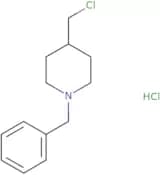

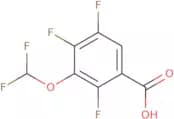
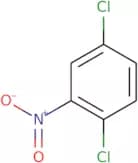
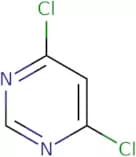
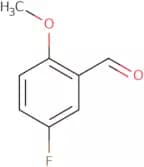
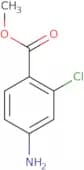
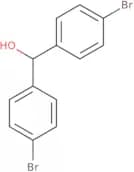
![Sodium 2-[[3-(trifluoromethyl)phenyl]amino]benzoate](/_next/image/?url=https%3A%2Fstatic.cymitquimica.com%2Fproducts%2F3D%2Fthumb-webp%2FFS92420.webp&w=3840&q=75)

![(R)-1-[3,5-Bis(trifluoromethyl)phenyl]ethan-1-ol](/_next/image/?url=https%3A%2Fstatic.cymitquimica.com%2Fproducts%2F3D%2Fthumb-webp%2FFB43523.webp&w=3840&q=75)
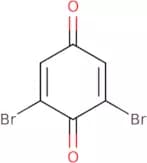

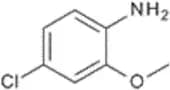
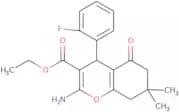


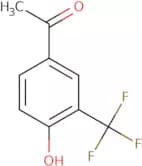
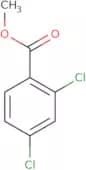
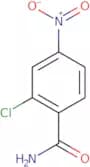
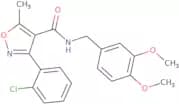
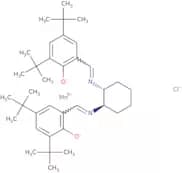
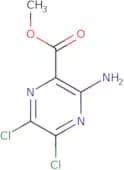

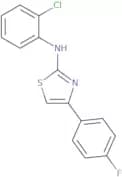
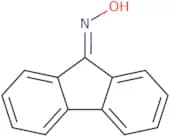
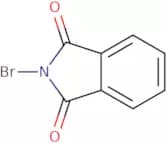
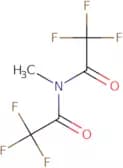
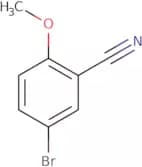
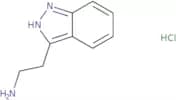

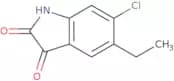
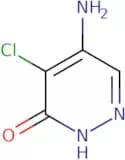
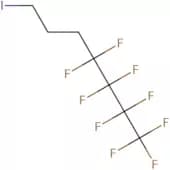
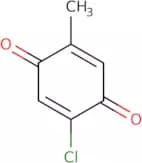
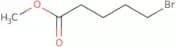
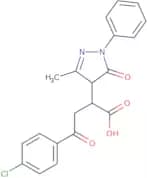
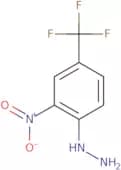

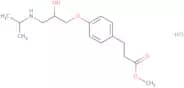
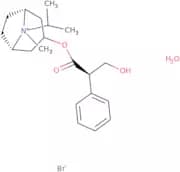
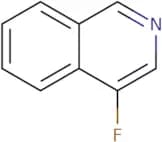
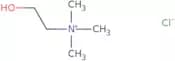

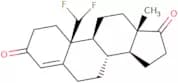
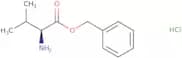
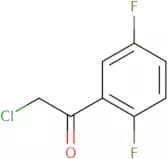
![7-Methyl-2-(trifluoromethyl)[1,2,4]triazolo[1,5-a]pyrimidine-6-carboxylic acid](/_next/image/?url=https%3A%2Fstatic.cymitquimica.com%2Fproducts%2F3D%2Fthumb-webp%2FFM100430.webp&w=3840&q=75)

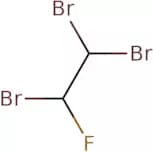
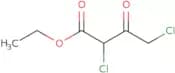
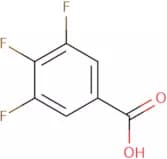
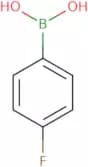
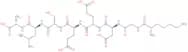
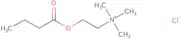
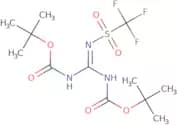
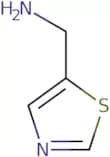

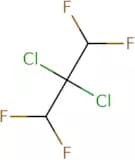
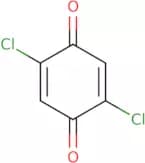
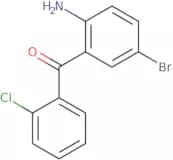
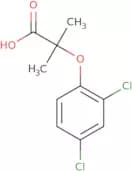
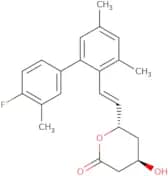

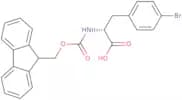
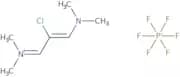
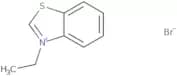
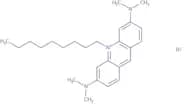
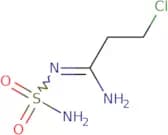
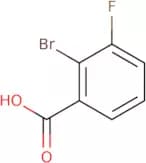
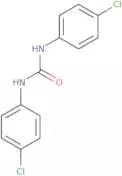

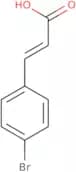
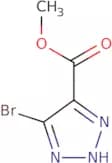
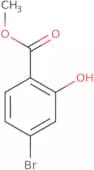
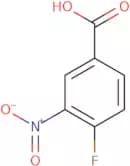
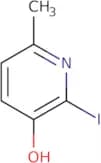
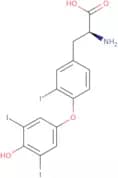
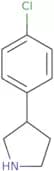
![6-Fluoro-1,3,4 ,5-tetrahydro-3-[4-[3-methoxy-4-(4-methyl-1H-imidazol-1-yl)phenyl]-1H-1 ,2,3-triazo…](/_next/image/?url=https%3A%2Fstatic.cymitquimica.com%2Fproducts%2F3D%2Fthumb-webp%2FFB151723.webp&w=3840&q=75)
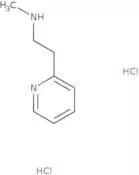
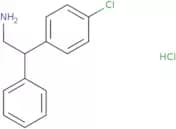


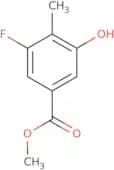
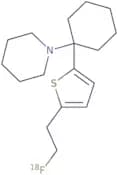
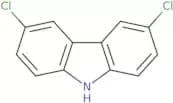
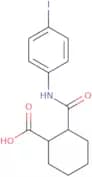
![2-Chloro-9-cyclohexyl-N-[4-(4-morpholinyl)phenyl]-9H-purin-6-amine](/_next/image/?url=https%3A%2Fstatic.cymitquimica.com%2Fproducts%2F3D%2Fthumb-webp%2FFC20176.webp&w=3840&q=75)
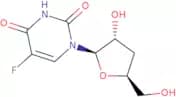
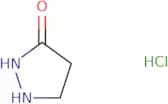
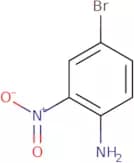
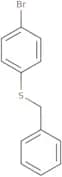
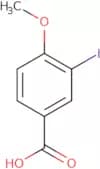

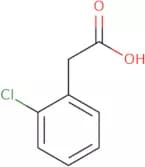
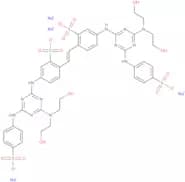
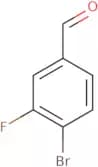

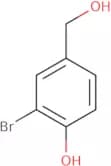
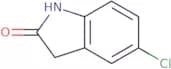
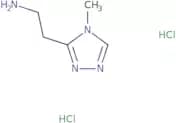
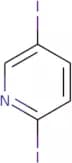
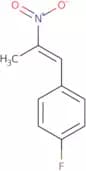
![1-Chloro-3-[4-(2-methoxyethyl)phenoxy]-2-propanol](/_next/image/?url=https%3A%2Fstatic.cymitquimica.com%2Fproducts%2F3D%2Fthumb-webp%2FFC27415.webp&w=3840&q=75)
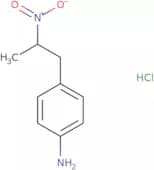
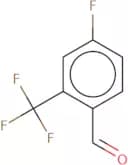
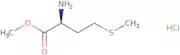
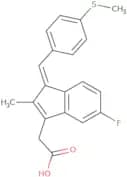
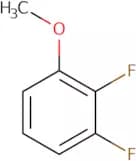
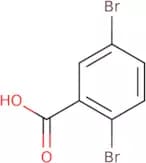
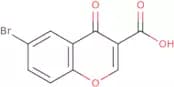
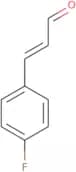
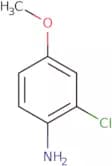
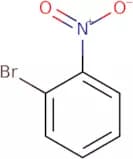
![N-[4-[[(1-Methylethyl)amino]acetyl]phenyl]-methanesulfonamide monohydrochloride](/_next/image/?url=https%3A%2Fstatic.cymitquimica.com%2Fproducts%2F3D%2Fthumb-webp%2FFI150565.webp&w=3840&q=75)
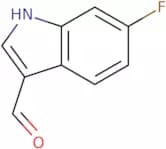
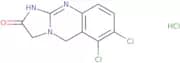
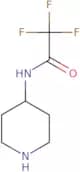
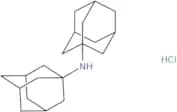
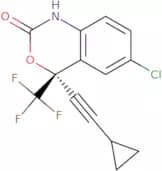


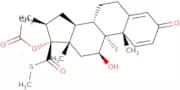
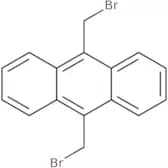
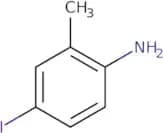
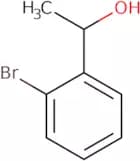
![[2-(4-Chlorophenoxy)ethyl]amine hydrochloride](/_next/image/?url=https%3A%2Fstatic.cymitquimica.com%2Fproducts%2F3D%2Fthumb-webp%2FFC133243.webp&w=3840&q=75)
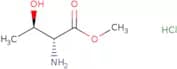

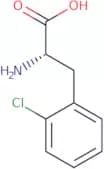
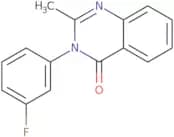
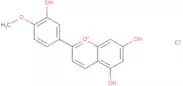
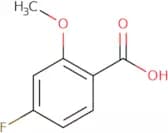
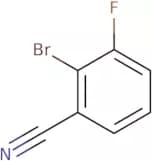
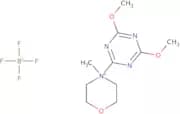
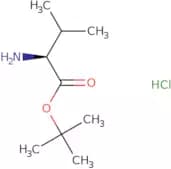
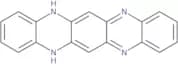
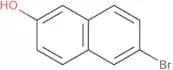
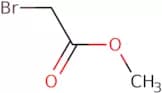
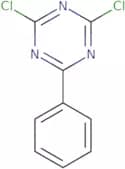
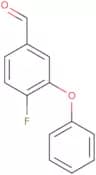
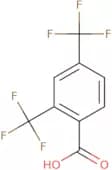
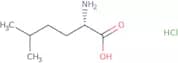

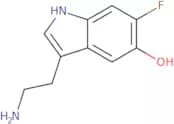

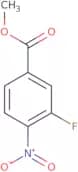
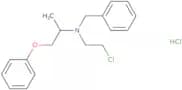
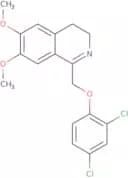
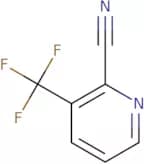
![2-[[(4-Anilinophenyl)imino]methyl]-4,6-dichlorophenol](/_next/image/?url=https%3A%2Fstatic.cymitquimica.com%2Fproducts%2F3D%2Fthumb-webp%2FFA71703.webp&w=3840&q=75)
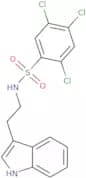
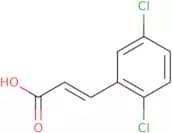
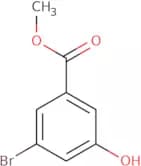
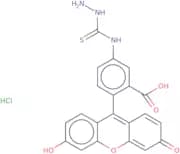
![[2-(1,3-Benzoxazol-2-yl)ethyl]amine hydrochloride](/_next/image/?url=https%3A%2Fstatic.cymitquimica.com%2Fproducts%2F3D%2Fthumb-webp%2FFB123800.webp&w=3840&q=75)

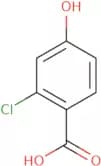
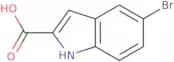
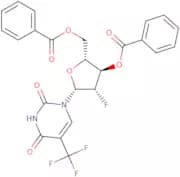
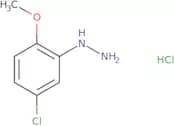
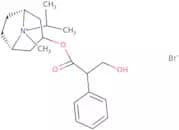
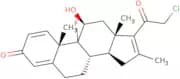
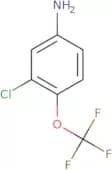
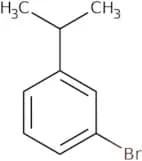
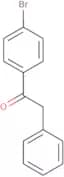
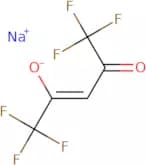
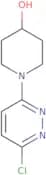
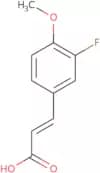
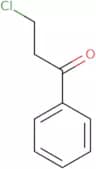
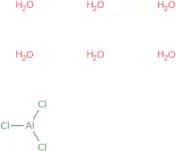
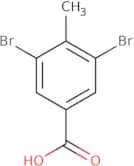
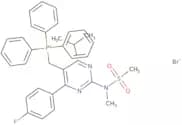
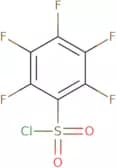
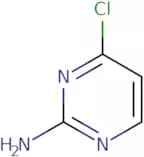
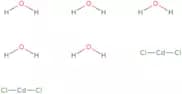
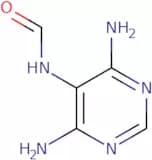
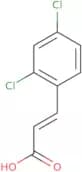

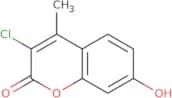
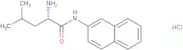
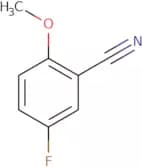
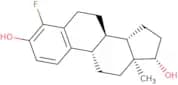
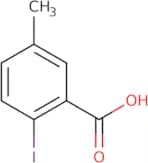

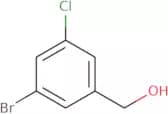
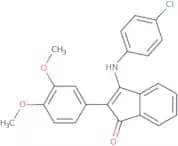
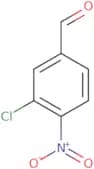
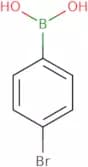
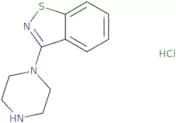

![Ethyl N-ethyl-N-[(heptadecafluorooctyl)sulphonyl]glycinate](/_next/image/?url=https%3A%2Fstatic.cymitquimica.com%2Fproducts%2F3D%2Fthumb-webp%2FFE95451.webp&w=3840&q=75)