Halogénures organiques
Sous-catégories appartenant à la catégorie "Halogénures organiques"
20442 produits trouvés pour "Halogénures organiques"
1-Butyl-3-methylimidazolium hexafluorophosphate
CAS :1-Butyl-3-methylimidazolium hexafluorophosphate is an ionic liquid that is soluble in water. It has been used as a coagulant in wastewater treatment and to remove heavy metals from wastewater. 1-Butyl-3-methylimidazolium hexafluorophosphate has been shown to have photochemical properties, which may be due to its ability to absorb light at wavelengths of 300 nm or more. The hydroxyl group on the butyl side chain of this ionic liquid can bind with a hydrogen atom in water. The hydrogen bonding interactions between the hydroxyl group and the hydrogen atom allow for high values of constant pressure. Methyl ethyl ketone (MEK) is a polar solvent that can dissolve this ionic liquid.Formule :C8H15F6N2PDegré de pureté :Min. 98 Area-%Couleur et forme :Clear LiquidMasse moléculaire :284.18 g/mol4-Bromofluorobenzene-D4
CAS :Produit contrôléPlease enquire for more information about 4-Bromofluorobenzene-D4 including the price, delivery time and more detailed product information at the technical inquiry form on this pageFormule :C6D4BrFDegré de pureté :Min. 95%Couleur et forme :Clear LiquidMasse moléculaire :179.02 g/mol2,4-Dichloro-5-iodopyrimidine
CAS :2,4-Dichloro-5-iodopyrimidine is a nucleophilic chemical reagent that can be used to synthesize uracil. It is made by the hydrolysis of 2,4-dichloro-5-iodopyrimidine with sodium hydroxide in water. The reaction yields two isomers which are separated by chromatography. The chemical is used in the synthesis of alkoxides and pyrroles, as well as the synthesis of furans and benzene derivatives. 2,4-Dichloro-5-iodopyrimidine reacts with phosphorus oxychloride to form acetonitrile and oxychloride.Formule :C4HCl2IN2Couleur et forme :PowderMasse moléculaire :274.87 g/mol2-Fluoro-4-hydroxybenzoic acid
CAS :The 2-fluoro-4-hydroxybenzoic acid (2F4HB) is a naturally occurring substance that has been synthesized by the process of carbon source. It is a member of the class of compounds known as flavonoids, which are found in plants and have many functions such as being an antioxidant, having anti-inflammatory properties, and being a precursor to vitamin K. The 2F4HB has been shown to have antimicrobial activity against various bacterial species including C. parapsilosis and B. cereus, with inhibitory effects on cell growth. This compound also has been shown to have birefringence properties under polarized light microscopy. It may be used as a fluorescent dye to study the structure of polymers or other organic substances that can be dissolved in water or organic solvents. The 2F4HB also shows potential as an electron spin resonance agent for magnetic resonance spectroscopy because it can act as a free radical scavengerFormule :C7H5FO3Degré de pureté :Min. 95%Masse moléculaire :156.11 g/mol5-Aminofluorescein
CAS :5-Aminofluorescein is a fluorescence probe that is used to detect the presence of reactive groups on basic fibroblast cells. 5-Aminofluorescein reacts with an ionotropic gelation agent and forms a fluorescent gel when it contacts cells. The fluorescent gel penetrates the cell membrane and binds to enzymes, which will cause the release of cellular energy in the form of heat. This energy can be measured by calorimetry or by measuring the change in fluorescence. 5-Aminofluorescein has been shown to have significant cytotoxicity against malignant brain tumor cells, which may be due to its ability to penetrate into these cells and bind to DNA. It also has antimicrobial properties and can be used as a titration indicator for certain drugs, such as antibiotics.Formule :C20H13NO5Degré de pureté :Min. 95 Area-%Couleur et forme :PowderMasse moléculaire :347.32 g/mol2-Fluoro-3-methylbenzoic acid methyl ester
CAS :2-Fluoro-3-methylbenzoic acid methyl ester is a small molecule that has been shown to possess 5-HT3 receptor antagonist activity in the range of nanomolar potencies. This drug has also been shown to be orally active in mice. The physicochemical properties of 2-fluoro-3-methylbenzoic acid methyl ester include a melting point of 155.5° C, solubility in methanol and acetone, and a molecular weight of 168.2 g/mol. 2-Fluoro-3-methylbenzoic acid methyl ester is being developed as a targeted agent for the treatment of bowel syndrome, which is characterized by abdominal pain, nausea and diarrhea.Formule :C9H9FO2Degré de pureté :Min. 95%Couleur et forme :Clear LiquidMasse moléculaire :168.16 g/molIodoquinol
CAS :Iodoquinol is a quinoline derivative that has been shown to have antifungal properties in vitro. It is used to treat bowel disease and infectious diseases, such as malaria and tuberculosis. Iodoquinol has also been shown to reduce the incidence of autoimmune diseases by inhibiting the production of pro-inflammatory cytokines. The mechanism of action for this drug is not well understood, but it is believed that it reacts with DNA and may inhibit the synthesis of proteins. It has also been shown to cause genotoxic effects in a model system by binding covalently to DNA, as well as benzalkonium chlorideFormule :C9H5I2NODegré de pureté :Min. 95%Couleur et forme :Yellow PowderMasse moléculaire :396.95 g/molEthyl 3-iodobenzoate
CAS :Ethyl 3-iodobenzoate (EIB) is a catalytic reagent that is used in the synthesis of terminal alkynes. It has been shown to be highly reactive with chloride and transmetallates to form ethyl 3-chlorobenzoate. The reaction time between EIB and chloride can be decreased by adding magnesium to the reaction mixture. This reagent also reacts with thymic acid, a synthon for many thiols, forming ethyl 3-thiophenoate. Ethyl 3-iodobenzoate can also act as an affinity label for halides and heterocycles.Formule :C9H9IO2Degré de pureté :Min. 95%Couleur et forme :Clear LiquidMasse moléculaire :276.07 g/mol7-Chloro-5-(2-fluorophenyl)-2,3-dihydro-1H-1,4-benzodiazepine-2-methanamine
CAS :Produit contrôléPlease enquire for more information about 7-Chloro-5-(2-fluorophenyl)-2,3-dihydro-1H-1,4-benzodiazepine-2-methanamine including the price, delivery time and more detailed product information at the technical inquiry form on this pageFormule :C16H15ClFN3Degré de pureté :Min. 95%Couleur et forme :PowderMasse moléculaire :303.76 g/molFluorometholone
CAS :Produit contrôléFluorometholone is a fluorocorticoid that is used to treat inflammatory conditions of the skin, eye, and airways. It has been shown to be effective against microbial infections in animals by inhibiting the production of fatty acids and reducing inflammation. Fluorometholone has also been shown to inhibit glucocorticoid receptors in cells, which may lead to less side effects when compared with other corticosteroids.
The drug is injected into the affected area, or taken orally as an injection solution. In cases of severe inflammation, it can be administered intravenously or intramuscularly. Fluorometholone can also be given topically, but this is not common due to its high potency.Formule :C22H29FO4Degré de pureté :Min. 97 Area-%Couleur et forme :White Off-White PowderMasse moléculaire :376.46 g/mol4-Bromomandelic acid
CAS :4-Bromomandelic acid is a chemical with the molecular formula CHBrO. It is an acid that can be found in the form of a solution at room temperature. It is soluble in water and alcohols, but not in ether or chloroform. 4-Bromomandelic acid is used as a reagent for the identification of carbohydrates and other organic compounds by phase chromatography. 4-Bromomandelic acid can be recycled from triticum aestivum (wheat) straw by washing with hydrochloric acid to remove impurities. The purified product can then be crystallized from trifluoroacetic acid or acetic anhydride, followed by backpressure to remove excess solvent. It has been shown that binding constants for metal ions are increased in the presence of p-hydroxybenzoic acid or biphenyl, which has led to its use as a catalyst for reactions involving these substances.
Formule :C8H7BrO3Degré de pureté :Min. 95%Couleur et forme :PowderMasse moléculaire :231.04 g/molCopper(II) chloride
CAS :Copper chloride is a chemical compound that is formed when copper and chlorine react together. It can be used to catalyze the reaction of coumarin derivatives with water vapor, forming a solution of copper(II) chloride. This solution has a higher water permeability than copper(I) chloride, which is due to its coordination geometry. Copper chloride has been shown to have biological properties that are similar to those of copper (e.g., redox potentials). It also binds to and inhibits drug metabolism enzymes such as cytochrome P450 reductase, thereby preventing the conversion of prodrugs into active metabolites.Formule :CuCl2Degré de pureté :Min. 95%Couleur et forme :PowderMasse moléculaire :134.45 g/mol3-(1,1,2,2,3,3,4,4,5,5,6,6,7,7,8,8,8-Heptadecafluorooctylsulfonylamino)propyl-trimethylazanium chloride
CAS :Produit contrôlé3-(1,1,2,2,3,3,4,4,5,5,6,6,7,7,8,8,8-Heptadecafluorooctylsulfonylamino)Propyl-Trimethylazanium Chloride is a polyfluoroalkyl sulfonate (PFAS) that belongs to the group of substances. It is used in the manufacturing of electroplating and other chemical processes. PFAS are persistent organic pollutants that can accumulate in human and environmental tissues. The PFAS was originally synthesized as an analytical reagent for chromatography columns. 3-(1,1,2,2,3 ,3 ,4 ,4 ,5 ,5 ,6 ,6
Formule :C14H16F17N2O2S•ClDegré de pureté :Min. 95%Couleur et forme :PowderMasse moléculaire :634.78 g/mol[1-(Methoxymethyl)cyclopropyl]amine hydrochloride
CAS :1-(Methoxymethyl)cyclopropyl]amine hydrochloride is a versatile building block that can be used in the synthesis of complex compounds. It has been shown to be useful as a reagent, speciality chemical, and research chemical. This compound is also a useful intermediate in the synthesis of other compounds and as a reaction component for several chemical reactions. 1-(Methoxymethyl)cyclopropyl]amine hydrochloride is high-quality and has CAS No. 1029716-05-9.Formule :C5H11NO•HClDegré de pureté :Min. 95%Couleur et forme :PowderMasse moléculaire :137.61 g/molFluoromethylcholine chloride
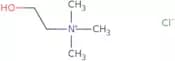
CAS :Fluoromethylcholine chloride is a diagnostic agent that can be used for the diagnosis of prostate cancer. Fluoromethylcholine chloride is injected into the patient's body and then emits radiation from inside the tumor. The emitted radiation is detected by a camera, which creates an image of the tumor on a computer monitor. This imaging technique can also be used to detect liver lesions and other types of cancers such as brain tumors, breast cancer, and leukemia. Fluoromethylcholine chloride has been shown to have high uptake in prostate tissue and low uptake in normal tissues such as liver, kidney, or muscle.Formule :C5H13ClFNOCouleur et forme :PowderMasse moléculaire :157.61 g/molTris(4,7-diphenyl-1,10-phenanthroline)ruthenium bis(hexafluorophosphate)
CAS :Tris(4,7-diphenyl-1,10-phenanthroline)ruthenium bis(hexafluorophosphate) is a fluorescent dye that can be used to measure oxygen concentration. It has been shown to inhibit the transfer of oxygen at low concentrations. Tris(4,7-diphenyl-1,10-phenanthroline)ruthenium bis(hexafluorophosphate) is used as a calibration standard for the measurement of oxygen concentration in liquids by fluorescence.Formule :C72H48N6Ru·2F6PDegré de pureté :(¹H-Nmr) Min. 95 Area-%Couleur et forme :Orange PowderMasse moléculaire :1,388.19 g/mol9-Fluoro-17,21-Dihydroxy-Pregn-4-Ene-3,11,20-Trione
CAS :Produit contrôlé9-Fluoro-17,21-Dihydroxy-Pregn-4-Ene-3,11,20-Trione is a potent mineralocorticoid that is used to diagnose both congenital and acquired forms of adrenal insufficiency. This drug acts by increasing the synthesis of aldosterone and hydrocortisone in the adrenal glands. It is also used to treat Addison's disease and congenital adrenal hyperplasia. 9-Fluoro-17,21-Dihydroxy-Pregn-4-Ene-3,11,20-Trione has been shown to be an effective treatment for patients with myeloproliferative diseases who are resistant to vinblastine or colchicine. The drug binds to the proenzyme form of plasminogen activator (PA) and induces its conversion into active plasminogen activator (PA).Formule :C21H27FO5Degré de pureté :Min. 95%Masse moléculaire :378.43 g/molArachidoyl-DL-carnitine chloride
CAS :Please enquire for more information about Arachidoyl-DL-carnitine chloride including the price, delivery time and more detailed product information at the technical inquiry form on this pageFormule :C27H52ClNO3Degré de pureté :Min. 95%Masse moléculaire :474.16 g/mol4-Fluoro-2-(trifluoromethyl)benzonitrile
CAS :4-Fluoro-2-(trifluoromethyl)benzonitrile is a potential anticancer drug that has been shown to inhibit the growth of cancer cells in vitro. It is a Grignard reagent that can be used to synthesize pyrazole derivatives. 4-Fluoro-2-(trifluoromethyl)benzonitrile inhibits the production of estrogen, which leads to castration-resistant prostate cancer. This drug also has an amide group, which may be due to modifications by formylation or dehydrating. 4-Fluoro-2-(trifluoromethyl)benzonitrile was isolated from a reaction mixture with chloroform and potassium hydroxide in a yield of 3%.
Formule :C8H3F4NDegré de pureté :Min. 95%Couleur et forme :SolidMasse moléculaire :189.11 g/mol[(2,5-Dichlorophenyl)sulphonyl]phenylamine
CAS :[(2,5-Dichlorophenyl)sulphonyl]phenylamine is a versatile building block with a number of potential applications. It can be used as a reagent in the synthesis of complex compounds or as an intermediate in the preparation of useful scaffolds. This compound has been studied for use in the production of research chemicals and other speciality chemicals. [(2,5-Dichlorophenyl)sulphonyl]phenylamine is also a useful building block that can be used to produce high quality fine chemicals with diverse properties.
Formule :C12H9Cl2NO2SDegré de pureté :Min. 95%Masse moléculaire :302.18 g/mol2-[[(Heptadecafluorooctyl)sulphonyl]methylamino]ethyl acrylate
CAS :Produit contrôlé2-[(Heptadecafluorooctyl)sulphonylamino]ethyl acrylate is a chemical used to remove contaminants from water. It is often used in industrial wastewater treatment, as well as for municipal and domestic wastewater treatment. This chemical binds to organic compounds and removes them from the water through adsorption. 2-[(Heptadecafluorooctyl)sulphonylamino]ethyl acrylate is also used in the filtration of surface water and drinking water. The efficacy of this chemical has been tested on humans, but it was not found to be toxic.
Formule :C14H10F17NO4SDegré de pureté :Min. 95%Couleur et forme :PowderMasse moléculaire :611.27 g/mol1-Bromo-4,4,4-trifluorobutane
CAS :1-Bromo-4,4,4-trifluorobutane is a chemical compound that is used in the treatment of tumors. It has been shown to be effective as a radiosensitizer and can be used for the treatment of cancerous tumors. It also has been shown to bind to copper, which may lead to potential uses in polymer synthesis. The binding affinity of 1-bromo-4,4,4-trifluorobutane with copper is very strong and it forms stable complexes with the metal. This chemical can be synthesized by reacting 1-bromoethanol with 3 equivalents of TFAA and one equivalent of CuCl2 at room temperature in THF.Formule :C4H6BrF3Degré de pureté :Min. 95%Couleur et forme :Clear LiquidMasse moléculaire :190.99 g/mol2-Fluoro-3-methylaniline
CAS :2-Fluoro-3-methylaniline is a reactive, biomolecular, research chemical that belongs to the class of allosteric modulators. It has been shown to have muscarinic M1 receptor antagonist activity and can be used as a pharmacophore for the development of cholinergic drugs. 2-Fluoro-3-methylaniline also has carbonylation and formylation properties. It forms 1-bromo-2-iodobenzene through reductive amination with benzyne. This reaction is both intramolecular and allosteric, thus making it a useful tool for studying these types of reactions.Formule :C7H8FNDegré de pureté :Min. 95%Couleur et forme :Clear LiquidMasse moléculaire :125.14 g/mol(3,5-dichlorophenyl)(4-(3-nitrophenyl)(2,5-thiazolyl))amine
CAS :Please enquire for more information about (3,5-dichlorophenyl)(4-(3-nitrophenyl)(2,5-thiazolyl))amine including the price, delivery time and more detailed product information at the technical inquiry form on this pageDegré de pureté :Min. 95%4-Bromo-2-fluoroaniline hydrochloride
CAS :4-Bromo-2-fluoroaniline hydrochloride is a versatile building block that can be used as a reactant, reagent, or service scaffold. It has been widely used in the synthesis of complex compounds and fine chemicals. The CAS number for 4-Bromo-2-fluoroaniline hydrochloride is 1174029-29-8.Formule :C6H5BrFN•HClDegré de pureté :Min. 95%Couleur et forme :PowderMasse moléculaire :226.47 g/mol3,5-Dihydroxybenzamidine hydrochloride
CAS :3,5-Dihydroxybenzamidine hydrochloride is a fine chemical that is used as a building block in the synthesis of complex compounds. It is also used as a reagent and speciality chemical in research. 3,5-Dihydroxybenzamidine hydrochloride has been reported to be useful for the preparation of versatile building blocks and reaction components.Formule :C7H8N2O2•HClDegré de pureté :Min. 95%Masse moléculaire :188.61 g/mol2-Bromo-2-methylpropionic acid
CAS :2-Bromo-2-methylpropionic acid is a chemical compound that is used to stabilize nanoparticles. It also has covalent interactions with the surface of the nanoparticles, which helps to stabilize them and prevent aggregation. 2-Bromo-2-methylpropionic acid can be modified with polymers or other molecules that can help to stabilize the particles. This stabilizer is also able to create magnetic nanoparticles by using a strategy called "magnetic stabilization". In this method, the stabilizer can react with the metal ions in solution and form a stable complex, which will then coat the particles of interest. The stabilizer can also be used to circumvent mesoporous materials, such as silica gel, by coating them with a polymer layer.Formule :C4H7BrO2Degré de pureté :Min. 95%Couleur et forme :White Clear LiquidMasse moléculaire :167 g/molAspidosine hydrobromide
CAS :Produit contrôléAspidosine hydrobromide is a fine chemical that is used as an intermediate for synthesis of other compounds. The CAS number for this compound is 206196-96-5. This compound can be used as a building block to synthesize more complex compounds, and it has been shown to be useful in the preparation of research chemicals and reaction components. Aspidosine hydrobromide has been shown to have high quality, making it a sought after reagent and speciality chemical. This compound has a versatile scaffold, which makes it useful as a building block in the synthesis of other compounds.
Formule :C19H26N2O•BrHDegré de pureté :Min. 95%Masse moléculaire :379.33 g/mol(+/-)-6-Chloro-7,8-dihydroxy-3-allyl-1-phenyl-2,3,4,5-tetrahydro-1H-3-benzazepine HBr
CAS :(+/-)-6-Chloro-7,8-dihydroxy-3-allyl-1-phenyl-2,3,4,5-tetrahydro-1H-3-benzazepine HBr is a model system for Parkinson's disease that has been shown to have similar effects on locomotor activity as the dopamine antagonist haloperidol. The drug enhances dopaminergic and cholinergic transmission in the brain by binding to kappa opioid receptors. This leads to an increased release of dopamine and acetylcholine that can be blocked by drugs such as naloxone and atropine respectively. (+/-)-6-Chloro-7,8-dihydroxy 3-(allyl)-1-(phenyl) 2,3,4,5 tetrahydro 1H 3 benzazepine HBr has been shown to decrease camp levels in the caudate putamen region of ratsFormule :C19H20ClNO2·HBrDegré de pureté :Min. 95%Couleur et forme :PowderMasse moléculaire :410.73 g/mol2-Bromobenzonitrile
CAS :2-Bromobenzonitrile is an organic compound with a molecular formula of C6H5BrN. It is a precursor to the quinazolinones, a class of drugs used to treat autoimmune diseases and coronary heart disease. This substrate molecule undergoes a palladium-catalyzed coupling reaction to form an aromatic ring. The light emission from this reaction can be seen in the reaction solution. Anhydrous sodium reacts with 2-bromobenzonitrile to produce nitrobenzene and hydrogen gas, which are then reacted with hydrochloric acid to produce salt and water vapor. The nitrogen atoms in 2-bromobenzonitrile are also used as reactants in reactions with halides such as bromine or chlorine, producing alkyl bromides or chlorides as products. In addition, 2-bromobenzonitrile can be used for the Suzuki coupling reaction.
Formule :C7H4BrNDegré de pureté :Min. 95%Couleur et forme :PowderMasse moléculaire :182.02 g/mol2-(4-Ethoxyphenylamino)-4-(3-methyl-4-fluorophenyl)thiazole
CAS :Please enquire for more information about 2-(4-Ethoxyphenylamino)-4-(3-methyl-4-fluorophenyl)thiazole including the price, delivery time and more detailed product information at the technical inquiry form on this pageDegré de pureté :Min. 95%Octenidine dihydrochloride
CAS :Octenidine dihydrochloride is an antimicrobial agent that inhibits the growth of bacteria by interfering with their cell membrane. Octenidine dihydrochloride has been shown to be effective against a number of gram-negative bacteria, such as Pseudomonas aeruginosa, Escherichia coli, Klebsiella pneumoniae and Enterobacter cloacae. It has synergistic effects when combined with eugenol and is used in dental hygiene products. Octenidine dihydrochloride also has some antimicrobial activity against gram-positive bacteria, such as Lactobacillus acidophilus and Streptococcus mutans. It can be used in agrochemical preparations for controlling growth of pathogenic fungi on plants.
Formule :C36H62N4·2HClCouleur et forme :PowderMasse moléculaire :623.83 g/mol4-Fluorophenoxyacetic acid hydrazide
CAS :4-Fluorophenoxyacetic acid hydrazide (4FPAAH) is a palladium complex with anti-cancer activity. It induces apoptosis, or programmed cell death, in myelogenous leukemia cells and breast cancer cells. 4FPAAH has been shown to bind to the ATP binding site of the catalytic domain of topoisomerase II on DNA and inhibit its activity. The molecular modeling studies show that 4FPAAH binds in the same way as cisplatin, which is a platinum-based drug commonly used for cancer treatment. The structural analysis shows that 4FPAAH binds to the nitrogen atoms of the protein and eliminates the possibility of any hydrogen bonding interactions. This mechanism may be due to an electrostatic interaction between the positively charged nitrogen atom in 4FPAAH and negative charge on topoisomerase II's active site.Formule :C8H9FN2O2Degré de pureté :Min. 95%Couleur et forme :PowderMasse moléculaire :184.17 g/mol(2,6-difluorophenyl)-N-(2-indol-3-ylethyl)formamide
CAS :Please enquire for more information about (2,6-difluorophenyl)-N-(2-indol-3-ylethyl)formamide including the price, delivery time and more detailed product information at the technical inquiry form on this pageDegré de pureté :Min. 95%2-Chloro-4-hydroxybenzoic acid methyl ester
CAS :2-Chloro-4-hydroxybenzoic acid methyl ester is a white crystalline solid at room temperature. It is soluble in water and ethanol and has a melting point of 137°C. 2-Chloro-4-hydroxybenzoic acid methyl ester can be used as a versatile building block for the synthesis of fine chemicals, useful intermediates, research chemicals, reaction components, specialty chemicals, and complex compounds. It can also be used as a reagent to prepare other compounds.Formule :C8H7ClO3Degré de pureté :Min. 95%Couleur et forme :PowderMasse moléculaire :186.59 g/molBromazine hydrochloride
CAS :Produit contrôléBromazine hydrochloride is an anti-infective agent that belongs to the group of metal hydroxides. It is a biocompatible polymer with particle size (1.0–2.0 μm) that is used in the treatment of infectious diseases, such as malaria and tuberculosis. Bromazine hydrochloride inhibits the activity of Toll-like receptor (TLR) and has shown significant interactions with other anti-infective agents, such as sodium citrate and tricyclic antidepressant drugs. The mechanism of action for bromazine hydrochloride is not fully understood, but it may be due to its hydroxyl group and receptor activity.Formule :C17H21BrClNODegré de pureté :Min. 95%Couleur et forme :PowderMasse moléculaire :370.71 g/molN-Fmoc-5-fluoro-L-tryptophan
CAS :N-Fmoc-5-fluoro-L-tryptophan is a biologically active form of tryptophan that has been shown to have potent effects on the cardiovascular system. It is used as a tool for studying the function of angiotensin, collagen, and microstructural elements in the heart and lungs. N-Fmoc-5-fluoro-L-tryptophan has been shown to synergize with other heterocycles, maximizing its biological properties. This chemical is also effective at inducing muscle contraction in rats. N-Fmoc-5-fluoro-L-tryptophan binds to cardiothoracic proteins, causing changes in their structure that lead to increased muscle contractility. The covalent bond between this compound and the protein can be cleaved by enzymes such as proteases or nucleases, which can be useful for studying the interactions of drugs with these proteins.Formule :C26H21FN2O4Degré de pureté :Min. 98 Area-%Couleur et forme :White PowderMasse moléculaire :444.45 g/mol9-Fluoro-3-methyl-7-oxo-10-(1-piperazinyl)-2,3-dihydro-7H-[1,4]oxazino[2,3,4-Ij]quinoline-6-carboxylic acid
CAS :9-Fluoro-3-methyl-7-oxo-10-(1-piperazinyl)-2,3-dihydro-7H-[1,4]oxazino[2,3,4-Ij]quinoline (FQ) is a fluoroquinolone antibiotic. It inhibits the DNA gyrase and topoisomerase IV enzymes that maintain the integrity of bacterial DNA. FQ has been used to treat urinary tract infections in humans and other animals. This drug is also effective against methicillin resistant Staphylococcus aureus (MRSA) and Clostridium perfringens. FQ binds to bacterial 16S ribosomal RNA and inhibits protein synthesis leading to cell death by inhibiting the production of proteins vital for cell division. The 9 position on the quinoline ring can be detected using UV detection at 260 nm. FQ can be analyzed using mass spectrometry with fluorFormule :C17H18FN3O4Degré de pureté :Min. 95 Area-%Couleur et forme :White PowderMasse moléculaire :347.34 g/molDL-Eleagnin hydrochloride
CAS :DL-Eleagnin hydrochloride is a high quality chemical that is used as a reagent, reaction component, and building block in the synthesis of complex compounds. It is an important intermediate for the synthesis of fine chemicals. This compound has versatile uses and can be used as a useful scaffold or building block. DL-Eleagnin hydrochloride is soluble in water, alcohols, ethers, chloroform, acetone, and benzene.Formule :C12H14N2•HClDegré de pureté :Min. 98 Area-%Masse moléculaire :222.71 g/mol3-Chloro-6-hydrazinopyridazine
CAS :3-Chloro-6-hydrazinopyridazine is a redox potential probe that has high cytotoxicity. It is used in the detection of the redox potential of hydrogen peroxide and nitric oxide by a turbidimetric method. 3-Chloro-6-hydrazinopyridazine can be used as a fluorogenic probe for the detection of chlorine atoms in biological systems. 3-Chloro-6-hydrazinopyridazine has been shown to enhance cancer cell growth and inhibit matrix metalloproteinase (MMP) activity. The biological properties of this compound are due to its ability to form intermolecular hydrogen bonds with nitrogen atoms, which leads to a dihedral angle that favors its binding to proteins.Formule :C4H5ClN4Degré de pureté :Min. 95%Couleur et forme :Brown PowderMasse moléculaire :144.56 g/mol3-Bromobenzylamine hydrochloride
CAS :3-Bromobenzylamine hydrochloride is a chemical compound that belongs to the class of alkylating agents. It is a derivative of allylamine, which is an amine and can be used in the synthesis of tripeptides. 3-Bromobenzylamine hydrochloride has been shown to be able to bind to primary amines, such as histamine, serotonin, and dopamine. It has been found to inhibit the reuptake of these neurotransmitters by blocking the transporter responsible for their uptake. This inhibition leads to increased concentrations of neurotransmitters in tissues.Formule :C7H8BrN•HClCouleur et forme :PowderMasse moléculaire :222.51 g/mol2-Butoxyethan-1-amine
CAS :2-Butoxyethan-1-amine is a solvent that has been used in the production of polydimethylsiloxane, which is often found in silicone sealants and caulks. This chemical is volatilized, so it can be released into the atmosphere during its manufacture or use. The ethers are cross-linked with glycols to form polyether polyols that are heat treated to produce ethylene glycol. 2-Butoxyethan-1-amine is also an ingredient in water solutions of polydimethylsiloxane, which may include other substances such as salts. The permeation of this chemical through microns (µm) thick layers of silica gel was demonstrated using a template containing pores of various sizes and shapes. Fluoride ions were used to catalyze the reaction between 2-butoxyethan-1-amine and silica gel; this process was shown to increase the rate of permeation by up to 40%.Formule :C6H15NODegré de pureté :Min. 95%Couleur et forme :Clear LiquidMasse moléculaire :117.19 g/molSDF-1α (human) trifluoroacetate salt
CAS :Please enquire for more information about SDF-1alpha (human) trifluoroacetate salt including the price, delivery time and more detailed product information at the technical inquiry form on this pageFormule :C356H578N106O93S4Degré de pureté :Min. 95%Masse moléculaire :7,959.32 g/molOpiorphin
CAS :Opiorphin is a naturally occurring peptide, which is derived from human bodily secretions, particularly from saliva. It acts as an endogenous inhibitor of enkephalin-degrading enzymes, thus enhancing the activity of endogenous opioid peptides by preventing their breakdown. This stabilization of enkephalins contributes to the body's natural pain regulation processes.Formule :C29H48N12O8Degré de pureté :Min. 95%Couleur et forme :PowderMasse moléculaire :692.77 g/mol2-Chloro-4-nitrobenzanilide
CAS :2-Chloro-4-nitrobenzanilide is a reactive intermediate in organic synthesis. It has been used as a reagent for the synthesis of 2,3-dihydrobenzofuran and the preparation of 2,5-dichloroaniline. It is also a useful scaffold for the formation of complex compounds with various functional groups. This compound has been used as an intermediate to prepare other chemicals such as 4-chloroquinoline, 3-chloropyridine, and 3,4,5-trichloropyridine. It is also a versatile building block for the preparation of speciality chemicals such as 1H-[1,2]oxazolo[4,3-a]quinoxalin-1-one and 4-(2'-chlorophenyl)benzenamine.Formule :C13H9ClN2O3Degré de pureté :Min. 95%Couleur et forme :PowderMasse moléculaire :276.67 g/mol5-Chloro-1-benzofuran-3(2H)-one
CAS :5-Chloro-1-benzofuran-3(2H)-one (5CBF) is a versatile building block that can be used to make a wide range of different compounds. It has been shown as an effective reagent in the synthesis of complex compounds and research chemicals. 5CBF is also used as a high quality intermediate in organic synthesis, as well as being a useful scaffold for chemical reactions.Formule :C8H5ClO2Degré de pureté :Min. 98 Area-%Couleur et forme :PowderMasse moléculaire :168.58 g/mol1,1-Difluoroacetic acid
CAS :1,1-Difluoroacetic acid is a synthetic chemical that can be used as an analytical reagent in the quantitative analysis of trifluoroacetic acid. It is prepared by reacting hydrogen fluoride with fatty acid. The reaction mechanism starts with the formation of difluoroacetate and 1,1-difluoroacetic acid. This compound reacts with hydroxyl group to form difluoroacetic acid and hydrogen fluoride. 1,1-Difluoroacetic acid is also used in natural compounds to introduce fluoro groups into nitrogen atoms.Formule :C2H2F2O2Degré de pureté :Min. 95%Couleur et forme :Clear LiquidMasse moléculaire :96.03 g/mol1,1,1,2,2,3,4,4,5,5,5-Undecafluoro-3-(Trifluoromethyl)Pentane
CAS :Produit contrôlé1,1,1,2,2,3,4,4,5,5,5-Undecafluoro-3-(trifluoromethyl)pentane is a fluorocarbon that is used as an intermediate in the production of other fluorocarbons. It is synthesized by the pyrolysis of toluene at high temperature and pressure in the presence of fluoride. The hexamer isomerizes to the tetramer at room temperature and pressure. The pentamer can be cyclized under high temperature and pressure conditions to form the diazotised cyclobutene ring with a cyclised pentamer.Formule :C6F14Degré de pureté :Min. 95%Masse moléculaire :338.04 g/molTolperisone hydrochloride
CAS :Blocker of voltage-gated sodium channels; muscle relaxant for chronic painFormule :C16H24ClNODegré de pureté :Min. 95%Couleur et forme :PowderMasse moléculaire :281.82 g/molRetigabine dihydrochloride
CAS :Produit contrôléVoltage-gated potassium channel openerFormule :C16H20Cl2FN3O2Degré de pureté :Min. 95%Couleur et forme :Off-White PowderMasse moléculaire :376.25 g/mol2-Chloro-4-hydroxybenzaldehyde
CAS :2-Chloro-4-hydroxybenzaldehyde is a potent competitive inhibitor of serine proteases, including thrombin. It also has an anticoagulant effect and can be used as an anti-cancer agent. 2-Chloro-4-hydroxybenzaldehyde has been shown to have a strong affinity for the progesterone receptor, which is a protein that regulates the activity of progesterone in cells. 2-Chloro-4-hydroxybenzaldehyde also binds to the formyl group of phenols and quinones, which leads to its use as an antioxidant in various applications. This compound is found in environmental pollution, where it can chelate metal ions such as chloride and lead.Formule :C7H5ClO2Degré de pureté :Min. 95%Couleur et forme :PowderMasse moléculaire :156.57 g/mol2,5-Dichlorobenzhydrazide
CAS :2,5-Dichlorobenzhydrazide is a fine chemical that can be used as a building block in the synthesis of other chemicals. It is also a reagent and speciality chemical that is used in research. 2,5-Dichlorobenzhydrazide has been shown to react with many different compounds, making it a versatile building block or reaction component in chemical reactions. 2,5-Dichlorobenzhydrazide is also an important intermediate or scaffold for complex compounds.Formule :C7H6Cl2N2ODegré de pureté :Min. 95%Couleur et forme :PowderMasse moléculaire :205.04 g/mol2-tert-Butyl-6-(5-chloro-2H-benzotriazol-2-yl)-4-methylphenol
CAS :2-tert-Butyl-6-(5-chloro-2H-benzotriazol-2-yl)-4-methylphenol is the chemical compound with formula C12H7ClO3. It is a white solid that is soluble in water and ethanol, but not in ether or hexane. 2,6-Tertiarybutylphenol has been used as a cell nucleus marker to study locomotion of cells, as well as to analyze other samples including metal ions and water vapor. The method involves the use of a laser ablation technique, which can be used for complex sample analysis. The compound is structurally similar to 2,4,6-trimethylphenol, which has an OH group in place of the CH3 group on the tertiary butyl side chain. This difference makes it more reactive than 2,4,6-trimethylphenol because it has a higher concentration of hydroxyl groups.Formule :C17H18ClN3ODegré de pureté :Min. 98 Area-%Couleur et forme :Slightly Yellow PowderMasse moléculaire :315.8 g/molL-Serine ethyl ester hydrochloride
CAS :L-Serine ethyl ester hydrochloride is a metabolite of L-serine that has been found to inhibit the growth of cancer cells. It has been shown to inhibit the proliferation of muscle cells and reduce the size of pancreatitis. L-Serine ethyl ester hydrochloride has also been shown to have an inhibitory effect on stenosis in animal models. This drug inhibits microbial growth by inhibiting protein synthesis in bacteria, which may be due to its hydroxyl group. L-Serine ethyl ester hydrochloride also enhances endothelial cell growth and prevents autoimmune diseases in mice.Formule :C5H11O3N•HClDegré de pureté :Min. 95%Masse moléculaire :169.61 g/mol3-Bromo-4-methoxybenzoic acid methyl ester
CAS :3-Bromo-4-methoxybenzoic acid methyl ester is an isomer of 4-methoxybenzoic acid. It is a natural product that can be found in dihydroisoquinoline and in the ethyl formate oxidation products. There are two ways to synthesize this compound: by oxidation of diphenyl ethers or by hydrolysis of chloride acetaldehyde. 3-Bromo-4-methoxybenzoic acid methyl ester has been shown to have cellular toxicity against human cells and biphenyl.Formule :C9H9BrO3Degré de pureté :Min. 95%Couleur et forme :PowderMasse moléculaire :245.07 g/molFluoroacetic anhydride
CAS :Fluoroacetic anhydride is a sulfa drug that is used in the preparation of fluoroacetic acid. Fluoroacetic acid has been used to prepare fluorescent derivatives, which are useful for the detection of bile acids and serum proteins. Fluoroacetic acid is also an electrolyte that has been used to measure the concentration of copper ions. This compound is a glycosidic bond, which forms between a hydroxyl group and a carbohydrate or other organic molecule with an oxygen atom at its end. The heterocycle in this compound is bicyclic, meaning it contains two rings linked together by one carbon atom. The fatty acid in this compound consists of a carboxylic acid attached to a hydrocarbon chain with two or more double bonds, which are often unsaturated. Fluoroacetic anhydride may be found in infectious diseases such as tuberculosis and malaria. It may also be found in autoimmune diseases such as lupus erythematosFormule :C4H4F2O3Degré de pureté :Min. 95%Couleur et forme :Clear LiquidMasse moléculaire :138.07 g/molethyl 2-(4-(4-chlorophenylamino)-3,5-thiazolyl)acetate
CAS :Please enquire for more information about ethyl 2-(4-(4-chlorophenylamino)-3,5-thiazolyl)acetate including the price, delivery time and more detailed product information at the technical inquiry form on this pageDegré de pureté :Min. 95%4'-Chloroacetanilide
CAS :4'-Chloroacetanilide is a white, crystalline solid. It is soluble in water and has low solubility in organic solvents such as benzene, toluene, and chloroform. It also exhibits low volatility and a melting point of 148-150 degrees Celsius. 4'-Chloroacetanilide can be prepared by the reaction of acetanilide with sodium hypochlorite in the presence of an acid catalyst. The compound has been shown to have acute toxicities and hydrogen bonding interactions with proteins. The compound's biochemical properties include its ability to inhibit bacterial growth, which may be due to its inhibition of protein synthesis. 4'-Chloroacetanilide is used as a pharmaceutical preparation for the treatment of parasitic infections that are resistant to other drugs.Formule :C8H8ClNODegré de pureté :Min. 95%Couleur et forme :PowderMasse moléculaire :169.61 g/molN'-(2,4-Dimethylphenyl)-N-methylformamide hydrochloride
CAS :Bifenthrin is a broad-spectrum, synthetic pyrethroid insecticide that has been used to control pests in the agricultural and residential sectors. It is applied as a spray or dust on plants and animals. Bifenthrin is highly toxic to mammals, with an oral LD50 of less than 10 milligrams per kilogram of body weight in rats and mice. The acute toxicity can be attributed to its ability to inhibit protein synthesis by binding to the cholinesterases, which are found in high concentrations in mammalian tissues.Formule :C10H14N2·HClDegré de pureté :Min. 95%Couleur et forme :PowderMasse moléculaire :198.69 g/mol1-(3-Fluorophenyl)-2-nitroethene
CAS :1-(3-Fluorophenyl)-2-nitroethene is a high quality reagent, complex compound, with CAS No. 705-84-0. It is used as an intermediate in the synthesis of pharmaceuticals and fine chemicals. This compound is one of the most useful scaffolds for organic synthesis due to its versatility in reactions. 1-(3-Fluorophenyl)-2-nitroethene is a versatile building block that can be used in many different reactions, such as the formation of amides, esters, and lactams.Formule :C8H6FNO2Degré de pureté :Min. 95%Couleur et forme :PowderMasse moléculaire :167.14 g/mol4-Bromo-3-nitroaniline
CAS :4-Bromo-3-nitroaniline is a white crystalline solid. It has a molecular weight of 256.38 and it has a molar mass of 314.6 g/mol. This chemical belongs to the group of aromatic compounds, which are organic compounds that contain at least one benzene ring, and are often used in the production of dyes and perfumes. 4-Bromo-3-nitroaniline can be synthesized by nitrating an aromatic compound containing an amino group, such as 1,4-diaminobenzene (1). Nitration is the process whereby nitric acid reacts with an organic compound to produce nitrates, which can be further reacted to produce a variety of other organic molecules with different properties. The molecular structure of 4-bromo-3-nitroaniline consists of two methyl groups (-CH3) bonded to each end of the molecule's central carbon atom (-C),
Formule :C6H5BrN2O2Degré de pureté :Min. 95%Couleur et forme :PowderMasse moléculaire :217.02 g/molAmantadine hydrochloride
CAS :Produit contrôléNMDA receptor antagonist; anti-viral; anti-ParkinsonianFormule :C10H17N·HClDegré de pureté :Min. 95%Couleur et forme :PowderMasse moléculaire :187.71 g/molDemeclocycline hydrochloride
CAS :Demeclocycline hydrochloride is a tetracycline antibiotic that binds to the tetracycline receptor and inhibits bacterial protein synthesis. Demeclocycline hydrochloride has been shown to be effective against many types of bacteria, including those that are resistant to other antibiotics such as methicillin or vancomycin. Demeclocycline hydrochloride has been used in the treatment of skin cancer and also has anti-inflammatory properties. Demeclocycline hydrochloride is a hydrophobic molecule with a metal chelating ability that can be used for wastewater treatment.Formule :C21H21ClN2O8·ClHDegré de pureté :Min. 95%Couleur et forme :White PowderMasse moléculaire :501.31 g/mol(4-Aminophenyl)-N-(3-(trifluoromethyl)phenyl)formamide
CAS :Please enquire for more information about (4-Aminophenyl)-N-(3-(trifluoromethyl)phenyl)formamide including the price, delivery time and more detailed product information at the technical inquiry form on this pageFormule :C14H11F3N2ODegré de pureté :Min. 95%Couleur et forme :PowderMasse moléculaire :280.25 g/mol(3R)-Hydroxymethylmorpholine
CAS :(3R)-Hydroxymethylmorpholine is a versatile building block and useful intermediate that is used in research to produce complex compounds. It can be used as a reaction component and fine chemical in the synthesis of high-quality reagents. CAS No. 211053-49-5.Formule :C5H11NO2Degré de pureté :Min. 95%Couleur et forme :White PowderMasse moléculaire :117.15 g/mol2-Fluoro-4-methoxyphenylacetone
CAS :2-Fluoro-4-methoxyphenylacetone is a high quality chemical that can be used as a reagent, complex compound, and useful intermediate. It is also a fine chemical and speciality chemical with CAS No. 16817-46-2. This product can be used as a reaction component for diverse synthetic reactions in research and development of various types of pharmaceuticals and fine chemicals. It is also versatile building block for the synthesis of valuable products.Formule :C10H11FO2Degré de pureté :Min. 95%Masse moléculaire :182.19 g/mol3'-Fluoro-4'-methoxy-beta-methyl-beta-nitrostyrene
CAS :3'-Fluoro-4'-methoxy-beta-methyl-beta-nitrostyrene is a reactive building block that can be used in the synthesis of many different compounds. It is a fine chemical and a reagent which is useful in organic chemistry. 3'-Fluoro-4'-methoxy-beta-methyl-beta-nitrostyrene is used as a reaction component for the synthesis of many different compounds, including pharmaceuticals, agrochemicals, and other specialty chemicals. It has CAS number 1023717-11-4 and can be used as an intermediate compound or building block for the production of complex compounds.Formule :C10H10FNO3Degré de pureté :Min. 95%Couleur et forme :PowderMasse moléculaire :211.19 g/molN-[2-Iodoethyl]trifluoroacetamide
CAS :N-[2-Iodoethyl]trifluoroacetamide is a reactive alkylating agent that is used in the synthesis of biologically active molecules. It reacts with lysines, tryptic and other amino acids to form covalent bonds, which can be cleaved by hydrolysis. The compound also reacts with sulfhydryl groups to produce sulfonium ions, which react with the thiol group at position C6 on the sarcoplasmic reticulum Ca2+ -ATPase to inhibit muscle contraction. N-[2-Iodoethyl]trifluoroacetamide has been shown to cause allergic reactions in rats, mice, and guinea pigs. This drug has also been observed to have an effect on the central nervous system when administered at high doses.Formule :C4H5NOIF3Degré de pureté :Min. 95%Couleur et forme :PowderMasse moléculaire :266.99 g/mol2-[(2,6-Dibromo-4-methylphenyl)amino]acetohydrazide
CAS :2-[(2,6-Dibromo-4-methylphenyl)amino]acetohydrazide is a chemical compound that is used as a building block for the synthesis of diverse heterocyclic compounds. 2-[(2,6-Dibromo-4-methylphenyl)amino]acetohydrazide is prepared from 2,6-dibromo-4-methylbenzaldehyde and acetohydrazide in the presence of triethylamine. The compound has been reported to be a useful scaffold for the synthesis of various heterocycles. The following are some examples of its applications: 1. Fine chemical 2. Useful building block 3. Research chemicals 4. Reagent 5. CAS No. 882760-46-5 6. Speciality chemical 7. High quality 8. Complex compound 9. Versatile building blockFormule :C9H11Br2N3ODegré de pureté :Min. 95%Couleur et forme :White PowderMasse moléculaire :337.01 g/mol4'-(3,4-Difluorophenoxy)benzaldehyde
CAS :4'-(3,4-Difluorophenoxy)benzaldehyde is an organic compound that yields a bright yellow color. It is used in the replication of DNA and RNA in the laboratory. This compound has been shown to interact with environmental conditions and significant effects have been observed for cultivars of wheat.Formule :C13H8F2O2Degré de pureté :Min. 95%Masse moléculaire :234.2 g/molDL-Lysine hydrochloride
CAS :The solubility of DL-Lysine hydrochloride in water is low, with a solubility of 0.01 g/100 mL at 25 °C. The pH of the solution is 7.0 and the concentration is 10.00%. The pH of the solution was determined using a pH meter. The concentration was determined by weight measurements using a balance and a volumetric flask. DL-Lysine hydrochloride reacts with hydrochloric acid to form an amide linkage between lysine residues on adjacent polypeptides or proteins, which may be used as a cross-linking agent for cell culture experiments. This compound has been shown to inhibit the growth of herpes simplex virus type 1 (HSV-1) in cell culture experiments, although it has no effect on HSV-2 because it lacks an amino group at position 2 on its side chain.Formule :C6H14N2O2·HClDegré de pureté :Min. 98%Couleur et forme :PowderMasse moléculaire :182.65 g/mol5-Bromo-2-methoxycinnamic acid
CAS :5-Bromo-2-methoxycinnamic acid is a fine chemical that is used as a scaffold, versatile building block, and useful intermediate. It has been shown to be a useful reaction component in the preparation of complex compounds. 5-Bromo-2-methoxycinnamic acid can also be used as a speciality chemical or reagent. This compound has high quality and is an important research chemical.Formule :C10H9BrO3Degré de pureté :Min. 95%Couleur et forme :PowderMasse moléculaire :257.08 g/mol2-Chloro-N-(1,5-dimethyl-3-oxo-2-phenyl-2,3-dihydro-1H-pyrazol-4-yl)acetamide
CAS :2-Chloro-N-(1,5-dimethyl-3-oxo-2-phenyl-2,3-dihydro-1H-pyrazol-4-yl)acetamide (CPA) is a chemical compound that belongs to the class of phenyl pyrazoles. It has a thermal stability and is soluble in organic solvents. CPA crystallizes in the monoclinic system with the space group P21/c, with the following unit cell parameters: a = 8.943(4) Å, b = 7.878(3) Å, c = 17.834(6) Å, α = 90°, β = 112° and γ = 90°. In this crystal structure, there are two molecules of chloride per molecule of CPA. The crystal x ray diffraction pattern showed that this compound forms dimers in solution at room temperature and can be dissolvedFormule :C13H14ClN3O2Degré de pureté :Min. 95%Masse moléculaire :279.72 g/molN-(4-Fluorophenyl)(5-methyl-3-phenylisoxazol-4-yl)formamide
CAS :Please enquire for more information about N-(4-Fluorophenyl)(5-methyl-3-phenylisoxazol-4-yl)formamide including the price, delivery time and more detailed product information at the technical inquiry form on this pageFormule :C17H13FN2O2Degré de pureté :Min. 95%Couleur et forme :PowderMasse moléculaire :296.3 g/mol5-Bromo-2-ethoxybenzoic acid
CAS :5-Bromo-2-ethoxybenzoic acid is a versatile building block that can be used as a reagent, speciality chemical, or a useful scaffold. It is used in the synthesis of complex compounds that include pharmaceuticals, agrochemicals, and research chemicals. 5-Bromo-2-ethoxybenzoic acid is also a useful intermediate and reaction component in organic synthesis. This compound has high quality and is listed on the Chemical Abstract Service (CAS) registry number 60783-90-6.Formule :C9H9BrO3Degré de pureté :Min. 95%Couleur et forme :SolidMasse moléculaire :245.07 g/mol1-(2-Chloroethyl)-4-[3-(Trifluoromethyl)Phenyl]Piperazine Dihydrochloride
CAS :Produit contrôléPlease enquire for more information about 1-(2-Chloroethyl)-4-[3-(Trifluoromethyl)Phenyl]Piperazine Dihydrochloride including the price, delivery time and more detailed product information at the technical inquiry form on this pageFormule :C13H18Cl3F3N2Degré de pureté :Min. 95%Masse moléculaire :365.65 g/mol4-Amino-3-fluorobenzoic acid
CAS :4-Amino-3-fluorobenzoic acid (4AFB) is an inhibitor of the enzyme nitric oxide synthase. It has been shown to inhibit chronic inflammation by reducing blood pressure and inhibiting the production of reactive oxygen species that can cause damage to cells in the body. 4AFB is a competitive inhibitor of nitric oxide synthase, which prevents the production of nitric oxide from L-arginine. Nitric oxide is an important signaling molecule in the nervous system, and its inhibition may lead to hyperpolarization of the membrane, which can have therapeutic benefits for certain conditions.Formule :C7H6FNO2Degré de pureté :Min. 95%Couleur et forme :PowderMasse moléculaire :155.13 g/molNaloxone hydrochloride dihydrate
CAS :Produit contrôléNaloxone hydrochloride dihydrate is a drug that blocks the effects of opioids. It is administered by injection and has a short half-life. Naloxone hydrochloride dihydrate binds to opioid receptors in the central nervous system, which prevents binding by other opioids. This results in an increased metabolic rate, which can be used as a marker for effectiveness of treatment. Naloxone hydrochloride dihydrate has been shown to have an inhibitory effect on monoamine neurotransmitters, including dopamine, serotonin and norepinephrine. The use of this drug should be limited to outpatients because it produces less physical dependence than other opioids. Naloxone hydrochloride dihydrate can also be used as a sample preparation agent for urine samples or as an effective dose for pharmaceutical preparations.END>Formule :C19H26NO6ClDegré de pureté :98 To 100%Couleur et forme :White Off-White PowderMasse moléculaire :399.87 g/mol4-Iodo-1,3,5-trimethyl-1H-pyrazole
CAS :4-Iodo-1,3,5-trimethyl-1H-pyrazole is an unsymmetrical compound that can be used in various research applications. It has the ability to oxidize certain compounds and is commonly used in laboratory settings for chemical research purposes. This versatile compound is often categorized under Research Chemicals due to its unique properties and potential applications in scientific studies.Formule :C6H9IN2Degré de pureté :Min. 95%Couleur et forme :PowderMasse moléculaire :236.05 g/mol4-Chloro-7-methyl-7H-pyrrolo[2,3-d]pyrimidine
CAS :4-Chloro-7-methyl-7H-pyrrolo[2,3-d]pyrimidine is a versatile building block for the synthesis of complex compounds. It can be used as a reagent in organic synthesis and has been shown to react with a range of functional groups including alcohols, amines, carboxylic acids, sulfonic acid esters and nitriles. 4-Chloro-7-methylpyrrolo[2,3-d]pyrimidine is an intermediate that can be used to synthesize other specialty chemicals such as pharmaceuticals.Formule :C7H6ClN3Degré de pureté :Min. 95 Area-%Couleur et forme :PowderMasse moléculaire :167.6 g/mol2-(Trifluoromethyl)phenylhydrazine hydrochloride
CAS :2-(Trifluoromethyl)phenylhydrazine hydrochloride is a carbamic acid derivative that is used in the synthesis of other compounds. 2-(Trifluoromethyl)phenylhydrazine hydrochloride can be used to make carboxylic acids and their derivatives, such as esters, amides, and anhydrides. It also reacts with hydrogen fluoride to form trifluoroacetic acid and hydrogen gas. This compound is an isomerizing agent that converts alkyl halides into their corresponding carbonyls. Hydrogen fluoride reacts with 2-(trifluoromethyl)phenylhydrazine hydrochloride to form trifluoroacetic acid and hydrogen gas.Formule :C7H7F3N2•HClDegré de pureté :Min. 95%Couleur et forme :PowderMasse moléculaire :212.6 g/mol(6S)-5,6,7,8-Tetrahydro-6-[propyl[2-(2-thienyl)ethyl]amino]-1-naphthalenol hydrochloride
CAS :Produit contrôlé(6S)-5,6,7,8-Tetrahydro-6-[propyl[2-(2-thienyl)ethyl]amino]-1-naphthalenol hydrochloride is a reagent that can be used as an intermediate for the synthesis of many complex compounds. It is a useful building block for the synthesis of pharmaceuticals with speciality chemicals and research chemicals. This compound has been shown to be a versatile building block in the synthesis of natural products, pharmaceuticals and other organic molecules. (6S)-5,6,7,8-Tetrahydro-6-[propyl[2-(2-thienyl)ethyl]amino]-1-naphthalenol hydrochloride is also a reaction component that can be used to synthesize many chemical substances with different functional groups.Formule :C19H26ClNOSDegré de pureté :Min. 95%Couleur et forme :White PowderMasse moléculaire :351.93 g/molSn(IV) mesoporphyrin IX dichloride
CAS :Sn(IV) mesoporphyrin IX dichloride is a synthetic porphyrin derivative, which is a metalloporphyrin complex formed by the incorporation of tin into the porphyrin structure. This compound originates from the modification of mesoporphyrin IX, a naturally occurring tetrapyrrole, and is further functionalized with chloride ligands. The mode of action of Sn(IV) mesoporphyrin IX dichloride primarily involves the inhibition of heme oxygenase, an enzyme responsible for the catabolism of heme into biliverdin, carbon monoxide, and free iron. This inhibition results in the modulation of heme metabolism, which can have broad implications in various physiological and pathological processes.Formule :C34H36Cl2N4O4SnDegré de pureté :Min. 95%Couleur et forme :PowderMasse moléculaire :754.29 g/mol3-(Trifluoromethyl)cinnamic acid methyl ester
CAS :3-(Trifluoromethyl)cinnamic acid methyl ester is a high quality chemical that can be used as a reagent, intermediate, or building block. It is also a speciality chemical that can be used in research. 3-(Trifluoromethyl)cinnamic acid methyl ester has been shown to be useful for the synthesis of various complex compounds. This compound is also versatile, and can serve as a reaction component for different reactions.Formule :C11H9F3O2Degré de pureté :Min. 95%Couleur et forme :PowderMasse moléculaire :230.18 g/mol6-Chloro-7-deazaguanine
CAS :6-Chloro-7-deazaguanine (6CDG) is a pyrimidine nucleoside that is used in the treatment of hepatoblastoma and hepatitis. 6CDG is an alkylating agent that binds to DNA and causes strand breakage by forming covalent bonds with the N-7 position of guanine. It can also be used as an antiviral agent against herpes simplex virus, as it inhibits viral replication by inhibiting the viral DNA polymerase. 6CDG does not inhibit human DNA polymerase. The drug has been shown to be cytotoxic to MRC5 cells, which are resistant to pyrimidine analogs.
Formule :C6H5ClN4Degré de pureté :Min. 95%Couleur et forme :PowderMasse moléculaire :168.58 g/mol6-Chloro L-tryptophan
CAS :6-Chloro L-tryptophan is an aminotransferase inhibitor that is activated by the enzyme, aminotransferase. 6-Chloro L-tryptophan has been shown to inhibit the growth of tumour cells, which may be due to its ability to induce apoptosis and inhibit the production of tumour necrosis factor alpha (TNFα). This drug has also been shown to exhibit antiinflammatory effects and can inhibit the activation of microglia in human brain cells. 6-Chloro L-tryptophan is activated by liver cells and human macrophages, leading to the inhibition of 3-hydroxyanthranilic acid synthesis and the neutralization of acidic conditions. It also inhibits uptake in thp-1 cells, a type of white blood cell that lines blood vessels in lymph nodes. In addition, 6-chloro L-tryptophan has been shown to have antiviral effectsFormule :C11H11ClN2O2Degré de pureté :Min. 98 Area-%Couleur et forme :PowderMasse moléculaire :238.67 g/mol1,5-Diaminopentanedihydrochloride
CAS :1,5-Diaminopentanedihydrochloride (1,5-DAHP) is a chemical compound that can be used in the preparation of biological samples for analysis. It is able to bind to protein molecules and thus alter their properties. 1,5-DAHP has been shown to inhibit cancer cell growth by interfering with the matrix effect. The fluorescence detector can be used for detection of amines, which are known to be produced at high levels in cancer cells. A study was conducted on the use of 1,5-DAHP as an analytical tool in urine samples. It was found that 1,5-DAHP could successfully detect coryneform bacteria in urine cultures and also showed a high specificity for identifying lysine residues at pH 6.0 and pH 8.0Formule :C5H16Cl2N2Degré de pureté :Min. 95%Couleur et forme :PowderMasse moléculaire :175.1 g/mol3’,5’-Di-O-acetyl-2’-chloro-2’-deoxyuridine
CAS :Please enquire for more information about 3’,5’-Di-O-acetyl-2’-chloro-2’-deoxyuridine including the price, delivery time and more detailed product information at the technical inquiry form on this pageDegré de pureté :Min. 95%3-Fluoro-4-nitroanisole
CAS :3-Fluoro-4-nitroanisole is a regiospecific synthesised compound that binds to albumin in the human serum. It has been shown to be an endogenous metabolite of 3-fluoro-4-nitrophenol, which is a potent inhibitor of cellular and blood assays for amines. The binding affinity for albumin was about 100 times higher than for other amines such as histamine or tyramine. 3-Fluoro-4-nitroanisole also has a high affinity for anions, with a pKb value of 8.7, which makes it suitable as an anion receptor in applications such as the determination of anion concentration in water samples. This fluoroquinonoid is also used as a fluorescent probe for nucleophilic reactions and can be used to detect nucleophiles in organic solvents by adding it to the reaction mixture.Formule :C7H6FNO3Degré de pureté :Min. 95%Couleur et forme :Beige PowderMasse moléculaire :171.13 g/mol9-Bromoanthracene
CAS :9-Bromoanthracene is a benzene derivative that can be used as a chemical building block. It has a high affinity for electron-rich aromatic compounds, such as picric acid and aryl halides, which are used in the Suzuki coupling reaction. 9-Bromoanthracene also has fluorescence properties and can serve as a synchronous fluorescence probe for studies of the mechanism of this reaction. The redox potentials and constant of 9-bromoanthracene are lower than those of anthracene, which makes it more reactive towards electrophilic reactions.Formule :C14H9BrDegré de pureté :Min. 95%Couleur et forme :PowderMasse moléculaire :257.13 g/mol2-Bromo-5-chlorobenzoic acid methyl ester
CAS :2-Bromo-5-chlorobenzoic acid methyl ester is a chemical compound that is a component of the perborate oxidant. This chemical reacts with hydrogen peroxide to produce water, oxygen, and 2-bromo-5-chlorobenzoic acid. It can also be used in cyclisation reactions to synthesise heterocyclic compounds. The reaction mechanism for this process involves the formation of an unstable intermediate that spontaneously breaks down into two bromine atoms and one carbon atom. This process is catalyzed by metal ions such as copper, silver, and zinc. 2-Bromo-5-chlorobenzoic acid methyl ester has been used as an intermediate in the synthesis of homologues of ribonucleotide reductase.Formule :C8H6BrClO2Degré de pureté :Min. 95%Couleur et forme :PowderMasse moléculaire :249.49 g/molFlavoxate hydrochloride
CAS :Phosphodiesterase inhibitor; anti-cholinergic; incontinence treatmentFormule :C24H25NO4•HClDegré de pureté :Min. 95%Couleur et forme :PowderMasse moléculaire :427.92 g/mol(4-(2-Fluorophenyl)piperazinyl)-N-propylformamide
CAS :Produit contrôléPlease enquire for more information about (4-(2-Fluorophenyl)piperazinyl)-N-propylformamide including the price, delivery time and more detailed product information at the technical inquiry form on this page
Formule :C14H20FN3ODegré de pureté :Min. 95%Couleur et forme :PowderMasse moléculaire :265.33 g/mol4-Bromo-3-fluorobenzylamine hydrochloride
CAS :4-Bromo-3-fluorobenzylamine hydrochloride (4BFBAH) is a compound that has been used in the past as a chemical intermediate. It is now being studied for use in boosting and stratigraphic research. This compound can be produced by reacting 4-bromo-3-fluorobenzoic acid with ammonia, and it has been shown to have waterlogging properties. 4BFBAH has also been shown to be useful in the analysis of infrastructures and socioeconomic conditions.Formule :C7H8BrClFNDegré de pureté :Min. 95%Couleur et forme :PowderMasse moléculaire :240.5 g/mol3-Chlorobenzaldehyde
CAS :3-Chlorobenzaldehyde is a chemical that is used as a diagnostic agent for mitochondrial diseases. 3-Chlorobenzaldehyde can be used to detect mutations in the mtDNA and diagnose deficiencies of enzymes involved in energy metabolism. It has been shown to inhibit the activity of dehydrogenase enzymes and the synthesis of acyl-coa from zirconium oxide, which is an important component in polymerase chain reactions. This chemical also inhibits mitochondrial functions and enzyme activities, making it useful for screening for drugs that affect these processes. 3-Chlorobenzaldehyde has also been shown to inhibit hydrogen fluoride, which is often found in industrial environments.Formule :C7H5ClOCouleur et forme :Colorless Clear LiquidMasse moléculaire :140.57 g/mol4-Chloro-1-(2-methyl(8-quinolyloxy))-2-nitrobenzene
CAS :Please enquire for more information about 4-Chloro-1-(2-methyl(8-quinolyloxy))-2-nitrobenzene including the price, delivery time and more detailed product information at the technical inquiry form on this pageFormule :C16H11ClN2O3Degré de pureté :Min. 95%Couleur et forme :PowderMasse moléculaire :314.72 g/mol3-Bromo-4-fluorocinnamic acid
CAS :3-Bromo-4-fluorocinnamic acid is a useful intermediate that reacts with amines to form 3-bromo-4-fluoroaniline, which is used as a building block in the synthesis of pharmaceuticals, agrochemicals, and other organic compounds.Formule :C9H6BrFO2Degré de pureté :Min. 95%Couleur et forme :PowderMasse moléculaire :245.05 g/mol2',4'-Dibromoacetophenone
CAS :2',4'-Dibromoacetophenone is a 3',5'-cyclic monophosphate (cAMP) analogue that inhibits protein kinase and phospholipase C. It has been shown to inhibit the production of adenosine in endothelial cells by acting as an antagonist at the adenosine receptor. 2',4'-Dibromoacetophenone also has a strong inhibitory effect on human endothelial cells, which may be due to its ability to inhibit DNA synthesis and protein synthesis. This compound binds to the endothelial cell membrane and blocks the activation of phospholipase A2, preventing the release of arachidonic acid from phospholipids. Arachidonic acid is required for prostaglandin synthesis, which leads to inflammation.
Formule :C8H6Br2ODegré de pureté :Min. 95%Couleur et forme :Slightly Yellow PowderMasse moléculaire :277.94 g/mol2-(Perfluorodecyl)ethyl acrylate
CAS :2-(Perfluorodecyl)ethyl acrylate is a cross-linking agent that can be used in the production of polymers. It has been shown to have antimicrobial properties, which may be due to its ability to bind with hydroxyl groups on the surface of microorganisms and inhibit their growth. 2-(PFDEC)EA also has strong hydrophobic properties, which make it an ideal candidate for coating applications. 2-(PFDEC)EA is also able to form covalent bonds with alcohols, yielding water-soluble polymers that are useful as coatings or adhesives. It has functional groups that make it a good candidate for use in reactive polymerization reactions.
Formule :C15H7F21O2Degré de pureté :Min. 95%Couleur et forme :White Clear LiquidMasse moléculaire :618.18 g/molMethyl 3-chloro-2-aminobenzoate
CAS :Methyl 3-chloro-2-aminobenzoate is an organic compound that is used as a pesticide. It can be synthesized by reacting phosphorus pentachloride with isopropyl chloride. The reaction occurs in the presence of a catalyst, such as sodium nitrate or citric acid, to produce methyl 3-chloro-2-aminobenzoate and 2-amino-3-chlorobenzoic acid. This organic compound has been modified by substituting silicon for hydrogen atoms and halide groups for chlorine. Methyl 3-chloro-2-aminobenzoate can be cross coupled with many other molecules to form new molecules. When it reacts with tetrahydrofuran, the residue left over from the reaction is a nature unknown substance.Formule :C8H8ClNO2Degré de pureté :Min. 95%Couleur et forme :PowderMasse moléculaire :185.61 g/mol1-Butyl-3-methylimidazolium bromide
CAS :1-Butyl-3-methylimidazolium bromide is an ionic liquid that has been shown to be a good solvent for cellulose. It is also biocompatible and can be used as a polymer matrix for copper chloride. 1-Butyl-3-methylimidazolium bromide has been shown to be a good model system for studying the interaction between ions and water vapor in liquids. It has been observed that 1-butyl-3-methylimidazolium bromide undergoes hydrogen bonding interactions with water molecules, which may provide the driving force for its solvation of cellulose.Formule :C8H15BrN2Degré de pureté :(¹H-Nmr) Min. 95 Area-%Couleur et forme :PowderMasse moléculaire :219.12 g/molDodecyltrimethylammonium chloride
CAS :Dodecyltrimethylammonium chloride is a surfactant that belongs to the group of cationic surfactants. It has been shown to be effective as an adsorbent for phosphate ions in micelles. Dodecyltrimethylammonium chloride has also been shown to act as a detergent in solutions, and can be used as a cleaning agent. It is commonly used as a surfactant in various industrial processes, such as the production of glycol ethers. The chemical structure of dodecyltrimethylammonium chloride consists of dodecanol and trimethylamine (CH3(CH2)12N(CH3)(OH)3).Formule :C15H34NClDegré de pureté :Min. 95%Couleur et forme :PowderMasse moléculaire :263.89 g/mol2,7-Di-tert-butylfluorene
CAS :2,7-Di-tert-butylfluorene is an alkylating agent that reacts with nucleophiles to form carbon-carbon bonds. It is a biphenyl that has two tert-butyl groups on the phenyl ring, which are reactive and can be used for a variety of purposes. 2,7-Di-tert-butylfluorene is stable in gaseous phase and thermodynamically stable at temperatures below 100°C. This compound has been shown to produce x-ray crystal structures in the mononuclear form, as well as cyclopentadienyl (Cp) compounds. Preparative methods for making this compound include the Friedel–Crafts reaction using zirconium dichloride or by heating 2,3,5,6,-tetrafluorohexane with a magnesium metal.Formule :C21H26Degré de pureté :Min. 95%Couleur et forme :PowderMasse moléculaire :278.43 g/mol2-Chloro-6-fluoronitrobenzene
CAS :2-Chloro-6-fluoronitrobenzene is an aromatic compound that has been used as a versatile building block in the synthesis of complex compounds. It is also used as a research chemical, reaction component, and speciality chemical. This compound has been shown to be useful for the preparation of pharmaceuticals, agrochemicals, and other organic compounds. 2-Chloro-6-fluoronitrobenzene is a colorless liquid with a boiling point of 130 degrees Celsius at atmospheric pressure. It has many uses in research and industry due to its versatility and high quality.Formule :C6H3ClFNO2Degré de pureté :Min. 95%Couleur et forme :PowderMasse moléculaire :175.54 g/molFluorescent brightener 85, Technical grade
CAS :Fluorescent brightener 85 is an organic solvent that can be used to detect the presence of drugs in urine. It is effective in a wide range of diagnostic applications, including microscopy and analytical methods. Fluorescent brightener 85 has been shown to be a sensitive and reliable method for detecting t. rubrum, which is a fungus-like organism that causes athlete's foot. The drug interacts with sodium carbonate, which inhibits the growth of bacteria and fungi by changing their pH levels. This product also reacts with fatty acid molecules to produce light, making it useful for detection under a microscope or for analysis using spectrophotometers. Fluorescent brightener 85 is reactive, meaning that it will emit light when exposed to ultraviolet light sources or chemical reactions with other substances. Fluorescent brightener 85 can also be used as a reactive diluent in multiple-reaction monitoring (MRM) techniques in order to analyze the presence of drugs in urine samples.Formule :C36H36N12O8S2·2NaDegré de pureté :Min. 95%Couleur et forme :PowderMasse moléculaire :874.86 g/mol2-Bromo-N-[2-[7-Chloro-5-(2-Fluorophenyl)-2-Oxo-3H-1,4-Benzodiazepin-1-Yl]Ethyl]Acetamide
CAS :Produit contrôlé2-Bromo-N-[2-[7-Chloro-5-(2-fluorophenyl)-2-oxo-3H-1,4-benzodiazepin-1-yl]ethyl]acetamide is a benzodiazepine derivative that binds to the benzodiazepine receptor and is also a calcium antagonist. It has been used in clinical studies as a chronic treatment for cancer and as an anticonvulsant. 2BBA acts on benzodiazepine receptors to inhibit the release of gamma aminobutyric acid (GABA) by binding to GABA A receptors. This prevents the binding of GABA with these receptors and leads to sedation and muscle relaxation. Flunitrazepam, which is chemically similar to 2BBA, is also used as a sedative and hypnotic drug. 2BBA has affinity constants that are between 50 nM and 100 μM for benzodiazepine binding sites, while itsFormule :C19H16BrClFN3O2Degré de pureté :Min. 95%Masse moléculaire :452.7 g/molHydrazine hydrochloride
CAS :Produit contrôléHydrazine hydrochloride is an antimicrobial agent that belongs to the group of hydrazines. It is a fatty acid that has been esterified with hydrochloric acid and hydrogen fluoride to form the corresponding ester hydrochloride. Hydrazine hydrochloride has shown to be effective against a variety of microorganisms. The antimicrobial activity of this drug may be due to its ability to inhibit fatty acid synthesis by binding to the active site of the enzyme, acyl-CoA:malonyl-CoA acyltransferase (MCT). Hydrazine hydrochloride also inhibits the production of pyrazoles, which are compounds that are known to induce autoimmune diseases in mice.Formule :N2H4·HClDegré de pureté :min 98%Couleur et forme :White PowderMasse moléculaire :68.51 g/mol1-(Azidomethyl)-4-chlorobenzene ~ 0.5 M solution in dichloromethane
CAS :1-(Azidomethyl)-4-chlorobenzene is a chemical compound that is used in organic synthesis. It is a colorless liquid with a strong smell. It inhibits the growth of fungi by inhibiting the sclerotinia phosphatase, which catalyzes the conversion of propiolic acid to p-hydroxybenzoic acid. This mechanism may also be responsible for its properties as an antifungal agent. 1-(Azidomethyl)-4-chlorobenzene has shown no inhibitory effects on mammalian phosphatases and does not show any adverse reactions when tested against animal cells.Formule :C7H6ClN3Degré de pureté :Min. 95%Couleur et forme :Clear LiquidMasse moléculaire :167.6 g/mol(R)-3-Fluoropyrrolidine hydrochloride
CAS :(R)-3-Fluoropyrrolidine hydrochloride is a proline analog that is orally bioavailable and selective for dipeptidyl peptidase. It shows good pharmacokinetic properties and has been shown to be a potent inhibitor of both cyclohexylglycine and amides, two enzymes involved in the metabolism of proline. The drug has also been shown to be an excellent substrate for dipeptidyl peptidase, an enzyme involved in the degradation of dipeptides. (R)-3-Fluoropyrrolidine hydrochloride has not yet been tested as an inhibitor of peptidases other than dipeptidyl peptidase. (R)-3-Fluoropyrrolidine hydrochloride is currently undergoing Phase II clinical trials.
Formule :C4H9ClFNDegré de pureté :Min. 98%Masse moléculaire :125.57 g/mol2-Chloro-5-methoxybenzonitrile
CAS :2-Chloro-5-methoxybenzonitrile is an organic compound that has a chlorinated methoxy group and a cyano group. It is synthesized by the reaction of 2-chloro-5-hydroxybenzonitrile with sulfuryl chloride in the presence of potassium carbonate. The yield of this reaction can be increased by adding a chlorinated solvent such as dichloromethane or chloroform. 2-Chloro-5-methoxybenzonitrile is used in the synthesis of various drugs and other organic compounds, such as amides and benzene ring compounds.Formule :C8H6ClNOCouleur et forme :PowderMasse moléculaire :167.59 g/molNelotanserin
CAS :1-[3-(4-Bromo-1-methyl-1H-pyrazol-5-yl)-4-methoxyphenyl]-3-(2,4-difluorophenyl)urea is the active ingredient in a drug that is used to treat chronic schizophrenia. It has been shown to have both antipsychotic and antidepressant properties. The drug works by blocking the 5HT2A receptor, which inhibits the effects of serotonin on heterocyclic amines at the postsynaptic membrane. This causes hyperpolarization of the membrane, which blocks neurotransmitter release and prevents further transmission of signals. It also blocks the H1 receptor, which decreases histamine release and reduces inflammation in the brain.Formule :C18H15BrF2N4O2Degré de pureté :Min. 95%Couleur et forme :PowderMasse moléculaire :437.24 g/mol5-(4-Chlorobutyl)-1-cyclohexyltetrazole
CAS :5-(4-Chlorobutyl)-1-cyclohexyltetrazole is a synthetic, phosphorus pentachloride-derived compound that is used in the analytical method for determining the concentration of hydroxyl groups. It has been shown to be genotoxic and have toxic effects on aquatic organisms. 5-(4-Chlorobutyl)-1-cyclohexyltetrazole is not metabolized and does not interact with other medicines. The main impurities are chloride, water, and tetrazole. 5-(4-Chlorobutyl)-1-cyclohexyltetrazole is an inorganic base with a hydrated chloride ion. This product contains phosphorus oxychloride as an impurity.Formule :C11H19ClN4Degré de pureté :Min. 95%Couleur et forme :White Off-White PowderMasse moléculaire :242.75 g/mol2-Bromophenylacetonitrile
CAS :2-Bromophenylacetonitrile is a synthetic compound that is used in wastewater treatment. It is effective at removing cyanides, phenylpropionic acid, and aldehydes from wastewater. 2-Bromophenylacetonitrile has been shown to be an efficient method for the removal of liriodenine from sewage water and for the removal of 2-bromostyrene from industrial waste water. This process can be used as an analytical method to measure the concentration of these substances in samples of wastewater. The reaction mechanism involves the formation of a nitrilium ion intermediate and subsequent reactions with alcohols to form esters or ethers.
Formule :C8H6BrNDegré de pureté :Min. 95%Couleur et forme :Colourless To Pale Yellow Clear LiquidMasse moléculaire :196.04 g/mol6-Chlorotryptamine
CAS :Produit contrôlé6-Chlorotryptamine is an indole alkaloid that is found in plants such as "Inula helenium". It has vasoconstrictive properties, which is due to its ability to inhibit the enzyme tryptophan decarboxylase. This inhibition leads to a decrease in serotonin levels, which causes blood vessels to narrow and slows blood flow. 6-Chlorotryptamine also inhibits protein synthesis by preventing the cross-coupling of amino acids. The compound can be found in a number of natural sources, including aerocolonigenes and plant species such as "Inula helenium" and "Lysimachia nummularia".
Formule :C10H11ClN2Degré de pureté :Min. 98 Area-%Couleur et forme :PowderMasse moléculaire :194.66 g/mol2-Fluoroacetanilide
CAS :2-Fluoroacetanilide is an organic compound that is used as a building block in organic synthesis. It has been shown to be an optimal substrate for the reaction with carbon disulfide and wild-type virus, which are both proteins. The use of rat liver microsomes as a model system has allowed for the study of 2-fluoroacetanilide's effect on the metabolism of other drugs. 2-Fluoroacetanilide is also soluble in water and shows thermal expansion properties. 2-Fluoroacetanilide has been shown to react with ammonium hydroxide to form quinoxalines, which are compounds that have been studied as potential antiviral agents. This compound's chemical structure includes fluorine, which can be found in its NMR spectra and hydrochloric acid.br>br> 2-Fluoroacetanilide is not active against influenza virus, but it has been shown toFormule :C8H8FNODegré de pureté :Min. 95%Couleur et forme :PowderMasse moléculaire :153.15 g/molUndecafluorohexanoic acid
CAS :Undecafluorohexanoic acid is a reactive chemical that has carcinogenic potential. It can permeate the skin and react with water to produce hexafluoropropylene oxide, which is toxic to humans. Undecafluorohexanoic acid also binds to and activates receptors in the body, which leads to many pharmacological effects. The toxicity of undecafluorohexanoic acid has been studied in vitro by measuring its effect on cell growth and mitochondrial membrane potential. It has also been tested for its ability to cause mutations in human cells. This chemical is toxic when ingested or inhaled and can lead to death if not treated quickly.Formule :C6HF11O2Degré de pureté :Min. 95%Couleur et forme :Clear LiquidMasse moléculaire :314.05 g/mol4-Bromophthalide
CAS :4-Bromophthalide is a chemical compound that has a wide range of uses in research and industry. It reacts with organic compounds to form new substances, which can then be used as building blocks for more complex molecules. 4-Bromophthalide is an intermediate in the synthesis of pharmaceuticals such as pyrazinamide and is also useful as a starting material for the production of other chemicals such as dyes, pesticides, and pharmaceuticals.Formule :C8H5BrO2Degré de pureté :Min. 95%Couleur et forme :PowderMasse moléculaire :213.03 g/mol2-(Phenylthio)ethanamine hydrochloride
CAS :2-Phenylthioethanamine hydrochloride is a synthetic, water soluble and lipophilic compound with a molecular weight of 171.2 g/mol. It is an antagonist of the -receptor and binds to the transporter protein. This drug is used for diagnostic purposes in angiography, phthalate determination, stable complexes for diagnosis and polymerase chain reaction (PCR) enzyme activities. 2-Phenylthioethanamine hydrochloride has been found to inhibit tumor growth in mice treated with radiation or chemotherapy. It has also been shown to be effective in the treatment of popliteal tumors in rats. The drug has been shown to be effective against bacteria that are resistant to antibiotics such as methicillin and amoxicillin. This drug also has effects on clinical relevance by inhibiting enzymes involved in clinical relevance such as acetylcholinesterase, phosphodiesterase and lipases.
Formule :C8H11NSDegré de pureté :Min. 95%Couleur et forme :PowderMasse moléculaire :153.25 g/mol2-Chlorobenzanilide
CAS :2-Chlorobenzanilide is a chlorine compound that has been used to inhibit the growth of soil microorganisms. It is also an inhibitor of phenanthridone, which is an important intermediate in the synthesis of many herbicides. 2-Chlorobenzanilide can be prepared by reacting phenylhydrazine with chloroacetanilide. It can also be prepared by treating benzene with phosphorus chloride and then adding aniline to the reaction product. The rate of this reaction depends on the concentration of reactants, temperature, and pH. If more water is added to the reaction mixture, there will be a lower rate of reaction because hydroxide ions will compete with chloride ions for reactant molecules. The kinetic equation for this reaction follows:Formule :C13H10ClNODegré de pureté :Min. 95%Masse moléculaire :231.68 g/mol3-Fluoro-4-methylbenzoic acid
CAS :3-Fluoro-4-methylbenzoic acid is an organic compound that is used as a ligand in coordination chemistry. This compound is an alkynyl ligand with a selenium atom at the 3 position, and it can be used to make metal complexes with cycloalkyl and heterocycloalkyl rings. 3-Fluoro-4-methylbenzoic acid has been shown to be a potent inhibitor of matrix metalloproteinase activity.
Formule :C8H7FO2Degré de pureté :Min. 95%Couleur et forme :PowderMasse moléculaire :154.14 g/mol2,3-Dichlorobenzamide
CAS :2,3-Dichlorobenzamide is a herbicide with a stable structure. It has been shown to be effective against the weed species Agropyron repens and other grasses that grow in wetland conditions. 2,3-Dichlorobenzamide inhibits the growth of these plants by causing chlorosis, which is characterized by yellowing of leaves. 2,3-Dichlorobenzamide is toxic to aquatic organisms and can cause pollution in water systems. The molecular electrostatic potential of 2,3-Dichlorobenzamide has been studied using computer models and the parameters have been used to predict its toxicity to various tissues such as nerves or liver cells.Formule :C7H5Cl2NODegré de pureté :Min. 95%Couleur et forme :PowderMasse moléculaire :190.03 g/mol4-Amino-2-chlorobenzoic acid
CAS :4-Amino-2-chlorobenzoic acid (4ACB) is a drug that inhibits the absorption of other drugs by binding to their active sites. It is used as an analytical reagent in chromatographic methods for determining protein concentration, and has been shown to be effective in reducing pain in animal models. 4ACB has also been shown to have ochronotic properties, which may be due to its ability to inhibit the formation of reactive oxygen species. 4ACB binds with high affinity to the plasma proteins albumin and alpha1-acid glycoprotein, with a binding constant of 10-8 M. The elimination half-life of 4ACB is approximately 27 hours, and it is excreted primarily through the kidneys.Formule :C7H6ClNO2Degré de pureté :Min. 95%Couleur et forme :PowderMasse moléculaire :171.58 g/mol1,3-Bis(4-fluorophenyl)urea
CAS :1,3-Bis(4-fluorophenyl)urea is a crystalline solid that is soluble in organic solvents. It has been used as an intermediate in the synthesis of other compounds. 1,3-Bis(4-fluorophenyl)urea is an electron acceptor and can be used to produce diphenyl ethers. This compound has been synthesized using ethyl acetoacetate and anilines. It can be used to treat infectious diseases such as tuberculosis, where it inhibits protein synthesis and cell growth by disrupting the formation of bacterial DNA.
Formule :C13H10F2N2ODegré de pureté :Min. 98 Area-%Couleur et forme :White Off-White PowderMasse moléculaire :248.23 g/molN-Propyl-N-(2,3-dihydroxypropyl)perfluoro-n-octylsulfonamide
CAS :Produit contrôléN-Propyl-N-(2,3-dihydroxypropyl)perfluoro-n-octylsulfonamide is a fine chemical that can be used as a reagent and speciality chemical. It is a versatile building block that can react with other compounds to produce new products. The compound is a complex compound that has been shown to have high quality in the laboratory.
Formule :C14H14F17NO4SDegré de pureté :Min. 95%Couleur et forme :PowderMasse moléculaire :615.3 g/molBoc-Dap-OtBu hydrochloride salt
CAS :Boc-Dap-OtBu hydrochloride salt is a chemical that is synthesized by anhydride and trifluoroacetic acid. It can be used in the laboratory for protein visualization, as well as to detect proteins using LC-MS. The presence of trifluoroacetic acid makes the Boc-Dap-OtBu hydrochloride salt fluorescent, which makes it possible to visualize the reaction products under UV light. This chemical is often used in fluorescence spectrometry to identify amino acids and other compounds.Formule :C12H24N2O4Degré de pureté :Min. 95%Couleur et forme :PowderMasse moléculaire :260.33 g/mol5-Bromo-2,4-dihydroxybenzoic acid
CAS :5-Bromo-2,4-dihydroxybenzoic acid is an organic compound that is found in plants and animals. It is a metabolite of benzoic acid and can be produced by the metabolism of phenylalanine. 5-Bromo-2,4-dihydroxybenzoic acid has been shown to inhibit acetylsalicylic acid synthase, which prevents production of the antiinflammatory drug acetylsalicylic acid. This inhibition also leads to a decrease in the production of malonic acid and hippuric acid. The enzyme synthase gene that produces this metabolite can be found on a miniaturized DNA microchip. This gene has been cloned and sequenced by spatially mapping the genes that produce 5-bromo-2,4-dihydroxybenzoic acid using a microchip. Chromatographic analysis has shown that this compound is resistant to some toxins.Formule :C7H5BrO4Degré de pureté :Min. 98 Area-%Couleur et forme :PowderMasse moléculaire :233.02 g/mol2-Chloro-4-(trifluoromethyl)pyridine
CAS :2-Chloro-4-(trifluoromethyl)pyridine is a chemical compound that has been shown to have potential antitumor activity. It inhibits the activity of enzymes called non-nucleoside inhibitors of DNA polymerase, which are involved in the production of DNA. The inhibition of these enzymes by 2-chloro-4-(trifluoromethyl)pyridine results in cell death. This drug also inhibits the growth of bacteria and fungi by blocking their DNA synthesis. 2-Chloro-4-(trifluoromethyl)pyridine binds to the amine group on the enzyme's active site, thereby inhibiting its function and eventually killing it.Formule :C6H3ClF3NDegré de pureté :Min. 97%Couleur et forme :Clear LiquidMasse moléculaire :181.54 g/mol(4-aza-4-(3-(trifluoromethyl)phenyl)buta-1,3-dienyl)(3-(trifluoromethyl)phenyl)amine, hydrochloride
CAS :Please enquire for more information about (4-aza-4-(3-(trifluoromethyl)phenyl)buta-1,3-dienyl)(3-(trifluoromethyl)phenyl)amine, hydrochloride including the price, delivery time and more detailed product information at the technical inquiry form on this pageFormule :C17H13ClF6N2Degré de pureté :Min. 95%Couleur et forme :PowderMasse moléculaire :394.74 g/mol6-Bromo-2-naphtholic acid
CAS :6-Bromo-2-naphtholic acid is a methanol solvent. It has been shown to have biological properties and can be used in optical imaging. 6-Bromo-2-naphtholic acid is also used to synthesize 1-adamantanol, which is an organic compound that has been shown to have antimicrobial properties. A solution of 6-bromo-2-naphthol in hydrochloric acid was found to react with 4-methoxyphenyl boronic acid to produce a mixture of products that include the desired 1,4,5,8,9,10,11,12 hexahydrobenzo[a]phenanthrene. The vibrational frequencies for this product were determined using IR spectroscopy and the binding constants were calculated using DFT computational methods. The molecular structure of this product was determined using molecular modeling and quantum chemistry. Naphthalene is the parentFormule :C11H7O2BrDegré de pureté :Min. 95%Couleur et forme :PowderMasse moléculaire :251.08 g/mol(Trifluoromethyl)Mercuric Bromide
CAS :Produit contrôléTrifluoromethyl)Mercuric Bromide is a halogenated organometallic compound. It can be used as a reagent in organic synthesis and has magnetic resonance properties that are sensitive to the molecular structure and environment. Structural analysis of this molecule can be performed by measuring the reaction temperature, transfer rate, and molecular ion frequencies.
Formule :CBrF3HgDegré de pureté :Min. 95%Masse moléculaire :349.5 g/mol(3-Aminomethyl)benzoic acid hydrochloride
CAS :(3-Aminomethyl)benzoic acid hydrochloride is a high-quality, versatile compound that can be used as a reagent or scaffold for the synthesis of complex compounds. It is a fine chemical that can be used as an intermediate in organic chemistry and has been shown to be useful in the synthesis of speciality chemicals. The CAS number for this chemical is 876-03-9. This chemical is also a versatile building block for reactions, and has been shown to be an excellent reaction component for research purposes.Formule :C8H9NO2•HClDegré de pureté :Min. 95%Couleur et forme :PowderMasse moléculaire :187.62 g/mol1,1,2,2,3,3,4,4,4a,5,5,6,6,7,7,8,8,8a-Octadecafluoronaphthalene; 1,1,2,2,3,3,3-Heptafluoropropan-1-Amine
CAS :Produit contrôlé1,1,2,2,3,3,4,4a,5-Octadecafluoronaphthalene is a fluorinated derivative of an organic compound that is used as an intestinal antiseptic and as a cardioplegic solution. Sodium salts of this drug are used to treat intestinal disorders such as colitis and Crohn's disease. It is also used to treat cardiac diseases such as myocardial infarction by reducing the size of the infarcted area. The drug has been shown to be effective in preventing muscle degeneration in patients with AIDS. 1,1,2,2,3,3-Heptafluoropropan-1-amine is a chemical that belongs to the group of adjuvant therapies. It is used as a pharmaceutical preparation for kinetic studies and particle characterization.Formule :C13H2F25NDegré de pureté :Min. 95%Masse moléculaire :647.12 g/mol4-Chlorocinnamide
CAS :4-Chlorocinnamide is an organochlorine compound that has been found to have antibacterial properties. It inhibits the shikimate pathway in bacteria, which is essential for bacterial growth. This molecule has been shown to bind with the cation channel of the nerve cells in the trigeminal nerve and inhibit their function. The inhibition of this channel leads to reduced sensitivity to pain. 4-Chlorocinnamide is also a precursor in the synthesis of stilbene derivatives, which are used as anticancer drugs.Formule :C9H8ClNODegré de pureté :Min. 95%Couleur et forme :PowderMasse moléculaire :181.62 g/molBromoxynil
CAS :Bromoxynil is a herbicide that is a photosynthetic inhibitor. It has been shown to inhibit the growth of certain bacteria by inhibiting p-hydroxybenzoic acid biosynthesis. Bromoxynil can be used as an alternative herbicide to atrazine because it does not cause reproductive or developmental problems in mammals, birds, or fish. Bromoxynil has also been shown to have anti-inflammatory properties and may be useful for treating metabolic syndrome and obesity. Bromoxynil is absorbed through the skin and causes eye irritation.Formule :C7H3Br2NODegré de pureté :Min. 95%Couleur et forme :PowderMasse moléculaire :276.91 g/mol4-Aminobenzamidine dihydrochloride
CAS :4-Aminobenzamidine dihydrochloride is used as an analytical reagent for protease activity in tissue culture. It can also be used to inhibit the transcription-polymerase chain reaction (PCR) by binding to the catalytic site of the serine protease, which prevents DNA synthesis and transcription. 4-Aminobenzamidine dihydrochloride has been shown to inhibit platelet aggregation and possesses anti-inflammatory properties. It does not induce any adverse effects on skin or hair. The drug also binds with metal ions such as copper, iron, and zinc, preventing their absorption by the body. 4-Aminobenzamidine dihydrochloride is a metal chelate that also inhibits epidermal growth factor (EGF) and monoclonal antibodies.Formule :C7H9N3·2HClDegré de pureté :Min. 95%Couleur et forme :PowderMasse moléculaire :208.09 g/molDihexadecyl dimethyl ammonium chloride
CAS :Dihexadecyl dimethyl ammonium chloride is a cationic surfactant that has been used as a phase transfer agent for the isolation of picolinic acid from plant material. It has also been used as a reagent in analytical chemistry to measure the concentration of potassium dichromate. Dihexadecyl dimethyl ammonium chloride is soluble in water and it exhibits a phase transition temperature at about -2 °C. The compound's frequency shift can be observed with an nmr spectroscopy.Formule :C34H72ClNDegré de pureté :Min. 95%Couleur et forme :White PowderMasse moléculaire :530.39 g/mol4-Bromobenzoic acid
CAS :4-Bromobenzoic acid is a hydroxylated aromatic compound that is used in organic synthesis. It can be prepared by the reaction of hydrochloric acid with benzoic acid. 4-Bromobenzoic acid inhibits the enzyme diphenolase, which catalyzes the conversion of p-hydroxybenzoic acid to tiglic acid. This inhibition prevents the production of tyrosine, an amino acid that is essential for protein synthesis and cell division. 4-Bromobenzoic acid also inhibits the activity of an enzyme called etoac extract, which catalyzes a reaction between tyrosine and ethanolamine to form dopamine and acetaldehyde. The inhibition of this enzyme prevents the production of dopamine, another amino acid that is important for protein synthesis and cell division.
Formule :C7H5BrO2Degré de pureté :Min. 95%Couleur et forme :PowderMasse moléculaire :201.02 g/mol1,4-Dibromobenzene
CAS :1,4-Dibromobenzene is a chemical compound that belongs to the class of naphthalenes. It has been shown to be stable in the presence of light and water vapor. 1,4-Dibromobenzene is soluble in most organic solvents and can be synthesized by cationic polymerization or solid-phase synthesis. The ft-ir spectroscopy has shown significant interactions between 1,4-dibromobenzene and 4-tert-butylbenzoic acid. This chemical compound has been studied for its low energy emission of light and photoelectron properties. It has also been used for the Suzuki coupling reaction with low energy activation energies. The optical properties of this substance have not yet been studied, however it is anticipated that they will be similar to those of other naphthalenes.Formule :C6H4Br2Degré de pureté :Min. 95%Couleur et forme :PowderMasse moléculaire :235.9 g/molDiiodo(bis(diphenylphosphino)ethane)cobalt(II)
CAS :Diiodo(bis(diphenylphosphino)ethane)cobalt(II) is a chiral catalyst that is used in the synthesis of organic molecules. It can be used in reactions with halides and iodides, although it is not effective for reactions with alkynes or alkyl halides. It has been shown to be especially effective for reactions that involve zinc powder, such as cinnamyl aldehydes, acetonitrile, and ligands. Diiodo(bis(diphenylphosphino)ethane)cobalt(II) is reactive and stable at high temperatures and works well under argon conditions.
Formule :C26H24CoI2P2Degré de pureté :Min. 95%Couleur et forme :PowderMasse moléculaire :711.16 g/mol1,3-Dimethoxy-2-methylimidazoliumbis(trifluoromethylsulfonyl)imide
CAS :Please enquire for more information about 1,3-Dimethoxy-2-methylimidazoliumbis(trifluoromethylsulfonyl)imide including the price, delivery time and more detailed product information at the technical inquiry form on this pageFormule :C8H11F6N3O6S2Degré de pureté :Min. 95%Couleur et forme :PowderMasse moléculaire :423.31 g/mol3-((2-chlorophenyl)methyl)-4-phenyl-1,2,4-triazoline-5-thione
CAS :Please enquire for more information about 3-((2-chlorophenyl)methyl)-4-phenyl-1,2,4-triazoline-5-thione including the price, delivery time and more detailed product information at the technical inquiry form on this pageDegré de pureté :Min. 95%(3-(2,6-dichlorophenyl)-5-methylisoxazol-4-yl)-N-(2-indol-3-ylethyl)formamide
CAS :Please enquire for more information about (3-(2,6-dichlorophenyl)-5-methylisoxazol-4-yl)-N-(2-indol-3-ylethyl)formamide including the price, delivery time and more detailed product information at the technical inquiry form on this pageDegré de pureté :Min. 95%2-Chloro-5-methylbenzylamine hydrochloride
CAS :2-Chloro-5-methylbenzylamine hydrochloride is a chemical that is used as a versatile building block in the synthesis of complex compounds. It has a wide range of uses, including as a research chemical, reagent, and speciality chemical. 2-Chloro-5-methylbenzylamine hydrochloride is also used as an intermediate in the synthesis of other chemicals and can be used as an organic building block, reaction component, and scaffold. This product can be used to produce high-quality products, such as pharmaceuticals and agrochemicals.Formule :C8H10ClN•HClDegré de pureté :Min. 95%Masse moléculaire :192.09 g/molPhenylephrine hydrochloride
CAS :(R)-Phenylephrine hydrochloride is a non selective alpha adrenergic agonist that can be used as a bronchodilator or vasopressor. Some research studies in rat liver microsomes has shown that (R)-phenylephrine can be converted to phenylephrine by alcohol dehydrogenase at a rate constant of around 1.8x10³ M-1s-1 at 37°C. The biological effects of this compound are due to its ability to cause relaxation of smooth muscle and increase blood pressure by stimulating alpha-adrenergic receptors in the body. This drug is also used in chromatography for control analysis and detection of adulteration with other compounds, such as norepinephrine, with the help of benzalkonium chloride.In ophthalmology, phenylephrine hydrochloride formulations are used for the treatment of eye disorders such as myopia, hypermetropia and astigmatism. It increases the outflow of aqueous humour from the eye by acting on alpha receptors in the ciliary body, and seems to be effective in controlling symptoms of allergic rhinitis and chronic urticaria.
Formule :C9H14NO2ClDegré de pureté :Min. 98 Area-%Couleur et forme :PowderMasse moléculaire :203.67 g/mol3,3',4,4'-Tetrachlorocarbanilide
CAS :3,3',4,4'-Tetrachlorocarbanilide (TCA) is an antimicrobial agent that is used in the wastewater treatment process. It is detectable by analytical methods such as chromatography and electrospray mass spectrometry. TCA has a broad spectrum of activity against bacteria, fungi, viruses and protozoa. It is also used as a biocide in deionized water systems where it can be effective against Gram-positive bacteria, Gram-negative bacteria, yeast and protozoa. TCA has been shown to inhibit the growth of triclosan-resistant bacteria found in wastewater samples. The impurities found in TCA are not known at this time.Degré de pureté :Min. 95%N-Allyl-n-(4-cyano-2-chlorophenyl)acetamide
CAS :N-Allyl-N-(4-cyano-2-chlorophenyl)acetamide is a high quality reagent that has been used as an intermediate in the synthesis of fine chemicals, useful scaffolds and building blocks. It is also a versatile building block that can be used to synthesize high quality compounds with a wide range of functionalities. N-Allyl-N-(4-cyano-2-chlorophenyl)acetamide is a speciality chemical that can be used for research purposes. This compound has been shown to produce reactions with other compounds, such as nitrobenzene, to generate useful products.
Formule :C12H11ClN2ODegré de pureté :Min. 95%Masse moléculaire :234.68 g/mol3,5-Dimethoxyiodobenzene
CAS :3,5-Dimethoxyiodobenzene is an organic molecule that is structurally similar to biphenyl. It has been shown to inhibit the growth of cancer cells by flipping the mcf-7 protein and cross-coupling with pterostilbene. 3,5-Dimethoxyiodobenzene can be used as a substitute for biphenyl in some reactions because it has a similar structure but does not have halogen groups. 3,5-Dimethoxyiodobenzene also inhibits the production of chloride ions in bacteria and causes accumulation of phosphane, which is an enzyme inhibitor. This compound has also been shown to act as a stereoselective inhibitor of enzymes that catalyze the synthesis of phytoalexins, which are plant secondary metabolites produced under biotic stress conditions (e.g., bacterial infection).Formule :C8H9IO2Degré de pureté :Min. 95%Couleur et forme :Light Brown To Brown SolidMasse moléculaire :264.06 g/molNicardipine hydrochloride
CAS :L-type calcium channel blockerFormule :C26H29N3O6•HClDegré de pureté :Min. 95%Couleur et forme :PowderMasse moléculaire :515.99 g/mol5-Chloro-2-methoxyacetophenone
CAS :5-Chloro-2-methoxyacetophenone is a byproduct of the synthesis of 2-hydroxybenzofuran. It is also used in the synthesis of tetracyclic benzopyrans, which are known to be potent analgesics and have been found to have anti-inflammatory properties. 5-Chloro-2-methoxyacetophenone can be obtained by decarbonylation (loss of carbon) or elimination reactions.
Formule :C9H9ClO2Degré de pureté :Min. 95%Couleur et forme :Clear LiquidMasse moléculaire :184.62 g/mol4-Bromobenzamide
CAS :4-Bromobenzamide is an amide with a hydrogen bond that inhibits the activity of proteases. It has been shown to inhibit the activity of cathepsin C and chymotrypsin in vitro, as well as the proteolytic activity of elastase. 4-Bromobenzamide also has a covalent inhibition effect on protein synthesis. This inhibitor is capable of reducing the levels of glutathione reductase, cytochrome P450, and mycobacterium in cell culture. In addition, 4-bromobenzamide has been shown to have acute toxicities in mice and rats when administered at high doses. However, it does not show any toxic effects on healthy mice or rats when administered at low doses.
Formule :C7H6BrNODegré de pureté :Min. 95%Couleur et forme :PowderMasse moléculaire :200.03 g/mol2-[(2,6-Dichlorophenyl)amino]-N,N-dimethylbenzeneacetamide
CAS :2-[(2,6-Dichlorophenyl)amino]-N,N-dimethylbenzeneacetamide is a reagent, complex compound and useful intermediate with a CAS number of 21789-06-0. It is a fine chemical that can be used as a building block in the synthesis of other compounds. It has been shown to be useful in the production of speciality chemicals and research chemicals. The versatility of this compound makes it an excellent scaffold for the synthesis of other compounds. This product is not intended for human or animal use.Formule :C16H16Cl2N2ODegré de pureté :Min. 95%Couleur et forme :PowderMasse moléculaire :323.22 g/molBis(2,4-dichlorophenyl) chlorophosphate
CAS :Bis(2,4-dichlorophenyl) chlorophosphate is a surfactant that is used in the production of ammonium hexafluorophosphate. It is also used in the manufacture of alcohols and deionized water. Bis(2,4-dichlorophenyl) chlorophosphate has been shown to be an effective reagent for the synthesis of fluorophosphates.Formule :C12H6Cl5O3PDegré de pureté :Min. 95%Couleur et forme :White To Off-White SolidMasse moléculaire :406.41 g/mol4-Amino-2-chlorobenzoic acid - 98%
CAS :4-Amino-2-chlorobenzoic acid (4ACBA) is a pharmaceutical chemical that is used in the preparation of pharmaceutical preparations. 4ACBA has been shown to be absorbed through the maternal blood and have an inhibitory effect on rat sciatic nerve. The uptake of 4ACBA was found to be dose dependent, with a maximum concentration reached after 30 minutes. The pharmacokinetic properties of 4ACBA have been shown to be nonlinear, with plasma concentrations decreasing as dosage increases.Formule :C7H6ClNO2Degré de pureté :Min. 95%Couleur et forme :PowderMasse moléculaire :171.58 g/mol3,4-Difluoro-5-(trifluoromethyl)benzoic acid
CAS :3,4-Difluoro-5-(trifluoromethyl)benzoic acid is a fine chemical that is used as a versatile building block for the synthesis of complex compounds. It is an intermediate product in the production of pharmaceuticals, such as 3,4-Difluoro-5-(trifluoromethyl)benzonitrile and 3,4-Difluoro-5-(trifluoromethyl)benzamide. This compound has been shown to be useful in the preparation of research chemicals and speciality chemicals.Formule :C8H3F5O2Degré de pureté :Min. 95%Couleur et forme :White PowderMasse moléculaire :226.1 g/mol4-Bromo-2-nitrocinnamic acid
CAS :4-Bromo-2-nitrocinnamic acid is a naturally occurring amino acid that is a component of wheat, carrots, and cereals. It is an enzyme inhibitor and has been found to be stable under heat treatment. 4-Bromo-2-nitrocinnamic acid has been shown to inhibit the activity of 3 lysine hydrolase enzymes (LysE1, LysE2, LysE3) in vitro. This inhibition decreases lysine levels and may have health implications for infants fed with 4-bromo-2-nitrocinnamic acid treated wheat flour. The efficiency of 4-bromo-2 nitrocinnamic acid as an enzymatic inhibitor for these enzymes was determined by measuring the release of free lysine from various substrates at different concentrations of the inhibitor. These parameters were then used to calculate the theoretical inhibition percentage for each substrate at a given concentration.Formule :C9H6BrNO4Degré de pureté :Min. 95%Masse moléculaire :272.05 g/mol1,2-Diamino-3,4-ethylenedioxybenzene dihydrochloride
CAS :1,2-Diamino-3,4-ethylenedioxybenzene dihydrochloride is a chemical compound that is used as a reference in chromatographic methods for the separation of fatty acids. It can also be used as a fluorescent derivative and has been shown to bind to chloroplasts, which are organelles that capture and store light energy. 1,2-Diamino-3,4-ethylenedioxybenzene dihydrochloride has been found in water vapor and was found to have splicing activity when bound to nucleic acid sequences. This chemical compound is an amino acid derivative with hydroxy groups and an acidic catalyst.Formule :C8H10N2O2·2HClDegré de pureté :Min. 95%Couleur et forme :PowderMasse moléculaire :239.1 g/mol2-Bromobenzoic acid
CAS :2-Bromobenzoic acid is a sodium salt that has been reported to be used in the treatment of autoimmune diseases and bowel disease. It is a prodrug that is hydrolyzed in vivo to 2-bromophenol, its active form. 2-Bromobenzoic acid has been shown to inhibit the production of inflammatory mediators, such as prostaglandins, leukotrienes, and cytokines by inhibiting cyclooxygenase 1 and 2 enzymes. This drug also inhibits the activation of nuclear factor kappa B (NF-κB) in vitro. 2-Bromobenzoic acid may have an anti-inflammatory effect through its ability to inhibit NF-κB activation by preventing the release of tumor necrosis factor alpha (TNFα).Formule :C7H5BrO2Degré de pureté :Min. 95%Couleur et forme :PowderMasse moléculaire :201.02 g/mol3-Amino-4-methylpentan-2-one hydrochloride
CAS :3-Amino-4-methylpentan-2-one hydrochloride is a versatile building block that is used for the synthesis of high quality research chemicals, useful scaffolds, and speciality chemicals. It is also used as a reagent in organic syntheses. This chemical has a wide range of uses and is a fine chemical that can be used as an intermediate or reaction component. 3-Amino-4-methylpentan-2-one hydrochloride can be reacted with other compounds to form complex molecules that have many different applications.Formule :C6H13NO•HClDegré de pureté :Min. 95%Couleur et forme :SolidMasse moléculaire :151.63 g/mol5-Bromo-2,3-dihydro-1H-indole
CAS :Please enquire for more information about 5-Bromo-2,3-dihydro-1H-indole including the price, delivery time and more detailed product information at the technical inquiry form on this page
Formule :C8H8BrNDegré de pureté :Min. 95%Couleur et forme :PowderMasse moléculaire :198.06 g/mol2-Bromo-4-methoxybenzonitrile
CAS :2-Bromo-4-methoxybenzonitrile is a high quality reagent that is used as a versatile building block in the synthesis of complex organic compounds. It is a useful intermediate and can be used to form 2,4-dimethoxybenzaldehyde. This compound has been used as a reaction component in the production of pharmaceuticals, pesticides, and other fine chemicals. The chemical formula for 2-bromo-4-methoxybenzonitrile is C6H5BrO2.Formule :C8H6BrNODegré de pureté :Min. 95%Masse moléculaire :212.04 g/mol2-chloro-3-(trifluoromethyl)aniline
CAS :2-Chloro-3-(trifluoromethyl)aniline is a chemical intermediate. It can be used in the synthesis of various organic compounds and has been shown to have a variety of applications, such as the use as a reagent, fine chemical, or speciality chemical. This compound has been used as a building block for research chemicals.Formule :C7H5ClF3NDegré de pureté :Min. 98%Masse moléculaire :195.57 g/mol2-Bromofluorene
CAS :2-Bromofluorene is an organic compound that belongs to the group of aryl halides. It is used in the synthesis of polymers, pesticides and pharmaceuticals. 2-Bromofluorene has been shown to be mutagenic and carcinogenic in kidney cells. The chemical structure of 2-bromofluorene consists of two phenyl groups (benzene rings) connected by a single bromine atom. The optimal reaction condition for this chemical is hydrochloric acid in acetic acid with heat and high values of optical rotation. A number of compounds are derived from 2-bromofluorene, such as 4-chlorobenzophenone, 3-chlorobenzophenone, 4-bromoacetophenone, 3-bromoacetophenone, 2-(2'-hydroxyethoxy)ethanol, 2-(2'-hydroxyethyl)phenol, and 2-(2'-Formule :C13H9BrDegré de pureté :Min. 95%Masse moléculaire :245.11 g/mol5-(Trifluoromethoxy)salicylaldehyde
CAS :5-(Trifluoromethoxy)salicylaldehyde is a ligand that binds to the active site of the enzyme catalysis, thereby inhibiting its activity. It has been shown to be effective in colon cancer and other cancers due to its ability to inhibit protein synthesis. 5-(Trifluoromethoxy)salicylaldehyde also inhibits the production of prostaglandins, which may prevent inflammation. The compound is also used in supramolecular chemistry and biological studies as a tool for studying protein-ligand interactions. 5-(Trifluoromethoxy)salicylaldehyde has been shown to have dose-dependent effects on cell proliferation and protein synthesis.Formule :C8H5F3O3Degré de pureté :Min. 95%Couleur et forme :PowderMasse moléculaire :206.12 g/molN-(2,5-dimethylphenyl)(3-chlorobenzo[b]thiophen-2-yl)formamide
CAS :Please enquire for more information about N-(2,5-dimethylphenyl)(3-chlorobenzo[b]thiophen-2-yl)formamide including the price, delivery time and more detailed product information at the technical inquiry form on this pageDegré de pureté :Min. 95%3-Chloro-4-(dichloromethyl)-5-hydroxy-2(5H)-furanone
CAS :3-Chloro-4-(dichloromethyl)-5-hydroxy-2(5H)-furanone belongs to the class of polymerase chain inhibitors. It inhibits DNA synthesis by binding to the enzyme DNA polymerase and blocking the progression of DNA synthesis. 3-Chloro-4-(dichloromethyl)-5-hydroxy-2(5H)-furanone has significant cytotoxicity in mammalian cells and is genotoxic, which may be due to its mutagenicity. The mechanism of its mutagenicity is not known, but it has been shown that this compound reacts with effector proteins such as thiols and sulfhydryls. 3-Chloro-4-(dichloromethyl)-5-hydroxy-2(5H)-furanone can react with chlorine in water to form a chlorinated derivative that is more stable than the parent compound. This chemical stability has been usedFormule :C5H3Cl3O3Degré de pureté :(%) Min. 95%Couleur et forme :PowderMasse moléculaire :217.43 g/molDL-Homocysteine thiolactone hydrochloride
CAS :DL-Homocysteine thiolactone hydrochloride is a compound that has been found in human serum and urine. It is used to measure the concentration of homocysteine in the blood, which may be an indicator of coronary heart disease. DL-Homocysteine thiolactone hydrochloride is used to synthesize the amino acid cysteine, which is vital for cell growth and protein synthesis. DL-Homocysteine thiolactone hydrochloride also has optical properties that make it suitable as a photochromic material. The compound has been shown to be a hydrogen bond donor, which makes it useful for stabilizing proteins in mammalian cells.Formule :C4H8ClNOSDegré de pureté :Min. 95%Couleur et forme :White PowderMasse moléculaire :153.63 g/mol2,5-Dichlorobenzoic acid potassium
CAS :2,5-Dichlorobenzoic acid potassium salt is a fine chemical that is used as an intermediate for the synthesis of pharmaceuticals and speciality chemicals. It is a versatile building block with a variety of uses in research and manufacturing, including being used as a reaction component or as a reagent. This product has CAS No. 184637-62-5 and has been assigned the Chemical Abstract Service (CAS) number 184637-62-5.Formule :C7H4Cl2O2•KDegré de pureté :Min. 95%Couleur et forme :PowderMasse moléculaire :230.11 g/mol1,1,3,3-Tetrachloro-1-Fluoropropane
CAS :Produit contrôlé1,1,3,3-Tetrachloro-1-fluoropropane is an efficient fluorinating agent with azeotropic properties. It is an intermediate in the production of fluorine compounds such as hydrogen fluoride and 1,1,2-trichloroethane. 1,1,3,3-Tetrachloro-1-fluoropropane can be used to efficiently fluorinate other compounds.Formule :C3H3Cl4FDegré de pureté :Min. 95%Masse moléculaire :199.87 g/molFmoc-6-chloro L-tryptophan
CAS :Fmoc-6-chloro L-tryptophan is a heterocycle with methylene and active methylene groups that can be used as a building block for 1,3-dipolar cycloadditions. It has been shown to react with perchlorates in the presence of catalysts such as dibromodifluoromethane (DBDM) and perchloric acid to form an exocyclic azomethine imine. This reaction generates a proton, which shifts the equilibrium to the right, forming more product. The optimal conditions for this reaction are pH 8, 50% DBDM, and 10% HClO4.
Formule :C26H21ClN2O4Degré de pureté :Min. 97 Area-%Couleur et forme :White PowderMasse moléculaire :460.91 g/mol6α-Fluoro-11β,17,21-Trihydroxypregna-1,4-Diene-3,20-Dione 17-Valerate
CAS :Produit contrôlé6alpha-Fluoro-11beta,17,21-Trihydroxypregna-1,4-Diene-3,20-Dione 17-Valerate is a hydrogenated and esterified form of 6alpha-fluoro-11beta,17,21-trihydroxypregna1,4diene3,20dione. It is an oil with a fatty acid ester that has been synthetically modified to be more hydrophobic. 6alpha-Fluoro-11beta,17,21-Trihydroxypregna1,4diene3,20dione 17valerate is used in the synthesis of pharmaceuticals and hormones. It can also be used as an enhancer for the stability of pharmaceutical preparations.Formule :C26H35FO6Degré de pureté :Min. 95%Masse moléculaire :462.55 g/molN,N-Dimethylaminoethyl chloride HCl
CAS :Produit contrôléN,N-Dimethylaminoethyl chloride HCl is a reactive compound that inhibits the amine binding site on chitosan. It is used for the preparation of chitosan quaternary ammonium salts and esters. N,N-Dimethylaminoethyl chloride HCl has an inhibitory effect on both chitosan and suzuki coupling reactions. This compound also has a safety profile similar to other halides such as chlorine and hydrogen chloride.Formule :C4H10ClN·HClDegré de pureté :Min. 98%Masse moléculaire :144.04 g/molPerfluorooctanesulfonyl fluoride
CAS :Produit contrôléPerfluorooctanesulfonyl fluoride is a reactive chemical that reacts with hydrogen fluoride to form perfluorooctanoic acid. This chemical is used in wastewater treatment to reduce the amount of hydrogen fluoride in water. Perfluorooctanesulfonyl fluoride has been shown to be an effective agent against infectious diseases, such as hepatitis B and C, by inhibiting the enzyme DNA polymerase. It also has a role in the analytical method for detecting human serum proteins. The toxicological studies have shown that it may cause reproductive and developmental effects, including a decrease in the body mass index and natural compounds sodium carbonate and potassium dichromate.
Formule :C8F18O2SDegré de pureté :Min. 95%Couleur et forme :Clear LiquidMasse moléculaire :502.12 g/molRevaprazan hydrochloride
CAS :K+/H+ ATPase inhibitorFormule :C22H23FN4•HClDegré de pureté :Min. 95%Couleur et forme :PowderMasse moléculaire :398.9 g/molDL-alanine-β-naphthylamide hydrochloride
CAS :DL-Alanine-beta-naphthylamide hydrochloride is a fine chemical that is used as a building block for other compounds. It can be used in the synthesis of complex compounds and as a reagent to synthesize speciality chemicals and research chemicals. DL-Alanine-beta-naphthylamide hydrochloride is also a versatile building block that can be used as an intermediate in organic reactions or as a reaction component. This compound has CAS No. 74144-49-3 and is soluble in water.Formule :C13H15ClN2ODegré de pureté :Min. 95%Couleur et forme :PowderMasse moléculaire :250.72 g/molN-[2-Chloro-4-(trifluoromethyl)phenyl]-D-Valine
CAS :N-[2-Chloro-4-(trifluoromethyl)phenyl]-D-Valine is a chemical compound that has been used as a useful scaffold for the synthesis of a variety of compounds. It can be used as an intermediate or research chemical, or as a reaction component in the synthesis of other compounds. This compound is often used for the preparation of complex compounds and has been shown to produce high quality reagents.
Formule :C12H12ClF3NO2Degré de pureté :Min. 95%Couleur et forme :PowderMasse moléculaire :294.68 g/mol1,1,1,3,3-Pentachloro-2,2-difluoropropane
CAS :Produit contrôlé1,1,1,3,3-Pentachloro-2,2-difluoropropane (PDFP) is an organofluorine compound that has been used as an anti-infective agent. It has a low molecular weight and high volatility, which allows for easy transport of the agent to the site of infection. PDFP also exhibits stability against oxidation and hydrolysis reactions. PDFP is most effective against amines and dichloroethylene. It can be used in conjunction with other antiviral agents to enhance their effects. PDFP is not flammable and does not degrade in sunlight.Formule :C3HCl5F2Degré de pureté :Min. 95%Masse moléculaire :252.3 g/mol2-Bromo-1-bromomethyl-5-chlorobenzene
CAS :2-Bromo-1-bromomethyl-5-chlorobenzene is a brominated chloride with a 2,4,6-trichlorophenyl group. It is used as a reagent in organic synthesis and as a speciality chemical in the production of other chemicals. It is also used as an intermediate in the manufacture of pharmaceuticals, pesticides and dyestuffs. 2-Bromo-1-bromomethyl-5-chlorobenzene has been shown to be useful in the synthesis of complex compounds and versatile building blocks.
Formule :C7H5Br2ClDegré de pureté :Min. 95%Couleur et forme :PowderMasse moléculaire :284.38 g/mol4-Bromo-m-xylene
CAS :4-Bromo-m-xylene is a halogenated aromatic compound with chemical properties similar to those of the other trifluoroacetic acid derivatives. 4-Bromo-m-xylene can be synthesized by reacting ethyl acetate with a mixture of copper chloride and bromine. This reaction can also be catalyzed by palladium in the presence of biphenyl as a ligand. The reaction temperature for this synthesis is typically between -30°C and 20°C, although it may be increased to between 0°C and 50°C if desired. 4-Bromo-m-xylene is used in the production of fatty acids, fatty acid esters, and polymers.Formule :C8H9BrDegré de pureté :Min. 95%Couleur et forme :Clear LiquidMasse moléculaire :185.06 g/molN-Methoxy-N-methylcarbamoyl chloride
CAS :N-Methoxy-N-methylcarbamoyl chloride is a synthetic compound that can be used to synthesize organic compounds. N-Methoxy-N-methylcarbamoyl chloride can be produced using cross coupling reactions. It is also used in agrochemical synthesis, such as the production of isobutyl clopidogrel, and in the synthesis of boronic acids.Formule :C3H6ClNO2Degré de pureté :Min. 95%Couleur et forme :PowderMasse moléculaire :123.54 g/mol3,4-Dichloromethylphenidate
CAS :Produit contrôlé3,4-Dichloromethylphenidate is a synthetic cannabinoid that is structurally related to amphetamine. It has been detected in the urine of drug users and is used as a substitute for cocaine. 3,4-Dichloromethylphenidate binds to the dopamine transporter, serotonin transporter, and norepinephrine transporter proteins in the brain. The binding of 3,4-Dichloromethylphenidate to these proteins inhibits the reuptake of these neurotransmitters into the presynaptic neuron, leading to an increase in extracellular concentrations of monoamines. This leads to increased levels of dopamine in the striatum and nucleus accumbens and increased levels of serotonin in brain regions that control mood and appetite. 3,4-Dichloromethylphenidate also inhibits the activity of human liver carboxylesterase 1 (CES1). Inhibition of CES1 causes an accumulation of toxic metabolites such as phenethylamFormule :C14H17Cl2NO2Degré de pureté :Min. 95%Couleur et forme :Yellow solid.Masse moléculaire :302.2 g/molEthyl 4-Fluoro-3-nitrobenzoate
CAS :Ethyl 4-fluoro-3-nitrobenzoate is a molecule that has been shown to have significant cytotoxicity and antiproliferative activities against cancer cells. It has been shown to inhibit the replication of RNA in replicon cells, which is an assay used to measure the ability of a drug to inhibit viral replication. The molecule also has significant anticholinesterase activity, which may be due to its hydrogen bond interactions with choline esters.Formule :C9H8FNO4Degré de pureté :Min. 95%Couleur et forme :PowderMasse moléculaire :213.16 g/mol3-Bromo-4-fluorobenzaldehyde
CAS :3-Bromo-4-fluorobenzaldehyde is a drug substance that is used in the synthesis of pharmaceuticals. It is also a potential anticancer agent. 3-Bromo-4-fluorobenzaldehyde inhibits bacterial growth by binding to DNA, preventing transcription and replication. The high frequency of human activity has been shown using a patch clamp technique on human erythrocytes. This active form is metabolized through a number of metabolic transformations, including hydrolysis by esterases or glucuronidases, oxidation by cytochrome P450 enzymes, reduction by glutathione reductase, or conjugation with glucuronic acid. 3-Bromo-4-fluorobenzaldehyde also specifically binds to markers expressed at high levels in Mycobacterium tuberculosis strains (e.g., ESX-1 secretion system protein) and inhibits cell growth in culture.
Formule :C7H4BrFODegré de pureté :Min. 95%Couleur et forme :PowderMasse moléculaire :203.01 g/mol6α-Fluoroprednisolone acetate
CAS :Produit contrôlé6alpha-Fluoroprednisolone acetate is a corticosteroid that is used for the treatment of inflammatory diseases. It has a high therapeutic index and does not bind to mineralocorticoid receptors in the body. 6alpha-Fluoroprednisolone acetate is administered as an aerosol or a microsphere. It can be used in cell culture because it does not inhibit protein synthesis or cause morphological changes to cells. The drug has been shown to have a low cytotoxicity profile, which may be due to its ability to suppress pd-l1 and Mcl-1 proteins, which are associated with cancer metastasis. Clinical data suggests that 6alpha-fluoroprednisolone acetate has no adverse effects on the liver, kidney, or bone marrow.Formule :C23H29FO6Degré de pureté :Min. 95%Masse moléculaire :420.47 g/molethyl 2-(6-bromo-2-naphthyloxy)acetate
CAS :Please enquire for more information about ethyl 2-(6-bromo-2-naphthyloxy)acetate including the price, delivery time and more detailed product information at the technical inquiry form on this page
Degré de pureté :Min. 95%Choline chloride - 99%
CAS :Choline is an essential nutrient that is involved in the metabolism of fat and protein, as well as in the synthesis of cell membranes. It is also a precursor for neurotransmitters such as acetylcholine and phosphatidylcholine. Choline chloride is an ionic compound that contains choline and chloride ions. It has been shown to have beneficial effects on brain functions, including memory and learning, by providing choline to the brain. Choline chloride also helps regulate energy metabolism by supplying choline to cells throughout the body. In addition, it has been used as a model system for studying atherosclerosis. Choline chloride has been shown to inhibit certain enzymes such as picolinic acid carboxylase, calcium pantothenate kinase, and betaine homocysteine methyltransferase which are important for maintaining normal cell function. This inhibition leads to reduced levels of picolinic acid (a toxic metabolite), calcium pantothenate (a vitamin),
Formule :C5H14ClNODegré de pureté :Min. 95%Couleur et forme :White PowderMasse moléculaire :139.62 g/molCarbamoyl-guanidine amidino urea salt, hydrochloride salt
CAS :Carbamoyl-guanidine amidino urea salt, hydrochloride salt is a compound that belongs to the class of amides. It has been used as a pharmacological treatment for autoimmune diseases. Carbamoyl-guanidine amidino urea salt, hydrochloride salt is also used in the preparation of pharmaceutical preparations and diagnostic agents. This drug can be found in tests for the diagnosis of autoimmune diseases and tissue culture. The carbamoyl-guanidine amidino urea salt, hydrochloride salt molecule is hydrophilic and interacts with test samples through hydrogen bonds. Carbamoyl-guanidine amidino urea salt, hydrochloride salt can be analyzed using methods such as pharmacological tests, analytical methods, and vitro assays.Formule :C2H7ClN4ODegré de pureté :Min. 96 Area-%Couleur et forme :PowderMasse moléculaire :138.56 g/molMethyl 3,5-diiodo-4-methoxybenzoate
CAS :Please enquire for more information about Methyl 3,5-diiodo-4-methoxybenzoate including the price, delivery time and more detailed product information at the technical inquiry form on this pageFormule :C9H8I2O3Degré de pureté :Min. 95%Couleur et forme :PowderMasse moléculaire :417.97 g/mol4-Methylbenzyl chloride
CAS :4-Methylbenzyl chloride is a chemical substance that can be used in the synthesis of other substances. It is a colorless liquid with a sweet odor that boils at 121°C and has a molecular weight of 103.4 g/mol. The reaction product is an organic compound with the chemical formula CH3C6H4Cl. The hydrogen chloride reacts with the hydroxyl group to form methyl nicotinate, which is an anti-microbial treatment for bacteria, fungi, and viruses. 4-Methylbenzyl chloride can also be used as an anhydrous sodium chloride control analysis or in the preparation of mutant strains of bacteria.Formule :C8H9ClDegré de pureté :Min. 95%Masse moléculaire :140.61 g/molDichlorotetrafluoroethane
CAS :Produit contrôléDichlorotetrafluoroethane is a chemical compound that belongs to the group of halocarbons. It was first synthesized in 1930 and has been used as a refrigerant since the 1940s. Dichlorotetrafluoroethane is a powerful antimicrobial agent that also functions as a catalyst. The rates of reaction depend on kinetic data, such as the rate of diffusion, temperature, and pressure. Dichlorotetrafluoroethane is an excellent solvent for some organic compounds and has applications in degreasing metal parts or removing oil from concrete floors.
Dichlorotetrafluoroethane is produced by the reaction of hydrogen fluoride with sodium carbonate in an isomeric mixture at high temperature. The product contains equal amounts of two geometric isomers: 1,1-dichloro-2,2-difluoroethene (DFEE) and 2,2-dichloro-Formule :C2Cl2F4Degré de pureté :Min. 95%Masse moléculaire :170.92 g/mol(E)-N-(3-Methylaminopropyl)-2-thiopheneacrylamide hydrochloride
CAS :(E)-N-(3-Methylaminopropyl)-2-thiopheneacrylamide hydrochloride is a high quality, reagent, complex compound, useful intermediate, fine chemical. It has CAS No. 1449108-90-0 and is used as a research chemical and building block in the synthesis of other compounds. (E)-N-(3-Methylaminopropyl)-2-thiopheneacrylamide hydrochloride can be used as a versatile building block in organic synthesis reactions and is an important reaction component for the preparation of speciality chemicals.Formule :C11H17N2OSClDegré de pureté :Min. 95%Couleur et forme :White PowderMasse moléculaire :260.78 g/mol4,4-Difluorocyclohexan-1-one
CAS :4,4-Difluorocyclohexan-1-one (DFCO) is a colorless liquid that is soluble in organic solvents. It has been shown to have potential as a treatment for Alzheimer's disease due to its ability to inhibit the conformational changes in the amyloid beta peptide. DFCO was synthesized by reacting pyridazine with difluoroethanol, which led to the formation of two stereoisomers: R and S. The R stereoisomer was found to be more potent than the S stereoisomer in inhibiting acetylcholine release from human lung cells and had better binding affinity for adenosine receptors. This compound also showed antiinflammatory properties when it was used as an inhibitor of prostaglandin synthesis in mice.Formule :C6H8F2ODegré de pureté :Min. 95%Couleur et forme :White PowderMasse moléculaire :134.12 g/mol2-Ethoxy-6-fluorobenzonitrile
CAS :2-Ethoxy-6-fluorobenzonitrile is a versatile building block that can be used as a reagent, a speciality chemical, or an intermediate in research. It is also used as a high quality compound for the production of fine chemicals. It can be used to make many different compounds with its versatile functional groups. 2-Ethoxy-6-fluorobenzonitrile has been shown to undergo reactions with other compounds to produce useful scaffolds.Formule :C9H8FNODegré de pureté :Min. 95%Couleur et forme :PowderMasse moléculaire :165.16 g/mol2-Bromo-4-methoxybenzyl alcohol
CAS :2-Bromo-4-methoxybenzyl alcohol is a fine chemical that can be used as a versatile building block, intermediate, or reaction component in research. It is also a useful building block for the synthesis of complex compounds. 2-Bromo-4-methoxybenzyl alcohol has been shown to be a reagent with high quality and can be used as a speciality chemical. This compound has been shown to react with ammonia to form an amide bond, which has led to the development of several new drugs.Formule :C8H9BrO2Degré de pureté :Min. 95%Couleur et forme :PowderMasse moléculaire :217.06 g/mol(S)-(2-Guanidino-4-thiazolyl)methylisothiourea dihydrochloride
CAS :(S)-(2-Guanidino-4-thiazolyl)methylisothiourea dihydrochloride is a fine chemical that is useful as a versatile building block and reaction component in research. It has been extensively used as a high quality reagent for the preparation of complex compounds. (S)-(2-Guanidino-4-thiazolyl)methylisothiourea dihydrochloride has also been used as a speciality chemical, which is not commercially available.Formule :C6H12Cl2N6S2Degré de pureté :Min. 95%Couleur et forme :White PowderMasse moléculaire :303.24 g/molCarcinine hydrochloride salt
CAS :Carcinine is a natural compound that inhibits the activities of enzymes involved in energy metabolism, including carnosine, which is a dipeptide found in muscle and brain tissue. Carnosine has been shown to be effective against eye disorders such as glaucoma and optic nerve degeneration, as well as cardiac effects. Carcinine has also been shown to inhibit histamine release, which may be due to its ability to suppress the activation of toll-like receptor 4 by lipopolysaccharides or its ability to inhibit the production of pro-inflammatory cytokines. Carcinine hydrochloride salt is a model system for studying carcinine's interactions with carnosine in vivo and in vitro.Formule :C8H14N4O·XHClDegré de pureté :Min. 95%(1-Ethylcyclopropyl)amine hydrochloride
CAS :1-Ethylcyclopropyl)amine hydrochloride is a fine chemical that is used as a versatile building block and reaction component. It has been shown to be an effective intermediate in the synthesis of complex compounds. 1-Ethylcyclopropyl)amine hydrochloride has been used in the synthesis of useful scaffolds for drug discovery, such as cycloprolyl-diamine, which is a useful building block for the preparation of other compounds. Additionally, 1-Ethylcyclopropyl)amine hydrochloride is a reagent for the preparation of pharmaceutically active compounds.Formule :C5H11N·HClDegré de pureté :Min. 95%Couleur et forme :White PowderMasse moléculaire :121.61 g/mol3-Noradamantaneamine hydrochloride
CAS :3-Noradamantaneamine hydrochloride is a thioamide that has inhibitory activities on biological processes, such as the production of tumor necrosis factor-α (TNF-α). 3-Noradamantaneamine hydrochloride also inhibits angiogenesis and the proliferation of endothelial cells. The drug was shown to be neuroprotective in animal models and to have anti-angiogenic properties. The mechanism of action is not yet clear, but may involve nitric oxide synthase inhibition or nitration of the drug.
Formule :C9H15N·HClDegré de pureté :Min. 95%Couleur et forme :White PowderMasse moléculaire :173.68 g/mol1,2-Epoxy-1H,1H,2H,3H,3H-heptadecafluoroundecane
CAS :Produit contrôléEpoxy resins are polymers that are made from the reaction of epoxides with a compound containing a reactive hydrogen. The epoxy group is highly reactive and can form adducts with many other compounds, such as amines, alcohols, phenols, carboxylic acids, and sulfonic acids. Epoxy resins have excellent resistance to water, heat, acids, and bases. They are also resistant to ultraviolet light. Epoxy resins are used for coatings in the pharmaceutical industry because they offer good chemical resistance and high gloss. These coatings can be used on metals or plastics to protect them from corrosion. They can also be used as a base material for paints or varnishes. Epoxy resins are also used in construction materials such as flooring and roofing membranes. 1,2-Epoxy-1H,1H,2H,3H-heptadecafluoroundecane is an ether that has hydFormule :C11H5F17ODegré de pureté :Min. 95%Couleur et forme :Clear LiquidMasse moléculaire :476.13 g/mol6-Trifluoromethylindole
CAS :6-Trifluoromethylindole is a carbamic acid that can be synthesized with the help of a sulfoxides. Carbamic acid reacts with an aryl halide to form an unsymmetrical biaryl. 6-Trifluoromethylindole has been shown to act as a modulator in Friedel-Crafts reactions, which may be used for the synthesis of heterocycles. This chemical has also been shown to react with alkyl chlorides and sulfonium salts to form carbamic acids and sulfoxides, respectively.
Formule :C9H6F3NDegré de pureté :Min. 95%Couleur et forme :PowderMasse moléculaire :185.15 g/mol1,1,3,3,4,4,4a,5,5,6,6,7,7,8,8,8a-Hexadecafluoro-2-(trifluoromethyl)decahydroisoquinoline
CAS :Produit contrôlé1,1,3,3,4,4,4a,5,5,6,6,7,7,8,8,8a-Hexadecafluoro-2-(trifluoromethyl)decahydroisoquinoline is an organic solvent that has a very low boiling point and high volatility. It can be used in dry powder inhalers or as a component of hydrogel compositions for oxygen delivery to the lungs. The uptake of 1HF-2TFI into human colon carcinoma cells was found to be significantly higher than uptake by mammary carcinomas. This may be due to the difference in cell types and/or the phosphate group on the molecule. The binding constants of this molecule are also higher than those of other organic solvents such as acetone and ethanol. The results from a questionnaire study also indicated that 1HF-2TFI can be used for perfusion with oxygenated gas mixtures forFormule :C10F19NDegré de pureté :Min. 95%Masse moléculaire :495.08 g/mol
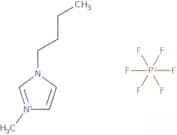

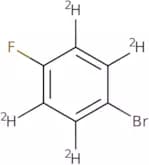
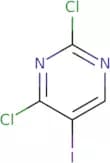
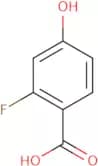
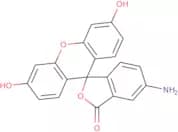

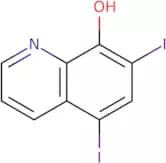
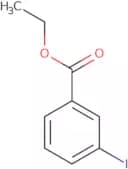

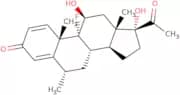
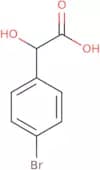

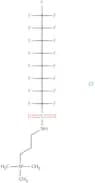
![[1-(Methoxymethyl)cyclopropyl]amine hydrochloride](/_next/image/?url=https%3A%2Fstatic.cymitquimica.com%2Fproducts%2F3D%2Fthumb-webp%2FFM129588.webp&w=3840&q=75)
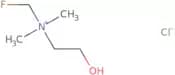

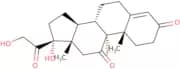
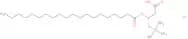
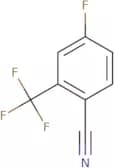
![[(2,5-Dichlorophenyl)sulphonyl]phenylamine](/_next/image/?url=https%3A%2Fstatic.cymitquimica.com%2Fproducts%2F3D%2Fthumb-webp%2FFD145674.webp&w=3840&q=75)
![2-[[(Heptadecafluorooctyl)sulphonyl]methylamino]ethyl acrylate](/_next/image/?url=https%3A%2Fstatic.cymitquimica.com%2Fproducts%2F3D%2Fthumb-webp%2FFH96868.webp&w=3840&q=75)
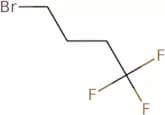
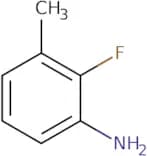
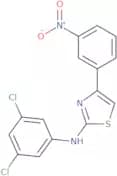
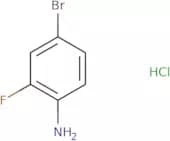

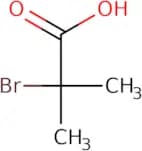
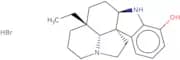
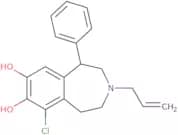
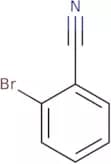
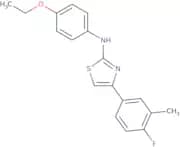
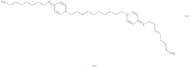
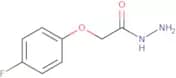
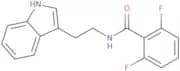
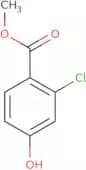
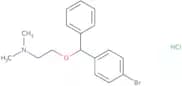
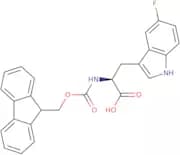
![9-Fluoro-3-methyl-7-oxo-10-(1-piperazinyl)-2,3-dihydro-7H-[1,4]oxazino[2,3,4-Ij]quinoline-6-carbox…](/_next/image/?url=https%3A%2Fstatic.cymitquimica.com%2Fproducts%2F3D%2Fthumb-webp%2FFF102861.webp&w=3840&q=75)
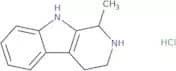

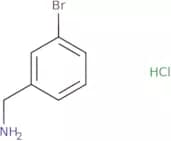

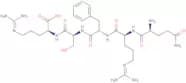
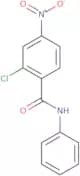
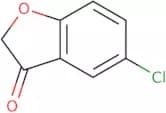
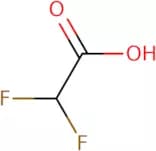
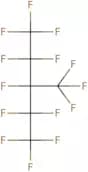
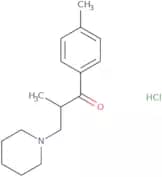
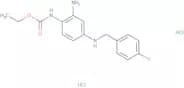


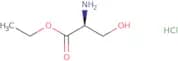
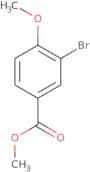
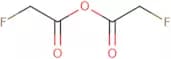
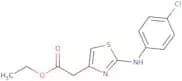
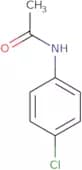
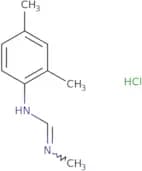
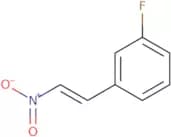
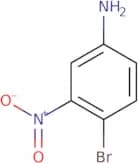
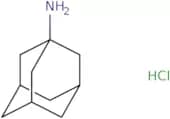
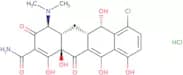
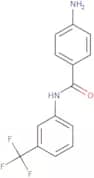
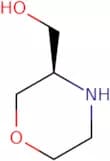
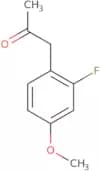
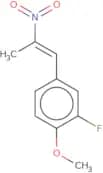
![N-[2-Iodoethyl]trifluoroacetamide](/_next/image/?url=https%3A%2Fstatic.cymitquimica.com%2Fproducts%2F3D%2Fthumb-webp%2FFI52744.webp&w=3840&q=75)
![2-[(2,6-Dibromo-4-methylphenyl)amino]acetohydrazide](/_next/image/?url=https%3A%2Fstatic.cymitquimica.com%2Fproducts%2F3D%2Fthumb-webp%2FFD115486.webp&w=3840&q=75)
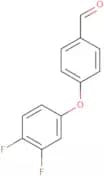
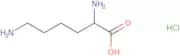

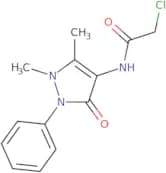
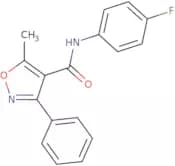
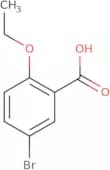
![1-(2-Chloroethyl)-4-[3-(Trifluoromethyl)Phenyl]Piperazine Dihydrochloride](/_next/image/?url=https%3A%2Fstatic.cymitquimica.com%2Fproducts%2F3D%2Fthumb-webp%2FFC29221.webp&w=3840&q=75)

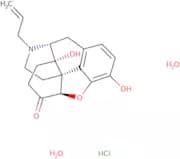

![4-Chloro-7-methyl-7H-pyrrolo[2,3-d]pyrimidine](/_next/image/?url=https%3A%2Fstatic.cymitquimica.com%2Fproducts%2F3D%2Fthumb-webp%2FFC140698.webp&w=3840&q=75)
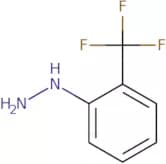
![(6S)-5,6,7,8-Tetrahydro-6-[propyl[2-(2-thienyl)ethyl]amino]-1-naphthalenol hydrochloride](/_next/image/?url=https%3A%2Fstatic.cymitquimica.com%2Fproducts%2F3D%2Fthumb-webp%2FFT27763.webp&w=3840&q=75)
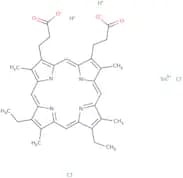
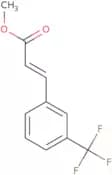
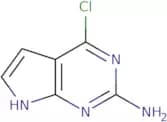
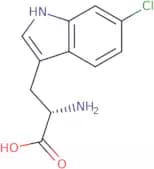
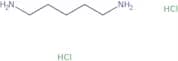
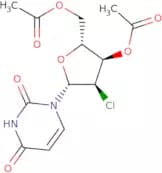
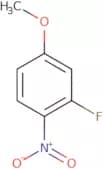
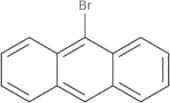
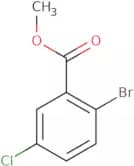
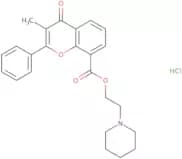
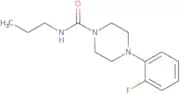
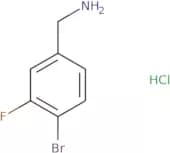
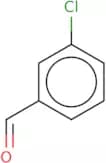
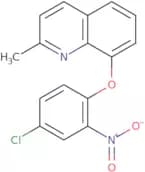
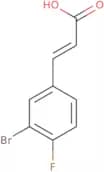
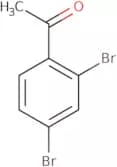
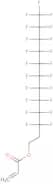
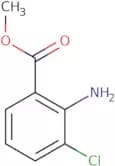
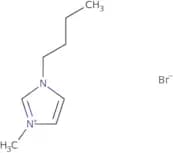

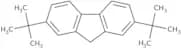
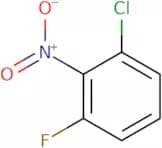
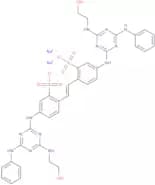
![2-Bromo-N-[2-[7-Chloro-5-(2-Fluorophenyl)-2-Oxo-3H-1,4-Benzodiazepin-1-Yl]Ethyl]Acetamide](/_next/image/?url=https%3A%2Fstatic.cymitquimica.com%2Fproducts%2F3D%2Fthumb-webp%2FFB101616.webp&w=3840&q=75)

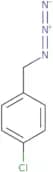
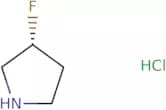
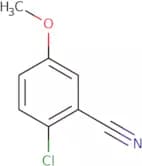
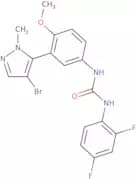
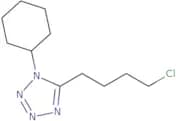
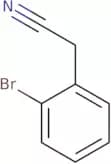
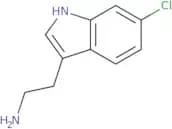
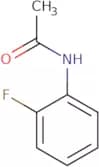
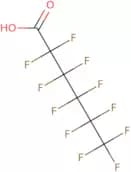
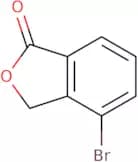
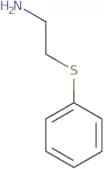
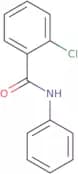
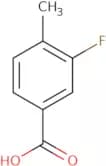
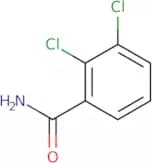
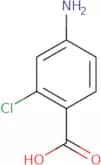
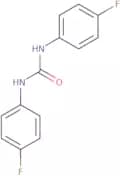
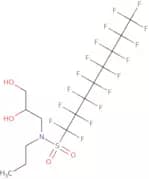
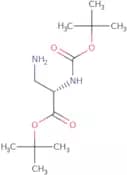
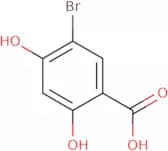
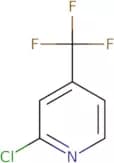
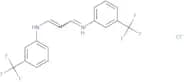
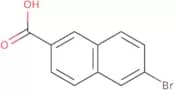
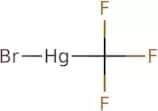
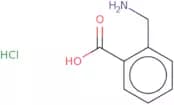
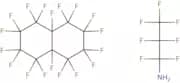
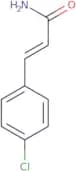
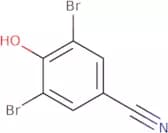
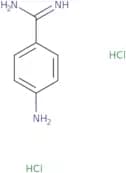


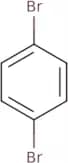
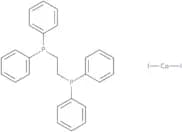
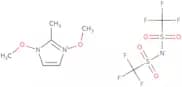
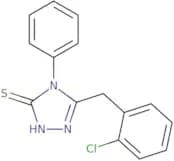
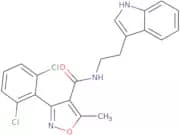
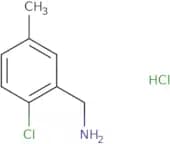
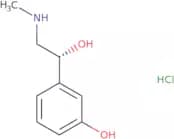
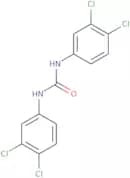
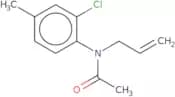
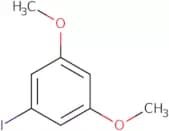
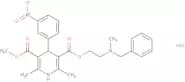

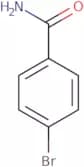
![2-[(2,6-Dichlorophenyl)amino]-N,N-dimethylbenzeneacetamide](/_next/image/?url=https%3A%2Fstatic.cymitquimica.com%2Fproducts%2F3D%2Fthumb-webp%2FFD21691.webp&w=3840&q=75)
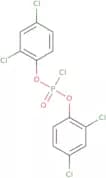
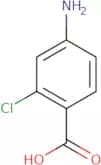
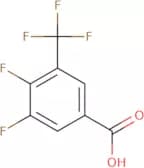

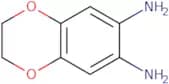
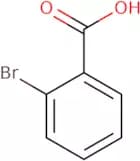
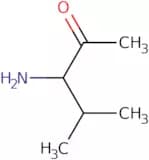
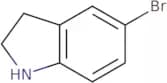
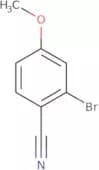
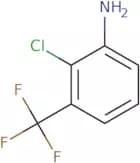
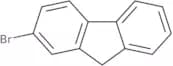
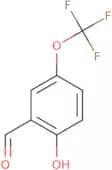
![N-(2,5-dimethylphenyl)(3-chlorobenzo[b]thiophen-2-yl)formamide](/_next/image/?url=https%3A%2Fstatic.cymitquimica.com%2Fproducts%2F3D%2Fthumb-webp%2FFD169538.webp&w=3840&q=75)
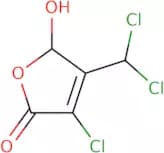
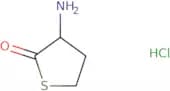

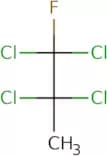
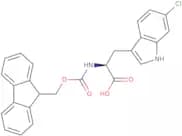
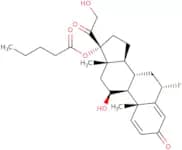
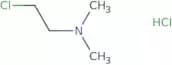
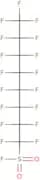
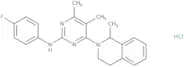

![N-[2-Chloro-4-(trifluoromethyl)phenyl]-D-Valine](/_next/image/?url=https%3A%2Fstatic.cymitquimica.com%2Fproducts%2F3D%2Fthumb-webp%2FFC90388.webp&w=3840&q=75)