Halogénures organiques
Sous-catégories appartenant à la catégorie "Halogénures organiques"
20442 produits trouvés pour "Halogénures organiques"
PAR-3 (1-6) (human) trifluoroacetate salt
CAS :Please enquire for more information about PAR-3 (1-6) (human) trifluoroacetate salt including the price, delivery time and more detailed product information at the technical inquiry form on this pageFormule :C29H45N9O8Degré de pureté :Min. 95%Masse moléculaire :647.72 g/molAluminium chloride hexahydrate
CAS :Produit contrôléAluminium chloride hexahydrate is a chemical compound that is used to produce aluminum, as well as in the production of paper and textiles. It is also used in the manufacture of other chemicals such as chlorine, copper, and hydrochloric acid. Aluminium chloride hexahydrate has been shown to have neurotoxic effects on the central nervous system (CNS), specifically in the brain. The neurotoxic effects are due to its ability to inhibit various functions of brain cells, including cellular growth factor-β1. This chemical compound also inhibits polymerase chain reaction (PCR) with low doses. Aluminium chloride hexahydrate can be detected using electrochemical impedance spectroscopy (EIS).
Formule :AlCl3•(H2O)6Couleur et forme :White PowderMasse moléculaire :241.43 g/mol5-Methoxy-2-(trifluoromethyl)benzaldehyde
CAS :5-Methoxy-2-(trifluoromethyl)benzaldehyde (5MFBA) is a potential anticancer compound that has been shown to inhibit the growth of pancreatic cancer cells. 5MFBA is formed by the reaction of methoxybenzene and trifluoromethyl bromide in the presence of copper chloride, which acts as a dehydrogenase. This compound also has prognostic and clinicopathological implications in patients with pancreatic cancer, as well as staining properties in tissues. 5MFBA modulates biological function via reactive oxygen species (ROS) production, which induces cell apoptosis. Research on this compound has been done on cancer tissues from various organs, including breast and prostate cancers.Formule :C9H7F3O2Degré de pureté :Min. 95%Couleur et forme :PowderMasse moléculaire :204.15 g/molLL-37 amide trifluoroacetate
CAS :Please enquire for more information about LL-37 amide trifluoroacetate including the price, delivery time and more detailed product information at the technical inquiry form on this pageFormule :C205H341N61O52•(C2HF3O2)xDegré de pureté :Min. 95%Couleur et forme :PowderMasse moléculaire :4,492.28 g/mol3-Bromo-5-methylphenol
CAS :3-Bromo-5-methylphenol is an enolate that can be used to synthesize methicillin-resistant dibenzofurans. The synthesis of these compounds is a multistep process, which includes the formation of an enolate from 3-bromo-5-methylphenol and subsequent displacement with a variety of electrophiles. The use of 3-bromo-5-methylphenol as an enolate allows for high yields in the synthesis of dibenzofurans. Further, this compound has antibacterial properties and is effective against both gram positive and negative bacteria. 3-Bromo-5-methylphenol also has chloride and sulfonation properties, which have been used to make advances in the development of antibacterial agents.
Formule :C7H7BrODegré de pureté :Min. 95%Couleur et forme :PowderMasse moléculaire :187.03 g/mol2-Bromo-4,5-dimethoxycinnamic acid
CAS :2-Bromo-4,5-dimethoxycinnamic acid is a dicarboxylic acid that belongs to the group of polysaccharides. It is a furan derivative with two methoxy groups on the cinnamic acid moiety. This compound can be found in plants and animals as well as in pyrolysis products from wood and other natural materials. 2-Bromo-4,5-dimethoxycinnamic acid has been analyzed by spectroscopy and pyrolysis to determine its chemical composition. The chemical composition was determined to contain caffeine and amines, as well as esters of fatty acids and alcohols.Formule :C11H11BrO4Degré de pureté :Min. 95%Couleur et forme :PowderMasse moléculaire :287.11 g/mol1-Adamantylacetyl chloride
CAS :1-Adamantylacetyl chloride is a hydroxylamine that can be used in medicinal chemistry as a synthon for enamines. It is also a potential target for pharmaceutical research due to its ability to form cyclic chlorides. 1-Adamantylacetyl chloride can be synthesized from malonate and anhydrous hydrochloric acid, with the addition of an appropriate chloride such as trifluoromethyl or bromomethyl. The resulting product can be used to produce ketones by reacting with acetone or methyl ethyl ketone.Formule :C12H17ClODegré de pureté :Min. 95%Couleur et forme :PowderMasse moléculaire :212.72 g/mol3,5-Dibromo-4-methylbenzoic acid
CAS :3,5-Dibromo-4-methylbenzoic acid is a high quality compound that is a useful intermediate in the synthesis of complex compounds. It has been used as a reagent in various chemical reactions and as a building block for the synthesis of other compounds. This compound may also be used as a speciality chemical or research chemical. 3,5-Dibromo-4-methylbenzoic acid can be used to synthesize many different types of compounds, including those with diverse functional groups.Formule :C8H6Br2O2Degré de pureté :Min. 95%Couleur et forme :PowderMasse moléculaire :293.94 g/molFluorescent Brightener 220, Technical grade
CAS :Fluorescent Brightener 220, Technical grade (FB220) is a fluorescent compound that confers a bright green fluorescence in the visible spectrum upon irradiation with ultraviolet light. FB220 is used as an additive in detergent compositions for detection of soil and stains on fabrics. It also has been used as a fluorophore to monitor the progress of chemical reactions, to detect bacteria in agrochemical testing, and to measure the time required for various compounds to diffuse through microcapsules. The fluorescence intensity of FB220 can be decreased by cationic surfactants and fatty acid compounds.
Fluorescent Brightener 220 can be inhibited by certain drugs such as phenobarbital, phenytoin, carbamazepine, and primidone.Formule :C40H40N12Na4O16S4Couleur et forme :PowderMasse moléculaire :1,165.04 g/mol10-O-2,2-Dichloroethoxycarbonyl docetaxel
CAS :10-O-2,2-Dichloroethoxycarbonyl docetaxel is a fine chemical that is useful for the preparation of complex compounds, scaffolds and reaction components. It is a versatile building block that can be used as an intermediate in the synthesis of more complex molecules. This compound has been shown to be an effective agent against cancer cells. The structures of 10-O-2,2-Dichloroethoxycarbonyl docetaxel and docetaxel are shown below.Formule :C46H55Cl2NO16Degré de pureté :Min. 95%Couleur et forme :White PowderMasse moléculaire :948.83 g/mol1-Chloro-1-Fluoroethane
CAS :Produit contrôlé1-Chloro-1-fluoroethane is a chemical compound that is used as a corrosion inhibitor for steel. It binds to water molecules and prevents the formation of hydrogen bonds with other substances, such as fatty acids. It is also used as a solid catalyst for the reaction of chloride with fluorine. 1-Chloro-1-fluoroethane has low energy and can be used in a flow system. It has been shown to be an effective catalyst for the production of hydrogen chloride from hydrogen fluoride and chlorine gas. Vibrational spectroscopy data show that 1-chloro-1-fluoroethane interacts with water molecules by forming hydrogen bonds.Formule :C2H4ClFDegré de pureté :Min. 95%Masse moléculaire :82.5 g/mol4-Sulfonamidophenylhydrazine hydrochloride
CAS :4-Sulfonamidophenylhydrazine hydrochloride is an in vitro antifungal agent with a diazonium salt structure. It is used as a chemical intermediate to synthesize other pharmaceuticals, such as nonsteroidal anti-inflammatory drugs and antimicrobial agents. 4-Sulfonamidophenylhydrazine hydrochloride has been shown to inhibit the production of Cox-2, which is associated with inflammation and cancer. The drug also exhibits antiinflammatory activity due to its ability to inhibit prostaglandin synthesis. 4-Sulfonamidophenylhydrazine hydrochloride exhibits high affinity for human serum albumin and can be used as an indicator for the presence of carbonic acid or carbonyl groups in organic compounds.Formule :C6H9N3O2S·HClDegré de pureté :Min. 95%Masse moléculaire :223.68 g/molTertiapin-Q trifluoroacetate salt
CAS :A peptide found in honey bee venom; Potassium channel inhibitorFormule :C106H175N35O24S4Degré de pureté :Min. 95%Masse moléculaire :2,452.01 g/mol2-Chloromethyl-3,5-dimethyl-4-methoxypyridine
CAS :2-Chloromethyl-3,5-dimethyl-4-methoxypyridine is a drug substance that is used as a pump inhibitor. The optimal reaction conditions for the synthesis of this molecule are a Grignard reagent, chlorinating agent, and magnesium salt. Impurities may arise during the synthetic process due to chloride or inorganic acid catalyst. This drug substance is not soluble in water but can be dissolved in organic solvents such as ethers, chloroform, or benzene. It reacts with magnesium to form a chelate ring with an organic molecule.Formule :C9H12ClNODegré de pureté :Min. 95%Couleur et forme :PowderMasse moléculaire :185.65 g/molNomega-(2,2,4,6,7-Pentamethyldihydrobenzofuran-5-sulfonyl)-L-arginine methyl ester hydrochloride
CAS :Nomega-(2,2,4,6,7-Pentamethyldihydrobenzofuran-5-sulfonyl)-L-arginine methyl ester hydrochloride is a versatile building block for the preparation of complex compounds. It is a reagent for research chemicals and speciality chemicals. Nomega-(2,2,4,6,7-Pentamethyldihydrobenzofuran-5-sulfonyl)-L-arginine methyl ester hydrochloride can be used as a high quality and useful intermediate in organic synthesis or as a reaction component in various chemical reactions. This compound has been shown to be useful as a scaffold in the design of new drugs.Formule :C20H32N4O5S·HClDegré de pureté :Min. 95%Couleur et forme :PowderMasse moléculaire :477.02 g/molFlavoxate hydrochloride
CAS :Phosphodiesterase inhibitor; anti-cholinergic; incontinence treatmentFormule :C24H25NO4•HClDegré de pureté :Min. 95%Couleur et forme :PowderMasse moléculaire :427.92 g/mol4-Azido-L-homoalanine hydrochloride
CAS :4-Azido-L-homoalanine hydrochloride is a chemical compound that belongs to the group of amino acid derivatives. It is a useful building block for the preparation of a variety of compounds. 4-Azido-L-homoalanine hydrochloride can be used as an intermediate in organic synthesis, or as a reagent in research. This chemical has been found to have high quality and is versatile, making it a useful scaffold for complex compounds.Formule :C4H9ClN4O2Couleur et forme :White PowderMasse moléculaire :180.59 g/mol5,5-dimethyl-2-(thioxo((3-(trifluoromethyl)phenyl)amino)methyl)cyclohexane-1,3-dione
CAS :Please enquire for more information about 5,5-dimethyl-2-(thioxo((3-(trifluoromethyl)phenyl)amino)methyl)cyclohexane-1,3-dione including the price, delivery time and more detailed product information at the technical inquiry form on this pageDegré de pureté :Min. 95%3-(2-((3-Bromophenyl)amino)ethyl)oxazolidin-2-one
CAS :Please enquire for more information about 3-(2-((3-Bromophenyl)amino)ethyl)oxazolidin-2-one including the price, delivery time and more detailed product information at the technical inquiry form on this pageFormule :C11H13BrN2O2Degré de pureté :Min. 95%Masse moléculaire :285.14 g/mol1-(4-(Trifluoromethyl)phenyl)-2-nitroethene
CAS :1-(4-(Trifluoromethyl)phenyl)-2-nitroethene is a high quality reagent, which is used as a useful intermediate in the production of fine chemicals. It is also a useful scaffold for the synthesis of speciality chemicals and research chemicals. 1-(4-(Trifluoromethyl)phenyl)-2-nitroethene can be used as a versatile building block for organic synthesis reactions.Formule :C9H6F3NO2Couleur et forme :PowderMasse moléculaire :217.14 g/mol2,4-Difluoropropiophenone
CAS :2,4-Difluoropropiophenone is a chiral compound that belongs to the ketones class of compounds. It is used as an antifungal agent and has been shown to be effective against some strains of Candida albicans. This compound can be synthesized enantioselectively by reacting 2,4-dichlorophenol with propiophenone in the presence of a chiral catalyst.Formule :C9H8F2ODegré de pureté :Min. 95%Couleur et forme :Slightly Yellow Clear LiquidMasse moléculaire :170.16 g/molEthyl 3-iodobenzoate
CAS :Ethyl 3-iodobenzoate (EIB) is a catalytic reagent that is used in the synthesis of terminal alkynes. It has been shown to be highly reactive with chloride and transmetallates to form ethyl 3-chlorobenzoate. The reaction time between EIB and chloride can be decreased by adding magnesium to the reaction mixture. This reagent also reacts with thymic acid, a synthon for many thiols, forming ethyl 3-thiophenoate. Ethyl 3-iodobenzoate can also act as an affinity label for halides and heterocycles.Formule :C9H9IO2Degré de pureté :Min. 95%Couleur et forme :Clear LiquidMasse moléculaire :276.07 g/mol(4-(2-Fluorophenyl)piperazinyl)-N-propylformamide
CAS :Produit contrôléPlease enquire for more information about (4-(2-Fluorophenyl)piperazinyl)-N-propylformamide including the price, delivery time and more detailed product information at the technical inquiry form on this page
Formule :C14H20FN3ODegré de pureté :Min. 95%Couleur et forme :PowderMasse moléculaire :265.33 g/molIodoquinol
CAS :Iodoquinol is a quinoline derivative that has been shown to have antifungal properties in vitro. It is used to treat bowel disease and infectious diseases, such as malaria and tuberculosis. Iodoquinol has also been shown to reduce the incidence of autoimmune diseases by inhibiting the production of pro-inflammatory cytokines. The mechanism of action for this drug is not well understood, but it is believed that it reacts with DNA and may inhibit the synthesis of proteins. It has also been shown to cause genotoxic effects in a model system by binding covalently to DNA, as well as benzalkonium chlorideFormule :C9H5I2NODegré de pureté :Min. 95%Couleur et forme :Yellow PowderMasse moléculaire :396.95 g/molN-Boc-2-bromoethylamine
CAS :N-Boc-2-bromoethylamine is a chemical compound that is used as a gadolinium chelate. This molecule has been shown to be chemically stable and can be easily synthesized in high yield, which makes it an ideal candidate for use in cell culture experiments. The reaction solution of N-Boc-2-bromoethylamine with serine proteases, such as trypsin and chymotrypsin, has been shown to result in the formation of peptides with amide bonds at the C terminus. This process is called a "Michael addition." The 2-nitroimidazole group of N-Boc-2-bromoethylamine is potent inhibitor of protein kinases and has been shown to inhibit hypoxic tumor growth by inhibiting the uptake of glucose by cancer cells. It also has antimicrobial properties, acting as an affinity ligand for binding to bacterial or fungal cells.Formule :C7H14BrNO2Degré de pureté :Min. 95%Couleur et forme :PowderMasse moléculaire :224.1 g/mol4-Bromo-3,5-dinitroaniline
CAS :4-Bromo-3,5-dinitroaniline is a versatile chemical intermediate that has been used in the synthesis of various drugs. This compound is a fine chemical that is not available at any commercial level and can be obtained from research chemicals suppliers. It has been found to be useful as a building block in the synthesis of chemicals such as pharmaceuticals and agrochemicals. The CAS number for this compound is 62554-90-9.Formule :C6H4BrN3O4Degré de pureté :Min. 95%Masse moléculaire :262.02 g/mol6-Chloro-5-ethylisatin
CAS :6-Chloro-5-ethylisatin is a fine chemical that can be used as a building block for making other compounds, including pharmaceuticals and bioactive agents. It is also a versatile building block that can be used in the synthesis of many different types of compounds. 6-Chloro-5-ethylisatin is an intermediate, which means it is a substance that is used to make other substances. It can also act as a reagent in reactions and as a scaffold for complex molecules.Formule :C10H8ClNO2Degré de pureté :Min. 95%Masse moléculaire :209.63 g/molFluorescent Brightener 134, Technical grade
CAS :Fluorescent Brightener 134, Technical grade is a fluorescent whitening additive that is used in textile and paper treatments. It is used to increase the brightness of colors and make them look whiter. This product also has a number of drug interactions, for example with drugs that are acidic or penetrant. Fluorescent Brightener 134 may interact with diethanolamine to form nitrosamines which can be carcinogenic. The long-term effects of this product on humans are not known and it should not be used near human keratin.Formule :C34H28N10Na2O8S2Degré de pureté :Min. 95%Couleur et forme :PowderMasse moléculaire :814.76 g/molMethyl 3,5-dibromo-4-hydroxybenzoate
CAS :Estrogens are steroid hormones that regulate a variety of physiological processes including reproduction, bone metabolism, and the development of certain cancers. Estrogens are synthesized from C-19 and C-20 steroids such as progesterone and testosterone. The conversion of these precursors to estrogens is catalyzed by the cytochrome P450 enzyme 17 beta-hydroxysteroid dehydrogenase (17βHSD). Methyl 3,5-dibromo-4-hydroxybenzoate is a selective inhibitor for 17βHSD. It binds to the active site of 17βHSD, preventing it from catalyzing the conversion of C-19 or C-20 steroids to estrogens. This inhibition has been shown to lead to an increase in circulating levels of sex hormone binding globulin (SHBG) and consequently a decrease in free estrogen levels.Formule :C8H6Br2O3Degré de pureté :Min. 95%Couleur et forme :PowderMasse moléculaire :309.94 g/molMethyl 2-chloro-4-nitrobenzoate
CAS :Methyl 2-chloro-4-nitrobenzoate (MCNB) is a structural analog of the benzimidazole drug, trypanocidal activity. It has been shown to be effective against mouse macrophages in vitro studies, and is more potent than biphenyl. MCNB has also been shown to inhibit the enzyme epimerase, which converts N-methylpyridinium to N-methylpiperidinium. This inhibition may lead to increased cytotoxic effect of MCNB on T. brucei epimastigotes.Formule :C8H6ClNO4Degré de pureté :Min. 95%Couleur et forme :PowderMasse moléculaire :215.59 g/mol2-Fluoro-3-methylbenzoic acid methyl ester
CAS :2-Fluoro-3-methylbenzoic acid methyl ester is a small molecule that has been shown to possess 5-HT3 receptor antagonist activity in the range of nanomolar potencies. This drug has also been shown to be orally active in mice. The physicochemical properties of 2-fluoro-3-methylbenzoic acid methyl ester include a melting point of 155.5° C, solubility in methanol and acetone, and a molecular weight of 168.2 g/mol. 2-Fluoro-3-methylbenzoic acid methyl ester is being developed as a targeted agent for the treatment of bowel syndrome, which is characterized by abdominal pain, nausea and diarrhea.Formule :C9H9FO2Degré de pureté :Min. 95%Couleur et forme :Clear LiquidMasse moléculaire :168.16 g/mol7-Fluorobenzo-2-oxa-1,3-diazole-4-sulfonic acid ammonium
CAS :7-Fluorobenzo-2-oxa-1,3-diazole-4-sulfonic acid ammonium is a fluorescent derivative that is used in clinical pathology to study human metabolism. The compound reacts with blood cells to form a fluorescent derivative that can be detected by use of a fluorescence detector. A sample preparation technique is required to prepare the blood samples before analysis. 7-Fluorobenzo-2-oxa-1,3-diazole-4-sulfonic acid ammonium has been shown to react with disulfide bonds and endogenous substances, such as glutathione, dopamine and serotonin. The detection sensitivity for this compound is approximately 10 pM.Formule :C6H6FN3O4SDegré de pureté :Min. 95%Couleur et forme :White PowderMasse moléculaire :235.19 g/mol1-Acetyl-1,2,3,4-tetrahydroquinolin-7-amine hydrochloride
CAS :1-Acetyl-1,2,3,4-tetrahydroquinolin-7-amine hydrochloride is a versatile building block that can be used in the synthesis of complex compounds with high quality and as a speciality chemical. This compound is useful as a reagent and reaction component in organic synthesis. It has been shown to be useful in the synthesis of new scaffolds for drug discovery.
Formule :C11H14N2O·HClDegré de pureté :Min. 95%Couleur et forme :Off-White PowderMasse moléculaire :226.7 g/mol5-Chloro-1,10-phenanthroline
CAS :5-Chloro-1,10-phenanthroline (5CP) is a molecule that has been used in the study of DNA oxidation. 5CP has been shown to be an effective inhibitor of oxidative dna damage and can be used for the prevention of mutations caused by reactive oxygen species. This compound was also found to inhibit the growth of L1210 murine leukemia cells, which is due to its ability to bind to potassium ions. 5CP has been shown to have significant binding constants with DNA and protein molecules. It also has a very high level of ancillary activity and can be used as a catalyst in transfer reactions.Formule :C12H7ClN2Degré de pureté :Min. 97.5 Area-%Couleur et forme :Red PowderMasse moléculaire :214.65 g/mol4'-Bromoflavone
CAS :4'-Bromoflavone is a flavonoid with potent enzyme-inducing properties. It has been shown to affect transcriptional regulation in murine hepatoma cells. 4'-Bromoflavone was also found to be an effective inducer of phase II detoxification enzymes, such as glutathione S-transferase and quinone reductase in the liver of humans. This drug also affects protein synthesis and enzyme activities in mice, rats, and human cells.Formule :C15H9BrO2Degré de pureté :Min. 95%Couleur et forme :PowderMasse moléculaire :301.13 g/molIrinotecan hydrochloride trihydrate
CAS :Inhibitor of DNA topoisomerase IFormule :C33H38N4O6•HCl•(H2O)3Degré de pureté :Min. 97 Area-%Couleur et forme :Yellow PowderMasse moléculaire :677.18 g/mol4-Bromo-3-fluorobenzaldehyde
CAS :4-Bromo-3-fluorobenzaldehyde is a drug substance that can be used in cancer therapy. It is a cross-linking agent that can form covalent bonds with DNA and proteins, which inhibits the ability of cells to replicate. 4-Bromo-3-fluorobenzaldehyde has been shown to have cytotoxic activity against human cancer cells in culture. This compound is synthesized by an unsymmetrical nitroaldol reaction, followed by Suzuki coupling with 3-(4′-methoxyphenyl) propanone. The structural formula for this product is C9H5BrFO2.Formule :C7H4BrFODegré de pureté :Min. 95%Masse moléculaire :203.01 g/mol1-(3-Chlorophenyl)biguanide hydrochlorid
CAS :N-(3-Chlorophenyl)-N'-(diaminomethylene)guanidine is a 5-HT3 receptor antagonist that binds to the 5-HT3 receptor in the gastrointestinal tract and blocks the voltage-dependent calcium channels. It has been shown to have a protective effect on the bowel by reducing inflammation and increasing the rate of recovery after colitis. N-(3-Chlorophenyl)-N'-(diaminomethylene)guanidine also has been shown to be effective in treating Parkinson's disease, although its mechanism of action is not yet fully understood.Formule :C8H10ClN5•HClDegré de pureté :Min. 95%Couleur et forme :PowderMasse moléculaire :248.11 g/mol2-Boc-6-Chloro-3,4-dihydro-1H-isoquinoline-1-carboxylic acid
CAS :2-Boc-6-Chloro-3,4-dihydro-1H-isoquinoline-1-carboxylic acid is a useful scaffold for the production of various chemical compounds. It is a versatile building block that can be used as an intermediate in various chemical reactions or as a speciality chemical. 2-Boc-6-Chloro-3,4-dihydro-1H-isoquinoline-1 carboxylic acid has been shown to be a high quality and reliable reagent for use in research and development.Formule :C15H18ClNO4Degré de pureté :Min. 95%Couleur et forme :White PowderMasse moléculaire :311.76 g/mol2-(2-Methoxyphenoxy)ethylamine hydrochloride
CAS :2-(2-Methoxyphenoxy)ethylamine hydrochloride is a fine chemical with the CAS No. of 64464-07-9. It is a versatile building block that can be used as an intermediate for research chemicals, reaction components and specialty chemicals. This compound has been shown to work as a reagent in high quality synthesis.
Formule :C9H14ClNO2Degré de pureté :Min. 95%Couleur et forme :PowderMasse moléculaire :203.67 g/molLithium tetra(perfluoro-tert-butoxy)aluminate
CAS :Used in modifying and improving the electrolyte systems commonly used in lithium-ion batteries, particularly through unique interactions at the interface of electrode materials.Formule :C16AlF36LiO4Degré de pureté :Min. 95%Couleur et forme :Colorless PowderMasse moléculaire :974.03 g/molTirofiban hydrochloride monohydrate
CAS :Glycoprotein IIb/IIIa inhibitor; platelet aggregation inhibitorFormule :C22H36N2O5S•HCl•H2ODegré de pureté :Min. 95%Couleur et forme :White PowderMasse moléculaire :495.07 g/molDidecyl dimethyl ammonium chloride - 95%min
CAS :Didecyl dimethyl ammonium chloride is a quaternary ammonium compound. It has been used in toxicity studies on animals and as an analytical reagent for the detection of ammonium and chloride ions in the presence of copper chloride. Didecyl dimethyl ammonium chloride is also used as a disinfectant, with some reports of its use to treat infectious diseases. It has been found to have some effect on diptera larvae, but has no effect on epithelial mesenchymal cells. The phase transition temperature of this product is between -10°C and +20°C. This product can be purified by preparative high-performance liquid chromatography (HPLC).
Formule :C22H48ClNDegré de pureté :Min. 95%Couleur et forme :White To Cream To Light (Or Pale) Yellow To Yellow To Brown SolidMasse moléculaire :361.347532,2,2-Trichloroethoxysulfuryl-N-methylimidazolium triflate
CAS :2,2,2-Trichloroethoxysulfuryl-N-methylimidazolium triflate is an inhibitor of amyloidogenesis that has been shown to reduce the production of carbohydrates and oligosaccharides. It blocks the synthesis of chondroitin sulfate and galactose, which are required for tumor growth. 2,2,2-Trichloroethoxysulfuryl-N-methylimidazolium triflate also inhibits clotting by preventing the formation of thrombin from prothrombin. The reagents can be used in a variety of applications such as cell culture, clotting assays, and molecular biology.Formule :C6H8Cl3N2O3S•CF3O3SDegré de pureté :Min. 95%Masse moléculaire :443.63 g/mol4-Bromo-3-fluorobenzylamine hydrochloride
CAS :4-Bromo-3-fluorobenzylamine hydrochloride (4BFBAH) is a compound that has been used in the past as a chemical intermediate. It is now being studied for use in boosting and stratigraphic research. This compound can be produced by reacting 4-bromo-3-fluorobenzoic acid with ammonia, and it has been shown to have waterlogging properties. 4BFBAH has also been shown to be useful in the analysis of infrastructures and socioeconomic conditions.Formule :C7H8BrClFNDegré de pureté :Min. 95%Couleur et forme :PowderMasse moléculaire :240.5 g/mol(3-(2,6-dichlorophenyl)-5-methylisoxazol-4-yl)-N-benzylformamide
CAS :Please enquire for more information about (3-(2,6-dichlorophenyl)-5-methylisoxazol-4-yl)-N-benzylformamide including the price, delivery time and more detailed product information at the technical inquiry form on this pageDegré de pureté :Min. 95%2,3-Dimethylphenylhydrazine hydrochloride hydrate
CAS :2,3-Dimethylphenylhydrazine hydrochloride hydrate is a fine chemical that is used as a building block for research chemicals and speciality chemicals. It is also a high quality reagent and useful scaffold for the synthesis of complex compounds. 2,3-Dimethylphenylhydrazine hydrochloride hydrate is versatile, being able to be used in reactions involving nucleophilic substitution or elimination reactions. This product can be used in reactions involving the formation of carbon-carbon bonds.Formule :C8H12N2•HCl•(H2O)xDegré de pureté :Min. 95%Couleur et forme :PowderMasse moléculaire :172.66 g/mol5-Bromo-2-methoxypyridine
CAS :5-Bromo-2-methoxypyridine is a synthetic organic chemical that is used in organic chemistry. It is a precursor to the HIV integrase inhibitor, PSC 833, and has been shown to be effective in treating idiopathic pulmonary fibrosis. 5-Bromo-2-methoxypyridine is synthesized by reacting phosphorus oxychloride with 2-bromomethoxybenzene. This reaction produces a mixture of products that are then separated using column chromatography. The desired product can be purified by recrystallization or distillation. 5-Bromo-2-methoxypyridine has three pairs of asymmetric carbon atoms and four different functional groups: halides, sulfur trifluoride, bromine, and methoxy groups.
Formule :C6H6BrNODegré de pureté :Min. 95%Couleur et forme :Clear LiquidMasse moléculaire :188.02 g/mol3-(4-Fluorobenzoyl)-6-Methoxy-2-Methyl-1H-Indole-1-Acetic Acid
CAS :Produit contrôlé3-(4-Fluorobenzoyl)-6-Methoxy-2-Methyl-1H-Indole-1-Acetic Acid is a prodrug that is metabolized to 6-fluoro-3,4 dioxo tamoxifen in the liver. It has been shown to have anticholinergic, cytosolic calcium and c1-4 alkyl properties. 3-(4-Fluorobenzoyl)-6-Methoxy-2-Methylindole Acetic Acid also has a basic group, cyclopentane ring, and pyridine ring.Formule :C19H16FNO4Degré de pureté :Min. 95%Masse moléculaire :341.33 g/mol5-Aminofluorescein
CAS :5-Aminofluorescein is a fluorescence probe that is used to detect the presence of reactive groups on basic fibroblast cells. 5-Aminofluorescein reacts with an ionotropic gelation agent and forms a fluorescent gel when it contacts cells. The fluorescent gel penetrates the cell membrane and binds to enzymes, which will cause the release of cellular energy in the form of heat. This energy can be measured by calorimetry or by measuring the change in fluorescence. 5-Aminofluorescein has been shown to have significant cytotoxicity against malignant brain tumor cells, which may be due to its ability to penetrate into these cells and bind to DNA. It also has antimicrobial properties and can be used as a titration indicator for certain drugs, such as antibiotics.Formule :C20H13NO5Degré de pureté :Min. 95 Area-%Couleur et forme :PowderMasse moléculaire :347.32 g/mol3,6-Dichloropyrazine-2-carbonitrile
CAS :3,6-Dichloropyrazine-2-carbonitrile is a synthetic nucleophilic compound that can be used to produce antiviral drugs. This chemical belongs to the class of chlorination compounds and reacts with nucleophiles in a nucleophilic substitution reaction. 3,6-Dichloropyrazine-2-carbonitrile has been optimized for synthesis by recrystallization and solvents. The reactants are heated and then mixed, where it undergoes an acid catalyzed hydrolysis followed by a dehydration reaction. 3,6-Dichloropyrazine-2-carbonitrile is synthesized by reacting a nitrile with phosgene to form the chloroformate ester which is reacted with ammonia or amines. The final product is purified using recrystallization or solvent extraction.Formule :C5HCl2N3Degré de pureté :Min. 97 Area-%Couleur et forme :PowderMasse moléculaire :173.99 g/mol[5-Methyl-3-(trifluoromethyl)-1H-pyrazol-1-yl]acetic acid
CAS :[5-Methyl-3-(trifluoromethyl)-1H-pyrazol-1-yl]acetic acid is a reaction component that can be used in organic synthesis as a reagent. This chemical has been shown to have high quality, and is useful for research purposes. It is also a versatile building block and useful intermediate, which can be used in the production of complex compounds. [5-Methyl-3-(trifluoromethyl)-1H-pyrazol-1-yl]acetic acid has CAS number 345637-71-0, and is a fine chemical that is useful for chemistry research.Formule :C7H7F3N2O2Degré de pureté :Min. 95%Couleur et forme :PowderMasse moléculaire :208.14 g/mol1-Acetyl-5-bromo-6-chloro-1H-indol-3-ol
CAS :Please enquire for more information about 1-Acetyl-5-bromo-6-chloro-1H-indol-3-ol including the price, delivery time and more detailed product information at the technical inquiry form on this pageFormule :C10H7BrClNO2Degré de pureté :Min. 95 Area-%Couleur et forme :PowderMasse moléculaire :288.52 g/molMethyl 4-bromomethylbenzoate
CAS :Methyl 4-bromomethylbenzoate is an aryl halide with the chemical formula CHBr. It is an orally effective and selective apoptosis pathway inhibitor that blocks the release of tumor necrosis factor-α (TNF-α) induced by lipopolysaccharides in monocytes. Methyl 4-bromomethylbenzoate has also been shown to inhibit matrix metalloproteinase activity in vitro, which may be due to its ability to block the cleavage of proteoglycan precursors. The molecular modeling studies have revealed that this agent binds to DNA through a hydrophobic pocket, which inhibits transcription and replication. Methyl 4-bromomethylbenzoate has also been shown to be active against cancer cells and induce apoptosis through caspase activation and mitochondrial dysfunction.Formule :C9H9BrO2Degré de pureté :Min. 95%Couleur et forme :PowderMasse moléculaire :229.07 g/mol3-Chlorobenzaldehyde
CAS :3-Chlorobenzaldehyde is a chemical that is used as a diagnostic agent for mitochondrial diseases. 3-Chlorobenzaldehyde can be used to detect mutations in the mtDNA and diagnose deficiencies of enzymes involved in energy metabolism. It has been shown to inhibit the activity of dehydrogenase enzymes and the synthesis of acyl-coa from zirconium oxide, which is an important component in polymerase chain reactions. This chemical also inhibits mitochondrial functions and enzyme activities, making it useful for screening for drugs that affect these processes. 3-Chlorobenzaldehyde has also been shown to inhibit hydrogen fluoride, which is often found in industrial environments.Formule :C7H5ClOCouleur et forme :Colorless Clear LiquidMasse moléculaire :140.57 g/mol3-Fluoro-5-methylbenzoic acid
CAS :3-Fluoro-5-methylbenzoic acid is a sulfilimine that has been shown to have insecticidal, functional, and biological activities. 3-Fluoro-5-methylbenzoic acid binds to the enzyme diamide reductase in insects, which prevents the production of toxic amines in insects. 3-Fluoro-5-methylbenzoic acid also inhibits the synthesis of anthranilic acid and organosulfur compounds in plants. This sulfilimine is structurally similar to other insecticides such as DDT and carbofuran. It is soluble in water but insoluble in organic solvents.Formule :C8H7FO2Degré de pureté :Min. 95%Couleur et forme :PowderMasse moléculaire :154.14 g/mol2-Bromo-6-methyl-4-nitroaniline
CAS :2-Bromo-6-methyl-4-nitroaniline is a fine chemical that is used in the preparation of other chemicals and as a reagent. It can be used as an intermediate for organic synthesis, such as the conversion of 2-bromoindole to indoxyl, or as a building block for the preparation of more complex compounds. This chemical is also versatile in that it can be used in reactions with different reactants, including amines, carboxylic acids, thiols, and alcohols.Formule :C7H7BrN2O2Degré de pureté :Min. 95%Couleur et forme :PowderMasse moléculaire :231.05 g/mol1,3-Dibromonaphthalene
CAS :1,3-Dibromonaphthalene is a brominated derivative of naphthalene. It can be synthesized by reacting methoxy with chloride in the presence of a base (e.g., sodium hydroxide) and brominating the resulting 1,2-dibromoethane with bromine. The compound has been used as an analytical standard for natural gas and has been shown to have good trackability. 1,3-Dibromonaphthalene is used in research, primarily as a precursor to other compounds that are more reactive or less toxic. This molecule has been shown to undergo elimination reactions with alcohols and phenols, which can be useful for synthesis of other molecules. Synopses are available for this molecule at the following links: a) https://pubchem.ncbi.nlm.nih.gov/compound/1,3-Dibromonaphthalene#section=SynonymsFormule :C10H6Br2Degré de pureté :Min. 95%Couleur et forme :PowderMasse moléculaire :285.96 g/molAcridine-3,6-diamine
CAS :Acridine-3,6-diamine is a fluorescent dye that is used in analytical chemistry to measure the concentration of DNA. The dye binds to the enzyme form of DNA and can be detected with a fluorescence microscope. Acridine-3,6-diamine is also used as a model system for studying multidrug efflux pumps found in cells, which are ATPases that pump out toxic substances from bacteria. This drug has shown antibacterial efficacy against various bacteria, including Staphylococcus aureus and Escherichia coli. The potential mechanism of action may be due to inhibition of the bacterial DNA replication processes by binding to the cell nuclei or through inhibition of energy metabolism or dinucleotide phosphate synthesis.Formule :C13H11N3Degré de pureté :Min. 95%Couleur et forme :PowderMasse moléculaire :209.25 g/mol3',5'-Dichloro-2'-hydroxyacetophenone
CAS :3',5'-Dichloro-2'-hydroxyacetophenone is a hydrogen bond donor and has a crystal system of orthorhombic. It is soluble in water and insoluble in organic solvents. 3',5'-Dichloro-2'-hydroxyacetophenone binds to the progesterone receptor, which is a nuclear hormone receptor that regulates gene transcription by binding to specific DNA sequences called hormone response elements. There are two cleavage products of progesterone receptor, Malondialdehyde (MDA) and estradiol (E2). 3',5'-Dichloro-2'-hydroxyacetophenone also binds to estrogen receptors, which are proteins located inside or on the surface of cells that bind to hormones and regulate the activity of certain genes. The biochemical function of 3',5'-dichloro-2' hydroxyacetophenone is not well understood but it has been shown to have antioxidant properties.Formule :C8H6Cl2O2Degré de pureté :Min. 95%Masse moléculaire :205.04 g/mol5-(2-Bromoethoxy)-2,3-dihydro-1,4-benzodioxine
CAS :5-(2-Bromoethoxy)-2,3-dihydro-1,4-benzodioxine is a drug that belongs to the group of local anesthetics. It blocks nerve conduction by inhibiting voltage-gated sodium channels and is used for the treatment of pain. 5-(2-Bromoethoxy)-2,3-dihydro-1,4-benzodioxine has been shown to have two dimensional energies that are greater than those of other drugs in this category. The interactions between molecules are isomorphous and there are strong hydrogen bonds. 5-(2-Bromoethoxy)-2,3-dihydro-1,4-benzodioxine also interacts with the interatomic distance between hydrogens and bromines on adjacent molecules.Formule :C10H11BrO3Degré de pureté :Min. 95%Masse moléculaire :259.1 g/molPropyl 3,5-dichloro-4-hydroxybenzoate
CAS :Propyl 3,5-dichloro-4-hydroxybenzoate is a high quality chemical that is used as an intermediate in the synthesis of other compounds. It can be obtained from a number of sources, including the conversion of the corresponding chloride with alcohols. Propyl 3,5-dichloro-4-hydroxybenzoate is a colorless liquid with a sweet smell and has been shown to be useful in organic syntheses due to its versatility as a building block.Formule :C10H10Cl2O3Degré de pureté :Min. 95%Couleur et forme :PowderMasse moléculaire :249.09 g/mol6-Chloro-7-methylchromone-2-carboxylic acid
CAS :6-Chloro-7-methylchromone-2-carboxylic acid is a fine chemical that has been used as a versatile building block for the synthesis of complex compounds. It has been shown to be an effective reaction component in the synthesis of 1,4-benzoquinones and N'-acylhydrazones. 6-Chloro-7-methylchromone-2-carboxylic acid is also a useful intermediate in the preparation of other chemicals, such as pharmaceuticals and pesticides. This compound can be used as an additive to improve the quality of high purity reagents.Formule :C11H7ClO4Degré de pureté :Min. 95%Masse moléculaire :238.62 g/molN-(4-(4-bromophenyl)-2,5-thiazolyl)hexanamide
CAS :Please enquire for more information about N-(4-(4-bromophenyl)-2,5-thiazolyl)hexanamide including the price, delivery time and more detailed product information at the technical inquiry form on this pageDegré de pureté :Min. 95%2-Methoxy benzyl chloride
CAS :2-Methoxy benzyl chloride is an organometallic compound that has potent antagonist activity against a wide variety of organometallic and non-organometallic compounds. It is used in the treatment of inflammatory diseases, such as myocardial infarct, and also displays antimicrobial properties. 2-Methoxy benzyl chloride is a potent competitive inhibitor of many enzymes, including xanthine oxidase, hydroxylase, and tyrosinase. This molecule also has the ability to bind to cationic polymers and inhibit polymerization reactions by interfering with the formation of hydrogen bonds between monomers. The chlorine atom in this molecule can be replaced by a hydrogen atom for use as an antimicrobial agent. 2-Methoxy benzyl chloride binds to nitrogen atoms on amides and other nitrogen containing compounds, which may account for its antiinflammatory effects.
Formule :C8H9ClODegré de pureté :Min. 95%Couleur et forme :PowderMasse moléculaire :156.61 g/mol4-Chloro-1-(2-methyl(8-quinolyloxy))-2-nitrobenzene
CAS :Please enquire for more information about 4-Chloro-1-(2-methyl(8-quinolyloxy))-2-nitrobenzene including the price, delivery time and more detailed product information at the technical inquiry form on this pageFormule :C16H11ClN2O3Degré de pureté :Min. 95%Couleur et forme :PowderMasse moléculaire :314.72 g/mol3-Chloro-4-nitrotoluene
CAS :3-Chloro-4-nitrotoluene (3CNT) is a lactam that is produced from hydrochloric acid and styrene. 3CNT has a reactive nature, as it readily undergoes dehydration to produce benzothiazine. The reaction of 3CNT with hydroxamic acids yields the corresponding nitro compound, which can be used for the synthesis of organic compounds. 3CNT also reacts with protonated amines to form an oxazoline derivative. 3CNT is used in cross-coupling reactions, which are important for the synthesis of complex molecules such as pharmaceuticals and agrochemicals. Kinetic data on 3CNT’s reaction with hydroxamic acids show that it has a high rate of conversion to nitro compounds.Formule :C7H6ClNO2Degré de pureté :Min. 95%Couleur et forme :PowderMasse moléculaire :171.58 g/mol1,1,3,3-Tetrachloro-1,2,2-Trifluoropropane
CAS :Produit contrôlé1,1,3,3-Tetrachloro-1,2,2-Trifluoropropane (CFC-113) is a nonflammable and colorless gas. It is used as a solvent in the production of polyvinyl chloride and as a refrigerant. This compound has been shown to absorb water easily and can be transported by air. CFC-113 has also shown thermoelectric properties and has been used as a diode laser light source. The 1,1,3,3-Tetrachloro-1,2,2-Trifluoropropane molecule is planar with asymmetric C–F bond lengths of 1.401 Å and 1.269 Å.Formule :C3HCl4F3Degré de pureté :Min. 95%Masse moléculaire :235.85 g/mol2-Fluoro-6-(trifluoromethyl)benzaldehyde
CAS :2-Fluoro-6-(trifluoromethyl)benzaldehyde is a chemical compound that is used in the synthesis of other organic compounds. It can be synthesized by reacting benzaldehyde with sodium trifluoromethanesulfinate in liquid ammonia solution at a temperature of -78°C. The reaction produces 2-fluoro-6-(trifluoromethyl)benzaldehyde, which is isolated by evaporating the reaction liquid and recrystallizing the product from methanol. The yield of this reaction is high and there are no major byproducts.
Formule :C8H4F4ODegré de pureté :Min. 95%Couleur et forme :Clear LiquidMasse moléculaire :192.11 g/mol3-Bromo-4-fluorocinnamic acid
CAS :3-Bromo-4-fluorocinnamic acid is a useful intermediate that reacts with amines to form 3-bromo-4-fluoroaniline, which is used as a building block in the synthesis of pharmaceuticals, agrochemicals, and other organic compounds.Formule :C9H6BrFO2Degré de pureté :Min. 95%Couleur et forme :PowderMasse moléculaire :245.05 g/molEthyl 6-Bromoindole-2-carboxylate
CAS :Please enquire for more information about Ethyl 6-Bromoindole-2-carboxylate including the price, delivery time and more detailed product information at the technical inquiry form on this pageFormule :C11H10BrNO2Degré de pureté :Min. 95%Masse moléculaire :268.11 g/mol1-Bromo-4,4,4-trifluorobutane
CAS :1-Bromo-4,4,4-trifluorobutane is a chemical compound that is used in the treatment of tumors. It has been shown to be effective as a radiosensitizer and can be used for the treatment of cancerous tumors. It also has been shown to bind to copper, which may lead to potential uses in polymer synthesis. The binding affinity of 1-bromo-4,4,4-trifluorobutane with copper is very strong and it forms stable complexes with the metal. This chemical can be synthesized by reacting 1-bromoethanol with 3 equivalents of TFAA and one equivalent of CuCl2 at room temperature in THF.Formule :C4H6BrF3Degré de pureté :Min. 95%Couleur et forme :Clear LiquidMasse moléculaire :190.99 g/mol4-(4,6-Dimethoxy-1,3,5-triazin-2-yl)-4-morpholinium tetrafluoroborate
CAS :4-(4,6-Dimethoxy-1,3,5-triazin-2-yl)-4-morpholinium tetrafluoroborate is a modulating agent that is used in the treatment of infectious and metabolic disorders. The compound has been shown to increase the activity of fatty acid oxidation and decrease the production of inflammatory mediators. 4-(4,6-Dimethoxy-1,3,5-triazin-2-yl)-4-morpholinium tetrafluoroborate interacts with a variety of proteins by binding to their Nterminal domains. It can be conjugated to other molecules and then used as probes for kinetic studies or as antiinflammatory compounds.Formule :C10H17N4O3•BF4Degré de pureté :Min. 97 Area-%Couleur et forme :PowderMasse moléculaire :328.07 g/mol3-Chloro-1-aminoadamantane hydrochloride
CAS :3-Chloro-1-aminoadamantane hydrochloride is a versatile building block that can be used to synthesize a variety of complex compounds. It has been shown to be an effective reagent for the synthesis of new chemical compounds and has also been used in the synthesis of pharmaceuticals, agrochemicals, and other useful organic compounds. 3-Chloro-1-aminoadamantane hydrochloride can be used as a high quality intermediate for the synthesis of other chemicals or as a reaction component for organic reactions. This compound is also an important scaffold for the construction of biologically active molecules.Formule :C10H16ClN•HClDegré de pureté :Min. 95%Couleur et forme :PowderMasse moléculaire :222.15 g/molDodecylpyridinium bromide
CAS :Dodecylpyridinium bromide is a glycol ether surfactant that is used as an inhibitor molecule. It inhibits multidrug efflux pumps, which are proteins in the membrane of cells that pump drugs out of the cell. Dodecylpyridinium bromide is also used as a surfactant in water-based paints and coatings, as well as in printing ink formulations. This chemical has been shown to have amoebicidal activity by interacting with the phospholipids on the surface of the amoeba, causing it to go into spore formation. Dodecylpyridinium bromide is also used for its ability to inhibit the growth of bacteria such as Staphylococcus epidermidis and Pseudomonas aeruginosa, which can cause infection in burn patients. Dodecylpyridinium bromide can be synthesized from benzalkonFormule :C17H30BrNDegré de pureté :Min. 95%Couleur et forme :PowderMasse moléculaire :328.33 g/mol4-(3-Bromophenyl)-1,3-thiazol-2-amine
CAS :4-(3-Bromophenyl)-1,3-thiazol-2-amine is an inhibitor of enzymes such as cholinesterase and covalent binding. It has been shown to inhibit the activity of cholinesterase in vitro. This drug is not active against erythromycin or lincomycin. 4-(3-Bromophenyl)-1,3-thiazol-2-amine also has a phenylthiazole linkage that can be conjugated with other molecules for use as a therapeutic agent.Formule :C9H7BrN2SDegré de pureté :Min. 95%Couleur et forme :PowderMasse moléculaire :255.14 g/mol5-Carboxyfluorescein-N-hydroxysuccinimide ester
CAS :5-Carboxyfluorescein(5-FAM) is a self-quenching dye and one of the most common labelling agents for biomolecules, cell staining and localisation studies. The fluorescence is pH dependent, therefore it has been used to measure the internal pH of cells. As it is only membrane permeable to dead cells, it can be used as a staining agent to distinguish viable and non-viable cells. It is also used in PCR to label the 5â end of oligonucleotides in the presence of a quencher at the 3â end (dual labelled probe). During the amplification process, the dye is cleaved and the fluorescence increases proportionally with the amount of the specific sequence amplified during the PCR process. The development of the fluorescence signal is therefore specifically related to the amplification of the target sequence. The carboxylic acid can be activated to react with a primary amine.Formule :C25H15NO9Degré de pureté :Min. 95 Area-%Couleur et forme :White PowderMasse moléculaire :473.39 g/molCyclopentyl bromide
CAS :Cyclopentyl bromide is a cyclic hydrocarbon, which has a nitrogen atom in its ring. It is also an activator of the Toll-like receptor and can be used for the treatment of infectious diseases. Cyclopentyl bromide can be synthesized by reacting cyclopentanol with bromine in the presence of a base. This synthesis method is known to produce a number of side products, including alcohols and other organic compounds. Cyclopentyl bromide has been shown to have pharmacokinetic properties that are similar to those observed with other related drugs. It binds to the Toll-like receptor on macrophages and neutrophils, which leads to an increase in locomotor activity. Cyclopentyl bromide also has been found to have antidepressant effects due to its ability to bind with dopamine receptors and inhibit monoamine oxidase activity.
Formule :C5H9BrDegré de pureté :Min. 95%Couleur et forme :Colorless Clear LiquidMasse moléculaire :149.03 g/mol3-Bromo-4-hydroxybenzyl alcohol
CAS :3-Bromo-4-hydroxybenzyl alcohol (3BHA) is a synthetic compound that is used as an antagonist in the treatment of platelet aggregation. It inhibits the activity of benzoxazine, an enzyme involved in the synthesis of 4-hydroxybenzoic acid. 3BHA blocks this pathway at high concentrations, inhibiting biosynthesis and leading to the accumulation of bromophenols. This inhibition may explain why aspirin has a potent inhibitory effect on platelet aggregation when combined with 3BHA.Formule :C7H7BrO2Degré de pureté :Min. 95%Couleur et forme :PowderMasse moléculaire :203.03 g/molDesphenyl chloridazon
CAS :Desphenyl chloridazon is an herbicide that is used in wastewater treatment and as a corrosion inhibitor. It belongs to the class of phenoxyacetic acids and is a member of the triazine herbicides. The chemical has been shown to be genotoxic in animal studies, however, no human data are available. Desphenyl chloridazon is rapidly metabolized by cytochrome P450 enzymes and is excreted mainly by the kidneys. Analytical methods for desphenyl chloridazon are available including ultra-high performance liquid chromatography (UPLC) and high-performance liquid chromatography (HPLC). These methods can be used for the analysis of this chemical in both water samples and food products.Formule :C4H4ClN3ODegré de pureté :Min. 95%Couleur et forme :Off-White PowderMasse moléculaire :145.55 g/molBambuterol hydrochloride
CAS :β-adrenoceptor agonist; bronchodilatorFormule :C18H30ClN3O5Degré de pureté :Min. 95%Couleur et forme :PowderMasse moléculaire :403.9 g/mol7-Chlorotryptophan
CAS :Tryptophan is an amino acid that is an essential building block for proteins, neurotransmitters, and hormones. It is also a precursor for the synthesis of vitamin B3. 7-Chlorotryptophan has been shown to inhibit the growth of bacteria by inhibiting their ability to synthesize proteins by interfering with the covalent enzyme that controls the reaction mechanism in plants. Tryptophan may also have anti-inflammatory properties due to its inhibition of prostaglandin synthesis. The chlorinating and chloride groups on 7-chlorotryptophan are responsible for its bactericidal activity against Gram-positive bacteria.
Formule :C11H11ClN2O2Degré de pureté :Min. 95%Couleur et forme :SolidMasse moléculaire :238.67 g/mol[(1,2-Dimethyl-1H-imidazol-5-yl)methyl]amine dihydrochloride
CAS :[(1,2-Dimethyl-1H-imidazol-5-yl)methyl]amine dihydrochloride is a diagnostic agent that is used for the detection of cancer. It reacts with copper oxide to form a green precipitate that can be detected by dissolution in hydrochloric acid. This reaction takes place at a relatively short time and at temperatures as low as 0°C. The use of [(1,2-dimethyl-1H-imidazol-5-yl)methyl]amine dihydrochloride is limited to the diagnosis of pancreatic cancer because it has no effect on any other type of cancer cells.Formule :C6H13Cl2N3Degré de pureté :Min. 95%Couleur et forme :White PowderMasse moléculaire :198.09 g/mol5-Fluoro-2-methylphenylhydrazine hydrochloride
CAS :5-Fluoro-2-methylphenylhydrazine hydrochloride is a crystalline solid that is soluble in water. It is used as a reagent in organic synthesis, but it also has application as an intermediate in the production of calcium hydroxide and calcium fluoride. 5-Fluoro-2-methylphenylhydrazine hydrochloride reacts with methacrylate to produce an ultrafine powder, which can be difficult to hydrate because of its high molecular weight. The hydration reaction requires the addition of large amounts of water and heat. This process can be accelerated by adding a solution of calcium ions or calcium hydroxide to the reaction mixture. Hydrogen fluoride gas (HF) may also be generated during this process. Crystallization occurs when the solids are heated or placed in contact with a nonpolar solvent such as hexane.Formule :C7H9FN2•HClDegré de pureté :Min. 95%Couleur et forme :PowderMasse moléculaire :176.62 g/mol3-Amino-2-chloro-6-methylphenol
CAS :3-Amino-2-chloro-6-methylphenol is a chemical substance that has been shown to have potential as a therapeutic agent for treating human cancers. 3-Amino-2-chloro-6-methylphenol has been shown to express in humans and is sensitive to the human body, which may be due to its ability to react with DNA and damage it. 3-Amino-2-chloro-6-methylphenol has also been shown to have an inhibitory effect on other chemical substances that are responsible for allergic reactions. This chemical substance has not yet been validated in animal models or clinical trials.Formule :C7H8ClNODegré de pureté :Min. 95%Couleur et forme :PowderMasse moléculaire :157.6 g/molMethyl 4-chloro-3,5-dinitrobenzoate
CAS :Methyl 4-chloro-3,5-dinitrobenzoate is a photoinduced electron acceptor that can be used to detect the presence of hydroxide ions. It reacts with chlorine and hydroxide ions to produce carbonyl chloride and hydrogen chloride, which react with methylene blue in an exothermic reaction to generate fluorescence. Methyl 4-chloro-3,5-dinitrobenzoate has been shown to react with nucleophiles such as amines, sulfides and phosphines. This reaction provides kinetic data for the kinetics of transfer reactions.Formule :C8H5ClN2O6Degré de pureté :Min. 95%Couleur et forme :PowderMasse moléculaire :260.59 g/molL-Valine tert-butyl ester hydrochloride
CAS :L-Valine tert-butyl ester hydrochloride is a chiral diastereomeric, stereocontrolled acid ester. This product is a kinetically controlled reaction of L-valine and toluene that produces a racemic mixture of the cis and trans isomers in the ratio of 1:1. The cis isomer has been shown to be more effective than the trans isomer as a peptidomimetic. This product also exhibits stereogenic properties when reacted with acid anhydrides.Formule :C9H19NO2·HClDegré de pureté :Min. 95%Couleur et forme :PowderMasse moléculaire :209.71 g/molIrinotecan hydrochloride anhydrous
CAS :Inhibitor of DNA topoisomerase IFormule :C33H38N4O6·HClDegré de pureté :Min. 95%Couleur et forme :Off-White PowderMasse moléculaire :623.14 g/molPoly-L-lysine hydrobromide - M.W:1000-5000
CAS :Poly-L-lysine hydrobromide is a polymer that consists of repeating lysine monomers. It has a molecular weight range of 1000 to 5000 Daltons. Poly-L-lysine hydrobromide is used for intramolecular hydrogen bonding, which increases its resistance to thermal and kinetic energy. Poly-L-lysine hydrobromide is also used in the structural analysis of proteins, because it can be easily purified from human serum by dialysis. This polymer has been shown to be effective against carcinoma cell lines, amide bonds, terminal residues, and ester linkages. There is also evidence that poly-L-lysine hydrobromide may have anticancer properties in vitro and in vivo. Poly-L-lysine hydrobromide has been shown to have antiangiogenic properties due to its ability to block the interaction between tumor cells and endothelial cells. This can lead to tumor regression and decreased metastasisFormule :(C6H12N2O2)n•(HBr)xDegré de pureté :Min. 95%Couleur et forme :White Powder4-Chloro-3,5-dinitrobenzoic acid
CAS :4-Chloro-3,5-dinitrobenzoic acid is a redox potential chemical that has been shown to be reactive in the presence of nucleophiles. The toxicological studies on this chemical have focused on its hemolytic activity and conformational properties. 4-Chloro-3,5-dinitrobenzoic acid is a molecule with neutral ph and can react with lysine residues in proteins, which may lead to the release of caproic acid and nitrite ions. This chemical also has protease activity and can undergo transfer reactions with other molecules.Formule :C7H3ClN2O6Degré de pureté :Min. 90%Couleur et forme :PowderMasse moléculaire :246.56 g/molHomo fluorindine
CAS :Fluorindine is a fluorophor that has been shown to modulate the interaction of biomolecules with the environment. It is synthesized by reacting potassium dichromate with 4-amino-1,6-dihydroxynaphthalene. Fluorindine has been observed to be fluorescent in the visible range, and also emits light in the ultraviolet range at wavelengths shorter than 320 nm. Fluorindine is soluble in water and acetone, but insoluble in ether or chloroform. The fluorescence quantum yield for this molecule is reported to be about 0.4%.Formule :C18H12N4Degré de pureté :Min. 95%Couleur et forme :PowderMasse moléculaire :284.31 g/mol4-Chloro-4'-methoxychalcone
CAS :4-Chloro-4'-methoxychalcone (4MC) is a chalcone with an antibacterial activity. It is synthesized from 4,4'-dimethoxychalcone by substitution of one or two methoxy groups on the aromatic ring with chlorine atoms. 4MC has shown to be active against a number of different bacterial strains, including Staphylococcus aureus and Pseudomonas aeruginosa. The dilution method is used for the determination of the minimal inhibitory concentrations (MICs). This method involves serial dilutions in which bacteria are grown in liquid media containing increasing concentrations of the test compound. The lowest concentration of the test compound that inhibits bacterial growth is determined and recorded as MIC. Plutella xylostella larvae were found to be resistant to 4MC because they lack esterase enzymes that hydrolyze 4MC. Irradiation can be used to produce esters that are more reactive towardsFormule :C16H13ClO2Degré de pureté :Min. 95%Couleur et forme :PowderMasse moléculaire :272.73 g/molPhthalocyanine Silicon Dichloride
CAS :Phthalocyanine Silicon Dichloride is a compound that belongs to the group of phthalocyanines. It is synthesized from 4-tert-butylbenzoic acid and silicon tetrachloride in the presence of a base. This compound has shown photophysical properties that are activated by light, and has been studied for its potential use as an organic semiconductor material. The coordination complex formed between this compound and copper ions has been determined by x-ray crystal structures to be square planar.
Formule :C32H16Cl2N8SiDegré de pureté :Min. 95%Couleur et forme :PowderMasse moléculaire :611.51 g/molBrucine Hydrochloride Monohydrate
CAS :Alkaloid with anti-tumoral activity
Formule :C23H26N2O4·HCl·H2ODegré de pureté :Min. 98%Couleur et forme :PowderMasse moléculaire :448.94 g/mol2-Hydroxy-N,N,N-trimethylethanaminium salt with 1,1,1-trifluoro-N-[(trifluoromethyl)sulfonyl]methanesulfonamide
CAS :2-Hydroxy-N,N,N-trimethylethanaminium salt with 1,1,1-trifluoro-N-[(trifluoromethyl)sulfonyl]methanesulfonamide is a hydroxyl group containing ionic liquid that has been used as an extractant. It is activated by a proton to form an oxyanion, which can be protonated again by the extractant to regenerate the ionic liquid. The thermodynamic properties of this ionic liquid are dependent on the concentration of solute and solvent. This ionic solute has been shown to inhibit bacterial growth and is toxic for animals.Formule :C5H14NO•C2F6NO4S2Degré de pureté :Min. 95%Couleur et forme :White PowderMasse moléculaire :384.32 g/molMethyl 2-amino-4-bromobenzoate
CAS :Methyl 2-amino-4-bromobenzoate is an amide that has a potential use as a cross-coupling agent in organic synthesis. It is labile and must be handled with care; it can also be used as an additive to polymerize natural polymers. Methyl 2-amino-4-bromobenzoate has been shown to enhance the efficiency of chemical reactions, including those between carboxylic acid and amines, and has been used in the synthesis of peptides. This chemical has functional groups that are compatible with a wide range of sequences, allowing for its use as a toolkit in synthetic chemistry. Methyl 2-amino-4-bromobenzoate is an analog of methyl 4-(aminomethyl)benzoate (MAMB).Formule :C8H8BrNO2Degré de pureté :Min. 95%Couleur et forme :PowderMasse moléculaire :230.06 g/mol4-Bromo-2-fluoro-5-nitroacetanilide
CAS :4-Bromo-2-fluoro-5-nitroacetanilide is a versatile building block that has been used in the synthesis of complex compounds. It is a reagent which can be used in the research and development of pharmaceuticals, agricultural chemicals, and other specialty chemicals. 4-Bromo-2-fluoro-5-nitroacetanilide is also a useful building block for synthesis of other chemical compounds. This compound has been shown to have high quality for use in organic synthesis and as a reaction component for the preparation of useful scaffolds. This compound is also useful as an intermediate in organic reactions. CAS No. 95635-46-4Formule :C8H6BrFN2O3Degré de pureté :Min. 95%Couleur et forme :PowderMasse moléculaire :277.05 g/molN-(5-Bromoacetamidylpentyl) acrylamide
CAS :N-(5-Bromoacetamidylpentyl) acrylamide is employed in the synthesis of substrates used for nucleotide sequence determination, covalently linked to polymer coatings such as poly(N-(5-azidoacetamidylpentyl)acrylamide-co-acrylamide) (PAZAM). Polynucleotide-binding substrates find application as molecular arrays and flow cells.
Formule :C10H17BrN2O2Degré de pureté :Min. 95%Couleur et forme :PowderMasse moléculaire :277.16 g/mol1,1,1,2,2,3,3,4,4-Nonafluoro-7-Iodoheptane
CAS :1,1,1,2,2,3,3,4,4-Nonafluoro-7-Iodoheptane is a colorless crystalline compound with an industrial use as a dihydroxylation agent. It is synthesised by the addition of iodine to 1,1,2-trichloroethane and reacts with alkenes to give substituted octasubstituted hydrocarbons. The compound has shown nucleophilic properties and is used in the synthesis of pharmaceuticals. 1,1,1,2,2,3,3,4 4-Nonafluoro-7-iodoheptane is also a good transport agent for electronic properties and can spontaneously transport from one phase to another under certain conditions. This chemical has been shown to be stable at high temperatures and low pressure making it useful for surfactant applications.Formule :C7H6F9IDegré de pureté :Min. 95%Couleur et forme :Colorless PowderMasse moléculaire :388.01 g/mol4'-Chloro-2'-fluoroacetophenone
CAS :4'-Chloro-2'-fluoroacetophenone is a high-quality chemical reagent that can be used to prepare complex compounds. It is also a useful intermediate for the preparation of fine chemicals, useful scaffolds, and other research chemicals. This compound is a versatile building block that can be used in the synthesis of speciality chemicals, reaction components, and other compounds.Formule :C8H6ClFODegré de pureté :Min. 95%Masse moléculaire :172.58 g/molQuinapril hydrochloride
CAS :Angiotensin-converting enzyme inhibitorFormule :C25H31ClN2O5Degré de pureté :Min. 95%Couleur et forme :White PowderMasse moléculaire :474.98 g/molRosuvastatin triphenylphosphonium bromide
CAS :Rosuvastatin is a high-quality reagent for organic synthesis. It has a CAS number of 885477-83-8 and is used as an intermediate in the production of fine chemicals, research chemicals, and speciality chemicals. Rosuvastatin is also a versatile building block for organic synthesis because it can be used to make many different chemical compounds. It is also used as a reaction component in the production of other chemical compounds.Formule :C34H34BrFN3O2PSDegré de pureté :Min. 95%Couleur et forme :White PowderMasse moléculaire :678.59 g/molN-(2,3-Dichlorophenyl)piperazine hydrochloride
CAS :Produit contrôléN-(2,3-Dichlorophenyl)piperazine hydrochloride is a synthetic compound that is also known as DDPP. It is a 5-HT1A and 5-HT2A receptor agonist, which means that it binds to these receptors and stimulates them. DDPP has been shown to have antidepressant effects in animal models of depression, but it has not been tested for its therapeutic potential in humans. DDPP is an acidic compound with molecular weight of 222.4 g/mol and melting point of 174°C. The impurities of this compound are identified as hydrogen chloride (HCl), chloride (Cl−), and homologues.Formule :C10H13Cl3N2Degré de pureté :Min. 95%Couleur et forme :White to off-white solid.Masse moléculaire :267.58 g/mol8-Methyl-3,8-diazabicyclo[3.2.1]octane dihydrochloride
CAS :8-Methyl-3,8-diazabicyclo[3.2.1]octane dihydrochloride is a high quality reagent that is used as an intermediate in the synthesis of complex compounds. This compound has been shown to be useful as a scaffold for the synthesis of new compounds and is also a versatile building block for reactions in organic chemistry. 8-Methyl-3,8-diazabicyclo[3.2.1]octane dihydrochloride is also used as a speciality chemical and research chemical in various fields such as pharmaceuticals, agrochemicals, and other industries.Formule :C7H16Cl2N2Degré de pureté :Min. 95 Area-%Couleur et forme :PowderMasse moléculaire :199.12 g/mol4-Methyl-N-[3-(Trifluoromethyl)Phenyl]Benzenesulfonamide
CAS :Please enquire for more information about 4-Methyl-N-[3-(Trifluoromethyl)Phenyl]Benzenesulfonamide including the price, delivery time and more detailed product information at the technical inquiry form on this pageFormule :C14H12F3NO2SDegré de pureté :Min. 95%Masse moléculaire :315.31 g/molNe-Trifluoroacetyl-L-lysine
CAS :Ne-Trifluoroacetyl-L-lysine is a trifluoroacetylated lysine derivative. It is the first compound to inhibit the production of serum alanine aminotransferase, which is an enzyme that catalyzes the conversion of amino acids to sugars. Ne-Trifluoroacetyl-L-lysine has been shown to be effective in animal models of chronic kidney disease and hepatitis. The compound inhibits the formation of disulfide bonds in proteins by binding to free sulfhydryl groups on cysteine residues. This inhibition prevents protein denaturation and subsequent liver damage. Ne-Trifluoroacetyl-L-lysine is also active against human hepatoma cells in vitro and may be useful in diagnosing liver diseases such as hepatitis.Formule :C8H13N2O3F3Degré de pureté :Min. 95%Couleur et forme :PowderMasse moléculaire :242.2 g/molN-Amino-2-(4-iodophenoxy)ethanamide
CAS :Please enquire for more information about N-Amino-2-(4-iodophenoxy)ethanamide including the price, delivery time and more detailed product information at the technical inquiry form on this page
Formule :C8H9IN2O2Degré de pureté :Min. 95%Couleur et forme :PowderMasse moléculaire :292.07 g/mol3,6-Difluorophthalic acid
CAS :3,6-Difluorophthalic acid is a fine chemical with a CAS number of 651-97-8. It is used as an intermediate in the production of pesticides and pharmaceuticals and is also a useful building block for more complex compounds. 3,6-Difluorophthalic acid has been shown to be stable when heated to 190°C. This product can be used as a reagent and is available in high quality.Formule :C8H4F2O4Degré de pureté :Min. 95%Masse moléculaire :202.11 g/mol2-Chloro-5-methyl-1,4-benzoquinone
CAS :2-Chloro-5-methyl-1,4-benzoquinone is a heterocyclic organic compound with the molecular formula CHClO. It is a crystalline solid that occurs in two forms, the alpha and beta forms. The alpha form consists of an asymmetric unit containing two fused rings, one with five carbon atoms and another with six. The beta form has a similar structure but the ring with six carbon atoms is replaced by a carbon atom substituted for sulfur. 2-Chloro-5-methyl-1,4-benzoquinone can be used as an emulsifying agent or to produce benzoquinone by oxidation of hydroquinone or by electrochemical reduction of methylene blue. This chemical also has been used as an electron acceptor in supramolecular chemistry studies.Formule :C7H5ClO2Degré de pureté :Min. 95%Couleur et forme :PowderMasse moléculaire :156.57 g/mol[(Trifluoromethyl)sulfinyl]benzene
CAS :[(Trifluoromethyl)sulfinyl]benzene is a useful synthetic intermediate for the preparation of sulfoxides and sulfones. It is prepared by the reaction of an aromatic hydrocarbon, such as phenol or anisole, with aryl boronic acids in the presence of magnesium. This reaction is commonly referred to as a cross-coupling reaction. The terminal alkynes are not reactive enough to react with [(trifluoromethyl)sulfinyl]benzene; however, this can be remedied by adding fluorophosphoric acid (FPA) to activate these alkynes.Formule :C7H5F3OSDegré de pureté :Min. 95%Couleur et forme :Colorless Clear LiquidMasse moléculaire :194.18 g/mol2-Amino-4-fluorobenzoic acid
CAS :2-Amino-4-fluorobenzoic acid is a nitrogenous heterocyclic compound. It is an analog of the epidermal growth factor (EGF), which can bind to the EGF receptor and stimulate cell growth and differentiation. 2-Amino-4-fluorobenzoic acid has been shown to have anticancer activity in vitro, as well as in vivo. The synthetic process for this compound involves nitrous acid, hydrochloric acid, and frequency reactions. This product is used industrially for the preparation of other compounds.Formule :C7H6FNO2Degré de pureté :Min. 95%Couleur et forme :PowderMasse moléculaire :155.13 g/mol1-Bromo-2-iodo-4-(trifluoromethyl)benzene
CAS :1-Bromo-2-iodo-4-(trifluoromethyl)benzene is a versatile building block that can be used as a reaction component to produce a variety of useful compounds. It is also a useful intermediate in the synthesis of organic fine chemicals. This compound is a high quality reagent that can be used in the production of research chemicals and speciality chemical products.Formule :C7H3BrF3IDegré de pureté :Min. 95%Couleur et forme :Light (Or Pale) Yellow LiquidMasse moléculaire :350.9 g/mol4-Amino-2-chlorophenylboronic acid pinacol ester
CAS :4-Amino-2-chlorophenylboronic acid pinacol ester is a versatile building block that is used in the synthesis of complex compounds. It can be used as a research chemical, reagent, or speciality chemical depending on the desired use. 4-Amino-2-chlorophenylboronic acid pinacol ester reacts with nucleophiles to form covalent bonds and is also useful as a scaffold for synthesizing other compounds. This compound has been shown to be useful in the synthesis of many different types of chemicals.Formule :C12H17BClNO2Degré de pureté :Min. 95%Couleur et forme :PowderMasse moléculaire :253.53 g/mol5-Amino-1,3-benzoxazol-2(3H)-one hydrochloride
CAS :5-Amino-1,3-benzoxazol-2(3H)-one hydrochloride is a fine chemical that belongs to the group of compounds known as benzoxazoles. Benzoxazoles are used as building blocks for the preparation of other compounds. 5-Amino-1,3-benzoxazol-2(3H)-one hydrochloride is soluble in water, and it can be used as a research chemical or intermediate in organic synthesis. This compound has a CAS number of 77408-77-6 and can be purchased at high quality.Formule :C7H6N2O2·HClDegré de pureté :Min. 95%Couleur et forme :Off-White PowderMasse moléculaire :186.6 g/mol(Des-Gly10,D-Ser4,D-Leu6,Pro-NHEt 9)-LHRH trifluoroacetate
CAS :Please enquire for more information about (Des-Gly10,D-Ser4,D-Leu6,Pro-NHEt 9)-LHRH trifluoroacetate including the price, delivery time and more detailed product information at the technical inquiry form on this page
Formule :C59H84N16O12•(C2HF3O2)xDegré de pureté :Min. 98 Area-%Couleur et forme :PowderMasse moléculaire :1,209.4 g/mol2-Bromo-6-methylpyridine
CAS :2-Bromo-6-methylpyridine (2BMPy) is an organic compound that belongs to the group of pyridinium halides. It is soluble in common solvents such as water, ethanol, and acetone. 2BMPy has been shown to act as a glutamate receptor antagonist and has been used in the study of glutamate receptors, including their subtypes. This chemical has also been shown to have antioxidant properties and can be used in the prevention of atherosclerosis.Formule :C6H6BrNDegré de pureté :Min. 95%Couleur et forme :Clear LiquidMasse moléculaire :172.02 g/molL-Tryptophan-7-amido-4-methylcoumarin
CAS :Please enquire for more information about L-Tryptophan-7-amido-4-methylcoumarin including the price, delivery time and more detailed product information at the technical inquiry form on this pageFormule :C21H19N3O3Degré de pureté :Min. 95%Couleur et forme :PowderMasse moléculaire :361.39 g/mol1-(4-Fluoro-3-(trifluoromethyl)phenyl)-2,6,6-trimethyl-5,6,7-trihydroindol-4-one
CAS :Please enquire for more information about 1-(4-Fluoro-3-(trifluoromethyl)phenyl)-2,6,6-trimethyl-5,6,7-trihydroindol-4-one including the price, delivery time and more detailed product information at the technical inquiry form on this pageFormule :C18H17F4NODegré de pureté :Min. 95%Couleur et forme :PowderMasse moléculaire :339.33 g/mol2-(4-(2-fluorophenyl)piperazinyl)-1-indol-3-ylethane-1,2-dione
CAS :Produit contrôléPlease enquire for more information about 2-(4-(2-fluorophenyl)piperazinyl)-1-indol-3-ylethane-1,2-dione including the price, delivery time and more detailed product information at the technical inquiry form on this page
Formule :C20H18FN3O2Degré de pureté :Min. 95%Couleur et forme :PowderMasse moléculaire :351.37 g/mol(2,6-difluorophenyl)-N-(2-indol-3-ylethyl)formamide
CAS :Please enquire for more information about (2,6-difluorophenyl)-N-(2-indol-3-ylethyl)formamide including the price, delivery time and more detailed product information at the technical inquiry form on this pageDegré de pureté :Min. 95%(3R)-(+)-3-(Trifluoroacetamido)pyrrolidine hydrochloride
CAS :(3R)-(+)-3-(Trifluoroacetamido)pyrrolidine hydrochloride is a high-quality reagent that is used as an intermediate in the synthesis of complex compounds. It is also a useful building block, which can be utilized in a variety of chemical reactions. This compound has been shown to be a versatile building block and can be used as a reaction component in research chemicals.Formule :C6H9F3N2O·HClCouleur et forme :PowderMasse moléculaire :218.6 g/mol4-Methoxy-2,3,5-trifluorobenzoic acid
CAS :4-Methoxy-2,3,5-trifluorobenzoic acid is a versatile building block that can be used in the synthesis of complex compounds. It is a high quality chemical that can be used as a reagent or speciality chemical in research. This compound has been shown to have many uses including as an intermediate for the synthesis of other chemicals and as a reaction component. 4-Methoxy-2,3,5-trifluorobenzoic acid can also be used as an important scaffold in the design of new drugs.Formule :C8H5F3O3Degré de pureté :Min. 95%Couleur et forme :White PowderMasse moléculaire :206.12 g/mol(4-aza-4-(3-(trifluoromethyl)phenyl)buta-1,3-dienyl)(3-(trifluoromethyl)phenyl)amine, hydrochloride
CAS :Please enquire for more information about (4-aza-4-(3-(trifluoromethyl)phenyl)buta-1,3-dienyl)(3-(trifluoromethyl)phenyl)amine, hydrochloride including the price, delivery time and more detailed product information at the technical inquiry form on this pageFormule :C17H13ClF6N2Degré de pureté :Min. 95%Couleur et forme :PowderMasse moléculaire :394.74 g/molMethyl 5-iodosalicylate
CAS :Methyl 5-iodosalicylate is an amide compound that has been found to be effective in the treatment of cancer cells. This drug is a structural analog of salicylic acid, which also exhibits anti-inflammatory, antipyretic and analgesic properties. Methyl 5-iodosalicylate is chiral and bioisosteric with salicylic acid. It has been shown to inhibit the proliferation of human colon cancer cells in vitro. The anticancer activity of methyl 5-iodosalicylate may be due to its ability to induce apoptosis in cancer cells by inhibiting DNA synthesis and RNA transcription. Methyl 5-iodosalicylate also inhibits DNA synthesis through competitive inhibition of deoxyribonucleotide triphosphates (dNTPs).Formule :C8H7IO3Degré de pureté :Min. 95%Couleur et forme :PowderMasse moléculaire :278.04 g/mol(Aminomethylamino)((4-chlorophenyl)amino)methane-1-thione
CAS :Please enquire for more information about (Aminomethylamino)((4-chlorophenyl)amino)methane-1-thione including the price, delivery time and more detailed product information at the technical inquiry form on this pageFormule :C8H10ClN3SDegré de pureté :Min. 95%Couleur et forme :PowderMasse moléculaire :215.7 g/molSmac-N7 Peptide trifluoroacetate salt
CAS :Smac-N7 is a peptide that binds to the mitochondrial pathway of apoptosis and inhibits the activation of caspase-3. This peptide has been shown to inhibit the death ligand, which would normally trigger the release of cytochrome c from mitochondria and activate other caspases. In addition, Smac-N7 has been shown to induce cleavage activity in cells. It also prevents the protein survivin from binding to cellular receptors, which may be responsible for its ability to inhibit cell proliferation.Formule :C33H59N9O9Degré de pureté :Min. 95%Masse moléculaire :725.88 g/mol6-Bromo-2-naphtholic acid
CAS :6-Bromo-2-naphtholic acid is a methanol solvent. It has been shown to have biological properties and can be used in optical imaging. 6-Bromo-2-naphtholic acid is also used to synthesize 1-adamantanol, which is an organic compound that has been shown to have antimicrobial properties. A solution of 6-bromo-2-naphthol in hydrochloric acid was found to react with 4-methoxyphenyl boronic acid to produce a mixture of products that include the desired 1,4,5,8,9,10,11,12 hexahydrobenzo[a]phenanthrene. The vibrational frequencies for this product were determined using IR spectroscopy and the binding constants were calculated using DFT computational methods. The molecular structure of this product was determined using molecular modeling and quantum chemistry. Naphthalene is the parentFormule :C11H7O2BrDegré de pureté :Min. 95%Couleur et forme :PowderMasse moléculaire :251.08 g/mol(3,5-Dichlorophenyl)acetone
CAS :(3,5-Dichlorophenyl)acetone is a versatile building block that can be used as a research chemical or a speciality chemical. It is an intermediate for the synthesis of other compounds and has been used in the synthesis of complex compounds. The compound is also useful as a reaction component for organic syntheses and is a useful building block for high quality fine chemicals.Formule :C9H8Cl2ODegré de pureté :Min. 95%Masse moléculaire :203.06 g/mol5-Bromo-2-hydrazinopyrimidine
CAS :5-Bromo-2-hydrazinopyrimidine is a heterocyclic compound with the chemical formula C5H4N3Br. It is used as reagent, high quality, and complex intermediate in fine chemicals, research chemicals, and speciality chemicals. It is also a versatile building block for many reactions in synthesis of other compounds.Formule :C4H5BrN4Degré de pureté :Min. 98 Area-%Masse moléculaire :189.01 g/mol(2,4-dichlorophenyl)(3-((hydroxyimino)ethyl)-4-methyl(2,5-thiazolyl))amine
CAS :Please enquire for more information about (2,4-dichlorophenyl)(3-((hydroxyimino)ethyl)-4-methyl(2,5-thiazolyl))amine including the price, delivery time and more detailed product information at the technical inquiry form on this page
Degré de pureté :Min. 95%4-Benzyloxy-1-bromobenzene
CAS :4-Benzyloxy-1-bromobenzene is a halide that can be synthesized by reacting 4-hydroxybenzaldehyde with 1-bromoethane in the presence of copper(II) acetate. This reaction is catalyzed by copper(II) acetate and occurs at room temperature. The product has an enantiomeric purity of 99% and is a scalable synthesis, which makes it ideal for commercial production. It has been shown to bind to the CB1 receptor, which may lead to therapeutic applications. 4-Benzyloxy-1-bromobenzene has also been shown to have estrogenic activity and may be used as a synthetic precursor to drugs that are metabolized by CYP3A4.Formule :C13H11BrODegré de pureté :Min. 95%Couleur et forme :PowderMasse moléculaire :263.13 g/mol2,5-Dichlorocinnamic acid
CAS :2,5-Dichlorocinnamic acid is a chemical compound with the formula CHClCOCHCl. It is typically used as a reagent or building block in organic synthesis. 2,5-Dichlorocinnamic acid is an alpha-hydroxycarboxylic acid that exists in two tautomeric forms: the enol form (2,5-dichloro-3-oxopentanoic acid) and the keto form (2,5-dichlorohexanedioic acid). The enol form predominates at pH 7 and above. The keto form predominates at pH 1 and below.Formule :C9H6Cl2O2Degré de pureté :Min. 95%Couleur et forme :PowderMasse moléculaire :217.05 g/mol1-[1-[4-(4-Fluorophenyl)-4-Oxobutyl]Piperidin-4-Yl]-3-Methylbenzimidazol-2-One
CAS :Produit contrôlé1-[1-[4-(4-Fluorophenyl)-4-Oxobutyl]Piperidin-4-Yl]-3-Methylbenzimidazol-2-One is a novel dopamine agonist that has been shown to be an alerting agent with potential therapeutic use in the treatment of ADHD and other sleep disorders. Studies have also shown that it has a stimulatory effect on dopamine receptors, which are located in the striatum. 1-[1-[4-(4-Fluorophenyl)-4-Oxobutyl]Piperidin-4-Yl]-3-Methylbenzimidazol-2-One binds to both D2 and D3 dopamine receptors with high affinity and selectivity. It has been shown that 1-[1-[4-(4-Fluorophenyl)-4-Oxobutyl]Piperidin-4-Yl]-3-MethylFormule :C23H26FN3O2Degré de pureté :Min. 95%Masse moléculaire :395.47 g/molN-Chloroacetyl-L-tryptophan
CAS :N-Chloroacetyl-L-tryptophan is a synthetic biomimetic that inhibits the chloride channel in the intestine. It has been shown to inhibit the replication of a number of viruses, including HIV and influenza virus. N-Chloroacetyl-L-tryptophan has also been shown to have an inhibitory effect on intestinal sodium taurocholate, which is involved in fatty acid metabolism. This compound is a cyclic peptide with a lactam structure that contains a trifluoromethyl group. The kinetic data for this compound was obtained by measuring the rate of hydrolysis of L-tryptophan by pepsin at pH 2.5 and 37°C.Formule :C13H12ClN2O3Degré de pureté :Min. 95%Couleur et forme :PowderMasse moléculaire :280.7 g/mol4,6-Dichloro-5-methoxypyrimidine
CAS :4,6-Dichloro-5-methoxypyrimidine is a reactive intermediate in the synthesis of sulfadoxine. It is a chlorinating agent that reacts with alkanes and alkenes to produce halogenated products. 4,6-Dichloro-5-methoxypyrimidine can be used as a reagent to synthesize malonic acid and formamide. This compound has been used as an isotopic label for studies of the efficiency of the reaction between malonic acid and formamide. The chloride ions are used in this study to monitor the reaction rate. 4,6-Dichloro-5-methoxypyrimidine is also an intermediate in the synthesis of sulfanilamide and aminophenol.Formule :C5H4Cl2N2ODegré de pureté :Min. 95%Couleur et forme :PowderMasse moléculaire :179 g/mol2-Chloro-4-hydroxybenzoic acid methyl ester
CAS :2-Chloro-4-hydroxybenzoic acid methyl ester is a white crystalline solid at room temperature. It is soluble in water and ethanol and has a melting point of 137°C. 2-Chloro-4-hydroxybenzoic acid methyl ester can be used as a versatile building block for the synthesis of fine chemicals, useful intermediates, research chemicals, reaction components, specialty chemicals, and complex compounds. It can also be used as a reagent to prepare other compounds.Formule :C8H7ClO3Degré de pureté :Min. 95%Couleur et forme :PowderMasse moléculaire :186.59 g/mol4-Bromo-3-fluoronitrobenzene
CAS :Please enquire for more information about 4-Bromo-3-fluoronitrobenzene including the price, delivery time and more detailed product information at the technical inquiry form on this page
Formule :C6H3BrFNO2Degré de pureté :Min. 95%Couleur et forme :PowderMasse moléculaire :220 g/mol1,12-Dibromododecane
CAS :1,12-Dibromododecane is a chemical substance that appears as an off-white solid. It has a formula weight of 45.1 g/mol and a melting point of -8.5°C. 1,12-Dibromododecane is soluble in water and alcohols and insoluble in ethers. The substance is not flammable, but it does react with strong oxidants such as nitric acid or perchloric acid to form toxic gases like nitrogen dioxide or chlorine gas respectively. 1,12-Dibromododecane is used in the manufacture of sodium carbonate, which is used for signal detection, and also as a fatty acid solvent in the production of optical properties and formula weight measurements. 1,12-Dibromododecane can be used to measure transport properties by gel chromatography and can be used as a metalloeluting agent in 4-hydroxycinnamic acid purFormule :C12H24Br2Degré de pureté :Min. 95%Couleur et forme :White PowderMasse moléculaire :328.13 g/mol9-Fluorenone
CAS :9-Fluorenone is a fluorenone derivative that has been shown to have an intermolecular hydrogen bonding ability. It also has a matrix effect, which is the property of being able to dissolve organic solutes in water by forming hydrogen bonds with them. 9-Fluorenone has been shown to be a receptor activator for group P2 purinergic receptors in rat brain tissue and can inhibit the activity of xanthine oxidase, which is an enzyme involved in purine metabolism. 9-Fluorenone was also found to increase the activity of α7 nicotinic acetylcholine receptors in rat brain tissue and reduce infarct size in rats with myocardial infarction.
Formule :C13H8ODegré de pureté :Min. 95%Couleur et forme :PowderMasse moléculaire :180.21 g/mol3-Bromo-2-methoxybenzyl alcohol
CAS :3-Bromo-2-methoxybenzyl alcohol is a reaction component that is used in the synthesis of a number of chemical compounds. It has been shown to be a useful scaffold, with versatile building blocks and intermediates. 3-Bromo-2-methoxybenzyl alcohol is an intermediate for the synthesis of complex compounds such as antihypertensive drugs, anti-inflammatory agents, and immunosuppressant drugs. This compound also has a variety of uses in research including as a reagent for the determination of enzyme activity and as an analytical reference standard.Formule :C8H9BrO2Degré de pureté :Min. 95%Couleur et forme :PowderMasse moléculaire :217.06 g/molAnhydrotetracycline hydrochloride
CAS :Anhydrotetracycline hydrochloride is a synthetic tetracycline antibiotic that has been shown to be active against methicillin-resistant strains of Staphylococcus aureus and Enterobacteriaceae. It is also effective against Gram-positive bacteria such as Streptococcus pneumoniae, Enterococcus faecalis, and Listeria monocytogenes. Anhydrotetracycline hydrochloride functions by inhibiting protein synthesis, which prevents the production of proteins vital for cell division. This antibiotic inhibits translation by interfering with the binding of aminoacyl-tRNA to ribosomes through an unknown mechanism. Anhydrotetracycline hydrochloride has also been shown to enhance bacterial growth in the presence of carbon sources such as butanol or sugar alcohols.Formule :C22H23ClN2O7Degré de pureté :Min. 95 Area-%Couleur et forme :Yellow PowderMasse moléculaire :462.88 g/mol(Trifluoromethyl)Mercuric Bromide
CAS :Produit contrôléTrifluoromethyl)Mercuric Bromide is a halogenated organometallic compound. It can be used as a reagent in organic synthesis and has magnetic resonance properties that are sensitive to the molecular structure and environment. Structural analysis of this molecule can be performed by measuring the reaction temperature, transfer rate, and molecular ion frequencies.
Formule :CBrF3HgDegré de pureté :Min. 95%Masse moléculaire :349.5 g/molBromazine hydrochloride
CAS :Produit contrôléBromazine hydrochloride is an anti-infective agent that belongs to the group of metal hydroxides. It is a biocompatible polymer with particle size (1.0–2.0 μm) that is used in the treatment of infectious diseases, such as malaria and tuberculosis. Bromazine hydrochloride inhibits the activity of Toll-like receptor (TLR) and has shown significant interactions with other anti-infective agents, such as sodium citrate and tricyclic antidepressant drugs. The mechanism of action for bromazine hydrochloride is not fully understood, but it may be due to its hydroxyl group and receptor activity.Formule :C17H21BrClNODegré de pureté :Min. 95%Couleur et forme :PowderMasse moléculaire :370.71 g/molTrifluoperazine dihydrochloride
CAS :Produit contrôléTrifluoperazine is a drug that belongs to the class of selective p-glycoprotein (p-gp) inhibitors. It has been shown to decrease cytosolic calcium levels and glucose-dependent insulinotropic peptide (glp-1) levels in rats. Trifluoperazine has also been shown to have constant pressure and physiological effects on energy metabolism in rat adipocytes at an optimum concentration of 1 μM. In addition, trifluoperazine inhibits the activity of target enzymes such as neuronal death and intracellular calcium levels. The optimal concentration for trifluoperazine is 1 μM, which can be determined by electrochemical impedance spectroscopy. Trifluoperazine also binds to fluorescence probes, which may be used for imaging purposes.Formule :C21H26Cl2F3N3SDegré de pureté :(Titration) Min. 98.0%Couleur et forme :PowderMasse moléculaire :480.42 g/mol2-Fluoro-3-nitrobenzoic acid
CAS :2-Fluoro-3-nitrobenzoic acid is a fine chemical that has been used as a building block for research chemicals, reagents, and speciality chemicals. It is also a versatile building block for the synthesis of complex compounds and useful scaffolds. 2-Fluoro-3-nitrobenzoic acid can be used as an intermediate in organic reactions or as a reaction component in the synthesis of pharmaceuticals. This compound has been shown to have high purity and good quality with CAS No. 317-46-4.Formule :C7H4O4NFDegré de pureté :Min. 95%Couleur et forme :PowderMasse moléculaire :185.11 g/mol6-Chloropyridazine-3-thiol
CAS :6-Chloropyridazine-3-thiol is a potent inhibitor of platelet aggregation. This drug binds to the active site of the enzyme ADP-thrombin, thereby blocking the conversion of ADP to thrombin. 6-Chloropyridazine-3-thiol has been shown to have a high affinity for human liver microsomes, and is metabolized by conjugation with glutathione or glucuronide. 6CpT also inhibits the activation of factor V and factor VIII, which are involved in blood clotting. It is hypothesized that this inhibition may be due to its ability to bind to reactive chlorine atoms found on these proteins. 6-Chloropyridazine-3-thiol is a potent inhibitor of platelet aggregation, but it does not show any antiplatelet activity when used at low doses.
Formule :C4H3ClN2SDegré de pureté :Min. 95%Couleur et forme :White PowderMasse moléculaire :146.6 g/mol2-Chloro-4-methylquinazoline
CAS :2-Chloro-4-methylquinazoline is an organic compound that is synthesized from the reaction of ethylmagnesium bromide and methylthiocyanate. This product has been shown to crystallize as a salt with the chloride ion, which is formed by the reaction of 2-chloro-4-methylquinazoline with thiosulfate. The synthesis of this product requires nucleophilic substitution reactions and yields two equivalents of methylmagnesium chloride. X-ray crystallography was used to determine the molecular structure for this compound.Formule :C9H7ClN2Degré de pureté :Min. 95%Couleur et forme :Green PowderMasse moléculaire :178.62 g/mol4-Fluorocinnamaldehyde
CAS :4-Fluorocinnamaldehyde is a reactive molecule that can be used in the catalytic asymmetric synthesis of 4-fluoroalkylbenzenes, which are used as intermediates in the production of pharmaceuticals. It reacts with hydroxymethyl groups to form 4-fluoroalkylbenzene derivatives, which are substrates for asymmetric reactions. This compound has been shown to react with amines and thiols to form Michael acceptors and Michael donors respectively. The crystallographic data obtained from this molecule shows that it belongs to space group P2 and its crystal system is orthorhombic. It also has optical properties that make it suitable for use as an optical material or nanowires.
Formule :C9H7FODegré de pureté :Min. 80%Couleur et forme :Clear LiquidMasse moléculaire :150.15 g/mol7-Fluoro-1H-indole
CAS :7-Fluoro-1H-indole is a molecule that belongs to the class of antimicrobial agents. It has been shown to be effective against human pathogens such as P. aeruginosa and S. aureus, and has also shown hemolytic activity against erythrocytes. 7-Fluoro-1H-indole inhibits bacterial growth by binding to siderophores, which are molecules produced by bacteria in response to iron starvation, thereby blocking their uptake of iron from the environment. It has also been shown to have protease activity against Gram negative bacteria. This compound can be synthesized using an in vivo model, where it was shown that 7-fluoro-1H-indole was able to bind to the cytoplasmic membrane and inhibit protein synthesis in Gram negative bacteria cells.Formule :C8H6FNDegré de pureté :Min. 95%Couleur et forme :PowderMasse moléculaire :135.14 g/moltrans-4,5-Dichloro-4,5-dimethyl-1,3-dioxolan-2-one
CAS :Trans-4,5-Dichloro-4,5-dimethyl-1,3-dioxolan-2-one is a fine chemical that can be used as a versatile building block and as an intermediate. It is also useful in research. Trans-4,5-Dichloro-4,5-dimethyl-1,3-dioxolan-2-one has been shown to be a useful reagent in complex organic synthesis because of its high quality. This compound is used to produce useful scaffolds and reaction components.
Formule :C5H6Cl2O3Degré de pureté :Min. 95%Couleur et forme :PowderMasse moléculaire :185.01 g/mol4-Bromo-5-fluoro-2-methylaniline
CAS :4-Bromo-5-fluoro-2-methylaniline is a fine chemical that is used as a building block in the synthesis of other chemicals. It is also used as a research chemical and can be found in certain pharmaceuticals. 4-Bromo-5-fluoro-2-methylaniline has been shown to be an intermediate for the synthesis of various drugs, such as fluoxetine and lorcaserin. This useful scaffold can also be used in reactions to produce amines, amides, and nitriles.Formule :C7H7BrFNDegré de pureté :Min. 95%Couleur et forme :PowderMasse moléculaire :204.04 g/molAmbroxol hydrochloride
CAS :Antioxidant; secretolytic; anti-inflammatory; sodium channel blocker
Formule :C13H18Br2N2O•HClDegré de pureté :Min. 98 Area-%Couleur et forme :White PowderMasse moléculaire :414.56 g/mol3-Methyl-2,4,5-trifluorobenzoic acid
CAS :3-Methyl-2,4,5-trifluorobenzoic acid is a fluoroquinolone antibiotic that inhibits the DNA gyrase and topoisomerase IV. It binds to bacterial 16S ribosomal RNA and inhibits protein synthesis, leading to cell death by inhibiting the production of proteins vital for cell division. 3-Methyl-2,4,5-trifluorobenzoic acid has been shown to be bactericidal in vitro against Gram-negative bacteria such as Escherichia coli and Pseudomonas aeruginosa. This drug also has a target enzyme modification activity with the potential to modify enzymes not usually targeted by fluoroquinolones.Formule :C8H5F3O2Degré de pureté :Min. 95%Couleur et forme :PowderMasse moléculaire :190.12 g/mol[3-Chloro-4-(4-isobutyrylpiperazin-1-yl)phenyl]amine
CAS :3-Chloro-4-(4-isobutyrylpiperazin-1-yl)phenyl]amine is a fine chemical that can be used in the production of medicines, research chemicals, and other speciality chemicals. It has been shown to be a versatile building block with a wide range of uses. 3-Chloro-4-(4-isobutyrylpiperazin-1-yl)phenyl]amine can be used as an intermediate in organic synthesis or as a reagent to generate other chemicals. This compound is also useful as a reaction component for the production of new compounds.Formule :C14H20ClN3ODegré de pureté :Min. 95%Couleur et forme :PowderMasse moléculaire :281.78 g/mol(S)-4-Hydroxy propranolol hydrobromide
CAS :(S)-4-Hydroxy propranolol hydrobromide is an enantiomer of propranolol. It is a beta blocker that blocks the action of the neurotransmitter noradrenaline. The (S)-enantiomer of propranolol has been shown to be more potent in inhibiting the release of noradrenaline from nerve endings than the (R)-enantiomer and also to have a longer duration of action. This product is used as an antihypertensive agent and for beta-blockade during myocardial infarction. It can be used in assays to assess drug metabolism, quantify alprenolol, or assess the effects on carbon source, ionic environment, and fluorescence by measuring changes in pH.Formule :C16H22BrNO3Degré de pureté :Min. 95 Area-%Couleur et forme :PowderMasse moléculaire :356.25 g/mol2-Bromo-6-nicotinic acid methyl ester
CAS :2-Bromo-6-nicotinic acid methyl ester is a monomer that is used in vivo as a reactive probe. It undergoes a thermally induced reaction with sodium carbonate to form picolinic acid and 2,6-dibromonicotinic acid. The picolinic acid can be converted to its fluorescent analog, which has been shown to be useful for the detection of tumors in mice. This compound also reacts with metal ions such as copper and zinc, which allows it to act as a ligand for metal complexes.Formule :C7H6BrNO2Degré de pureté :Min. 95%Couleur et forme :PowderMasse moléculaire :216.03 g/mol3-Bromophenylurea
CAS :3-Bromophenylurea is an organic compound that has been synthesized for use as a catalyst in the production of silver ions. The product can be used in scalable synthesis and amines are the nucleophilic component. 3-Bromophenylurea is an advance in the field of bioassay and has been shown to be efficient when used at an optimum concentration. 3-Bromophenylurea is a substructural analogue to urea, which can be prepared from inexpensive materials and reused many times.
Degré de pureté :Min. 95%3-Chloro-2-nitrobenzaldehyde
CAS :3-Chloro-2-nitrobenzaldehyde is an analog of 2-nitrobenzaldehyde. It can be synthesized by reacting a halogen with benzaldehyde, such as chlorine or bromine. 3-Chloro-2-nitrobenzaldehyde is unreactive and can be used in the production of other compounds, such as pharmaceuticals. 3-Chloro-2-nitrobenzaldehyde has been shown to react with sodium methoxide to produce a methoxide. The methoxide is then reacted with an alcohol to produce an ester.
Formule :C7H4ClNO3Degré de pureté :Min. 95%Masse moléculaire :185.56 g/mol2,4-Difluoro-3-methylbenzaldehyde
CAS :2,4-Difluoro-3-methylbenzaldehyde is a chemical compound that is used as a building block for the synthesis of other chemicals. It can be used as a research chemical or intermediate due to its versatility. 2,4-Difluoro-3-methylbenzaldehyde has a CAS number of 847502-88-9 and is classified as a speciality chemical with high quality. This compound may be useful in the synthesis of polymers and pharmaceuticals due to its ability to form covalent bonds with other molecules.Formule :C8H6F2ODegré de pureté :Min. 95%Couleur et forme :Clear LiquidMasse moléculaire :156.13 g/mol(3-Aminomethyl)benzoic acid hydrochloride
CAS :(3-Aminomethyl)benzoic acid hydrochloride is a high-quality, versatile compound that can be used as a reagent or scaffold for the synthesis of complex compounds. It is a fine chemical that can be used as an intermediate in organic chemistry and has been shown to be useful in the synthesis of speciality chemicals. The CAS number for this chemical is 876-03-9. This chemical is also a versatile building block for reactions, and has been shown to be an excellent reaction component for research purposes.Formule :C8H9NO2•HClDegré de pureté :Min. 95%Couleur et forme :PowderMasse moléculaire :187.62 g/mol4-((3,5-dibromo-4-hydroxyphenyl)methylene)-3-(tert-butyl)-1-phenyl-2-pyrazolin-5-one
CAS :Please enquire for more information about 4-((3,5-dibromo-4-hydroxyphenyl)methylene)-3-(tert-butyl)-1-phenyl-2-pyrazolin-5-one including the price, delivery time and more detailed product information at the technical inquiry form on this pageDegré de pureté :Min. 95%Levamisole hydrochloride
CAS :Levamisole is a synthetic imidazothiazole derivative belonging to the family of anthelmintic drugs. It is a nicotinic acetylcholine receptor (nAChR) agonists that binds to nAChRs on the neuromuscular junctions of parasitic worms, mimicking the action of the neurotransmitter acetylcholine. This excessive stimulation of nAChRs leads to persistent depolarization of muscle cells and spastic paralysis to expel of the worms. Levamisole exhibits broad-spectrum activity against various roundworms, whipworms, hookworms, and threadworms.Formule :C11H12N2S·HClDegré de pureté :Min. 95%Couleur et forme :White PowderMasse moléculaire :240.75 g/mol2,5-Dimethoxy-N-[(2-methoxyphenyl)methyl]-4-(trifluoromethyl)benzeneethanamine
CAS :Produit contrôlé2,5-Dimethoxy-N-[(2-methoxyphenyl)methyl]-4-(trifluoromethyl)benzeneethanamine is a synthetic drug that belongs to the group of psychotropic drugs. It has been shown to cause death in rats, which is likely due to its ability to inhibit serotonin uptake by neurons. 2,5-Dimethoxy-N-[(2-methoxyphenyl)methyl]-4-(trifluoromethyl)benzeneethanamine also inhibits the enzyme monoamine oxidase and prevents the breakdown of monoamines such as serotonin. This drug has been shown to have both stimulant and depressant properties. 2,5-Dimethoxy-N-[(2-methoxyphenyl)methyl]-4-(trifluoromethyl)benzeneethanamine can be quantified in human blood samples using liquid chromatography with aFormule :C19H22F3NO3Degré de pureté :Min. 95%Masse moléculaire :369.38 g/molMethyl 3-chloro-2-nitrobenzoate
CAS :Methyl 3-chloro-2-nitrobenzoate is an organic compound that has been used in a variety of cross-coupling reactions. It is a useful reagent for the synthesis of amides, esters, and nitriles. Methyl 3-chloro-2-nitrobenzoate has also been used as a ligand in biomimetic studies and crystallographic analyses. The electron density maps obtained from x-ray crystallographic studies of methyl 3-chloro-2-nitrobenzoate have shown nitrogen atoms at the position 2 and 4 on the ring. This information was used to predict the electron density map for methyl 3,5 dichloro 2 nitro benzoate with nitrogen atoms at positions 2 and 5 on the ring.
Formule :C8H6ClNO4Degré de pureté :Min. 95%Couleur et forme :PowderMasse moléculaire :215.59 g/mol2-acetyl-N-phenyl-3-((3-(trifluoromethyl)phenyl)amino)prop-2-enamide
CAS :Please enquire for more information about 2-acetyl-N-phenyl-3-((3-(trifluoromethyl)phenyl)amino)prop-2-enamide including the price, delivery time and more detailed product information at the technical inquiry form on this pageFormule :C18H15F3N2O2Degré de pureté :Min. 95%Couleur et forme :PowderMasse moléculaire :348.32 g/molCarteolol hydrochloride
CAS :Produit contrôléCarteolol is a beta-adrenergic receptor blocking agent that slows the heart rate and lowers blood pressure. It is used to treat high blood pressure, arrhythmias, and glaucoma. Carteolol hydrochloride is an ester prodrug of carteolol that undergoes hydrolysis by esterases to release carteolol in vivo. This drug also has been shown to have beneficial effects on neuronal death in vitro, although it may have adverse effects on human body formation in vivo.Formule :C16H25ClN2O3Degré de pureté :Min. 95%Couleur et forme :White PowderMasse moléculaire :328.83 g/mol2,5-Difluorotoluene
CAS :2,5-Difluorotoluene is an organic compound that belongs to the class of polyethers. It is a colorless liquid with a mild, sweet odor. The benzyl group and methyl groups in this compound give it special physical properties, such as the ability to dissolve in organic solvents. The phenyl rings are arranged in a symmetrical pattern that makes the molecule chiral. This means that 2,5-difluorotoluene has two different chemical forms: one form is levorotatory (rotates polarized light to the left) and one form is dextrorotatory (rotates polarized light to the right). These two forms are called enantiomers. The differences in their physical properties can be seen when they are dissolved in polar solvents or nonpolar solvents. 2,5-Difluorotoluene is used as an intermediate for making other chemicals.Formule :C7H6F2Degré de pureté :Min. 95%Couleur et forme :Clear LiquidMasse moléculaire :128.12 g/molDidesethylflurazepam dihydrochloride
CAS :Produit contrôléDidesethylflurazepam dihydrochloride (DFZD) is a drug that belongs to the benzodiazepine class and has no significant therapeutic use. DFZD is an active metabolite of lorazepam, but its pharmacokinetics are not well understood. It is relatively stable in urine samples and may be used as a marker to determine the time of last intake for other drugs such as triazolam. DFZD may bind to receptors in the brain and interfere with the effects of GABA, which can lead to a number of side effects including depression, memory loss, and sleep disturbances. The traditional analytical method for DFZD is LC-MS/MS using an acidic mobile phase. A more recent analytical method using fluorescence detection is also available. DFZD has been shown to have similar clinical properties to lorazepam, including sedation and relief from anxiety or insomnia.Formule :C17H15ClFN3O•(HCl)2Degré de pureté :Min. 95%Masse moléculaire :404.69 g/mol1,1,2,2,3,3,4,4,4a,5,5,6,6,7,7,8,8,8a-Octadecafluoronaphthalene; 1,1,2,2,3,3,3-Heptafluoropropan-1-Amine
CAS :Produit contrôlé1,1,2,2,3,3,4,4a,5-Octadecafluoronaphthalene is a fluorinated derivative of an organic compound that is used as an intestinal antiseptic and as a cardioplegic solution. Sodium salts of this drug are used to treat intestinal disorders such as colitis and Crohn's disease. It is also used to treat cardiac diseases such as myocardial infarction by reducing the size of the infarcted area. The drug has been shown to be effective in preventing muscle degeneration in patients with AIDS. 1,1,2,2,3,3-Heptafluoropropan-1-amine is a chemical that belongs to the group of adjuvant therapies. It is used as a pharmaceutical preparation for kinetic studies and particle characterization.Formule :C13H2F25NDegré de pureté :Min. 95%Masse moléculaire :647.12 g/mol2,3,5-Trichlorobenzoic acid
CAS :2,3,5-Trichlorobenzoic acid is a chemical compound that can be synthesized from phenacyl chloride and phthalic anhydride. The synthesis of 2,3,5-trichlorobenzoic acid is accomplished in two steps. First, the phenacyl chloride and ammonium sulfate are mixed together at a temperature of about 100°C for about 12 hours to produce 2-chloro-4-(phenylazo)benzene-1,3-diol (2). This product is then mixed with phthalic anhydride at a temperature of about 150°C for about 6 hours to produce 2,3,5-trichlorobenzoic acid (1). The synthesis of this compound has been shown to be thermophilic and reactive. It has also been shown to have single crystal x-ray diffraction properties.Formule :C7H3Cl3O2Degré de pureté :Min. 95%Couleur et forme :White PowderMasse moléculaire :225.46 g/mol4-Chlorocinnamide
CAS :4-Chlorocinnamide is an organochlorine compound that has been found to have antibacterial properties. It inhibits the shikimate pathway in bacteria, which is essential for bacterial growth. This molecule has been shown to bind with the cation channel of the nerve cells in the trigeminal nerve and inhibit their function. The inhibition of this channel leads to reduced sensitivity to pain. 4-Chlorocinnamide is also a precursor in the synthesis of stilbene derivatives, which are used as anticancer drugs.Formule :C9H8ClNODegré de pureté :Min. 95%Couleur et forme :PowderMasse moléculaire :181.62 g/mol4-Fluoro-2-hydroxybenzoic acid methyl ester
CAS :4-Fluoro-2-hydroxybenzoic acid methyl ester is a chemical compound that is used as a synthetic intermediate in the synthesis of drugs. 4-Fluoro-2-hydroxybenzoic acid methyl ester can be prepared by reductive amination of an acyl chloride with an amine, followed by reaction with methanol. This chemical intermediate is used in the synthesis of the BCL-2 inhibitor venetoclax, which inhibits cell growth and induces apoptosis in lymphoma cells. 4-Fluoro-2-hydroxybenzoic acid methyl ester also has been shown to inhibit the activity of amidating enzymes and transferases, suggesting it may have potential as an anti-inflammatory drug.Formule :C8H7FO3Degré de pureté :Min. 95%Couleur et forme :PowderMasse moléculaire :170.14 g/mol9-Fluoro-17,21-Dihydroxy-Pregn-4-Ene-3,11,20-Trione
CAS :Produit contrôlé9-Fluoro-17,21-Dihydroxy-Pregn-4-Ene-3,11,20-Trione is a potent mineralocorticoid that is used to diagnose both congenital and acquired forms of adrenal insufficiency. This drug acts by increasing the synthesis of aldosterone and hydrocortisone in the adrenal glands. It is also used to treat Addison's disease and congenital adrenal hyperplasia. 9-Fluoro-17,21-Dihydroxy-Pregn-4-Ene-3,11,20-Trione has been shown to be an effective treatment for patients with myeloproliferative diseases who are resistant to vinblastine or colchicine. The drug binds to the proenzyme form of plasminogen activator (PA) and induces its conversion into active plasminogen activator (PA).Formule :C21H27FO5Degré de pureté :Min. 95%Masse moléculaire :378.43 g/mol4-Bromoanisole
CAS :4-Bromoanisole is a halogenated aromatic compound that can be used as a catalyst in the Suzuki coupling reaction. The reaction mechanism involves the addition of a bromide to an arene, which forms a carbanion intermediate. This intermediate reacts with carbonyl compounds to form carbon-carbon bonds, yielding an alcohol or ketone. 4-Bromoanisole is typically used in conjunction with other catalysts, such as copper and palladium. The structural analysis of 4-bromoanisole has shown that it can coordinate in either a square planar geometry or tetrahedral geometry. It can also form hydrogen bonding interactions by donating pairs of electrons to electronegative atoms like oxygen or nitrogen on nearby molecules.Formule :C7H7BrODegré de pureté :Min. 95%Couleur et forme :Clear LiquidMasse moléculaire :187.03 g/mol1-Bromobutane-2,3-dione
CAS :1-Bromobutane-2,3-dione is a chemical reagent that is used as a building block for the synthesis of complex compounds. It is soluble in many solvents and has a boiling point of 205°C. It is also useful as an intermediate in organic chemistry. 1-Bromobutane-2,3-dione can be converted to a variety of chemicals with different functional groups such as amides, esters, nitriles, and epoxides with the use of catalysts. This compound is also used in research to create diverse chemical scaffolds or building blocks for pharmaceuticals and other fine chemicals.
Formule :C4H5BrO2Degré de pureté :Min. 95%Couleur et forme :Clear LiquidMasse moléculaire :164.99 g/molN-Fmoc-5-fluoro-L-tryptophan
CAS :N-Fmoc-5-fluoro-L-tryptophan is a biologically active form of tryptophan that has been shown to have potent effects on the cardiovascular system. It is used as a tool for studying the function of angiotensin, collagen, and microstructural elements in the heart and lungs. N-Fmoc-5-fluoro-L-tryptophan has been shown to synergize with other heterocycles, maximizing its biological properties. This chemical is also effective at inducing muscle contraction in rats. N-Fmoc-5-fluoro-L-tryptophan binds to cardiothoracic proteins, causing changes in their structure that lead to increased muscle contractility. The covalent bond between this compound and the protein can be cleaved by enzymes such as proteases or nucleases, which can be useful for studying the interactions of drugs with these proteins.Formule :C26H21FN2O4Degré de pureté :Min. 98 Area-%Couleur et forme :White PowderMasse moléculaire :444.45 g/mol1-Chloro-1,1,2,2,3-Pentafluoropropane
CAS :Produit contrôlé1-Chloro-1,1,2,2,3-Pentafluoropropane (HFC-245fa) is a fluorocarbon that has an electronegative and anisotropic nature. It is a liquid with a boiling point of -95°C. The chemical shift of the methyl group at 2.6 ppm in the 1H NMR spectrum is indicative of a trifluoromethyl group (-CF3). This compound is also soluble in many organic solvents. In addition to being used as a refrigerant and aerosol propellant, it is also used as a surfactant and optical brightener in plastics. Furthermore, 1-chloro-1,1,2,2,3-pentafluoropropane can react with caprylic acid to form HFC-245ea. This reaction occurs because of the steric effect of the trifluoromethyl group on theFormule :C3H2ClF5Degré de pureté :Min. 95%Masse moléculaire :168.49 g/mol2-(5-Trifluoromethyl-pyridin-2-yl)ethylamine 2HCl
CAS :2-(5-Trifluoromethyl-pyridin-2-yl)ethylamine 2HCl is a fine chemical that can be used as a building block in the synthesis of other compounds. It is also a useful reagent and a speciality chemical, which means it is typically used for research purposes only. This compound has shown to have high quality and versatility, and is often used as an intermediate in the synthesis of complex compounds.Formule :C8H9F3N2H2Cl2Degré de pureté :Min. 95%Couleur et forme :White PowderMasse moléculaire :263.09 g/mol9-Fluoro-3-methyl-7-oxo-10-(1-piperazinyl)-2,3-dihydro-7H-[1,4]oxazino[2,3,4-Ij]quinoline-6-carboxylic acid
CAS :9-Fluoro-3-methyl-7-oxo-10-(1-piperazinyl)-2,3-dihydro-7H-[1,4]oxazino[2,3,4-Ij]quinoline (FQ) is a fluoroquinolone antibiotic. It inhibits the DNA gyrase and topoisomerase IV enzymes that maintain the integrity of bacterial DNA. FQ has been used to treat urinary tract infections in humans and other animals. This drug is also effective against methicillin resistant Staphylococcus aureus (MRSA) and Clostridium perfringens. FQ binds to bacterial 16S ribosomal RNA and inhibits protein synthesis leading to cell death by inhibiting the production of proteins vital for cell division. The 9 position on the quinoline ring can be detected using UV detection at 260 nm. FQ can be analyzed using mass spectrometry with fluorFormule :C17H18FN3O4Degré de pureté :Min. 95 Area-%Couleur et forme :White PowderMasse moléculaire :347.34 g/molBromoxynil
CAS :Bromoxynil is a herbicide that is a photosynthetic inhibitor. It has been shown to inhibit the growth of certain bacteria by inhibiting p-hydroxybenzoic acid biosynthesis. Bromoxynil can be used as an alternative herbicide to atrazine because it does not cause reproductive or developmental problems in mammals, birds, or fish. Bromoxynil has also been shown to have anti-inflammatory properties and may be useful for treating metabolic syndrome and obesity. Bromoxynil is absorbed through the skin and causes eye irritation.Formule :C7H3Br2NODegré de pureté :Min. 95%Couleur et forme :PowderMasse moléculaire :276.91 g/molMethyl 3-bromo-5-hydroxybenzoate
CAS :Methyl 3-bromo-5-hydroxybenzoate is a fine chemical that belongs to the group of useful building blocks. It is a versatile building block that can be used as a reagent and reaction component in organic synthesis. Methyl 3-bromo-5-hydroxybenzoate has been shown to be an intermediate in the synthesis of various compounds, including pharmaceuticals, pesticides, and other fine chemicals. This product is also used as a scaffold for research chemicals.Formule :C8H7BrO3Degré de pureté :Min. 95%Couleur et forme :White PowderMasse moléculaire :231.04 g/molDL-Eleagnin hydrochloride
CAS :DL-Eleagnin hydrochloride is a high quality chemical that is used as a reagent, reaction component, and building block in the synthesis of complex compounds. It is an important intermediate for the synthesis of fine chemicals. This compound has versatile uses and can be used as a useful scaffold or building block. DL-Eleagnin hydrochloride is soluble in water, alcohols, ethers, chloroform, acetone, and benzene.Formule :C12H14N2•HClDegré de pureté :Min. 98 Area-%Masse moléculaire :222.71 g/mol4-Iodo-3-nitro-1-(trifluoromethyl)benzene
CAS :4-Iodo-3-nitro-1-(trifluoromethyl)benzene is a versatile building block in organic synthesis. It is an excellent reagent for the preparation of valuable heterocycles and complex molecules, such as spirocyclic amines, quinolines, benzooxazoles, and benzothiazoles. 4-Iodo-3-nitro-1-(trifluoromethyl)benzene is also used for the protection of reactive groups and as a temporary protecting group for alcohols. This chemical has CAS number 40097-5 and can be used as a research chemical or speciality chemical.Formule :C7H3F3INO2Degré de pureté :Min. 95%Couleur et forme :PowderMasse moléculaire :317 g/mol3-Nitro-4-(trifluoromethyl)phenol
CAS :3-Nitro-4-(trifluoromethyl)phenol is an amino acid that has been found in fossils of the proterozoic era. It is believed to have played a role in evolution and the onset of life because it was resistant to damage by oxygen free radicals. 3-Nitro-4-(trifluoromethyl)phenol has been shown to be damaging to mesenchymal cells, which are cells that form cartilage and bone, leading to cell death. The chemical damages mesenchymal stem cells, which can lead to diseases such as osteoarthritis or rheumatoid arthritis. Researchers believe that this chemical may have played a role in the orogeny, or mountain formation, that occurred during the late Proterozoic Era.Formule :C7H4F3NO3Degré de pureté :Min. 95%Couleur et forme :PowderMasse moléculaire :207.11 g/molPipecurium bromide
CAS :Pipecurium bromide is a neuromuscular blocking agent that inhibits the enzyme acetylcholinesterase. It is used as a diagnostic aid in clinical practice and for intubation of patients with respiratory failure due to paralysis of the respiratory muscles. Pipecurium bromide has been shown to reduce serum aminotransferase levels and cardiac arrhythmias when given intravenously. This drug also has a low toxicity profile and does not affect body mass index or kinetic energy. Pipecurium bromide is chemically stable in nitrous oxide, which can be used for administration through an endotracheal tube.Formule :C35H62N4O4·2BrDegré de pureté :Min. 95%Couleur et forme :PowderMasse moléculaire :762.7 g/mol4-n-Butylphenylhydrazine hydrochloride
CAS :4-n-Butylphenylhydrazine hydrochloride is a chromatographic reagent used in the analysis of compounds. It is a colorless crystalline solid that can be dissolved in water, ethanol, acetone, and other organic solvents. The most common use of 4-n-butylphenylhydrazine hydrochloride is for reversed-phase liquid chromatography (LC) analysis. In this application, it is typically used as an internal standard to calibrate the LC system. This compound also has applications in mass spectrometry, where it is used as an ionization reagent for electrospray and electrospray ionization (ESI) mass spectrometry. ESIMS data can be obtained by using this compound to ionize the analyte and then measure the molecular weight of the resulting ions using a mass spectrometer with an orbitrap or quadrupole detector. 4-n-ButylphenylhydFormule :C10H16N2•HClDegré de pureté :Min. 95%Couleur et forme :PowderMasse moléculaire :200.71 g/mol4-tert-Butyl-2,6-dimethylbenzylamine hydrochloride
CAS :4-tert-Butyl-2,6-dimethylbenzylamine hydrochloride is a versatile building block that can be used for the synthesis of many different types of chemical compounds. It is a reagent in organic synthesis and has been used as a building block for other compounds. 4-tert-Butyl-2,6-dimethylbenzylamine hydrochloride is also useful as an intermediate or scaffold in complex syntheses. This chemical has been used in research to produce 2,4,5-trichlorotoluene and 1,2,3,5,6-pentachlorocyclohexane. CAS No. 2703627-79-4Formule :C13H21N·HClDegré de pureté :Min. 95%Couleur et forme :PowderMasse moléculaire :227.77 g/molN-α-[2,4-Dinitro-5-fluorophenyl]-L-valine amide
CAS :N-alpha-[2,4-Dinitro-5-fluorophenyl]-L-valine amide is an acidic amino acid that is used as a reagent in organic synthesis. It has been shown to have amide and hydrogen bond properties. This compound has been shown to be involved in the biosynthesis of carboxylic acids and primary amino acids. It also absorbs UV light at 265 nm and can be used for determination of uv absorption using high performance liquid chromatography (HPLC).Formule :C11H13N4O5FDegré de pureté :Min. 95%Couleur et forme :Yellow PowderMasse moléculaire :300.24 g/mol3-(Bromomethyl)pyridine hydrobromide
CAS :3-(Bromomethyl)pyridine hydrobromide is a small molecule that inhibits the influenza virus by binding to its neuraminidase enzyme. This binding prevents the virus from attaching to host cells and spreading. 3-(Bromomethyl)pyridine hydrobromide has been shown to inhibit the growth of influenza A in both cell culture and animal models. The drug also has anti-influenza virus activity against strains of the virus that are resistant to amantadine and rimantadine. 3-(Bromomethyl)pyridine hydrobromide could be used as a diagnostic tool for influenza, as well as an antiviral agent for treatment of influenza infections.Formule :C6H7Br2NDegré de pureté :Min. 95%Couleur et forme :PowderMasse moléculaire :252.93 g/mol3-[(4-Fluorophenyl)amino]cyclohex-2-en-1-one
CAS :3-[(4-Fluorophenyl)amino]cyclohex-2-en-1-one is a drug that has been shown to have both inotropic and chronotropic effects on the heart. It also has a hypotensive activity, which may be due to its ability to reduce peripheral resistance by blocking alpha 1 receptors. 3-[(4-Fluorophenyl)amino]cyclohex-2-en-1-one is an anaesthetic agent with the potential for use in surgical procedures. The structural similarity of 3-[(4-Fluorophenyl)amino]cyclohex-2-en-1-one to acrylonitrile suggests that this drug may be toxic to the heart, as acrylonitrile is a known cardiotoxin.Formule :C12H12FNODegré de pureté :Min. 95%Couleur et forme :PowderMasse moléculaire :205.23 g/mol2-Bromo-4'-phenylacetophenone
CAS :2-Bromo-4'-phenylacetophenone is a methanol solvent that is used as an intermediate in the synthesis of phenacyl. It is also used as a reagent for the titration of fatty acids and for the determination of terminal alkynes. 2-Bromo-4'-phenylacetophenone has been shown to have antibacterial activity against Mycobacterium tuberculosis, which may be due to its ability to inhibit protein biosynthesis. This compound can also be used as an analytical tool for determining the mass of organic acids. The solubility properties of 2-bromo-4'-phenylacetophenone are similar to those of ethyl acetate and ethanol, making it useful as a solvent in analytical methods.Formule :C14H11BrODegré de pureté :Min. 95%Couleur et forme :PowderMasse moléculaire :275.14 g/mol4-(Bromodifluoromethoxy)nitrobenzene
CAS :4-(Bromodifluoromethoxy)Nitrobenzene is a versatile building block that can be used to synthesize a wide variety of organic and inorganic compounds. It is a brominated derivative of nitrobenzene, which is useful for the synthesis of complex compounds and research chemicals. 4-(Bromodifluoromethoxy)Nitrobenzene is also an intermediate for the synthesis of pharmaceuticals and other valuable chemical compounds. This compound has been shown to provide high quality results in reactions with other molecules. 4-(Bromodifluoromethoxy)Nitrobenzene can be used as a scaffold for the construction of more complex molecules.Formule :C7H4BrF2NO3Degré de pureté :Min. 95%Couleur et forme :LiquidMasse moléculaire :268.01 g/moltert-Butyldimethylsilyl trifluoromethanesulfonate
CAS :tert-Butyldimethylsilyl trifluoromethanesulfonate is a nucleophilic reagent that forms an addition product with metal carbonyls. It can be used for the synthesis of indacaterol maleate, which is a phosphite prodrug for the treatment of asthma and chronic obstructive pulmonary disease. Tert-butyldimethylsilyl trifluoromethanesulfonate has been shown to catalyze asymmetric hydrogenation reactions in the presence of ammonia as a chiral auxiliary. This reagent has also been shown to inhibit the growth of bacteria and fungi through its ability to inhibit protein synthesis.Formule :C7H15F3O3SSiCouleur et forme :Colorless Clear LiquidMasse moléculaire :264.34 g/mol2-Amino-5-nitro-2'-chlorobenzophenone
CAS :2-Amino-5-nitro-2'-chlorobenzophenone (2ACCB) is a precursor for the synthesis of 2,4,6-trichlorophenol. 2ACCB reacts with hydrochloric acid in the presence of a scrubber to produce diphenyl ether and activated 2ACCB. The reaction rate can be increased by adding sodium hydroxide solution to the reaction solution. The hydroxy group on the 2ACCB molecule can be converted to a terpene by transfer reactions with glycol esters. This compound has been used as a sterilant and disinfectant in reaction solutions containing chlorine atoms or carbonyl groups.Formule :C13H9ClN2O3Degré de pureté :Min. 95%Couleur et forme :PowderMasse moléculaire :276.67 g/mol5-Chlorovanillyl alcohol
CAS :5-Chlorovanillyl alcohol is a useful building block. It is a fine chemical that can be used as a research chemical, reagent, or speciality chemical. This compound is versatile and can be used as a reaction component or scaffold for complex compounds. 5-Chlorovanillyl alcohol has CAS number 20624-92-4.Formule :C8H9ClO3Degré de pureté :Min. 95%Couleur et forme :PowderMasse moléculaire :188.61 g/mol2-Hydroxy-5-iodo-3-methoxybenzaldehyde
CAS :Please enquire for more information about 2-Hydroxy-5-iodo-3-methoxybenzaldehyde including the price, delivery time and more detailed product information at the technical inquiry form on this pageFormule :C8H7IO3Degré de pureté :Min. 98%Couleur et forme :PowderMasse moléculaire :278.04 g/mol2-Bromobenzylchloride
CAS :2-Bromobenzylchloride is an enantiopure, non-racemic chiral boronic ester that can be used as a chemical building block for the synthesis of pharmaceuticals and agrochemicals. 2-Bromobenzylchloride can undergo alkylation reactions with diphosphines to form a ligand, which is then attached to a metal center. This reaction has been shown to be efficient and suitable for the synthesis of complex molecules. 2-Bromobenzylchloride is also useful in cross-coupling reactions, which are a highly efficient method for carbon–carbon bond formation in organic synthesis. The use of this compound has led to the discovery of novel compounds, including nitroestradiol and estrogens.Formule :C7H6BrClDegré de pureté :Min. 95%Couleur et forme :Clear LiquidMasse moléculaire :205.48 g/molL-Histidine amide dihydrochloride
CAS :Please enquire for more information about L-Histidine amide dihydrochloride including the price, delivery time and more detailed product information at the technical inquiry form on this pageFormule :C6H10N4O•(HCl)2Degré de pureté :Min. 95%Couleur et forme :PowderMasse moléculaire :227.09 g/mol1-palmitoyl-2-(10-(4-((trifluoromethyl)diazirinyl)phenyl)-8-oxadecanoyl)-sn-glycero-3-phosphocholine
CAS :1-palmitoyl-2-(10-(4-((trifluoromethyl)diazirinyl)phenyl)-8-oxadecanoyl)-sn-glycero-3-phosphocholine (PPC) is a liposome that induces necrotic cell death. It binds to the mitochondria and inhibits adenine nucleotide translocation, leading to the loss of mitochondrial membrane potential and the release of cytosolic calcium. This leads to activation of proapoptotic proteins, such as Bax and Bak, which initiates caspase-independent apoptosis. PPC also induces light emission from phospholipid hydroperoxide decomposition, which can be used as a biomarker for cellular physiology.Formule :C41H68TF3N3O9PDegré de pureté :Min. 95%Masse moléculaire :837.98 g/mol4-Aminobenzamidine dihydrochloride
CAS :4-Aminobenzamidine dihydrochloride is used as an analytical reagent for protease activity in tissue culture. It can also be used to inhibit the transcription-polymerase chain reaction (PCR) by binding to the catalytic site of the serine protease, which prevents DNA synthesis and transcription. 4-Aminobenzamidine dihydrochloride has been shown to inhibit platelet aggregation and possesses anti-inflammatory properties. It does not induce any adverse effects on skin or hair. The drug also binds with metal ions such as copper, iron, and zinc, preventing their absorption by the body. 4-Aminobenzamidine dihydrochloride is a metal chelate that also inhibits epidermal growth factor (EGF) and monoclonal antibodies.Formule :C7H9N3·2HClDegré de pureté :Min. 95%Couleur et forme :PowderMasse moléculaire :208.09 g/mol

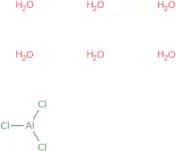
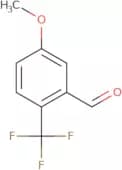

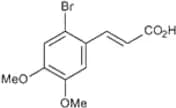
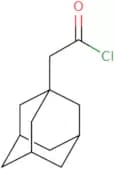
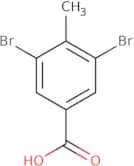
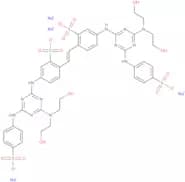
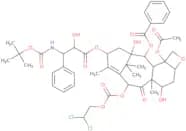
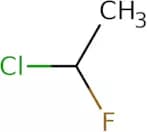
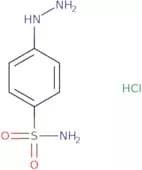

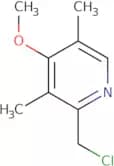
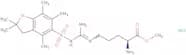
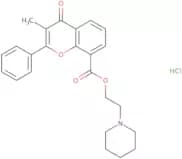
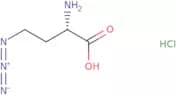
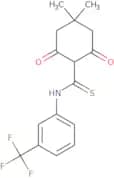
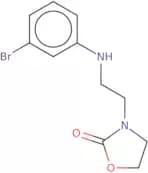
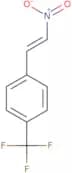
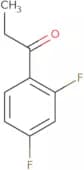
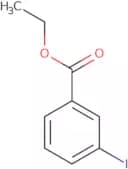
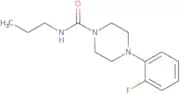
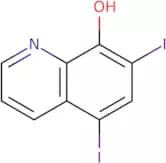
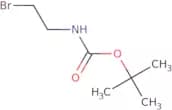
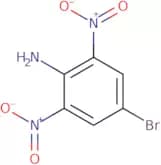
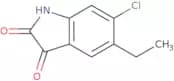
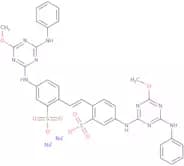
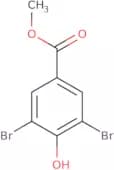
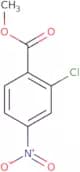

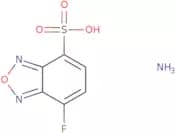
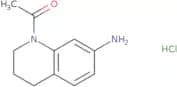
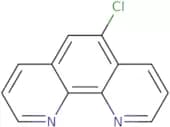
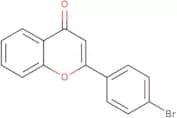
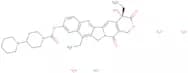
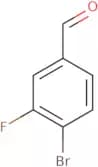

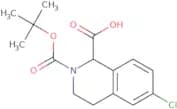
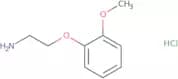

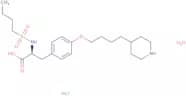

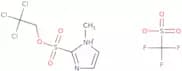
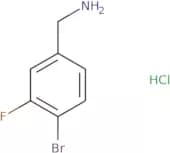
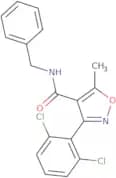

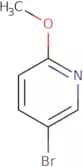
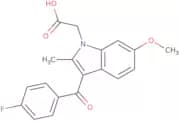
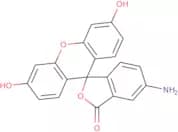
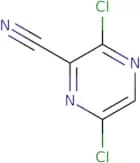
![[5-Methyl-3-(trifluoromethyl)-1H-pyrazol-1-yl]acetic acid](/_next/image/?url=https%3A%2Fstatic.cymitquimica.com%2Fproducts%2F3D%2Fthumb-webp%2FFM54360.webp&w=3840&q=75)
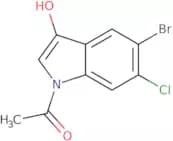
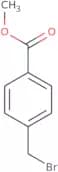
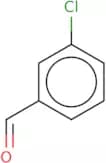
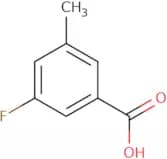
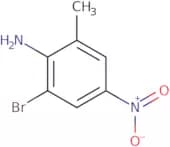
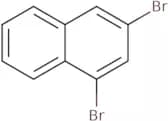
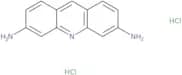

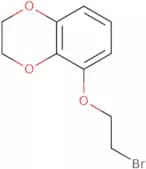
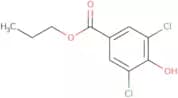
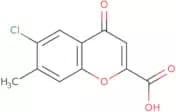

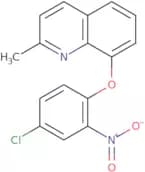
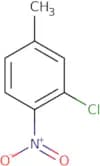
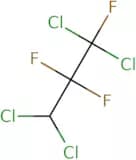
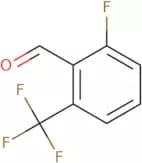
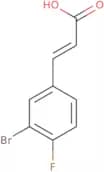
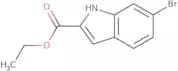
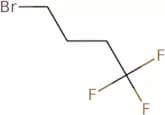
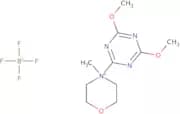
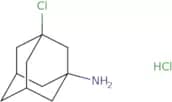

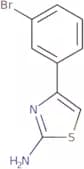
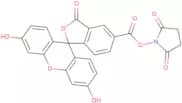
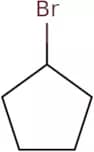
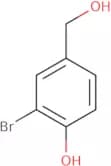
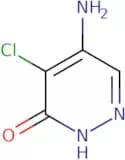
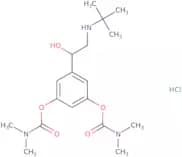
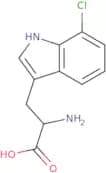
![[(1,2-Dimethyl-1H-imidazol-5-yl)methyl]amine dihydrochloride](/_next/image/?url=https%3A%2Fstatic.cymitquimica.com%2Fproducts%2F3D%2Fthumb-webp%2FFD124269.webp&w=3840&q=75)
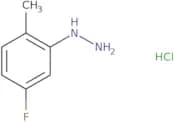
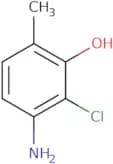
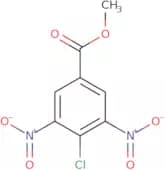
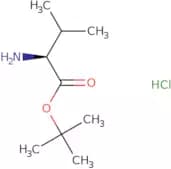
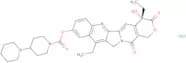
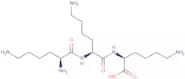
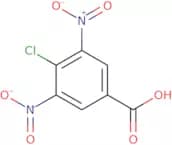
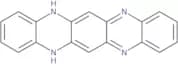
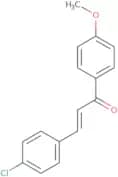

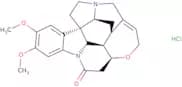
![2-Hydroxy-N,N,N-trimethylethanaminium salt with 1,1,1-trifluoro-N-[(trifluoromethyl)sulfonyl]metha…](/_next/image/?url=https%3A%2Fstatic.cymitquimica.com%2Fproducts%2F3D%2Fthumb-webp%2FFH103048.webp&w=3840&q=75)
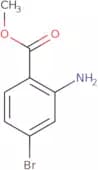
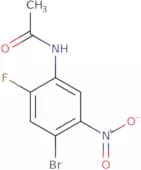
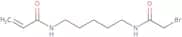
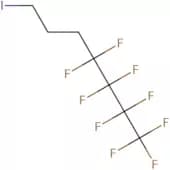
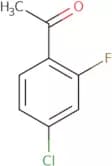

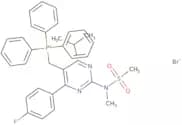
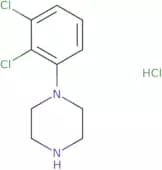
![8-Methyl-3,8-diazabicyclo[3.2.1]octane dihydrochloride](/_next/image/?url=https%3A%2Fstatic.cymitquimica.com%2Fproducts%2F3D%2Fthumb-webp%2FFM140960.webp&w=3840&q=75)
![4-Methyl-N-[3-(Trifluoromethyl)Phenyl]Benzenesulfonamide](/_next/image/?url=https%3A%2Fstatic.cymitquimica.com%2Fproducts%2F3D%2Fthumb-webp%2FFM94658.webp&w=3840&q=75)
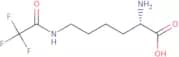
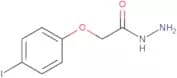
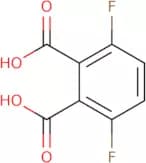
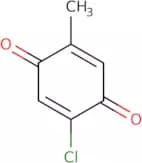
![[(Trifluoromethyl)sulfinyl]benzene](/_next/image/?url=https%3A%2Fstatic.cymitquimica.com%2Fproducts%2F3D%2Fthumb-webp%2FFT81464.webp&w=3840&q=75)
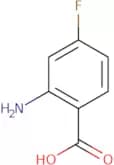
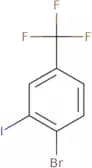
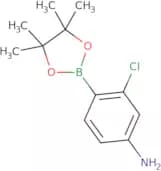
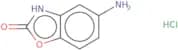
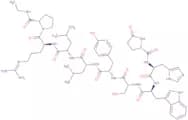
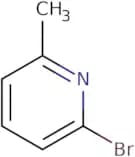
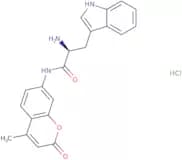
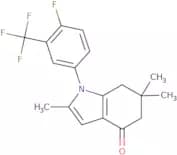
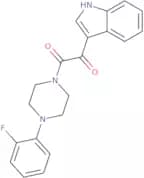
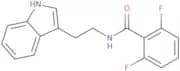
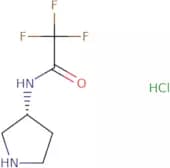
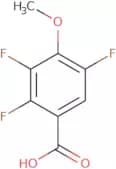
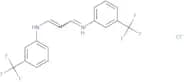
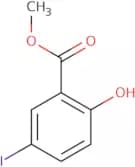
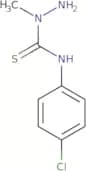
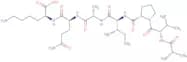
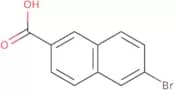
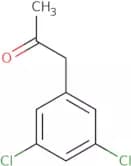

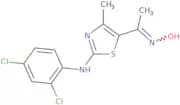

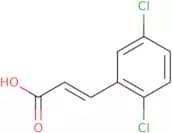
![1-[1-[4-(4-Fluorophenyl)-4-Oxobutyl]Piperidin-4-Yl]-3-Methylbenzimidazol-2-One](/_next/image/?url=https%3A%2Fstatic.cymitquimica.com%2Fproducts%2F3D%2Fthumb-webp%2FFF100333.webp&w=3840&q=75)
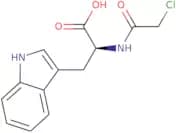
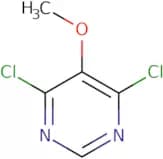
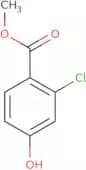
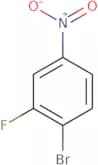

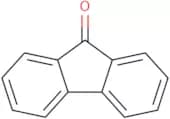
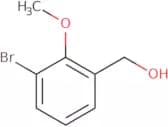

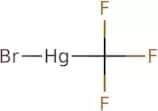
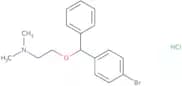
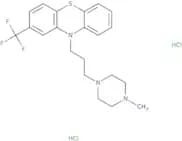
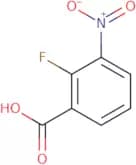
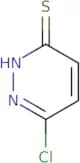
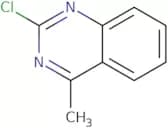
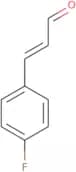
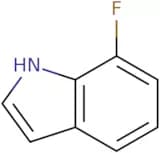

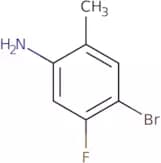
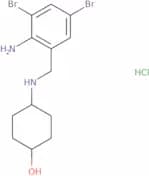
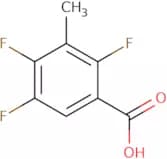
![[3-Chloro-4-(4-isobutyrylpiperazin-1-yl)phenyl]amine](/_next/image/?url=https%3A%2Fstatic.cymitquimica.com%2Fproducts%2F3D%2Fthumb-webp%2FFC134207.webp&w=3840&q=75)
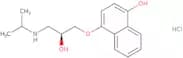
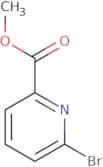
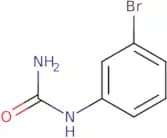

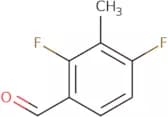
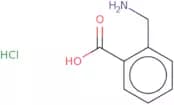
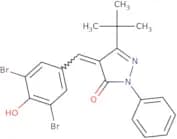
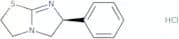
![2,5-Dimethoxy-N-[(2-methoxyphenyl)methyl]-4-(trifluoromethyl)benzeneethanamine](/_next/image/?url=https%3A%2Fstatic.cymitquimica.com%2Fproducts%2F3D%2Fthumb-webp%2FFD100429.webp&w=3840&q=75)
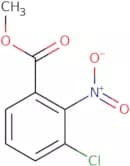
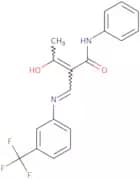
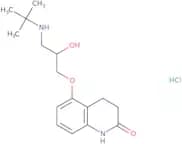
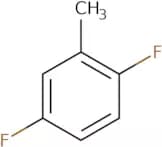
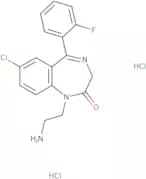
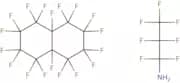
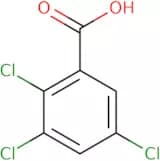
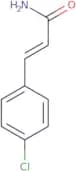
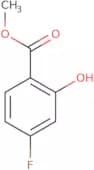
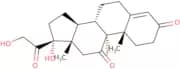
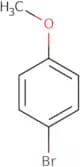
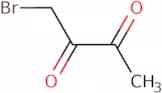
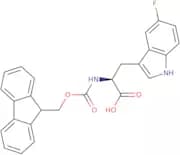
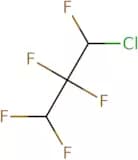
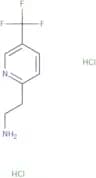
![9-Fluoro-3-methyl-7-oxo-10-(1-piperazinyl)-2,3-dihydro-7H-[1,4]oxazino[2,3,4-Ij]quinoline-6-carbox…](/_next/image/?url=https%3A%2Fstatic.cymitquimica.com%2Fproducts%2F3D%2Fthumb-webp%2FFF102861.webp&w=3840&q=75)
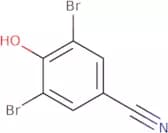
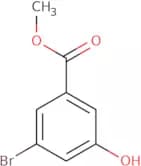
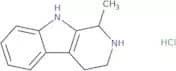


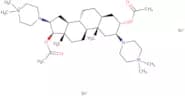

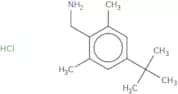
![N-α-[2,4-Dinitro-5-fluorophenyl]-L-valine amide](/_next/image/?url=https%3A%2Fstatic.cymitquimica.com%2Fproducts%2F3D%2Fthumb-webp%2FFD48428.webp&w=3840&q=75)
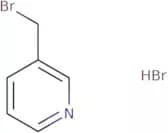
![3-[(4-Fluorophenyl)amino]cyclohex-2-en-1-one](/_next/image/?url=https%3A%2Fstatic.cymitquimica.com%2Fproducts%2F3D%2Fthumb-webp%2FFF123027.webp&w=3840&q=75)