


Halogénures organiques
Sous-catégories appartenant à la catégorie "Halogénures organiques"
20442 produits trouvés pour "Halogénures organiques"
3-Chloro-4-methoxybenzoic acid methyl ester
CAS :3-Chloro-4-methoxybenzoic acid methyl ester is a potent antiproliferative agent that inhibits the growth of cancer cells and bacteria. It is an amide, which has been synthesized by equilibration between two equivalents of 3-chlorobenzoic acid and methylamine. The copulatory proton profile for this compound has been determined using liquid chromatography with mass spectrometry detection (LCMS). This compound is also a weak inhibitor of tyrosine kinases, but is more potent as an inhibitor of protein kinase C. Sorafenib and dasatinib are examples of compounds that have been shown to be linked to this drug. 3-Chloro-4-methoxybenzoic acid methyl ester can induce the production of TNF-α in thp-1 cells at micromolar concentrations.Formule :C9H9ClO3Degré de pureté :Min. 95%Couleur et forme :PowderMasse moléculaire :200.62 g/mol5-Fluoro-2-(trifluoromethyl)pyridin-4-amine
CAS :5-Fluoro-2-(trifluoromethyl)pyridin-4-amine is a fine chemical that is used to create other organic compounds. This compound is an intermediate in the production of pharmaceuticals, pesticides, and herbicides. It can also be used as a reagent or a speciality chemical in research. 5-Fluoro-2-(trifluoromethyl)pyridin-4-amine can be used as a reaction component to synthesize other compounds and has been shown to have versatile functions as a building block for complex molecules. This compound is not classified by the Chemical Abstract Service (CAS) and does not have any reported toxic effects on humans.Formule :C6H4F4N2Degré de pureté :Min. 95 Area-%Couleur et forme :PowderMasse moléculaire :180.1 g/molBromotrimethylammoniumbimane bromide
CAS :Bromotrimethylammoniumbimane bromide is a fluorescent molecule that can be used as a probe for protease activity. It is also used to study the α1 subunit of the human histone deacetylase (HDAC) complex, which plays an important role in HIV infection and autoimmune diseases. The redox potential of Bromotrimethylammoniumbimane bromide has been shown to be dependent on its basic structure, with the disulfide bond being the most reactive. This chemical has been shown to have cytosolic Ca2+-dependent effects on cell signaling pathways, including induction of apoptosis and modulation of protein phosphatases.Formule :C13H19Br2N3O2Degré de pureté :Min. 95%Couleur et forme :PowderMasse moléculaire :409.12 g/mol5-Carboxymethoxytryptamine hydrochloride
CAS :Produit contrôlé5-Carboxymethoxytryptamine hydrochloride (5CMT) is a chemical compound that belongs to the group of useful building blocks. It is a versatile intermediate that can be used in the synthesis of many important compounds. 5CMT reacts with amines and alcohols to form amides and esters. It also reacts with carboxylic acids to form acid halides and anhydrides. 5CMT has been shown to be a useful scaffold in organic synthesis, as it can be converted into various derivatives. 5CMT is soluble in water, methanol, ethanol, acetone, and dichloromethane.Formule :C12H14N2O3•HClDegré de pureté :Min. 95%Masse moléculaire :270.71 g/mol3-Fluoro-2-methoxybenzaldehyde
CAS :3-Fluoro-2-methoxybenzaldehyde is a synthetic chemical that has been used as a precursor in the synthesis of pharmaceuticals and other organic compounds. 3-Fluoro-2-methoxybenzaldehyde can be prepared through the lithiation, chloromethylation, or trimethylation of 3-fluoroacetophenone. The compound can be oxidized to 3,4-dihydrobenzofuran with peroxide at low temperature. This conversion can be achieved using a variety of reagents, such as boron tribromide or boron trichloride.
Formule :C8H7FO2Degré de pureté :Min. 95%Couleur et forme :Colorless PowderMasse moléculaire :154.14 g/mol2-Amino-3-chlorobenzamide
CAS :This compound is a benzamide derivative that is oxidized by nature. It has been shown to undergo ring-opening in the presence of reducing agents, such as sodium borohydride, and yields 2-amino-4-chlorobenzaldehyde. This reaction system uses an efficient catalyst such as manganese dioxide to help speed up the rate of this reaction. The product of this reaction is then converted into a variety of isatins depending on the conditions used.Formule :C7H7ClN2ODegré de pureté :Min. 95%Couleur et forme :Off-White PowderMasse moléculaire :170.6 g/molMethyl azetidine-3-carboxylate hydrochloride
CAS :Methyl azetidine-3-carboxylate hydrochloride is a potent suppressant of the immune system. It has been shown to be effective at reducing the incidence of experimental autoimmune encephalomyelitis in monkeys, and also shows promise as a therapeutic agent for human immunodeficiency virus (HIV) infection. Methyl azetidine-3-carboxylate hydrochloride is orally active and can be administered in doses that are not toxic to the host. There have been no reports of adverse effects from administration of this drug, with the exception of nausea and vomiting, which were reported at doses greater than 30 mg/kg. Pharmacokinetic studies indicate that methyl azetidine-3-carboxylate hydrochloride does not accumulate in lymphocytes or other tissues following repeated oral doses, but instead is excreted rapidly via urine. The pharmacological activity of this compound appears to be due to its ability to inhibit protein synthesis by binding to ribFormule :C5H10ClNO2Degré de pureté :Min. 95%Couleur et forme :PowderMasse moléculaire :151.59 g/mol4-Chloro-3-nitrophenylacetamide
CAS :4-Chloro-3-nitrophenylacetamide is a chemical compound that can be used as a reagent, useful scaffold for research, and a high quality research chemical. CAS No. 5540-60-3, this versatile building block is useful for the synthesis of complex compounds and fine chemicals.
Formule :C8H7ClN2O3Degré de pureté :Min. 98 Area-%Couleur et forme :PowderMasse moléculaire :214.61 g/mol4-Bromo-2-fluorophenylhydrazine hydrochloride
CAS :Please enquire for more information about 4-Bromo-2-fluorophenylhydrazine hydrochloride including the price, delivery time and more detailed product information at the technical inquiry form on this pageFormule :C6H7BrClFN2Degré de pureté :Min. 95%Couleur et forme :PowderMasse moléculaire :241.49 g/mol2-Bromo-N,N-diethylacetamide
CAS :2-Bromo-N,N-diethylacetamide is a chemical compound that is used as an amide. It has been shown to have anti-inflammatory properties and can be used for the treatment of inflammatory lesions. This drug also has been shown to inhibit the production of 3-bromopropylamine hydrobromide in laboratory animals. 2-Bromo-N,N-diethylacetamide binds to cellular proteins such as mt2 receptors and can be used for the treatment of nervous system diseases such as depression. The titration calorimetry shows that 2-Bromo-N,N-diethylacetamide is a good candidate for use in biomolecular applications due to its low toxicity and high thermal stability.Formule :C6H12BrNODegré de pureté :Min. 95%Couleur et forme :LiquidMasse moléculaire :194.07 g/molPyridin-3-Yl-[4-[3-(Trifluoromethyl)Phenyl]Piperazin-1-Yl]Methanone Dihydrochloride
CAS :Produit contrôléThis polymer is a high efficiency, low cost particle that can be used to store electricity at temperatures of up to 300 degrees Celsius. It has a cycle life of more than 10,000 cycles and can be recharged in less than one minute. This polymer has been shown to have excellent structural stability and structural reversibility with lithium ion insertion/extraction. The coulombic efficiency is greater than 99%.Formule :C17H18Cl2F3N3ODegré de pureté :Min. 95%Masse moléculaire :408.25 g/molBromophenol Red Free acid
CAS :Bromophenol Red Free Acid is a synthetic substrate used in microbial infection and wastewater treatment. It has a pH of 2.0-3.0, which is acidic enough to disrupt the integrity of cellular membranes and cause cell lysis. Bromophenol Red Free Acid can be used as a lysing agent for human serum or cells in culture. This product is not soluble in water, so it must be dissolved in an organic solvent before it can be used. Bromophenol Red Free Acid reacts with hydrochloric acid to produce chemiluminescence that can be measured by luminometry, which is a quantitative technique for measuring light emission from chemical reactions. The hydroxyl group on the molecule reacts with the bromophenol group to form a bromohydrin intermediate, which reacts with hydrogen peroxide to produce chemiluminescence.Formule :C19H12Br2O5SDegré de pureté :Min. 95%Masse moléculaire :512.17 g/mol3-Ethylbenzothiazolium bromide
CAS :3-Ethylbenzothiazolium bromide is a reagent that is used to cleave the glycosidic bond of carbohydrates. The reaction time and selectivity can be controlled by changing the amount of 3-ethylbenzothiazolium bromide in the reaction system. 3-Ethylbenzothiazolium bromide has been shown to react with a variety of aldehydes and ketones, including glycolaldehyde, which are common in natural gas. 3-Ethylbenzothiazolium bromide is also used as an intermediate in the synthesis of many synthetic carbohydrates with diverse physicochemical properties.Formule :C9H10BrNSDegré de pureté :Min. 98 Area-%Couleur et forme :PowderMasse moléculaire :244.15 g/molMethyl (1S,2S,3S,5R)-3-[Bis(4-Fluorophenyl)Methoxy]-8-Methyl-8-Azabicyclo[3.2.1]Octane-2-Carboxylate
CAS :Produit contrôléMethyl (1S,2S,3S,5R)-3-[Bis(4-fluorophenyl)methoxy]-8-methyl-8-azabicyclo[3.2.1]octane-2-carboxylate is a molecule that has been shown to bind with high affinity to the serotonin receptor and blocks dopamine uptake. This drug has also demonstrated dose-dependent locomotor activity in rats and m1 muscarinic receptor binding. Methyl (1S,2S,3S,5R)-3-[Bis(4-fluorophenyl)methoxy]-8-methyl-8-azabicyclo[3.2.1]octane-2-carboxylate is being developed for use as a diagnostic tool for detecting Parkinsonian symptoms or chemical reactions in the brain.Formule :C23H25F2NO3Degré de pureté :Min. 95%Masse moléculaire :401.45 g/mol4-Bromoindole
CAS :4-Bromoindole is a model compound that serves as a building block for the synthesis of pharmaceutically important compounds. 4-Bromoindole has been shown to have high catalytic rates for the oxidative coupling of zirconium oxide. This compound can also be used in asymmetric synthesis because it is able to form both R and S enantiomers in moderate yield. The reaction mechanism is thought to involve a nucleophilic attack by bromide on the carbonyl group, followed by elimination of hydrogen bromide from this intermediate. 4-Bromoindole can be synthesized in three ways: (1) via an oxidative coupling reaction with ZrOCl2 and H2O2; (2) via an oxidative coupling reaction with ZrOCl2 and HBr; or (3) by reacting 4-bromoaniline with CuSO4 and Mn(NO3)2.
Formule :C8H6BrNDegré de pureté :Min. 95%Couleur et forme :Brown Yellow Clear LiquidMasse moléculaire :196.04 g/mol2-Bromo-4-methoxyaniline hydrochloride
CAS :2-Bromo-4-methoxyaniline hydrochloride is a high quality, reagent that is used as a useful intermediate in the production of fine chemicals. This compound has been shown to be a useful scaffold for the synthesis of speciality chemicals and research chemicals. It also functions as an excellent building block for versatile chemical reactions. 2-Bromo-4-methoxyaniline hydrochloride can be used as a reaction component in the preparation of compounds with diverse functional groups.Formule :C7H8BrNO·ClHDegré de pureté :Min. 95%Couleur et forme :White PowderMasse moléculaire :238.51 g/mol5-(2,3-Dichlorophenyl)-1H-tetrazole
CAS :Please enquire for more information about 5-(2,3-Dichlorophenyl)-1H-tetrazole including the price, delivery time and more detailed product information at the technical inquiry form on this pageDegré de pureté :Min. 95%5-Chlorotryptamine hydrochloride
CAS :Produit contrôlé5-Chlorotryptamine hydrochloride is a mitotic inhibitor that binds to the spindle. It has been shown to be an anti-proliferative agent in cells, as well as having anti-mitotic properties. 5-Chlorotryptamine hydrochloride binds to the c1-4 alkyl chains of the spindle and stops it from moving. This prevents the mitosis process and inhibits cell division. 5-Chlorotryptamine hydrochloride can also be used to inhibit kinesin, which is a protein involved in movement along microtubules.Formule :C10H11ClN2·HClCouleur et forme :PowderMasse moléculaire :231.12 g/mol5-Bromo-DL-tryptophan
CAS :5-Bromo-DL-tryptophan (5BrT) is a synthetic amino acid that belongs to the class of 1,2-diaminopropionic acids. 5BrT is an intermediate in the biosynthesis of tryptophan. It can be used as a fluorescent probe for protein analysis and detection of DNA by gel electrophoresis. 5BrT has also been shown to be taken up by cells, where it may form a fluorescent complex with intracellular proteins. The fluorescence properties of this compound have been studied by measuring emission spectra and lifetimes in solutions and gels. 5BrT has also been found to inhibit growth of bacteria such as Verticillium dahliae, which produces a number of antibiotics including penicillin. This compound can also be used in the synthesis of recombinant proteins from Escherichia coli or other bacteria.Formule :C11H11BrN2O2Couleur et forme :PowderMasse moléculaire :283.12 g/mol5-Chloroindole-3-carboxylic acid
CAS :5-Chloroindole-3-Carboxylic Acid is a ring system that is a dimer of two indole rings and one carboxyl group. It has the ability to form hydrogen bonds with itself, which allows it to stack together in an orderly manner. The carboxyl group on the 5-chloroindole-3-carboxylic acid molecule can form hydrogen bonds with water molecules due to its electronegativity. This property enables 5-chloroindole-3-carboxylic acid molecules to be soluble in water, which is why it is used for water treatment and as a corrosion inhibitor.Formule :C9H6ClNO2Degré de pureté :Min. 95%Masse moléculaire :195.6 g/mol3-((2-acetylphenoxy)methyl)-4-bromo-2-methyl-1-phenyl-3-pyrazolin-5-one
CAS :Please enquire for more information about 3-((2-acetylphenoxy)methyl)-4-bromo-2-methyl-1-phenyl-3-pyrazolin-5-one including the price, delivery time and more detailed product information at the technical inquiry form on this page
Formule :C19H17BrN2O3Degré de pureté :Min. 95%Couleur et forme :PowderMasse moléculaire :401.25 g/molH-Arg-Arg-AMC hydrochloride salt
CAS :H-Arg-Arg-AMC hydrochloride salt is a proteolytic inhibitor that binds to the active site of aminopeptidases and prevents their proteolytic activity. This inhibition leads to increased muscle mass in juveniles, as well as higher concentrations of magnesium ions in sarcoplasmic and myofibrillar proteins. H-Arg-Arg-AMC hydrochloride salt also has an inhibitory effect on ion exchange and chloride transport in muscle cells. The biochemical effects of this drug are due to its ability to inhibit the aminopeptidase enzymes, which play a role in the metabolism of amino acids.Formule :C22H33N9O4Degré de pureté :Min. 95%Couleur et forme :PowderMasse moléculaire :487.56 g/mol4-Fluoro-3-methylbenzonitrile
CAS :4-Fluoro-3-methylbenzonitrile (FMN) is a cytostatic agent that inhibits the growth of cancer cells by inhibiting the kinase activity. FMN has been shown to be an effective inhibitor of a number of kinases, including protein kinase C and cAMP-dependent protein kinase. The biological activity of FMN has been demonstrated in both cell culture and animal models. As with other chemotherapeutic agents, the evolution of resistance to FMN is a major concern for its use as a cancer treatment drug.Formule :C8H6FNDegré de pureté :Min. 95%Couleur et forme :PowderMasse moléculaire :135.14 g/mol2,6-Dichlorostyrene, stabilised with 0.1% 4-tert-butylcatechol
CAS :The 2,6-Dichlorostyrene stabilised with 0.1% 4-tert-buylcatechol (2,6-DC) is a primary alcohol with an inelastic molecule. It has been shown to be a good solvent for the analytical method of solute and chloride. The compound can also be used as a monomer in the synthesis of polystyrene. The 2,6-Dichlorostyrene stabilised with 0.1% 4-tert-buylcatechol has been used in copolymerization reactions at temperatures ranging from -10 to 50 degrees Celsius, which are known to produce copolymers that are soluble and elastomeric.Formule :C8H6Cl2Degré de pureté :Min. 95%Couleur et forme :Clear LiquidMasse moléculaire :173.04 g/mol2-Chloro-3-nitrobenzoic acid
CAS :2-Chloro-3-nitrobenzoic acid is a mesomorphic organic compound that has been shown to inhibit the growth of Mycobacterium tuberculosis. It inhibits bacterial growth by binding to the factor receptor, which is a protein complex that interacts with the proton gradient and regulates cell division. The synthesis of this compound is achieved through high concentrations of nitrobenzene in a solid phase synthesis. 2-Chloro-3-nitrobenzoic acid is obtained in an isolated yield, typically greater than 90%. This compound dissolves readily in organic solvents such as ethyl acetate, ether, and chloroform.Formule :C7H4ClNO4Couleur et forme :PowderMasse moléculaire :201.56 g/mol(1,5-Cyclooctadiene)bis(methyldiphenylphosphine) iridium(I) hexafluorophosphate
CAS :(1,5-Cyclooctadiene)bis(methyldiphenylphosphine) iridium(I) hexafluorophosphate is an organometallic compound that is a reagent for the synthesis of β-unsaturated aldehydes. It can be used in organic solvents such as diethyl ether and hexanes to transvinylate anion with methanol or ethylene glycol to produce propenyl alcohols. (1,5-Cyclooctadiene)bis(methyldiphenylphosphine) iridium(I) hexafluorophosphate has been found to be insoluble in water, alcohols, and acetals.
Formule :C34H38F6IrP3Degré de pureté :Min. 97%Couleur et forme :PowderMasse moléculaire :845.79 g/molMethyl 4-(2-nitro-4-(trifluoromethyl)phenoxy)benzoate
CAS :Please enquire for more information about Methyl 4-(2-nitro-4-(trifluoromethyl)phenoxy)benzoate including the price, delivery time and more detailed product information at the technical inquiry form on this pageFormule :C15H10F3NO5Degré de pureté :Min. 95%Couleur et forme :PowderMasse moléculaire :341.24 g/molGly-pro-4-methoxy-β-naphthylamide hydrochloride
CAS :Gly-pro-4-methoxy-β-naphthylamide hydrochloride is a fine chemical that is useful as a versatile building block and intermediate. It is a research chemical that has been used in the production of other compounds, such as drugs, pesticides, and dyes. This compound is also used to synthesize certain polymers and plastics. Gly-pro-4-methoxy-β-naphthylamide hydrochloride has CAS number 100929-90-6, but it can be found under many other names including 4-(2′,5′dimethylphenyl)-1-(2′hydroxyethyl)piperazine (CAS 105999).Formule :C18H22ClN3O3Degré de pureté :Min. 95 Area-%Couleur et forme :PowderMasse moléculaire :363.84 g/mol2-Bromo-2-methylpropiophenone
CAS :2-Bromo-2-methylpropiophenone is a chemical compound that is used as a fungicide. It is primarily applied to the soil, but can also be sprayed onto plants. It inhibits the growth of fungi and other pathogens by interfering with nucleic acid synthesis. This agent is catalytic, meaning it does not need an external source of energy to function. 2-Bromo-2-methylpropiophenone can be used in organic solvents because it dehalogenates chloroacetone into acetone, which is then removed from the reaction medium.Formule :C10H11BrODegré de pureté :Min. 95%Masse moléculaire :227.10 g/mol4-Bromo-3,5-dimethoxybenzoic acid methyl ester
CAS :4-Bromo-3,5-dimethoxybenzoic acid methyl ester is a crystalline solid that can be obtained from the reaction of 4-bromo-3,5-dimethoxybenzoic acid and methyl iodide. It has been shown to undergo an intramolecular cyclization when irradiated with ultraviolet light. This transformation is characterized by an increase in the length of the C=C bond and the appearance of a new C=O bond. The skeleton of 4-bromo-3,5-dimethoxybenzoic acid methyl ester consists of four five membered rings and two six membered rings. The molecule interacts with ligands such as styrene, mesitylene, vinylated benzyl halides, or halides.Formule :C10H11BrO4Degré de pureté :Min. 95%Couleur et forme :PowderMasse moléculaire :275.1 g/mol2-Nitro-4'-chloro diphenylsulfide
CAS :2-Nitro-4'-chloro diphenylsulfide is a versatile intermediate that is used in the synthesis of a variety of other compounds. It is an important reagent in organic synthesis and has been shown to be useful as a building block for the synthesis of complex compounds with various functional groups. 2-Nitro-4'-chloro diphenylsulfide has been shown to participate in many different reactions, including nucleophilic substitution, elimination, condensation, and oxidation. This chemical is a fine chemical that can be used for research purposes.
Formule :C12H8ClNO2SDegré de pureté :Min. 95%Couleur et forme :PowderMasse moléculaire :265.72 g/mol1-(4-Iodobenzyl)piperazine
CAS :Produit contrôlé1-(4-Iodobenzyl)piperazine is a molecule that acts on the localization, interaction, and uptake of other molecules. It has been shown to interact with murine melanoma cells and inhibit their growth. The mechanism of action is not yet known. 1-(4-Iodobenzyl)piperazine also inhibits the uptake of radioiodinated benzylpiperazine, which is a molecule used as a tracer to study the kidney's function. The drug has been shown to be taken up by malignant tumor cells in mice, but not by normal tissues. This may be due to its ability to interfere with the cell membrane or its ability to transport water across the membrane.Formule :C11H15IN2Degré de pureté :Min. 95%Couleur et forme :PowderMasse moléculaire :302.15 g/molHydroxy-[4-(4-hydroxy-5-bromo-3-iodophenoxy)-3,5-diiodophenyl]acetic acid
CAS :Hydroxy-[4-(4-hydroxy-5-bromo-3-iodophenoxy)-3,5-diiodophenyl]acetic acid is a fine chemical that is useful as a scaffold, versatile building block and an intermediate. Hydroxy-[4-(4-hydroxy-5-bromo-3-iodophenoxy)-3,5-diiodophenyl]acetic acid is typically used in research and development of new compounds. It has been shown to react with various compounds in different ways depending on the desired outcome. Hydroxy-[4-(4-hydroxy-5-bromo-3-iodophenoxy)-3,5-diiodophenyl]acetic acid also has CAS number 10891–02–8 and can be found in catalog numbers 3229209 and 3140016. This compound is of high quality and reagent grade.Formule :C14H8BrI3O5Degré de pureté :Min. 95%Masse moléculaire :716.83 g/molFluorescein
CAS :Fluorescein is a fluorescent molecule often used in in vitro assays, immunohistochemistry, microscopy, and clinical analytics. Fluorescein is not a natural product and was first synthesized in 1871 by Adolf von Baeyer, a later Nobel-prize winner for his work on organic dyes. Fluorescein has an absorption maximum of 494 nm and an emission maximum of 512 nm; these values can however slightly change depending on the solution medium. Fluorescein is used clinically in ophthalmology to assess the blood flow in the eye blood vessels and to detect eye injuries such as foreign bodies and possible abrasions. Interestingly, fluorescein has been found to possess peroxidase activity under certain conditions.Formule :C20H12O5Couleur et forme :PowderMasse moléculaire :332.31 g/molDL-alanine-β-naphthylamide hydrochloride
CAS :DL-Alanine-beta-naphthylamide hydrochloride is a fine chemical that is used as a building block for other compounds. It can be used in the synthesis of complex compounds and as a reagent to synthesize speciality chemicals and research chemicals. DL-Alanine-beta-naphthylamide hydrochloride is also a versatile building block that can be used as an intermediate in organic reactions or as a reaction component. This compound has CAS No. 74144-49-3 and is soluble in water.Formule :C13H15ClN2ODegré de pureté :Min. 95%Couleur et forme :PowderMasse moléculaire :250.72 g/molN-[2-Chloro-4-(trifluoromethyl)phenyl]-D-Valine
CAS :N-[2-Chloro-4-(trifluoromethyl)phenyl]-D-Valine is a chemical compound that has been used as a useful scaffold for the synthesis of a variety of compounds. It can be used as an intermediate or research chemical, or as a reaction component in the synthesis of other compounds. This compound is often used for the preparation of complex compounds and has been shown to produce high quality reagents.
Formule :C12H12ClF3NO2Degré de pureté :Min. 95%Couleur et forme :PowderMasse moléculaire :294.68 g/mol2-Chloro-5-methylthiazole-4-carbonitrile
CAS :Please enquire for more information about 2-Chloro-5-methylthiazole-4-carbonitrile including the price, delivery time and more detailed product information at the technical inquiry form on this pageFormule :C5H3ClN2SDegré de pureté :Min. 95%Masse moléculaire :158.61 g/mol5-Bromosalicylhydrazide
CAS :5-Bromosalicylhydrazide (5BSH) is a trivalent, magnetic metal coordination compound. The square planar geometry of the molecule is stabilized by metal ions in the middle of the plane and bivalent metal ions at the corners. 5BSH has been shown to be stable in aqueous solution with a pH range from 3 to 10 and has shown no significant change in its crystal structure or magnetic properties over this pH range. 5BSH also exhibits a transition from square planar to bivalent as the concentration of salt increases.
Formule :C7H7BrN2O2Degré de pureté :Min. 95%Couleur et forme :PowderMasse moléculaire :231.05 g/mol4-Fluorophenoxyacetic acid hydrazide
CAS :4-Fluorophenoxyacetic acid hydrazide (4FPAAH) is a palladium complex with anti-cancer activity. It induces apoptosis, or programmed cell death, in myelogenous leukemia cells and breast cancer cells. 4FPAAH has been shown to bind to the ATP binding site of the catalytic domain of topoisomerase II on DNA and inhibit its activity. The molecular modeling studies show that 4FPAAH binds in the same way as cisplatin, which is a platinum-based drug commonly used for cancer treatment. The structural analysis shows that 4FPAAH binds to the nitrogen atoms of the protein and eliminates the possibility of any hydrogen bonding interactions. This mechanism may be due to an electrostatic interaction between the positively charged nitrogen atom in 4FPAAH and negative charge on topoisomerase II's active site.Formule :C8H9FN2O2Degré de pureté :Min. 95%Couleur et forme :PowderMasse moléculaire :184.17 g/mol2-(4-Fluorophenyl)-5-(2-naphthyl)-1,3,4-oxadiazole
CAS :2-(4-Fluorophenyl)-5-(2-naphthyl)-1,3,4-oxadiazole is a clinical drug that is used to diagnose the presence of cholesterol in human serum. It reacts with cholesterol esterase to form a fluorescent product. The fluorescence intensity of this reaction product can then be measured and used to determine the concentration of cholesterol in the sample. 2-(4-Fluorophenyl)-5-(2-naphthyl)-1,3,4-oxadiazole has been shown to have a high specificity for cholesterol esterase and does not react with enzymes such as carboxylesterases and cholesteryl esterases. This compound also inhibits uptake into cells by acting on an uptake carrier protein, which prevents it from entering cells.Formule :C18H11FN2ODegré de pureté :Min. 95%Masse moléculaire :290.3 g/mol1,1,2,2,9,9,10,10-Octafluoro[2.2]paracyclophane
CAS :1,1,2,2,9,9,10,10-Octafluoro[2.2]paracyclophane is a synthetic chemical compound that can be used in cross-coupling reactions. It is an isomer of the more common 1-fluorocyclopropane and has been shown to have a shorter reaction time than 1-fluorocyclopropane. The compound's spectroscopic properties are similar to those of 1-fluorocyclopropane. The compound was synthesized by reacting nitrobenzene with cyclopentadiene in the presence of boronic acids and aluminum chloride. The mass spectrum of this compound shows peaks corresponding to the molecular ion at m/e=256 and its fragmentation pattern corresponds to a monosubstituted aromatic hydrocarbon.
Formule :C16H8F8Degré de pureté :Min. 98.5%Couleur et forme :White Clear LiquidMasse moléculaire :352.22 g/mol1,1,1,3,3-Pentachloro-2,2-difluoropropane
CAS :Produit contrôlé1,1,1,3,3-Pentachloro-2,2-difluoropropane (PDFP) is an organofluorine compound that has been used as an anti-infective agent. It has a low molecular weight and high volatility, which allows for easy transport of the agent to the site of infection. PDFP also exhibits stability against oxidation and hydrolysis reactions. PDFP is most effective against amines and dichloroethylene. It can be used in conjunction with other antiviral agents to enhance their effects. PDFP is not flammable and does not degrade in sunlight.Formule :C3HCl5F2Degré de pureté :Min. 95%Masse moléculaire :252.3 g/mol2-Bromo-1-bromomethyl-5-chlorobenzene
CAS :2-Bromo-1-bromomethyl-5-chlorobenzene is a brominated chloride with a 2,4,6-trichlorophenyl group. It is used as a reagent in organic synthesis and as a speciality chemical in the production of other chemicals. It is also used as an intermediate in the manufacture of pharmaceuticals, pesticides and dyestuffs. 2-Bromo-1-bromomethyl-5-chlorobenzene has been shown to be useful in the synthesis of complex compounds and versatile building blocks.
Formule :C7H5Br2ClDegré de pureté :Min. 95%Couleur et forme :PowderMasse moléculaire :284.38 g/molEthyl N-ethyl-N-[(heptadecafluorooctyl)sulphonyl]glycinate
CAS :Produit contrôléEthyl N-Ethyl-N-[(Heptadecafluorooctyl)Sulphonyl]Glycinate is a sulfonate that is used as a surfactant. It is a clear, colorless liquid with a slight odor that is soluble in water and can be used as a chemical intermediate. Ethyl N-Ethyl-N-[(Heptadecafluorooctyl)Sulphonyl]Glycinate is also known as an additive to substances, such as alcohols and other chemicals, or mixtures of substances.Formule :C14H12F17NO4SDegré de pureté :Min. 95%Couleur et forme :PowderMasse moléculaire :613.29 g/mol4,6-Difluoroisatin
CAS :4,6-Difluoroisatin is a chemical that is useful in the synthesis of complex compounds. It has been used as a reagent for the preparation of 4,6-difluoropyridinium salts and as a reaction component in the synthesis of polymers. 4,6-Difluoroisatin is also one of the building blocks in the synthesis of a number of other compounds. This chemical has been shown to be an effective scaffold for peptides and proteins.Formule :C8H3F2NO2Degré de pureté :Min. 95%Masse moléculaire :183.11 g/mol19,19-Difluoroandrost-4-Ene-3,6,17-Trione
CAS :Produit contrôlé19,19-Difluoroandrost-4-ene-3,6,17-trione is a steroid that inhibits aromatase activity. It has been shown to inhibit the production of estrogen in human placental cells. The inhibition constant for this compound is 0.69 μM. Rate constants for the inhibition of aromatase activity in human placental cells are 0.0014/min and 0.0011/min at concentrations of 0.1 and 1 μM respectively. This compound is biphasic with an inactivation half-life of 8 min at a concentration of 10 μM and a time dependent inhibition constant of 11 min at a concentration of 10 μM. 19,19-Difluoroandrost-4-ene-3,6,17-trione is a competitive inhibitor that binds to the heme moiety on the enzyme's active site and prevents substrate binding by sterically blocking access to it. This drug also hasFormule :C19H22F2O3Degré de pureté :Min. 95%Masse moléculaire :336.37 g/mol4-Bromo-m-xylene
CAS :4-Bromo-m-xylene is a halogenated aromatic compound with chemical properties similar to those of the other trifluoroacetic acid derivatives. 4-Bromo-m-xylene can be synthesized by reacting ethyl acetate with a mixture of copper chloride and bromine. This reaction can also be catalyzed by palladium in the presence of biphenyl as a ligand. The reaction temperature for this synthesis is typically between -30°C and 20°C, although it may be increased to between 0°C and 50°C if desired. 4-Bromo-m-xylene is used in the production of fatty acids, fatty acid esters, and polymers.Formule :C8H9BrDegré de pureté :Min. 95%Couleur et forme :Clear LiquidMasse moléculaire :185.06 g/mol3-Bromocarbazole
CAS :3-Bromocarbazole is a fluorophore that can be used as a fluorescence probe. It has high optical properties and low energy, making it ideal for analytical methods such as fluorescence resonance or iodination reaction. 3-Bromocarbazole binds to the bacterial receptor and is able to inhibit the growth of bacteria in human serum. This compound can also be used to differentiate bacterial strains based on their dry weight. 3-Bromocarbazole is a new chemical entity with many potential applications in medicine, biology, and chemistry.Formule :C12H8BrNDegré de pureté :Min. 98 Area-%Couleur et forme :Yellow PowderMasse moléculaire :246.1 g/mol3’-Deoxy-3’-fluoro-6-thioinosine
CAS :Please enquire for more information about 3’-Deoxy-3’-fluoro-6-thioinosine including the price, delivery time and more detailed product information at the technical inquiry form on this page
Degré de pureté :Min. 95%4-Bromo-3,5-dimethylbenzaldehyde
CAS :4-Bromo-3,5-dimethylbenzaldehyde is an organic compound that contains a benzene ring with a bromine atom in the 4 position. It is used as a reagent and intermediate in organic synthesis. The compound can be converted to radical cations by reaction with electron-deficient alkylating agents such as methyl iodide or trimethylsilyl chloride. Radical cations are classified as reactive intermediates and have been shown to react with other organic compounds to form new products.Formule :C9H9BrODegré de pureté :Min. 95%Masse moléculaire :213.07 g/moltert-Butyldimethylsilyl chloride
CAS :Tert-butyldimethylsilyl chloride is a silicon-containing compound that is used to prepare the tert-butyl group, which is an important part of many organic compounds. Tert-butyldimethylsilyl chloride reacts with trifluoroacetic acid to form hydrogen bonds. It can also react with hydrochloric acid to form a tert-butyl chloride, which is soluble in water and hydrolyzes in human serum. Tert-butyldimethylsilyl chloride has been used for the synthesis of carbohydrates and fatty acids. It has been used as a sample preparation agent for gas chromatography mass spectrometry and high performance liquid chromatography. The reaction solution can be prepared by reacting tert-butyldimethylsilyl chloride with an alcohol or carboxylic acid in the presence of base at low temperature. Tert-butyldimethylsilyl chloride can be synthesized by reactingFormule :C6H15ClSiDegré de pureté :Min. 95 Area-%Couleur et forme :Colorless PowderMasse moléculaire :150.73 g/mol5-Chloro-7-iodo-8-hydroxyquinoline
CAS :5-Chloro-7-iodo-8-hydroxyquinoline is a metal chelate that has been shown to have pharmacological effects in experimental animals. It has antioxidative properties and can protect against oxidative injury. 5-Chloro-7-iodo-8-hydroxyquinoline was found to be toxic in various animal models, including the neuronal death and mitochondrial membrane potential. This toxicity may be due to its ability to inhibit the activity of DNA polymerase and protein synthesis. The compound also showed significant cytotoxicity at low concentrations, but had no significant cytotoxicity at higher concentrations. 5-Chloro-7-iodo-8-hydroxyquinoline is similar in structure to clioquinol, which has been shown to have neurotoxic effects in humans.Formule :C9H5ClINODegré de pureté :Min. 95 Area-%Couleur et forme :PowderMasse moléculaire :305.5 g/mol3,4-Dichlorobenzhydrazide
CAS :3,4-Dichlorobenzhydrazide is a chemical compound that is used in research as a reaction component or reagent. It is a versatile building block and useful intermediate in organic synthesis. It can be used to synthesize complex compounds with diverse functional groups. 3,4-Dichlorobenzhydrazide has been used as a reactant for the production of fine chemicals, such as pesticides and pharmaceuticals.Formule :C7H6Cl2N2ODegré de pureté :Min. 95%Couleur et forme :PowderMasse moléculaire :205.04 g/mol5-Fluoro-N,N-Dimethyl-1H-Indole-3-Ethanamine
CAS :Produit contrôlé5-Fluoro-N,N-Dimethyl-1H-Indole-3-Ethanamine is a psychedelic drug with affinity for the serotonin 5HT2A receptor. It has been shown to interact with a diversity of ion channels and transporters. The affinity of 5FEDME for the 5HT2C receptor may also be normalizing. This drug has been shown to be an agonist at the 5HT2A receptor, which may contribute to its psychedelic effects.Formule :C12H15FN2Degré de pureté :Min. 95%Masse moléculaire :206.26 g/mol5-Bromonicotinic acid
CAS :5-Bromonicotinic acid is a chemical compound that is used in the synthesis of many other compounds. It is a white, crystalline solid that is soluble in water. 5-Bromonicotinic acid has been shown to have antioxidant properties and has been found to have therapeutic effects against degenerative diseases such as Alzheimer's disease. 5-Bromonicotinic acid has been used for the synthesis of carboxylic acids and amides, which are widely used in pharmaceuticals. The Suzuki coupling reaction was developed using 5-bromonicotinic acid as a key intermediate. This chemical compound also reacts with hydrogen peroxide to form reactive intermediates that can initiate chain reactions, which are useful in organic synthesis.
The structural analysis of this compound reveals an n-oxide group and two methoxy groups on the ring structure. Magnetic resonance spectroscopy data revealed the presence of a carboxylate group as well as hydrogen bonding interactions with daunorubFormule :C6H4BrNO2Degré de pureté :Min. 95%Couleur et forme :PowderMasse moléculaire :202.01 g/mol5,6-Diethyl-2,3-dihydro-1H-inden-2-amine hydrochloride
CAS :Produit contrôlé5,6-Diethyl-2,3-dihydro-1H-inden-2-amine hydrochloride is the salt form of a chemical compound that belongs to the group of acetylation agents. This chemical is highly soluble in water and is used as a reagent to acetylate amines. The industrial process for this compound begins with an acetone solution of 2,3-dihydroindene. Acetyl chloride reacts with 2,3-dithiobenzoyl chloride in an acid environment to produce 5,6-diethyl-2,3-dihydroindane. The product is treated with hydrogen chloride gas to produce 5,6-diethyl-2,3 dihydroindanamine hydrochloride. This compound has been shown to be toxic for aquatic life and can cause environmental pollution when released into the environment.Formule :C13H19N•HClDegré de pureté :Min. 95%Couleur et forme :White PowderMasse moléculaire :225.76 g/molN-Methoxy-N-methylcarbamoyl chloride
CAS :N-Methoxy-N-methylcarbamoyl chloride is a synthetic compound that can be used to synthesize organic compounds. N-Methoxy-N-methylcarbamoyl chloride can be produced using cross coupling reactions. It is also used in agrochemical synthesis, such as the production of isobutyl clopidogrel, and in the synthesis of boronic acids.Formule :C3H6ClNO2Degré de pureté :Min. 95%Couleur et forme :PowderMasse moléculaire :123.54 g/molAcridine orange 10-nonylbromide
CAS :Acridine orange 10-nonylbromide is a fluorescent dye that binds to DNA and RNA. It is used in biochemistry to stain cells and tissues for examination under a microscope. Acridine orange 10-nonylbromide has been shown to bind to the mitochondria in human white blood cells, thereby inhibiting mitochondrial membrane potential, which leads to cell lysis. Acridine orange 10-nonylbromide also has an index of high values with water vapor, making it an ideal candidate for use as an indicator in ecological studies. Acridine orange 10-nonylbromide can be used as a probe for the study of biological samples because it binds reversibly to nucleic acids, giving it chemical stability. Acridine orange 10-nonylbromide also has monoclonal antibodies that are specific for the physiological function of proteins, which makes it useful as a probe for biochemical research involving protein synthesis or degradation.Formule :C26H38BrN3Degré de pureté :Min. 95%Couleur et forme :SolidMasse moléculaire :472.5 g/mol3-Fluoro-2-methoxybenzoic acid
CAS :3-Fluoro-2-methoxybenzoic acid is a chemical compound that is used as a reaction component, reagent, and building block for fine chemicals. It is a versatile intermediate that is useful in the preparation of complex compounds. 3-Fluoro-2-methoxybenzoic acid has been used to synthesize pharmaceuticals, including antipsychotics and anticonvulsants, as well as dyes and pesticides. 3-Fluoro-2-methoxybenzoic acid belongs to the speciality chemical category and can be used in research labs or other specialized settings.
3-Fluoro-2-methoxybenzoic acid has CAS No. 106428-05-1.Formule :C8H7FO3Degré de pureté :Min. 95%Couleur et forme :PowderMasse moléculaire :170.14 g/molMethyl trifluoromethanesulfonate
CAS :Methyl trifluoromethanesulfonate is a chemical compound that has been used in the synthesis of fluorescence probes and pharmaceuticals. It has an electron-withdrawing effect on the nitrogen atom, which enables it to react with amines. Methyl trifluoromethanesulfonate is a potent inhibitor of esterases, which are enzymes that hydrolyze esters. Methyl trifluoromethanesulfonate inhibits HIV infection by binding to gp120 and preventing receptor binding. This reaction also leads to conformational changes in gp120 and causes gp41 to insert into the membrane, disrupting fusion of viral and cellular membranes and inhibiting viral replication.Formule :C2H3F3O3SDegré de pureté :Min. 95%Couleur et forme :Clear LiquidMasse moléculaire :164.1 g/mol3-Amino-4-chlorobenzoic acid
CAS :3-Amino-4-chlorobenzoic acid is a diacid that has been shown to have strong steric interactions with manumycin and fibrinogen, which are proteins found in the human body. 3-Amino-4-chlorobenzoic acid has a carboxylate group at one end of the molecule, which can coordinate to metal ions such as chloride. The other end of the molecule contains a hydrogen atom that can form hydrogen bonds with other molecules. 3-Amino-4-chlorobenzoic acid can be synthesized by reacting 2 moles of chloroacetyl chloride with an amino acid.Formule :C7H6ClNO2Degré de pureté :Min. 95%Couleur et forme :PowderMasse moléculaire :171.58 g/mol3,4-Dichloromethylphenidate
CAS :Produit contrôlé3,4-Dichloromethylphenidate is a synthetic cannabinoid that is structurally related to amphetamine. It has been detected in the urine of drug users and is used as a substitute for cocaine. 3,4-Dichloromethylphenidate binds to the dopamine transporter, serotonin transporter, and norepinephrine transporter proteins in the brain. The binding of 3,4-Dichloromethylphenidate to these proteins inhibits the reuptake of these neurotransmitters into the presynaptic neuron, leading to an increase in extracellular concentrations of monoamines. This leads to increased levels of dopamine in the striatum and nucleus accumbens and increased levels of serotonin in brain regions that control mood and appetite. 3,4-Dichloromethylphenidate also inhibits the activity of human liver carboxylesterase 1 (CES1). Inhibition of CES1 causes an accumulation of toxic metabolites such as phenethylamFormule :C14H17Cl2NO2Degré de pureté :Min. 95%Couleur et forme :Yellow solid.Masse moléculaire :302.2 g/molEthyl 4-Fluoro-3-nitrobenzoate
CAS :Ethyl 4-fluoro-3-nitrobenzoate is a molecule that has been shown to have significant cytotoxicity and antiproliferative activities against cancer cells. It has been shown to inhibit the replication of RNA in replicon cells, which is an assay used to measure the ability of a drug to inhibit viral replication. The molecule also has significant anticholinesterase activity, which may be due to its hydrogen bond interactions with choline esters.Formule :C9H8FNO4Degré de pureté :Min. 95%Couleur et forme :PowderMasse moléculaire :213.16 g/mol[(2,5-Dichlorophenyl)sulphonyl]phenylamine
CAS :[(2,5-Dichlorophenyl)sulphonyl]phenylamine is a versatile building block with a number of potential applications. It can be used as a reagent in the synthesis of complex compounds or as an intermediate in the preparation of useful scaffolds. This compound has been studied for use in the production of research chemicals and other speciality chemicals. [(2,5-Dichlorophenyl)sulphonyl]phenylamine is also a useful building block that can be used to produce high quality fine chemicals with diverse properties.
Formule :C12H9Cl2NO2SDegré de pureté :Min. 95%Masse moléculaire :302.18 g/mol9-Fluoro-11β,17-Dihydroxy-16α-Methyl-3,20-Dioxopregna-1,4-Dien-21-Yl 2-[2-(2-Ethoxyethoxy)Ethoxy]Acetate
CAS :Produit contrôléMethylprednisolone is a corticosteroid that has been used for the treatment of many conditions, including asthma and arthritis. It is used to reduce inflammation and suppress the immune system. Methylprednisolone can be administered orally or as an injection. It is also used in the diagnosis of tumours, especially those that are difficult to diagnose by other means. Methylprednisolone may be given together with another drug called dexamethasone, which has synergistic effects. These drugs have been shown to cause death in animals with certain types of tumours. In humans, they can cause cutaneous lesions, such as follicle cysts and tnf-α expression in skin cells. This drug also causes a microsporum infection (a type of fungus) on the skin to grow more rapidly when it is applied topically, resulting in a larger diameter section than untreated areas.Formule :C30H43FO9Degré de pureté :Min. 95%Masse moléculaire :566.66 g/mol3,5-Dichloro-2,6-dihydroxybenzoic acid
CAS :3,5-Dichloro-2,6-dihydroxybenzoic acid is a synthetic compound that has been shown to have anti-leishmanial activity. It prevents the release of iron from the parasite by binding to iron ions and preventing the formation of iron complexes. 3,5-Dichloro-2,6-dihydroxybenzoic acid also inhibits disulfide bond formation in proteins. This inhibition leads to a decrease in protein synthesis. The effect of 3,5-dichloro-2,6-dihydroxybenzoic acid on Leishmania species was confirmed using metabolomics analysis on human blood samples collected from women in Tanzania.Formule :C7H4Cl2O4Degré de pureté :Min. 95%Couleur et forme :PowderMasse moléculaire :223.01 g/mol3-Bromo-4-fluorobenzaldehyde
CAS :3-Bromo-4-fluorobenzaldehyde is a drug substance that is used in the synthesis of pharmaceuticals. It is also a potential anticancer agent. 3-Bromo-4-fluorobenzaldehyde inhibits bacterial growth by binding to DNA, preventing transcription and replication. The high frequency of human activity has been shown using a patch clamp technique on human erythrocytes. This active form is metabolized through a number of metabolic transformations, including hydrolysis by esterases or glucuronidases, oxidation by cytochrome P450 enzymes, reduction by glutathione reductase, or conjugation with glucuronic acid. 3-Bromo-4-fluorobenzaldehyde also specifically binds to markers expressed at high levels in Mycobacterium tuberculosis strains (e.g., ESX-1 secretion system protein) and inhibits cell growth in culture.
Formule :C7H4BrFODegré de pureté :Min. 95%Couleur et forme :PowderMasse moléculaire :203.01 g/molN-Sulphamyl-3-chloropropionamidine hydrochloride
CAS :N-Sulphamyl-3-chloropropionamidine hydrochloride is a chemical compound that is used as a stain for histological studies. It is activated by chloride ions and reacts with cellular components in tissue sections to form a black precipitate. This technique is used for the diagnosis of tuberculosis and other bacterial infections. A number of techniques are available for this staining, including potassium dichromate, mercuric chloride, and rotator methods. Other uses include the identification of histologists or tissues.Formule :C3H8ClN3O2S•HClCouleur et forme :PowderMasse moléculaire :222.09 g/mol3’,5’-Di-O-benzoyl-2’-deoxy-2’-fluoro-5-trifluoromethyl-arabinouridine
CAS :Please enquire for more information about 3’,5’-Di-O-benzoyl-2’-deoxy-2’-fluoro-5-trifluoromethyl-arabinouridine including the price, delivery time and more detailed product information at the technical inquiry form on this pageDegré de pureté :Min. 95%Polyhexamethylene biguanide hydrochloride - Solid
CAS :Polyhexamethylene biguanide hydrochloride is an antiseptic and disinfectant that is used to prevent the growth of bacteria on surfaces.Formule :(C8H17N5)n•(HCl)xDegré de pureté :(%) Min. 94%Couleur et forme :White Slightly Yellow Powder5-Chlorosalicylic acid
CAS :5-Chlorosalicylic acid is an inhibitor of the enzyme carbonic anhydrase. It is used for the treatment of gout, rheumatoid arthritis, and osteoarthritis. This compound has been shown to be a genotoxic agent, which may result in mutagenic or carcinogenic effects. 5-Chlorosalicylic acid inhibits the growth of probiotic bacteria. It also has anti-inflammatory properties and can be used as a proton donor in organic synthesis reactions. 5-Chlorosalicylic acid is a metabolite of acetylsalicylic acid (ASA) that forms when ASA undergoes oxidative deamination in the liver. 5-Chlorosalicylic acid is also formed during metabolism of nonsteroidal anti-inflammatory drugs (NSAIDs).Formule :C7H5ClO3Degré de pureté :Min. 95%Couleur et forme :White Off-White PowderMasse moléculaire :172.57 g/mol2,2,2-Trifluoro-N-(4-piperidinyl)acetamide
CAS :2,2,2-Trifluoro-N-(4-piperidinyl)acetamide (TFAPA) is a nucleic acid analog that binds to the target nucleic acid. TFAPA is a morpholino compound with an amide linkage between the morpholine ring and the acetic acid group. TFAPA is a sequence-specific DNA analog that inhibits protein synthesis by binding to the target nucleic acid. TFAPA can also be used as a probe for the detection of abnormal sequences in RNA.Formule :C7H11F3N2ODegré de pureté :Min. 95%Couleur et forme :White PowderMasse moléculaire :196.17 g/mol6α-Fluoroprednisolone acetate
CAS :Produit contrôlé6alpha-Fluoroprednisolone acetate is a corticosteroid that is used for the treatment of inflammatory diseases. It has a high therapeutic index and does not bind to mineralocorticoid receptors in the body. 6alpha-Fluoroprednisolone acetate is administered as an aerosol or a microsphere. It can be used in cell culture because it does not inhibit protein synthesis or cause morphological changes to cells. The drug has been shown to have a low cytotoxicity profile, which may be due to its ability to suppress pd-l1 and Mcl-1 proteins, which are associated with cancer metastasis. Clinical data suggests that 6alpha-fluoroprednisolone acetate has no adverse effects on the liver, kidney, or bone marrow.Formule :C23H29FO6Degré de pureté :Min. 95%Masse moléculaire :420.47 g/molFmoc-L-alanine pentafluorophenyl ester
CAS :Fmoc-L-alanine pentafluorophenyl ester is a drug that inhibits the growth of microorganisms by inhibiting the synthesis of folic acid. It is used to treat patients with drug-resistant bacteria, such as Mycobacterium tuberculosis, and has shown toxic effects on human cells. Fmoc-L-alanine pentafluorophenyl ester binds to the enzyme dihydrofolate reductase and blocks the production of tetrahydrofolate, which is essential for DNA synthesis. This drug also inhibits human cells by binding to DNA gyrase in the bacterial cell wall.END>Formule :C24H16F5NO4Degré de pureté :Min. 95%Couleur et forme :PowderMasse moléculaire :477.38 g/mol(2,3-Dihydro-1H-inden-5-yloxy)acetyl chloride
CAS :2,3-Dihydro-1H-inden-5-yloxy)acetyl chloride is a fine chemical that is used as a building block for complex compounds. It can also be used as a reagent in research and speciality chemicals. This product has CAS No. 943116-95-8 and is of high quality. 2,3-Dihydro-1H-inden-5-yloxy)acetyl chloride can be used in the production of versatile building blocks or useful scaffolds.Formule :C11H11ClO2Degré de pureté :Min. 95%Couleur et forme :PowderMasse moléculaire :210.66 g/mol4-Chloro-2-nitrobenzoic acid
CAS :4-Chloro-2-nitrobenzoic acid is a hydrogen bond donor with a coordination geometry of tetrahedral. It has two functional groups: an organic acid and a nitro group. This compound has been used in molecular modeling to study telomeric interactions. 4-Chloro-2-nitrobenzoic acid is also found in biological systems such as the enzyme chloramphenicol acetyltransferase and the antibiotic chloramphenicol. 4-Chloro-2-nitrobenzoic acid can be synthesized from phosphorus pentachloride and amine, which are both commercially available.Formule :C7H4CINO4Degré de pureté :Min. 95%Couleur et forme :PowderMasse moléculaire :305.03 g/molmethyl 2-(4,5-dimethoxy-2-(((3-(trifluoromethyl)phenyl)amino)sulfonyl)phenyl)acetate
CAS :Please enquire for more information about methyl 2-(4,5-dimethoxy-2-(((3-(trifluoromethyl)phenyl)amino)sulfonyl)phenyl)acetate including the price, delivery time and more detailed product information at the technical inquiry form on this page
Degré de pureté :Min. 95%ethyl 2-(6-bromo-2-naphthyloxy)acetate
CAS :Please enquire for more information about ethyl 2-(6-bromo-2-naphthyloxy)acetate including the price, delivery time and more detailed product information at the technical inquiry form on this page
Degré de pureté :Min. 95%4,4'-Dibromostilbene
CAS :4,4'-Dibromostilbene is a phthaloyl derivative of trans-stilbene. It has optical properties that are similar to those of the parent compound. 4,4'-Dibromostilbene is an acceptor for electron transfer with a redox potential of 1.8 V and can be used as a peroxide decomposition catalyst. The compound has been shown to be resistant to chlorides, peroxides and organocatalysts at temperatures up to 200°C. In addition, 4,4'-dibromostilbene has been found to have high efficiency in light emission at room temperature with quantum yields ranging from 0.1% - 2%.Formule :C14H10Br2Degré de pureté :Min. 95%Couleur et forme :PowderMasse moléculaire :338.04 g/molN-Ethylheptadecafluoro-N-[3-(Trimethoxysilyl)Propyl]Octanesulphonamide
CAS :Produit contrôléN-Ethylheptadecafluoro-N-[3-(Trimethoxysilyl)Propyl]Octanesulphonamide is a membrane filtration technology that is used to remove all organic and inorganic pollutants from water. It is effective for the removal of oils, pesticides, herbicides, detergents, antibiotics, and heavy metals. N-Ethylheptadecafluoro-N-[3-(Trimethoxysilyl)Propyl]Octanesulphonamide is also used to treat wastewater and surface water. This process can be used on large quantities of water with high efficiency. The use of this process can be beneficial for the health of humans, animals, and the environment.Formule :C16H20F17NO5SSiDegré de pureté :Min. 95%Masse moléculaire :689.46 g/mol2-(1-Adamantyl)-4-bromophenol
CAS :2-(1-Adamantyl)-4-bromophenol is a synthetic polymer that is used in the production of film. It has been used to produce chromatographic films, which are used for the separation and purification of organic compounds. 2-(1-Adamantyl)-4-bromophenol is also used to manufacture ion-exchange resins, which are used for the separation and purification of ions in water. 2-(1-Adamantyl)-4-bromophenol has been shown to be carcinogenic when administered orally to rats, causing human colon carcinoma. It also causes pleural mesothelioma when administered intrapleurally in rats. This chemical has been shown to have anti-inflammatory properties due to its ability to inhibit prostaglandin synthesis.Formule :C16H19BrODegré de pureté :Min. 95%Couleur et forme :PowderMasse moléculaire :307.23 g/molPotassium 3,3,4,4,5,5,6,6,7,7,8,8,8-tridecafluorooctanesulphonate
CAS :Potassium 3,3,4,4,5,5,6,6,7,7,8,8,8-tridecafluorooctanesulphonate is a potassium salt of the perfluoroalkanesulfonic acid. It is a versatile building block with a wide range of applications in the research chemical and fine chemical industries. Potassium 3,3,4,4,5,5,6,6... 8-tridecafluorooctanesulphonate can be used as an intermediate for the synthesis of complex compounds or as a reagent in organic synthesis. It is also useful for making high quality resins and polymers. CAS No.: 59587-38-1.Formule :C8H4F13KO3SDegré de pureté :(¹H-Nmr) Min. 95 Area-%Couleur et forme :PowderMasse moléculaire :466.26 g/mol2,4-Dichloro-α-(chloromethyl)benzyl alcohol
CAS :2,4-Dichloro-alpha-(chloromethyl)benzyl alcohol is an enantiopure compound that belongs to the class of acetylating agents. This drug is used in organic chemistry as a hydrophobic reagent to acetylate hydrophobic or electron-deficient carbon centers. It reacts with alcohols in the presence of aluminium and catalysts such as pyridine, 2,6-lutidine, or benzoyl chloride. The reaction time is dependent on the substrate binding and the kinetic effect. 2,4-Dichloro-alpha-(chloromethyl)benzyl alcohol has been shown to be an antifungal agent against Candida albicans. It has also been shown to be a chiral compound that can inhibit the growth of fungi by inhibiting the enzyme alcohol dehydrogenase which controls cellular levels of NADH2 and NAD+.Formule :C8H7Cl3ODegré de pureté :Min. 95%Couleur et forme :SolidMasse moléculaire :225.5 g/mol4,5-Diamino-6-chloropyrimidine
CAS :4,5-Diamino-6-chloropyrimidine is a glycosidic compound that has been used for the optimization of drug targets. It has been shown to have antimalarial activity against Plasmodium falciparum in vitro and in vivo. 4,5-Diamino-6-chloropyrimidine binds to the amine groups on nucleotides, specifically purines (adenine and guanine), and amidates the 6-chloropurine ring. This makes it a potential candidate for use in chemotherapy. The structure of 4,5-diamino-6-chloropyrimidine was determined by NMR and mass spectroscopy analysis.Formule :C4H5ClN4Degré de pureté :Min. 95%Masse moléculaire :144.56 g/molCholine chloride - 99%
CAS :Choline is an essential nutrient that is involved in the metabolism of fat and protein, as well as in the synthesis of cell membranes. It is also a precursor for neurotransmitters such as acetylcholine and phosphatidylcholine. Choline chloride is an ionic compound that contains choline and chloride ions. It has been shown to have beneficial effects on brain functions, including memory and learning, by providing choline to the brain. Choline chloride also helps regulate energy metabolism by supplying choline to cells throughout the body. In addition, it has been used as a model system for studying atherosclerosis. Choline chloride has been shown to inhibit certain enzymes such as picolinic acid carboxylase, calcium pantothenate kinase, and betaine homocysteine methyltransferase which are important for maintaining normal cell function. This inhibition leads to reduced levels of picolinic acid (a toxic metabolite), calcium pantothenate (a vitamin),
Formule :C5H14ClNODegré de pureté :Min. 95%Couleur et forme :White PowderMasse moléculaire :139.62 g/mol2-[[(Heptadecafluorooctyl)Sulphonyl]Propylamino]Ethyl Methacrylate
CAS :Produit contrôlé2-[[(Heptadecafluorooctyl)Sulphonyl]Propylamino]Ethyl Methacrylate is a sulfonate that is used as a crosslinker in various chemical substances. It is also used to connect substances together, such as chemicals. 2-[[(Heptadecafluorooctyl)Sulphonyl]Propylamino]Ethyl Methacrylate has the chemical formula CH2=CFCF2CF(OCH2CH2)SO3H. 2-[[(Heptadecafluorooctyl)Sulphonyl]Propylamino]Ethyl Methacrylate is an oily liquid that is colorless and odorless.Formule :C17H16F17NO4SDegré de pureté :Min. 95%Masse moléculaire :653.35 g/mol1-Bromo-6-chlorohexane
CAS :1-Bromo-6-chlorohexane is a quaternary ammonium salt that is used as a disinfectant, germicide, and an antiseptic. It has a high chemical reactivity with halides, such as chloride and bromide. 1-Bromo-6-chlorohexane has been shown to be most effective against Gram negative bacteria and fungi by disrupting the cell membrane. This product can also be used to sterilize water or other liquids.Formule :C6H12BrClDegré de pureté :Min. 95%Couleur et forme :Clear LiquidMasse moléculaire :199.52 g/molH-Tyr-Arg-Gly-Asp-Ser-OH trifluoroacetate
CAS :H-Tyr-Arg-Gly-Asp-Ser-OH trifluoroacetate salt is a peptide that belongs to the class of amides. It is an inhibitor of the growth factor, TGFβ1, and it has been shown to have a high affinity for human serum albumin. H-Tyr-Arg-Gly-Asp-Ser-OH trifluoroacetate salt has been shown to inhibit the growth of cells in culture; this may be due to its ability to bind to proteins, such as collagen and cell culture media. H-Tyr-Arg-Gly-Asp-Ser-OH trifluoroacetate salt has also been shown to have biological properties that are similar to those of human immunoglobulin.Formule :C24H36N8O10•C2HF3O2Degré de pureté :Min. 95%Couleur et forme :White/Off-White SolidMasse moléculaire :710.61 g/molCarbamoyl-guanidine amidino urea salt, hydrochloride salt
CAS :Carbamoyl-guanidine amidino urea salt, hydrochloride salt is a compound that belongs to the class of amides. It has been used as a pharmacological treatment for autoimmune diseases. Carbamoyl-guanidine amidino urea salt, hydrochloride salt is also used in the preparation of pharmaceutical preparations and diagnostic agents. This drug can be found in tests for the diagnosis of autoimmune diseases and tissue culture. The carbamoyl-guanidine amidino urea salt, hydrochloride salt molecule is hydrophilic and interacts with test samples through hydrogen bonds. Carbamoyl-guanidine amidino urea salt, hydrochloride salt can be analyzed using methods such as pharmacological tests, analytical methods, and vitro assays.Formule :C2H7ClN4ODegré de pureté :Min. 96 Area-%Couleur et forme :PowderMasse moléculaire :138.56 g/mol3,5-Dichlorophenylthiourea
CAS :3,5-Dichlorophenylthiourea is an inorganic compound that can be used as a corrosion inhibitor. It is an acidic compound with a magnetic resonance spectrum that contains amide peaks. This substance is also bifunctional and reacts with potassium dichromate to form an ammonium salt. 3,5-Dichlorophenylthiourea has been shown to inhibit the growth of C. neoformans in human serum and may be useful as a chemotherapy agent for this type of infection. The substance has also been shown to have some effect on chloride ions and may be useful as an environmental pollution control agent or as a chemical substance. 3,5-Dichlorophenylthiourea may react with alkanolamines or polyvinyls in order to form new compounds.Degré de pureté :Min. 95%4-(Chloromethyl)benzamide
CAS :4-(Chloromethyl)benzamide is a potent inhibitor of cyclohexane ring formation in proteins and has been shown to be effective against bacteria, fungi, and parasites. 4-(Chloromethyl)benzamide inhibits the synthesis of proteins by targeting the active site of piperazine synthase, an enzyme involved in the production of piperazine. The carbon nanotube linker is a novel molecule that can be used for the attachment of the 4-(chloromethyl)benzamide molecule to cetirizine. In addition, 4-(chloromethyl)benzamide has been shown to have an effective dose at 0.1 μM and a half-life time of 2 hours in rats.Formule :C8H8ClNODegré de pureté :Min. 95%Couleur et forme :PowderMasse moléculaire :169.61 g/mol3-Fluorophthalodinitrile
CAS :3-Fluorophthalodinitrile is a hydroxylated aromatic hydrocarbon with a chloride substituent. It has been shown to yield high percentages of the chloride ion in crystalline form. The compound is also photochemically stable and has been used as an absorber for infrared radiation in the preparation of pharmaceutical preparations, such as thrombin receptor antagonists. 3-Fluorophthalodinitrile has a crystalline structure and belongs to the class of phthalocyanines. It has been shown to bind to thrombin receptors and inhibit platelet aggregation, which may be due to its ability to inhibit calcium from binding to phospholipids on the platelet membrane surface.
Formule :C8H3FN2Degré de pureté :Min. 95%Couleur et forme :Yellow PowderMasse moléculaire :146.12 g/mol3-Fluoro-L-phenylalanine
CAS :3-Fluoro-L-phenylalanine is a fluorinated analog of the amino acid phenylalanine. It is an endophytic fungus that has been found in the leaves of wheat and rice plants. 3-Fluoro-L-phenylalanine is synthesized by 4-fluoro-l-phenylalanine, a plant metabolite, through the addition of a fluoride ion. This molecule can be used to produce gels with high glass transition temperatures. The synthesis of 3-fluoro-L-phenylalanine and its derivatives can be studied using NMR spectroscopy because these molecules are acidic and have low energy levels.Formule :C9H10FNO2Degré de pureté :Min. 95%Couleur et forme :White/Off-White SolidMasse moléculaire :183.18 g/mol3,5-Dibromo-4-anisic acid
CAS :3,5-Dibromo-4-anisic acid (3,5-DA) is a brominated alkaloid that has been isolated from the Madagascan sponge Psammaplysilla. 3,5-DA is amphimedonine with an additional bromine atom. It has been highlighted in spectroscopy as a possible metabolite of psammaplysene due to its similar chemical structure. 3,5-DA is present in the marine environment and has been found to be a minor component of the sponge Psammaplysilla.Formule :C8H6Br2O3Degré de pureté :Min. 95%Couleur et forme :PowderMasse moléculaire :309.94 g/mol1,1,2,2,3,3,4,4-Octafluoro-5,5-Bis(Trifluoromethyl)Cyclopentane
CAS :Produit contrôléOctafluoro-5,5-bis-(trifluoromethyl)cyclopentane (OTFC) is an organic compound that has the formula CF2CF3. OTFC is a volatile liquid with a boiling point of -1.8°C, and can be found in the environment due to its use as a solvent. OTFC is used in the production of amines and vinyl ethers. OTFC can be synthesized by reacting benzotrifluoride with toluene or vinyl ether. The inorganic nature and efficiency of this chemical make it useful for many applications.Formule :C7F14Degré de pureté :Min. 95%Masse moléculaire :350.05 g/mol4-[(7-Chloro-4-quinolinyl)amino]-1-pentanol
CAS :4-[(7-Chloro-4-quinolinyl)amino]-1-pentanol (QLT) is a drug that has been shown to be effective against both healthy volunteers and malaria patients. It is a prodrug that is metabolized by the liver into 7-chloroquinalone, which inhibits the growth of plasmodium falciparum. QLT has been shown to be safe and well tolerated in studies with healthy volunteers, and it does not appear to cause significant adverse effects. QLT also has an effect on T cells, which may be due to its ability to inhibit protein synthesis and cell division.Formule :C14H17ClN2ODegré de pureté :Min. 95%Couleur et forme :Yellow SolidMasse moléculaire :264.75 g/mol3-Bromo-5-chlorobenzyl alcohol
CAS :3-Bromo-5-chlorobenzyl alcohol is a useful building block for the synthesis of complex compounds. It reacts with metal chlorides to form bromochloromethane, which can be used in organic syntheses as a reaction component or reagent. 3-Bromo-5-chlorobenzyl alcohol is a versatile chemical that has been shown to have high quality and is useful in research.Formule :C7H6BrClODegré de pureté :Min. 95%Couleur et forme :PowderMasse moléculaire :221.48 g/mol2-Amino-4-(trifluoromethyl)thiazole-5-carboxylic acid
CAS :Please enquire for more information about 2-Amino-4-(trifluoromethyl)thiazole-5-carboxylic acid including the price, delivery time and more detailed product information at the technical inquiry form on this pageFormule :C5H3F3N2O2SDegré de pureté :Min. 95%Masse moléculaire :212.15 g/mol3-Chlorobenzamide
CAS :3-Chlorobenzamide is an analytical reagent that is used for the separation and purification of organic compounds. It has been shown to be a catalyst for the reaction system in the dehydration of amides, amido, and halides. 3-Chlorobenzamide has also been suggested as a possible environmental pollutant due to its catalytic properties and ability to react with monoxide. The correlations between 3-chlorobenzamide concentrations in air and soil have also been studied extensively.Formule :C7H6ClNODegré de pureté :Min. 95%Couleur et forme :PowderMasse moléculaire :155.58 g/mol2-Chloro-N,N-diphenylacetamide
CAS :2-Chloro-N,N-diphenylacetamide is a functional theory that has been shown to have antimicrobial activity against mammalian cells. It is an acetamide derivative with a formyl group and two chloro substituents. 2-Chloro-N,N-diphenylacetamide inhibits the growth of Mycobacterium tuberculosis by binding to the ribosomal protein P0, which inhibits the production of proteins vital for cell division. This drug also has antifungal properties, inhibiting the synthesis of ergosterol in filamentous fungi such as Candida albicans.
2-Chloro-N,N-diphenylacetamide is also known to inhibit the growth of other bacteria by binding to their ribosomes and interfering with protein synthesis. This drug may also be active against viruses due to its ability to bind chloride ions.Formule :C14H12ClNODegré de pureté :Min. 95%Masse moléculaire :245.7 g/mol3-Chloro-2-pyrazine-carboxylic acid
CAS :3-Chloro-2-pyrazinecarboxylic acid is a nucleophilic compound that is synthetically produced and has antimicrobial properties. It is an active component of the drug 3,4 dichloro-2-pyrazinecarboxylic acid (DCP). This agent binds to the chloride ion in bacterial cells, which inactivates the enzyme adenosine triphosphatase that is essential for maintaining cellular homeostasis. 3-Chloro-2-pyrazinecarboxylic acid has been shown to be active against a number of Gram positive and Gram negative bacteria, including Staphylococcus epidermidis, Streptococcus pneumoniae, and Pseudomonas aeruginosa. It also has antibacterial activity against mycobacteria such as Mycobacterium tuberculosis and Mycobacterium avium complex.Formule :C5H3ClN2O2Degré de pureté :Min. 95%Couleur et forme :Off-White To Light Brown SolidMasse moléculaire :158.54 g/molMethyl 3-iodo-4-methylbenzoate
CAS :Methyl 3-Iodo-4-methylbenzoate is a radiolabeled compound that can be used in the labeling of proteins and peptides. Methyl 3-Iodo-4-methylbenzoate can be used to study postoperative pain. It has been shown to bind to cannabinoid receptors, which may provide a new method for the treatment of pain. Methyl 3-Iodo-4-methylbenzoate is also an agonist of CB2 receptors, which are mainly found in the immune system and have been shown to have antiinflammatory properties. The efficiency of methyl 3-iodo-4 methylbenzoate as a radiolabeling agent is high, with low levels of radiation exposure to the patient. This compound has been shown to produce antibodies that bind specifically with opioid receptors, making it useful for research on opioid receptor ligands.Formule :C9H9IO2Degré de pureté :Min. 95%Masse moléculaire :276.07 g/mol[5-(4-Amino-2-bromophenyl)-2-furyl]methanol
CAS :5-(4-Amino-2-bromophenyl)-2-furyl]methanol (5ABF) is a fine chemical that has been shown to be an effective building block. The compound is used as a reagent in organic synthesis and can be used as a reaction component. 5ABF is also an intermediate, which can be converted into useful building blocks. 5ABF has been shown to have versatile uses in research chemicals and speciality chemicals. This chemical's CAS number is 874592-18-4. 5ABF has a high quality and is a versatile scaffold.Formule :C11H10BrNO2Degré de pureté :Min. 95%Couleur et forme :Slightly Yellow PowderMasse moléculaire :268.11 g/molThiophene-2-amidine hydrochloride
CAS :2-Amidinothiophene Hydrochloride is a drug that is used as an anti-inflammatory agent. It is an isoform of amidinothiophene, which inhibits the production and release of cyclic nucleotides. 2-Amidinothiophene Hydrochloride has shown activity against tracheal muscle, adenosine receptors, and phosphodiesterase isoenzymes. This drug binds to the ATP binding site of the enzyme cyclic nucleotide phosphodiesterase, blocking the breakdown of cAMP into AMP and then ADP.
Formule :C5H7ClN2SDegré de pureté :Min. 95%Masse moléculaire :162.64 g/molSodium perfluorohexanoate
CAS :Sodium perfluorohexanoate is a compound that belongs to the group of pharmacological agents. It has been shown to have low water permeability and receptor activity in vitro. The toxicity of this compound has been studied extensively in animals, and it does not have any significant effects on the liver or kidney. However, it may cause damage to the spleen, brain, and testes. Chronic oral exposure to sodium perfluorohexanoate can cause toxic effects on the liver, kidney, spleen, brain, and testes. Sodium perfluorohexanoate is also an analytical method for measuring human serum levels of dinucleotide phosphate (dNTP) and erythrocyte membrane potential (EMP).Formule :C6HF11O2•NaDegré de pureté :Min. 95%Couleur et forme :PowderMasse moléculaire :337.04 g/mol1,2,2,3,3,4,4,5,5,6,6-Undecafluoro-N,N-Bis(1,1,2,2,2-Pentafluoroethyl)Cyclohexan-1-Amine
CAS :Produit contrôlé1,2,2,3,3,4,4,5,5,6,6-Undecafluoro-N,N-Bis(1,1,2,2,2-Pentafluoroethyl)Cyclohexan-1-Amine is an efficient mitochondrial respiratory uncoupler that has been shown to increase the rate of oxidative phosphorylation in rat liver. It is also a membrane permeable compound that can be incorporated into micelles. This drug has been shown to have suboptimal effects on morphology and mitochondrial function in mice. 1,2 2 3 3 4 4 5 5 6 6 -Undecafluoro-N N Bis (1 1 2 2 2 2 Pentafluoroethyl) Cyclohexan 1 Amine has potential applications as a therapeutic agent for patients with respiratory disorders such as cystic fibrosis or chronic obstructive pulmonary disease.Formule :C10F21NDegré de pureté :Min. 95%Masse moléculaire :533.08 g/molMethyl 3,5-diiodo-4-methoxybenzoate
CAS :Please enquire for more information about Methyl 3,5-diiodo-4-methoxybenzoate including the price, delivery time and more detailed product information at the technical inquiry form on this pageFormule :C9H8I2O3Degré de pureté :Min. 95%Couleur et forme :PowderMasse moléculaire :417.97 g/molSulfanilylfluoride
CAS :Sulfanilylfluoride is an antiviral agent that inhibits the synthesis of glycogen by inhibiting the activity of glycogen synthase kinase-3. It also has a prodrug form, which is converted to its active form in the human body by hydrolysis and esterification. The drug has been shown to be effective against hepatitis B virus (HBV) and herpes simplex virus type 2 (HSV-2). Sulfanilylfluoride can be used as a second line treatment for HBV in patients with chronic hepatitis B who are resistant to lamivudine/zidovudine or telbivudine. It is also used in HSV-2 infections, including genital herpes and cold sores. Sulfanilylfluoride is not active against HIV, varicella zoster virus, or cytomegalovirus.Formule :C6H6FNO2SDegré de pureté :Min. 95%Masse moléculaire :175.18 g/mol2-Chloro-5-iodotoluene
CAS :2-Chloro-5-iodotoluene is an estrogen receptor antagonist that inhibits the activity of estrogen. 2CIT has been shown to be a potent aromatase inhibitor, and can be used for the treatment of endometriosis and breast cancer. 2CIT has been shown to inhibit the production of estrogen by binding to the aromatase enzyme and preventing it from converting testosterone into estrogen in peripheral tissues such as adipose tissue. This drug can also prevent the conversion of androgens into estrogens in target tissues, including breast tissue. As a result, this drug inhibits tumor growth by preventing the formation of new blood vessels needed for tumor growth. 2CIT may also have anti-cancer properties due to its ability to inhibit DNA synthesis in tumor cells.
Formule :C7H6ClIDegré de pureté :Min. 95%Couleur et forme :PowderMasse moléculaire :252.48 g/mol3-(4-bromophenyl)-5-(1-methylindol-3-yl)-1H,4H,5H-1,2-diazin-6-one
CAS :Please enquire for more information about 3-(4-bromophenyl)-5-(1-methylindol-3-yl)-1H,4H,5H-1,2-diazin-6-one including the price, delivery time and more detailed product information at the technical inquiry form on this pageDegré de pureté :Min. 95%Octenidine dihydrochloride
CAS :Octenidine dihydrochloride is an antimicrobial agent that inhibits the growth of bacteria by interfering with their cell membrane. Octenidine dihydrochloride has been shown to be effective against a number of gram-negative bacteria, such as Pseudomonas aeruginosa, Escherichia coli, Klebsiella pneumoniae and Enterobacter cloacae. It has synergistic effects when combined with eugenol and is used in dental hygiene products. Octenidine dihydrochloride also has some antimicrobial activity against gram-positive bacteria, such as Lactobacillus acidophilus and Streptococcus mutans. It can be used in agrochemical preparations for controlling growth of pathogenic fungi on plants.
Formule :C36H62N4·2HClCouleur et forme :PowderMasse moléculaire :623.83 g/mol(Z)-3-Bromoacrylic acid
CAS :(Z)-3-Bromoacrylic acid is an organic compound that belongs to the class of terminal alkynes. It has been shown to be a potent irreversible inhibitor of enantiopure propargylation catalyzed by dehalogenases. (Z)-3-Bromoacrylic acid reacts with the active site residues of the enzyme and forms a covalent bond, which prevents the release of acetaldehyde from propargyl alcohol. This reaction is reversible, which may cause some problems in cases where it is necessary to regenerate the enzyme. (Z)-3-Bromoacrylic acid also reacts with phosphite and halides to form five-membered rings, which are not as stable as six-membered rings.Formule :C3H3BrO2Degré de pureté :Min. 95%Couleur et forme :SolidMasse moléculaire :150.96 g/molHydroxychloroquine sulfate
CAS :Hydroxychloroquine is a 4-aminoquinolone that is used to prevent and treat malaria, caused by parasitic protozoan from the Plasmodium genus. Hydroxychloroquine is also used to treat non-infectious diseases such as rheumatoid arthritis and lupus thanks to its immunomodulatory properties. Recent studies revealed that hydroxychloroquine has beneficial effects on COVID-19 patients, as the current evidence shows that hydroxychloroquine inhibits SARS CoV-2 entry in host cells by interfering with endocytosis and affecting the glycoprofile on the spike glycoprotein.Formule :C18H26ClN3O•H2SO4Degré de pureté :Min. 95%Couleur et forme :White PowderMasse moléculaire :433.95 g/mol3-(4-Dimethylaminophenyl)propionic acid hydrochloride
CAS :3-(4-Dimethylaminophenyl)propionic acid hydrochloride is a white crystalline compound that is soluble in water. It has many uses as a building block, reagent, intermediate, or scaffold in organic synthesis due to its versatility and stability. 3-(4-Dimethylaminophenyl)propionic acid hydrochloride can be used as an additive to improve the performance of other substances. In addition, this chemical is a useful building block for the production of research chemicals or speciality chemicals.Formule :C11H15NO2•HClDegré de pureté :Min. 95%Masse moléculaire :229.7 g/mol3-Chloro-4-hydroxybenzoic acid hemihydrate
CAS :3-Chloro-4-hydroxybenzoic acid hemihydrate is an analog of forskolin that is used in cancer research. It has been shown to inhibit the growth of lung cancer cells, which may be due to its ability to activate protein kinase A and phosphatase enzymes. 3-Chloro-4-hydroxybenzoic acid hemihydrate is being studied as a potential treatment for multiple sclerosis and other autoimmune disorders, although it has not yet been approved for these conditions. This drug inhibits the proliferation of tumor suppressor protein p53 and reverses the effects of a synthetic form of fty720 on the activation of the p38 mitogen activated protein kinase.Formule :C7H5ClO3·H2ODegré de pureté :Min. 98 Area-%Couleur et forme :PowderMasse moléculaire :363.15 g/mol2,4,5-Trifluoroaniline
CAS :2,4,5-Trifluoroaniline (TFAA) is a synthetic chemical that belongs to the class of electrophiles. It is a hydrogenation reduction product of 2,4,5-trichloroaniline and is used as an antibacterial agent. TFAA inhibits bacterial growth by reacting with thiols in proteins and nucleic acids. This compound has shown efficiencies on the order of 99% against gram positive bacteria and 95% against gram negative bacteria. TFAA also has been shown to inhibit the production of hydrogen sulfide in Escherichia coli and Pseudomonas aeruginosa. The biological properties of TFAA are due to its ability to bind to copper ions and undergo reductive elimination or substitution reactions. The crystal structure of TFAA has been determined using x-ray diffraction techniques. In this work, it was found that TFAA adopts a planar geometry with D2d symmetry at room temperature and meltsFormule :C6H4F3NDegré de pureté :Min. 95%Couleur et forme :PowderMasse moléculaire :147.10 g/mol2-Fluoro-5-iodobenzoic acid methyl ester
CAS :2-Fluoro-5-iodobenzoic acid methyl ester is a fine chemical that is useful as a building block for the synthesis of complex compounds. It is also used as an intermediate in organic syntheses, and in research and development as a reaction component or speciality chemical. 2-Fluoro-5-iodobenzoic acid methyl ester has been shown to be effective in the synthesis of high quality reagents.Formule :C8H6FIO2Degré de pureté :Min. 95%Couleur et forme :Off-White To Yellow SolidMasse moléculaire :280.03 g/mol4-Fluoro-2-(trifluoromethyl)benzonitrile
CAS :4-Fluoro-2-(trifluoromethyl)benzonitrile is a potential anticancer drug that has been shown to inhibit the growth of cancer cells in vitro. It is a Grignard reagent that can be used to synthesize pyrazole derivatives. 4-Fluoro-2-(trifluoromethyl)benzonitrile inhibits the production of estrogen, which leads to castration-resistant prostate cancer. This drug also has an amide group, which may be due to modifications by formylation or dehydrating. 4-Fluoro-2-(trifluoromethyl)benzonitrile was isolated from a reaction mixture with chloroform and potassium hydroxide in a yield of 3%.
Formule :C8H3F4NDegré de pureté :Min. 95%Couleur et forme :SolidMasse moléculaire :189.11 g/mol4'-Chloropropiophenone
CAS :4'-Chloropropiophenone is a synthetic, non-proteinaceous binding agent that is used in the reduction of benzene and carbonyl compounds. It can be prepared by reacting cyanoborohydride with amines in an acid-binding process. The reaction can be catalyzed by chloride or oxime. 4'-Chloropropiophenone binds to the carbonyl group of carbonyl compounds and forms a tetrahedral intermediate with the chloride ion. This intermediate is then reduced by an oxidant such as chromium trioxide, resulting in the formation of a new compound with a chloride substituent.Formule :C9H9ClODegré de pureté :Min. 98%Couleur et forme :White PowderMasse moléculaire :168.62 g/mol2-Bromo-3-fluorobenzoic acid
CAS :2-Bromo-3-fluorobenzoic acid is a chemical compound that can be synthesized by the reduction of nitrobenzene with ammonium chloride. This reaction is regioselective, giving predominantly 2-bromo-3-fluorobenzoic acid. The reaction proceeds via a nucleophilic substitution mechanism and the product is formed in high yield. A second route for the synthesis of 2-bromo-3-fluorobenzoic acid involves the deamination of trifluorotoluene to produce hypophosphorous acid, which reacts with sulfuric acid to give 2-bromo-3-fluorobenzoic acid. The bromine atom in this molecule has a high nucleophilicity and reacts readily with electrophiles such as ammonia and amines.Formule :C7H4BrFO2Degré de pureté :Min. 95%Couleur et forme :PowderMasse moléculaire :219.01 g/mol(2-Imidazo[2,1-b][1,3]thiazol-6-ylethyl)amine dihydrochloride
CAS :2-Imidazo[2,1-b][1,3]thiazol-6-ylethyl)amine dihydrochloride is a high quality reagent that is used as a useful intermediate in the synthesis of complex compounds with possible pharmaceutical applications. It can also be used as a useful scaffold to create new and interesting molecules of interest. This chemical has been shown to be useful in the synthesis of speciality chemicals, research chemicals, and versatile building blocks. 2-Imidazo[2,1-b][1,3]thiazol-6-ylethyl)amine dihydrochloride is a versatile building block that has been used for the synthesis of various types of reaction components.Formule :C7H9N3S·2HClDegré de pureté :Min. 95%Couleur et forme :Brown PowderMasse moléculaire :240.15 g/molEthyl 2-(4-(4-(trifluoromethyl)phenylamino)-3,5-thiazolyl)acetate
CAS :Please enquire for more information about Ethyl 2-(4-(4-(trifluoromethyl)phenylamino)-3,5-thiazolyl)acetate including the price, delivery time and more detailed product information at the technical inquiry form on this page
Degré de pureté :Min. 90%4-Methylbenzyl chloride
CAS :4-Methylbenzyl chloride is a chemical substance that can be used in the synthesis of other substances. It is a colorless liquid with a sweet odor that boils at 121°C and has a molecular weight of 103.4 g/mol. The reaction product is an organic compound with the chemical formula CH3C6H4Cl. The hydrogen chloride reacts with the hydroxyl group to form methyl nicotinate, which is an anti-microbial treatment for bacteria, fungi, and viruses. 4-Methylbenzyl chloride can also be used as an anhydrous sodium chloride control analysis or in the preparation of mutant strains of bacteria.Formule :C8H9ClDegré de pureté :Min. 95%Masse moléculaire :140.61 g/mol3-Chloro-4-methoxybenzoic acid ethyl ester
CAS :3-Chloro-4-methoxybenzoic acid ethyl ester is a chemical compound that is used as a reactant in organic synthesis. It has shown high quality and can be used for research. 3-Chloro-4-methoxybenzoic acid ethyl ester can be used as a scaffold to make fine chemicals, pharmaceuticals, and other products. It has been shown to be useful in the synthesis of many complex compounds and as an intermediate or building block for chemical reactions.Formule :C10H11ClO3Degré de pureté :Min. 95%Couleur et forme :PowderMasse moléculaire :214.65 g/mol4,5-Dichloro-1,2,3-dithiazoliumchloride
CAS :4,5-Dichloro-1,2,3-dithiazoliumchloride is a pyrazole ring with an acidic hydrogen. It is used as a model system to study the reactions of nucleophilic attack on amines and the low energy chemistry of pyrazoles. The compound has significant antifungal activity against Candida glabrata, which may be due to its ability to react with the carbonyl group in the active methylene. This reaction mechanism leads to inhibition of the synthesis of ergosterol and other sterols essential for fungal cell membranes.Formule :C2Cl3NS2Degré de pureté :Min. 95 Area-%Couleur et forme :PowderMasse moléculaire :208.52 g/mol4'-Fluoro-biphenyl-4-methanamine
CAS :4'-Fluoro-biphenyl-4-methanamine is a fine chemical that is a versatile building block, useful intermediate, and research chemical. It is used as a reaction component in the production of other chemicals. 4'-Fluoro-biphenyl-4-methanamine can be used as an additive in many commercial products. This compound is an important reagent and can be found in high quality research laboratories. CAS No. 776291-03-3Formule :C13H12FNDegré de pureté :Min. 95%Couleur et forme :SolidMasse moléculaire :201.24 g/mol3-Iodobenzamide
CAS :3-Iodobenzamide is a metalloporphyrin that is used as a research tool. It has been shown to inhibit the tyrosine kinase activity of the BCR-ABL protein and to induce apoptosis in chronic myeloid leukemia cells. 3-Iodobenzamide binds to the dopamine D2 receptor, which leads to inhibition of adenylate cyclase and decreased levels of cAMP. The binding affinity of 3-iodobenzamide for dopamine receptors and its ability to inhibit cAMP production make it an ideal candidate for use in studies on striatal membrane preparations and homogenates.Formule :C7H6INODegré de pureté :Min. 95%Couleur et forme :PowderMasse moléculaire :247.03 g/molEthyl 2-bromo-4-methylthiazole-5-carboxylate
CAS :Ethyl 2-bromo-4-methylthiazole-5-carboxylate is an organic compound that is used as a catalyst in the bromination of organic compounds. The brominating agent (Br) is bonded to the ethyl ester through its Br atom, which has a Lewis acidity greater than that of the methyl ester. This makes it a better electrophile and allows it to react with electron rich groups on other molecules more readily. Ethyl 2-bromo-4-methylthiazole-5-carboxylate can also be used as a brominating agent in the production of ethyl bromide from alcohols and phenols.Formule :C7H8BrNO2SDegré de pureté :Min. 95%Masse moléculaire :250.11 g/molD-Ornithine hydrochloride
CAS :D-Ornithine hydrochloride is a synthetic amino acid that is used as a precursor for the synthesis of polyamines in the body. It is also used as an additive in food and animal feed. This amino acid has been shown to inhibit gramicidin production by inhibiting the enzyme acylase. D-Ornithine hydrochloride has also been shown to stimulate the production of ornithine by increasing ATP levels and activating enzymes such as pyruvate kinase, glutamic pyruvate transaminase, and phosphoenolpyruvate carboxykinase. In addition, it has been shown to have chemoenzymatic properties that allow for its use in reactions with fatty acids as substrates. The reaction yield increases with higher substrate concentrations, which can be achieved using immobilized cells or by adding cyclic peptides such as ornithine to the reaction mixture.Formule :C5H12N2O2•HClDegré de pureté :Min. 95%Couleur et forme :PowderMasse moléculaire :168.62 g/molN-Iodosuccinimide
CAS :N-Iodosuccinimide is a reagent that is used in the synthesis of monoclonal antibodies. It reacts with the amino groups of proteins to form stable complexes that are soluble in organic solvents. N-Iodosuccinimide can also be used for the treatment of tumors by reacting with DNA to form cross-links and inhibiting tumor cell growth. N-Iodosuccinimide reacts with methyl ketones to form mixtures of stable complexes, which are useful for the synthesis of polymers and polyesters. This reaction mechanism is a variation on the Suzuki coupling reaction and has been shown to be effective for cervical cancer cells in culture.
Formule :C4H4INO2Couleur et forme :Brown Clear LiquidMasse moléculaire :224.98 g/mol5-Chloro-2-methoxyphenylhydrazine hydrochloride
CAS :5-Chloro-2-methoxyphenylhydrazine hydrochloride is a reagent, complex compound with CAS No. 5446-16-2. It is useful as an intermediate in the manufacture of a variety of fine chemicals and research chemicals. This compound can be used as a versatile building block in the synthesis of new chemical compounds and is also a reaction component.Formule :C7H9ClN2O·ClHDegré de pureté :Min. 95%Couleur et forme :PowderMasse moléculaire :209.07 g/mol5-Chloro-2-methyl-2H-isothiazol-3-one hydrochloride
CAS :5-Chloro-2-methyl-2H-isothiazol-3-one hydrochloride (Kathon CG) is a preservative that belongs to the group of sesquiterpene lactones. It is used in cosmetics, pharmaceuticals, and industrial products as an antimicrobial agent. Kathon CG has been shown to be effective against bacteria such as Escherichia coli and Staphylococcus aureus. Kathon CG has also been found to be nontoxic to human cells in vitro at concentrations up to 100%. The optimum concentration for this preservative has been found to be 0.0025% in vivo on human skin and 0.025% in vitro on human skin. This preservative is not toxic to humans or animals when ingested at doses up to 2 g/kg body weight and can cause dermatitis at concentrations of 10%.Formule :C4H5Cl2NOSDegré de pureté :Min. 95 Area-%Couleur et forme :Red PowderMasse moléculaire :186.06 g/molDichlorotetrafluoroethane
CAS :Produit contrôléDichlorotetrafluoroethane is a chemical compound that belongs to the group of halocarbons. It was first synthesized in 1930 and has been used as a refrigerant since the 1940s. Dichlorotetrafluoroethane is a powerful antimicrobial agent that also functions as a catalyst. The rates of reaction depend on kinetic data, such as the rate of diffusion, temperature, and pressure. Dichlorotetrafluoroethane is an excellent solvent for some organic compounds and has applications in degreasing metal parts or removing oil from concrete floors.
Dichlorotetrafluoroethane is produced by the reaction of hydrogen fluoride with sodium carbonate in an isomeric mixture at high temperature. The product contains equal amounts of two geometric isomers: 1,1-dichloro-2,2-difluoroethene (DFEE) and 2,2-dichloro-Formule :C2Cl2F4Degré de pureté :Min. 95%Masse moléculaire :170.92 g/mol4-Chloro-3-nitroacetophenone
CAS :4-Chloro-3-nitroacetophenone is a phenothiazine drug that is used in the treatment of lung conditions. It binds to the active site of human cytochrome P450, which is an enzyme that metabolizes many drugs and other foreign substances. 4-Chloro-3-nitroacetophenone inhibits the reaction by binding to the chloride ion and preventing it from leaving the enzyme's active site, which is necessary for its function. The drug has been shown to have a high affinity for protozoan tetrahymena, an organism that has been widely used as a model system in biochemistry research. 4-Chloro-3-nitroacetophenone also inhibits biochemical reactions involving nucleophilic substrates such as quinoline derivatives. The reaction rate of these substrates is decreased by this drug due to its ability to compete with water molecules for the nucleophilic reaction intermediate.Formule :C8H6ClNO3Degré de pureté :Min. 95%Couleur et forme :PowderMasse moléculaire :199.59 g/molBenzyl 4-chlorophenyl ketone
CAS :The compound benzyl 4-chlorophenyl ketone is an analog of the natural product beta-phenethylamine. It has been shown to be a potent enolizing agent in organic synthesis and can also be used as a cross-coupling agent, as well as an intermediate in the synthesis of azides, grignard reagents, halides, and magnesium biomolecules. Benzyl 4-chlorophenyl ketone has been shown to have affinity for the cannabinoid receptor 1 (CB1). This affinity makes this compound a potential drug candidate for treating neurological disorders such as Parkinson's disease. The reaction time of benzyl 4-chlorophenyl ketone with chloride under catalysis by copper(I) chloride is approximately 10 minutes at 0 °C.
Formule :C14H11ClODegré de pureté :Min. 95%Couleur et forme :PowderMasse moléculaire :230.69 g/mol3-Chloro-1-(3,4-dichlorophenyl)-4-morpholin-4-yl-1H-pyrrole-2,5-dione
CAS :3-Chloro-1-(3,4-dichlorophenyl)-4-morpholin-4-yl-1H-pyrrole-2,5-dione is a chemical compound that can be used as a reaction component, reagent, or useful scaffold for chemical synthesis. It is a high quality chemical with CAS No. 415713-60-9 and has the molecular formula C14H10Cl2N2O3. This versatile building block has been shown to be useful as an intermediate in organic chemistry and as a building block for complex compounds.Formule :C14H11Cl3N2O3Degré de pureté :Min. 95%Couleur et forme :PowderMasse moléculaire :361.61 g/molL-β-Homolysine dihydrochloride
CAS :Please enquire for more information about L-β-Homolysine dihydrochloride including the price, delivery time and more detailed product information at the technical inquiry form on this pageFormule :C7H16N2O2·2HClDegré de pureté :Min. 95%Couleur et forme :PowderMasse moléculaire :233.14 g/mol2-Chloro-5-cyanopyrazine
CAS :2-Chloro-5-cyanopyrazine is a synthetic compound that has been shown to have anti-cancer properties. It is an acceptor molecule that has a nucleophilic character and can react with electrophiles to form covalent bonds. This compound has been shown to selectively inhibit the growth of cancer cells in vitro. The mechanism of action is not yet clear, but it may be due to its ability to induce apoptosis and arrest cell cycle progression at the G1 phase. 2-Chloro-5-cyanopyrazine also has the potential for use as an analytical reagent because of its high solubility in organic solvents. In addition, this compound can be used as a copper donor in reactions involving carboxylic acids or other nucleophiles. 2-Chloro-5-cyanopyrazine can be synthesized from benzene and chloropicrin in the presence of copper(II)Formule :C5H2ClN3Degré de pureté :Min. 95%Couleur et forme :Off-White To Yellow SolidMasse moléculaire :139.54 g/mol(E)-N-(3-Methylaminopropyl)-2-thiopheneacrylamide hydrochloride
CAS :(E)-N-(3-Methylaminopropyl)-2-thiopheneacrylamide hydrochloride is a high quality, reagent, complex compound, useful intermediate, fine chemical. It has CAS No. 1449108-90-0 and is used as a research chemical and building block in the synthesis of other compounds. (E)-N-(3-Methylaminopropyl)-2-thiopheneacrylamide hydrochloride can be used as a versatile building block in organic synthesis reactions and is an important reaction component for the preparation of speciality chemicals.Formule :C11H17N2OSClDegré de pureté :Min. 95%Couleur et forme :White PowderMasse moléculaire :260.78 g/mol3-Chlorobenzhydrazide
CAS :3-Chlorobenzhydrazide is a dihedral molecule that can be classified as an antibacterial and antimycobacterial agent. It has the capability to inhibit bacterial growth by binding to the active site of their ribosomal 50S subunit, thereby inhibiting protein synthesis. 3-Chlorobenzhydrazide also inhibits sodium channels in myocytes, which may lead to heart problems. 3-Chlorobenzhydrazide is also known for its inotropic effects on the heart muscle and its ability to stimulate hormones such as adrenaline and noradrenaline. The crystal x-ray diffraction study revealed that 3-chlorobenzhydrazide forms a hydrogen bond with hydroxyl groups of amino acids in proteins. This property makes it an effective antibacterial agent against Gram-positive bacteria such as staphylococci and Mycobacteria tuberculosis.Formule :C7H7ClN2ODegré de pureté :Min. 95%Couleur et forme :PowderMasse moléculaire :170.6 g/mol1,1,1,2,2,3-Hexachloro-3-fluoropropane
CAS :Produit contrôlé1,1,1,2,2,3-Hexachloro-3-fluoropropane is a chemical compound that is used as a solvent and as a volatile agent in the process of vaporization. It has been shown to be toxic to the environment and has been classified as hazardous by the Environmental Protection Agency (EPA). The EPA estimates that 1,1,1,2,2,3-Hexachloro-3-fluoropropane emits about 100 million pounds per year into the atmosphere. This chemical compound is also used as an ingredient in certain pesticides.Formule :C3HCl6FDegré de pureté :Min. 95%Masse moléculaire :268.75 g/mol(11β,16β)-9-Fluoro-11,21-dihydroxy-16-methyl-17-((1-oxopentyl)oxy)-Pregna-1,4-diene-3,20-dione mixt. with 5-chloro-7-iodo-8-qu inolinol
CAS :Produit contrôléClioquinol is a topical corticosteroid that is used to treat skin disorders such as pemphigoid, psoriasis, and eczema. It is also used to treat the inflammation associated with acne. Clioquinol has been shown to be effective in treating bacterial infections of the skin by inhibiting the growth of bacteria. This drug also has anti-inflammatory properties and can be used for the treatment of various inflammatory skin conditions. Clioquinol is not absorbed through the skin and does not affect the blood's ability to clot.
Formule :C36H42ClFINO7Degré de pureté :Min. 95%Masse moléculaire :782.08 g/mol3-Bromo-5-nitrobenzoic acid
CAS :3-Bromo-5-nitrobenzoic acid is a cancer drug that inhibits the proliferation of cancer cells by binding to amines, which are protonated at physiological pH. This binding leads to an electronic interaction between the bromine atom and the electron cloud of the amine group. The bromine atom is then more attracted to the nucleus, causing it to emit a photon of light. This process is called fluorescence and can be used for imaging cancer cells. 3-Bromo-5-nitrobenzoic acid also has potent antiproliferative activity against cancer cells, which may be due to its ability to bind ligands on target proteins in the cell membrane. It can also lead to apoptosis by interfering with the formation of supramolecular complexes or inhibiting protein synthesis.Formule :C7H4BrNO4Degré de pureté :Min. 95%Couleur et forme :PowderMasse moléculaire :246.02 g/mol2-(3,4-dimethoxyphenyl)-3-((4-chlorophenyl)amino)inden-1-one
CAS :Please enquire for more information about 2-(3,4-dimethoxyphenyl)-3-((4-chlorophenyl)amino)inden-1-one including the price, delivery time and more detailed product information at the technical inquiry form on this pageDegré de pureté :Min. 95%2-Iodo-5,6-dimethoxybenzoic acid
CAS :2-Iodo-5,6-dimethoxybenzoic acid is a reagent that is used in the synthesis of complex compounds and fine chemicals. It has a high quality and is useful as an intermediate or building block for the synthesis of versatile compounds. This chemical can be used in research to create new compounds with special properties. 2-Iodo-5,6-dimethoxybenzoic acid can be used in various reactions to make diverse building blocks or scaffolds that are useful in organic chemistry.Formule :C9H9IO4Degré de pureté :Min. 95%Masse moléculaire :308.07 g/molManganese(II) chloride monohydrate
CAS :Manganese(II) chloride monohydrate is a high quality, reagent grade chemical that is used as a complexing agent and intermediate in the production of fine chemicals. It can also be used as a versatile building block for the synthesis of speciality chemicals. Manganese(II) chloride monohydrate is a useful scaffold with which to build other molecules and has been found to be an important reaction component for the synthesis of various organic compounds.
Formule :Cl2Mn·H2ODegré de pureté :Min. 95%Couleur et forme :PowderMasse moléculaire :143.86 g/mol(S)-Propranolol hydrochloride
CAS :Produit contrôléPropranolol hydrochloride is a prodrug that is converted to the active form, (S)-propranolol, by deesterification in vivo. Propranolol hydrochloride has been used for more than 50 years as a beta-blocker for the treatment of hypertension and angina pectoris. It is also used to treat other cardiovascular diseases such as arrhythmias and myocardial infarction. Propranolol hydrochloride inhibits the activity of human estrogen receptor (ER) and blocks the synthesis of proteins that are necessary for tumor growth. This drug has been shown to be effective against metastable polymorphs in urine samples and can be used as an analytical method to differentiate enantiomers.
Formule :C16H21NO2•HClDegré de pureté :Min. 95%Masse moléculaire :295.8 g/molFluorescent brightener 71, Technical grade
CAS :Fluorescent brightener 71 (F71) is a cationic surfactant that is used as a fluorescent whitening agent in textiles and paper. It can be used to measure the concentration of fatty acids, detergents, and sodium salts in solution. F71 is also used to study transport pathways of lipophilic molecules in polymer films. It has been shown to increase the solubility of sodium salts in water and to be an effective detergent for oily soils.Formule :C40H38N12Na2O8S2Degré de pureté :Min. 95%Masse moléculaire :926.93 g/mol4,4-Difluorocyclohexan-1-one
CAS :4,4-Difluorocyclohexan-1-one (DFCO) is a colorless liquid that is soluble in organic solvents. It has been shown to have potential as a treatment for Alzheimer's disease due to its ability to inhibit the conformational changes in the amyloid beta peptide. DFCO was synthesized by reacting pyridazine with difluoroethanol, which led to the formation of two stereoisomers: R and S. The R stereoisomer was found to be more potent than the S stereoisomer in inhibiting acetylcholine release from human lung cells and had better binding affinity for adenosine receptors. This compound also showed antiinflammatory properties when it was used as an inhibitor of prostaglandin synthesis in mice.Formule :C6H8F2ODegré de pureté :Min. 95%Couleur et forme :White PowderMasse moléculaire :134.12 g/mol3-Piperazinyl-1,2-benzisothiazole hydrochloride
CAS :3-Piperazinyl-1,2-benzisothiazole hydrochloride is an atypical antipsychotic that binds to the dopamine D2 receptor. It is water soluble and reacts with inorganic bases such as mercury oxide (HgO) to form 3-piperazinyl-1,2-benzisothiazole monohydrochloride (3PBZMHC). This product has a reaction time of about 2 hours and an industrial application for the synthesis of atypical antipsychotics. 3PBZMHC also has an impurity level of less than 0.5%.Formule :C11H13N3S•HClDegré de pureté :Min. 95%Couleur et forme :PowderMasse moléculaire :255.77 g/mol2-Methoxyphenylhydrazine hydrochloride
CAS :2-Methoxyphenylhydrazine hydrochloride is a chemical that is used as a research scaffold, building block, or intermediate. It can be used in the synthesis of complex compounds with high quality and purity. This product is soluble in water and alcohols. 2-Methoxyphenylhydrazine hydrochloride has CAS No. 6971-45-5 and a molecular weight of 183.2 g/mol.Formule :C7H10N2O·HClDegré de pureté :Min. 95%Couleur et forme :PowderMasse moléculaire :174.63 g/molDesbutyl dronedarone hydrochloride
CAS :Desbutyl dronedarone hydrochloride is a reaction component that can be used as a reagent for organic synthesis, or in the preparation of other compounds. It is also a useful scaffold for designing new compounds, and has been found to be high quality and research chemical. Desbutyl dronedarone hydrochloride can be used as an intermediate in the production of complex compounds, such as fine chemicals. This compound can undergo many reactions to form different products and is versatile enough to serve as a building block for many different types of molecules.Formule :C27H37ClN2O5SDegré de pureté :Min. 95%Couleur et forme :White PowderMasse moléculaire :537.11 g/mol2-Bromo-2-methylpropionic acid
CAS :2-Bromo-2-methylpropionic acid is a chemical compound that is used to stabilize nanoparticles. It also has covalent interactions with the surface of the nanoparticles, which helps to stabilize them and prevent aggregation. 2-Bromo-2-methylpropionic acid can be modified with polymers or other molecules that can help to stabilize the particles. This stabilizer is also able to create magnetic nanoparticles by using a strategy called "magnetic stabilization". In this method, the stabilizer can react with the metal ions in solution and form a stable complex, which will then coat the particles of interest. The stabilizer can also be used to circumvent mesoporous materials, such as silica gel, by coating them with a polymer layer.Formule :C4H7BrO2Degré de pureté :Min. 95%Couleur et forme :White Clear LiquidMasse moléculaire :167 g/mol[1,1'-Bis(diphenylphosphino)ferrocene]-dichloropalladium (II)
CAS :Produit contrôlé[1,1'-Bis(diphenylphosphino)ferrocene]-dichloropalladium (II) is a catalyst used in cross-coupling reactions. It has been shown to be an efficient catalyst for the synthesis of substituted benzene derivatives. The presence of substituents on the benzene ring influences its reactivity and selectivity with respect to other substrates. In addition, it can be used as a photochemical source of ferrocenium ions, which are useful intermediates in organic synthesis. This compound is also used to simulate the reaction mechanisms of thiophene and triazine compounds.Formule :C34H28Cl2FeP2PdDegré de pureté :Min. 95%Couleur et forme :Red PowderMasse moléculaire :731.7 g/mol1-[4-Methyl-6-(trifluoromethyl)pyrimidin-2-yl]piperidine-3-carboxylic acid
CAS :1-[4-Methyl-6-(trifluoromethyl)pyrimidin-2-yl]piperidine-3-carboxylic acid is a reagent that is used as a complex compound, as a useful intermediate, and as a fine chemical. It has been used in the manufacture of pharmaceuticals, agrochemicals, dyes, and pigments. It also has many applications in research such as its use as a building block for organic synthesis or to synthesize other compounds with potential uses in medicine.Formule :C12H14F3N3O2Degré de pureté :Min. 95%Couleur et forme :PowderMasse moléculaire :289.25 g/molMeOSuc-Ala-Phe-Lys-AMC trifluoroacetate salt
CAS :MeOSuc-Ala-Phe-Lys-AMC is a compound that has a destabilizing effect on the vascular wall, due to its ability to inhibit proteolytic activity. It is also able to reduce the level of angiogenic factors, and thus has an anti-angiogenic effect. MeOSuc-Ala-Phe-Lys-AMC has been shown to have a macroscopic effect on vessels in tissue culture, and this can be observed through leucocyte migration. MeOSuc-Ala-Phe-Lys-AMC has also been shown to cause haemorrhagic changes in microvessels and muscle cells. This compound is also able to inhibit placental growth factor and muscle cell proliferation, as well as reducing the number of microvessels in the placenta.Formule :C33H41N5O8•C2HF3O2Degré de pureté :Min. 95 Area-%Couleur et forme :PowderMasse moléculaire :749.73 g/mol2-Ethoxy-6-fluorobenzonitrile
CAS :2-Ethoxy-6-fluorobenzonitrile is a versatile building block that can be used as a reagent, a speciality chemical, or an intermediate in research. It is also used as a high quality compound for the production of fine chemicals. It can be used to make many different compounds with its versatile functional groups. 2-Ethoxy-6-fluorobenzonitrile has been shown to undergo reactions with other compounds to produce useful scaffolds.Formule :C9H8FNODegré de pureté :Min. 95%Couleur et forme :PowderMasse moléculaire :165.16 g/mol2-Bromo-4-methoxybenzyl alcohol
CAS :2-Bromo-4-methoxybenzyl alcohol is a fine chemical that can be used as a versatile building block, intermediate, or reaction component in research. It is also a useful building block for the synthesis of complex compounds. 2-Bromo-4-methoxybenzyl alcohol has been shown to be a reagent with high quality and can be used as a speciality chemical. This compound has been shown to react with ammonia to form an amide bond, which has led to the development of several new drugs.Formule :C8H9BrO2Degré de pureté :Min. 95%Couleur et forme :PowderMasse moléculaire :217.06 g/mol(S)-(2-Guanidino-4-thiazolyl)methylisothiourea dihydrochloride
CAS :(S)-(2-Guanidino-4-thiazolyl)methylisothiourea dihydrochloride is a fine chemical that is useful as a versatile building block and reaction component in research. It has been extensively used as a high quality reagent for the preparation of complex compounds. (S)-(2-Guanidino-4-thiazolyl)methylisothiourea dihydrochloride has also been used as a speciality chemical, which is not commercially available.Formule :C6H12Cl2N6S2Degré de pureté :Min. 95%Couleur et forme :White PowderMasse moléculaire :303.24 g/mol3-Chloro-4-nitrobenzaldehyde
CAS :3-Chloro-4-nitrobenzaldehyde is an aldehyde that is produced by the oxidation of 2-chloro-4-nitrobenzaldehyde. This chemical has been shown to have antitubercular activity in human erythrocytes, and it can be recycled from its reaction product with sodium hypochlorite. 3-Chloro-4-nitrobenzaldehyde has been shown to interact with acidic heterocycles such as oxadiazoles and triazoles. 3-Chloro-4-nitrobenzaldehyde has also been shown to alter the morphology of bacteria, such as subtilis, when exposed to ionic liquids. It is also known to inhibit the growth of Gram positive bacteria and show cytotoxic effects on mammalian cells.Formule :C7H4ClNO3Degré de pureté :Min. 95%Masse moléculaire :185.56 g/mol7-Chloro-1,3-dihydro-1-methyl-5-phenyl-2H-1,4-benzodiazepine-2-thione
CAS :Produit contrôlé7-Chloro-1,3-dihydro-1-methyl-5-phenyl-2H-1,4-benzodiazepine-2-thione (7CDMT) is a molecule that has been reconstituted in order to serve as an allosteric modulator. This compound is an analog of diazepam and has the same biological properties. 7CDMT binds to the benzodiazepine site on the GABA receptor and can be used for research purposes. It is a competitive antagonist of GABA at the benzodiazepine site, but also acts as an agonist at the fatty acid site. 7CDMT has been shown to have no effect on fatty alcohols or fatty acids. The activity index of this molecule is 0.913.
The product research study was conducted in rats with chronic drug treatment over 60 days and showed that 7CDMT had no observable toxic effects, but did cause convulsionsFormule :C16H13ClN2SDegré de pureté :Min. 95%Couleur et forme :PowderMasse moléculaire :300.81 g/mol4-Bromobenzhydrazide
CAS :4-Bromobenzhydrazide is an organic compound that is used as an analytical reagent. It has antimycobacterial activity and binds to amines, such as those found in human liver tissue. 4-Bromobenzhydrazide has been shown to have significant cytotoxicity against lymphocytes and macrophages, which may be due to its ability to bind with functional groups on the cell surface. The chemical structure of 4-bromobenzhydrazide is a benzohydrazide derivative in which one hydrogen atom has been replaced by a bromine atom. This replacement results in the formation of a covalent bond between the bromine and the adjacent carbon atom. The 4-bromobenzhydrazide molecule can exist as two isomers, where one isomer has an oxadiazole group and the other does not. The oxadiazole group is electron deficient, which may explain some of its biological properties.Formule :C7H7BrN2ODegré de pureté :Min. 95%Couleur et forme :PowderMasse moléculaire :215.05 g/mol2-Phenoxy ethyl bromide
CAS :2-Phenoxy ethyl bromide is a chemical compound that has been shown to have antibacterial properties when tested against bacteria in the laboratory. It is also toxic to humans and other mammals, so care must be taken during its use. 2-Phenoxy ethyl bromide has been shown to inhibit the growth of Streptococcus pneumoniae, Streptococcus pyogenes (Group A), Enterococcus faecalis, and Staphylococcus aureus (Group A) at concentrations of 0.2% by weight in broth medium. 2-Phenoxy ethyl bromide may be effective against other bacteria as well, but further research is needed to confirm this.Formule :C8H9BrODegré de pureté :Min. 95%Couleur et forme :White PowderMasse moléculaire :201.06 g/molDi-(1-adamantyl)amine hydrochloride
CAS :Di-(1-adamantyl)amine hydrochloride is a fine chemical that is used as a building block in research. It has been shown to be an effective reagent for the preparation of polymers and as a speciality chemical. Di-(1-adamantyl)amine hydrochloride can be used as a reaction component for the synthesis of other compounds and is available in high quality. It is also versatile, being able to react with carboxylic acids, amines, alcohols, phosphorus halides, and thiols. This compound is not listed with CAS No., but it is available from many suppliers.Formule :C20H32ClNDegré de pureté :Min. 95%Couleur et forme :PowderMasse moléculaire :321.93 g/mol4-(Isopropyl)-1-(((4-(trifluoromethyl)(3,2,5-oxadiazolyl))methyl)sulfonyl)benzene
CAS :Please enquire for more information about 4-(Isopropyl)-1-(((4-(trifluoromethyl)(3,2,5-oxadiazolyl))methyl)sulfonyl)benzene including the price, delivery time and more detailed product information at the technical inquiry form on this pageFormule :C13H13F3N2O3SDegré de pureté :Min. 95%Couleur et forme :PowderMasse moléculaire :334.32 g/mol2,7-Dinitrofluorene
CAS :2,7-Dinitrofluorene is a nitro compound that is used as an analytical reagent. It is used in the determination of redox potentials and is commonly used to measure the activity of nitroreductases. 2,7-Dinitrofluorene is also a genotoxic agent that causes DNA damage by producing reactive oxygen species (ROS), which react with DNA bases and cause strand breaks. Nitroreductase enzymes catalyze the reduction of nitro groups to amines, which are then converted to ammonia. This process produces ammonia, which reacts with other compounds in the body to form nitrosamines. Nitrosamines have been shown to be carcinogenic in animal models, and some of these compounds can be found in human tissues.Formule :C13H8N2O4Degré de pureté :Min. 95%Couleur et forme :PowderMasse moléculaire :256.21 g/molPigment Yellow 127
CAS :Please enquire for more information about Pigment Yellow 127 including the price, delivery time and more detailed product information at the technical inquiry form on this page
Degré de pureté :Min. 95%Carcinine hydrochloride salt
CAS :Carcinine is a natural compound that inhibits the activities of enzymes involved in energy metabolism, including carnosine, which is a dipeptide found in muscle and brain tissue. Carnosine has been shown to be effective against eye disorders such as glaucoma and optic nerve degeneration, as well as cardiac effects. Carcinine has also been shown to inhibit histamine release, which may be due to its ability to suppress the activation of toll-like receptor 4 by lipopolysaccharides or its ability to inhibit the production of pro-inflammatory cytokines. Carcinine hydrochloride salt is a model system for studying carcinine's interactions with carnosine in vivo and in vitro.Formule :C8H14N4O·XHClDegré de pureté :Min. 95%(L)-2-Bromo-3-phenylpropionic acid
CAS :L-2-Bromo-3-phenylpropionic acid is a synthetic amino acid that is structurally similar to L-phenylalanine. It can be prepared by the reaction of triphosgene with l-(+)-phenylglycine, followed by hydrolysis of the resulting 2-(bromophenyl)acetic acid. L-2-Bromo-3-phenylpropionic acid has been used in peptidomimetics, which are synthesized using strategies derived from the structures and properties of proteins. One of these strategies is based on the conformational change of an amide bond. This synthetic amino acid has been shown to have affinity for certain chiral conformations and may be used as a chiral ligand in asymmetric synthesis.Formule :C9H9BrO2Degré de pureté :Min. 95%Couleur et forme :Slightly Yellow PowderMasse moléculaire :229.07 g/mol(1-Ethylcyclopropyl)amine hydrochloride
CAS :1-Ethylcyclopropyl)amine hydrochloride is a fine chemical that is used as a versatile building block and reaction component. It has been shown to be an effective intermediate in the synthesis of complex compounds. 1-Ethylcyclopropyl)amine hydrochloride has been used in the synthesis of useful scaffolds for drug discovery, such as cycloprolyl-diamine, which is a useful building block for the preparation of other compounds. Additionally, 1-Ethylcyclopropyl)amine hydrochloride is a reagent for the preparation of pharmaceutically active compounds.Formule :C5H11N·HClDegré de pureté :Min. 95%Couleur et forme :White PowderMasse moléculaire :121.61 g/mol3-Cysteinylacetaminophen trifluoroacetic acid salt
CAS :Acetaminophen is a common pain reliever and fever reducer. It is available over-the-counter in many countries. Acetaminophen is a member of the class of drugs known as analgesic, antipyretic, and anti-inflammatory drugs (APAP). The drug has been shown to be effective for acute pain relief, but not for chronic pain. Acetaminophen has also been found to be an effective analgesic when taken at high doses (above 1000 mg per day) for more than one week. In vivo studies have shown that acetaminophen inhibits mitochondrial membrane potential in hk-2 cells and cd-1 mice. This inhibition leads to apoptosis and cell death. Acetaminophen is not associated with serious side effects when used at the recommended dose, although it can lead to liver damage if taken in large quantities or on a prolonged basis.Formule :C11H14N2O4S·xC2HO2F3Degré de pureté :(%) Min. 95%Couleur et forme :Brown PowderMasse moléculaire :270.31 g/molFmoc-L-proline pentafluorophenyl ester
CAS :Fmoc-L-proline pentafluorophenyl ester is an estrogen analog that binds to the estrogen receptor α. It has been shown to inhibit cancer cell growth in vitro and in vivo. In addition, Fmoc-L-proline pentafluorophenyl ester inhibits the formation of new cancer cells by inducing cell death and inhibiting proliferation. This drug also has anti-inflammatory properties and is able to bind with calmodulin, which may be related to its ability to inhibit breast cancer cell growth.Formule :C26H18F5NO4Degré de pureté :Min. 95%Masse moléculaire :503.42 g/mol3-Fluoro-4-methylanisole
CAS :3-Fluoro-4-methylanisole is a nucleophilic, ring substituted electron acceptor that can be activated by electron donors. The nitro group and the electron donating substituents on the ring are important for this reactivity. 3-Fluoro-4-methylanisole can form substitution products with methyl or formyl groups in the presence of a strong base such as palladium, 3-fluoro-4-methylphenol, or nitro groups. This reactivity is regiospecific, meaning that the substitution will only occur at one of two possible sites on the ring. 3-Fluoro-4-methylanisole's chemical properties give it both activating and deactivating properties in organic reactions.Formule :C8H9FODegré de pureté :Min. 95%Couleur et forme :Clear LiquidMasse moléculaire :140.15 g/mol3,5-Dibromobenzaldehyde
CAS :3,5-Dibromobenzaldehyde is an analytical reagent that has been used as a chemosensor. The compound was synthesized by the reaction of benzaldehyde with bromine and potassium hydroxide (KOH). 3,5-Dibromobenzaldehyde has a skeleton consisting of three phenyl groups and two aldehyde groups. The compound also contains two active methylene groups and two vinylene groups. 3,5-Dibromobenzaldehyde can be detected by fluorescence probe or low energy electron diffraction. This chemical is an effective antibacterial agent with an LD50 value of 1.6 milligrams per kilogram in rats.Formule :C7H4Br2ODegré de pureté :Min. 95%Couleur et forme :White PowderMasse moléculaire :263.91 g/mol2-Fluoro-5-nitrobenzoic acid
CAS :2-Fluoro-5-nitrobenzoic acid is a molecule that can be used in biological studies to measure the proton concentration of a solution. This compound has been shown to bind to caffeine and β-amino acids, which may be due to its ability to form intermolecular hydrogen bonds. 2-Fluoro-5-nitrobenzoic acid has also been shown to enhance reactive oxygen species generation by nitrobenzoic molecules, making it a potential drug for the treatment of cancer.Formule :C7H4FNO4Degré de pureté :Min. 95%Couleur et forme :PowderMasse moléculaire :185.11 g/mol3-Noradamantaneamine hydrochloride
CAS :3-Noradamantaneamine hydrochloride is a thioamide that has inhibitory activities on biological processes, such as the production of tumor necrosis factor-α (TNF-α). 3-Noradamantaneamine hydrochloride also inhibits angiogenesis and the proliferation of endothelial cells. The drug was shown to be neuroprotective in animal models and to have anti-angiogenic properties. The mechanism of action is not yet clear, but may involve nitric oxide synthase inhibition or nitration of the drug.
Formule :C9H15N·HClDegré de pureté :Min. 95%Couleur et forme :White PowderMasse moléculaire :173.68 g/mol4,4'-(1-Bromomethyl)bis-benzonitrile
CAS :4,4'-(1-Bromomethyl)bis-benzonitrile is a cytotoxic agent that has been shown to inhibit the activities of a number of DNA topoisomerases. The hydrochloride form of this compound has shown cytotoxic activity against human tumor cell lines. 4,4'-(1-Bromomethyl)bis-benzonitrile has been used in research for the synthesis of analogues that have similar cytotoxic properties. This compound has also been shown to be an alkaloid and may have biological activities such as antimalarial activity.
Formule :C15H9BrN2Degré de pureté :Min. 95%Couleur et forme :PowderMasse moléculaire :297.15 g/mol2-Bromocinnamic acid
CAS :2-Bromocinnamic acid is a synthetic compound that inhibits the reactions of arylating agents with tissues. It has cytotoxic activity and can be used in the treatment of alzheimer's disease. The synthesis of 2-bromocinnamic acid begins with anhydrous acetonitrile, which is heated to form an anhydrous salt. This salt is then dissolved in water and treated with potassium iodide and sodium nitrite. The resultant mixture undergoes a series of reactions to produce 2-bromocinnamic acid, including the addition of molybdenum as a catalyst. The reaction also produces byproducts that are removed by extraction or distillation. Finally, it undergoes a chromophore change from yellow to red in the presence of air due to oxidation by atmospheric oxygen.
Formule :C9H7BrO2Degré de pureté :Min. 95%Masse moléculaire :227.05 g/mol2,6-Dichloro-4-(2,4,6-triphenyl-1-pyridinio)phenolate
CAS :2,6-Dichloro-4-(2,4,6-triphenyl-1-pyridinio)phenolate is a protonated form of the anion of 2,6-dichloro-4-(2,4,6-triphenyl-1-pyridinio)phenolate. It has hydrophobic properties and a low solubility in water. The solution temperature is close to 0°C. It can be analyzed by regression and chloride or physicochemical methods. This compound has a polarizability that is similar to that of nitrogen atoms and hydrogen bonds with chloride ions.Formule :C29H19Cl2NODegré de pureté :Min. 95%Couleur et forme :PowderMasse moléculaire :468.37 g/mol1,3-Bis(4-chlorophenyl)urea
CAS :Triclocarban is a chlorinated aromatic compound that is widely used as a biocide in wastewater treatment. Triclocarban can be found in water, soil, and human and animal wastes. The analytical method for triclocarban is based on the reaction of the analyte with 1,3-bis(4-chlorophenyl)urea to form a red product that can be measured spectrophotometrically at 630 nm. Triclosan is another chlorinated aromatic compound that may contaminate water sources due to its use as an antimicrobial agent and deodorant. Triclosan has also been shown to have mutagenic properties. It has been shown to inhibit microbial growth by binding to nucleophilic sites on enzymes in the cell membrane or by forming stable complexes with metal ions necessary for cellular metabolism.Formule :C13H10Cl2N2ODegré de pureté :Min. 98 Area-%Couleur et forme :White Off-White PowderMasse moléculaire :281.14 g/mol1,2-Epoxy-1H,1H,2H,3H,3H-heptadecafluoroundecane
CAS :Produit contrôléEpoxy resins are polymers that are made from the reaction of epoxides with a compound containing a reactive hydrogen. The epoxy group is highly reactive and can form adducts with many other compounds, such as amines, alcohols, phenols, carboxylic acids, and sulfonic acids. Epoxy resins have excellent resistance to water, heat, acids, and bases. They are also resistant to ultraviolet light. Epoxy resins are used for coatings in the pharmaceutical industry because they offer good chemical resistance and high gloss. These coatings can be used on metals or plastics to protect them from corrosion. They can also be used as a base material for paints or varnishes. Epoxy resins are also used in construction materials such as flooring and roofing membranes. 1,2-Epoxy-1H,1H,2H,3H-heptadecafluoroundecane is an ether that has hydFormule :C11H5F17ODegré de pureté :Min. 95%Couleur et forme :Clear LiquidMasse moléculaire :476.13 g/mol1-Benzyl-4-(chloromethyl)piperidine hydrochloride
CAS :1-Benzyl-4-(chloromethyl)piperidine hydrochloride is a research chemical that is a versatile building block for the synthesis of complex compounds. It is an intermediate in the preparation of other useful compounds, and has been used as a reagent for organic synthesis. 1-Benzyl-4-(chloromethyl)piperidine hydrochloride has shown to be a useful scaffold for the synthesis of fine chemicals, and can be used as a speciality chemical in many different reactions.Formule :C13H18ClN·HClDegré de pureté :Min. 95 Area-%Couleur et forme :White PowderMasse moléculaire :260.2 g/mol3,4-Dehydro-L-proline methyl ester hydrochloride
CAS :3,4-Dehydro-L-proline methyl ester hydrochloride is a reagent that is used in the synthesis of complex compounds. It is a versatile building block for the synthesis of fine chemicals and can be used as a research chemical or as a speciality chemical. 3,4-Dehydro-L-proline methyl ester hydrochloride has CAS No. 186145-08-4 and can be used as an intermediate in reactions to create high quality reaction components.
Formule :C6H9NO2•HClDegré de pureté :Min. 95%Couleur et forme :SolidMasse moléculaire :163.6 g/mol8-Chloro-3α,4-dihydro-6-(2-fluorophenyl)-1-methyl-3H-imidazo[1,5-α][1,4]benzo-diazepine
CAS :Produit contrôléPlease enquire for more information about 8-Chloro-3α,4-dihydro-6-(2-fluorophenyl)-1-methyl-3H-imidazo[1,5-α][1,4]benzo-diazepine including the price, delivery time and more detailed product information at the technical inquiry form on this page
Formule :C18H15ClFN3Degré de pureté :Min. 90%Couleur et forme :PowderMasse moléculaire :327.78 g/mol6-Trifluoromethylindole
CAS :6-Trifluoromethylindole is a carbamic acid that can be synthesized with the help of a sulfoxides. Carbamic acid reacts with an aryl halide to form an unsymmetrical biaryl. 6-Trifluoromethylindole has been shown to act as a modulator in Friedel-Crafts reactions, which may be used for the synthesis of heterocycles. This chemical has also been shown to react with alkyl chlorides and sulfonium salts to form carbamic acids and sulfoxides, respectively.
Formule :C9H6F3NDegré de pureté :Min. 95%Couleur et forme :PowderMasse moléculaire :185.15 g/mol4-Chloro-2-fluorocinnamic acid
CAS :4-Chloro-2-fluorocinnamic acid is a chemical intermediate that can be used as a building block for the synthesis of other compounds. It has been shown to be useful in the preparation of pharmaceuticals, agrochemicals, and dyestuffs. This chemical has many uses in research, such as being used as a reactant in organic synthesis or as a reagent for derivitization. 4-Chloro-2-fluorocinnamic acid is also an important intermediate for the production of more complex compounds. 4-Chloro-2-fluorocinnamic acid is a versatile building block that can be used in the preparation of many fine chemicals, with its versatility making it an important scaffold for drug discovery.Formule :C9H6ClFO2Degré de pureté :Min. 95%Couleur et forme :PowderMasse moléculaire :200.59 g/mol3-Chloro-2,4,5-trifluorobenzoic acid
CAS :3-Chloro-2,4,5-trifluorobenzoic acid (3CTBA) is a synthetic fluoroquinolone antibiotic that has been shown to be active against gram-negative bacteria. 3CTBA inhibits the production of chloride ions in the cytoplasm of bacteria by inhibiting the enzyme chlorate reductase. 3CTBA is also effective against Mycobacterium tuberculosis and Mycobacterium avium complex. The safety profile of this drug is good, with few side effects in humans and no adverse reactions in animals. Many industrial processes have been established for the synthesis of 3CTBA, which results in a high reaction yield. This drug can be synthesized from inexpensive starting materials using a straightforward and efficient process.Formule :C7H2ClF3O2Degré de pureté :Min. 95%Couleur et forme :PowderMasse moléculaire :210.54 g/molEthyl 2-(4-((5-chloro-2-methoxyphenyl)amino)-3,5-thiazolyl)acetate
CAS :Please enquire for more information about Ethyl 2-(4-((5-chloro-2-methoxyphenyl)amino)-3,5-thiazolyl)acetate including the price, delivery time and more detailed product information at the technical inquiry form on this pageDegré de pureté :Min. 95%Nᵉ-Dimethyl-L-lysine hydrochloride
CAS :Ne-Dimethyl-L-lysine hydrochloride is a tryptic cleavage product of L-lysine that can be used as a marker for the presence of lysine residues in proteins. Ne-Dimethyl-L-lysine hydrochloride can be used to identify and quantify modified lysines, such as trimethylated lysines, and damaged lysines. Ne-Dimethyl-L-lysine hydrochloride binds to RNA, which makes it a good marker for rRNA synthesis.Formule :C8H18N2O2·HClDegré de pureté :Min. 95%Couleur et forme :PowderMasse moléculaire :210.7 g/molMethyl 3-chloro-4-hydroxybenzoate
CAS :Methyl 3-chloro-4-hydroxybenzoate is a wastewater treatment chemical that has been shown to be effective in the removal of chlorinated compounds such as ppcps and triclosan. It is used in pH adjustment, buffer production, corrosion control, and wastewater treatment. Methyl 3-chloro-4-hydroxybenzoate forms a complex with an alkali metal ion, which reacts with chlorine gas to form hydrochloric acid. The reaction also produces 4-hydroxybenzoic acid (4HB) as a byproduct. Treatment methods for methyl 3-chloro-4-hydroxybenzoate include chlorination and alkaline treatments.Formule :C8H7ClO3Degré de pureté :Min. 95%Masse moléculaire :186.59 g/molL-Glutamic acid di-tert-butyl ester hydrochloride
CAS :L-glutamic acid di-tert-butyl ester hydrochloride is a synthetic glutamic acid conjugate that can be used in the treatment of cancer. L-Glutamic acid di-tert-butyl ester hydrochloride is a substrate for many enzymes, such as glutamate transporters and glutaminase, which are found in tumor cells. It has been shown to decrease the uptake of docetaxel by tumor xenografts in mice. The expression of L-Glutamic acid di-tert-butyl ester hydrochloride has been observed in tissues during cancerous growth and it is expressed at higher levels than in normal tissues.Formule :C13H25NO4·HClDegré de pureté :Min. 95%Couleur et forme :White PowderMasse moléculaire :295.8 g/molLomerizine dihydrochloride
CAS :Lomerizine dihydrochloride is a basic compound that is used as an anti-arrhythmic drug. It has been shown to be effective in the treatment of congestive heart failure, while also having the effect of inhibiting neuronal death. Lomerizine dihydrochloride has been shown to inhibit the activity of various enzymes, such as 5-HT2 receptors and mitochondrial ATPase, which are involved in energy metabolism. This drug also induces autophagy by increasing cytoplasmic calcium ion concentration and inhibiting protein synthesis. Lomerizine dihydrochloride has been shown to have inhibitory properties against human serum proteins and is a substrate for phospholipase C, which leads to increased intracellular free Ca2+, preventing platelet aggregation.Formule :C27H30F2N2O3·2HClDegré de pureté :Min. 95%Couleur et forme :White PowderMasse moléculaire :541.46 g/mol5-Bromothiophene-2-carboxylic acid methyl ester
CAS :5-Bromothiophene-2-carboxylic acid methyl ester is an alkene that is used in the synthesis of molybdenum trioxide and other polyhalogenated compounds. It can be prepared by alkylation of 5-bromothiophene with ethyl bromoacetate in the presence of carbon tetrachloride and a halide, such as bromine. The use of photophysical optimization has been shown to significantly improve the yield of this reaction. The reactive nature of 5-bromothiophene-2-carboxylic acid methyl ester makes it suitable for use in organic synthesis. This compound has been shown to have a positive effect on bone mass, which may be due to its ability to inhibit osteoclasts, reducing the activity of these cells that break down bone tissue.Formule :C6H5BrO2SDegré de pureté :Min. 95%Couleur et forme :PowderMasse moléculaire :221.07 g/mol1,1,3,3,4,4,4a,5,5,6,6,7,7,8,8,8a-Hexadecafluoro-2-(trifluoromethyl)decahydroisoquinoline
CAS :Produit contrôlé1,1,3,3,4,4,4a,5,5,6,6,7,7,8,8,8a-Hexadecafluoro-2-(trifluoromethyl)decahydroisoquinoline is an organic solvent that has a very low boiling point and high volatility. It can be used in dry powder inhalers or as a component of hydrogel compositions for oxygen delivery to the lungs. The uptake of 1HF-2TFI into human colon carcinoma cells was found to be significantly higher than uptake by mammary carcinomas. This may be due to the difference in cell types and/or the phosphate group on the molecule. The binding constants of this molecule are also higher than those of other organic solvents such as acetone and ethanol. The results from a questionnaire study also indicated that 1HF-2TFI can be used for perfusion with oxygenated gas mixtures forFormule :C10F19NDegré de pureté :Min. 95%Masse moléculaire :495.08 g/mol4,5-Difluoro-2-methylbenzoic acid
CAS :4,5-Difluoro-2-methylbenzoic acid is a versatile building block that can be used in research and industrial settings. It is a high quality chemical with a CAS number of 183237-86-7. 4,5-Difluoro-2-methylbenzoic acid can be used as a building block for the synthesis of complex compounds. This chemical is also useful as an intermediate or scaffold for organic reactions.Formule :C8H6F2O2Degré de pureté :Min. 95%Couleur et forme :PowderMasse moléculaire :172.13 g/mol(2,6-Difluorophenyl)acetone
CAS :(2,6-Difluorophenyl)acetone is an organic compound with the chemical formula CH3C(O)CH=CHF. It is a colorless liquid that boils at 142 °C and has a melting point of about -5 °C. This compound is mainly used as a reagent in organic synthesis, but it can also be used as a building block for complex compounds. The synthesis of (2,6-difluorophenyl)acetone starts by reacting 2-bromo-1,4-phenylene with 2,6-difluoroaniline in benzene. The product can then be purified by distillation or recrystallization to yield high quality (2,6-difluorophenyl)acetone.
Formule :C9H8F2ODegré de pureté :Min. 95%Couleur et forme :Clear LiquidMasse moléculaire :170.16 g/mol3-(Boc-amino)propyl bromide
CAS :3-(Boc-amino)propyl bromide is an antimicrobial agent that has been shown to be a potent inhibitor of cancer cell growth in vitro. The mechanism of action of 3-(Boc-amino)propyl bromide is not yet known, but it may be due to its ability to inhibit the uptake of radiotracers by mda-mb-231 cells. 3-(Boc-amino)propyl bromide has also been shown to have a high affinity for proteins and is able to hydrogen bond with them. This property may explain the high salt requirement for its solubility, as well as its toxicity towards bacteria and other microorganisms.Formule :C8H16BrNO2Degré de pureté :Min. 95 Area-%Couleur et forme :Colorless PowderMasse moléculaire :238.12 g/molHeptafluorobutyric acid
CAS :Heptafluorobutyric acid is an organic compound that belongs to the group of sodium salts. It is a colorless liquid with a boiling point of -19°C. Heptafluorobutyric acid has been shown to inhibit the growth of bacteria by reacting with hydrogen fluoride and forming fluoroheptafluoropropane, which may have toxicological effects on humans. Heptafluorobutyric acid is also used as an analytical method for determining plasma mass spectrometry in human serum samples and wastewater treatment. The toxicity of heptafluorobutyric acid has been studied in rats and mice, where it was found to cause locomotor activity depression and neurotoxic effects at high doses.Formule :C4HF7O2Couleur et forme :Clear LiquidMasse moléculaire :214.04 g/mol1-[4-(Pyridin-3-yloxy)phenyl]methanamine dihydrochloride
CAS :1-[4-(Pyridin-3-yloxy)phenyl]methanamine dihydrochloride (1-PPM) is a fine chemical, versatile building block and complex compound with research chemical applications. 1-PPM is a reagent, speciality chemical and useful building block for the synthesis of high quality organic compounds. The CAS number for 1-PPM is 1185300-26-8. 1-PPM has been used as a reaction component in the synthesis of substituted piperazines and substituted pyrrolidines, which are useful scaffolds for further modifications.Formule :C12H12N2O·2HClDegré de pureté :Min. 95%Couleur et forme :PowderMasse moléculaire :273.16 g/molBis(2-bromoethyl) ether
CAS :Bis(2-bromoethyl) ether is a nitrogen containing chemical that has been shown to have potential for use in the treatment of malaria. It is an enantiomer and it inhibits acetylcholinesterase, which is an enzyme that breaks down acetylcholine. Bis(2-bromoethyl) ether can be used as a reactivator in deionized water. The reactivation process is based on the nucleophilic properties of bis(2-bromoethyl) ether and its ability to form hydrogen bonds with water molecules. Bis(2-bromoethyl) ether also shows kinetic stability, which means that it does not decompose under normal conditions, even at high temperatures. In addition, bis(2-bromoethyl) ether has minimal inhibitory concentration (MIC) values against bacteria and has been shown to have anti-inflammatory properties.
Formule :C4H8Br2ODegré de pureté :Min. 98%Couleur et forme :Yellow Clear LiquidMasse moléculaire :231.91 g/mol
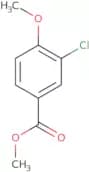


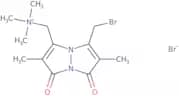
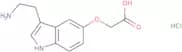
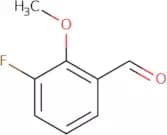
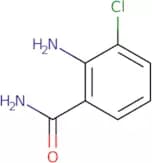
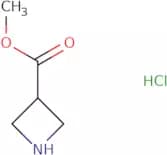


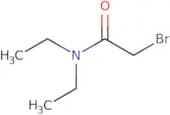
![Pyridin-3-Yl-[4-[3-(Trifluoromethyl)Phenyl]Piperazin-1-Yl]Methanone Dihydrochloride](/_next/image/?url=https%3A%2Fstatic.cymitquimica.com%2Fproducts%2F3D%2Fthumb-webp%2FFP100969.webp&w=3840&q=75)

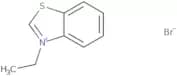
![Methyl (1S,2S,3S,5R)-3-[Bis(4-Fluorophenyl)Methoxy]-8-Methyl-8-Azabicyclo[3.2.1]Octane-2-Carboxyla…](/_next/image/?url=https%3A%2Fstatic.cymitquimica.com%2Fproducts%2F3D%2Fthumb-webp%2FFM102464.webp&w=3840&q=75)
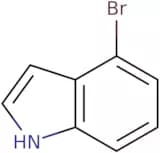
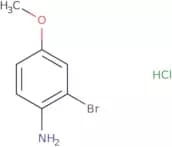
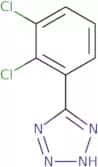

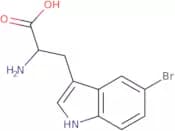
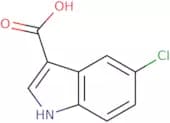
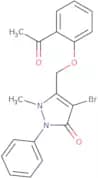
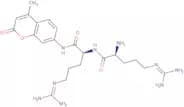
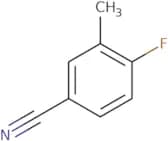

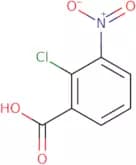
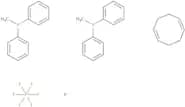

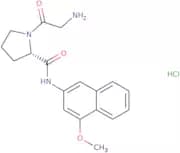
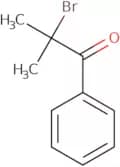
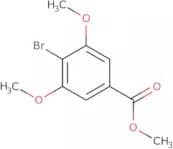
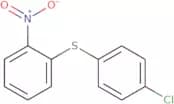
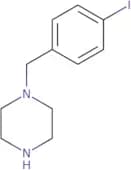
![Hydroxy-[4-(4-hydroxy-5-bromo-3-iodophenoxy)-3,5-diiodophenyl]acetic acid](/_next/image/?url=https%3A%2Fstatic.cymitquimica.com%2Fproducts%2F3D%2Fthumb-webp%2FFH66633.webp&w=3840&q=75)
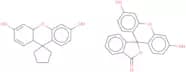

![N-[2-Chloro-4-(trifluoromethyl)phenyl]-D-Valine](/_next/image/?url=https%3A%2Fstatic.cymitquimica.com%2Fproducts%2F3D%2Fthumb-webp%2FFC90388.webp&w=3840&q=75)
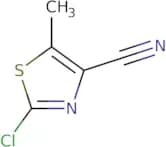
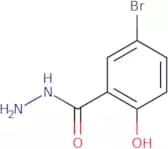
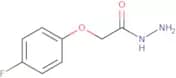
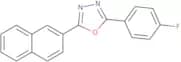
![1,1,2,2,9,9,10,10-Octafluoro[2.2]paracyclophane](/_next/image/?url=https%3A%2Fstatic.cymitquimica.com%2Fproducts%2F3D%2Fthumb-webp%2FFO103527.webp&w=3840&q=75)
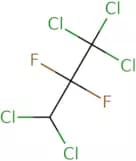
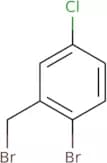
![Ethyl N-ethyl-N-[(heptadecafluorooctyl)sulphonyl]glycinate](/_next/image/?url=https%3A%2Fstatic.cymitquimica.com%2Fproducts%2F3D%2Fthumb-webp%2FFE95451.webp&w=3840&q=75)
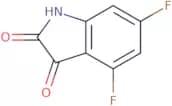
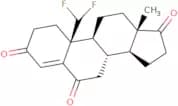
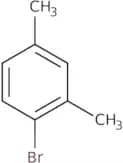
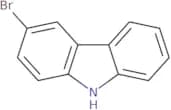

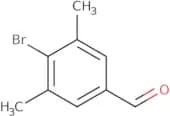
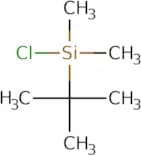
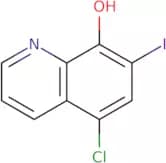
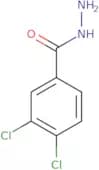

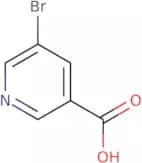
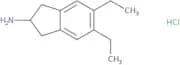
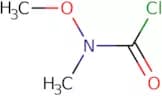
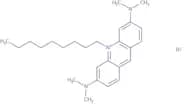
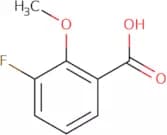
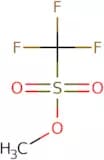
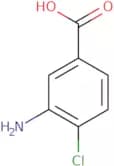
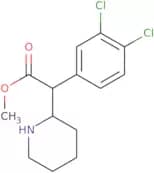
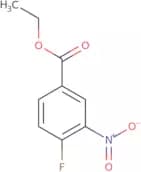
![[(2,5-Dichlorophenyl)sulphonyl]phenylamine](/_next/image/?url=https%3A%2Fstatic.cymitquimica.com%2Fproducts%2F3D%2Fthumb-webp%2FFD145674.webp&w=3840&q=75)
![9-Fluoro-11β,17-Dihydroxy-16α-Methyl-3,20-Dioxopregna-1,4-Dien-21-Yl 2-[2-(2-Ethoxyethoxy)Ethoxy]A…](/_next/image/?url=https%3A%2Fstatic.cymitquimica.com%2Fproducts%2F3D%2Fthumb-webp%2FFF103016.webp&w=3840&q=75)
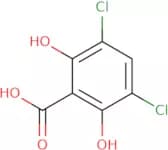

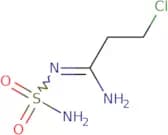
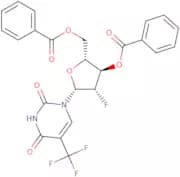
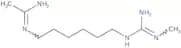
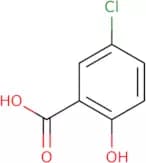
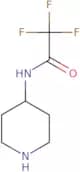

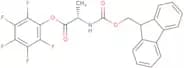
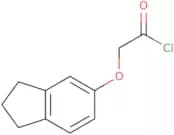
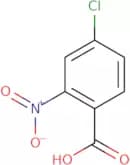
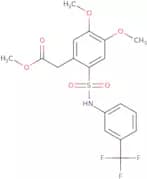
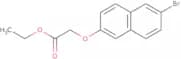

![N-Ethylheptadecafluoro-N-[3-(Trimethoxysilyl)Propyl]Octanesulphonamide](/_next/image/?url=https%3A%2Fstatic.cymitquimica.com%2Fproducts%2F3D%2Fthumb-webp%2FFE98932.webp&w=3840&q=75)
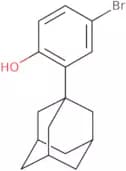
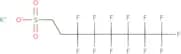
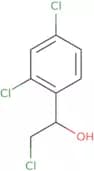
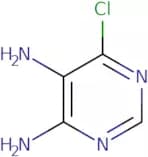
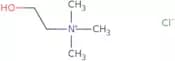
![2-[[(Heptadecafluorooctyl)Sulphonyl]Propylamino]Ethyl Methacrylate](/_next/image/?url=https%3A%2Fstatic.cymitquimica.com%2Fproducts%2F3D%2Fthumb-webp%2FFH97996.webp&w=3840&q=75)

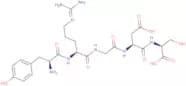
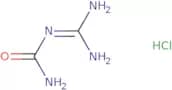
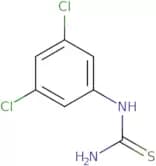
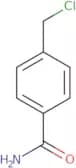
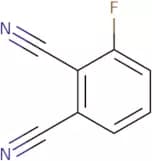
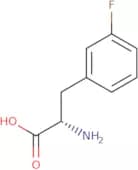
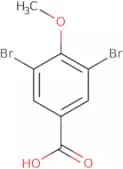

![4-[(7-Chloro-4-quinolinyl)amino]-1-pentanol](/_next/image/?url=https%3A%2Fstatic.cymitquimica.com%2Fproducts%2F3D%2Fthumb-webp%2FFC20107.webp&w=3840&q=75)
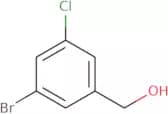
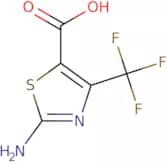
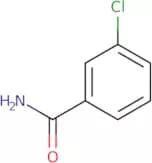
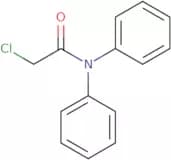

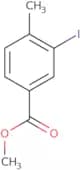
![[5-(4-Amino-2-bromophenyl)-2-furyl]methanol](/_next/image/?url=https%3A%2Fstatic.cymitquimica.com%2Fproducts%2F3D%2Fthumb-webp%2FFA134218.webp&w=3840&q=75)
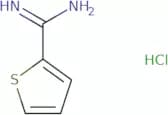
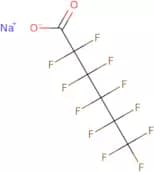
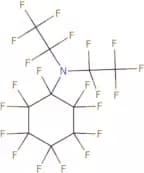

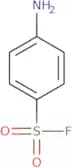

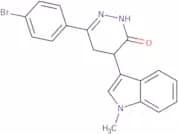
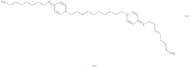
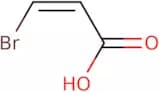

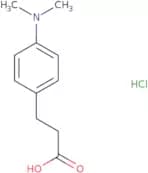
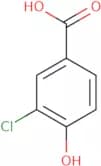
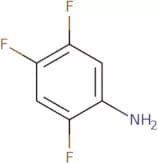
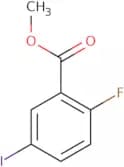
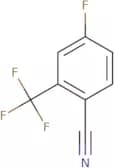
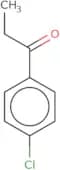
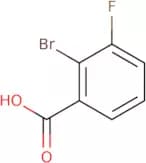
![(2-Imidazo[2,1-b][1,3]thiazol-6-ylethyl)amine dihydrochloride](/_next/image/?url=https%3A%2Fstatic.cymitquimica.com%2Fproducts%2F3D%2Fthumb-webp%2FFI126807.webp&w=3840&q=75)
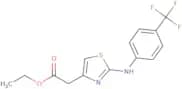
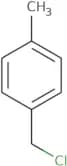
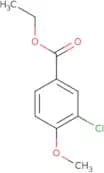
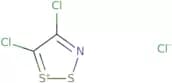
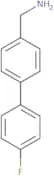

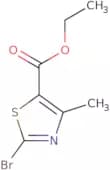
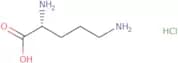
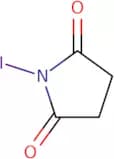
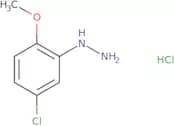
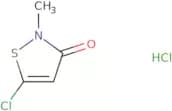
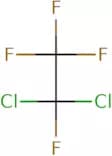
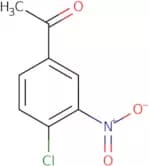
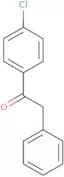
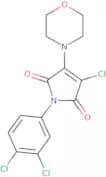
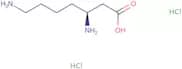

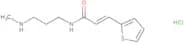

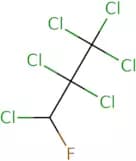
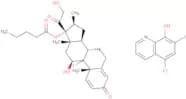
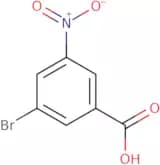
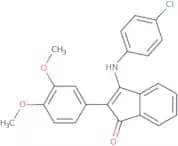
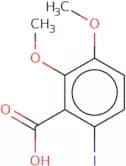

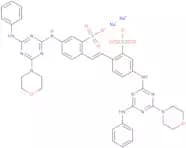
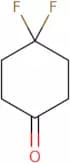
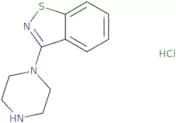
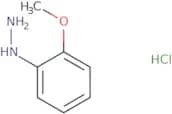
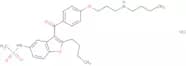
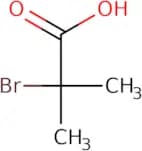
![[1,1'-Bis(diphenylphosphino)ferrocene]-dichloropalladium (II)](/_next/image/?url=https%3A%2Fstatic.cymitquimica.com%2Fproducts%2F3D%2Fthumb-webp%2FFB13964.webp&w=3840&q=75)
![1-[4-Methyl-6-(trifluoromethyl)pyrimidin-2-yl]piperidine-3-carboxylic acid](/_next/image/?url=https%3A%2Fstatic.cymitquimica.com%2Fproducts%2F3D%2Fthumb-webp%2FFM129640.webp&w=3840&q=75)
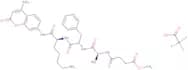
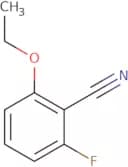

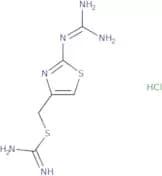
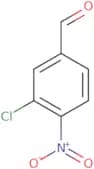
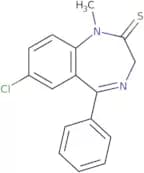
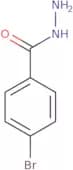
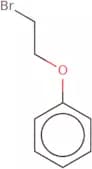
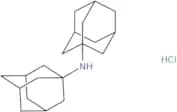
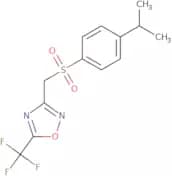
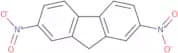
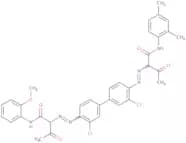
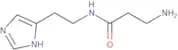
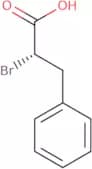
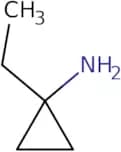
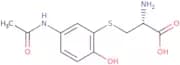

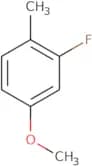
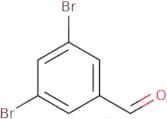
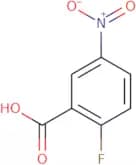
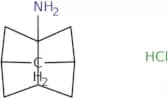

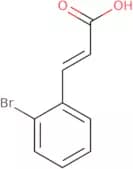
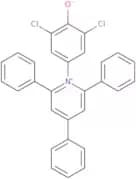
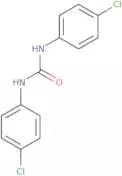
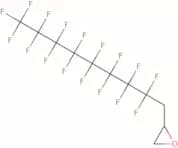
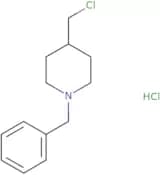
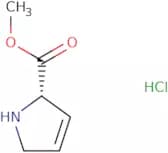
![8-Chloro-3α,4-dihydro-6-(2-fluorophenyl)-1-methyl-3H-imidazo[1,5-α][1,4]benzo-diazepine](/_next/image/?url=https%3A%2Fstatic.cymitquimica.com%2Fproducts%2F3D%2Fthumb-webp%2FFC36926.webp&w=3840&q=75)

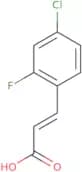
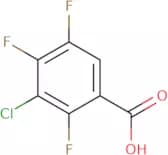
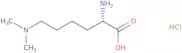
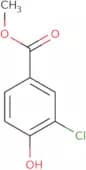
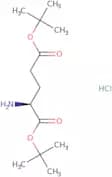
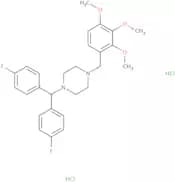


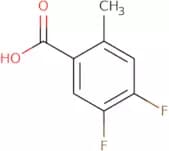
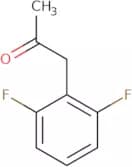
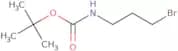
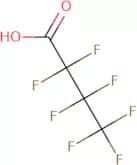
![1-[4-(Pyridin-3-yloxy)phenyl]methanamine dihydrochloride](/_next/image/?url=https%3A%2Fstatic.cymitquimica.com%2Fproducts%2F3D%2Fthumb-webp%2FFP116871.webp&w=3840&q=75)
