Halogénures organiques
Sous-catégories appartenant à la catégorie "Halogénures organiques"
20442 produits trouvés pour "Halogénures organiques"
Perfluorooctylsulfonylpropylaminoethyl acrylate
CAS :Produit contrôléPerfluorooctylsulfonylpropylaminoethyl acrylate is a sulfonate, which is a chemical that can be found in mixtures. It is a chemical substance that has the ability to connect with other chemicals. This chemical has not been classified as hazardous by the National Institute for Occupational Safety and Health (NIOSH).
Formule :C16H14F17NO4SDegré de pureté :Min. 95%Masse moléculaire :639.33 g/mol2',4'-Dibromoacetophenone
CAS :2',4'-Dibromoacetophenone is a 3',5'-cyclic monophosphate (cAMP) analogue that inhibits protein kinase and phospholipase C. It has been shown to inhibit the production of adenosine in endothelial cells by acting as an antagonist at the adenosine receptor. 2',4'-Dibromoacetophenone also has a strong inhibitory effect on human endothelial cells, which may be due to its ability to inhibit DNA synthesis and protein synthesis. This compound binds to the endothelial cell membrane and blocks the activation of phospholipase A2, preventing the release of arachidonic acid from phospholipids. Arachidonic acid is required for prostaglandin synthesis, which leads to inflammation.
Formule :C8H6Br2ODegré de pureté :Min. 95%Couleur et forme :Slightly Yellow PowderMasse moléculaire :277.94 g/mol2-(Perfluorodecyl)ethyl acrylate
CAS :2-(Perfluorodecyl)ethyl acrylate is a cross-linking agent that can be used in the production of polymers. It has been shown to have antimicrobial properties, which may be due to its ability to bind with hydroxyl groups on the surface of microorganisms and inhibit their growth. 2-(PFDEC)EA also has strong hydrophobic properties, which make it an ideal candidate for coating applications. 2-(PFDEC)EA is also able to form covalent bonds with alcohols, yielding water-soluble polymers that are useful as coatings or adhesives. It has functional groups that make it a good candidate for use in reactive polymerization reactions.
Formule :C15H7F21O2Degré de pureté :Min. 95%Couleur et forme :White Clear LiquidMasse moléculaire :618.18 g/molPitolisant hydrochloride
CAS :Pitolisant is an inverse agonist and antagonist of the histamine (H3) receptor. It acts as an allosteric modulator of the H3 receptor to increase the activity of histamine at the M1 receptor. Pitolisant has been used in the treatment of narcolepsy, schizophrenia and Alzheimer's disease. Its mechanism of action involves binding to the amide group on histamine, which increases its affinity for the H3 receptor and enhances its activity at this site. Pitolisant has been shown to improve cognitive ability and reduce fatigue in patients with Alzheimer's disease.
Formule :C17H26ClNO·HClDegré de pureté :Min. 95%Couleur et forme :White Off-White PowderMasse moléculaire :332.31 g/molcis-Diammine-diiodo platinum II
CAS :cis-Diammine-diiodo platinum II is a chemical compound with CAS number 13841-96-8. It is a fine chemical that can be used as an intermediate in the synthesis of other compounds or as a reagent. cis-Diammine-diiodo platinum II has the following properties: versatile building block, useful scaffold, and high quality.Formule :H6I2N2PtDegré de pureté :Min. 95%Couleur et forme :Yellow PowderMasse moléculaire :482.95 g/mol1-Deoxy-1-(methylamino)-D-glucitol [3-[[(2R,3S)-2-[(1R)-1-[3,5-bis(trifluoromethyl)phenyl]ethoxy]-3-(4-fluorophenyl)-4-morpholinyl]m ethyl]-2,5-dihydro-5-oxo-1H-1,2,4-triazol-1-yl]phosphonate
CAS :Fosaprepitant is a drug that belongs to the class of drugs used for chemotherapy. It is a prodrug that is converted in vivo to aprepitant, its active form. Fosaprepitant acts as an antagonist of the neurokinin-1 receptor (NK-1R) and inhibits the binding of substance P, which leads to an anti-inflammatory effect. Fosaprepitant has been shown to inhibit the production of substance P in animal models, leading to a reduction in inflammation. In clinical trials, fosaprepitant has been shown to be safe and well tolerated when used with other drugs such as cisplatin and docetaxel in patients with cancer.Formule :C23H22F7N4O6P•(C7H17NO5)2Degré de pureté :Min. 95%Couleur et forme :White To Off-White SolidMasse moléculaire :1,004.83 g/mol2,7-Di-tert-butylfluorene
CAS :2,7-Di-tert-butylfluorene is an alkylating agent that reacts with nucleophiles to form carbon-carbon bonds. It is a biphenyl that has two tert-butyl groups on the phenyl ring, which are reactive and can be used for a variety of purposes. 2,7-Di-tert-butylfluorene is stable in gaseous phase and thermodynamically stable at temperatures below 100°C. This compound has been shown to produce x-ray crystal structures in the mononuclear form, as well as cyclopentadienyl (Cp) compounds. Preparative methods for making this compound include the Friedel–Crafts reaction using zirconium dichloride or by heating 2,3,5,6,-tetrafluorohexane with a magnesium metal.Formule :C21H26Degré de pureté :Min. 95%Couleur et forme :PowderMasse moléculaire :278.43 g/mol2-Chloro-6-fluoronitrobenzene
CAS :2-Chloro-6-fluoronitrobenzene is an aromatic compound that has been used as a versatile building block in the synthesis of complex compounds. It is also used as a research chemical, reaction component, and speciality chemical. This compound has been shown to be useful for the preparation of pharmaceuticals, agrochemicals, and other organic compounds. 2-Chloro-6-fluoronitrobenzene is a colorless liquid with a boiling point of 130 degrees Celsius at atmospheric pressure. It has many uses in research and industry due to its versatility and high quality.Formule :C6H3ClFNO2Degré de pureté :Min. 95%Couleur et forme :PowderMasse moléculaire :175.54 g/molDoxepin hydrochloride
CAS :Produit contrôléHistamine receptor H1 antagonist; tricyclic antidepressantFormule :C19H22ClNODegré de pureté :Min. 95%Couleur et forme :PowderMasse moléculaire :315.84 g/mol2,3,4,5,6-Pentafluorostyrene
CAS :2,3,4,5,6-Pentafluorostyrene is a perfluorinated compound that has been used as a model system to study the fluorine effect on chemical stability and transport properties. The addition of fluorine to an organic molecule increases its chemical stability and makes it more difficult for other molecules to react with it. 2,3,4,5,6-Pentafluorostyrene has shown high values in terms of transport properties and can be used as a polymer in applications such as coatings and membranes. Copolymers made from this compound have also been shown to exhibit good mechanical strength and chemical stability.
Formule :C8H3F5Degré de pureté :Min. 95%Couleur et forme :Clear LiquidMasse moléculaire :194.1 g/molFluorescent brightener 85, Technical grade
CAS :Fluorescent brightener 85 is an organic solvent that can be used to detect the presence of drugs in urine. It is effective in a wide range of diagnostic applications, including microscopy and analytical methods. Fluorescent brightener 85 has been shown to be a sensitive and reliable method for detecting t. rubrum, which is a fungus-like organism that causes athlete's foot. The drug interacts with sodium carbonate, which inhibits the growth of bacteria and fungi by changing their pH levels. This product also reacts with fatty acid molecules to produce light, making it useful for detection under a microscope or for analysis using spectrophotometers. Fluorescent brightener 85 is reactive, meaning that it will emit light when exposed to ultraviolet light sources or chemical reactions with other substances. Fluorescent brightener 85 can also be used as a reactive diluent in multiple-reaction monitoring (MRM) techniques in order to analyze the presence of drugs in urine samples.Formule :C36H36N12O8S2·2NaDegré de pureté :Min. 95%Couleur et forme :PowderMasse moléculaire :874.86 g/mol2-Bromo-4,5-difluorotoluene
CAS :2-Bromo-4,5-difluorotoluene is a versatile building block that can be used in the synthesis of complex compounds. It is also used as a reagent and speciality chemical. 2-Bromo-4,5-difluorotoluene has been shown to have high quality as a building block for research chemicals, useful scaffold for organic synthesis, and good reactivity. This compound can be used in the synthesis of various pharmaceuticals, pesticides, and polymers.
Formule :C7H5BrF2Degré de pureté :Min. 95%Masse moléculaire :207.02 g/mol2-Fluoro-3-methoxyaniline
CAS :2-Fluoro-3-methoxyaniline is a high quality chemical that can be used as an intermediate in the synthesis of complex compounds. It is a reagent and useful building block, with a CAS number of 801282-00-8. 2-Fluoro-3-methoxyaniline can be used to make speciality chemicals and research chemicals, as well as versatile building blocks for reactions. This compound is also a reaction component for the synthesis of other compounds.
Formule :C7H8FNODegré de pureté :Min. 95%Couleur et forme :Clear LiquidMasse moléculaire :141.14 g/mol1-(Azidomethyl)-4-chlorobenzene ~ 0.5 M solution in dichloromethane
CAS :1-(Azidomethyl)-4-chlorobenzene is a chemical compound that is used in organic synthesis. It is a colorless liquid with a strong smell. It inhibits the growth of fungi by inhibiting the sclerotinia phosphatase, which catalyzes the conversion of propiolic acid to p-hydroxybenzoic acid. This mechanism may also be responsible for its properties as an antifungal agent. 1-(Azidomethyl)-4-chlorobenzene has shown no inhibitory effects on mammalian phosphatases and does not show any adverse reactions when tested against animal cells.Formule :C7H6ClN3Degré de pureté :Min. 95%Couleur et forme :Clear LiquidMasse moléculaire :167.6 g/mol5-Bromo-3,4-dimethoxybenzyl alcohol
CAS :5-Bromo-3,4-dimethoxybenzyl alcohol is a natural product that can be synthesized from the methyl ethers of 5-bromo-3,4-dimethoxybenzoic acid. It has been reported to have high yields and good yields for the synthesis of methyl ethers. The reaction conditions for this natural product are mild and do not require an organic solvent or a catalyst.Formule :C9H11BrO3Degré de pureté :Min. 98 Area-%Couleur et forme :PowderMasse moléculaire :247.09 g/mol2-Chloro-5-methoxybenzonitrile
CAS :2-Chloro-5-methoxybenzonitrile is an organic compound that has a chlorinated methoxy group and a cyano group. It is synthesized by the reaction of 2-chloro-5-hydroxybenzonitrile with sulfuryl chloride in the presence of potassium carbonate. The yield of this reaction can be increased by adding a chlorinated solvent such as dichloromethane or chloroform. 2-Chloro-5-methoxybenzonitrile is used in the synthesis of various drugs and other organic compounds, such as amides and benzene ring compounds.Formule :C8H6ClNOCouleur et forme :PowderMasse moléculaire :167.59 g/mol2-Bromo-2-nitroethanol
CAS :2-Bromo-2-nitroethanol is a chemical reagent that has the hydroxyl group. It is a site specific biocide, which is used to kill bacteria. 2-Bromo-2-nitroethanol has bactericidal activity against gram negative and gram positive bacteria. It can be used as a preservative in food and pharmaceutical products. This chemical is also effective for killing bacteria in water and wastewater treatment plants. 2-Bromo-2-nitroethanol is applied to surfaces by spraying or dipping, or it can be added to water at concentrations of 0.5 ppm or higher. 2-Bromo-2-nitroethanol can also be used to treat textiles, paper, leather, and rubber products by dipping or spraying these materials with the chemical solution containing 2% concentration of 2-bromo-2 nitroethanol in an aqueous solution of sodium hydroxide (0.5Formule :C2H4BrNO3Degré de pureté :Min. 95%Couleur et forme :Clear LiquidMasse moléculaire :169.96 g/mol5-Bromosalicylic acid methyl ester
CAS :5-Bromosalicylic acid methyl ester is a hydroxylated bromo derivative of salicylic acid. It is a synthetic chemical that has been shown to be stable in various conditions and reactive with other compounds. 5-Bromosalicylic acid methyl ester has been shown to inhibit the activity of cholinergic receptors, which are involved in regulation of heart rate and contractions. This compound also binds to fatty acids and hydrogen bonds with functional groups on biomolecules.
Formule :C8H7BrO3Degré de pureté :Min. 98 Area-%Couleur et forme :PowderMasse moléculaire :231.04 g/mol5-(N-Maleimido)fluorescein diacetate
CAS :5-(N-Maleimido)fluorescein diacetate is a fluorescent probe that can be used to detect single-stranded DNA. This compound is not toxic to cells and has been shown to be a good indicator of the presence of double-stranded DNA. 5-(N-Maleimido)fluorescein diacetate is taken up by cells, where it binds to the dsDNA in the nucleus. The fluorescence is then detected using microscopy or flow cytometry. 5-(N-Maleimido)fluorescein diacetate can be used as a fluorescent probe for herpes simplex virus and other DNA viruses. It also binds to liposomes and has been shown to inhibit HIV replication in vitro and in vivo.Formule :C28H17NO9Degré de pureté :Min. 95 Area-%Couleur et forme :White PowderMasse moléculaire :511.44 g/molUndecafluorohexanoic acid
CAS :Undecafluorohexanoic acid is a reactive chemical that has carcinogenic potential. It can permeate the skin and react with water to produce hexafluoropropylene oxide, which is toxic to humans. Undecafluorohexanoic acid also binds to and activates receptors in the body, which leads to many pharmacological effects. The toxicity of undecafluorohexanoic acid has been studied in vitro by measuring its effect on cell growth and mitochondrial membrane potential. It has also been tested for its ability to cause mutations in human cells. This chemical is toxic when ingested or inhaled and can lead to death if not treated quickly.Formule :C6HF11O2Degré de pureté :Min. 95%Couleur et forme :Clear LiquidMasse moléculaire :314.05 g/mol2-(Phenylthio)ethanamine hydrochloride
CAS :2-Phenylthioethanamine hydrochloride is a synthetic, water soluble and lipophilic compound with a molecular weight of 171.2 g/mol. It is an antagonist of the -receptor and binds to the transporter protein. This drug is used for diagnostic purposes in angiography, phthalate determination, stable complexes for diagnosis and polymerase chain reaction (PCR) enzyme activities. 2-Phenylthioethanamine hydrochloride has been found to inhibit tumor growth in mice treated with radiation or chemotherapy. It has also been shown to be effective in the treatment of popliteal tumors in rats. The drug has been shown to be effective against bacteria that are resistant to antibiotics such as methicillin and amoxicillin. This drug also has effects on clinical relevance by inhibiting enzymes involved in clinical relevance such as acetylcholinesterase, phosphodiesterase and lipases.
Formule :C8H11NSDegré de pureté :Min. 95%Couleur et forme :PowderMasse moléculaire :153.25 g/mol3-Fluoro-4-methylbenzoic acid
CAS :3-Fluoro-4-methylbenzoic acid is an organic compound that is used as a ligand in coordination chemistry. This compound is an alkynyl ligand with a selenium atom at the 3 position, and it can be used to make metal complexes with cycloalkyl and heterocycloalkyl rings. 3-Fluoro-4-methylbenzoic acid has been shown to be a potent inhibitor of matrix metalloproteinase activity.
Formule :C8H7FO2Degré de pureté :Min. 95%Couleur et forme :PowderMasse moléculaire :154.14 g/molEthyl 5-(4-bromophenyl)-2-phenylpyrrole-3-carboxylate
CAS :Please enquire for more information about Ethyl 5-(4-bromophenyl)-2-phenylpyrrole-3-carboxylate including the price, delivery time and more detailed product information at the technical inquiry form on this pageDegré de pureté :Min. 95%5-Bromo-2,4-dihydroxybenzoic acid
CAS :5-Bromo-2,4-dihydroxybenzoic acid is an organic compound that is found in plants and animals. It is a metabolite of benzoic acid and can be produced by the metabolism of phenylalanine. 5-Bromo-2,4-dihydroxybenzoic acid has been shown to inhibit acetylsalicylic acid synthase, which prevents production of the antiinflammatory drug acetylsalicylic acid. This inhibition also leads to a decrease in the production of malonic acid and hippuric acid. The enzyme synthase gene that produces this metabolite can be found on a miniaturized DNA microchip. This gene has been cloned and sequenced by spatially mapping the genes that produce 5-bromo-2,4-dihydroxybenzoic acid using a microchip. Chromatographic analysis has shown that this compound is resistant to some toxins.Formule :C7H5BrO4Degré de pureté :Min. 98 Area-%Couleur et forme :PowderMasse moléculaire :233.02 g/mol6-Bromo-2-naphtholic acid
CAS :6-Bromo-2-naphtholic acid is a methanol solvent. It has been shown to have biological properties and can be used in optical imaging. 6-Bromo-2-naphtholic acid is also used to synthesize 1-adamantanol, which is an organic compound that has been shown to have antimicrobial properties. A solution of 6-bromo-2-naphthol in hydrochloric acid was found to react with 4-methoxyphenyl boronic acid to produce a mixture of products that include the desired 1,4,5,8,9,10,11,12 hexahydrobenzo[a]phenanthrene. The vibrational frequencies for this product were determined using IR spectroscopy and the binding constants were calculated using DFT computational methods. The molecular structure of this product was determined using molecular modeling and quantum chemistry. Naphthalene is the parentFormule :C11H7O2BrDegré de pureté :Min. 95%Couleur et forme :PowderMasse moléculaire :251.08 g/mol(3-Aminomethyl)benzoic acid hydrochloride
CAS :(3-Aminomethyl)benzoic acid hydrochloride is a high-quality, versatile compound that can be used as a reagent or scaffold for the synthesis of complex compounds. It is a fine chemical that can be used as an intermediate in organic chemistry and has been shown to be useful in the synthesis of speciality chemicals. The CAS number for this chemical is 876-03-9. This chemical is also a versatile building block for reactions, and has been shown to be an excellent reaction component for research purposes.Formule :C8H9NO2•HClDegré de pureté :Min. 95%Couleur et forme :PowderMasse moléculaire :187.62 g/molMethyl 3-chloro-2-nitrobenzoate
CAS :Methyl 3-chloro-2-nitrobenzoate is an organic compound that has been used in a variety of cross-coupling reactions. It is a useful reagent for the synthesis of amides, esters, and nitriles. Methyl 3-chloro-2-nitrobenzoate has also been used as a ligand in biomimetic studies and crystallographic analyses. The electron density maps obtained from x-ray crystallographic studies of methyl 3-chloro-2-nitrobenzoate have shown nitrogen atoms at the position 2 and 4 on the ring. This information was used to predict the electron density map for methyl 3,5 dichloro 2 nitro benzoate with nitrogen atoms at positions 2 and 5 on the ring.
Formule :C8H6ClNO4Degré de pureté :Min. 95%Couleur et forme :PowderMasse moléculaire :215.59 g/mol1,1,2,2,3,3,4,4,4a,5,5,6,6,7,7,8,8,8a-Octadecafluoronaphthalene; 1,1,2,2,3,3,3-Heptafluoropropan-1-Amine
CAS :Produit contrôlé1,1,2,2,3,3,4,4a,5-Octadecafluoronaphthalene is a fluorinated derivative of an organic compound that is used as an intestinal antiseptic and as a cardioplegic solution. Sodium salts of this drug are used to treat intestinal disorders such as colitis and Crohn's disease. It is also used to treat cardiac diseases such as myocardial infarction by reducing the size of the infarcted area. The drug has been shown to be effective in preventing muscle degeneration in patients with AIDS. 1,1,2,2,3,3-Heptafluoropropan-1-amine is a chemical that belongs to the group of adjuvant therapies. It is used as a pharmaceutical preparation for kinetic studies and particle characterization.Formule :C13H2F25NDegré de pureté :Min. 95%Masse moléculaire :647.12 g/mol6-Bromo-2H-pyrido[3,2-b][1,4]oxazin-3(4H)-one
CAS :6-Bromo-2H-pyrido[3,2-b][1,4]oxazin-3(4H)-one is a versatile building block that can be used in a variety of chemical reactions as an intermediate. It is also useful in the synthesis of a variety of compounds, such as pharmaceuticals and research chemicals. 6-Bromo-2H-pyrido[3,2-b][1,4]oxazin-3(4H)-one is an organic compound with a molecular formula of C8H5BrN4O. It has an mp of 152°C and decomposes to form nitrogen gas and carbon monoxide at higher temperatures.Formule :C7H5BrN2O2Degré de pureté :Min. 95%Couleur et forme :SolidMasse moléculaire :229.03 g/molL-Methionine-S-methyl sulfonium chloride
CAS :Methionine-S-methyl sulfonium chloride is a methionine analog that is used as a dietary supplement. It has been shown to inhibit the synthesis of prostaglandins in animals, which may be due to its inhibition of arachidonic acid release. Methionine-S-methyl sulfonium chloride also inhibits UVB-induced erythema and uvb-induced reactions in animals. This drug is metabolized by the enzyme methionine adenosyltransferase, which converts it into S-adenosylmethionine (SAM). SAM is a methyl donor for DNA methylation and other methylation reactions. Methionine-S-methyl sulfonium chloride may have a physiological effect on plants through its effects on their metabolism, especially with respect to their growth rate and nutrient uptake.Formule :C6H14ClNO2SDegré de pureté :Min. 95 Area-%Couleur et forme :White PowderMasse moléculaire :199.7 g/molEthyl 3-hydroxy-2,4,5-trifluorobenzoate
CAS :Ethyl 3-hydroxy-2,4,5-trifluorobenzoate is a versatile building block that has been used as a reagent in organic synthesis and research. It is a fine chemical and speciality chemical that can be used for the production of complex compounds. This compound has been shown to be useful in reactions involving nucleophilic substitution, acylation, and reductive amination. Ethyl 3-hydroxy-2,4,5-trifluorobenzoate is also an intermediate for the synthesis of high quality chemicals with valuable applications such as pharmaceuticals and agrochemicals.Formule :C9H7F3O3Degré de pureté :Min. 95%Couleur et forme :SolidMasse moléculaire :220.15 g/mol(S)-2-((((9H-Fluoren-9-yl)methoxy)carbonyl)amino)-3-(1H-pyrrolo[2,3-b]pyridin-3-yl)propanoic acid
CAS :Please enquire for more information about (S)-2-((((9H-Fluoren-9-yl)methoxy)carbonyl)amino)-3-(1H-pyrrolo[2,3-b]pyridin-3-yl)propanoic acid including the price, delivery time and more detailed product information at the technical inquiry form on this pageFormule :C25H21N3O4Degré de pureté :Min. 95%Masse moléculaire :427.45 g/mol3,4-Dichlorobenzamide
CAS :3,4-Dichlorobenzamide is a synthetic opioid analgesic that binds to the μ-opioid receptor. It has a side-effect profile that is similar to other opioids, with an addiction risk and potential for abuse. 3,4-Dichlorobenzamide has been used in the synthesis of new drugs, such as phenazepam (a benzodiazepine) and etizolam (a thienodiazepine). This drug is chiral and can be synthesized in two stereoisomeric forms: 3-(+)-chloro-N-(2-chlorophenyl)benzamide and 3-(−)-chloro-N-(2-chlorophenyl)benzamide. The former form is marketed under the trade name Analgin, while the latter form is marketed under the trade name Etilex. The (+) form of this drug has a higher affinity for μ receptors than the (−) form.Formule :C7H5Cl2NODegré de pureté :Min. 95%Masse moléculaire :190.03 g/molPhenylephrine hydrochloride
CAS :(R)-Phenylephrine hydrochloride is a non selective alpha adrenergic agonist that can be used as a bronchodilator or vasopressor. Some research studies in rat liver microsomes has shown that (R)-phenylephrine can be converted to phenylephrine by alcohol dehydrogenase at a rate constant of around 1.8x10³ M-1s-1 at 37°C. The biological effects of this compound are due to its ability to cause relaxation of smooth muscle and increase blood pressure by stimulating alpha-adrenergic receptors in the body. This drug is also used in chromatography for control analysis and detection of adulteration with other compounds, such as norepinephrine, with the help of benzalkonium chloride.In ophthalmology, phenylephrine hydrochloride formulations are used for the treatment of eye disorders such as myopia, hypermetropia and astigmatism. It increases the outflow of aqueous humour from the eye by acting on alpha receptors in the ciliary body, and seems to be effective in controlling symptoms of allergic rhinitis and chronic urticaria.
Formule :C9H14NO2ClDegré de pureté :Min. 98 Area-%Couleur et forme :PowderMasse moléculaire :203.67 g/mol7-Amino-2-bromo-9-fluorenone
CAS :7-Amino-2-bromo-9-fluorenone is a dye that can be used to label or visualize β-amyloid plaques in the brain. It has high binding affinity for β-amyloid, and can be used to identify the presence of this protein in the brain. 7-Amino-2-bromo-9-fluorenone is also useful for monitoring β-amyloid plaques in transgenic mice. This dye was injected into the brains of transgenic mice, and then stained with a fluorescent dye. Autoradiography was then used to identify where 7-Amino-2-bromo-9-fluorenone binds to β amyloid plaques. 7 - Amino - 2 - bromo - 9 - fluorenoneFormule :C13H8BrNODegré de pureté :Min. 95%Masse moléculaire :274.11 g/molN-Allyl-n-(4-cyano-2-chlorophenyl)acetamide
CAS :N-Allyl-N-(4-cyano-2-chlorophenyl)acetamide is a high quality reagent that has been used as an intermediate in the synthesis of fine chemicals, useful scaffolds and building blocks. It is also a versatile building block that can be used to synthesize high quality compounds with a wide range of functionalities. N-Allyl-N-(4-cyano-2-chlorophenyl)acetamide is a speciality chemical that can be used for research purposes. This compound has been shown to produce reactions with other compounds, such as nitrobenzene, to generate useful products.
Formule :C12H11ClN2ODegré de pureté :Min. 95%Masse moléculaire :234.68 g/mol4-Bromobenzamide
CAS :4-Bromobenzamide is an amide with a hydrogen bond that inhibits the activity of proteases. It has been shown to inhibit the activity of cathepsin C and chymotrypsin in vitro, as well as the proteolytic activity of elastase. 4-Bromobenzamide also has a covalent inhibition effect on protein synthesis. This inhibitor is capable of reducing the levels of glutathione reductase, cytochrome P450, and mycobacterium in cell culture. In addition, 4-bromobenzamide has been shown to have acute toxicities in mice and rats when administered at high doses. However, it does not show any toxic effects on healthy mice or rats when administered at low doses.
Formule :C7H6BrNODegré de pureté :Min. 95%Couleur et forme :PowderMasse moléculaire :200.03 g/mol2-[(2,6-Dichlorophenyl)amino]-N,N-dimethylbenzeneacetamide
CAS :2-[(2,6-Dichlorophenyl)amino]-N,N-dimethylbenzeneacetamide is a reagent, complex compound and useful intermediate with a CAS number of 21789-06-0. It is a fine chemical that can be used as a building block in the synthesis of other compounds. It has been shown to be useful in the production of speciality chemicals and research chemicals. The versatility of this compound makes it an excellent scaffold for the synthesis of other compounds. This product is not intended for human or animal use.Formule :C16H16Cl2N2ODegré de pureté :Min. 95%Couleur et forme :PowderMasse moléculaire :323.22 g/mol3,4-Difluoro-5-(trifluoromethyl)benzoic acid
CAS :3,4-Difluoro-5-(trifluoromethyl)benzoic acid is a fine chemical that is used as a versatile building block for the synthesis of complex compounds. It is an intermediate product in the production of pharmaceuticals, such as 3,4-Difluoro-5-(trifluoromethyl)benzonitrile and 3,4-Difluoro-5-(trifluoromethyl)benzamide. This compound has been shown to be useful in the preparation of research chemicals and speciality chemicals.Formule :C8H3F5O2Degré de pureté :Min. 95%Couleur et forme :White PowderMasse moléculaire :226.1 g/mol4-Bromo-2-nitrocinnamic acid
CAS :4-Bromo-2-nitrocinnamic acid is a naturally occurring amino acid that is a component of wheat, carrots, and cereals. It is an enzyme inhibitor and has been found to be stable under heat treatment. 4-Bromo-2-nitrocinnamic acid has been shown to inhibit the activity of 3 lysine hydrolase enzymes (LysE1, LysE2, LysE3) in vitro. This inhibition decreases lysine levels and may have health implications for infants fed with 4-bromo-2-nitrocinnamic acid treated wheat flour. The efficiency of 4-bromo-2 nitrocinnamic acid as an enzymatic inhibitor for these enzymes was determined by measuring the release of free lysine from various substrates at different concentrations of the inhibitor. These parameters were then used to calculate the theoretical inhibition percentage for each substrate at a given concentration.Formule :C9H6BrNO4Degré de pureté :Min. 95%Masse moléculaire :272.05 g/mol5-Chloro-3-methyl-1H-indole-2-carboxylic acid
CAS :5-Chloro-3-methyl-1H-indole-2-carboxylic acid (5CMC) is a versatile building block and research chemical. It has been shown to be an effective intermediate for the synthesis of many complex compounds with interesting pharmacological properties. 5CMC is also used as a speciality chemical in the production of pharmaceuticals, agrochemicals, and other chemicals. The compound is a fine chemical that can be used in various research and industrial applications.
Formule :C10H8ClNO2Degré de pureté :Min. 95 Area-%Couleur et forme :PowderMasse moléculaire :209.63 g/mol2-Bromobenzoic acid
CAS :2-Bromobenzoic acid is a sodium salt that has been reported to be used in the treatment of autoimmune diseases and bowel disease. It is a prodrug that is hydrolyzed in vivo to 2-bromophenol, its active form. 2-Bromobenzoic acid has been shown to inhibit the production of inflammatory mediators, such as prostaglandins, leukotrienes, and cytokines by inhibiting cyclooxygenase 1 and 2 enzymes. This drug also inhibits the activation of nuclear factor kappa B (NF-κB) in vitro. 2-Bromobenzoic acid may have an anti-inflammatory effect through its ability to inhibit NF-κB activation by preventing the release of tumor necrosis factor alpha (TNFα).Formule :C7H5BrO2Degré de pureté :Min. 95%Couleur et forme :PowderMasse moléculaire :201.02 g/mol2-Bromofluorene
CAS :2-Bromofluorene is an organic compound that belongs to the group of aryl halides. It is used in the synthesis of polymers, pesticides and pharmaceuticals. 2-Bromofluorene has been shown to be mutagenic and carcinogenic in kidney cells. The chemical structure of 2-bromofluorene consists of two phenyl groups (benzene rings) connected by a single bromine atom. The optimal reaction condition for this chemical is hydrochloric acid in acetic acid with heat and high values of optical rotation. A number of compounds are derived from 2-bromofluorene, such as 4-chlorobenzophenone, 3-chlorobenzophenone, 4-bromoacetophenone, 3-bromoacetophenone, 2-(2'-hydroxyethoxy)ethanol, 2-(2'-hydroxyethyl)phenol, and 2-(2'-Formule :C13H9BrDegré de pureté :Min. 95%Masse moléculaire :245.11 g/mol5-Bromo-2-adamantanone
CAS :5-Bromo-2-adamantanone is a potent and selective inhibitor of human alpha-amylase. It binds to the active site in the enzyme, hindering its catalytic activity. 5-Bromo-2-adamantanone has been shown to inhibit the production of glucose by inhibiting alpha amylase, an enzyme that breaks down starch into maltose. 5-Bromo-2-adamantanone has also been shown to be a potential drug for diabetes therapy.
Formule :C10H13BrODegré de pureté :Min. 95%Couleur et forme :PowderMasse moléculaire :229.11 g/molPropargyl chloride
CAS :Propargyl chloride is a chemical that is used as an inhibitor in organic synthesis. It can be used to synthesize compounds with reactive groups such as alkenes, ketones, and amines. Propargyl chloride reacts with the hydroxyl group of an alcohol to form a propargyl alcohol. The reaction mechanism involves intramolecular hydrogen bonding between the hydroxyl group of the propargyl chloride and the carbon atom adjacent to it. Kinetic energy is required for this reaction to occur. The product of this reaction can then react with other molecules in order to form new compounds. Propargyl chloride has been shown to have therapeutic effects on chronic coughs due its ability to reduce the amount of kinetic energy needed for respiratory tract cells, which may have reduced coughing frequency. END>>Formule :C3H3ClDegré de pureté :Min. 95%Couleur et forme :Colorless Yellow Clear LiquidMasse moléculaire :74.51 g/mol4-Bromo-1H-indole-6-carbonitrile
CAS :4-Bromo-1H-indole-6-carbonitrile is a versatile building block that can be used in the synthesis of complex compounds and research chemicals. 4-Bromo-1H-indole-6-carbonitrile is a reagent in the production of speciality chemicals, and is also used as an intermediate to produce other compounds. This compound is useful as a starting material for the synthesis of pharmaceuticals, agrochemicals, and perfumes. It has been shown to be an effective scaffold for the construction of heterocycles.Formule :C9H5BrN2Degré de pureté :Min. 95 Area-%Couleur et forme :White Off-White PowderMasse moléculaire :221.05 g/molN-(2,5-dimethylphenyl)(3-chlorobenzo[b]thiophen-2-yl)formamide
CAS :Please enquire for more information about N-(2,5-dimethylphenyl)(3-chlorobenzo[b]thiophen-2-yl)formamide including the price, delivery time and more detailed product information at the technical inquiry form on this pageDegré de pureté :Min. 95%Chloroalkanes C10-13
CAS :Chloroalkanes are a class of hydrocarbons that have one or more carbon atoms bonded to two or more chlorine atoms. They are used as additives in human and animal tissues, as well as coatings for industrial chemicals. Short-chain chloroalkanes are regulated by the EPA, and long-chain chloroalkanes are regulated by the International Agency for Research on Cancer (IARC). Regulatory strategies for short-chain chloroalkanes include reducing emissions from industrial sources, while strategies for long-chain chloroalkanes include reducing exposure through food packaging.
Degré de pureté :Min. 95%Couleur et forme :Clear Light (Or Pale) Liquid2-Chloro-1-methylquinolinium tetrafluoroborate
CAS :2-Chloro-1-methylquinolinium tetrafluoroborate (2CQBF) is a synthetic compound that inhibits protein synthesis. It has been used as an analytical reagent for the determination of proteins, including those in urine samples. 2CQBF has been shown to be effective in the treatment of cancer and other diseases, such as lupus erythematosus, arthritis, and psoriasis.Formule :C10H9ClN•BF4Degré de pureté :Min. 95%Couleur et forme :White PowderMasse moléculaire :265.44 g/molFmoc-6-chloro L-tryptophan
CAS :Fmoc-6-chloro L-tryptophan is a heterocycle with methylene and active methylene groups that can be used as a building block for 1,3-dipolar cycloadditions. It has been shown to react with perchlorates in the presence of catalysts such as dibromodifluoromethane (DBDM) and perchloric acid to form an exocyclic azomethine imine. This reaction generates a proton, which shifts the equilibrium to the right, forming more product. The optimal conditions for this reaction are pH 8, 50% DBDM, and 10% HClO4.
Formule :C26H21ClN2O4Degré de pureté :Min. 97 Area-%Couleur et forme :White PowderMasse moléculaire :460.91 g/molPerfluorooctanesulfonyl fluoride
CAS :Produit contrôléPerfluorooctanesulfonyl fluoride is a reactive chemical that reacts with hydrogen fluoride to form perfluorooctanoic acid. This chemical is used in wastewater treatment to reduce the amount of hydrogen fluoride in water. Perfluorooctanesulfonyl fluoride has been shown to be an effective agent against infectious diseases, such as hepatitis B and C, by inhibiting the enzyme DNA polymerase. It also has a role in the analytical method for detecting human serum proteins. The toxicological studies have shown that it may cause reproductive and developmental effects, including a decrease in the body mass index and natural compounds sodium carbonate and potassium dichromate.
Formule :C8F18O2SDegré de pureté :Min. 95%Couleur et forme :Clear LiquidMasse moléculaire :502.12 g/molRevaprazan hydrochloride
CAS :K+/H+ ATPase inhibitorFormule :C22H23FN4•HClDegré de pureté :Min. 95%Couleur et forme :PowderMasse moléculaire :398.9 g/mol2-Bromo-2-methylpropiophenone
CAS :2-Bromo-2-methylpropiophenone is a chemical compound that is used as a fungicide. It is primarily applied to the soil, but can also be sprayed onto plants. It inhibits the growth of fungi and other pathogens by interfering with nucleic acid synthesis. This agent is catalytic, meaning it does not need an external source of energy to function. 2-Bromo-2-methylpropiophenone can be used in organic solvents because it dehalogenates chloroacetone into acetone, which is then removed from the reaction medium.Formule :C10H11BrODegré de pureté :Min. 95%Masse moléculaire :227.10 g/molN-Methoxy-N-methylcarbamoyl chloride
CAS :N-Methoxy-N-methylcarbamoyl chloride is a synthetic compound that can be used to synthesize organic compounds. N-Methoxy-N-methylcarbamoyl chloride can be produced using cross coupling reactions. It is also used in agrochemical synthesis, such as the production of isobutyl clopidogrel, and in the synthesis of boronic acids.Formule :C3H6ClNO2Degré de pureté :Min. 95%Couleur et forme :PowderMasse moléculaire :123.54 g/mol3-Bromo-4-fluorobenzaldehyde
CAS :3-Bromo-4-fluorobenzaldehyde is a drug substance that is used in the synthesis of pharmaceuticals. It is also a potential anticancer agent. 3-Bromo-4-fluorobenzaldehyde inhibits bacterial growth by binding to DNA, preventing transcription and replication. The high frequency of human activity has been shown using a patch clamp technique on human erythrocytes. This active form is metabolized through a number of metabolic transformations, including hydrolysis by esterases or glucuronidases, oxidation by cytochrome P450 enzymes, reduction by glutathione reductase, or conjugation with glucuronic acid. 3-Bromo-4-fluorobenzaldehyde also specifically binds to markers expressed at high levels in Mycobacterium tuberculosis strains (e.g., ESX-1 secretion system protein) and inhibits cell growth in culture.
Formule :C7H4BrFODegré de pureté :Min. 95%Couleur et forme :PowderMasse moléculaire :203.01 g/molethyl 2-(6-bromo-2-naphthyloxy)acetate
CAS :Please enquire for more information about ethyl 2-(6-bromo-2-naphthyloxy)acetate including the price, delivery time and more detailed product information at the technical inquiry form on this page
Degré de pureté :Min. 95%Methyl 3,5-diiodo-4-methoxybenzoate
CAS :Please enquire for more information about Methyl 3,5-diiodo-4-methoxybenzoate including the price, delivery time and more detailed product information at the technical inquiry form on this pageFormule :C9H8I2O3Degré de pureté :Min. 95%Couleur et forme :PowderMasse moléculaire :417.97 g/mol2-Ethoxy-6-fluorobenzonitrile
CAS :2-Ethoxy-6-fluorobenzonitrile is a versatile building block that can be used as a reagent, a speciality chemical, or an intermediate in research. It is also used as a high quality compound for the production of fine chemicals. It can be used to make many different compounds with its versatile functional groups. 2-Ethoxy-6-fluorobenzonitrile has been shown to undergo reactions with other compounds to produce useful scaffolds.Formule :C9H8FNODegré de pureté :Min. 95%Couleur et forme :PowderMasse moléculaire :165.16 g/mol3-Fluoro-4-methylanisole
CAS :3-Fluoro-4-methylanisole is a nucleophilic, ring substituted electron acceptor that can be activated by electron donors. The nitro group and the electron donating substituents on the ring are important for this reactivity. 3-Fluoro-4-methylanisole can form substitution products with methyl or formyl groups in the presence of a strong base such as palladium, 3-fluoro-4-methylphenol, or nitro groups. This reactivity is regiospecific, meaning that the substitution will only occur at one of two possible sites on the ring. 3-Fluoro-4-methylanisole's chemical properties give it both activating and deactivating properties in organic reactions.Formule :C8H9FODegré de pureté :Min. 95%Couleur et forme :Clear LiquidMasse moléculaire :140.15 g/mol6-Trifluoromethylindole
CAS :6-Trifluoromethylindole is a carbamic acid that can be synthesized with the help of a sulfoxides. Carbamic acid reacts with an aryl halide to form an unsymmetrical biaryl. 6-Trifluoromethylindole has been shown to act as a modulator in Friedel-Crafts reactions, which may be used for the synthesis of heterocycles. This chemical has also been shown to react with alkyl chlorides and sulfonium salts to form carbamic acids and sulfoxides, respectively.
Formule :C9H6F3NDegré de pureté :Min. 95%Couleur et forme :PowderMasse moléculaire :185.15 g/mol1,1,3,3,4,4,4a,5,5,6,6,7,7,8,8,8a-Hexadecafluoro-2-(trifluoromethyl)decahydroisoquinoline
CAS :Produit contrôlé1,1,3,3,4,4,4a,5,5,6,6,7,7,8,8,8a-Hexadecafluoro-2-(trifluoromethyl)decahydroisoquinoline is an organic solvent that has a very low boiling point and high volatility. It can be used in dry powder inhalers or as a component of hydrogel compositions for oxygen delivery to the lungs. The uptake of 1HF-2TFI into human colon carcinoma cells was found to be significantly higher than uptake by mammary carcinomas. This may be due to the difference in cell types and/or the phosphate group on the molecule. The binding constants of this molecule are also higher than those of other organic solvents such as acetone and ethanol. The results from a questionnaire study also indicated that 1HF-2TFI can be used for perfusion with oxygenated gas mixtures forFormule :C10F19NDegré de pureté :Min. 95%Masse moléculaire :495.08 g/molEltoprazine hydrochloride
CAS :Produit contrôléEltoprazine hydrochloride is a 5-HT agonist that is used to treat chronic oral, locomotor activity disorders. It stimulates the release of dopamine and inhibits the reuptake of serotonin and norepinephrine. Eltoprazine hydrochloride binds to 5-HT1A receptors at higher doses, but has little affinity for 5-HT2 receptors. The drug also binds to gamma-aminobutyric acid (GABA) receptors, which may contribute to its effects on locomotion. Eltoprazine hydrochloride also has shown an ability to bind to the 5-HT1 receptor in vitro and has been shown to inhibit locomotor activity in CD-1 mice.Formule :C12H17ClN2O2Degré de pureté :Min. 95%Couleur et forme :White To Yellow SolidMasse moléculaire :256.73 g/molConivaptan hydrochloride
CAS :Produit contrôléConivaptan hydrochloride is a selective, orally active vasopressin receptor antagonist that has been shown to be effective in the treatment of congestive heart failure. Conivaptan hydrochloride is used in experimental models to study its efficacy and safety. The long-term efficacy of conivaptan hydrochloride was demonstrated in a chronic oral study with rats. Optimum concentrations for conivaptan hydrochloride are between 0.5 and 2 mg/kg body weight, which should be administered three times daily. In patients with hepatic impairment, the concentration–time curve of conivaptan hydrochloride may be affected so that higher doses are required to achieve the desired effect. This drug also interacts with drugs such as warfarin, beta blockers, or calcium channel blockers. Patients with high body mass index or systolic pressure should not use this medication because it can lead to serious side effects.Formule :C32H27ClN4O2Degré de pureté :Min. 95%Couleur et forme :White PowderMasse moléculaire :535.04 g/molUlifloxacin
CAS :Extensive research has been conducted on the antimicrobial activity of 6-fluoro-1-methyl-4-oxo-7-(1-piperazinyl)-4H-(1,3)thiazeto(3,2a)quinoline-3-carboxylic acid (FPMT). FPMT is a levorotatory compound that is rapidly metabolized by esterases to 6FMT, which is also active against bacteria. FPMT inhibits bacterial growth, but does not inhibit mammalian cell growth. The main mechanism of action for FPMT is probably through its ability to inhibit the synthesis of bacterial DNA and RNA. This drug has been shown to be effective against sinusitis caused by bacterial rhinosinusitis and urinary tract infections caused by Escherichia coli and Pseudomonas aeruginosa. FPMT can be used as an alternative to prulifloxacin for the treatment of these types of infectionsFormule :C16H16FN3O3SDegré de pureté :Min. 98 Area-%Masse moléculaire :349.38 g/mol2-Fluoro-3-methylbenzaldehyde
CAS :2-Fluoro-3-methylbenzaldehyde is a chemical that can be used in the synthesis of other chemicals, such as pharmaceuticals. It is a versatile building block that can be used in the synthesis of complex compounds and scaffolds. The compound has been shown to react with amines to form ureas.Formule :C8H7FODegré de pureté :80%Masse moléculaire :138.14 g/mol4-Acetamidobenzylamine hydrochloride
CAS :4-Acetamidobenzylamine hydrochloride is a chemical intermediate that belongs to the group of complex compounds. It is used as a reactant in the synthesis of other chemicals and can be used as a building block for the preparation of fine chemicals or research chemicals. 4-Acetamidobenzylamine hydrochloride has versatile uses due to its ability to react with many other chemical substances. This reagent also has high purity and can be used as a research tool in organic chemistry.Formule :C9H12N2O•HClDegré de pureté :Min. 95%Couleur et forme :Off-White To Yellow SolidMasse moléculaire :200.67 g/molDiltiazem hydrochloride
CAS :L-type calcium channel blockerFormule :C22H27ClN2O4SDegré de pureté :Min. 98 Area-%Couleur et forme :White PowderMasse moléculaire :450.98 g/molChloropyramine HCl
CAS :Chloropyramine is a drug that has been used to treat autoimmune diseases, such as rheumatoid arthritis and systemic lupus erythematosus. It is an antihistamine drug that acts by blocking the histamine receptor. Chloropyramine has been shown to have an effect on diastolic pressure in animal models. The model system used was human serum with locomotor activity as the endpoint. The sample preparation involved calcium pantothenate, which is a precursor of coenzymes A and C. The pharmacological agent chloropyramine binds to the agonist binding site, which is located at the end of the cell membrane and regulates ion channels, including those for calcium ions. Tricyclic antidepressant drugs are known to bind to this same binding site, inhibiting the action of both histamine and chloropyramine. Histamine causes increased blood flow due to vasodilation by stimulating H1 receptors in smooth muscles cells. HistamineFormule :C16H20ClN3·HClDegré de pureté :Min. 98 Area-%Couleur et forme :White PowderMasse moléculaire :326.26 g/mol4-(Trifluoromethyl)benzyl isocyanate
CAS :4-(Trifluoromethyl)benzyl isocyanate is a chemical compound with the formula C8H4F3NOC. It is a colorless liquid that can be used as a reagent and in organic synthesis. It is also an intermediate for the production of other chemicals, such as pharmaceuticals, pesticides, and polymers. 4-(Trifluoromethyl)benzyl isocyanate has been shown to be useful in reactions involving electron-deficient species (i.e., those bearing an oxygen atom or with heteroatoms). The compound has been found to be a versatile building block for synthesizing complex compounds with high purity and good yields.Formule :C9H6F3NODegré de pureté :Min. 95%Couleur et forme :Colorless PowderMasse moléculaire :201.15 g/mol4-Methylbenzamidine hydrochloride
CAS :4-Methylbenzamidine hydrochloride is a synthetic molecule that has been shown to have anticancer activity. It is an efficient method for the preparation of modified chromenones, which are biomolecules with anticancer activity. 4-Methylbenzamidine hydrochloride can be used as a template molecule to synthesize biologically active molecules, such as etoposide, which is a synthetic anti-cancer drug. The hydroxyl group in 4-methylbenzamidine hydrochloride is nucleophilic and can undergo dehydrogenative reactions with various reagents. 4-Methylbenzamidine hydrochloride has been shown to inhibit the growth of cancer cells in vitro and in vivo. It inhibits the synthesis of DNA, RNA, and proteins by binding to the ribosomal RNA of cancer cells and preventing protein synthesis.Formule :C8H10N2·HClDegré de pureté :Min. 95%Couleur et forme :PowderMasse moléculaire :170.64 g/mol(Ethoxycarbonylmethyl)dimethylsulfonium bromide
CAS :(Ethoxycarbonylmethyl)dimethylsulfonium bromide is an isoxazoline. It is used in the synthesis of oxime derivatives, which are bioactive molecules that have a wide range of applications in the field of medicine, including as intermediates for anti-inflammatory, anti-viral and antibacterial drugs. This compound has shown to be active against methicillin resistant Staphylococcus aureus (MRSA). The mechanism by which this molecule inhibits MRSA involves its nitro group and the release of nitric oxide.Formule :C6H13BrO2SDegré de pureté :Min. 97.5 Area-%Couleur et forme :PowderMasse moléculaire :229.14 g/mol2,5-Bis(trifluoromethyl)-3,6-dioxaundecafluorononanoyl fluoride
CAS :2,5-Bis(trifluoromethyl)-3,6-dioxaundecafluorononanoyl fluoride (2,5-BTDAF) is a monomer with systematic fluorine substitution. 2,5-BTDAF is activated by the presence of alkali metal cations and undergoes hydrolysis to form an ammonium salt. This monomer can be used in fluorescence techniques for investigating the distribution of fluorine in organic molecules.Formule :C9F18O3Degré de pureté :Min. 95%Couleur et forme :Clear LiquidMasse moléculaire :498.07 g/molZorubicin hydrochloride
CAS :Zorubicin hydrochloride is an anthracycline antibiotic, which is a derivative of daunorubicin, sourced from Streptomyces bacteria. This compound exhibits its mode of action primarily through intercalation into DNA, inhibiting the progression of the enzyme topoisomerase II. This interference prevents DNA replication and RNA synthesis, leading to apoptosis in rapidly dividing cells, making it a potent chemotherapeutic agent.Formule :C34H36ClN3O10Degré de pureté :Min. 95%Couleur et forme :Red PowderMasse moléculaire :682.12 g/mol6-Chloro-imidazo[1,2-b]pyridazine
CAS :6-Chloro-imidazo[1,2-b]pyridazine (6CI) is a potent inhibitor of the VEGF pathway. It inhibits the production of TNF-α and other inflammatory mediators by targeting the tumor necrosis factor receptor type 1 (TNFR1). 6CI has been shown to inhibit factor receptor activation in vitro, suggesting that it may also have an inhibitory effect on other receptors. These results suggest that 6CI can be used to treat inflammatory diseases such as rheumatoid arthritis. 6CI has been shown to bind to various halides, which may be due to the presence of hydrogen bonds. The molecular modeling studies show that the hydrogen bond stabilizes the binding between 6CI and TNFR1 and prevents this interaction from occurring with its natural ligand, VEGF.Formule :C6H4ClN3Degré de pureté :Min. 95%Couleur et forme :White to off white crystalline powderMasse moléculaire :153.57 g/mol2-Chloro-3-hydroxypyridine
CAS :2-Chloro-3-hydroxypyridine is a reactive chemical that can be synthesized from hydrochloric acid and ammonia. It has a high melting point, which is an indication of its strength. 2-Chloro-3-hydroxypyridine has been used in the kinetic and population growth studies for bacteria. The reaction of 2-chloro-3-hydroxypyridine with sodium hydrogen is exothermic and has a red shift, which indicates that the activation energy for this reaction is low. Activation energies are important because they indicate the stability of molecules.Formule :C5H4ClNODegré de pureté :Min. 95%Couleur et forme :PowderMasse moléculaire :129.54 g/mol4-Bromo-L-phenylalanine
CAS :4-Bromo-L-phenylalanine is a potent inhibitor of the enzyme dehydrogenase. It is used in the synthesis of β-amino acids, which are precursors for peptides and proteins. 4-Bromo-L-phenylalanine has been shown to be an acceptor for the enzyme diacetate and it inhibits tryptic activity at low concentrations. 4-Bromo-L-phenylalanine has also been shown to be a potent antagonist of acid dehydrogenase from endophytic fungus. This compound has also been found to inhibit biosynthesis of proteins in thermodynamic studies. In validation studies, this compound was found to have low energy barriers.
Formule :C9H10BrNO2Degré de pureté :Min. 95%Couleur et forme :PowderMasse moléculaire :244.09 g/mol2-Iodophenylacetic acid
CAS :2-Iodophenylacetic acid is an amide that is synthesized from benzyl esters and 2-iodophenol. It has a potent chemokine activity and has been shown to be a human pathogen that causes low-energy pneumonia. 2-Iodophenylacetic acid is used as a solvent for organic reactions, such as synthesis of biomolecules. It can also be used as a carbon disulfide extractant in the purification of serine proteases from bacteria. This compound can act as a nucleophile, attacking chloride ions with different types of halides to produce methyl esters. It also reacts with sodium sulfide to form hypervalent iodine compounds, which are useful in organic synthesis.Formule :C8H7IO2Degré de pureté :Min. 95%Couleur et forme :PowderMasse moléculaire :262.04 g/mol2-(2-Bromoethyl)benzaldehyde
CAS :2-(2-Bromoethyl)benzaldehyde is an organic compound that is used in the synthesis of many other compounds. It is produced by the acetylation of 2-bromoethanol with acetic anhydride and hydrochloric acid. This reaction mechanism starts with the formation of a carbocation from the protonated bromine and ethylene, followed by nucleophilic attack by the acetate anion to form a tertiary alcohol. The final step involves elimination of bromine to give 2-(2-bromoethyl)benzaldehyde. Techniques such as basic hydrolysis or chiral resolution can be used to produce optically pure 2-(2-bromoethyl)benzaldehyde.Formule :C9H9BrODegré de pureté :(%) Min. 80%Couleur et forme :Clear LiquidMasse moléculaire :213.07 g/molDextromethorphan hydrobromide monohydrate
CAS :Produit contrôléDextromethorphan is a drug that is used for the treatment of cough and cold symptoms. It has been shown to be effective in human studies, and has minimal side effects. Dextromethorphan hydrobromide monohydrate is a pseudoephedrine prodrug that is metabolized in the liver through demethylation and hydroxylation before being excreted in urine. Dextromethorphan has been shown to have anti-inflammatory properties, which may be due to its ability to inhibit prostaglandin synthesis. The pharmacological mechanism of action of dextromethorphan remains unclear.Formule :C18H25NO•HBr•H2ODegré de pureté :Min. 98 Area-%Couleur et forme :White PowderMasse moléculaire :370.32 g/mol2-Bromo-4-chlorobenzoic acid methyl ester
CAS :2-Bromo-4-chlorobenzoic acid methyl ester is a versatile chemical that can be used as a building block in the synthesis of many complex chemical compounds. It is also a useful reagent, and can be used to synthesize speciality chemicals. 2-Bromo-4-chlorobenzoic acid methyl ester has a high quality that makes it useful for research purposes. It is also an important intermediate in the synthesis of other compounds and has been found to be an effective scaffold for drug discovery. This compound is also commercially available under CAS No. 57381-62-1.Formule :C8H6BrClO2Degré de pureté :Min. 95%Couleur et forme :Clear LiquidMasse moléculaire :249.49 g/mol3,7-Dibromo-5,5-dioctyl-5H-dibenzo[b,d]silole
CAS :3,7-Dibromo-5,5-dioctyl-5H-dibenzo[b,d]silole is a fine chemical that belongs to the group of versatile building blocks for organic synthesis. It is a complex compound that has been used in research as a reagent and speciality chemical. It also has many applications in the production of commercial chemicals such as pharmaceuticals and agrochemicals. This compound can be used as an intermediate for the production of other compounds with pharmaceutical or agricultural uses.Formule :C28H40Br2SiDegré de pureté :Min. 95%Couleur et forme :Colorless PowderMasse moléculaire :564.51 g/mol2-[[(Heptadecafluorooctyl)Sulphonyl]Methylamino]Ethyl Methacrylate
CAS :Produit contrôlé2-[[(Heptadecafluorooctyl)Sulphonyl]Methylamino]Ethyl Methacrylate is a substance that belongs to the group of substances. It is a chemical substance with a molecular formula of CH2=C(COOCH2CF3SO2)-N(CH3)2. 2-[[(Heptadecafluorooctyl)Sulphonyl]Methylamino]Ethyl Methacrylate is used as an additive in paints, adhesives and sealants to improve their resistance to water, oil and acid. This substance also has a sulfonate group, which makes it soluble in organic solvents.
Formule :C15H12F17NO4SDegré de pureté :Min. 95%Masse moléculaire :625.3 g/molJatrorrhizine hydrochloride
CAS :Jatrorrhizine hydrochloride is a bioactive alkaloid, which is derived from plants such as Coptis chinensis, commonly known as goldthread. This compound exhibits a range of pharmacological properties due to its ability to interact with various biological targets. Its mode of action involves modulation of cellular pathways, including anti-inflammatory and anti-microbial activities, through the inhibition of specific enzymes and interference with DNA replication processes.Formule :C20H20NO4·HClDegré de pureté :Min. 95%Couleur et forme :PowderMasse moléculaire :374.84 g/mol3-Chloro-4-hydroxybenzaldehyde
CAS :3-Chloro-4-hydroxybenzaldehyde is a molecule that belongs to the class of aldehydes. It is a monocarboxylic acid and an important precursor in the production of coumarin derivatives. 3-Chloro-4-hydroxybenzaldehyde has been shown to have pharmacokinetic properties, such as vibrational, chemical, and optical properties. It is also a fluorophore with strong fluorescence emission. The hydroxymethyl group can be programmed by adding an amine or thiol group at the 4 position on the ring of 3-chloro-4-hydroxybenzaldehyde. The addition of these groups will change the optical properties of 3-chloro-4-hydroxybenzaldehyde to make it more useful for biotechnology applications.Formule :C7H5ClO2Degré de pureté :Min. 95%Couleur et forme :PowderMasse moléculaire :156.57 g/mol3-Bromo-4-hydroxybenzoic acid
CAS :3-Bromo-4-hydroxybenzoic acid (3BBA) is a hydroxylated benzoic acid that is used as an intermediate in the production of dyes, pharmaceuticals, and other chemicals. 3BBA also has been shown to have anti-inflammatory effects and may be useful for the treatment of heart disease patients. The antimicrobial activity of 3BBA is due to its ability to inhibit bacterial growth by inhibiting the enzyme acetate extract, which is involved in the biosynthesis of fatty acids. This substance also inhibits bacterial growth by binding to particle and p. aeruginosa. 3BBA can be synthesized using ethylene diamine and p-hydroxybenzoic acid in basic dye reactions at pH optimum 7.5.Formule :C7H5BrO3Degré de pureté :Min. 95%Couleur et forme :SolidMasse moléculaire :217.02 g/molAmorolfine hydrochloride
CAS :Anti-fungal agent; inhibits ergosterol biosynthesis
Formule :C21H35ON•HClDegré de pureté :Min. 95%Couleur et forme :White PowderMasse moléculaire :353.97 g/molN-[(8-Fluoro-2,3-Dihydro-1-Methyl-5-Phenyl-1H-1,4-Benzodiazepin-2-Yl)Methyl]-3-Furancarboxamide
CAS :Produit contrôléN-[(8-Fluoro-2,3-Dihydro-1-Methyl-5-Phenyl-1H-1,4-Benzodiazepin-2-Yl)Methyl]-3-Furancarboxamide is a hydrophobic, implanting drug with an iontophoresis device. It has been shown to have therapeutic effects in cancer. The drug is a targetable molecule that can be used for diagnostic purposes and the treatment of various cancers. N-[(8-Fluoro-2,3-Dihydro-1,5 -Phenyl 1H -1,4 Benzodiazepin 2 Yl) Methyl] 3 Furancarboxamide has been shown to inhibit cell proliferation by blocking the synthesis of proteins required for DNA replication and also inhibits the activity of protein kinase C.Degré de pureté :Min. 95%Mca-Tyr-Val-Ala-Asp-Ala-Pro-Lys(Dnp)-OH trifluoroacetate
CAS :Please enquire for more information about Mca-Tyr-Val-Ala-Asp-Ala-Pro-Lys(Dnp)-OH trifluoroacetate including the price, delivery time and more detailed product information at the technical inquiry form on this pageFormule :C53H64N10O19•(C2HF3O2)xDegré de pureté :95%NmrCouleur et forme :PowderMasse moléculaire :1,145.13 g/mol(S,S)-N-(p-Toluenesulfonyl)-1,2-diphenyl ethanediamine(chloro)(p-cymene)ruthenium(II)
CAS :(S,S)-N-(p-Toluenesulfonyl)-1,2-diphenylethanediamine(chloro)(p-cymene)ruthenium(II) is an organic compound that belongs to the class of solvents. It is a reagent that is used in acidic conditions. The elimination of hydrocarbons from (S,S)-N-(p-toluenesulfonyl)-1,2-diphenylethanediamine(chloro)(p-cymene)ruthenium(II) is carried out by chloroform or hexane and potassium hydroxide. This compound can be purified by recrystallization from aqueous ethanol or preparative thin layer chromatography with chloroform as eluent. Recycling of this compound is possible.Formule :C31H35ClN2O2RuSCouleur et forme :PowderMasse moléculaire :636.21 g/mol3-(Methylamino)propiophenone hydrochloride
CAS :3-(Methylamino)propiophenone hydrochloride is a synthetic compound that can be used as an alternative to fluoxetine in microwave irradiation. It has similar effects to the drug, including advances in neurodegenerative diseases. 3-(Methylamino)propiophenone hydrochloride has been shown to improve the effects of radiation therapy on cancer cells, by inhibiting the production of reactive oxygen species and improving cell survival.Formule :C10H13NO•HClDegré de pureté :Min. 95%Couleur et forme :PowderMasse moléculaire :199.68 g/mol3-((2-bromophenyl)amino)-5-phenylcyclohex-2-en-1-one
CAS :Please enquire for more information about 3-((2-bromophenyl)amino)-5-phenylcyclohex-2-en-1-one including the price, delivery time and more detailed product information at the technical inquiry form on this pageDegré de pureté :Min. 95%4-Cyanobenzyl bromide
CAS :4-Cyanobenzyl bromide is a chemical compound that is stable in the presence of hydrogen bonds and with a palladium-catalyzed coupling reaction. It has been shown to react with amines to form an azobenzene, which is a fluorescent compound. 4-Cyanobenzyl bromide reacts with x-ray diffraction data and molecular modeling to form halides and hydroxy groups. The mechanism of this reaction is not yet known, but it appears that the initial step involves the formation of a hydrogen bond between the 4-cyanobenzyl group and the amine. Magnetic resonance spectroscopy has confirmed that hippuric acid can be formed from this reaction as well.
Formule :C8H6BrNDegré de pureté :Min. 95%Couleur et forme :PowderMasse moléculaire :196.04 g/mol3-Bromo-4-hydroxycinnamic acid
CAS :3-Bromo-4-hydroxycinnamic acid is a useful building block that is obtained from cinnamic acid by substitution of the hydroxyl group with a bromine atom. It has been used in research as a reagent, speciality chemical, and reaction component. 3-Bromo-4-hydroxycinnamic acid is also an important intermediate for the synthesis of various organic compounds. This compound can be used as a scaffold for the synthesis of complex compounds.Formule :C9H7BrO3Couleur et forme :PowderMasse moléculaire :243.05 g/mol5-Bromo-6-chloro-1H-indole-2-carboxylic acid
CAS :Please enquire for more information about 5-Bromo-6-chloro-1H-indole-2-carboxylic acid including the price, delivery time and more detailed product information at the technical inquiry form on this pageFormule :C9H5BrClNO2Degré de pureté :Min. 95%Masse moléculaire :274.5 g/mol3-[[(2S,4S)-4-[4-(3-Methyl-1-phenyl-1H-pyrazol-5-yl)-1-piperazinyl]-2-pyrrolidinyl]carbonyl]-thiazolidine hydrobromide
CAS :Canagliflozin is a pharmaceutical drug that is used to treat type 2 diabetes. It is an oral medication that works by blocking the absorption of glucose in the intestine, which lowers blood sugar levels and improves insulin sensitivity. Canagliflozin has been shown to have a number of effects on metabolism, including increased bile acid production and decreased fat absorption. This drug also has a number of side effects, including diarrhea, nausea, and vomiting. Canagliflozin is used in combination with metformin or insulin for the treatment of type 2 diabetes. The drug's most common side effect is diarrhea, which can be managed by eating more fiber-rich foods and drinking plenty of fluids.Formule :(C22H30N6OS)2•(HBr)5Degré de pureté :Min. 95%Couleur et forme :White/Off-White SolidMasse moléculaire :1,257.72 g/mol2,9-Dimethyl-1,10-phenanthroline hydrochloride monohydrate
CAS :Chelating agent used to detect aqueous copper ions by electrochemiluminescenceFormule :C14H12N2·HCl·H2OCouleur et forme :White PowderMasse moléculaire :262.73 g/mol2-Amino-7-chloro-9H-thioxanthen-9-one
CAS :Please enquire for more information about 2-Amino-7-chloro-9H-thioxanthen-9-one including the price, delivery time and more detailed product information at the technical inquiry form on this pageFormule :C13H8ClNOSDegré de pureté :Min. 95%Masse moléculaire :261.73 g/molrac Octopamine hydrochloride
CAS :Produit contrôléRac octopamine hydrochloride is an alkyl alkyl amine. It is used as a diagnostic agent and has been shown to be a substrate for the enzyme dopamine β-hydroxylase in human blood serum. Rac octopamine hydrochloride is also metabolized by enzymes such as monoamine oxidase, which may lead to toxicological effects. The metabolic rate of rac octopamine hydrochloride has been shown to be increased in patients with cardiac disease or undergoing chemotherapeutic treatment.
Formule :C8H12ClNO2Degré de pureté :Min. 95%Couleur et forme :SolidMasse moléculaire :189.64 g/molLorcaserin hydrochloride hemihydrate
CAS :Produit contrôléSerotonin receptor 5-HT2C agonistFormule :(C11H14ClN)2•(HCl)2•H2ODegré de pureté :Min. 95%Couleur et forme :White PowderMasse moléculaire :482.31 g/mol2-Fluorobenzoic acid
CAS :2-Fluorobenzoic acid is an organic compound that is used as a pharmaceutical intermediate. It has been shown to be effective in treating autoimmune diseases, such as lupus and rheumatoid arthritis, by inhibiting the production of inflammatory cytokines. 2-Fluorobenzoic acid is synthesized from hydrogen fluoride and sodium citrate in the presence of water vapor. X-ray diffraction data have shown that this reaction occurs in a complex with nitrogen atoms and group p2 water molecules. The product formed is an acid complex with benzoate. This compound inhibits wst-1 activity, which can lead to mitochondrial membrane potential loss.Formule :C7H5FO2Degré de pureté :Min. 95%Couleur et forme :PowderMasse moléculaire :140.11 g/mol3',5'-Dibromoacetophenone
CAS :3',5'-Dibromoacetophenone is a reorienting agent that can be used in the synthesis of organic compounds. It has been shown to be useful in the synthesis of substituted phenols and other aromatic compounds. 3',5'-Dibromoacetophenone is also magnetic and can be used as a ligand in coordination reactions. The compound is often analysed by magnetic resonance spectroscopy, which can provide information about its protonation state.
Formule :C8H6Br2ODegré de pureté :Min. 95%Masse moléculaire :277.94 g/mol4-Bromo-3-cyanotoluene
CAS :4-Bromo-3-cyanotoluene is a quinazolinone that can be synthesized by reacting 2-bromotoluene with nitric acid. It is a substrate for the synthesis of other quinazolinones.Formule :C8H6BrNDegré de pureté :Min. 95%Masse moléculaire :196.04 g/mol2-Chloromandelic acid
CAS :2-Chloromandelic acid is an organic compound that belongs to the class of compounds called chloroacetic acids. It has been shown to react with hydroxylamine and form a trifluoroacetamide, which is a useful building block in organic synthesis. 2-Chloromandelic acid can be synthesized from mandelic acid by reacting it with phosphorus pentachloride in the presence of carbon tetrachloride. 2-Chloromandelic acid has been shown to inhibit the growth of Pseudomonas aeruginosa, an opportunistic human pathogen in cystic fibrosis patients. 2-Chloromandelic acid crystallizes as one of two possible polymorphs: Form I or Form II. The solubility data for both forms are available, but only Form I is metastable at room temperature and pressure.Formule :C8H7ClO3Degré de pureté :Min. 95%Couleur et forme :PowderMasse moléculaire :186.59 g/mol2,4-Difluoropropiophenone
CAS :2,4-Difluoropropiophenone is a chiral compound that belongs to the ketones class of compounds. It is used as an antifungal agent and has been shown to be effective against some strains of Candida albicans. This compound can be synthesized enantioselectively by reacting 2,4-dichlorophenol with propiophenone in the presence of a chiral catalyst.Formule :C9H8F2ODegré de pureté :Min. 95%Couleur et forme :Slightly Yellow Clear LiquidMasse moléculaire :170.16 g/molFluorescent Brightener 134, Technical grade
CAS :Fluorescent Brightener 134, Technical grade is a fluorescent whitening additive that is used in textile and paper treatments. It is used to increase the brightness of colors and make them look whiter. This product also has a number of drug interactions, for example with drugs that are acidic or penetrant. Fluorescent Brightener 134 may interact with diethanolamine to form nitrosamines which can be carcinogenic. The long-term effects of this product on humans are not known and it should not be used near human keratin.Formule :C34H28N10Na2O8S2Degré de pureté :Min. 95%Couleur et forme :PowderMasse moléculaire :814.76 g/molMethyl 2-chloro-4-nitrobenzoate
CAS :Methyl 2-chloro-4-nitrobenzoate (MCNB) is a structural analog of the benzimidazole drug, trypanocidal activity. It has been shown to be effective against mouse macrophages in vitro studies, and is more potent than biphenyl. MCNB has also been shown to inhibit the enzyme epimerase, which converts N-methylpyridinium to N-methylpiperidinium. This inhibition may lead to increased cytotoxic effect of MCNB on T. brucei epimastigotes.Formule :C8H6ClNO4Degré de pureté :Min. 95%Couleur et forme :PowderMasse moléculaire :215.59 g/mol7-Fluorobenzo-2-oxa-1,3-diazole-4-sulfonic acid ammonium
CAS :7-Fluorobenzo-2-oxa-1,3-diazole-4-sulfonic acid ammonium is a fluorescent derivative that is used in clinical pathology to study human metabolism. The compound reacts with blood cells to form a fluorescent derivative that can be detected by use of a fluorescence detector. A sample preparation technique is required to prepare the blood samples before analysis. 7-Fluorobenzo-2-oxa-1,3-diazole-4-sulfonic acid ammonium has been shown to react with disulfide bonds and endogenous substances, such as glutathione, dopamine and serotonin. The detection sensitivity for this compound is approximately 10 pM.Formule :C6H6FN3O4SDegré de pureté :Min. 95%Couleur et forme :White PowderMasse moléculaire :235.19 g/mol1-Acetyl-5-bromo-6-chloro-1H-indol-3-ol
CAS :Please enquire for more information about 1-Acetyl-5-bromo-6-chloro-1H-indol-3-ol including the price, delivery time and more detailed product information at the technical inquiry form on this pageFormule :C10H7BrClNO2Degré de pureté :Min. 95 Area-%Couleur et forme :PowderMasse moléculaire :288.52 g/mol4-Chloro-4'-methoxychalcone
CAS :4-Chloro-4'-methoxychalcone (4MC) is a chalcone with an antibacterial activity. It is synthesized from 4,4'-dimethoxychalcone by substitution of one or two methoxy groups on the aromatic ring with chlorine atoms. 4MC has shown to be active against a number of different bacterial strains, including Staphylococcus aureus and Pseudomonas aeruginosa. The dilution method is used for the determination of the minimal inhibitory concentrations (MICs). This method involves serial dilutions in which bacteria are grown in liquid media containing increasing concentrations of the test compound. The lowest concentration of the test compound that inhibits bacterial growth is determined and recorded as MIC. Plutella xylostella larvae were found to be resistant to 4MC because they lack esterase enzymes that hydrolyze 4MC. Irradiation can be used to produce esters that are more reactive towardsFormule :C16H13ClO2Degré de pureté :Min. 95%Couleur et forme :PowderMasse moléculaire :272.73 g/mol8-Methyl-3,8-diazabicyclo[3.2.1]octane dihydrochloride
CAS :8-Methyl-3,8-diazabicyclo[3.2.1]octane dihydrochloride is a high quality reagent that is used as an intermediate in the synthesis of complex compounds. This compound has been shown to be useful as a scaffold for the synthesis of new compounds and is also a versatile building block for reactions in organic chemistry. 8-Methyl-3,8-diazabicyclo[3.2.1]octane dihydrochloride is also used as a speciality chemical and research chemical in various fields such as pharmaceuticals, agrochemicals, and other industries.Formule :C7H16Cl2N2Degré de pureté :Min. 95 Area-%Couleur et forme :PowderMasse moléculaire :199.12 g/mol1,1,2,2,3,3,3-Heptafluoro-N,N-Bis(1,1,2,2,2-Pentafluoroethyl)Propan-1-Amine
CAS :Produit contrôléThe heptafluoro-N,N-bis(1,1,2,2,2-pentafluoroethyl)propane-1-amine is a chemical compound that is used as an additive. This additive has been shown to be efficient in the removal of organic compounds such as benzene and toluene from water. It can also be used for the treatment of biofuel waste water. The heptafluoro-N,N-bis(1,1,2,2,2-pentafluoroethyl)propane-1-amine has shown to have a wavelength absorbance profile with a maximum at 370 nm in the ultraviolet region of the electromagnetic spectrum. This compound can also be used for barcoding and identification purposes in applications where human contact is required.Formule :C7F17NDegré de pureté :Min. 95%Masse moléculaire :421.05 g/mol2-Bromo-5-methylaniline
CAS :2-Bromo-5-methylaniline is an insecticide that is used to control a number of pests, such as flies and mosquitoes. It has been shown to be effective against plasmodium falciparum, the parasite responsible for causing malaria. 2-Bromo-5-methylaniline inhibits the growth of plasmodium by interfering with the synthesis of proteins vital for cell division. This drug can cause unintended effects on other insects and mammals, which may be due to its ability to inhibit acetylcholinesterase activity in humans and rats, leading to paralysis. 2-Bromo-5-methylaniline is also a product of palladium catalyzed reactions with isocryptolepine, a chemical compound that has been shown to have antiplasmodial properties.Formule :C7H8BrNDegré de pureté :Min. 95%Couleur et forme :White To Brown SolidMasse moléculaire :186.05 g/mol2-Amino-3-chloro-5-(trifluoromethyl)pyridine
CAS :2-Amino-3-chloro-5-(trifluoromethyl)pyridine is a versatile building block that can be used in the synthesis of complex compounds. It is a useful intermediate for synthetic organic chemistry, and can be used as a reagent or speciality chemical. This compound has shown to have high quality and is useful as a scaffold in the synthesis of research chemicals.Formule :C6H4ClF3N2Degré de pureté :Min. 95%Couleur et forme :PowderMasse moléculaire :196.56 g/mol((4-bromo-2-methyl-5-oxo-1-phenyl(3-pyrazolin-3-yl))methyl)thiocarboxamidine, hydrobromide
CAS :Please enquire for more information about ((4-bromo-2-methyl-5-oxo-1-phenyl(3-pyrazolin-3-yl))methyl)thiocarboxamidine, hydrobromide including the price, delivery time and more detailed product information at the technical inquiry form on this pageDegré de pureté :Min. 95%3-Fluoropyridine-4-carboxaldehyde
CAS :3-Fluoropyridine-4-carboxaldehyde is a reactivator that can be used in the treatment of bladder cancer. It binds to pyridinium and oxime derivatives, which are present in proteins, to form a reactive intermediate. This intermediate reacts with aldehyde groups on hemoglobin, restoring the oxygen binding capacity of hemoglobin to levels seen in healthy individuals. 3-Fluoropyridine-4-carboxaldehyde has been shown to have anticancer activity against bladder cancer cells and also has potential use as an additive for the treatment of red blood cells.
Formule :C6H4FNODegré de pureté :Min. 95%Couleur et forme :Colorless Yellow Clear LiquidMasse moléculaire :125.1 g/mol3’,5’-Bis-O-benzoyl-2’-Deoxy-2’-fluoro-4-deoxy-arabinouridine
CAS :Please enquire for more information about 3’,5’-Bis-O-benzoyl-2’-Deoxy-2’-fluoro-4-deoxy-arabinouridine including the price, delivery time and more detailed product information at the technical inquiry form on this pageDegré de pureté :Min. 95%5,6-Dibromovanillin
CAS :5,6-Dibromovanillin is a chemical compound that has been shown to have both anti-cancer and anti-inflammatory properties. This drug is metabolized via cytochrome P450 enzymes into 5,6-dibromovanillyl alcohol and 5,6-dibromovanillin acid. The metabolic pathways for this compound are similar to those of estradiol and other estrogens. The effects of 5,6-dibromovanillin on cancer cells are highly dependent on the expression levels of cytochrome P450 enzymes. This drug may be used as a treatment for breast cancer or prostate cancer.Formule :C8H6Br2O3Couleur et forme :PowderMasse moléculaire :309.94 g/mol3,4,5,6-Tetrafluorophthalic acid
CAS :3,4,5,6-Tetrafluorophthalic acid is a crystalline solid that is used in the synthesis of polycarboxylic acids. It is also an antimicrobial agent that can be used to fight cancer cell lines. 3,4,5,6-Tetrafluorophthalic acid has been shown to inhibit the growth of carcinoma cells and other microorganisms by binding to their DNA and interfering with the production of proteins essential for cell division. 3DCTKP binds to bacterial 16S ribosomal RNA and inhibits protein synthesis. This drug has hydrogen bonding interactions with chlorine atoms and fluorescence properties due to its carbonyl group. The kinetic data for this compound was determined using liquid chromatography method.
Formule :C8H2F4O4Degré de pureté :Min. 95%Couleur et forme :PowderMasse moléculaire :238.09 g/mol1-Butyl-4-methylpyridinium chloride
CAS :1-Butyl-4-methylpyridinium chloride is a pyridine salt that is used for the treatment of osteoporosis. It has been shown to increase the rate of mineralization and reduce the viscosity of beta-amyloid peptide solutions. The biological activity of 1-butyl-4-methylpyridinium chloride has been demonstrated in animal studies, where it was shown to have a significant effect on calcium assays, hydrophilic interaction chromatography, and beta amyloid peptide. This drug also has pharmacokinetic properties that are similar to those of other pyridinium salts. Molecular modeling studies show that 1-butyl-4-methylpyridinium chloride binds well to calcium ions, which may be due to functional groups such as chlorides. This drug also has photocatalytic activity and can be used as a homogeneous catalyst in chromatographic science.Formule :C10H16ClNDegré de pureté :Area-% Min. 95 Area-%Couleur et forme :PowderMasse moléculaire :185.69 g/mol2,5-Dichloro-4-ethoxybenzenesulfonyl chloride
CAS :2,5-Dichloro-4-ethoxybenzenesulfonyl chloride is a chlorosulfonyl reagent that is used in the synthesis of organic compounds. It can be used as a building block, a research chemical, or an intermediate compound. This material has been shown to be useful in the synthesis of many different types of compounds and it provides a versatile scaffold for chemical reactions. The reaction component has shown high quality and was obtained from a reliable source.Formule :C8H7Cl3O3SDegré de pureté :Min. 95 Area-%Couleur et forme :PowderMasse moléculaire :289.56 g/mol4-Fluoro-2-(trifluoromethyl)phenol
CAS :4-Fluoro-2-(trifluoromethyl)phenol is a reactive compound that can be used for the synthesis of a variety of functionalized molecules. It is prepared by a cross-coupling reaction with an organometallic reagent and a chloride such as methylene chloride or chloroform. The 4-fluoro group on the phenol provides the desired electrophilic character to react with electron rich nucleophiles, such as an allylbenzene or styrene. The product of this reaction is an alkylating agent that has been shown to have signalling properties, operational capabilities, and fabricating benefits.Formule :C7H4F4ODegré de pureté :Min. 95%Couleur et forme :PowderMasse moléculaire :180.1 g/mol3-Bromo lidocaine
CAS :3-Bromo lidocaine is a useful building block for the synthesis of complex compounds. It is a chemical intermediate that is used in the manufacture of pharmaceuticals and other organic chemicals. 3-Bromo lidocaine has a CAS number of 1044658-01-6, which identifies it as a reagent that can be used in organic synthesis. It is an important reaction component with high quality and versatility, making it an excellent choice for research chemical or speciality chemical purposes.Formule :C14H21BrN2ODegré de pureté :Min. 95%Couleur et forme :PowderMasse moléculaire :313.23 g/mol3-Bromo-4-methoxyphenylacetic acid
CAS :3-Bromo-4-methoxyphenylacetic acid is a benzyl ester of hydroxybenzoic acid. It is used as a synthetic precursor for the synthesis of curare and related compounds. 3-Bromo-4-methoxyphenylacetic acid was first synthesized in 1869 by German chemist Wilhelm Koenigs and has been widely used as a synthetic intermediate in organic chemistry. This compound can be prepared from bromobenzene, methoxybenzene, and acetic acid in the presence of dimethyl ether or nitrite. 3-Bromo-4-methoxyphenylacetic acid is also used to produce nitromethane, an alkylating agent that reacts with amines, alcohols, thiols, and sulfides to form N-substituted nitro compounds.
Formule :C9H9BrO3Degré de pureté :Min. 95%Couleur et forme :PowderMasse moléculaire :245.07 g/mol3-Fluorocinnamic acid
CAS :3-Fluorocinnamic acid is an organic compound that belongs to the class of amides. It reacts with metal ions such as copper, silver, or gold. 3-Fluorocinnamic acid has a constant boiling point and can be used in the preparation of cinnamic acid derivatives. 3-Fluorocinnamic acid also has redox potential and is used as a substrate in enzyme preparations. 3-Fluorocinnamic acid can be synthesized by hydrolysis of malonic acid and metal salts with hydrochloric acid, which then reacts with triticum aestivum. The product is purified by recrystallization from water. This compound inhibits the reaction that converts lactose into glucose and galactose, leading to the production of lactic acid from milk.
Formule :C9H7FO2Degré de pureté :Min. 98 Area-%Couleur et forme :PowderMasse moléculaire :166.15 g/molApelin-17 trifluoroacetate
CAS :Apelin-17 trifluoroacetate is a reaction component, reagent and useful scaffold for the synthesis of complex compounds. It is a high quality, research chemical that is used in the synthesis of fine chemicals. Apelin-17 trifluoroacetate has versatile building block and can be used as a useful intermediate or as a speciality chemical. It also has high reactivity and is soluble in organic solvents.
Formule :C96H156N34O20S•C2HF3O2Degré de pureté :Min. 95%Couleur et forme :PowderMasse moléculaire :2,252.57 g/mol3-Fluoro-4-hydroxyphenylpropanenitrile
CAS :3-Fluoro-4-hydroxyphenylpropanenitrile is a reagent and building block for chemical synthesis, with potential applications in the manufacture of pharmaceuticals, agrochemicals, and fine chemicals. 3-Fluoro-4-hydroxyphenylpropanenitrile is an important intermediate or building block in organic synthesis due to its versatility and variety of reactions. In particular, it can be used as a starting material for the synthesis of new compounds or as a building block in complex syntheses. 3-Fluoro-4-hydroxyphenylpropanenitrile has been reported to be useful in the preparation of many complex molecules including fluoroquinolones, nitrile oxides, and azole antifungals.Formule :C9H8FNODegré de pureté :Min. 95%Couleur et forme :PowderMasse moléculaire :165.16 g/molN-1,3-Benzodioxol-5-yl-2-chloroacetamide
CAS :Please enquire for more information about N-1,3-Benzodioxol-5-yl-2-chloroacetamide including the price, delivery time and more detailed product information at the technical inquiry form on this pageFormule :C9H8ClNO3Degré de pureté :Min. 95%Masse moléculaire :213.62 g/mol1-Bromo-3,4,5-trimethoxybenzene
CAS :1-Bromo-3,4,5-trimethoxybenzene is a brominated molecule that is used in the synthesis of other organic compounds. It inhibits protein synthesis by inhibiting the production of ribosomes and is toxic to cancer cells. It has been shown to have inhibitory properties against the growth of k562 cells, which are leukemia cells. The mechanism by which 1-bromo-3,4,5-trimethoxybenzene inhibits protein synthesis is not fully understood. However, it has been found that this compound inhibits DNA polymerase activity and prevents RNA polymerase from transcribing genetic information from DNA to mRNA. This may be due to its ability to act as a diazonium salt or an n-dimethyl formamide substrate. In addition, 1-bromo-3,4,5-trimethoxybenzene can be hydrolyzed into trimethoxybenzene and bFormule :C9H11BrO3Degré de pureté :Min. 98 Area-%Couleur et forme :PowderMasse moléculaire :247.09 g/mol8-Chloro-5,10-dihydro-11H-dibenzo[b,e][1,4]-diazepin-11-one
CAS :8-Chloro-5,10-dihydro-11H-dibenzo[b,e][1,4]-diazepin-11-one is a polycyclic multicyclic compound that has stable properties. It is an atypical antipsychotic and antidepressant with high stability. This drug can be prepared by the process of optimization of reaction time and is an orthogonal molecule to typical antipsychotics. 8CBDD can be used in the preparation of atypical antipsychotics and antidepressants.Formule :C13H9ClN2ODegré de pureté :Min. 95%Couleur et forme :PowderMasse moléculaire :244.68 g/mol2-(2,5-Dichlorophenyl)ethanol
CAS :2-(2,5-Dichlorophenyl)ethanol (2,5-DCPE) is an organic chemical that is used as a building block for the synthesis of fine chemicals and pharmaceuticals. 2,5-DCPE can be used as a reactant in synthesizing more complex compounds. It reacts with many different functional groups to form covalent bonds. The compound has been shown to have high quality and has been characterized by nuclear magnetic resonance spectroscopy and mass spectroscopy.
Formule :C8H8Cl2ODegré de pureté :Min. 95%Couleur et forme :PowderMasse moléculaire :191.05 g/molTetrafluoro-2-(tetrafluoro-2-iodoethoxy)ethanesulfonyl fluoride
CAS :Tetrafluoro-2-(tetrafluoro-2-iodoethoxy)ethanesulfonyl fluoride (TFEI) is a fluorinated solvent that has been used in the manufacture of organic thin films. TFEI is a colorless liquid with a strong, unpleasant odor. It is soluble in water and has a boiling point of about 140°C. TFEI possesses good thermal stability and can be used as an etchant for silicon or glass surfaces. TFEI is also capable of dissolving polymers such as polyimide, polyamide, polyethylene terephthalate, and polystyrene. TFEI has been shown to be highly toxic to bacteria and fungi and can be used as an antimicrobial agent in household cleaners, paints, adhesives, varnishes, plastics, textiles, and other industrial products.Formule :C4F9IO3SDegré de pureté :Min. 95%Couleur et forme :Clear LiquidMasse moléculaire :426 g/molPalmitoyl-DL-carnitine chloride
CAS :Palmitoyl-DL-carnitine chloride is a fatty acid that is an important component of cellular membranes. It has been shown to inhibit the growth of cancer cells in rats and mice by increasing the concentration of diacylglycerol in the cell membrane, which leads to increased formation of procyanidins. Palmitoyl-DL-carnitine chloride can also be used as an absorption enhancer for drugs and other compounds. The compound can be used to deliver drugs or other substances into cells, such as Caco-2 cells, for therapeutic purposes. Palmitoyl-DL-carnitine chloride has been shown to increase the production of ornithine in cultured mouse fibroblasts, which may be due to its ability to enhance cellular carnitine levels.
Formule :C23H46ClNO4Degré de pureté :Min. 95%Couleur et forme :PowderMasse moléculaire :436.07 g/molS-(Trifluoromethyl)-L-homocysteine
CAS :S-(trifluoromethyl)-L-homocysteine is a chemical compound that belongs to the group of antimicrobial agents. It is an inhibitor of bacterial growth and can be used to treat infectious diseases caused by bacteria. S-(Trifluoromethyl)-L-homocysteine inhibits the synthesis of methionine by binding to corynebacterium glutamicum and preventing the formation of methionine from homocysteine. This compound has shown structural analysis in wild-type strains and synthetase mutations, which have revealed its hydrogen bonding interactions with trifluoroacetic acid and ph optimum. Chemical stability has also been demonstrated for this compound in the presence of various acids, bases, alcohols, and oxidizing agents.
Formule :C5H8F3NO2SDegré de pureté :Min. 95%Couleur et forme :White PowderMasse moléculaire :203.18 g/mol4-Chlorophenylhydrazine hydrochloride
CAS :4-Chlorophenylhydrazine hydrochloride is a chemical compound that contains a pyrazole ring, chlorine and anhydrous sodium. This substance is used as a reactant in the production of diazonium salts. 4-Chlorophenylhydrazine hydrochloride also inhibits the reaction of benzodiazepines with their binding site on the GABA receptor, which prevents the formation of reactive intermediates. It has been shown to have an inhibitory effect on wastewater treatment and can be used for the treatment of acidic water. 4-Chlorophenylhydrazine hydrochloride reacts with fluorescence probes to form intermolecular hydrogen bonds and hydrogen bonds that are used for determining pH values in solution.
Formule :C6H8Cl2N2Couleur et forme :Off-White PowderMasse moléculaire :179.05 g/mol3-Hydroxy-4-methoxybenzylamine hydrochloride
CAS :3-Hydroxy-4-methoxybenzylamine hydrochloride is a vanilloid receptor 1 (VR1) antagonist. It has been shown to inhibit the growth of prostate cancer cells in cell-based assays and to have potential as a therapeutic for prostate cancer patients with high triglycerides. 3-Hydroxy-4-methoxybenzylamine hydrochloride is also an inhibitor of guanosine, which is involved in the production of energy. It has been shown to enhance the antitumor effects of cetuximab, an antibody that targets the epidermal growth factor receptor (EGFR). 3-Hydroxy-4-methoxybenzylamine hydrochloride is soluble in water and can be used as a solvent for other compounds. 3-Hydroxy-4-methoxybenzylamine hydrochloride is also known by its chemical name, N-(3,4 dimethylphenyl)-Formule :C8H12ClNO2Degré de pureté :Min. 95%Couleur et forme :PowderMasse moléculaire :189.64 g/molHydrochlorothiazide
CAS :Produit contrôléHydrochlorothiazide is a thiazide-sensitive NaCl cotransporter inhibitor. Due to its diuretic properties, hydrochlorothiazide can inhibit the transport of sodium chloride in the distal tubule in the nephron and, as a consequence, the concentration of Na is decreased. In combination with other substances, such as captopril, hydrochlorothiazide acts an antihypertensive to reduce high blood pressure.Formule :C7H8ClN3O4S2Degré de pureté :Min. 98 Area-%Couleur et forme :White PowderMasse moléculaire :297.74 g/molrac-trans-N-Desmethyl sertraline hydrochloride
CAS :Racemic trans-N-desmethyl sertraline hydrochloride, also known as desmethylsertraline or N-desmethylsertraline, is a member of the selective serotonin reuptake inhibitor (SSRI) class of antidepressants. It has been found to have nootropic effects in animal studies and to attenuate some of the behavioural effects of amphetamine in rats. Racemic trans-N-desmethyl sertraline hydrochloride is a chiral compound with two enantiomers, ("R")-(+)-trans-N-desmethyl sertraline and ("S")-(−)-trans-N-desmethyl sertraline, which are mirror images of each other. The drug is marketed as a racemate; however, only the "R" enantiomer is active. Racemic trans-N-desmethyl sertraline hydrochloride has not been shown to produce any clinically significant drug interactions.Formule :C16H16Cl3NDegré de pureté :Min. 95%Couleur et forme :PowderMasse moléculaire :328.66 g/mol4-Bromo-alpha-methylbenzyl alcohol
CAS :4-Bromo-alpha-methylbenzyl alcohol is a reactive compound, which can be synthesized in two different forms. The first form is an isomer with the bromine atom on the alpha position and the second form has the bromine atom on the beta position. 4-Bromo-alpha-methylbenzyl alcohol reacts with hydrogen peroxide in order to produce borohydride reduction products. It has also been shown to inhibit protein synthesis by binding to DNA and RNA molecules, such as primary alcohols and benzyl groups. 4-Bromo-alpha-methylbenzyl alcohol may have potential therapeutic uses in cancer treatment due its ability to inhibit cell growth in prostate cancer cells (Mcf7) and breast cancer cells (MCF7).Formule :C8H9BrODegré de pureté :Min. 95%Couleur et forme :White Clear LiquidMasse moléculaire :201.06 g/molN-(2-(3,4-dimethoxyphenyl)ethyl)(2-chloro(3-pyridyl))formamide
CAS :Please enquire for more information about N-(2-(3,4-dimethoxyphenyl)ethyl)(2-chloro(3-pyridyl))formamide including the price, delivery time and more detailed product information at the technical inquiry form on this pageDegré de pureté :Min. 90%6-Azaspiro[2.5]octane hydrochloride
CAS :6-Azaspiro[2.5]octane hydrochloride is a high quality, reagent, complex compound that is useful as an intermediate in the synthesis of various organic compounds. CAS No. 1037834-62-0 is a fine chemical with many applications including use as a building block and scaffold for speciality chemicals such as research chemicals and versatile building blocks for reactions. 6-Azaspiro[2.5]octane hydrochloride can be used for the synthesis of various compounds including pharmaceuticals, agrochemicals, flavors and fragrances, dyes and pigments, polymers and plasticizers, perfumes and flavorings, agricultural chemicals, surfactants, catalysts and solvents.
Formule :C7H14ClNDegré de pureté :Min. 95%Couleur et forme :PowderMasse moléculaire :147.65 g/mol4-Chloro-1-(3-Fluorophenyl)-1-Butanone
CAS :4-Chloro-1-(3-fluorophenyl)-1-butanone is a reagent that is used in the synthesis of complex compounds. It has been used as an intermediate in the synthesis of a variety of useful compounds and as a building block for more complex molecules. This chemical is one of the most versatile building blocks available, and can be used for reactions involving deprotection, coupling, and polymerization. The CAS number for this compound is 3110-52-9.Formule :C10H10ClFODegré de pureté :Min. 95%Couleur et forme :Clear LiquidMasse moléculaire :200.64 g/mol2-((3-Fluorophenyl)amino)-1,3-thiazole-4-carboxylic acid
CAS :Please enquire for more information about 2-((3-Fluorophenyl)amino)-1,3-thiazole-4-carboxylic acid including the price, delivery time and more detailed product information at the technical inquiry form on this pageFormule :C10H7FN2O2SDegré de pureté :Min. 95%Couleur et forme :PowderMasse moléculaire :238.24 g/molPalladium(II) trifluoroacetate
CAS :Palladium(II) trifluoroacetate is a palladium complex with the chemical formula PdCl(CF3CO2). It is soluble in water and reacts with hydroxide solution to form palladium oxide. Palladium complexes have been used as diagnostic agents for their ability to selectively bind to specific proteins. Palladium-catalyzed asymmetric syntheses of organic compounds, such as natural products and pharmaceuticals, are also possible. Palladium complexes often undergo metathesis reactions, which involve the transfer of one ligand from one metal complex to another. The use of deuterium isotopes can be used to differentiate between the two types of palladium complexes that undergo metathesis reactions.Formule :C4F6O4PdDegré de pureté :Min. 95%Couleur et forme :PowderMasse moléculaire :332.45 g/mol1-Adamantanemethylamine hydrochloride
CAS :Rimantadine hydrochloride is a drug that belongs to the class of antiviral agents and is used for the prevention and treatment of influenza. It acts by blocking the uncoating of influenza virus, inhibiting viral RNA synthesis, and preventing virus-induced cytopathic effects in humans and animals. Rimantadine hydrochloride is an amantadine derivative that has been shown to be effective against influenza A viruses in humans. The drug also has a prophylactic efficacy against influenza B viruses. Rimantadine hydrochloride is localized in the lungs due to its intranasal application, which limits its effect on other parts of the body. It is metabolized into ammonium formate, chloride, and formamide before being excreted by the kidneys.Formule :C11H20ClNDegré de pureté :Min. 95%Couleur et forme :PowderMasse moléculaire :201.74 g/molChloroquine
CAS :Chloroquine is a 4-aminoquinolone that is used to prevent and treat malaria, caused by parasitic protozoan from the Plasmodium genus. Chloroquine is are an schizonticidal agent and is a widely prescribed antimalarial compound. The antiviral activity of chloroquine in vitro has been reported in 1960’s and recent publications have brought attention to its possible benefits in the treatment of COVID-19 patients, infected with the newly emerged coronavirus (SARS-CoV-2). Current evidence shows that chloroquine inhibits SARS CoV-2 entry in host cells by interfering with endocytosis and the glycoprofile on the S-glycoprotein.Formule :C18H26ClN3Degré de pureté :Min. 95%Couleur et forme :White Off-White PowderMasse moléculaire :319.87 g/mol4-Chloro-3-iodophenol
CAS :4-Chloro-3-iodophenol is a reactive chemical substance that can be used as a reagent in the synthesis of diagnostic agents, sunscreens and disinfectants. The reaction rate is increased by the presence of chlorine and other halogens such as iodine or bromine. 4-Chloro-3-iodophenol reacts with triclosan to form chlorinated trihalomethanes, which are more efficient disinfectants than their nonchlorinated counterparts. However, 4-chloro-3-iodophenol can also react with the oxidant hydrogen peroxide to form an unstable intermediate compound that degrades into toxic products like hypochlorous acid and chloramines. This instability makes this substance unsuitable for use in certain applications such as water purification.Formule :C6H4ClIODegré de pureté :Min. 98 Area-%Couleur et forme :PowderMasse moléculaire :254.45 g/mol7-Bromo-1-tetralone
CAS :7-Bromo-1-tetralone is an organic compound that can be used to circumvent the C8 and C9 positions of a cycloalkane for the synthesis of complex molecules. The molecule is unreactive and has no functional groups or functionalities. 7-Bromo-1-tetralone has been shown to react with pentafluorophenyl phosphorus pentoxide in the presence of temperatures greater than 120°C, resulting in a number of different products. These products include butyric acid, which is an important precursor for a variety of pharmaceuticals, and survivin, which is an antiapoptotic protein involved in cell survival.Formule :C10H9BrODegré de pureté :Min. 95%Couleur et forme :White To Brown SolidMasse moléculaire :225.08 g/molDidecyl dimethyl ammonium bromide
CAS :Didecyl dimethyl ammonium bromide is an antimicrobial peptide that has high resistance to antibiotic-resistant strains. It is a phosphonate compound that is used in the analytical method of titration calorimetry. The didecyl dimethyl ammonium bromide molecule can be seen as having two reactive centers, one on the phosphorus atom and one on the methyl group. These reactive centers are involved in intramolecular hydrogen transfer reactions and transfer reactions with other molecules, leading to its antimicrobial activity. Didecyl dimethyl ammonium bromide can also be used as a disinfectant or as a monoethyl ether for organic synthesis.Formule :C22H48BrNDegré de pureté :Min. 98%Couleur et forme :PowderMasse moléculaire :406.53 g/molSmac-N7 Peptide trifluoroacetate salt
CAS :Smac-N7 is a peptide that binds to the mitochondrial pathway of apoptosis and inhibits the activation of caspase-3. This peptide has been shown to inhibit the death ligand, which would normally trigger the release of cytochrome c from mitochondria and activate other caspases. In addition, Smac-N7 has been shown to induce cleavage activity in cells. It also prevents the protein survivin from binding to cellular receptors, which may be responsible for its ability to inhibit cell proliferation.Formule :C33H59N9O9Degré de pureté :Min. 95%Masse moléculaire :725.88 g/mol4-n-Butylphenylhydrazine hydrochloride
CAS :4-n-Butylphenylhydrazine hydrochloride is a chromatographic reagent used in the analysis of compounds. It is a colorless crystalline solid that can be dissolved in water, ethanol, acetone, and other organic solvents. The most common use of 4-n-butylphenylhydrazine hydrochloride is for reversed-phase liquid chromatography (LC) analysis. In this application, it is typically used as an internal standard to calibrate the LC system. This compound also has applications in mass spectrometry, where it is used as an ionization reagent for electrospray and electrospray ionization (ESI) mass spectrometry. ESIMS data can be obtained by using this compound to ionize the analyte and then measure the molecular weight of the resulting ions using a mass spectrometer with an orbitrap or quadrupole detector. 4-n-ButylphenylhydFormule :C10H16N2•HClDegré de pureté :Min. 95%Couleur et forme :PowderMasse moléculaire :200.71 g/mol3-[(4-Fluorophenyl)amino]cyclohex-2-en-1-one
CAS :3-[(4-Fluorophenyl)amino]cyclohex-2-en-1-one is a drug that has been shown to have both inotropic and chronotropic effects on the heart. It also has a hypotensive activity, which may be due to its ability to reduce peripheral resistance by blocking alpha 1 receptors. 3-[(4-Fluorophenyl)amino]cyclohex-2-en-1-one is an anaesthetic agent with the potential for use in surgical procedures. The structural similarity of 3-[(4-Fluorophenyl)amino]cyclohex-2-en-1-one to acrylonitrile suggests that this drug may be toxic to the heart, as acrylonitrile is a known cardiotoxin.Formule :C12H12FNODegré de pureté :Min. 95%Couleur et forme :PowderMasse moléculaire :205.23 g/mol2-Bromo-5-nitrothiazole
CAS :2-Bromo-5-nitro thiazole (2BNIT) is a molecule that is commonly used in pharmaceutical preparations. 2BNIT has been shown to be toxic to mammalian cells, and hydrogen chloride (HCl) is produced as a result of the reaction. The HCl acts as an oxidizing agent that can react with nitrothiazole and nitro compounds, releasing ammonia gas. 2BNIT has been shown to have potent activity against three different species of bacteria, including Trichomonas vaginalis, Salmonella typhimurium, and Micrococcus luteus. The compound also has optical properties that can be observed by vibrational spectroscopy.Formule :C3HBrN2O2SDegré de pureté :Min. 95%Couleur et forme :PowderMasse moléculaire :209.02 g/mol3-Bromocinnamic acid
CAS :3-Bromocinnamic acid is a long-term treatment that inhibits the adenosine receptor, which is an important component of the central nervous system. It has been shown to have biological properties such as cell growth inhibition, depressant effect, and inhibitory effects on HIV replication. 3-Bromocinnamic acid also inhibits the action of sodium salts in vitro and in vivo, suggesting that this drug may be useful for the treatment of epilepsy. 3-Bromocinnamic acid can be used to study the mechanisms by which sirt1 inhibitors act as anticancer drugs. In addition, 3-bromocinnamic acid has been shown to have therapeutic potential for treating Alzheimer's disease and Parkinson's disease.Formule :C9H7BrO2Degré de pureté :Min. 95%Couleur et forme :PowderMasse moléculaire :227.05 g/mol3-((2-Fluorophenyl)piperazinylcarbamoyl)prop-2-enoic acid
CAS :Produit contrôléPlease enquire for more information about 3-((2-Fluorophenyl)piperazinylcarbamoyl)prop-2-enoic acid including the price, delivery time and more detailed product information at the technical inquiry form on this page
Formule :C14H15Fn2O3Degré de pureté :Min. 80%Couleur et forme :PowderMasse moléculaire :278.29 g/molH-Lys-Pro-AMC hydrochloride
CAS :H-Lys-Pro-AMC hydrochloride is a fine chemical that is a versatile building block, useful intermediate, and speciality chemical. It can be used as a reaction component or in research or production of other chemicals. H-Lys-Pro-AMC hydrochloride can be used to make high quality reagents for use in research and production of other chemicals. This compound has been shown to be useful as a scaffold for the synthesis of complex compounds.Formule :C21H28N4O4·HClDegré de pureté :Min. 98 Area-%Couleur et forme :SolidMasse moléculaire :436.93 g/mol6-Chlorouracil
CAS :Intermediate in the synthesis of alogliptinFormule :C4H3ClN2O2Couleur et forme :White Slightly Yellow PowderMasse moléculaire :146.53 g/moltert-Butyl-4-(2-bromoethyl)piperidine-1-carboxylate
CAS :tert-Butyl-4-(2-bromoethyl)piperidine-1-carboxylate is a white solid with a molecular weight of 215.07. It is soluble in organic solvents such as dichloromethane, ethanol, acetone and ether. The CAS number for this chemical is 169457-73-2. This product can be used as a reagent or complex compound to synthesize other fine chemicals, useful scaffolds and building blocks, speciality chemicals and research chemicals. It has many versatile uses due to its wide range of functional groups that are easily modified by various synthetic reactions.Formule :C12H22BrNO2Degré de pureté :Min. 97 Area-%Couleur et forme :PowderMasse moléculaire :292.21 g/molWST-1
CAS :WST-1 is a water soluble cell permeable dye. Upon NADH-dependent enzymatic cleavage by cellular mitochondrial dehydrogenases, formazan is released, which can be quantified by colorimetric detection at 450 nm.
Formule :C19H11IN5NaO8S2Degré de pureté :Min. 95 Area-%Couleur et forme :PowderMasse moléculaire :651.35 g/molDL-Leucine amide hydrochloride
CAS :DL-Leucine amide hydrochloride is a fine chemical that can be used as a building block for research chemicals, as a reagent for the preparation of other compounds, and as a speciality chemical. DL-Leucine amide hydrochloride has been shown to be effective in the synthesis of complex compounds. The compound is also versatile and can be used as an intermediate or scaffold in the synthesis of other compounds. DL-Leucine amide hydrochloride is useful in reactions such as condensation, substitution, elimination, and Grignard reactions. It is also used in peptide synthesis and polymerization reactions.Formule :C6H14N2O·HClDegré de pureté :Min. 95%Masse moléculaire :166.65 g/molH-Orn-AMC hydrochloride salt
CAS :H-Orn-AMC hydrochloride salt is a white solid with a melting point of about 150°C. It is used as a reactant in the manufacture of pharmaceuticals, research chemicals and other speciality chemicals. H-Orn-AMC hydrochloride salt is also an intermediate for the synthesis of complex compounds, useful as building blocks for chemical synthesis, and can be used as a reagent in analytical chemistry.Formule :C15H20ClN3O3Degré de pureté :Min. 98 Area-%Couleur et forme :PowderMasse moléculaire :325.79 g/mol5-Bromoindole-3-carboxaldehyde
CAS :5-Bromoindole-3-carboxaldehyde is a water molecule that has been crystallized in the form of an amide. It is a chemical substance with asymmetric synthesis and significant antifungal activity. 5-Bromoindole-3-carboxaldehyde is active against some strains of the fungus Candida albicans and has been shown to inhibit the growth of kidney cells. This molecule also binds to the neurokinin 1 receptor and is used as a probe for fluorescence studies. The efficient method for synthesizing 5-Bromoindole-3-carboxaldehyde includes using silico analysis to confirm the structure on a computer, then performing an asymmetric synthesis with an acid catalyst to produce this compound.
Formule :C9H6BrNODegré de pureté :Min. 98 Area-%Couleur et forme :PowderMasse moléculaire :224.05 g/molD-Valine ethyl ester hydrochloride
CAS :D-Valine ethyl ester hydrochloride is a reagent that is used in the synthesis of complex compounds. It can be used as an intermediate for fine chemicals and research chemicals, or as a building block for versatile building blocks. D-Valine ethyl ester hydrochloride can also be used in reactions to form other compounds, such as pharmaceuticals.Formule :C7H15NO2·HClDegré de pureté :Min. 95%Couleur et forme :PowderMasse moléculaire :181.66 g/mol2,2,3,3-Tetrafluoro-1-propanol
CAS :2,2,3,3-Tetrafluoro-1-propanol is a solvent that has been used in the manufacture of polymers. It can be distilled from sodium trifluoroacetate at high pressure and temperature to give a constant boiling point. 2,2,3,3-Tetrafluoro-1-propanol is transported by gas or liquid diffusion. The kinetic energy of the molecules increases with increasing temperature and pressure; however, it does not have an appreciable chemical reaction with oxygen or ozone. This chemical has been used as a photoinitiator to polymerize cationic monomers such as trifluoroacetic acid and acrylamide. 2,2,3,3-Tetrafluoro-1-propanol has also been shown to react with water vapor to form hydrogen fluoride and hydrofluoric acid.
Formule :C3H4F4ODegré de pureté :Min. 98 Area-%Couleur et forme :Clear LiquidMasse moléculaire :132.06 g/mol2',7'-Bis(2-carboxyethyl)-5(6)-carboxyfluorescein
CAS :2',7'-Bis(2-carboxyethyl)-5(6)-carboxyfluorescein (BCECF) is a fluorescent probe that is used to measure the intracellular concentration of Ca2+. BCECF binds to Ca2+ and transfers its energy to a fluorophore. This process results in an increase in fluorescence intensity proportional to the amount of Ca2+ present. The BCECF dye can be used for detecting mitochondrial membrane potential, as well as monitoring changes in cellular metabolism. It has been shown to be effective in mesenchymal cells, blood sampling, and internalization assays.Formule :C27H20O11Degré de pureté :Min. 90 Area-%Couleur et forme :PowderMasse moléculaire :520.44 g/molMethyl 2-amino-4-(trifluoromethyl)benzoate
CAS :Methyl 2-amino-4-(trifluoromethyl)benzoate is a non-steroidal anti-inflammatory drug that is structurally related to anthranilic acid. It has been shown to reduce the proliferation of human breast cancer cells in vitro. This drug inhibits the activity of cellular senescence, which has been implicated in aging and cancer progression. Methyl 2-amino-4-(trifluoromethyl)benzoate binds to receptor sites on the cell nucleus and prevents the binding of ligands to these receptors, thereby inhibiting transcriptional activity. This compound also increases cell sensitivity to radiation and chemotherapeutic agents by preventing DNA repair mechanisms from functioning properly. Methyl 2-amino-4-(trifluoromethyl)benzoate inhibits the production of reactive oxygen species by inducing oxidative stress in cells and may inhibit protein synthesis through its ability to bind tightly to proteins.Formule :C9H8F3NO2Degré de pureté :Min. 95%Couleur et forme :Slightly Yellow PowderMasse moléculaire :219.16 g/mol(2-chloro(3-pyridyl))-N-((3-(trifluoromethoxy)phenyl)methyl)formamide
CAS :Please enquire for more information about (2-chloro(3-pyridyl))-N-((3-(trifluoromethoxy)phenyl)methyl)formamide including the price, delivery time and more detailed product information at the technical inquiry form on this pageDegré de pureté :Min. 95%2,5-Dichlorobenzyl alcohol
CAS :2,5-Dichlorobenzyl alcohol is a lacteous compound that is used as a herbicide. It inhibits the growth of plants by inhibiting the activity of enzymes that are involved in the biosynthesis of amino acids and fatty acids. 2,5-Dichlorobenzyl alcohol is also used to produce polychlorinated compounds and has significant effects on weed science. 2,5-Dichlorobenzyl alcohol may be used as a linker molecule in chemical reactions. This compound can be catalysed by dioxygenation to produce chlorobenzal or benzaldehyde.Formule :C7H6Cl2ODegré de pureté :Min. 95%Couleur et forme :PowderMasse moléculaire :177.03 g/molDimethyl(methylthio)sulfonium Tetrafluoroborate
CAS :Dimethyl(methylthio)sulfonium Tetrafluoroborate (DMTSBF) is a synthetic, activated, nucleophilic reagent that has the ability to cleave disulfide bonds in proteins. DMTSBF is used for the synthesis of fatty acids and other organic compounds. It can also be used as an analytical reagent for determining the blood group of proteins. The chloride ion is necessary for this reaction. DMTSBF reacts with a nucleophile (e.g., hydroxyl, amine, thiol) to form a new bond and release sodium carbonate and silver trifluoromethanesulfonate.
Formule :C3H9BF4S2Degré de pureté :Min. 95%Couleur et forme :PowderMasse moléculaire :196.04 g/mol2-Amino-5-bromothiazole-4-carboxylic acid methyl ester
CAS :2-Amino-5-bromothiazole-4-carboxylic acid methyl ester is a reagent that can be used as a building block for the synthesis of complex compounds. It is also an intermediate in the synthesis of other chemical compounds with therapeutic potential. 2-Amino-5-bromothiazole-4-carboxylic acid methyl ester is a fine chemical, which is useful for research purposes. The CAS number for this product is 850429-60-6.Formule :C5H5BrN2O2SDegré de pureté :Min. 95%Couleur et forme :PowderMasse moléculaire :237.08 g/molPotassium hexafluoraluminate
CAS :Potassium hexafluoromalonate is a chemical compound that is used as an intermediate in the production of other chemicals. It has been shown to be a useful building block in organic synthesis and can also be used as a research chemical. Potassium hexafluoromalonate is prepared by reacting fluoroaluminate with potassium hydroxide, producing potassium hexafluoromalonate. This reaction produces hydrogen fluoride gas, which must be removed from the product before use. Potassium hexafluoromalonate is soluble in water and is stable at room temperature for up to one year.Formule :K3AlF6Degré de pureté :Min 97%Couleur et forme :Colorless White PowderMasse moléculaire :258.27 g/mol3-Fluoro-6-nitrobenzoic acid ethyl ester
CAS :3-Fluoro-6-nitrobenzoic acid ethyl ester is a high quality chemical that is used as an intermediate in the synthesis of complex compounds. It is also a useful scaffold for the synthesis of other compounds and can be used as a building block in the production of speciality chemicals. 3-Fluoro-6-nitrobenzoic acid ethyl ester has many reactions that it participates in, such as being a reaction component for the synthesis of pharmaceuticals and agrochemicals. This compound is versatile enough to be used in research or for commercial purposes.Formule :C9H8FNO4Degré de pureté :Min. 95%Couleur et forme :PowderMasse moléculaire :213.16 g/mol4,5-Diamino-6-chloropyrimidine
CAS :4,5-Diamino-6-chloropyrimidine is a glycosidic compound that has been used for the optimization of drug targets. It has been shown to have antimalarial activity against Plasmodium falciparum in vitro and in vivo. 4,5-Diamino-6-chloropyrimidine binds to the amine groups on nucleotides, specifically purines (adenine and guanine), and amidates the 6-chloropurine ring. This makes it a potential candidate for use in chemotherapy. The structure of 4,5-diamino-6-chloropyrimidine was determined by NMR and mass spectroscopy analysis.Formule :C4H5ClN4Degré de pureté :Min. 95%Masse moléculaire :144.56 g/molManganese(II) chloride monohydrate
CAS :Manganese(II) chloride monohydrate is a high quality, reagent grade chemical that is used as a complexing agent and intermediate in the production of fine chemicals. It can also be used as a versatile building block for the synthesis of speciality chemicals. Manganese(II) chloride monohydrate is a useful scaffold with which to build other molecules and has been found to be an important reaction component for the synthesis of various organic compounds.
Formule :Cl2Mn·H2ODegré de pureté :Min. 95%Couleur et forme :PowderMasse moléculaire :143.86 g/molL-Glutamic acid di-tert-butyl ester hydrochloride
CAS :L-glutamic acid di-tert-butyl ester hydrochloride is a synthetic glutamic acid conjugate that can be used in the treatment of cancer. L-Glutamic acid di-tert-butyl ester hydrochloride is a substrate for many enzymes, such as glutamate transporters and glutaminase, which are found in tumor cells. It has been shown to decrease the uptake of docetaxel by tumor xenografts in mice. The expression of L-Glutamic acid di-tert-butyl ester hydrochloride has been observed in tissues during cancerous growth and it is expressed at higher levels than in normal tissues.Formule :C13H25NO4·HClDegré de pureté :Min. 95%Couleur et forme :White PowderMasse moléculaire :295.8 g/mol3-(Difluoromethoxy)-2,4,5-trifluorobenzoic acid
CAS :3-(Difluoromethoxy)-2,4,5-trifluorobenzoic acid is an antibacterial drug that belongs to the class of fluoroquinolones. It inhibits bacterial growth by binding to DNA gyrase and topoisomerase IV enzymes in bacteria. 3-(Difluoromethoxy)-2,4,5-trifluorobenzoic acid has been shown to be active against a wide variety of bacteria and is used as a treatment for urinary tract infections and skin infections. 3-(Difluoromethoxy)-2,4,5-trifluorobenzoic acid can also be used in combination with other antibiotics such as tetrabutyl ammonium chloride to enhance their effects.Formule :C8H3F5O3Degré de pureté :Min. 95%Couleur et forme :SolidMasse moléculaire :242.1 g/mol5-Fluoro-2-methoxybenzaldehyde
CAS :5-Fluoro-2-methoxybenzaldehyde is an inhibitor that blocks the enzyme acetylcholinesterase. It has been shown to be useful in the synthesis of a variety of drugs, including anticancer agents and antibiotics. 5-Fluoro-2-methoxybenzaldehyde is used in the industrial production of acetonitrile and can also be found in small quantities as a natural component of many fruits and vegetables. It is also used as a precursor for other chemicals, such as pharmaceuticals and pesticides. The compound is generally synthesized by condensation reactions involving benzaldehyde, acetamide, and formaldehyde. This chemical has been studied in medicinal chemistry because it can inhibit bacterial growth by binding to DNA gyrase.Formule :C8H7FO2Degré de pureté :Min. 95%Couleur et forme :White PowderMasse moléculaire :154.14 g/mol2-Chloro-4-fluoro-5-sulfamoylbenzoic acid
CAS :2-Chloro-4-fluoro-5-sulfamoylbenzoic acid is a sulfonamide-based compound with potential antibacterial activity to inhibit folic acid synthesis, an essential process for bacterial growth and reproduction. Additionally, the presence of the sulfamoyl group may contribute to diuretic properties, making it a candidate for treating conditions like hypertension and edema. Furthermore, this compound could exhibit antidiabetic effects by inhibiting carbonic anhydrase enzymes involved in glucose metabolism and insulin secretion, although further research is necessary to validate these applications.Formule :C7H5ClFNO4SDegré de pureté :Min. 95.5 Area-%Couleur et forme :PowderMasse moléculaire :253.64 g/mol4-Amino-2-chlorobenzoic acid methyl ester
CAS :4-Amino-2-chlorobenzoic acid methyl ester (4ACBME) is a chemical compound that has been used in the treatment of autoimmune diseases. It acts as an immunoreceptor and regulatory molecule by binding to specific receptors on the surface of lymphocytes, which are cells that play a central role in the immune system. 4ACBME also inhibits the production of inflammatory molecules, such as TNF-α, IL-1β, IL-6 and IL-8. The regression of tissue inflammation was observed in animal models after 4ACBME treatment. This compound has been shown to have no genotoxic impurities in vitro studies and its molecular descriptors are consistent with those found for other immunoreceptors.Formule :C8H8ClNO2Degré de pureté :Min. 95%Couleur et forme :White PowderMasse moléculaire :185.61 g/mol4,4'-Dibromobenzhydrol
CAS :4,4'-Dibromobenzhydrol (DBH) is a bidentate ligand that can be synthesised in high yields. It has been shown to bind to cancer cells with high affinity and specificity. DBH has also been used as a scaffold for the synthesis of supramolecular architectures, which have shown to be cytotoxic to cancer cells and also provide an improved understanding of the binding mechanism. This compound has been tested for toxicity in animal studies and found to have low toxicity.
Formule :C13H10Br2ODegré de pureté :Min. 95%Couleur et forme :White PowderMasse moléculaire :342.03 g/mol3-Chloro-L-tyrosine
CAS :3-Chloro-L-tyrosine (3CT) is a reactive, nitrogen containing molecule that has been used as a model system to study oxidative injury in the heart. The molecule reacts with the air and oxygen in the environment, producing reactive oxygen species (ROS) that can cause oxidative injury. 3CT has been shown to inhibit ATP binding cassette transporter A1 (ABCA1), which is involved in cholesterol efflux from macrophages. 3CT also promotes the release of eosinophil peroxidase from eosinophils and induces tumor necrosis factor alpha (TNF-α). The analytical method for 3CT includes liquid chromatography-mass spectrometry/mass spectrometry (LC-MS/MS).Formule :C9H10NO3ClDegré de pureté :Min. 95%Couleur et forme :PowderMasse moléculaire :215.63 g/molAZD 1152
CAS :AZD 1152 is an Aurora kinase inhibitor, which is a type of small-molecule therapeutic agent. It is derived from the pharmaceutical research conducted by AstraZeneca. Its primary mode of action involves the selective inhibition of Aurora B kinase, an enzyme crucial for the regulation of mitosis. By interfering with this enzyme, AZD 1152 disrupts the normal progression of cell division, leading to the inhibition of proliferation and induction of apoptosis in rapidly dividing cells.Formule :C26H31FN7O6PDegré de pureté :Min. 97 Area-%Couleur et forme :Slightly Yellow PowderMasse moléculaire :587.54 g/molN-alpha-Benzoyl-L-arginine amide hydrochloride
CAS :N-alpha-Benzoyl-L-arginine amide hydrochloride (BA) is a synthetic, noncompetitive inhibitor of phosphodiesterase. It has been shown to inhibit protease activity in vitro and rhizosphere enzyme activities in vivo. BA also inhibits the formation of hippuric acid from benzoic acid, which is a reaction catalyzed by the enzyme phosphatase. The kinetics of this inhibition have been studied using a number of different substrates and enzymes. BA binds to the catalytic site on the enzyme, sterically hindering binding of the substrate and preventing hydrolysis.Formule :C13H19N5O2·HClDegré de pureté :Min. 95%Couleur et forme :PowderMasse moléculaire :313.78 g/mol(R)-1-[3,5-Bis(trifluoromethyl)phenyl]ethan-1-ol
CAS :(R)-1-[3,5-Bis(trifluoromethyl)phenyl]ethan-1-ol is a triazolinone that has been shown to be an efficient contactor for the removal of organic pollutants from water. It is activated by potassium t-butoxide and immobilized on silicone gels. This compound is also active against a broad range of bacteria and fungi.Formule :C10H8F6ODegré de pureté :Min. 98%Couleur et forme :White PowderMasse moléculaire :258.16 g/molCalcineurin Substrate trifluoroacetate salt H-Asp-Leu-Asp-Val-Pro-Ile-Pro-Gly-Arg-Phe-Asp-Arg-Arg-Val-Ser-Val-Ala-Ala-Glu-OH trifluo roacetate salt
CAS :Please enquire for more information about Calcineurin Substrate trifluoroacetate salt H-Asp-Leu-Asp-Val-Pro-Ile-Pro-Gly-Arg-Phe-Asp-Arg-Arg-Val-Ser-Val-Ala-Ala-Glu-OH trifluo roacetate salt including the price, delivery time and more detailed product information at the technical inquiry form on this pageFormule :C92H150N28O29Degré de pureté :Min. 95%Masse moléculaire :2,112.35 g/molAmmonium trifluoroacetate
CAS :Ammonium trifluoroacetate is a chemical compound that has two hydroxyl groups. It is used for the treatment of autoimmune diseases, such as rheumatoid arthritis, and in the synthesis of nomegestrol acetate, which is an estrogenic drug. Ammonium trifluoroacetate is also used to study the biological properties of receptors and other proteins. The thermal expansion property of ammonium trifluoroacetate can be used to determine its concentration in a sample. Ammonium trifluoroacetate also has potent antagonistic effects against HIV infection and can be detected with high sensitivity. Studies have shown that ammonium trifluoroacetate is toxic to humans; however, it does not accumulate in the body.Formule :C2H4F3NO2Degré de pureté :Min. 95%Couleur et forme :PowderMasse moléculaire :131.05 g/mol(5-Chloro-2-methoxyphenyl)(4-(3-nitrophenyl)(2,5-thiazolyl))amine
CAS :Please enquire for more information about (5-Chloro-2-methoxyphenyl)(4-(3-nitrophenyl)(2,5-thiazolyl))amine including the price, delivery time and more detailed product information at the technical inquiry form on this page
Degré de pureté :Min. 95%4-Chloro-2-methoxyaniline
CAS :4-Chloro-2-methoxyaniline is an organic compound with the chemical formula CHClNO. It is a colorless liquid that smells like benzene. 4-Chloro-2-methoxyaniline reacts with diazonium salt to produce a red-orange dye and is used to create other azo compounds. It also reacts with anionic substances and can be used in fibre production. 4-Chloro-2-methoxyaniline has been shown to have fungicidal properties, which may be due to its ability to oxidize the fungal cell membrane.
Formule :C7H8ClNODegré de pureté :Min. 98 Area-%Masse moléculaire :157.6 g/mol4-Chloro-2-nitrobenzylamine hydrochloride
CAS :4-Chloro-2-nitrobenzylamine hydrochloride is a fine chemical that can be used as a reagent or speciality chemical. It is also a versatile building block and reaction component for the preparation of various chemical compounds. 4-Chloro-2-nitrobenzylamine hydrochloride has been used as an intermediate in the synthesis of other chemicals, such as 1,2,3,4,5,6-hexahydrobenzo[e]pyrrolo[1,2-a]pyrazine. This compound has been shown to have antibacterial activity against Escherichia coli and Pseudomonas aeruginosa.Formule :C7H7ClN2O2•HClDegré de pureté :Min. 95%Masse moléculaire :223.06 g/mol2-(4-Chlorophenyl)-4,4-dimethyl-1-cyclohexene-1-carboxaldehyde
CAS :2-(4-Chlorophenyl)-4,4-dimethyl-1-cyclohexene-1-carboxaldehyde is a high quality reagent that can be used as a useful intermediate in the production of complex compounds. It is also a fine chemical with CAS No. 1228837-05-5 and is useful scaffold for the production of speciality chemicals. This compound has been identified as a useful building block with versatile uses in research and development, such as reaction components in organic synthesis.Formule :C15H17ClODegré de pureté :Min. 95%Couleur et forme :Clear LiquidMasse moléculaire :248.75 g/mol4-Fluorobenzophenone
CAS :4-Fluorobenzophenone belongs to a class of compounds called aryl halides. They are monomers that form polymers with ether linkages. The chemical biology of 4-fluorobenzophenone has been studied, revealing its uptake and high values in the nmr spectra. This compound is nucleophilic, which means it will react with electrophiles such as hydroxyl groups to form ether bonds. 4-Fluorobenzophenone is also able to react with nitrogen atoms, forming diphenyl ethers.
Formule :C13H9FODegré de pureté :Min. 95%Couleur et forme :PowderMasse moléculaire :200.21 g/molChlorhexidine digluconate - 20% aqueous solution
CAS :Bisbiguanide antiseptic and disinfectant used in topical antibacterial productsFormule :C34H54Cl2N10O14Degré de pureté :190 To 210 G/LCouleur et forme :Clear LiquidMasse moléculaire :897.76 g/mol1-{[1-(2-Chloropyridin-3-yl)-1H-pyrrol-2-yl]carbonyl}-4-(4-fluorophenyl)piperazine
CAS :Produit contrôléPlease enquire for more information about 1-{[1-(2-Chloropyridin-3-yl)-1H-pyrrol-2-yl]carbonyl}-4-(4-fluorophenyl)piperazine including the price, delivery time and more detailed product information at the technical inquiry form on this pageFormule :C20H18ClFN4ODegré de pureté :Min. 95%Masse moléculaire :384.83 g/molN-((3,4-dimethoxyphenyl)methyl)(3-(2-chlorophenyl)-5-methylisoxazol-4-yl)formamide
CAS :Please enquire for more information about N-((3,4-dimethoxyphenyl)methyl)(3-(2-chlorophenyl)-5-methylisoxazol-4-yl)formamide including the price, delivery time and more detailed product information at the technical inquiry form on this pageDegré de pureté :Min. 95%(R,R)-(-)N,N'-Bis(3,5-di-tert-butylsalicylidene)-1,2-cyclohexanediaminomanganese(III) chloride
CAS :(R,R)-(-)N,N'-Bis(3,5-di-tert-butylsalicylidene)-1,2-cyclohexanediaminomanganese(III) chloride is a diamine ligand that has been used for the immobilization of ethylene. The reaction proceeds via an oxidation catalyzed by a metal such as copper or manganese. The reaction products are chlorides and alcohols. The molecular modeling and x-ray crystal structures of these reactions have been studied and kinetic data have been collected. Kinetics measurements show that the reactions are fast with an activation energy of 45 kcal/mol and proceed through a hydrogen transfer mechanism.Formule :C36H52ClMnN2O2Degré de pureté :Min. 95%Couleur et forme :PowderMasse moléculaire :635.2 g/mol2-Fluoro-1-naphthalenecarboxaldehyde
CAS :2-Fluoro-1-naphthalenecarboxaldehyde is a high quality, complex compound that can be used as a versatile building block in the synthesis of many different compounds. As a reagent, it is used for the conversion of alcohols to ketones, esters to acid chlorides and amides to nitriles. It is also an intermediate in the synthesis of other chemicals such as 2-fluoronaphthalene, 2-(2-fluoroethyl)naphthalene, 1H-indole-2-carboxylic acid, and 3-(2-fluoropropyl)benzothiazole.Formule :C11H7FODegré de pureté :Min. 95%Couleur et forme :PowderMasse moléculaire :174.17 g/mol4,5-Dihydro-2-(1-naphthylmethyl)-1H-imidazole hydrochloride
CAS :4,5-Dihydro-2-(1-naphthylmethyl)-1H-imidazole hydrochloride is a fatty acid that functions as an adrenergic receptor agonist. It has been shown to be effective in the diagnosis of cutaneous squamous cell carcinoma. 4,5-Dihydro-2-(1-naphthylmethyl)-1H-imidazole hydrochloride has also shown to have anti-cancer effects in animal models of cancer. This drug binds to fatty acid esters and can be used as a crosslinking agent for polymers. 4,5-Dihydro-2-(1-naphthylmethyl)-1H-imidazole hydrochloride is available as a sodium citrate solution for injection.Formule :C14H14N2·HClDegré de pureté :Min. 98 Area-%Couleur et forme :White PowderMasse moléculaire :246.74 g/mol1,1,2,3,3,4-Hexafluoro-2,4-Bis(Trifluoromethyl)Cyclobutane
CAS :Produit contrôlé1,1,2,3,3,4-Hexafluoro-2,4-Bis(trifluoromethyl)cyclobutane (HFCB) is a contaminant that is used in the production of polymers. HFCB is an example of a chiral molecule with two different structural isomers. It can be detected by gas chromatography and electron capture detection. HFCB has been shown to have analytical selectivity for substances such as 1-octene and ethylene glycol. The sensitivity of HFCB can be optimized using various experimental parameters including the type of detector used and the desorption temperature. This chemical has been studied extensively for its potential use in ion chemical analysis techniques such as ESI or APCI.Formule :C6F12Degré de pureté :Min. 95%Masse moléculaire :300.05 g/molPAR-3 (1-6) (human) trifluoroacetate salt
CAS :Please enquire for more information about PAR-3 (1-6) (human) trifluoroacetate salt including the price, delivery time and more detailed product information at the technical inquiry form on this pageFormule :C29H45N9O8Degré de pureté :Min. 95%Masse moléculaire :647.72 g/mol3-(2-((3-Bromophenyl)amino)ethyl)oxazolidin-2-one
CAS :Please enquire for more information about 3-(2-((3-Bromophenyl)amino)ethyl)oxazolidin-2-one including the price, delivery time and more detailed product information at the technical inquiry form on this pageFormule :C11H13BrN2O2Degré de pureté :Min. 95%Masse moléculaire :285.14 g/mol6-Chloro-5-ethylisatin
CAS :6-Chloro-5-ethylisatin is a fine chemical that can be used as a building block for making other compounds, including pharmaceuticals and bioactive agents. It is also a versatile building block that can be used in the synthesis of many different types of compounds. 6-Chloro-5-ethylisatin is an intermediate, which means it is a substance that is used to make other substances. It can also act as a reagent in reactions and as a scaffold for complex molecules.Formule :C10H8ClNO2Degré de pureté :Min. 95%Masse moléculaire :209.63 g/mol
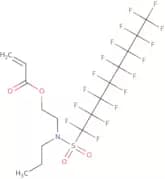

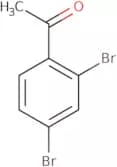

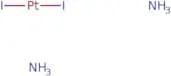
![1-Deoxy-1-(methylamino)-D-glucitol [3-[[(2R,3S)-2-[(1R)-1-[3,5-bis(trifluoromethyl)phenyl]ethoxy]-…](/_next/image/?url=https%3A%2Fstatic.cymitquimica.com%2Fproducts%2F3D%2Fthumb-webp%2FFD46503.webp&w=3840&q=75)
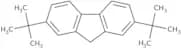
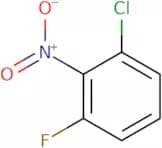

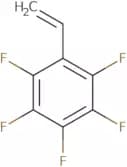
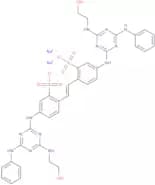
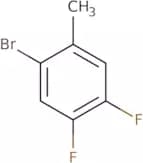
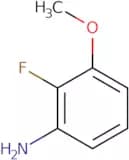
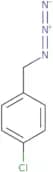
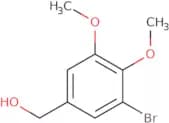
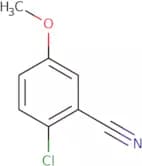
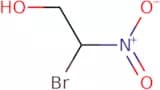
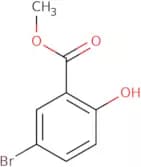
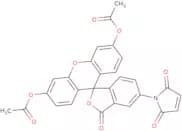
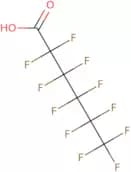
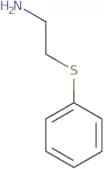
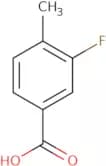
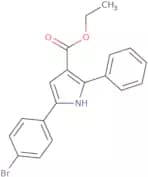
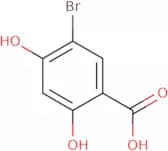
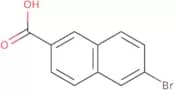
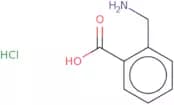
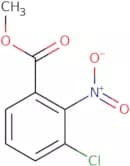
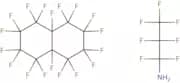
![6-Bromo-2H-pyrido[3,2-b][1,4]oxazin-3(4H)-one](/_next/image/?url=https%3A%2Fstatic.cymitquimica.com%2Fproducts%2F3D%2Fthumb-webp%2FFB144104.webp&w=3840&q=75)

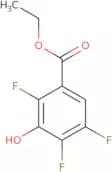
![(S)-2-((((9H-Fluoren-9-yl)methoxy)carbonyl)amino)-3-(1H-pyrrolo[2,3-b]pyridin-3-yl)propanoic acid](/_next/image/?url=https%3A%2Fstatic.cymitquimica.com%2Fproducts%2F3D%2Fthumb-webp%2FFF154979.webp&w=3840&q=75)
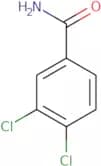
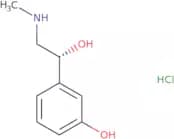
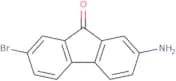
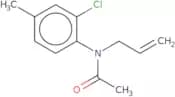
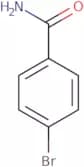
![2-[(2,6-Dichlorophenyl)amino]-N,N-dimethylbenzeneacetamide](/_next/image/?url=https%3A%2Fstatic.cymitquimica.com%2Fproducts%2F3D%2Fthumb-webp%2FFD21691.webp&w=3840&q=75)
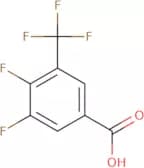

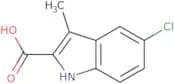
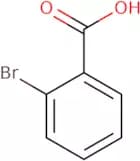
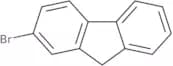
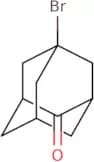
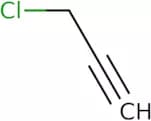
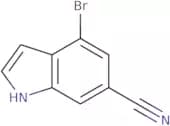
![N-(2,5-dimethylphenyl)(3-chlorobenzo[b]thiophen-2-yl)formamide](/_next/image/?url=https%3A%2Fstatic.cymitquimica.com%2Fproducts%2F3D%2Fthumb-webp%2FFD169538.webp&w=3840&q=75)


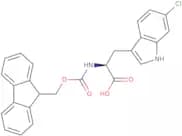
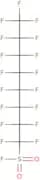
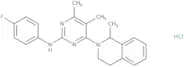
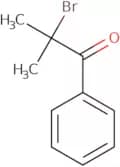
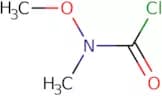

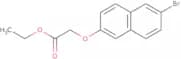

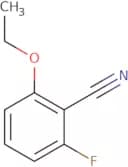
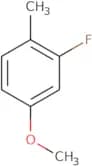


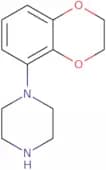
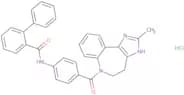
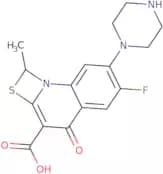
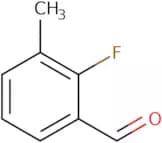
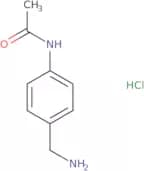
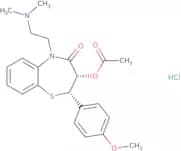
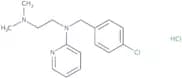
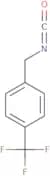
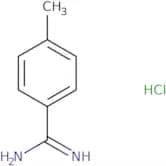
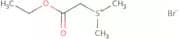
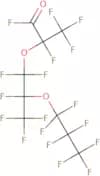

![6-Chloro-imidazo[1,2-b]pyridazine](/_next/image/?url=https%3A%2Fstatic.cymitquimica.com%2Fproducts%2F3D%2Fthumb-webp%2FFC11286.webp&w=3840&q=75)
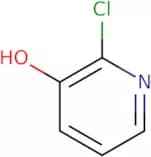
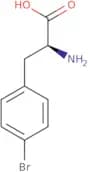
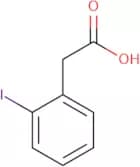
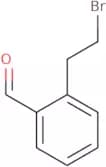

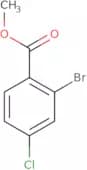
![3,7-Dibromo-5,5-dioctyl-5H-dibenzo[b,d]silole](/_next/image/?url=https%3A%2Fstatic.cymitquimica.com%2Fproducts%2F3D%2Fthumb-webp%2FFD141100.webp&w=3840&q=75)
![2-[[(Heptadecafluorooctyl)Sulphonyl]Methylamino]Ethyl Methacrylate](/_next/image/?url=https%3A%2Fstatic.cymitquimica.com%2Fproducts%2F3D%2Fthumb-webp%2FFH98020.webp&w=3840&q=75)
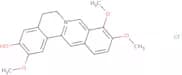
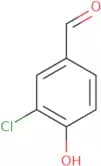
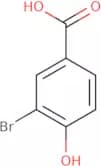
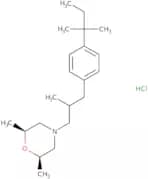
![N-[(8-Fluoro-2,3-Dihydro-1-Methyl-5-Phenyl-1H-1,4-Benzodiazepin-2-Yl)Methyl]-3-Furancarboxamide](/_next/image/?url=https%3A%2Fstatic.cymitquimica.com%2Fproducts%2F3D%2Fthumb-webp%2FFF102093.webp&w=3840&q=75)
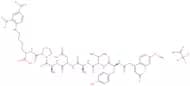
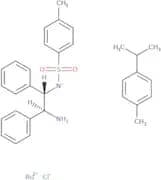
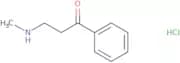
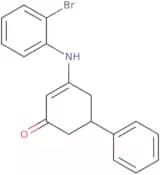
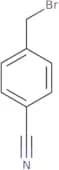
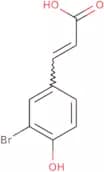
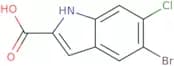
![3-[[(2S,4S)-4-[4-(3-Methyl-1-phenyl-1H-pyrazol-5-yl)-1-piperazinyl]-2-pyrrolidinyl]carbonyl]-thiaz…](/_next/image/?url=https%3A%2Fstatic.cymitquimica.com%2Fproducts%2F3D%2Fthumb-webp%2FFM61598.webp&w=3840&q=75)
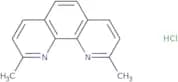
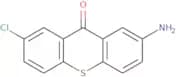
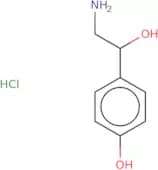


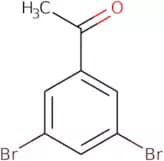
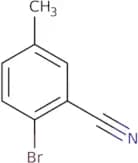
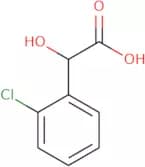
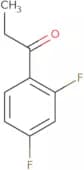
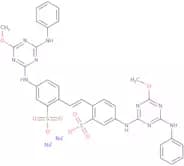
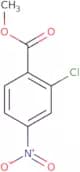
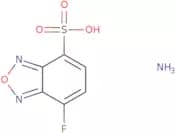
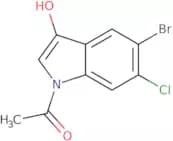
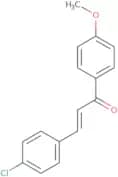
![8-Methyl-3,8-diazabicyclo[3.2.1]octane dihydrochloride](/_next/image/?url=https%3A%2Fstatic.cymitquimica.com%2Fproducts%2F3D%2Fthumb-webp%2FFM140960.webp&w=3840&q=75)
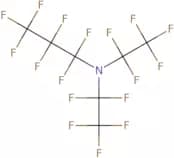
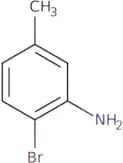
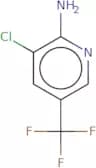
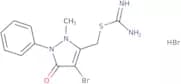
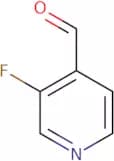

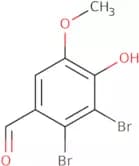
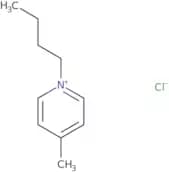
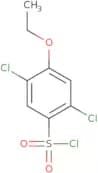
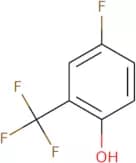
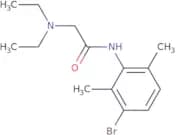
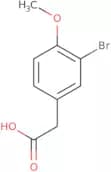
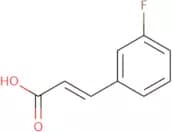
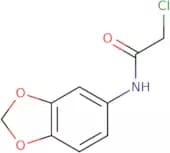
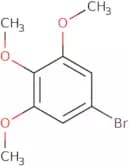
![8-Chloro-5,10-dihydro-11H-dibenzo[b,e][1,4]-diazepin-11-one](/_next/image/?url=https%3A%2Fstatic.cymitquimica.com%2Fproducts%2F3D%2Fthumb-webp%2FFC20115.webp&w=3840&q=75)
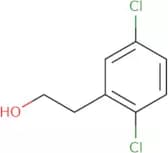
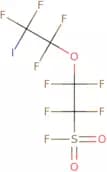
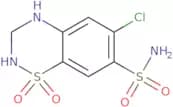
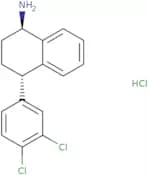
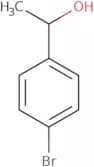
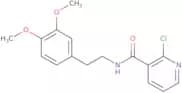
![6-Azaspiro[2.5]octane hydrochloride](/_next/image/?url=https%3A%2Fstatic.cymitquimica.com%2Fproducts%2F3D%2Fthumb-webp%2FFA141499.webp&w=3840&q=75)

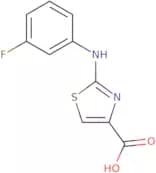
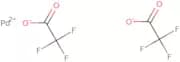
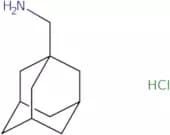
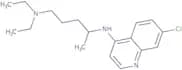
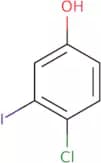


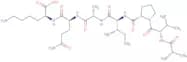

![3-[(4-Fluorophenyl)amino]cyclohex-2-en-1-one](/_next/image/?url=https%3A%2Fstatic.cymitquimica.com%2Fproducts%2F3D%2Fthumb-webp%2FFF123027.webp&w=3840&q=75)
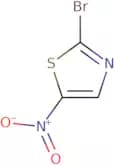
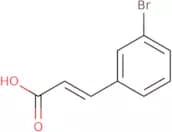
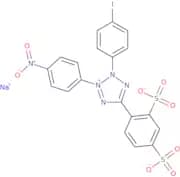
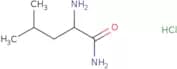
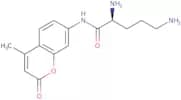
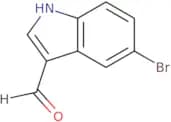
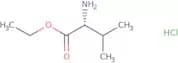
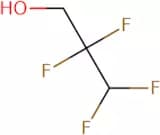
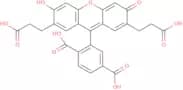

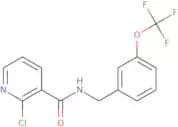
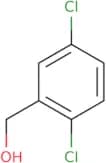

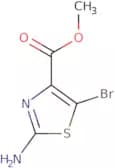
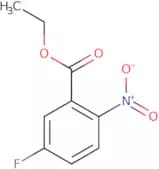
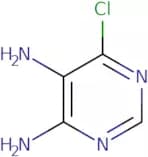

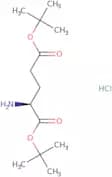
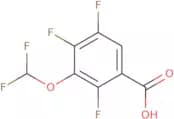
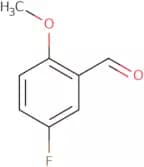
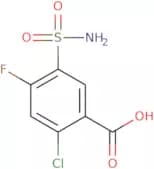
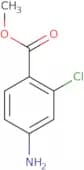
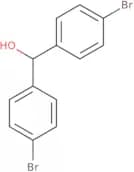
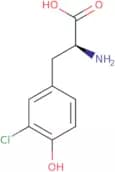

![(R)-1-[3,5-Bis(trifluoromethyl)phenyl]ethan-1-ol](/_next/image/?url=https%3A%2Fstatic.cymitquimica.com%2Fproducts%2F3D%2Fthumb-webp%2FFB43523.webp&w=3840&q=75)


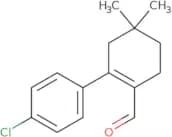
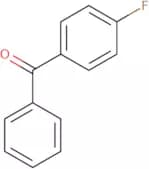
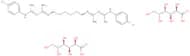
![1-{[1-(2-Chloropyridin-3-yl)-1H-pyrrol-2-yl]carbonyl}-4-(4-fluorophenyl)piperazine](/_next/image/?url=https%3A%2Fstatic.cymitquimica.com%2Fproducts%2F3D%2Fthumb-webp%2FFC128678.webp&w=3840&q=75)