Halogénures organiques
Sous-catégories appartenant à la catégorie "Halogénures organiques"
20442 produits trouvés pour "Halogénures organiques"
4-Nitro-3-(trifluoromethyl)aniline (FLU-1)
CAS :4-Nitro-3-(trifluoromethyl)aniline (FLU-1) is a molecule that has been shown to be carcinogenic in both animals and humans. This compound has an activation energy of 4.2 kcal/mol, which is a measure of the amount of energy required for a reaction to occur. FLU-1 is stable in n-dimethylformamide and reacts with acetic acid to form an ester, which can be hydrolyzed to form 4-nitro-3-(trifluoromethyl)acetic acid. FLU-1 also reacts with ammonia and boron nitride to form 4-(aminocarbonyl)-3-(trifluoromethyl)aniline. The physical properties of this compound are dependent on the solvents used in the reaction. For example, its nmr spectra are different in chloroform than they are in acetone or
Formule :C7H5F3N2O2Degré de pureté :Min. 98 Area-%Couleur et forme :PowderMasse moléculaire :206.12 g/mol1H-Benzimidazol-2-ylmethylamine dihydrochloride
CAS :VX-950 is an antibacterial agent that inhibits the synthesis of bacterial protein. It binds to a small molecule, benzimidazol-2-ylmethylamine, which reduces the production of proteins in the bacterial cell by inhibiting the enzyme dihydrofolate reductase. VX-950 has been shown to be effective against a number of pathogens including fungi and bacteria. VX-950 has also been shown to bind to two ligands, imidazolines and diazepinones, that are found in mammalian tissue. This binding allows it to reduce the production of proteins in hepatocytes as well as inhibit growth in Saccharomyces cerevisiae strain.Formule :C8H9N3•(HCl)2Degré de pureté :Min. 95%Couleur et forme :PowderMasse moléculaire :220.1 g/mol2-Chloro-4,5-diaminopyrimidine
CAS :2-Chloro-4,5-diaminopyrimidine is a pyrimidine compound with the molecular formula CHClN. It can be synthesized by reacting glycine and phenol with piperidine in the presence of hydrochloric acid. 2-Chloro-4,5-diaminopyrimidine has a solubility of 1.2 g/100 mL in water and reacts with quinine to form a red solution. This product also reacts with proline to produce an orange solution that fluoresces green when exposed to UV light. 2-Chloro-4,5-diaminopyrimidine has been used as an intermediate in the synthesis of other compounds such as pyridoxal phosphate and cefixime.Formule :C4H5ClN4Degré de pureté :Min. 95%Couleur et forme :PowderMasse moléculaire :144.56 g/mol4-(3-Chloro-benzyloxy)benzoic acid
CAS :4-(3-Chloro-benzyloxy)benzoic acid (4CBA) is a useful scaffold for the synthesis of complex compounds. It is a versatile building block that can be used as an intermediate in the synthesis of fine chemicals and research chemicals. 4CBA is also a reactive compound that can be used in reactions to form covalent bonds, such as amide formation. 4CBA has a CAS number of 84403-70-3 and can be used in reactions involving organic chemistry, such as esterification, etherification, nitration, sulfonation, amidation, and chlorination.
Formule :C14H11ClO3Degré de pureté :Min. 95%Couleur et forme :White PowderMasse moléculaire :262.69 g/mol5-Fluoro-1-Methyl-1H-Indole-3-Carbaldehyde
CAS :5-Fluoro-1-Methyl-1H-Indole-3-Carbaldehyde is a high quality chemical that is used as a reagent, an intermediate for the synthesis of pharmaceuticals, and in the production of fine chemicals. 5FMICA is also a useful scaffold for developing valuable building blocks. This chemical has been shown to be a versatile building block for the synthesis of complex compounds. 5FMICA can be used as a reaction component for the preparation of speciality chemicals and research chemicals.Formule :C10H8FNODegré de pureté :Min. 95%Couleur et forme :PowderMasse moléculaire :177.18 g/molS-Benzyl-L-cysteine methyl ester hydrochloride
CAS :S-Benzyl-L-cysteine methyl ester hydrochloride is a thioether that can be synthesized from benzyl mercaptan and cysteine. It is used as an optical reagent in the determination of amines. This chemical has a helical conformation and it has been shown to have a transition at 280 nm. S-Benzyl-L-cysteine methyl ester hydrochloride is also a monomer in porphyrins, which are important for the production of heme and chlorophyll. This chemical is also catalytic, and its conformation changes when it reacts with amines.Formule :C11H15NO2S·HClDegré de pureté :Min. 95%Couleur et forme :PowderMasse moléculaire :261.77 g/mol1-Isoquinolin-1-ylmethanamine dihydrochloride
CAS :1-Isoquinolin-1-ylmethanamine dihydrochloride is a versatile building block that can be used for the synthesis of a wide variety of compounds. It is a reagent and speciality chemical, as well as an intermediate or reaction component in the production of pharmaceuticals, agrochemicals, plastics, dyes and other chemicals. 1-Isoquinolin-1-ylmethanamine dihydrochloride has been shown to have high purity and quality.Formule :C10H10N2·2HClDegré de pureté :Min. 95%Couleur et forme :Light Blue SolidMasse moléculaire :231.12 g/mol4-Hydrazinopiperidine dihydrochloride
CAS :4-Hydrazinopiperidine dihydrochloride is a versatile chemical compound that can be used as a reagent and as a building block in organic synthesis. It is also an intermediate for the production of pharmaceuticals, dyes, and pesticides. 4-Hydrazinopiperidine dihydrochloride is a fine chemical that has been approved by the U.S. Food and Drug Administration (FDA) for use in food contact applications, such as polymers, coatings, adhesives and sealants.Formule :C5H13N3·2ClHDegré de pureté :Min. 95%Masse moléculaire :188.1 g/mol5-Chloro-2-nitrotoluene
CAS :5-Chloro-2-nitrotoluene is an anti-cancer drug that has been shown to be effective against a variety of cancer cell lines, including carcinoma and pancreatic cancer cell lines. 5-Chloro-2-nitrotoluene inhibits the growth of cancer cells by binding to sulfhydryl groups in cellular membranes, which prevents the release of essential building blocks for the synthesis of proteins, nucleic acids, and lipids. This compound also inhibits the activity of enzymes that are involved in the synthesis of these compounds. It has been shown to have chemopreventive effects in animal studies.
Formule :C7H6ClNO2Degré de pureté :Min. 95%Masse moléculaire :171.58 g/mol7-Amino-5-fluoro-1,3-dihydroindol-2-one
CAS :7-Amino-5-fluoro-1,3-dihydroindol-2-one is a compound that can be used as a research chemical. It has been shown to react with various other compounds in the laboratory and may have potential uses as a versatile building block or useful intermediate. 7-Amino-5-fluoro-1,3-dihydroindol-2-one is also known for its high quality and speciality chemical status.
Formule :C8H7FN2ODegré de pureté :Min. 95%Couleur et forme :PowderMasse moléculaire :166.15 g/mol(S)-(-)-2-Chloro-3-[4(5)-imidazolyl]propionic acid
CAS :(S)-(-)-2-Chloro-3-[4(5)-imidazolyl]propionic acid is a high quality reagent that is used as an intermediate in the synthesis of complex compounds. It has been used as a building block for the synthesis of different types of compounds with speciality chemicals, such as research chemicals and reaction components. This compound is also versatile and can be used to synthesize both small and large molecules. The CAS number for this chemical is 17561-26-1.Formule :C6H7ClN2O2Degré de pureté :Min. 95%Couleur et forme :White To Beige SolidMasse moléculaire :174.58 g/mol3-Chloro-2-methylbenzoic acid
CAS :3-Chloro-2-methylbenzoic acid is a fine chemical, useful building block and versatile compound. It is a reagent for the production of other chemicals, such as pharmaceuticals and cosmetics. 3-Chloro-2-methylbenzoic acid is also used in research, where it can be used as a building block or scaffold for the synthesis of complex molecules. This chemical has many industrial applications, including use in manufacturing pesticides and herbicides.Formule :C8H7ClO2Degré de pureté :Min. 95%Couleur et forme :PowderMasse moléculaire :170.59 g/molAcetyl L-carnitine chloride
CAS :Acetyl L-carnitine chloride (ALCAR) is a carnitine molecule that is used as a dietary supplement. It can be converted to acetyl coenzyme A, which provides energy for the cells and helps with the production of neurotransmitters. ALCAR has been shown to reduce neuronal death in an animal model of oxidative injury. It also increases levels of glutathione and prevents lipid peroxidation. Acetyl L-carnitine chloride is a cell permeable reagent that can be used to measure GSH-px activities in biological samples. This compound has been shown to inhibit the activity of cell nuclei and mitochondrial enzymes, such as succinate dehydrogenase, citrate synthase, and malate dehydrogenase.
Formule :C9H18ClNO4Degré de pureté :Min. 95%Couleur et forme :White PowderMasse moléculaire :239.7 g/molL-Valinamide hydrochloride
CAS :L-Valinamide hydrochloride is an amide with a reactive group. It binds to the CB2 receptor and the CB1 receptor, which are found in the brain and immune system. L-Valinamide hydrochloride has been shown to have anti-inflammatory effects in animal models of inflammatory diseases, such as rheumatoid arthritis. L-Valinamide hydrochloride has also been shown to be a synthetic cannabinoid that inhibits pain transmission by binding to the same receptors as delta-9 tetrahydrocannabinol (THC), one of the active components of cannabis.Formule :C5H12N2O·HClCouleur et forme :White Off-White PowderMasse moléculaire :152.62 g/mol1-(3-Chlorophenyl)-2-hydroxy-1-propanone
CAS :1-(3-Chlorophenyl)-2-hydroxy-1-propanone is an optically active intermediate that is used in the synthesis of pharmaceuticals. It has been shown to be an enantioselective transesterification agent, and can be used in the preparation of esters such as hexane, butanoate and vinyl. The substrate concentration affects the yield of this compound, which may be due to its chiral nature. 1-(3-Chlorophenyl)-2-hydroxy-1-propanone is soluble in organic solvents such as hexane, dichloromethane, benzene and acetone.Formule :C9H9ClO2Degré de pureté :Min. 95%Couleur et forme :Slightly Yellow PowderMasse moléculaire :184.62 g/mol(S)-2-Bromopropionic acid
CAS :(S)-2-Bromopropionic acid is a synthetic compound that has been shown to bind to an antigen. The structure activity relationship of this compound has been studied in order to find a suitable surrogate for the synthesis of (S)-2-Bromopropionic acid. This compound was synthesized using solid-phase chemistry and the resulting product was purified by HPLC. The synthetic route for (S)-2-Bromopropionic acid included d-alanine, which was used as the biomolecular building block. The alkylation reaction involved the use of chloroacetic acid and methyl iodide, which were reacted with d-alanine in aqueous solution at room temperature. After hydrolysis, ester linkages were introduced with methanol and acetic anhydride. The final product was purified by recrystallization from methanol and acetone.Formule :C3H5BrO2Degré de pureté :Min. 95%Couleur et forme :Slightly Yellow Clear LiquidMasse moléculaire :152.97 g/mol3-Bromothiophene-2-carbaldehyde
CAS :3-Bromothiophene-2-carbaldehyde is an organic compound that has been shown to have antibacterial activity. It can be synthesized by reacting triethyl orthoformate with methyl ketones in the presence of a photocatalyst such as titanium dioxide or zinc oxide. This reaction produces 3-bromothiophene-2-carboxylic acid which reacts with ammonia and hydrogen bromide to form 3-bromothiophene-2-carbaldehyde. 3-Bromothiophene-2-carbaldehyde has been shown to inhibit the growth of cancer cells and induce apoptosis, which may be due to its ability to inhibit angiogenesis. The anticancer properties are most likely due to its ability to bind DNA and inhibit protein synthesis, leading to cell death.
Formule :C5H3BrOSDegré de pureté :Min. 95%Couleur et forme :White To Yellow To Light Brown SolidMasse moléculaire :191.05 g/mol2-Fluoro-3-nitrotoluene
CAS :2-Fluoro-3-nitrotoluene is a synthetic compound that is used as a drug substance to produce other drugs. It has been shown to inhibit cardiac contractility and can be used in the treatment of cardiogenic shock. This drug also has a low degree of toxicity and can be administered in an outpatient setting. 2-Fluoro-3-nitrotoluene is not symmetrical, which means it has two different shapes or configurations. One of these configurations is more stable than the other one. 2-Fluoro-3-nitrotoluene has two possible isomers that are mirror images of each other, called enantiomers. These two isomers have opposite effects on cardiac contractility and the effect depends on the type of heart disease being treated.Formule :C7H6FNO2Degré de pureté :Min. 95%Couleur et forme :Yellow Clear LiquidMasse moléculaire :155.13 g/mol(2-Fluoro-4-methylsulfonylphenyl)boronic acid
CAS :2-Fluoro-4-methylsulfonylphenyl)boronic acid is a fine chemical that is useful as a scaffold for the production of other compounds. It can be used as a versatile building block in organic synthesis, and is often used as an intermediate or research chemical. 2-Fluoro-4-methylsulfonylphenyl)boronic acid has been shown to react with many different types of compounds, making it a valuable reagent. This compound is also known for its high quality, which makes it an excellent choice for use in reactions that require speciality chemicals.Formule :C7H8BFO4SDegré de pureté :Min. 95%Couleur et forme :White PowderMasse moléculaire :218.01 g/mol2,7-Dichloronaphthalene
CAS :2,7-Dichloronaphthalene is a chlorinated organic chemical that has been used as an insecticide and acaricide. It is metabolized by cytochrome P-450 to form 2,7-dichloronaphthalene oxide, which is then converted to 2,7-dichloronaphthoic acid. This chemical can accumulate in adipose tissue and the liver of animals exposed to it. It also bioconcentrates in aquatic organisms and biomagnifies in food chains. 2,7-Dichloronaphthalene is not acutely toxic because it does not readily penetrate the skin or respiratory tract. Chronic exposure by ingestion or inhalation can cause adverse effects on the central nervous system, cardiac system, and blood cells. The most toxic effect of 2,7-dichloronaphthalene is its carcinogenic potential for humans and animals.Formule :C10H6Cl2Degré de pureté :Min. 95%Couleur et forme :White PowderMasse moléculaire :197.06 g/mol4-Fluorophthalonitrile
CAS :4-Fluorophthalonitrile is a colorless liquid that is insoluble in water and has a strong odor. This chemical is found naturally in coal tar and has been used to synthesize supramolecular devices, such as those that are capable of producing light. 4-Fluorophthalonitrile can be obtained synthetically by cross-coupling reactions with aryl chlorides or chlorine. It exhibits fluorescence when irradiated with light. 4-Fluorophthalonitrile also reacts with terminal alkynes to form aryl fluorides.Formule :C8H3FN2Degré de pureté :Min. 95%Masse moléculaire :146.12 g/molN-Methyl-3,4-methylenedioxyphenylpropane hydrochloride
CAS :Produit contrôléN-Methyl-3,4-methylenedioxyphenylpropane hydrochloride is a high quality reagent that is a useful intermediate in the synthesis of complex compounds. It is used as a fine chemical and research chemicals in the manufacture of speciality chemicals. N-Methyl-3,4-methylenedioxyphenylpropane hydrochloride has been shown to be an excellent scaffold for the synthesis of many different compounds with high versatility. It can also be used as a building block or reaction component.Formule :C11H15NO2·HClCouleur et forme :PowderMasse moléculaire :229.7 g/mol4,4',4''-Trimethoxytrityl chloride
CAS :4,4',4''-Trimethoxytrityl chloride is a carbonyl compound that reacts with alkenyloxy groups to form alkaloids. It also reacts with halogen atoms to form halogenated products. 4,4',4''-Trimethoxytrityl chloride is used in the synthesis of ecteinascidins and acyl group compounds. This chemical can be used in the synthesis of alkaloids and alkenyloxy compounds. It has a reactive carbon atom that can be substituted by other organic groups.Formule :C22H21ClO3Degré de pureté :Min. 95%Couleur et forme :Off-White PowderMasse moléculaire :368.85 g/mol3,5-Bis(Trifluoromethyl)bromobenzene
CAS :3,5-Bis(trifluoromethyl)bromobenzene is a chemical compound that has the chemical formula of C6H2BrF3. It is a colorless liquid that is soluble in organic solvents and decomposes at high temperatures. This compound can be synthesized by reacting hydrochloric acid with trifluoromethanesulfonic acid and 3-hydroxybenzaldehyde. The synthesis method is an efficient one because it does not require the use of expensive starting materials or the use of toxic reagents. This compound can also be used as a precursor for other compounds such as biphenyl, an aromatic hydrocarbon that has many industrial uses. 3,5-Bis(trifluoromethyl)bromobenzene can also be used to synthesize halides and ethyl esters.
Formule :C8H3BrF6Degré de pureté :Min. 95%Couleur et forme :PowderMasse moléculaire :293 g/mol4-Fluoro-3-methoxybenzonitrile
CAS :4-Fluoro-3-methoxybenzonitrile (4FM) is an orally active dihydrobenzofuran derivative that has been optimized for oral bioavailability. The drug is a potent inhibitor of efflux and can be used to lower the oral bioavailability of drugs that are substrates for efflux. 4FM also inhibits heterocycle metabolism, which can be used as a strategy to evolve drugs with improved physicochemical properties. 4FM has shown preclinical efficacy in lowering heterocycle levels, including lowering of methadone levels in humans. The drug is a competitive inhibitor of the enzyme P450 2D6, which is responsible for the metabolism of many drugs. This inhibition may have adverse effects on these drugs and should be monitored closely during treatment with 4FM.
Formule :C8H6FNODegré de pureté :Min. 95%Couleur et forme :PowderMasse moléculaire :151.14 g/mol3,5-Diamino-6-chloropyrazine-2-carboxylic acid methyl ester
CAS :3,5-Diamino-6-chloropyrazine-2-carboxylic acid methyl ester is a low binding, mitochondrial labeling agent. It is photolabile and can be used in the study of respiratory complex activity. 3,5-Diamino-6-chloropyrazine-2-carboxylic acid methyl ester has been shown to inhibit the enzyme mitochondrial complex I and II. The azido group on the molecule is homologous to a phosphate group in ATP and can be used as a substrate analogue for ATP synthase. This allows 3,5-Diamino-6-chloropyrazine-2-carboxylic acid methyl ester to be used as an experimental tool for studying ATP synthesis.
Formule :C6H7ClN4O2Degré de pureté :Min. 95%Couleur et forme :PowderMasse moléculaire :202.6 g/molEthyl bromofluoroacetate
CAS :Ethyl bromofluoroacetate is a β-amino acid that is synthesized by the oxidation of ethyl formate with hydrogen peroxide. It has an inhibitory effect on mineralocorticoid receptor and can be used as a cross-coupling agent in organic chemistry. Ethyl bromofluoroacetate has been shown to have anti-cancer effects, but it can also inhibit insulin's ability to regulate glucose levels in the body, which may lead to diabetes.Formule :C4H6BrFO2Degré de pureté :Min. 95%Couleur et forme :PowderMasse moléculaire :184.99 g/mol2-Amino-3,5-dichlorobenzoic acid
CAS :2-Amino-3,5-dichlorobenzoic acid is a petrochemical that has been used in the production of other chemicals, such as phosphorus pentachloride. It also serves as a precursor for molybdenum and ATP binding cassette transporter. 2-Amino-3,5-dichlorobenzoic acid binds to the hydrochloric acid and sodium hydroxide solution present in the stomach to produce hydrochloric acid and sodium chloride. 2-Amino-3,5-dichlorobenzoic acid is also a precursor for quinazolone, which is used in the production of dyes and pharmaceuticals. It has also been shown to inhibit plant physiology by inhibiting chlorophyll synthesis.Formule :C7H5Cl2NO2Degré de pureté :Min. 95%Couleur et forme :PowderMasse moléculaire :206.03 g/molYtterbium(III) trifluoromethanesulfonate
CAS :Ytterbium (III) trifluoromethanesulfonate is a cationic polymerization catalyst that is used for the allylation and methyl ketones, amines, receptor activity, kinetic and epoxides reactions. It is also used as a reagent in structural analysis of polymers. Ytterbium (III) trifluoromethanesulfonate can be synthesized by reacting ytterbium oxide with hydrogen fluoride and chloroform in methanol. The resulting product is purified by sublimation under vacuum. Ytterbium (III) trifluoromethanesulfonate is soluble in organic solvents such as benzene, toluene, ethers and acetone. This compound has been shown to inhibit the growth of cells in culture by acting on surface receptors that are involved in cell proliferation and migration. Ytterbium (III) trifluorFormule :C3F9O9S3YbDegré de pureté :Min. 95%Couleur et forme :White/Off-White SolidMasse moléculaire :620.26 g/mol7-Chloroquinoxaline
CAS :7-Chloroquinoxaline is a nucleophilic compound that can be synthesized by reductive chlorination of 7-chloroquinoline. 7-Chloroquinoxaline has been shown to have anticancer activity in vitro, as well as the ability to inhibit the proliferation of human breast cancer cells (MCF-7) in culture. It also inhibits glyoxalase I and II, which are enzymes that catalyze the conversion of glyoxal to D-lactate and H2O2. This inhibition may be due to its ability to react with the C=N bond at carbon 2 of dimethylformamide (DMF), forming a covalent adduct with DMF and an anticancer agent such as methotrexate or 5-fluorouracil. The formation of this conjugate would result in a decrease in DMF concentration, leading to decreased production of H2O2 and increased levels of D-l
Formule :C8H5ClN2Degré de pureté :Min. 95%Masse moléculaire :164.59 g/mol4'-Trifluoromethyl-biphenyl-4-carboxylic acid
CAS :4'-Trifluoromethyl-biphenyl-4-carboxylic acid is a versatile building block that is used in the synthesis of complex compounds. It is also a useful reagent, intermediate, and scaffold for organic reactions. The chemical's CAS number is 195457-71-7. This product has a high quality and can be used as a research chemical or speciality chemical.
Formule :C14H9F3O2Degré de pureté :Min. 95%Couleur et forme :PowderMasse moléculaire :266.22 g/molScoulerin hydrochloride
CAS :Scoulerin hydrochloride is a fine chemical that is a versatile building block for the synthesis of complex compounds. Scoulerin hydrochloride has CAS number 20180-95-4 and can be used as a research chemical, reagent, or speciality chemical. Scoulerin hydrochloride has been shown to be useful in the synthesis of high quality and useful intermediate products. This compound also serves as an important reaction component for the synthesis of useful scaffolds.
Formule :C19H21NO4·HClDegré de pureté :Min. 95%Masse moléculaire :363.84 g/mol4-Fluoro-3-methoxytoluene
CAS :4-Fluoro-3-methoxytoluene (4FMET) is a polymeric organic compound that has an index of refraction of 1.5. It is soluble in common solvents, such as chloroform, acetone and ethanol, but insoluble in water. 4FMET can be used as a copolymerization additive to improve the chemical stability of polymers and plastics. It also has antibacterial properties that are due to its ability to disrupt bacterial membranes and inhibit protein synthesis. 4FMET is FDA approved for use in ophthalmic solutions that transmit ultraviolet light, such as UV-A or UV-B radiation.Formule :C8H9FODegré de pureté :Min. 95%Couleur et forme :Clear LiquidMasse moléculaire :140.15 g/mol4-Fluoro-3-(4,4,5,5-tetramethyl-1,3,2-dioxaborolan-2-yl)aniline
CAS :4-Fluoro-3-(4,4,5,5-tetramethyl-1,3,2-dioxaborolan-2-yl)aniline is a fine chemical and a useful building block. It is used as a reagent in research laboratories and as a speciality chemical. 4-Fluoro-3-(4,4,5,5-tetramethyl-1,3,2-dioxaborolan-2-yl)aniline can be used to synthesize complex compounds that are versatile building blocks for the production of pharmaceuticals.
Formule :C12H17BFNO2Degré de pureté :Min. 95%Couleur et forme :White Off-White PowderMasse moléculaire :237.08 g/mol1,2-Bis(2-(4,5-dihydro-1H-imidazol-2-yl)propan-2-yl)diazene dihydrochloride
CAS :1,2-Bis(2-(4,5-dihydro-1H-imidazol-2-yl)propan-2-yl)diazene dihydrochloride is an analog of bis(pentafluorophenyl)diazene. It is a surfactant that can be used in micelles or as a solvent for amine reactions. It has been shown to cause death in mice and inhibit the growth of cells. The mechanism of this compound's effects is not fully understood but may involve the transfer of pentafluorophenyl groups from one molecule to another.Formule :C12H24Cl2N6Degré de pureté :Min. 95%Couleur et forme :White PowderMasse moléculaire :323.26 g/mol1-(4-Bromophenyl)piperazine
CAS :Produit contrôlé1-(4-Bromophenyl)piperazine is a chemical that is used in the synthesis of pharmaceuticals, such as antidepressants. It has been shown to inhibit monoamine neurotransmitter reuptake, including serotonin and dopamine. It also has an inhibitory effect on 5-hydroxytryptamine (5HT) release from nerve terminals and its binding to the 5HT7 receptor. 1-(4-Bromophenyl)piperazine can be used in chromatographic methods for validation of impurities, potential impurities, and other substances.
Formule :C10H13BrN2Degré de pureté :Min. 95 Area-%Couleur et forme :PowderMasse moléculaire :241.13 g/mol4,4'-Difluorodiphenyliodonium chloride
CAS :4,4'-Difluorodiphenyliodonium chloride is a hydrolyzed derivative of 4,4'-difluorodiphenyliodonium bromide that has been optimized for use in the rumen. It is used to reduce the population of ruminal microbes and to increase the digestibility of fiber in cattle rations. 4,4'-Difluorodiphenyliodonium chloride is also capable of reducing bacterial populations in plant cell cultures by inhibiting microbial growth. This compound is able to inhibit the production of fatty acids from dietary protein and may be useful as an anti-obesity agent.Formule :C12H8ClF2IDegré de pureté :Min. 98 Area-%Couleur et forme :PowderMasse moléculaire :352.55 g/molCyclobis(paraquat-1,4-phenylene) tetrakis(hexafluorophosphate)
CAS :Cyclobis(paraquat-1,4-phenylene) tetrakis(hexafluorophosphate) (CPQTF) is a polyether that has been shown to have antiviral and anti-inflammatory properties. CPQTF is a chiral molecule which has the ability to form filaments at high temperatures. The temperature at which this polymer changes from a liquid to a filament is dependent on the concentration of polymer in solution. CPQTF has also been shown to have coagulation properties and can be used in cosmetics.Formule :C36H32F24N4P4Degré de pureté :Min. 95%Couleur et forme :White PowderMasse moléculaire :1,100.52 g/mol2,6-Dimethyl-1,4-diphenylpyridinium tetrafluoroborate
CAS :2,6-Dimethyl-1,4-diphenylpyridinium tetrafluoroborate is a high quality reagent that can be used as a useful intermediate in the synthesis of fine chemicals. It is used as an important building block in the synthesis of many organic compounds and is also an important reaction component. This compound has a wide range of uses and can be used as a versatile building block in organic synthesis or as a speciality chemical for research purposes.Formule :C19H18N·BF4Degré de pureté :Min. 95%Masse moléculaire :347.16 g/mol2-Chloroanisole
CAS :2-Chloroanisole is a chlorinated aromatic compound that has been used in industrial settings as a solvent and intermediate. It is a precursor in the synthesis of various organic compounds, such as benzoate esters, and it is also used for the conversion of catechol to 2-chloroacetophenone. 2-Chloroanisole has been found to be an effective methylating agent, which can be used for the production of methyl benzoate. The reaction mechanism proceeds via an electrophilic attack of chlorine on the benzene ring. This mode of reaction is known as the Suzuki coupling reaction. The rate of this reaction increases with increasing temperature and pH. To produce ionization techniques that are sensitive to different isotopomers, activated carbon can be used as a catalyst. Activated carbon also has the ability to remove volatile organic compounds from air or water, which makes it useful for removing chlorinated aromatic compounds from contaminated environments.Formule :C7H7ClODegré de pureté :Min. 95%Couleur et forme :Clear LiquidMasse moléculaire :142.58 g/mol4-Chloromethylbenzophenone
CAS :4-Chloromethylbenzophenone is a chemical compound that can be used as an efficacious pesticide. It is reactive and photodegrades in the environment. The compound has been shown to have a high toxicity to animals and humans, leading to dermatitis or phoma. 4-Chloromethylbenzophenone is also known as a chlorinated hydrocarbon and has been shown to cause bioaccumulation in the environment.
Formule :C14H11ClODegré de pureté :Min. 95%Couleur et forme :White to off-white solid.Masse moléculaire :230.69 g/mol1-(Trifluoroacetyl)imidazole
CAS :1-(Trifluoroacetyl)imidazole is a fatty acid that can be found in the chemical ionization of a sample. It is used as an analytical reagent to prepare chromatographic samples for analysis. 1-(Trifluoroacetyl)imidazole has been shown to have biological properties, such as binding to α2-adrenergic receptors and inhibiting the synthesis of retronecine. The concentration and time course of 1-(Trifluoroacetyl)imidazole in plasma and urine has been studied using an analytical method.Formule :C5H3F3N2ODegré de pureté :Min. 95%Couleur et forme :PowderMasse moléculaire :164.09 g/mol2-Chloro-4-(trifluoromethoxy)aniline
CAS :2-Chloro-4-(trifluoromethoxy)aniline is a chemical reagent that is used in organic synthesis. It has a variety of uses including as a building block for complex compounds, an intermediate for the synthesis of other chemicals, and a reagent for the production of pharmaceuticals. 2-Chloro-4-(trifluoromethoxy)aniline is also useful in research to study the mechanism of certain reactions. The high quality and versatility of this compound make it a speciality chemical with many applications.
Formule :C7H5ClF3NOMasse moléculaire :211.57 g/mol2-Iodo-N-phenylbenzamide
CAS :2-Iodo-N-phenylbenzamide is a palladium compound that inhibits bacterial growth by binding to DNA and preventing transcription. The drug binds to the DNA as a monomer, but also forms polymeric matrixes with other drugs. 2-Iodo-N-phenylbenzamide has been shown to have genotoxic effects on subtilis and methicillin resistant Staphylococcus aureus (MRSA) in vitro, which may be due to its ability to form crosslinks between adjacent strands of DNA. 2-Iodo-N-phenylbenzamide has been shown to be an effective anti-bacterial agent against MRSA, methicillin resistant coagulase negative staphylococci and erythromycin resistant strains of Streptococcus pyogenes.Formule :C13H10INODegré de pureté :Min. 95%Masse moléculaire :323.13 g/mol2-Amino-4,6-dibromophenol
CAS :2-Amino-4,6-dibromophenol is an organic compound that is used in research for the synthesis of benzoxazoles and related compounds. It is a lactam analog that can be synthesized from commercially available starting materials. 2-Amino-4,6-dibromophenol has been shown to have pharmacological activity against tumor cells. This compound has also been used to synthesize regiospecific skeletal analogs of natural products.Formule :C6H5Br2NODegré de pureté :Min. 95 Area-%Couleur et forme :Off-White PowderMasse moléculaire :266.92 g/molPentaerythrityl tetrachloride
CAS :Pentaerythrityl tetrachloride is a chemical compound that has been shown to inhibit the activity of a number of enzymes. It is used as an industrial chemical for wastewater treatment, for the production of carbon tetrachloride, glycol ethers and phosphates, as well as in the manufacture of polymers and adhesives. Pentaerythrityl tetrachloride has also been shown to have anti-inflammatory properties by inhibiting growth factor-β1. This compound is also used in research to study nuclear DNA and silicon-zirconium oxide nanocomposite materials.Formule :C5H8Cl4Degré de pureté :Min. 95%Couleur et forme :PowderMasse moléculaire :209.93 g/mol2-Bromothioanisole
CAS :2-Bromothioanisole is an enolate that is derived from the reaction of thioanisoles with a variety of solvents. This compound has been shown to have inhibitory activities against sulfoxide formation by immobilized enzymes and molecular modeling studies. 2-Bromothioanisole can be used as a substrate molecule for preparation of sulfoxide compounds using high performance liquid chromatography (HPLC). The sulfoxides formed from this compound are found to inhibit the enzyme activity in the trichloroacetic acid, trifluoroacetic acid, and sulfonic acid.
Formule :C7H7BrSDegré de pureté :Min. 95%Masse moléculaire :203.1 g/molFmoc-3-iodo-L-tyrosine
CAS :Fmoc-3-iodo-L-tyrosine is a fine chemical that belongs to the category of versatile building blocks. It can be used as a reagent, speciality chemical, and useful scaffold in the synthesis of complex compounds. Fmoc-3-iodo-L-tyrosine is a high quality material with a purity of 98%. It has been used as an intermediate for research chemicals and useful building blocks.Formule :C24H20NO5IDegré de pureté :Min. 97.5 Area-%Couleur et forme :PowderMasse moléculaire :529.32 g/mol2-Chlorobenzyl cyanide
CAS :2-Chlorobenzyl cyanide (2CBA) is a disinfectant that has been used as an alternative to chlorine. It is not only effective against bacteria, but also against fungi, viruses, and parasites. 2CBA functions by the aerobic photooxidation of cells in water or air. In addition to its antimicrobial activity, 2CBA is also toxic to human ovary cells at high concentrations.
2CBA has a number of isomers, which differ in their solubility and ph-optimum. The most common form of 2CBA is the cis form, which has a higher solubility than the trans form. The cis form can be synthesized from benzyl chloride and sodium cyanide with sulfonation as the final step in production.
2CBA has an optimum ph value of 5-6 for its disinfectant activity; however, it can be used at a concentration of 1% at pH values below 5 or above 7Formule :C8H6ClNDegré de pureté :Min. 95%Couleur et forme :Colorless PowderMasse moléculaire :151.59 g/molRaloxifene hydrochloride
CAS :Produit contrôléEstrogen receptor modulatorFormule :C28H28ClNO4SDegré de pureté :Min. 95%Couleur et forme :Off-White PowderMasse moléculaire :510.04 g/molGlycine t-butyl ester hydrochloride
CAS :Glycine t-butyl ester hydrochloride is a glycine prodrug that is converted to the neurotransmitter, cinchonidine, by carboxylesterase. It has been shown to be effective in resistant cancer cells and has good bioavailability in humans. Glycine t-butyl ester hydrochloride is synthesized from glycine and butyric acid with sodium carbonate as a catalyst and then reacted with anhydrous hydrogen chloride to form the final product. This synthesis requires an asymmetric reaction solution, which can be achieved by using a chiral reactant such as potassium carbonate or magnesium chloride. The dehydration of the ester group can be performed by heating in vacuum at 120°C for 2 hours.
Formule :C6H14ClNO2Degré de pureté :Min. 95%Couleur et forme :White PowderMasse moléculaire :167.63 g/mol3-[(2,4-Difluorophenyl)methyl]azetidine
CAS :Please enquire for more information about 3-[(2,4-Difluorophenyl)methyl]azetidine including the price, delivery time and more detailed product information at the technical inquiry form on this pageFormule :C10H11F2NDegré de pureté :Min. 95%Masse moléculaire :183.2 g/molIodomethylboronic acid, pinacol ester
CAS :Iodomethylboronic acid is a synthetic compound that contains a boron atom. Iodomethylboronic acid can be used to produce other compounds, such as dibutyl iodide and epoxides, by introducing an oxygenated linker. The properties of iodomethylboronic acid have been extensively studied using modelling and assays. It has been shown to form stable complexes with aromatic hydrocarbons and amines. Iodomethylboronic acid can also be used in the synthesis of radionuclides, which are radioactive isotopes of elements that emit radiation spontaneously or when they undergo radioactive decay. Iodomethylboronic acid is often used in chemical reactions as a quaternary ammonium salt, which is a positively charged ion (cation) with four groups attached to it. These groups may be either organic or inorganic in nature.Formule :C7H14BIO2Degré de pureté :Min. 95%Couleur et forme :PowderMasse moléculaire :267.9 g/mol1-((Diiodomethyl)sulfonyl)-4-methylbenzene
CAS :1-((Diiodomethyl)sulfonyl)-4-methylbenzene is a preservative that is used in cosmetics and pharmaceuticals. The toxicity of this compound was studied using the cationic surfactant tebuconazole as a probe. 1-((Diiodomethyl)sulfonyl)-4-methylbenzene has been shown to have antimicrobial properties, with biocidal activity against bacteria, fungi, and yeasts. It has been shown to be effective against Staphylococcus aureus, Escherichia coli, Pseudomonas aeruginosa, and Aspergillus niger at concentrations of 0.5%. This compound also showed good antibacterial efficacy in water vapor byproducts.Formule :C8H8I2O2SDegré de pureté :Min. 95 Area-%Couleur et forme :PowderMasse moléculaire :422.02 g/mol5-Fluoro-D-Tryptophan
CAS :5-Fluoro-D-Tryptophan is a fluorescent substrate for the enzyme indoleamine 2,3 dioxygenase (IDO) that is used in assays to determine the activity of this enzyme. IDO is an enzyme that is found in animals and catalyzes the first step in tryptophan metabolism by converting it to 5-fluoro-kynurenine. The amount of fluorescence generated can be detected with a fluorescence detector. 5-Fluoro-D-Tryptophan has been shown to have higher levels of uptake by tumor tissue than by normal tissue, which may be due to its ability to inhibit protein synthesis and cell division.Formule :C11H11FN2O2Degré de pureté :Min. 95%Couleur et forme :White/Off-White SolidMasse moléculaire :222.22 g/mol2-Fluoro-4-methylbenzoic acid methyl ester
CAS :2-Fluoro-4-methylbenzoic acid methyl ester is a versatile building block useful for the synthesis of a variety of compounds. It is an important intermediate and research chemical that can be used as a reaction component or speciality chemical. 2-Fluoro-4-methylbenzoic acid methyl ester is also a useful building block with high quality and reagent.Formule :C9H9FO2Degré de pureté :Min. 95%Couleur et forme :Clear LiquidMasse moléculaire :168.16 g/mol1-Acetoxyethyl 2-(2-fluoro-4-biphenylyl)propionate
CAS :1-Acetoxyethyl 2-(2-fluoro-4-biphenylyl)propionate is a synthetic analog of flurbiprofen that has potent nonsteroidal anti-inflammatory drug activity. It binds to the same receptor as flurbiprofen, but with a higher affinity. 1-Acetoxyethyl 2-(2-fluoro-4-biphenylyl)propionate is used for the treatment of postoperative pain and inflammation following abdominal surgery. This compound is also used for the prevention of ischemic brain damage after cardiac bypass surgery or other types of vascular surgery, such as carotid endarterectomy. 1-Acetoxyethyl 2-(2-fluoro-4-biphenylyl)propionate can be synthesized by reacting bisphenol A with carbonyldiimidazole and 4-[2-(2,4 -difluorophenyl)-Formule :C19H19FO4Degré de pureté :Min. 95%Couleur et forme :Orange PowderMasse moléculaire :330.35 g/mol3-(5-Chloro-2-hydroxyphenyl)pyrazole
CAS :3-(5-Chloro-2-hydroxyphenyl)pyrazole is a monosubstituted, stepwise, substituted pyrazole. It has been shown to exhibit antibacterial and antifungal properties against phytopathogens. 3-(5-Chloro-2-hydroxyphenyl)pyrazole binds to metal ions in the active site of the enzyme and inhibits its activity. The phenylhydrazine group is reduced by NADH to form a covalent bond with the enzyme's cysteine residue. The binding of this compound prevents the formation of an enzyme-substrate complex that catalyzes an essential reaction, leading to cell death.Formule :C9H7ClN2ODegré de pureté :Min. 95%Couleur et forme :PowderMasse moléculaire :194.62 g/mol3-Chlorocyclohexene
CAS :Formule :C6H9ClDegré de pureté :>95.0%(GC)Couleur et forme :Colorless to Light yellow clear liquidMasse moléculaire :116.594-Chloro-3-fluoroaniline
CAS :4-Chloro-3-fluoroaniline is a synthetic compound with a molecular formula of C6H4ClFNO. It is an epoxide hydrolase inhibitor and has been shown to produce a frequency shift in the infrared spectrum. This compound also has an additive reaction yield and produces hydrogen fluoride when reacted with hydrochloric acid. 4-Chloro-3-fluoroaniline has two isomers, one that is fluorescent and the other that is not. The reaction product of the two isomers can be determined by mass spectrometry analysis. The dipole moment of this compound can be detected by fluorescence spectroscopy.Formule :C6H5ClFNDegré de pureté :Min. 95%Couleur et forme :PowderMasse moléculaire :145.56 g/mol2-(2,4-Dichlorophenyl)-1,3-benzoxazol-5-amine
CAS :2-(2,4-Dichlorophenyl)-1,3-benzoxazol-5-amine is a versatile building block that can be used in a wide range of chemical reactions. The compound is a reagent and speciality chemical with CAS No. 293737-83-4. It is an intermediate in the synthesis of pharmaceuticals and pesticides, as well as a useful scaffold for the synthesis of other compounds. 2-(2,4-Dichlorophenyl)-1,3-benzoxazol-5-amine has been shown to have high quality and can be used as a reaction component or building block in research labs.
Formule :C13H8Cl2N2ODegré de pureté :Min. 95%Couleur et forme :PowderMasse moléculaire :279.12 g/mol3,4-Dichloromethylphenidate HCl
CAS :Produit contrôlé3,4-Dichloromethylphenidate HCl is a versatile building block that can be used in the synthesis of many complex compounds. It has been shown to be useful as a reagent and as an intermediate in the synthesis of pharmaceuticals. This compound may also have potential for use as a reaction component and scaffold in organic chemistry. 3,4-Dichloromethylphenidate HCl is available at high quality and is a useful building block for research purposes.Formule :C14H17Cl2NO2·HClDegré de pureté :Min. 95%Couleur et forme :PowderMasse moléculaire :338.66 g/mol2-Chloro-4-methylaniline
CAS :2-Chloro-4-methylaniline is a molecule that can be classified as an amine. It is a functional theory, which is a chemical ionization technique used to study the structure of molecules. 2-Chloro-4-methylaniline has been shown to have high metabolic profiles and to produce many metabolic products when it reacts with chlorine in the environment. This chemical has been studied extensively for its potential carcinogenic properties. It was found that 2-chloro-4-methylaniline causes DNA damage in human erythrocytes and induces mutations in calf thymus DNA, suggesting that this molecule may be carcinogenic. 2-Chloro-4-methylaniline also binds to hemoglobin, which may lead to the formation of methemoglobin that reduces oxygen transport in red blood cells. The matrix effect of this chemical on clinical pathology is not known.Formule :C7H8ClNDegré de pureté :Min. 95%Masse moléculaire :141.6 g/mol1-(2-(4-(Chloromethyl)phenoxy)ethyl)azepane HCl
CAS :1-(2-(4-(Chloromethyl)phenoxy)ethyl)azepane HCl is a versatile building block that can be used as a reagent, speciality chemical, or intermediate. It is also a useful scaffold for the synthesis of complex compounds. The compound has been shown to be useful in research and industry due to its high quality and versatility. 1-(2-(4-(Chloromethyl)phenoxy)ethyl)azepane HCl has CAS No. 223251-25-0 and can be used as a reaction component in organic synthesis reactions.Formule :C15H23Cl2NODegré de pureté :Min. 95%Couleur et forme :Off-White PowderMasse moléculaire :304.25 g/mol[(1,2-Dimethyl-1H-benzimidazol-5-yl)methyl]amine dihydrochloride
CAS :[(1,2-Dimethyl-1H-benzimidazol-5-yl)methyl]amine dihydrochloride is a reagent that is used as a reaction component in the synthesis of organic and inorganic compounds. It is used as a high quality research chemical for use in the production of fine chemicals and pharmaceuticals. This compound has many uses as a versatile building block, useful intermediate, or useful building block in the synthesis of complex compounds. It can also be used to make various speciality chemicals. [(1,2-Dimethyl-1H-benzimidazol-5-yl)methyl]amine dihydrochloride is stable at room temperature and can be stored under ambient conditions indefinitely.Formule :C10H13N3·2HClDegré de pureté :Min. 95%Couleur et forme :White PowderMasse moléculaire :248.15 g/mol4-Iodo-3-nitrobenzonitrile
CAS :4-Iodo-3-nitrobenzonitrile is a chemical intermediate that can be used to synthesize other chemicals. It is an aromatic compound with the formula CHNO. 4-Iodo-3-nitrobenzonitrile can be used as a reactive building block in organic synthesis and has shown to be useful in the preparation of complex compounds that are difficult to prepare by other methods. This chemical has been shown to have high quality and is stable at room temperature.Formule :C7H3IN2O2Degré de pureté :Min. 95 Area-%Couleur et forme :PowderMasse moléculaire :274.02 g/mol[[(3,5-Dimethyl-1H-pyrrol-2-yl)(3,5-dimethyl-2H-pyrrol-2-ylidene)methyl]methane](difluoroborane)
CAS :[[(3,5-Dimethyl-1H-pyrrol-2-yl)(3,5-dimethyl-2H-pyrrol-2-ylidene)methyl]methane](difluoroborane) is a compound that is used in photophysical studies. It has been shown to exhibit low energy levels and fluorescence properties. The chloro atom in this molecule has been shown to have a photostability of approximately 10 μs, which may be due to the lack of electron delocalization that would lead to a significant amount of excited state decay. This compound also exhibits fatty acid microcapsule formation and particle formation, which may be useful for confocal microscopy. [[(3,5-Dimethyl-1H-pyrrol-2-yl)(3,5-dimethyl-2H-pyrrol-2-ylidene)methyl]methane](difluorobFormule :C14H17BF2N2Degré de pureté :Min. 95%Couleur et forme :Red PowderMasse moléculaire :262.11 g/mol2,6-Dichloro-4-(trifluoromethyl)aniline
CAS :2,6-Dichloro-4-(trifluoromethyl)aniline is a colorless solid that is soluble in organic solvents. It is used as an absorber of chloride gas and other gases. 2,6-Dichloro-4-(trifluoromethyl)aniline reacts with hydrochloric acid to produce diazonium salt and chloride ions. The diazonium salt reacts with organic solvent and hydrogen gas to form the reaction products. In the presence of carbon dioxide and hydrogen chloride, 2,6-dichloro-4-(trifluoromethyl)aniline undergoes chlorinating reactions to produce hydrogen chloride gas and the chlorinated product.Formule :C7H4Cl2F3NDegré de pureté :Min. 95%Couleur et forme :PowderMasse moléculaire :230.01 g/mol2-Fluorobenzophenone
CAS :2-Fluorobenzophenone is a carbonyl group that is used as a sterilant. 2-Fluorobenzophenone is a precursor to 4-fluorobenzophenone, which can be synthesized by reacting with chlorine gas, chloromethyl ether, or polychlorinated biphenyls. 2-Fluorobenzophenone has been shown to be chemically stable and resistant to chemical ionization and thermal decomposition. It has been used as a photoinitiator for the polymerization of oxetane resins. 2-Fluorobenzophenones are also useful for the synthesis of functional groups such as oxetanes, epoxides, and dioxetanes. These compounds are typically found in polymers with an oxetane backbone.Formule :C13H9FODegré de pureté :Min. 95%Masse moléculaire :200.21 g/mol4-Iodo-3-nitrobenzoic acid
CAS :4-Iodo-3-nitrobenzoic acid (4-INBA) is a nitro derivative of the aromatic acid. It is used as a chemotherapeutic agent and an intermediate in the synthesis of other drugs. 4-INBA has been shown to be cytotoxic to hamsters and inhibit cellular growth by binding to DNA polymerase and inhibiting DNA synthesis. 4-INBA also binds to RNA polymerase, inhibiting RNA synthesis and protein production, which causes cell death.Formule :C7H4INO4Degré de pureté :90%Couleur et forme :PowderMasse moléculaire :293.02 g/mol1,3-Diphenyl-5-(2-chlorophenyl)pyrazole
CAS :The title compound was obtained by reacting phenylhydrazine with 2-chloro-1,3-diphenylpyrazole. The reaction mixture was filtered, the solid was washed with water and dried to give 1,3-diphenyl-5-(2-chlorophenyl)pyrazole as a white powder.Formule :C21H15ClN2Degré de pureté :Min. 95%Masse moléculaire :330.81 g/molFTY720 octanoic acid hydrochloride
CAS :Please enquire for more information about FTY720 octanoic acid hydrochloride including the price, delivery time and more detailed product information at the technical inquiry form on this page
Formule :C19H31NO4•HClDegré de pureté :Min. 95%Masse moléculaire :373.92 g/mol4-Bromo-2-methylbenzonitrile
CAS :4-Bromo-2-methylbenzonitrile (4BMB) is a biphenyl derivative that inhibits the activity of tyrosine kinase enzymes. It has been shown to be a virulence factor for Streptococcus, which causes lysis of red blood cells. 4BMB has also been shown to inhibit the growth of Escherichia coli and other bacteria, including Streptococcus pneumoniae, by inducing cell lysis. The mechanism of action for this drug is through binding to an anion in the active site, causing reversible inhibition of ATP synthase. This causes an increase in intracellular pH and leads to cell death. 4BMB is fluorescent under UV light and can be used as a molecular probe for studying hydrogen bond formation and interactions with anions.Formule :C8H6BrNDegré de pureté :Min. 95%Couleur et forme :PowderMasse moléculaire :196.04 g/mol4,6-Dichloro-5-fluoropyrimidine
CAS :4,6-Dichloro-5-fluoropyrimidine is a diluent that is used for the isolation of alkali metal chlorides and formamidine acetate. It reacts with phosphorus oxychloride and formamide to produce dichloroform, which can be used as a reactant in the synthesis of 4,6-dichloro-5-fluoropyrimidine. This compound can also be synthesized from chlorinating ethyl alcohol or methyl alcohol in the presence of an alkoxide. 4,6-Dichloro-5-fluoropyrimidine has been shown to be stable in an environment with high levels of chlorine (i.e., bleach).
Formule :C4HCl2FN2Degré de pureté :Min. 95%Couleur et forme :Colourless LiquidMasse moléculaire :166.97 g/mol5-Chloro-2-nitrocinnamic acid
CAS :5-Chloro-2-nitrocinnamic acid is a fine chemical with a CAS number of 20357-28-2. It is a versatile building block that can be used as a reaction component or intermediate in the synthesis of more complex compounds. The high purity and quality of 5-Chloro-2-nitrocinnamic acid makes it an ideal reagent for research purposes, and it can be used as a building block for the synthesis of useful scaffolds.
Formule :C9H6ClNO4Degré de pureté :Min. 95%Masse moléculaire :227.6 g/mol4-Chloro-2-fluorobenzonitrile
CAS :4-Chloro-2-fluorobenzonitrile is a chemical compound with the molecular formula CHClFNO. It is an organic chemical that belongs to the category of nitrogen-containing compounds. 4-Chloro-2-fluorobenzonitrile is used in the synthesis of ethyl cyanoacetate, which is a chemical intermediate for the production of pharmaceuticals and other organic compounds. This product can be combined with potassium carbonate and ethyl cyanoacetate to create a reagent that can be used as a precursor in organic synthesis.Formule :C7H3ClFNDegré de pureté :Min. 95%Couleur et forme :PowderMasse moléculaire :155.56 g/mol2-(4-Bromophenyl)ethanol
CAS :2-(4-Bromophenyl)ethanol is an analog of histone lysine and histone H3. It is a synthetic substrate for the acylation reaction on the carboxyl group of fatty acids. 2-(4-Bromophenyl)ethanol has been shown to have optical properties similar to those of natural fatty acids and has been used as a polymer film for cell line A549.Formule :C8H9BrODegré de pureté :Min. 95%Couleur et forme :Slightly Yellow Clear LiquidMasse moléculaire :201.06 g/mol3-Iodopentafluoropropene-1
CAS :3-Iodopentafluoropropene-1 is a monomer that can be used in the synthesis of polymers. It is synthesized by an asymmetric synthesis from silicon, terminal alkynes, and hydrochloric acid. 3-Iodopentafluoropropene-1 also reacts with epoxides to form polyethers. This reaction occurs in supercritical carbon dioxide at high pressures (200 bar). The chlorine atom introduced in this reaction is removed by zinc powder to yield a functional group. 3-Iodopentafluoropropene-1 can also react with hydrocarbon ligands to form a variety of products. 3-Iodopentafluoropropene-1 can be reacted with carbon tetrachloride to yield chlorofluorocarbons, which are widely used as propellants or refrigerants.
Formule :C3F5IDegré de pureté :Min. 95%Couleur et forme :Clear LiquidMasse moléculaire :257.93 g/molIsodesmosine chloride
CAS :Isodesmosine chloride is an amino acid derivative, which is a naturally occurring component found in the elastin protein. This organic compound is originally sourced from the structural protein elastin, prevalent in connective tissues such as skin, lungs, and blood vessels. It plays a critical role in the cross-linking and stabilization of elastin fibers, contributing to the elastic properties of these tissues.Formule :C24H40ClN5O8Degré de pureté :Min. 95%Masse moléculaire :562.06 g/mol4-Bromo-5-chloro-2-fluorotoluene
CAS :4-Bromo-5-chloro-2-fluorotoluene is a research chemical that is used in the synthesis of pharmaceuticals, pesticides, and other chemicals. It is also a versatile building block that can be used as an intermediate or a building block for complex compounds. 4-Bromo-5-chloro-2-fluorotoluene has been shown to have high quality and is useful in the manufacture of fine chemicals.Formule :C7H5BrClFDegré de pureté :Min. 95%Masse moléculaire :223.47 g/mol2-Chlorobenzyl alcohol
CAS :2-Chlorobenzyl alcohol is a chemical compound that is used to synthesize other compounds. It is produced by the reaction of ethyl formate and hydrogen chloride in a reaction vessel. It reacts with benzoates to produce 2-chlorobenzoates, which are used as intermediates in the synthesis of pharmaceuticals. Hydroxyl groups can react with hydrogen fluoride to produce hydrofluoric acid, which is used as an industrial solvent. 2-Chlorobenzyl alcohol also reacts with hydroxide ions to produce ethylene glycol, which is used in making polyester fibers and plastics. This chemical compound has structural studies that show it has a proton and two hydroxyl groups that can react with hydrogen bond. Hydrogen bonds are important for the stability of DNA structures. The molecular structures of velvetleaf plants contain 2-chlorobenzyl alcohol, which may be due to its role in transferring oxygen from leaves to roots for respiration during
Formule :C7H7ClODegré de pureté :Min. 95%Couleur et forme :PowderMasse moléculaire :142.58 g/mol2'-Fluoro-4'-hydroxyacetophenone
CAS :2'-Fluoro-4'-hydroxyacetophenone is a glycosylated molecule that is used in phase transfer catalysis. It is a glycoside that can undergo the glycosylation reaction and can be used as a phase transfer reagent. 2'-Fluoro-4'-hydroxyacetophenone has been studied for its potential use in the synthesis of xylosides and selenadiazoles. In addition, it has shown anti-inflammatory properties, which may be due to its inhibition of prostaglandin synthesis.
Formule :C8H7FO2Degré de pureté :Min. 95%Masse moléculaire :154.14 g/mol2,3-Difluorophenylacetic acid
CAS :2,3-Difluorophenylacetic acid is an industrial chemical that has been used as a solvent and an additive in paint, varnish, lacquer, and rubber. It is also used to make other chemicals such as cyclen. 2,3-Difluorophenylacetic acid has been shown to have fluorescence properties that can be detected by chromatography. The use of this compound is not restricted by any major regulations or health concerns. It can be prepared industrially from carbon tetrachloride with the use of modifiers and additives. This chemical can also be localized in the environment by using chloride techniques for detection.Formule :C8H6F2O2Degré de pureté :Min. 95%Masse moléculaire :172.13 g/mol1,3-Bis(chloromethyl)tetramethyldisiloxane
CAS :1,3-Bis(chloromethyl)tetramethyldisiloxane is a reaction component that is used for the synthesis of other chemicals. It has a molecular weight of 172.2 g/mol and a CAS No. of 2362-10-9. This chemical is useful as a scaffold for complex compounds or as an intermediate in the synthesis of speciality chemicals. It is also a versatile building block, which can be used to synthesize many different types of compounds. 1,3-Bis(chloromethyl)tetramethyldisiloxane has been shown to have high purity and quality due to its high reactivity and usefulness in the synthesis of organic compounds.Formule :C6H16Cl2OSi2Degré de pureté :Min. 95%Couleur et forme :PowderMasse moléculaire :231.27 g/mol4-Chloro-5-ethylisatin
CAS :4-Chloro-5-ethylisatin is a fine chemical that can be used as a versatile building block in the synthesis of complex compounds. It has been shown to be a useful intermediate and reaction component for the preparation of high quality reagents. 4-Chloro-5-ethylisatin is commercially available from Sigma Aldrich, catalog number 1379340-45-0.
Formule :C10H8ClNO2Degré de pureté :Min. 95%Masse moléculaire :209.63 g/mol2-Methoxyethyl Chloroformate
CAS :Formule :C4H7ClO3Degré de pureté :>93.0%(GC)(T)Couleur et forme :Colorless to Light yellow clear liquidMasse moléculaire :138.554-Bromobiphenyl
CAS :4-Bromobiphenyl is an organic compound that belongs to the group of ethers. It has a nitrogen atom in its structure, which can be substituted with hydrochloric acid or debrominated in the presence of hydrogen chloride. 4-Bromobiphenyl has been shown to have potent antitumor activity in a model system. This agent also binds to the amp-activated protein and can be used for wastewater treatment because it has been shown to be more efficient than other agents at removing biphenyl from wastewaters.Formule :C12H9BrDegré de pureté :Min. 95%Couleur et forme :PowderMasse moléculaire :233.1 g/mol2-(2,4-Difluorophenyl)pyridine
CAS :2-(2,4-Difluorophenyl)pyridine (2DPP) is a x-ray crystal structure that has been shown to be ancillary and have anticancer activity. 2DPP has a redox potential of -0.52 V, which is high resistance against reduction. It is also an aldehyde group with two nitrogen atoms and two hydrochloric acid groups. 2DPP can produce light emission in the presence of chloride and picolinic acid and has been shown to be photophysics. The structural analysis of 2DPP reveals that it has a molecular weight of 184.07 g/mol and a melting point of 272 degrees Celsius. This compound also binds to mitochondrial membranes in the presence of light, which is responsible for its optical properties.Formule :C11H7F2NDegré de pureté :Min. 95%Couleur et forme :Colourless To Light (Or Pale) Yellow To Tan LiquidMasse moléculaire :191.18 g/mol5-Bromo-2-fluorobenzaldehyde
CAS :Intermediate in the synthesis of ipragliflozin
Formule :C7H4BrFODegré de pureté :Min. 95%Couleur et forme :PowderMasse moléculaire :203.01 g/mol4-Fluoro-3-nitrophenylacetic acid
CAS :4-Fluoro-3-nitrophenylacetic acid is a chiral monomer that can be used to synthesize diphenyl ethers. The reaction requires a carbamic acid as the acid catalyst and a nucleophilic reagent, such as an amine. 4-Fluoro-3-nitrophenylacetic acid has been shown to have anti-cancer properties in vitro and in vivo. 4-Fluoro-3-nitrophenylacetic acid may also inhibit the synthesis of dihydroisoquinolines, which are important for the function of DNA polymerase. There are two strategies for synthesizing this compound: one is based on the condensation of two molecules of phenylacetaldehyde in the presence of an acid catalyst; the other employs a Lewis acid catalyst with a pyridine nucleophile.Formule :C8H6FNO4Degré de pureté :Min. 95%Couleur et forme :SolidMasse moléculaire :199.14 g/mol2,5-Dibromothiophene
CAS :2,5-Dibromothiophene is a reactive intermediate that has been used in the synthesis of ondansetron hydrochloride. 2,5-Dibromothiophene can be prepared by the reaction of triethyl orthoformate and thiophene. The compound spontaneously undergoes bond cleavage to give the dibromo derivative followed by oxidation with aqueous hydrogen peroxide. 2,5-Dibromothiophene has been shown to have photocatalytic activity under visible light irradiation. This compound functions as a monomer in the polymerization of polythiophenes. 2,5-Dibromothiophene can also be used in palladium-catalyzed cross-coupling reactions with azasetron hydrochloride to form x-ray crystal structures and nmr spectra.Formule :C4H2Br2SDegré de pureté :Min. 95%Couleur et forme :Colourless To Yellow LiquidMasse moléculaire :241.93 g/mol3-Fluoro-4-methylbenzoic acid methyl ester
CAS :3-Fluoro-4-methylbenzoic acid methyl ester is a benzoate that can be converted to 3-fluoro-4-methylbenzoic acid (3FMB) by decarboxylation. 3FMB can be used in the synthesis of phenylacetic acid and other aromatic compounds. It also has been shown to function as a radical scavenger, which may have applications in medical research and treatment of neurodegenerative diseases. 3FMB has been shown to inhibit the growth of bacteria when it is applied topically or orally, due to its ability to inhibit DNA synthesis.Formule :C9H9FO2Degré de pureté :Min. 95%Masse moléculaire :168.16 g/mol2-(3-Chlorophenyl)ethanol
CAS :2-(3-Chlorophenyl)ethanol (CLPE) is an agonist of the beta-adrenergic receptor. It is used in the treatment of asthma and other pulmonary diseases. CLPE binds to the beta-adrenergic receptor, which increases airway opening by relaxing bronchial smooth muscle. The drug also has a backup effect on the alpha-adrenergic receptors in the lungs, which helps to overcome any adverse effects caused by beta-blockers. CLPE has been shown to be effective in treating asthma attacks that are resistant to inhaled corticosteroids and long-acting β2-agonists. It may be used as an alternative treatment for patients who cannot tolerate or have not responded well to first line treatments such as long acting β2 agonists or inhaled corticosteroids.
Formule :C8H9ClODegré de pureté :Min. 95%Couleur et forme :Clear LiquidMasse moléculaire :156.61 g/mol4-Chloro-3-fluorophenylacetic acid
CAS :4-Chloro-3-fluorophenylacetic acid is a high quality reagent that is used as a complex compound. It has CAS No. 883500-51-4, and it is useful in the manufacture of fine chemicals, speciality chemicals, research chemicals, and versatile building blocks. The chemical can be used as a reaction component for the production of various compounds with different molecular structures.
Formule :C8H6ClFO2Degré de pureté :Min. 95%Couleur et forme :PowderMasse moléculaire :188.58 g/mol(S)-3-Amino-4-(1-naphthyl)butanoic acid hydrochloride
CAS :(S)-3-Amino-4-(1-naphthyl)butanoic acid hydrochloride is a high quality chemical that is used as a reaction component for the synthesis of complex organic compounds. It may also be used to produce fine chemicals, pharmaceuticals, and other useful compounds. This product has a wide variety of uses including as an intermediate in the production of speciality chemicals, as a building block for synthesizing more complex compounds, or as a precursor to producing other useful chemicals.Formule :C14H16ClNO2Degré de pureté :Min. 95%Couleur et forme :White PowderMasse moléculaire :265.74 g/mol4-Aminobenzyl alcohol hydrochloride
CAS :4-Aminobenzyl alcohol hydrochloride is a fine chemical that is used as a building block for research chemicals, reagents, and specialty chemicals. It can be used as a versatile building block in the synthesis of many complex compounds. 4-Aminobenzyl alcohol hydrochloride is also an intermediate for the synthesis of pharmaceuticals and other useful compounds. CAS No. 170926-25-7Formule :C7H10ClNODegré de pureté :Min. 95%Couleur et forme :PowderMasse moléculaire :159.61 g/mol3-Chloro-5-(trifluoromethyl)pyridine-2-carboxylic acid
CAS :The compound 3-Chloro-5-(trifluoromethyl)pyridine-2-carboxylic acid is a synthetic intermediate that has been used in the synthesis of amides with high analytical quality. It is also an important reagent for the synthesis of many pharmaceuticals and agrochemicals. In addition, 3-chloro-5-(trifluoromethyl)pyridine-2-carboxylic acid has been shown to have dose dependent phytotoxic effects and causes plant growth inhibition.Formule :C7H3ClF3NO2Degré de pureté :Min. 95%Couleur et forme :White PowderMasse moléculaire :225.55 g/mol2-(2,4-Dichlorophenyl)ethanol
CAS :2-(2,4-Dichlorophenyl)ethanol is an organic compound that can be synthesized by reacting 2,4-dichlorobenzoic acid with trifluoroacetic acid in the presence of a base. The reaction scheme is:Formule :C8H8Cl2ODegré de pureté :Min. 95%Masse moléculaire :191.05 g/mol2-Chloro-4-trifluoromethylbenzonitrile
CAS :2-Chloro-4-trifluoromethylbenzonitrile is a fine chemical that belongs to the category of research chemicals, reagents and speciality chemicals. It is a versatile building block which can be used as a reaction component or useful intermediate in the synthesis of complex compounds. This compound also has many different uses, including as a useful scaffold for organic molecules.Formule :C8H3ClF3NDegré de pureté :Min. 95%Couleur et forme :LiquidMasse moléculaire :205.57 g/molNesfatin-1 (human) trifluoroacetate salt
CAS :Please enquire for more information about Nesfatin-1 (human) trifluoroacetate salt including the price, delivery time and more detailed product information at the technical inquiry form on this pageFormule :C427H691N113O134Degré de pureté :Min. 95%Masse moléculaire :9,551.74 g/mol1-(5-Chloropyridin-2-yl)piperazine
CAS :1-(5-Chloropyridin-2-yl)piperazine is a chemical compound that binds to the tropane receptor. It has been shown to have affinity for the ligands of protein kinase C, and as such may be useful in treating tumors. 1-(5-Chloropyridin-2-yl)piperazine is an analog of homopiperazine and piperazine and is related to the oxime class of compounds. It has not been shown to have any affinity for the other types of receptors, including dopamine, serotonin, acetylcholine, or histamine receptors.Formule :C9H12ClN3Degré de pureté :Min. 95%Couleur et forme :White/Off-White SolidMasse moléculaire :197.66 g/mol2,4-Dichloroaniline
CAS :2,4-Dichloroaniline is an organic compound that is used in analytical chemistry for the preparation of samples. 2,4-Dichloroaniline reacts with p-hydroxybenzoic acid to form a diazonium salt. This reaction takes place at room temperature and produces a deep violet color. The detection sensitivity of this reaction is 0.1 µg/mL. The glucuronide conjugate of 2,4-dichloroaniline has been detected in human urine samples and can be used as a marker for exposure to this chemical. 2,4-Dichloroaniline also inhibits protein synthesis by binding to amines or by affecting the availability of the amino acids required for protein synthesis. The hydrochloric acid present in stomachs converts 2,4-dichloroaniline into phenylglyoxylic acid, which is then excreted in the urine as its glucuronide conjugate
Formule :C6H5Cl2NDegré de pureté :Min. 95%Couleur et forme :White To Beige To Grey To Red To Brown SolidMasse moléculaire :162.02 g/mol4-Dimethylaminobenzylamine dihydrochloride
CAS :4-(Dimethylamino)benzylamine dihydrochloride (DMAA) is an inhibitor of the enzyme form of acetylcholinesterase. It has been used as a reagent in the biochemical, analytical and chromatographic detection of acetylcholine. DMAA can be used to measure acetylcholine levels in human serum, and has a kinetic time range of 0.5-2 hours. This chemical has potent inhibition against cytosolic but not plasma cholinesterase activity, which may be due to its binding to the active site of the enzyme. DMAA also inhibits lymphocytic leukemia cell growth by inducing chemiluminescence, which is a reaction that produces light from a chemical reaction in the absence of oxygen.
Formule :C9H14N2•(HCl)2Degré de pureté :Min. 95%Masse moléculaire :223.14 g/mol2,3,4,6-Tetrafluoronitrobenzene
CAS :2,3,4,6-Tetrafluoronitrobenzene is a fluorinated molecule that has been shown to be an excellent substrate for the hydrolysis of acetonitrile. The reaction products are a mixture of ortho and para isomers with equal amounts of 2,3,4- and 6-fluoro derivatives. The rate of the reaction is dependent on the number of water molecules present in the system. Tetramethylguanidine (TMG) can be used as a catalyst to increase the rate of the hydrolysis reaction without changing its course. The result is an increased yield with decreased time required to complete the experiment.Formule :C6HF4NO2Degré de pureté :Min. 95%Couleur et forme :Light (Or Pale) Yellow To Yellow LiquidMasse moléculaire :195.07 g/mol6-Chloro-2-methyl-4-pyrimidinamine
CAS :6-Chloro-2-methyl-4-pyrimidinamine is a molecule that has been studied for anticancer activity. It is an urea nitrogen, which is a hydrogen bond donor. The fructus of the 6-chloro-2-methyl-4-pyrimidinamine molecule has been shown to have anticancer activity in vitro. The anticancer activities of 6-chloro-2-methyl-4-pyrimidinamine are thermodynamic and vibrational, with etridiazole as the most potent inhibitor. The diamine tetraacetic acid (DTA) protonation state of the molecule was found to be 5.6, while the chloride protonation state was 3.6. In addition, it has been shown that 6CHMPA binds to Triticum aestivum cells through ethylene diamine and atomic orbital interactions.Formule :C5H6ClN3Degré de pureté :Min. 95%Couleur et forme :White To Off-White SolidMasse moléculaire :143.57 g/mol2-[4-(Trifluoromethyl)Phenoxy]Benzoic Acid
CAS :2-[4-(Trifluoromethyl)phenoxy]benzoic acid is a research chemical that is used as a building block in organic synthesis. This compound can be used to synthesize other compounds and to create new reactions. 2-[4-(Trifluoromethyl)phenoxy]benzoic acid is a versatile building block for complex molecules and can be used as an intermediate or scaffold for the formation of other compounds. The high quality of this compound makes it useful for research purposes and its CAS number makes it easy to identify.Formule :C14H9F3O3Degré de pureté :Min. 95%Couleur et forme :PowderMasse moléculaire :282.21 g/mol2,3,4-Trifluoronitrobenzene
CAS :2,3,4-Trifluoronitrobenzene is a chemical compound that contains fluorine and nitrogen. It can be used in the synthesis of medicines to treat cancer and autoimmune diseases. The reaction of 2,3,4-trifluoronitrobenzene with hydrochloric acid produces hydrogen fluoride and nitrous acid. Hydroxide solution is then added to the mixture, which causes a series of chemical reactions involving hydrogen ions. This process results in the formation of a factor receptor that is activated by growth factors. This activated factor receptor is then involved in eye disorders such as age-related macular degeneration and retinitis pigmentosa.Formule :C6H2F3NO2Degré de pureté :Min. 95%Masse moléculaire :177.08 g/mol(S,S,S)-2-Azabicyclo[3.3.0]octane-3-carboxylic acid benzyl ester hydrochloride
CAS :(S,S,S)-2-Azabicyclo[3.3.0]octane-3-carboxylic acid benzyl ester hydrochloride is a research chemical that can be used as a reaction component or reagent in organic synthesis. This compound is also useful in the construction of complex compounds and fine chemicals with applications including drug discovery, pharmaceuticals, agrochemicals, and polymer chemistry.Formule :C15H20ClNO2Degré de pureté :Min. 95 Area-%Couleur et forme :White Off-White PowderMasse moléculaire :281.78 g/mol1-(4-Chlorobenzyl)piperazine
CAS :Produit contrôlé1-(4-Chlorobenzyl)piperazine is an amine that belongs to the class of hydrogen-bond acid amides. It has a piperazine structure and is structurally related to other substances, such as dopamine. 1-(4-Chlorobenzyl)piperazine has been shown to inhibit spontaneous emission in animals and inhibit spontaneous activity at d4 receptors. This drug also inhibits the binding of agonists to the d4 receptor subtype, without affecting other subtypes.
Formule :C11H15ClN2Degré de pureté :Min. 98 Area-%Couleur et forme :Colorless Clear LiquidMasse moléculaire :210.7 g/mol(1-Benzothien-5-ylmethyl)amine hydrochloride
CAS :(1-Benzothien-5-ylmethyl)amine hydrochloride is a white crystalline solid that is soluble in organic solvents. It has been used as a research chemical, reagent, and speciality chemical. It is also an intermediate for the synthesis of other compounds.Formule :C9H9NS·HClDegré de pureté :Min. 95%Couleur et forme :SolidMasse moléculaire :199.7 g/mol5,7-Dichloro-1H-imidazo[4,5-b]pyridine
CAS :5,7-Dichloro-1H-imidazo[4,5-b]pyridine is a synthetic compound that has been shown to inhibit the replication of herpes simplex virus in cell culture. It is active against a broad range of viruses including HIV and influenza A. The antiviral potency of 5,7-dichloro-1H-imidazo[4,5-b]pyridine against herpes simplex virus may be due to its ability to act as an agonist on adenosine receptor subtypes such as A2aR. This drug also has immunosuppressive properties and can be used for the treatment of immunodeficiency disorders.
Formule :C6H3Cl2N3Degré de pureté :Min. 95%Couleur et forme :PowderMasse moléculaire :188.01 g/mol1-(2-Bromophenyl)-2-nitroethene
CAS :1-(2-Bromophenyl)-2-nitroethene is a chiral, enantioselective nitroalkene that is used in the synthesis of many biologically active compounds. The compound was found to be an effective chiral ligand for asymmetric reactions involving aldehydes, indoles, and bipyridine. It has been shown to be more reactive than other bromoalkyltin reagents and can be used in a variety of reactions. 1-(2-Bromophenyl)-2-nitroethene also has conformationally rigid skeletons, which may allow for higher yields when compared with other alkylation agents.
Formule :C8H6BrNO2Degré de pureté :Min. 95%Masse moléculaire :228.04 g/molAuramine O hydrochloride
CAS :Produit contrôléAuramine O hydrochloride is a fluorescent dye that is used in the diagnosis of wastewater. Auramine O hydrochloride is a reactive dye that binds to malonic acid and forms stable complexes. It has been used as a fluorescence probe for polymerase chain reaction (PCR) detection of human serum samples, and it has been shown to be thermodynamically stable under conditions of pH 8-12, at temperatures up to 80°C, and in the presence of organic solvents. In addition, this dye can be activated with UV light or sodium hypochlorite solution. This dye also reacts with amino groups on proteins and lipids on cell membranes, which makes it useful for microscopy studies.Formule :C17H21N3•HClCouleur et forme :Yellow PowderMasse moléculaire :303.83 g/mol2-Bromo-5-fluorobenzyl alcohol
CAS :2-Bromo-5-fluorobenzyl alcohol is a synthetic organoboron compound that can be used in the synthesis of other compounds. It has been shown to have a thermal expansion coefficient of 0.038 x 10^-6 K, which is an intermediate value for organic materials. The two polymorphic forms are monoclinic (space group P2/c) and hexagonal (P63). When 2-bromo-5-fluorobenzyl alcohol is irradiated with microwaves and magnetic fields, it undergoes anisotropic expansion, which suggests that intermolecular interactions are important in this phenomenon. This material has been shown to exhibit antifungal properties.
Formule :C7H6BrFODegré de pureté :Min. 95%Couleur et forme :PowderMasse moléculaire :205.02 g/mol3-Hydroxyanthranilic acid Hydrochloride
CAS :3-Hydroxyanthranilic acid hydrochloride is a prodrug of 3-hydroxyanthranilic acid. It is metabolized by the liver to 3-hydroxyanthranilic acid, which inhibits the synthesis of proteins and blocks the formation of bacterial cell walls. The carboxyl group on this drug attaches to a hydrogen atom on the phenol group and forms a hydrogen bond with a protonated chloride atom to form an ionic bond. This drug also has an amino group that can donate a proton to become positively charged.Formule :C7H7NO3·ClHDegré de pureté :Min. 95%Masse moléculaire :189.6 g/mol1-(Chloromethyl)-4-fluoronaphthalene
CAS :1-(Chloromethyl)-4-fluoronaphthalene is a halogenated, organic compound with two different forms, a trans and cis form. The trans form is the more stable, inactive form. The cis form is more reactive and can be converted to the trans form by heating or light. It has been studied for use in polymer synthesis and as an insecticide. 1-(Chloromethyl)-4-fluoronaphthalene has not been observed in the gas phase because it does not have any dipole moments in this state. However, it does show infrared and vibrational spectra that are explainable when it is in the gaseous phase. 1-(Chloromethyl)-4-fluoronaphthalene also emits Raman spectra when it is heated or exposed to light. These spectra help to characterize the molecule quantitatively by observing its transitions at different frequencies.Formule :C11H8ClFDegré de pureté :Min. 95%Couleur et forme :White To Beige SolidMasse moléculaire :194.63 g/molDL-alpha-Methylhistidine dihydrochloride
CAS :DL-alpha-Methylhistidine dihydrochloride is a reagent that has been used as a complex building block. It is an intermediate in the preparation of other compounds and is also used as a speciality chemical. DL-alpha-Methylhistidine dihydrochloride can be used to synthesize a variety of useful compounds, including pharmaceuticals, agrochemicals, and research chemicals. DL-alpha-Methylhistidine dihydrochloride can also be used as a versatile building block for the synthesis of other fine chemicals.
Formule :C7H11N3O2·2HClDegré de pureté :Min. 95%Couleur et forme :White PowderMasse moléculaire :242.1 g/mol2-Amino-5-chlorobenzophenone oxime
CAS :2-Amino-5-chlorobenzophenone oxime is a drug that belongs to the class of hydrazides. It was originally developed as an antidepressant and it has been shown in animal experiments to have antidepressant effects. 2-Amino-5-chlorobenzophenone oxime inhibits the enzyme monoamine oxidase, which is responsible for breaking down amines such as serotonin and norepinephrine. This inhibition leads to increased levels of these neurotransmitters in the brain, which may be responsible for its antidepressant effect. 2-Amino-5-chlorobenzophenone oxime also has analgesic properties, with yields of up to 86%.Formule :C13H11ClN2ODegré de pureté :Min. 85 Area-%Couleur et forme :PowderMasse moléculaire :246.69 g/mol(2-Fluoro-3-methoxyphenyl)boronic acid
CAS :2-Fluoro-3-methoxyphenylboronic acid is a boronic acid that has been shown to be orally activated. It is a potent inhibitor of the enzyme target, which is involved in the production of estradiol. 2-Fluoro-3-methoxyphenylboronic acid has been found to inhibit cellular growth and induce cancer cell death by targeting estrogen receptor β. This molecule also inhibits the growth factor, leading to inhibition of prostate cancer cells in vitro.Formule :C7H8BFO3Degré de pureté :Min. 95%Couleur et forme :White PowderMasse moléculaire :169.95 g/mol2-Nitro-4-ethylsulfonylchlorobenzene
CAS :2-Nitro-4-ethylsulfonylchlorobenzene is a high quality, versatile and useful chemical. It has been used as an intermediate in the synthesis of other compounds, such as pharmaceuticals. As a reagent, it has been used to form complex compounds and to produce fine chemicals. 2-Nitro-4-ethylsulfonylchlorobenzene is also a useful scaffold for the production of research chemicals. This compound has shown potential for use in the production of speciality chemicals or as a reaction component.
Formule :C8H8ClNO4SDegré de pureté :Min. 95%Couleur et forme :PowderMasse moléculaire :249.67 g/mol5-Iodocytosine
CAS :5-Iodocytosine (5-IC) is an analog of cytosine that can be used as a precursor for the synthesis of thymine. 5-IC has been shown to cross-couple with DNA, which may contribute to its antiviral potency. 5-IC is also a potent inhibitor of dna replication and herpes simplex virus. The biochemical properties of 5-IC have been extensively studied, including its ability to react with hydrochloric acid to form the corresponding tautomers. The hydrolysis rate increases at higher pH values and decreases at lower pH values. Bioconjugate chemistry has been applied to synthesize a bioconjugated prodrug of 5-IC for cancer treatment.
Formule :C4H4IN3ODegré de pureté :Min. 95%Couleur et forme :PowderMasse moléculaire :237 g/molPentafluorophenyl hydrazine
CAS :Pentafluorophenyl hydrazine is an organic compound with the formula CHC(F)NH. It is a reactive species that participates in chemical reactions involving free radicals, such as oxidative DNA damage. Pentafluorophenyl hydrazine reacts with fatty acids to form trifluoroacetyl esters and pentafluorophenyl esters, which can be analyzed by gas chromatography-mass spectrometry. Pentafluorophenyl hydrazine is also used for the preparation of hydrochloric acid and carbonyl group derivatives. This compound can be prepared by reacting trifluoroacetic acid with phenol or phenol ethers under acidic conditions.Formule :C6F5NHNH2Degré de pureté :Min. 95%Couleur et forme :White PowderMasse moléculaire :198.09 g/mol3-(2-Chlorophenyl)-1-phenylpropene-1-one
CAS :3-(2-Chlorophenyl)-1-phenylpropene-1-one is an amide that is synthesized by the acylation of 3-phenylpropene-1-one with 2,3,5,6-tetrafluorobenzoyl chloride in the presence of a base. The proton transport mechanism is initiated by the addition of a proton to the carbonyl group and then proceeds through an intermediate called a chalcone. This reaction can be accomplished using biomimetic methods or by using chalcones and halides as intermediates.Formule :C15H11ClODegré de pureté :Min. 95%Masse moléculaire :242.7 g/mol1,1'-Di-n-octyl-4,4'-bipyridinium Dibromide
CAS :1,1'-Di-n-octyl-4,4'-bipyridinium Dibromide is a bifunctional organometallic compound. It is used as a catalyst in the reduction of nitro groups or other electron-deficient centers and in the transfer process with azides. This chemical has shown selectivity for aliphatic substrates over aromatic ones. The catalytic activity of 1,1'-Di-n-octyl-4,4'-bipyridinium Dibromide can be enhanced by replacing the hydrogen atom on the nitrogen atom with an alkene group. 1,1'-Di-n-octyl-4,4'-bipyridinium Dibromide is also a radical cation that can be reduced by electron donors to form radicals.Formule :C26H42Br2N2Degré de pureté :Min. 95%Couleur et forme :Slightly Yellow PowderMasse moléculaire :542.43 g/molMethyl 4-bromopicolinate
CAS :Methyl 4-bromopicolinate is a high quality, reagent and complex compound that is useful as an intermediate for the synthesis of fine chemicals. It is a useful scaffold for the synthesis of other compounds and has been used as a building block for research chemicals. Methyl 4-bromopicolinate is also versatile, being used as a reaction component in the synthesis of pharmaceuticals, agrochemicals, and other compounds.Formule :C7H6BrNO2Degré de pureté :Min. 95%Couleur et forme :White PowderMasse moléculaire :216.03 g/mol6-(Bromomethyl)-2-methyl-4(3H)-quinazolinone
CAS :6-(Bromomethyl)-2-methyl-4(3H)-quinazolinone (6BMQ) is a synthetic molecule that has been designed to mimic the pharmacophores of quinazoline drugs. This compound is hydrolyzed by alkaline hydrolysis and acetylated in acidic conditions. 6BMQ binds to DNA and inhibits DNA synthesis, leading to cell death. It also has anti-cancer activity, which may be due to its ability to hybridize with DNA. 6BMQ is also a chalcone derivative with an acidic hydrolysis product.Formule :C10H9BrN2ODegré de pureté :Min. 95%Couleur et forme :Off-White PowderMasse moléculaire :253.1 g/mol2,3,5-Trichlorobenzyl alcohol
CAS :2,3,5-Trichlorobenzyl alcohol is a chemical compound with the chemical formula CHClBrO. It is a colorless liquid that has a sweet odor and can be used as a research chemical or as a reagent. 2,3,5-Trichlorobenzyl alcohol is also used as an intermediate in organic synthesis and as a building block for complex compounds. The CAS number of this chemical is 4681-17-8.
Formule :C7H5Cl3ODegré de pureté :Min. 95%Masse moléculaire :211.47 g/mol4-Methylphenyl hydrazine hydrochloride
CAS :4-Methylphenyl hydrazine hydrochloride is a chemical compound that has been shown to be an effective treatment for lung tumors. It has been shown to inhibit tumorigenesis in animal models by the inhibition of angiogenesis and tumor growth. This drug is administered as a subcutaneous injection and can cause hemorrhaging, inflammation, and necrosis at the injection site. 4-Methylphenyl hydrazine hydrochloride has also been postulated to have anti-tumorigenic properties in animals.
4-Methylphenyl hydrazine hydrochloride inhibits the production of adenomas and adenocarcinomas in rats when given orally or intragastrically, but not when given intravenously.Formule :C7H10N2·HClDegré de pureté :Min 98%Masse moléculaire :158.63 g/mol3-(Trifluoromethoxy)iodobenzene
CAS :3-(Trifluoromethoxy)iodobenzene is a reagent for organic synthesis that has a high quality and versatile reactivity. It can be used in the preparation of useful scaffolds, which are novel and useful building blocks. 3-(Trifluoromethoxy)iodobenzene is also a useful intermediate for the synthesis of complex compounds. 3-(Trifluoromethoxy)iodobenzene has been shown to have antioxidant properties and can be used as a fine chemical.Formule :C7H4F3IODegré de pureté :Min. 95%Couleur et forme :Clear LiquidMasse moléculaire :288.01 g/mol5-(5'-Chloro-2'-hydroxy-4'-methylphenyl)-isoxazole
CAS :5-(5'-Chloro-2'-hydroxy-4'-methylphenyl)-isoxazole is a fine chemical that is an intermediate in the synthesis of other chemicals. It has been used as a reaction component, complex compound and research chemical. 5-(5'-Chloro-2'-hydroxy-4'-methylphenyl)-isoxazole is a versatile building block that can be used to synthesize many different chemicals, including pharmaceuticals, dyes, agrochemicals and pesticides. This compound has been shown to be useful as a reagent in the synthesis of high quality products.Formule :C10H8ClNO2Degré de pureté :Min. 95%Couleur et forme :PowderMasse moléculaire :209.63 g/mol4-Bromoisatin
CAS :4-Bromoisatin is a synthetic compound that reversibly inhibits the activity of telomerase and has been shown to be effective against a broad range of bacterial species. It binds to the catalytic site on telomerase and prevents the synthesis of ribonucleotides, which are necessary for DNA replication. 4-Bromoisatin is synthesized by humans, but can also be found in plants such as coffee beans and black tea leaves. The antibacterial properties of 4-bromoisatin may be due to its ability to inhibit the biosynthesis of purine, an essential component in bacterial DNA synthesis.Formule :C8H4BrNO2Degré de pureté :Min. 95%Couleur et forme :Orange PowderMasse moléculaire :226.03 g/mol5-Trifluorothymine
CAS :Intermediate in the synthesis of tipiracil + trifluridineFormule :C5H3F3N2O2Degré de pureté :Min. 95%Couleur et forme :PowderMasse moléculaire :180.08 g/mol2,2',7,7'-Tetrakis-(N,N-di-4-methoxyphenylamino)-9,9'-spirobifluorene - Sublimed grade
CAS :2,2',7,7'-Tetrakis-(N,N-di-4-methoxyphenylamino)-9,9'-spirobifluorene (TPB) is a model system for investigating the transport of light signal in polymers. TPB can be used as a component in solar cells to increase their efficiency and improve their resistance to heat. TPB has shown high resistance to hydrochloric acid and other aggressive chemicals. TPB has been shown to be an effective photoelectron donor with a redox potential that is close to the one of copper; this property can be used for electrochemical impedance spectroscopy.Formule :C81H68N4O8Degré de pureté :Min. 95%Couleur et forme :Off-white to yellow solid.Masse moléculaire :1,225.43 g/mol2,4,6-Trichlorobenzoic acid
CAS :2,4,6-Trichlorobenzoic acid is a trifluoroacetic acid that has been used as a solvent in vitro assays and as a carbon source for kinetic studies. It has also been shown to be an effective inhibitor of bacterial growth when tested with dextrans. 2,4,6-Trichlorobenzoic acid is toxic to cells in culture and can inhibit fatty acid synthesis by inhibiting the activity of fatty acid synthase.
2,4,6-Trichlorobenzoic acid has also been found to have anti-inflammatory properties and may be useful for the treatment of asthma.Formule :C7H3Cl3O2Degré de pureté :Min. 95%Couleur et forme :PowderMasse moléculaire :225.46 g/mol4-(Trifluoromethylthio)benzoic acid
CAS :4-(Trifluoromethylthio)benzoic acid is a versatile building block, useful intermediate, and reagent for research and development. 4-(Trifluoromethylthio)benzoic acid has been shown to be a high quality chemical with high purity. The CAS number for 4-(Trifluoromethylthio)benzoic acid is 330-17-6.
Formule :C8H5F3O2SDegré de pureté :Min. 98 Area-%Couleur et forme :PowderMasse moléculaire :222.19 g/molN-alpha-[2,4-Dinitro-5-fluorophenyl]-D-alanine amide
CAS :N-alpha-[2,4-Dinitro-5-fluorophenyl]-D-alanine amide is a potential drug for the treatment of cancer. It has been shown to be effective in inhibiting the proliferation of human prostate carcinoma cells in culture. This compound is a potential anticancer drug that binds to DNA and inhibits topoisomerase II, which is an enzyme involved in DNA replication. The mechanism of action of this drug was studied using methods such as optimization, isomers, plates, trifluoroacetic acid, tautomers, amino acid analysis and nanomolar concentrations. N-alpha-[2,4-Dinitro-5-fluorophenyl]-D-alanine amide has also been shown to inhibit cyanobacteria growth.Formule :C9H9N4O5FDegré de pureté :Min. 95%Couleur et forme :Light (Or Pale) Yellow To Yellow SolidMasse moléculaire :272.05571-(1H-Benzimidazol-4-yl)methanamine hydrochloride
CAS :1-(1H-Benzimidazol-4-yl)methanamine hydrochloride is a versatile building block that can be used as a research chemical, reaction component, or a speciality chemical. It is a fine chemical with high purity and quality. This compound can be used as a useful scaffold for the preparation of other compounds, including pharmaceuticals and agrochemicals. 1-(1H-Benzimidazol-4-yl)methanamine hydrochloride is an intermediate in organic synthesis reactions that are used to synthesize other organic compounds.Formule :C8H8N3·HClDegré de pureté :Min. 95%Couleur et forme :PowderMasse moléculaire :182.63 g/mol2,3-Dichloro-5,8-dihydroxy-1,4-naphthalenedione
CAS :2,3-Dichloro-5,8-dihydroxy-1,4-naphthalenedione (DDD) is a chemical inhibitor of the proton response pathway. It is an analog of 2,3,7,8-tetrachlorodibenzo-p-dioxin (TCDD). DDD has been shown to enhance the induction of apoptosis in human macrophages and leishmania parasites. This agent also inhibits the growth of some tumor cell lines and enhances the cytotoxicity of other chemotherapeutic drugs. DDD has low bioavailability due to its high lipophilicity and rapid metabolism by esterases and glucuronidases.Formule :C10H4Cl2O4Degré de pureté :Min. 95%Couleur et forme :Red PowderMasse moléculaire :259.04 g/mol(+/-)-Synephrine hydrochloride
CAS :Synephrine is a naturally occurring compound that is found in various plants and foods, such as oranges, tomatoes, and bananas. It is also produced endogenously by the adrenal gland and is a metabolite of ephedrine. Synephrine hydrochloride (SH) has been shown to increase metabolic rate and promote weight loss in humans. SH binds to the beta-2 adrenergic receptor, which causes an increase in body temperature, heart rate, blood pressure, and respiratory rate. Synephrine can also cause eye disorders such as myopia or glaucoma. SH may be effective against tumors because it acts as an agonist for the alpha-1 adrenergic receptor and stimulates the production of tumor necrosis factor-α (TNF-α).Formule :C9H14ClNO2Degré de pureté :Min. 95%Couleur et forme :White PowderMasse moléculaire :203.67 g/molEthyl oxalyl monochloride
CAS :Ethyl oxalyl monochloride is an ester that has been used to treat tumors. This drug is a prodrug that is hydrolyzed in vivo to form ethyl chloroformate and oxalic acid. Ethyl oxalyl monochloride inhibits the activity of receptors for acetylcholine, histamine, and serotonin. It also inhibits the production of nitric oxide, which causes vasodilation and hypotension. Ethyl oxalyl monochloride may be useful in treating bowel disease by inhibiting the production of prostaglandins.
br>br>
Ethyl oxalyl monochloride has shown efficacy against autoimmune diseases such as rheumatoid arthritis and multiple sclerosis, but it can also cause eye disorders or hiv infection when used at higher concentrations.br>br>
Ethyl oxalyl monochloride binds with lipids in mitochondrial membranes, leading to a decrease in mitochondrial membrane potentialFormule :C4H5ClO3Degré de pureté :Min. 95%Couleur et forme :Colorless Clear LiquidMasse moléculaire :136.53 g/mol3-Methoxy-4-(difluoromethoxy)benzaldehyde
CAS :3-Methoxy-4-(difluoromethoxy)benzaldehyde is a chemical compound that has been found to have anti-tumor properties. It inhibits tumor cells by inducing cell apoptosis. 3-Methoxy-4-(difluoromethoxy)benzaldehyde induces apoptosis in human carcinoma cells, with optimal activity at doses of 10 micromolar and higher. This chemical can be used as an anti-tumor agent because it shows no genotoxic effects, and has high yield with a low toxicity profile. When this compound is exposed to UV radiation, the formation of reactive oxygen species (ROS) increases the rate of cell death. 3-Methoxy-4-(difluoromethoxy)benzaldehyde also has anti-inflammatory properties, which may be due to its ability to inhibit prostaglandin synthesis.Formule :C9H8F2O3Degré de pureté :Min. 95%Couleur et forme :Colourless To Pale Yellow LiquidMasse moléculaire :202.15 g/molImidazo[1,2-a]pyridin-2-yl-methylamine dihydrochloride
CAS :Imidazo[1,2-a]pyridin-2-yl-methylamine dihydrochloride is a fine chemical that is used as an intermediate in the synthesis of various compounds. It has been found to be an excellent building block for complex compounds and useful scaffold for a variety of research chemicals. Imidazo[1,2-a]pyridin-2-yl-methylamine dihydrochloride is also a reaction component that can be used in the synthesis of speciality chemicals and pharmaceuticals. Imidazo[1,2-a]pyridin-2-yl-methylamine dihydrochloride is soluble in water and methanol and can be stored at room temperature. This product has a CAS number of 452967-56-5.Formule :C8H9N3·2HClDegré de pureté :Min. 95%Couleur et forme :PowderMasse moléculaire :220.1 g/molN-Benzylguanidine hydrochloride
CAS :N-Benzylguanidine hydrochloride (N-BzGuaHCl) is a nitrogen-containing heterocyclic compound that belongs to the group of mitochondrial inhibitors. It is used as a cardiac agent and has also been shown to inhibit the activity of integrin receptors. N-BzGuaHCl has been shown to be effective in preventing tumor growth in mice, which may be due to its ability to inhibit the uptake of monoclonal antibodies by cells. This drug also inhibits the activity of benzalkonium chloride, which is often used as a preservative in cosmetics and household products.Formule :C8H11N3·HClDegré de pureté :Min. 95%Couleur et forme :PowderMasse moléculaire :185.65 g/mol4-(Trifluoromethyl)-L-phenylalanine
CAS :4-(Trifluoromethyl)-L-phenylalanine (4-TFMP) is an acyltransferase inhibitor that prevents the formation of fatty acids by inhibiting the enzyme ketoreductase. 4-TFMP has been shown to inhibit protein synthesis in myeloid leukemia cells and to have a cytotoxic effect on cancer cells. It also inhibits the growth of bacteria such as Salmonella enterica and Mycobacterium tuberculosis. In addition, 4-TFMP is used to treat infectious diseases such as tuberculosis, as well as metabolic disorders and some types of enzyme deficiencies. 4-TFMP is stereoselective and binds only to one type of acyltransferase, which is not present in humans.
Formule :C10H10F3NO2Degré de pureté :Min. 95%Couleur et forme :PowderMasse moléculaire :233.19 g/mol(2E,4E)-1-(4-Chlorophenyl)-5-phenylpenta-2,4-dien-1-one
CAS :2,4-Dien-1-one is a cyclic dienone that is used in the preparation of various pharmaceutical drugs. It has been reported to be an excellent building block for the synthesis of complex compounds. This compound has shown antimicrobial activity against methicillin resistant Staphylococcus aureus (MRSA) and Mycobacterium tuberculosis. 2,4-Dien-1-one is a versatile intermediate that can be used as a speciality chemical or research chemicals. It is also a useful scaffold for the synthesis of various pharmaceutical drugs and can be used as a reaction component for various reactions.Formule :C17H13ClODegré de pureté :Min. 95%Couleur et forme :PowderMasse moléculaire :268.74 g/molBupivacaine hydrochloride
CAS :Sodium channel blocker, targets channel intracellular domainFormule :C18H28N2O·HClDegré de pureté :Min. 98 Area-%Couleur et forme :White PowderMasse moléculaire :324.89 g/mol2-Amino-5-fluorobenzamide
CAS :2-Amino-5-fluorobenzamide (2AFB) is a compound that has been shown to have neurotoxic properties. 2AFB is a ring-opening agent, which means it can open the six-membered ring of aromatic compounds such as benzene or pyridine. 2AFB also has affinity for metal ions and therefore can be used in magnetic separations. The reaction system of 2AFB includes an enzyme, pentylenetetrazole (PTZ), that catalyzes the reaction between 2AFB and its substrate, 4-nitrophenol (4NP). This reaction produces free radicals that react with oxygen to produce peroxides. These peroxides are then detected by a chemiluminescence assay. In this way, the amount of 2AFB and 4NP can be measured quantitatively.
2AFB also has antioxidant properties, which may be due to its ability to scavenge free radicals fromFormule :C7H7FN2ODegré de pureté :Min. 95%Couleur et forme :PowderMasse moléculaire :154.14 g/mol5-Chloro-2-methylbenzylamine hydrochloride
CAS :5-Chloro-2-methylbenzylamine hydrochloride is a chemical reagent used in the production of pharmaceuticals and other chemicals. It is also known as 5-Chloro-2-methylbenzaldehyde, or 5-Methoxyindole. 5-Chloro-2-methylbenzylamine hydrochloride is an important building block for the synthesis of many complex compounds with high purity and quality. This compound is also versatile and can be used as a reaction component or as a reagent. CAS No: 28096-37-9.
Formule :C8H10ClN·HClDegré de pureté :Min. 95%Masse moléculaire :192.09 g/mol2-Fluoro-5-methylbenzylamine hydrochloride
CAS :2-Fluoro-5-methylbenzylamine hydrochloride is a reagent that is used as a starting material in the synthesis of fine chemicals, research chemicals, and speciality chemicals. It reacts with a variety of compounds to form complex compounds. 2-Fluoro-5-methylbenzylamine hydrochloride has a high quality and is a versatile building block for making other chemical products. The compound also has an interesting reactivity with various substrates. 2-Fluoro-5-methylbenzylamine hydrochloride can be used as an intermediate in the synthesis of pharmaceuticals, herbicides, insecticides, and dyes. The CAS number for this compound is 1214341-09-9.Formule :C8H11ClFNDegré de pureté :Min. 95%Masse moléculaire :175.63 g/mol4-(Chlorosulfonyl)benzoic acid
CAS :4-(Chlorosulfonyl)benzoic acid is a growth factor that has been shown to stimulate epidermal growth. It is used in the treatment of glaucoma, carbonic anhydrase inhibitor therapy, and immobilization. 4-(Chlorosulfonyl)benzoic acid may also be useful in the treatment of viral infections, as it inhibits viral replication by binding to the virus's envelope protein. This drug has been shown to act as an adrenergic receptor agonist and has molecular modeling properties. 4-(Chlorosulfonyl)benzoic acid inhibits matrix metalloproteinase activity and increases the expression of matrix metalloproteinase inhibitors. The drug was not found to inhibit collagenase and elastase activities in vitro.
Formule :C7H5ClO4SDegré de pureté :Min. 95%Couleur et forme :SolidMasse moléculaire :220.63 g/mol3-(5-Iodo-4-hydroxy-3-methoxy)cinnamic acid
CAS :3-(5-Iodo-4-hydroxy-3-methoxy)cinnamic acid is a chemical compound that can be used as a starting material for synthesis of complex compounds. It is a white solid with a melting point of about 100°C, and it is soluble in water. This product is an excellent reagent for the synthesis of new chemicals, and it has been widely used as a reaction component in organic syntheses. 3-(5-Iodo-4-hydroxy-3-methoxy)cinnamic acid also has antibacterial properties.Formule :C10H9IO4Degré de pureté :Min. 95%Masse moléculaire :320.08 g/mol1-Phenyl-3-(4-chlorostyrene)pyrazole
CAS :1-Phenyl-3-(4-chlorostyrene)pyrazole is a high quality reagent that can be used as an intermediate in the production of complex compounds. It is also used as a building block in the synthesis of speciality chemicals, research chemicals, and versatile building blocks. 1-Phenyl-3-(4-chlorostyrene)pyrazole has been shown to be useful as a reaction component in the synthesis of fine chemicals and useful scaffolds.
Formule :C23H16Cl2N2Degré de pureté :Min. 95%Masse moléculaire :391.29 g/mol1,4-Bis(bromomethyl)benzene
CAS :1,4-Bis(bromomethyl)benzene is a molecule that has a variety of uses. It is used as an adsorbent for the purification of aromatic hydrocarbons and can also be used in synthesizing coumarin derivatives. It is also a component in x-ray crystal structures, ether linkages, chemical structures, and other organic compounds. 1,4-Bis(bromomethyl)benzene reacts with nucleophiles such as chloride to form diphenyl ethers. The synthesis of 1,4-bis(bromomethyl)benzene begins with the reaction of pyridinedicarboxylic acid and bromine in the presence of an organic solvent. This process creates a mixture containing diphenyl ethers and other halogenated aromatic compounds that can then be purified by crystallization or distillation.
Formule :C8H8Br2Degré de pureté :Min. 95%Couleur et forme :White Clear LiquidMasse moléculaire :263.96 g/mol4-(3-Chloropropyl)morpholine
CAS :4-(3-Chloropropyl)morpholine is a hydrochloride salt of the potent inhibitor 4-(3-chloropropyl)morpholine. It has an inhibitory effect on cancer, and is used in chromatographic science to separate amines from aliphatic hydrocarbons. 4-(3-Chloropropyl)morpholine inhibits epidermal growth factor (EGF) and has been shown to have a potent inhibitory effect on EGF receptor tyrosine kinase activity. It also inhibits the proliferation of cells by inhibiting DNA synthesis. This compound causes cell death through the inhibition of protein synthesis, which may be due to its ability to inhibit nucleophilic reactions that are involved in protein synthesis. 4-(3-Chloropropyl)morpholine can also fluoresce under UV light, which makes it useful for research purposes.
Formule :C7H14ClNODegré de pureté :Min. 95%Couleur et forme :Clear LiquidMasse moléculaire :163.64 g/mol1-Methylazetidin-3-amine dihydrochloride
CAS :1-Methylazetidin-3-amine dihydrochloride is a synthetic chemical compound that is used as a reagent, high quality, complex intermediate, and fine chemical. It has been shown to be useful in the synthesis of various compounds and has been reported as a useful scaffold for organic synthesis. This compound also exhibits versatile building block properties due to its ability to react with various functional groups. 1-Methylazetidin-3-amine dihydrochloride has been found to be a useful reaction component in the production of pharmaceuticals, pesticides, and other products.Formule :C4H12Cl2N2Degré de pureté :Min. 95%Couleur et forme :White PowderMasse moléculaire :159.06 g/mol1-Butyl-1-methylpyrrolidinium bromide
CAS :1-Butyl-1-methylpyrrolidinium bromide is a pyridinium salt with a pyrrolidinium moiety. It forms by the reaction of 1-butylpiperidine and 2 equivalents of Br2 in dichloromethane at -20 degrees Celsius. The formation rate can be determined by measuring the absorbance of the product at 227 nm. 1-Butyl-1-methylpyrrolidinium bromide is an analytical reagent that has been used to determine the viscosity and pH of organic solutions, as well as enzyme activities and kinetic parameters. It has also been used for chemical structures and chromatographic science studies, such as electrochemical impedance spectroscopy.Formule :C9H20BrNDegré de pureté :Min. 95%Couleur et forme :White PowderMasse moléculaire :222.17 g/mol4-Trifluoromethylbenzene-1-carbothioamide
CAS :4-Trifluoromethylbenzene-1-carbothioamide (4FBA) is a non-toxic, organosulfur compound that is found in the fructus of Aurantii or Garcinia mangostana. 4FBA inhibits oxidant enzymes by reacting with their sulfhydryl groups and, as a result, prevents oxidation of other molecules. It has been shown to have antioxidant properties and inhibitory activity against two important enzymes that are involved in the progression of oxidative stress and inflammation. 4FBA has also been shown to be an effective inhibitor of chloride channels which may provide therapeutic potential for diseases such as sclerosis.Formule :C8H6F3NSDegré de pureté :Min. 95%Couleur et forme :PowderMasse moléculaire :205.2 g/mol3-Iodo-2-methylpyridine
CAS :3-Iodo-2-methylpyridine is a fluorescent probe that is used to measure mitochondrial membrane potential in muscle cells. It has been shown to be effective in the treatment of autoimmune diseases and HIV infection. 3-Iodo-2-methylpyridine is soluble in water, alcohols, ethers, and chloroform. This compound has a liquid crystal composition and can form crystals with different morphologies upon cooling. 3-Iodo-2-methylpyridine has been used as an optical probe for the detection of silicon in biological samples. The hydroxy group on this molecule makes it active against nitro groups.Formule :C6H6INDegré de pureté :Min. 95%Couleur et forme :Yellow PowderMasse moléculaire :219.02 g/mol3-Bromo-6-methylchromone
CAS :3-Bromo-6-methylchromone is a versatile building block that can be used in the synthesis of a variety of chemicals. It is an intermediate for the synthesis of 3,4-dimethylbenzaldehyde and is also used as a reagent in research. This chemical has been found to be useful in the synthesis of high-quality compounds with a wide range of applications. The compound is also used as an intermediate for the production of pharmaceuticals and pesticides. 3-Bromo-6-methylchromone can also be used as a scaffold for synthesizing new compounds with interesting properties.Formule :C10H7BrO2Degré de pureté :Min. 95%Couleur et forme :PowderMasse moléculaire :239.07 g/mol4-Chloro-2-methylbenzoic acid
CAS :4-Chloro-2-methylbenzoic acid is a high quality chemical that is used as an intermediate in the preparation of other compounds. It belongs to the group of complex compounds and has CAS No. 7499-07-2. This reagent can be used to synthesize speciality chemicals, research chemicals, and versatile building blocks. 4-Chloro-2-methylbenzoic acid is also useful as a reaction component for the synthesis of fine chemicals, pharmaceuticals, and agrochemicals.Formule :C8H7ClO2Degré de pureté :Min. 95%Masse moléculaire :170.59 g/mol9-Acridinamine hydrochloride hydrate
CAS :9-Acridinamine hydrochloride hydrate is a redox agent that has been shown to have genotoxic effects in vitro. It can be used for the treatment of infectious diseases such as tuberculosis and leprosy, but it is not active against gram-positive bacteria. 9-Acridinamine hydrochloride hydrate has been shown to inhibit the growth of bacteria by binding to DNA and preventing transcription, replication, and repair. This compound also inhibits bacterial protein synthesis by forming covalent bonds with amino groups on proteins. 9-Acridinamine hydrochloride hydrate has been shown to be safe when administered orally in animal studies, but it may cause hepatotoxicity.Formule :C13H10N2·HCl·H2ODegré de pureté :Min. 95%Couleur et forme :Yellow PowderMasse moléculaire :248.71 g/mol5-Amino-4-bromo-3-methylpyrazole hydrobromide
CAS :5-Amino-4-bromo-3-methylpyrazole hydrobromide is an intermediate in the synthesis of a variety of compounds. It is also a building block for the synthesis of heterocycles, such as pyrazoles, indazoles, benzoxazoles, and benzothiazoles. 5-Amino-4-bromo-3-methylpyrazole hydrobromide can be used as a reagent to synthesize pharmaceuticals and other useful compounds. 5-Amino-4-bromo-3-methylpyrazole hydrobromide is a versatile building block that can be used in the synthesis of many different types of compounds. This compound has been shown to react with various groups on organic molecules to form new chemical structures.Formule :C4H6BrN3•BrHDegré de pureté :Min. 95%Couleur et forme :PowderMasse moléculaire :256.93 g/mol2-Fluoro-5-hydroxybenzoic acid ethyl ester
CAS :2-Fluoro-5-hydroxybenzoic acid ethyl ester is a fine chemical that is used as a versatile building block, complex compound, and reagent. It has been used in the synthesis of novel drugs, such as oseltamivir. 2-Fluoro-5-hydroxybenzoic acid ethyl ester has been shown to have useful properties in research, such as being an intermediate for the synthesis of other compounds. This chemical can also be used as a scaffold for the synthesis of other compounds.Formule :C9H9FO3Degré de pureté :Min. 95%Masse moléculaire :184.16 g/mol3-(Trifluoromethyl)benzonitrile
CAS :3-(Trifluoromethyl)benzonitrile is an efficient method for the synthesis of diphenyl ethers. 3-(Trifluoromethyl)benzonitrile can be synthesized in a few steps from commercially available starting materials. The luminescence properties of 3-(Trifluoromethyl)benzonitrile make it an excellent candidate for use as a fluorescent probe. This compound has been used to study receptor binding and acceptor interactions in amine-containing monolayers, with molybdenum as the electron donor and benzonitrile as the electron acceptor. The bond cleavage of cyclopentane ring has also been studied using 3-(Trifluoromethyl)benzonitrile.
Formule :C8H4F3NDegré de pureté :Min. 95%Couleur et forme :Clear LiquidMasse moléculaire :171.12 g/mol2,4,6-Trichlorophenylhydrazine
CAS :2,4,6-Trichlorophenylhydrazine is an industrial chemical that has been used as a precursor for the production of other chemicals. It is also a potential cancer therapeutic agent. 2,4,6-Trichlorophenylhydrazine inhibits tumor growth in human studies by inhibiting cellular proliferation and inducing apoptosis. It reacts with hydrochloric acid to form a reactive intermediate that reacts with free radicals to produce cytotoxic products that damage DNA and inhibit tumor growth. The efficiency of this process depends on the pH of the reaction mixture and the concentrations of 2,4,6-trichlorophenylhydrazine and hydrochloric acid. This compound has high cytotoxicity in cells in culture. Malondialdehyde levels have been shown to increase after exposure to this chemical. Analysis of acetylated fatty acids from 2,4,6-trichlorophenylhydrazine-treated cells showed significant changes in fatty acid compositionFormule :C6H5Cl3N2Degré de pureté :Min. 95%Couleur et forme :PowderMasse moléculaire :211.48 g/molo-(Trifluoromethoxy)benzonitrile
CAS :o-(Trifluoromethoxy)benzonitrile is a fine chemical that is mainly used as a reagent in organic synthesis. It is also used as a building block in the synthesis of various other chemicals, such as pharmaceuticals, dyes, and pesticides. O-(Trifluoromethoxy)benzonitrile is a versatile intermediate that can be used to synthesize a variety of compounds with different functional groups. This compound has been shown to have high quality and can be used for research purposes or as an intermediate for industrial processes.Formule :C8H4F3NODegré de pureté :Min. 95%Masse moléculaire :187.12 g/mol3-Bromo-2-fluoroaniline
CAS :3-Bromo-2-fluoroaniline is a reagent, complex compound, and useful intermediate. It is used as a building block for chemical syntheses, such as the synthesis of pharmaceuticals and agrochemicals. 3-Bromo-2-fluoroaniline can be used in chemical reactions to form amines or nitriles, which are useful scaffolds for the synthesis of other compounds. 3-Bromo-2-fluoroaniline is also used as a building block in organic chemistry reactions that require an electron acceptor. This chemical has many applications in research chemicals and speciality chemicals production.Formule :C6H5BrFNDegré de pureté :Min. 95%Couleur et forme :Colourless To Pale Yellow LiquidMasse moléculaire :190.01 g/mol6-Bromo-4-chloro-1H-indazole
CAS :6-Bromo-4-chloro-1H-indazole is an organic compound that has been reported as a reaction component, reagent, and useful scaffold in the synthesis of complex compounds. It is also a speciality chemical with versatile building block and useful intermediate properties. 6-Bromo-4-chloro-1H-indazole is a fine chemical with complex structure and high purity.Formule :C7H4BrClN2Degré de pureté :Min. 95%Couleur et forme :Off-white to brown solid.Masse moléculaire :231.48 g/mol1-(3-Fluorophenyl)-2-nitropropene
CAS :1-(3-Fluorophenyl)-2-nitropropene is a versatile building block that can be used as a reagent, speciality chemical, or a reaction component. This compound is also useful for the synthesis of complex compounds. 1-(3-Fluorophenyl)-2-nitropropene has been shown to react with various electrophiles, including carbonyl compounds and nitro compounds, to give substituted products. This chemical is classified as a high quality compound and can be used in the synthesis of pharmaceuticals and other fine chemicals.
Formule :C9H8FNO2Degré de pureté :Min. 95%Masse moléculaire :181.16 g/mol4'-Bromo-3'-methylacetophenone, 98%
CAS :4'-Bromo-3'-methylacetophenone is a brominated derivative of acetophenone. It is a fine chemical that is used as a building block in the synthesis of organic compounds and research chemicals. 4'-Bromo-3'-methylacetophenone is also used as an intermediate in the production of pharmaceuticals, dyes, and pesticides. This compound reacts with amines to form N-substituted ureas. It is also used as a speciality chemical in high-quality paint manufacture, as a versatile building block for industrial applications, and as an intermediate for the production of other chemicals.Formule :C9H9BrODegré de pureté :Min. 95%Couleur et forme :Clear LiquidMasse moléculaire :213.1 g/molLithium fluoride
CAS :Lithium fluoride (LiF) is a chemical compound that has high chemical stability and kinetic energy. It can be used as a laser medium or to generate light in the infrared region. Lithium fluoride is used to produce fluorine gas by reaction with hydrochloric acid, which is then reacted with hydrogen fluoride to produce hydrogen trifluoride. Lithium fluoride is also used for biological purposes, such as the treatment of hyperthyroidism. In addition, lithium fluoride can be used to treat syphilis and other sexually transmitted diseases because it has an inhibitory effect on bacterial growth. Lithium fluoride also inhibits erythrocyte proliferation by inhibiting DNA synthesis and protein synthesis in vivo.Formule :LiFDegré de pureté :Min. 95%Couleur et forme :PowderMasse moléculaire :25.94 g/mol2-Chloro-4-methyl-6-methylsulfanylpyrimidine
CAS :2-Chloro-4-methyl-6-methylsulfanylpyrimidine is a high quality chemical that is an intermediate for organic synthesis. It is a reagent and useful intermediate in the production of complex compounds. 2-Chloro-4-methyl-6-methylsulfanylpyrimidine has been shown to be a building block for use in synthesizing fine chemicals, pharmaceuticals, and pesticides. This compound can also be used as a reaction component for the synthesis of other chemicals, making it an important research chemical. 2-Chloro-4-methyl-6-methylsulfanylpyrimidine is soluble in water and insoluble in ethanol or ether. It has CAS No. 89466-59-1 and a molecular weight of 238.2 g/mol.br>br> 2CMSMP can be used to produce various compounds such as:Formule :C6H7ClN2SDegré de pureté :Min. 95%Couleur et forme :PowderMasse moléculaire :174.65 g/molBoc-4-(4-chlorophenyl)-piperidine-4-carboxylic acid
CAS :Boc-4-(4-chlorophenyl)-piperidine-4-carboxylic acid is a versatile building block that can be used to synthesize complex compounds. It is a high quality, research chemical that can be used as a reagent or speciality chemical. Boc-4-(4-chlorophenyl)-piperidine-4-carboxylic acid is an intermediate for the synthesis of pharmacologically active compounds and has been used as a reaction component in the synthesis of other useful scaffolds. CAS No. 644981-94-2Formule :C17H22ClNO4Degré de pureté :Min. 95%Couleur et forme :White PowderMasse moléculaire :339.81 g/mol[3-Methyl-4-(2,2,2-trifluoro-ethoxy)-pyridin-2-yl]-methanol
CAS :[3-Methyl-4-(2,2,2-trifluoro-ethoxy)-pyridin-2-yl]-methanol is a synthetic organic compound that is used in the synthesis of other organic compounds. It can be purified by filtration or gasification and recrystallization.Degré de pureté :Min. 95%Couleur et forme :Powder4-Chlorophenol
CAS :4-Chlorophenol is a chemical compound that is found as a byproduct in the manufacturing process of phenol and acetone. It has been found to be stable in the presence of nitrogen atoms, which are present in wastewater treatment plants. The optimum concentration for 4-chlorophenol is 0.2 ppm, but it can be reduced to 0.1 ppm with the addition of malonic acid or surfactant sodium dodecyl sulfate. The reaction mechanism for 4-chlorophenol is an oxidation-reduction reaction with oxygen nucleophiles as electron acceptors and surface methodology through electrochemical impedance spectroscopy.Formule :C6H5ClODegré de pureté :Min. 98%Couleur et forme :Clear LiquidMasse moléculaire :128.56 g/mol5-Bromophthalide
CAS :Formule :C8H5BrO2Degré de pureté :>98.0%(GC)Couleur et forme :White to Light yellow to Light orange powder to crystalMasse moléculaire :213.032,5-(2-Chlorophenyl)-phenyl-1,3,4-triazole
CAS :2,5-(2-Chlorophenyl)-phenyl-1,3,4-triazole is a versatile building block that can be used as a reagent in organic synthesis. It is also a useful intermediate for the preparation of other compounds and an important reaction component for the synthesis of complex compounds. CAS No. 88032-13-7.
Formule :C20H13Cl2N3Degré de pureté :Min. 95%Masse moléculaire :366.24 g/mol4-Amino-6-fluoroquinazoline
CAS :4-Amino-6-fluoroquinazoline (4AFQ) is a protease inhibitor that has been shown to be effective in treating ulcerative colitis. It inhibits the activity of the human neutrophil elastase and cathepsin G, which are enzymes that degrade proteins and are involved in the inflammatory response. 4AFQ has also been shown to have antiatherogenic effects, inhibiting lipid uptake in macrophages and reducing fatty acid synthesis. This drug also induces apoptosis of monocytes, which reduces inflammation by decreasing cytokine production. 4AFQ is used as a probiotic agent for treatment of bacterial infections or as an additive to food products. 4AFQ can also be used as an adjuvant therapy for cancer treatments because it increases the effectiveness of chemotherapy drugs such as cisplatin and paclitaxel. This drug's water-soluble nature allows it to penetrate cell membranes more easily than other drugs with similarFormule :C8H6FN3Degré de pureté :Min. 95%Couleur et forme :PowderMasse moléculaire :163.15 g/mol4-Aminophenylboronic acid hydrochloride
CAS :4-Aminophenylboronic acid hydrochloride is a fluorescent probe that can be used to detect hydrogen bonds in proteins. It has been used to measure water vapor in human serum and as an electrochemical impedance spectroscopy probe for the detection of ATP levels. This compound has also been used as a fluorescence probe for the detection of viruses and fetal bovine serum, as well as nanomaterials and matrix effect studies. 4-Aminophenylboronic acid hydrochloride is synthesized through the reaction of 4-aminophenylboronic acid with hydrochloric acid in water at high temperature, which produces a white solid. The thermal expansion coefficient of this compound is 2.6 x 10^-5 K^-1.
Formule :C6H8BNO2•HClDegré de pureté :Min. 95%Couleur et forme :PowderMasse moléculaire :173.4 g/molCimetropium bromide
CAS :Cimetropium bromide is a pharmacological agent that binds to muscarinic receptors, inhibiting the release of acetylcholine. It is used in the treatment of bowel disease, such as constipation and irritable bowel syndrome. Cimetropium bromide has been shown to be effective in treating symptoms of these diseases, including decreased intestinal motility, increased stool consistency, and relief from abdominal pain. Cimetropium bromide has also been found to be effective in reducing symptoms of inflammatory bowel disease. This drug inhibits the release of acetylcholine by binding with muscarinic receptors on the smooth muscle cells lining the intestine and bladder. Cimetropium bromide is a potent antimuscarinic agent that can cause dry mouth and blurred vision.
Formule :C21H28BrNO4Degré de pureté :Min. 95%Couleur et forme :White PowderMasse moléculaire :438.36 g/mol4-Methoxydiphenyliodonium chloride
CAS :4-Methoxydiphenyliodonium chloride is a versatile building block with many uses in research and industry. It is used as a reagent to synthesize organic compounds, as well as a speciality chemical and an intermediate. 4-Methoxydiphenyliodonium chloride has been shown to be useful in the synthesis of complex compounds, such as pharmaceuticals, agrochemicals, and pesticides. This compound can also be used in the preparation of high quality products, such as fine chemicals.Formule :C13H12IO·ClDegré de pureté :Min. 95%Masse moléculaire :346.59 g/mol1-(2-Chlorophenyl)-5-phenyl-1-H-pyrazole-3-carboxylic acid
CAS :Produit contrôlé1-(2-Chlorophenyl)-5-phenyl-1H-pyrazole-3-carboxylic acid is a high quality, reagent, complex compound that has been shown to be useful as an intermediate in the synthesis of a number of different compounds. It has been shown to be useful as a speciality chemical and research chemicals with versatile building blocks that can be used for the synthesis of other compounds. The CAS number for 1-(2-chlorophenyl)-5-phenyl-1H-pyrazole-3-carboxylic acid is 116572-69-1.
Formule :C16H11ClN2O2Degré de pureté :Min. 95%Masse moléculaire :298.72 g/mol3,4,5-Trifluorobenzaldehyde
CAS :3,4,5-Trifluorobenzaldehyde is an aldehyde that can be synthesized in the laboratory. It reacts with ammonium nitrate and fatty alcohols to form 3,4,5-trifluoro-1-(alkyloxy)benzene. This reaction proceeds via a dipole mechanism and produces an intermediate called 2-amino-2-nitroethanol. This intermediate then undergoes dehydrogenation to produce 3,4,5-trifluoroethanol and ammonia. The reaction time for this process varies depending on the immobilization of the reactants and the temperature of the reaction.
Formule :C7H3F3ODegré de pureté :Min. 95%Couleur et forme :Clear LiquidMasse moléculaire :160.09 g/molMethyl 2-[(1H-pyrrolo[2,3-b]pyridin-5-yl)oxy]-4-fluorobenzoate
CAS :Methyl 2-[(1H-pyrrolo[2,3-b]pyridin-5-yl)oxy]-4-fluorobenzoate is a versatile building block that can be used as a reagent or speciality chemical. It has been shown to be useful in the synthesis of complex compounds and research chemicals. Methyl 2-[(1H-pyrrolo[2,3-b]pyridin-5-yl)oxy]-4-fluorobenzoate is an intermediate for the synthesis of various pharmaceuticals and agrochemicals. This compound may also act as a scaffold for drug design and development.Formule :C15H11FN2O3Degré de pureté :Min. 95%Couleur et forme :Off-White PowderMasse moléculaire :286.26 g/mol3,4-Difluoro-2-hydroxybenzonitrile
CAS :3,4-Difluoro-2-hydroxybenzonitrile is a fine chemical with a versatile building block. It is a useful intermediate for research chemicals and a reaction component for the synthesis of complex compounds. 3,4-Difluoro-2-hydroxybenzonitrile has been used as a reagent in the synthesis of high quality products such as antihistamines, antibiotics and cosmetics.Formule :C7H3F2NODegré de pureté :Min. 95%Couleur et forme :PowderMasse moléculaire :155.1 g/mol1,4-Dibromo-2,5-dimethylbenzene
CAS :1,4-Dibromo-2,5-dimethylbenzene is a functional group that exhibits red fluorescence. This compound is synthesized in the laboratory through a Suzuki coupling reaction with phenyl groups and stannous octoate. The 1,4-dibromo-2,5-dimethylbenzene has an allosteric modulator effect on aromatic hydrocarbons. This chemical is soluble in trifluoroacetic acid and vinylene.
Formule :C8H8Br2Degré de pureté :Min. 95%Couleur et forme :PowderMasse moléculaire :263.96 g/molEthyl 4,4,4-Trichloroacetoacetate
CAS :Ethyl 4,4,4-trichloroacetoacetate is a chloroalkyl compound that belongs to the class of activated esters. It is synthesized by the reaction of ethyl alcohol with chloride and potassium hydroxide in the presence of a base. The synthetic method for this compound was first developed in the mid-1930s by German chemists. This compound also has been used in the synthesis of coumarin derivatives as well as a catalyst in organic reactions. Ethyl 4,4,4-trichloroacetoacetate has been shown to be effective in treating neurodegenerative diseases such as Alzheimer's disease and Parkinson's disease.Formule :C6H7Cl3O3Degré de pureté :Min. 95%Couleur et forme :Colourless To Pale Yellow LiquidMasse moléculaire :233.48 g/molN-1-Adamantyl-2-chloroacetamide
CAS :Adamantyl-2-chloroacetamide is an analog of adamantyl acetamide and has been shown to be a potent inhibitor of Mycobacterium tuberculosis. Adamantyl-2-chloroacetamide inhibits the growth of Mycobacterium tuberculosis by inhibiting the synthesis of DNA, RNA, and protein. This compound also shows selectivity for Mycobacterium tuberculosis over other bacteria such as Escherichia coli. Adamantyl-2-chloroacetamide may have a role in the treatment of tuberculosis because it can inhibit the synthesis of DNA, RNA, and protein in Mycobacterium tuberculosis while leaving these functions intact in other bacteria.
Formule :C12H18ClNODegré de pureté :Min. 95%Couleur et forme :PowderMasse moléculaire :227.73 g/mol4-Chloro-1H-pyrazolo[3,4-d]pyrimidine
CAS :4-Chloro-1H-pyrazolo[3,4-d]pyrimidine is an amine that inhibits corrosion in aqueous solutions. It is used as an inhibitor of corrosion in the manufacture of steel. 4-Chloro-1H-pyrazolo[3,4-d]pyrimidine is added to the steel surface before it enters the electrolytic pickling bath. 4-Chloro-1H-pyrazolo[3,4-d]pyrimidine has been shown to be thermodynamically stable and can be formulated into a variety of organic solvents with different boiling points. It can also be used as a coupling agent for palladium catalyzed reactions. This compound class has optimum concentration at about 0.5 M and reacts via dipole mechanism with eucalyptol or piperazine as a solvent. The major heterocycle in this compound is pyrazole (C5).
Formule :C5H3ClN4Degré de pureté :Min. 95%Couleur et forme :PowderMasse moléculaire :154.56 g/mol3-Fluoro-4-(4-morpholinyl) benzenamine
CAS :3-Fluoro-4-(4-morpholinyl) benzenamine is an antibiotic drug that belongs to the group of nitro compounds. It is active against bacteria and fungi, but not against viruses. It has been shown to inhibit bacterial growth by binding to the gyrase enzyme, which is essential for DNA replication. 3-Fluoro-4-(4-morpholinyl) benzenamine also inhibits protein synthesis by topoisomerase inhibition and has been shown to be effective against a wide range of bacteria including Pseudomonas aeruginosa, Escherichia coli, Enterobacter cloacae, Klebsiella pneumoniae, Proteus mirabilis, Serratia marcescens, and Staphylococcus aureus. 3-Fluoro-4-(4-morpholinyl) benzenamine has low toxicity in humans because it reacts with nitric oxide (NO), producing harmless fluoroacetate
Formule :C10H13FN2ODegré de pureté :Min. 95%Couleur et forme :PowderMasse moléculaire :196.22 g/mol2,6-Dibromopyrazine
CAS :2,6-Dibromopyrazine is a quinoxaline molecule with two nitrogen atoms. It is an electropolymerizable material that can be used to create patterned surfaces. 2,6-Dibromopyrazine has been used in the fabrication of devices such as fluorescent lamps and light emitting diodes (LEDs). The fluorescence of these devices depends on the alignment of molecules within the device. The number and position of nitrogen atoms in the molecule determine the wavelength emission. 2,6-Dibromopyrazine is a structural isomer of 1,8-dibromopyrazine.
2,6-Dibromopyrazine has homologues such as anilines and amines that have been used in organic synthesis for decades.Formule :C4H2Br2N2Degré de pureté :Min. 95%Couleur et forme :SolidMasse moléculaire :237.88 g/mol3-Fluorovaline
CAS :3-Fluorovaline is a non-protein amino acid that can be synthesized by substituting a hydrogen atom in the beta position of valine with fluorine. It has been used as an analytical marker for the detection of irradiation, and can also be detected in atypical samples using mass spectrometry. 3-Fluorovaline is not a natural amino acid, but it is produced during protein synthesis under conditions of radiation damage or by enzymatic reactions. The linear range for 3-fluorovaline is from 0.1 to 10 µM, and its detection limit is 0.2 µM. 3-Fluorovaline can be used as an internal standard for propranolol hydrochloride in mass spectrometry analysis and as an analytical marker for the determination of glutamic acid, n-methyl-l-alanine and hypoglycin A levels in fruits and vegetables.
Formule :C5H10FNO2Degré de pureté :Min. 95%Couleur et forme :PowderMasse moléculaire :135.14 g/molNile blue chloride
CAS :Nile blue chloride is a dye used in wastewater treatment. It can be used to measure the dry weight of a sample of material. Nile blue chloride has been shown to be a reliable fluorescent probe for bacterial detection in cell culture and tissue culture, as well as for the detection of infectious diseases. This compound has also been shown to have an effect on the oxygen transport in living cells, which may be due to its high affinity for fatty acids.
Formule :C20H20N3OClDegré de pureté :Min. 95%Couleur et forme :PowderMasse moléculaire :353.85 g/mol3-Cyano-4-fluorobenzoic acid
CAS :3-Cyano-4-fluorobenzoic acid is a fluorinated analog of 3-cyano-4-fluorobenzoic acid, which has been shown to be effective in the treatment of prostate cancer. It is a prodrug that is metabolized by activated esterases to release the active form. The 18F radiolabeled form of 3-Cyano-4-fluorobenzoic acid has a high affinity for prostate carcinoma cells and has been used as a diagnostic agent. This drug also has an excellent pharmacokinetic profile and can be used as a nonradioactive tracer for imaging tumor cells in vivo.Formule :C8H4FNO2Degré de pureté :Min. 95%Couleur et forme :White To Off-White SolidMasse moléculaire :165.12 g/mol2,3-Dibromopropionitrile
CAS :2,3-Dibromopropionitrile is a chiral microextraction semivolatile synthetic that is used as a disinfectant. It is also used in the synthesis of quinoline derivatives and as an intermediate for the synthesis of other chemicals such as cancer drugs. The low efficiency of this compound has been attributed to its low reactivity with potassium t-butoxide. 2,3-Dibromopropionitrile has been shown to cause bladder cancer in rats and reduce cancer cell proliferation. As a result, it may be useful in the treatment of bladder cancer and other cancers. This compound also has fungicidal activity against some fungal diseases.Formule :C3H3Br2NDegré de pureté :Min. 95%Couleur et forme :Colorless Clear LiquidMasse moléculaire :212.87 g/molN-(2-Chloro-5-Nitrophenyl)Benzamide
CAS :Please enquire for more information about N-(2-Chloro-5-Nitrophenyl)Benzamide including the price, delivery time and more detailed product information at the technical inquiry form on this page
Formule :C13H9ClN2O3Degré de pureté :Min. 95%Couleur et forme :PowderMasse moléculaire :276.67 g/mol5-(2-Chlorophenyl)cyclohexane-1,3-dione
CAS :Please enquire for more information about 5-(2-Chlorophenyl)cyclohexane-1,3-dione including the price, delivery time and more detailed product information at the technical inquiry form on this pageFormule :C12H11ClO2Degré de pureté :Min. 95%Couleur et forme :PowderMasse moléculaire :222.67 g/mol2-Bromo-3-pyridinol
CAS :2-Bromo-3-pyridinol is a nicotinic acetylcholine receptor antagonist that has anti-influenza activity. It was synthesized as an analogue of the natural product pyridostigmine, which inhibited influenza in mice. 2-Bromo-3-pyridinol binds to the nicotinic acetylcholine receptor at the same site as nicotine and prevents it from being activated by acetylcholine. This drug also inhibits tumor growth and proliferation in vitro and in vivo, showing potent cytotoxicity against carcinoma cells by inhibiting protein synthesis and cell division. 2-Bromo-3-pyridinol has been shown to inhibit Alzheimer's disease in a mouse model of this disorder. The drug inhibits amyloid plaque formation and toxicity in cultured cells, suggesting its potential for treating this disease.Formule :C5H4BrNODegré de pureté :Min. 95%Couleur et forme :White To Off-White SolidMasse moléculaire :174 g/mol2-Chloro-5-methoxybenzoic acid
CAS :2-Chloro-5-methoxybenzoic acid (2CMB) is a copper chelator that has been shown to have antagonistic properties against microglia cells. 2CMB is synthesized from 2,5-dichlorobenzoic acid and methoxylamine. It has been shown to inhibit the synthesis of inflammatory mediators in rat spinal cord microglia cells by inhibiting the activity of polyphosphoric acid, anions and additives. 2CMB also has a high affinity for chloride ions and can be used as a tracer to measure chloride profiles. 2CMB reacts with copper ions at a slow rate and can be used as an indicator for the presence of microglia cells.
Formule :C8H7ClO3Degré de pureté :Min. 95%Masse moléculaire :186.59 g/mol3-(Trifluoromethoxy)phenol
CAS :3-(Trifluoromethoxy)phenol is a drug that has been shown to function as an amide and a biomolecular. It has also been used in the development of drugs for depression, but it is not known whether it is effective in humans. 3-(Trifluoromethoxy)phenol binds to the cation channel of the NMDA receptor, which may be related to its antidepressant properties. The compound has been shown to have a radiotracer effect on positron emission tomography (PET). 3-(Trifluoromethoxy)phenol yields positrons when it undergoes deamination. This reaction is catalyzed by enzymes such as acetylcholine esterase, choline oxidase, and monoamine oxidases.
Formule :C7H5F3O2Degré de pureté :Min. 95%Couleur et forme :Clear LiquidMasse moléculaire :178.11 g/mol
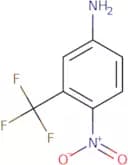

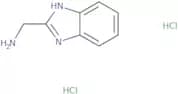
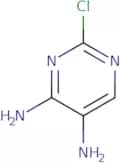

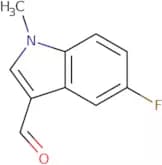

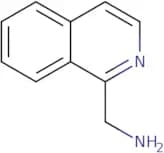
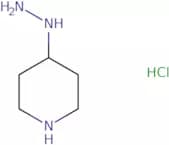
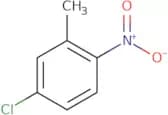
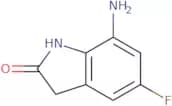
![(S)-(-)-2-Chloro-3-[4(5)-imidazolyl]propionic acid](/_next/image/?url=https%3A%2Fstatic.cymitquimica.com%2Fproducts%2F3D%2Fthumb-webp%2FFC20058.webp&w=3840&q=75)
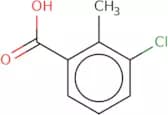
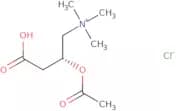

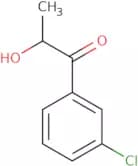
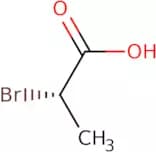


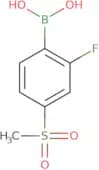
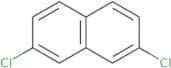
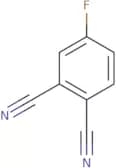
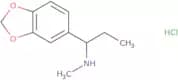
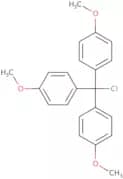
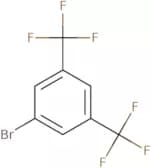

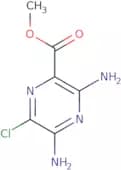
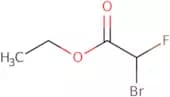
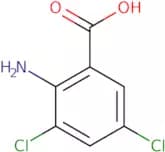
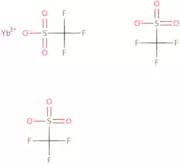
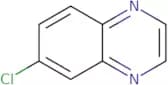
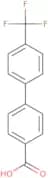
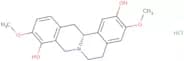
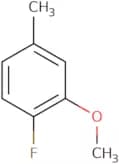
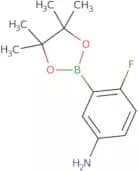
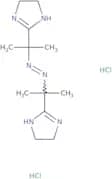
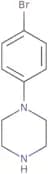
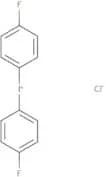
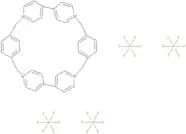
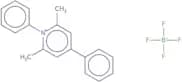
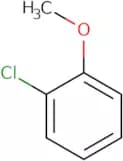
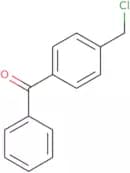
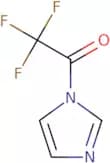
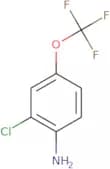
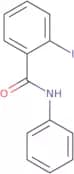
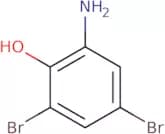
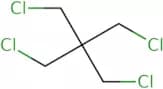
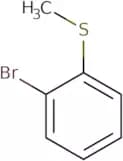
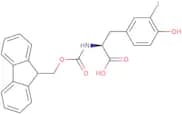
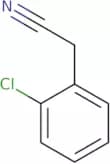
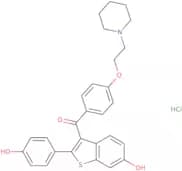

![3-[(2,4-Difluorophenyl)methyl]azetidine](/_next/image/?url=https%3A%2Fstatic.cymitquimica.com%2Fproducts%2F3D%2Fthumb-webp%2FFD21887.webp&w=3840&q=75)


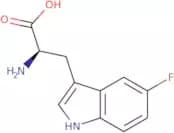
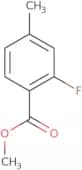
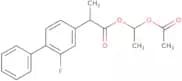
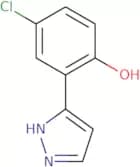
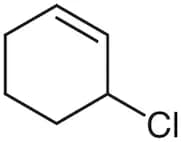

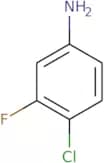
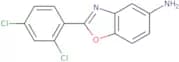
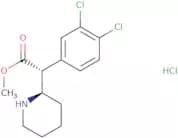
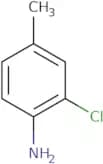
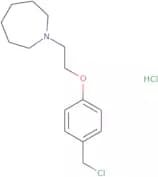
![[(1,2-Dimethyl-1H-benzimidazol-5-yl)methyl]amine dihydrochloride](/_next/image/?url=https%3A%2Fstatic.cymitquimica.com%2Fproducts%2F3D%2Fthumb-webp%2FFD135142.webp&w=3840&q=75)
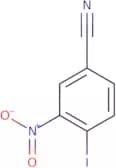
![[[(3,5-Dimethyl-1H-pyrrol-2-yl)(3,5-dimethyl-2H-pyrrol-2-ylidene)methyl]methane](difluoroborane)](/_next/image/?url=https%3A%2Fstatic.cymitquimica.com%2Fproducts%2F3D%2Fthumb-webp%2FFD62165.webp&w=3840&q=75)
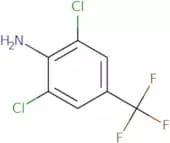

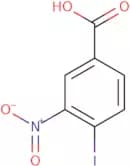
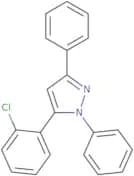
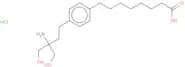
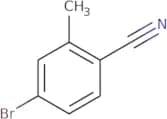

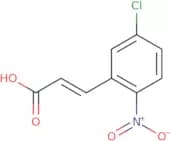
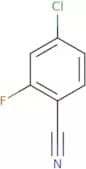
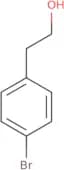
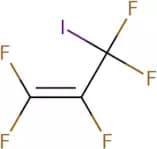
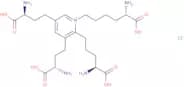
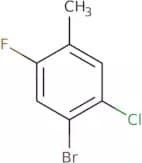
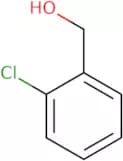
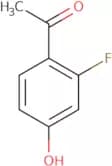
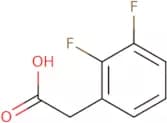
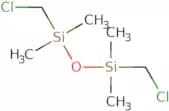

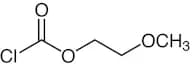
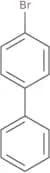
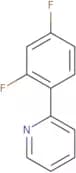
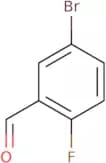
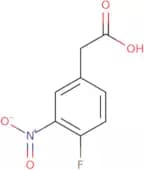
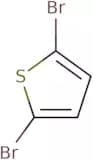
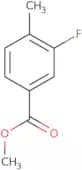
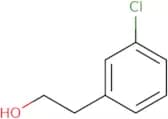
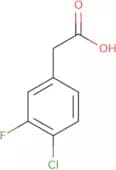
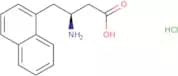
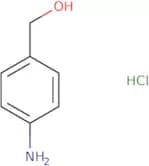
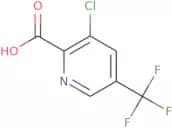
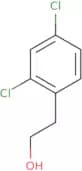
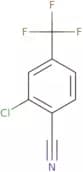
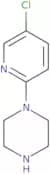
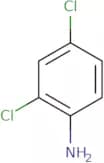
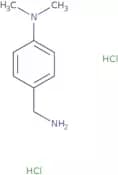
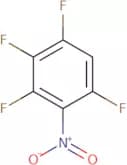

![2-[4-(Trifluoromethyl)Phenoxy]Benzoic Acid](/_next/image/?url=https%3A%2Fstatic.cymitquimica.com%2Fproducts%2F3D%2Fthumb-webp%2FFT53144.webp&w=3840&q=75)
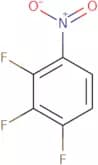
![(S,S,S)-2-Azabicyclo[3.3.0]octane-3-carboxylic acid benzyl ester hydrochloride](/_next/image/?url=https%3A%2Fstatic.cymitquimica.com%2Fproducts%2F3D%2Fthumb-webp%2FFA18053.webp&w=3840&q=75)
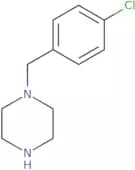
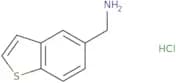
![5,7-Dichloro-1H-imidazo[4,5-b]pyridine](/_next/image/?url=https%3A%2Fstatic.cymitquimica.com%2Fproducts%2F3D%2Fthumb-webp%2FFD139433.webp&w=3840&q=75)
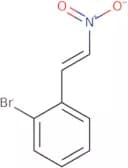
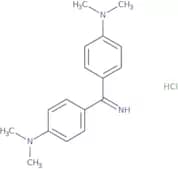
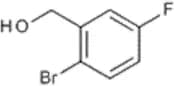
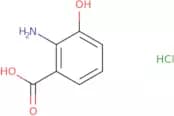


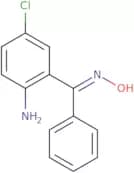
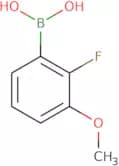

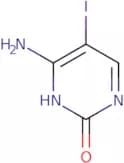
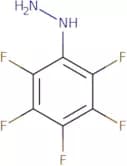
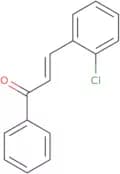
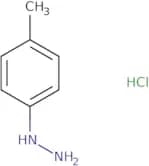
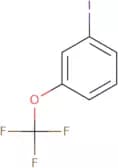
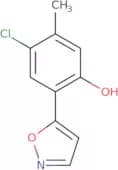

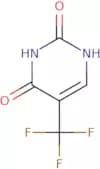
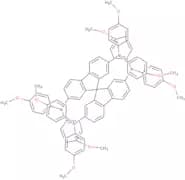
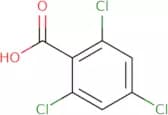

![N-alpha-[2,4-Dinitro-5-fluorophenyl]-D-alanine amide](/_next/image/?url=https%3A%2Fstatic.cymitquimica.com%2Fproducts%2F3D%2Fthumb-webp%2FFD48427.webp&w=3840&q=75)
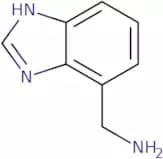
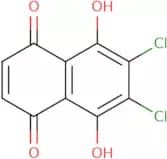
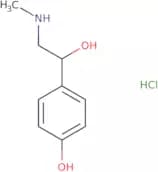
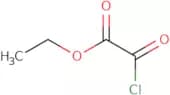
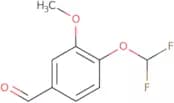
![Imidazo[1,2-a]pyridin-2-yl-methylamine dihydrochloride](/_next/image/?url=https%3A%2Fstatic.cymitquimica.com%2Fproducts%2F3D%2Fthumb-webp%2FFI51742.webp&w=3840&q=75)
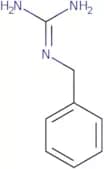
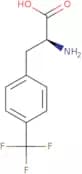
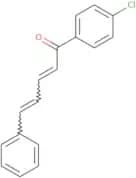
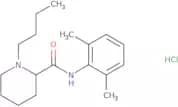
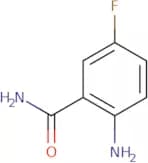
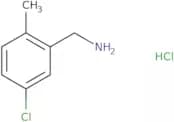
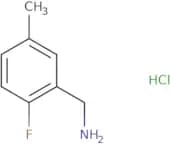
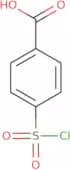
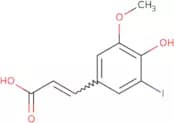
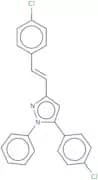
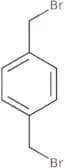

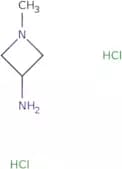
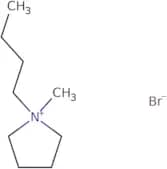
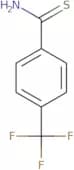
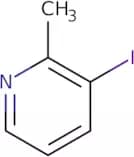
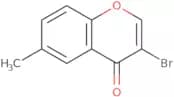
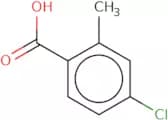
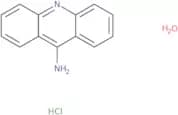
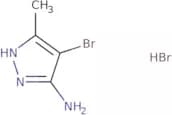
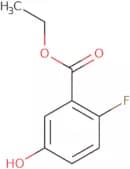
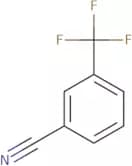
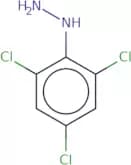

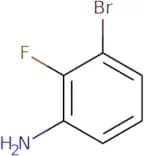


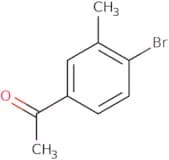


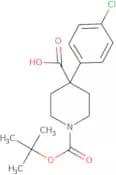
![[3-Methyl-4-(2,2,2-trifluoro-ethoxy)-pyridin-2-yl]-methanol](/_next/image/?url=https%3A%2Fstatic.cymitquimica.com%2Fproducts%2F3D%2Fthumb-webp%2FFM38829.webp&w=3840&q=75)

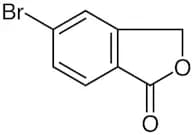
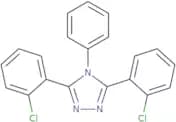
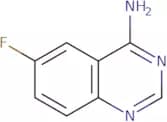
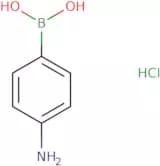


![Methyl 2-[(1H-pyrrolo[2,3-b]pyridin-5-yl)oxy]-4-fluorobenzoate](/_next/image/?url=https%3A%2Fstatic.cymitquimica.com%2Fproducts%2F3D%2Fthumb-webp%2FFM97152.webp&w=3840&q=75)

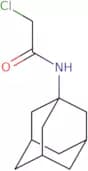
![4-Chloro-1H-pyrazolo[3,4-d]pyrimidine](/_next/image/?url=https%3A%2Fstatic.cymitquimica.com%2Fproducts%2F3D%2Fthumb-webp%2FFC16225.webp&w=3840&q=75)