Halogénures organiques
Dans cette catégorie, vous trouverez des molécules organiques contenant un ou plusieurs atomes d'halogène dans leur structure. Ces halogénures organiques incluent des composés bromés, iodés, chlorés et des halogénures cycliques. Les halogénures organiques sont largement utilisés en synthèse organique, en pharmaceutique, en agrochimie et en science des matériaux en raison de leur réactivité et de leur capacité à subir une variété de transformations chimiques. Chez CymitQuimica, nous offrons une sélection complète d'halogénures organiques de haute qualité pour soutenir vos applications de recherche et industrielles, garantissant une performance fiable et efficace dans vos projets synthétiques et analytiques.
Sous-catégories appartenant à la catégorie "Halogénures organiques"
20439 produits trouvés pour "Halogénures organiques"
Trier par
Degré de pureté (%)
0
100
|
0
|
50
|
90
|
95
|
100
3,5-Dibromostyrene
CAS :Produit contrôlé<p>Applications A styrene derivative used in the preparation of bisphosphane ligand and phenanthroline-based functionalized macrocycles and catenanes.<br>References Goek, Y. et al.: Tetrahedron: Asymmetr., 21, 2768 (2010); Megiatto, J. & Schuster, D.: New J. Chem., 34, 276 (2010); Megiatto, J. & Schuster, D.: J. Am. Chem. Soc., 130, 12872 (2008)<br></p>Formule :C8H6Br2Couleur et forme :NeatMasse moléculaire :261.941-Chloro-2-iodo-4,5-dimethyl-benzene
CAS :Produit contrôléFormule :C8H8ClICouleur et forme :NeatMasse moléculaire :116.2016-Bromo-2,3-dihydro-1λ6-benzothiophene-1,1-dione
CAS :Produit contrôléFormule :C8H7BrO2SCouleur et forme :NeatMasse moléculaire :247.109Ethyl 6-(4-Chlorophenoxy)hexanoate
CAS :Produit contrôlé<p>Applications Ethyl 6-(4-chlorophenoxy)hexanoate is used as an intermediate in the preparation of (aryl)-N-(oxooxazolidinyl)-amides as potent quorum-sensing inhibitors of Pseudomonas aeruginosa.<br>References Jiang, K., et al.: Eur. J. Med. Chem., 194, 112252 (2020);<br></p>Formule :C14H19O3ClCouleur et forme :NeatMasse moléculaire :270.751,2-Bis(2,3,5,6-tetrabromophenyl)ethane
CAS :Produit contrôléFormule :C14H6Br8Couleur et forme :NeatMasse moléculaire :813.4292-(4-Hydroxyphenyl)-N,N-dimethylethylamine Hydrochloride
CAS :Produit contrôlé<p>Applications 2-(4-Hydroxyphenyl)-N,N-dimethylethylamine*HCI(HordeninHCI) (cas# 6027-23-2) is a useful research chemical.<br></p>Formule :C10H15NO·ClHCouleur et forme :White To Off-WhiteMasse moléculaire :201.69N-(Trifluoroacetyl)hexanolamine
CAS :Produit contrôlé<p>Applications N-(Trifluoroacetyl)hexanolamine (cas# 40248-34-8) is a compound useful in organic synthesis.<br></p>Formule :C8H14F3NO2Couleur et forme :NeatMasse moléculaire :213.20Chloroformic Acid Chloromethyl Ester
CAS :Produit contrôlé<p>Stability Very Very Moisture sensitive<br>Applications Chloroformic Acid Chloromethyl Ester is used as a reagent in the synthesis of carbamates and carbonates.<br> Not a dangerous good if item is equal to or less than 1g/ml and there is less than 100g/ml in the package<br>References Safadi, M. et al.: Pharm. Res. 10, 1350 (1993); Loren, J.C. et al.: Synlett, 18, 2847 (2005);<br></p>Formule :C2H2Cl2O2Couleur et forme :Colourless OilyMasse moléculaire :128.94methyl 2,4-dichlorothiazole-5-carboxylate
CAS :Produit contrôlé<p>Applications methyl 2,4-dichlorothiazole-5-carboxylate (cas# 861708-66-9) is a useful research chemical.<br></p>Formule :C5H3NO2SCl2Couleur et forme :NeatMasse moléculaire :212.051-Iodoheptadecane
CAS :Produit contrôléFormule :C17H35ICouleur et forme :NeatMasse moléculaire :366.3642-(Bromomethyl)-1,3-dioxolane
CAS :Produit contrôléFormule :C4H7BrO2Couleur et forme :NeatMasse moléculaire :167.03-Amino-1,1,1-trifluoropropan-2-ol
CAS :Produit contrôlé<p>Applications 3-Amino-1,1,1-trifluoropropan-2-ol<br></p>Formule :C3H6F3NOCouleur et forme :NeatMasse moléculaire :129.082,4-Dichloro-7-nitroquinazoline
CAS :Produit contrôléFormule :C8H3Cl2N3O2Couleur et forme :NeatMasse moléculaire :244.031-Bromo-3-(trifluoromethyl)benzene
CAS :Produit contrôlé<p>Applications 1-Bromo-3-(trifluoromethyl)benzene is used in the synthesis of calcium channel inhibitors for inflammatory and neuropathic pain.<br>References Beebe, X. et al.: Bioorg. Med. Chem. Lett., 23, 4857 (2013);<br></p>Formule :C7H4BrF3Couleur et forme :NeatMasse moléculaire :225.011-[4-(Trifluoromethyl)phenyl]prop-2-yn-1-one
CAS :Produit contrôléFormule :C10H5F3OCouleur et forme :NeatMasse moléculaire :198.1412-Chloro-5-(2,3-dihydro-3-oxo-1H-isoindol-1-yl)benzenesulfonyl chloride
CAS :Produit contrôlé<p>Applications 2-Chloro-5-(2,3-dihydro-3-oxo-1H-isoindol-1-yl)benzenesulfonyl chloride is a reagent used to prepare phthalimidines.<br>References Auerbach, J., et al: Eur. Pat. Appl. (1982), EP 51215 A2 19820512<br></p>Formule :C14H9Cl2NO3SCouleur et forme :NeatMasse moléculaire :342.1975-[3-(Trifluoromethoxy)phenyl-2-Furancarboxylic Acid
CAS :Produit contrôlé<p>Applications 5-[3-(Trifluoromethoxy)phenyl-2-Furancarboxylic Acid is the structural analogue of 5-[2-(Trifluoromethoxy)phenyl]-2-furancarboxylic Acid (T790925), a reactant used in the preparation of (phenyl)-N-[(mercapto)(pyrrolyl)triazolyl]furancarboxamide and (phenoxy)-N-[(mercapto)(pyrrolyl)triazolyl]acetamide derivatives as herbicides.<br>References Xue, S., Lu, C.: Youji Huaxue, 28, 1083 (2008)<br></p>Formule :C12H7F3O4Couleur et forme :NeatMasse moléculaire :272.18Iodoethane (Stabilized with Copper)
CAS :<p>Applications Iodoethane, is used in a variety of organic chemical reactions including the synthesis if disubstituted α-amino acids through alkylation reaction. Also used in electrochemical reduction reactions in the preparation of carbamates.<br>References Feroci, M. et al.: J. Org. Chem., 72, 200 (2007); Xu, P. et al.: J. Org. Chem., 71, 4364 (2006);<br></p>Formule :C2H5ICouleur et forme :ColourlessMasse moléculaire :155.97[2-Amino-5-(methyloxy)phenyl](4-chlorophenyl)methanone
CAS :Produit contrôléFormule :C14H12ClNO2Couleur et forme :NeatMasse moléculaire :261.704(5-Chloro-2-thienyl)(3-hydroxy-1-azetidinyl)methanone
CAS :Produit contrôléFormule :C8H8ClNO2SCouleur et forme :NeatMasse moléculaire :217.673(4-Fluorotetrahydro-2H-pyran-4-yl)methanol
CAS :Produit contrôléFormule :C6H11FO2Couleur et forme :NeatMasse moléculaire :134.154-(2-Chlorophenyl)-cyclohexanol
CAS :Produit contrôléFormule :C12H15ClOCouleur et forme :NeatMasse moléculaire :210.7(E)-1-Chloro-2-propenylbenzene
CAS :Produit contrôléFormule :C9H9ClCouleur et forme :NeatMasse moléculaire :152.6214-Chlorotoluene
CAS :Produit contrôlé<p>Applications 4-Chlorotoluene is used in a variety of organic synthesis, such as acting as coupling precursors for palladium-catalyzed acylation of acetanilides.<br> Not a dangerous good if item is equal to or less than 1g/ml and there is less than 100g/ml in the package<br>References Wu, Y. et al.: Chem. Comm., 49, 689 (2013);<br></p>Formule :C7H7ClCouleur et forme :ColourlessMasse moléculaire :126.58Ethyl 7-Chloro-2,3,4,5-tetrahydro-5-oxo-1H-1-benzazepine-4-carboxylate
CAS :Produit contrôléFormule :C13H14ClNO3Couleur et forme :NeatMasse moléculaire :267.708(betaR)-β-Amino-4-fluoro-2-hydroxybenzeneethanol
CAS :Produit contrôléFormule :C8H10FNO2Couleur et forme :NeatMasse moléculaire :171.1693-Difluoromethylaniline
CAS :Produit contrôléFormule :C7H7F2NCouleur et forme :NeatMasse moléculaire :143.134Methyl 5-Iodoimidazo[2,1-B][1,3]thiazole-2-carboxylate
CAS :Produit contrôléFormule :C7H5IN2O2SCouleur et forme :NeatMasse moléculaire :308.0961,4-Bis(2-bromoethoxy)benzene
CAS :Produit contrôléFormule :C10H12Br2O2Couleur et forme :NeatMasse moléculaire :324.0093-Fluorobenzyl Bromide
CAS :Produit contrôlé<p>Applications 3-Fluorobenzyl Bromide is a substituted benzyl bromide used as a reagent in the preparation of wide range of biologically active compounds such as antidiabetic drugs, anti-virals and anti-cancer agents.<br> Not a dangerous good if item is equal to or less than 1g/ml and there is less than 100g/ml in the package<br>References Zhang, Y. et al.: Eur. J. Med. Chem., 53, 356 (2012); Wang, L.-J. et al.: Bioorg. Med. Chem. Lett., 22, 3473 (2012);<br></p>Formule :C7H6BrFCouleur et forme :NeatMasse moléculaire :189.022-Fluoro-6-nitroanisole
CAS :Produit contrôléFormule :C7H6FNO3Couleur et forme :NeatMasse moléculaire :171.126α-Bromopropiophenone
CAS :Produit contrôlé<p>Stability Light Sensitive<br>Applications α-Bromopropiophenone (cas# 2114-00-3) is a compound useful in organic synthesis.<br> Not a dangerous good if item is equal to or less than 1g/ml and there is less than 100g/ml in the package<br></p>Formule :C9H9BrOCouleur et forme :NeatMasse moléculaire :213.071,3-Benzodioxole-5-carbonyl Chloride
CAS :Produit contrôlé<p>Stability Moisture Sensitive, reacts with Moisture in the air<br>Applications 1,3-Benzodioxole-5-carbonyl chloride (cas# 25054-53-9) is a useful research chemical.<br></p>Formule :C8H5O3ClCouleur et forme :NeatMasse moléculaire :184.5712-Bromo-1-aminododecane, Hydrobromide
CAS :Produit contrôlé<p>Applications 12-Bromo-1-aminododecane, Hydrobromide (cas# 14502-45-5) is a compound useful in organic synthesis.<br></p>Formule :C12H26BrN·BrHCouleur et forme :NeatMasse moléculaire :345.161,2,4-Tribromo-2,3-dimethylbutane
CAS :Produit contrôlé<p>Stability Light Sensitive<br>Applications 1,2,4-Tribromo-2,3-dimethylbutane is a compound useful in organic synthesis.<br></p>Formule :C6H11Br3Couleur et forme :NeatMasse moléculaire :322.863-Amino-2-fluoro-1-propene
CAS :Produit contrôléFormule :C3H6FNCouleur et forme :NeatMasse moléculaire :75.0852,3-Dibromoaniline
CAS :Produit contrôlé<p>Applications 2,3-Dibromoaniline is a useful reactant in organic synthesis.<br>References Buszek, Keith R., et al.: Org. Let., 9(21), 4135-4137 (2007);Wang, Dong, et al.: React. & Func. Polymers, 105, 114-121 (2016)<br></p>Formule :C6H5Br2NCouleur et forme :NeatMasse moléculaire :250.924,6-Dibromo-2,3-dichloroaniline
CAS :Produit contrôlé<p>Applications 4,6-Dibromo-2,3-dichloroaniline is a bromination product of dichloro-substituted aniline. 4,6-Dibromo-2,3-dichloroaniline is used in the preparation of benzothiazoles.<br>References Gruzdev, I.V. et al.: Rus. J. Appl. Chem., 84, 1748 (2011); Paramasivam, R.: Ind. J. Chem. Sec. B Org. Med. Incl. Med. Chem., 26B, 930 (1987);<br></p>Formule :C6H3Br2Cl2NCouleur et forme :NeatMasse moléculaire :319.812-Bromo-9,9-dioctyl Fluorene
CAS :Produit contrôlé<p>Applications 2-BROMO-9,9-DIOCTYL FLUORENE (cas# 302554-80-9) is a useful research chemical.<br></p>Formule :C29H41BrCouleur et forme :NeatMasse moléculaire :469.543,5-Bis(difluoromethoxy)benzoic Acid
CAS :Produit contrôléFormule :C9H6F4O4Couleur et forme :NeatMasse moléculaire :254.135[2-[4-(Trifluoromethyl)phenyl]ethyl]-hydrazine Sulfate
CAS :Produit contrôléFormule :C9H11F3N2•H2O4SCouleur et forme :NeatMasse moléculaire :302.274-(2-Bromoethyl)-1,3-dihydro-2H-indolin-2-one
CAS :Produit contrôlé<p>Applications A useful synthetic intermediate.<br></p>Formule :C10H10BrNOCouleur et forme :NeatMasse moléculaire :240.10(2,4-Difluorophenoxy)acetic acid
CAS :Produit contrôlé<p>Applications (2,4-Difluorophenoxy)acetic acid<br></p>Formule :C8H6F2O3Couleur et forme :NeatMasse moléculaire :188.13α-(Trifluoromethyl)cyclopropanemethanamine Hydrochloride
CAS :Produit contrôléFormule :C5H8F3N•HClCouleur et forme :NeatMasse moléculaire :175.582-Benzyloxy-4-bromophenol
CAS :Produit contrôléFormule :C13H11BrO2Couleur et forme :NeatMasse moléculaire :279.129Methyl 4-Chlorobenzoate
CAS :Produit contrôlé<p>Applications Methyl 4-Chlorobenzoate is a reactant used in the synthesis of ataxia-telangiectasia mutated (ATM) kinase, a target for novel radiosensitizing agents. As well, used as a reactant in the synthesis of aminopyridine functionalized polyacrylonitrile fibers.<br>References Min, J. et al.: J. Med. Chem., 59, 559 (2016);<br></p>Formule :C8H7ClO2Couleur et forme :NeatMasse moléculaire :170.5932,4-Dichloroquinazoline
CAS :Produit contrôlé<p>Applications 2,4-Dichloroquinazoline has been used as a reactant for the preparation of 1-methyl-1H-imidazole derivatives as Jak2 inhibitors.<br>References Su, Q., et. al.: J. Med. Chem., 57, 144 (2014)<br></p>Formule :C8H4Cl2N2Couleur et forme :NeatMasse moléculaire :199.0374-Bromotoluene
CAS :Produit contrôlé<p>Applications 4-Bromotoluene is used as a reagent in the preparation of aromatic diselenides which are useful for generating anticancer lead compounds.<br> Not a dangerous good if item is equal to or less than 1g/ml and there is less than 100g/ml in the package<br>References Rizvi, M.A., et al.: Bioorg. Med. Chem. Lett., 24, 3440 (2014); Leung, C., et al.: Angew Chem., Int. Ed., 52, 766 (2013)<br></p>Formule :C7H7BrCouleur et forme :NeatMasse moléculaire :171.034-Bromophenyl disulfide
CAS :Produit contrôlé<p>Applications 4-Bromophenyl disulfide<br> Not a dangerous good if item is equal to or less than 1g/ml and there is less than 100g/ml in the package<br></p>Formule :C12H8Br2S2Couleur et forme :NeatMasse moléculaire :376.133,6-Diamino-1,2-dihydro-1,2,4,5-tetrazine Hydrochloride
CAS :Produit contrôléFormule :C2H6N6•(HCl)Couleur et forme :NeatMasse moléculaire :114.11a-(trifluoromethyl)styrene
CAS :Produit contrôlé<p>Applications Alpha-(trifluoromethyl)styrene<br> Not a dangerous good if item is equal to or less than 1g/ml and there is less than 100g/ml in the package<br></p>Formule :C9H7F3Couleur et forme :NeatMasse moléculaire :172.15(+/-)-tert-Butyl 6-Chloro-5-hydroxy-3-oxohexanoate
CAS :Produit contrôlé<p>Applications (+/-)-tert-Butyl 6-Chloro-5-hydroxy-3-oxohexanoate is an impurity in the synthesis of Rosuvastatin (R700500), a selective, competitive HMG-CoA reductase inhibitor. Antilipemic.<br>References Watanabe, M., et al.: Bioorg. Med. Chem., 5, 437 (1997), Lee, E., et al.: Clin. Pharmacol. Ther., 78, 330 (2005), Ferdinand, K.C., et al.: Am. J. Cardiol., 97, 229 (2006);<br></p>Formule :C10H17lO4Couleur et forme :NeatMasse moléculaire :236.695-(Bromomethyl)-2-fluorobenzoic Acid
CAS :Produit contrôléFormule :C8H6BrFO2Couleur et forme :NeatMasse moléculaire :233.0342-Iodophenylacetic Acid
CAS :Produit contrôlé<p>Applications 2-Iodophenylacetic acid is a synthetic intermediate that is widely used in the chemical, pharmaceutical and cosmetic industries. 2-Iodophenylacetic acid is also used as a reagent to synthesize Cepharanone B, a natural and potentially antineoplastic aristolactam that is found in Piper longum (a medicinal plant native to India).<br>References Kim, J., et al.: Org. Lett., 10, 3543 (2008); Philip, S., et al.: Curr. Sci., 78, 169 (2000); Soniya, E. & Das, M.: Plant Cell Tiss. Org. Cult., 70, 325 (2002)<br></p>Formule :C8H7IO2Couleur et forme :NeatMasse moléculaire :262.045-[(4-Chlorophenyl)thio]-1,2,3-thiadiazole-4-carboxylic Acid
CAS :Produit contrôléFormule :C9H5ClN2O2S2Couleur et forme :NeatMasse moléculaire :272.7314-Bromo-N-cyclopropylthiazol-2-amine
CAS :Produit contrôléFormule :C6H7BrN2SCouleur et forme :NeatMasse moléculaire :219.1021-((4-Chlorophenethyl)amino)propan-2-ol
CAS :Produit contrôléFormule :C11H16ClNOCouleur et forme :NeatMasse moléculaire :213.7042,2-Dihydroxy-3,5,5-bromobiphenyl
Produit contrôlé<p>Applications 2,2-Dihydroxy-3,5,5-bromobiphenyl is a useful building block and reactant.<br></p>Formule :C12H7Br3O2Couleur et forme :NeatMasse moléculaire :422.8952,2-Difluoroacetamide
CAS :Produit contrôlé<p>Applications 2,2-difluoroacetamide is a useful research chemical for the preparation of dihydroperfluoroalkyl amines and other fluoro derivatives.<br>References Vyazkov, V. A., et al.: Fluorine Notes, 65 (2009); Gontar, A. F., et al.: Fluorine Notes, 64 (2009); Englin, M. A., et al.: Zhurnal Obshchei Khimii, 33, 2963 (1963)<br></p>Formule :C2H3F2NOCouleur et forme :NeatMasse moléculaire :95.054-(Aminomethyl)cyclohexane-1-carbonitrile Hydrochloride
CAS :Produit contrôléFormule :C8H14N2·HClCouleur et forme :NeatMasse moléculaire :174.671Chlorobimane
CAS :Produit contrôléFormule :C10H11ClN2O2Couleur et forme :NeatMasse moléculaire :226.664-Fluoro-2-(hydroxymethyl)phenol
CAS :Produit contrôlé<p>Applications 4-Fluoro-2-(hydroxymethyl)phenol can be used in preparation of naphthyridine derivatives as chemokine receptor antagonists useful in the treatment of pain.<br>References Wang, X., et al.: PCT Int. Appl., WO 2013010453 A1 20130124 (2013)<br></p>Formule :C7H7FO2Couleur et forme :NeatMasse moléculaire :142.128[4-(3-Bromopropoxy)phenyl]phenylmethanone
CAS :Produit contrôléFormule :C16H15BrO2Couleur et forme :NeatMasse moléculaire :319.1933-Iodophenol
CAS :Produit contrôlé<p>Applications 3-Iodophenol is used in the synthesis of centrally acting H2 receptor histamine antagonists. Also used in the preparation of various cell-permeable probes for biological assays.<br>References Young, R. et al.: J. Med. Chem., 31, 656 (1988); Chang, M. et al.: J. Am. Chem. Soc., 126, 15392 (2004);<br></p>Formule :C6H5IOCouleur et forme :NeatMasse moléculaire :220.01(3-Phenoxyphenyl)methyl Ester 3-[(1Z)-2-chloro-3,3,3-trifluoro-1-propen-1-yl]-2,2-dimethyl-cyclopropanecarboxylic Acid
CAS :Produit contrôlé<p>Applications (3-Phenoxyphenyl)methyl Ester 3-[(1Z)-2-chloro-3,3,3-trifluoro-1-propen-1-yl]-2,2-dimethyl-cyclopropanecarboxylic Acid is used in the preparation of agricultural chemicals.<br>References Thompson, W,. et al.: PCT Int. Appl., 2013<br></p>Formule :C22H20ClF3O3Couleur et forme :NeatMasse moléculaire :424.841N-(2-Chloroethyl)-N-(2-hydroxyethyl) Methylamine Picrate
CAS :Produit contrôléFormule :C5H12ClNO•C6H3N3O7Couleur et forme :NeatMasse moléculaire :137.61+(229.10)N-Phenyl 2-Bromo-5-Fluorobenzamide
CAS :Produit contrôlé<p>Applications N-Phenyl 2-Bromo-5-Fluorobenzamide (cas# 949443-48-5) is a useful research chemical.<br></p>Formule :C13H9BrFNOCouleur et forme :NeatMasse moléculaire :294.1194-(Trifluoromethylsulfonyl)benzyl Alcohol
CAS :Produit contrôlé<p>Applications Used for preparation of substituted heteroaryl- and phenylsulfamoyl compounds as peroxisome proliferator activator receptor (PPAR) agonists.<br>References Yao, Z., et al.: Bioorg. Med. Chem., 6, 1799 (1998), Fischer, E., et al.: Science, 253, 401 (1991), Andersen, H., et al.: J. Biol. Chem., 275, 7101 (2000),<br></p>Formule :C8H7F3O3SCouleur et forme :NeatMasse moléculaire :240.201,3-Dichloro-1,1,3,3-tetraisopropyldisiloxane
CAS :Produit contrôlé<p>Applications 1,3-Dichloro-1,1,3,3-tetraisopropyldisiloxane is used in the analysis of Watson-Crick and Hoogstein base pairing in nucleotides. Also used in the formation of ribavirin chemical delivery systems.<br>References Schlitt, K. et al.: Org. Biomol. Chem., 9, 1565 (2011); Deyrup, M. et al.: Antivir. Chem. Chemo., 2, 337 (1991);<br></p>Formule :C12H28Cl2OSi2Couleur et forme :ColourlessMasse moléculaire :315.437-Bromo-indolizine
CAS :Produit contrôléFormule :C8H6BrNCouleur et forme :NeatMasse moléculaire :286.4522,3,4,5,6-Pentabromoaniline
CAS :Produit contrôléFormule :C6H2Br5NCouleur et forme :NeatMasse moléculaire :487.6072-Fluoro-4-hydroxyphenylboronic acid
CAS :Produit contrôlé<p>Applications 2-Fluoro-4-hydroxyphenylboronic acid<br></p>Formule :C6H6BFO3Couleur et forme :NeatMasse moléculaire :155.9196-Chloro Pantoprazole
CAS :Produit contrôléFormule :C16H14ClF2N3O4SCouleur et forme :NeatMasse moléculaire :417.811,1,1,2,2,6,6,7,7,7-Decafluoroheptane-3,5-dione
CAS :Produit contrôléFormule :C7H2F10O2Couleur et forme :NeatMasse moléculaire :308.0742-(2-(4-Chlorophenoxy)phenyl)acetic Acid
CAS :Produit contrôlé<p>Applications 2-(2-(4-Chlorophenoxy)phenyl)acetic acid is used in the preparation of tri-substituted thiazoles as RAGE antagonists in Alzheimer treatments.<br>References Lee, Y. et al.: Bioorg. Med. Chem. Lett., 22, 7555 (2012);<br></p>Formule :C14H11ClO3Couleur et forme :NeatMasse moléculaire :262.694-Chloro-3,5-dinitrobenzonitrile
CAS :Produit contrôlé<p>Stability Unstable in Solution<br>Applications 4-Chloro-3,5-dinitrobenzonitrile is a reagent used in the synthesis of lodoxamide (L469365). Lodoxamide is an antiallergic drug that acts as a mast cell stabilizer. It is effective in the treatment of allergic conjunctivitis and in decreasing vascular permeability.<br>References Ciprandi, G., et al.: Allergy, 51(12), 946-951 (1996); Bayer, Atilla., et al.: Ophthalmologica, 217(2), 119-123 (2003)<br></p>Formule :C7H2ClN3O4Couleur et forme :NeatMasse moléculaire :227.562-Bromo-N-(hydroxymethyl)acetamide
CAS :Produit contrôléFormule :C3H6BrNO2Couleur et forme :NeatMasse moléculaire :167.9891,2,4,5-Tetrafluorobenzene
CAS :Produit contrôlé<p>Applications 1,2,4,5-Tetrafluorobenzene (cas# 327-54-8) is a useful research chemical.<br></p>Formule :C6H2F4Couleur et forme :NeatMasse moléculaire :150.079-Chloro-1,2,3,4-tetrahydroacridine
CAS :Produit contrôlé<p>Applications 9-chloro-1,2,3,4-tetrahydroacridine (cas# 5396-30-5) is a useful research chemical.<br></p>Formule :C13H12NClCouleur et forme :NeatMasse moléculaire :217.692,2-Difluoro-2-phenoxyacetic Acid
CAS :Produit contrôléFormule :C8H6F2O3Couleur et forme :NeatMasse moléculaire :188.128Diethylthiocarbamoyl Chloride
CAS :Produit contrôlé<p>Stability Hygroscopic, Water Sensitive<br>Applications A useful synthetic intermediate.<br> Not a dangerous good if item is equal to or less than 1g/ml and there is less than 100g/ml in the package<br></p>Formule :C5H10ClNSCouleur et forme :NeatMasse moléculaire :151.662,2-Dichloro-3,3-dimethylbutane
CAS :Produit contrôlé<p>Applications 2,2-Dichloro-3,3-dimethylbutane is an intermediate used in the synthesis of terbinafine (T107500, HCl salt).<br>References Han, Y., et al.: Zhongguo Yaoke Daxue Xuebao, 32, 8 (2001)<br></p>Formule :C6H12Cl2Couleur et forme :NeatMasse moléculaire :155.0652-Bromo-4-thiazolesulfonyl chloride
CAS :Produit contrôlé<p>Applications 2-Bromo-4-thiazolesulfonyl chloride is a useful chemical for research.<br></p>Formule :C3HBrClNO2S2Couleur et forme :NeatMasse moléculaire :262.5335-Chloro-2-Thiophenecarbonyl Chloride (>90%)
CAS :Produit contrôlé<p>Stability Hygroscopic<br>Applications 5-Chloro-2-Thiophenecarbonyl Chloride is a reagent in the synthesis of indolinyl-thiazole based inhibitors of cellular lipid uptake. Also used in the preparation of anticoagulants and such related promising drug candidates.<br>References Dockendorff, C. et al.: ACS Med. Chem. Lett.., 6, 375 (2015);<br></p>Formule :C5H2Cl2OSDegré de pureté :>90%Couleur et forme :NeatMasse moléculaire :181.045-Bromo-4-chloroisophthalic Acid
CAS :Produit contrôléFormule :C8H4BrClO4Couleur et forme :NeatMasse moléculaire :279.472o-Tolylhydrazine Hydrochloride
CAS :Produit contrôlé<p>Applications o-Tolylhydrazine Hydrochloride is a reagent used in the organic syntheses such as opioid receptor antagonists as well as adenosine receptor antagonists as well as adenosine receptor antagonists.<br>References Colotta, V. et al.: J. Med. Chem., 43, 3118 (2000); Portoghese, P. et al.: J. Med. Chem., 33, 1714 (1990);<br></p>Formule :C7H11ClN2Couleur et forme :NeatMasse moléculaire :158.631,3-Bis(bromomethyl)-5-methylbenzene
CAS :Produit contrôlé<p>Impurity Anastrozole 1,3-Dibromomethyl Impurity<br>Applications 1,3-Bis(bromomethyl)-5-methylbenzene is a reagent used in the synthesis of sphingosine kinase 2 inhibitors. Anastrozole 1,3-Dibromomethyl Impurity<br>References Congdon, M. et al.: Bioorg. Med. Chem. Lett., 25, 4956 (2015);<br></p>Formule :C9H10Br2Couleur et forme :NeatMasse moléculaire :277.983-Chloro-2-hydroxypropyltrimethyl Ammonium Chloride (60% in Water)
CAS :Produit contrôlé<p>Applications 3-Chloro-2-hydroxypropyltrimethyl ammonium chloride is used in the preparation of multifunctional cationized cotton fabric based on TiO2 nanomaterials.<br>References Farouk, A., et la.: Int. J. Biol. Macromolecules, 61, 230 (2013);<br></p>Formule :C6H15Cl2NOCouleur et forme :Single SolutionMasse moléculaire :188.12-Chloro-4,6-dimethoxyaniline Hydrochloride
CAS :Produit contrôlé<p>Applications 2-Chloro-4,6-dimethoxyaniline Hydrochloride (cas# 82485-84-5) is a compound useful in organic synthesis.<br></p>Formule :C8H11Cl2NO2Couleur et forme :NeatMasse moléculaire :224.082-Aminobenzene-1,4-diol Hydrochloride
CAS :Produit contrôléFormule :C6H7NO2·HClCouleur et forme :NeatMasse moléculaire :161.5863,4-Diaminobutanoic Acid Dihydrochloride
CAS :Produit contrôléFormule :C4H10N2O2HClCouleur et forme :NeatMasse moléculaire :191.0562-Chloro-1-(2-((3-chloropropyl)amino)-2-oxido-1,3,2-oxazaphosphinan-3-yl)ethanone
Produit contrôlé<p>Applications 2-Chloro-1-(2-((3-chloropropyl)amino)-2-oxido-1,3,2-oxazaphosphinan-3-yl)ethanone is an intermediate used in the synthesis of Ifosfamide Impurity A (I265005), which is an impurity of Ifosfamide (I265000), a cytostatic agent related structurally to cyclophosphamide.<br>References Creaven, P. J., et al.: Cancer Treat. Rep., 60, 445(1976), Schoenike, S. E., Clin. Pharm., 9, 179(1990), Skinner, R., et al.: J. Clin. Oncol., 11, 173 (1993).<br></p>Formule :C8H15Cl2N2O3PCouleur et forme :NeatMasse moléculaire :289.0962-[[[(9H-Fluoren-9-ylmethoxy)carbonyl]amino]methoxy]acetic Acid
CAS :Produit contrôlé<p>Applications 2-[[[(9H-Fluoren-9-ylmethoxy)Carbonyl]Amino]Methoxy]-Acetic acid is a useful reagent in organic synthesis.<br></p>Formule :C18H17NO5Couleur et forme :NeatMasse moléculaire :327.331p-Trifluoroacetyltoluene
CAS :Produit contrôlé<p>Applications p-Trifluoroacetyltoluene is used as a reagent in the synthesis of 5-methylene-2-(trifluoromethyl)morpholin-3-one derivatives which have fungicidal activity.<br>References Tian, L., et al.: RSC Adv., 5, 100418 (2015)<br></p>Formule :C9H7F3OCouleur et forme :NeatMasse moléculaire :188.15N-[4-(Aminomethyl)phenyl]guanidine Dihydrochloride
CAS :Produit contrôléFormule :C8H14Cl2N4Couleur et forme :NeatMasse moléculaire :237.131,4-Bis(bromomethyl)-2,5-diiodobenzene
CAS :Produit contrôléFormule :C8H6Br2I2Couleur et forme :NeatMasse moléculaire :638.7271-Chloroethyl Ethyl Carbonate
CAS :Produit contrôlé<p>Stability Moisture Sensitive<br>Applications 1-Chloroethyl ethyl carbonate (cas# 50893-36-2) is a useful research chemical.<br></p>Formule :C5H9ClO3Couleur et forme :NeatMasse moléculaire :152.58Tetrachlorocyclopropene
CAS :Produit contrôlé<p>Applications Tetrachlorocyclopropene is a useful compound in organic synthesis.<br>References Belding, Lee, et al.: J. of Org. Chem., 83(12), 6489-6497 (2018); Sanchez Garcia, Jessica J., et al.: Pure and App. Chem., 88(12), 1129-1142; (2016)<br></p>Formule :C3Cl4Couleur et forme :NeatMasse moléculaire :177.842-Chloro-N,N-diethylethylamine Hydrochloride
CAS :Produit contrôlé<p>Impurity Amiodarone EP Impurity H / Amiodarone USP Related Compound H<br>Stability Moisture Sensitive, Hygroscopic<br>Applications 2-Chloro-N,N-diethylethylamine Hydrochloride (Amiodarone EP Impurity H) is a related compound of Amiodarone, a non-selective ion channel blocker.<br> Not a dangerous good if item is equal to or less than 1g/ml and there is less than 100g/ml in the package<br>References Bonati, M., et al.: J. Pharm. Sci., 73, 829 (1984), Plomp, T.A., Anal. Profiles Drug Subs., 20, 1 (1991), Chow, M., et al.: Ann. Pharmacother., 30, 637 (1996), Singh, B.N., et al.: Clin. Cardiol., 20, 608 (1997)<br></p>Formule :C6H14ClN·ClHCouleur et forme :NeatMasse moléculaire :172.10(2,6-Dichlorophenyl)methanamine
CAS :Produit contrôlé<p>Applications (2,6-Dichlorophenyl)methanamine was one of the reactants used in making a library of highly selective and potent G protein-coupled receptor kinase 2 inhibitors.<br>References Waldschmidt, Helen V, et al.: J. of Med. Chem., 59(8), 3793-3807 (2016).<br></p>Formule :C7H7Cl2NCouleur et forme :NeatMasse moléculaire :176.047-((1R,2R,3R)-3-(cyclohexylmethoxy)-2-(4,4-difluoro-3-oxooctyl)-5-oxocyclopentyl)heptanoic Acid
Produit contrôlé<p>Impurity Lubiprostone Impurity VI<br>Applications 7-((1R,2R,3R)-3-(cyclohexylmethoxy)-2-(4,4-difluoro-3-oxooctyl)-5-oxocyclopentyl)heptanoic Acid is a useful chemical reagent.<br></p>Formule :C27H44F2O5Couleur et forme :NeatMasse moléculaire :486.6322-Bromo-1-bromomethyl-5-chlorobenzene
CAS :Produit contrôlé<p>Applications 2-Bromo-1-bromomethyl-5-chlorobenzene (cas# 66192-24-3) is a compound useful in organic synthesis.<br></p>Formule :C7H5Br2ClCouleur et forme :NeatMasse moléculaire :284.382-(2-Chloroethoxy)benzenesulfonamide
CAS :Produit contrôlé<p>Applications 2-(2-chloroethoxy)benzenesulfonamide (cas# 82097-01-6) is a useful research chemical.<br></p>Formule :C8H10NO3SClCouleur et forme :NeatMasse moléculaire :235.684-(Trifluoromethylthio)benzoyl Chloride
CAS :Produit contrôlé<p>Stability Moisture Sensitive<br>Applications 4-(Trifluoromethylthio)benzoyl Chloride is a reactant in the preparation of anthranilic acids as selective and dual PPAR/FXR ligands.<br> Not a dangerous good if item is equal to or less than 1g/ml and there is less than 100g/ml in the package<br>References Merk, D., et. al.: Bioorg. Med. Chem., 23, 499 (2015)<br></p>Formule :C8H4ClF3OSCouleur et forme :NeatMasse moléculaire :240.63Dimethylbis(α-bromoisopropyl)silane
CAS :Produit contrôléFormule :C8H18Br2SiCouleur et forme :NeatMasse moléculaire :302.122,6-Dibromo-4-(2-bromophenoxy)phenol
Produit contrôléFormule :C12H7Br3O2Couleur et forme :NeatMasse moléculaire :422.8952-Bromophenol
CAS :Produit contrôlé<p>Applications 2-Bromophenol is a disinfection byproduct found in chlorinated pool water.<br> Not a dangerous good if item is equal to or less than 1g/ml and there is less than 100g/ml in the package<br>References Xiao, F., et. al.: Enviro. Sci. Technol., 46, 7112 (2012)<br></p>Formule :C6H5BrOCouleur et forme :Light YellowMasse moléculaire :173.014-Chlorobromobenzene
CAS :Produit contrôlé<p>Applications 4-Chlorobromobenzene is a halogenated aromatic compound that is widely used in the pharmaceutical and chemical industries as an intermediate. 4-Chlorobromobenzene is also used as a reagent to synthesize derivatives of 3-Phenyl-5-quinolinemethanol, compounds that have potential antimalarial activity.<br>References Arslan, S., et al.: J. Enz. Inh. Med. Chem., 21 211 (2006); Makriyannis, A., et al.: J Med. Chem., 16, 118 (1973)<br></p>Formule :C6H4BrClCouleur et forme :NeatMasse moléculaire :191.456-Bromo-indolizine
CAS :Produit contrôléFormule :C8H6BrNCouleur et forme :NeatMasse moléculaire :284.4363-Chloro-4-fluorophenylacetic acid
CAS :Produit contrôlé<p>Applications 3-Chloro-4-fluorophenylacetic Acid is a useful intermediate for organic synthesis.<br>References Baltzly, R., et al.: J. Org. Chem., 26, 2353 (1961); Feng, Q., et al.: Adv. Synth. Catal., 356, 1697 (2014)<br></p>Formule :C8H6ClFO2Couleur et forme :NeatMasse moléculaire :188.583-(Dimethylamino)propionic acid hydrochloride
CAS :Produit contrôlé<p>Stability Hygroscopic<br>Applications 3-(Dimethylamino)propionic Acid Hydrochloride is a useful reagent for the preparation of biological active small molecules.<br>References Salado, I. G., et al.: J. Med. Chem., 57, 2755 (2014)<br></p>Formule :C5H11NO2·HClCouleur et forme :NeatMasse moléculaire :117.15 + 36.464-Methyl-2-hexanamine hydrochloride
CAS :Produit contrôlé<p>4-Methyl-2-hexanamine hydrochloride is a synthetic amide that is used as a solvent in laboratories. It is a psychoactive substance and has been found to be an inhibitor of serotonin uptake, which may be related to its ability to inhibit the function of the serotonin transporter. The amount of 4-methyl-2-hexanamine hydrochloride absorbed by the body varies depending on how it is taken. When taken orally, 4-methyl-2-hexanamine hydrochloride enters through the digestive tract and reaches high levels in the blood stream. When taken intravenously, it enters the bloodstream directly and can reach higher concentrations in the blood. When inhaled, 4-methyl-2-hexanamine hydrochloride can enter into the lungs at high concentrations and then is absorbed into the bloodstream. 4-Methyl-2-hexanamine hydrochloride also degrades quickly in natural environments due to its biodegradable properties.</p>Formule :C7H18ClNDegré de pureté :Min. 95%Couleur et forme :PowderMasse moléculaire :151.68 g/molalpha-Bromo-m-tolunitrile
CAS :<p>Silver trifluoromethanesulfonate (AgOTf) is a precursor in the synthesis of alpha-bromo-m-tolunitrile. It is a colorless, odorless solid that can be prepared by the reaction of silver ions with bromine and toluene in an aqueous medium. The profile of AgOTf has been studied by titration method and it has been shown to have an oxadiazole group. This molecule also has anticancer activity against cancer cells. Alpha-Bromo-m-tolunitrile is currently being investigated for its potential use as a drug candidate for the treatment of cancer, with particular interest in the inhibition of angiogenesis and metastasis.</p>Formule :C8H6BrNDegré de pureté :Min. 95%Couleur et forme :PowderMasse moléculaire :196.04 g/molCyclopropanecarboxylic acid chloride
CAS :<p>Cyclopropanecarboxylic acid chloride is an organic compound with a molecular formula of C3H6Cl2O. It belongs to the group of carboxylic acids and has a pyrazole ring, which is a potential drug target. Cyclopropanecarboxylic acid chloride has been found to be active against infectious diseases such as herpes, influenza, and Ebola. The mechanism of action for this compound is not yet fully understood but it has been shown to have an effect on growth factors and kinetic data.</p>Formule :C4H5ClODegré de pureté :Min. 95%Masse moléculaire :104.53 g/molL-Alaninol-2-chlorotrityl resin
<p>Please enquire for more information about L-Alaninol-2-chlorotrityl resin including the price, delivery time and more detailed product information at the technical inquiry form on this page</p>Degré de pureté :Min. 95%9,12-Diiodo-1,2-carborane
CAS :Produit contrôlé<p>Please enquire for more information about 9,12-Diiodo-1,2-carborane including the price, delivery time and more detailed product information at the technical inquiry form on this page</p>Formule :I2C2B10H10Degré de pureté :Min. 95%Masse moléculaire :396.02 g/mol1-(3,4-Dichlorobenzyl)piperazine
CAS :Produit contrôlé<p>1-(3,4-Dichlorobenzyl)piperazine is an amine that is used as a reagent in organic synthesis. It is a buffered, acidic compound that emits fluorescence under UV light. It has been shown to be an electron donor and electron acceptor. 1-(3,4-Dichlorobenzyl)piperazine reacts with phenylpiperazines in the presence of acid to form a mixture of phenylpiperazines with different aliphatic chains. The reaction is characterized by emission of fluorescence that can be measured using spectroscopy techniques.</p>Formule :C11H14Cl2N2Degré de pureté :Min. 95%Masse moléculaire :245.15 g/mol2,6-Dichlorobenzoyl chloride
CAS :<p>2,6-Dichlorobenzoyl chloride is an inhibitor of the hepatitis virus. It is a nucleophilic compound that undergoes a phase transition from liquid to solid at around -8°C. This chemical has been shown to inhibit the infectious disease caused by hepatitis virus in cell culture and to be effective against other virus such as influenza A2 and herpes simplex type 1. 2,6-Dichlorobenzoyl chloride has also been shown to have an inhibitory effect on fatty acid synthesis by acting as a competitive inhibitor of acyl coenzyme A synthetase. This inhibition causes an accumulation of acetyl-CoA and malonyl-CoA in the cell, which leads to decreased production of lipids. 2,6-Dichlorobenzoyl chloride also possesses irritancy properties, which may be due to its ability to activate sensory nerves in human skin cells.</p>Formule :C7H3Cl3ODegré de pureté :Min. 99.0%Couleur et forme :Clear LiquidMasse moléculaire :209.46 g/mol4-Chloro-3-(trifluoromethyl)phenyl isocyanate
CAS :<p>4-Chloro-3-(trifluoromethyl)phenyl isocyanate (4CTFPI) is a phenoxy that has significant antiproliferative activity and can be used to treat cancer. It can inhibit the growth of tumor cells by suppressing the production of growth factors and binding to the receptor for these factors, which leads to inhibition of cell division. 4CTFPI also inhibits tumor growth through its ability to induce apoptosis in cancer cells. 4CTFPI has been shown to have antitumor effects on sarcoma cells in vitro and in vivo with a low toxicity profile. This compound is not active against bacterial infections or fungi, but it does not show any carcinogenic effects.</p>Formule :C8H3ClF3NODegré de pureté :Min. 95%Couleur et forme :PowderMasse moléculaire :221.56 g/molPerfluorooctanesulphonyl Chloride
CAS :Produit contrôlé<p>Perfluorooctanesulphonyl Chloride (PFOS) is a chemical that belongs to the class of perfluoroalkyl substances. It is used in the synthesis of tetraethylammonium, peroxide, yields, telomeric, phosphine, cyclic ketone, phosphonium salt, chlorides and olefinic compounds. PFOS also has a number of commercial applications such as in fire-fighting foams and in the manufacture of fluoropolymers. PFOS is harmful to human health when it enters the body because it accumulates in the blood and remains there for years. It may cause low birth weight in newborns and thyroid hormone disruption. It can also cause liver damage in laboratory animals.</p>Formule :C8ClF17O2SDegré de pureté :Min. 95%Masse moléculaire :518.58 g/mol3-Methyl-2-phenylmorpholine hydrochloride
CAS :Produit contrôlé<p>3-Methyl-2-phenylmorpholine hydrochloride (3MPH) is a phenmetrazine derivative that has been used in animal studies to study the effects of plant metabolism on sensor and analytical methods. 3MPH has shown toxicity in rats, as well as some physiological effects such as increased heart rate, ataxia, and sedation. This compound is also a pharmacological agent that can be used for chromatographic analysis. 3MPH is metabolized by the liver into dopamine which can cause renal cell cancer in mice. A biological sample is required for this compound.</p>Formule :C11H15NODegré de pureté :Min. 95%Masse moléculaire :177.24 g/molEtifoxine hydrochloride
CAS :Produit contrôlé<p>Etifoxine hydrochloride is a drug that has been used in the treatment of asthma and other pulmonary diseases. It is a potent inhibitor of phospholipase A2, which modulates the production of inflammatory mediators. Etifoxine hydrochloride has been shown to have neurotrophic effects, with potential for clinical use in the treatment of neurodegenerative disorders such as Alzheimer's disease and Parkinson's disease. This drug also has anti-inflammatory properties due to its inhibition of prostaglandin synthesis. Etifoxine hydrochloride acts as an agonist on receptors, which may be responsible for some of its biological properties, including thermal expansion and axonal growth. In addition, this drug is a competitive inhibitor of the enzyme poly(ADP-ribose) polymerase (PARP), which is involved in DNA repair and cell division.</p>Formule :C17H18Cl2N2ODegré de pureté :Min. 95%Masse moléculaire :337.24 g/mol(2,4-Dichlorophenoxy)acetic acid sodium salt monohydrate
CAS :<p>(2,4-Dichlorophenoxy)acetic acid sodium salt monohydrate is a chemical that belongs to the phenoxy herbicides. It is used as a selective herbicide for control of annual and perennial grasses and broadleaf weeds in noncrop areas. This compound has been detected by gas chromatography/mass spectrometric analysis after a dispersive solid-phase extraction procedure. The target analytes were found to be acidic with an unknown molecular weight.</p>Formule :C8H5Cl2O3·Na·H2ODegré de pureté :Min. 95%Couleur et forme :PowderMasse moléculaire :261.03 g/molDimethylthiambutene hydrochloride
CAS :Produit contrôlé<p>Please enquire for more information about Dimethylthiambutene hydrochloride including the price, delivery time and more detailed product information at the technical inquiry form on this page</p>Formule :C14H18ClNS2Degré de pureté :Min. 95%Masse moléculaire :299.88 g/mol2- (4-Bromophenoxy) - N, N- diethylethanamine
CAS :Produit contrôlé<p>Please enquire for more information about 2- (4-Bromophenoxy) - N, N- diethylethanamine including the price, delivery time and more detailed product information at the technical inquiry form on this page</p>Formule :C12H18BrNODegré de pureté :Min. 95%Masse moléculaire :272.18 g/molBoc-D-aspartic acid β-9-fluorenylmethyl ester
CAS :<p>Please enquire for more information about Boc-D-aspartic acid beta-9-fluorenylmethyl ester including the price, delivery time and more detailed product information at the technical inquiry form on this page</p>Formule :C23H25NO6Degré de pureté :Min. 95%Masse moléculaire :411.45 g/molCyclohexyl chloroformate
CAS :<p>Cyclohexyl chloroformate is a hydroxyl group that is used as a catalyst for organic reactions. It can also be used to prepare 5-ht2a receptor agonists, which are drugs that stimulate the activity of serotonin in the brain. Cyclohexyl chloroformate has been shown to induce chemiluminescence and has an inhibition constant of 2.6x10 M.</p>Formule :C7H11ClO2Degré de pureté :Min. 95%Masse moléculaire :162.61 g/molTrichloroacetic anhydride
CAS :<p>Trichloroacetic anhydride is a chemical compound that is used in organic synthesis. It is a strong acid that reacts with fatty acids to form trifluoroacetic acid, which can be used as an analytical method for determining the presence of amines in a sample. It also shows inhibitory properties against inflammatory bowel disease and has been shown to have anti-inflammatory activity. Trichloroacetic anhydride is not very soluble in water, but it can be dissolved in alcohols and alkalis. This compound's ability to react with hydroxyl groups makes it useful for the synthesis of esters and ethers. Trichloroacetic anhydride's ability to react with intramolecular hydrogen may lead to metabolic disorders such as diabetes mellitus.</p>Formule :C4Cl6O3Degré de pureté :Min. 95%Masse moléculaire :308.76 g/mol5-Bromo-1-Methyl-1H-indazol-3-amine
CAS :<p>Please enquire for more information about 5-Bromo-1-Methyl-1H-indazol-3-amine including the price, delivery time and more detailed product information at the technical inquiry form on this page</p>Formule :C8H8BrN3Degré de pureté :Min. 95%Masse moléculaire :226.07 g/mol3-Amino-5-fluoropyridine
CAS :<p>3-Amino-5-fluoropyridine is a chiral amino acid that can be synthesized from butyronitrile and fluorine in the presence of an organocatalyst. The synthesis can be carried out with either a biodegradable or non-biodegradable catalyst. 3-Amino-5-fluoropyridine can be used as a precursor to prepare medicines such as fluoroquinolones, which are antibiotics that inhibit bacterial growth by binding to DNA-dependent RNA polymerase and preventing transcription and replication. Fluoroquinolones are also potent anti-inflammatory agents and have been shown to reduce inflammation in animal models of asthma, arthritis, and colitis. 3-Amino-5-fluoropyridine can be synthesized from nitro compounds with aluminium mediated reactions. Nitro compounds are toxic substances that have been used in explosives or as herbicides.</p>Formule :C5H5FN2Degré de pureté :Min. 95%Couleur et forme :Off-White PowderMasse moléculaire :112.11 g/mol3-[4-(2-Chlorophenyl)-9-methyl-6H-thieno[3,2-f][1,2,4]triazolo[4,3-a][1,4]diazepin-2-yl]-2-propyn-1-ol
CAS :Produit contrôlé<p>Please enquire for more information about 3-[4-(2-Chlorophenyl)-9-methyl-6H-thieno[3,2-f][1,2,4]triazolo[4,3-a][1,4]diazepin-2-yl]-2-propyn-1-ol including the price, delivery time and more detailed product information at the technical inquiry form on this page</p>Formule :C18H13ClN4OSDegré de pureté :Min. 95%Masse moléculaire :368.84 g/molN-(4-Bromonaphthalene-1-yl)-acetamide
CAS :<p>The N-(4-bromonaphthalene-1-yl)-acetamide is a high quality chemical that is used as a reaction component in the synthesis of pharmaceuticals and other speciality chemicals. It can also be used as a building block for creating more complex compounds. This compound is a versatile building block that can be used to synthesise many different types of products.</p>Formule :C12H10BrNODegré de pureté :Min. 95%Masse moléculaire :264.12 g/mol[5-(Trifluoromethyl)-1,2-Oxazol-3-Yl]Methanol
CAS :<p>Please enquire for more information about [5-(Trifluoromethyl)-1,2-Oxazol-3-Yl]Methanol including the price, delivery time and more detailed product information at the technical inquiry form on this page</p>Formule :C5H4F3NO2Degré de pureté :Min. 95%Masse moléculaire :167.09 g/mol(S)-1,2,3,4-Tetrahydro-5-methoxy-N-propyl-2-naphthalenamine hydrochloride
CAS :Produit contrôlé<p>Please enquire for more information about (S)-1,2,3,4-Tetrahydro-5-methoxy-N-propyl-2-naphthalenamine hydrochloride including the price, delivery time and more detailed product information at the technical inquiry form on this page</p>Formule :C14H22ClNODegré de pureté :Min. 95%Masse moléculaire :255.78 g/mol4-[4-(3-Chlorophenyl)piperazin-1-yl]-4-oxobutanoic acid
CAS :Produit contrôlé<p>Please enquire for more information about 4-[4-(3-Chlorophenyl)piperazin-1-yl]-4-oxobutanoic acid including the price, delivery time and more detailed product information at the technical inquiry form on this page</p>Formule :C14H17ClN2O3Degré de pureté :Min. 95%Masse moléculaire :296.75 g/molN-Allyl-1-phenylcyclohexanamine hydrochloride
CAS :Produit contrôlé<p>Please enquire for more information about N-Allyl-1-phenylcyclohexanamine hydrochloride including the price, delivery time and more detailed product information at the technical inquiry form on this page</p>Formule :C15H21NDegré de pureté :Min. 95%Masse moléculaire :215.33 g/molBoc-4-(4-fluorophenyl)-piperidine-4-carboxylic acid
CAS :<p>Please enquire for more information about Boc-4-(4-fluorophenyl)-piperidine-4-carboxylic acid including the price, delivery time and more detailed product information at the technical inquiry form on this page</p>Formule :C17H22FNO4Degré de pureté :Min. 95%Masse moléculaire :323.36 g/mol4-Phenylbenzoyl chloride
CAS :<p>4-Phenylbenzoyl chloride is a primary amino compound that has been studied extensively in the context of biological studies and as an electroluminescent device. It is also used to study the effects of alkylation on biological systems. 4-Phenylbenzoyl chloride has been shown to be cytotoxic against monocytic cell lines, with a mechanism of action that involves its ability to react with DNA, forming adducts that interfere with DNA replication. In addition, it also reacts with amines in human tissue samples, which may lead to carcinogenic effects. This compound is also effective against protozoan parasites and Leishmania species, although not thiosemicarbazide.</p>Formule :C13H9ClODegré de pureté :Min. 95%Couleur et forme :PowderMasse moléculaire :216.66 g/mol4-Fluorobenzoyl chloride
CAS :<p>4-Fluorobenzoyl chloride is a chemical compound with the molecular formula of C6H4ClF. It is a colorless, volatile liquid that is soluble in water and most organic solvents. 4-Fluorobenzoyl chloride has been shown to have antimicrobial properties against bacteria such as methicillin resistant Staphylococcus aureus (MRSA). It also has antiinflammatory properties and can be used as an analgesic. The phase transition temperature of 4-fluorobenzoyl chloride is -72 degrees Celsius. The analytical method for this compound involves gas chromatography with mass spectrometry detection (GCMS). The receptor binding affinity of 4-fluorobenzoyl chloride is not known.</p>Formule :C7H4ClFODegré de pureté :Min. 95%Couleur et forme :Clear LiquidMasse moléculaire :158.56 g/mol[2-(4-Chlorophenyl)-1,3-thiazol-4-yl]acetic acid
CAS :<p>[2-(4-Chlorophenyl)-1,3-thiazol-4-yl]acetic acid is a potent antimicrobial agent that inhibits the growth of bacteria by binding to the 50S ribosomal subunit. It has shown antiinflammatory properties in animal models of bowel disease, skin cancer, and autoimmune diseases. This drug has also been shown to have no observable toxicity in humans at doses up to 5000 mg/day for 28 days. The drug binds to a number of enzymes including reactive oxygen species (ROS) scavengers and metabolic enzymes. There are no known drug interactions with this drug and it can be used safely with other nonsteroidal antiinflammatory drugs (NSAIDs).</p>Formule :C11H8ClNO2SDegré de pureté :Min. 95%Masse moléculaire :253.71 g/mol1-Benzyl-3-carbethoxy-4-piperidone hydrochloride
CAS :<p>1-Benzyl-3-carbethoxy-4-piperidone hydrochloride is a carboxylic acid that is used as a waterproofing agent in cyclohexane. It is absorbed by the skin and other tissues, which may lead to adverse effects on the body. Exposure to this compound has been shown to result in irritation of the skin, eyes, and respiratory tract, as well as changes in heart rate and blood pressure.</p>Formule :C15H19NO3•HClDegré de pureté :Min. 95%Masse moléculaire :297.78 g/mol3,3,3-Trifluoro-1-propanol
CAS :<p>3,3,3-Trifluoro-1-propanol is a chemical that is used in pharmaceutical dosage formulations. It has a relatively low toxicity and is not readily absorbed through the skin. 3,3,3-Trifluoro-1-propanol has been shown to be an effective inhibitor of fatty acid oxidation and protein synthesis. The structure of this compound consists of three carbon atoms connected by single bonds to one hydrogen atom each and one fluorine atom. This molecule also contains a hydroxyl group at one end and two nitrogen atoms at the other end. These nitrogen atoms are stabilized by intramolecular hydrogen bonds with the hydrogen atoms on the hydroxyl group. 3,3,3-Trifluoro-1-propanol can be used as a cationic polymerization catalyst for perfluoroalkyls and aromatic hydrocarbons.</p>Formule :C3H5F3ODegré de pureté :Min. 95%Masse moléculaire :114.07 g/molNonafluoro butanesulfonyl fluoride
CAS :<p>Nonafluoro butanesulfonyl fluoride is a pyrimidine compound that has been used in toxicological studies. It has been shown to be an effective inhibitor of the enzyme 5-hydroxytryptophan decarboxylase, which converts 5-hydroxytryptophan to serotonin. Nonafluoro butanesulfonyl fluoride has also been shown to inhibit the growth of methyl ketones, hydroxyl group, and hydrogen bond in a reaction solution. The chemical stability of nonafluoro butanesulfonyl fluoride is relatively high and it is resistant to hydrolysis by common reagents. This compound is not mutagenic or carcinogenic in animal studies. The LD50 values for intravenous injection in rats are reported as greater than 2000 mg/kg.</p>Formule :C4F10O2SDegré de pureté :Min. 95%Masse moléculaire :302.09 g/mol4-Chlorophenyl isocyanate
CAS :<p>4-Chlorophenyl isocyanate (4CIN) is a chemical that belongs to the family of pyrazole compounds. It is used in the synthesis of dyes, pharmaceuticals, and agrochemicals. 4CIN has been shown to be able to inhibit protein synthesis in rat liver microsomes. This compound also has a high chemical stability and can withstand hydrochloric acid.</p>Formule :C7H4ClNODegré de pureté :Min 98%Couleur et forme :White PowderMasse moléculaire :153.57 g/mol5[(R)-(2-Aminopropyl)]-2-methoxybenzenesulfonamide hydrochloride
CAS :Produit contrôlé<p>Please enquire for more information about 5[(R)-(2-Aminopropyl)]-2-methoxybenzenesulfonamide hydrochloride including the price, delivery time and more detailed product information at the technical inquiry form on this page</p>Formule :C10H17ClN2O3SDegré de pureté :Min. 95%Masse moléculaire :280.77 g/mol{[5-(Trifluoromethyl)-1,2,4-oxadiazol-3-yl]methyl}amine hydrochloride
CAS :<p>Please enquire for more information about {[5-(Trifluoromethyl)-1,2,4-oxadiazol-3-yl]methyl}amine hydrochloride including the price, delivery time and more detailed product information at the technical inquiry form on this page</p>Formule :C4H4F3N3O•HClDegré de pureté :Min. 95%Masse moléculaire :203.55 g/mol4-Chloro-6-methylnicotinic acid
CAS :<p>4-Chloro-6-methylnicotinic acid (4C6MNA) is a chemical substance that is used in the study of plant leaves and their permeability. This substance has been found to be an excellent indicator of chlorophyll content, as it stains leaf cells with a green color. 4C6MNA is taken up by healthy plant cells and mitochondria, where it binds to the chromophore molecule in the mitochondria. The binding of 4C6MNA to the chromophore molecule leads to the production of fluorescence, which can be detected via microscopy. This substance has been used for laser microbeam studies on natural leaves and tobacco plants.</p>Formule :C7H6CINO2Degré de pureté :Min. 95%Masse moléculaire :275.04 g/mol3-Aminomethylphthalide hydrochloride
CAS :<p>Please enquire for more information about 3-Aminomethylphthalide hydrochloride including the price, delivery time and more detailed product information at the technical inquiry form on this page</p>Formule :C9H9NO2•HClDegré de pureté :Min. 95%Couleur et forme :PowderMasse moléculaire :199.63 g/mol1-(2,4-Dichlorophenyl)piperazine
CAS :Produit contrôlé<p>1-(2,4-Dichlorophenyl)piperazine is a reuptake inhibitor of the monoamine neurotransmitters serotonin, dopamine, and norepinephrine. It blocks the reuptake of these neurotransmitters by binding to their transporters in the presynaptic neuron. 1-(2,4-Dichlorophenyl)piperazine also has inhibitory activity against carboxamides and docking inhibitors. This drug can be used in treatment of depression and anxiety disorders.</p>Formule :C10H12Cl2N2Degré de pureté :Min. 95%Masse moléculaire :231.12 g/mol1-fluoro-2-iodobenzene
CAS :<p>1-Fluoro-2-iodobenzene is a reactive compound that can be used in the cross-coupling of terminal alkynes and aldehydes. The reaction rate is dependent on the type of halide, but with an increase in acidity, the rate increases. This reaction is efficient because it does not require any solvents and can be performed at room temperature. 1-Fluoro-2-iodobenzene has been shown to react with many different functional groups, such as alcohols, amines, ethers, nitriles, sulfides, and carboxylic acids.</p>Formule :C6H4FIDegré de pureté :Min. 95%Masse moléculaire :222 g/molRuthenium(III) chloride trihydrate
CAS :<p>Ruthenium(III) chloride trihydrate is a ruthenium carbonyl that is used as an oxidation catalyst. It has been used to prepare diagnostic agents for the detection of hydrochloric acid, sodium carbonate, or pharmaceutical preparations. The mechanism of the reaction was studied using potassium dichromate as an oxidant and the transfer reactions were determined by high-resolution electron microscopy. Ruthenium(III) chloride trihydrate is also a matrix effect reagent that has been used in conjunction with water vapor.</p>Formule :RuCl3·3H2ODegré de pureté :Min. 95%Couleur et forme :PowderMasse moléculaire :261.47 g/molEthyl 7-aminoheptanoate hydrochloride
CAS :<p>Ethyl 7-aminoheptanoate hydrochloride is an antibiotic that belongs to the class of esters. It has been shown to inhibit the growth of bacteria in vitro, which is attributed to its ability to inhibit protein synthesis. This drug has been used as a chemical manipulator in animal experiments. Ethyl 7-aminoheptanoate hydrochloride binds to the ribosomal RNA of bacteria and prevents amino acid incorporation into proteins, which leads to cell death. The endpoint of this experiment was determined by counting the number of rotations on a rotator after treatment with ethyl 7-aminoheptanoate hydrochloride or saline solution. Treatment with ethyl 7-aminoheptanoate hydrochloride resulted in an increase in the number of rotations, which is indicative of bacterial death.</p>Formule :C9H20ClNO2Degré de pureté :Min. 95%Masse moléculaire :209.71 g/molTrichlorfon
CAS :Produit contrôlé<p>Trichlorfon is a surfactant sodium dodecyl that is used as a pharmacological agent. It is an organophosphate insecticide that inhibits the enzyme cholinesterase and acts as an acetylcholinesterase inhibitor. Trichlorfon has also been shown to inhibit the activity of GSH-px, which is important in the metabolism of xenobiotics and oxidative stress. Trichlorfon has been used in treatment trials for infectious diseases such as malaria. The drug has been shown to have acute toxicities, such as seizures, coma, and respiratory arrest. These side effects are primarily due to its effects on central nervous system functions, including inhibition of acetylcholine receptors and muscarinic receptors, which are involved in basic physiological processes like muscle control and breathing. This drug also affects complex enzymes such as protein synthesis and DNA synthesis.</p>Formule :C4H8Cl3O4PDegré de pureté :Min. 95%Masse moléculaire :257.44 g/mol2-Amino-4,6-difluorobenzoic acid
CAS :<p>Please enquire for more information about 2-Amino-4,6-difluorobenzoic acid including the price, delivery time and more detailed product information at the technical inquiry form on this page</p>Formule :C7H5F2NO2Degré de pureté :Min. 95%Masse moléculaire :173.12 g/mol2- (4-Iodophenoxy) - N, N- diethylethanamine
CAS :Produit contrôlé<p>Please enquire for more information about 2- (4-Iodophenoxy) - N, N- diethylethanamine including the price, delivery time and more detailed product information at the technical inquiry form on this page</p>Formule :C12H18INODegré de pureté :Min. 95%Masse moléculaire :319.18 g/mol4-Bromo-2-nitrothiophene
CAS :<p>Please enquire for more information about 4-Bromo-2-nitrothiophene including the price, delivery time and more detailed product information at the technical inquiry form on this page</p>Formule :C4H2BrNO2SDegré de pureté :Min. 95%Masse moléculaire :208.03 g/mol4-(4-Bromophenyl)piperazine-1-carboxylic acid tert-butyl ester
CAS :Produit contrôlé<p>Please enquire for more information about 4-(4-Bromophenyl)piperazine-1-carboxylic acid tert-butyl ester including the price, delivery time and more detailed product information at the technical inquiry form on this page</p>Formule :C15H21BrN2O2Degré de pureté :Min. 95%Masse moléculaire :341.24 g/mola,a-Diphenyl-2-pyridinemethanol hydrochloride
CAS :Produit contrôlé<p>Please enquire for more information about a,a-Diphenyl-2-pyridinemethanol hydrochloride including the price, delivery time and more detailed product information at the technical inquiry form on this page</p>Formule :C18H16ClNODegré de pureté :Min. 95%Masse moléculaire :297.78 g/mol2,2-Dimethyl-6,6,7,7,8,8,8-heptafluoro-3,5-octanedione
CAS :<p>2,2-Dimethyl-6,6,7,7,8,8,8-heptafluoro-3,5-octanedione is a bidentate ligand for metal ions. It has been shown to be effective in the synthesis of nanocrystals and the activation energy for the reaction has been determined to be 70.4 kJ/mol. 2DMMHFO can be used as a precursor for the growth of silicon films by chemical vapor deposition and other techniques. The molecule has also been shown to bind with metal ions such as Cu(II) and Fe(III), which may be due to its ability to chelate these metals. 2DMMHFO has been used as an efficient catalyst in asymmetric epoxidation reactions with high enantioselectivity.</p>Formule :C10H11F7O2Degré de pureté :Min. 95%Masse moléculaire :296.18 g/mol2-Iodo-5-methylpyrimidine
CAS :<p>Please enquire for more information about 2-Iodo-5-methylpyrimidine including the price, delivery time and more detailed product information at the technical inquiry form on this page</p>Formule :C5H5IN2Degré de pureté :Min. 95%Masse moléculaire :220.01 g/molrac-3,4-dimethyl methcathinone hydrochloride
CAS :Produit contrôlé<p>Please enquire for more information about rac-3,4-dimethyl methcathinone hydrochloride including the price, delivery time and more detailed product information at the technical inquiry form on this page</p>Formule :C12H18ClNODegré de pureté :Min. 95%Couleur et forme :PowderMasse moléculaire :227.73 g/mol1,1,2,2,3,3,4,4,5-Nonafluoro-5-(Trifluoromethyl)-Cyclopentane
CAS :Produit contrôlé<p>Nonafluoro-5-(trifluoromethyl)cyclohexane is a film-forming polymer that consists of a mixture of long-chain fatty acids, malic acid and sodium citrate. It is used as an intravitreal injection to fill the eye cavity in patients with eye diseases such as macular degeneration or diabetic retinopathy. The polymer is injected into the eye to form a protective layer on the surface of the retina. The film is insoluble and provides an extended release of fatty acids, malic acid and sodium citrate that are then slowly released into the vitreous humor. This decreases inflammation, prevents the formation of new blood vessels, and reduces the risk of neovascularization. Nonafluoro-5-(trifluoromethyl)cyclohexane has been shown to be effective in reducing fat accumulation in animal models with obesity induced by high-fat diets. It also has been shown to limit weight</p>Formule :C6F12Degré de pureté :Min. 95%Masse moléculaire :300.05 g/mol2-Fluorophenethylamine
CAS :Produit contrôlé<p>2-Fluorophenethylamine is a molecule that can switch between two forms, one hydrophobic and one hydrophilic. When it is in the hydrophobic form, 2-fluorophenethylamine can bind to water molecules to form potential use products. When 2-fluorophenethylamine is in the hydrophilic form, it can desorb from the surface of water. 2-Fluorophenethylamine has been shown to be a neurotransmitter and may have potential use as an anti-depressant or anti-anxiety medication. It has also been suggested that 2-fluorophenethylamine may be used for the treatment of Parkinson's disease, because of its ability to inhibit dopamine degradation. An experiment conducted with spectra found that 2-fluorophenethylamine reacts with hydrogen bonds and other weak interactions to form dimers and monomers. The vibrational spectrum of this molecule shows that there are no strong</p>Formule :C8H10FNDegré de pureté :Min. 95%Masse moléculaire :139.17 g/mol4-Chloro bupropion fumarate
CAS :Produit contrôlé<p>Please enquire for more information about 4-Chloro bupropion fumarate including the price, delivery time and more detailed product information at the technical inquiry form on this page</p>Formule :C17H21Cl2NO5Degré de pureté :Min. 95%Masse moléculaire :390.26 g/mol4-Ethyl-5-fluoropyrimidine
CAS :<p>4-Ethyl-5-fluoropyrimidine is a white solid with a melting point of 258°C. It is soluble in organic solvents such as acetonitrile and methanol. The compound has been shown to have reversed phase chromatographic properties and can be used as a potential impurity in the synthesis of other compounds. 4-Ethyl-5-fluoropyrimidine is not susceptible to photolytic decomposition but can be oxidized by air, which may result in the formation of impurities. 4-Ethyl-5-fluoropyrimidine can be purified using chromatography methods with high sensitivity and low detection limits. The compound has also been shown to have good chemical stability under ambient conditions, making it suitable for storage or shipping.</p>Formule :C6H7FN2Degré de pureté :Min. 95%Masse moléculaire :126.13 g/mol2-Chlorophenyl cyclopentyl ketone
CAS :Produit contrôlé<p>2-Chlorophenyl cyclopentyl ketone (2CCPK) is a synthetic, green, and scalable process for the preparation of cyclopentyl compounds. It has been used in analytical and preparative HPLC methods. 2CCPK is an acidic compound that can be analyzed by HPLC techniques. Preparative HPLC is used to isolate the product from impurities. The flow rate of 2CCPK can be determined using analytical HPLC techniques.</p>Formule :C12H13ClODegré de pureté :Min. 95%Couleur et forme :Clear LiquidMasse moléculaire :208.68 g/mol4-Chloro-2,5-dimethoxynitrobenzene
CAS :Produit contrôlé<p>4-Chloro-2,5-dimethoxynitrobenzene (CDMNB) is a solvent and a synthetic intermediate. It is soluble in diethylene, solvents, and sodium formate. CDMNB can be reduced with catalytic reduction or amines to 2,5-dimethoxybenzoic acid. CDMNB has been shown to react with xylene under catalytic conditions to produce 4-chloro-3,5-dimethoxybenzoic acid. This reaction can be monitored by liquid phase chromatography or cyclic voltammetry.</p>Formule :C8H8ClNO4Degré de pureté :Min. 95%Masse moléculaire :217.61 g/molTrifluoromethanesulfonic acid-D
CAS :Produit contrôlé<p>Triflic acid is a strong acid that reacts with nucleophiles such as water, alcohols, and amines. It is used in organic synthesis for desulfurization reactions, for example to convert thiophene to benzothiophene. Triflic acid is a synthetic chemical that is prepared by the reaction of sulfur trioxide with chlorotrifluoroethanesulfonyl fluoride. The protonation of the triflic acid molecule generates a sulfide anion. This anion then reacts with a nucleophile (e.g., chloride ion) to generate a chloride anion and regenerate the triflic acid molecule, which can then react again with another nucleophile. The reaction mechanism is shown below: HSOClF + NH3 → HSOClF + NH2Cl HSOClF + Cl- → HSO-Cl- + Cl The reaction mechanism for this process is shown below: HSOCl</p>Formule :CDF3O3SDegré de pureté :Min. 95%Couleur et forme :Clear LiquidMasse moléculaire :151.08 g/molMethyl 1-aminocyclohexanecarboxylate hydrochloride
CAS :<p>Please enquire for more information about Methyl 1-aminocyclohexanecarboxylate hydrochloride including the price, delivery time and more detailed product information at the technical inquiry form on this page</p>Formule :C8H15NO2Degré de pureté :Min. 95%Masse moléculaire :157.21 g/mol4-Chlorophenyl 2-aminobenzoate
CAS :Produit contrôlé<p>Please enquire for more information about 4-Chlorophenyl 2-aminobenzoate including the price, delivery time and more detailed product information at the technical inquiry form on this page</p>Formule :C13H10ClNO2Degré de pureté :Min. 95%Masse moléculaire :247.68 g/molManganese dichloride
CAS :<p>Manganese dichloride is a chemical compound that is used as an oxidation catalyst. It has been shown to have the ability to remove nitrogen from wastewater and to be used for the treatment of sodium carbonate in water. Manganese dichloride can also be used as a catalyst for the removal of volatile organic compounds from air or water. Manganese dichloride is also used in x-ray diffraction data, where it was found that this compound has a high crystallinity with α subunit and nitrogen atoms. This substance is not toxic to brain functions and does not react with water, which makes it suitable for use in wastewater treatment plants. Manganese dichloride has also been shown to have an anti-cancer effect on brain tumours and can inhibit epidermal growth factor (EGF).</p>Formule :MnCl2Degré de pureté :Min. 95%Couleur et forme :PowderMasse moléculaire :125.84 g/mol(-)-Ecgonine hydrochloride
CAS :Produit contrôlé<p>(-)-Ecgonine hydrochloride is a benzoyl ester that is used as an analytical reagent. It is a precursor in the synthesis of cocaine and other drugs. Ecgonine hydrochloride can be extracted from plant sources, such as coca leaves or khat leaves, by acid-base extraction. It has been shown to have toxic effects on human serum and the liver, which may be due to its structural similarity to cocaine.</p>Formule :C9H16ClNO3Degré de pureté :Min. 95%Masse moléculaire :221.68 g/mol2-Cyclopentyl-4-chlorophenol
CAS :<p>2-Cyclopentyl-4-chlorophenol is a synthetic fatty acid that is used as an antiviral agent. It inhibits the synthesis of fatty acids by inhibiting the conversion of 2,4-dienoyl CoA to 3-hydroxyacyl CoA. 2-Cyclopentyl-4-chlorophenol has been shown to be effective against a number of test organisms, including bacteria such as staphylococcus and virus such as herpes simplex virus. 2-Cyclopentyl-4-chlorophenol inhibits viral protein synthesis by blocking the action of host enzymes required for this process. The target cell for this drug is the host cell infected with a virus. This drug also has antihelminthic properties and can be used to treat parasitic infections caused by schistosoma haematobium and clonorchis sinensis worms. 2CPCP's structural formula is shown below:</p>Formule :C11H13ClODegré de pureté :Min. 95%Masse moléculaire :196.67 g/molL-Methionine tert-butyl ester hydrochloride
CAS :<p>L-Methionine tert-butyl ester hydrochloride is a peptide that is used for the treatment of lysosomal storage diseases. It is a metabolic precursor for polypeptides and may be useful for the treatment of tissue damage due to elimination. L-Methionine tert-butyl ester hydrochloride has been shown to have a stable half-life in murine studies, and it is eliminated primarily by the kidneys. Radiometabolites with short half-lives are found in blood and urine samples following intravenous administration. The elimination rate of L-Methionine tert-butyl ester hydrochloride can be calculated by measuring the radioactivity in urine over time.</p>Formule :C9H19NO2S•HClDegré de pureté :Min. 95%Couleur et forme :PowderMasse moléculaire :241.78 g/molBis(2,2,2-Trifluoroethyl)amine
CAS :<p>Bis(2,2,2-trifluoroethyl)amine is a colorless liquid that is soluble in water. It has a molecular weight of 122.11 and a boiling point of 217°C. Bis(2,2,2-trifluoroethyl)amine reacts with tetramethylammonium to form a dimer. The reaction is reversible and the bis(2,2,2-trifluoroethyl)amine can be regenerated by the addition of fluoride or an acid such as hydrochloric acid or sulfuric acid. Bis(2,2,2-trifluoroethyl)amine has an anion that can accept a proton from another molecule. This anion is also known as the bisulfite ion which reacts with hydrogen peroxide to form bisulfate and water.</p>Formule :C4H5F6NDegré de pureté :Min. 95%Couleur et forme :PowderMasse moléculaire :181.08 g/molrac 2-palmitoyl-3-chloropropanediol
CAS :<p>Please enquire for more information about rac 2-palmitoyl-3-chloropropanediol including the price, delivery time and more detailed product information at the technical inquiry form on this page</p>Formule :C19H37ClO3Degré de pureté :Min. 95%Masse moléculaire :348.95 g/molQuaternary ammonium compounds, bis(hydroxyethyl) methyltallow alkyl, chlorides, salts with bentonite
CAS :<p>Please enquire for more information about Quaternary ammonium compounds, bis(hydroxyethyl) methyltallow alkyl, chlorides, salts with bentonite including the price, delivery time and more detailed product information at the technical inquiry form on this page</p>Degré de pureté :Min. 95%N-Methyl-5H-dibenzo[a,d]cycloheptene-5-propylamine hydrochloride
CAS :Produit contrôlé<p>N-Methyl-5H-dibenzo[a,d]cycloheptene-5-propylamine hydrochloride (NMBPD) is a drug with anti-inflammatory properties that belongs to the class of tricyclic antidepressants. It has been shown to have synergistic effects with synthetic matrix in vitro. This drug also has receptor activity and can be used to treat infectious diseases such as HIV and tuberculosis. NMBPD is excreted in the urine, which can lead to kidney fibrosis. The drug is metabolized by α1-acid glycoprotein, which may be related to its potential adverse effects on the liver and kidneys. The analytical method for quantification of NMBPD includes gas chromatography with mass spectrometry detection (GC/MS).</p>Formule :C19H22ClNDegré de pureté :Min. 95%Couleur et forme :PowderMasse moléculaire :299.84 g/mol3-Chloro-7-nitro-1H-indole
CAS :3-Chloro-7-nitro-1H-indole is a chemical compound that has been shown to have antitumor activity in clinical trials. It is catalysed by the addition of chloride ions to the nitro group, yielding an aminocarbonyl intermediate. This intermediate reacts with hydrogen chloride to form a chlorinating agent that can react with DNA and protein bases. The chlorinating agent has been shown to be efficient in screening for anticancer drugs. 3-Chloro-7-nitro-1H-indole is currently being tested for efficacy against colon carcinoma cells and human colon carcinoma xenografts.Formule :C8H5ClN2O2Degré de pureté :Min. 95%Masse moléculaire :196.59 g/mol3-Bromopyridine
CAS :<p>3-Bromopyridine is a colorless liquid that is soluble in water and methanol. It has a chemical ionization mass spectrum with hydrogen bonding interactions, which are shown by the nitrogen atoms. 3-Bromopyridine reacts with amines to form nitroso compounds and has transport properties that are dependent on pH. 3-Bromopyridine has been shown to be a metastable substance, which means it can be isolated in a yield of greater than 50%. 3-Bromopyridine is soluble in alkaline solutions, but decomposes at high temperatures. The solution turns red when phosphotungstic acid is added and it gives an orange precipitate when hydrochloric acid is added. The solution turns yellow when sodium hydroxide is added. 3-Bromopyridine can be detected by its nmr spectra and kinetic energy measurements.</p>Formule :C5H4NBrDegré de pureté :Min. 95%Masse moléculaire :158 g/molMethyl 4-chloro-4-oxobutanoate
CAS :<p>Methyl 4-chloro-4-oxobutanoate is a chemical compound that is used as a medicine. It has been shown to have an affinity for the human immunodeficiency virus (HIV) and can be used to treat HIV infection. Methyl 4-chloro-4-oxobutanoate is also used in other types of medicines, such as those for treating high blood pressure and heart disease. This chemical binds to the receptors on cells that are responsible for regulating blood pressure and heart rate, which leads to inhibition of cyclic guanosine monophosphate (cGMP) production. Methyl 4-chloro-4-oxobutanoate inhibits the activity of lipolytic enzymes, which break down fats into smaller units, by binding at the active site of these enzymes. It also binds to chloride ions and prevents them from being released from cells, which causes a rise in intracellular chloride levels. This increase in chloride</p>Formule :C5H7ClO3Degré de pureté :Min. 95%Couleur et forme :Clear LiquidMasse moléculaire :150.56 g/mol4-Bromo-1-butanol
CAS :4-Bromo-1-butanol is a synthetic fatty acid used as a reagent in the synthesis of glycyrrhetinic acid. It is a colorless liquid with a strong odor. This substance has impurities that are not specified. It reacts with n-hexane and thionyl chloride to form bromobutanoic acid, which can be used as an intermediate in the production of other substances. 4-Bromo-1-butanol is also used in the synthesis of polyvinyl pyrrolidone, which is an organic polymer that is soluble in water and polar solvents such as alcohols and acetone. The molecular weight of this compound ranges from 300 to 3,000 g/mol, with a melting point below 100 °C. Formamide is another substance that can be synthesized using 4-bromo-1 butanol. Formamide is a colorless liquid with a pungent odor and it hasFormule :C4H9BrODegré de pureté :80%MinCouleur et forme :Colorless Clear LiquidMasse moléculaire :153.02 g/mol1-(4-Bromo-2,5-dimethoxybenzyl)piperazine
CAS :Produit contrôlé<p>Please enquire for more information about 1-(4-Bromo-2,5-dimethoxybenzyl)piperazine including the price, delivery time and more detailed product information at the technical inquiry form on this page</p>Formule :C13H19BrN2O2Degré de pureté :Min. 95%Masse moléculaire :315.21 g/mol5-(Chloromethyl)-3-ethylisoxazole
CAS :<p>Please enquire for more information about 5-(Chloromethyl)-3-ethylisoxazole including the price, delivery time and more detailed product information at the technical inquiry form on this page</p>Formule :C6H8ClNODegré de pureté :Min. 95%Masse moléculaire :145.59 g/mol4-Bromo-2-fluoro-6-(trifluoromethyl)aniline
CAS :<p>Please enquire for more information about 4-Bromo-2-fluoro-6-(trifluoromethyl)aniline including the price, delivery time and more detailed product information at the technical inquiry form on this page</p>Formule :C7H4BrF4NDegré de pureté :Min. 95%Couleur et forme :Clear LiquidMasse moléculaire :258.01 g/mol2,5-Dichloropyrazine
CAS :<p>2,5-Dichloropyrazine is a ligand that binds to the bromodomain of a protein and causes it to deform. The bromodomain contains a metal ion at its core and is an important component of many proteins that regulate gene expression. 2,5-Dichloropyrazine has been shown to bind to the metal ion in the bromodomain of some proteins and cause them to deform. This deformation results in changes in the shape of the protein's DNA-binding site, which can alter the way it regulates gene expression. 2,5-Dichloropyrazine also interacts with hexamethylenetetramine (HMT) to form anions and chlorinating agents. These interactions may be responsible for 2,5-dichloropyrazine's high yield.</p>Formule :C4H2Cl2N2Degré de pureté :Min. 95%Couleur et forme :Clear LiquidMasse moléculaire :148.98 g/molN-[1-(4-Fluorophenyl)propan-2-Yl]-N-methylprop-2-Yn-1-amine
CAS :Produit contrôlé<p>N-[1-(4-Fluorophenyl)propan-2-Yl]-N-methylprop-2-Yn-1-amine is a synthetic molecule that has been shown to be an inhibitor of the enzyme nitroethane reductase. This drug is also capable of inhibiting the activity of other enzymes and is being investigated for its potential use in the treatment of various types of cancer. N-[1-(4-Fluorophenyl)propan-2-Yl]-N-methylprop-2-Yn-1-amine inhibits nitroethane reductase by binding reversibly to the active site and competitively inhibiting the substrate. The potency of this drug against nitroethane reductase has been shown to be increased by alkylation.br><br>The inhibition of nitroethane reductase by N-[1-(4-fluorophenyl)propan-2-Yl]-</p>Formule :C13H16FNDegré de pureté :Min. 95%Masse moléculaire :205.27 g/molDes-4-fluorobenzyl mosapride
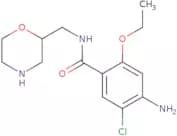
CAS :<p>Please enquire for more information about Des-4-fluorobenzyl mosapride including the price, delivery time and more detailed product information at the technical inquiry form on this page</p>Formule :C14H20ClN3O3Degré de pureté :Min. 95%Masse moléculaire :313.78 g/molDiisopropylammonium dichloroacetate
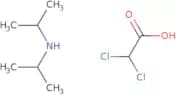
CAS :Produit contrôlé<p>Diisopropylammonium dichloroacetate (DADCA) is a chemical that inhibits the metabolism of glucose. It has been shown to have a hypoglycemic effect in rats and is being investigated as a treatment for metabolic disorders such as diabetes and obesity. DADCA has also been shown to reduce liver lesions in animals with chronic viral hepatitis, and has been found to be effective in reducing tumor growth in mice. This drug can also be used to treat bowel disease by reducing the amount of ammonia released by bacteria. DADCA may also have physiological effects on humans, including an increase in blood pressure and fever, although these effects have not yet been studied.</p>Degré de pureté :Min. 95%Delta-9(11)-Fluorometholone acetate
CAS :Produit contrôlé<p>Please enquire for more information about Delta-9(11)-Fluorometholone acetate including the price, delivery time and more detailed product information at the technical inquiry form on this page</p>Formule :C24H30O4Degré de pureté :Min. 95%Masse moléculaire :382.49 g/molL-b-Homotyrosine hydrochloride
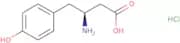
CAS :<p>Please enquire for more information about L-b-Homotyrosine hydrochloride including the price, delivery time and more detailed product information at the technical inquiry form on this page</p>Formule :C10H13NO3·HClDegré de pureté :Min. 95%Masse moléculaire :231.68 g/mol3,4-(Dibenzyloxy)phenethylamineHydrochloride
CAS :3,4-(Dibenzyloxy)phenethylamine Hydrochloride is an antidiabetic drug that belongs to the class of medicines used to treat diabetes mellitus. This drug inhibits the synthesis of fatty acids and the production of glucose by pancreatic β-cells. 3,4-(Dibenzyloxy)phenethylamine Hydrochloride also has a hypoglycemic effect on rats with diabetes mellitus. The medicine has been shown to be effective in inhibiting apoptotic cell death in k562 cells and also has an inhibitory effect on dopamine-stimulated cAMP production.Formule :C22H24ClNO2Degré de pureté :Min. 95%Masse moléculaire :369.88 g/mol2,6-Dichlorophenylacetic acid
CAS :<p>2,6-Dichlorophenylacetic acid is an inhibitor of the enzyme acetylcholinesterase. It has been shown to be effective in a number of functional assays and is efficient at inhibiting the uptake of 2,6-dichlorobenzoic acid in cells. The inhibition of this enzyme by 2,6-dichlorophenylacetic acid may be due to its protonation and binding to the active site. This binding prevents the release of the acetylcholine molecule that has been bound to the enzyme's active site. This results in increased levels of acetylcholine in the synaptic cleft, leading to an increase in neurotransmitter activity, which can have a variety of effects on neuronal function. 2,6-Dichlorophenylacetic acid also inhibits cell proliferation and induces apoptosis (programmed cell death) in Caco-2 cells by inhibiting protein synthesis.</p>Formule :C8H6Cl2O2Degré de pureté :Min. 95%Couleur et forme :White Off-White PowderMasse moléculaire :205.04 g/molL-Proline-beta-naphthylamide hydrochloride
CAS :<p>L-proline analogue</p>Formule :C15H16N2O·HClDegré de pureté :Min. 95%Masse moléculaire :276.76 g/molrac-N-ethyl-4-methyl cathinone hydrochloride
CAS :Produit contrôlé<p>Please enquire for more information about rac-N-ethyl-4-methyl cathinone hydrochloride including the price, delivery time and more detailed product information at the technical inquiry form on this page</p>Formule :C12H18ClNODegré de pureté :Min. 95%Masse moléculaire :227.73 g/mol1-Acetyl-5-bromoindol-3-ol
CAS :<p>Please enquire for more information about 1-Acetyl-5-bromoindol-3-ol including the price, delivery time and more detailed product information at the technical inquiry form on this page</p>Formule :C10H8BrNO2Degré de pureté :Min. 95%Couleur et forme :PowderMasse moléculaire :254.08 g/molHeptafluorobutyric anhydride
CAS :<p>Heptafluorobutyric anhydride (HFBA) is a chemical compound that can be used as a reagent in analytical methods. It is used to prepare derivatives of amines, such as ethyl heptafluorobutyric acid, which are used in plant physiology studies. HFBA has been found to be useful for the detection of gamma-aminobutyric acid (GABA) and amines in wastewater samples by plasma mass spectrometry. The derivative of the molecule, 3-heptafluoropropionic acid, can be used as an antimicrobial agent against bacteria and fungi. The hydroxyl group on the molecule allows it to penetrate fatty acids and water molecules with high permeability. HFBA is also used as a reagent for preparing monoclonal antibodies by conjugating it with bovine serum albumin.</p>Formule :C8F14O3Couleur et forme :Clear LiquidMasse moléculaire :410.06 g/molNonafluorovaleric acid
CAS :<p>Nonafluorovaleric acid is a glycol ether that is used as a solvent and in the manufacture of fluoropolymers. Nonafluorovaleric acid is considered to be a potential biomarker for perfluoroalkyl substances, which are toxic chemicals found in many household products. It has been shown to inhibit matrix metalloproteinase activity and can be used to study autoimmune diseases. Nonafluorovaleric acid can also be used as a synchronous fluorescent probe for enzyme-linked immunosorbent assays. The toxicity of this chemical has been studied extensively and it is well known that nonafluorovaleric acid can induce enzyme induction, leading to increased production of enzymes such as cytochrome P450.</p>Formule :C5HF9O2Degré de pureté :Min. 95%Couleur et forme :Clear LiquidMasse moléculaire :264.05 g/mol4-Fluoro bupropion
CAS :Produit contrôlé<p>Please enquire for more information about 4-Fluoro bupropion including the price, delivery time and more detailed product information at the technical inquiry form on this page</p>Formule :C13H18FNODegré de pureté :Min. 95%Masse moléculaire :223.29 g/molNickel(II) Trifluoromethanesulfonate
CAS :<p>Nickel(II) Trifluoromethanesulfonate is a nickel compound that is used in the preparation of other compounds. It has been shown to be reactive with water molecules, forming hydrogen gas and trifluoromethanesulfonic acid. This compound also undergoes an intramolecular hydrogen transfer reaction mechanism, which is the basis for its preparative method. Nickel(II) Trifluoromethanesulfonate can be activated by acid catalysts, such as sulfuric acid or hydrochloric acid. Nickel(II) Trifluoromethanesulfonate is a paramagnetic compound that exhibits strong magnetic properties when cooled below its Néel temperature (77K). Its coordination chemistry involves the coordination of two metal ions and two ligands, which are often oxygen or nitrogen-containing organic molecules.</p>Formule :C2F6NiO6S2Degré de pureté :Min. 95%Masse moléculaire :356.83 g/mol
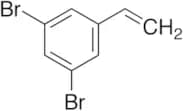

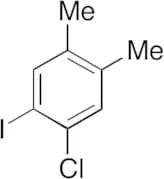
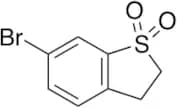

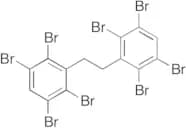
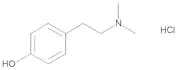

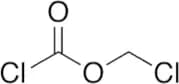
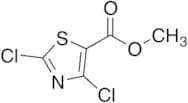

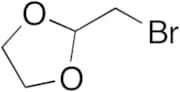
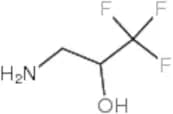
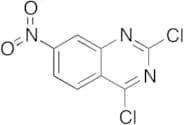
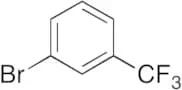
![1-[4-(Trifluoromethyl)phenyl]prop-2-yn-1-one](/_next/image/?url=https%3A%2Fstatic.cymitquimica.com%2Fproducts%2FTR%2Fthumb-webp%2FT899595.webp&w=3840&q=75)
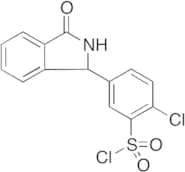
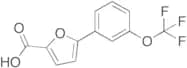

methanone](/_next/image/?url=https%3A%2Fstatic.cymitquimica.com%2Fproducts%2FTR%2Fthumb-webp%2FA617035.webp&w=3840&q=75)
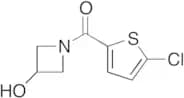

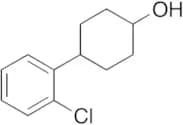
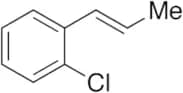
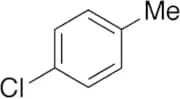
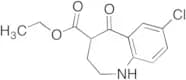

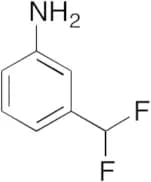
![Methyl 5-Iodoimidazo[2,1-B][1,3]thiazole-2-carboxylate](/_next/image/?url=https%3A%2Fstatic.cymitquimica.com%2Fproducts%2FTR%2Fthumb-webp%2FM695873.webp&w=3840&q=75)
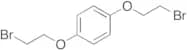
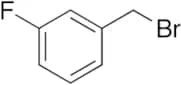
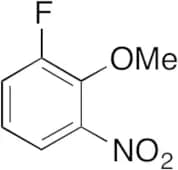


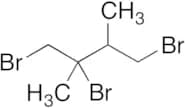
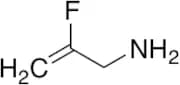
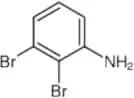
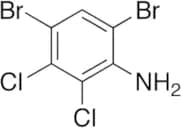

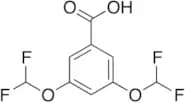
![[2-[4-(Trifluoromethyl)phenyl]ethyl]-hydrazine Sulfate](/_next/image/?url=https%3A%2Fstatic.cymitquimica.com%2Fproducts%2FTR%2Fthumb-webp%2FT791475.webp&w=3840&q=75)
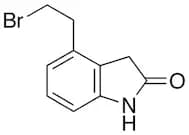
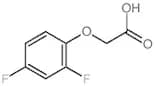
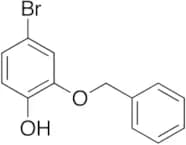

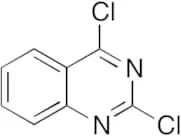
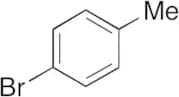
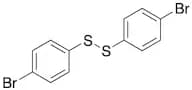
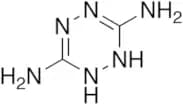
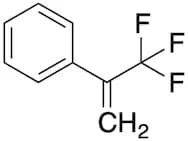
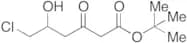

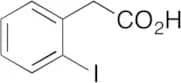
![5-[(4-Chlorophenyl)thio]-1,2,3-thiadiazole-4-carboxylic Acid](/_next/image/?url=https%3A%2Fstatic.cymitquimica.com%2Fproducts%2FTR%2Fthumb-webp%2FC350848.webp&w=3840&q=75)

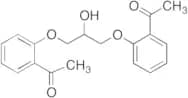
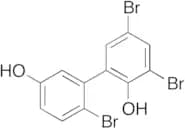
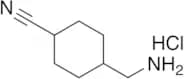
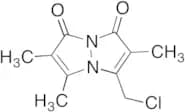
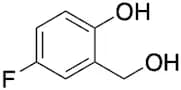
![[4-(3-Bromopropoxy)phenyl]phenylmethanone](/_next/image/?url=https%3A%2Fstatic.cymitquimica.com%2Fproducts%2FTR%2Fthumb-webp%2FB687733.webp&w=3840&q=75)
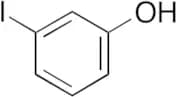
![(3-Phenoxyphenyl)methyl Ester 3-[(1Z)-2-chloro-3,3,3-trifluoro-1-propen-1-yl]-2,2-dimethyl-cyclopr…](/_next/image/?url=https%3A%2Fstatic.cymitquimica.com%2Fproducts%2FTR%2Fthumb-webp%2FP228025.webp&w=3840&q=75)
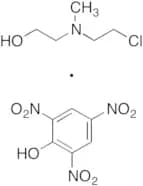
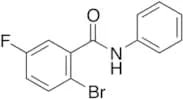
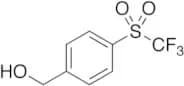

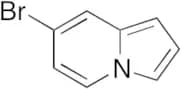

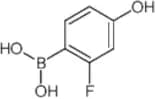
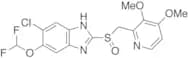
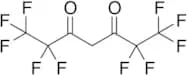
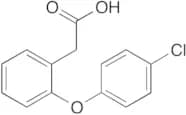
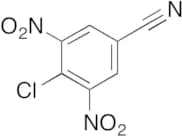
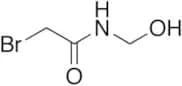
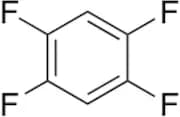
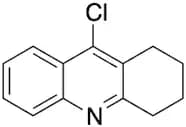
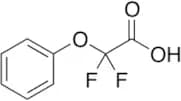
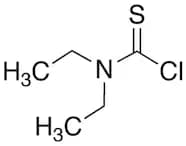
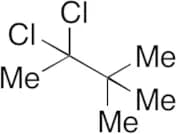
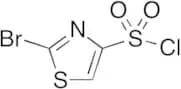
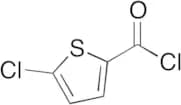

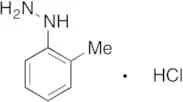
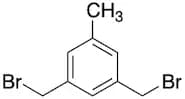

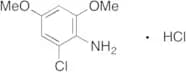
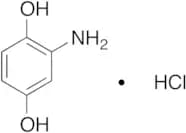
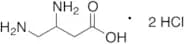
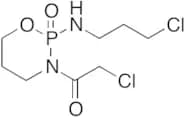
![2-[[[(9H-Fluoren-9-ylmethoxy)carbonyl]amino]methoxy]acetic Acid](/_next/image/?url=https%3A%2Fstatic.cymitquimica.com%2Fproducts%2FTR%2Fthumb-webp%2FF298750.webp&w=3840&q=75)
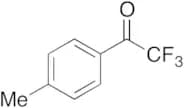
![N-[4-(Aminomethyl)phenyl]guanidine Dihydrochloride](/_next/image/?url=https%3A%2Fstatic.cymitquimica.com%2Fproducts%2FTR%2Fthumb-webp%2FA617265.webp&w=3840&q=75)
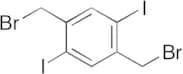
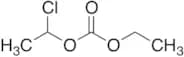
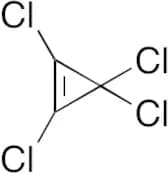
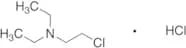
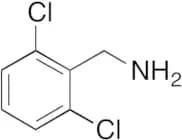
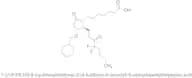
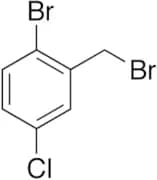
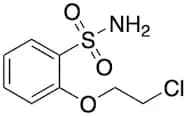
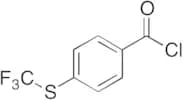
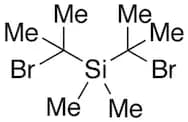
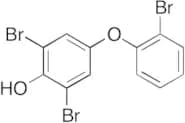
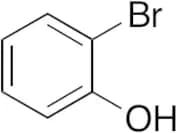
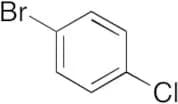

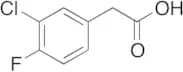
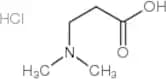
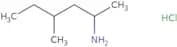

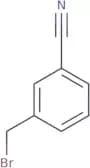

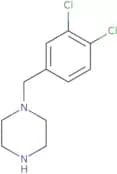
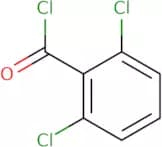
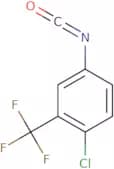
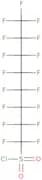


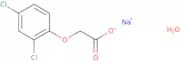
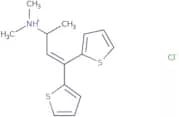
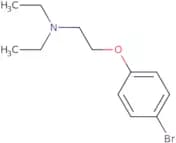
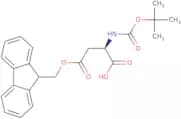
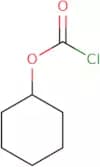
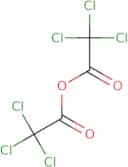

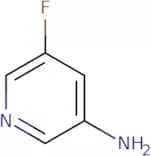
![3-[4-(2-Chlorophenyl)-9-methyl-6H-thieno[3,2-f][1,2,4]triazolo[4,3-a][1,4]diazepin-2-yl]-2-propyn-…](/_next/image/?url=https%3A%2Fstatic.cymitquimica.com%2Fproducts%2F3D%2Fthumb-webp%2FFC20335.webp&w=3840&q=75)
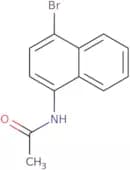
![[5-(Trifluoromethyl)-1,2-Oxazol-3-Yl]Methanol](/_next/image/?url=https%3A%2Fstatic.cymitquimica.com%2Fproducts%2F3D%2Fthumb-webp%2FFT89239.webp&w=3840&q=75)
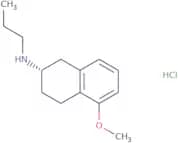
![4-[4-(3-Chlorophenyl)piperazin-1-yl]-4-oxobutanoic acid](/_next/image/?url=https%3A%2Fstatic.cymitquimica.com%2Fproducts%2F3D%2Fthumb-webp%2FFC124815.webp&w=3840&q=75)
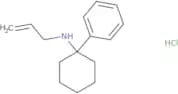
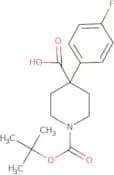
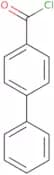
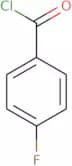
![[2-(4-Chlorophenyl)-1,3-thiazol-4-yl]acetic acid](/_next/image/?url=https%3A%2Fstatic.cymitquimica.com%2Fproducts%2F3D%2Fthumb-webp%2FFC124498.webp&w=3840&q=75)
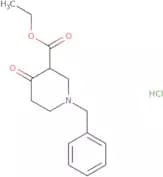
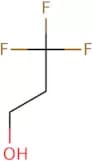
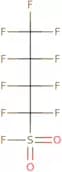
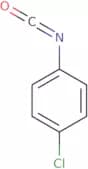
![5[(R)-(2-Aminopropyl)]-2-methoxybenzenesulfonamide hydrochloride](/_next/image/?url=https%3A%2Fstatic.cymitquimica.com%2Fproducts%2F3D%2Fthumb-webp%2FFA17834.webp&w=3840&q=75)
![{[5-(Trifluoromethyl)-1,2,4-oxadiazol-3-yl]methyl}amine hydrochloride](/_next/image/?url=https%3A%2Fstatic.cymitquimica.com%2Fproducts%2F3D%2Fthumb-webp%2FFT127171.webp&w=3840&q=75)
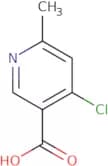
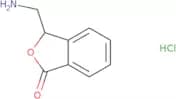
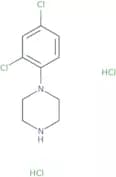
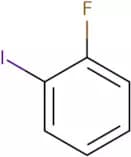
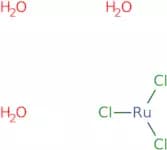

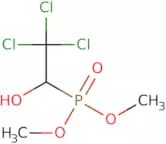
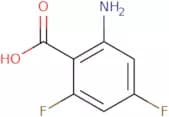
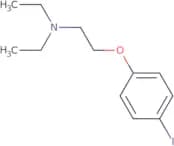
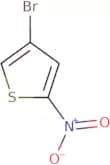
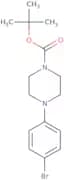
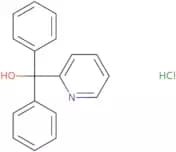
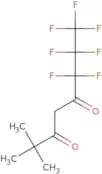
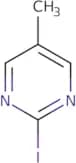
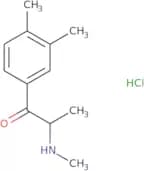
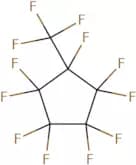

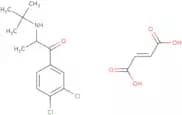
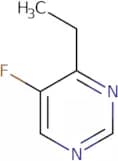
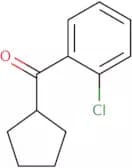

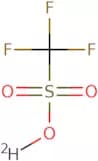

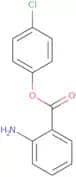

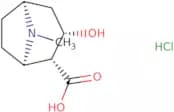
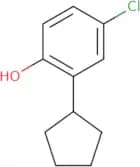
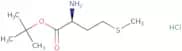


![N-Methyl-5H-dibenzo[a,d]cycloheptene-5-propylamine hydrochloride](/_next/image/?url=https%3A%2Fstatic.cymitquimica.com%2Fproducts%2F3D%2Fthumb-webp%2FFN76683.webp&w=3840&q=75)
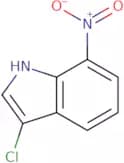
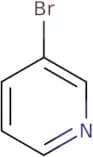
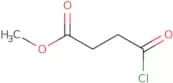


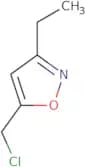
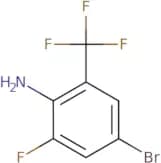
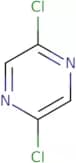
![N-[1-(4-Fluorophenyl)propan-2-Yl]-N-methylprop-2-Yn-1-amine](/_next/image/?url=https%3A%2Fstatic.cymitquimica.com%2Fproducts%2F3D%2Fthumb-webp%2FFF95966.webp&w=3840&q=75)