Halogénures organiques
Dans cette catégorie, vous trouverez des molécules organiques contenant un ou plusieurs atomes d'halogène dans leur structure. Ces halogénures organiques incluent des composés bromés, iodés, chlorés et des halogénures cycliques. Les halogénures organiques sont largement utilisés en synthèse organique, en pharmaceutique, en agrochimie et en science des matériaux en raison de leur réactivité et de leur capacité à subir une variété de transformations chimiques. Chez CymitQuimica, nous offrons une sélection complète d'halogénures organiques de haute qualité pour soutenir vos applications de recherche et industrielles, garantissant une performance fiable et efficace dans vos projets synthétiques et analytiques.
Sous-catégories appartenant à la catégorie "Halogénures organiques"
20439 produits trouvés pour "Halogénures organiques"
Trier par
Degré de pureté (%)
0
100
|
0
|
50
|
90
|
95
|
100
2-(3,4-Dichlorophenyl)-2-oxoethylamineHydrochloride
CAS :Produit contrôlé<p>Please enquire for more information about 2-(3,4-Dichlorophenyl)-2-oxoethylamineHydrochloride including the price, delivery time and more detailed product information at the technical inquiry form on this page</p>Formule :C8H8Cl3NODegré de pureté :Min. 95%Masse moléculaire :240.51 g/molalpha,alpha-Difluorophenylacetic acid
CAS :<p>Please enquire for more information about alpha,alpha-Difluorophenylacetic acid including the price, delivery time and more detailed product information at the technical inquiry form on this page</p>Formule :C8H6F2O2Degré de pureté :Min. 95%Masse moléculaire :172.13 g/molLithium tetrachloroaluminate
CAS :<p>Lithium tetrachloroaluminate is a compound that consists of lithium, copper, and aluminum. It has an average particle diameter of about 1 micrometer. Lithium tetrachloroaluminate can be used as a catalyst for the reduction of inorganic and organic solutes. This compound is soluble in water and organic solvents, which may be due to its ionic nature. Lithium tetrachloroaluminate can be used as a rechargeable battery electrode material because it has a high capacity for storing lithium ions. The reaction with chloride ions produces chlorine gas, which is corrosive and toxic under certain conditions.</p>Formule :LiAlCl4Degré de pureté :(%) Min. 98%Couleur et forme :White PowderMasse moléculaire :175.73 g/mol4-Methoxy-N-methylbenzylamine hydrochloride
CAS :<p>Please enquire for more information about 4-Methoxy-N-methylbenzylamine hydrochloride including the price, delivery time and more detailed product information at the technical inquiry form on this page</p>Formule :C9H14NOClDegré de pureté :Min. 95%Masse moléculaire :187.67 g/molMethyl 5-bromo-2-iodobenzoate
CAS :<p>Methyl 5-bromo-2-iodobenzoate (MIB) is a thiourea that inhibits the enzyme activity of thioredoxin reductase. It has been shown to inhibit the proliferation of cancer cells in vitro and in vivo, as well as induce apoptosis. MIB has also been shown to have a potent antiproliferative effect on various cancer cell lines and other natural compounds. MIB is an efficient anticancer agent with a high quantum efficiency, which may be due to its ability to scavenge free radicals. MIB can also be used to increase the yields of other natural compounds.</p>Formule :C8H6BrIO2Degré de pureté :Min. 95%Masse moléculaire :340.94 g/mol2,4-Difluorobenzenethiol
CAS :<p>2,4-Difluorobenzenethiol is a chemical with the molecular formula CHClF2SH. It has a high yield and can be used in the production of medicines and chemicals. Industrially, 2,4-difluorobenzenethiol is used as a raw material for the manufacture of dyes, perfumes and other products. The synthesis of this chemical involves treating 2-fluoroaniline with sulfuric acid. This process produces 2,4-difluorobenzenethiol as a byproduct.</p>Formule :C6H4F2SDegré de pureté :Min. 95%Masse moléculaire :146.16 g/mol1-(2-Chloro-4-fluorobenzyl)piperazine
CAS :Produit contrôlé<p>Please enquire for more information about 1-(2-Chloro-4-fluorobenzyl)piperazine including the price, delivery time and more detailed product information at the technical inquiry form on this page</p>Formule :C11H14ClFN2Degré de pureté :Min. 95%Masse moléculaire :228.69 g/molStichodactyla helianthus Neurotoxin (ShK) trifluoroacetate salt
CAS :<p>ShK is an amide toxin that is found in the skin of the tropical marine organism Stichodactyla helianthus. It has been shown to have antimicrobial activity against E. coli and other bacteria, as well as a protective effect on inflammatory bowel disease. ShK has been shown to act by inhibiting protein synthesis, which may be due to its ability to bind to signal peptides and change their conformation.</p>Formule :C169H274N54O48S7Degré de pureté :Min. 95%Masse moléculaire :4,054.78 g/mol1,3-Thiazol-5-ylmethylamineHydrochloride
CAS :<p>Please enquire for more information about 1,3-Thiazol-5-ylmethylamineHydrochloride including the price, delivery time and more detailed product information at the technical inquiry form on this page</p>Formule :C4H7ClN2SDegré de pureté :Min. 95%Masse moléculaire :150.63 g/mol2-Chloro-N-(2-oxotetrahydro-3-thienyl)acetamide
CAS :<p>2-Chloro-N-(2-oxotetrahydro-3-thienyl)acetamide is a chemical compound that is used as an intermediate in the synthesis of other organic compounds. The impurities are minimized by using organic solvents such as acetone, pyridine, and tetrahydrofuran. The product can be precipitated by adding sodium carbonate or potassium carbonate to the solution, or it can be crystallized from a mixture of methanol and water. 2-Chloro-N-(2-oxotetrahydro-3-thienyl)acetamide is also soluble in ethers such as erdosteine and acetonitrile, which can be used to remove the last traces of water.</p>Formule :C6H8ClNO2SDegré de pureté :Min. 95%Masse moléculaire :193.65 g/mol3-Chloro-N-methylpropan-1-amine HCl
CAS :<p>Please enquire for more information about 3-Chloro-N-methylpropan-1-amine HCl including the price, delivery time and more detailed product information at the technical inquiry form on this page</p>Formule :C4H11Cl2NDegré de pureté :Min. 95%Masse moléculaire :144.04 g/mol4,7-Diazaspiro[2.5]octane dihydrochloride
CAS :<p>Please enquire for more information about 4,7-Diazaspiro[2.5]octane dihydrochloride including the price, delivery time and more detailed product information at the technical inquiry form on this page</p>Degré de pureté :Min. 95%Ethyl 4-chloroacetoacetate
CAS :<p>Ethyl 4-chloroacetoacetate is a chiral organic compound that is synthesized by the asymmetric synthesis of ethyl chloroacetate. This reaction is performed in an organic solution, using sodium salts as the solvent. The expression plasmid and logarithmic growth phase are needed for the enzyme catalysis and stereoselective reactions. The reaction solution is recombined with hydrochloric acid and chiral compound to produce high yields of ethyl 4-chloroacetoacetate.</p>Formule :C6H9ClO3Degré de pureté :Min. 95%Couleur et forme :Colorless Clear LiquidMasse moléculaire :164.59 g/mol2-Amino-3,4-dihydro-7-methoxy-2H-1-naphthalenone, hydrochloride
CAS :Produit contrôlé<p>Please enquire for more information about 2-Amino-3,4-dihydro-7-methoxy-2H-1-naphthalenone, hydrochloride including the price, delivery time and more detailed product information at the technical inquiry form on this page</p>Formule :C11H14ClNO2Degré de pureté :Min. 95%Masse moléculaire :227.69 g/mol3-(2-Bromoacetyl)-2H-chromen-2-one
CAS :<p>3-(2-Bromoacetyl)-2H-chromen-2-one is a compound that has been shown to inhibit the growth of human liver cancer cells and has been used in the treatment of some cancers. 3-(2-Bromoacetyl)-2H-chromen-2-one is a nucleophile, which reacts with electrophiles, such as 2Nal, to form an intermediate covalent bond. The reaction mechanism for this process involves a nucleophilic substitution reaction, where one atom (the nucleophile) attacks another atom (the electrophile) from the side opposite its electron cloud. This process results in the formation of a covalent bond between the two atoms and the release of water. 3-(2-Bromoacetyl)-2H-chromen-2one was found to be effective against Streptococcus faecalis and other bacteria after being tested in vitro with these organisms. In addition to being</p>Formule :C11H7BrO3Degré de pureté :Min. 95%Couleur et forme :PowderMasse moléculaire :267.08 g/mol1,3-Dichloropropane
CAS :<p>1,3-Dichloropropane is an aromatic hydrocarbon that is used in clinical chemistry as a solvent for the extraction of cholesterol. It has been shown to cause genotoxic effects in animals and humans. 1,3-Dichloropropane has been detected in the blood of CD-1 mice after exposure by inhalation or injection. The micronucleus test was used to detect these effects and found that 1,3-dichloropropane causes chromosomal aberrations. This chemical also affects the metabolic pathways of rats, causing changes in liver microsomes and increased levels of chloride ions.</p>Formule :C3H6Cl2Degré de pureté :Min. 95%Masse moléculaire :112.99 g/molMethyl 6-chloro-2-pyridinecarboxylate
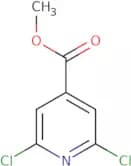
CAS :<p>Methyl 6-chloro-2-pyridinecarboxylate is a reactive, organic compound that belongs to the class of monomers. It is a white crystalline solid with a melting point of approximately 130 degrees Celsius. This chemical can be synthesized by reacting 2-chlorobenzothiazole with sodium carbonate in water at temperatures between 100 and 140 degrees Celsius. The reaction yields methyl 6-chloro-2-pyridinecarboxylate as well as chloride and picolinic acid as side products. This compound has been shown to have neurotoxic effects when administered to rats at high doses.</p>Formule :C7H6ClNO2Degré de pureté :Min. 95%Masse moléculaire :171.58 g/mol3-Aminomethylphthalide hydrochloride
CAS :<p>Please enquire for more information about 3-Aminomethylphthalide hydrochloride including the price, delivery time and more detailed product information at the technical inquiry form on this page</p>Formule :C9H9NO2•HClDegré de pureté :Min. 95%Couleur et forme :PowderMasse moléculaire :199.63 g/molChromonar hydrochloride
CAS :<p>Chromonar hydrochloride is a non-steroidal anti-inflammatory drug that is used to treat the symptoms of bowel disease. It relieves pain and reduces inflammation by blocking the production of prostaglandins. Chromonar hydrochloride may also be used to reduce blood pressure and relieve chest pain caused by heart disease. It has been shown to have cardioprotective effects in experimental models. Chromonar hydrochloride is metabolized by cytochrome P450 enzymes, which are involved in the synthesis of proteins, as well as other enzymes that maintain the integrity of DNA and RNA molecules. Chromonar hydrochloride can also cause an allergic reaction if taken with nitrous oxide.</p>Formule :C20H28ClNO5Degré de pureté :Min. 95%Masse moléculaire :397.89 g/mol4-Chloro-6-methylnicotinic acid
CAS :<p>4-Chloro-6-methylnicotinic acid (4C6MNA) is a chemical substance that is used in the study of plant leaves and their permeability. This substance has been found to be an excellent indicator of chlorophyll content, as it stains leaf cells with a green color. 4C6MNA is taken up by healthy plant cells and mitochondria, where it binds to the chromophore molecule in the mitochondria. The binding of 4C6MNA to the chromophore molecule leads to the production of fluorescence, which can be detected via microscopy. This substance has been used for laser microbeam studies on natural leaves and tobacco plants.</p>Formule :C7H6CINO2Degré de pureté :Min. 95%Masse moléculaire :275.04 g/mol3-Bromo-5-fluoropyridine
CAS :<p>3-Bromo-5-fluoropyridine is a synthetic dyestuff that is used in the production of dyes and pigments. It has an analogous structure to 3-amino-5-bromopyridine, which is used as a medicine for treating epilepsy. 3-Bromo-5-fluoropyridine reacts with acetoacetate or ethyl acetoacetate to form methylated products, such as 3-(4'-hydroxyphenyl)propionate. This compound can be synthesized by halogenation with bromine or chlorination followed by hydrolysis. The synthesis of 3-bromo-5-fluoropyridine from 3-amino-5-bromopyridine involves a series of reactions, including diazonium salt formation, followed by bromination and reduction to produce the desired product.</p>Formule :C5H3BrFNDegré de pureté :Min. 95%Couleur et forme :PowderMasse moléculaire :175.9 g/mol3-(6-Chloro-1-methyl-1H-benzimidazol-2-yl)propanoic acid
CAS :Produit contrôlé<p>Please enquire for more information about 3-(6-Chloro-1-methyl-1H-benzimidazol-2-yl)propanoic acid including the price, delivery time and more detailed product information at the technical inquiry form on this page</p>Formule :C11H11ClN2O2Degré de pureté :Min. 95%Masse moléculaire :238.67 g/mol7-Chloro-2-hydrazino-5-phenyl-3H-1,4-benzodiazepine
CAS :Produit contrôlé<p>7-Chloro-2-hydrazino-5-phenyl-3H-1,4-benzodiazepine is a metabolically stable benzodiazepine that binds to the benzodiazepine receptor. It has been shown to have a higher affinity for this receptor than alprazolam and other related compounds. 7-Chloro-2-hydrazino-5-phenyl-3H-1,4-benzodiazepine has been used as an active ingredient in a number of pesticide products that are used against termites and ants. This compound has also been found to be an effective insecticide against mosquitoes. 7C2HDBZ has been shown to be stable in the environment and is not readily degraded by hydrolysis or pyrolysis.</p>Formule :C15H13ClN4Degré de pureté :Min. 95%Masse moléculaire :284.74 g/mol2-Chloro-3-hydroxytoluene
CAS :<p>2-Chloro-3-hydroxytoluene is a binder that is used in the treatment of filamentous fungi. It binds to the surface of the filamentous cell and prevents it from growing. 2-Chloro-3-hydroxytoluene has been shown to bind to muscle cells, which may be due to its acidic nature. This chemical also has a disinfectant effect on reticulum cells and muscle fibers.</p>Formule :C7H7ClODegré de pureté :Min. 95%Masse moléculaire :142.58 g/mol4-Aminobicyclo[2.2.2]octan-1-ol hydrochloride
CAS :<p>Please enquire for more information about 4-Aminobicyclo[2.2.2]octan-1-ol hydrochloride including the price, delivery time and more detailed product information at the technical inquiry form on this page</p>Formule :C8H15NO•HClDegré de pureté :Min. 95%Masse moléculaire :177.67 g/molDiethylaminosulfur trifluoride
CAS :<p>Diethylaminosulfur trifluoride (DAST) is a reactive chemical that can be used as a methylating agent. It reacts with the hydroxyl group of carotenoids, including β-carotene, to produce x-ray crystal structures with the alcohol methanol solvent. DAST also reacts with 6alkyl and methyl glycosides, such as sucrose, producing a hydroxy derivative. DAST has been shown to have carcinogenic properties in tumor cell lines and is able to induce apoptosis in these cells by damaging their DNA. The use of DAST for cancer treatment can be done through laser ablation or injection into tumors.</p>Formule :C4H10F3NSDegré de pureté :(1H-Nmr) Min. 95%Couleur et forme :Clear LiquidMasse moléculaire :161.19 g/molFluorescein-sp-biotin
CAS :<p>Fluorescein-sp-biotin is a biotinylated derivative of fluorescein. The conjugate is used to measure the amount of free d-biotin in samples. Fluorescein-sp-biotin binds to streptavidin, which has a high affinity for biotin, and then emits light at an excitation wavelength of 488 nm when excited with a laser. The intensity of the emitted light is proportional to the concentration of free d-biotin in the sample. The following product descriptions have been generated from this information: Rifapentine Rifapentine is an anti-tuberculosis drug that belongs to the class of rifamycins. It is the most active of the rifamycins for the treatment of tuberculosis. Rifapentine inhibits bacterial growth by binding to DNA-dependent RNA polymerase, thereby preventing transcription and replication.</p>Formule :C42H50N6O8S2Degré de pureté :Min. 95%Masse moléculaire :831.01 g/mol1-(2-Aminoethyl)-3-Phenylurea Hydrochloride
CAS :<p>Please enquire for more information about 1-(2-Aminoethyl)-3-Phenylurea Hydrochloride including the price, delivery time and more detailed product information at the technical inquiry form on this page</p>Formule :C9H13N3O·HClDegré de pureté :Min. 95%Masse moléculaire :215.68 g/mol(2S,6S)-2-Amino-2-(2-chlorophenyl)-6-hydroxycyclohexan-1-one HCl
CAS :Produit contrôlé<p>Please enquire for more information about (2S,6S)-2-Amino-2-(2-chlorophenyl)-6-hydroxycyclohexan-1-one HCl including the price, delivery time and more detailed product information at the technical inquiry form on this page</p>Formule :C12H15CI2NO2Degré de pureté :Min. 95%Couleur et forme :PowderMasse moléculaire :471.07 g/mol2-Methyl-4-(trifluoromethoxy)bromobenzene
CAS :<p>Please enquire for more information about 2-Methyl-4-(trifluoromethoxy)bromobenzene including the price, delivery time and more detailed product information at the technical inquiry form on this page</p>Formule :C8H6BrF3ODegré de pureté :Min. 95%Couleur et forme :Clear LiquidMasse moléculaire :255.03 g/mol1-Piperidinecarbonylchloride
CAS :<p>1-Piperidinecarbonylchloride is a molecule that has been shown to have anti-inflammatory and anti-cancer properties. It is an aliphatic hydrocarbon with a prenyl group that has been shown to bind to the chloride channel, which leads to increased chloride secretion in the small intestine and decreased chloride secretion in the colon. This may contribute to its therapeutic effects on inflammatory bowel disease. 1-Piperidinecarbonylchloride also inhibits fatty acid synthesis, which may be responsible for its therapeutic effects on metabolic disorders such as diabetes and obesity.</p>Formule :C6H10ClNODegré de pureté :Min. 95%Couleur et forme :Clear LiquidMasse moléculaire :147.6 g/mol6-Chloro-5-methylpyridin-2-amine
CAS :<p>6-Amino-2-chloro-3-methylpyridine is a heteroaromatic compound that belongs to the class of imidazopyridine. It is a monomer used in research, and can be transformed into the cross-coupling reaction with electron irradiation, which provides an efficient method for synthesizing other heteroaromatic compounds. 6-Amino-2-chloro-3-methylpyridine has low ionization potential and can be used as a drug discovery agent.</p>Formule :C6H7ClN2Degré de pureté :Min. 95%Masse moléculaire :142.59 g/mol(Methoxymethyl) triphenylphosphonium chloride
CAS :<p>Methoxymethyl triphenylphosphonium chloride (MMTPC) is a chemical compound that has been used in vitro as an inhibitor of microbial growth. MMTPC has been shown to be effective against a number of bacterial strains, including methicillin-resistant Staphylococcus aureus and Mycobacterium tuberculosis. This agent inhibits the synthesis of proteins and nucleic acids, which may lead to cell death by inhibiting protein synthesis or by preventing DNA synthesis. MMTPC has been shown to be effective for the treatment of congestive heart failure, coronary heart disease, and autoimmune diseases. It also binds to receptors on cells that are involved in the inflammatory response, such as cytokines and leukocytes.</p>Formule :C20H20ClOPDegré de pureté :Min. 95%Couleur et forme :White PowderMasse moléculaire :342.8 g/mol4-(2-Chloroethyl)morpholine hydrochloride
CAS :<p>4-(2-Chloroethyl)morpholine hydrochloride (PCEM) is a potent and selective inhibitor of bacterial topoisomerase IV. The compound has been found to have no effect on the mammalian enzyme, but does inhibit growth in bacteria such as Staphylococcus aureus and Escherichia coli. PCEM exhibits good stability in organic solvents, including water, and is not toxic to mammals at high doses. The compound has been used as an antibacterial agent in pharmaceutical preparations.</p>Formule :C6H12ClNO•HClCouleur et forme :PowderMasse moléculaire :186.08 g/mol5-chloro-1-phenyl-1h-1,2,3,4-tetraazole
CAS :<p>5-Chloro-1-phenyl-1H-1,2,3,4-tetrazole (5CAT) is a dihedral molecule that contains phenyl groups and p-hydroxybenzoic acid. The argon (Ar) functionalities are activated by reaction with hydroxyl group to form the cross-coupling reaction between 5CAT and chloride (Cl). 5CAT has been shown to be a good substrate for 2D Nuclear Magnetic Resonance (NMR), as it has a protonated hydroxyl group. This functional group is also present on the chloro group of the 5CAT molecule. The vibrational analysis from the protonated hydroxyl group can be observed in the spectrum of 5CAT.</p>Formule :C7H5N4ClDegré de pureté :Min. 95%Masse moléculaire :180.59 g/mol8-Bromo-imidazo[1,2-a]pyridine
CAS :<p>8-Bromo-imidazo[1,2-a]pyridine is a neutralizing agent that can be used in the synthesis of succinimide. It reacts with chloroacetaldehyde to yield the imidate ester. This reaction is catalyzed by alkali and requires filtration to remove the bromine and any other impurities. The reaction generates heat, so it must be performed in a well-ventilated area.</p>Formule :C7H5BrN2Degré de pureté :Min. 95%Masse moléculaire :197.03 g/mol3,6-Dichlorobenzo[b]thiophene-2-carboxylic acid
CAS :<p>3,6-Dichlorobenzo[b]thiophene-2-carboxylic acid is an extracellular metabolite that is involved in the metabolism of muscle. It is produced as a byproduct of the reaction catalyzed by dehydrogenase, which converts 3,6-dichlorobenzo[b]thiophene to 2-carboxybenzothiophene. This compound has been shown to inhibit the enzyme histidine carboxylate synthetase, which is involved in branched-chain amino acid synthesis. The enzyme can be inhibited by either a wild type or an analog of 3,6-dichlorobenzo[b]thiophene-2-carboxylic acid.</p>Formule :C9H4Cl2O2SDegré de pureté :Min. 95%Masse moléculaire :247.1 g/molBromoacetic acid-13C2
CAS :<p>Please enquire for more information about Bromoacetic acid-13C2 including the price, delivery time and more detailed product information at the technical inquiry form on this page</p>Formule :C2H3BrO2Degré de pureté :Min. 95%Couleur et forme :PowderMasse moléculaire :140.95 g/mol2,3-Dichlorophenyl isocyanate
CAS :<p>2,3-Dichlorophenyl isocyanate is a diphenyl ether that has been used as an intermediate in the synthesis of other chemicals. It can be absorbed through the skin and may cause toxic effects to the gastrointestinal tract, such as ulceration, hemorrhage, and perforation. 2,3-Dichlorophenyl isocyanate is metabolized by cytochrome P450 enzymes to a reactive metabolite that causes damage to cells in the lungs. This compound also binds to chemokine receptors on inflammatory cells and blocks their ability to stimulate inflammatory reactions. This activity may be partially responsible for its antiinflammatory properties.</p>Formule :C7H3Cl2NODegré de pureté :Min. 95%Couleur et forme :Clear LiquidMasse moléculaire :188.01 g/mol3-Chloro-2-nitropyridine
CAS :<p>3-Chloro-2-nitropyridine is a chemical compound that has been shown to have anticancer activity. It is a structural analog of the nucleophilic piperazine, which can react with hydrogen fluoride in an electrophilic substitution reaction to form 3-chloro-2-nitropyridine oxide. The anticancer activity of this compound may be due to its ability to inhibit the growth of tumor cells by binding to the d4 receptor, inhibiting the production of inflammatory cytokines and growth factors. 3-Chloro-2-nitropyridine has also been shown to have antiinflammatory activities, which may be due to its inhibition of nitric oxide synthesis and 5'-lipoxygenase.</p>Formule :C5H3N2O2ClDegré de pureté :Min. 95%Couleur et forme :PowderMasse moléculaire :158.54 g/molEthyl 2-chloro-2,2-difluoroacetate
CAS :<p>Ethyl 2-chloro-2,2-difluoroacetate is an organic compound that is used in the synthesis of benzofuran derivatives. It reacts with chlorine to generate a reactive intermediate and then undergoes a nucleophilic substitution reaction to produce the desired compound. The kinetic studies of this reaction have been conducted using isolated yields of the reactants. The active methylene group can undergo a variety of reactions because it has a reactive chlorine atom attached to it. This active substance inhibits the NS5B polymerase, which is responsible for converting RNA into DNA. Ethyl 2-chloro-2,2-difluoroacetate may be used as a potential treatment for inflammatory diseases such as asthma and arthritis because it prevents acetylcholine from binding to its receptor α.</p>Formule :C4H5ClF2O2Degré de pureté :Min. 95%Couleur et forme :Clear LiquidMasse moléculaire :158.53 g/mol5-Bromo-1-ethyl-1H-1,2,4-triazole
CAS :<p>Please enquire for more information about 5-Bromo-1-ethyl-1H-1,2,4-triazole including the price, delivery time and more detailed product information at the technical inquiry form on this page</p>Formule :C4H6BrN3Degré de pureté :Min. 95%Masse moléculaire :176.01 g/mol1-(4-Bromophenyl)-3-(4-chlorophenyl)-1H-pyrazole-5-carboxylic acid
CAS :Produit contrôlé<p>Please enquire for more information about 1-(4-Bromophenyl)-3-(4-chlorophenyl)-1H-pyrazole-5-carboxylic acid including the price, delivery time and more detailed product information at the technical inquiry form on this page</p>Formule :C16H10BrClN2O2Degré de pureté :Min. 95%Masse moléculaire :377.62 g/mol1-fluoro-2-iodobenzene
CAS :<p>1-Fluoro-2-iodobenzene is a reactive compound that can be used in the cross-coupling of terminal alkynes and aldehydes. The reaction rate is dependent on the type of halide, but with an increase in acidity, the rate increases. This reaction is efficient because it does not require any solvents and can be performed at room temperature. 1-Fluoro-2-iodobenzene has been shown to react with many different functional groups, such as alcohols, amines, ethers, nitriles, sulfides, and carboxylic acids.</p>Formule :C6H4FIDegré de pureté :Min. 95%Masse moléculaire :222 g/mol2,5-Dimethoxy-4-methylamphetamine hydrochloride
CAS :Produit contrôlé<p>2,5-Dimethoxy-4-methylamphetamine hydrochloride is a molecule that belongs to the class of phenethylamines. It has a serotonergic activity and can be used in the treatment of depression. This drug also affects the dopaminergic system and 5-HT2 receptors. 2,5-Dimethoxy-4-methylamphetamine hydrochloride is an agonist for 5HT1A receptors and an antagonist for 5HT2A and 5HT2C receptors. It has been shown to have a significant effect on locomotor activity in humans. The effects of this drug are dose dependent, with high doses leading to hallucinogenic effects.</p>Formule :C12H20ClNO2Degré de pureté :Min. 95%Masse moléculaire :245.75 g/molBoc-4-(4-fluorophenyl)-piperidine-4-carboxylic acid
CAS :<p>Please enquire for more information about Boc-4-(4-fluorophenyl)-piperidine-4-carboxylic acid including the price, delivery time and more detailed product information at the technical inquiry form on this page</p>Formule :C17H22FNO4Degré de pureté :Min. 95%Masse moléculaire :323.36 g/mol3,5-Dibromo-6-methylpyrazin-2-amine
CAS :<p>Please enquire for more information about 3,5-Dibromo-6-methylpyrazin-2-amine including the price, delivery time and more detailed product information at the technical inquiry form on this page</p>Formule :C5H5Br2N3Degré de pureté :Min. 95%Masse moléculaire :266.92 g/mol4-(3-Phenyl-1,2,4-oxadiazol-5-yl)piperidine hydrochloride
CAS :<p>Please enquire for more information about 4-(3-Phenyl-1,2,4-oxadiazol-5-yl)piperidine hydrochloride including the price, delivery time and more detailed product information at the technical inquiry form on this page</p>Formule :C13H15N3ODegré de pureté :Min. 95%Masse moléculaire :229.28 g/molEthyl (2,3,4,5-tetrafluorobenzoyl)acetate
CAS :<p>Ethyl (2,3,4,5-tetrafluorobenzoyl)acetate is a new oxazine derivative that inhibits bacterial growth by binding to the DNA gyrase and topoisomerase IV. It also exhibits antibacterial activity against Gram-positive bacteria such as methicillin-resistant Staphylococcus aureus (MRSA). This compound is an analog of the quinolone antibacterials. The most efficient example of this class of compounds is ofloxacin.</p>Formule :C11H8F4O3Degré de pureté :Min. 95%Couleur et forme :PowderMasse moléculaire :264.17 g/mol(17R)-4-Chloro-5-ethyl-9-fluoro-11b-hydroxy-16b-methylspiro[androsta-1,4-diene-17,2(3H)-furan]-3,3-dione
CAS :<p>Clobetasol propionate is an organic acid with a chemical structure that is stable in pharmaceutical preparations. It is used to treat inflammatory skin disorders such as psoriasis and atopic dermatitis. Clobetasol propionate is an impurity of clobetasol, which has been shown to be chemically stable in preparations. The clobetasol propionate compound has been found to be more potent than other topical corticosteroids for the treatment of plaque psoriasis and atopic dermatitis.</p>Formule :C25H30ClFO4Degré de pureté :Min. 95%Masse moléculaire :448.95 g/molGlycyl-H 1152 dihydrochloride
CAS :<p>Please enquire for more information about Glycyl-H 1152 dihydrochloride including the price, delivery time and more detailed product information at the technical inquiry form on this page</p>Formule :C18H24N4O3S•(HCl)2Degré de pureté :Min. 95%Couleur et forme :PowderMasse moléculaire :449.4 g/molBromodichloroacetonitrile
CAS :<p>Bromodichloroacetonitrile (BCN) is a chemical with disinfectant properties. It is used in wastewater treatment, as it is able to destroy bacteria and viruses. BCN also has been shown to be effective against the Covid-19 pandemic. BCN can be used as an analytical reagent for the analysis of chloride ions in deionized water. The carcinogenic potential of BCN in humans is unknown, but it has been shown to cause bladder cancer in rats.</p>Formule :C2BrCl2NDegré de pureté :Min. 95%Couleur et forme :Colorless PowderMasse moléculaire :188.84 g/mol2-(Trifluoromethyl)phenothiazine
CAS :<p>2-(Trifluoromethyl)phenothiazine is a reactive molecule that can form free radicals and covalent bonds with other molecules. The electron-attracting chlorine atom makes it a good model system for studying the effects of chlorine on other substances. 2-(Trifluoromethyl)phenothiazine has been shown to have anticancer activity, inhibiting tumor growth in mice. It also prevents the development of colorectal adenocarcinoma in rats and the formation of colonic polyps in mice by inducing apoptosis. This compound also inhibits DNA synthesis and protein synthesis, which may be due to its ability to react with hydroxyl groups on proteins or nucleic acids as well as its ability to form hydrogen bonds.</p>Formule :C13H8F3NSDegré de pureté :Min. 95%Masse moléculaire :267.27 g/mol2,6-Dichlorophenylacetic acid
CAS :<p>2,6-Dichlorophenylacetic acid is an inhibitor of the enzyme acetylcholinesterase. It has been shown to be effective in a number of functional assays and is efficient at inhibiting the uptake of 2,6-dichlorobenzoic acid in cells. The inhibition of this enzyme by 2,6-dichlorophenylacetic acid may be due to its protonation and binding to the active site. This binding prevents the release of the acetylcholine molecule that has been bound to the enzyme's active site. This results in increased levels of acetylcholine in the synaptic cleft, leading to an increase in neurotransmitter activity, which can have a variety of effects on neuronal function. 2,6-Dichlorophenylacetic acid also inhibits cell proliferation and induces apoptosis (programmed cell death) in Caco-2 cells by inhibiting protein synthesis.</p>Formule :C8H6Cl2O2Degré de pureté :Min. 95%Couleur et forme :White Off-White PowderMasse moléculaire :205.04 g/moltert-Butylsulfinylchloride
CAS :<p>Tert-Butylsulfinylchloride is a hydroxamic acid that has been shown to be an effective inhibitor of indole alkaloids, such as tryptamine and serotonin. This compound is enantiopure and chiral, which allows for the synthesis of a number of diastereomers. Tert-Butylsulfinylchloride can react with hydrogen peroxide to form reactive intermediates that are thought to have a mechanistic role in the inhibition of indole alkaloid biosynthesis. It also reacts with chloride under thermal conditions to produce an asymmetric synthesis. Tert-Butylsulfinylchloride can be used at temperatures up to 125 degrees Celsius without losing its anti-indole alkaloid properties, making it a good candidate for use in organic syntheses.</p>Formule :C4H9ClOSDegré de pureté :Min. 95%Couleur et forme :Clear LiquidMasse moléculaire :140.63 g/mol1-Bromo-4-nitrobenzene
CAS :<p>1-Bromo-4-nitrobenzene is a bromonitrile that is used to synthesize optical sensors. It is an intermediate in the synthesis of 1,5-dibromo-4-nitrobenzane, which was used as a model system for the reaction mechanism of coupling reactions. The coupling of 1-bromo-4-nitrobenzane with hydrochloric acid and palladium catalysts leads to the formation of a diazonium salt. This reaction can be analyzed by looking at the nitro group and the halides in the molecule. The nitro group reacts with ammonia to form an aminonitrile and water. Halides react with ammonia to form ammonium salts and hydrogen halides. Diazonium salts are then generated by adding nitrous acid (HNO2) or hydroxylamine (NHOH) to these compounds. Finally, transfer reactions are carried out by heating 1</p>Formule :C6H4BrNO2Degré de pureté :Min. 95%Masse moléculaire :202.01 g/mol1-N-Boc-4-bromopiperidine
CAS :<p>1-N-Boc-4-bromopiperidine is a Grignard reagent that is used for the preparation of amines. It can be prepared by reacting 1-bromo-4-methylpiperidine with magnesium metal in an ether solution. This compound has been shown to be efficient for the synthesis of biologically active molecules, such as dihydropyridones and isoquinolines. This product may cause skin irritation.</p>Formule :C10H18BrNO2Degré de pureté :Min. 95%Couleur et forme :White To Light (Or Pale) Yellow Solid Or Liquid (May Vary)Masse moléculaire :264.16 g/mol(2S,3S)-5-[2-(Dimethylamino)ethyl]-3-hydroxy-2-(4-methoxyphenyl)-2,3-dihydro-1,5-benzothiazepin-4-one hydrochloride
CAS :<p>(2S,3S)-5-[2-(Dimethylamino)ethyl]-3-hydroxy-2-(4-methoxyphenyl)-2,3-dihydro-1,5-benzothiazepin-4-one hydrochloride is a racemic mixture of two enantiomers. It is a prodrug that is hydrolyzed to its active form, diltiazem. The drug has been shown to be effective in the treatment of hypertension and angina pectoris. (2S,3S)-5-[2-(Dimethylamino)ethyl]-3-hydroxy-2-(4-methoxyphenyl)-2,3-dihydro-1,5-benzothiazepin-4-one hydrochloride has been shown to inhibit the activity of the enzyme phosphodiesterase which breaks down cyclic AMP. This inhibition results in an increase in levels of</p>Formule :C20H24N2O3S·HClDegré de pureté :Min. 95%Masse moléculaire :408.94 g/mol4-Bromo-1-butanol
CAS :4-Bromo-1-butanol is a synthetic fatty acid used as a reagent in the synthesis of glycyrrhetinic acid. It is a colorless liquid with a strong odor. This substance has impurities that are not specified. It reacts with n-hexane and thionyl chloride to form bromobutanoic acid, which can be used as an intermediate in the production of other substances. 4-Bromo-1-butanol is also used in the synthesis of polyvinyl pyrrolidone, which is an organic polymer that is soluble in water and polar solvents such as alcohols and acetone. The molecular weight of this compound ranges from 300 to 3,000 g/mol, with a melting point below 100 °C. Formamide is another substance that can be synthesized using 4-bromo-1 butanol. Formamide is a colorless liquid with a pungent odor and it hasFormule :C4H9BrODegré de pureté :80%MinCouleur et forme :Colorless Clear LiquidMasse moléculaire :153.02 g/molArachidonoyl chloride
CAS :<p>Arachidonoyl chloride is a chemical compound that belongs to the group of amides. It is used in biological studies for receptor binding and enzyme activities. Arachidonoyl chloride has been shown to inhibit insulin sensitivity by inhibiting the phosphorylation of tyrosine residues on insulin receptors, which are necessary for glucose transport into cells. The acyl chain of arachidonoyl chloride has a polyunsaturated fatty acid structure with two double bonds, which is important for its activity on the 2-arachidonoylglycerol (2-AG) pathway. The activation energy of arachidonoyl chloride is not yet known.</p>Formule :C20H31ClODegré de pureté :Min. 95%Masse moléculaire :322.91 g/mol4-[4-(Dimethylamino)-1-(4-fluorophenyl)-1-hydroxybutyl]-3-(hydroxymethyl)benzonitrile hydrobromide
CAS :<p>4-[4-(Dimethylamino)-1-(4-fluorophenyl)-1-hydroxybutyl]-3-(hydroxymethyl)benzonitrile hydrobromide is an antagonist of the nicotinic acetylcholine receptor (nAChR) that has been shown to be prophylactic against mediated nitrogen. It was isolated from a marine sponge and shows high affinity for nAChRs, with low nanomolar binding constants. The prophylactic properties of 4-[4-(dimethylamino)-1-(4-fluorophenyl)-1-hydroxybutyl]-3-(hydroxymethyl)benzonitrile hydrobromide are mediated by its ability to antagonize the function of nAChRs and prevent the release of neurotransmitters such as acetylcholine.</p>Formule :C20H23FN2O2•HBrDegré de pureté :Min. 95%Masse moléculaire :423.32 g/molEthenesulfonyl chloride
CAS :<p>Ethenesulfonyl chloride is a chemical that is used as an inhibitor of amine oxidases in the treatment of inflammatory and autoimmune diseases. It also inhibits the formation of reactive oxygen species by inhibiting intracellular amines, which are required for the generation of reactive oxygen species. Ethenesulfonyl chloride is a nucleophile that reacts with protons from water to form a hydroxyl group, which can then react with chlorine atoms to form hydrogen chloride. This reaction results in the release of heat, which may be useful for killing bacteria or other microbes.</p>Formule :C2H3ClO2SDegré de pureté :Min. 95%Masse moléculaire :126.56 g/mol1-Fluoro-2-iodoethane
CAS :<p>1-Fluoro-2-iodoethane is a molecule that has been observed by nuclear magnetic resonance spectroscopy. It is an enantiomer of ethane, and it can be used as a ligand for transition metals. 1-Fluoro-2-iodoethane reacts with chloride to produce 1,1'-dichloroethane, which is an agrochemical that can be used to introduce other molecules into plants. The reaction requires heat and activation; the activation process gives off vibrational energy. Thermodynamic activation occurs in the first stage of the reaction, when the reactants are mixed together. This process is irreversible and releases the activated product from its potential energy state.</p>Formule :C2H4FIDegré de pureté :Min. 95%Couleur et forme :Colorless Clear LiquidMasse moléculaire :173.96 g/molChloromethyl ethyl ether
CAS :<p>Chloromethyl ethyl ether is a trifluoroacetic acid derivative that is used as a solvent. It reacts with radiation and forms the highly reactive hydroxyl radical. Chloromethyl ethyl ether can be used to destroy brain infarction from radiation treatment, although it has no use in clinical medicine. Chloromethyl ethyl ether also has high values for transport properties and is resistant to hydrolysis by acids. This compound is synthesized by reacting chloroethanol with methyl chloroformate in the presence of hydrochloric acid. The biological properties of chloromethyl ethyl ether are not well understood; however, it has been shown to bind with receptors on cells and inhibit protein synthesis.</p>Formule :C3H7ClODegré de pureté :Min. 95%Masse moléculaire :94.54 g/molEthyl bromodifluoroacetate
CAS :<p>Ethyl bromodifluoroacetate is a chemical substance that reacts with amines in the presence of copper to form a copper complex. It is used as an intermediate in the synthesis of organic compounds, such as pharmaceuticals. Ethyl bromodifluoroacetate is also used as a catalyst for cross-coupling reactions of organic molecules. This reaction requires low energy and can be performed under mild conditions. The asymmetric synthesis of ethyl bromodifluoroacetate requires few steps and only uses inexpensive starting materials. The carbonyl group is chemically stable, making it difficult to decompose or oxidize. However, hydrogen fluoride will react with ethyl bromodifluoroacetate and cause it to decompose into its elements, fluorine and carbon dioxide gas. In addition, nucleophilic attack by halides can lead to the formation of ethyl bromodifluoroacetate from other substances. Control agents are necessary</p>Formule :C4H5BrF2O2Degré de pureté :Min. 95%Couleur et forme :Colourless LiquidMasse moléculaire :202.98 g/mol7-Chloro-5-(2-fluorophenyl)-2-methylamino-3H-1,4-benzodiazepine
CAS :Produit contrôlé<p>Please enquire for more information about 7-Chloro-5-(2-fluorophenyl)-2-methylamino-3H-1,4-benzodiazepine including the price, delivery time and more detailed product information at the technical inquiry form on this page</p>Formule :C16H13ClFN3Degré de pureté :Min. 95%Masse moléculaire :301.75 g/mol2,6-Dibromotoluene
CAS :<p>2,6-Dibromotoluene is a brominated organic compound with two functional groups. It can be used as a precursor to ferrocenes and as a synthetic intermediate for triazine herbicides. 2,6-Dibromotoluene is synthesized by the cross-coupling reaction of methylmagnesium bromide and benzaldehyde. The reaction solution is anhydrous sodium acetate in acetic acid at room temperature. This compound has three isomers: α-, β-, and γ-. The α-isomer has a helical structure and nmr spectra in the range of 1H (1.4 ppm) to 13C (63.5 ppm). Inelastic neutron scattering measurements on hexane solutions show that the β-isomer has a hexagonal structure with an inversion center at C3, while the γ-isomer has an octahedral structure with no inversion center.</p>Formule :C7H6Br2Degré de pureté :Min. 95 Area-%Couleur et forme :PowderMasse moléculaire :249.93 g/mol4-Bromo-2-phenylthiazole
CAS :<p>4-Bromo-2-phenylthiazole is a reactive arylating agent that has been used in the Suzuki reaction to form biaryl compounds. It is also used in the synthesis of heterocycles and alkene cross-coupling reactions. The 4-bromo group can be replaced by other halides, such as chlorides, bromides, or iodides. The substituents on the phenyl ring can be varied to yield different products. Reactive groups are an important factor in optimizing yields and preventing side reactions. This molecule is a useful starting point for the synthesis of complex molecules with functional groups.</p>Formule :C9H6BrNSDegré de pureté :Min. 95%Masse moléculaire :240.12 g/mol[(6-Chloro-1-isopropyl-1H-benzimidazol-2-yl)methyl]amine dihydrochloride
CAS :Produit contrôléPlease enquire for more information about [(6-Chloro-1-isopropyl-1H-benzimidazol-2-yl)methyl]amine dihydrochloride including the price, delivery time and more detailed product information at the technical inquiry form on this pageFormule :C11H14ClN3Degré de pureté :Min. 95%Masse moléculaire :223.7 g/mol2-(Chloromethyl)-3-(3-methylphenyl)quinazolin-4(3H)-one
CAS :Produit contrôléPlease enquire for more information about 2-(Chloromethyl)-3-(3-methylphenyl)quinazolin-4(3H)-one including the price, delivery time and more detailed product information at the technical inquiry form on this pageFormule :C16H13ClN2ODegré de pureté :Min. 95%Masse moléculaire :284.74 g/mol2-Bromo-1-(1,2,5-trimethyl-1H-indol-3-yl)propan-1-one
CAS :Produit contrôléPlease enquire for more information about 2-Bromo-1-(1,2,5-trimethyl-1H-indol-3-yl)propan-1-one including the price, delivery time and more detailed product information at the technical inquiry form on this pageFormule :C14H16BrNODegré de pureté :Min. 95%Masse moléculaire :294.19 g/molHexyl carbonochloridate
CAS :<p>Hexyl carbonochloridate is a chemical that has been used as a detergent additive. It is also an antimicrobial agent, which has been shown to inactivate enzymes in human serum. Hexyl carbonochloridate is active against hepatitis and other infectious diseases. This compound is also known to be an agonist of toll-like receptor 4 (TLR4), which is a protein that recognizes lipopolysaccharides from gram-negative bacteria. Hexyl carbonochloridate has been shown to have anti-inflammatory properties, possibly due to its hydroxyl group. The analytical method for this compound utilizes gas chromatography with flame ionization detection (GC-FID).</p>Formule :C7H13ClO2Degré de pureté :Min. 95%Masse moléculaire :164.63 g/molTilidine hydrochloride
CAS :Produit contrôlé<p>Tilidine hydrochloride is an experimental drug that has been synthesized with the hydrochloric acid, ester hydrochloride, and michaelis–menten kinetics. It has been developed as a potential treatment for acute pain in cancer patients. The control analysis showed that the analytical method was reliable. The pharmacological treatments have shown a carcinogenic potential in animals. Double-blind cross-over studies have shown that tilidine hydrochloride has pharmacokinetic properties and pharmacokinetic study revealed that it is well absorbed after oral administration. Animal studies have shown hepatic impairment with high doses of this drug, so caution should be taken when administering this drug to patients with impaired liver function.</p>Formule :C17H24ClNO2Degré de pureté :Min. 95%Masse moléculaire :309.83 g/molBenzhexol hydrochloride
CAS :Produit contrôlé<p>Benzhexol hydrochloride is an ophthalmic, which is used to treat symptoms of eye diseases. It inhibits the immune system and has been shown to be effective in treating autoimmune diseases such as multiple sclerosis. Benzhexol hydrochloride blocks nerve impulses and can cause drooling and hallucinations. This drug can be used in combination with other drugs for the treatment of neurological disorders, including Parkinson's disease. Benzhexol hydrochloride is also used as a diagnostic agent for various conditions, including infectious diseases and geriatric patients with dementia. A linear calibration curve has been observed using a chemiluminescent reaction that is dependent on the concentration-time curve of benzhexol.</p>Formule :C20H32ClNODegré de pureté :Min. 95%Couleur et forme :PowderMasse moléculaire :337.93 g/mol2-Aminomethyl-4-(4-fluorobenzyl)morpholine
CAS :<p>2-Aminomethyl-4-(4-fluorobenzyl)morpholine (2AMFM) is a prokinetic agent that has been shown to be effective as a treatment for gastrointestinal motility disorders. This drug binds to the 5HT4 receptors, which are found on the enteric nervous system and in the gut. 2AMFM has been shown to increase the frequency of contractions in rat ileum and small intestine preparations. It also increases gastric emptying time and decreases postprandial acidity in dogs. 2AMFM is an enantiomeric mixture of two chiral molecules that are mirror images of each other. The racemic mixture is synthesized by reacting 2-aminomethyl-4-(4-fluorobenzyl)morpholine with chloroacetic acid ethyl ester.</p>Formule :C12H17FN2ODegré de pureté :Min. 95%Couleur et forme :Clear LiquidMasse moléculaire :224.27 g/mol2-Amino-5-bromobenzonitrile
CAS :<p>2-Amino-5-bromobenzonitrile is a bioactive substance that belongs to the class of amines. It is used as an intermediate in the production of other industrial chemicals, such as polyurethanes and polyamides. 2-Amino-5-bromobenzonitrile can be found in faeces at a concentration of approximately 1 µg/g. The metabolic pathway for 2-amino-5-bromobenzonitrile has been shown to be cyp3a5 dependent.</p>Formule :C7H5BrN2Degré de pureté :Min. 95%Couleur et forme :Brown PowderMasse moléculaire :197.03 g/mol2-Chloromalonaldehyde
CAS :<p>2-Chloromalonaldehyde is a reactive chemical that can be used as a pharmaceutical intermediate. It has been shown to have anti-inflammatory properties and is often used in pharmaceutical preparations. 2-Chloromalonaldehyde has shown an ability to bind with integrin receptors and inhibit the production of pro-inflammatory molecules, such as prostaglandins. This compound has also been shown to have a photoelectron spectrum that includes an intramolecular hydrogen bond, which contributes to its biological activity.</p>Formule :C3H3ClO2Degré de pureté :(%) Min. 90%Couleur et forme :PowderMasse moléculaire :106.51 g/mol4-[(4-Methyl-1H-pyrazol-1-yl)methyl]piperidine dihydrochloride
CAS :Produit contrôlé<p>Please enquire for more information about 4-[(4-Methyl-1H-pyrazol-1-yl)methyl]piperidine dihydrochloride including the price, delivery time and more detailed product information at the technical inquiry form on this page</p>Formule :C10H17N3Degré de pureté :Min. 95%Masse moléculaire :179.26 g/mol2-(2-Bromophenyl)ethanamine
CAS :Produit contrôlé<p>2-(2-Bromophenyl)ethanamine is a new and efficient method for the amination of imines with methyl groups. This process involves the use of catalytic amounts of N-bromosuccinimide (NBS) in the presence of 2,6-lutidine to form a cyclic imine intermediate. The reaction is carried out at room temperature and the yield can be as high as 99%. The reaction shown here is an example of an asymmetric amination reaction.</p>Formule :C8H10BrNDegré de pureté :Min. 95%Couleur et forme :Colorless Clear LiquidMasse moléculaire :200.08 g/molPentafluoroiodobenzene, stabilized with copper
CAS :<p>Pentafluoroiodobenzene is a hydrogen fluoride (HF) derivative of the aromatic compound, benzene. It is an important industrial chemical used in the production of polymers, pharmaceuticals, and dyes. The structure of pentafluoroiodobenzene has been elucidated by X-ray crystallography and found to be a planar molecule with two fluorine atoms occupying the ortho positions and three iodine atoms occupying the para positions. Pentafluoroiodobenzene is a halogen that forms ionic bonds with metals and other halogens to form ionic compounds. Pentafluoroiodobenzene is also able to form coordination complexes with metal ions such as copper or zinc. The reaction mechanism for this process is not known at this time.</p>Formule :C6F5IDegré de pureté :Min. 95%Masse moléculaire :293.96 g/mol8-Bromotheophylline
CAS :Produit contrôlé<p>8-Bromotheophylline is a drug that binds to adenosine receptors and prevents the reuptake of adenosine, which leads to an increase in the concentration of adenosine at the receptor. It has been shown to inhibit the enzyme phosphodiesterase and potassium ion channels, leading to increased concentrations of serotonin in the brain. 8-Bromotheophylline is used for treating psychotic disorders such as schizophrenia and depression. 8-Bromotheophylline also has been shown to be effective against infectious diseases, including tuberculosis and infections caused by bacteria that are resistant to penicillin and erythromycin.</p>Formule :C7H7BrN4O2Degré de pureté :Min. 95%Masse moléculaire :259.06 g/mol6-Bromo-3-phenylquinazoline-2,4(1H,3H)-dione
CAS :Produit contrôléPlease enquire for more information about 6-Bromo-3-phenylquinazoline-2,4(1H,3H)-dione including the price, delivery time and more detailed product information at the technical inquiry form on this pageFormule :C14H9BrN2O2Degré de pureté :Min. 95%Masse moléculaire :317.14 g/mol1-(Chloroacetyl)-4-(2-fluorophenyl)piperazine
CAS :Produit contrôlé<p>Please enquire for more information about 1-(Chloroacetyl)-4-(2-fluorophenyl)piperazine including the price, delivery time and more detailed product information at the technical inquiry form on this page</p>Formule :C12H14ClFN2ODegré de pureté :Min. 95%Masse moléculaire :256.7 g/mol1-(4-Chlorophenoxy)-1-(1H-imidazol-1-yl)-3,3-dimethyl-2-butanone
CAS :<p>1-(4-Chlorophenoxy)-1-(1H-imidazol-1-yl)-3,3-dimethyl-2-butanone (CID) is a hydroxylated fatty acid that is used as an antimicrobial agent. CID has been shown to be effective against Gram negative bacteria such as Escherichia coli and Pseudomonas aeruginosa, but not against Gram positive bacteria such as Staphylococcus aureus. The optimum concentration of CID for the inhibition of bacterial growth was determined by analyzing different concentrations of the compound in vitro. A model system was developed to investigate the effect of matrix components on the solubility of CID. LCMS/MS analysis was performed to measure the concentration of CID in wastewater samples. Climbazole, glycol ethers, and experimental solubility data were also collected and analyzed for this study</p>Formule :C15H17ClN2O2Degré de pureté :Min. 95%Couleur et forme :PowderMasse moléculaire :292.76 g/mol1-(2-Fluorophenyl)piperazine HCl
CAS :Produit contrôlé<p>1-(2-Fluorophenyl)piperazine HCl is a psychoactive drug that belongs to the class of piperazines. The compound has been validated for use in spectra, minimizing, and infrared spectroscopy. The compound has also been shown to be psychoactive and can be used as a screening agent for psychoactive substances. The 1-(2-fluorophenyl)piperazine molecule is approximately linear, with two amide linkages and a phenyl ring at one end. It has a calculated molecular weight of 208 g/mol and an empirical formula of C12H14FN3O.</p>Degré de pureté :Min. 95%Diisopropylammonium dichloroacetate
CAS :Produit contrôlé<p>Diisopropylammonium dichloroacetate (DADCA) is a chemical that inhibits the metabolism of glucose. It has been shown to have a hypoglycemic effect in rats and is being investigated as a treatment for metabolic disorders such as diabetes and obesity. DADCA has also been shown to reduce liver lesions in animals with chronic viral hepatitis, and has been found to be effective in reducing tumor growth in mice. This drug can also be used to treat bowel disease by reducing the amount of ammonia released by bacteria. DADCA may also have physiological effects on humans, including an increase in blood pressure and fever, although these effects have not yet been studied.</p>Degré de pureté :Min. 95%3-(Bromomethyl)-1-methyl-1H-indazole
CAS :Produit contrôléPlease enquire for more information about 3-(Bromomethyl)-1-methyl-1H-indazole including the price, delivery time and more detailed product information at the technical inquiry form on this pageFormule :C9H9BrN2Degré de pureté :Min. 95%Masse moléculaire :225.09 g/molrac 1,2-Bis-palmitoyl-3-chloropropanediol-D5
CAS :Produit contrôlé<p>Rac-1,2-Bis-palmitoyl-3-chloropropanediol (rac1,2BPC) is a dispersive compound that has been used in the experimental phase of extraction. It has been shown to be efficient in the quantification and screening of fatty acids. Rac1,2BPC has also been used as a spiking agent for food samples to identify contaminants. The recoveries have been validated and linearity has been demonstrated. Rac1,2BPC is an anion that can be quantified by liquid chromatography with wavelength detection at 202 nm.</p>Formule :C35H62D5ClO4Degré de pureté :Min. 95%Masse moléculaire :592.38 g/mol3-Bromo-4-pyridinecarboxylic acid
CAS :<p>3-Bromo-4-pyridinecarboxylic acid is a naphthyridine derivative that is used in drug development. It is a crystalline solid that can be dissolved in organic solvents. 3-Bromo-4-pyridinecarboxylic acid has been shown to have antiinflammatory properties and can be used as an oxidant. 3-Bromo-4-pyridinecarboxylic acid is being investigated as a receptor subtype for inflammatory diseases, and it has also been used to study the mechanism of chronic inflammatory diseases.</p>Formule :C6H4BrNO2Degré de pureté :Min. 95%Masse moléculaire :202.01 g/mol4-(Piperazinomethyl)benzoic acid, dihydrochloride
CAS :Produit contrôlé<p>Please enquire for more information about 4-(Piperazinomethyl)benzoic acid, dihydrochloride including the price, delivery time and more detailed product information at the technical inquiry form on this page</p>Formule :C12H18Cl2N2O2Degré de pureté :Min. 95%Masse moléculaire :293.19 g/mol2-Bromo-D-phenylalanine
CAS :<p>2-Bromo-D-phenylalanine is a precursor of l-DOPA, which is an amino acid that is used in the synthesis of dopamine. It is also used as a diagnostic agent for bladder cancer, where it is taken up by bladder cells and converted to radioactive 2-bromo-3′-deoxyuridine. This radioactive compound can be detected with a high performance liquid chromatography (HPLC) system. In addition, 2-Bromo-D-phenylalanine has been shown to inhibit the acid transporter in tumor cells, making it useful as an oncologic drug. 2 bromo d phenylalanine inhibits the acid transporter in tumor cells, making it useful as an oncologic drug</p>Formule :C9H10BrNO2Degré de pureté :Min. 95%Couleur et forme :White To Off-White SolidMasse moléculaire :244.09 g/mol1-Chloro-2-(chloromethoxy)ethane
CAS :<p>1-Chloro-2-(chloromethoxy)ethane is an acyclic nucleoside phosphonate that is used as a HIV integrase inhibitor. It binds to the HIV RNA genome and prevents the integration of viral DNA into the host cell's genome, which blocks the replication of HIV. 1-Chloro-2-(chloromethoxy)ethane has been shown to be more potent than other acyclic nucleoside phosphonates in vitro and in vivo. This drug also inhibits herpes simplex virus type 1 (HSV1) thymidine kinase activity, which is essential for viral DNA synthesis. This drug has potential antitumor activities against certain tumor cells due to its ability to inhibit cell proliferation and induce apoptosis through inhibiting rna synthesis.</p>Formule :C3H6Cl2ODegré de pureté :Min. 95%Couleur et forme :Clear LiquidMasse moléculaire :128.98 g/molWAY 316606
CAS :<p>WAY 316606 is a potent, orally administered small molecule that inhibits the Wnt signaling pathway by blocking the action of β-catenin. It has been shown to have potential for treating eye disorders, including age-related macular degeneration. This drug also has potential for treatment of cell and nervous system diseases such as Alzheimer's disease and Huntington's disease. WAY 316606 inhibits the transcriptional activity of the β-catenin/Tcf4 complex by binding to it and preventing its translocation into the nucleus. In addition, WAY 316606 prevents downstream activation of genes regulated by β-catenin signaling, including c-myc and cyclin D1. This drug also blocks growth factor receptor tyrosine kinases and monoclonal antibodies that activate these receptors.</p>Formule :C18H19F3N2O4S2Degré de pureté :Min. 95%Masse moléculaire :448.48 g/molEthanesulfonyl chloride
CAS :<p>Ethanesulfonyl chloride is a potent inhibitor of acetylcholinesterase, and has been used in the treatment of bowel disease. It is also an inhibitor of toll-like receptor 4 (TLR4) and TLR2/6 heterodimers, which are involved in inflammatory bowel disease. This drug inhibits the synthesis of nitric oxide, which contributes to its anti-inflammatory activity. Nitro groups on ethane sulfonyl chloride react with hydroxyl groups on proteins to form covalent bonds. These reactions are irreversible and lead to inhibition or destruction of the target enzyme. The mechanism by which this drug inhibits the signaling pathways that cause autoimmune diseases is not yet known.</p>Formule :C2H5ClO2SDegré de pureté :Min. 95%Couleur et forme :Clear LiquidMasse moléculaire :128.58 g/mol1-Methyl-2-(piperazin-1-ylcarbonyl)-1H-indole hydrochloride
CAS :Produit contrôlé<p>Please enquire for more information about 1-Methyl-2-(piperazin-1-ylcarbonyl)-1H-indole hydrochloride including the price, delivery time and more detailed product information at the technical inquiry form on this page</p>Formule :C14H17N3ODegré de pureté :Min. 95%Masse moléculaire :243.3 g/moltrans-Heptachlor epoxide
CAS :<p>trans-Heptachlor epoxide is a pesticide that is used in agriculture and industry. It can be detected by various analytical methods, including mass spectrometry. The chemical structure of trans-heptachlor epoxide has been determined by mass spectrometric analysis. This compound has been found to exist as two stereoisomers, with the cis form being more stable than the trans form at ambient conditions. Magnetic resonance spectroscopy has been used to study the rotational motion of the hydrocarbon chain. Validation of analytical methods for this compound is necessary due to its limited availability and high reactivity with other compounds in the environment.</p>Formule :C10H5Cl7ODegré de pureté :Min. 95%Masse moléculaire :389.32 g/mol1,3-Dichloropropene
CAS :<p>1,3-Dichloropropene is a fumigant that inhibits the production of malonic acid by inhibiting the enzyme malonate semialdehyde dehydrogenase. 1,3-Dichloropropene has been shown to be toxic in vitro, but not in vivo. In addition, this compound has been shown to inhibit the activity of enzymes such as quillaja saponaria and polymerase chain reaction (PCR) in vitro. 1,3-Dichloropropene has been found to cause chronic exposure and site specific toxicity in rats. Chronic exposure was associated with an increased incidence of lymphomas and leukemias. The mechanism for these effects is unknown, but may be due to damage to DNA or inhibition of RNA synthesis.</p>Formule :C3H4Cl2Degré de pureté :Min. 95%Couleur et forme :Clear Colourless To Yellow To Dark Brown LiquidMasse moléculaire :110.97 g/mol4-Bromocrotonic acid - min 98%
CAS :<p>4-Bromocrotonic acid is a 3-mercaptopropionic acid (3-MPA) derivative. It inhibits the enzyme carnitine acyltransferase, which is involved in the uptake of fatty acids into mitochondria and their subsequent β-oxidation. This leads to an accumulation of fatty acids in the cytosol, which can inhibit insulin-stimulated glucose uptake and protein synthesis. 4-Bromocrotonic acid also inhibits glut1, an amp-activated protein kinase enzyme that plays a key role in cellular metabolism, leading to irreversible inhibition. 4-Bromocrotonic acid is used for analytical purposes as it is a good substrate for mitochondrial enzymes.</p>Formule :C4H5BrO2Degré de pureté :Min. 98 Area-%Couleur et forme :White PowderMasse moléculaire :164.99 g/mol4-Chloro-2-(methyl-phenyl-sulfamoyl)-benzoic acid methylester
CAS :<p>4-Chloro-2-(methyl-phenyl-sulfamoyl)-benzoic acid methylester is an industrial chemical that is used in the production of other chemicals. It can be produced by the esterification of 4-chlorophenylacetic acid with methyl phenyl sulfonyl chloride, followed by diazotization and chlorination. This chemical also has the ability to form a condensation product with hydrazine.</p>Formule :C15H14ClNO4SDegré de pureté :Min. 95%Masse moléculaire :339.79 g/mol4-bromo-2,5-difluorobenzoic Acid
CAS :4-Bromo-2,5-difluorobenzoic acid is a potent inhibitor of isoforms CYP2C9 and CYP2D6. It is an acidic drug with a pKa of 3.8, which makes it ionizable in biological fluids. 4-Bromo-2,5-difluorobenzoic acid inhibits the activity of CYP2C9 and CYP2D6 by binding to the pharmacophore region of these enzymes. 4-Bromo-2,5-difluorobenzoic acid also has an isosteric functionality that increases its selectivity for CYP2C9 and CYP2D6 over other cytochrome P450 isoforms. The functional groups on 4-bromo-2,5-difluorobenzoic acid are part of the inhibitor's nature that make it selective for these two cytochromeFormule :C7H3BrF2O2Degré de pureté :Min. 95%Masse moléculaire :237 g/molN,N-Diisopropylcarbamoyl chloride
CAS :<p>N,N-Diisopropylcarbamoyl chloride is a potent antagonist that has been shown to inhibit the thrombin receptor. This drug may be used in the treatment of retinopathies and other conditions that are caused by matrix effects. N,N-Diisopropylcarbamoyl chloride has also been shown to have antidiabetic properties, which may be due to its ability to stabilize glucose levels. It has also been found to be an effective cancer treatment when combined with other drugs during chemotherapy. The carbonyl group in this molecule reacts with amide groups on proteins in a way that inhibits their activity, leading to cancer cell death. N,N-Diisopropylcarbamoyl chloride can be synthesized using asymmetric synthesis and a polymeric matrix.</p>Formule :C7H14ClNODegré de pureté :Min. 95%Couleur et forme :PowderMasse moléculaire :163.64 g/mol(R)-N-Ethyl amphetamine hydrochloride
CAS :Produit contrôlé<p>Please enquire for more information about (R)-N-Ethyl amphetamine hydrochloride including the price, delivery time and more detailed product information at the technical inquiry form on this page</p>Formule :C11H18ClNDegré de pureté :Min. 95%Masse moléculaire :199.72 g/molCesium bromide
CAS :<p>Cesium bromide is a chemical compound that has a high melting point. It is used as an ionic liquid and as a salt in analytical chemistry. Cesium bromide can be used to measure the thermal expansion of materials or to measure the hydrogen bond strength between two molecules. Cesium bromide is also used in membrane systems for water purification, and it can be used for radiation treatment of cancer cells. Cesium bromide can be found in wastewater treatment plants where it helps to remove halides and other contaminants from water vapor, providing kinetic energy to do so. Cesium bromide is also used as an analytical method for measuring hydrochloric acid, uv absorption, or chelate rings.</p>Formule :CsBrDegré de pureté :Min. 95%Masse moléculaire :212.81 g/mol2-Phenylpropan-1-amine hydrochloride
CAS :Produit contrôlé<p>Please enquire for more information about 2-Phenylpropan-1-amine hydrochloride including the price, delivery time and more detailed product information at the technical inquiry form on this page</p>Formule :C9H14ClNDegré de pureté :Min. 95%Masse moléculaire :171.67 g/mol(4-Chlorophenyl)methanesulphonyl chloride
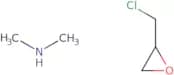
CAS :<p>Please enquire for more information about (4-Chlorophenyl)methanesulphonyl chloride including the price, delivery time and more detailed product information at the technical inquiry form on this page</p>Formule :C7H6Cl2O2SDegré de pureté :Min. 95%Couleur et forme :PowderMasse moléculaire :225.09 g/mol(S)-(+)-Epichlorohydrin
CAS :<p>(S)-(+)-Epichlorohydrin is a chlorohydrin that is used as an industrial chemical. It can be synthesized by reacting benzyl chloride with sodium hydroxide in the presence of water. The reaction mechanism for this process involves nucleophilic addition of the chlorine atom to the carbonyl group, followed by protonation and elimination of hydrogen chloride. The stereoselective synthesis of (S)-(+)-epichlorohydrin is based on asymmetric induction by enantiomers of the reactant. This product has been shown to have a constant pressure kinetic study at 0.1 M in acetonitrile and 0.2 M in dichloromethane with a turnover number of 1.4 × 10 mol/L/s, which is comparable to other synthetic methods for epichlorohydrin. Pharmacokinetic data for this product has been shown to show good bioavailability in rats, with a half-life of 0.</p>Formule :C3H5ClODegré de pureté :Min. 95%Couleur et forme :Colorless PowderMasse moléculaire :92.52 g/molMethyl 3-(2,2-dichlorovinyl)-2,2-dimethylcyclopropanecarboxylate
CAS :<p>Methyl 3-(2,2-dichlorovinyl)-2,2-dimethylcyclopropanecarboxylate is a pyrethroid insecticide. It is formulated as an emulsifiable concentrate and applied to the soil surface or injected into the root zone of plants. This insecticide is also used in combination with other pesticides to provide broad spectrum control of insect pests. Methyl 3-(2,2-dichlorovinyl)-2,2-dimethylcyclopropanecarboxylate is chemically synthesized from 2,3-dihydro-1,3-benzodioxole and chloroacetic acid. The mechanism of action for this pesticide is not well understood but may be due to its ability to inhibit hydrolase enzymes. This product also has a low toxicity on mammals and birds that are exposed orally or through inhalation at high concentrations.</p>Formule :C9H12Cl2O2Degré de pureté :Min. 95%Couleur et forme :LiquidMasse moléculaire :223.1 g/mol2,3,7,8-Tetrachlorodibenzofuran
CAS :<p>2,3,7,8-Tetrachlorodibenzofuran (2,3,7,8-TCDF) is a congener of polychlorinated dibenzo-p-dioxin. It is found in the environment as a byproduct from the manufacture of chlorophenols and pentachlorophenol. 2,3,7,8-TCDF is an endocrine disruptor that affects cell nuclei and causes oxidative stress to the liver. There are few studies on 2,3,7,8-TCDF because it is not commercially available for use in research or industry. The only study done on this chemical found that it was potent inducer of glucuronide conjugation enzymes and decreased the activity of rat liver microsomes.</p>Formule :C12H4Cl4ODegré de pureté :Min. 95%Masse moléculaire :305.97 g/mol8-Chloro-6-(2-fluorophenyl)-1-methyl-4H-imidazo[1,5-a][1,4]benzodiazepine 2,5-dioxidemidazolam 2,5-dioxide
CAS :Produit contrôléPlease enquire for more information about 8-Chloro-6-(2-fluorophenyl)-1-methyl-4H-imidazo[1,5-a][1,4]benzodiazepine 2,5-dioxidemidazolam 2,5-dioxide including the price, delivery time and more detailed product information at the technical inquiry form on this pageFormule :C18H13ClFN3O2Degré de pureté :Min. 95%Masse moléculaire :357.77 g/mol2,5-Bis(4-bromophenyl)-1,1-dimethyl-3,4-diphenylsilole
CAS :<p>Please enquire for more information about 2,5-Bis(4-bromophenyl)-1,1-dimethyl-3,4-diphenylsilole including the price, delivery time and more detailed product information at the technical inquiry form on this page</p>Formule :C30H24Br2SiDegré de pureté :Min. 95%Masse moléculaire :572.41 g/molMethscopolamine bromide
CAS :<p>Methscopolamine bromide is a leukotriene receptor antagonist that is used to treat various conditions including bowel diseases and autoimmune diseases. Methscopolamine bromide binds to muscarinic receptors and blocks the action of acetylcholine, which mediates inflammation. Methscopolamine bromide can also be used to treat congestive heart failure. This drug has significant interactions with other medications, including thermal expansion, fatty acid metabolism, or symptoms of bowel disease. The drug should not be taken by patients who have had a stroke or who have asthma. It is contraindicated in patients who are pregnant or breastfeeding.</p>Formule :C18H24BrNO4Degré de pureté :Min. 95%Couleur et forme :White PowderMasse moléculaire :398.29 g/molN-[1-(4-Fluorophenyl)propan-2-Yl]-N-methylprop-2-Yn-1-amine
CAS :Produit contrôlé<p>N-[1-(4-Fluorophenyl)propan-2-Yl]-N-methylprop-2-Yn-1-amine is a synthetic molecule that has been shown to be an inhibitor of the enzyme nitroethane reductase. This drug is also capable of inhibiting the activity of other enzymes and is being investigated for its potential use in the treatment of various types of cancer. N-[1-(4-Fluorophenyl)propan-2-Yl]-N-methylprop-2-Yn-1-amine inhibits nitroethane reductase by binding reversibly to the active site and competitively inhibiting the substrate. The potency of this drug against nitroethane reductase has been shown to be increased by alkylation.br><br>The inhibition of nitroethane reductase by N-[1-(4-fluorophenyl)propan-2-Yl]-</p>Formule :C13H16FNDegré de pureté :Min. 95%Masse moléculaire :205.27 g/mol1-(2,3-Dihydro-1H-inden-2-yl)piperazine dihydrochloride
CAS :Produit contrôlé<p>Please enquire for more information about 1-(2,3-Dihydro-1H-inden-2-yl)piperazine dihydrochloride including the price, delivery time and more detailed product information at the technical inquiry form on this page</p>Formule :C13H18N2Degré de pureté :Min. 95%Masse moléculaire :202.3 g/mol21-Amino-17-hydroxyprogesteroneHydrochloride
CAS :Produit contrôlé<p>21-Amino-17-hydroxyprogesteroneHydrochloride is a synthetic corticosteroid that is used to suppress the immune system in patients with severe allergies and those who have had an organ transplant. It binds to receptors on the surface of lymphocytes, preventing them from producing antibodies. It also inhibits the production of white blood cells by interfering with DNA synthesis and protein synthesis. 21-Amino-17-hydroxyprogesteroneHydrochloride is used to treat conditions such as sepsis, rheumatoid arthritis, lupus erythematosus, and myasthenia gravis. The medication is administered by injection into muscle or vein.</p>Formule :C21H32ClNO3Degré de pureté :Min. 95%Masse moléculaire :381.94 g/mol2-Amino-5-bromo-N-cyclohexyl-N-methylbenzylamine dihydrochloride
CAS :<p>Please enquire for more information about 2-Amino-5-bromo-N-cyclohexyl-N-methylbenzylamine dihydrochloride including the price, delivery time and more detailed product information at the technical inquiry form on this page</p>Formule :C14H23BrCl2N2Degré de pureté :Min. 95%Couleur et forme :PowderMasse moléculaire :370.16 g/mol3-Fluoro-4-(tributylstannyl)pyridine
CAS :Produit contrôlé<p>3-Fluoro-4-(tributylstannyl)pyridine is a high affinity, selective, and membrane permeable ligand of the A2B adenosine receptor. It has been shown to be a potent antagonist of A2B receptors in vitro. This compound has also been shown to have a lower affinity for A1, A3, and A4 receptors. 3-Fluoro-4-(tributylstannyl)pyridine has been shown to have high brain uptake in vivo studies. 3-Fluoro-4-(tributylstannyl)pyridine binds to the x-ray structure of the adenosine receptor with high affinity and penetrability. The binding site is proposed to be located on the extracellular side of the receptor near the interface with the second transmembrane domain. In vivo studies have shown that 3-fluoro-4-(tributylstannyl)p</p>Formule :C17H30FNSnDegré de pureté :Min. 95%Masse moléculaire :386.14 g/mol(5-bromo-2-fluorophenyl)boronic Acid
CAS :<p>5-Bromo-2-fluorophenyl)boronic acid is a synthetic chemical that is used in the synthesis of pharmaceuticals and pesticides. This compound is an inhibitor of bace1, which is an enzyme involved in the production of amyloid beta peptide (Aβ) and other proteins implicated in Alzheimer's disease. 5-Bromo-2-fluorophenyl)boronic acid has been shown to be effective at reducing Aβ levels in mice with Alzheimer's disease. It also inhibits pyrethroid, a pesticide that is used on crops to control insects, by binding to the active site of the enzyme. 5-Bromo-2-fluorophenyl)boronic acid has been evaluated for use as a cancer treatment, but these studies have not been completed.</p>Formule :C6H5BBrFO2Degré de pureté :Min. 95%Masse moléculaire :218.82 g/molDimethylthiocarbamoyl chloride
CAS :<p>Dimethylthiocarbamoyl chloride is an organic compound that can be used to synthesize a hydroxy derivative. Dimethylthiocarbamoyl chloride has been shown to have physiological activities in animal models, including anti-inflammatory activity and oxidative injury. It also has antioxidant properties and can reduce the production of pro-inflammatory mediators such as TNFα, IL-1β, and IL-6. Dimethylthiocarbamoyl chloride is a precursor for the synthesis of many chemical compounds, including drugs and dyes. The hydrochloride salt is commonly used in organic synthesis as a reagent for introducing the methyl group into organic molecules.</p>Formule :C3H6ClNSDegré de pureté :Min. 95%Couleur et forme :White PowderMasse moléculaire :123.61 g/mol2-Bromo-3'-hydroxyacetophenone
CAS :<p>2-Bromo-3'-hydroxyacetophenone is a molecule that has been shown to be cytotoxic and effective in inhibiting the growth of cancer cells. 2-Bromo-3'-hydroxyacetophenone inhibits the production of kynurenine, an amino acid that is used in the production of proteins, by competitively binding to the enzyme IDO1. This binding prevents the conversion of tryptophan into kynurenine, leading to cell death. The cytotoxicity of 2-bromo-3'-hydroxyacetophenone was also confirmed by testing its ability to inhibit cellular interaction with human erythrocytes (blood cells) and by measuring its effects on crystallography efficiency.</p>Formule :C8H7BrO2Degré de pureté :Min. 95%Couleur et forme :Slightly Yellow PowderMasse moléculaire :215.04 g/molN-Allyl-1-phenylcyclohexanamine hydrochloride
CAS :Produit contrôlé<p>Please enquire for more information about N-Allyl-1-phenylcyclohexanamine hydrochloride including the price, delivery time and more detailed product information at the technical inquiry form on this page</p>Formule :C15H21NDegré de pureté :Min. 95%Masse moléculaire :215.33 g/mol4-Hydroxy-N-(2-Piperidinylmethyl)-2,5-Bis(2,2,2-Trifluoroethoxy)Benzamide
CAS :<p>Please enquire for more information about 4-Hydroxy-N-(2-Piperidinylmethyl)-2,5-Bis(2,2,2-Trifluoroethoxy)Benzamide including the price, delivery time and more detailed product information at the technical inquiry form on this page</p>Formule :C17H20F6N2O4Degré de pureté :Min. 95%Masse moléculaire :430.34 g/mol(7-bromo-2H-1,3-benzodioxol-5-yl)methanol
CAS :Produit contrôlé<p>Please enquire for more information about (7-bromo-2H-1,3-benzodioxol-5-yl)methanol including the price, delivery time and more detailed product information at the technical inquiry form on this page</p>Degré de pureté :Min. 95%Masse moléculaire :231.045Tetrafluoroterephthaldehyde
CAS :<p>Tetrafluoroterephthaldehyde (TFPA) is a reactive aldehyde that can be synthesized in the laboratory by the reaction of trifluoromethanesulfonic acid with an aromatic hydrocarbon or ester compound. TFPA has been used to study the synthesis of supramolecular assemblies and supramolecular chemistry. The radiation-induced formation of TFPA is a useful method for the synthesis of polymers, and the thermal expansion of TFPA is high enough to be used as a thermometer. TFPA has shown chemical stability in both acidic and alkaline media, as well as resistance to radiation and oxidation. TFPA also has a high boiling point, making it useful for desolvation during gas chromatography experiments.</p>Formule :C8H2F4O2Degré de pureté :Min. 95%Couleur et forme :PowderMasse moléculaire :206.09 g/mol3-[(Dimethylamino)methyl]benzoic acid hydrochloride
CAS :<p>Please enquire for more information about 3-[(Dimethylamino)methyl]benzoic acid hydrochloride including the price, delivery time and more detailed product information at the technical inquiry form on this page</p>Formule :C10H13NO2Degré de pureté :Min. 95%Masse moléculaire :179.22 g/mol2-Bromo-4-methoxybenzaldehyde
CAS :<p>2-Bromo-4-methoxybenzaldehyde is a cyclic, stereoselectively eliminable, acrylate that can be used in the asymmetric synthesis of sulfamidate and lactam. It can also be used to synthesize quinoline derivatives with aluminium chloride. This product has been shown to yield good yields when reacted with functional groups such as halides and nature. 2-Bromo-4-methoxybenzaldehyde is found in biomolecular reactions.</p>Formule :C8H7BrO2Couleur et forme :PowderMasse moléculaire :215.04 g/molrac 1,2-dioleoyl-3-chloropropanediol
CAS :<p>Rac-1,2-dioleoyl-3-chloropropanediol is a fatty acid and can be used for the preparation of isotopically labelled fatty acids. Rac-1,2-dioleoyl-3-chloropropanediol has been used as an internal standard in the quantification of fatty acid esters in plant oils. The use of rac 1,2-dioleoyl-3-chloropropanediol was found to be appropriate for calibrating liquid chromatography with a quadrupole mass spectrometer.</p>Formule :C39H71ClO4Degré de pureté :Min. 95%Masse moléculaire :639.43 g/mol5-(4-Fluorophenyl)-3-isoxazolecarboxylic acid
CAS :<p>5-(4-Fluorophenyl)-3-isoxazolecarboxylic acid is a high quality reagent with CAS No. 33282-24-5. It is a complex compound that is useful as an intermediate for the synthesis of various fine chemicals. 5-(4-Fluorophenyl)-3-isoxazolecarboxylic acid also has a number of uses in the synthesis of speciality chemicals, research chemicals, and versatile building blocks for organic chemistry. As a reaction component, it can be used to synthesize compounds with different functional groups on their molecules.</p>Formule :C10H6FNO3Degré de pureté :Min. 95%Couleur et forme :White/Off-White SolidMasse moléculaire :207.16 g/mol(4-Bromophenyl)methanesulfonyl chloride
CAS :<p>Please enquire for more information about (4-Bromophenyl)methanesulfonyl chloride including the price, delivery time and more detailed product information at the technical inquiry form on this page</p>Formule :C7H6BrClO2SDegré de pureté :Min. 95%Masse moléculaire :269.54 g/molN-(1H-Indol-4-ylmethyl)-N-[2-(4-methoxyphenyl)ethyl]amine hydrochloride
CAS :Produit contrôléPlease enquire for more information about N-(1H-Indol-4-ylmethyl)-N-[2-(4-methoxyphenyl)ethyl]amine hydrochloride including the price, delivery time and more detailed product information at the technical inquiry form on this pageFormule :C18H20N2ODegré de pureté :Min. 95%Masse moléculaire :280.36 g/molL-Alaninol-2-chlorotrityl resin
<p>Please enquire for more information about L-Alaninol-2-chlorotrityl resin including the price, delivery time and more detailed product information at the technical inquiry form on this page</p>Degré de pureté :Min. 95%[2-(5-Fluoro-1-methyl-1H-indol-3-yl)ethyl]amine hydrochloride
CAS :Produit contrôlé<p>Please enquire for more information about [2-(5-Fluoro-1-methyl-1H-indol-3-yl)ethyl]amine hydrochloride including the price, delivery time and more detailed product information at the technical inquiry form on this page</p>Formule :C11H13FN2·HClDegré de pureté :Min. 95%Masse moléculaire :228.69 g/mol1-Butyl-3-methylimidazolium bis(trifluoromethanesulfonyl)imide
CAS :<p>1-Butyl-3-methylimidazolium bis(trifluoromethanesulfonyl)imide (BMIMTFSI) is a cationic electrolyte that is used in a variety of electrochemical applications. BMIMTFSI has been shown to be able to form hydrogen bonds with water and other hydroxyl groups. Hydrogen bonding interactions are important for the ionic conductivity of BMIMTFSI. These interactions allow the formation of an ionic solution in which the ions can conduct electricity. This property of BMIMTFSI makes it useful in electrochemical detectors, such as gas sensors and pH monitors, where it can be used to measure changes in pH or detect gases such as carbon dioxide or ammonia. The frequency shift of this material is due to its ability to undergo an acylation reaction, which is the addition of an acyl group onto a molecule. The activation energies for this process are determined by the chemical interactions between</p>Formule :C10H15F6N3O4S2Degré de pureté :Min. 98 Area-%Couleur et forme :Clear LiquidMasse moléculaire :419.37 g/mol2,4-Dibromobutyryl chloride
CAS :<p>2,4-Dibromobutyryl chloride is an enantiopure compound that can be used as a chemical building block in the synthesis of many other chemical compounds. It has been shown to have butyric acid mediated effects on diabetes and the condition of the esters. 2,4-Dibromobutyryl chloride has also been shown to have stereoselective effects on glucokinase and ketones.</p>Formule :C4H5Br2ClODegré de pureté :90%MinMasse moléculaire :264.34 g/molNonafluorohexyltrichlorosilane
CAS :<p>Nonafluorohexyltrichlorosilane is a silicon-based surfactant that can be used as a surface treatment agent. It is hydrophilic and has excellent wetting properties. Nonafluorohexyltrichlorosilane is also an effective coagulant, which makes it useful for the treatment of wastewater containing suspended solids. This agent can be used to coat surfaces with silicon to make them more hydrophobic, making it useful in the production of photoreceptors, emulsions, and immobilized cell culture. The chemical structure of Nonafluorohexyltrichlorosilane allows it to be easily synthesized by the reaction between chlorosilanes and alcohols.</p>Formule :C6H4Cl3F9SiDegré de pureté :Min. 95%Couleur et forme :Clear LiquidMasse moléculaire :381.53 g/molPhenylselenenyl chloride
CAS :<p>Phenylselenenyl chloride is an organoselenium compound with the chemical formula CHSeCl. It has been shown to have a low redox potential, which makes it a good candidate for use in organic synthesis. Phenylselenenyl chloride is used as a catalyst in palladium-catalyzed coupling reactions and has been shown to be effective in the synthesis of epoxy hydroxy compounds. The x-ray crystal structures of phenylselenenyl chloride have been determined, revealing that the molecule contains steric interactions between the chloride and hydroxyl groups. This discovery explains why phenylselenenyl chloride is so selective for these two groups and may lead to improved synthetic methods for this molecule.</p>Formule :C6H5ClSeDegré de pureté :Min. 95%Couleur et forme :PowderMasse moléculaire :191.52 g/mol4-Chloro-2-hydroxypyridine
CAS :<p>4-Chloro-2-hydroxypyridine is a chemical substance that has been shown to inhibit the replication of viruses in cell culture. It has demonstrated antiobesity effects in animal studies, but its mechanism is not well understood. This substance may be a thioxanthone derivative, which are heterocyclic compounds containing oxygen and sulfur. 4-Chloro-2-hydroxypyridine can crosslink DNA and form adducts with deoxyribose sugars. It also has affinity for sequences containing pyridones and imidazopyridines.</p>Formule :C5H4ClNODegré de pureté :Min. 95%Masse moléculaire :129.54 g/molCobalt chloride hexahydrate
CAS :<p>Cobalt chloride is the inorganic compound with the chemical formula CoCl2.6H2O. It is a salt of cobalt in the form of a hexahydrate, which means that it contains six water molecules per molecule of cobalt. Cobalt chloride can be used as a chelate ligand to bind metal ions and prevent them from reacting with other substances. In this way, it can be used in wastewater treatment to remove heavy metals such as copper and zinc, or to remove nitrogen from waste water. The cobalt ion binds reversibly to two oxygen atoms on each molecule of hydrogen peroxide, forming HCoO3HO. This process converts one mole of hydrogen peroxide into one mole of water vapor and one mole of oxygen gas. It also catalyzes reactions involving organic compounds containing ammonia, such as ammonium salts or urea-ammonia solutions - reactions that are used for industrial purposes or for agricultural fertilizers. Cobalt chloride hexahydrate has</p>Formule :Cl2Co•(H2O)6Degré de pureté :Min. 95%Masse moléculaire :237.93 g/mol1,5-Bis(4-allyldimethylammoniumphenyl)pentan-3-one, dibromide
CAS :<p>1,5-Bis(4-allyldimethylammoniumphenyl)pentan-3-one, dibromide is a reversible inhibitor of acetylcholinesterase. It has been shown to inhibit the enzyme activity in vitro and in vivo. 1,5-Bis(4-allyldimethylammoniumphenyl)pentan-3-one, dibromide has been shown to be an effective inhibitor of nicotinic acetylcholine receptors in model organisms such as Xenopus oocytes and Acetylcholine esterase activated rat pheochromocytoma cells. The molecule also inhibits the phosphorylation of pnitrophenyl phosphate by choline kinase. This inhibiting effect on choline kinase leads to a decrease in the concentration of choline available for neurotransmitter synthesis. Monoclonal antibodies against acetylcholinesterase are used to detect this</p>Formule :C27H38Br2N2ODegré de pureté :Min. 95%Masse moléculaire :566.41 g/mol3-(6-Chloro-1-isopropyl-1H-benzimidazol-2-yl)propanoic acid
CAS :Produit contrôlé<p>Please enquire for more information about 3-(6-Chloro-1-isopropyl-1H-benzimidazol-2-yl)propanoic acid including the price, delivery time and more detailed product information at the technical inquiry form on this page</p>Formule :C13H15ClN2O2Degré de pureté :Min. 95%Masse moléculaire :266.72 g/mol5-Oxo Rosuvastatin
CAS :<p>5-Oxo Rosuvastatin is a drug product that has been synthesized from natural ingredients. It is an analytical standard for the impurity, 5-oxo-rosuvastatin, which is a potential impurity in the API, rosuvastatin. This drug product has been custom synthesized in order to provide an Impurity Standard for HPLC. This drug product is also used as a Synthetic Reference Standard for Drug Development and Research and Development.</p>Formule :C22H26FN3O6SDegré de pureté :Min. 95%Couleur et forme :Off-White To Light (Or Pale) Yellow To Dark Yellow SolidMasse moléculaire :479.52 g/molPhenyl trifluoromethylsulfide
CAS :<p>Phenyl trifluoromethylsulfide is a diazonium salt that reacts with serine proteases to form reactive functional groups, resulting in the formation of reaction products. The chlorine atom in phenyl trifluoromethylsulfide reacts with hydroxide ions, forming a chloroformate anion. This anion then reacts with nucleophilic amino acids such as lysine and arginine in the protease. This nucleophilic attack induces inflammation in inflammatory diseases such as asthma and arthritis. Phenyl trifluoromethylsulfide has been shown to be effective against ns3 protease found in plasma mass spectrometry samples of patients with chronic respiratory disease (COPD).</p>Formule :C7H5F3SDegré de pureté :Min. 95%Couleur et forme :Clear LiquidMasse moléculaire :178.18 g/molalpha-(1,1,2,2,2-Pentafluoroethyl)-omega-[Tetrafluoro(Trifluoromethyl)Ethoxy]-Poly[Oxy[Trifluoro(Trifluoromethyl)-1,2-Ethanediyl]] - Average MW 2000
CAS :Produit contrôlé<p>Alpha-(1,1,2,2,2-Pentafluoroethyl)-omega-[Tetrafluoro(Trifluoromethyl)Ethoxy]-Poly[Oxy[Trifluoro(Trifluoromethyl)-1,2-Ethanediyl]] - Average MW 2000 (FTFEPA) is a fluorinated compound that is a monofluorophosphate. It is used as an electrolyte in nonaqueous systems. FTFEPA has been shown to be effective in reducing the corrosion of metals such as magnesium and aluminum.</p>Formule :(C3F6O)n•C5F12ODegré de pureté :Min. 95%5-(2-Chlorophenyl)-2-oxo-2,3-dihydro-1H-1,4-benzodiazepine
CAS :Produit contrôlé<p>Phenazepam is a benzodiazepine with hypnotic and anxiolytic properties. It is used in the treatment of anxiety disorders, insomnia, and muscle spasms. Phenazepam has a higher potency than other benzodiazepines, but it has a shorter half-life and duration of action. The synthesis of phenazepam involves the reaction of 5-(2-chlorophenyl)-1,3-dihydro-2H-1,4-benzodiazepin-2-one with 4-(aminosulfonyl)piperidine. This substance is a crystalline solid that has an anxiolytic effect by increasing the activity of GABA receptors in the brain.</p>Formule :C15H11ClN2ODegré de pureté :Min. 95%Masse moléculaire :270.71 g/mol(4-Chloro-3-(methoxycarbonyl)phenyl)boronic acid
CAS :<p>Please enquire for more information about (4-Chloro-3-(methoxycarbonyl)phenyl)boronic acid including the price, delivery time and more detailed product information at the technical inquiry form on this page</p>Formule :C8H8BClO4Degré de pureté :Min. 95%Masse moléculaire :214.41 g/mol3-Chloro-4-cyanophenylboronic acid
CAS :Produit contrôlé<p>Please enquire for more information about 3-Chloro-4-cyanophenylboronic acid including the price, delivery time and more detailed product information at the technical inquiry form on this page</p>Formule :C7H5BClNO2Degré de pureté :Min. 95%Masse moléculaire :181.38 g/mol3,5-Bis(trifluoromethyl)pyrazole
CAS :3,5-Bis(trifluoromethyl)pyrazole is a pyrazole derivative that can be used in coordination chemistry. It has been shown to act as a ligand for the copper oxide ion channel. The binding of 3,5-bis(trifluoromethyl)pyrazole to the copper oxide ion channel leads to an increase in the amount of Ca2+ ions that enter the cell. This compound has also been shown to inhibit the activity of x-ray crystal structures and cation channels with nanomolar concentrations. These properties make 3,5-bis(trifluoromethyl)pyrazole an effective agent for treating various diseases like cancer, Alzheimer's disease, and epilepsy.Formule :C5H2F6N2Degré de pureté :Min. 95%Masse moléculaire :204.07 g/mol3-Aminobenzotrifluoride
CAS :<p>3-Aminobenzotrifluoride is a chemical substance that can be used as an intermediate in the synthesis of pharmaceuticals. It is an aryl halide and has been shown to react with hydrogen fluoride, hydrochloric acid, nitrous acid, and trifluoroacetic acid to produce 3-aminobenzotrifluoride derivatives. This product is not readily bioavailable due to its low solubility in water and high lipophilicity. The preparation of 3-aminobenzotrifluoride requires a sample preparation step such as diazonium salt or diphenyl ether. Magnetic resonance spectroscopy has been used to identify the chemical structures of 3-aminobenzotrifluoride derivatives.</p>Formule :C7H6F3NDegré de pureté :Min. 95%Couleur et forme :Colorless Clear LiquidMasse moléculaire :161.12 g/mol6-Chloro-3,4-dihydro-3-(a-methylbenzyl)-2H-1,2,4-benzothiadiazine-7-sulfonamide 1,1-dioxide
CAS :<p>6-Chloro-3,4-dihydro-3-(a-methylbenzyl)-2H-1,2,4-benzothiadiazine-7-sulfonamide 1,1-dioxide is an active metabolite of the drug benzbromarone. It is primarily administered as a diuretic to treat high blood pressure and congestive heart failure. The pharmacodynamics of this drug are related to its ability to inhibit the activity of sodium channels in vascular smooth muscle cells and thereby reduce the force of contraction and relax the vessel wall. 6CBDMTD has shown an increase in glomerular filtration rate in patients with congestive heart failure. This drug also decreases the plasma concentration of fatty acids by inhibiting the formation of lipoprotein particles. 6CBDMTD has been shown to be effective at lowering diastolic and systolic blood pressure levels in patients with hypertension.</p>Formule :C15H16ClN3O4S2Degré de pureté :Min. 95%Masse moléculaire :401.89 g/mol4-chloro-5-fluoropyrimidin-2-amine
CAS :<p>Please enquire for more information about 4-chloro-5-fluoropyrimidin-2-amine including the price, delivery time and more detailed product information at the technical inquiry form on this page</p>Formule :C4H3ClFN3Degré de pureté :Min. 95%Masse moléculaire :147.54 g/molMethylbenzenethonium chloride
CAS :<p>Methylbenzenethonium chloride is an antimicrobial agent that has been shown to inhibit the growth of leishmania and other parasitic protozoa. It has a high affinity for acidic surfaces, such as those found in the human body. Methylbenzenethonium chloride adsorbs strongly to the surface of bacteria, thereby inhibiting the attachment of these organisms to mucosal surfaces and preventing their adhesion to host cells. This compound also inhibits bacterial surface-associated enzymes, including DNA gyrase and DNA topoisomerase IV. Methylbenzenethonium chloride has been shown to be active against both gram-positive and gram-negative bacteria and is considered safe for use in humans with acute toxicities below 1%.</p>Formule :C28H44CINO2Degré de pureté :Min. 95%Masse moléculaire :565.57 g/mol2-Chloro-2',4'-difluoroacetophenone
CAS :<p>2-Chloro-2',4'-difluoroacetophenone (2,4-DFAP) is an asymmetric synthesis of urea nitrogen. It has been shown to be a broad-spectrum antimicrobial, with activity against a number of fungi and bacteria. The molecular modelling of 2,4-DFAP has revealed that it has intramolecular hydrogen bonds and is a supramolecular enantiomer. Additionally, the transport properties have been studied and found to have chloride ions in the molecule. This may be responsible for its anti-fungal effects as well as its ability to inhibit the growth of cryptococcus neoformans.</p>Formule :C8H5ClF2ODegré de pureté :Min. 95%Masse moléculaire :190.57 g/molN-[3-Fluoro-4-[(methylamino)carbonyl]phenyl]-2-methylalanine
CAS :<p>Please enquire for more information about N-[3-Fluoro-4-[(methylamino)carbonyl]phenyl]-2-methylalanine including the price, delivery time and more detailed product information at the technical inquiry form on this page</p>Formule :C12H15FN2O3Degré de pureté :Min. 95%Masse moléculaire :254.26 g/mol3-Methoxy methamphetamine hydrochloride
CAS :Produit contrôlé<p>Please enquire for more information about 3-Methoxy methamphetamine hydrochloride including the price, delivery time and more detailed product information at the technical inquiry form on this page</p>Formule :C11H18ClNODegré de pureté :Min. 95%Masse moléculaire :215.72 g/mol2-Chloro-4-iodo-6-(trifluoromethyl)pyridine
CAS :<p>2-Chloro-4,6-difluoro-pyridine is an electrophilic compound that can react with nucleophiles to form covalent bonds. This reaction is known as nucleophilic substitution and it can be used in the synthesis of organic compounds. The diisopropylamide of lithium is a popular reagent for this purpose because it is inexpensive, highly reactive, and easily purified by distillation. In particular, 2-chloro-4,6-difluoro-pyridine reacts quantitatively with lithium diisopropylamide to form 4-(2-chloro-4,6-difluoro)pyrimidin-2(1H)-ones in tetrahydrofuran.</p>Formule :C6H2ClF3INDegré de pureté :Min. 95%Couleur et forme :Solid.Masse moléculaire :307.44 g/mol2,6-Dichloro benzyl bromide
CAS :<p>2,6-Dichlorobenzyl bromide is a pharmacokinetic solvent that is used to dissolve amines. It is an organic solvent that is soluble in water and slightly soluble in ethanol. 2,6-Dichlorobenzyl bromide reacts with Grignard reagents to form acyl halides. This reaction system is called the Friedel-Crafts acylation. 2,6-Dichlorobenzyl bromide can be used for the modification of molecules by alkylation or for the synthesis of neurotensin receptor antagonists or other drugs. There are genotoxic impurities that may be present in this drug, so it should not be used in pregnant women or children because it may cause birth defects or cancer.</p>Formule :C7H5BrCl2Degré de pureté :Min. 95%Masse moléculaire :239.92 g/molIodoethane-d5
CAS :Produit contrôlé<p>Iodoethane-d5 is a chromatographic reagent that is used for the determination of bond cleavage reactions. The reaction yield for bond cleavage reactions with iodoethane-d5 has been determined to be approximately 50%. Iodoethane-d5 is used in magnetic resonance spectroscopy, where it has been shown to be an effective probe for the measurement of proton and resonance mass. Iodoethane-d5 can also be used as a pharmacokinetic marker. It has been found that iodoethane-d5 is better than ethane at calculating pharmacokinetic parameters such as volume of distribution and clearance.</p>Formule :CD3CD2IDegré de pureté :Min. 95%Couleur et forme :Colourless LiquidMasse moléculaire :160.99 g/molBis(2,2,2-trifluoroethyl) ether
CAS :Bis(2,2,2-trifluoroethyl) ether is a potent inducer of monoamine neurotransmitters. It has been shown to induce the release of gamma-aminobutyric acid (GABA) from cells in culture and to have a physiological effect on GABAergic neurons. Bis(2,2,2-trifluoroethyl) ether binds to the α1 subunit of GABA receptors and increases the rate at which chloride ions enter the cell. This results in an increase in potassium ion levels outside the cell, leading to hyperpolarization and blockade of neural activity. Bis(2,2,2-trifluoroethyl) ether also inhibits locomotor activity.Formule :C4H4F6ODegré de pureté :Min. 95%Masse moléculaire :182.06 g/mol5-Bromo-2-fluoro-benzenesulfonyl chloride
CAS :<p>5-Bromo-2-fluoro-benzenesulfonyl chloride (5BFCl) is a chemical reagent used in organic synthesis. It is a chlorinating agent that gives a high yield of 5-bromo-2-fluoroaniline and chloride. 5BFCl reacts with electron rich aromatic compounds, such as anilines, to form sulfones. The reaction is highly selective for electron rich aromatic compounds and can be used to produce target products from the desired reactant.</p>Formule :C6H3BrClFO2SDegré de pureté :Min. 95%Couleur et forme :PowderMasse moléculaire :273.51 g/mol2-Bromo-6-chloropyridine
CAS :<p>2-Bromo-6-chloropyridine is a synthetic, nucleophilic bidentate ligand that is used in the synthesis of vismodegib. It inhibits the growth of cancer cells by inhibiting a pathway that regulates cell division and differentiation. 2-Bromo-6-chloropyridine can be used as a cross-coupling agent for the synthesis of other chemicals. This chemical has pharmacokinetic properties and pharmacokinetic properties and can inhibit chloride channels, which may have an inhibitory effect on cancer cells. 2-Bromo-6-chloropyridine is also an effective inhibitor of nucleophilic substitutions, which are involved in many biological processes, such as DNA replication and protein synthesis.</p>Formule :C5H3BrClNDegré de pureté :Min. 95%Masse moléculaire :192.44 g/mol1-Acetyl-3-(acetyloxy)-7-chloro-5-(2-chlorophenyl)-1,3-dihydro-2H-1,4-benzodiazepin-2-one
CAS :Produit contrôlé<p>Please enquire for more information about 1-Acetyl-3-(acetyloxy)-7-chloro-5-(2-chlorophenyl)-1,3-dihydro-2H-1,4-benzodiazepin-2-one including the price, delivery time and more detailed product information at the technical inquiry form on this page</p>Formule :C19H14Cl2N2O4Degré de pureté :Min. 95%Masse moléculaire :405.23 g/mol1,2,3,5-Tetrachlorobenzene
CAS :<p>1,2,3,5-Tetrachlorobenzene (1,2,3,5-TCB) is a chlorinated aromatic compound that inhibits the growth of bacteria. It has been used as a model system to study the inhibition of aniline-dependent enzymes by 1,2,3,5-TCB. The rate of elimination of 1,2,3,5-TCB from human and rat tissues varies with the type of tissue and the type of fatty acid present in the tissue. In addition to its effects on enzyme activity and bacterial growth rate, 1,2,3,5-TCB can also inhibit mitochondrial electron transport chain function and vitamin B12 absorption.</p>Formule :C6H2Cl4Degré de pureté :Min. 95%Masse moléculaire :215.89 g/mol1-Benzyl-2-(chloromethyl)-1H-imidazole hydrochloride
CAS :Produit contrôlé<p>Please enquire for more information about 1-Benzyl-2-(chloromethyl)-1H-imidazole hydrochloride including the price, delivery time and more detailed product information at the technical inquiry form on this page</p>Formule :C11H11ClN2Degré de pureté :Min. 95%Masse moléculaire :206.67 g/molHexadecafluoro(1,3-dimethylcyclohexane)
CAS :Produit contrôlé<p>Ternary mixtures of hexadecafluoro(1,3-dimethylcyclohexane) with fluorine and hydrogen fluoride are stable compounds. The proton is a constant, which is the only variable in the equation. The analytical method for determining the amount of hexadecafluoro(1,3-dimethylcyclohexane) in a mixture can be found in reference 1. This reference also discusses the matrix effect on this compound's stability and optical properties. Reference 2 discusses transfer reactions that are present when hexadecafluoro(1,3-dimethylcyclohexane) is heated to temperatures of 400°C or above. Reference 3 discusses how polymer films can be formed by heating hexadecafluoro(1,3-dimethylcyclohexane) with a solvent such as pentane. Reference 4 discusses how covid-19 pandemic has been shown to be effective against the H2 strain of subt</p>Formule :C8F16Degré de pureté :Min. 95%Masse moléculaire :400.06 g/molN-(p-Hydroxyphenethyl)-N-(2-bromo-5-hydroxy-4-methoxybenzyl)formamide
CAS :Produit contrôlé<p>N-(p-Hydroxyphenethyl)-N-(2-bromo-5-hydroxy-4-methoxybenzyl)formamide is an anticancer drug that belongs to the class of phenethyl derivatives. It is a radiosensitizer that inhibits DNA and RNA synthesis, leading to cancer cell death. The drug has been shown to have a chiral center and two enantiomers, with the (S)-enantiomer being more active than the (R)-enantiomer. N-(p-Hydroxyphenethyl)-N-(2-bromo-5-hydroxy-4-methoxybenzyl)formamide has been shown to be effective in animal models for brain tumors and breast cancer cells. It has also been shown to be effective against leukemia cells, which are resistant to other treatments. N-(p-Hydroxyphenethyl)-N-(2-bromo-5-hydroxy-4</p>Formule :C17H18BrNO4Degré de pureté :Min. 95%Masse moléculaire :380.23 g/mol4-Fluoro bupropion
CAS :Produit contrôlé<p>Please enquire for more information about 4-Fluoro bupropion including the price, delivery time and more detailed product information at the technical inquiry form on this page</p>Formule :C13H18FNODegré de pureté :Min. 95%Masse moléculaire :223.29 g/molBis(pyridine)iodonium tetrafluoroborate
CAS :<p>Bis(pyridine)iodonium tetrafluoroborate is a reagent that can be used to iodinate organic compounds. It is prepared by the reaction of pyridine with iodine and bromine in tetrafluoroboric acid. Bis(pyridine)iodonium tetrafluoroborate is an active compound that can be used for amino acid analysis, optical properties, and functional groups. This compound also can be used for magnetic resonance analysis, palladium-catalyzed coupling, and synthetic reactions. Bis(pyridine)iodonium tetrafluoroborate has been found to have radiation transport properties and a strong reactivity towards acids.</p>Formule :C10H10BF4IN2Degré de pureté :Min. 95%Masse moléculaire :371.91 g/molDL-threo-methylphenidate hydrochloride
CAS :Produit contrôlé<p>D-threo-methylphenidate hydrochloride (DL-threo-MPH) is an inorganic acid that has been shown to be effective in the treatment of symptoms associated with attention deficit hyperactivity disorder (ADHD) and narcolepsy. It has long-term efficacy, which means it can be taken for a long time without causing adverse effects. DL-threo-MPH is also used to treat alopecia areata, which is an autoimmune disease that causes hair loss. This drug works by increasing dopamine levels in the brain and blocking the reuptake of dopamine. DL-threo-MPH has been tested on mice and found to have pharmacokinetic properties that are similar to those of dextromethorphan, but is more potent and selective.</p>Formule :C14H20ClNO2Degré de pureté :Min. 95%Masse moléculaire :269.77 g/moltrans-Crotyl bromide
CAS :<p>Trans-crotyl bromide is a pharmaceutical preparation of the hydroxyl group. It is an allylation reagent that reacts with halides to form an organic compound with a new chemical function. Trans-crotyl bromide has been shown to inhibit the activity of inflammatory enzymes, such as kinases and proteases. This inhibition may be due to the release of reactive oxygen species from the active site or by blocking access to the active site. Trans-crotyl bromide also inhibits HIV-1 infection by interfering with viral protein synthesis, which may be due to its ability to bind to polyproteins and inhibit ribosome binding.</p>Formule :C4H7BrDegré de pureté :Min. 95%Couleur et forme :Colorless Clear LiquidMasse moléculaire :135 g/mol1-Butylpyridinium Chloride
CAS :<p>1-Butylpyridinium Chloride is an ionic liquid that is a colorless, water-soluble liquid. It has been reported to have detergent compositions and can be used as a solvent or cleaning agent. 1-Butylpyridinium chloride has been shown to have strong hydrogen bonding interactions with other molecules. It also exhibits electrochemical impedance spectroscopy, ft-ir spectroscopy, and thermal expansion properties.</p>Formule :C9H14ClNDegré de pureté :Min. 95%Masse moléculaire :171.67 g/mol4-Chloro-2,5-dimethoxynitrobenzene
CAS :Produit contrôlé<p>4-Chloro-2,5-dimethoxynitrobenzene (CDMNB) is a solvent and a synthetic intermediate. It is soluble in diethylene, solvents, and sodium formate. CDMNB can be reduced with catalytic reduction or amines to 2,5-dimethoxybenzoic acid. CDMNB has been shown to react with xylene under catalytic conditions to produce 4-chloro-3,5-dimethoxybenzoic acid. This reaction can be monitored by liquid phase chromatography or cyclic voltammetry.</p>Formule :C8H8ClNO4Degré de pureté :Min. 95%Masse moléculaire :217.61 g/molFmoc-Nd-L-ornithine hydrochloride
CAS :<p>Please enquire for more information about Fmoc-Nd-L-ornithine hydrochloride including the price, delivery time and more detailed product information at the technical inquiry form on this page</p>Formule :C20H22N2O4•HClDegré de pureté :Min. 95%Couleur et forme :PowderMasse moléculaire :390.86 g/mol3'-Chloro-biphenyl-4-carboxylic acid
CAS :<p>Please enquire for more information about 3'-Chloro-biphenyl-4-carboxylic acid including the price, delivery time and more detailed product information at the technical inquiry form on this page</p>Degré de pureté :Min. 95%Zipeprol dihydrochloride
CAS :Produit contrôlé<p>Zipeproldihydrochloride is a drug that belongs to the class of quinolones. It has been shown to have a high bioavailability in vivo, and it is rapidly absorbed through the gastrointestinal tract. Zipeproldihydrochloride has been shown to have antiviral and antibacterial properties in vitro. In vivo studies have shown that Zipeproldihydrochloride can be used for the treatment of autoimmune diseases and infectious diseases. The drug inhibits the activity of fatty acid synthase, which is an enzyme involved in synthesizing fatty acids from acetyl-CoA.</p>Formule :C23H34Cl2N2O3Degré de pureté :Min. 95%Masse moléculaire :457.43 g/mol4-(Chloromethyl)-5-methyl-1-(triphenylmethyl)-1H-imidazole
CAS :Produit contrôlé<p>Please enquire for more information about 4-(Chloromethyl)-5-methyl-1-(triphenylmethyl)-1H-imidazole including the price, delivery time and more detailed product information at the technical inquiry form on this page</p>Formule :C24H21ClN2Degré de pureté :Min. 95%Masse moléculaire :372.89 g/mol2-(5-Chloro-1H-indol-2-yl)acetic acid
CAS :Please enquire for more information about 2-(5-Chloro-1H-indol-2-yl)acetic acid including the price, delivery time and more detailed product information at the technical inquiry form on this pageFormule :C10H8CINO2Degré de pureté :Min. 95%Masse moléculaire :313.09 g/mol4-Amino-3-bromo-1-(tert-butyl)-1H-pyrazolo[3,4-d]pyrimidine
CAS :<p>4-Amino-3-bromo-1-(tert-butyl)-1H-pyrazolo[3,4-d]pyrimidine is a drug that inhibits the growth of tumour cells by binding to and inhibiting kinases. It has been shown to have a significant inhibitory effect on lung cancer cells and pyridazine derivatives in vitro. 4-Amino-3-bromo-1-(tert-butyl)-1H-pyrazolo[3,4-d]pyrimidine has been shown to be effective against lung cancer cells in vivo. This drug may be useful for the treatment of cancer.</p>Formule :C9H12BrN5Degré de pureté :Min. 95%Masse moléculaire :270.13 g/mol2,5-Dibromo-3-methylthiophene
CAS :<p>2,5-Dibromo-3-methylthiophene is a small molecule that has been shown to have anti-bacterial properties. It reacts with the bacterial cell membrane, disrupting the bacteria's ability to function and causing it to die. 2,5-Dibromo-3-methylthiophene can be used as an antibacterial agent in medicine or cosmetics. The chemical structure of 2,5-dibromo-3-methylthiophene is similar to that of oxadiazole and 5H-[1]benzothiazol[5,4,-d][1,2]oxazole and it has been shown that these compounds can also be used for antibacterial purposes. The anti-bacterial activity of 2,5-dibromo-3-methylthiophene is due to its functional groups which are reactive with metal ions such as Cu(II) and Fe(III).</p>Formule :C5H4Br2SDegré de pureté :Min. 95%Masse moléculaire :255.96 g/molEthyl 4,6-dichloronicotinate
CAS :<p>Ethyl 4,6-dichloronicotinate (EDCN) is a hybrid drug that can be used as a clinical drug for the treatment of cancers. EDCN has been shown to have an antiproliferative effect in hematopoietic cells and tumor cells. It is also able to inhibit tyrosine kinase activity and cellular proliferation by inducing apoptosis. EDCN has been shown to be a potent inhibitor of cancer cell growth in vitro and in vivo, with IC50 values ranging from 1 to 10 μM. This drug is active against leukemia, lymphoma, breast cancer, prostate cancer, colorectal cancer, and other cancers that are sensitive to inhibition by tyrosine kinase inhibitors. EDCN binds reversibly to DNA with high affinity and specificity through hydrogen bonding interactions between the nucleobases on its aromatic ring system and the purine bases on dsDNA. This binding inhibits transcription by blocking access of RNA polymerase II to DNA templates</p>Formule :C8H7Cl2NO2Degré de pureté :Min. 95%Masse moléculaire :220.05 g/molACTH (2-24) (human, bovine, rat) trifluoroacetate salt
CAS :<p>Please enquire for more information about ACTH (2-24) (human, bovine, rat) trifluoroacetate salt including the price, delivery time and more detailed product information at the technical inquiry form on this page</p>Formule :C133H205N39O29SDegré de pureté :Min. 95%Masse moléculaire :2,846.36 g/mol2-Bromo-4-methylacetaphenone
CAS :<p>2-Bromo-4-methylacetophenone is a synthetic compound that inhibits bacterial growth through acetylation of the aromatic ring. It is used in the synthesis of imidazolidinones, which are a class of antibacterial drugs. 2-Bromo-4-methylacetophenone has shown inhibitory activity against MCF-7 breast carcinoma cells and mononuclear cells. It also has been synthesized from phenacyl bromide and potassium carbonate in anhydrous conditions. The crystal system for 2-bromo-4-methylacetophenone is tetragonal with space group P42/mnm.</p>Formule :C9H9BrODegré de pureté :Min. 95%Masse moléculaire :213.07 g/molMagnesium perchlorate
CAS :<p>Magnesium perchlorate is a magnesium salt of perchloric acid. It is a metal chelate that has been reported to be used for detecting water vapor in the atmosphere, and as an electrolyte in electrochemical impedance spectroscopy. Magnesium perchlorate has also been used as a catalyst in chemical reactions. It has a redox potential of -2.8 V and can be used as an oxidizing agent at lower temperatures. In addition, it is sensitive to hydrogen bonding with amines, which can be used for detection purposes.</p>Formule :Cl2MgO8Degré de pureté :Min. 95%Masse moléculaire :223.21 g/molMethyl 2-amino-4,6-dichloropyridine-3-carboxylate
CAS :<p>Please enquire for more information about Methyl 2-amino-4,6-dichloropyridine-3-carboxylate including the price, delivery time and more detailed product information at the technical inquiry form on this page</p>Formule :C7H6Cl2N2O2Degré de pureté :Min. 95%Masse moléculaire :221.04 g/molMebeverine Hydrochloride
CAS :Produit contrôlé<p>Mebeverine hydrochloride is a drug that is used to treat bowel disease. It inhibits the contractions of the intestinal tract, which can help relieve symptoms of constipation, diarrhea, and bloating. Mebeverine hydrochloride may also be used in combination with other drugs to treat chronic inflammatory bowel disease. The drug interacts with protocatechuic acid and crystalline cellulose in an adsorption isotherm study. This interaction has been shown to have a significant effect on the polymerase chain reaction (PCR) control analysis of bacterial DNA samples. Mebeverine hydrochloride can cause side effects such as nausea, vomiting, headache, dizziness, or dry mouth. These side effects are more likely when taken with methyl ethyl alcohol or mebeverine. These side effects are also more likely in patients who have liver dysfunction or have a history of an allergic reaction to this drug.</p>Formule :C25H36ClNO5Degré de pureté :Min. 95%Couleur et forme :White PowderMasse moléculaire :466.01 g/mol5-Bromo-N1-methylbenzene-1,2-diamine
CAS :<p>Please enquire for more information about 5-Bromo-N1-methylbenzene-1,2-diamine including the price, delivery time and more detailed product information at the technical inquiry form on this page</p>Formule :C7H9BrN2Degré de pureté :Min. 95%Masse moléculaire :201.06 g/mol2-Hydroxy-4-(trifluoromethyl)benzaldehyde
CAS :<p>2-Hydroxy-4-(trifluoromethyl)benzaldehyde is an analgesic and anti-inflammatory agent that belongs to the pyrazole family. It has shown analgesic and anti-inflammatory effects in animal studies. 2-Hydroxy-4-(trifluoromethyl)benzaldehyde has been shown to be a potent inhibitor of cyclooxygenase (COX), which is responsible for prostaglandin synthesis, and as such, may have potential as a treatment for inflammatory conditions such as rheumatoid arthritis. This drug also inhibits the production of nitric oxide, which is involved in vasodilation and increased blood flow. 2-Hydroxy-4-(trifluoromethyl)benzaldehyde has been demonstrated to inhibit COX enzymes by forming a covalent bond with active site serine residues on the enzyme. The docked complex shows hydrogen bonding interactions between the hydroxyl group of 2</p>Formule :C8H5F3O2Degré de pureté :Min. 95%Masse moléculaire :190.12 g/mol4-Methyl(pentafluorosulfanyl)benzene
CAS :<p>4-Methyl(pentafluorosulfanyl)benzene is a nitro-containing organic compound that can be synthesized by reacting bromoacetic acid with methylmagnesium chloride. This compound is an experimental intermediate in the synthesis of indazole and its analogs. The synthesis of 4-methyl(pentafluorosulfanyl)benzene has been used as a methodology to study the reactions of heterocyclic systems, as well as for the development of new biomolecules.</p>Formule :C7H7F5SDegré de pureté :Min. 95%Couleur et forme :Clear LiquidMasse moléculaire :218.19 g/mol2-(2-Propyl-1H-benzimidazol-1-yl)butanoic acid hydrochloride
CAS :Produit contrôlé<p>Please enquire for more information about 2-(2-Propyl-1H-benzimidazol-1-yl)butanoic acid hydrochloride including the price, delivery time and more detailed product information at the technical inquiry form on this page</p>Formule :C14H18N2O2Degré de pureté :Min. 95%Masse moléculaire :246.31 g/mol2-Chloro-3-iodopyridine
CAS :<p>2-Chloro-3-iodopyridine is an efficient method for the synthesis of various 2-chloro-3-iodopyridines. The reaction is catalyzed by triphosgene, a reagent that is also used in the synthesis of other important heterocycles. In this process, triphosgene reacts with a broad range of primary amines to form chloronitroso derivatives. These compounds are then used to synthesize 2-chloro-3-iodopyridines by reaction with pyridine. The reaction can be run at temperatures as low as -78°C, which has led to its use in bladder cancer research and some other reactions involving aminations or furopyridines.</p>Formule :C5H3ClINDegré de pureté :Min. 95%Masse moléculaire :239.44 g/molTrichloro(1H,1H,2H,2H-heptadecafluorodecyl)silane
CAS :Produit contrôlé<p>Trichloro(1H,1H,2H,2H-heptadecafluorodecyl)silane is a chemical substance that belongs to the group of synthetic substances. It has been shown to have antiviral properties in clinical studies. Trichloro(1H,1H,2H,2H-heptadecafluorodecyl)silane is used to synthesize thymidylate by a two-step process. The first step involves the hydrolysis of sodium hydroxide solution in the presence of hydroxide solution and chemical substances. The second step involves the reaction of synthase enzyme with waveform and water vapor to produce monolayer. This product also has antiviral activity against human pathogens such as HIV and herpes simplex virus type 1 (HSV-1).</p>Formule :C10H4Cl3F17SiDegré de pureté :Min. 95%Couleur et forme :Clear LiquidMasse moléculaire :581.56 g/mol4-Chlorotoluene
CAS :<p>4-Chlorotoluene is a chemical substance that belongs to the class of p-hydroxybenzoic acid (PAH) and can be found in wastewater treatment. It can be synthesized by reacting hydrogen chloride with 4-chlorophenol. The reaction mechanism is based on the formation of reactive sites at nitrogen atoms, which are activated by kinetic energy in the form of hydrogen bonds. The reaction solution is then cooled to room temperature and mixed with an extraction solvent. This process is followed by a fluorescence detector, which measures the amount of PAHs in the solution.</p>Formule :C7H7ClDegré de pureté :Min. 95%Masse moléculaire :126.58 g/mol3-Chloro-4-methylaniline
CAS :<p>3-Chloro-4-methylaniline is a chemical compound with a chlorinated aromatic ring. It is a metabolite of the herbicide atrazine, which has been found to produce toxic effects in humans and animals. 3-Chloro-4-methylaniline has been shown to disrupt energy metabolism in mammalian cells through its interaction with mitochondrial respiratory chain complexes I and II. This compound has also been found to cause tubule cell death in the kidneys of rats, as well as liver lesions in mice.</p>Formule :C7H8ClNDegré de pureté :Min. 95%Masse moléculaire :141.60 g/mol3-Bromo-4-oxo-piperidine-1-carboxylic acid ethyl ester
CAS :3-Bromo-4-oxo-piperidine-1-carboxylic acid ethyl ester is a monoclinic crystal of the salt of 3-bromo-4-oxo-piperidine and 1,2-ethanediol. It is used as an intermediate in the synthesis of cisapride, a medication that regulates gastrointestinal motility. 3BOCEP has been shown to hydrolyze in the stomach with a rate constant of 2 x 10 M s. The bromination product is cisapride, which has been shown to regulate gastrointestinal motility by stimulating GI smooth muscle contractions.Formule :C8H12BrNO3Degré de pureté :Min. 95%Masse moléculaire :250.09 g/mol3-Chloro-4-methoxyphenylboronic acid
CAS :<p>Please enquire for more information about 3-Chloro-4-methoxyphenylboronic acid including the price, delivery time and more detailed product information at the technical inquiry form on this page</p>Formule :C7H8BClO3Degré de pureté :Min. 95%Masse moléculaire :186.4 g/molLithium 1,1,2,2,3,3-Hexafluoropropane-1,3-disulfonimide
CAS :<p>Lithium 1,1,2,2,3,3-hexafluoropropane-1,3-disulfonimide is a compound of lithium and fluorine. It is an additive that can be used in the manufacture of polymers and other materials. Lithium 1,1,2,2,3,3-hexafluoropropane-1,3-disulfonimide has been shown to act as a transition metal ion catalyst for the oxidation of fluoride to form hydrogen gas. This compound has also been shown to promote the formation of layered films made up of transition metals such as nickel oxide. Lithium 1,1,2,2,3,3-hexafluoropropane-1</p>Formule :C3F6LiNO4S2Degré de pureté :Min. 95%Masse moléculaire :299.1 g/molMethyl 2,6-dichloroisonicotinate
CAS :<p>Methyl 2,6-dichloroisonicotinate is an electron-deficient compound that can be used as a cross-coupling agent in organic synthesis. It is used as a labeling agent for metal ions and has been shown to have antibacterial activity. The antibacterial activity of methyl 2,6-dichloroisonicotinate may be due to its ability to inhibit bacterial DNA gyrase. This compound also exhibits synergistic effects with other substances such as pyridine ring and coordination geometry.</p>Formule :C7H5Cl2NO2Degré de pureté :Min. 95%Masse moléculaire :206.03 g/mol1-(4-Trifluoromethylbenzyl)piperazine
CAS :Produit contrôlé<p>Piperazine is a nitrogenous organic compound with a six-membered ring. It has been shown to be an inhibitor of some viruses, including influenza virus, herpes virus, and human immunodeficiency virus type 1 (HIV-1). Piperazine has been shown to inhibit the replication of both RNA and DNA viruses in vitro. This drug also inhibits the replication of hepatitis B virus in vitro and has been shown to have an inhibitory effect on the replication of HIV-1 in vitro. Piperazine is not active against RNA or DNA viruses that use only reverse transcriptase for viral replication. The chemical structure of piperazine is similar to that of amines, which are known to have antiviral properties. Piperazine can be synthesized from benzaldehyde and ammonia by reaction with hydrochloric acid and sodium nitrate.</p>Formule :C12H15F3N2Degré de pureté :Min. 95%Masse moléculaire :244.26 g/mol(2-Chloro-4-nitrophenyl)methanol
CAS :<p>Please enquire for more information about (2-Chloro-4-nitrophenyl)methanol including the price, delivery time and more detailed product information at the technical inquiry form on this page</p>Formule :C7H6ClNO3Degré de pureté :Min. 95%Couleur et forme :PowderMasse moléculaire :187.58 g/mol4-Iodobenzotrifluoride
CAS :<p>4-Iodobenzotrifluoride is a ligand that reacts with aluminium to form a cross-coupling reaction. 4-Iodobenzotrifluoride is used as a reagent in the synthesis of functional groups. The reaction mechanism for this process includes nucleophilic attack of the electrophilic aluminum, followed by protonation and reductive elimination. This process also occurs in nature when dimethyl fumarate is oxidized by molecular oxygen to produce 4-iodobenzotrifluoride.</p>Formule :C7H4F3IDegré de pureté :Min. 95%Masse moléculaire :272.01 g/mol2-Amino-5-chloropyridine
CAS :<p>2-Amino-5-chloropyridine is an organic compound that is a metabolite of nicotinic acid. 2-Amino-5-chloropyridine has been detected in urine samples and can be extracted from urine with hydrochloric acid. It can also be prepared by the reaction of picolinic acid and malonic acid, which are both found in the human body. The compound has been shown to have pharmacokinetic properties, including a half life of approximately 1 hour and a volume of distribution of 0.3 L/kg. 2-Amino-5-chloropyridine has also been shown to have structural analysis and binding properties with hydrogen bonding interactions. The structure was determined by X-ray crystal structures, which revealed the presence of a reactive group p2 and the absence of any other reactive groups. 2-Amino-5-chloropyridine is used as an analytical method for fluorescence detection in combination</p>Degré de pureté :Min. 95%Couleur et forme :White To Off-White SolidMasse moléculaire :128.56 g/molPoly(2-hydroxypropyldimethylammonium chloride)
CAS :Produit contrôlé<p>Poly(2-Hydroxypropyl Dimethylammonium Chloride) is a polymer that has been shown to inhibit the growth of bacteria by forming stable complexes with chloride ions. Its application include water treatment.</p>Formule :(C5H12ClNO)nDegré de pureté :Min. 95%Couleur et forme :Clear Liquid
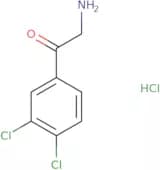

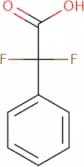
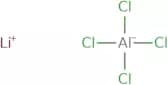
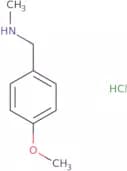
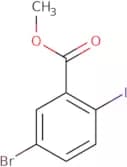
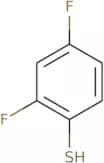
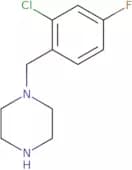

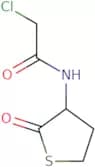

![4,7-Diazaspiro[2.5]octane dihydrochloride](/_next/image/?url=https%3A%2Fstatic.cymitquimica.com%2Fproducts%2F3D%2Fthumb-webp%2FFD141902.webp&w=3840&q=75)
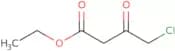
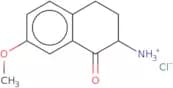
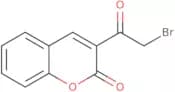
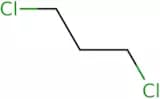
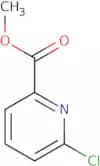
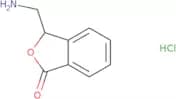
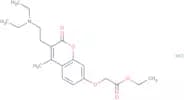
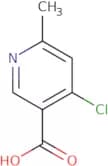
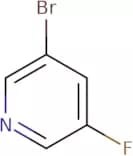

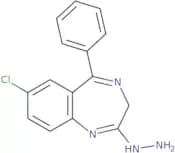
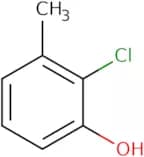
![4-Aminobicyclo[2.2.2]octan-1-ol hydrochloride](/_next/image/?url=https%3A%2Fstatic.cymitquimica.com%2Fproducts%2F3D%2Fthumb-webp%2FFA63102.webp&w=3840&q=75)
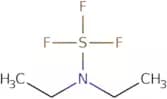

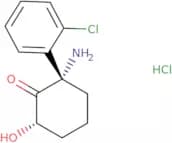
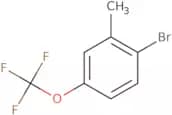

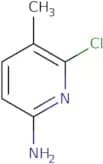
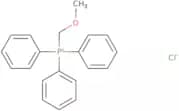
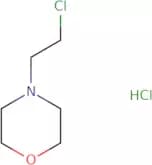

![8-Bromo-imidazo[1,2-a]pyridine](/_next/image/?url=https%3A%2Fstatic.cymitquimica.com%2Fproducts%2F3D%2Fthumb-webp%2FFB54448.webp&w=3840&q=75)
![3,6-Dichlorobenzo[b]thiophene-2-carboxylic acid](/_next/image/?url=https%3A%2Fstatic.cymitquimica.com%2Fproducts%2F3D%2Fthumb-webp%2FFD57151.webp&w=3840&q=75)

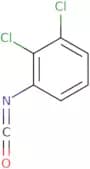
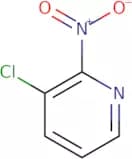
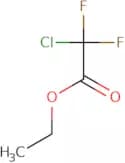
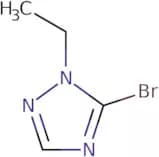
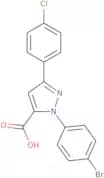
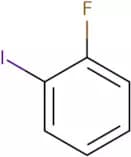

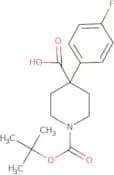
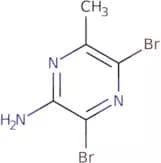

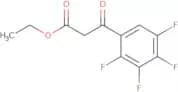
![(17R)-4-Chloro-5-ethyl-9-fluoro-11b-hydroxy-16b-methylspiro[androsta-1,4-diene-17,2(3H)-furan]-3,3…](/_next/image/?url=https%3A%2Fstatic.cymitquimica.com%2Fproducts%2F3D%2Fthumb-webp%2FFF103612.webp&w=3840&q=75)
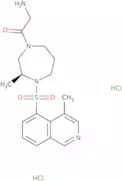
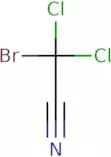

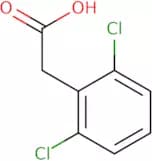
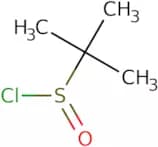
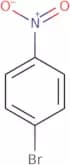
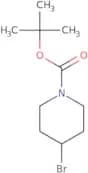
![(2S,3S)-5-[2-(Dimethylamino)ethyl]-3-hydroxy-2-(4-methoxyphenyl)-2,3-dihydro-1,5-benzothiazepin-4-…](/_next/image/?url=https%3A%2Fstatic.cymitquimica.com%2Fproducts%2F3D%2Fthumb-webp%2FFD45531.webp&w=3840&q=75)

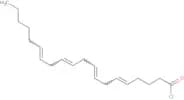
![4-[4-(Dimethylamino)-1-(4-fluorophenyl)-1-hydroxybutyl]-3-(hydroxymethyl)benzonitrile hydrobromide](/_next/image/?url=https%3A%2Fstatic.cymitquimica.com%2Fproducts%2F3D%2Fthumb-webp%2FFD102304.webp&w=3840&q=75)
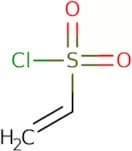
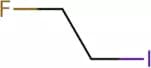
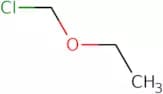

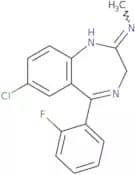
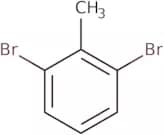

![[(6-Chloro-1-isopropyl-1H-benzimidazol-2-yl)methyl]amine dihydrochloride](/_next/image/?url=https%3A%2Fstatic.cymitquimica.com%2Fproducts%2F3D%2Fthumb-webp%2FFC135800.webp&w=3840&q=75)
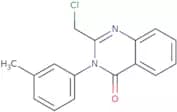
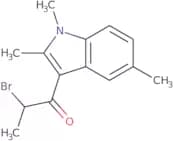
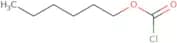
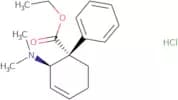
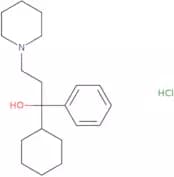

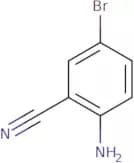
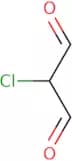
![4-[(4-Methyl-1H-pyrazol-1-yl)methyl]piperidine dihydrochloride](/_next/image/?url=https%3A%2Fstatic.cymitquimica.com%2Fproducts%2F3D%2Fthumb-webp%2FFM122832.webp&w=3840&q=75)
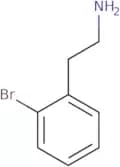
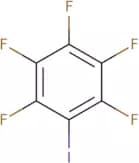
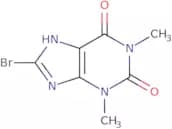
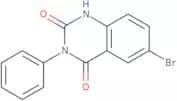

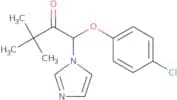
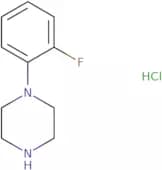
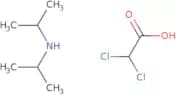
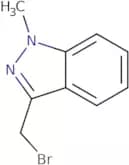

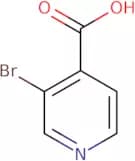
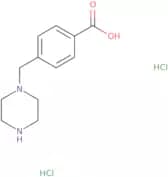
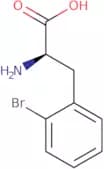


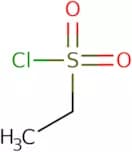
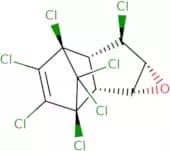
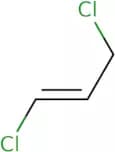
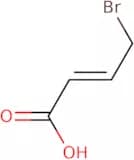

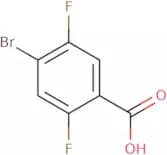
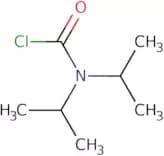
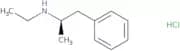
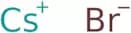
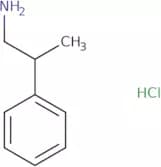
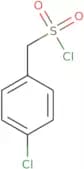

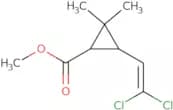
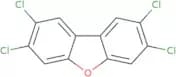
![8-Chloro-6-(2-fluorophenyl)-1-methyl-4H-imidazo[1,5-a][1,4]benzodiazepine 2,5-dioxidemidazolam 2,5…](/_next/image/?url=https%3A%2Fstatic.cymitquimica.com%2Fproducts%2F3D%2Fthumb-webp%2FFC20137.webp&w=3840&q=75)
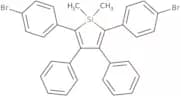
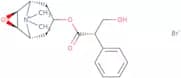
![N-[1-(4-Fluorophenyl)propan-2-Yl]-N-methylprop-2-Yn-1-amine](/_next/image/?url=https%3A%2Fstatic.cymitquimica.com%2Fproducts%2F3D%2Fthumb-webp%2FFF95966.webp&w=3840&q=75)
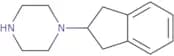
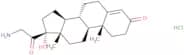
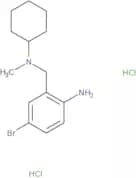

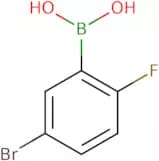
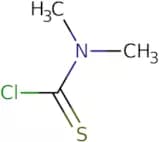
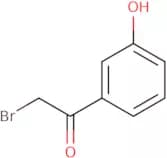
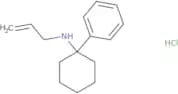

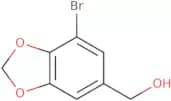
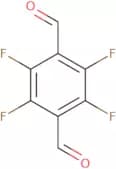
![3-[(Dimethylamino)methyl]benzoic acid hydrochloride](/_next/image/?url=https%3A%2Fstatic.cymitquimica.com%2Fproducts%2F3D%2Fthumb-webp%2FFD124093.webp&w=3840&q=75)
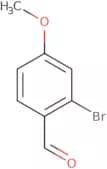


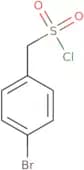
![N-(1H-Indol-4-ylmethyl)-N-[2-(4-methoxyphenyl)ethyl]amine hydrochloride](/_next/image/?url=https%3A%2Fstatic.cymitquimica.com%2Fproducts%2F3D%2Fthumb-webp%2FFI116235.webp&w=3840&q=75)

![[2-(5-Fluoro-1-methyl-1H-indol-3-yl)ethyl]amine hydrochloride](/_next/image/?url=https%3A%2Fstatic.cymitquimica.com%2Fproducts%2F3D%2Fthumb-webp%2FFF118334.webp&w=3840&q=75)

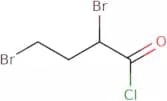
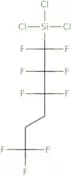
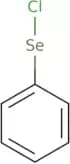
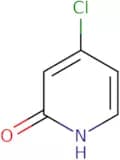

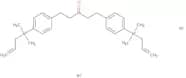

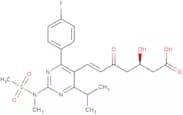
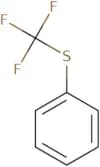
![alpha-(1,1,2,2,2-Pentafluoroethyl)-omega-[Tetrafluoro(Trifluoromethyl)Ethoxy]-Poly[Oxy[Trifluoro(T…](/_next/image/?url=https%3A%2Fstatic.cymitquimica.com%2Fproducts%2F3D%2Fthumb-webp%2FFP103632.webp&w=3840&q=75)
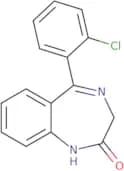
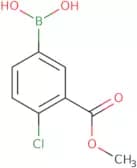
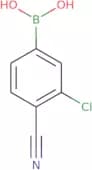
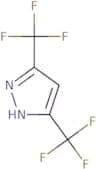
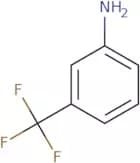
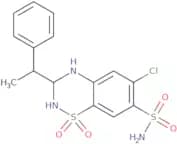
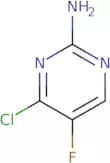
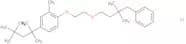
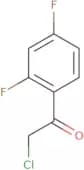
![N-[3-Fluoro-4-[(methylamino)carbonyl]phenyl]-2-methylalanine](/_next/image/?url=https%3A%2Fstatic.cymitquimica.com%2Fproducts%2F3D%2Fthumb-webp%2FFF99416.webp&w=3840&q=75)


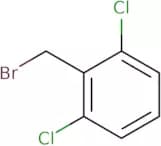

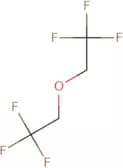
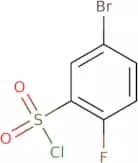

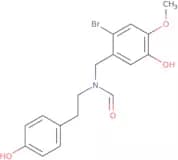
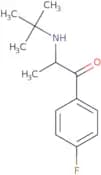
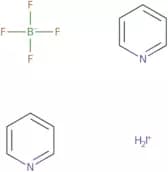
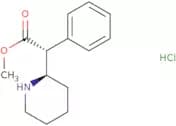
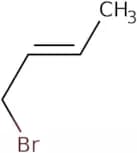



![4-Amino-3-bromo-1-(tert-butyl)-1H-pyrazolo[3,4-d]pyrimidine](/_next/image/?url=https%3A%2Fstatic.cymitquimica.com%2Fproducts%2F3D%2Fthumb-webp%2FFA168683.webp&w=3840&q=75)