


Halogénures organiques
Dans cette catégorie, vous trouverez des molécules organiques contenant un ou plusieurs atomes d'halogène dans leur structure. Ces halogénures organiques incluent des composés bromés, iodés, chlorés et des halogénures cycliques. Les halogénures organiques sont largement utilisés en synthèse organique, en pharmaceutique, en agrochimie et en science des matériaux en raison de leur réactivité et de leur capacité à subir une variété de transformations chimiques. Chez CymitQuimica, nous offrons une sélection complète d'halogénures organiques de haute qualité pour soutenir vos applications de recherche et industrielles, garantissant une performance fiable et efficace dans vos projets synthétiques et analytiques.
Sous-catégories appartenant à la catégorie "Halogénures organiques"
20437 produits trouvés pour "Halogénures organiques"
Trier par
Degré de pureté (%)
0
100
|
0
|
50
|
90
|
95
|
100
4-(Chloromethyl)-5-methyl-1-(triphenylmethyl)-1H-imidazole
CAS :Produit contrôlé<p>Please enquire for more information about 4-(Chloromethyl)-5-methyl-1-(triphenylmethyl)-1H-imidazole including the price, delivery time and more detailed product information at the technical inquiry form on this page</p>Formule :C24H21ClN2Degré de pureté :Min. 95%Masse moléculaire :372.89 g/mol3-(Piperazin-1-ylmethyl)phenol dihydrochloride
CAS :Produit contrôlé<p>Please enquire for more information about 3-(Piperazin-1-ylmethyl)phenol dihydrochloride including the price, delivery time and more detailed product information at the technical inquiry form on this page</p>Formule :C11H16N2ODegré de pureté :Min. 95%Masse moléculaire :192.26 g/molEthyl 4,6-dichloronicotinate
CAS :<p>Ethyl 4,6-dichloronicotinate (EDCN) is a hybrid drug that can be used as a clinical drug for the treatment of cancers. EDCN has been shown to have an antiproliferative effect in hematopoietic cells and tumor cells. It is also able to inhibit tyrosine kinase activity and cellular proliferation by inducing apoptosis. EDCN has been shown to be a potent inhibitor of cancer cell growth in vitro and in vivo, with IC50 values ranging from 1 to 10 μM. This drug is active against leukemia, lymphoma, breast cancer, prostate cancer, colorectal cancer, and other cancers that are sensitive to inhibition by tyrosine kinase inhibitors. EDCN binds reversibly to DNA with high affinity and specificity through hydrogen bonding interactions between the nucleobases on its aromatic ring system and the purine bases on dsDNA. This binding inhibits transcription by blocking access of RNA polymerase II to DNA templates</p>Formule :C8H7Cl2NO2Degré de pureté :Min. 95%Masse moléculaire :220.05 g/molTifluadom hydrochloride
CAS :Produit contrôlé<p>Tifluadom hydrochloride is an analogue of the drug adomol. It is a conformationally restricted derivative of 2-methyl-5,6-dihydro-2H-1,3,4-thiadiazin-4(5H)-one 1,1-dioxide that acts as a competitive inhibitor of acetylcholine esterase (AChE). The seven membered ring in this molecule has two conformations: one with the ketone on the left side and one with the methyl ketone on the left side. In its keto form, tifluadom hydrochloride is more potent than adomol because it binds to AChE more tightly. Tifluadom hydrochloride is also more soluble and less toxic than adomol.</p>Formule :C22H21ClFN3OSDegré de pureté :Min. 95%Masse moléculaire :429.94 g/mol(Trifluoromethoxy)benzene
CAS :<p>(Trifluoromethoxy)benzene is a colorless liquid that has a boiling point of 97.1°C and a flashpoint of 23°C. It is an aromatic hydrocarbon with the molecular formula C6H3(OCH2CF3) and a molecular weight of 132.2 g/mol. The compound belongs to group P2, it's soluble in water, and can be prepared by reacting trifluoroacetic acid with methyl pentanoate. (Trifluoromethoxy)benzene has antimicrobial properties, but it also causes autoimmune diseases in animals. It is used as an industrial solvent and as a reagent for the preparation of other chemicals.</p>Formule :C7H5OF3Degré de pureté :Min. 95%Masse moléculaire :162.11 g/mol2-(Fluoromethyl)-3-(2-methylphenyl)-6-nitro-3H-quinazolin-4-one
CAS :Produit contrôlé<p>Please enquire for more information about 2-(Fluoromethyl)-3-(2-methylphenyl)-6-nitro-3H-quinazolin-4-one including the price, delivery time and more detailed product information at the technical inquiry form on this page</p>Formule :C16H12FN3O3Degré de pureté :Min. 95%Masse moléculaire :313.28 g/mol1,3-Dichloropropene
CAS :<p>1,3-Dichloropropene is a fumigant that inhibits the production of malonic acid by inhibiting the enzyme malonate semialdehyde dehydrogenase. 1,3-Dichloropropene has been shown to be toxic in vitro, but not in vivo. In addition, this compound has been shown to inhibit the activity of enzymes such as quillaja saponaria and polymerase chain reaction (PCR) in vitro. 1,3-Dichloropropene has been found to cause chronic exposure and site specific toxicity in rats. Chronic exposure was associated with an increased incidence of lymphomas and leukemias. The mechanism for these effects is unknown, but may be due to damage to DNA or inhibition of RNA synthesis.</p>Formule :C3H4Cl2Degré de pureté :Min. 95%Couleur et forme :Clear Colourless To Yellow To Dark Brown LiquidMasse moléculaire :110.97 g/molFmoc-Nd-L-ornithine hydrochloride
CAS :<p>Please enquire for more information about Fmoc-Nd-L-ornithine hydrochloride including the price, delivery time and more detailed product information at the technical inquiry form on this page</p>Formule :C20H22N2O4•HClDegré de pureté :Min. 95%Couleur et forme :PowderMasse moléculaire :390.86 g/mol2-Bromo-4-methylacetaphenone
CAS :<p>2-Bromo-4-methylacetophenone is a synthetic compound that inhibits bacterial growth through acetylation of the aromatic ring. It is used in the synthesis of imidazolidinones, which are a class of antibacterial drugs. 2-Bromo-4-methylacetophenone has shown inhibitory activity against MCF-7 breast carcinoma cells and mononuclear cells. It also has been synthesized from phenacyl bromide and potassium carbonate in anhydrous conditions. The crystal system for 2-bromo-4-methylacetophenone is tetragonal with space group P42/mnm.</p>Formule :C9H9BrODegré de pureté :Min. 95%Masse moléculaire :213.07 g/mol2,3,5,6-Tetrafluorothiophenol
CAS :<p>2,3,5,6-Tetrafluorothiophenol is a backup chemical that can be used in place of the more expensive 2,4,5-trichlorophenol. It is a chemical intermediate that has been shown to react with fatty acids to form chromatographic products. FTIR spectroscopy and sample preparation techniques have been developed for this application. The light emission from FTIR spectroscopy can also be used as a means of controlling a microcontroller in telecommunications devices. A telecommunication company has successfully downloaded this information on their website. 2,3,5,6-Tetrafluorothiophenol has also been shown to inhibit the growth of Pseudomonas aeruginosa and Staphylococcus epidermidis bacteria by interfering with the synthesis of fatty acids and increasing the production of hydroxyl groups.END> Rifapentine is an anti-tuberculosis drug that</p>Formule :C6H2F4SDegré de pureté :Min. 95%Couleur et forme :Clear LiquidMasse moléculaire :182.14 g/mol2-Bromopropionic acid
CAS :<p>2-Bromopropionic acid is a tetroxide used in organic synthesis. It is an intermediate in the synthesis of 2,4-dibromopropionamide and 2,4-dibromo-3-methylpentanoic acid. The reaction mechanism of this process starts with the formation of a bromine atom from bromine monoxide and hydrogen peroxide. This bromine atom reacts with the carbon to form an alkyl radical that reacts with another molecule of bromine monoxide to form an alkyl radical that is stabilized by two atoms of hydrogen (i.e., CBr). The alkyl radical then undergoes a nucleophilic attack on iodobenzene to form an iodoalkane intermediate. This intermediate reacts with acetic acid to form the desired product, acetyl chloride. This reaction also produces iodoacetic acid as a byproduct.</p>Formule :C3H5BrO2Degré de pureté :Min. 95%Masse moléculaire :152.97 g/molMethyl 3-(2,2-dichlorovinyl)-2,2-dimethylcyclopropanecarboxylate
CAS :<p>Methyl 3-(2,2-dichlorovinyl)-2,2-dimethylcyclopropanecarboxylate is a pyrethroid insecticide. It is formulated as an emulsifiable concentrate and applied to the soil surface or injected into the root zone of plants. This insecticide is also used in combination with other pesticides to provide broad spectrum control of insect pests. Methyl 3-(2,2-dichlorovinyl)-2,2-dimethylcyclopropanecarboxylate is chemically synthesized from 2,3-dihydro-1,3-benzodioxole and chloroacetic acid. The mechanism of action for this pesticide is not well understood but may be due to its ability to inhibit hydrolase enzymes. This product also has a low toxicity on mammals and birds that are exposed orally or through inhalation at high concentrations.</p>Formule :C9H12Cl2O2Degré de pureté :Min. 95%Couleur et forme :LiquidMasse moléculaire :223.1 g/molN-Chlorosuccinimide
CAS :<p>Chlorinating agents are used in the production of pharmaceutical preparations and other chemical products. They react with amines to form diazonium salts, which can then be reduced to azo compounds. N-Chlorosuccinimide is a chlorinating agent that reacts with amines to form diazonium salts. It is used primarily as an injection solution for the treatment of trichomoniasis and other sexually transmitted diseases, but it also has been used in the preparation of pharmaceutical preparations. The reaction mechanism for N-chlorosuccinimide is not well understood, but it may involve a free radical intermediate or electron transfer from the chlorine atom to the carbon atom. Diazonium salts are formed by the reaction between an amine and an acid chloride. The addition of sodium hydroxide produces the corresponding azo compound. The reaction mechanism for N-chlorosuccinimide is not well understood, but it may involve a free radical intermediate or</p>Formule :C4H4ClNO2Degré de pureté :Min. 95%Couleur et forme :White PowderMasse moléculaire :133.53 g/molN,N-Diethylaminoethyl 2,2-diphenylvalerate hydrochloride
CAS :Produit contrôlé<p>N,N-Diethylaminoethyl 2,2-diphenylvalerate hydrochloride is a depressant drug that inhibits the growth of bacteria by inhibiting fatty acid synthesis. It has been shown to inhibit group P2 enzymes that are involved in the production of fatty acids. In this way, it inhibits the formation and release of ATP, which is essential for bacterial growth. N,N-Diethylaminoethyl 2,2-diphenylvalerate hydrochloride also has inhibitory properties against bacteria that cause infectious diseases. This drug is effective against Hl-60 cells and can be used as a diagnostic tool for detection sensitivity and detection time.</p>Formule :C23H32ClNO2Degré de pureté :Min. 95%Masse moléculaire :389.96 g/mol4-(Trifluoromethyl)benzyl amine
CAS :<p>4-(Trifluoromethyl)benzyl amine is a nucleophilic reagent that is used for the asymmetric synthesis of chiral amines. The reaction mechanism involves the nucleophilic attack of the trifluoromethyl group on an electron-deficient carbon atom of a substrate, followed by elimination of hydrogen fluoride. The trifluoromethyl group also acts as a light emitter when irradiated with UV light. 4-(Trifluoromethyl)benzyl amine is able to produce carbonyl groups through irreversible oxidation and has been shown to inhibit cancer cell proliferation in vitro and in vivo. This compound can be found as white crystals and has a polymorphic nature.</p>Formule :C8H8F3NDegré de pureté :Min. 95%Couleur et forme :PowderMasse moléculaire :175.15 g/mol4-Chloro-3-(trifluoromethyl)phenyl isocyanate
CAS :<p>4-Chloro-3-(trifluoromethyl)phenyl isocyanate (4CTFPI) is a phenoxy that has significant antiproliferative activity and can be used to treat cancer. It can inhibit the growth of tumor cells by suppressing the production of growth factors and binding to the receptor for these factors, which leads to inhibition of cell division. 4CTFPI also inhibits tumor growth through its ability to induce apoptosis in cancer cells. 4CTFPI has been shown to have antitumor effects on sarcoma cells in vitro and in vivo with a low toxicity profile. This compound is not active against bacterial infections or fungi, but it does not show any carcinogenic effects.</p>Formule :C8H3ClF3NODegré de pureté :Min. 95%Couleur et forme :PowderMasse moléculaire :221.56 g/molIodophenol blue
CAS :<p>Iodophenol blue is a dye that has been used in biological research. It is used to stain DNA samples, as it binds to phosphoenolpyruvate (PEP) and sodium carbonate. Iodophenol blue can be used to differentiate tumor cells from the surrounding tissue in biopsy samples. The dye also interacts with amines, resulting in the release of bromophenols and cleavage products. Iodophenol blue can be used as a visual indicator for chemical reactions.</p>Formule :C19H10I4O5SDegré de pureté :Min. 80 Area-%Couleur et forme :PowderMasse moléculaire :857.96 g/mol2,4-Dinitrochlorobenzene
CAS :<p>2,4-Dinitrochlorobenzene is a chemical that has been shown to have an anti-allergic effect. It is used as a reagent in analytical methods for the determination of disease activity. 2,4-Dinitrochlorobenzene inhibits the production of nitric oxide (NO) and prostaglandin E2 (PGE2) by binding to reactive oxygen species (ROS). The inhibition of NO and PGE2 synthesis causes a decrease in the activation of nuclear factor kappa B (NF-κB), which leads to decreased expression of various genes that are regulated by NF-κB. 2,4-Dinitrochlorobenzene has also been shown to increase glutathione levels, which may be due to its ability to inhibit protein thiols and squamous cell carcinoma cells.</p>Formule :C6H3ClN2O4Degré de pureté :Min. 95%Couleur et forme :PowderMasse moléculaire :202.55 g/mol2-(4-Fluorophenyl)-5-[(5-iodo-2-methylphenyl)methyl]thiophene
CAS :<p>Intermediate in the synthesis of canagliflozin</p>Formule :C18H14FISDegré de pureté :Min. 95%Masse moléculaire :408.27 g/mol5-Chloro-3-phenyl-1,2,4-oxadiazole
CAS :<p>5-Chloro-3-phenyl-1,2,4-oxadiazole is a potent and selective inhibitor of fatty acid amide hydrolase (FAAH). It is also an inhibitor of the permeability glycoprotein PGP. 5-Chloro-3-phenyl-1,2,4-oxadiazole has a potent inhibitory activity against FAAH and PGP at low concentrations. This inhibition can be improved by optimization of the lead compound. 5-Chloro-3-phenyl-1,2,4-oxadiazole is orally active in rats and in humans. In animal studies it has been shown to produce dose dependent effects on blood pressure and heart rate when administered intravenously or orally.</p>Formule :C8H5ClN2ODegré de pureté :Min. 95%Masse moléculaire :180.59 g/molIodobenzene
CAS :<p>Iodobenzene is a reactive chemical that can be used as a starting material for the synthesis of other chemicals. Iodobenzene reacts with sodium carbonate to produce trifluoroacetic acid and sodium iodide. Iodobenzene can also react with hydroxyl groups in the presence of palladium-catalyzed coupling reactions to form a reactive intermediate, which is then oxidized by hydrogen peroxide to form iodine. This reaction mechanism is important in the production of pharmaceuticals, dyes, and pesticides. Iodobenzene also has antiinflammatory activity that may be due to its ability to inhibit leukocyte migration into inflamed tissue by altering the expression of inflammatory cytokines and chemokines.</p>Formule :C6H5IDegré de pureté :Min. 95%Masse moléculaire :204.01 g/mol4-Hydroxy-N-(2-Piperidinylmethyl)-2,5-Bis(2,2,2-Trifluoroethoxy)Benzamide
CAS :<p>Please enquire for more information about 4-Hydroxy-N-(2-Piperidinylmethyl)-2,5-Bis(2,2,2-Trifluoroethoxy)Benzamide including the price, delivery time and more detailed product information at the technical inquiry form on this page</p>Formule :C17H20F6N2O4Degré de pureté :Min. 95%Masse moléculaire :430.34 g/molHemokinin 1 (mouse, rat) trifluoroacetate salt
CAS :<p>Hemokinin 1 is a protein that is encoded by the NK1R gene. It has been shown to be associated with insulin resistance, inflammatory diseases, and pain control. Hemokinin 1 is also a potential treatment for viral infections such as HIV and hepatitis C. Hemokinin 1 interacts with nicotinic acetylcholine receptors (nAChRs) in the brain and blood vessels, which leads to an increase in blood pressure. This protein also interacts with hematopoietic cells, which may be responsible for its function as an antinociceptive agent. Hemokinin 1 has been implicated in autoimmune diseases such as arthritis and atrial fibrillation. This protein is expressed mainly in the brain, liver, heart, kidneys and spleen.</p>Formule :C61H100N22O15SDegré de pureté :Min. 95%Masse moléculaire :1,413.65 g/molBromocresol purple sodium salt
CAS :<p>Bromocresol purple sodium salt is a dye that emits light when it is irradiated with light of a particular wavelength. It has been used to detect amniotic fluid contamination in the laboratory and as an absorber in polymer films. Bromocresol purple sodium salt absorbs ultraviolet and visible light, which causes it to emit red light. The molecules of bromocresol purple sodium salt are long-chain triazoles, which absorb water vapor and emit infrared radiation. This property can be used to detect the presence of alkali metals. The luminescent property of bromocresol purple sodium salt can be enhanced by adding an alkali metal, such as potassium or lithium chloride, to the solution where it is dissolved.</p>Formule :C21H15Br2O5S·NaDegré de pureté :Min. 95%Masse moléculaire :562.2 g/molCicletanine hydrochloride
CAS :<p>Cicletanine hydrochloride is a drug that has been shown to be effective in the treatment of pulmonary hypertension. It is a prodrug that is converted to cicletanine, which inhibits the activity of the cytosolic calcium-calmodulin-dependent protein kinase II (CaM kinase II). Cicletanine hydrochloride has been shown to have cardiac effects in vivo and to reduce cardiac contractility. This compound has potential side effects such as metabolic disorders, gastrointestinal problems, and fetal toxicity.</p>Formule :C14H13Cl2NO2Degré de pureté :Min. 95%Couleur et forme :PowderMasse moléculaire :298.16 g/mol4-Bromo-2-fluorobenzoic acid methyl ester
CAS :<p>4-Bromo-2-fluorobenzoic acid methyl ester is a synthetic chemical that is used as a drug substance in the synthesis of pharmaceuticals. It is also a reagent for organic synthesis, specifically cross coupling reactions. 4-Bromo-2-fluorobenzoic acid methyl ester can be used to introduce an alkyl group into a molecule, which can then be used in other synthetic reactions. This chemical has been shown to inhibit prolyl hydroxylase (PHD), which is an enzyme that catalyzes the conversion of proline to hydroxyproline. 4-Bromo-2-fluorobenzoic acid methyl ester also inhibits the Bcl-2 family proteins, including bcl2, bclxl and bax, which are known to play a role in apoptosis. 4-Bromo-2-fluorobenzoic acid methyl ester</p>Formule :C8H6BrFO2Degré de pureté :Min. 95%Masse moléculaire :233.03 g/molChloromethylated polystyrene - 0.8-1.5meq/g, 100-200Mesh
CAS :<p>Chloromethylated polystyrene is a polymer that contains a hydroxyl group and a disulfide bond. It can be used to synthesize an asymmetric synthesis of the borane-tetrahydrofuran complex, which is an important reagent in organic synthesis. In this reaction, trifluoroacetic acid reacts with hydrogen fluoride to produce chloromethylated polystyrene. This product has been shown to be effective in preventing cancerous tissue growth and inhibiting infectious diseases by binding to nucleophilic sites on the cell surface.</p>Degré de pureté :Min. 95%Ethyl 7-bromoheptanoate
CAS :<p>Ethyl 7-bromoheptanoate is a hydroxamic acid that has potent cytotoxicity against cancer cells. This compound has been shown to inhibit the growth of cancer cells and induce apoptosis in vitro. Ethyl 7-bromoheptanoate also inhibits the production of the epidermal growth factor, which may explain its anti-cancer properties. It also has antioxidant properties due to its ability to scavenge free radicals and inhibit lipid peroxidation. The pharmacokinetic properties of this compound are unknown, but it is known to have a biphenyl moiety, which is commonly used as an inhibitor in chemical biology studies.</p>Formule :C9H17BrO2Degré de pureté :Min. 95%Masse moléculaire :237.13 g/mol2-Chloro-2',4'-difluoroacetophenone
CAS :<p>2-Chloro-2',4'-difluoroacetophenone (2,4-DFAP) is an asymmetric synthesis of urea nitrogen. It has been shown to be a broad-spectrum antimicrobial, with activity against a number of fungi and bacteria. The molecular modelling of 2,4-DFAP has revealed that it has intramolecular hydrogen bonds and is a supramolecular enantiomer. Additionally, the transport properties have been studied and found to have chloride ions in the molecule. This may be responsible for its anti-fungal effects as well as its ability to inhibit the growth of cryptococcus neoformans.</p>Formule :C8H5ClF2ODegré de pureté :Min. 95%Masse moléculaire :190.57 g/mol2-Bromo-1-(1,2-dimethyl-1H-indol-3-yl)propan-1-one
CAS :Produit contrôlé<p>Please enquire for more information about 2-Bromo-1-(1,2-dimethyl-1H-indol-3-yl)propan-1-one including the price, delivery time and more detailed product information at the technical inquiry form on this page</p>Formule :C13H14BrNODegré de pureté :Min. 95%Masse moléculaire :280.16 g/mol2,6-Dichloro benzyl bromide
CAS :<p>2,6-Dichlorobenzyl bromide is a pharmacokinetic solvent that is used to dissolve amines. It is an organic solvent that is soluble in water and slightly soluble in ethanol. 2,6-Dichlorobenzyl bromide reacts with Grignard reagents to form acyl halides. This reaction system is called the Friedel-Crafts acylation. 2,6-Dichlorobenzyl bromide can be used for the modification of molecules by alkylation or for the synthesis of neurotensin receptor antagonists or other drugs. There are genotoxic impurities that may be present in this drug, so it should not be used in pregnant women or children because it may cause birth defects or cancer.</p>Formule :C7H5BrCl2Degré de pureté :Min. 95%Masse moléculaire :239.92 g/molBis(2,2,2-trifluoroethyl) ether
CAS :<p>Bis(2,2,2-trifluoroethyl) ether is a potent inducer of monoamine neurotransmitters. It has been shown to induce the release of gamma-aminobutyric acid (GABA) from cells in culture and to have a physiological effect on GABAergic neurons. Bis(2,2,2-trifluoroethyl) ether binds to the α1 subunit of GABA receptors and increases the rate at which chloride ions enter the cell. This results in an increase in potassium ion levels outside the cell, leading to hyperpolarization and blockade of neural activity. Bis(2,2,2-trifluoroethyl) ether also inhibits locomotor activity.</p>Formule :C4H4F6ODegré de pureté :Min. 95%Masse moléculaire :182.06 g/molDibromochloromethane (stabilized with ethanol)
CAS :<p>Dibromochloromethane (DBCM) is a chemical that is used as a solvent and cleaning agent. It was found to be genotoxic, with the potential to cause cancer in humans. DBCM causes cardiac effects in animals, including arrhythmias and an increase in heart rate. DBCM is not volatile and has a low vapor pressure, which makes it hazardous if inhaled or ingested. DBCM can also cause renal toxicity and liver injury in rats. Dibromochloromethane has been shown to have a toxic effect on the heart, lungs, kidneys and liver when administered at high doses in animals. It has been shown to damage DNA by causing mutations or cross-linking with DNA strands.</p>Formule :CHBr2ClDegré de pureté :Min. 95%Masse moléculaire :208.28 g/mol4-Chloropyridine HCL
CAS :<p>4-Chloropyridine HCL is a regulatory chemical that can be used to inhibit the population growth of microbes. It functions as a biotransforming agent and is typically used in the production of other substances, such as pharmaceuticals and plastics. 4-Chloropyridine HCL is not readily biodegradable and has been shown to be toxic to ciliates, but it may still have some use in the treatment of certain bacterial infections. The compound's molecular descriptors include a constant value of -0.8, an isomer count of 1, and a molecular weight range between 112 and 142.</p>Formule :C5H4ClN·HClDegré de pureté :Min. 95%Masse moléculaire :150.01 g/mol4-Nitrobenzyl bromide
CAS :<p>4-Nitrobenzyl bromide is a reactive compound that reacts with the hydroxyl group of phenols to form 4-nitrophenols. It has been shown to react with congestive heart failure (CHF) patients' sera and bind to receptors on the surface of red blood cells, thereby inhibiting their ability to carry oxygen. The reaction mechanism for this process is unclear, but it is thought that it may involve a nucleophilic attack on the double bond in the phenol by a hydroxyl radical. This chemical can also be used as an analytical method for determining organic acids in natural compounds. Monoclonal antibodies are used for this purpose because they are specific for certain organic acids and thus will only react with them.</p>Formule :C7H6BrNO2Degré de pureté :Min. 95%Couleur et forme :PowderMasse moléculaire :216.03 g/mol3,4-Dichlorobenzyl mercaptan
CAS :<p>3,4-Dichlorobenzyl mercaptan is a yellow, volatile liquid that has been shown to be toxic to animals and humans. It is a sulfide compound that has been classified as an acid halide. 3,4-Dichlorobenzyl mercaptan is used as a pheromone in the sex attractant of some species of insects and moths. In addition, it can be used as a plant growth regulator or herbicide for plants such as eggplants. It has low toxicity against other plants and mammals, but high toxicity against some insects.</p>Formule :C7H6Cl2SDegré de pureté :Min. 95%Masse moléculaire :193.09 g/mol4-Chloro-2-Fluorophenyl Isocyanate
CAS :<p>Please enquire for more information about 4-Chloro-2-Fluorophenyl Isocyanate including the price, delivery time and more detailed product information at the technical inquiry form on this page</p>Formule :C7H3ClFNODegré de pureté :Min. 95%Masse moléculaire :171.56 g/molN-[4-Amino-3-(trifluoromethyl)phenyl]-2-methylpropanamide
CAS :<p>Please enquire for more information about N-[4-Amino-3-(trifluoromethyl)phenyl]-2-methylpropanamide including the price, delivery time and more detailed product information at the technical inquiry form on this page</p>Formule :C11H13F3N2ODegré de pureté :Min. 95%Masse moléculaire :246.23 g/mol(R)-Benzphetamine hydrochloride
CAS :Produit contrôlé<p>Please enquire for more information about (R)-Benzphetamine hydrochloride including the price, delivery time and more detailed product information at the technical inquiry form on this page</p>Formule :C17H22ClNDegré de pureté :Min. 95%Masse moléculaire :275.82 g/mol2-(2-Propyl-1H-benzimidazol-1-yl)butanoic acid hydrochloride
CAS :Produit contrôlé<p>Please enquire for more information about 2-(2-Propyl-1H-benzimidazol-1-yl)butanoic acid hydrochloride including the price, delivery time and more detailed product information at the technical inquiry form on this page</p>Formule :C14H18N2O2Degré de pureté :Min. 95%Masse moléculaire :246.31 g/mol4-Chloro-L-phenylalanine
CAS :<p>4-Chloro-L-phenylalanine is an amino acid that is a precursor for the synthesis of dopamine and other monoamines. It is used to investigate the mechanisms of cancer, Parkinsonism, and other diseases. 4-Chloro-L-phenylalanine has been shown to be a potent pressor in wild-type mice. This compound has also been shown to increase locomotor activity in mice. 4-Chloro-L-phenylalanine has been identified as an endophytic fungus metabolite found in plants. It reacts with sodium hydroxide solution to produce chlorophenols. The enzyme reaction solution can be used to measure the concentrations of 4-chloro-L-phenylalanine in urine samples.</p>Formule :C9H10ClNO2Degré de pureté :Min. 95%Couleur et forme :White PowderMasse moléculaire :199.63 g/molH-Arg-Gln-OH hydrochloride salt
CAS :<p>H-Arg-Gln-OH is a growth factor that has been shown to be effective in the genetic ablation of mice. This growth factor is taken up by cells via receptor activity and stimulates DNA synthesis and cell division. H-Arg-Gln-OH has been shown to be successful in the treatment of congenital heart disease. The onset latency is site specific and low energy, which means that it can be used for noninvasive treatments.</p>Formule :C11H22N6O4Degré de pureté :Min. 95%Masse moléculaire :302.33 g/molBuphedrone hydrochloride
CAS :Produit contrôlé<p>Buphedrone hydrochloride (BH) is a synthetic cathinone that belongs to the group of stimulants. It has been shown to have similar pharmacological effects as amphetamines, such as increased locomotor activity and decreased food intake. BH also has effects on the brain, including increased neuronal cell division and growth, which are mediated by its interactions with dopamine receptors. BH is structurally similar to methamphetamine and can be synthesized using the same methods. This drug has been found in products labelled as "bath salts" or "plant food."</p>Formule :C11H16ClNODegré de pureté :Min. 95%Masse moléculaire :213.7 g/mol3-Chloro-4-methylaniline
CAS :<p>3-Chloro-4-methylaniline is a chemical compound with a chlorinated aromatic ring. It is a metabolite of the herbicide atrazine, which has been found to produce toxic effects in humans and animals. 3-Chloro-4-methylaniline has been shown to disrupt energy metabolism in mammalian cells through its interaction with mitochondrial respiratory chain complexes I and II. This compound has also been found to cause tubule cell death in the kidneys of rats, as well as liver lesions in mice.</p>Formule :C7H8ClNDegré de pureté :Min. 95%Masse moléculaire :141.60 g/mol(1-Chloroisoquinolin-4-yl)boronic acid
CAS :<p>Please enquire for more information about (1-Chloroisoquinolin-4-yl)boronic acid including the price, delivery time and more detailed product information at the technical inquiry form on this page</p>Formule :C9H7BClNO2Degré de pureté :Min. 95%Masse moléculaire :207.42 g/mol2-(4-Fluoro-benzyl)pyrrolidine
CAS :Produit contrôlé<p>Please enquire for more information about 2-(4-Fluoro-benzyl)pyrrolidine including the price, delivery time and more detailed product information at the technical inquiry form on this page</p>Formule :C11H14FNDegré de pureté :Min. 95%Masse moléculaire :179.23 g/molGabapentin Hydrochloride
CAS :Produit contrôlé<p>Gabapentin is a drug that binds to the alpha2-delta subunit of voltage-gated calcium channels, which are found in the brain and peripheral nervous system. This binding prevents the influx of calcium ions into nerve cells, which prevents neurotransmitter release and blocks transmission of pain signals. Gabapentin has been shown to reduce diabetic neuropathy pain in women by inhibiting the release of substance P from sensory nerves in the bladder. The time for gabapentin to be detected in urine can range from 1 day to 2 weeks, depending on the type of test used. Gabapentin is also used for other indications such as epilepsy, postherpetic neuralgia, and bipolar disorder. Gabapentin may be administered as an acid addition salt with hydrochloric acid or trifluoroacetic acid. It is a crystalline polymorph that exhibits different properties when heated or cooled.</p>Formule :C9H17NO2·HClDegré de pureté :Min. 95%Masse moléculaire :207.7 g/mol1,2,3,4-Tetrahydronaphthalen-2-ylamine hydrochloride
CAS :Produit contrôlé<p>1,2,3,4-Tetrahydronaphthalen-2-ylamine hydrochloride (THN) is a prodrug that is converted to the active form in the gastrointestinal tract by beta-lactamases. It inhibits bacterial growth and crosslinks bacterial cell walls. THN has been shown to be effective against colitis and ulcerative colitis in animals. It also has anticancer activity, which may be due to its ability to inhibit colon cancer cells from proliferating by interfering with protein synthesis. THN also inhibits the growth of colorectal cancer cells in a dose-dependent manner.</p>Formule :C10H13N·HClDegré de pureté :Min. 95%Masse moléculaire :183.68 g/molPotassium tetrachloroplatinate(II)
CAS :<p>Potassium tetrachloroplatinate(II) is a metal chelate of potassium and platinum. It can be used as a catalyst for organic syntheses, such as hydrogenation reactions. Potassium tetrachloroplatinate(II) has a high affinity for the amide ligands in substrates, which allows it to be used for hydrogenation reactions. The reaction mechanism of this compound has been investigated by x-ray crystal structures and in vitro experiments. The reaction mechanism primarily involves the formation of an organometallic intermediate that subsequently reacts with the substrate via an addition-elimination process. This compound also emits light when heated and produces a dark red color due to its ability to absorb visible light.</p>Formule :K2PtCl4Degré de pureté :Min. 95%Couleur et forme :PowderMasse moléculaire :415.09 g/molLithium Tetrakis(pentafluorophenyl)borate - Ethyl Ether Complex
CAS :Produit contrôlé<p>Lithium tetrakis(pentafluorophenyl)borate - ethyl ether complex is a ligand that has the ability to bind to magnesium. The complex is highly soluble in organic solvents such as ethylene and ether, but not in water. It can be used to produce high yields of ethylene with magnesium as a co-catalyst. The complex binds to magnesium by forming a six-membered ring with the borate group and two oxygen atoms from the ether molecule. The crystal structure of this complex was determined using x-ray crystallography. This complex has been found naturally in plants such as spinach and beets, although it is not yet known what role it plays in these plants.</p>Degré de pureté :70%Nmr1-(4-Chlorophenyl)-3-phenyl-1H-pyrazole-5-carboxylic acid
CAS :Produit contrôlé<p>Please enquire for more information about 1-(4-Chlorophenyl)-3-phenyl-1H-pyrazole-5-carboxylic acid including the price, delivery time and more detailed product information at the technical inquiry form on this page</p>Formule :C16H11ClN2O2Degré de pureté :Min. 95%Couleur et forme :PowderMasse moléculaire :298.72 g/mol4-Bromo-1-butyne
CAS :<p>4-Bromo-1-butyne is an organic chemical compound that is used as a precursor in the synthesis of pharmaceuticals and agrochemicals. 4-Bromo-1-butyne has been shown to inhibit the growth of T-cell leukemia cells, murine leukemia cells, tuberculosis, and colorectal adenocarcinoma. In addition, 4-Bromo-1-butyne has been shown to be active against bacteria when conjugated with a variety of functional groups such as sulfonamides or amines. The synthetic route for this compound starts from styrene and bromination using NBS followed by 1,4-addition of butyne to the bromide. This process produces a mixture of cis and trans isomers which are separated by chromatography on silica gel.</p>Formule :C4H5BrDegré de pureté :Min. 95%Couleur et forme :Clear LiquidMasse moléculaire :132.99 g/molB-Chlorocatecholborane
CAS :<p>B-chlorocatecholborane is a nonpolar solvent that is used in the synthesis of drugs and other organic compounds. It reacts with trifluoromethanesulfonic acid to form a coordination complex, which can be used to synthesize pharmaceuticals. B-chlorocatecholborane can also be used for solid-phase synthesis, which offers an efficient method for chemical reactions. This reagent has been shown to react with 5-hydroxytryptamine 4 (5-ht4) receptor, which is involved in the regulation of appetite and sleep. It also reacts with 2-arachidonoylglycerol (2AG), a lipid molecule that mediates the effects of cannabis on appetite, pain and memory. The structure of this compound was determined using nuclear magnetic resonance spectroscopy and mass spectrometry. The biological properties of B-chlorocatecholborane have not yet been studied.</p>Formule :C6H4BClO2Degré de pureté :Min. 95%Couleur et forme :PowderMasse moléculaire :154.36 g/mol4-Fluoro-2-nitroaniline
CAS :<p>4-Fluoro-2-nitroaniline is an amide that is a l1210 murine carcinogen. It is also an analytical reagent for the detection of nitrogen atoms in amines and thione compounds. 4-Fluoro-2-nitroaniline has been shown to be effective against cervical cancer, but not cancerous cells, which may be due to its ability to inhibit fatty acid synthesis. The carbon disulphide reacts with the nitro group of 4-fluoro-2-nitroaniline, resulting in the formation of a thione compound.</p>Formule :C6H5FN2O2Degré de pureté :Min. 95%Couleur et forme :Orange PowderMasse moléculaire :156.11 g/mol2-(4-Methoxyphenyl)-2-(1-hydroxycyclohexyl)ethylamineHydrochloride
CAS :<p>Please enquire for more information about 2-(4-Methoxyphenyl)-2-(1-hydroxycyclohexyl)ethylamineHydrochloride including the price, delivery time and more detailed product information at the technical inquiry form on this page</p>Formule :C15H24ClNO2Degré de pureté :Min. 95%Masse moléculaire :285.81 g/mol5-Iodo-2,3-dihydro-1H-inden-2-amine hydrochloride hydrate
Produit contrôlé<p>Please enquire for more information about 5-Iodo-2,3-dihydro-1H-inden-2-amine hydrochloride hydrate including the price, delivery time and more detailed product information at the technical inquiry form on this page</p>Formule :C9H13ClINODegré de pureté :Min. 95%Masse moléculaire :313.56 g/molDL-threo-methylphenidate hydrochloride
CAS :Produit contrôlé<p>D-threo-methylphenidate hydrochloride (DL-threo-MPH) is an inorganic acid that has been shown to be effective in the treatment of symptoms associated with attention deficit hyperactivity disorder (ADHD) and narcolepsy. It has long-term efficacy, which means it can be taken for a long time without causing adverse effects. DL-threo-MPH is also used to treat alopecia areata, which is an autoimmune disease that causes hair loss. This drug works by increasing dopamine levels in the brain and blocking the reuptake of dopamine. DL-threo-MPH has been tested on mice and found to have pharmacokinetic properties that are similar to those of dextromethorphan, but is more potent and selective.</p>Formule :C14H20ClNO2Degré de pureté :Min. 95%Masse moléculaire :269.77 g/mol5-Amino-2-(trifluoromethyl)isonicotinic acid
CAS :<p>Please enquire for more information about 5-Amino-2-(trifluoromethyl)isonicotinic acid including the price, delivery time and more detailed product information at the technical inquiry form on this page</p>Formule :C7H5F3N2O2Degré de pureté :Min. 95%Masse moléculaire :206.12 g/molChlorodimethyl(3,3,4,4,5,5,6,6,7,7,8,8,8-Tridecafluorooctyl)-Silane
CAS :<p>Chlorodimethyl(3,3,4,4,5,5,6,6,7,7,8,8,8-Tridecafluorooctyl)-Silane is an organic solvent that can be used as a component in the synthesis of synaptic membranes. It has been shown to inhibit spontaneous activity in rat brain slices and exhibits high hydrophobicity. Chlorodimethyl(3,3,4,4,5,5,6,6) - Silane has been used for the patch-clamp technique on human erythrocytes and the immunostaining of proteins. This compound is also useful for the optimization of organic reactions and asymmetric synthesis.</p>Formule :C10H10ClF13SiDegré de pureté :Min. 95%Masse moléculaire :440.7 g/molCyclobutyl bromide
CAS :<p>Cyclobutyl bromide is a cyclopentyl compound that has an hydroxyl group. It is a potent inhibitor of the CB2 receptor, which is primarily expressed on cells of the immune system. Cyclobutyl bromide has been shown to inhibit the uptake of uv light and also has anti-inflammatory properties. Studies have confirmed that this drug inhibits the production of cytokines and chemokines in chronic bronchitis patients, as well as other inflammatory diseases such as rheumatoid arthritis.</p>Formule :C4H7BrDegré de pureté :Min. 95%Couleur et forme :Clear LiquidMasse moléculaire :135 g/mol[2-(1-Isopropyl-1H-benzimidazol-2-yl)ethyl]amine dihydrochloride
CAS :Produit contrôlé<p>Please enquire for more information about [2-(1-Isopropyl-1H-benzimidazol-2-yl)ethyl]amine dihydrochloride including the price, delivery time and more detailed product information at the technical inquiry form on this page</p>Formule :C12H17N3Degré de pureté :Min. 95%Masse moléculaire :203.28 g/mol6-Chloroindole-2-carboxylic acid
CAS :<p>6-Chloroindole-2-carboxylicacid is a potent inhibitor of β-lactamase enzymes. It has been shown to act as a competitive inhibitor with an affinity for the β-lactamase enzyme in the nanomolar range. 6-Chloroindole-2-carboxylicacid is also a potent compound that can be used in experiments and screening. It has been shown to bind to the β-lactamase enzyme, which inhibits its activity, leading to a decrease in fluorescence. 6-Chloroindole-2-carboxylicacid has also been shown to have an inhibitory effect on bacterial cells by inhibiting protein synthesis, DNA replication, and RNA transcription.</p>Formule :C9H6ClNO2Degré de pureté :95%NmrMasse moléculaire :195.6 g/mol4-Chloro-2-methoxy-5-methylaniline
CAS :<p>4-Chloro-2-methoxy-5-methylaniline is a dye molecule that is used in the synthesis of other molecules, such as diketene. It is also used as a solvent, coupling agent, and a dye molecule. This compound can be synthetically prepared by reacting naphthylamine with pyrazolone. The reaction requires catalytic amounts of polyvalent metal salts, such as zinc chloride or iron(III) chloride. The halogenation of 4-chloro-2-methoxy-5-methylaniline to produce 2,4,5-trichlorophenol can be achieved by diazotising the molecule with sodium nitrite and potassium dichromate. 4-Chloro-2-methoxy-5 methylaniline's substituents are methyl groups on the phenyl ring (Cl) and chlorine atoms (C1). Derivatives of this</p>Formule :C8H10ClNODegré de pureté :Min. 95%Masse moléculaire :171.62 g/mol1,3-Thiazol-4-ylacetic acid hydrochloride
CAS :<p>1,3-Thiazol-4-ylacetic acid hydrochloride is an antimicrobial agent that has been shown to be active against Gram-negative bacteria. It is an acidic compound that hydrolyzes in water to produce a carboxylic acid and an alcohol. 1,3-Thiazol-4-ylacetic acid hydrochloride has been used in pharmaceutical preparations as an antimicrobial and blood platelet aggregating agent. It also inhibits the coagulation of blood platelets and the aggregation of platelets. The mechanism for this may involve the interference with phospholipid biosynthesis or with the cytochrome P450 enzyme system involved in the metabolism of arachidonic acid into prostaglandins.</p>Formule :C5H5NO2SDegré de pureté :Min. 95%Masse moléculaire :143.16 g/mol2-Bromo-5-ethyl-1,3,4-thiadiazole
CAS :<p>Please enquire for more information about 2-Bromo-5-ethyl-1,3,4-thiadiazole including the price, delivery time and more detailed product information at the technical inquiry form on this page</p>Formule :C4H5BrN2SDegré de pureté :Min. 95%Masse moléculaire :193.07 g/mol(5-Fluoro-2-methyl-1H-inden-3-yl)acetic acid
CAS :<p>(5-Fluoro-2-methyl-1H-inden-3-yl)acetic acid (FMIAA) is a phase transfer catalyst that catalyses the condensation of alkyl esters. It can be used in the condensation of aromatic and aliphatic aldehydes in liquid phase with potassium as a reagent and organic solvent. The FMIAA is then removed by dehydrating the product, leaving it in solid form. FMIAA has been shown to be effective for the synthesis of a wide range of compounds, including pharmaceuticals such as cyclopentanone, aminomethylpiperidine, and 4-aminoquinoline.</p>Formule :C12H11FO2Degré de pureté :Min. 95%Masse moléculaire :206.21 g/mol4-Iodotoluenedifluoride
CAS :<p>4-Iodotoluenedifluoride is a molecule that can be produced by the Friedel-Crafts reaction of iodotoluene with sulfoxides. It has been shown to be a bioactive molecule and an efficient method for the stereoselective synthesis of sulfoxides. 4-Iodotoluenedifluoride is also used in the synthesis of phenoxy compounds, which have been shown to have anti-inflammatory properties. The phenoxy group can be replaced with fluorine, which increases the lipophilicity of these molecules and makes them useful for lipid lowering drugs. These molecules are also capable of inhibiting cholesterol biosynthesis and increasing density lipoprotein (HDL).</p>Formule :C7H7F2IDegré de pureté :Min. 95%Masse moléculaire :256.03 g/molDiisopropyl(bromomethyl)boronate
CAS :<p>Diisopropyl(bromomethyl)boronate is a reagent used in organic synthesis. It is an alkynyl boronic ester that reacts with alkenes to form new carbon-carbon bonds. Diisopropyl(bromomethyl)boronate can be used for the asymmetric synthesis of α,β-unsaturated carbonyl compounds and other oxidations of aldehydes and ketones. This reagent has been shown to have a high yield, solvents are not required for its preparation, and it is stable at room temperature. Diisopropyl(bromomethyl)boronate also reacts with haloalkanes and argon gas to generate organoboranes.</p>Formule :C7H16BBrO2Degré de pureté :Min. 95%Masse moléculaire :222.92 g/mol3,5-Dichloro-4-pyridinecarboxaldehyde
CAS :<p>3,5-Dichloro-4-pyridinecarboxaldehyde is a synthetic heterocycle that has been studied for its pharmacokinetic properties. The compound has the ability to bind to the active site of metalloporphyrin and inhibit the enzyme's activity. This inhibition leads to an increase in the levels of homologous aldehydes, which are oxidized by hydrogen peroxide to produce electrosprays. 3,5-Dichloro-4-pyridinecarboxaldehyde also has a number of oxidation products that have been found in experiments using purines as substrates.</p>Formule :C6H3Cl2NODegré de pureté :Min. 95%Masse moléculaire :176 g/molTrioctyltin chloride
CAS :<p>Trioctyltin chloride is a polymer that is synthesized by the reaction of two equivalents of tributyltin chloride with fatty acids. Trioctyltin chloride is reactive and can be extracted from a variety of sources using a variety of solvents. It has been used to extract chloride ions from mesenchymal stromal cells, which are cells that are involved in tissue repair. The trioctyltin chloride polymer can be used as an analytical method for 3β-hydroxysteroid dehydrogenase, which catalyzes the conversion of 3β-hydroxysteroids into 3-keto steroids. This reaction is reversible and it produces hydrogen ions as a product. The hydrogen ions cause the polymer to undergo ring-opening reactions, leading to the formation of polymeric matrixes on solid surfaces. These matrices have been used in membrane systems as well as in microextraction experiments for solid phase extraction with gas chromatography (SPE).</p>Formule :C24H51ClSnDegré de pureté :Min. 95%Masse moléculaire :493.82 g/molPyridine-3-sulfonyl chloride
CAS :<p>Pyridine-3-sulfonyl chloride is a chemical compound that binds to the active site of cytochrome P450 enzymes. It can be used to study the effects of matrix effect on reaction solution. Pyridine-3-sulfonyl chloride has been shown to have an UV absorption spectrum with a maximum at 280 nm and a p450 activity that is proportional to the concentration of human serum. This compound has been shown to inhibit kinase domain in vitro assays, which may have clinical relevance in the treatment of obesity.</p>Formule :C5H4ClNO2SDegré de pureté :Min. 95%Couleur et forme :PowderMasse moléculaire :177.61 g/mol3,5,3',5' -Tetraiodo thyromandelic acid
CAS :<p>Please enquire for more information about 3,5,3',5' -Tetraiodo thyromandelic acid including the price, delivery time and more detailed product information at the technical inquiry form on this page</p>Formule :C14H8I4O5Degré de pureté :Min. 95%Couleur et forme :PowderMasse moléculaire :763.83 g/mol1-Azaspiro[4.4]nonane hydrochloride
CAS :<p>1-Azaspiro[4.4]nonane hydrochloride is a versatile building block that is also used in research, as a reagent, and as a speciality chemical. It has been shown to be an excellent building block for complex compounds, with wide applications in the pharmaceutical industry. 1-Azaspiro[4.4]nonane hydrochloride has a CAS No. of 1417567-64-6 and can be found under the trade name Azapropynalene Hydrochloride (AP). It is soluble in water, alcohols, ethers and acetone but insoluble in most other solvents. 1-Azaspiro[4.4]nonane hydrochloride has been shown to have high quality and stability when stored under appropriate conditions; it is also resistant to degradation by light or air.</p>Formule :C8H15N•HClDegré de pureté :Min. 95%Couleur et forme :PowderMasse moléculaire :161.67 g/mol1-(2-Fluorophenyl)piperazine HCl
CAS :Produit contrôlé<p>1-(2-Fluorophenyl)piperazine HCl is a psychoactive drug that belongs to the class of piperazines. The compound has been validated for use in spectra, minimizing, and infrared spectroscopy. The compound has also been shown to be psychoactive and can be used as a screening agent for psychoactive substances. The 1-(2-fluorophenyl)piperazine molecule is approximately linear, with two amide linkages and a phenyl ring at one end. It has a calculated molecular weight of 208 g/mol and an empirical formula of C12H14FN3O.</p>Degré de pureté :Min. 95%4-(2,4-Difluorobenzoyl)piperidine hydrochloride
CAS :<p>Iloperidone is a white to off-white crystalline powder that is soluble in water and alcohol. It is used as an antipsychotic drug and belongs to the class of benzamides. Iloperidone has been shown to be effective for schizophrenia, bipolar disorder, and major depressive disorder. The chemical name for iloperidone hydrochloride is 4-(2,4-Difluorobenzoyl)piperidine hydrochloride. This drug also has a high affinity for serotonin 5-HT2A receptors in the brain, which may contribute to its therapeutic effects.</p>Formule :C12H14ClF2NODegré de pureté :Min. 95%Couleur et forme :PowderMasse moléculaire :261.7 g/mol2-Bromo-3-nitrobenzoic acid
CAS :<p>2-Bromo-3-nitrobenzoic acid is a reactive chemical used as an antibacterial agent. It inhibits the growth of staphylococcus by inhibiting the synthesis of DNA and protein, which are required for cell division. 2-Bromo-3-nitrobenzoic acid is also effective against mammalian cells, but not against bacteria that grow in a thionyl environment. The chemical reacts with chloride to form 2-bromo-3-chlorobenzoic acid, which can be converted to mercaptoacetic acid by means of reduction with sodium dithionite. Mercaptoacetic acid inhibits bacterial growth by blocking the synthesis of proteins necessary for cell division. 2-Bromo-3-nitrobenzoic acid is synthesized from bromine and nitric acid, while mercaptoacetic acid is synthesized from bromine and acetic anhydride.</p>Formule :C7H4BrNO4Degré de pureté :Min. 95%Couleur et forme :PowderMasse moléculaire :246.02 g/mol(E)-5-(2-Bromovinyl)uracil
CAS :<p>(E)-5-(2-Bromovinyl)uracil is a drug that has been shown to be effective against leukemic cells. It is a prodrug of 5-bromouracil, which is an antimetabolite and cytotoxic agent. (E)-5-(2-Bromovinyl)uracil has also been shown to be active against solid tumours, such as metastatic colorectal cancer, and bacteria. The mechanism of action involves the irreversible inhibition of the enzyme thymidylate synthase, which catalyzes the conversion of deoxyuridine monophosphate (dUMP) to thymidine monophosphate (dTMP). The drug binds to the dinucleotide phosphate pocket in the enzyme's active site and blocks access by dUMP. This leads to DNA synthesis errors, causing cell death. As a prodrug, it has low toxicity profiles and does not cause bone marrow suppression like</p>Formule :C6H5BrN2O2Degré de pureté :(¹H-Nmr) Min. 95 Area-%Couleur et forme :Off-white to pale orange solid.Masse moléculaire :217.02 g/mol2-Chloroethylamine hydrochloride
CAS :<p>2-Chloroethylamine hydrochloride is a chemical compound that has a hydroxyl group, which is an epoxide. It reacts with itself to form aziridine and amines, which are genotoxic compounds. 2-Chloroethylamine hydrochloride is used as an analytical method for the determination of the concentration of epoxides in air samples and can be produced by reacting chlorine with ethylamine. The reaction mechanism for this process is not well understood but it may involve coordination geometry and particle formation. This chemical compound can also be found in pharmaceutical drugs designed to treat cancer or heart disease.</p>Formule :C2H6ClN•HClDegré de pureté :Min. 95%Couleur et forme :PowderMasse moléculaire :115.99 g/molArachidonoyl chloride
CAS :<p>Arachidonoyl chloride is a chemical compound that belongs to the group of amides. It is used in biological studies for receptor binding and enzyme activities. Arachidonoyl chloride has been shown to inhibit insulin sensitivity by inhibiting the phosphorylation of tyrosine residues on insulin receptors, which are necessary for glucose transport into cells. The acyl chain of arachidonoyl chloride has a polyunsaturated fatty acid structure with two double bonds, which is important for its activity on the 2-arachidonoylglycerol (2-AG) pathway. The activation energy of arachidonoyl chloride is not yet known.</p>Formule :C20H31ClODegré de pureté :Min. 95%Masse moléculaire :322.91 g/mol(17R)-4-Chloro-5-ethyl-9-fluoro-11b-hydroxy-16b-methylspiro[androsta-1,4-diene-17,2(3H)-furan]-3,3-dione
CAS :<p>Clobetasol propionate is an organic acid with a chemical structure that is stable in pharmaceutical preparations. It is used to treat inflammatory skin disorders such as psoriasis and atopic dermatitis. Clobetasol propionate is an impurity of clobetasol, which has been shown to be chemically stable in preparations. The clobetasol propionate compound has been found to be more potent than other topical corticosteroids for the treatment of plaque psoriasis and atopic dermatitis.</p>Formule :C25H30ClFO4Degré de pureté :Min. 95%Masse moléculaire :448.95 g/mol3-Chloro-N-methylpropan-1-amine HCl
CAS :<p>Please enquire for more information about 3-Chloro-N-methylpropan-1-amine HCl including the price, delivery time and more detailed product information at the technical inquiry form on this page</p>Formule :C4H11Cl2NDegré de pureté :Min. 95%Masse moléculaire :144.04 g/mol2,5-Difluoropyridine
CAS :<p>2,5-Difluoropyridine is a ligand that is used in the synthesis of pharmaceuticals and other organic compounds. 2,5-Difluoropyridine is typically activated by a metal ion (e.g., palladium) to form an organometallic complex. The orientation of substituents on the difluoropyridine ring can affect its reactivity and selectivity. For example, chlorine atoms interact with the electrophilic carbon atom in the ring and orientations with electron withdrawing groups are more reactive than those with electron donating groups. 2,5-Difluoropyridine can be used as a cross-coupling reagent for Grignard reactions and nucleophilic substitution reactions. It also has been shown to inhibit human erythrocyte pyruvate kinase activity in vitro and may be useful for the treatment of diabetic complications such as neuropathy or retinopathy.</p>Formule :C5H3F2NDegré de pureté :Min. 95%Couleur et forme :Clear LiquidMasse moléculaire :115.08 g/mol4-(Methylthio)benzylchloride
CAS :<p>4-(Methylthio)benzylchloride is a molecule that belongs to the group of dendrons. It is a synthetic molecule with an acid chloride functional group. This compound has been synthesized by decarboxylation of 4-methylthiobenzaldehyde and then chlorination of the resulting alcohol. The microextraction technique was used to extract 4-(methylthio)benzylchloride from acidic solutions. In this technique, a small amount of solvent is absorbed on a solid phase and then eluted into another solvent in a laboratory instrument called the headspace. The headspace technique is used to extract 4-(methylthio)benzylchloride from acidic solutions because it has better sensitivity and selectivity than liquid-liquid extraction. The fluorescence properties of 4-(methylthio)benzylchloride allow it to be detected using luminescence spectroscopy at wavelengths between 400 nm and 700 nm, which makes it useful as</p>Formule :C8H9ClSDegré de pureté :Min. 95%Masse moléculaire :172.68 g/moltert-Butyl 4-(4-iodophenyl)tetrahydro-1(2H)-pyrazinecarboxylate
CAS :Produit contrôlé<p>Please enquire for more information about tert-Butyl 4-(4-iodophenyl)tetrahydro-1(2H)-pyrazinecarboxylate including the price, delivery time and more detailed product information at the technical inquiry form on this page</p>Formule :C15H21IN2O2Degré de pureté :Min. 95%Masse moléculaire :388.24 g/molMono[2-(perfluorooctyl)ethyl] phosphate
CAS :Produit contrôlé<p>Please enquire for more information about Mono[2-(perfluorooctyl)ethyl] phosphate including the price, delivery time and more detailed product information at the technical inquiry form on this page</p>Formule :C10H6F17O4PDegré de pureté :Min. 95%Couleur et forme :PowderMasse moléculaire :544.1 g/molMethyl 2,4-dichloropyrimidine-6-carboxylate
CAS :<p>Please enquire for more information about Methyl 2,4-dichloropyrimidine-6-carboxylate including the price, delivery time and more detailed product information at the technical inquiry form on this page</p>Formule :C6H4Cl2N2O2Degré de pureté :Min. 95%Couleur et forme :Off-White To Yellow SolidMasse moléculaire :207.01 g/mol(Oc-6-21)-(4-Aminophenyl)Pentafluoro-Sulfur
CAS :<p>(Oc-6-21)-(4-Aminophenyl)Pentafluoro-Sulfur is a synthetic chemical that has the molecular formula of CF5SO2NH. It is a five membered heterocycle with an affinity for chloride ions. The compound was synthesized using phenacyl chloride and chlorosulfonyl fluoride in a one step synthesis. This chemical has shown to be an analog of serotonin with hydrogen bonding capabilities. (Oc-6-21)-(4-Aminophenyl)Pentafluoro-Sulfur can act as both a sensor and an electroneutral chlorine ionophore.</p>Formule :C6H6F5NSDegré de pureté :Min. 95%Masse moléculaire :219.18 g/mol(S)-4-Fluorophenylglycine
CAS :<p>(S)-4-Fluorophenylglycine (FPG) is a drug that has been shown to have antipsychotic properties. FPG binds to the NS5B polymerase, which is an enzyme involved in the replication of viral dna. It also inhibits peptide binding in the active site of the enzyme, thereby preventing DNA synthesis. FPG has been shown to be effective against chronic schizophrenia and can be used as a treatment for this disorder. The drug is activated by uridine, which is converted into UMP by adenosine deaminase, which then reacts with FPG to form UMP-FPG. This compound has been shown to inhibit HIV replication in cell culture assays and animal models.</p>Formule :C8H8FNO2Degré de pureté :Min. 95%Masse moléculaire :169.15 g/molTridecafluoro-N-(2-Hydroxyethyl)-N-Methylhexanesulphonamide
CAS :<p>Please enquire for more information about Tridecafluoro-N-(2-Hydroxyethyl)-N-Methylhexanesulphonamide including the price, delivery time and more detailed product information at the technical inquiry form on this page</p>Formule :C9H8F13NO3SDegré de pureté :Min. 95%Masse moléculaire :457.21 g/mol[1,2-Bis(diphenylphosphino)ethane]nickel(II) Dichloride
CAS :<p>Bis-diphenylphosphinoethane nickel dichloride is a compound that is used for the preparation of other compounds, such as phosphine ligands. Bis-diphenylphosphinoethane nickel dichloride is a solid form of nickel chloride with two crystalline polymorphs, one with a monoclinic crystal structure and the other with a tetragonal crystal structure. In order to obtain the desired product, it must be prepared in an orientational process and synthesised at low temperatures. Bis-diphenylphosphinoethane nickel dichloride has been shown to have anti-cancer properties.br>br> Bis-diphenylphosphinoethane nickel dichloride has also been used to prepare other compounds by cross coupling reactions. This method is effective for preparing compounds that are difficult to make using conventional methods, such as organometallic complexes.br>br> Bis-d</p>Formule :C26H24Cl2NiP2Degré de pureté :Min. 95%Masse moléculaire :528.02 g/mol2-Chloroquinolin-8-ol
CAS :<p>2-Chloroquinolin-8-ol is a chemical compound that binds to the human serum albumin and has cytotoxic effects on cancer cells. It has been shown to be an inhibitor of survivin, a protein that can promote cancer cell survival. 2-Chloroquinolin-8-ol has also been shown to inhibit the proliferation of human epidermoid carcinoma cells in vitro. This agent also inhibits the growth of Trichophyton mentagrophytes, a fungus that causes tinea versicolor, by binding to the ribosomal RNA. The binding constants for 2-chloroquinolin-8-ol were determined using atomic orbital calculations and vibrational spectroscopy. It has also been shown to bind with high affinity to hepg2 cells and cervical cancer cells.</p>Formule :C9H6ClNODegré de pureté :Min. 95%Masse moléculaire :179.6 g/molHexadecafluoro(1,3-dimethylcyclohexane)
CAS :Produit contrôlé<p>Ternary mixtures of hexadecafluoro(1,3-dimethylcyclohexane) with fluorine and hydrogen fluoride are stable compounds. The proton is a constant, which is the only variable in the equation. The analytical method for determining the amount of hexadecafluoro(1,3-dimethylcyclohexane) in a mixture can be found in reference 1. This reference also discusses the matrix effect on this compound's stability and optical properties. Reference 2 discusses transfer reactions that are present when hexadecafluoro(1,3-dimethylcyclohexane) is heated to temperatures of 400°C or above. Reference 3 discusses how polymer films can be formed by heating hexadecafluoro(1,3-dimethylcyclohexane) with a solvent such as pentane. Reference 4 discusses how covid-19 pandemic has been shown to be effective against the H2 strain of subt</p>Formule :C8F16Degré de pureté :Min. 95%Masse moléculaire :400.06 g/molN-[3-Fluoro-4-[(methylamino)carbonyl]phenyl]-2-methylalanine
CAS :<p>Please enquire for more information about N-[3-Fluoro-4-[(methylamino)carbonyl]phenyl]-2-methylalanine including the price, delivery time and more detailed product information at the technical inquiry form on this page</p>Formule :C12H15FN2O3Degré de pureté :Min. 95%Masse moléculaire :254.26 g/mol5-Bromo-2-fluoro-benzenesulfonyl chloride
CAS :<p>5-Bromo-2-fluoro-benzenesulfonyl chloride (5BFCl) is a chemical reagent used in organic synthesis. It is a chlorinating agent that gives a high yield of 5-bromo-2-fluoroaniline and chloride. 5BFCl reacts with electron rich aromatic compounds, such as anilines, to form sulfones. The reaction is highly selective for electron rich aromatic compounds and can be used to produce target products from the desired reactant.</p>Formule :C6H3BrClFO2SDegré de pureté :Min. 95%Couleur et forme :PowderMasse moléculaire :273.51 g/mol3,5,3',5'-Tetraiodo thyroaldehyde
CAS :<p>Please enquire for more information about 3,5,3',5'-Tetraiodo thyroaldehyde including the price, delivery time and more detailed product information at the technical inquiry form on this page</p>Formule :C13H6I4O3Degré de pureté :Min. 95%Couleur et forme :PowderMasse moléculaire :717.8 g/molDorzolamide hydrochloride related compound A
CAS :<p>Please enquire for more information about Dorzolamide hydrochloride related compound A including the price, delivery time and more detailed product information at the technical inquiry form on this page</p>Formule :C10H16N2O4S3·HClDegré de pureté :Min. 95%Masse moléculaire :360.9 g/molNonadecafluorodecanoic acid
CAS :<p>Nonadecafluorodecanoic acid (NDFA) is a fatty acid that has been shown to be an effective solvent for wastewater treatment. This product has been found to have a matrix effect on mouse tumor cells, as well as enzyme activities in vitro. NDFA has also been shown to have acute toxicities in mice and genotoxic activity in vitro. NDFA is not carcinogenic and does not react with DNA, but does cause mutagenic effects such as single-stranded breaks, double-stranded breaks, or cross-linkages between DNA strands. The molecular weight of NDFA is 216 g/mol and the melting point is -52°C. It can be detected by electrochemical detector at concentrations of 0.1 ppm and by optical sensor at concentrations of 1 ppm. The analytical method used for NDFA quantification is gas chromatography/mass spectrometry (GC/MS).</p>Formule :C10HF19O2Degré de pureté :Min. 95%Couleur et forme :PowderMasse moléculaire :514.08 g/molS-Ethylisothio urea, hydrobromide
CAS :<p>S-Ethylisothio urea, hydrobromide is a nitric oxide (NO) synthase inhibitor that prevents the conversion of arginine to NO. It has been shown to inhibit protein synthesis in cells, which may be due to its ability to inhibit guanylate cyclase and intracellular calcium concentrations. S-Ethylisothio urea, hydrobromide has been used in experimental models as an anti-inflammatory drug for the treatment of autoimmune diseases like rheumatoid arthritis. This compound also blocks the production of NO by inhibiting the oxygen transport system in the lungs, which is required for redox potential. S-Ethylisothio urea, hydrobromide is a cyclase inhibitor that prevents the conversion of dehydroascorbic acid to ascorbic acid. It can be used as an antioxidant by scavenging reactive oxygen species and preventing oxidative damage.</p>Formule :C3H9BrN2SDegré de pureté :Min. 95%Masse moléculaire :185.09 g/molMAGE-3 Antigen (271-279) (human) trifluoroacetate salt
CAS :<p>ALPHA FACTOR SIGNALING PEPTIDE</p>Formule :C53H79N13O10Degré de pureté :Min. 95%Masse moléculaire :1,058.28 g/mol1-[(2-Chlorophenyl)-N-(methylimino)methyl]cyclopentanol hydrochloride
CAS :Produit contrôlé<p>Please enquire for more information about 1-[(2-Chlorophenyl)-N-(methylimino)methyl]cyclopentanol hydrochloride including the price, delivery time and more detailed product information at the technical inquiry form on this page</p>Formule :C13H16ClNO•HClDegré de pureté :Min. 95%Masse moléculaire :274.19 g/mol2-Amino-4-chloro-3-nitropyridine
CAS :<p>2-Amino-4-chloro-3-nitropyridine is a potent inhibitory molecule that inhibits the activity of the enzyme acetylcholinesterase. It has been used in the treatment of chronic pain, and has been shown to be effective for inhibiting malonate esters and amino acid esters. This drug is an ethyl ester that can be synthesized from chlorobenzene and malonic acid by chlorinating it with chlorine gas. 2-Amino-4-chloro-3-nitropyridine has also been shown to have a high affinity for malonic acid diethyl esters.</p>Formule :C5H4ClN3O2Degré de pureté :Min. 98 Area-%Couleur et forme :PowderMasse moléculaire :173.56 g/molEthyl 2-[bis(2,2,2-trifluoroethyl)phosphono]propionate
CAS :<p>Please enquire for more information about Ethyl 2-[bis(2,2,2-trifluoroethyl)phosphono]propionate including the price, delivery time and more detailed product information at the technical inquiry form on this page</p>Formule :C9H13F6O5PDegré de pureté :Min. 95%Masse moléculaire :346.16 g/molPalmitoyl chloride
CAS :<p>Palmitoyl chloride is a chemical compound that has the chemical formula CH3(CH2)16COCl. It is an ester of palmitic acid and chloroform. Palmitoyl chloride has a phase transition temperature of 39°C, giving it high resistance to heat. It can be used as a model system for studying the interactions between hydroxyl groups and chloride ions in water. This compound also has high water permeability and water vapor permeability, making it useful in the treatment of infectious diseases such as malaria. Palmitoyl chloride can be synthesized by reacting sodium carbonate with trifluoroacetic acid, which generates sodium trifluoroacetate. The sodium trifluoroacetate can react with 4-chlorobutyl alcohol to form 4-chlorobutylchloroformate, which reacts with palmitic acid to form palmitoyl chloride.</p>Formule :C16H31ClODegré de pureté :Min. 95%Masse moléculaire :274.87 g/mol3,5-difluoro-4-formylbenzoic Acid
CAS :<p>3,5-Difluoro-4-formylbenzoic acid is a sulfamic acid derivative that is used as a catalyst in the synthesis of aldehydes. The catalytic activity of 3,5-difluoro-4-formylbenzoic acid is due to its ability to be oxidized by air and light to give an active form. It also has other uses in the synthesis of dihydropyrans and regioselectivity studies.</p>Formule :C8H4F2O3Degré de pureté :Min. 95%Masse moléculaire :186.11 g/molBis(tricyclohexylphosphine)palladium(II) Dichloride
CAS :Produit contrôlé<p>Bis(tricyclohexylphosphine)palladium(II) Dichloride is a cross-coupling agent that is used for the synthesis of organic and organometallic compounds. It reacts with terminal alkynes to form a phosphine oxide, which can then be converted into an arylated product. The reaction proceeds by the formation of a palladium-carbon bond and subsequent cleavage of the carbon-palladium bond in the presence of ammonium formate. Bis(tricyclohexylphosphine)palladium(II) Dichloride is insoluble in water, but soluble in organic solvents such as dichloromethane, 1,2-dichloroethane, or chloroform. This reagent has been shown to enhance the rate of transfer reactions between monomers.</p>Formule :C36H66Cl2P2PdDegré de pureté :Min. 95%Masse moléculaire :738.18 g/mol2-Bromofuran
CAS :<p>2-Bromofuran is a metal carbonyl and a pyrazole ring. It has been shown to bind to the CB2 receptor and may have some activity on the nervous system. 2-Bromofuran has been shown to be effective in treating chronic kidney disease and polycystic ovarian syndrome with acetylcholine. The electrochemical data for this molecule has shown that it can form hydrogen bonds when combined with cholinergic molecules.</p>Formule :C4H3BrODegré de pureté :Min. 95%Masse moléculaire :146.97 g/mol2-Chloro-3-hydroxytoluene
CAS :<p>2-Chloro-3-hydroxytoluene is a binder that is used in the treatment of filamentous fungi. It binds to the surface of the filamentous cell and prevents it from growing. 2-Chloro-3-hydroxytoluene has been shown to bind to muscle cells, which may be due to its acidic nature. This chemical also has a disinfectant effect on reticulum cells and muscle fibers.</p>Formule :C7H7ClODegré de pureté :Min. 95%Masse moléculaire :142.58 g/mol6-Bromohexanoic acid
CAS :<p>6-Bromohexanoic acid is a fatty acid that has been shown to be an effective agent for the treatment of cancer. It is used in gene therapy to inhibit the growth of cancer cells by binding to and then activating transcription factors. 6-Bromohexanoic acid can also be used as a chemotherapeutic agent and has been shown to cause apoptosis in monoclonal antibody-treated cells. 6-Bromohexanoic acid has pharmacokinetic properties that are similar to those of other fatty acids. The reaction solution was found to have high chemical stability, which may be due to the presence of nitrogen atoms. This reaction solution was found to adsorb onto the surface of monoclonal antibodies and cell culture, altering their properties.</p>Formule :C6H11BrO2Degré de pureté :Min. 97.0%Couleur et forme :PowderMasse moléculaire :195.05 g/molcis-Dichloro(N,N,N',N'-tetramethylethylenediamine)palladium(II)
CAS :Produit contrôlé<p>Please enquire for more information about cis-Dichloro(N,N,N',N'-tetramethylethylenediamine)palladium(II) including the price, delivery time and more detailed product information at the technical inquiry form on this page</p>Formule :C6H16Cl2N2PdDegré de pureté :Min. 95%Masse moléculaire :293.53 g/mol2'-Chloro-2-bromoacetophenone
CAS :<p>2'-Chloro-2-bromoacetophenone is a compound that belongs to the class of methyl ketones. It is known to have a high transfer hydrogenation activity and has been used in the synthesis of phenacyl, which is an important biomolecular. It also has a low toxicity and does not irritate skin or mucous membranes. 2'-Chloro-2-bromoacetophenone can be used as an antiarrhythmic agent for respiratory disorders. This compound can be used for formylation reactions, such as those found in microbial metabolism, due to its ability to transfer hydrogen from organic compounds.</p>Formule :C8H6BrClODegré de pureté :Min. 95%Masse moléculaire :233.49 g/moltrans-Heptachlor epoxide
CAS :<p>trans-Heptachlor epoxide is a pesticide that is used in agriculture and industry. It can be detected by various analytical methods, including mass spectrometry. The chemical structure of trans-heptachlor epoxide has been determined by mass spectrometric analysis. This compound has been found to exist as two stereoisomers, with the cis form being more stable than the trans form at ambient conditions. Magnetic resonance spectroscopy has been used to study the rotational motion of the hydrocarbon chain. Validation of analytical methods for this compound is necessary due to its limited availability and high reactivity with other compounds in the environment.</p>Formule :C10H5Cl7ODegré de pureté :Min. 95%Masse moléculaire :389.32 g/mol2-(tert-Butylamino)-4,6-dichloro-1,3,5-triazine
CAS :<p>Please enquire for more information about 2-(tert-Butylamino)-4,6-dichloro-1,3,5-triazine including the price, delivery time and more detailed product information at the technical inquiry form on this page</p>Formule :C7H10Cl2N4Degré de pureté :Min. 95%Masse moléculaire :221.09 g/mol2-Chloro-4-iodo-6-(trifluoromethyl)pyridine
CAS :<p>2-Chloro-4,6-difluoro-pyridine is an electrophilic compound that can react with nucleophiles to form covalent bonds. This reaction is known as nucleophilic substitution and it can be used in the synthesis of organic compounds. The diisopropylamide of lithium is a popular reagent for this purpose because it is inexpensive, highly reactive, and easily purified by distillation. In particular, 2-chloro-4,6-difluoro-pyridine reacts quantitatively with lithium diisopropylamide to form 4-(2-chloro-4,6-difluoro)pyrimidin-2(1H)-ones in tetrahydrofuran.</p>Formule :C6H2ClF3INDegré de pureté :Min. 95%Couleur et forme :Solid.Masse moléculaire :307.44 g/molL-Glutamic acid γ-tert-butyl ester α-amide hydrochloride
CAS :<p>Please enquire for more information about L-Glutamic acid gamma-tert-butyl ester alpha-amide hydrochloride including the price, delivery time and more detailed product information at the technical inquiry form on this page</p>Formule :C9H18N2O3·HClDegré de pureté :Min. 95%Masse moléculaire :238.71 g/mol(R)-(-)-α-Methoxy-α-(trifluoromethyl)phenylacetyl chloride
CAS :<p>(R)-(-)-alpha-Methoxy-alpha-trifluoromethyl-phenylacetyl chloride is an enantiomer that has a chiral center. It is used in the synthesis of metoprolol and bisoprolol, which are drugs that are prescribed to treat hypertension and angina pectoris. The racemate is used in the separation of amines by high performance liquid chromatography (Hplc). This compound also has a hydroxyl group and two fatty acids, which can be identified using a chromatographic method. The compound contains a chloride as well as a transfer group.</p>Formule :C10H8ClF3O2Degré de pureté :Min. 95%Couleur et forme :Clear LiquidMasse moléculaire :252.62 g/molTributylhexadecylphosphonium Bromide
CAS :<p>Tributylhexadecylphosphonium bromide is a hydroxide solution that is used as a catalyst in the production of antimicrobial agents. It can be used to prepare a matrix effect for test samples, which are then subjected to acid formation. This product has shown high resistance to hydrolysis, oxidation, and biological properties. Tributylhexadecylphosphonium bromide is also known as an intermolecular hydrogen bonding agent and cationic surfactant. It may be used in sodium hydroxide solution to prepare nitrite ion, which can be added to the water supply for disinfection purposes.</p>Formule :C28H60BrPDegré de pureté :Min. 95%Masse moléculaire :507.65 g/molEthyl (R)-(+)-4-chloro-3-hydroxybutyrate
CAS :<p>Ethyl (R)-(+)-4-chloro-3-hydroxybutyrate is a chiral compound with two stereoisomers, one of which is the natural form. It can be synthesized by asymmetric synthesis from ethylene diamine and acetaldehyde. This reaction is catalysed by enzymes such as dehydrogenase, which are used in the biosynthesis of other compounds. The enzyme catalysis results in a high activation energy. Ethyl (R)-(+)-4-chloro-3-hydroxybutyrate also has an organic solvent that is required for its synthesis, d-xylose. The enzyme expression plasmid that is used to express this compound requires recombinant cells.</p>Formule :C6H11ClO3Degré de pureté :Min. 95%Couleur et forme :Clear LiquidMasse moléculaire :166.6 g/mol2-Chloro-N-(2-oxotetrahydro-3-thienyl)acetamide
CAS :<p>2-Chloro-N-(2-oxotetrahydro-3-thienyl)acetamide is a chemical compound that is used as an intermediate in the synthesis of other organic compounds. The impurities are minimized by using organic solvents such as acetone, pyridine, and tetrahydrofuran. The product can be precipitated by adding sodium carbonate or potassium carbonate to the solution, or it can be crystallized from a mixture of methanol and water. 2-Chloro-N-(2-oxotetrahydro-3-thienyl)acetamide is also soluble in ethers such as erdosteine and acetonitrile, which can be used to remove the last traces of water.</p>Formule :C6H8ClNO2SDegré de pureté :Min. 95%Masse moléculaire :193.65 g/molBromoacetic acid-13C2
CAS :<p>Please enquire for more information about Bromoacetic acid-13C2 including the price, delivery time and more detailed product information at the technical inquiry form on this page</p>Formule :C2H3BrO2Degré de pureté :Min. 95%Couleur et forme :PowderMasse moléculaire :140.95 g/mol1-Tributylstannyl-3,3,3-trifluoro-1-propyne
CAS :Produit contrôlé<p>1-Tributylstannyl-3,3,3-trifluoro-1-propyne is an organic solvent that can be used as a reagent in the trifluoromethylation of hexane and diazomethane. It has been shown to be regioselective in the 1,3-dipolar cycloaddition of acetonitrile and oxide. It also reacts efficiently with aryl groups to produce yields.</p>Formule :C15H27F3SnDegré de pureté :Min. 95%Masse moléculaire :383.08 g/molEtoxeridine hydrochloride
CAS :Produit contrôlé<p>Please enquire for more information about Etoxeridine hydrochloride including the price, delivery time and more detailed product information at the technical inquiry form on this page</p>Formule :C18H28ClNO4Degré de pureté :Min. 95%Masse moléculaire :357.87 g/mol4-Bromoisoquinoline
CAS :<p>4-Bromoisoquinoline is an aryl halide that can be used in the cross-coupling reaction with other aryl halides. It has been shown to have anticancer activity and to inhibit the growth of tumour cell lines in vitro. This compound is also efficient for inhibiting leukemia cells. 4-Bromoisoquinoline has been shown to have an inhibitory effect on cancer cells through the inhibition of DNA synthesis and RNA transcription, as well as by inducing apoptosis. The mechanism of action may be due to its ability to bind to aromatic hydrocarbons and halides, which leads to thermodynamic changes and vibrational energy transfer.</p>Formule :C9H6BrNDegré de pureté :Min. 95%Masse moléculaire :208.05 g/mol2-(4-Bromo-benzyl)-pyrrolidine
CAS :Produit contrôlé<p>Please enquire for more information about 2-(4-Bromo-benzyl)-pyrrolidine including the price, delivery time and more detailed product information at the technical inquiry form on this page</p>Formule :C11H14BrNDegré de pureté :Min. 95%Masse moléculaire :240.14 g/mol2,3,4-Trifluorophenol
CAS :<p>2,3,4-Trifluorophenol is a chemical control agent that is used as an intermediate in the synthesis of organic compounds. It reacts with hydroxyl groups to form 2,3,4-trifluoroacetophenone from a proton. The compound has low light and x-ray absorption properties and is typically used in liquid crystal compositions. Chemical ionization experiments have shown that 2,3,4-trifluorophenol binds to copper oxide and forms copper trifluoride. This compound also has been found to be conjugated with neutral ph phenols and chlorinated with chlorine atom.</p>Formule :C6H3F3ODegré de pureté :Min. 95%Couleur et forme :PowderMasse moléculaire :148.08 g/mol5-(2-Chlorophenyl)-2-oxo-2,3-dihydro-1H-1,4-benzodiazepine
CAS :Produit contrôlé<p>Phenazepam is a benzodiazepine with hypnotic and anxiolytic properties. It is used in the treatment of anxiety disorders, insomnia, and muscle spasms. Phenazepam has a higher potency than other benzodiazepines, but it has a shorter half-life and duration of action. The synthesis of phenazepam involves the reaction of 5-(2-chlorophenyl)-1,3-dihydro-2H-1,4-benzodiazepin-2-one with 4-(aminosulfonyl)piperidine. This substance is a crystalline solid that has an anxiolytic effect by increasing the activity of GABA receptors in the brain.</p>Formule :C15H11ClN2ODegré de pureté :Min. 95%Masse moléculaire :270.71 g/molTrifluoromethanesulfonyl chloride
CAS :<p>Trifluoromethanesulfonyl chloride is a reactive chemical that reacts with nucleophilic groups in biological molecules. It is used for the treatment of infectious diseases and metabolic disorders. Trifluoromethanesulfonyl chloride has been shown to have receptor activity against various microorganisms, including resistant strains. Structural analysis has shown that the active form of trifluoromethanesulfonyl chloride binds to malonic acid and other coumarin derivatives. This binding prevents the formation of hydrogen bonds, which would otherwise stabilize the molecule, leading to its degradation. Trifluoromethanesulfonyl chloride also reacts with magnesium salt to produce trifluoroacetic acid, which is an organic solvent that can be used as a reaction medium or a reagent in organic synthesis.</p>Formule :CClF3O2SDegré de pureté :Min. 95%Masse moléculaire :168.52 g/mol(R)-2-Chloromandelic acid
CAS :<p>(R)-2-Chloromandelic acid is an organic compound with the formula CHClCOH. It is a mandelonitrile, which is a benzene ring fused to a nitrile. It has an optimal reaction at acidic pH and in organic solvents and is enantiopure. The cell lysis of Escherichia coli can be achieved by this compound, as seen through the use of acid dehydrogenase. (R)-2-Chloromandelic acid has been shown to inhibit platelet aggregation, making it an antiplatelet agent. This product can be synthesized using methods such as the enantioselective synthesis of clopidogrel or the asymmetric synthesis of D-mandelic acid methyl ester. The isolated yield for (R)-2-Chloromandelic acid is about 45%.</p>Formule :C8H7ClO3Degré de pureté :Min. 95%Couleur et forme :SolidMasse moléculaire :186.59 g/mol6a-Bromo beclomethasone dipropionate
CAS :Produit contrôlé<p>Please enquire for more information about 6a-Bromo beclomethasone dipropionate including the price, delivery time and more detailed product information at the technical inquiry form on this page</p>Formule :C28H36BrClO7Degré de pureté :Min. 95%Masse moléculaire :599.94 g/mol1-Pyrrolidinecarbonylchloride
CAS :<p>1-Pyrrolidinecarbonylchloride (1PC) is a chloride-containing compound that has been shown to be a potent inhibitor of inflammatory bowel disease (IBD). It binds to the nicotinic acetylcholine receptors and inhibits inflammatory diseases through its anti-inflammatory properties. 1PC has also been shown to inhibit cancer cell growth, as well as uv absorption in the skin. This compound is not toxic at high doses and does not have any known side effects.</p>Formule :C5H8ClNODegré de pureté :Min. 95%Couleur et forme :Clear Colourless To Yellow LiquidMasse moléculaire :133.58 g/molCobalt chloride hexahydrate
CAS :<p>Cobalt chloride is the inorganic compound with the chemical formula CoCl2.6H2O. It is a salt of cobalt in the form of a hexahydrate, which means that it contains six water molecules per molecule of cobalt. Cobalt chloride can be used as a chelate ligand to bind metal ions and prevent them from reacting with other substances. In this way, it can be used in wastewater treatment to remove heavy metals such as copper and zinc, or to remove nitrogen from waste water. The cobalt ion binds reversibly to two oxygen atoms on each molecule of hydrogen peroxide, forming HCoO3HO. This process converts one mole of hydrogen peroxide into one mole of water vapor and one mole of oxygen gas. It also catalyzes reactions involving organic compounds containing ammonia, such as ammonium salts or urea-ammonia solutions - reactions that are used for industrial purposes or for agricultural fertilizers. Cobalt chloride hexahydrate has</p>Formule :Cl2Co•(H2O)6Degré de pureté :Min. 95%Masse moléculaire :237.93 g/molN-Ethyl-N-[(heptadecafluorooctyl)sulphonyl]glycine
CAS :Produit contrôlé<p>N-Ethyl-N-[(Heptadecafluorooctyl)sulphonyl]glycine is a high-concentration environmental pollutant that has been detected in the environment and human blood plasma. This chemical is a member of the class of polyfluoroalkyl substances (PFASs), which are used as surfactants in many industrial processes, including the manufacture of paper, textiles, and paints. PFASs are also present in foods such as meat, butter, and eggs. N-Ethyl-N-[(Heptadecafluorooctyl)sulphonyl]glycine has been shown to have trophic effects on invertebrates and can be measured using a triple-quadrupole mass spectrometer with reaction monitoring. This chemical is not suspected to be carcinogenic or toxic to humans because it does not react with DNA or proteins. The health effects of this substance are still</p>Formule :C12H8F17NO4SDegré de pureté :Min. 95%Couleur et forme :PowderMasse moléculaire :585.24 g/mol2-Fluoro-6-hydroxybenzonitrile
CAS :<p>2-Fluoro-6-hydroxybenzonitrile is a white crystalline solid that is soluble in water and ethanol. It hydrolyzes in aqueous solutions to form phenols, carboxylic acids and methoxybenzenes. 2-Fluoro-6-hydroxybenzonitrile may be used as an intermediate in the synthesis of other organic compounds.</p>Formule :C7H4FNODegré de pureté :Min. 95%Couleur et forme :PowderMasse moléculaire :137.11 g/mol1-Butylpyridinium Chloride
CAS :<p>1-Butylpyridinium Chloride is an ionic liquid that is a colorless, water-soluble liquid. It has been reported to have detergent compositions and can be used as a solvent or cleaning agent. 1-Butylpyridinium chloride has been shown to have strong hydrogen bonding interactions with other molecules. It also exhibits electrochemical impedance spectroscopy, ft-ir spectroscopy, and thermal expansion properties.</p>Formule :C9H14ClNDegré de pureté :Min. 95%Masse moléculaire :171.67 g/mol(1,3-Benzodioxol-5-ylmethyl)methylamine hydrochloride
CAS :Produit contrôlé<p>(1,3-Benzodioxol-5-ylmethyl)methylamine hydrochloride (BZMA) is a drug that has been used in research to study the role of serotonin in psychological effects and as a marker for fingerprinting. BZMA is a synthetic compound that is structurally similar to drugs like amphetamine and MDMA. It is not known to have any recreational use. BZMA can be detected using matrix-assisted laser desorption/ionization mass spectrometry. This technique requires a sample containing less than 1% impurities, which are usually silicon compounds or other ions.</p>Formule :C9H11NO2Degré de pureté :Min. 95%Masse moléculaire :165.19 g/molLithium difluoro(oxalato)borate
CAS :<p>Lithium difluoro(oxalato)borate is an electron-microscopic corrosion inhibitor that belongs to the class of ester compounds. It is a solid compound that has been shown to be efficacious against oxidation products. The efficiency of this compound is dependent on the concentration and purity of lithium difluoro(oxalato)borate and the type of metal, such as steel or aluminum. Lithium difluoro(oxalato)borate can be used in rechargeable batteries, due to its transport properties, high salt tolerance, and low self-discharge rate. This compound has been shown to have functional groups that are capable of interacting with hydrogen fluoride in an organic solution.</p>Formule :C2BF2O4•LiDegré de pureté :Min. 95%Masse moléculaire :143.77 g/mol(1S,3S)-Methyl 3-aminocyclobutane carboxylate hydrochloride
CAS :<p>Please enquire for more information about (1S,3S)-Methyl 3-aminocyclobutane carboxylate hydrochloride including the price, delivery time and more detailed product information at the technical inquiry form on this page</p>Formule :C6H12ClNO2Degré de pureté :Min. 95%Masse moléculaire :165.62 g/mol4-Chlorobutyric acid
CAS :<p>4-Chlorobutyric acid is a fatty acid with the chemical formula CH3ClC(O)CH2CO2H. It can be found in animal fats, vegetable oils, and butter. 4-Chlorobutyric acid has been shown to inhibit the growth of PC12 cells by hydrogen bonding to the cell membrane. This inhibition results in an increase in sodium hydroxide solution activity, which leads to increased production of gamma-aminobutyric acid. The butyrolactone that is produced inhibits nerve function and has been shown to have biological treatment potential for hydrochloric acid and cell culture models.</p>Formule :C4H7ClO2Degré de pureté :Min. 95%Couleur et forme :Clear LiquidMasse moléculaire :122.55 g/mol2,3-Dibromopropanoic acid
CAS :<p>2,3-Dibromopropanoic acid is a carcinogenic chemical that has been shown to cause liver tumors in rats. It is a nucleophile that reacts with amide groups to form an amide bond. The analytical method for 2,3-dibromopropanoic acid is gas chromatography with flame ionization detection. Its structural formula is CHBrCHBrCOH. It has a carbonyl group and acidic properties, as well as a chloride ion present on the molecule. 2,3-Dibromopropanoic acid is an anxiolytic drug that has been shown to have health effects such as drowsiness and headache.</p>Formule :C3H4Br2O2Degré de pureté :Min. 95%Couleur et forme :PowderMasse moléculaire :231.87 g/molQuinoline-6-sulfonyl chloride
CAS :<p>Please enquire for more information about Quinoline-6-sulfonyl chloride including the price, delivery time and more detailed product information at the technical inquiry form on this page</p>Formule :C9H6ClNO2SDegré de pureté :Min. 95%Masse moléculaire :227.67 g/mol2-Chloromalonaldehyde
CAS :<p>2-Chloromalonaldehyde is a reactive chemical that can be used as a pharmaceutical intermediate. It has been shown to have anti-inflammatory properties and is often used in pharmaceutical preparations. 2-Chloromalonaldehyde has shown an ability to bind with integrin receptors and inhibit the production of pro-inflammatory molecules, such as prostaglandins. This compound has also been shown to have a photoelectron spectrum that includes an intramolecular hydrogen bond, which contributes to its biological activity.</p>Formule :C3H3ClO2Degré de pureté :(%) Min. 90%Couleur et forme :PowderMasse moléculaire :106.51 g/mol1,1,2,2,3,3,4,4,5-Nonafluoro-5-(Trifluoromethyl)-Cyclopentane
CAS :Produit contrôlé<p>Nonafluoro-5-(trifluoromethyl)cyclohexane is a film-forming polymer that consists of a mixture of long-chain fatty acids, malic acid and sodium citrate. It is used as an intravitreal injection to fill the eye cavity in patients with eye diseases such as macular degeneration or diabetic retinopathy. The polymer is injected into the eye to form a protective layer on the surface of the retina. The film is insoluble and provides an extended release of fatty acids, malic acid and sodium citrate that are then slowly released into the vitreous humor. This decreases inflammation, prevents the formation of new blood vessels, and reduces the risk of neovascularization. Nonafluoro-5-(trifluoromethyl)cyclohexane has been shown to be effective in reducing fat accumulation in animal models with obesity induced by high-fat diets. It also has been shown to limit weight</p>Formule :C6F12Degré de pureté :Min. 95%Masse moléculaire :300.05 g/mol2-(Chloromethyl)-3-(4-fluorophenyl)quinazolin-4(3H)-one
CAS :Produit contrôlé<p>Please enquire for more information about 2-(Chloromethyl)-3-(4-fluorophenyl)quinazolin-4(3H)-one including the price, delivery time and more detailed product information at the technical inquiry form on this page</p>Formule :C15H10ClFN2ODegré de pureté :Min. 95%Masse moléculaire :288.7 g/mol5-({[2-(4-Chlorophenyl)-1,3-oxazol-4-yl]methyl}thio)-1,3,4-thiadiazol-2-amine
CAS :<p>Please enquire for more information about 5-({[2-(4-Chlorophenyl)-1,3-oxazol-4-yl]methyl}thio)-1,3,4-thiadiazol-2-amine including the price, delivery time and more detailed product information at the technical inquiry form on this page</p>Formule :C12H9ClN4OS2Degré de pureté :Min. 95%Couleur et forme :PowderMasse moléculaire :324.81 g/mol3-(Bromomethyl)benzoic acid
CAS :<p>3-(Bromomethyl)benzoic acid is a quaternary ammonium salt that has been shown to be an ampk activator. It has been used in the synthesis of mesoporous materials and for the synthesis of sulfoxides, oxindoles, and carboxylic acids. 3-(Bromomethyl)benzoic acid has also been used as a calibrant for nonlinear regression analysis, due to its conformational properties.</p>Formule :C8H7BrO2Degré de pureté :Min. 95%Masse moléculaire :215.04 g/mol2-Chloropyridine
CAS :Produit contrôlé<p>2-Chloropyridine is a molecule that reacts with hydrochloric acid to produce hydrogen chloride and 2-chloropyridine. The reaction mechanism involves a photoelectron and hydrogen bonding interactions. The chlorine atom in the original molecule will be replaced by a hydrogen atom, while the other chlorine atom becomes part of the product, hydrogen chloride. This reaction occurs in solution at room temperature.</p>Formule :C5H4ClNDegré de pureté :Min. 95%Couleur et forme :PowderMasse moléculaire :113.54 g/molLauroylcholine chloride hydrate
CAS :<p>Lauroylcholine chloride hydrate is a chemical compound that has been shown to have antimicrobial activity. It has been shown to react with exogenous acceptors such as pluronic F127, benzalkonium chloride, and inorganic acid. The reaction mechanism of Lauroylcholine chloride hydrate is not well understood, but it is thought to be due to the presence of a hydroxyl group and a carbonyl group on the molecule. Lauroylcholine chloride hydrate is a non-polymeric cationic surfactant with molecular weight similar to heparin's. This chemical compound may be used as an additive in personal care products or pharmaceuticals.</p>Formule :C17H36ClNO2Degré de pureté :Min. 95%Couleur et forme :White PowderMasse moléculaire :321.93 g/molα-Bromo-m-tolunitrile
CAS :<p>Silver trifluoromethanesulfonate (AgOTf) is a precursor in the synthesis of alpha-bromo-m-tolunitrile. It is a colorless, odorless solid that can be prepared by the reaction of silver ions with bromine and toluene in an aqueous medium. The profile of AgOTf has been studied by titration method and it has been shown to have an oxadiazole group. This molecule also has anticancer activity against cancer cells. Alpha-Bromo-m-tolunitrile is currently being investigated for its potential use as a drug candidate for the treatment of cancer, with particular interest in the inhibition of angiogenesis and metastasis.</p>Formule :C8H6BrNDegré de pureté :Min. 95%Couleur et forme :PowderMasse moléculaire :196.04 g/mol(3-Chloropropyl)diphenylsulfonium tetrafluoroborate
CAS :<p>Please enquire for more information about (3-Chloropropyl)diphenylsulfonium tetrafluoroborate including the price, delivery time and more detailed product information at the technical inquiry form on this page</p>Formule :C15H16ClS•BF4Degré de pureté :Min. 95%Masse moléculaire :350.61 g/mol3-Fluoro-2-(tributylstannyl)pyridine
CAS :Produit contrôlé<p>Please enquire for more information about 3-Fluoro-2-(tributylstannyl)pyridine including the price, delivery time and more detailed product information at the technical inquiry form on this page</p>Formule :C17H30FNSnDegré de pureté :Min. 95%Masse moléculaire :386.14 g/molTetrabutylammonium hexafluorophosphate
CAS :<p>Tetrabutylammonium hexafluorophosphate is a chemical reagent that is used in organic synthesis. It is a strong Lewis acid that reacts with substrates to form adducts. Tetrabutylammonium hexafluorophosphate reacts with trifluoroacetic acid, ethylene diamine, and hydrogen fluoride to produce the salt tetrabutylammonium hexafluorophosphate dihydrate (TBAPF). The reaction proceeds through an ionic intermediate that involves the abstraction of a proton from the substrate by the tetrabutylammonium cation followed by nucleophilic attack on the anion by water. Tetrabutylammonium hexafluorophosphate dihydrate can be formed via this mechanism as well as through a simple salt metathesis reaction between TBAPF and sodium carbonate. This reagent has been shown to form crystals of good quality for</p>Formule :C16H36F6NPDegré de pureté :Min. 98.0%Couleur et forme :PowderMasse moléculaire :387.43 g/mol6-Fluoro-3-oxo-3,4-dihydro-2-pyrazinecarbonitrile
CAS :<p>Dibenzylamine is a tertiary amine with the chemical formula C6H12N2. Dibenzylamine is a colorless liquid that boils at 110°C and freezes at -50°C. It has a density of 0.859 g/mL and a refractive index of 1.539. When heated, it decomposes to form dipropylamine, dibutylamine, and dicyclohexylamine. It also reacts with nitric acid to form an explosive compound called nitrobenzene or dinitrobenzene. Dipropylamine is a colorless volatile liquid that has the chemical formula C6H12N2 and boils at 130°C. When heated, it decomposes to form dibutylamine and dicyclohexylamine. Dibutylamine is a colorless volatile liquid that has the chemical formula C6</p>Formule :C5H2FN3ODegré de pureté :Min. 95%Masse moléculaire :139.09 g/molGlycyl-H 1152 dihydrochloride
CAS :<p>Please enquire for more information about Glycyl-H 1152 dihydrochloride including the price, delivery time and more detailed product information at the technical inquiry form on this page</p>Formule :C18H24N4O3S•(HCl)2Degré de pureté :Min. 95%Couleur et forme :PowderMasse moléculaire :449.4 g/molPyrrolidone hydrotribromide
CAS :<p>Pyrrolidone hydrotribromide is a compound that has been used as a solvent in the production of trifluoroacetic acid. It is also used to synthesize β-unsaturated ketones and methyl ketones, which are often found in perfumes. Pyrrolidone hydrotribromide has been shown to inhibit melanocortin-1 receptor (MC1R), which is involved in the development of cancer. This inhibition may be due to its ability to interact with the c1-6 alkyl group on MC1R and disrupt hydrogen bonding between this group and the benzyl group on the melanocortin molecule.</p>Formule :C12H22Br3N3O3Degré de pureté :Min. 95%Masse moléculaire :496.03 g/mol4-Benzyl-piperazine-1-carbonylchloride
CAS :Produit contrôlé<p>Please enquire for more information about 4-Benzyl-piperazine-1-carbonylchloride including the price, delivery time and more detailed product information at the technical inquiry form on this page</p>Formule :C12H15ClN2ODegré de pureté :Min. 95%Masse moléculaire :238.71 g/mol5-Chloro-1H-imidazo[4,5-b]pyridin-2(3H)-one
CAS :<p>5-Chloro-1H-imidazo[4,5-b]pyridin-2(3H)-one is a chemical compound that is used in analytical chemistry as an insecticide. It has been shown to cause genotoxic activity in weevils exposed to light. The compound has also been shown to have long term efficacy in plants and toxicity studies on animals. 5-Chloro-1H-imidazo[4,5-b]pyridin-2(3H)-one is metabolized by detoxification enzymes and excreted through the urine.</p>Degré de pureté :Min. 95%2-Dimethylaminoisopropyl chloride hydrochloride
CAS :<p>2-Dimethylaminoisopropyl chloride hydrochloride is a fluorescent molecule that emits light at wavelengths of 370-430 nm. It has a number of uses, such as detecting the presence or absence of chloride ions in water samples, determining the composition of petroleum products, and measuring the concentration of sodium ions in electrolytes. 2-Dimethylamino-1-propanesulfonic acid chloride hydrochloride can be used to identify the transition metal (Cu) in a sample, because it absorbs light at wavelengths below 450 nm.</p>Formule :C5H12ClN·HClDegré de pureté :Min. 95%Couleur et forme :White to off-white solid.Masse moléculaire :158.07 g/molDelta-9(11)-Fluorometholone acetate
CAS :Produit contrôlé<p>Please enquire for more information about Delta-9(11)-Fluorometholone acetate including the price, delivery time and more detailed product information at the technical inquiry form on this page</p>Formule :C24H30O4Degré de pureté :Min. 95%Masse moléculaire :382.49 g/mol3-fluoro-5-(trifluoromethyl)benzonitrile
CAS :<p>Please enquire for more information about 3-fluoro-5-(trifluoromethyl)benzonitrile including the price, delivery time and more detailed product information at the technical inquiry form on this page</p>Formule :C8H3F4NDegré de pureté :Min. 95%Masse moléculaire :189.11 g/molN-[1-(4-Fluorophenyl)propan-2-Yl]-N-methylprop-2-Yn-1-amine
CAS :Produit contrôlé<p>N-[1-(4-Fluorophenyl)propan-2-Yl]-N-methylprop-2-Yn-1-amine is a synthetic molecule that has been shown to be an inhibitor of the enzyme nitroethane reductase. This drug is also capable of inhibiting the activity of other enzymes and is being investigated for its potential use in the treatment of various types of cancer. N-[1-(4-Fluorophenyl)propan-2-Yl]-N-methylprop-2-Yn-1-amine inhibits nitroethane reductase by binding reversibly to the active site and competitively inhibiting the substrate. The potency of this drug against nitroethane reductase has been shown to be increased by alkylation.br><br>The inhibition of nitroethane reductase by N-[1-(4-fluorophenyl)propan-2-Yl]-</p>Formule :C13H16FNDegré de pureté :Min. 95%Masse moléculaire :205.27 g/mol4-Chlorophenyl 2-aminobenzoate
CAS :Produit contrôlé<p>Please enquire for more information about 4-Chlorophenyl 2-aminobenzoate including the price, delivery time and more detailed product information at the technical inquiry form on this page</p>Formule :C13H10ClNO2Degré de pureté :Min. 95%Masse moléculaire :247.68 g/mol3,6-Dichlorobenzo[b]thiophene-2-carboxylic acid
CAS :<p>3,6-Dichlorobenzo[b]thiophene-2-carboxylic acid is an extracellular metabolite that is involved in the metabolism of muscle. It is produced as a byproduct of the reaction catalyzed by dehydrogenase, which converts 3,6-dichlorobenzo[b]thiophene to 2-carboxybenzothiophene. This compound has been shown to inhibit the enzyme histidine carboxylate synthetase, which is involved in branched-chain amino acid synthesis. The enzyme can be inhibited by either a wild type or an analog of 3,6-dichlorobenzo[b]thiophene-2-carboxylic acid.</p>Formule :C9H4Cl2O2SDegré de pureté :Min. 95%Masse moléculaire :247.1 g/molN-(p-Hydroxyphenethyl)-N-(2-bromo-5-hydroxy-4-methoxybenzyl)formamide
CAS :Produit contrôlé<p>N-(p-Hydroxyphenethyl)-N-(2-bromo-5-hydroxy-4-methoxybenzyl)formamide is an anticancer drug that belongs to the class of phenethyl derivatives. It is a radiosensitizer that inhibits DNA and RNA synthesis, leading to cancer cell death. The drug has been shown to have a chiral center and two enantiomers, with the (S)-enantiomer being more active than the (R)-enantiomer. N-(p-Hydroxyphenethyl)-N-(2-bromo-5-hydroxy-4-methoxybenzyl)formamide has been shown to be effective in animal models for brain tumors and breast cancer cells. It has also been shown to be effective against leukemia cells, which are resistant to other treatments. N-(p-Hydroxyphenethyl)-N-(2-bromo-5-hydroxy-4</p>Formule :C17H18BrNO4Degré de pureté :Min. 95%Masse moléculaire :380.23 g/mol(R)-Dragonfly N-trifluoroacetamide
CAS :Produit contrôlé<p>Please enquire for more information about (R)-Dragonfly N-trifluoroacetamide including the price, delivery time and more detailed product information at the technical inquiry form on this page</p>Formule :C15H12F3NO3Degré de pureté :Min. 95%Masse moléculaire :311.26 g/mol3-Aminophenylsulphur pentafluoride
CAS :<p>3-Aminophenylsulphur pentafluoride is a synthetic chemical compound. It is a ligand with an electron-withdrawing group and has been shown to be a strong oxidizing agent. 3-Aminophenylsulphur pentafluoride reacts with phosphine oxides, yielding phosphines. This reaction can be used for the synthesis of heterocycles that contain phosphorus in their ring system. 3-Aminophenylsulphur pentafluoride also reacts with alkyl halides to produce heterocycles containing sulphur, such as pyridines or thiophenes. The reaction time between 3-aminophenylsulphur pentafluoride and alkyl halides is dependent on the oxidation potential of the alkyl halides, which can be determined by measuring the absorption spectra of the resulting heterocycles. 3-Aminophenylsulf</p>Formule :C6H6F5NSDegré de pureté :Min. 95%Masse moléculaire :219.18 g/molDechlorane 603
CAS :<p>Dechlorane 603 is a polychlorinated biphenyl (PCB) that has chlorine atoms in the 2, 3, and 4 positions. It is produced as an unintentional byproduct of the production of polychlorinated biphenyls (PCBs). The analytical method for Dechlorane 603 is gel permeation chromatography. It can be found in human populations with higher levels in infants than adults. Levels have been shown to be lower in those who eat more fish or who have a high fat diet. Dechlorane 603 levels are higher in pregnant women than non-pregnant women. Animal experiments have shown that it can impair development of the brain and reproductive organs.</p>Formule :C17H8Cl12Degré de pureté :Min. 95%Couleur et forme :PowderMasse moléculaire :637.68 g/mol4-(4-Bromophenyl)piperazine-1-carboxylic acid tert-butyl ester
CAS :Produit contrôlé<p>Please enquire for more information about 4-(4-Bromophenyl)piperazine-1-carboxylic acid tert-butyl ester including the price, delivery time and more detailed product information at the technical inquiry form on this page</p>Formule :C15H21BrN2O2Degré de pureté :Min. 95%Masse moléculaire :341.24 g/molRU 58841
CAS :<p>RU 58841 is a non-steroidal anti-androgen, which is a chemical compound sourced through synthetic processes in pharmaceutical laboratories. It functions by selectively binding to androgen receptors in the hair follicles, thereby inhibiting the action of androgens such as dihydrotestosterone (DHT). This mode of action prevents DHT from activating the receptor, which is a critical factor in the miniaturization of hair follicles.</p>Formule :C17H18F3N3O3Degré de pureté :Min. 95%Masse moléculaire :369.34 g/mol1-Bromo-5-chloro-2-fluorobenzene
CAS :<p>1-Bromo-5-chloro-2-fluorobenzene is an antibacterial and antifungal agent that belongs to the group of halogenated brominated compounds. It has shown effective inhibitory activity against a wide range of bacteria, including Staphylococcus aureus and gram-negative bacteria. 1-Bromo-5-chloro-2-fluorobenzene has been used as a treatment for small ulcers in the mouth caused by fungi. The drug inhibits bacterial growth by interfering with the synthesis of protein, DNA, and RNA. 1-Bromo-5-chloro-2-fluorobenzene also inhibits the growth of fungi by inhibiting their production of ergosterol, which is necessary for cell membrane function.</p>Formule :C6H3BrClFDegré de pureté :Min. 95%Masse moléculaire :209.44 g/mol2-Methyl-4-(trifluoromethoxy)bromobenzene
CAS :<p>Please enquire for more information about 2-Methyl-4-(trifluoromethoxy)bromobenzene including the price, delivery time and more detailed product information at the technical inquiry form on this page</p>Formule :C8H6BrF3ODegré de pureté :Min. 95%Couleur et forme :Clear LiquidMasse moléculaire :255.03 g/molrac-cis-2,3-dichloro sertraline hydrochloride
CAS :<p>Please enquire for more information about rac-cis-2,3-dichloro sertraline hydrochloride including the price, delivery time and more detailed product information at the technical inquiry form on this page</p>Formule :C17H18Cl3NDegré de pureté :Min. 95%Masse moléculaire :342.69 g/mol1-(4-Chloro-3-Trifluoromethylphenyl)Piperazine
CAS :Produit contrôlé<p>Please enquire for more information about 1-(4-Chloro-3-Trifluoromethylphenyl)Piperazine including the price, delivery time and more detailed product information at the technical inquiry form on this page</p>Formule :C11H12ClF3N2Degré de pureté :Min. 95%Masse moléculaire :264.67 g/mol4-Bromobenzenesulfonic acid
CAS :<p>4-Bromobenzenesulfonic acid is a chemical used in the synthesis of organic molecules. It is an intermediate in the production of cyclopropylboronic acid, which is used as a building block in various organic syntheses. 4-Bromobenzenesulfonic acid can be prepared by reacting pyridine with acetic anhydride and then adding sodium carbonate to remove water. This reaction produces a molecule with two acid groups that are nucleophilic and can react with carboxylic acids to form esters. The yield for this reaction is high and it does not require any special equipment or conditions. This chemical is also used as a linker for other compounds during synthesis reactions, such as diazonium salts or dioxane. 4-Bromobenzenesulfonic acid reacts with triethylphosphite to give disulfides, which are important for protein structure.</p>Formule :C6H7BO5SDegré de pureté :Min. 95%Masse moléculaire :201.99 g/mol(3-Chlorophenyl)acetyl chloride
CAS :<p>3-Chlorophenylacetic acid is a formamide that can be used in the synthesis of amines and phosphoinositides. It is also an intermediate in the preparation of dimethylformamide. 3-Chlorophenylacetic acid has been shown to cause cell dysfunction at high doses, but not at lower concentrations. The biological properties of this compound are similar to those of other formamidines and amines. 3-Chlorophenylacetic acid has been shown to catalyze the conversion of benzoic acid into benzoate, which is used as a preservative in foods, drugs, and cosmetics. This compound also inhibits the formation of heterocyclic amines during cooking by reacting with amino compounds, such as creatinine or ammonia.</p>Formule :C8H6Cl2ODegré de pureté :Min. 95%Couleur et forme :Clear LiquidMasse moléculaire :189.04 g/mol4-(2-Chlorophenyl)-9-methyl-6H-thieno[3,2-f][1,2,4]triazolo[4,3-a][1,4]diazepine-2-propanoic acid methyl ester
CAS :Produit contrôlé<p>Please enquire for more information about 4-(2-Chlorophenyl)-9-methyl-6H-thieno[3,2-f][1,2,4]triazolo[4,3-a][1,4]diazepine-2-propanoic acid methyl ester including the price, delivery time and more detailed product information at the technical inquiry form on this page</p>Formule :C19H17ClN4O2SDegré de pureté :Min. 95%Masse moléculaire :400.88 g/molCyclohexamine hydrochloride
CAS :Produit contrôlé<p>Cyclohexamine hydrochloride is a potent non-selective muscarinic antagonist that has been used as an anesthetic for rodents for the past three decades. It binds to the muscarinic acetylcholine receptors and blocks the effects of acetylcholine, which are involved in regulating heart rate, blood pressure, and other cardiovascular functions. It is also used to treat Alzheimer's disease by blocking acetylcholine from binding to its receptor. Cyclohexamine hydrochloride can cause psychotic symptoms such as hallucinations and delusions when taken in high doses. It may also be toxic to the cerebral cortex when administered at high doses.</p>Formule :C14H22ClNDegré de pureté :Min. 95%Masse moléculaire :239.78 g/mol5-Bromo-3-[2-(1-pyrrolidinyl)ethyl]-1H-indole
CAS :Produit contrôlé<p>Please enquire for more information about 5-Bromo-3-[2-(1-pyrrolidinyl)ethyl]-1H-indole including the price, delivery time and more detailed product information at the technical inquiry form on this page</p>Formule :C14H17BrN2Degré de pureté :Min. 95%Masse moléculaire :293.2 g/mol1-[3-Chloro-5-(trifluoromethyl)phenyl]ethanone
CAS :<p>Please enquire for more information about 1-[3-Chloro-5-(trifluoromethyl)phenyl]ethanone including the price, delivery time and more detailed product information at the technical inquiry form on this page</p>Formule :C9H6ClF3ODegré de pureté :Min. 95%Masse moléculaire :222.59 g/molUndecafluoro(nonafluorobutyl)cyclohexane
CAS :Produit contrôlé<p>Undecafluoro(nonafluorobutyl)cyclohexane is a perfluorinated compound that has been used as a cardioplegic solution for surgical procedures. It is highly membrane permeable and tissue plasminogen activator-inhibiting, which may promote thrombus formation. Undecafluoro(nonafluorobutyl)cyclohexane also has viscosity-reducing properties and potassium ion transport properties, making it an ideal agent for the prevention of reperfusion injury. The average particle diameter of this compound is about 0.05 microns (μm). The fatty acid composition of undecafluoro(nonafluorobutyl)cyclohexane consists of C6-C12 saturated and unsaturated bonds.</p>Formule :C10F20Degré de pureté :Min. 95%Couleur et forme :Colorless Clear LiquidMasse moléculaire :500.08 g/mol7-(2-Carbomethoxyethyl)-5-(2-chlorophenyl)-thieno-1,4-diazepin-2-one
CAS :Produit contrôlé<p>Please enquire for more information about 7-(2-Carbomethoxyethyl)-5-(2-chlorophenyl)-thieno-1,4-diazepin-2-one including the price, delivery time and more detailed product information at the technical inquiry form on this page</p>Formule :C17H15ClN2O3SDegré de pureté :Min. 95%Masse moléculaire :362.83 g/molOlodaterol hydrochloride
CAS :Produit contrôlé<p>Olodaterol hydrochloride is a long-acting β2-agonist (LABA) used to treat asthma. It is a prodrug that is hydrolyzed in vivo to olodaterol, its active form. Olodaterol hydrochloride binds to the β2 receptor and activates adenylyl cyclase, resulting in increased levels of cAMP. This drug has been shown to have statistically significant improvement in lung function and bronchial responsiveness in vivo models. The most common adverse effects include headache, dizziness, and cough. Olodaterol hydrochloride has been shown to be effective for short-term treatment of asthma but does not show long-term efficacy or reduced need for pharmacological treatments.</p>Formule :C21H26N2O5·HClDegré de pureté :Min. 95%Couleur et forme :PowderMasse moléculaire :422.9 g/mol[3-(1-Isopropyl-1H-benzimidazol-2-yl)propyl]amine dihydrochloride
CAS :Produit contrôlé<p>Please enquire for more information about [3-(1-Isopropyl-1H-benzimidazol-2-yl)propyl]amine dihydrochloride including the price, delivery time and more detailed product information at the technical inquiry form on this page</p>Formule :C13H19N3Degré de pureté :Min. 95%Masse moléculaire :217.31 g/mol1-Butyl-3-methylimidazolium terafluoroborate
CAS :<p>1-Butyl-3-methylimidazolium terafluoroborate is an ionic liquid that has been used in a number of research applications.</p>Formule :C8H15N2·BF4Degré de pureté :Min. 95%Couleur et forme :Colorless PowderMasse moléculaire :226.02 g/mol4-Chlorobenzoyl chloride
CAS :<p>4-Chlorobenzoyl chloride (4ClBC) is an organic compound that has been used in the synthesis of new pharmaceuticals and as a chemical intermediate. 4ClBC is an asymmetric molecule that can be synthesized through a process called malonic acid synthesis. The reaction requires hydrochloric acid, hydrogen, and sodium carbonate. 4ClBC has shown antihypertensive activity in animal models. It also inhibits carcinoma cell lines and has been studied as a solid catalyst for hydrogen bonding interactions. This agent also has antimicrobial properties against bacteria such as staphylococcus and mycobacterium tuberculosis.</p>Formule :C7H4Cl2ODegré de pureté :Min. 95%Masse moléculaire :175.01 g/mol1-Bromo-2,4,5-trifluorobenzene
CAS :<p>1-Bromo-2,4,5-trifluorobenzene is a liquid crystal that can be used to synthesize amides in an asymmetric synthesis. It has been shown to react with nucleophiles such as β-amino acids or chloride ions to form an amide. This compound is also thermally stable and can be stored at room temperature. The structural formula of 1-bromo-2,4,5-trifluorobenzene is C6H3BrF3. Functional groups present on this molecule include a bromine atom (Br), three hydrogen atoms (H) and two fluorine atoms (F).</p>Formule :C6H2BrF3Degré de pureté :Min. 95%Masse moléculaire :210.98 g/molN1-(2-Hydroxyethyl) flurazepam hydrochloride
CAS :Produit contrôlé<p>Please enquire for more information about N1-(2-Hydroxyethyl) flurazepam hydrochloride including the price, delivery time and more detailed product information at the technical inquiry form on this page</p>Formule :C17H15Cl2FN2O2Degré de pureté :Min. 95%Masse moléculaire :369.22 g/molN-Desmethyl diphenhydramine hydrochloride
CAS :<p>N-Desmethyl diphenhydramine hydrochloride is a high quality, complex compound with CAS No. 53499-40-4 that can be used as a useful intermediate, speciality chemical, or research chemicals. It is a versatile building block and reaction component.</p>Formule :C16H20ClNODegré de pureté :Min. 95 Area-%Couleur et forme :PowderMasse moléculaire :277.79 g/mol[2-(1,2-Dimethyl-1H-indol-3-yl)ethyl]amine hydrochloride
CAS :Produit contrôlé<p>Please enquire for more information about [2-(1,2-Dimethyl-1H-indol-3-yl)ethyl]amine hydrochloride including the price, delivery time and more detailed product information at the technical inquiry form on this page</p>Formule :C12H16N2Degré de pureté :Min. 95%Masse moléculaire :188.27 g/mol(3,5-Dichlorophenyl)methanesulfonyl chloride
CAS :<p>Please enquire for more information about (3,5-Dichlorophenyl)methanesulfonyl chloride including the price, delivery time and more detailed product information at the technical inquiry form on this page</p>Formule :C7H5Cl3O2SDegré de pureté :Min. 95%Masse moléculaire :259.54 g/molDichloromethylsilane
CAS :<p>Dichloromethylsilane (DCS) is a chemical compound that is used in the synthesis of silicone rubber, silicone elastomers, and silicone sealants. It can also be used as a cross-linking agent for polymers such as polyurethane, epoxy resin, and silicone. The synthesis of DCS is achieved by reacting chlorosilanes with methyl alcohol or methyl chloride in the presence of an acid catalyst. DCS exhibits high chemical stability and can be activated at room temperature. This product has been shown to be useful for fabricating medical devices that are implanted into the human body because it does not react with water or blood.</p>Formule :CH4Cl2SiDegré de pureté :Min. 95%Masse moléculaire :115.03 g/mol3,5-Bis(trifluoromethyl)pyrazole
CAS :<p>3,5-Bis(trifluoromethyl)pyrazole is a pyrazole derivative that can be used in coordination chemistry. It has been shown to act as a ligand for the copper oxide ion channel. The binding of 3,5-bis(trifluoromethyl)pyrazole to the copper oxide ion channel leads to an increase in the amount of Ca2+ ions that enter the cell. This compound has also been shown to inhibit the activity of x-ray crystal structures and cation channels with nanomolar concentrations. These properties make 3,5-bis(trifluoromethyl)pyrazole an effective agent for treating various diseases like cancer, Alzheimer's disease, and epilepsy.</p>Formule :C5H2F6N2Degré de pureté :Min. 95%Masse moléculaire :204.07 g/mol2,5-Dibromofuran
CAS :<p>2,5-Dibromofuran is a synthetic chemical that is synthesized from acetonitrile and palladium-catalyzed cross-coupling reaction. It can be obtained by the reaction of sodium in anhydrous form with bromine and subsequent evaporation to dryness. 2,5-Dibromofuran has been shown to reversibly react with chloride at room temperature for one hour, which can be attributed to its electron withdrawing properties. The FTIR spectra of 2,5-dibromofuran show bands corresponding to carbonyl and hydroxyl groups. This chemical has been used in synthesis methods involving surfactants and anhydrous sodium chloride as well as uv irradiation.</p>Formule :C4H2Br2ODegré de pureté :Min. 95%Masse moléculaire :225.87 g/mol2-Fluoro-4-(tributylstannyl)pyridine
CAS :Produit contrôlé<p>Please enquire for more information about 2-Fluoro-4-(tributylstannyl)pyridine including the price, delivery time and more detailed product information at the technical inquiry form on this page</p>Formule :C17H30FNSnDegré de pureté :Min. 95%Masse moléculaire :386.14 g/mol[2-(2,5-Dimethyl-1H-indol-3-yl)ethyl]amine hydrochloride
CAS :Produit contrôlé<p>Please enquire for more information about [2-(2,5-Dimethyl-1H-indol-3-yl)ethyl]amine hydrochloride including the price, delivery time and more detailed product information at the technical inquiry form on this page</p>Formule :C12H16N2Degré de pureté :Min. 95%Masse moléculaire :188.27 g/mol1-(2-Chlorobenzyl)piperazine
CAS :Produit contrôlé<p>1-(2-Chlorobenzyl)piperazine is a drug that binds to the adenosine receptor with high affinity. It has been shown to produce a bell-shaped dose-response curve, meaning that at low doses it increases the activity of adenosine receptors and at high doses it decreases the activity of these receptors. 1-(2-Chlorobenzyl)piperazine is an atypical agonist for this receptor because it does not have the typical skeleton structure of other drugs that bind to this receptor. It is also used as a research tool in assays to study the effects of drugs on adenosine receptors.</p>Formule :C11H15ClN2Degré de pureté :Min. 95%Masse moléculaire :210.7 g/mol4-Chloro-2-methylbenzenesulfonyl chloride
CAS :<p>Please enquire for more information about 4-Chloro-2-methylbenzenesulfonyl chloride including the price, delivery time and more detailed product information at the technical inquiry form on this page</p>Formule :C7H6Cl2O2SDegré de pureté :Min. 95%Masse moléculaire :225.09 g/molIodoethane-d5
CAS :Produit contrôlé<p>Iodoethane-d5 is a chromatographic reagent that is used for the determination of bond cleavage reactions. The reaction yield for bond cleavage reactions with iodoethane-d5 has been determined to be approximately 50%. Iodoethane-d5 is used in magnetic resonance spectroscopy, where it has been shown to be an effective probe for the measurement of proton and resonance mass. Iodoethane-d5 can also be used as a pharmacokinetic marker. It has been found that iodoethane-d5 is better than ethane at calculating pharmacokinetic parameters such as volume of distribution and clearance.</p>Formule :CD3CD2IDegré de pureté :Min. 95%Couleur et forme :Colourless LiquidMasse moléculaire :160.99 g/mol1-N-Boc-4-bromopiperidine
CAS :<p>1-N-Boc-4-bromopiperidine is a Grignard reagent that is used for the preparation of amines. It can be prepared by reacting 1-bromo-4-methylpiperidine with magnesium metal in an ether solution. This compound has been shown to be efficient for the synthesis of biologically active molecules, such as dihydropyridones and isoquinolines. This product may cause skin irritation.</p>Formule :C10H18BrNO2Degré de pureté :Min. 95%Couleur et forme :White To Light (Or Pale) Yellow Solid Or Liquid (May Vary)Masse moléculaire :264.16 g/mol(-)-Ecgonine hydrochloride
CAS :Produit contrôlé<p>(-)-Ecgonine hydrochloride is a benzoyl ester that is used as an analytical reagent. It is a precursor in the synthesis of cocaine and other drugs. Ecgonine hydrochloride can be extracted from plant sources, such as coca leaves or khat leaves, by acid-base extraction. It has been shown to have toxic effects on human serum and the liver, which may be due to its structural similarity to cocaine.</p>Formule :C9H16ClNO3Degré de pureté :Min. 95%Masse moléculaire :221.68 g/mol2-Cyclopentyl-4-chlorophenol
CAS :<p>2-Cyclopentyl-4-chlorophenol is a synthetic fatty acid that is used as an antiviral agent. It inhibits the synthesis of fatty acids by inhibiting the conversion of 2,4-dienoyl CoA to 3-hydroxyacyl CoA. 2-Cyclopentyl-4-chlorophenol has been shown to be effective against a number of test organisms, including bacteria such as staphylococcus and virus such as herpes simplex virus. 2-Cyclopentyl-4-chlorophenol inhibits viral protein synthesis by blocking the action of host enzymes required for this process. The target cell for this drug is the host cell infected with a virus. This drug also has antihelminthic properties and can be used to treat parasitic infections caused by schistosoma haematobium and clonorchis sinensis worms. 2CPCP's structural formula is shown below:</p>Formule :C11H13ClODegré de pureté :Min. 95%Masse moléculaire :196.67 g/molN-Methyl-5H-dibenzo[a,d]cycloheptene-5-propylamine hydrochloride
CAS :Produit contrôlé<p>N-Methyl-5H-dibenzo[a,d]cycloheptene-5-propylamine hydrochloride (NMBPD) is a drug with anti-inflammatory properties that belongs to the class of tricyclic antidepressants. It has been shown to have synergistic effects with synthetic matrix in vitro. This drug also has receptor activity and can be used to treat infectious diseases such as HIV and tuberculosis. NMBPD is excreted in the urine, which can lead to kidney fibrosis. The drug is metabolized by α1-acid glycoprotein, which may be related to its potential adverse effects on the liver and kidneys. The analytical method for quantification of NMBPD includes gas chromatography with mass spectrometry detection (GC/MS).</p>Formule :C19H22ClNDegré de pureté :Min. 95%Couleur et forme :PowderMasse moléculaire :299.84 g/mol
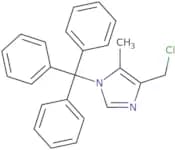

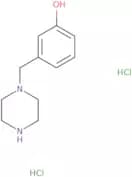
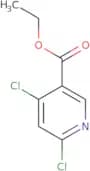

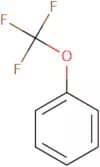
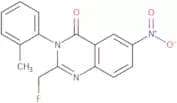
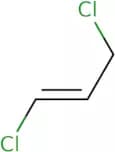
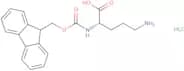
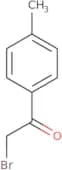
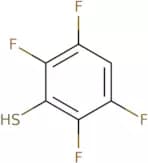
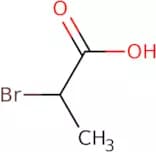
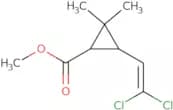

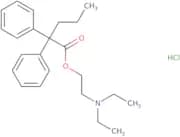
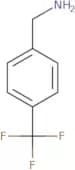
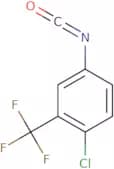
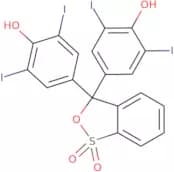
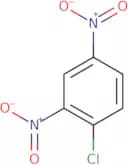
![2-(4-Fluorophenyl)-5-[(5-iodo-2-methylphenyl)methyl]thiophene](/_next/image/?url=https%3A%2Fstatic.cymitquimica.com%2Fproducts%2F3D%2Fthumb-webp%2FFF34928.webp&w=3840&q=75)
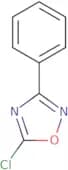
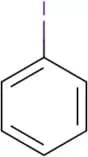

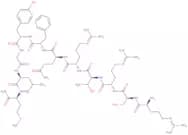
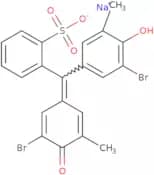
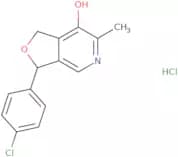
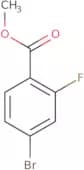


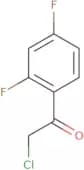
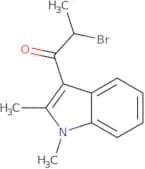
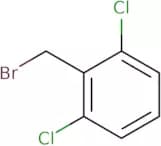
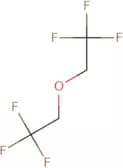
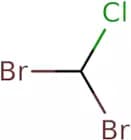
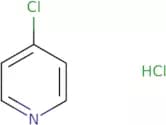
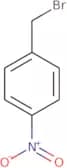
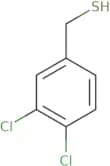

![N-[4-Amino-3-(trifluoromethyl)phenyl]-2-methylpropanamide](/_next/image/?url=https%3A%2Fstatic.cymitquimica.com%2Fproducts%2F3D%2Fthumb-webp%2FFA17485.webp&w=3840&q=75)
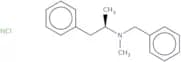
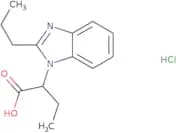
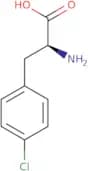
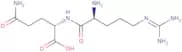
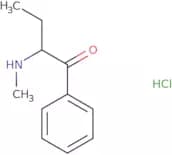
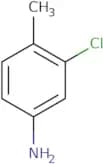
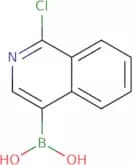
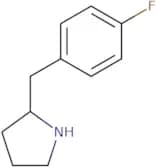
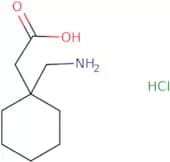
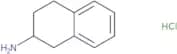

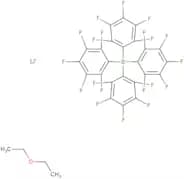
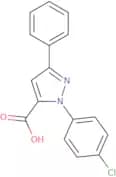
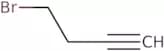

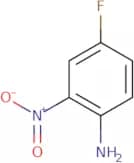
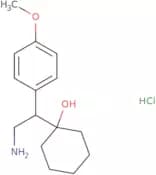

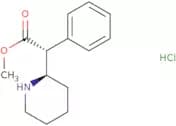
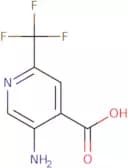
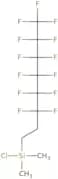
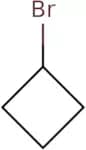
![[2-(1-Isopropyl-1H-benzimidazol-2-yl)ethyl]amine dihydrochloride](/_next/image/?url=https%3A%2Fstatic.cymitquimica.com%2Fproducts%2F3D%2Fthumb-webp%2FFI126434.webp&w=3840&q=75)


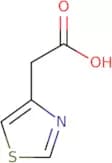
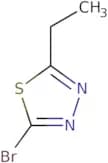
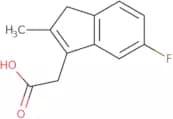

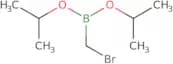
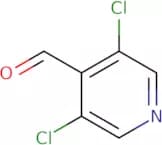
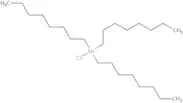
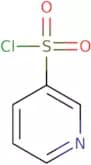
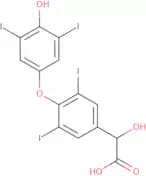
![1-Azaspiro[4.4]nonane hydrochloride](/_next/image/?url=https%3A%2Fstatic.cymitquimica.com%2Fproducts%2F3D%2Fthumb-webp%2FFA130012.webp&w=3840&q=75)
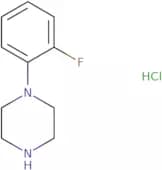

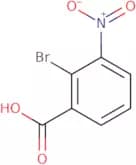
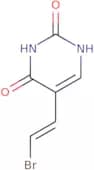
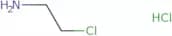
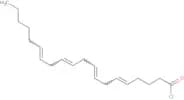
![(17R)-4-Chloro-5-ethyl-9-fluoro-11b-hydroxy-16b-methylspiro[androsta-1,4-diene-17,2(3H)-furan]-3,3…](/_next/image/?url=https%3A%2Fstatic.cymitquimica.com%2Fproducts%2F3D%2Fthumb-webp%2FFF103612.webp&w=3840&q=75)


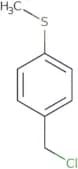
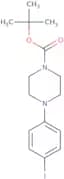
![Mono[2-(perfluorooctyl)ethyl] phosphate](/_next/image/?url=https%3A%2Fstatic.cymitquimica.com%2Fproducts%2F3D%2Fthumb-webp%2FFM26053.webp&w=3840&q=75)
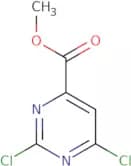
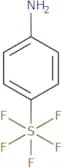
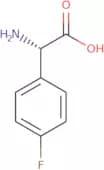
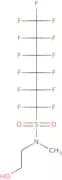
![[1,2-Bis(diphenylphosphino)ethane]nickel(II) Dichloride](/_next/image/?url=https%3A%2Fstatic.cymitquimica.com%2Fproducts%2F3D%2Fthumb-webp%2FFB60935.webp&w=3840&q=75)
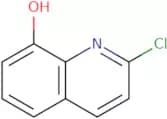
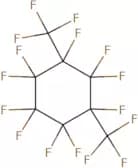
![N-[3-Fluoro-4-[(methylamino)carbonyl]phenyl]-2-methylalanine](/_next/image/?url=https%3A%2Fstatic.cymitquimica.com%2Fproducts%2F3D%2Fthumb-webp%2FFF99416.webp&w=3840&q=75)
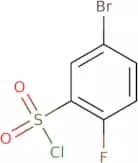
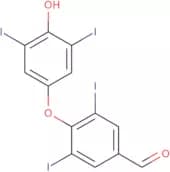
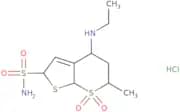
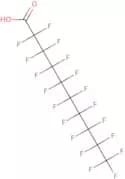
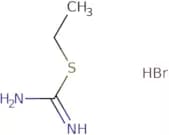
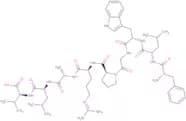
![1-[(2-Chlorophenyl)-N-(methylimino)methyl]cyclopentanol hydrochloride](/_next/image/?url=https%3A%2Fstatic.cymitquimica.com%2Fproducts%2F3D%2Fthumb-webp%2FFC146990.webp&w=3840&q=75)
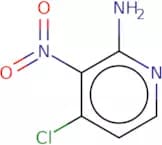
![Ethyl 2-[bis(2,2,2-trifluoroethyl)phosphono]propionate](/_next/image/?url=https%3A%2Fstatic.cymitquimica.com%2Fproducts%2F3D%2Fthumb-webp%2FFE22959.webp&w=3840&q=75)

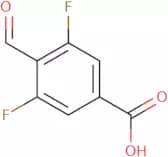
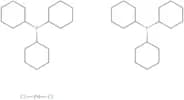
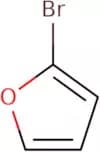
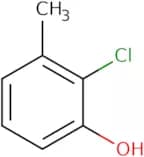
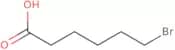
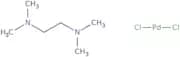

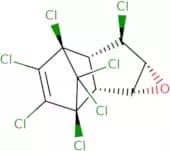
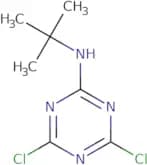


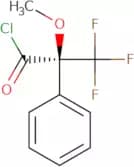

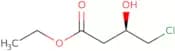
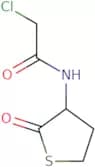

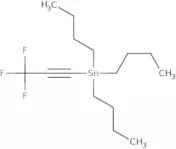
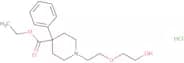

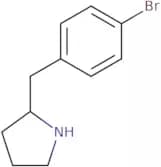
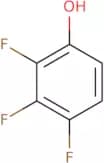
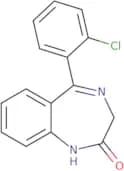
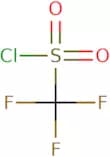
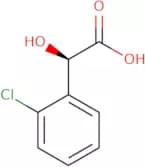
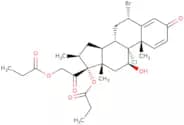
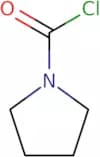

![N-Ethyl-N-[(heptadecafluorooctyl)sulphonyl]glycine](/_next/image/?url=https%3A%2Fstatic.cymitquimica.com%2Fproducts%2F3D%2Fthumb-webp%2FFE91897.webp&w=3840&q=75)
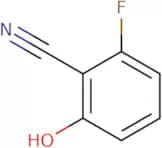

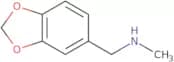
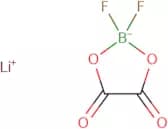
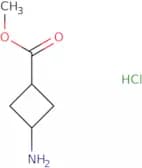
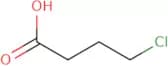
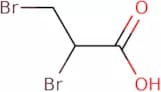

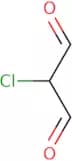
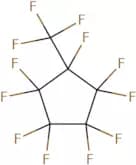
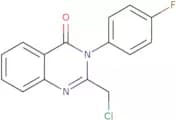
![5-({[2-(4-Chlorophenyl)-1,3-oxazol-4-yl]methyl}thio)-1,3,4-thiadiazol-2-amine](/_next/image/?url=https%3A%2Fstatic.cymitquimica.com%2Fproducts%2F3D%2Fthumb-webp%2FFC122189.webp&w=3840&q=75)
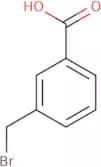
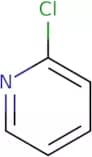

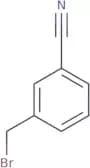
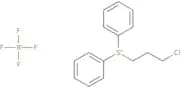
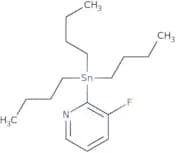
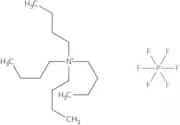

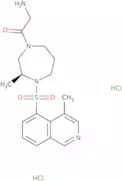
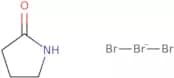
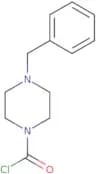
![5-Chloro-1H-imidazo[4,5-b]pyridin-2(3H)-one](/_next/image/?url=https%3A%2Fstatic.cymitquimica.com%2Fproducts%2F3D%2Fthumb-webp%2FFC142316.webp&w=3840&q=75)


![N-[1-(4-Fluorophenyl)propan-2-Yl]-N-methylprop-2-Yn-1-amine](/_next/image/?url=https%3A%2Fstatic.cymitquimica.com%2Fproducts%2F3D%2Fthumb-webp%2FFF95966.webp&w=3840&q=75)
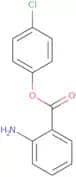
![3,6-Dichlorobenzo[b]thiophene-2-carboxylic acid](/_next/image/?url=https%3A%2Fstatic.cymitquimica.com%2Fproducts%2F3D%2Fthumb-webp%2FFD57151.webp&w=3840&q=75)
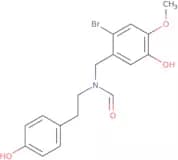
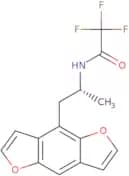
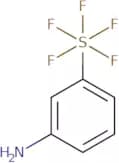
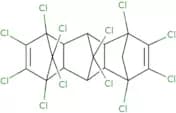
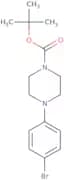

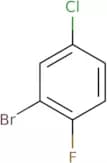
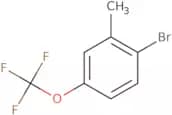
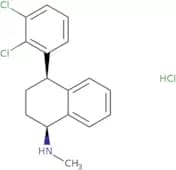

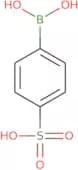
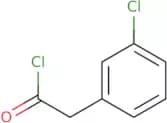
![4-(2-Chlorophenyl)-9-methyl-6H-thieno[3,2-f][1,2,4]triazolo[4,3-a][1,4]diazepine-2-propanoic acid …](/_next/image/?url=https%3A%2Fstatic.cymitquimica.com%2Fproducts%2F3D%2Fthumb-webp%2FFC20337.webp&w=3840&q=75)

![5-Bromo-3-[2-(1-pyrrolidinyl)ethyl]-1H-indole](/_next/image/?url=https%3A%2Fstatic.cymitquimica.com%2Fproducts%2F3D%2Fthumb-webp%2FFB154288.webp&w=3840&q=75)
![1-[3-Chloro-5-(trifluoromethyl)phenyl]ethanone](/_next/image/?url=https%3A%2Fstatic.cymitquimica.com%2Fproducts%2F3D%2Fthumb-webp%2FFC90109.webp&w=3840&q=75)
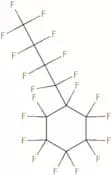

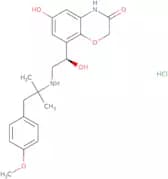
![[3-(1-Isopropyl-1H-benzimidazol-2-yl)propyl]amine dihydrochloride](/_next/image/?url=https%3A%2Fstatic.cymitquimica.com%2Fproducts%2F3D%2Fthumb-webp%2FFI126427.webp&w=3840&q=75)
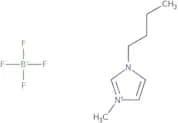
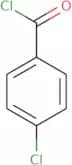
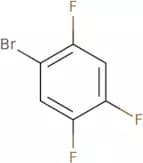
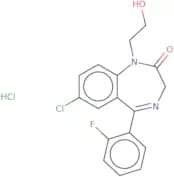
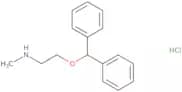
![[2-(1,2-Dimethyl-1H-indol-3-yl)ethyl]amine hydrochloride](/_next/image/?url=https%3A%2Fstatic.cymitquimica.com%2Fproducts%2F3D%2Fthumb-webp%2FFD135164.webp&w=3840&q=75)
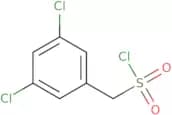
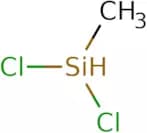
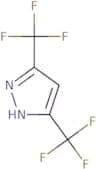

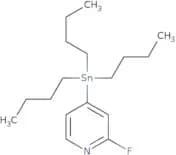
![[2-(2,5-Dimethyl-1H-indol-3-yl)ethyl]amine hydrochloride](/_next/image/?url=https%3A%2Fstatic.cymitquimica.com%2Fproducts%2F3D%2Fthumb-webp%2FFD118369.webp&w=3840&q=75)

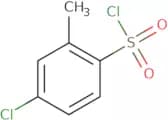

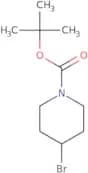
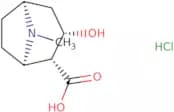
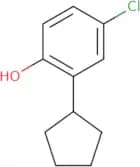
![N-Methyl-5H-dibenzo[a,d]cycloheptene-5-propylamine hydrochloride](/_next/image/?url=https%3A%2Fstatic.cymitquimica.com%2Fproducts%2F3D%2Fthumb-webp%2FFN76683.webp&w=3840&q=75)