Halogénures organiques
Sous-catégories appartenant à la catégorie "Halogénures organiques"
20442 produits trouvés pour "Halogénures organiques"
3,5-Diiodo-4-methoxybenzhydrazide
CAS :3,5-Diiodo-4-methoxybenzhydrazide is a high quality chemical that is useful in the preparation of complex compounds. This compound has been shown to be an excellent reagent and useful intermediate for the synthesis of various fine chemicals. It has been used as a precursor for the production of the antiviral drug Tamiflu, among other pharmaceuticals. 3,5-Diiodo-4-methoxybenzhydrazide is also a versatile building block that can be used in research or as a reaction component in organic synthesis.
Formule :C8H8I2N2O2Degré de pureté :Min. 95%Couleur et forme :PowderMasse moléculaire :417.97 g/molMeOSuc-Ala-Ala-Pro-Ala-chloromethylketone
CAS :MeOSuc-Ala-Ala-Pro-Ala-chloromethylketone is a peptidyl substrate for the enzyme carboxypeptidase A. This substrate has a high specificity for carboxypeptidase A and does not bind to other enzymes such as carboxypeptidase B, D, or L. The hydrophobic nature of this substrate has been shown in both hamsters and macaques. MeOSuc-Ala-Ala-Pro-Ala-chloromethylketone also shows cardiovascular effects in both animal models. It is possible that this effect is due to the proteolytic activity of the enzyme. More research needs to be done to identify the sequence of this peptide and how it may affect humans.Formule :C20H31ClN4O7Degré de pureté :Min. 95%Masse moléculaire :474.94 g/molH-Cys(Trt)-2-chlorotrityl resin (200-400 mesh) (Low Substitution)
Please enquire for more information about H-Cys(Trt)-2-chlorotrityl resin (200-400 mesh) (Low Substitution) including the price, delivery time and more detailed product information at the technical inquiry form on this pageDegré de pureté :Min. 95%Corticostatin I (rabbit) trifluoroacetate salt
CAS :Please enquire for more information about Corticostatin I (rabbit) trifluoroacetate salt including the price, delivery time and more detailed product information at the technical inquiry form on this pageFormule :C163H259N63O44S6Degré de pureté :Min. 95%Masse moléculaire :3,997.59 g/mol2-Chloromethyl-3,5-dimethylpyridin-4-ol
CAS :Please enquire for more information about 2-Chloromethyl-3,5-dimethylpyridin-4-ol including the price, delivery time and more detailed product information at the technical inquiry form on this pageFormule :C8H10ClNODegré de pureté :Min. 95%Masse moléculaire :171.62 g/molEuropium tris[3-(heptafluoropropylhydroxymethylene)-(+)-camphorate]
CAS :Europium Tris[3-(Heptafluoropropylhydroxymethylene)-(+)-Camphorate] is a chiral compound that can be used as a catalyst for the asymmetric synthesis of spiroketals. The catalyst is immobilized on a monolayer and has been shown to work with nitrogen nucleophiles such as ammonia and amines. It also shows catalytic activity in hydrosilylation reactions, which are used in the production of polymers. Europium Tris[3-(Heptafluoropropylhydroxymethylene)-(+)-Camphorate] is soluble in organic solvents such as ethyl diazoacetate, styrene, and tetrahydrofuran.
Formule :C42H42EuF21O6Degré de pureté :Min. 95%Masse moléculaire :1,193.71 g/mol2-Hydroxy-4-fluorobenzaldehyde
CAS :2-Hydroxy-4-fluorobenzaldehyde is a chemical used as a diagnosis agent to detect radiation exposure. It reacts with magnesium and water molecules to form an amination reaction that produces hydrogen fluoride gas. 2-Hydoxy-4-fluorobenzaldehyde has been shown to have the ability to penetrate into mitochondria, which may be related to its use in the treatment of hepatitis. The chemical structure of this compound is similar to salicylaldehyde, which is used as a reagent for formylation reactions and optical properties. It has also been shown that 2-hydroxy-4-fluorobenzaldehyde can act as a fluorescence probe for the detection of hydrophobic regions on proteins.
Formule :C7H5FO2Degré de pureté :Min. 95%Couleur et forme :PowderMasse moléculaire :140.11 g/molDiphenyliodonium chloride
CAS :Diphenyliodonium chloride is a synthetic chemical that binds to DNA and inhibits the synthesis of proteins. It also has been shown to inhibit the growth of Gram-positive bacteria, including Methicillin-resistant Staphylococcus aureus (MRSA) and Streptococcus pneumoniae, but not Gram-negative bacteria such as Escherichia coli or Pseudomonas aeruginosa. Diphenyliodonium chloride is used in a variety of ways, including as an antimicrobial agent for the prevention of microbial contamination in pharmaceuticals and cosmetics.Formule :C12H10ClIDegré de pureté :Min. 95%Couleur et forme :White PowderMasse moléculaire :316.56 g/mol(p-Iodo-Phe7)-ACTH (4-10)
CAS :Please enquire for more information about (p-Iodo-Phe7)-ACTH (4-10) including the price, delivery time and more detailed product information at the technical inquiry form on this page
Formule :C44H58IN13O10SDegré de pureté :Min. 95%Masse moléculaire :1,087.98 g/molH-Lys-Cys-Thr-Cys-Cys-Ala-OH trifluoroacetate salt
CAS :H-Lys-Cys-Thr-Cys-Cys-Ala-OH trifluoroacetate salt (KCTA) is a peptide that belongs to the group of thioneins and is characterized by a high content of lysine, cysteine and histidine residues. This peptide has been shown to be effective in treating subcutaneous tumors in mice. KCTA binds to metallothionein and gamma amino butyric acid (GABA), which are proteins that regulate energy metabolism in cells. KCTA has also been shown to have antimicrobial effects against human serum, which may be due to its ability to bind with thionein.
Formule :C22H41N7O8S3Degré de pureté :Min. 95%Masse moléculaire :627.8 g/molAlpha-Helical CRF (12-41) trifluoroacetate salt
CAS :Please enquire for more information about Alpha-Helical CRF (12-41) trifluoroacetate salt including the price, delivery time and more detailed product information at the technical inquiry form on this pageFormule :C152H251N43O47S2Degré de pureté :Min. 95%Masse moléculaire :3,497.01 g/mol4-Fluoro-2-methoxy-5-nitroaniline
CAS :Intermediate in the synthesis of osimertinib (AZD9291)Formule :C7H7FN2O3Degré de pureté :Min. 95%Masse moléculaire :186.14 g/molHIV-1 gag Protein p24 (65-73) (isolates MAL/U455) trifluoroacetate salt
CAS :Please enquire for more information about HIV-1 gag Protein p24 (65-73) (isolates MAL/U455) trifluoroacetate salt including the price, delivery time and more detailed product information at the technical inquiry form on this pageFormule :C44H79N11O14S2Degré de pureté :Min. 95%Masse moléculaire :1,050.3 g/molCecropin B (free acid) trifluoroacetate salt
CAS :Please enquire for more information about Cecropin B (free acid) trifluoroacetate salt including the price, delivery time and more detailed product information at the technical inquiry form on this pageFormule :C176H301N51O42SDegré de pureté :Min. 95%Masse moléculaire :3,835.66 g/molCalcium chloride dihydrate
CAS :Calcium chloride dihydrate is a chemical compound that is used in the preparation of buffers, as well as in polymer synthesis and analytical chemistry. It is also used in the treatment of low blood calcium levels, which may occur from chronic kidney failure, malnutrition or malabsorption. Calcium chloride dihydrate has been shown to inhibit the proliferation of various cancer cells, including prostate cancer cells. This inhibition has been shown to be due to its ability to significantly cytotoxic effects on these cells. The cytotoxicity was found to be due to lysosomal membrane permeabilization and Ca2+ influx into the cell leading to apoptosis induction.Formule :CaCl2•(H2O)2Degré de pureté :Min. 95%Couleur et forme :White Clear LiquidMasse moléculaire :147.01 g/molBiotinyl-Substance P trifluoroacetate salt
CAS :Biotinyl-Substance P trifluoroacetate salt Biotinyl-Arg-Pro-Lys-Pro-Gln-Gln-Phe-Phe-Gly-Leu-Met-NH2 trifluoroacetate salt is a biotin conjugated Substance P analog. It is designed to bind to the amino acid sequences in the brain that are responsible for controlling and regulating pain. The drug's amino acid sequence was designed by accessing databases of amino acid sequences from all known organisms. The drug is administered as a sequence of cassettes, each containing an acid molecule that can be transferred to cells through nucleotide transfer.Formule :C73H112N20O15S2Degré de pureté :Min. 95%Masse moléculaire :1,573.93 g/molH-Ala-Ala-Lys-OH hydrochloride salt
CAS :H-Ala-Ala-Lys-OH hydrochloride salt is a tripeptide with a reactive side chain. The protonated form of the molecule can be analyzed by acid analysis, and the ligand can be synthesized in a laboratory. Amino acid analysis has shown that this tripeptide contains lysine residues, which are important for binding to the peptide transporter. This compound is taken up through the intestine and is found in porcine tissue. H-Ala-Ala-Lys-OH hydrochloride salt has been used as a model compound in structural studies of peptide transporters.Formule :C12H24N4O4Degré de pureté :Min. 95%Masse moléculaire :288.34 g/mol(His(3-Me)2)-TRH trifluoroacetate salt
CAS :Please enquire for more information about (His(3-Me)2)-TRH trifluoroacetate salt including the price, delivery time and more detailed product information at the technical inquiry form on this pageFormule :C17H24N6O4Degré de pureté :Min. 95%Masse moléculaire :376.41 g/mol(D-Ala3)-Dynorphin A (1-11) amide trifluoroacetate salt
CAS :Please enquire for more information about (D-Ala3)-Dynorphin A (1-11) amide trifluoroacetate salt including the price, delivery time and more detailed product information at the technical inquiry form on this page
Formule :C64H106N22O12Degré de pureté :Min. 95%Masse moléculaire :1,375.67 g/molPhenyl-magnesium bromide solution - 1.0 M in THF
CAS :Phenyl-magnesium bromide solution is a chemical compound that can be used as a pesticide. It has been shown to have carcinoid syndrome-inducing properties in animal studies. Phenyl-magnesium bromide solution has also been found to have biological properties that are beneficial for bowel disease, organometallic reactivity, and congestive heart failure. This chemical compound reacts with ester hydrochloride in the presence of an organic base to form a reactive intermediate that undergoes transfer reactions with other organic compounds. Phenyl-magnesium bromide solution is reactive and can cause metabolic disorders such as palladium-catalyzed coupling.
Formule :C6H5BrMgDegré de pureté :Min. 95%Masse moléculaire :181.31 g/molalpha-Chloro-2-nitrobenzaldoxime
CAS :The heterocycle alpha-chloro-2-nitrobenzaldoxime is a functional group that can be oriented in two different ways. The diversity of the product arises from the fact that it is possible to create new functional groups by substitution on the benzene ring and on the nitrogen. Heterocyclization of alpha-chloro-2-nitrobenzaldoxime can be achieved by using other heterocycles such as isoxazoles, which are readily available in large quantities, as building blocks. This reaction can be catalyzed by reductive means with sodium borohydride and methanol.Formule :C7H5ClN2O3Degré de pureté :Min. 95%Masse moléculaire :200.58 g/molH-Glu-Gly-Arg-chloromethylketone trifluoroacetate salt
CAS :H-Glu-Gly-Arg-chloromethylketone trifluoroacetate salt is an anticoagulant drug that prevents the formation of blood clots by inhibiting the enzyme thrombin. This drug is effective in enhancing blood flow and oxygen supply to the heart and other organs. H-Glu-Gly-Arg-chloromethylketone trifluoroacetate salt has been shown to have a positive effect on patients with congestive heart failure. It has also been used as an adjuvant therapy in bypassing procedures, where clotting occurs at the site of an artificial conduit placed in the body to allow blood flow between two points. In vitro studies have demonstrated that this drug inhibits protease activity, which may be due to its ability to inhibit fibrinogen and serine protease activity.Formule :C14H25ClN6O5Degré de pureté :Min. 95%Masse moléculaire :392.84 g/mol2-(2-Bromoethoxy)tetrahydro-2H-pyran
CAS :2-(2-Bromoethoxy)tetrahydro-2H-pyran is a synthetic molecule that has been shown to act as an estrogen receptor modulator, which has the potential to be used for the treatment of hormone-sensitive diseases such as breast cancer. This compound is chemically very similar to other compounds that have been shown to be effective in treating breast cancer. 2-(2-Bromoethoxy)tetrahydro-2H-pyran has a cavity and 6 hydroxyl groups that can form hydrogen bonds with water molecules, leading to its gelling properties. In addition, this compound is thermoreversible and can reversibly gel when heated or cooled. The gelation property of 2-(2-Bromoethoxy)tetrahydro-2H-pyran makes it a promising candidate for use in vaginal tablets, which could potentially lead to treatments for vaginal dryness and atrophy.Formule :C7H13BrO2Degré de pureté :Min. 95%Couleur et forme :Clear LiquidMasse moléculaire :209.08 g/mol12-Fluorododecan-1-ol
CAS :12-Fluorododecan-1-ol is a volatile chemical compound that is found in the exoskeleton of termites. It has been shown to be a major component of the termiticide, FluoroCitrate. 12-fluorododecan-1-ol can be used to control the growth of insect populations by interfering with their ability to synthesize fatty acids and alcohols. It also has an effect on protein synthesis and inhibits the activity of citrate synthase, which is an enzyme involved in glycolate metabolism. This compound is also toxic to some species of insects such as Rhinotermitidae. 12-fluorododecan-1-ol can be used as a marker for Reticulitermes flavipes (a type of wood eating cockroach) and it can be used to distinguish between different species or strains of termites.Formule :C12H25FODegré de pureté :Min. 95%Couleur et forme :Clear LiquidMasse moléculaire :204.32 g/molMethyl 2,5-dibromobenzoate
CAS :Methyl 2,5-dibromobenzoate is a cross-coupling reagent that is used to stabilize proteins. It is a hydrophobic compound that binds to the surface of proteins and prevents denaturation. Methyl 2,5-dibromobenzoate has been shown to be an effective binder for protein stabilization in a model system, where it was found to increase the reaction rate of Suzuki coupling reactions. This reagent can be used as a substitute for fluoroaromatic solvents in cross-coupling reactions.Formule :C8H6Br2O2Degré de pureté :Min. 95%Couleur et forme :Off-White PowderMasse moléculaire :293.94 g/molIndium (III) chloride
CAS :Indium (III) chloride is a reactive metal with a high oxidation state that has been shown to have significant cytotoxic effects in vitro. It is also genotoxic, which may be due to the generation of hydroxyl radicals and other reactive oxygen species. Indium (III) chloride has been used for the treatment of various infectious diseases, including HIV, Epstein-Barr virus, herpes simplex virus type 1, and influenza A virus. The toxicity of this metal is dependent on the concentration and duration of exposure. Indium (III) chloride is metabolized by plasma mass spectrometry as a substrate molecule for cytochrome P450 enzymes. This reaction results in the formation of an active metabolite that can bind to DNA and affect mitochondrial membrane potential. Indium (III) chloride has also been used as a contrast agent in fluorescein angiography or particle imaging techniques to visualize the presence of biological materials such as tissue necrosis or inflammation.Formule :Cl3InDegré de pureté :Min. 95%Couleur et forme :Clear LiquidMasse moléculaire :221.18 g/mol5-Fluorohistidine
CAS :5-Fluorohistidine is an organic compound with the formula CHFNO. It is a fluorinated derivative of histidine, and a precursor to histamine. 5-Fluorohistidine has been shown to be a potent thyrotropin-releasing hormone (TRH) analog, and is used in the synthesis of histamine. This compound has also been used as a tool for investigating the mechanism of TRH action by studying its stereoselective binding to protrusions from rat brain capillary endothelial cells. 5-Fluorohistidine has also been used as a microbial probe for detecting microbial protrusions from bacterial cells.Formule :C6H8FN3O2Degré de pureté :Min. 95%Masse moléculaire :173.15 g/molDesmethylene paroxetine hydrochloride salt
CAS :Please enquire for more information about Desmethylene paroxetine hydrochloride salt including the price, delivery time and more detailed product information at the technical inquiry form on this pageFormule :C18H21ClFNO3Degré de pureté :Min. 95%Masse moléculaire :353.82 g/mol2-Bromopropionic acid benzyl ester
CAS :2-Bromopropionic acid benzyl ester is a synthetic compound with a molecular weight of 220.24 g/mol. It is soluble in organic solvents and has a hydroxyl group at its alpha position. 2-Bromopropionic acid benzyl ester is used in the synthesis of beta-cyclodextrin, which is an important biomaterial for drug delivery as well as other applications. 2-Bromopropionic acid benzyl ester also has antioxidant properties and can be used to treat leukemia cells by inhibiting the production of reactive oxygen species (ROS).
Formule :C10H11BrO2Degré de pureté :Min. 95%Masse moléculaire :243.1 g/mol3,6-Dichloro trimellitic anhydride
CAS :3,6-Dichloro trimellitic anhydride is a reactive compound that is used in the synthesis of fluorescent probes. It is also used as a reagent to introduce chlorine substituents onto organic molecules. Fluorescence measurements can be used to determine the purity of 3,6-dichloro trimellitic anhydride. This compound reacts with nucleic acids, causing them to fluoresce and making them detectable by spectroscopy. 3,6-Dichloro trimellitic anhydride has been used in research involving the study of nucleic acids and their role in DNA replication and repair.Formule :C9H2Cl2O5Degré de pureté :Min. 95%Masse moléculaire :261.01 g/molN-(3-Aminopropyl)-2,2,3,3,4,4,5,5,6,6,7,7,8,8,8-pentadecafluorooctanamide
CAS :Produit contrôléPlease enquire for more information about N-(3-Aminopropyl)-2,2,3,3,4,4,5,5,6,6,7,7,8,8,8-pentadecafluorooctanamide including the price, delivery time and more detailed product information at the technical inquiry form on this pageFormule :C11H9F15N2ODegré de pureté :Min. 95%Masse moléculaire :470.18 g/molLHRH (1-5) (free acid) trifluoroacetate salt
CAS :LHRH (1-5) (free acid) trifluoroacetate salt is a synthetic hormone that is used in the treatment of prostate cancer. It inhibits the release of luteinizing hormone and follicle-stimulating hormone from the anterior pituitary gland, which suppresses testosterone production by the testes. LHRH (1-5) (free acid) trifluoroacetate salt is synthesized industrially using a liquid phase synthesis. The product may be recycled by returning it to the manufacturing process or using it as an additive for plastics or other industrial products. LHRH (1-5) (free acid) trifluoroacetate salt was shown to be active against tumor cells in culture and inhibited cell growth in culture. This drug has been shown to inhibit the production of nitric oxide, which may contribute to its anti-tumor activity. LHRH (1-5) (free acid)Formule :C34H38N8O9Degré de pureté :Min. 95%Couleur et forme :PowderMasse moléculaire :702.71 g/mol3-Chloroazetidine hydrochloride
CAS :Please enquire for more information about 3-Chloroazetidine hydrochloride including the price, delivery time and more detailed product information at the technical inquiry form on this pageFormule :C3H6ClN•HClDegré de pureté :Min. 95%Masse moléculaire :128 g/mol2,3-Dichloropropionitrile
CAS :2,3-Dichloropropionitrile is a synthetic chemical that is used for the chlorination of calcium carbonate. It is also used in the production of ester hydrochloride and acrylonitrile. The reaction vessel contains calcium carbonate and malonic acid, which are heated with hydrochloric acid. 2,3-Dichloropropionitrile is added to the reaction products to produce ester hydrochloride and acrylonitrile. The product can be isolated by adding hydrogen chloride to the reaction mixture.Formule :C3H3Cl2NDegré de pureté :Min. 95%Masse moléculaire :123.97 g/molMethyl 4- bromo- 5- methyl- 1H- imidazole- 2- carboxylate
CAS :Please enquire for more information about Methyl 4- bromo- 5- methyl- 1H- imidazole- 2- carboxylate including the price, delivery time and more detailed product information at the technical inquiry form on this pageDegré de pureté :Min. 95%Acetylcholine perchlorate
CAS :Acetylcholine perchlorate is a pharmacological agent that is used to induce acetylcholine release by the brain. It can be used to study cholinergic mechanisms in the brain and bowel disease. Acetylcholine perchlorate has been shown to have physiological effects, such as increasing heart rate and blood pressure, which may be due to its ability to activate nicotinic acetylcholine receptors. Acetylcholine perchlorate has also been shown to cause chemiluminescence reactions that are similar to those seen in biological studies of acetylcholine receptors.Formule :C7H16ClNO6Degré de pureté :Min. 95%Couleur et forme :PowderMasse moléculaire :245.66 g/mol4-Acetylamino-5-bromo-2-methoxy-benzoic acid methylester
CAS :Please enquire for more information about 4-Acetylamino-5-bromo-2-methoxy-benzoic acid methylester including the price, delivery time and more detailed product information at the technical inquiry form on this page
Formule :C11H12BrNO4Degré de pureté :Min. 95%Couleur et forme :PowderMasse moléculaire :302.12 g/mol4-tert-Butyl-2,6-dimethylphenylsulfur trifluoride
CAS :4-tert-Butyl-2,6-dimethylphenylsulfur Trifluoride is a chemical compound that is used as an intermediate in the synthesis of pharmaceuticals. It has been shown to be effective against 5-HT2C receptors and is used in the treatment of obesity. The mechanism of action for 4-tert-Butyl-2,6-dimethylphenylsulfur Trifluoride is not yet known but it may involve cleavage of amide bonds or stereoisomerism. 4-tert-Butyl-2,6-dimethylphenylsulfur Trifluoride has been synthesized by reacting hydrogen fluoride with sulfur trifluoride in the presence of a base.Formule :C12H17F3SDegré de pureté :90%MinCouleur et forme :PowderMasse moléculaire :250.32 g/mol2-Chloro-3,5-bis(trifluoromethyl)pyridine
CAS :Please enquire for more information about 2-Chloro-3,5-bis(trifluoromethyl)pyridine including the price, delivery time and more detailed product information at the technical inquiry form on this pageFormule :C7H2ClF6NDegré de pureté :Min. 95%Masse moléculaire :249.54 g/molGermaniumtetrachloride
CAS :Germaniumtetrachloride (GeCl4) is a thermal expansion agent that is used in the production of boron nitride and zirconium oxide. It is also used as a catalyst for hydrochloric acid and hydroxyl group reactions. GeCl4 has carcinogenic potential, but this has not been confirmed in animal studies. GeCl4 is an effective solid catalyst for the reaction of hydrogen chloride with ethylene oxide to form polyethylene glycols. The mechanism of this reaction involves a substitution reaction between the chlorine ion and the hydroxyl group on the catalyst surface, forming chlorohydrocarbonate ions, which react with ethylene oxide to form polymer chains. This process can be carried out at room temperature or below, without using any solvents or catalysis promoters such as mercury or sulfur dioxide.Formule :Cl4GeDegré de pureté :Min. 95%Masse moléculaire :214.44 g/mol6-(Bromomethyl)-1,1,4,4-tetramethyl-1,2,3,4-tetrahydronaphthalene
CAS :Please enquire for more information about 6-(Bromomethyl)-1,1,4,4-tetramethyl-1,2,3,4-tetrahydronaphthalene including the price, delivery time and more detailed product information at the technical inquiry form on this pageFormule :C15H21BrDegré de pureté :Min. 80 Area-%Couleur et forme :Clear LiquidMasse moléculaire :281.23 g/molDi-tert-butyldichlorosilane
CAS :Di-tert-butyldichlorosilane is a silicon compound that has been used to silylate amines and primary alcohols. It is a sterically hindered molecule with two chloro groups at the same position on one of the silicon atoms, which prevents or limits steric interactions with other molecules. Covid-19 Pandemic is the name given to a new strain of influenza virus that was discovered in 2009. The new strain contains some genetic material from bird flu, which makes it resistant to oseltamivir and zanamivir, drugs commonly used to fight against influenza infection.
Formule :C8H18Cl2SiDegré de pureté :Min. 95%Couleur et forme :Clear LiquidMasse moléculaire :213.22 g/mol3'-O-Benzyl-2'-Deoxy-5-Trifluoromethyluridine
CAS :3'-O-Benzyl-2'-Deoxy-5-Trifluoromethyluridine (BDBMU) is a pyrimidine derivative that can be used as an antiviral drug. It inhibits the synthesis of DNA and RNA by inhibiting viral polymerase. BDBMU is a prodrug of uracil, which is converted to the active compound in tissues. The benzoylation reaction produces a fluorine atom at C5, which increases its potency. This drug has been shown to have minimal toxicity in tumor cells and has been used for the treatment of leukemia and other cancers.Formule :C17H17F3N2O5Degré de pureté :Min. 95%Masse moléculaire :386.32 g/mol10-Methyl-9-(phenoxycarbonyl)acridinium fluorosulfonate
CAS :Please enquire for more information about 10-Methyl-9-(phenoxycarbonyl)acridinium fluorosulfonate including the price, delivery time and more detailed product information at the technical inquiry form on this page
Formule :C21H16FNO5SDegré de pureté :Min. 95%Masse moléculaire :413.42 g/mol8-Fluoro-6-methoxy moxifloxacin
CAS :Please enquire for more information about 8-Fluoro-6-methoxy moxifloxacin including the price, delivery time and more detailed product information at the technical inquiry form on this pageFormule :C21H24FN3O4Degré de pureté :Min. 95%Masse moléculaire :401.43 g/mol2,6-Difluoro-4-methoxyphenol
CAS :Please enquire for more information about 2,6-Difluoro-4-methoxyphenol including the price, delivery time and more detailed product information at the technical inquiry form on this page
Formule :C7H6F2O2Degré de pureté :Min. 95%Couleur et forme :PowderMasse moléculaire :160.12 g/molAmylin (free acid) (human) trifluoroacetate salt
CAS :Please enquire for more information about Amylin (free acid) (human) trifluoroacetate salt including the price, delivery time and more detailed product information at the technical inquiry form on this page
Formule :C165H260N50O56S2Degré de pureté :Min. 95%Masse moléculaire :3,904.27 g/mol(S)-(+)-Naproxen chloride
CAS :COX1/2 inhibitor; nonsteroidal anti-inflammatory drug
Formule :C14H14Cl2O3Degré de pureté :Min. 95%Masse moléculaire :301.16 g/mol5-(Morpholin-4-ylmethyl)isoxazole-3-carboxylic acid hydrochloride
CAS :Please enquire for more information about 5-(Morpholin-4-ylmethyl)isoxazole-3-carboxylic acid hydrochloride including the price, delivery time and more detailed product information at the technical inquiry form on this pageFormule :C9H12N2O4•HClDegré de pureté :Min. 95%Masse moléculaire :248.66 g/mol(S)-(-)-6,7-Dimethoxy-1,2,3,4-tetrahydroisoquinoline-3-carboxylic acid hydrochloride
CAS :(S)-(-)-6,7-Dimethoxy-1,2,3,4-tetrahydroisoquinoline-3-carboxylic acid hydrochloride is a synthetic chiral compound that is used to study the role of glyoxylate in biochemical reactions. This drug is an enolate and alkylating agent that can react with nucleophiles such as amines and thiols. It has been shown to be effective against perchlorates by hydrolyzing them into chlorine and oxygen gas. This drug has also been shown to inhibit the growth of Rhodobacter sphaeroides by inhibiting glyoxylate metabolism.Formule :C12H15NO4·HClDegré de pureté :Min. 95%Couleur et forme :White PowderMasse moléculaire :273.71 g/molChloromethyl isopropyl carbonate
CAS :Chloromethyl isopropyl carbonate (CIC) is a prodrug that is converted to disoproxil in the body. It has significant cytotoxicity and antiviral activity against HIV and other viruses, but has not been used clinically due to its chemical instability. CIC can be administered orally as a prodrug, with the active form of CIC being tenofovir disoproxil. Tenofovir disoproxil is metabolized by proximal tubules and has shown efficacy for treating hepatitis B and C. Tenofovir has also been shown to decrease the incidence of renal disease in HIV patients.
Formule :C5H9ClO3Degré de pureté :Min. 95%Couleur et forme :Colorless PowderMasse moléculaire :152.58 g/mol7-Fluoro-2-methylquinoline
CAS :7-Fluoro-2-methylquinoline is a multistep synthetic compound that belongs to the family of quinoxalines. It has been shown to have potent antibacterial activity against a wide range of bacteria, including methicillin-resistant Staphylococcus aureus (MRSA) and Mycobacterium tuberculosis. 7-Fluoro-2-methylquinoline was developed as an analog of the natural product quinoxaline. The key step in its synthesis is the reaction between an aldehyde and hydroxyalkylating reagent in the presence of iron catalyst. This process results in the formation of functional groups such as hydroxyls, alkoxy, or halogens.Formule :C10H8FNDegré de pureté :Min. 95%Couleur et forme :White PowderMasse moléculaire :161.18 g/mol(3R,5S)-5-(Hydroxymethyl)pyrrolidin-3-ol hydrochloride
CAS :Please enquire for more information about (3R,5S)-5-(Hydroxymethyl)pyrrolidin-3-ol hydrochloride including the price, delivery time and more detailed product information at the technical inquiry form on this pageDegré de pureté :Min. 95%alpha,3-Dichlorobenzaldoxime
CAS :Please enquire for more information about alpha,3-Dichlorobenzaldoxime including the price, delivery time and more detailed product information at the technical inquiry form on this pageFormule :C7H5Cl2NODegré de pureté :Min. 95%Masse moléculaire :190.03 g/mol4-Fluorophenyl isocyanate
CAS :4-Fluorophenyl isocyanate is a hydroxylated derivative of phenyl isocyanate. It has been shown to have anticancer activity, with an IC50 value of about 50 μM. 4-Fluorophenyl isocyanate can be synthesized by reacting 3-bromopropylamine hydrobromide with hydrogen fluoride in the presence of a carbodiimide. The reaction can be optimized by adding epoxides or carbodiimides, and the best conditions are found to be at pH 10 and room temperature. 4-Fluorophenyl isocyanate binds to the MT2 receptor which leads to activation of G proteins, resulting in increased intracellular cAMP levels.Formule :C7H4FNODegré de pureté :Min. 95%Masse moléculaire :137.11 g/mol10-Fluorodecan-1-Ol
CAS :Please enquire for more information about 10-Fluorodecan-1-Ol including the price, delivery time and more detailed product information at the technical inquiry form on this pageFormule :C10H21FODegré de pureté :Min. 95%Masse moléculaire :176.27 g/molN-Fmoc-4-bromo-L-tryptophan
CAS :Please enquire for more information about N-Fmoc-4-bromo-L-tryptophan including the price, delivery time and more detailed product information at the technical inquiry form on this pageFormule :C26H21BrN2O4Degré de pureté :Min. 95%Couleur et forme :PowderMasse moléculaire :505.36 g/mol3-(Aminomethyl)-N,N-dimethyl-1,2,4-oxadiazole-5-carboxamide
CAS :Please enquire for more information about 3-(Aminomethyl)-N,N-dimethyl-1,2,4-oxadiazole-5-carboxamide including the price, delivery time and more detailed product information at the technical inquiry form on this pageFormule :C6H10N4O2Degré de pureté :Min. 95%Masse moléculaire :170.17 g/mol2-Methyl-L-cysteine hydrochloride
CAS :2-Methyl-L-cysteine hydrochloride is a synthetic molecule that is used as an organic solvent. It can be produced from the reaction of an inorganic base with an ester hydrochloride and has been shown to have stereoselective properties. The spontaneous formation of this molecule was enhanced by the addition of hydrochloric acid, which increased the reaction yield. 2-Methyl-L-cysteine hydrochloride has been shown to react spontaneously with inorganic materials, such as titanium dioxide, which causes a color change from white to yellow.
Formule :C4H9NO2S·HClDegré de pureté :Min. 95%Couleur et forme :White PowderMasse moléculaire :171.65 g/mol8-Fluoro-Quinazoline-2,4-Diamine
CAS :8-Fluoro-Quinazoline-2,4-Diamine is an organic compound with the formula CHClN. It is a yellow solid that is soluble in organic solvents such as chloroform and toluene. The compound is used to produce dyes and pharmaceuticals. 8-Fluoro-Quinazoline-2,4-Diamine can be obtained by nitrating 2,4-diaminoquinazoline with nitric acid and hydrochloric acid in the presence of carbonate or stannous chloride. This reaction produces two isomers: 8-fluoroquinazoline (8FQ) and 6-fluoroquinazoline (6FQ). The 8FQ isomer has been shown to have a nuclear magnetic resonance spectrum at 300 MHz that contains four signals at 1.3 ppm, 3.5 ppm, 5.6 ppm, and 7.0 ppm, which are assigned toFormule :C8H7FN4Degré de pureté :Min. 95%Masse moléculaire :178.17 g/mol2,6-Dimethyl-4-phenylpyronium tetrafluoroborate
CAS :2,6-Dimethyl-4-phenylpyronium tetrafluoroborate is a high quality reagent that is useful for the preparation of complex compounds. It is also a useful intermediate and building block. The CAS No. 97606-13-8, 2,6-Dimethyl-4-phenylpyronium tetrafluoroborate has been used in research chemicals and as a versatile building block for the synthesis of speciality chemicals. This reagent can be used in reactions to form many organic molecules that are not commercially available or difficult to synthesize.Formule :C13H13O·BF4Degré de pureté :Min. 95%Couleur et forme :PowderMasse moléculaire :272.05 g/mol7-[(2S,3R)-3-Amino-2-methyl-azetidin-1-yl]-1-(2,4-difluorophenyl)-6-fluoro-4-oxo-quinoline-3-carboxylic acid
CAS :7-[(2S,3R)-3-Amino-2-methyl-azetidin-1-yl]-1-(2,4-difluorophenyl)-6-fluoro-4-oxo-quinoline-3-carboxylic acid (ABT) is a drug that binds to bacterial enzymes and inhibits their ability to synthesize proteins. ABT is a conjugate of fluoroquinolone and an amino acid. As the drug is degradable by hydrolysis, it has been shown to be less toxic in Sprague Dawley rats than other fluoroquinolones. This drug has been used in diagnostic tests as a ligand for affinity ligands, but has not been approved for human use. The drug also possesses functional groups that are important for binding to reconstituted enzymes.br>br>ABT's ester linkages are degradable by hydrolysis and can beFormule :C20H16F3N3O3Degré de pureté :Min. 95%Masse moléculaire :403.35 g/mol(R)(−)-DOI hydrochloride
CAS :Produit contrôlé(R)(−)-DOI hydrochloride is a synthetic compound classified as a selective serotonin receptor agonist. It is primarily sourced from chemical synthesis processes designed to explore potential interactions within serotonergic pathways. The compound’s mode of action involves the activation of 5-HT2A, 5-HT2B, and 5-HT2C serotonin receptors, which play crucial roles in modulating neurotransmission and signaling pathways within the central nervous system.In research and experimental contexts, (R)(−)-DOI hydrochloride is utilized to investigate the molecular mechanisms of serotonin receptors, contributing to a deeper understanding of their role in neurophysiology and potential implications in neuropsychiatric disorders. Studies often explore its effects on cognition, perception, and mood regulation. Despite its promising role in scientific exploration, (R)(−)-DOI hydrochloride is not intended for therapeutic use and remains predominantly a tool for advancing the field of neuropharmacology through controlled experimental settings.Formule :C11H17ClINO2Degré de pureté :Min. 95%Masse moléculaire :357.62 g/molPyr-Pro-Arg-pNA hydrochloride salt
CAS :Pyr-Pro-Arg-pNA hydrochloride salt is a chromogenic substrate that is used to detect microorganisms in the blood. This substrate is activated by the enzyme ochraceous, which catalyzes the hydrolysis of pyr-pro-arg-pNA. The reaction produces hydrogen peroxide and an orange color. Pyr-Pro-Arg-pNA hydrochloride salt can be used as an anticoagulant for blood plasma samples. It can also be used to identify Aspergillus ochraceus, a fungus that causes pulmonary infections in humans. Aspergillus ochraceus has been shown to produce this enzyme and to have a high affinity for this substrate.Formule :C22H30N8O6·HClDegré de pureté :Min. 95%Masse moléculaire :538.98 g/moltert-Butyl 3-(aminomethyl)-1H-indole-1-carboxylate hydrochloride
CAS :Please enquire for more information about tert-Butyl 3-(aminomethyl)-1H-indole-1-carboxylate hydrochloride including the price, delivery time and more detailed product information at the technical inquiry form on this pageFormule :C14H18N2O2Degré de pureté :Min. 95%Masse moléculaire :246.31 g/molDi(o-tolyl)chlorophosphine
CAS :Di(o-tolyl)chlorophosphine is a chiral, asymmetric catalyst that has been used to synthesize tetrahydrofurans. This compound is prepared by a multimerization reaction of lithium metal and an o-tolylphosphine ligand in the presence of an injecting cocatalyst. This reaction is conducted in tetrahydrofuran at room temperature and requires a flow rate of 1.0 mL per minute. The use of this catalyst can be seen as a transition from the older, less efficient method of using phosphines as ligands for the synthesis of tetrahydrofurans with lithium aluminum hydride.Formule :C14H14ClPDegré de pureté :Min. 95%Masse moléculaire :248.69 g/molTrifluoro(1,1,2,2-Tetrafluoro-2-Iodoethoxy)Ethylene
CAS :Please enquire for more information about Trifluoro(1,1,2,2-Tetrafluoro-2-Iodoethoxy)Ethylene including the price, delivery time and more detailed product information at the technical inquiry form on this pageFormule :C4F7IODegré de pureté :Min. 95%Masse moléculaire :323.94 g/molDecanoyl-Arg-Arg-Leu-Leu-chloromethylketone trifluoroacetate salt
CAS :Decanoyl-arginine-arginine-leucine-chloromethylketone trifluoroacetate salt is a prohormone that is biosynthesized from the amino acid decanoic acid. It has been shown to inhibit fatty acid synthesis and mineralization in tissue samples, as well as drug target enzymes such as human pathogens. Decanoyl-arginine-arginine-leucine-chloromethylketone trifluoroacetate salt has also been shown to have insulin resistance properties and may be used for the treatment of metabolic disorders.Formule :C35H67ClN10O5Degré de pureté :Min. 95%Masse moléculaire :743.42 g/molDansyl-D-Ala-Gly-4-nitro-Phe-Gly-OH trifluoroacetate salt
CAS :Dansyl-D-Ala-Gly-4-nitro-Phe-Gly-OH trifluoroacetate salt is a fluorescent marker that can be used in immunohistochemical staining. It binds to endogenous vasoactive intestinal peptide, calcitonin and other proteins in tissues and can be detected using immunostaining. Dansyl-D-Ala-Gly-4-nitro-Phe-Gly-OH trifluoroacetate salt is optimised for use as a substrate for neutral endopeptidase and metalloendopeptidase enzymes, which are responsible for the degradation of vasoactive intestinal peptide.Formule :C28H32N6O9S·C2HF3O2Degré de pureté :Min. 95%Couleur et forme :SolidMasse moléculaire :742.68 g/molMorpheridine dihydrochloride
CAS :Produit contrôléPlease enquire for more information about Morpheridine dihydrochloride including the price, delivery time and more detailed product information at the technical inquiry form on this page
Formule :C20H32Cl2N2O3Degré de pureté :Min. 95%Masse moléculaire :419.39 g/mol3-[5-(4-Fluorophenyl)-5-hydroxy-1-oxopentyl]-4-phenyl-2-oxazolidinone
CAS :Please enquire for more information about 3-[5-(4-Fluorophenyl)-5-hydroxy-1-oxopentyl]-4-phenyl-2-oxazolidinone including the price, delivery time and more detailed product information at the technical inquiry form on this pageFormule :C20H20FNO4Degré de pureté :Min. 95%Masse moléculaire :357.38 g/mol5-Chloro-4-nitrothiophene-2-sulfonylchloride
CAS :Please enquire for more information about 5-Chloro-4-nitrothiophene-2-sulfonylchloride including the price, delivery time and more detailed product information at the technical inquiry form on this pageFormule :C4HCl2NO4S2Degré de pureté :Min. 95%Masse moléculaire :262.09 g/mol1-Acetyl-6-(perfluoropropan-2-yl)-3-((pyridin-3-ylmethyl)amino)-3,4-dihydroquinazolin-2(1H)-one
CAS :1-Acetyl-6-(perfluoropropan-2-yl)-3-((pyridin-3-ylmethyl)amino)-3,4-dihydroquinazolin-2(1H)-one (PAFQ) is a mitochondrial cytochrome P450 inhibitor that inhibits the function of the ryanodine receptor and interacts with the piperonyl butoxide synergistically. PAFQ has been shown to be effective against animal pests such as termites, ants, and cockroaches. It also inhibits population growth in these populations by interfering with their ability to synthesize proteins. The effective dose for PAFQ varies depending on whether it is applied topically or orally.Formule :C19H15F7N4O2Degré de pureté :Min. 95%Masse moléculaire :464.34 g/molBis(pentafluorophenyl)zinc
CAS :Bis(pentafluorophenyl)zinc (BPFPZn) is a ring-opening polymerization catalyst that is used to synthesize polymers with pendant covalent adducts. BPFPZn has shown synergistic effects when used in combination with lactide, which is a monomer that can be polymerized to form polylactic acid. The reaction system used for the synthesis of BPFPZn and lactide involves nucleophilic attack on the zinc cation by the carbonyl group of lactide, leading to reductive elimination and coordination chemistry. This reaction system has been shown to produce architectures such as block copolymers and star polymers.
Formule :C12F10ZnDegré de pureté :Min. 95%Couleur et forme :PowderMasse moléculaire :399.49 g/mol4-Bromo-2-nitrothiophene
CAS :Please enquire for more information about 4-Bromo-2-nitrothiophene including the price, delivery time and more detailed product information at the technical inquiry form on this pageFormule :C4H2BrNO2SDegré de pureté :Min. 95%Masse moléculaire :208.03 g/molEthyl2-(acetylamino)-3-[3,5-diiodo-4-(4-methoxyphenoxy)phenyl]propanoate
CAS :Please enquire for more information about Ethyl2-(acetylamino)-3-[3,5-diiodo-4-(4-methoxyphenoxy)phenyl]propanoate including the price, delivery time and more detailed product information at the technical inquiry form on this pageFormule :C20H21I2NO5Degré de pureté :Min. 95%Masse moléculaire :609.19 g/molChlorophyllide A
CAS :Chlorophyllide A is a chlorophyll molecule that has been synthesized by the enzymatic conversion of an existing chlorophyll molecule. It can be used as a model system for studying the physiological function of chlorophyll and its role in photosynthesis. The synthesis of Chlorophyllide A has been shown to be biocompatible with cells and tissues, making it an excellent candidate for drug delivery systems. The synthesis of this molecule is achieved through a reaction mechanism involving glutamate dehydrogenase, which adds a hydroxyl group to the cysteine residue on the chlorophyll molecule. This reaction takes place in low light conditions, which prevents photodegradation of this molecule. Chlorophyllide A also has a pH optimum at around pH 7-8 and does not react with proteins or nucleic acids.Formule :C35H34MgN4O5Degré de pureté :90%MinCouleur et forme :PowderMasse moléculaire :614.97 g/mol2-[(Ethylamino)methyl]-4-aminophenol dihydrochloride
CAS :Please enquire for more information about 2-[(Ethylamino)methyl]-4-aminophenol dihydrochloride including the price, delivery time and more detailed product information at the technical inquiry form on this pageFormule :C9H14N2O•(HCl)2Degré de pureté :Min. 95%Couleur et forme :PowderMasse moléculaire :239.14 g/molGly-arg-4-methoxy-beta-naphthylamide dihydrochloride
CAS :Please enquire for more information about Gly-arg-4-methoxy-beta-naphthylamide dihydrochloride including the price, delivery time and more detailed product information at the technical inquiry form on this pageFormule :C19H26N6O3·2ClHDegré de pureté :Min. 95%Masse moléculaire :459.37 g/molBenzal Chloride
CAS :Produit contrôléBenzal Chloride is a chlorinating agent that exhibits reactive properties. It is used in wastewater treatment to disinfect and oxidize organic matter, as well as to remove hydrogen sulfide and other volatile organics. Benzal Chloride is also used for the preparation of benzalkonium chloride, which has been shown to have antimicrobial properties. The pharmacokinetic properties of benzal chloride are similar to those of chloride, but it has not been studied extensively in humans.Formule :C7H6Cl2Degré de pureté :Min. 95%Couleur et forme :Clear LiquidMasse moléculaire :161.03 g/molUroporphyrin I dihydrochloride
CAS :Uroporphyrin I dihydrochloride is a facilitator of carbohydrate metabolism. It is a cofactor for the enzyme dehydrogenase and changes the optical properties of certain compounds. Uroporphyrin I dihydrochloride has been shown to modulate the redox potential in lung cells and inhibit human immunodeficiency virus (HIV) replication by inhibiting coproporphyrin production. This drug has also been shown to have an anticancer effect against both leukemia and colon cancer cell lines. Uroporphyrin I dihydrochloride reacts with oxygen, giving it a luminescent property that can be used to assay for its presence in biological systems.Formule :C40H38N4O16•(HCl)2Degré de pureté :Min. 95%Masse moléculaire :903.67 g/mol1-Bromopyrene
CAS :1-Bromopyrene is a chemical that has been shown to be mutagenic and a carcinogen. It has been used extensively in research as a fluorescence probe for DNA, due to its ability to bind to dioxygen and other oxygen nucleophiles. 1-Bromopyrene reacts with the molecule pyrene, which emits light of different wavelengths depending on the type of reaction. The diazonium salt formed from this reaction is an effective electron donor in organic reactions and can be used as a chemical oxidant. 1-Bromopyrene also has significant photochemical properties.
1-Bromopyrene binds to DNA via hydrogen bonding between the bromine atom and the phosphate group of deoxyribose sugar in DNA, forming a covalent bond that alters the conformation of DNA by opening up the double helix structure. This causes oxidative damage to DNA by increasing reactive oxygen species (ROS) production and decreasing cellular antioxidant capacity.Formule :C16H9BrDegré de pureté :Min. 95%Couleur et forme :White PowderMasse moléculaire :281.15 g/molNIR-664-iodoacetamide
CAS :NIR-664 is a potential use for the treatment of cancer. It is an iodinated acetamide with a ruthenium complex that has been shown to have magnetic and fluorescent properties. The diameter of NIR-664 is approximately 2 nm, and it has a hydrophobic character. This compound can be used in nanocrystals or as a mesoporous material. The fluorescence of NIR-664 can be observed in the near infrared region at 664 nm, which gives this compound its name. NIR-664 has also been shown to react with ruthenium, which makes it suitable for use in particle form.Formule :C37H42IN3O4SDegré de pureté :Min. 95%Masse moléculaire :751.72 g/molPiminodine dihydrochloride
CAS :Produit contrôléPlease enquire for more information about Piminodine dihydrochloride including the price, delivery time and more detailed product information at the technical inquiry form on this pageFormule :C23H32Cl2N2O2Degré de pureté :Min. 95%Masse moléculaire :439.42 g/mol3-Chlorobenzoyl Chloride
CAS :Formule :C7H4Cl2ODegré de pureté :>98.0%(GC)(T)Couleur et forme :Colorless to Light yellow clear liquidMasse moléculaire :175.01Isobutyryl Chloride
CAS :Formule :C4H7ClODegré de pureté :>98.0%(GC)(T)Couleur et forme :Colorless to Light yellow clear liquidMasse moléculaire :106.552-Bromobutyryl Bromide
CAS :Formule :C4H6Br2ODegré de pureté :>97.0%(GC)Couleur et forme :Colorless to Light orange to Yellow clear liquidMasse moléculaire :229.901,2-DIIODOTETRAFLUOROETHANE
CAS :Formule :C2F4I2Degré de pureté :96%Couleur et forme :LiquidMasse moléculaire :353.8240N,N-Bis(1-methylethyl)phosphoramidous dichloride
CAS :Formule :C6H14Cl2NPDegré de pureté :95%Couleur et forme :SolidMasse moléculaire :202.0618Pentafluoroiodoethane
CAS :Formule :C2F5IDegré de pureté :97%Couleur et forme :LiquidMasse moléculaire :245.9179TERT-BUTYLPHOSPHONIC DICHLORIDE
CAS :Formule :C4H9Cl2OPDegré de pureté :99%Couleur et forme :SolidMasse moléculaire :174.9934Tungsten chloride (WCl6), (OC-6-11)-
CAS :Formule :Cl6WDegré de pureté :99%Couleur et forme :SolidMasse moléculaire :396.558Ethanesulfonamide, 1,1,2,2,2-pentafluoro-
CAS :Formule :C2H2F5NO2SDegré de pureté :98%Couleur et forme :SolidMasse moléculaire :199.0998Tetrabutylammonium chloride
CAS :Formule :C16H36ClNDegré de pureté :95%Couleur et forme :SolidMasse moléculaire :277.9167NEODYMIUM(III) TRIFLUOROMETHANESULFONATE
CAS :Formule :C3F9NdO9S3Degré de pureté :98%Couleur et forme :SolidMasse moléculaire :591.4473Triphenyldibromophosphorane
CAS :Formule :C18H15Br2PDegré de pureté :97%Couleur et forme :SolidMasse moléculaire :422.0935Germane, chlorotriphenyl-
CAS :Formule :C18H15ClGeDegré de pureté :98%Couleur et forme :SolidMasse moléculaire :339.4047Diisopropylamine hydrochloride
CAS :Formule :C6H16ClNDegré de pureté :97%Couleur et forme :SolidMasse moléculaire :137.65092-Chlorobenzonitrile
CAS :Formule :C7H4ClNDegré de pureté :98%Couleur et forme :SolidMasse moléculaire :137.56642-Bromocyclohexanone
CAS :Formule :C6H9BrODegré de pureté :98%Couleur et forme :SolidMasse moléculaire :177.03912-Bromopropene
CAS :Formule :C3H5BrDegré de pureté :99%Couleur et forme :LiquidMasse moléculaire :120.9758Ethanamine hydrobromide
CAS :Formule :C2H8BrNDegré de pureté :98%Couleur et forme :SolidMasse moléculaire :125.99561-Azido-4-bromobutane
CAS :Formule :C4H8BrN3Degré de pureté :98%Couleur et forme :LiquidMasse moléculaire :178.03042,2,2-TRIFLUOROETHYL TRIFLUOROACETATE
CAS :Formule :C4H2F6O2Degré de pureté :97%Couleur et forme :LiquidMasse moléculaire :196.04799-(4'-BroMo-4-biphenylyl)-9H-carbazole
CAS :Formule :C24H16BrNDegré de pureté :98%Couleur et forme :SolidMasse moléculaire :398.29452-Fluorophenyl cyclopentyl ketone
CAS :Formule :C12H13FODegré de pureté :96%Couleur et forme :LiquidMasse moléculaire :192.22944,4'-Dibromo-2,2'-diiodobiphenyl
CAS :Formule :C12H6Br2I2Degré de pureté :95%Couleur et forme :SolidMasse moléculaire :563.792981-Ethoxy-1,1,2,2-tetrafluoroethane
CAS :Formule :C4H6F4ODegré de pureté :97%Masse moléculaire :146.0835Carbonochloridic acid, 2,2,2-trichloroethyl ester
CAS :Formule :C3H2Cl4O2Degré de pureté :97%Couleur et forme :LiquidMasse moléculaire :211.85881-(4-(Trifluoromethyl)phenyl)propan-1-one
CAS :Formule :C10H9F3ODegré de pureté :98%Couleur et forme :SolidMasse moléculaire :202.1731Butane,1-bromo-1,1,2,2,3,3,4,4,4-nonafluoro-
CAS :Formule :C4BrF9Degré de pureté :98%Couleur et forme :LiquidMasse moléculaire :298.9324Boronic acid, B-(3-fluoro-2-hydroxyphenyl)-
CAS :Formule :C6H6BFO3Degré de pureté :97%Couleur et forme :SolidMasse moléculaire :155.91944'-Bromopropiophenone
CAS :Formule :C9H9BrODegré de pureté :98%Couleur et forme :SolidMasse moléculaire :213.07122,2,3,3,4,4-HEXAFLUORO-1,5-PENTANEDIOL
CAS :Formule :C5H6F6O2Degré de pureté :98%Couleur et forme :SolidMasse moléculaire :212.0904Oxirane, 2-(2,2,3,3,4,4,5,5,5-nonafluoropentyl)-
CAS :Formule :C7H5F9ODegré de pureté :98%Couleur et forme :LiquidMasse moléculaire :276.09961,1'-Biphenyl, 2-bromo-4'-chloro-
CAS :Formule :C12H8BrClDegré de pureté :97%Couleur et forme :SolidMasse moléculaire :267.5489Beryllium fluoride
CAS :Formule :BeF2Degré de pureté :99%Couleur et forme :SolidMasse moléculaire :47.00902-Chloro-1,3,2-dioxaphospholane
CAS :Formule :C2H4ClO2PDegré de pureté :97%Couleur et forme :LiquidMasse moléculaire :126.4787Phenylselenyl bromide
CAS :Formule :C6H5BrSeDegré de pureté :98%Couleur et forme :SolidMasse moléculaire :235.96791,1-Dipropylhafnocene Dichloride
CAS :Formule :C16H14Cl2HfDegré de pureté :98%Masse moléculaire :455.6784Decafluorobiphenyl
CAS :Formule :C12F10Degré de pureté :98%Couleur et forme :SolidMasse moléculaire :334.11244-BROMO-4'-NITROBIPHENYL
CAS :Formule :C12H8BrNO2Degré de pureté :95%Couleur et forme :SolidMasse moléculaire :278.1014Methoxyacetyl Chloride
CAS :Formule :C3H5ClO2Degré de pureté :97%Couleur et forme :LiquidMasse moléculaire :108.5236cis-1,2-Dichloroethylene
CAS :Formule :C2H2Cl2Degré de pureté :98%Couleur et forme :LiquidMasse moléculaire :96.9433XtalFluor-E
CAS :Formule :C4H10BF6NSDegré de pureté :97%Couleur et forme :SolidMasse moléculaire :228.99531,1,3-Trichloroacetone
CAS :Formule :C3H3Cl3ODegré de pureté :80%Couleur et forme :LiquidMasse moléculaire :161.4143Methyl Phosphorodichloridate
CAS :Formule :CH3Cl2O2PDegré de pureté :95%Couleur et forme :LiquidMasse moléculaire :148.9131(4'-Bromo-[1,1'-biphenyl]-4-yl)(phenyl)methanone
CAS :Formule :C19H13BrODegré de pureté :>98.0%(HPLC)Couleur et forme :SolidMasse moléculaire :337.2099DIETHYL CHLOROPHOSPHITE
CAS :Formule :C4H10ClO2PDegré de pureté :95%Couleur et forme :LiquidMasse moléculaire :156.54783-Bromocyclobutanone
CAS :Formule :C4H5BrODegré de pureté :97%Couleur et forme :LiquidMasse moléculaire :148.98591-Bromo-3-fluoropropane
CAS :Formule :C3H6BrFDegré de pureté :97%Couleur et forme :LiquidMasse moléculaire :140.98213-Methylbenzyl Bromide
CAS :Formule :C8H9BrDegré de pureté :95%Couleur et forme :LiquidMasse moléculaire :185.06112-(Difluoromethoxy)acetic acid
CAS :Formule :C3H4F2O3Degré de pureté :95%Couleur et forme :SolidMasse moléculaire :126.05893,3,4,4,5,5,6,6,7,7,8,8,9,9,10,10,10-Heptadecafluoro-1-decanethiol
CAS :Formule :C10H5F17SDegré de pureté :97%Couleur et forme :LiquidMasse moléculaire :480.1845543999997Ref: IN-DA007HBJ
Produit arrêtéCyclohexane, 4-bromo-1,1-difluoro-
CAS :Formule :C6H9BrF2Degré de pureté :97%Couleur et forme :LiquidMasse moléculaire :199.03651-(CHLOROMETHYL)-4-ETHOXYBENZENE
CAS :Formule :C9H11ClODegré de pureté :95%Couleur et forme :SolidMasse moléculaire :170.6360Germane, dichlorodiphenyl-
CAS :Formule :C12H10Cl2GeDegré de pureté :95%Couleur et forme :LiquidMasse moléculaire :297.75383,6-Dichloro-1,2,4,5-tetrazine
CAS :Formule :C2Cl2N4Degré de pureté :97%Couleur et forme :SolidMasse moléculaire :150.95422-BROMODIPHENYL ETHER
CAS :Formule :C12H9BrODegré de pureté :97%Couleur et forme :SolidMasse moléculaire :249.103262-Chloropropiophenone
CAS :Formule :C9H9ClODegré de pureté :97%Couleur et forme :LiquidMasse moléculaire :168.6202Ref: IN-DA003H3E
Produit arrêté2-Chloro-1,3,2-dioxaphospholane-2-oxide
CAS :Formule :C2H4ClO3PDegré de pureté :95%Couleur et forme :LiquidMasse moléculaire :142.47819H-Fluoren-9-ol
CAS :Formule :C13H10ODegré de pureté :98%Couleur et forme :SolidMasse moléculaire :182.2179Dibromofluoromethane
CAS :Formule :CHBr2FDegré de pureté :97%Couleur et forme :LiquidMasse moléculaire :191.82503-(Bromomethyl)phenoxyacetic acid
CAS :3-(Bromomethyl)phenoxyacetic acid is a versatile building block that has been used as a reagent for the synthesis of complex compounds. It has also been used in the synthesis of research chemicals, such as 3-bromophenoxyacetic acid, and in the preparation of useful scaffolds. This product is high quality and can be used as an intermediate in the production of pharmaceuticals or other specialty chemicals. The CAS number for this compound is 136645-25-5.
Formule :C9H9BrO3Degré de pureté :Min. 90%Couleur et forme :PowderMasse moléculaire :245.07 g/molTetrafluorohydrazine
CAS :Produit contrôléTetrafluorohydrazine is a reactive chemical compound that is used as a precursor to other nitrogen-containing compounds. It can be made by reacting hydrochloric acid with hydrogen fluoride and ammonia at high temperatures. The tetrafluorohydrazine molecule is thermodynamically unstable, so it decomposes into the trifluoride anion, dinitrogen gas, and hydrogen fluoride gas. Tetrafluorohydrazine reacts with the difluoride ion to form the difluoramine molecule. This reaction requires a catalyst, such as zinc. Tetrafluorohydrazine has been shown to react with alkenes in the presence of catalysts to produce alcohols or ketones.
Formule :F4N2Degré de pureté :Min. 95%Masse moléculaire :104.01 g/molAllylpentafluorobenzene
CAS :Allylpentafluorobenzene is a monomer that can be used in coatings and polymers. It has a reactive functional group that reacts with phosphorus pentoxide to form a polymerization initiator. The polymerization initiator then reacts with other functional groups, such as 3-mercaptopropionic acid, to produce polymers. The diameter of these polymers is around 2 nm and they are hybridized. These polymers are able to absorb light efficiently, which makes them useful for energy efficiency applications. Allylpentafluorobenzene has been shown to react with iron oxides and phosphorus pentoxide in the presence of air to form an iron oxide-allylpentafluorobenzene complex. This complex is more stable than the original allylpentafluorobenzene, which decreases its reactivity with oxygen.
Formule :C9H5F5Degré de pureté :Min. 95%Couleur et forme :Clear LiquidMasse moléculaire :208.13 g/molDifluoroamine
CAS :Produit contrôléDifluoroamine is a chemical compound that is used in the production of organic compounds. It has been shown to have high stability and detection sensitivity, which is attributed to its hydrogen bond forming ability. Difluoroamine also reacts with trifluoroacetic acid and hydrogen fluoride, both of which are strong acids. The reaction mechanism of difluoroamine involves the protonation of nitrogen atoms on the molecule followed by a nucleophilic attack on the electrophilic carbon atom that results in the formation of an amine group. This reaction can be carried out in a flow system as well as in a batch process. Difluoramine is an intermediate product during this process and can be converted into glycol ethers or nitrobenzene.
Formule :F2HNDegré de pureté :Min. 95%Masse moléculaire :53.01 g/molD-tert-Leucine methyl ester hydrochloride
CAS :Ab-fubinaca is a synthetic cannabinoid that is a potent agonist of the CB2 receptor and a weak agonist at the CB1 receptor. It has been shown to be an effective analgesic in animal models of pain, similarly to other synthetic cannabinoids. Ab-fubinaca has also been shown to have anti-inflammatory effects in mice by inhibiting the production of cytokines such as tumor necrosis factor alpha (TNF-α) and interleukin 1 beta (IL-1β). Ab-fubinaca is structurally similar to D-tert-leucine methyl ester hydrochloride, which is an amino acid derivative that acts as a pharmacological chaperone.
Formule :C7H16ClNO2Degré de pureté :Min 96%Couleur et forme :White PowderMasse moléculaire :181.66 g/mol(Fluoro-Methylphosphoryl)Oxycyclohexane
CAS :Produit contrôlé(Fluoro-Methylphosphoryl)Oxycyclohexane is an organophosphorus compound that acts as a nerve agent. It inhibits the enzyme acetylcholinesterase, which is responsible for breaking down acetylcholine, leading to excess cholinergic stimulation. This can cause excessive contraction of muscles or even death. The exposure to (Fluoro-Methylphosphoryl)Oxycyclohexane can be detected by analytical methods such as gas chromatography/mass spectrometry. Oximes are used in the reactivation of acetylcholinesterase and are effective in preventing neuronal death. They bind to the phosphonyl group in (Fluoro-Methylphosphoryl)Oxycyclohexane and prevent it from inhibiting the enzyme acetylcholinesterase.
Formule :C7H14FO2PDegré de pureté :Min. 95%Masse moléculaire :180.16 g/molPrilocaine hydrochloride
CAS :Sodium channel blocker
Formule :C13H20N2O•HClDegré de pureté :Min. 95%Couleur et forme :PowderMasse moléculaire :256.77 g/molRef: 3D-FP61505
Produit arrêté1,2,2,3,4,4,6,6,8,8,9,9,10,10-Tetradecafluoro-5,7-Bis(Trifluoromethyl)Adamantane
CAS :Produit contrôlé1,2,2,3,4,4,6,6,8,8,9,9,10,10-Tetradecafluoro-5,7-Bis(trifluoromethyl)adamantane (FDP) is a perfluorinated gas with an electron affinity that can be used to measure the rate of oxygen transport. It is also a diagnostic agent for bone growth and can be used to measure the proliferative activity in animals. FDP is insoluble in water and has a particle size of approximately 3 nm. Impurities such as hydrocarbons are often found in FDP samples because it is created by reacting dichlorodifluoromethane with hydrogen fluoride at high temperatures. This chemical species has been shown to have a low toxicity profile in animal studies.
Formule :C12F20Degré de pureté :Min. 95%Masse moléculaire :524.1 g/mol1-Bromo-8-fluoronaphthalene
CAS :1-Bromo-8-fluoronaphthalene is a versatile compound that has various applications in the field of research and medicine. It is commonly used as a building block for the synthesis of different compounds, including misoprostol, a medication used to prevent stomach ulcers. Additionally, 1-Bromo-8-fluoronaphthalene has been found to enhance the growth factor effect of allopregnanolone, a neurosteroid with potential therapeutic benefits.
Formule :C10H6BrFDegré de pureté :Min. 95%Couleur et forme :Clear LiquidMasse moléculaire :225.06 g/mol2,2-Difluoro-2-[1,1,2,2-tetrafluoro-2-(trifluoromethoxy)ethoxy]acetic acid
CAS :2,2-Difluoro-2-[1,1,2,2-tetrafluoro-2-(trifluoromethoxy)ethoxy]-acetic acid is a fluorinated compound that can be used as an adsorbent for organic compounds. It is a highly selective material and has high adsorption capacity. The adsorption equilibrium data for 2,2-difluoro-2-[1,1,2,2-tetrafluoro-2-(trifluoromethoxy)ethoxy]-acetic acid are given in the table below. Table: Adsorption Equilibrium Data Temperature (°C) Pressure (kPa) Vapor Pressure (Pa) Equilibrium Vapor Pressure (Pa) Adsorption Capacity (%) 0 0.001 0.0008 0.0012 100
Formule :C5HF9O4Degré de pureté :Min. 95%Couleur et forme :Clear LiquidMasse moléculaire :296.04 g/mol1,1,1-Trifluoro-5-hydroxy-2-pentanone
CAS :1,1,1-Trifluoro-5-hydroxy-2-pentanone is a versatile building block that has been used extensively in the synthesis of complex compounds. It is an important reagent for the preparation of speciality chemicals and reactive intermediates. 1,1,1-Trifluoro-5-hydroxy-2-pentanone is also a useful intermediate for the synthesis of other compounds. This compound can be reacted with various groups to produce valuable scaffolds for drug discovery research.
Formule :C5H7F3O2Degré de pureté :Min. 95%Couleur et forme :PowderMasse moléculaire :156.1 g/molNaltrexone hydrochloride
CAS :Produit contrôléμ-opioid receptor antagonist; management of alcohol dependence, opioid addiction
Formule :C20H23NO4•HClDegré de pureté :(%) Min. 98%Couleur et forme :PowderMasse moléculaire :377.86 g/molRef: 3D-FN26133
Produit arrêté5-Chloro-1-methyl-4-nitroimidazole
CAS :5-Chloro-1-methyl-4-nitroimidazole (5C1MI) is a fatty acid that is synthesized by the reaction of phosphorus pentachloride and an aliphatic hydrocarbon. It has been shown to be effective in treating women with breast cancer. 5C1MI blocks the activity of a protein called HER2, which promotes tumor growth. The drug has been shown to cause an increase in the number of circulating lymphocytes and natural killer cells, as well as an increase in the production of antibodies in mice. These effects are likely caused by 5C1MI's ability to inhibit the proliferation of T cells and B cells. 5C1MI has also been shown to have a high solubility in water and low solubility in lipids, which makes it suitable for administration via intravenous injection.
Formule :C4H4ClN3O2Degré de pureté :Min. 95%Couleur et forme :PowderMasse moléculaire :161.55 g/molDichlorvos - 70%
CAS :Dichlorvos is a pesticide that has been used to control insects since the 1950s. It also has genotoxic activity and can induce oxidative injury in biological samples. Dichlorvos is an octyl phenol with a molecular weight of 228.3 g/mol, which is classified as a non-volatile solid. The insecticide has been shown to cause neuronal death and squamous cell carcinoma in mice. Dichlorvos may have some natural compound origins and it can be found in water vapor and chromatographic analysis. This chemical reacts with oxygen to form oxides, chloroform, carbon dioxide and hydrogen chloride gas. Dichlorvos is not stable at high temperatures or under ultraviolet light, so it must be stored in dark containers at low temperatures.
Formule :C4H7Cl2O4PDegré de pureté :Min. 95%Couleur et forme :Clear LiquidMasse moléculaire :220.98 g/mol3-Ethoxybenzylamine hydrochloride
CAS :3-Ethoxybenzylamine hydrochloride is a chemical compound that belongs to the group of industrial chemicals. It is used as an intermediate for the production of vanillin and as a catalyst for hydrogenation reactions. 3-Ethoxybenzylamine hydrochloride can be used in large-scale, industrial reactions. The target product is a reaction solvent that can be used in reduction reactions and aminations. The catalytic activity of 3-ethoxybenzylamine hydrochloride has been shown to increase with increasing pH, temperature, and concentration. The use of this product as a catalyst in the hydrogenation process results in high yield products with low levels of byproducts.
Formule :C9H13NO·HClDegré de pureté :Min. 95%Couleur et forme :White PowderMasse moléculaire :187.67 g/mol2,6-Dichloro-4-nitroaniline
CAS :2,6-Dichloro-4-nitroaniline is an organic compound that has been shown to have anti-inflammatory properties. It can be used for the treatment of inflammatory skin diseases such as psoriasis and eczema. Short-term exposure to 2,6-dichloro-4-nitroaniline showed no toxic effects in cell culture studies and 2,6-dichloro-4-nitroaniline does not cause damage to skin cells or light exposure. The hydroxyl group on the aromatic ring of this molecule can react with hydrochloric acid to form a reactive intermediate. This intermediate reacts with N2H2 molecules to form a molecule called dinitrochlorobenzene. Dinitrochlorobenzene is a highly toxic substance that will react with nitrogen atoms on the cell wall surface in an acidic environment, forming nitrosamines which are highly carcinogenic compounds.
Formule :C6H4Cl2N2O2Degré de pureté :Min. 95%Couleur et forme :Slightly Yellow PowderMasse moléculaire :207.01 g/mol3-Bromo-4-methoxybenzaldehyde
CAS :3-Bromo-4-methoxybenzaldehyde is a heterocycle that contains a covalent inhibitor. It has been shown to have inhibitory activity against imines, hydroxyl groups, and human serum. 3-Bromo-4-methoxybenzaldehyde has been shown to be an efficient method for the synthesis of nitrogen containing heterocycles with potential use as pharmaceuticals. This compound has also been used in the asymmetric synthesis of diphenyl ethers, which are useful in pharmacological studies. The reaction mechanism of this compound is not well understood and needs more research before it can be applied to other areas.
Formule :C8H7BrO2Degré de pureté :Min. 95%Couleur et forme :PowderMasse moléculaire :215.04 g/molPentamethylcyclopentadienylhafnium trichloride
CAS :Produit contrôléPentamethylcyclopentadienylhafniumtrichloride is a cyclopentadienyl (Cp) anion, which is a hydrocarbon with five carbon atoms. It has the ability to bind to phosphine (PH3) and alkoxides (ROOR). Pentamethylcyclopentadienylhafniumtrichloride can be contacted with halides and acetylacetonates. The transition metals that are inorganic compounds of pentamethylcyclopentadienylhafniumtrichloride are lanthanides and pyridyls. This compound is not soluble in water but is soluble in organic solvents such as acetone and benzene.Formule :C10H15Cl3HfDegré de pureté :Min. 95%Couleur et forme :SolidMasse moléculaire :420.07 g/mol2-(4-Diethylaminophenyl)ethylamine dihydrochloride
CAS :2-(4-Diethylaminophenyl)ethylamine dihydrochloride is a fine chemical that belongs to the group of versatile building blocks. It is mainly used as a reagent and speciality chemical in research. 2-(4-Diethylaminophenyl)ethylamine dihydrochloride can be used as a high quality, useful intermediate or reaction component in the synthesis of complex compounds. As a scaffold, it can be used to synthesize other useful compounds.Formule :C12H20N2·2HClDegré de pureté :Min. 95%Couleur et forme :PowderMasse moléculaire :265.22 g/mol3,5,3',5'-Tetraiodothyroacetic acid
CAS :3,5,3',5'-Tetraiodothyroacetic acid (T4) is a thyroid hormone that can be found in the blood and has been shown to have angiogenic properties. T4 has been shown to bind to integrin receptors on endothelial cells and stimulate the proliferation of these cells. This hormone also has pro-apoptotic activity, inducing programmed cell death in cancer cells. T4 is used as a model system for studying the molecular pathogenesis of thyroid cancer. T4 is also able to inhibit DNA polymerase activity, which may be responsible for its ability to inhibit tumor growth.
Formule :C14H8I4O4Degré de pureté :Min. 95%Couleur et forme :White PowderMasse moléculaire :747.83 g/mol2,2,3,3-Tetrafluoro-3-(trifluoromethoxy)propanoic acid
CAS :2,2,3,3-Tetrafluoro-3-(trifluoromethoxy)propanoic acid (TFMP) is a fluorine-containing monomer that can be synthesized in an efficient method. TFMP is a resistant strain and has been shown to react with amines, carbonyls, and carboxylic groups. It can be copolymerized with other monomers to form polymeric materials. TFMP is a fluoride monomer that exhibits properties similar to perfluoroalkyl methacrylate monomers.
Formule :C4HF7O3Degré de pureté :Min. 95%Couleur et forme :Clear LiquidMasse moléculaire :230.04 g/molDeschloro atovaquone
CAS :Deschloro atovaquone is a drug that is used to treat HIV. It is an antiretroviral drug with pharmacokinetic properties that are similar to those of chloroquine, which inhibits the growth of the virus by interfering with DNA synthesis. Deschloro atovaquone has been shown to decrease the plasma concentrations of HIV in patients and has been found to be useful in treating encephalitis caused by Toxoplasma gondii and other viruses. It has also been shown to be effective against patients with immunodeficiency diseases.
Formule :C22H20O3Degré de pureté :Min. 95%Couleur et forme :Off-White To Yellow SolidMasse moléculaire :332.39 g/molPerfluoro-N-Methylmorpholine
CAS :Perfluoro-N-Methylmorpholine (PMM) is a perfluorinated solvent with high boiling point, which makes it suitable for high temperature and pressure applications. PMM is an acyl halide that can be used as a solvent or in the synthesis of other perfluorinated compounds. The cyclic structure of PMM provides stability and high yields. The oxidation resistance of PMM allows it to be used in harsh environments. Cleavage products from PMM are not toxic, making this compound environmentally friendly. PMM can be used in organic chemistry as a solvent for reactions involving dialkylamino groups, such as the production of cyclic compounds. It can also be used in the synthesis of perfluorinated polymers as well as in the manufacture of coatings, foams, lubricants, and surfactants.
Formule :C5F11NODegré de pureté :Min. 95%Couleur et forme :Clear LiquidMasse moléculaire :299.04 g/molRef: 3D-FP78734
Produit arrêté2-Chloro-5-nitroaniline
CAS :2-Chloro-5-nitroaniline (2C5N) is a drug substance that belongs to the group of amines. It is an intermediate that is used in the synthesis of caffeine and other amines. 2C5N has been shown to have genotoxic impurities, which may be due to its reaction with hydrochloric acid and acylation. 2C5N has also been shown to be soluble in water, but not chloroform or ethers.
Formule :C6H5ClN2O2Degré de pureté :Min. 95%Couleur et forme :PowderMasse moléculaire :172.57 g/molMolindone hydrochloride
CAS :Molindone is a neuroleptic agent that has been shown to be effective in the treatment of schizophrenia. It also has antipsychotic properties and may treat other mental disorders. Molindone is a potent dopamine antagonist, which is thought to explain its therapeutic effects in these conditions. The drug is well absorbed orally and crosses the blood-brain barrier easily, making it suitable for oral administration. Molindone has been shown to have toxic effects in animal studies, including a decrease in serum prolactin levels, an increase in liver weights, and an increase in the number of animals that died during toxicity studies. These side-effect profiles are similar to those seen with haloperidol (a phenothiazine antipsychotic), which suggests that molindone may be used as an alternative to haloperidol when treating psychosis or other mental disorders.
Formule :C16H24N2O2•HClDegré de pureté :Min. 95%Couleur et forme :White To Light (Or Pale) Yellow To Light (Or Pale) Red SolidMasse moléculaire :312.83 g/mol1-Chloro-1,1-Difluoropropane
CAS :Produit contrôlé1-Chloro-1,1-difluoropropane is an organic solvent that is used as a reactive chemical intermediate. It is a volatile liquid with a boiling point of -42°C and a density of 1.5 g/mL. It has been shown to be useful in the production of polyols and hydrogen fluoride, as well as in chemical reactions involving amines, chromium, and other metals. This product can be used as an absorber for heat or light energy in solar panels or other applications. 1-Chloro-1,1-difluoropropane also has the ability to transport impurities from one location to another due to its section properties. The compound can be processed using supercritical carbon dioxide or by introducing it into a diode laser.
Formule :C3H5ClF2Degré de pureté :Min. 95%Masse moléculaire :114.52 g/mol3,3',5,5'-Tetramethylbenzidine dihydrochloride dihydrate
CAS :3,3',5,5'-Tetramethylbenzidine dihydrochloride dihydrate is a hydrophilic, non-fluorescent, and water-soluble chemical that is used as an enzyme-linked immunosorbent assay (ELISA) substrate. It has been shown to be reactive with peroxide and hydrogen peroxide in vitro and in vivo. 3,3',5,5'-Tetramethylbenzidine dihydrochloride dihydrate also has peroxidase-like activity when interacting with monomers to form polymers. The monomers are recombinantly human proteins that have been modified to increase the molecule's solubility. This increased solubility increases the interaction of the monomers with oxidants such as hydrogen peroxide or peroxides.
Formule :C16H20N2·2HCl·2H2ODegré de pureté :Min. 95%Couleur et forme :PowderMasse moléculaire :349.3 g/mol2-Amino-5-nitro-2'-fluorobenzophenone
CAS :2-Amino-5-nitro-2'-fluorobenzophenone is a prodrug that is activated by thiourea, a chemical agent that is used to break down the drug. It is an anti-inflammatory drug that acts as a selective COX inhibitor and has been shown to be effective in vivo against primary tumors. 2-Amino-5-nitro-2'-fluorobenzophenone has also been shown to have antiangiogenic properties and has been used to treat inflammatory diseases such as arthritis and psoriasis. This drug can be radiolabeled with carbon, fluorine, or iodine isotopes for use in positron emission tomography (PET) imaging of primary tumors. The drug binds to response elements on cells through electrostatic interactions between the molecular orbitals of the 2 amino groups and the nucleophilic centers of these molecules.
Formule :C13H9FN2O3Degré de pureté :Min. 95%Couleur et forme :PowderMasse moléculaire :260.22 g/mol4-Nitro-L-phenylalanine methyl ester hydrochloride
CAS :4-Nitro-L-phenylalanine methyl ester hydrochloride is a 4-nitrophenyl derivative of L-phenylalanine. It is a useful building block, reagent, or scaffold in organic synthesis. This compound finds use as a precursor to other derivatives and it has been used in the preparation of complex compounds. 4-Nitro-L-phenylalanine methyl ester hydrochloride is also used as a reaction component for the synthesis of different organic compounds and as a useful intermediate.
Formule :C10H13N2O4ClDegré de pureté :Min. 98 Area-%Couleur et forme :White PowderMasse moléculaire :260.67 g/mol(Des-Gly10,D-Trp6,D-Leu7,Pro-NHEt 9)-LHRH trifluoroacetate salt
Please enquire for more information about (Des-Gly10,D-Trp6,D-Leu7,Pro-NHEt 9)-LHRH trifluoroacetate salt including the price, delivery time and more detailed product information at the technical inquiry form on this pageFormule :C64H83N17O12Degré de pureté :Min. 95%Couleur et forme :PowderMasse moléculaire :1,282.45 g/mol2-(4-Chlorophenyl)thiazole-4-carbaldehyde
CAS :Please enquire for more information about 2-(4-Chlorophenyl)thiazole-4-carbaldehyde including the price, delivery time and more detailed product information at the technical inquiry form on this page
Formule :C10H6ClNOSDegré de pureté :Min. 95%Couleur et forme :PowderMasse moléculaire :223.68 g/molValganciclovir hydrochloride
CAS :Valganciclovir hydrochloride is a prodrug of ganciclovir. It is an antiviral drug used for the treatment and prevention of cytomegalovirus (CMV) infections. Valganciclovir hydrochloride is a prodrug of ganciclovir, which is converted to the active form in humans by esterases in the liver. Valganciclovir hydrochloride has been shown to be effective against CMV and other herpesviruses, such as herpes zoster virus, varicella-zoster virus, and Epstein-Barr virus. It has minimal toxicity and does not cause bone marrow suppression or organ damage at low doses. Valganciclovir hydrochloride also has a matrix effect that reduces the bioavailability of other drugs taken concurrently with it.
Formule :C14H22N6O5•HClDegré de pureté :Min. 95%Couleur et forme :White PowderMasse moléculaire :390.82 g/mol5-(3-Chlorophenyl)-2H-tetrazole
CAS :The synthesis of 5-(3-chlorophenyl)-2H-tetrazole, a new heterocyclic compound, was accomplished in an efficient and simple way by condensation of piperazine with amines using acidic catalysis. This reaction is catalyzed by the use of nonmetal halides as additives and can be performed in organic solvents. The synthesis of 5-(3-chlorophenyl)-2H-tetrazole has been shown to be possible with various azides and halides. Furthermore, this compound has been found to contain functional groups such as nitro, nitrile, carboxylic acid, phenolic hydroxyl group, and amino.
Formule :C7H5ClN4Degré de pureté :Min. 95%Couleur et forme :PowderMasse moléculaire :180.59 g/molMethyltriphenylphosphine bromide
CAS :Methyltriphenylphosphine bromide is a chemical inhibitor that binds to the active site of mitochondrial enzymes, disrupting their function. It has been shown to be a potent chemical inhibitor of congestive heart failure in an electrochemical impedance spectroscopy study. Methyltriphenylphosphine bromide may also inhibit the production of antimicrobial peptides by interfering with the activity of proteases and lipases. This drug could be used for the treatment of metabolic disorders such as diabetes mellitus or obesity. Methyltriphenylphosphine bromide is not effective against vancomycin-resistant Staphylococcus aureus (VRSA) or methicillin-resistant Staphylococcus aureus (MRSA).
Formule :C19H18P·BrDegré de pureté :Min. 95%Couleur et forme :White To Off-White SolidMasse moléculaire :357.22 g/molAcebutolol hydrochloride
CAS :Produit contrôléAcebutolol is a non-selective beta-blocker that is used for the treatment of hypertension and other conditions. It inhibits the ryanodine receptor and prevents calcium release, which has been shown to be responsible for the contraction of cardiac muscle. Acebutolol also inhibits phosphodiesterase, which leads to increased levels of cyclic adenosine monophosphate (cAMP) in cells. In addition, acebutolol has been shown to inhibit the production of inflammatory mediators by inhibiting prostaglandin synthesis. The most common adverse effects include drowsiness, dizziness, fatigue, and headache. Acebutolol hydrochloride can be found in wastewater as a result of its use in humans and animals. This drug can be detected in wastewater using solid phase microextraction followed by gas chromatography/mass spectrometry (GC/MS).
Formule :C18H28N2O4•HClDegré de pureté :Min. 95%Couleur et forme :PowderMasse moléculaire :372.89 g/mol4-Amino-5-chloro-2-ethoxybenzoic acid
CAS :4-Amino-5-chloro-2-ethoxybenzoic acid is a phenoxy compound that is synthesized in the laboratory. The chemical structure of this compound has been studied using high performance liquid chromatography and it was found to have pharmacokinetic properties that are consistent with those of other drugs in its class. This drug is being developed as an anti-depressant, targeting the 5HT4 receptor. The bioactive metabolite of 4-amino-5-chloro-2-ethoxybenzoic acid is 4-(4′ hydroxybutyl)phenol, which has been shown to be a potent inhibitor of phosphodiesterase activity.
Formule :C9H10ClNO3Degré de pureté :Min. 95%Couleur et forme :White Off-White PowderMasse moléculaire :215.63 g/mol2-Amino-4,6-dichloro-s-triazine
CAS :2-Amino-4,6-dichloro-s-triazine is a chemical compound that is used as an antimicrobial agent in wastewater treatment. It inhibits the growth of bacteria by binding to cell walls and disrupting the formation of crosslinks between peptidoglycan strands, thereby inhibiting the synthesis of proteins necessary for bacterial growth and reproduction. 2-Amino-4,6-dichloro-s-triazine has been shown to be effective against group p2 bacteria in cell culture experiments. This drug also displays antiinflammatory properties and has been shown to inhibit HIV infection in vitro.
Formule :C3H2Cl2N4Degré de pureté :Min. 95%Couleur et forme :White To Light (Or Pale) Yellow SolidMasse moléculaire :163.965654-Fluorostyrene
CAS :Styrene is a monomer that can be polymerized with other monomers to form polymers. Styrene is used in the manufacture of polystyrene, which has a variety of uses, such as for food packaging and insulation. 4-Fluorostyrene is a monomer that can be polymerized with other styrenes to form polystyrene. 4-Fluorostyrene is also used as a catalyst in the production of ethylene and copolymers. This monomer has been shown to initiate polymerization reactions because it has two unsaturated bonds. Styrene and 4-fluorostyrene have been observed by spectroscopy to have similar electronic structures.
Formule :C8H7FDegré de pureté :Min. 95%Couleur et forme :Colorless Clear LiquidMasse moléculaire :122.14 g/mol4-Chlorodiphenylcarbinol
CAS :The asymmetric synthesis of 4-chlorodiphenylcarbinol is an efficient method that uses a simple, inexpensive, and environmentally friendly reagent. The reaction proceeds in the presence of hydrochloric acid and sodium hydroxide solution. The reaction mechanism is the same as for the preparation of other chiral alcohols. The stereoselective preparation method is based on the use of glycol esters or trifluoroacetic acid to produce enantiomerically pure 4-chlorodiphenylcarbinol, which can be used as a precursor for pharmaceuticals, pesticides, and dyes.
Formule :C13H11ClODegré de pureté :Min. 95%Couleur et forme :PowderMasse moléculaire :218.68 g/molDecafluorobis(Trifluoromethyl)Cyclohexane
CAS :Produit contrôléDecafluorobis(trifluoromethyl)cyclohexane is a film-forming polymer that can be used as a nutrient solution. It is synthesized by the thermal decomposition of hydrogen fluoride and caproic acid. Decafluorobis(trifluoromethyl)cyclohexane can be analyzed by combining it with fatty acids in an enzyme hydrolysis reaction. The product will then form a film on the surface of the container, which can be analyzed using ionization techniques such as mass spectrometry or nuclear magnetic resonance.
Formule :C8F16Degré de pureté :Min. 95%Masse moléculaire :400.06 g/molBromocresol purple
CAS :Bromocresol purple is a hydrophilic dye that has applications in indicating pH and measuring serum albumin concentrations.
Formule :C21H16Br2O5SDegré de pureté :Min. 95%Couleur et forme :PowderMasse moléculaire :540.22 g/molIsopropyl ethylphosphonochloridate
CAS :Produit contrôléPlease enquire for more information about Isopropyl ethylphosphonochloridate including the price, delivery time and more detailed product information at the technical inquiry form on this page
Formule :C5H12FO2PDegré de pureté :Min. 95%Acetylthiocholine bromide
CAS :Acetylthiocholine bromide is a lipase inhibitor that has been shown to be nontoxic in doses as high as 250 mg/kg. Acetylthiocholine bromide has an acetylcholinesterase-inhibiting effect, which makes it a potential drug for the treatment of Alzheimer's disease and other neurological disorders. Acetylthiocholine bromide is also used in the detection of acetylcholine in biological samples, such as serum and urine. The surface-enhanced Raman (SERS) technique is used to detect the presence of acetylthiocholine bromide. This technique uses gold nanoparticles deposited on a substrate to increase the intensity of Raman scattering from molecules adsorbed on the surface. Inhibition of acetylcholinesterase by acetylthiocholine bromide leads to increased levels of acetylcholine and prevents its breakdown by cholinesterases. This leads
Formule :C7H16BrNOSDegré de pureté :Min. 95%Couleur et forme :White Off-White PowderMasse moléculaire :242.18 g/molHistapyrrodine hydrochloride
CAS :Histapyrrodine hydrochloride is a histamine receptor antagonist. It is an analog of the natural ligand histamine, which binds to and blocks the H1 receptor. Histapyrrodine hydrochloride has been shown to have anti-inflammatory effects in animal models of inflammatory diseases. Histapyrrodine hydrochloride can be used as an alternative to other pharmaceutical preparations for the treatment of autoimmune diseases and infectious diseases.
Formule :C19H25ClN2Degré de pureté :Min. 95 Area-%Couleur et forme :PowderMasse moléculaire :316.87 g/mol5-(Acetylamino)-N,N'-bis(2,3-dihydroxypropyl)-2,4,6-triiodo-1,3-benzenedicarboxamide
CAS :5-(Acetylamino)-N,N'-bis(2,3-dihydroxypropyl)-2,4,6-triiodo-1,3-benzenedicarboxamide is a reactive iodinated contrast agent that is used in the diagnostic imaging of body cavities and blood vessels. It can be prepared by the acetylation of 5-(acetylamino)naphthalene-2,3-diol with 2,4,6-triiodobenzene dicarboxylic acid using an alkali metal as a base. The yields for this reaction are dependent on the type of solvent used. This chemical has two functional groups: an amide and an acetate group. It reacts with iohexol to form a radiocontrast product that contains both iodine and propanediol. This process is industrially carried out by mixing 5-(acetylamino)naphthalene-2,
Formule :C16H20I3N3O7Degré de pureté :Min. 95%Couleur et forme :White PowderMasse moléculaire :747.06 g/mol3-Bromo-5-(trifluoromethyl)phenol
CAS :3-Bromo-5-(trifluoromethyl)phenol is a versatile building block that is used as a scaffold for synthesis of complex compounds. It can be used as a reaction component in the synthesis of valuable chemical products, such as fine chemicals and research chemicals. 3-Bromo-5-(trifluoromethyl)phenol is also useful for the production of speciality chemicals. This chemical has been shown to have high quality and can be used as a reagent in organic synthesis.
Formule :C7H4BrF3ODegré de pureté :Min. 95%Couleur et forme :Colorless Clear LiquidMasse moléculaire :241.01 g/mol2-Chloro-5-hydroxybenzoic acid
CAS :2-Chloro-5-hydroxybenzoic acid is a compound that contains a hydroxyl group. It is an organic acid and a monomer that can be used in the preparation of coumarin derivatives. 2-Chloro-5-hydroxybenzoic acid can be prepared by oxidation of 2,3,4,5,6 tetrahydrobenzoquinone with hydrogen peroxide followed by hydrolysis. The oxidation step is carried out using potassium permanganate as oxidant and activated manganese dioxide as catalyst. This method yields the desired product in high yield.
Formule :C7H5ClO3Degré de pureté :Min. 95%Couleur et forme :PowderMasse moléculaire :172.57 g/mol2,5-Dichloropyrimidine
CAS :2,5-Dichloropyrimidine is a cytotoxic drug that is activated by acetonitrile to form an intermediate, which is then converted to the active form. This drug has been shown to be neuroprotective in animal models of neurodegenerative diseases. 2,5-Dichloropyrimidine also blocks the production of nitric oxide by binding to the factor receptor and prevents activation of the growth factor. The drug has been shown to inhibit the growth of cancer cells in vitro and in vivo.
Formule :C4H2Cl2N2Degré de pureté :Min. 95%Couleur et forme :PowderMasse moléculaire :148.98 g/mol4-Chloro-1,3-dioxolan-2-one
CAS :4-Chloro-1,3-dioxolan-2-one is a reactive functional group that can be classified as a carbonyl compound. It has been shown to react with hydroxyl groups and methyl ethyl groups. 4-Chloro-1,3-dioxolan-2-one is also a strong nucleophile and can also be used in transfer reactions.
The reaction solution of 4-chloro-1,3-dioxolan 2 one contains constant pressure and electrochemical impedance spectroscopy (EIS). The carbonate anion reacts with hydrogen fluoride to release CO2 gas, which was observed by particle tracking velocimetry (PTV) and PTV analysis. The nitrogen atoms in the molecule are low energy and react with HCl at room temperature to produce NH4Cl.
4 Chloro 1,3 dioxolan 2 one is not soluble in water but it is soluble in hydrochloricFormule :C3H3ClO3Degré de pureté :Min. 95%Couleur et forme :Colorless Clear LiquidMasse moléculaire :122.51 g/mol2-chloro-n-(4-chlorophenyl)acetamide
CAS :2-Chloro-N-(4-chlorophenyl)acetamide (2CPA) is an antimycobacterial agent that inhibits the growth of Mycobacterium tuberculosis. The antimycobacterial activity of 2CPA has been demonstrated in a dilution method, where it reduced the number of viable cells in cultures of M. tuberculosis and Mycobacterium smegmatis. The antimicrobial activity of 2CPA was confirmed using a fluorescence assay, which showed that this compound is active against M. tuberculosis H37Rv and M. smegmatis at concentrations above 0.1 mM. 2CPA also has a potent bactericidal effect on Staphylococcus aureus with an MIC value of 0.06 mg/mL at 30 minutes and is active against Enterococcus faecalis with an MIC value of 4 mg/mL at 30 minutes.
Formule :C8H7Cl2NODegré de pureté :Min. 95%Masse moléculaire :204.05 g/mol1,4-Dibromo-2,3-butandiol
CAS :1,4-Dibromo-2,3-butandiol is a halogenated butandiol.
Formule :C4H8Br2O2Degré de pureté :Min. 95%Couleur et forme :PowderMasse moléculaire :248.11 g/molFexofenadine hydrochloride
CAS :Histamine H1 receptor antagonist; terfenadine active metabolite
Formule :C32H40ClNO4Degré de pureté :Min. 95%Couleur et forme :White PowderMasse moléculaire :538.12 g/mol2-[4-(2,2-Dichlorocyclopropyl)phenoxy]-2-methylpropanoic acid
CAS :2-[4-(2,2-Dichlorocyclopropyl)phenoxy]-2-methylpropanoic acid (CGP) is a drug that blocks the nuclear receptor PPARγ. It has been shown to reduce cholesterol levels by inhibiting the synthesis of cholesterol, as well as reducing liver lesions in vivo. CGP also inhibits the growth of cancer cells through its ability to bind to DNA and regulate transcriptional activity. The response element for this compound is found in the promoter region of the gene encoding the growth factor-β1 (GF-β1), which is an important regulator of cell proliferation, differentiation, and apoptosis. CGP also inhibits peroxisome proliferator activator receptor α (PPARα) and γ (PPARγ). This inhibition leads to decreased expression of genes involved in lipid metabolism, such as acyl CoA synthase and fatty acid synthetase. CGP has also been shown to be carcinogenic in vivo
Formule :C13H14Cl2O3Degré de pureté :Min. 98 Area-%Couleur et forme :PowderMasse moléculaire :289.15 g/molSilver trifluoromethanesulfonate
CAS :Silver trifluoromethanesulfonate is a silver salt that is used in carbohydrate chemistry. It can be used for the synthesis of coumarin derivatives, which are important for the development of pharmaceuticals and other organic compounds. The reaction with acylating agents produces an acylated silver ion that reacts with amines to form a cationic polymerization. This polymerization is activated by the presence of high salt or amines, and proceeds with high efficiency. The asymmetric synthesis of carbohydrates using this method has been demonstrated using x-ray diffraction data and nmr spectroscopic data.
Formule :CAgF3O3SDegré de pureté :Min. 95%Couleur et forme :White PowderMasse moléculaire :256.94 g/molRef: 3D-FS43297
Produit arrêtéPhosphocholine chloride sodium salt hydrate
CAS :Phosphocholine chloride sodium salt hydrate is an organic compound that is used as a cross-linking agent in the production of polymers. It is also used as a reactant in ring-opening reactions and as an intermediate in the synthesis of pyridinium salts. This product has been shown to be metabolized by human serum to form fatty acids, which may play a role in metabolic disorders such as obesity and diabetes. The reagent can also be used for the chromatographic determination of cholesterol and other lipids.
Formule :C5H13ClNNa2O4P·xH2ODegré de pureté :Min. 95%Couleur et forme :White PowderMasse moléculaire :263.58 g/mol3-Amino-4-chlorobenzamide
CAS :3-Amino-4-chlorobenzamide is an organic compound that belongs to the class of aminobenzoic acids and is used as a coupling agent in organic synthesis. It reacts with aryl halides or halides to form 3-amino-4-chlorobenzonitrile, which can be converted into anilines by heating with ammonia and ammonium chloride. This reaction has been shown to be reversible with heat. 3-Amino-4-chlorobenzamide is also used as a water absorber in paper products, such as diapers and sanitary napkins.
Formule :C7H7ClN2ODegré de pureté :Min. 95%Couleur et forme :PowderMasse moléculaire :170.6 g/molN,N-Diethyl-N-(4-iodobenzyl)amine
CAS :N,N-Diethyl-N-(4-iodobenzyl)amine is a high quality and versatile building block that is used as a reagent, speciality chemical, or intermediate. The compound has been found to be useful in the synthesis of complex compounds. It can also be used as a reaction component for various organic synthesis reactions. N,N-Diethyl-N-(4-iodobenzyl)amine is commercially available from Sigma Aldrich with CAS No. 914636-94-5.
Formule :C11H16INDegré de pureté :Min. 95%Couleur et forme :PowderMasse moléculaire :289.16 g/mol
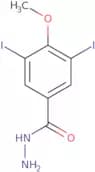

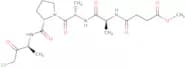

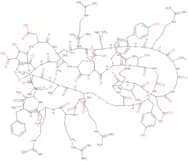
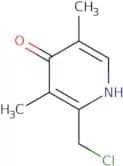
![Europium tris[3-(heptafluoropropylhydroxymethylene)-(+)-camphorate]](/_next/image/?url=https%3A%2Fstatic.cymitquimica.com%2Fproducts%2F3D%2Fthumb-webp%2FFE98265.webp&w=3840&q=75)
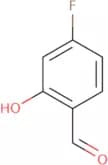
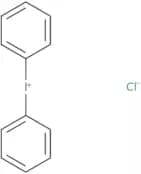





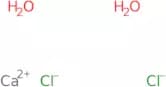
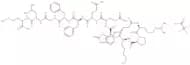
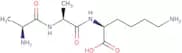

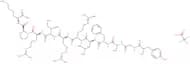
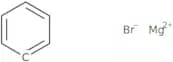
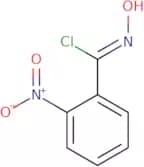
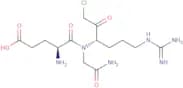
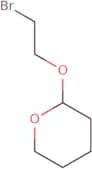

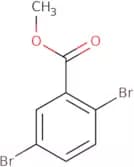
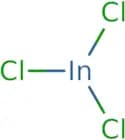
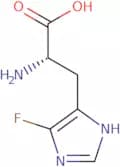
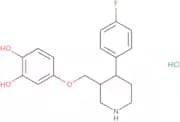
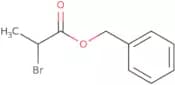
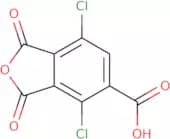
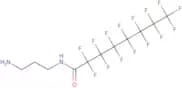
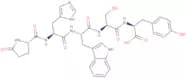
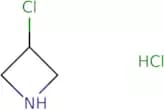
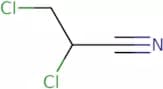
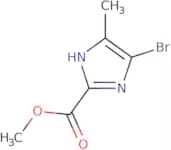
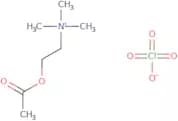
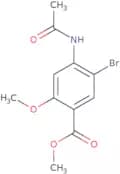

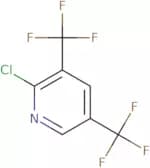
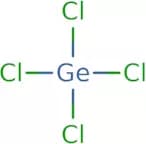
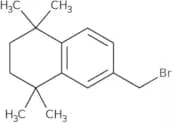
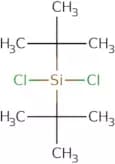

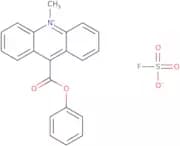
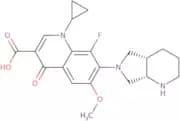
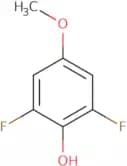
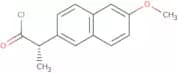
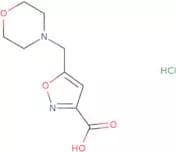
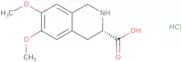
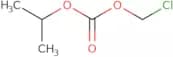
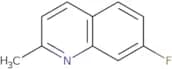
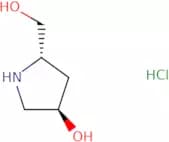
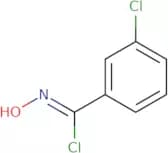
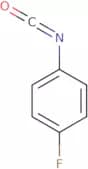

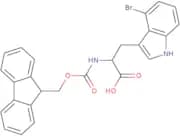
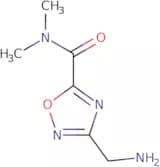
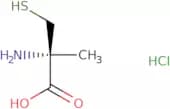
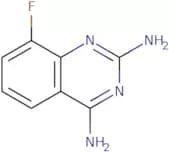
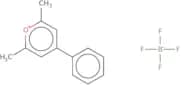
![7-[(2S,3R)-3-Amino-2-methyl-azetidin-1-yl]-1-(2,4-difluorophenyl)-6-fluoro-4-oxo-quinoline-3-carbo…](/_next/image/?url=https%3A%2Fstatic.cymitquimica.com%2Fproducts%2F3D%2Fthumb-webp%2FFA30404.webp&w=3840&q=75)
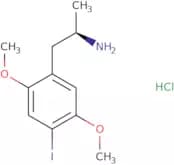
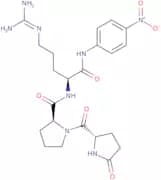
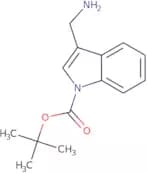

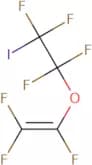
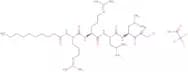
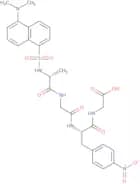
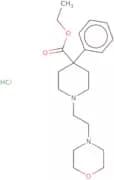
![3-[5-(4-Fluorophenyl)-5-hydroxy-1-oxopentyl]-4-phenyl-2-oxazolidinone](/_next/image/?url=https%3A%2Fstatic.cymitquimica.com%2Fproducts%2F3D%2Fthumb-webp%2FFF23467.webp&w=3840&q=75)
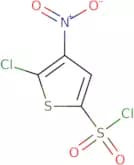
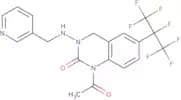
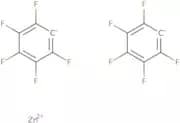
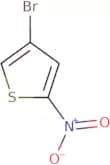
![Ethyl2-(acetylamino)-3-[3,5-diiodo-4-(4-methoxyphenoxy)phenyl]propanoate](/_next/image/?url=https%3A%2Fstatic.cymitquimica.com%2Fproducts%2F3D%2Fthumb-webp%2FFE149894.webp&w=3840&q=75)
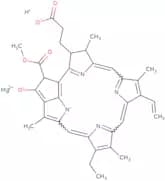
![2-[(Ethylamino)methyl]-4-aminophenol dihydrochloride](/_next/image/?url=https%3A%2Fstatic.cymitquimica.com%2Fproducts%2F3D%2Fthumb-webp%2FFE23131.webp&w=3840&q=75)
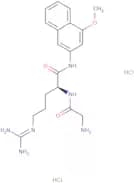
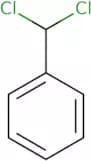
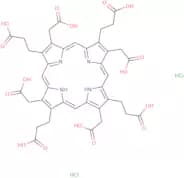
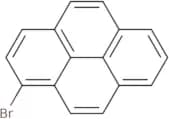
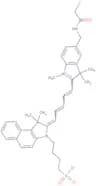
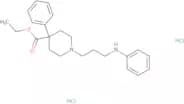
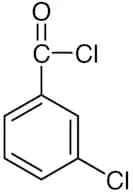

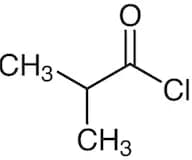
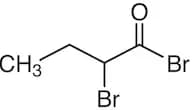


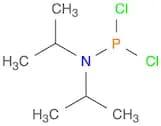

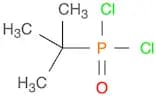
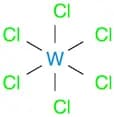
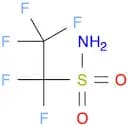
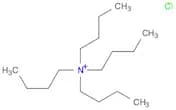
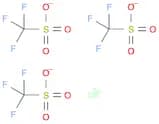
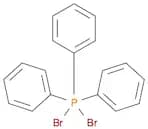
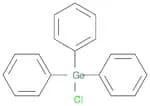
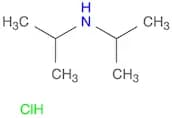
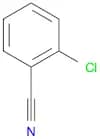
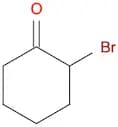
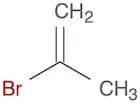
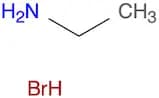
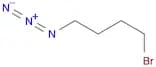

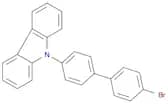
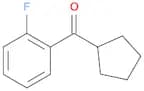

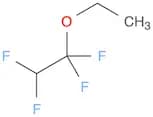
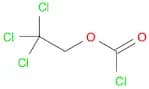
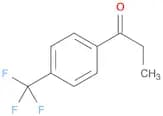
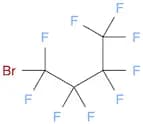
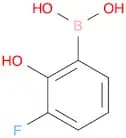
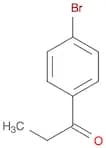
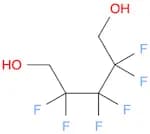
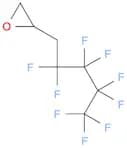
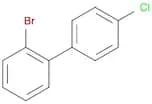
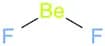
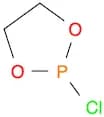
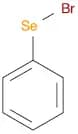

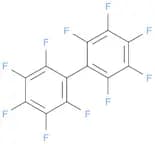
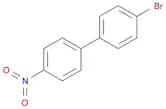
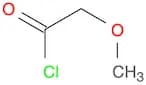
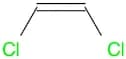

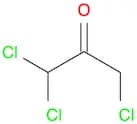
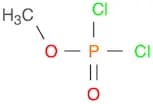
![(4'-Bromo-[1,1'-biphenyl]-4-yl)(phenyl)methanone](/_next/image/?url=https%3A%2Fstatic.cymitquimica.com%2Fproducts%2FIN%2Fthumb-webp%2FDA003KSK.webp&w=3840&q=75)
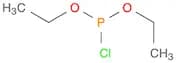
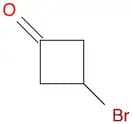
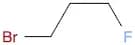
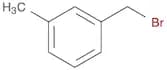
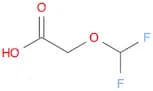
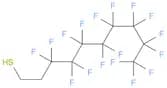
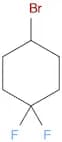
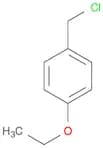
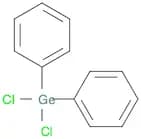
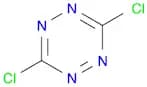

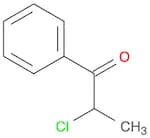
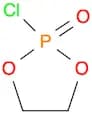

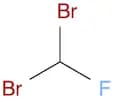
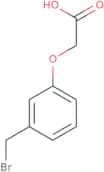
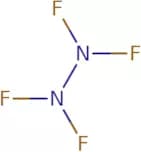

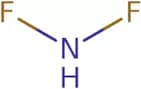


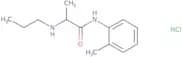
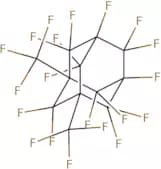
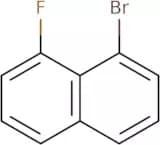
![2,2-Difluoro-2-[1,1,2,2-tetrafluoro-2-(trifluoromethoxy)ethoxy]acetic acid](/_next/image/?url=https%3A%2Fstatic.cymitquimica.com%2Fproducts%2F3D%2Fthumb-webp%2FFD99821.webp&w=3840&q=75)
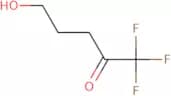
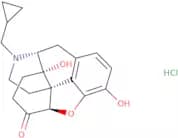
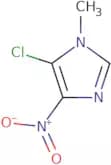
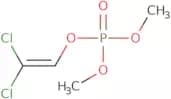
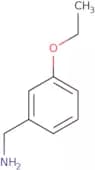
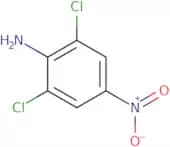

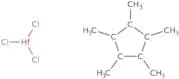
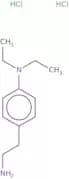
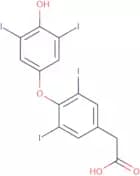
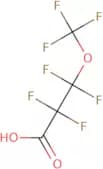
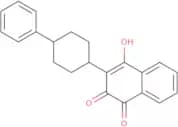
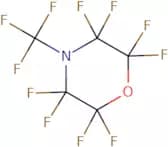
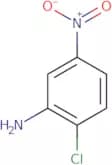
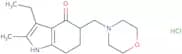
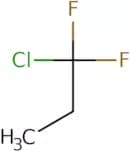
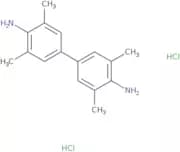
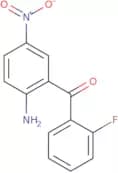
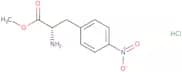
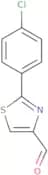
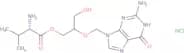
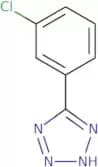
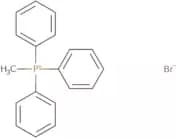
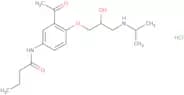
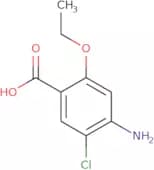
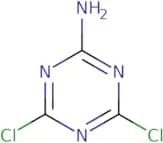

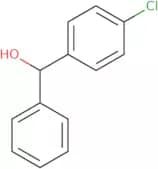

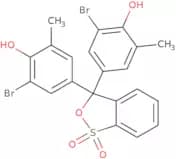
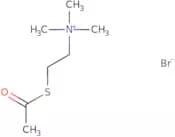
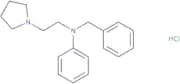
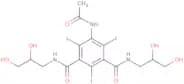
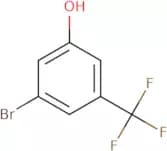
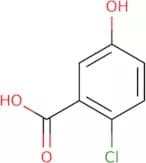
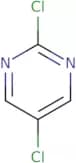
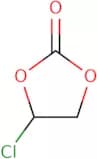

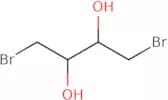
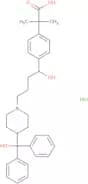
![2-[4-(2,2-Dichlorocyclopropyl)phenoxy]-2-methylpropanoic acid](/_next/image/?url=https%3A%2Fstatic.cymitquimica.com%2Fproducts%2F3D%2Fthumb-webp%2FFD11320.webp&w=3840&q=75)