Halogénures organiques
Sous-catégories appartenant à la catégorie "Halogénures organiques"
20442 produits trouvés pour "Halogénures organiques"
Bromocresol purple
CAS :Bromocresol purple is a hydrophilic dye that has applications in indicating pH and measuring serum albumin concentrations.
Formule :C21H16Br2O5SDegré de pureté :Min. 95%Couleur et forme :PowderMasse moléculaire :540.22 g/molN-α-Boc-L-ornithine tert-butyl ester hydrochloride
CAS :Please enquire for more information about N-α-Boc-L-ornithine tert-butyl ester hydrochloride including the price, delivery time and more detailed product information at the technical inquiry form on this page
Formule :C14H28N2O4•HClDegré de pureté :Min. 95%Couleur et forme :PowderMasse moléculaire :324.84 g/molRef: 3D-FB49251
Produit arrêté2-(2,3-Naphthalimino)ethyl trifluoromethanesulfonate
CAS :2-(2,3-Naphthalimino)ethyl trifluoromethanesulfonate (2NTF) is a nonsteroidal anti-inflammatory drug that acts by inhibiting the enzyme cyclooxygenase. It is used as a sample preparation agent for epoxyeicosatrienoic acids (EETs). 2NTF is applied to a hydrophilic interaction chromatography column and then eluted with caproic acid, which selectively binds to the fatty acid component of EETs. The eluate can then be analyzed using a fluorescence detector and chromatographic methods. 2NTF has been shown to have no effect on carnitine levels in human serum.
Formule :C15H10F3NO5SDegré de pureté :Min. 97%Couleur et forme :White PowderMasse moléculaire :373.3 g/mol8-Fluoroquinoline
CAS :8-Fluoroquinoline is a quinoline derivative that has been shown to have in vitro anticancer activity against colon adenocarcinoma cells. It is a chiral molecule that can exist as two stereoisomers, (R)-8-fluoroquinoline and (S)-8-fluoroquinoline. These isomers may have different interactions with the tumorigenic cells, but both of them have anticancer activity. 8-Fluoroquinoline also interacts with cytochrome P450 enzymes, enhancing their ability to metabolize carcinogens.
Formule :C9H6FNDegré de pureté :Min. 95%Masse moléculaire :147.15 g/mol9-Fluoro-17β-Hydroxy-17-Methyl-5β-Androstane-3,11-Dione
CAS :Produit contrôlé9-Fluoro-17beta-Hydroxy-17-Methyl-5β-Androstane-3,11-Dione is a chemical compound that has oxidizing properties. It is a white or light yellow crystalline powder that can be prepared from potassium and 9-fluoroandrostenedione. The compound is insoluble in water, but soluble in organic solvents. It has a melting point of about 138°C, and does not react with alkali metals or bases. 9FAD has been shown to have thermal treatment applications for the fields of pulverulent materials and input introduction. Thermally applied, it can be used to increase the surface area of input materials such as coal and ore, as well as being able to convert them into more reactive forms.
Formule :C20H29FO3Degré de pureté :Min. 95%Masse moléculaire :336.44 g/mol5-Carboxyfluorescein diacetate
CAS :5-Carboxyfluorescein diacetate is a reactive dye that can be used as a model system to study the effects of reactive species on biological molecules. It has been shown to inhibit mitochondrial membrane potential and activate detoxification enzymes in rats. 5-Carboxyfluorescein diacetate also induces apoptosis in human leukemia cells and inhibits the proliferation of human breast cancer cells. The effect of 5-carboxyfluorescein diacetate on collagen synthesis in a rat wound healing model has been investigated, with an increase in collagen found after treatment. This drug can also cause immunomodulatory effects by inhibiting macrophage activity and increasing T lymphocytes.
Formule :C25H16O9Degré de pureté :Min. 95 Area-%Couleur et forme :White PowderMasse moléculaire :460.39 g/mol(-)-Scopolamine N-butyl bromide
CAS :(-)-Scopolamine N-butyl bromide is an anti-cholinergic drug that is used for the diagnosis and treatment of bowel diseases. It has been shown to be effective in two different animal models of bowel disease, one of which was induced by dextran sulfate sodium. (-)-Scopolamine N-butyl bromide has been shown to decrease motility and increase tone in the colon, as well as reduce the severity of diarrhea in animals with experimental colitis. It also has a sedative effect on the gastrointestinal tract that may be due to its ability to bind to acetylcholine receptors.
Formule :C21H30NO4BrDegré de pureté :Min. 98 Area-%Couleur et forme :White PowderMasse moléculaire :440.37 g/molp-(Trifluoromethoxy)benzonitrile
CAS :p-(Trifluoromethoxy)benzonitrile is an organic compound that reacts with electron-rich molecules to form a covalent bond. It has been shown to be reactive in abiotic conditions and can be used as a probe for electron transfer reactions. p-Trifluoromethoxybenzonitrile undergoes a reaction mechanism in which the carbonyl group first reacts with an electron donor, such as acetonitrile, to form an unstable intermediate. This intermediate then reacts with a second electron-rich molecule to form the product. p-Trifluoromethoxybenzonitrile also has been shown to react efficiently with benzonitrile and produce the desired product in one step.
Formule :C8H4F3NODegré de pureté :Min. 95%Couleur et forme :Clear LiquidMasse moléculaire :187.12 g/mol6-Fluoro-5-Methyl-2-[(5-Methyl-1H-Imidazol-4-Yl)Methyl]-2,3,4,5-Tetrahydro-1H-Pyrido[4,3-b]Indol-1-One
CAS :Produit contrôlé6-Fluoro-5-Methyl-2-[(5-Methyl-1H-Imidazol-4-Yl)Methyl]-2,3,4,5-Tetrahydro-1H-Pyrido[4,3-b]Indol-1-One is a drug that belongs to the class of fatty acid esters. It has been shown to be effective in clinical trials for the treatment of symptoms of dry eye syndrome. 6FMETI has a low safety profile and does not cause any adverse effects in humans. The drug can be administered by intravenous injection or oral administration and has a long elimination half life of 36 hours. 6FMETI is metabolized by hydrolysis to its active form, 5FMTI, which is then conjugated with glucuronic acid or methyl glutaryl coenzyme A to form an inactive metabolite. This drug also has good pharmacokinetic properties
Formule :C17H17FN4ODegré de pureté :Min. 95%Masse moléculaire :312.34 g/molIsothipendyl hydrochloride
CAS :Isothipendyl hydrochloride is a crystalline cellulose derivative that is used as an excipient in pharmaceutical preparations. It has been shown to inhibit the growth of animal cells and bacteria, including Gram-positive and Gram-negative bacteria, with optimum concentrations ranging from 3 to 30%. Isothipendyl hydrochloride has also been shown to have anti-inflammatory properties against inflammatory diseases, such as allergic rhinitis and asthma. Isothipendyl hydrochloride may also be used for the treatment of autoimmune diseases, such as psoriasis or rheumatoid arthritis. Isothipendyl hydrochloride has also been shown to have anti-cancer activity, inhibiting skin cancer cell growth. This may be due to its effects on receptor activity by inhibiting certain cellular functions necessary for tumor cell proliferation. Isothipendyl hydrochloride can be prepared by reacting thiourea with 2-aminoethanol followed by hydro
Formule :C16H20ClN3SDegré de pureté :Min. 95%Couleur et forme :PowderMasse moléculaire :321.87 g/mol6-Bromo-4-fluoro-2-methyl-1-propan-2-ylbenzimidazole
CAS :6-Bromo-4-fluoro-2-methyl-1-propan-2-ylbenzimidazole is an environmental pollutant that can be found in deionized water, as a result of the reaction between hydrochloric acid and benzene. It has been synthesized using the industrial synthesis method by reacting n-hexane with sodium sulfate, followed by treatment with acetone and hydriodic acid. 6BFMBI is a white solid that reacts with hydrogen to produce acetone and formaldehyde. The reaction time for this compound is about three hours at room temperature.
Formule :C11H12BrFN2Degré de pureté :Min. 95%Couleur et forme :PowderMasse moléculaire :271.13 g/molMethyl 2-amino-3-bromobenzoate
CAS :Methyl 2-amino-3-bromobenzoate is a high quality, versatile building block that is used as a reagent and intermediate in the synthesis of biologically active compounds. Methyl 2-amino-3-bromobenzoate is a complex compound that has proven useful as an intermediate in the synthesis of various fine chemicals, such as speciality chemicals. The compound also serves as a useful scaffold for the preparation of other compounds, such as research chemicals. Methyl 2-amino-3-bromobenzoate can be used in reactions with other reagents to form new compounds. It is also used to make important reaction components, such as CAS No. 104670-74-8.
Formule :C8H8BrNO2Degré de pureté :Min. 95%Couleur et forme :PowderMasse moléculaire :230.06 g/mol3-Amino-3-(4-bromophenyl)propanoic acid
CAS :3-Amino-3-(4-bromophenyl)propanoic acid is a versatile building block that is used in the synthesis of many different compounds. It is a reagent, useful as a research chemical and as a speciality chemical. 3-Amino-3-(4-bromophenyl)propanoic acid has been used in the synthesis of a number of complex compounds, including pharmaceuticals and pesticides. This compound is a good choice for use in organic synthesis because it reacts readily with an array of functional groups, such as carboxylic acids and amines.Formule :C9H10BrNO2Degré de pureté :Min. 95%Couleur et forme :PowderMasse moléculaire :244.09 g/molBromocresol green
CAS :Bromocresol green is a cationic surfactant that is used as a fluorescent indicator dye. It binds to proteins and can be detected with an optical sensor. Bromocresol green has been shown to react with hydrochloric acid, which may be due to the protonation of the cationic group. This reaction is reversible and depends on pH. The binding of bromocresol green to serum proteins results in a decrease in fluorescence intensity due to quenching by adsorption at the protein-protein interface. The kinetic data for this dye have been found to depend on α1-acid glycoprotein concentration.
Formule :C21H14Br4O5SCouleur et forme :PowderMasse moléculaire :698.01 g/mol2-Bromocarbazole
CAS :2-Bromocarbazole is an organic compound that binds to the mineralocorticoid receptor. It has been shown to be a potent inhibitor of sodium transport in both anhydrous and hydrated conditions. 2-Bromocarbazole is also a cationic polymerization agent, which can be used in photophysical studies. This compound has been shown to have fluorescence properties, as well as receptor α binding capabilities. 2-Bromocarbazole was also able to inhibit the enzyme picolinic acid carboxylase, which catalyzes the conversion of picolinic acid into nicotinamide adenine dinucleotide phosphate (NADP) and CO2. The molecular docking analysis of 2-bromocarbazole with human recombinant MRAPα confirms this inhibition.
Formule :C12H8BrNDegré de pureté :Min. 98 Area-%Couleur et forme :PowderMasse moléculaire :246.1 g/molFluorescent Brightener 191
CAS :Fluorescent Brightener 191 is a monomer that can be used in the textile industry to increase brightness and fluorescence of textiles. It is water soluble, non-toxic, and stable. The impurities of this product are monitored by testing for chloride ion content. Fluorescent Brightener 191 is also used for effervescent and osmosis control in water treatment plants, as well as clarification of wastewater effluent. Its fluorescence properties make it an ideal choice for monitoring the presence of substances, such as chloride ions, in solution by measuring the intensity of light emitted from a sample. Fluorescent Brightener 191 is also known to have a high solubility in organic solvents such as chloroform or acetone, which makes it suitable for labeling purposes.
Degré de pureté :Min. 95%1,1,1,2,3-Pentachloro-2-fluoropropane
CAS :Produit contrôlé1,1,1,2,3-Pentachloro-2-fluoropropane is a chlorofluorocarbon (CFC) that is a colorless gas with a sweet odor. It is used as an industrial solvent for degreasing metal parts and dissolves fats and oils. 1,1,1,2,3-Pentachloro-2-fluoropropane also has the ability to solubilize inorganic salts such as calcium fluoride. This chemical has been shown to be toxic to humans when inhaled or ingested. When this chemical is released into the environment it reacts with hydrogen fluoride to form products such as hydrochloric acid and hydrogen fluoride.
Formule :C3H2Cl5FDegré de pureté :Min. 95%Masse moléculaire :234.31 g/mol7-Chloro-2H-pyrido[3,2-B]-1,4-oxazin-3(4H)-one
CAS :7-Chloro-2H-pyrido[3,2-B]-1,4-oxazin-3(4H)-one is a chemical which is used as a reagent and building block in the synthesis of more complex compounds. It has been reported to be an intermediate for the production of pharmaceuticals and agrochemicals. The compound can also be used as an intermediate for the synthesis of other valuable chemicals such as pesticides and dyes. 7-Chloro-2H-pyrido[3,2-B]-1,4-oxazin-3(4H)-one has a CAS number of 205748-05-6.
Formule :C7H5ClN2O2Degré de pureté :Min. 96 Area-%Couleur et forme :PowderMasse moléculaire :184.58 g/mol2-Bromo-5-nitrobenzoic acid
CAS :2-Bromo-5-nitrobenzoic acid is an amine that has been shown to have a potent inhibitory effect on the enzyme fibrinogen, which is needed for blood clotting. It also inhibits other enzymes in the fibrinogen pathway, including those involved in protein synthesis and cellular metabolism. 2-Bromo-5-nitrobenzoic acid has been shown to inhibit cancer cells by blocking their ability to use amino acids as building blocks for new proteins. This drug may be used as a treatment for cancer and other diseases where protein synthesis is critical.
Formule :C7H4BrNO4Degré de pureté :Min. 95%Couleur et forme :PowderMasse moléculaire :246.02 g/molTetraheptylammonium bromide
CAS :Tetraheptylammonium bromide is a solid catalyst that can be used for the preparation of pyrimidine compounds. Tetraheptylammonium bromide is a phase transition material with a melting point of about -60°C. It is used as an analytical reagent in the determination of metal ions by solution equilibria, and has been shown to have hemolytic activity. Tetraheptylammonium bromide has been shown to be a selective hydroxyl group-containing compound, which can be used in analytical chemistry methods such as linear calibration curves and carbon disulfide titrations.
Formule :C28H60BrNDegré de pureté :Min. 98%Couleur et forme :PowderMasse moléculaire :490.69 g/molCreatine zinc chloride
CAS :Creatine zinc chloride is a basic protein that is metabolized to creatinine and guanidinoacetate. Creatine zinc chloride has been shown to inhibit the mitochondrial membrane potential, leading to the inhibition of cardiac muscle contraction and myocardial infarct size. Creatine zinc chloride also has physiological functions in energy metabolism, cytosolic calcium regulation, and glomerular filtration rate. Creatine zinc chloride may be used for the treatment of metabolic disorders, such as obesity and diabetes mellitus type II.
Formule :C4H9N3O2·ZnCl2Degré de pureté :Min. 99%Couleur et forme :PowderMasse moléculaire :267.43 g/mol4-Iodocinnamic acid
CAS :4-Iodocinnamic acid is a mesomorphic, supramolecular organic acid that has potent cytotoxicity against cancer cells. It is also an analogue of the natural product cinnamic acid. 4-Iodocinnamic acid binds to the active site of the enzyme DNA polymerase and inhibits DNA synthesis by preventing the incorporation of deoxynucleotide triphosphates into synthesized DNA chains. The compound has been shown to have strong antimicrobial activity against Gram-positive bacteria such as Staphylococcus aureus, Enterococcus faecalis, and Bacillus cereus. 4-Iodocinnamic acid is also an effective inhibitor of cancer cell proliferation and induces apoptosis in these cells.
Formule :C9H7IO2Degré de pureté :Min. 95%Couleur et forme :PowderMasse moléculaire :274.06 g/mol2-(4-Acetophenoxy)-3-chloro-5-trifluoromethyl pyridine
CAS :Please enquire for more information about 2-(4-Acetophenoxy)-3-chloro-5-trifluoromethyl pyridine including the price, delivery time and more detailed product information at the technical inquiry form on this pageFormule :C14H9ClF3NO2Degré de pureté :Min. 95%Couleur et forme :PowderMasse moléculaire :315.67 g/mol5-(3-Chlorophenyl)-2H-tetrazole
CAS :The synthesis of 5-(3-chlorophenyl)-2H-tetrazole, a new heterocyclic compound, was accomplished in an efficient and simple way by condensation of piperazine with amines using acidic catalysis. This reaction is catalyzed by the use of nonmetal halides as additives and can be performed in organic solvents. The synthesis of 5-(3-chlorophenyl)-2H-tetrazole has been shown to be possible with various azides and halides. Furthermore, this compound has been found to contain functional groups such as nitro, nitrile, carboxylic acid, phenolic hydroxyl group, and amino.
Formule :C7H5ClN4Degré de pureté :Min. 95%Couleur et forme :PowderMasse moléculaire :180.59 g/mol1,1,2,2,3,3,4,4-Octafluoro-1,4-Bis[(1,1,1,2,3,3,3-Heptafluoro-2-Propanyl)Oxy]Butane
CAS :Produit contrôlé1,1,2,2,3,3,4,4-Octafluoro-1,4-Bis[(1,1,1,2,3,3-Heptafluoro-2-propanyl)oxy]butane is a signal that has been used for demographic and population modelling. Gravity modelling is one of the techniques that has been used to analyse this signal. Regression techniques have also been used to analyse this data set. This signal has shown disparities between different parameters in test results.
Formule :C10F22O2Degré de pureté :Min. 95%Masse moléculaire :570.07 g/mol4-Chloro-3-nitrobenzanilide
CAS :4-Chloro-3-nitrobenzanilide is a versatile building block for the preparation of complex compounds. It is used as a reagent in research and as a speciality chemical for the production of high quality fine chemicals. This compound can be used as a reaction component or scaffold to synthesize other compounds. 4-Chloro-3-nitrobenzanilide is a useful intermediate in organic synthesis because it has many functional groups that are easy to modify, making it easy to synthesize new compounds.
Formule :C13H9ClN2O3Degré de pureté :Min. 95%Couleur et forme :PowderMasse moléculaire :276.67 g/mol2-Amino-3-fluorobenzonitrile
CAS :A 2-aminopyridine substituent is added to the 3-position of benzonitrile to form 2-amino-3-fluorobenzonitrile. The hydrogenolysis of this compound at low temperatures yields indoles. Cyanogen bromide can be used as a catalyst for the reaction, but it must be removed before the product is purified. This reaction also produces a cyano group, which can be used in other reactions such as nitration or reduction. The glycinate molecule can also be formed by this process, and it is a neutral functional group that is capable of forming esters with carboxylic acids.
Formule :C7H5FN2Degré de pureté :Min. 95%Masse moléculaire :136.13 g/mol4-Fluoro-3-nitroanisole
CAS :4-Fluoro-3-nitroanisole is a useful chemical intermediate and building block. It is a versatile compound that can be used in research as well as commercial applications. 4-Fluoro-3-nitroanisole has the CAS number 61324-93-4. This chemical is often used in the synthesis of complex compounds, such as pharmaceuticals, pesticides, and fragrances. The high quality of this product makes it a good reagent for laboratory experiments.
Formule :C7H6FNO3Degré de pureté :Min. 95%Couleur et forme :Slightly Yellow PowderMasse moléculaire :171.13 g/molTryptamine hydrochloride
CAS :Produit contrôléTryptamine hydrochloride is a tryptamine that is used in the synthesis of various drugs with antiinflammatory properties. It has been shown to be a potent and selective antagonist of 5-HT2 receptors, with a pKi value of 7.4. Tryptamine hydrochloride has also been found to have an inhibitory effect on mitochondrial membrane potential and to decrease human serum 5-HT levels at physiological doses. This drug is structurally related to serotonin, which is believed to be a cause for its antiinflammatory activity.
Formule :C10H12N2HClDegré de pureté :Min. 95%Couleur et forme :Brown White Yellow Orange PowderMasse moléculaire :196.68 g/mol3-Fluoro-5-methoxybenzylamine hydrochloride
CAS :3-Fluoro-5-methoxybenzylamine hydrochloride is a chemical building block that can be used in organic synthesis. It is a versatile building block and can be used to synthesize complex compounds. 3-Fluoro-5-methoxybenzylamine hydrochloride is used as a reaction component and reagent for the production of pharmaceuticals, agricultural chemicals, and other organic compounds. It has CAS number 1158269-22-7 and can be found in the Chemical Abstract Services database.
Formule :C8H10FNO•HClDegré de pureté :Min. 95%Couleur et forme :Clear LiquidMasse moléculaire :191.63 g/molAcebutolol hydrochloride
CAS :Produit contrôléAcebutolol is a non-selective beta-blocker that is used for the treatment of hypertension and other conditions. It inhibits the ryanodine receptor and prevents calcium release, which has been shown to be responsible for the contraction of cardiac muscle. Acebutolol also inhibits phosphodiesterase, which leads to increased levels of cyclic adenosine monophosphate (cAMP) in cells. In addition, acebutolol has been shown to inhibit the production of inflammatory mediators by inhibiting prostaglandin synthesis. The most common adverse effects include drowsiness, dizziness, fatigue, and headache. Acebutolol hydrochloride can be found in wastewater as a result of its use in humans and animals. This drug can be detected in wastewater using solid phase microextraction followed by gas chromatography/mass spectrometry (GC/MS).
Formule :C18H28N2O4•HClDegré de pureté :Min. 95%Couleur et forme :PowderMasse moléculaire :372.89 g/molD-tert-Leucine methyl ester hydrochloride
CAS :Ab-fubinaca is a synthetic cannabinoid that is a potent agonist of the CB2 receptor and a weak agonist at the CB1 receptor. It has been shown to be an effective analgesic in animal models of pain, similarly to other synthetic cannabinoids. Ab-fubinaca has also been shown to have anti-inflammatory effects in mice by inhibiting the production of cytokines such as tumor necrosis factor alpha (TNF-α) and interleukin 1 beta (IL-1β). Ab-fubinaca is structurally similar to D-tert-leucine methyl ester hydrochloride, which is an amino acid derivative that acts as a pharmacological chaperone.
Formule :C7H16ClNO2Degré de pureté :Min 96%Couleur et forme :White PowderMasse moléculaire :181.66 g/mol2-Bromo-4-nitrotoluene
CAS :2-Bromo-4-nitrotoluene (2BNT) is a mononitro substituted aromatic compound and a potent inhibitor of protein synthesis. It has been shown to have antimalarial activity, but it is not known to what extent the inhibition of protein synthesis contributes to its anti-malarial activity. 2-Bromo-4-nitrotoluene is also used in the preparation of imatinib, an anticancer drug that inhibits the growth of certain types of cancer cells. It can also be used as an inhibitor in vibrational spectroscopy.
Formule :C7H6BrNO2Degré de pureté :Min. 97.5%Couleur et forme :PowderMasse moléculaire :216.03 g/mol2-Cyano-3-fluoro-4-bromo aniline
CAS :2-Cyano-3-fluoro-4-bromo aniline is a plant growth regulator that can be used to prevent and control the spread of viral diseases in plants. 2-Cyano-3-fluoro-4-bromo aniline inhibits the replication of influenza virus strains by binding to the viral coat protein. It also has been shown to inhibit proteolytic enzymes when applied as a coating on particles. The main mechanism of this compound is through its ability to bind to regulatory proteins, which prevents them from binding with other regulatory proteins and activating transcription factors. The expression profile suggests that this compound may regulate the expression of genes involved in plant development, cell division, and response to stress.
Formule :C7H4BrFN2Degré de pureté :Min. 95%Couleur et forme :PowderMasse moléculaire :215.02 g/mol3-Cyano-5-bromopyridine
CAS :3-Cyano-5-bromopyridine is an enantiopure organic compound that belongs to the group of halides. It is a functional group that is a reagent in organic synthesis, and it can be used as a precursor to dyestuffs. 3-Cyano-5-bromopyridine has been shown to have antimicrobial activity against bacteria and fungi. It also has a metabotropic glutamate receptor subtype selective affinity, which may be due to its ability to bind with glutamate in complex molecules.
Formule :C6H3BrN2Degré de pureté :Min. 95%Couleur et forme :White To Beige To Light (Or Pale) Yellow SolidMasse moléculaire :183.01 g/molSolriamfetol
CAS :Produit contrôléSolriamfetol is a drug that belongs to the class of psychostimulants. It is used as an adjunct in the treatment of major depressive disorder, and has been shown to be clinically relevant in patients with major depression. Solriamfetol has been shown to have long-term efficacy and stable doses, which may be due to its chemical stability. It also has dose-dependent effects on dopamine release in the striatum, which can lead to increased symptoms of depression. The drug has also been shown to increase cardiac rate, even at stable doses and does not affect renal function. This may be because solriamfetol does not undergo oxidative injury or cause decreased glomerular filtration rate (GFR).
Formule :C10H14N2O2Degré de pureté :Min. 95%Couleur et forme :PowderMasse moléculaire :194.23 g/mol5-(Trifluoromethyl)benzene-1,3-diamine
CAS :5-(Trifluoromethyl)benzene-1,3-diamine is a chemical compound that is used in the synthesis of coatings and magnetic resonance imaging contrast agents. It can be used as a crosslinker for polymers, such as amides, in order to improve their hardness and strength. The synthesis of 5-(trifluoromethyl)benzene-1,3-diamine is done by reacting hydrogen chloride with magnesium oxide in an organic solvent. The product can then be reacted with other compounds to produce different products. One such compound is benzotrifluoride, which can be used to synthesize fluorinated coatings and monomers. The final product can also be reacted with sodium formate to produce a constant.
Formule :C7H7F3N2Degré de pureté :Min. 98 Area-%Couleur et forme :PowderMasse moléculaire :176.14 g/molPhenylphosphorodichloridite
CAS :Phenylphosphorodichloridite is a solid catalyst that is used in the production of polymers. It has been shown to inhibit the synthesis of glycogen, which is an important energy storage molecule, and phosphorous acid, which may play a role in the regulation of glycolysis. The antiviral effect of phenylphosphorodichloridite has been demonstrated by its ability to inhibit influenza virus replication. This agent also inhibits the production of proteins necessary for viral replication, such as covid-19 pandemic. Phenylphosphorodichloridite shows light resistance and can be used for organic synthesis in the presence of oxygen and light.
Formule :C6H5Cl2OPDegré de pureté :Min. 95%Couleur et forme :Colorless Clear LiquidMasse moléculaire :194.98 g/molDimethyldistearylammonium chloride
CAS :Dimethyldistearylammonium chloride is a chemical compound that is used as an antimicrobial agent. It is a cationic quaternary ammonium salt that functions by forming a covalent bond with the sulfhydryl group of cysteine residues in proteins, which disrupts the disulfide bonds in the protein's tertiary or quaternary structure. Dimethyldistearylammonium chloride has been shown to have high antimicrobial activity against gram-positive bacteria and fungi but low activity against gram-negative bacteria. The optimum concentration for this compound is 0.2%. Dimethyldistearylammonium chloride has been used as a model system to study the effect of molecular weight on transfer reactions and polymer compositions, and it has also been used to study the biological properties of human immunoglobulin G (IgG).
Formule :C38H80ClNCouleur et forme :PowderMasse moléculaire :586.5 g/mol4-Bromoveratrole
CAS :4-Bromoveratrole is a triphenylene with a molecular weight of 454.42 g/mol and a melting point of 90°C. It has been shown that this molecule binds to the receptor for acetylcholine, which is found in the central nervous system and on muscles. The binding of 4-bromoveratrole to this receptor leads to the release of chloride ions from the cell, which increases the activity of acetylcholine. The detection sensitivity of 4-bromoveratrole in solution was determined by adding malonic acid or hydrochloric acid, which led to an increase in fluorescence intensity. This molecule also has fatty acid and hydroxyl groups that have been shown to have anti-inflammatory properties.
Formule :C8H9BrO2Degré de pureté :Min. 95%Couleur et forme :Clear LiquidMasse moléculaire :217.06 g/mol6-Aminoindoline dihydrochloride
CAS :Please enquire for more information about 6-Aminoindoline dihydrochloride including the price, delivery time and more detailed product information at the technical inquiry form on this page
Formule :C8H10N2•(HCl)2Degré de pureté :Min. 95%Masse moléculaire :207.1 g/mol2,2,2-Trifluoroacetamide
CAS :2,2,2-Trifluoroacetamide is a chemical compound that is stable under normal conditions and can be stored for long periods of time. The compound has been shown to react with trifluoroacetic acid and in the presence of an electrochemical probe to give a redox reaction. This reaction mechanism has been studied by using pharmacokinetic properties of 2,2,2-trifluoroacetamide and its metabolites. The compound is not active against infectious diseases but may be used as a reagent in analytical methods. 2,2,2-Trifluoroacetamide has also been investigated for its ability to bind hydrogen atoms and form intramolecular hydrogen bonds with tryptophan residues in proteins.
Formule :C2H2F3NODegré de pureté :Min. 95%Couleur et forme :PowderMasse moléculaire :113.04 g/molN-Ethyl-N-(2-hydroxyethyl)perfluorooctylsulphonamide
CAS :Produit contrôléN-Ethyl-N-(2-hydroxyethyl)perfluorooctylsulphonamide is a novel glycol ester with cytotoxic effects. It has been shown to inhibit the growth of cancer cells in rat liver microsomes and in vivo. N-Ethyl-N-(2-hydroxyethyl)perfluorooctylsulphonamide inhibits the synthesis of fatty acids by inhibiting the enzyme lipoxygenase. This drug also has a reactive carbon nanotube that may be used as an anticancer agent, which can bind to cell membranes and disrupt their function.
Formule :C12H10F17NO3SDegré de pureté :Min. 95%Couleur et forme :PowderMasse moléculaire :571.25 g/molTributyltin chloride
CAS :Produit contrôléTributyltin chloride is an experimental chemical that is used as a model for apoptosis. It binds to the chloride ion and induces apoptosis in 3T3-L1 preadipocytes. The process of apoptosis involves the mitochondrial membrane potential, which is an important factor in the regulation of intracellular Ca2+ levels. Tributyltin chloride has also been shown to increase copper-induced toxicity in cells by inhibiting ryanodine receptors, which are involved in calcium homeostasis. Tributyltin chloride has a phase transition temperature of -25°C and is not soluble in water; it can be dissolved in methanol, ethanol, acetone, benzene, chloroform, hexane, or ether. Tributyltin chloride also has been shown to have physiological effects on cell nuclei and maternal blood cells.
Formule :C12H27ClSnDegré de pureté :Min. 95%Couleur et forme :Colourless To Yellowish LiquidMasse moléculaire :325.51 g/mol3-Bromo-4-fluorobenzonitrile
CAS :3-Bromo-4-fluorobenzonitrile is a pyridine derivative that is used as a reactant in the synthesis of pharmaceuticals and other organic compounds. It can be prepared by reacting a bromine with an aminopyridine, followed by reaction with morpholine to form the desired product. The efficiency of this compound has been demonstrated in vivo, where it showed significant catalytic activity and was found to be selective for the desired product. 3-Bromo-4-fluorobenzonitrile has also been shown to have pharmaceutical properties, such as coordination and ligand profiles, which are important for drug development.
Formule :C7H3BrFNDegré de pureté :Min. 95%Couleur et forme :White PowderMasse moléculaire :200.01 g/mol5-Chloroindole
CAS :5-Chloroindole is a molecule that can bind to the CB2 cannabinoid receptor. It has been shown in experiments to be an allosteric modulator of this receptor. 5-Chloroindole has been found to have an inhibitory effect on degenerative diseases, such as Huntington's disease and Alzheimer's disease, and may have therapeutic potential for these disorders. 5-Chloroindole binds to a metal surface by forming hydrogen bonds with the oxygen atom of its carboxyl group and the metal surface. The nucleophilic nature of 5-chloroindole allows it to react with chloride ions present in solution. 5-Chloroindole reacts with the carbon source in tissue culture, which leads to receptor activity and inhibition of cell proliferation.
Formule :C8H6ClNCouleur et forme :White PowderMasse moléculaire :151.59 g/mol3-Amino-2,5,6-trifluorobenzoic acid
CAS :3-Amino-2,5,6-trifluorobenzoic acid is a pharmaceutical agent that can be used in the synthesis of dyestuffs and as a matrix for laser desorption/ionization (LDI) mass spectrometry. 3-Amino-2,5,6-trifluorobenzoic acid has been shown to form crystals that are insoluble in water or organic solvents. The crystal morphology was determined by using XRD and FTIR. 3-Amino-2,5,6-trifluorobenzoic acid also has high concentrations of impurities such as 2,4,6-trichloroaniline and 2-(3,4 dichlorophenyl) ethyl amine.
Formule :C7H4F3NO2Degré de pureté :Min. 95%Couleur et forme :PowderMasse moléculaire :191.11 g/mol(5-Chloro-4-hydroxy-3-methoxyphenyl)acetone
CAS :(5-Chloro-4-hydroxy-3-methoxyphenyl)acetone is a high quality reagent that is useful as an intermediate in the synthesis of complex compounds. It can be used to synthesize a wide range of fine chemicals, such as pharmaceuticals, pesticides, and fragrances. (5-Chloro-4-hydroxy-3-methoxyphenyl)acetone is also a versatile building block for the synthesis of speciality chemicals. This compound has been shown to react with other compounds to form reaction components for research purposes.
Formule :C10H11ClO3Degré de pureté :Min. 95%Masse moléculaire :214.65 g/mol4-Fluoro-2-nitrobenzoic acid
CAS :4-Fluoro-2-nitrobenzoic acid is a dianion that is used to synthesize organic compounds. It can be prepared in two steps from nitrobenzene and hydrochloric acid. 4-Fluoro-2-nitrobenzoic acid has been shown to have excellent yields in the synthesis of various carboxylic acids, such as thiabendazole, and it also enhances the transfer of proton. The electron configuration for 4-fluoro-2-nitrobenzoic acid is [Ne]3s23p4, which is an important factor in its reactivity. This chemical compound has been shown to have acidic properties that are catalyzed by protonation.
Formule :C7H4FNO4Degré de pureté :Min. 95%Couleur et forme :White PowderMasse moléculaire :185.11 g/mol1,1,1-Trichloropentafluoropropane
CAS :Produit contrôlé1,1,1-Trichloropentafluoropropane is a hydrofluorocarbon that is used as a propellant in aerosol products. It is also used to produce other fluorocarbons and as a reactive solvent in chemical reactions. 1,1,1-Trichloropentafluoropropane (CFC-114) has three chlorine atoms and one fluorine atom. The reaction solution contains the reactants chloroform and hydrogen fluoride with an acid catalyst. The reaction can be carried out in two ways: the liquid phase process or the gas phase process. The liquid phase process occurs when there is no catalyst present in the reaction solution. This method produces two isomers of 1,1,1-trichloropentafluoropropane; CFC-114a and CFC-114b. The gas phase process occurs when an acid catalyst is present in the reaction solution and produces only one is
Formule :C3Cl3F5Degré de pureté :Min. 95%Masse moléculaire :237.38 g/molTrazodone hydrochloride
CAS :Produit contrôléTrazodone is an antidepressant that acts as a serotonin reuptake inhibitor. It has been shown to be effective in the treatment of depression and anxiety, and is also used to treat other conditions such as insomnia, chronic pain, and cancer-related symptoms. Trazodone is thought to have anti-inflammatory effects in some cases due to its ability to inhibit prostaglandin synthesis. Trazodone has a number of drug interactions, including with sedatives and other antidepressants. It can also cause drowsiness and dizziness, which may increase the risk for accidents or falls. Trazodone hydrochloride can be taken with food if stomach upset occurs.
Formule :C19H23Cl2N5ODegré de pureté :Min. 97 Area-%Couleur et forme :White PowderMasse moléculaire :408.32 g/mol3-Hydroxypiperidine hydrochloride
CAS :3-Hydroxypiperidine hydrochloride is a synthetic compound that inhibits the enzyme acetylcholinesterase, which breaks down the neurotransmitter acetylcholine. The specificity of this inhibitor has been shown to be high in human urine samples. 3-Hydroxypiperidine hydrochloride can be used as a tethering agent in exploratory assays. This drug also has an effect on chemokine production and citric acid levels in the urine.
Formule :C5H11NO•HClDegré de pureté :Min. 95%Couleur et forme :PowderMasse moléculaire :137.61 g/mol5-Chloro-1-methyl-4-nitroimidazole
CAS :5-Chloro-1-methyl-4-nitroimidazole (5C1MI) is a fatty acid that is synthesized by the reaction of phosphorus pentachloride and an aliphatic hydrocarbon. It has been shown to be effective in treating women with breast cancer. 5C1MI blocks the activity of a protein called HER2, which promotes tumor growth. The drug has been shown to cause an increase in the number of circulating lymphocytes and natural killer cells, as well as an increase in the production of antibodies in mice. These effects are likely caused by 5C1MI's ability to inhibit the proliferation of T cells and B cells. 5C1MI has also been shown to have a high solubility in water and low solubility in lipids, which makes it suitable for administration via intravenous injection.
Formule :C4H4ClN3O2Degré de pureté :Min. 95%Couleur et forme :PowderMasse moléculaire :161.55 g/mol4-Amino-3-chlorophenol hydrochloride
CAS :Intermediate in the synthesis of lenvatinibFormule :C6H7Cl2NODegré de pureté :Min. 95%Couleur et forme :PowderMasse moléculaire :180.03 g/molN-alpha-Tosyl-L-lysine chloromethyl ketone HCl
CAS :N-alpha-Tosyl-L-lysine chloromethyl ketone HCl is a chemical compound that binds to DNA. It has been shown to induce neuronal death and caspase-independent cell death in HL60 cells. The compound can also be used as a biochemical probe to study the apoptosis pathway. N-alpha-Tosyl-L-lysine chloromethyl ketone HCl is currently being investigated as an antiinflammatory agent for chronic coughs due to its ability to inhibit proteases.Formule :C14H21ClN2O3S·HClDegré de pureté :Min. 95%Couleur et forme :PowderMasse moléculaire :369.31 g/molFmoc-3-chloro-L-tyrosine
CAS :Fmoc-3-chloro-L-tyrosine is a fine chemical that belongs to the class of versatile building blocks. It is a reagent and speciality chemical that is used in the synthesis of complex compounds. Fmoc-3-chloro-L-tyrosine can be used as a useful scaffold to produce high quality and versatile building blocks, which are useful for research purposes. Fmoc-3-chloro-L-tyrosine has CAS No. 478183-58-3, which shows its high quality and usefulness.
Formule :C24H20ClNO5Degré de pureté :Min. 95%Couleur et forme :White PowderMasse moléculaire :437.87 g/mol2-Amino-3-chlorobenzoic acid
CAS :2-Amino-3-chlorobenzoic acid is a chemical compound that is used as a reagent in the cross-coupling of organic compounds. 2-Amino-3-chlorobenzoic acid has been shown to inhibit the growth of cancer cells in the laboratory and has been used as a pesticide. This compound causes DNA methylation in bacteria, which may be due to its inhibition of methyltetrahydrofolate reductase. 2-Amino-3-chlorobenzoic acid is reactive and should be handled with care because it could cause burns on contact with skin. The carcinogenic potential of this compound has not been determined.
Formule :C7H6ClNO2Degré de pureté :Min. 95%Couleur et forme :PowderMasse moléculaire :171.58 g/mol(S)-2-Amino-3-(methylamino)propanoic acid hydrochloride
CAS :(S)-2-Amino-3-(methylamino)propanoic acid hydrochloride is a synthetic compound often used in scientific research. It is derived from non-proteinogenic amino acids and has important implications for the study of neurotoxicology. This compound mimics the structural properties of certain naturally occurring amino acids, which allows it to act as a significant tool for understanding biological pathways affected by neurotoxins.
Formule :C4H11ClN2O2Couleur et forme :Off-White PowderMasse moléculaire :154.6 g/mol2,6-Dichlorocinnamic acid
CAS :2,6-Dichlorocinnamic acid is an organic compound that is used as a reagent in the synthesis of other chemicals. 2,6-Dichlorocinnamic acid has been used as a component in the synthesis of various kinds of fine chemicals and useful building blocks. This chemical is also used as a speciality chemical and research chemical. 2,6-Dichlorocinnamic acid can be used as a versatile building block for the preparation of various compounds. It can be synthesized by heating cinnamic acid with chlorine gas and then reacting it with sodium hydroxide.
Formule :C9H6Cl2O2Degré de pureté :Min. 95%Couleur et forme :PowderMasse moléculaire :217.05 g/mol3,6-Bis(1,1-dimethylethyl)-10-phenyl-9-(2,4,6-trimethylphenyl)-acridinium tetrafluoroborate
CAS :3,6-Bis(1,1-dimethylethyl)-10-phenyl-9-(2,4,6-trimethylphenyl)-acridinium tetrafluoroborate is a high quality reagent that is used as an intermediate in the synthesis of other compounds. It has CAS No. 1810004-87-5 and a molecular weight of 345.7 g/mol. This compound is useful for the synthesis of complex compounds and can be used in fine chemicals. 3,6-Bis(1,1-dimethylethyl)-10-phenyl-9-(2,4,6-trimethylphenyl)-acridinium tetrafluoroborate is also useful for research purposes and can be used as a scaffold for drug discovery. It is also a versatile building block that can be used in reactions to produce speciality chemicals and reaction components such as esters or amides.Formule :C36H40BF4NDegré de pureté :Min 95%Couleur et forme :PowderMasse moléculaire :573.51 g/mol2-(4-Diethylaminophenyl)ethylamine dihydrochloride
CAS :2-(4-Diethylaminophenyl)ethylamine dihydrochloride is a fine chemical that belongs to the group of versatile building blocks. It is mainly used as a reagent and speciality chemical in research. 2-(4-Diethylaminophenyl)ethylamine dihydrochloride can be used as a high quality, useful intermediate or reaction component in the synthesis of complex compounds. As a scaffold, it can be used to synthesize other useful compounds.Formule :C12H20N2·2HClDegré de pureté :Min. 95%Couleur et forme :PowderMasse moléculaire :265.22 g/molPazufloxacin hydrochloride
CAS :Pazufloxacin hydrochloride is a synthetic antibacterial agent, which is derived from the fluoroquinolone class of antibiotics with a broad-spectrum activity against various bacterial pathogens. This compound, sourced through chemical synthesis, functions primarily by inhibiting bacterial DNA gyrase and topoisomerase IV, which are critical enzymes for DNA replication, transcription, repair, and recombination. The inhibition of these enzymes leads to the disruption of bacterial DNA processes, ultimately resulting in bacterial cell death.
Formule :C16H15FN2O4•HClDegré de pureté :Min. 95%Masse moléculaire :354.76 g/mol(2,3-Dichlorophenyl)acetonitrile
CAS :(2,3-Dichlorophenyl)acetonitrile is a fine chemical that is useful as a building block in the synthesis of more complex compounds. It has been used in research as a reagent and as a speciality chemical. (2,3-Dichlorophenyl)acetonitrile reacts with many different types of compounds to form new molecules. This intermediate can be used in the synthesis of many different types of compounds and also serves as an important scaffold for larger molecules.
Formule :C8H5Cl2NDegré de pureté :Min. 95%Couleur et forme :PowderMasse moléculaire :186.04 g/molSodium chloride
CAS :Sodium chloride is a chemical compound that belongs to the group of inorganic salts. It is an important electrolyte, which regulates fluid balance and pH levels. Sodium chloride has been used as a model system for polymerase chain reactions and has been shown to inhibit the growth of malignant cells in the brain under constant pressure. The reaction solution may be pre-treated with hydrogen fluoride to remove interfering impurities prior to addition of sodium chloride. This process can be used for an in vitro method, where the reaction solution is exposed to plasma mass spectrometry or laser ablation before being analyzed for drug interactions with plasma mass spectrometry or electrochemical impedance spectroscopy. Sodium chloride can cause water vapor to form when it reacts with hydrochloric acid, producing hydrogen gas and hydrochloric acid.
Formule :NaClCouleur et forme :PowderMasse moléculaire :58.44 g/mol2-Pyridine selenyl bromide
CAS :2-Pyridine selenyl bromide is a co-precursor for the synthesis of 2-selenides. It can be prepared by reacting 2-pyridinesulfonyl chloride with sodium periodate in acetonitrile. This compound can then be converted to a 2-selenide by treatment with methanol and periodic acid. The analytical and preparative methods are shown below:
Analytical: Dissolve the sample in dichloromethane, add triethylamine, and extract into diethyl ether. Add a small amount of potassium bromide to the organic layer and evaporate to dryness under vacuum. Recrystallize from acetonitrile.
Methanolysis: Dissolve the sample in methanol, add a catalytic amount of hydrochloric acid, and heat at reflux for 12 hours. Cool the solution, filter off any insoluble material, evaporate to drynessFormule :C5H4BrNSeDegré de pureté :Min. 95%Masse moléculaire :236.96 g/mol6-Fluoronicotinic acid
CAS :6-Fluoronicotinic acid is a compound class that is biosynthesized from picolinic acid. It has been found to have biological properties such as the ability to form positrons and spiroindolines. 6-Fluoronicotinic acid can be synthesized by solid-phase synthesis and analyzed using vibrational spectroscopy. This compound class is also a radionuclide, which means it can be used in positron emission tomography (PET) scans of the human body. 6-Fluoronicotinic acid has been shown to bind to cardiac tissue and cancer cells, making it an effective drug for treating these diseases.
Formule :C6H4FNO2Degré de pureté :Min. 95%Couleur et forme :PowderMasse moléculaire :141.1 g/mol2-Fluoro-5-nitrobenzotrifluoride
CAS :2-Fluoro-5-nitrobenzotrifluoride is a chiral, fluorinated organic compound that has been shown to be an effective antiviral agent. It is active against Coxsackievirus B3 and other viruses in vitro. The antiviral activity of 2-fluoro-5-nitrobenzotrifluoride appears to be due to its ability to inhibit the virus's ability to bind and enter the host cell. In vivo studies have shown that 2-fluoro-5-nitrobenzotrifluoride can reduce the spread of coxsackievirus B3 in mice. This compound also has been shown to inhibit viral replication by preventing the synthesis of viral protein pai-1, which is necessary for viral assembly and release from infected cells.
Formule :C7H3F4NO2Degré de pureté :Min. 95%Couleur et forme :PowderMasse moléculaire :209.1 g/mol2-Fluorophenylhydrazine HCl
CAS :2-Fluorophenylhydrazine HCl is a synthetic compound that belongs to the group of hydrazines. It is used as a cross-coupling agent in organic synthesis. The reaction solution can be impure, which may cause the formation of byproducts. 2-Fluorophenylhydrazine HCl reacts with formamide and hydrochloric acid to produce formaldehyde, ammonia, and hydrogen chloride gas. This reaction occurs at room temperature, but requires a long reaction time (several hours). 2-Fluorophenylhydrazine HCl has antioxidant effects and has been shown to inhibit the activity of metabotropic glutamate receptors. 2-Fluorophenylhydrazine HCl is structurally similar to curcumin analogues and has been shown to have antibacterial properties against Andrographis paniculata.
Formule :C6H7FN2Degré de pureté :Min. 95%Masse moléculaire :126.13 g/molRef: 3D-FF64409
Produit arrêtéN-Succinimidyl 4-iodobenzoate
CAS :N-Succinimidyl 4-iodobenzoate is a succinimyl activated heterocycle
Formule :C11H8INO4Degré de pureté :Min. 95%Couleur et forme :PowderMasse moléculaire :345.09 g/mol2-Fluoro-5-methoxybenzonitrile
CAS :2-Fluoro-5-methoxybenzonitrile is a metal catalyst that has been shown to be effective in the synthesis of various organic compounds. The use of ultrasound can increase the yields of reactions involving 2-fluoro-5-methoxybenzonitrile. 2-Fluoro-5-methoxybenzonitrile has also been demonstrated as a pharmacological agent with a number of potential applications. It inhibits the activity of phosphodiesterase 4, which may lead to an improved therapeutic profile for conditions such as asthma and erectile dysfunction. 2-Fluoro-5-methoxybenzonitrile is also used in photochemical reactions, where it acts as an inhibitor to prevent the formation of undesired products.
Formule :C8H6FNODegré de pureté :Min. 95%Couleur et forme :PowderMasse moléculaire :151.14 g/molTris(triphenylphosphine)rhodium(I) chloride
CAS :Homogeneous hydrogenation catalyst
Formule :C54H45ClP3RhDegré de pureté :Min. 95%Couleur et forme :PowderMasse moléculaire :925.21 g/molMagnesium chloride
CAS :Magnesium chloride is the inorganic compound of magnesium and chlorine with a chemical formula MgCl2. It is a white, odorless solid that can be dissolved in water to make a solution. The optimum concentration for this compound is between 10 and 20%. This chemical has been used for wastewater treatment, as well as for the production of high-purity steviol glycosides. Magnesium chloride has shown to have many biological effects, including inhibition of leukemia inhibitory factor and copper chloride. It also demonstrates thermodynamic data for cardiac effects.
Formule :MgCl2Degré de pureté :Min. 95%Couleur et forme :White PowderMasse moléculaire :95.21 g/mol2,3-Difluoro-4-nitroanisole
CAS :2,3-Difluoro-4-nitroanisole is a chemical compound with CAS No. 66684-59-1. It is a useful intermediate that can be used to synthesize other chemicals and compounds. 2,3-Difluoro-4-nitroanisole can be used for the synthesis of research chemicals and speciality chemicals. This compound has been found to be a versatile building block that can be used in many reactions as a reagent. 2,3-Difluoro-4-nitroanisole has high quality and is a fine chemical with many uses.
Formule :C7H5F2NO3Degré de pureté :Min. 95%Masse moléculaire :189.12 g/molβ-Bromostyrene
CAS :β-Bromostyrene is a halogenated aromatic hydrocarbon that has been used as a cross-coupling reagent. β-Bromostyrene reacts with an organometallic reagent to form a new carbon-carbon bond. This reaction is catalyzed by palladium, which is often dissolved in the reaction vessel along with the β-bromostyrene and the organometallic reagent. The palladium enhances the rate of this reaction by increasing the concentration of reactive molecules, while also acting as a catalyst for the coupling of two organic molecules. β-Bromostyrene has been shown to be useful in wastewater treatment, where it reacts with organic compounds such as benzene, toluene, and xylene to form water soluble products called bromoxylates.
The detection sensitivity of β-bromostyrene can be increased through its use as an indicator for pH changes in acidic environments (pH 3). TheFormule :C8H7BrDegré de pureté :Min. 97 Area-%Couleur et forme :Colorless Clear LiquidMasse moléculaire :183.05 g/mol(S)-trans-2-Amino-4-(2-aminoethoxy)-3-butenoic acid hydrochloride
CAS :(S)-trans-2-Amino-4-(2-aminoethoxy)-3-butenoic acid hydrochloride is a chemical pesticide that inhibits the production of ethylene in plants. It is used to control growth and enhance the fruit quality of horticultural crops. It is also used as an inhibitor of serine proteases, which are enzymes that catalyze the hydrolysis of proteins. This product has been shown to act as a growth regulator by inhibiting the activity of serine proteases and blocking the biosynthesis of ethylene. (S)-trans-2-Amino-4-(2-aminoethoxy)-3-butenoic acid hydrochloride also blocks the biosynthesis of human chorionic gonadotropin, a hormone involved in reproduction and development.Formule :C6H13ClN2O3Degré de pureté :Min. 97 Area-%Couleur et forme :Off-White PowderMasse moléculaire :196.63 g/mol2-(2-(2-Aminoethylamino)ethylamino)ethanol trihydrochloride
CAS :2-(2-(2-Aminoethylamino)ethylamino)ethanol trihydrochloride is a chemical compound that is used as a reaction component and as a reagent in the synthesis of other chemicals. 2-(2-(2-Aminoethylamino)ethylamino)ethanol trihydrochloride is an intermediate for many organic compounds, including pharmaceuticals and pesticides. It has also been used to synthesize drugs for treating bacterial infections. 2-(2-(2-Aminoethylamino)ethylamino)ethanol trihydrochloride can be used in research or as a specialty chemical.Formule :C6H17N3O·3HClDegré de pureté :Min. 95%Couleur et forme :PowderMasse moléculaire :256.6 g/molN-Methyl-L-isoleucine hydrochloride
CAS :N-Methyl-L-isoleucine hydrochloride is a molecule that has been found to have significant cytotoxicity against cancer cells. It has also been shown to inhibit the growth of Molt-4 and MCF-7 cells, both of which are human tumor cell lines. The molecular structure of N-Methyl-L-isoleucine hydrochloride is similar to that of L-isoleucine, but with an additional methyl group. Analysis by gas chromatography/mass spectroscopy revealed no other significant peaks in the nmr spectra. This compound may be a promising lead for developing new drugs for the treatment of cancer.
Formule :C7H15NO2·HClDegré de pureté :Min. 95%Couleur et forme :PowderMasse moléculaire :181.66 g/molCesium chloride
CAS :Cesium chloride is a cationic salt that is used in research as a model system for nuclear DNA. It has been used to study the response element of the nitrate reductase gene and the polymerase chain reaction. Cesium chloride has been found to be an optimum concentration of 0.5mM for 3T3-L1 preadipocytes, which are cells that play a role in obesity and bowel disease. Cesium chloride also has been shown to inhibit papillary muscle contraction and whole-cell recordings from live cells. The compound may have therapeutic potential for treating heart failure by inhibiting diatomic molecule activity in the heart.
Formule :CsClCouleur et forme :White PowderMasse moléculaire :168.36 g/molRef: 3D-FC19907
Produit arrêté1,3-Dichloro-1,1,3,3-tetraisopropyldisiloxane
CAS :1,3-Dichloro-1,1,3,3-tetraisopropyldisiloxane is a chromatographic stationary phase that has been used for the analysis of oligosaccharides and hydrogen bonds. 1,3-Dichloro-1,1,3,3-tetraisopropyldisiloxane has been shown to be useful in the separation of uridine from other nucleotides. It also has been shown to be useful as a titration calorimetry standard. This stationary phase can be used with fluorescence spectrometry and tryptophan fluorescence for structural analysis of pyrimidine compounds. Molecular modeling studies have also demonstrated that this stationary phase is stereoselective with regards to hydroxyl group emissions. The 1,3-Dichloro-1,1,3,3-tetraisopropyldisiloxane stationary phase is
Formule :C12H28Cl2OSi2Degré de pureté :Min. 95%Couleur et forme :Colorless Slightly Yellow Clear LiquidMasse moléculaire :315.43 g/mol2-Chloro-5-nitroaniline
CAS :2-Chloro-5-nitroaniline (2C5N) is a drug substance that belongs to the group of amines. It is an intermediate that is used in the synthesis of caffeine and other amines. 2C5N has been shown to have genotoxic impurities, which may be due to its reaction with hydrochloric acid and acylation. 2C5N has also been shown to be soluble in water, but not chloroform or ethers.
Formule :C6H5ClN2O2Degré de pureté :Min. 95%Couleur et forme :PowderMasse moléculaire :172.57 g/molFluorescent Brightener 210, Technical grade
CAS :Fluorescent Brightener 210 is a water-soluble, non-toxic, non-irritating, and non-sensitizing penetrant that fluoresces under ultraviolet light. It is used in the textile industry as a dye for cotton and wool and to increase the brightness of colors on paper. Fluorescent Brightener 210 is also used as an effective drug for mycoses, such as tinea pedis and ringworm of the body. This drug can be applied topically or taken by mouth. Fluorescent Brightener 210 has been shown to be effective against tinea pedis when irradiated with ultraviolet light at a dosage of 2 milligrams per square centimeter of skin for 8 hours per day for 4 weeks. The drug must be applied twice daily to the affected area during this time period. When used orally, Fluorescent Brightener 210 has been shown to reduce symptoms of tinea corporis and tinea cruris within 3 days of treatment in most
Formule :C40H36N12O14S4Na4Couleur et forme :Clear LiquidMasse moléculaire :1,129 g/mol1H,1H,2H,2H-Heptadecafluoro-1-decanol
CAS :Produit contrôléHeptadecafluoro-1-decanol is a chemical substance that has been used in wastewater treatment and as an odorant. It is also found naturally in human liver, heart tissue, and adrenocortical carcinoma. Heptadecafluoro-1-decanol can be chemically synthesized by the reaction of 1H,1H,2H,2H-heptadecafluorodecane with hydrogen fluoride. This chemical substance is known for its ability to bind to fatty acids and other organic compounds on the surface of water droplets. The hydroxyl groups on this molecule are able to form hydrogen bonds with water molecules, which may lead to increased surface tension. Heptadecafluoro-1-decanol has been shown to have anti-inflammatory properties in humans.
Formule :C10H5F17ODegré de pureté :Min. 95%Couleur et forme :White To Light (Or Pale) Yellow SolidMasse moléculaire :464.12 g/molRef: 3D-FH60455
Produit arrêté7-Chloro-5-(2-fluorophenyl)-1,3-dihydro-2H-1,4-benzodiazepin-2-one
CAS :Produit contrôlé7-Chloro-5-(2-fluorophenyl)-1,3-dihydro-2H-1,4-benzodiazepin-2-one is a GABA receptor antagonist that is used in the treatment of anxiety. It is an analogue of cinolazepam, which has been shown to inhibit the binding of gamma aminobutyric acid (GABA) to its receptors in human serum and urine samples. Cinolazepam was found to be more potent than 7-chloro-5-(2-fluorophenyl)-1,3-dihydro-2H-1,4 benzodiazepin 2 one in blocking the binding of GABA to its receptor. This drug has also been tested on geriatric patients with high levels of anxiety and found to be well tolerated.Formule :C15H10ClFN2ODegré de pureté :Min. 98 Area-%Couleur et forme :White PowderMasse moléculaire :288.7 g/mol4-Iodo-2-methylanisole
CAS :4-Iodo-2-methylanisole (4IM) is a naphthalene that is regiospecifically eliminated after activation by nitrate in an acidic medium. The hydrochloride salt of 4IM, koenigicine, has been shown to produce estrogen levels in the female rat similar to those produced by 17β-estradiol. The synthesis of 4IM involves the nitration of 2-methylanisole followed by iodine oxidation. This reaction produces a mixture of mono-, di-, and tri-iodonapthalenes. The product obtained from this reaction is purified with column chromatography or recrystallization.
Theory predicts that 4IM will be oxidized to 4-iodo-2,6-dimethylanisole by terpene oxidants such as acetonitrile or ozone.Formule :C8H9IODegré de pureté :Min. 95%Couleur et forme :PowderMasse moléculaire :248.06 g/mol2-[Methyl[(tridecafluorohexyl)sulphonyl]amino]ethyl acrylate
CAS :Please enquire for more information about 2-[Methyl[(tridecafluorohexyl)sulphonyl]amino]ethyl acrylate including the price, delivery time and more detailed product information at the technical inquiry form on this page
Formule :C12H10F13NO4SDegré de pureté :80%MinCouleur et forme :PowderMasse moléculaire :511.26 g/mol5-Fluoro-2-nitrobenzotrifluoride
CAS :5-Fluoro-2-nitrobenzotrifluoride is a triamine that stabilizes complex molecules. It has been used in the synthesis of fluorinated compounds and as a nucleophile in organic reactions. The amido group, which is present on 5-fluoro-2-nitrobenzotrifluoride, reacts with electrophilic carbon atoms to form new bonds. This type of reaction is known as an amido substitution. 5-Fluoro-2-nitrobenzotrifluoride is also able to react with sodium nitrate to form a nitro group, which can be used for the synthesis of nitro compounds. As a result, this chemical has been used as a waveguide material in the fabrication of microns and operational amplifiers.
Formule :C7H3F4NO2Degré de pureté :Min. 95%Couleur et forme :Clear LiquidMasse moléculaire :209.1 g/molChloro(triphenylphosphine)gold(I)
CAS :Chloro(triphenylphosphine)gold(I) is a compound that binds to proteins with high affinity and specificity. The binding constants of the two compounds are 1x10 M-1. It has been shown to bind to β-amino acid and organic molecules in human serum, as well as in other biological fluids. Chloro(triphenylphosphine)gold(I) has been shown to have apoptotic properties and can be used for the treatment of cancer cells. It has also been shown to be useful for the treatment of Alzheimer's disease, Parkinson's disease, and Huntington's disease.
Formule :C18H15P•AuClDegré de pureté :Min. 98 Area-%Couleur et forme :White Off-White PowderMasse moléculaire :494.7 g/mol5(6)-Carboxyfluorescein diacetate N-succinimidyl ester
CAS :5(6)-Carboxyfluorescein diacetate N-succinimidyl ester is a high quality chemical that is used as an intermediate in the synthesis of fluorescein, a complex compound. It is also useful as a reagent and building block in the synthesis of other compounds. 5(6)-Carboxyfluorescein diacetate N-succinimidyl ester is soluble in water and can be used to make fine chemicals, such as speciality chemicals and research chemicals. The chemical is also versatile and can be used as a reaction component for synthesizing other compounds.
Formule :C29H19NO11Degré de pureté :Min. 95%Couleur et forme :White PowderMasse moléculaire :557.46 g/molPhosphocholine chloride calcium salt tetrahydrate
CAS :Phosphocholine chloride calcium salt tetrahydrate is a lipid-regulating agent that can be used in health-care products. It has a safety profile and does not cause any adverse reactions when taken orally. The uptake of phosphocholine chloride calcium salt tetrahydrate is pH dependent, and it has been shown to inhibit lipoprotein lipase activity at acidic pH levels (below 4.5). This drug is used in the preparation of samples for fluorescence assays, such as monoclonal antibodies or density lipoprotein, which requires hydrophobic substances to bind with the fluorescent dye. Phosphocholine chloride calcium salt tetrahydrate can also be used as an emulsifying agent in enzymatic methods, such as calcium carbonate or chloride.Formule :C5H13CaClNO4P·4H2OCouleur et forme :White PowderMasse moléculaire :329.73 g/mol2-Amino-6-bromo-3-formylchromone
CAS :2-Amino-6-bromo-3-formylchromone is a chemical compound with the molecular formula CHNO. It has a vibrational frequency of 1426.81 cm−1 and a potential energy of −29.35 kcal/mol. The molecule can be classified as an aromatic compound, due to the presence of one or more benzene rings in its structure, and is colored red or orange in solution. 2-Amino-6-bromo-3-formylchromone can be used to produce other compounds that have different spectral properties than it does, such as 2-(2-(2-(2-(2-(2-(benzoyloxy)ethoxy)ethoxy)ethoxy)ethoxy)ethoxy)-4'-nitroacetophenone.
Formule :C10H6BrNO3Degré de pureté :Min. 95%Couleur et forme :PowderMasse moléculaire :268.06 g/mol4-Bromo-2-methylbenzylamine hydrochloride
CAS :4-Bromo-2-methylbenzylamine hydrochloride is a high quality, versatile building block that can be used in the synthesis of many different compounds. It is a reagent that can be used as an intermediate in the production of other compounds. 4-Bromo-2-methylbenzylamine hydrochloride is also a fine chemical and speciality chemical that can be used for research purposes. This compound has been shown to be useful as a reaction component in the synthesis of complex compounds.
Formule :C8H10BrN·HClDegré de pureté :Min. 95%Masse moléculaire :236.54 g/mol2,3,4,5,6-Pentafluoro-L-phenylalanine
CAS :2,3,4,5,6-Pentafluoro-L-phenylalanine (PFPA) is a substrate molecule that has been shown to inhibit the α1 subunit of the Na+/K+ ATPase in human heart cells. PFPA also inhibits the growth of bacteria in culture and is active against bacterial strains that have developed resistance to other antimicrobial agents. PFPA is also effective against bowel disease caused by H. pylori. PFPA has been shown to inhibit the production of an antimicrobial peptide by hl-60 cells in vitro and has been shown to be effective against a number of infectious diseases including tuberculosis and some autoimmune diseases.
Formule :C9H6F5NO2Degré de pureté :Min. 95%Couleur et forme :PowderMasse moléculaire :255.14 g/mol4-(4-Chloro-3-nitrobenzyl)pyridine
CAS :Ai Product Descriptions 50 Creative
Formule :C12H9ClN2O2Degré de pureté :Min. 95%Couleur et forme :PowderMasse moléculaire :248.66 g/mol1-Chloro-2,2,3-Trifluoropropane
CAS :Produit contrôlé1-Chloro-2,2,3-trifluoropropane is a chemical compound that belongs to the group of chlorinating agents. It is a preparative agent for chlorine and hydrochloric acid. 1-Chloro-2,2,3-trifluoropropane has been used in thermoelectric applications as an intermediate in the production of hydrogen fluoride. It has also been used as a reagent for producing fluorine gas or hydrofluoric acid. This chemical is also used in preparative methods to produce diode lasers or monofluorides.
Formule :C3H4ClF3Degré de pureté :Min. 95%Masse moléculaire :132.51 g/molNim-trityl-L-histidine methyl ester hydrochloride
CAS :Nim-trityl-L-histidine methyl ester hydrochloride is a versatile amino acid building block for the synthesis of complex compounds.
Formule :C26H25N3O2•HClDegré de pureté :Min. 95%Couleur et forme :White PowderMasse moléculaire :447.96 g/molPoly(vinylidene fluoride-co-hexafluoropropylene)
CAS :Poly(vinylidene fluoride-co-hexafluoropropylene) (PVDF-HFP) is a polymer that is used in the manufacture of membranes, electrodes, and electrolytes. PVDF-HFP has been shown to be an excellent candidate for use as an electrolyte in fuel cells due to its high proton conductivity, which results from the presence of fluorine and hydrogen. PVDF-HFP also has a phase transition temperature of about 300°C.
Formule :(C3F6)x•(C2H2F2)xDegré de pureté :Min. 95%Couleur et forme :Powder4-Amino-3-bromobenzonitrile
CAS :4-Amino-3-bromobenzonitrile is a chemical compound that is synthesized by the reaction of 4-amino-2-bromobenzonitrile and NaBH4. It can be used as a ligand for copper, nickel, and cobalt ions. The crystalline form of 4-amino-3-bromobenzonitrile has been studied using x-ray diffraction and ultraviolet irradiation. The absorption spectra of the compound are in agreement with its nature as an azobenzene derivative.
Formule :C7H5BrN2Degré de pureté :Min. 95%Couleur et forme :PowderMasse moléculaire :197.03 g/mol(4)6-Chlorothymol
CAS :(4)6-Chlorothymol is a fatty acid that has antimicrobial activity. It is used in biocides, such as anhydrous sodium thymol, and it has been shown to have toxicity studies in vitro. (4)6-Chlorothymol has been shown to have activity index of 0.32 and an antimicrobial activity against Gram-positive bacteria. In vivo studies show that this compound also inhibits the growth of cervical cancer cells in vitro.
Formule :C10H13ClODegré de pureté :Min. 95%Couleur et forme :PowderMasse moléculaire :184.66 g/mol2-Bromo-5-chlorophenylacetonitrile
CAS :2-Bromo-5-chlorophenylacetonitrile is an organic compound that is used as a reagent and building block in the synthesis of other chemicals. It is a colourless liquid that can be used to synthesize complex compounds. 2-Bromo-5-chlorophenylacetonitrile has been shown to be useful in the synthesis of pharmaceuticals, pesticides, and herbicides. This chemical can be used as a versatile intermediate or building block for the production of high quality research chemicals and specialty chemicals. 2-Bromo-5-chlorophenylacetonitrile is not on the list of chemical substances classified as hazardous according to EU regulation (EINECS) No. 231-1003.
Formule :C8H5BrClNDegré de pureté :Min. 95%Couleur et forme :PowderMasse moléculaire :230.49 g/molSodium fluorosilicate
CAS :Produit contrôléSodium fluorosilicate is an inorganic acid that can be prepared by dissolving sodium carbonate and hydrogen fluoride in water. It is used as a sample preparation agent for electrochemical impedance spectroscopy, as well as a reagent for the determination of acidic properties. Sodium fluorosilicate has been shown to inhibit the growth of epidermal cells, which may be due to its ability to cause an increase in the mitochondrial membrane potential. This compound also inhibits the synthesis of proteins from RNA, which may result from its coordination geometry or hydrogen-bonding interactions. Sodium fluorosilicate has been used in analytical methods involving x-ray diffraction data and plasma mass spectrometry.
Formule :Na2SiF6Degré de pureté :Min. 95%Masse moléculaire :188.06 g/mol6-Chloro-3-indolyl 1,3-diacetate
CAS :6-Chloro-3-indolyl 1,3-diacetate is an aglycone that is used as a chromogenic substrate for the detection of bacteria. It reacts with specific enzymes in the bacterial cell wall to produce a red or pink color. 6-Chloro-3-indolyl 1,3-diacetate is used as a diagnostic tool to identify bacteria and has been shown to be excreted in urine.
Formule :C12H10ClNO3Degré de pureté :Min. 95%Couleur et forme :Yellow To Light Brown SolidMasse moléculaire :251.67 g/molCecropin A (1-7)-Melittin A (2-9) amide trifluoroacetate salt
CAS :Cecropin A (1-7)-Melittin A (2-9) amide trifluoroacetate salt is a cecropin-melittin hybrid peptide that has been immobilized on cellulose nanofibers for use as an antimicrobial. It has been shown to have strong antimicrobial activity against bacillus subtilis, and the immobilization process ensures that the peptide is not released from the surface of the material. The process of coating with nanopaper and then applying the peptides provides a stable surface with high antimicrobial activity. The synthetic peptides are synthesized by solid phase synthesis using Fmoc chemistry and purified by preparative HPLC.Formule :C89H152N22O15Degré de pureté :Min. 95%Couleur et forme :PowderMasse moléculaire :1,770.3 g/mol1-(4-Chlorophenyl)-2-nitropropene
CAS :1-(4-Chlorophenyl)-2-nitropropene is a versatile building block that can be used in the synthesis of a variety of compounds. It is an aromatic compound with a molecular weight of 122.1 and chemical formula CHClNO. It has a melting point of -44°C, boiling point of 166°C, and density at 20°C of 1.11 g/mL. This product has also been shown to be useful as an intermediate or reaction component for the synthesis of polymers, pharmaceuticals, pesticides, and other organic compounds. 1-(4-Chlorophenyl)-2-nitropropene is soluble in water (10 mg/mL) and alcohols (10 mg/mL). This product is classified as not hazardous according to the Globally Harmonized System (GHS) criteria for classification and labeling of chemicals.
Formule :C9H8ClNO2Degré de pureté :Min. 95%Couleur et forme :PowderMasse moléculaire :197.62 g/mol4-Chloro-3-nitrobenzhydrazide
CAS :4-Chloro-3-nitrobenzhydrazide is a chemical compound that is used as a building block in the synthesis of other compounds. It is a versatile and useful intermediate that can be used in many chemical reactions. This product is also known to be an effective reagent for the production of pharmaceuticals, agrochemicals, and other chemicals. 4-Chloro-3-nitrobenzhydrazide has been shown to have high quality as it reacts well with other compounds and can be easily purified.
Formule :C7H6ClN3O3Degré de pureté :Min. 95%Couleur et forme :PowderMasse moléculaire :215.59 g/mol2-Aza-7-bromocycloheptanone
CAS :2-Aza-7-bromocycloheptanone is a heterocyclic system that can be synthesized from the condensation of ethyl 2-bromocaproate and triethyloxonium chloride. This compound has been shown to have lactam ring opening activity, as well as the ability to form azepine rings with amines. The synthesis of this compound is limited by its instability, which may be due to the presence of an azepine group. The ethylation of this heterocycle leads to a more stable product with increased lactam ring opening activity.
Formule :C6H10BrNODegré de pureté :Min. 80 Area-%Couleur et forme :PowderMasse moléculaire :192.05 g/molOctyl (2,4-dichlorophenoxy)acetate
CAS :Octyl (2,4-dichlorophenoxy)acetate is a herbicide that has high selectivity and selectivity. It is used to control grassland weeds. Octyl (2,4-dichlorophenoxy)acetate is an efficient herbicide that can be used in a variety of situations. It can be applied as a pre-emergent or post-emergent herbicide to control weeds on lawns and other turfgrass areas, or as a selective herbicide for the control of broadleaf weeds in fields and other non-crop areas. This compound is also an effective emulsifier for the preparation of various compounds with octadecyl groups. Octyl (2,4-dichlorophenoxy)acetate has been used in China to control Euphorbiae weeds.
Formule :C16H22Cl2O3Degré de pureté :Min. 95%Couleur et forme :Colorless PowderMasse moléculaire :333.25 g/mol4-(Trifluoromethylthio)benzonitrile
CAS :4-(Trifluoromethylthio)benzonitrile is a chemical that is used as a scaffold in the synthesis of other chemicals. It can be used as a building block for complex compounds and as a starting material for research chemicals. This chemical has been reported to have high purity and quality, and it has been found to be useful as an intermediate. 4-(Trifluoromethylthio)benzonitrile is also versatile and can be used as an intermediate for organic synthesis or as a reagent in chemical reactions. It has CAS number 332-26-3.
Formule :C8H4F3NSDegré de pureté :Min. 95%Couleur et forme :Off-White PowderMasse moléculaire :203.19 g/mol5-Bromoisatin
CAS :5-Bromoisatoic anhydride is a potential anticancer agent that contains nitrogen atoms. It inhibits the growth of cancer cells by binding to the enzyme acetylcholine, which is involved in the production of growth factors. The compound also inhibits the production of malonic acid, which is a metabolic disorder. 5-Bromoisatoic anhydride forms stable complexes with malonic acid and does not cause any adverse effects on normal cells.
Formule :C8H4BrNO2Degré de pureté :Min. 95%Couleur et forme :PowderMasse moléculaire :226.03 g/mol3,3',5-Triiodo thyropropionic acid
CAS :Triiodothyropropionic acid is a metabolite of thyroxine, an important hormone that regulates the basal metabolic rate. It has been shown to be involved in the repair mechanism of cardiac and liver cells. Triiodothyropropionic acid is also a major metabolite of thyroxine and it is produced by the action of hydroxylases on thyroxine with water vapor as the substrate. This compound has been shown to increase cardiac function and improve heart tissue repair at physiological levels. The uptake, distribution, and excretion of triiodothyropropionic acid are similar to those for thyroxine. The metabolism of triiodothyropropionic acid occurs mainly in the liver, where it is converted into fatty acids such as 3-hydroxybutyric acid. Triiodothyropropionic acid has been shown to have effects on protein genes and rat liver microsomes.
Formule :C15H11I3O4Degré de pureté :Min. 95%Couleur et forme :PowderMasse moléculaire :635.96 g/mol2-Bromo-3-hydroxybenzoic acid
CAS :2-Bromo-3-hydroxybenzoic acid is an inhibitor of HIV protease that has potent antiviral activity. It inhibits the enzyme responsible for the cleavage of the gag and pol polyproteins in HIV, preventing the formation of new virus particles. 2-Bromo-3-hydroxybenzoic acid is orally bioavailable and can be used as a prodrug for other benzamides or urethanes with antiviral potency. This drug is a cyclic inhibitor that binds to the hydrophobic pocket on the surface of HIV protease and prevents it from functioning as an enzyme.
Formule :C7H5BrO2Degré de pureté :Min. 95%Couleur et forme :PowderMasse moléculaire :201.02 g/molVardenafil hydrochloride
CAS :PDE5 enzyme inhibitor
Formule :C23H32N6O4S·xHCl·xH2ODegré de pureté :Min. 95%Couleur et forme :White PowderMasse moléculaire :488.6 g/molLercanidipine hydrochloride
CAS :Calcium channel blocker
Formule :C36H42ClN3O6Degré de pureté :Min. 95%Couleur et forme :PowderMasse moléculaire :648.19 g/molRef: 3D-FL24869
Produit arrêté4-Bromo-2,6-difluorobenzyl alcohol
CAS :4-Bromo-2,6-difluorobenzyl alcohol (4BDFA) is a molecule that has been shown to be able to produce magnetic resonance images. It can be used in tumor diagnosis as well as in the imaging of tumors. 4BDFA is synthesized by coupling 2,6-difluoroaniline with bromoacetaldehyde diethyl acetal. The syntheses are carried out under phase transfer catalysis conditions and the reaction is monitored by thin layer chromatography.
The synthesis of 4BDFA starts with the preparation of 2,6-difluoroaniline via a Grignard reaction between aniline and magnesium metal. The Grignard reagent is then added to bromoacetaldehyde diethyl acetal in dichloromethane followed by addition of triethylamine dropwise to maintain pH neutrality. The product is then extracted from the organic solution using ethyl etherFormule :C7H5BrF2ODegré de pureté :Min. 95%Couleur et forme :PowderMasse moléculaire :223.01 g/molCopper (I) chloride
CAS :Copper (I) chloride is a chemical compound that is made up of copper and chlorine. It has an ideal pH of 5.8 and reacts with water to form cuprous chloride, which can be used in the production of nitric acid. Copper (I) chloride also forms insoluble complexes with fatty acids, amines, and nitrogen atoms. Copper (I) chloride has been shown to inhibit the growth of some bacteria, such as Staphylococcus aureus, by inhibiting protein synthesis. This inhibition may be due to the structural similarities between copper (I) chloride and copper (II) sulfate, which inhibits protein synthesis by binding to ribosomes. Copper (I) chloride has also been shown to cause autoimmune diseases in mice because it contains hydroxyl groups that are similar to those found on human thyroglobulin proteins. The resulting immune response leads to an inflammatory reaction that damages tissues in the body.br>br>
Formule :CuClCouleur et forme :Yellow Clear LiquidMasse moléculaire :99 g/mol2-[4-(2,2-Dichlorocyclopropyl)phenoxy]-2-methylpropanoic acid
CAS :2-[4-(2,2-Dichlorocyclopropyl)phenoxy]-2-methylpropanoic acid (CGP) is a drug that blocks the nuclear receptor PPARγ. It has been shown to reduce cholesterol levels by inhibiting the synthesis of cholesterol, as well as reducing liver lesions in vivo. CGP also inhibits the growth of cancer cells through its ability to bind to DNA and regulate transcriptional activity. The response element for this compound is found in the promoter region of the gene encoding the growth factor-β1 (GF-β1), which is an important regulator of cell proliferation, differentiation, and apoptosis. CGP also inhibits peroxisome proliferator activator receptor α (PPARα) and γ (PPARγ). This inhibition leads to decreased expression of genes involved in lipid metabolism, such as acyl CoA synthase and fatty acid synthetase. CGP has also been shown to be carcinogenic in vivo
Formule :C13H14Cl2O3Degré de pureté :Min. 98 Area-%Couleur et forme :PowderMasse moléculaire :289.15 g/mol4-Chlorodiphenylcarbinol
CAS :The asymmetric synthesis of 4-chlorodiphenylcarbinol is an efficient method that uses a simple, inexpensive, and environmentally friendly reagent. The reaction proceeds in the presence of hydrochloric acid and sodium hydroxide solution. The reaction mechanism is the same as for the preparation of other chiral alcohols. The stereoselective preparation method is based on the use of glycol esters or trifluoroacetic acid to produce enantiomerically pure 4-chlorodiphenylcarbinol, which can be used as a precursor for pharmaceuticals, pesticides, and dyes.
Formule :C13H11ClODegré de pureté :Min. 95%Couleur et forme :PowderMasse moléculaire :218.68 g/mol4,4'-Difluorobenzhydrol
CAS :4,4'-Difluorobenzhydrol is an inhibitor of the dopamine reuptake transporter. It is a fluorescent derivative of 4-fluorobenzhydrol and has a piperazine group as an analog to 4-fluoropiperazine. The reaction rate of the drug was determined in vitro by measuring fluorescence intensity over time. The analog is more potent than the original molecule and has a longer half-life in the body. Phase liquid chromatography was used to analyze the drugs in vivo studies. Coatings containing this agent are under development for use as anticaries agents.
Formule :C13H10F2ODegré de pureté :Min. 98%Couleur et forme :White To Off-White To Light Brown SolidMasse moléculaire :220.21 g/molFexofenadine hydrochloride
CAS :Histamine H1 receptor antagonist; terfenadine active metabolite
Formule :C32H40ClNO4Degré de pureté :Min. 95%Couleur et forme :White PowderMasse moléculaire :538.12 g/mol5-Phenyl-7-(Trifluoromethyl)-1,3-Dihydro-1,4-Benzodiazepin-2-One
CAS :Produit contrôlé5-Phenyl-7-(Trifluoromethyl)-1,3-Dihydro-1,4-Benzodiazepin-2-One is a pyrethroid that has been shown to have an effective dose of 10 μg/kg in pharmacological tests. It has been shown to modulate hydrogen bond formation and the hydrophobic effects of diazepam. 5-Phenyl-7-(Trifluoromethyl)-1,3-Dihydro-1,4-Benzodiazepin-2-One is a monomer that can be used for the treatment of cancer. This active compound has been found to bind to the benzodiazepine binding site on GABA receptors in the brain and has been shown to induce digitonin release from nerve endings. It also binds with carbonyl groups which are found on proteins and nucleic acids.
Formule :C16H11F3N2ODegré de pureté :Min. 95%Masse moléculaire :304.27 g/mol4-Chlorobenzyl diphenyl carbinol
CAS :4-Chlorobenzyl diphenyl carbinol is an organic compound that is used as a reagent, intermediate, and building block in the synthesis of other compounds. The product is a white, crystalline solid and has a molecular weight of 243.3 g/mol. It can be used as a scaffold for the synthesis of new chemical compounds or as a building block to create speciality chemicals. 4-Chlorobenzyl diphenyl carbinol has been shown to react with a variety of functional groups and can be used in both research and industrial contexts.
Formule :C20H17ClODegré de pureté :Min. 95%Couleur et forme :PowderMasse moléculaire :308.8 g/mol[2-(Pyridin-2-ylthio)ethyl]amine dihydrochloride
CAS :2-(Pyridin-2-ylthio)ethyl]amine dihydrochloride is a chemical compound that has been used as a research reagent. It reacts with other compounds to produce new substances, and it can be used as a building block for more complex compounds. 2-(Pyridin-2-ylthio)ethyl]amine dihydrochloride is soluble in water and organic solvents such as acetone and ethanol, making it useful for reactions that require both types of solvents. This product also has CAS No. 40379-31-5, which means it is listed on the Chemical Abstracts Service registry. 2-(Pyridin-2-ylthio)ethyl]amine dihydrochloride has an interesting chemical structure that makes it a versatile building block or intermediate for many different reactions.
Formule :C7H10N2S•(HCl)2Degré de pureté :Min. 95%Couleur et forme :PowderMasse moléculaire :227.15 g/mol5-Amino-1,3-dimethyl-1,3-dihydro-2H-benzimidazol-2-one dihydrochloride
CAS :5-Amino-1,3-dimethyl-1,3-dihydro-2H-benzimidazol-2-one dihydrochloride (5ADMB) is a high quality reagent that is used as a complex compound. It has been shown to be useful in the synthesis of various compounds and is a fine chemical that can be used as a building block. 5ADMB has also been shown to be an excellent scaffold for the synthesis of benzo[b]thiophenes. This compound is also useful as a research chemical or specialty chemical. 5ADMB can be used in organic syntheses as a versatile building block and it reacts with nucleophiles such as alcohols and amines to form substituted derivatives. It has an appearance of white solid powder and its CAS number is 1986846-08-5.
Formule :C9H11N3O·2HClDegré de pureté :Min. 95%Couleur et forme :PowderMasse moléculaire :250.12 g/mol3-Bromo-4-methoxybenzaldehyde
CAS :3-Bromo-4-methoxybenzaldehyde is a heterocycle that contains a covalent inhibitor. It has been shown to have inhibitory activity against imines, hydroxyl groups, and human serum. 3-Bromo-4-methoxybenzaldehyde has been shown to be an efficient method for the synthesis of nitrogen containing heterocycles with potential use as pharmaceuticals. This compound has also been used in the asymmetric synthesis of diphenyl ethers, which are useful in pharmacological studies. The reaction mechanism of this compound is not well understood and needs more research before it can be applied to other areas.
Formule :C8H7BrO2Degré de pureté :Min. 95%Couleur et forme :PowderMasse moléculaire :215.04 g/mol4-Fluorostyrene
CAS :Styrene is a monomer that can be polymerized with other monomers to form polymers. Styrene is used in the manufacture of polystyrene, which has a variety of uses, such as for food packaging and insulation. 4-Fluorostyrene is a monomer that can be polymerized with other styrenes to form polystyrene. 4-Fluorostyrene is also used as a catalyst in the production of ethylene and copolymers. This monomer has been shown to initiate polymerization reactions because it has two unsaturated bonds. Styrene and 4-fluorostyrene have been observed by spectroscopy to have similar electronic structures.
Formule :C8H7FDegré de pureté :Min. 95%Couleur et forme :Colorless Clear LiquidMasse moléculaire :122.14 g/mol1,1,1-Trifluoro-2-propanol
CAS :1,1,1-Trifluoro-2-propanol (TFHP) is a molecule that contains three hydrogen atoms and two fluorine atoms. It has a frequency shift of 0.00116 cm−1 in the infrared spectrum due to the conformational properties of its hydroxyl group, which causes the OH stretching vibration to be shifted. TFHP is a weak acid that reacts with sodium trifluoroacetate to form trifluoroacetic acid and hydroxyl ions. TFHP has been shown to have biological properties in bacteria, such as inhibiting bacterial growth and suppressing protein synthesis. The molecular structure of TFHP is made up of a hydrogen atom on each nitrogen atom, which is then bonded to an intramolecular hydrogen bond and an intermolecular hydrogen bond with other TFHP molecules. The deuterium isotope can also be found in this compound, which will cause a shift in IR frequency from 0.00116 cm
Formule :C3H5F3ODegré de pureté :Min. 95%Couleur et forme :Clear LiquidMasse moléculaire :114.07 g/mol3-Trifluoromethylbutyric acid
CAS :3-Trifluoromethylbutyric acid is a synthetic compound that has been studied as a potential drug for the treatment of dyslipidemia. 3-Trifluoromethylbutyric acid binds to the enzyme phosphatase, which is a key regulator of lipid metabolism and controls the production of lipids in cells. This binding prevents the phosphatase from breaking down phosphoinositides, leading to an increase in the levels of phosphoinositides. The resulting increase in the levels of these molecules causes an increase in the number of insulin receptors on cell surfaces and leads to an improvement in insulin sensitivity. 3-Trifluoromethylbutyric acid also has binding sites on human cells that are specific for subtype 7, which is associated with lower risk for cardiovascular disease, obesity, and diabetes.
Formule :C5H7F3O2Degré de pureté :Min. 95%Couleur et forme :Colorless PowderMasse moléculaire :156.1 g/mol5-Fluoro D,L-tryptophan
CAS :5-Fluoro D,L-tryptophan (5FDTL) is a tryptophan analog that inhibits the growth of bacteria by binding to fatty acid synthesis enzymes. 5FDTL binds to wild-type and resistant mutants of bacterial fatty acid synthases, which are proteins that catalyze the formation of long-chain fatty acids from acetyl-CoA. This binding prevents the formation of long-chain fatty acids, which are required for bacterial cell replication. 5FDTL also binds to protein data and has been shown to have an anti-infective effect on wild-type strains of Pseudomonas aeruginosa and Escherichia coli as well as Pichia pastoris. Disulfide bonds in 5FDTL stabilize its secondary structure and provide protection against proteolytic degradation by enzymes in the extracellular environment. The structural analysis of 5FDTL has revealed that it consists of a small molecule with a logarithmic growth phase
Formule :C11H11FN2O2Degré de pureté :Min. 95%Couleur et forme :PowderMasse moléculaire :222.22 g/molHistapyrrodine hydrochloride
CAS :Histapyrrodine hydrochloride is a histamine receptor antagonist. It is an analog of the natural ligand histamine, which binds to and blocks the H1 receptor. Histapyrrodine hydrochloride has been shown to have anti-inflammatory effects in animal models of inflammatory diseases. Histapyrrodine hydrochloride can be used as an alternative to other pharmaceutical preparations for the treatment of autoimmune diseases and infectious diseases.
Formule :C19H25ClN2Degré de pureté :Min. 95 Area-%Couleur et forme :PowderMasse moléculaire :316.87 g/mol3-Ethoxybenzylamine hydrochloride
CAS :3-Ethoxybenzylamine hydrochloride is a chemical compound that belongs to the group of industrial chemicals. It is used as an intermediate for the production of vanillin and as a catalyst for hydrogenation reactions. 3-Ethoxybenzylamine hydrochloride can be used in large-scale, industrial reactions. The target product is a reaction solvent that can be used in reduction reactions and aminations. The catalytic activity of 3-ethoxybenzylamine hydrochloride has been shown to increase with increasing pH, temperature, and concentration. The use of this product as a catalyst in the hydrogenation process results in high yield products with low levels of byproducts.
Formule :C9H13NO·HClDegré de pureté :Min. 95%Couleur et forme :White PowderMasse moléculaire :187.67 g/mol4-Methoxy-3-nitrobenzotrifluoride
CAS :4-Methoxy-3-nitrobenzotrifluoride is a chemical that belongs to the group of reactants. It is used as a reagent, building block, or intermediate in organic synthesis. 4-Methoxy-3-nitrobenzotrifluoride has been shown to be an effective scaffold for the preparation of complex compounds with versatile building blocks and useful intermediates. It can also be used as a fine chemical with speciality chemical properties.
Formule :C8H6F3NO3Degré de pureté :Min. 95%Couleur et forme :PowderMasse moléculaire :221.13 g/molClorgyline Hydrochloride
CAS :Clorgyline hydrochloride is a monoamine neurotransmitter inhibitor that blocks the enzyme monoamine oxidase (MAO). It is used to treat Parkinson's disease and depression. Clorgyline hydrochloride also has been shown to decrease locomotor activity in rats and cause neuronal death in the hippocampal formation. This drug has been shown to inhibit the enzyme activities of MAO-A, MAO-B and tyrosine hydroxylase at chronic doses. In addition, clorgyline hydrochloride increases the number of 5-HT2 receptors on rat brain membranes. The inhibition of MAO-A by clorgyline hydrochloride results in irreversible inhibition of all three types of MAO enzymes. Clorgyline hydrochloride also inhibits protein synthesis by decreasing levels of tyrosine hydroxylase, an enzyme that is necessary for the production of dopamine and norepinephrine.
Formule :C13H15Cl2NO·HClDegré de pureté :Min. 98 Area-%Couleur et forme :White Off-White PowderMasse moléculaire :308.63 g/mol2-Amino-5-iodobenzoic acid ethyl ester
CAS :2-Amino-5-iodobenzoic acid ethyl ester is a chemical reagent that is used to prepare 2-chloro-5-iodobenzoic acid. It can be prepared by the hydrolysis of 2,4,6-trinitrobenzene with an aqueous solution of sodium hydroxide. The iodination reaction proceeds in two steps: (1) chlorination of methyl anthranilate with chlorine and (2) addition of the resultant product to 2,4,6-trinitrobenzene. In the first step, methyl anthranilate reacts with chlorine to form 2-chloro-5-iodobenzoic acid ethyl ester and hydrogen chloride gas. In the second step, this product reacts with 2,4,6-trinitrobenzene to form 2-amino 5 -iodobenzoic acid ethyl ester and nitrogen gas
Formule :C9H10INO2Degré de pureté :Min. 95%Couleur et forme :PowderMasse moléculaire :291.09 g/mol3,3',5-Triiodo thyroacetic acid
CAS :3,3',5-Triiodo thyroacetic acid is a synthetic thyroid hormone that acts as a thyroid hormone receptor agonist. It binds to the thyroid hormone receptor, leading to the activation of other transcription factors and increased synthesis of proteins. 3,3',5-Triiodo thyroacetic acid has been shown to increase the metabolic rate in rats by increasing the expression of epidermal growth factor in skin cells and signal transduction in nerve cells. This drug also causes an increase in transcriptional regulation and protein synthesis. 3,3',5-Triiodo thyroacetic acid does not have any known side effects or toxicity.
Formule :C14H9I3O4Degré de pureté :Min. 95%Couleur et forme :White Off-White PowderMasse moléculaire :621.93 g/molN-(2,2,2-Trifluoroacetyl)-L-valyl-L-tyrosyl-L-valine
CAS :Trifluoroacetic acid is a synthetic molecule that is used as a precursor for the synthesis of various pharmaceuticals, including the skin-lightening agent N-(2,2,2-trifluoroacetyl)-L-valyl-L-tyrosyl-L-valine. This drug is an inhibitor of tyrosinase and blocks the synthesis of melanin. Trifluoroacetic acid has been shown to inhibit tyrosinase activity in human skin cells by binding to tyrosinase and blocking its catalytic site. The hydrogenation of trifluoroacetic acid yields 2,2,2-trifluoroethanol (TFE), which can be used as a solvent in cosmetic formulations.Formule :C21H28F3N3O6Degré de pureté :Min. 98 Area-%Couleur et forme :PowderMasse moléculaire :475.46 g/molRef: 3D-FT92987
Produit arrêté3-Chloro-4-methoxybenzaldehyde
CAS :3-Chloro-4-methoxybenzaldehyde is a chemical compound that belongs to the class of aromatic compounds. It is synthesized by reacting 3-chlorobenzaldehyde with methoxyacetone in a hydroxylation reaction. The asymmetric synthesis of 3-chloro-4-methoxybenzaldehyde was achieved by using a chiral auxiliary, which is an organic molecule that can be used to control the stereochemistry of other reactions. This product has high cytotoxicity and is able to cause melanogenesis (production of melanin) when applied to rat striatal membranes.
Formule :C8H7ClO2Degré de pureté :Min. 95%Couleur et forme :PowderMasse moléculaire :170.59 g/mol2-Chloro-2-methylpropionic acid
CAS :2-Chloro-2-methylpropionic acid (MCPA) is a chemical compound that belongs to the group of organic compounds called acyl chlorides. It is used in industry for the production of acrylic acid and polyacrylic acid, as well as in the production of herbicides. MCPA is produced by reacting an alkali metal with 2-chloroethanol and thioacetic acid. This reaction can be catalyzed by a variety of compounds, including palladium chloride, nickel chloride, and titanium tetrachloride. The high yield of this reaction makes it suitable for commercial use. MCPA also has been shown to stimulate cell growth through its inhibition of monomers from polymerization into polymers.
Formule :C4H7ClO2Degré de pureté :Min. 95%Couleur et forme :PowderMasse moléculaire :122.55 g/molRef: 3D-FC44546
Produit arrêté3-Chlorochromen-2-one
CAS :3-Chlorochromen-2-one is a reactive, anhydrous sodium fatty acid. It is a stable compound with biological properties and has been studied extensively in biological studies. 3-Chlorochromen-2-one has been used as a fluorogenic probe for nucleophilic attack and as a substrate for the synthesis of coumarin derivatives. The molecule emits light at 534 nm in the presence of deuterium isotope. This chemical can be used to treat cervical cancer cells by reacting with chloride ions to form chloroform, which inhibits cell growth and results in cancer cell death.
Formule :C9H5ClO2Degré de pureté :Min. 98 Area-%Couleur et forme :PowderMasse moléculaire :180.59 g/molα-Aminoisobutyric acid methyl ester hydrochloride
CAS :Alpha-aminoisobutyric acid methyl ester hydrochloride (AABME) is an amino acid that is a metabolite of the neurotransmitter GABA. It has been shown to be transported across the blood-brain barrier by a carrier-mediated transport system and is taken up by neurons via a solute carrier family 38 member 2 transporter. AABME has been observed at physiological levels in maternal blood plasma, urine, cerebrospinal fluid, and brain tissue. It has also been studied in vitro using 3T3-L1 preadipocytes as a model for adipogenesis. In this context, it has been shown to increase cell proliferation and inhibit apoptosis.
Formule :C5H11NO2•HClCouleur et forme :PowderMasse moléculaire :153.61 g/molN-Acetyl-DL-p-fluorophenylalanine
CAS :N-Acetyl-DL-p-fluorophenylalanine is a chemical compound that can be used as a research chemical, or in the synthesis of other compounds. It is a reactive ingredient and can be used as a reagent. N-Acetyl-DL-p-fluorophenylalanine belongs to the class of speciality chemicals and can be used as an intermediate in the synthesis of other compounds. This compound has been found to be useful for the production of fine chemicals and complex compounds.
Formule :C11H12FNO3Degré de pureté :Min. 95%Couleur et forme :PowderMasse moléculaire :225.22 g/mol2-(4-Chloro-3-nitrobenzoyl)benzoic acid
CAS :2-(4-Chloro-3-nitrobenzoyl)benzoic acid is a high quality, reagent, and complex compound that is useful as an intermediate. It has the CAS number of 85-54-1 and is classified as a fine chemical. This compound can be used as a building block for speciality chemicals or research chemicals. It is also a versatile building block for reactions and has many applications in synthetic chemistry.
Formule :C14H8ClNO5Degré de pureté :Min. 95%Couleur et forme :PowderMasse moléculaire :305.67 g/molPentafluorophenyl isocyanate
CAS :Pentafluorophenyl isocyanate (PFIC) is a reactive compound that has been used as a reagent in organic synthesis. It is a low-energy molecule and can bind to functional groups, including those found in cancer cells. PFIC can be used in the Friedel-Crafts reaction with an appropriate partner. This reaction produces high values of chromatographic and polymeric films that are stable at high temperatures.
Formule :C7F5NODegré de pureté :Min. 97%Couleur et forme :Colorless Clear LiquidMasse moléculaire :209.07 g/mol2-Amino-5-nitro-2'-fluorobenzophenone
CAS :2-Amino-5-nitro-2'-fluorobenzophenone is a prodrug that is activated by thiourea, a chemical agent that is used to break down the drug. It is an anti-inflammatory drug that acts as a selective COX inhibitor and has been shown to be effective in vivo against primary tumors. 2-Amino-5-nitro-2'-fluorobenzophenone has also been shown to have antiangiogenic properties and has been used to treat inflammatory diseases such as arthritis and psoriasis. This drug can be radiolabeled with carbon, fluorine, or iodine isotopes for use in positron emission tomography (PET) imaging of primary tumors. The drug binds to response elements on cells through electrostatic interactions between the molecular orbitals of the 2 amino groups and the nucleophilic centers of these molecules.
Formule :C13H9FN2O3Degré de pureté :Min. 95%Couleur et forme :PowderMasse moléculaire :260.22 g/mol3-Trifluoroacetyl-D-Camphor
CAS :3-Trifluoroacetyl-D-camphor is a ligand that binds to the quinine site on the mitochondrial membrane potential. It has been shown to have synergistic effects with metal chelates in cancer treatments. 3-Trifluoroacetyl-D-camphor is also a phosphorescent compound that emits photons when excited by light. The emission of light can be used as a probe for determining mitochondrial membrane potential and as a luminophore in devices such as gas sensors. 3-Trifluoroacetyl-D-camphor is found in the mitochondrial membranes of HL60 cells, and its concentration increases when mitochondria are exposed to hydrogen phosphine.
Formule :C12H15F3O2Degré de pureté :Min. 95%Couleur et forme :Clear LiquidMasse moléculaire :248.24 g/mol1-(3-Chloropropyl)-1,3-dihydro-2H-benzimidazole-2-one
CAS :Phenylmethyl (PM) is a drug that belongs to the class of phenylmethanesulfonamides. It is used in the treatment of diarrhea, specifically in cases where there are no other suitable anti-diarrheal drugs available. The active form of PM is 1-(3-chloropropyl)-1,3-dihydro-2H-benzimidazole-2-one (PCP). This drug inhibits bacterial growth by binding to the 50S ribosomal subunit and inhibiting protein synthesis. PCP has been shown to have a narrow spectrum of activity against most enteric bacteria and some protozoa. The drug is poorly absorbed from the gastrointestinal tract and does not cross the blood–brain barrier, which limits its use for systemic infections.
Formule :C10H11ClN2ODegré de pureté :Min. 95%Couleur et forme :PowderMasse moléculaire :210.66 g/mol1-Chloro-4-iodobenzene
CAS :1-Chloro-4-iodobenzene is a crystalline compound that can be used in the synthesis of palladium complexes. It reacts with amines to form aryl halides, which are useful intermediates for the synthesis of a variety of organic compounds. The reaction mechanism for 1-chloro-4-iodobenzene and amines is an electrophilic substitution reaction, which involves a nucleophilic attack by the amine on the carbon atom adjacent to the halogen atom. Halides are introduced as reagents in this reaction because they are nucleophiles. The reaction is thermodynamically favorable and efficient because 1-chloro-4-iodobenzene has a high concentration of iodine atoms, which react with the amine to form an intermediate diazonium salt. This salt then reacts with trifluoroacetic acid to produce the desired product and hydrogen iodide.
Formule :C6H4ClIDegré de pureté :Min. 98 Area-%Couleur et forme :PowderMasse moléculaire :238.45 g/mol6-Chloro-7-methyl-3-formylchromone
CAS :6-Chloro-7-methyl-3-formylchromone is a magnetic nanoparticle that can be used in the detection of coordination compounds. The coordination compound is first reduced to form the corresponding phosphoryl complex, which is then detected by the change in color and intensity of the magnetic nanoparticles. This reaction is linear over a wide range of concentrations and pH values and does not require additional reagents or solvents. The colorimetric method for this reaction has been shown to be effective for detecting ursolic acid, zirconium, gold nanoparticles, and linear ranges.br>br>
The phosphatase PTP1B enzyme is responsible for regulating glucose levels in cells. It has been shown that 6-chloro-7-methyl-3-formylchromone inhibits PTP1B activity by dephosphorylation at cysteine residues. This inhibition leads to increased glucose uptake and decreased insulin release from pancreatic beta cellsFormule :C11H7ClO3Degré de pureté :Min. 95%Couleur et forme :PowderMasse moléculaire :222.62 g/molDichlorvos - 70%
CAS :Dichlorvos is a pesticide that has been used to control insects since the 1950s. It also has genotoxic activity and can induce oxidative injury in biological samples. Dichlorvos is an octyl phenol with a molecular weight of 228.3 g/mol, which is classified as a non-volatile solid. The insecticide has been shown to cause neuronal death and squamous cell carcinoma in mice. Dichlorvos may have some natural compound origins and it can be found in water vapor and chromatographic analysis. This chemical reacts with oxygen to form oxides, chloroform, carbon dioxide and hydrogen chloride gas. Dichlorvos is not stable at high temperatures or under ultraviolet light, so it must be stored in dark containers at low temperatures.
Formule :C4H7Cl2O4PDegré de pureté :Min. 95%Couleur et forme :Clear LiquidMasse moléculaire :220.98 g/molTizanidine hydrochloride
CAS :α2 agonist; myotonolytic agent
Formule :C9H9Cl2N5SDegré de pureté :Min. 95%Couleur et forme :White PowderMasse moléculaire :290.17 g/molPropantheline bromide
CAS :Propantheline bromide is a drug that belongs to the group of chemical stabilizers. It is an anti-inflammatory agent that is used for the treatment of bowel disease, especially in elderly patients. Propantheline bromide has been shown to have long-term efficacy with good tolerability in the treatment of overactive bladder syndrome and other urinary disorders. This drug can be administered orally or intravenously and has little effect on the body's water balance or blood pressure. Propantheline bromide works by blocking nerve signals from the gastrointestinal tract to the detrusor muscle, which is responsible for contraction and relaxation of the bladder.
Formule :C23H30BrNO3Degré de pureté :Min. 95%Couleur et forme :PowderMasse moléculaire :448.39 g/mol3-Bromo-2-hydroxy-5-nitrobenzaldehyde
CAS :3-Bromo-2-hydroxy-5-nitrobenzaldehyde is a hydroxy group with a formyl group, an imine and an isomeric structure. It can be used as a fluorescence probe in biological studies. The compound has been shown to have antioxidant activity, which may be due to its ability to donate hydrogen bonds or its ability to act as a phenylhydrazone. 3-Bromo-2-hydroxy-5-nitrobenzaldehyde also has the ability to react with ammonium nitrate and produce nitrogen gas (NH3) when heated. This reaction is exothermic and produces an orange color.Formule :C7H4BrNO4Degré de pureté :Min. 95%Couleur et forme :PowderMasse moléculaire :246.02 g/mol5-(Acetylamino)-N,N'-bis(2,3-dihydroxypropyl)-2,4,6-triiodo-1,3-benzenedicarboxamide
CAS :5-(Acetylamino)-N,N'-bis(2,3-dihydroxypropyl)-2,4,6-triiodo-1,3-benzenedicarboxamide is a reactive iodinated contrast agent that is used in the diagnostic imaging of body cavities and blood vessels. It can be prepared by the acetylation of 5-(acetylamino)naphthalene-2,3-diol with 2,4,6-triiodobenzene dicarboxylic acid using an alkali metal as a base. The yields for this reaction are dependent on the type of solvent used. This chemical has two functional groups: an amide and an acetate group. It reacts with iohexol to form a radiocontrast product that contains both iodine and propanediol. This process is industrially carried out by mixing 5-(acetylamino)naphthalene-2,
Formule :C16H20I3N3O7Degré de pureté :Min. 95%Couleur et forme :White PowderMasse moléculaire :747.06 g/mol3,5,3',5'-Tetraiodothyroacetic acid
CAS :3,5,3',5'-Tetraiodothyroacetic acid (T4) is a thyroid hormone that can be found in the blood and has been shown to have angiogenic properties. T4 has been shown to bind to integrin receptors on endothelial cells and stimulate the proliferation of these cells. This hormone also has pro-apoptotic activity, inducing programmed cell death in cancer cells. T4 is used as a model system for studying the molecular pathogenesis of thyroid cancer. T4 is also able to inhibit DNA polymerase activity, which may be responsible for its ability to inhibit tumor growth.
Formule :C14H8I4O4Degré de pureté :Min. 95%Couleur et forme :White PowderMasse moléculaire :747.83 g/molTrichlorosan
CAS :Trichlorosan is a biocide that is used as a disinfectant and preservative, and has also been shown to have antibacterial properties. It is often used in industrial settings to inhibit the growth of bacteria in process water, cooling towers, and wastewater treatment systems. Trichlorosan has been shown to be genotoxic in rats at high doses. This chemical can be found in personal care products such as soaps, toothpaste, mouthwash, deodorants, or body lotion. It can also be found in some household items such as kitchenware, clothes and bedding. Triclosan is one of the active ingredients in trichlorosan that prevents bacterial growth by binding to the enzyme that catalyzes the conversion of glycerol to fatty acids and lysing cells through cell membrane disruption. The enzyme activity index for triclosan was determined by measuring the amount of time it takes for a solution containing benzalkonium chloride (B
Formule :C12H7Cl3O2Degré de pureté :Min. 95%Couleur et forme :White PowderMasse moléculaire :289.54 g/molSex Pheromone Inhibitor iPD1 trifluoroacetate salt
CAS :Sex pheromone inhibitor IPD1 is an antibody that inhibits the production of sex pheromones by Streptococcus faecalis. It is used to diagnose and treat allergic diseases, such as atopic dermatitis or bronchial asthma. This antibody binds to a protein called polypide, which is involved in the synthesis of sex pheromones, and inhibits its activity. It has been shown to inhibit the production of sex pheromones by Streptococcus faecalis when analyzed using an SDS-polyacrylamide gel electrophoresis method. Sex pheromone inhibitor IPD1 also binds to antibodies against streptococcus, acari, and other bacteria.
Formule :C39H72N8O11Degré de pureté :Min. 95%Couleur et forme :PowderMasse moléculaire :829.04 g/mol2-[4-(4-Chloro-a-phenylbenzyl)-1-piperazinyl]-ethoxyacetic acid hydrochloride
CAS :2-[4-(4-Chloro-a-phenylbenzyl)-1-piperazinyl]-ethoxyacetic acid hydrochloride is a chemical compound that has been used to investigate the possible neuroprotective effects of cetirizine, an antihistamine. This drug was developed as a prodrug of cetirizine, which is converted in vivo to its active form. The main mechanism of action for this drug is inhibition of histamine release from mast cells and basophils by blocking H1 receptors. 2-[4-(4-Chloro-a-phenylbenzyl)-1-piperazinyl]-ethoxyacetic acid hydrochloride has also been shown to have beneficial effects on allergic symptoms and bowel disease in experimental models and clinical properties.Formule :C21H25ClN2O3·HClDegré de pureté :Min. 95%Couleur et forme :PowderMasse moléculaire :425.35 g/mol3,3',5-Triiodo-L-thyronine sodium salt
CAS :Synthetic thyroid hormone (T3) analog; promotes adipogenic differentiation
Formule :C15H11I3NNaO4Degré de pureté :Min. 95 Area-%Couleur et forme :Slightly Yellow PowderMasse moléculaire :672.96 g/mol2-Iminothiolane hydrochloride
CAS :2-Iminothiolane hydrochloride is an amine that reacts with free thiol groups in proteins. It can be used to generate models of protein structures, as well as to study the effects of disulfide bonds on protein stability and function. 2-Iminothiolane hydrochloride has been shown to inhibit HIV infection by blocking the uptake of all-trans retinoic acid into cells. This drug also has minimal toxicity and can be used for cancer therapy. The drug was shown to have minimal toxicity in vitro, but it has not yet been tested in vivo.
Formule :C4H8ClNSDegré de pureté :Min. 95%Couleur et forme :White Off-White PowderMasse moléculaire :137.63 g/molChloroacetaldehyde (40% aq.)
CAS :Chloroacetaldehyde is a reactive compound that is found in wastewater. It can be used to remove other pollutants from the water. Chloroacetaldehyde has been shown to be toxic and may cause cancer, but it also has been used as a model system for studying energy metabolism. This substance is toxic because it reacts with cellular components such as proteins and DNA by cross-linking them. The cytosolic Ca2+ concentration increases when chloroacetaldehyde binds to cellular proteins, which affects cell physiology and the production of MMP-9.
Formule :ClCH2CHODegré de pureté :Min. 95%Couleur et forme :Clear LiquidMasse moléculaire :78.5 g/mol5-Amino-2-fluorobenzoic acid
CAS :5-Amino-2-fluorobenzoic acid (5AFBA) is a synthetic aniline that is used as a fluoroquinolone antibiotic. 5AFBA inhibits the synthesis of trehalose, which is vital for bacterial growth. This drug also has been shown to be active against Mycobacterium tuberculosis and Mycobacterium avium complex. 5AFBA has also been shown to have antifungal properties, inhibiting the synthesis of ergosterol in the fungal cell membrane. 5AFBA can be modified by alkylation with geranyl groups or N-methylation at the amino group. These modifications have been shown to increase its antibacterial activity against Pseudomonas aeruginosa.
Formule :C7H6FNO2Couleur et forme :PowderMasse moléculaire :155.13 g/mol3-Bromo-4-hydroxybenzaldehyde
CAS :3-Bromo-4-hydroxybenzaldehyde is a fluorescence probe that can be used to identify the presence of hydroxyl groups in organic solutions. It reacts with hydrochloric acid to form a green solution and a gas. 3-Bromo-4-hydroxybenzaldehyde has been used to study hydroxyl groups in human serum, plant physiology, and surfactant sodium dodecyl (SDS). This compound has shown potent inhibition against an enzyme called benzoyl peroxide reductase. 3-Bromo-4-hydroxybenzaldehyde is soluble in water, but not in ether. The molecular weight of this compound is 176.3 g/mol.
Formule :C7H5BrO2Degré de pureté :Min. 95%Couleur et forme :PowderMasse moléculaire :201.02 g/mol2,6-Dichloro-4-nitroaniline
CAS :2,6-Dichloro-4-nitroaniline is an organic compound that has been shown to have anti-inflammatory properties. It can be used for the treatment of inflammatory skin diseases such as psoriasis and eczema. Short-term exposure to 2,6-dichloro-4-nitroaniline showed no toxic effects in cell culture studies and 2,6-dichloro-4-nitroaniline does not cause damage to skin cells or light exposure. The hydroxyl group on the aromatic ring of this molecule can react with hydrochloric acid to form a reactive intermediate. This intermediate reacts with N2H2 molecules to form a molecule called dinitrochlorobenzene. Dinitrochlorobenzene is a highly toxic substance that will react with nitrogen atoms on the cell wall surface in an acidic environment, forming nitrosamines which are highly carcinogenic compounds.
Formule :C6H4Cl2N2O2Degré de pureté :Min. 95%Couleur et forme :Slightly Yellow PowderMasse moléculaire :207.01 g/mol1-Propyl-3-piperidone hydrochloride hydrate
CAS :1-Propyl-3-piperidone hydrochloride hydrate is a high quality chemical that can be used as a reagent in organic synthesis. It is an intermediate for the production of pharmaceuticals, agrochemicals, and other chemicals. 1-Propyl-3-piperidone hydrochloride hydrate is also a versatile building block with many uses as a reaction component. This compound has been shown to have antiulcer properties and may also have potential as an analgesic.Formule :C8H15NO·HCl·H2ODegré de pureté :Min. 95%Couleur et forme :PowderMasse moléculaire :195.69 g/mol6-(Trifluoromethyl)pyridine-2-boronic acid
CAS :6-(Trifluoromethyl)pyridine-2-boronic acid is a solid chemical that is soluble in organic solvents. It is a building block for the synthesis of more complex compounds, and also serves as an intermediate in the synthesis of pharmaceuticals. 6-(Trifluoromethyl)pyridine-2-boronic acid has been shown to be useful for the preparation of fine chemicals and has been widely used as a reagent in research.
Formule :C6H5BF3NO2Degré de pureté :Min. 95%Couleur et forme :PowderMasse moléculaire :190.92 g/mol3,3',5,5'-Tetramethylbenzidine dihydrochloride dihydrate
CAS :3,3',5,5'-Tetramethylbenzidine dihydrochloride dihydrate is a hydrophilic, non-fluorescent, and water-soluble chemical that is used as an enzyme-linked immunosorbent assay (ELISA) substrate. It has been shown to be reactive with peroxide and hydrogen peroxide in vitro and in vivo. 3,3',5,5'-Tetramethylbenzidine dihydrochloride dihydrate also has peroxidase-like activity when interacting with monomers to form polymers. The monomers are recombinantly human proteins that have been modified to increase the molecule's solubility. This increased solubility increases the interaction of the monomers with oxidants such as hydrogen peroxide or peroxides.
Formule :C16H20N2·2HCl·2H2ODegré de pureté :Min. 95%Couleur et forme :PowderMasse moléculaire :349.3 g/mol2,6-Dichlorohydroquinone
CAS :2,6-Dichlorohydroquinone (2,6-DCQ) is a reactive chemical that has been shown to be cytotoxic and genotoxic in vitro. 2,6-DCQ binds to the thiol group of cysteine residues on the enzyme's active site. This binding changes the redox potential of the molecule and inhibits its activity. 2,6-DCQ also reacts with other proteins in the cell and disrupts their function. This compound is found in high concentrations in samples from wastewater treatment plants. It is also found to be present in some foods such as milk and cheese due to bacterial metabolism.
2,6-DCQ is a metabolite of chlorpyrifos (an insecticide), and it has been shown that it can react with glutathione reductase to form a glutathione adduct which may have toxic effects on cells. The mechanism by which this occurs is not well understood at this time butFormule :C6H4Cl2O2Degré de pureté :Min. 95 Area-%Couleur et forme :White PowderMasse moléculaire :179 g/molDichlorodifluoromethane mixed with 1,1-difluoroethane
CAS :Produit contrôléDichlorodifluoromethane mixed with 1,1-difluoroethane is an organosilicon compound that is used as a refrigerant and in the manufacture of silicon metal. It has been shown to be reactive with metal hydroxides and can be used to reduce metal oxides to the corresponding metals. Dichlorodifluoromethane mixed with 1,1-difluoroethane has been used for the treatment of cancer cells in vitro and in vivo. The introduction of this gas into cancer cells leads to DNA damage, which may lead to cell death or inhibition of cellular proliferation. Dichlorodifluoromethane mixed with 1,1-difluoroethane also reacts with cyanide ions, forming hydrocarbon products that are less toxic than the original cyanides. This reactivity may also lead to the reduction of other metals such as mercury or silver salts.
Formule :C3H4Cl2F4Degré de pureté :Min. 95%Masse moléculaire :186.96 g/molMonofluoroamine
CAS :Produit contrôléMonofluoroamine is a chemical substance with the chemical formula NH2F. It is a colorless liquid that is stable to both acidic and basic environments, but reacts with fluorine gas to form hydrofluoric acid. Monofluoroamine is used in the synthesis of pharmaceuticals, pesticides, and other organic compounds. This compound can be prepared by reacting ammonia with hydrogen fluoride at low temperature or by reacting ammonia with hydrogen fluoride at high pressure. The Friedel-Crafts reaction of monofluoroamine with an amide produces the corresponding amine. Monofluoroamine has been used as a conditioning agent in NMR spectroscopy experiments to remove the water signal from complex NMR spectra. In addition, this compound has been shown to have antiviral effects against HIV infection through its ability to inhibit protein synthesis.
Formule :FH2NDegré de pureté :Min. 95%Masse moléculaire :35.02 g/mol6-Chlorochromone-2-carboxylic acid
CAS :6-Chlorochromone-2-carboxylic acid is a synthetic carboxylic acid that is a reagent in organic synthesis. It has been used to synthesize a number of new compounds, including substituted carboxylic acids and nitro compounds. The discovery of 6-chlorochromone-2-carboxylic acid was made possible by optimizing the reaction parameters, such as substituent and reaction time. This compound is cost effective and can be obtained from chromones.
Formule :C10H5ClO4Degré de pureté :Min. 95%Couleur et forme :PowderMasse moléculaire :224.6 g/molPhosgeneiminium chloride
CAS :Phosgeneiminium chloride is a polycarboxylic acid that is synthesized by the reaction of phosphorus pentachloride and hydroxylamine. It has been shown to have an active form with regiospecificity in nucleophilic attack and amide synthesis. Phosgeneiminium chloride can be used as a reagent for the preparation of organic compounds, such as 3-hydroxybenzoic acid, which are intermediates for medicines such as tamoxifen. This compound also shows antitumor activity against leukemia cells and may be useful for fighting cancer. The efficient method of this compound is coordination chemistry.
Formule :C3H6Cl3NDegré de pureté :Min. 95%Masse moléculaire :162.44 g/mol4,5-Dimethyl-3-(2-oxo-2-phenylethyl)thiazol-3-ium chloride
CAS :4,5-Dimethyl-3-(2-oxo-2-phenylethyl)thiazol-3-ium chloride (CGP42112A) is a cytosolic calcium antagonist and a biocompatible polymer that has been shown to be effective in the treatment of diabetes. The drug binds to the endothelin A receptor, which causes the release of intracellular calcium ions from the endoplasmic reticulum. CGP42112A has been shown to demonstrate side effects profiles that are similar to those seen with other pharmacological agents, such as mitochondrial functions and glycation. It also inhibits growth factor β1, which is involved in cell proliferation and differentiation. CGP42112A has been shown to be effective in combination therapy for patients with diabetic nephropathy, tubulointerstitial injury, and neuronal death.Formule :C13H14ClNOSDegré de pureté :Min. 95%Couleur et forme :SolidMasse moléculaire :267.78 g/mol5-Bromo-2-methoxytoluene
CAS :5-Bromo-2-methoxytoluene is a bromoarene that reacts to form aziridines and phosphotungstic acid. It is used in the synthesis of polyaromatic compounds with steric interactions. 5-Bromo-2-methoxytoluene is also a functional group that can be used as an allosteric modulator. This compound also has stereoisomers that are chiral, meaning they have different structures despite being mirror images of each other. The carbonyl group on the 5-bromo compound is polar, which means it has a charge. The hydrogen bonds between this compound and other molecules are nonpolar, which means they do not have a charge and are more likely to form in a nonpolar solvent.
Formule :C8H9BrODegré de pureté :Min. 95%Couleur et forme :PowderMasse moléculaire :201.06 g/mol1,1,2-Trichloro-1-fluoropropane
CAS :Produit contrôlé1,1,2-Trichloro-1-fluoropropane is a solvent used in the production of fluorinated organic compounds. It is used as an intermediate for the manufacture of refrigerants and aerosol propellants. 1,1,2-Trichloro-1-fluoropropane has been shown to have a significant impact on the environment due to its high volatility and solubility. The emission of this chemical into the atmosphere can deplete ozone levels and cause damage to vegetation. This chemical also has a high vapor pressure and can be fatal if inhaled or absorbed through the skin. In addition, 1,1,2-Trichloro-1-fluoropropane is toxic to aquatic life because it is soluble in water and accumulates in fatty tissues of living organisms.
Formule :C3H4Cl3FDegré de pureté :Min. 95%Masse moléculaire :165.42 g/mol4-(4-Bromophenyl)morpholine
CAS :4-(4-Bromophenyl)morpholine is a microbicide that can be used as a conditioning agent. It has been shown to have microbicidal properties and is active against bacteria, fungi, and amoeba. 4-(4-Bromophenyl)morpholine has been shown to inhibit the growth of Gram-positive bacteria such as Staphylococcus aureus and Clostridium perfringens. The mechanism of action for this compound is nucleophilic attack by the bromine atom on the chloride ion to form a chlorobenzene intermediate. This intermediate reacts with an amine group in the bacterial cell wall, leading to cell death by cross-coupling with DNA or protein synthesis inhibition. 4-(4-Bromophenyl)morpholine also has fungicidal activity against Candida albicans yeast cells, but does not show activity against human cells.
Formule :C10H12BrNODegré de pureté :Min. 95%Masse moléculaire :242.11 g/molAllylpentafluorobenzene
CAS :Allylpentafluorobenzene is a monomer that can be used in coatings and polymers. It has a reactive functional group that reacts with phosphorus pentoxide to form a polymerization initiator. The polymerization initiator then reacts with other functional groups, such as 3-mercaptopropionic acid, to produce polymers. The diameter of these polymers is around 2 nm and they are hybridized. These polymers are able to absorb light efficiently, which makes them useful for energy efficiency applications. Allylpentafluorobenzene has been shown to react with iron oxides and phosphorus pentoxide in the presence of air to form an iron oxide-allylpentafluorobenzene complex. This complex is more stable than the original allylpentafluorobenzene, which decreases its reactivity with oxygen.
Formule :C9H5F5Degré de pureté :Min. 95%Couleur et forme :Clear LiquidMasse moléculaire :208.13 g/mol5-Chloro-2-hydroxybenzonitrile
CAS :5-Chloro-2-hydroxybenzonitrile is a liquid crystal compound that is used for the enhancement of phototransformation. It has been shown to be capable of absorbing light and transferring energy to electron acceptors, such as chloride ions, which react with the excited state. 5-Chloro-2-hydroxybenzonitrile shows a single band in the visible region on an absorption spectrum, which may be due to its molecular structure or anisotropy. The frequency of this compound's vibration is in the range of 3200 - 3600 cm^{-1}.
Formule :C7H4ClNODegré de pureté :Min. 95%Couleur et forme :PowderMasse moléculaire :153.57 g/mol(3-Aminophenyl)boronic acid hydrochloride
CAS :3-Aminophenylboronic acid hydrochloride is a chemical compound that is used for analytical chemistry, bioconjugate chemistry, and clinical diagnostics. The compound binds to model proteins with high affinity and specificity. 3-Aminophenylboronic acid hydrochloride has been shown to have low binding constants with polyols, which make it ideal for use in cell culture. 3-Aminophenylboronic acid hydrochloride has a pK of 2.7 at pH 7.4, making it acidic at this pH. The compound also has a pK of 9.3 at pH 4.5, making it neutral at this pH. 3-Aminophenylboronic acid hydrochloride is an electrochemically active molecule and can be used as an electrode material in electrochemical impedance spectroscopy experiments.
Formule :C6H9BClNO2Degré de pureté :Min. 95%Couleur et forme :PowderMasse moléculaire :173.4 g/mol5-Bromo-4-chloro-2-fluorotoluene
CAS :5-Bromo-4-chloro-2-fluorotoluene is a chemical reagent that is used as a building block in organic synthesis. It has been shown to be useful in the preparation of complex compounds, useful intermediates, and fine chemicals. 5-Bromo-4-chloro-2-fluorotoluene is also useful in the preparation of speciality chemicals and research chemicals. This compound can be used as a versatile building block in reactions.
Formule :C7H5BrClFDegré de pureté :Min. 80%Couleur et forme :Clear LiquidMasse moléculaire :223.47 g/mol2-Bromothioanisole
CAS :2-Bromothioanisole is an enolate that is derived from the reaction of thioanisoles with a variety of solvents. This compound has been shown to have inhibitory activities against sulfoxide formation by immobilized enzymes and molecular modeling studies. 2-Bromothioanisole can be used as a substrate molecule for preparation of sulfoxide compounds using high performance liquid chromatography (HPLC). The sulfoxides formed from this compound are found to inhibit the enzyme activity in the trichloroacetic acid, trifluoroacetic acid, and sulfonic acid.
Formule :C7H7BrSDegré de pureté :Min. 95%Masse moléculaire :203.1 g/molL-Phenylalanine ethyl ester hydrochloride
CAS :L-Phenylalanine ethyl ester hydrochloride is a chemical compound that is the ethyl ester of L-phenylalanine. It has been shown to have anticancer activity in vitro, and has been studied as a potential treatment for leukemia. The anticancer effects of L-phenylalanine ethyl ester hydrochloride are thought to be due to its ability to disrupt the DNA replication machinery by attacking amines and other nucleophilic groups. L-Phenylalanine ethyl ester hydrochloride was found to induce apoptosis in human hepatoma cells through the generation of reactive oxygen species and activation of caspases. This compound also has an absorption peak at 260 nm, which makes it suitable for use as a UV light absorber.
Formule :C11H15NO2·HClDegré de pureté :Min. 95%Couleur et forme :White PowderMasse moléculaire :229.7 g/molThiamine monophosphate chloride dihydrate
CAS :Thiamine monophosphate chloride dihydrate is a form of the vitamin thiamine. It has been used in control analysis to measure the activity of enzymes that require thiamine as a cofactor, such as transketolase and pyruvate kinase. Thiamine monophosphate chloride dihydrate has also been studied in biochemical properties, where it was found that this compound can be cleaved by picolinic acid to form thiazole phosphate. The matrix effect is an important factor in polymerase chain reactions and has been shown to be dependent on the presence of dinucleotide phosphate. This compound is an essential component of energy metabolism and plays a role in protein synthesis. Thiamine monophosphate chloride dihydrate also has toxicological studies, including a model system using wild-type strains of yeast. These studies have shown that this compound leads to physiological effects such as inhibition of glycolysis and lactic acid production.
Formule :C12H18N4O4PS•Cl•(H2O)2Degré de pureté :Min. 99 Area-%Couleur et forme :PowderMasse moléculaire :416.82 g/mol6-Fluoroindole-3-acetic acid
CAS :6-Fluoroindole-3-acetic acid is a molecule that has been synthesized by the reaction of 6-fluoroindole with acetic anhydride. When mixed with acetonitrile, the fluorescence of 6-fluoroindole-3-acetic acid can be seen in the solution. The fluorescence intensity is proportional to the concentration of this molecule. 6-Fluoroindole-3-acetic acid is used as a template molecule for fluorescence labeling experiments. It interacts with hormones and can be used to identify their conformations and interactions. This compound has been shown to have anticancer properties in mice, and it may also be effective against cancer cells in humans. It has also been shown to inhibit the growth of pisum sativum (pea).
Formule :C10H8FNO2Degré de pureté :Min. 95%Couleur et forme :PowderMasse moléculaire :193.17 g/mol3-Bromo-4-methylanisole
CAS :3-Bromo-4-methylanisole is a natural product that has been shown to selectively activate the transcription factor, proliferator activated receptor γ (PPARγ), which plays a central role in cell differentiation and lipid metabolism. 3-Bromo-4-methylanisole is a competitive inhibitor of the catalytic site of PPARγ and also inhibits the activity of other transcriptional factors. This compound has been shown to stimulate the production of peroxisomes, which are organelles involved in lipid metabolism. 3-Bromo-4-methylanisole can be synthesized from toluene by a two step process involving electrolysis followed by chlorination. It can also be prepared from magnolol, a natural product isolated from Magnolia officinalis, by oxidation with potassium dichromate and sodium bisulfite.
Formule :C8H9BrODegré de pureté :Min. 95%Couleur et forme :PowderMasse moléculaire :201.06 g/mol3,4,5-Trifluorobenzaldehyde
CAS :3,4,5-Trifluorobenzaldehyde is an aldehyde that can be synthesized in the laboratory. It reacts with ammonium nitrate and fatty alcohols to form 3,4,5-trifluoro-1-(alkyloxy)benzene. This reaction proceeds via a dipole mechanism and produces an intermediate called 2-amino-2-nitroethanol. This intermediate then undergoes dehydrogenation to produce 3,4,5-trifluoroethanol and ammonia. The reaction time for this process varies depending on the immobilization of the reactants and the temperature of the reaction.
Formule :C7H3F3ODegré de pureté :Min. 95%Couleur et forme :Clear LiquidMasse moléculaire :160.09 g/mol1-Benzyl-3-hydroxypiperidine hydrochloride
CAS :1-Benzyl-3-hydroxypiperidine hydrochloride is a versatile building block that can be used as a research chemical, reagent, speciality chemical or useful building block. It is a high quality compound with many potential uses as a reaction component or scaffold.Formule :C12H17NO·HClDegré de pureté :Min. 95%Couleur et forme :PowderMasse moléculaire :227.73 g/molGlycine t-butyl ester hydrochloride
CAS :Glycine t-butyl ester hydrochloride is a glycine prodrug that is converted to the neurotransmitter, cinchonidine, by carboxylesterase. It has been shown to be effective in resistant cancer cells and has good bioavailability in humans. Glycine t-butyl ester hydrochloride is synthesized from glycine and butyric acid with sodium carbonate as a catalyst and then reacted with anhydrous hydrogen chloride to form the final product. This synthesis requires an asymmetric reaction solution, which can be achieved by using a chiral reactant such as potassium carbonate or magnesium chloride. The dehydration of the ester group can be performed by heating in vacuum at 120°C for 2 hours.
Formule :C6H14ClNO2Degré de pureté :Min. 95%Couleur et forme :White PowderMasse moléculaire :167.63 g/molBetaine hydrochloride
CAS :Betaine hydrochloride is a betaine prodrug that is metabolized by the body to form glycine and choline. Betaine hydrochloride has been shown to have anti-inflammatory properties, which may be due to its ability to inhibit surfactant sodium dodecyl (SDS) from activating enzymes such as polymerase chain reaction (PCR). Betaine hydrochloride also has been shown to improve disease activity in bowel disease patients and can be used as a dietary supplement for individuals with low levels of choline.
Formule :C5H11NO2·HClDegré de pureté :Min. 95%Couleur et forme :PowderMasse moléculaire :153.61 g/mol3-Piperazin-1-yl-benzo[d]isothiazole hydrochloride
CAS :3-Piperazin-1-yl-benzo[d]isothiazole hydrochloride is an atypical antipsychotic that belongs to the group of inorganic compounds. It has been shown to have a high affinity for acidic surfaces and can be used in industrial applications such as the removal of metal ions from water by filtration. 3-Piperazin-1-yl-benzo[d]isothiazole hydrochloride is synthesized by reacting an inorganic base with a piperazine compound, followed by hydrolysis of the piperazine ring using acid. Impurities are often found during synthesis, which may contain traces of other compounds such as pyridine or methylamine.Formule :C11H13N3SDegré de pureté :Min. 95%Couleur et forme :PowderMasse moléculaire :219.31 g/mol4-Chlorostyrene - stabilised with 4-tert-butylcatechol
CAS :4-Chlorostyrene is a chlorinated organic compound. This chemical has been shown to bind to the hydroxyl group of polyhydroxy compounds, such as poly(vinyl alcohol), with a frequency shift of 1.0 cm-1 in the infrared spectrum. The ph optimum for this reaction is between 4 and 5. When exposed to cationic polymerization, chlorine atoms are incorporated into the polymer chain and the resultant product is a cationic polymer that has an isolated yield of 82%. In order for this reaction to be successful, both 4-chlorostyrene and 4-tert-butylcatechol must be present. The reaction mechanism is believed to involve diazonium salt formation followed by activation energies of 20 kcal/mol and 25 kcal/mol.Formule :C8H7ClDegré de pureté :Min. 95%Couleur et forme :Colorless Clear LiquidMasse moléculaire :138.59 g/molAmmonium hexafluorotitanate(iv)
CAS :Ammonium hexafluorotitanate(IV) is a fine chemical that can be used as a reagent, building block, or intermediate in the synthesis of other chemicals. It is a versatile building block and reacts with other compounds to form complex compounds. Ammonium hexafluorotitanate(IV) is also an intermediate for the production of ammonium hexafluorophosphate (III), which is used in the manufacture of fertilizers. Ammonium hexafluorotitanate(IV) can be used as a reactant to produce titanium metal, which has many industrial applications.
Formule :F6H8N2TiDegré de pureté :Min. 95%Couleur et forme :White SolidMasse moléculaire :197.93 g/mol3-Amino-4-bromopyridine
CAS :3-Amino-4-bromopyridine is a receptor binding ligand that belongs to the group of synthetic, active natural products. It has been shown to stabilize nicotinic acetylcholine receptors and inhibit the release of acetylcholine. 3-Amino-4-bromopyridine has been shown to be a potent antagonist at nicotinic acetylcholine receptors and can be used in the treatment of disorders such as Parkinson's disease, Alzheimer's disease, and schizophrenia. 3-Amino-4-bromopyridine binds to pyridiniums in an inorganic acid environment and stabilizes them, which prevents their interaction with carbolines that are important for the modulation of neuronal activity.
Formule :C5H5BrN2Degré de pureté :Min. 95%Couleur et forme :Off-White PowderMasse moléculaire :173.01 g/mol3-Fluoro-4-(trifluoromethyl)benzonitrile
CAS :3-Fluoro-4-(trifluoromethyl)benzonitrile is a chemical compound with biological activity. It is structurally related to anthelmintics, and has been shown to be nematocidal in laboratory experiments. 3-Fluoro-4-(trifluoromethyl)benzonitrile has not been evaluated for safety or efficacy in humans.
!--END-->Formule :C8H3F4NDegré de pureté :Min. 95%Couleur et forme :PowderMasse moléculaire :189.11 g/mol1-Chloro-1-cyclopentene
CAS :1-Chloro-1-cyclopentene is a chlorine atom that belongs to the group of halides. It can be prepared by reacting 1,1-dichloroethane with n-butyl lithium and potassium t-butoxide in amide solvent at low temperature. The reaction product of 1-chloro-1-cyclopentene is a nucleophilic reagent for the formation of esters or amides. Chlorine atoms are also used as catalysts for many reactions involving organic compounds. They are able to react with electron rich molecules such as alkenes, alkynes, and even aromatic rings. This reaction proceeds via addition of the chlorine atom to one of the bonds on the molecule, followed by nucleophilic attack on the other bond. The chlorination process is reversible, which makes it possible to use the same molecule for both steps in an overall chemical process.
Formule :C5H7ClDegré de pureté :Min. 95%Couleur et forme :Clear LiquidMasse moléculaire :102.56 g/molPotassium hexafluoronickelate(IV)
CAS :Potassium hexafluoronickelate is a chemical compound that is a versatile building block and can be used as a reagent in organic synthesis. It is also an important intermediate for the preparation of other chemicals, such as potassium hexafluoroarsenate, which is used to make perfluorocarbons. Potassium hexafluoronickelate has many uses as a research chemical and as an intermediate in the production of other compounds. The compound has been shown to be useful in reactions involving carbon-carbon bond formation, such as the synthesis of heterocycles. Potassium hexafluoronickelate can also be used to produce metal complexes for use in catalysis or polymerization reactions.
Formule :F6K2NiDegré de pureté :Min. 95%Couleur et forme :PowderMasse moléculaire :250.88 g/mol3-(2-Diisopropylaminoethyl)indole hydrochloride
CAS :Produit contrôlé3-(2-Diisopropylaminoethyl)indole hydrochloride is an inhibitor of the enzyme monoamine oxidase (MAO). MAO is responsible for the degradation of monoamines such as serotonin, dopamine, and norepinephrine. 3-(2-Diisopropylaminoethyl)indole hydrochloride inhibits these enzymes in order to increase the levels of these neurotransmitters in the brain. These effects are observed with a sectional study on the host plant species. 3-(2-Diisopropylaminoethyl)indole hydrochloride has been shown to have low potency for inhibiting 5-HT1A and 5-HT2A receptors in rat studies, but it is not active against 5-HT2C receptors. This drug was used to measure urinary serotonin and dopamine levels in human urine samples.
Formule :C16H25ClN2Degré de pureté :Min. 95%Masse moléculaire :280.84 g/mol1-(Trimethylsilyl)-2-naphthyl Trifluoromethanesulfonate
CAS :1-(Trimethylsilyl)-2-naphthyl Trifluoromethanesulfonate is a solvent that has been used for the synthesis of oxygen heterocycles. It is also used as a reagent to cleave bonds in organic molecules, such as alkene, solvents, aldehydes and activated esters. This compound is an unsymmetrical nucleophile that reacts with electron-poor alkenes to generate an unsaturated bond between two carbons. Mechanistic studies have shown that the reaction proceeds through a concerted mechanism involving the formation of a covalent phosphine intermediate.
Formule :C14H15F3O3SSiDegré de pureté :Min. 95%Couleur et forme :PowderMasse moléculaire :348.41 g/mol[2-(3-Methyl-1,2,4-oxadiazol-5-yl)ethyl]amine hydrochloride
CAS :2-(3-Methyl-1,2,4-oxadiazol-5-yl)ethyl]amine hydrochloride is a high quality chemical reagent that can be used as a complex intermediate in organic synthesis. It is also a useful scaffold for the synthesis of other complex compounds. 2-(3-Methyl-1,2,4-oxadiazol-5-yl)ethyl]amine hydrochloride is an excellent building block for the synthesis of various fine chemicals and research chemicals. This compound has many uses as a versatile building block in chemical reactions due to its reactivity.
Formule :C5H9N3O·HClDegré de pureté :Min. 95%Couleur et forme :White PowderMasse moléculaire :163.61 g/mol2-Chloro-5-fluoropyridine-3-carboxylic acid
CAS :2-Chloro-5-fluoropyridine-3-carboxylic acid is an intermediate in the synthesis of fluorine compounds used in the industrial process. It can be synthesized by chlorinating 5-fluoropyridine with chlorine gas and a catalyst such as platinum, or by hydrogenating 2-chloro-5-pyridinecarboxylic acid. This chemical is used to manufacture other chemicals such as ethylene oxide, tetrafluoroethylene, and hexafluoroethane.
Formule :C6H3ClFNO2Degré de pureté :Min. 95%Masse moléculaire :175.54 g/molAcetyl L-carnitine chloride
CAS :Acetyl L-carnitine chloride (ALCAR) is a carnitine molecule that is used as a dietary supplement. It can be converted to acetyl coenzyme A, which provides energy for the cells and helps with the production of neurotransmitters. ALCAR has been shown to reduce neuronal death in an animal model of oxidative injury. It also increases levels of glutathione and prevents lipid peroxidation. Acetyl L-carnitine chloride is a cell permeable reagent that can be used to measure GSH-px activities in biological samples. This compound has been shown to inhibit the activity of cell nuclei and mitochondrial enzymes, such as succinate dehydrogenase, citrate synthase, and malate dehydrogenase.
Formule :C9H18ClNO4Degré de pureté :Min. 95%Couleur et forme :White PowderMasse moléculaire :239.7 g/mol4,5-Dimethoxy-2-fluorobenzylamine hydrochloride
CAS :4,5-Dimethoxy-2-fluorobenzylamine hydrochloride is a fine chemical that is the building block for a variety of other compounds. It has been used as an intermediate in organic synthesis and as a research chemical. 4,5-Dimethoxy-2-fluorobenzylamine hydrochloride has also been used as a reaction component in the preparation of complex compounds with interesting physical and chemical properties. This compound is also used as a reagent in the production of high quality products.Formule :C9H12FNO2·HClDegré de pureté :Min. 95%Masse moléculaire :221.66 g/molTolonium chloride
CAS :Tolonium chloride is a chemical compound used as an optical sensor for the measurement of water vapor. It has been shown to be effective against a number of microorganisms, including bacteria and fungi. Tolonium chloride is used in a model system to study the structural analysis of biological samples. It has also been used as an antimicrobial agent in various industries, such as textiles and food processing. The mechanisms by which tolonium chloride kills microorganisms are not well understood. However, it is believed that the reaction produces nitrite ions that react with magnesium salt at high temperatures to form nitric oxide gas (NO). This gas reacts with oxygen to produce ozone, which damages bacterial cell membranes and kills the microbes. Tolonium chloride can be activated by mixing it with a strong acid, such as nitric acid or sulfuric acid, which creates an electrochemical process that can be monitored using electrochemical impedance spectroscopy.
The use of tolonium chloride in flow assays hasFormule :C15H16N3SClDegré de pureté :Min. 95%Couleur et forme :PowderMasse moléculaire :305.83 g/mol
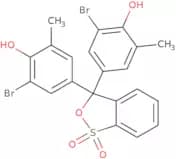

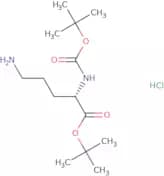
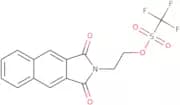
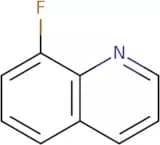
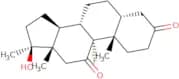
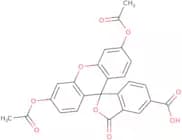

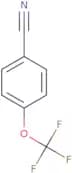
![6-Fluoro-5-Methyl-2-[(5-Methyl-1H-Imidazol-4-Yl)Methyl]-2,3,4,5-Tetrahydro-1H-Pyrido[4,3-b]Indol-1…](/_next/image/?url=https%3A%2Fstatic.cymitquimica.com%2Fproducts%2F3D%2Fthumb-webp%2FFF102588.webp&w=3840&q=75)
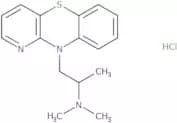
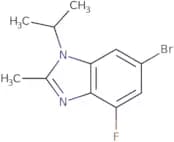
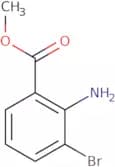
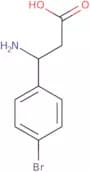
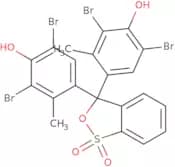
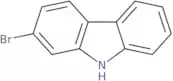
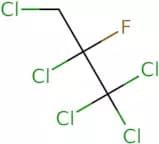
![7-Chloro-2H-pyrido[3,2-B]-1,4-oxazin-3(4H)-one](/_next/image/?url=https%3A%2Fstatic.cymitquimica.com%2Fproducts%2F3D%2Fthumb-webp%2FFC66462.webp&w=3840&q=75)

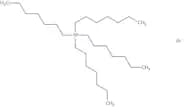

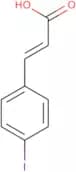
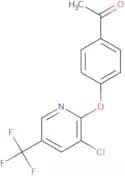
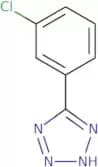
![1,1,2,2,3,3,4,4-Octafluoro-1,4-Bis[(1,1,1,2,3,3,3-Heptafluoro-2-Propanyl)Oxy]Butane](/_next/image/?url=https%3A%2Fstatic.cymitquimica.com%2Fproducts%2F3D%2Fthumb-webp%2FFO100941.webp&w=3840&q=75)
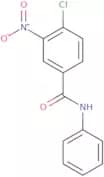
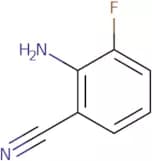
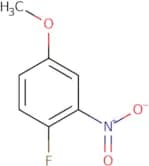
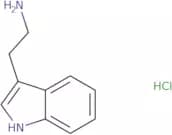
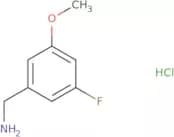
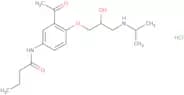

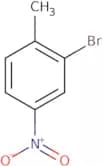
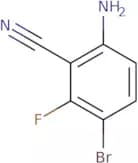
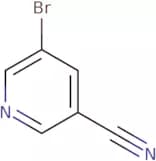
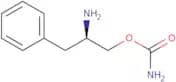
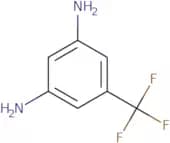
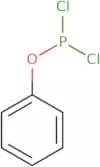

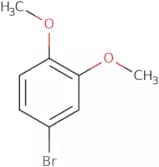
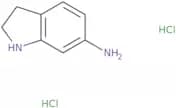

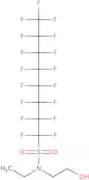
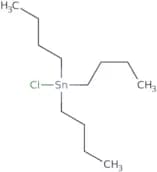
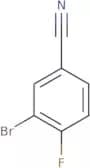
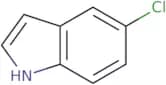
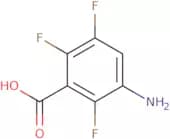
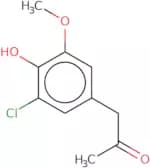
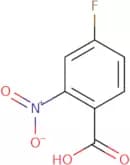
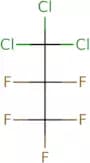
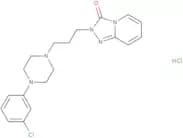
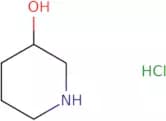
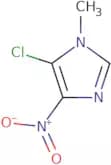
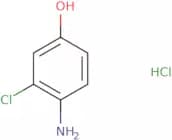
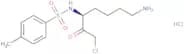

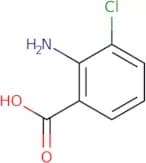
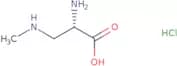
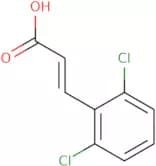
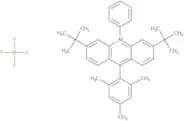
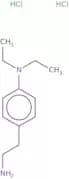
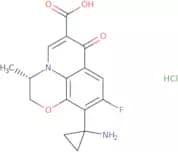
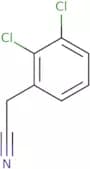
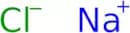
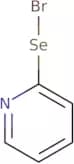
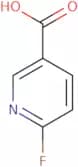
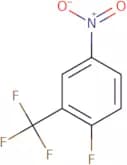

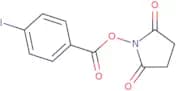
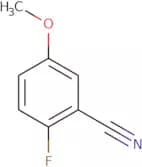
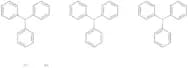

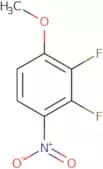
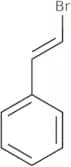
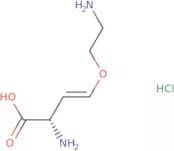
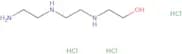
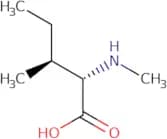

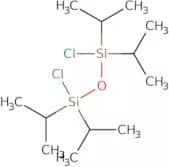
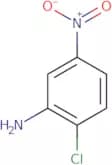
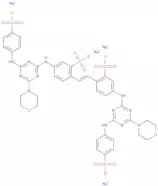
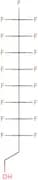
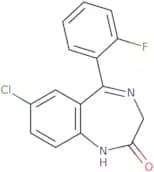
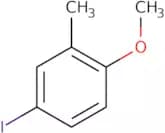
![2-[Methyl[(tridecafluorohexyl)sulphonyl]amino]ethyl acrylate](/_next/image/?url=https%3A%2Fstatic.cymitquimica.com%2Fproducts%2F3D%2Fthumb-webp%2FFM96258.webp&w=3840&q=75)
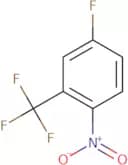

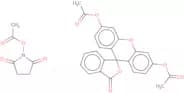
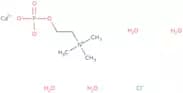
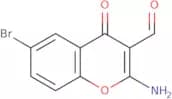
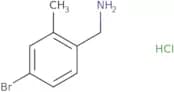
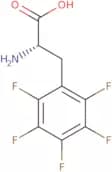
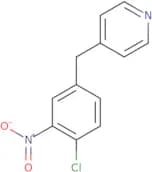
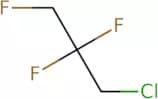
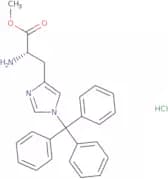
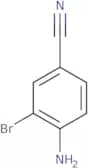
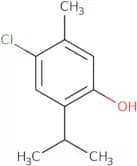
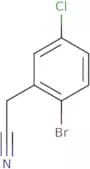
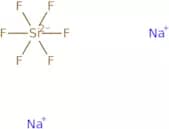
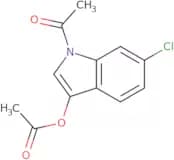
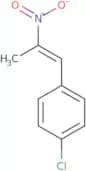
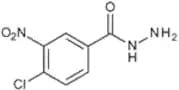
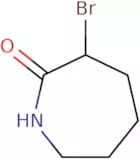
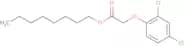
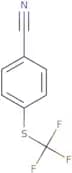
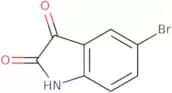
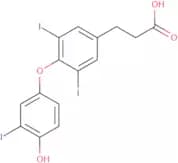
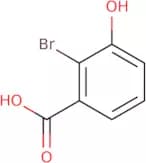
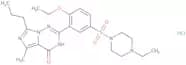
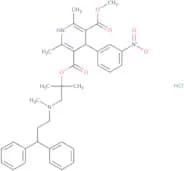
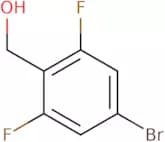

![2-[4-(2,2-Dichlorocyclopropyl)phenoxy]-2-methylpropanoic acid](/_next/image/?url=https%3A%2Fstatic.cymitquimica.com%2Fproducts%2F3D%2Fthumb-webp%2FFD11320.webp&w=3840&q=75)
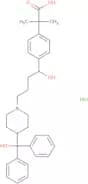
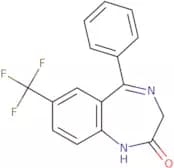
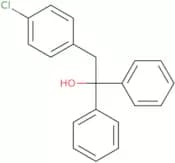
![[2-(Pyridin-2-ylthio)ethyl]amine dihydrochloride](/_next/image/?url=https%3A%2Fstatic.cymitquimica.com%2Fproducts%2F3D%2Fthumb-webp%2FFP121658.webp&w=3840&q=75)


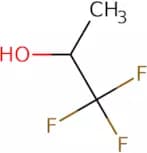
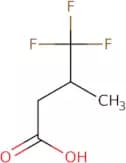

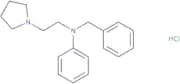
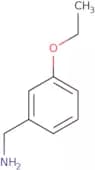
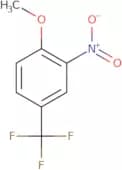


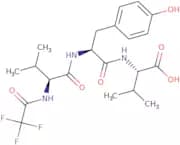
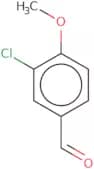
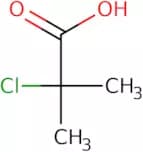
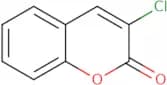
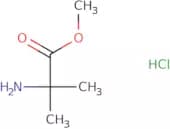
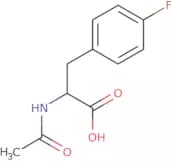
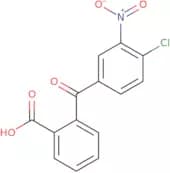
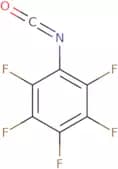
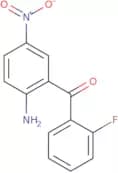
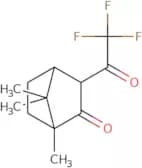
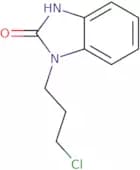
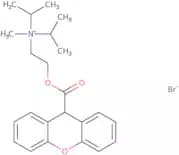
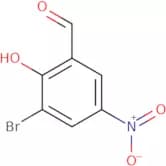
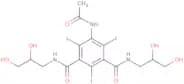
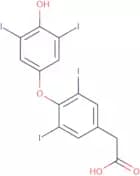
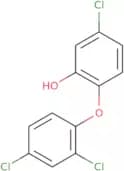

![2-[4-(4-Chloro-a-phenylbenzyl)-1-piperazinyl]-ethoxyacetic acid hydrochloride](/_next/image/?url=https%3A%2Fstatic.cymitquimica.com%2Fproducts%2F3D%2Fthumb-webp%2FFC33467.webp&w=3840&q=75)
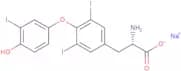

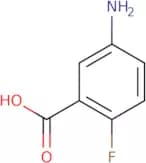
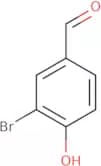
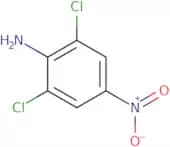
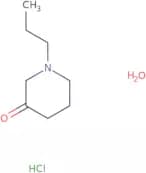
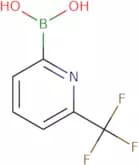
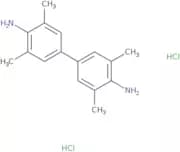
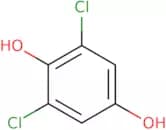
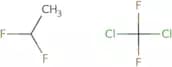
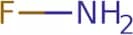
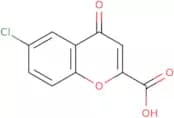
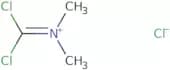
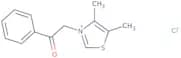
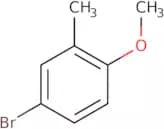
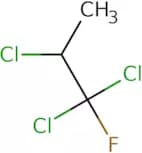

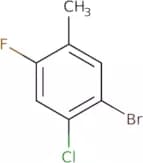
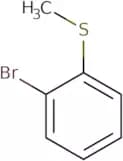
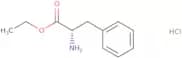


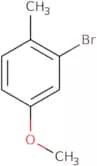
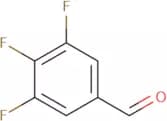
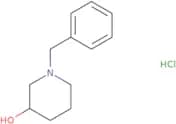

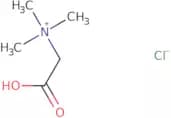
![3-Piperazin-1-yl-benzo[d]isothiazole hydrochloride](/_next/image/?url=https%3A%2Fstatic.cymitquimica.com%2Fproducts%2F3D%2Fthumb-webp%2FFP50755.webp&w=3840&q=75)
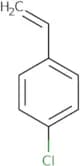

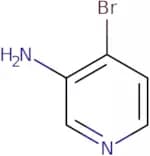
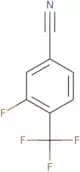
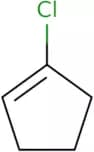
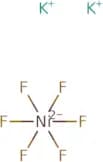
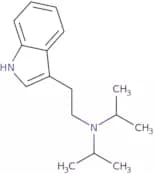
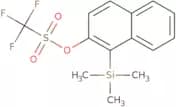
![[2-(3-Methyl-1,2,4-oxadiazol-5-yl)ethyl]amine hydrochloride](/_next/image/?url=https%3A%2Fstatic.cymitquimica.com%2Fproducts%2F3D%2Fthumb-webp%2FFM120047.webp&w=3840&q=75)