Halogénures organiques
Sous-catégories appartenant à la catégorie "Halogénures organiques"
20442 produits trouvés pour "Halogénures organiques"
N-(2,5-Difluorophenyl)-2-chloropropanamide
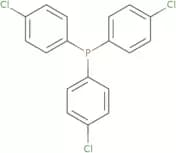
CAS :Please enquire for more information about N-(2,5-Difluorophenyl)-2-chloropropanamide including the price, delivery time and more detailed product information at the technical inquiry form on this pageDegré de pureté :Min. 95%Tris(4-chlorophenyl)phosphine
CAS :Tris(4-chlorophenyl)phosphine (PCy3) is a chemical compound that has shown anticancer activity in vitro. It is an acceptor and a potent anti-cancer agent, with the ability to inhibit the growth of human cancer cells and tumor xenografts. PCy3 is also able to inhibit the proliferation of cultured leukemia cells by inducing apoptosis through caspase activation. PCy3 has been used as a crystallization aid for other compounds, such as boronic acids. The crystal system of PCy3 is orthorhombic and it has a space group Pca21. This compound exhibits magnetic resonance spectroscopy properties.
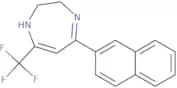
Formule :C18H12Cl3PDegré de pureté :Min. 95%Couleur et forme :PowderMasse moléculaire :365.6 g/mol7-(2-Naphthyl)-5-(trifluoromethyl)-1H,2H,3H-1,4-diazepine
CAS :Please enquire for more information about 7-(2-Naphthyl)-5-(trifluoromethyl)-1H,2H,3H-1,4-diazepine including the price, delivery time and more detailed product information at the technical inquiry form on this pageFormule :C16H13F3N2Degré de pureté :Min. 95%Couleur et forme :PowderMasse moléculaire :290.28 g/molN-(4-Hydroxyphenyl)-2-chloropropanamide
Please enquire for more information about N-(4-Hydroxyphenyl)-2-chloropropanamide including the price, delivery time and more detailed product information at the technical inquiry form on this page
Degré de pureté :Min. 95%Metazachlor 3-Mercaptolactic Acid Conjugate Sulfoxide
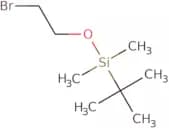
CAS :Produit contrôléFormule :C17H21N3O5SCouleur et forme :Off-WhiteMasse moléculaire :379.43(2-Bromoethoxy)-tert-butyldimethylsilane
CAS :2-Bromoethoxy-tert-butyldimethylsilane is a conjugate that has been shown to have anticancer efficacy in vivo. It is a pyrimidine derivative and inhibits the viral enzyme RNA polymerase, thereby inhibiting viral replication. 2-Bromoethoxy-tert-butyldimethylsilane also inhibits glyceraldehyde 3-phosphate dehydrogenase, which is an enzyme that catalyzes the conversion of glucose into glyceraldehyde 3-phosphate and plays an important role in glycolysis. The compound has been shown to be active against mouse tumors, which are associated with endogenous retroviruses. The compound has also been shown to inhibit gapdh, an enzyme involved in energy metabolism and cancer therapy.Formule :C8H19BrOSiDegré de pureté :Min. 95%Couleur et forme :Colorless Clear LiquidMasse moléculaire :239.23 g/molRef: 3D-FB76750
Produit arrêté8-Chloro-1-methyl-2,3,4,5-tetrahydro-1H-benzo[d]azepine
CAS :Produit contrôlé8-Chloro-1-methyl-2,3,4,5-tetrahydro-1H-benzo[d]azepine is an antipsychotic drug that is a member of the class of drugs known as serotonin receptor antagonists. It is a synthetic process that has been used to produce antidepressant and antipsychotic drugs. This drug was first synthesized in 1966 by chemists at Smith Kline & French Laboratories as part of a program to develop novel antidepressants. 8-Chloro-1-methyl-2,3,4,5-tetrahydro-1H-benzo[d]azepine is one of the few antipsychotics that does not cause extrapyramidal side effects such as tardive dyskinesia. The enantiomers are active with the (S) form being more potent than the (R) form.Formule :C11H14ClNDegré de pureté :Min. 95%Masse moléculaire :195.69 g/mol7-Bromo-[1,2,4]triazolo[1,5-a]pyridin-2-ylamine
CAS :Please enquire for more information about 7-Bromo-[1,2,4]triazolo[1,5-a]pyridin-2-ylamine including the price, delivery time and more detailed product information at the technical inquiry form on this pageFormule :C6H5BrN4Degré de pureté :Min. 95%Masse moléculaire :213.03 g/molRef: 3D-FB140382
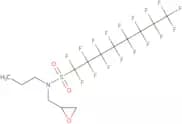
Produit arrêtéN-Propyl-N-(2,3-epoxypropyl)perfluoro-n-octylsulfonamide
CAS :Produit contrôléPlease enquire for more information about N-Propyl-N-(2,3-epoxypropyl)perfluoro-n-octylsulfonamide including the price, delivery time and more detailed product information at the technical inquiry form on this page
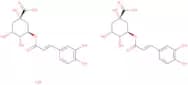
Formule :C14H12F17NO3SDegré de pureté :Min. 95%Masse moléculaire :597.29 g/molChlorogenic acid hemihydrate
CAS :Chlorogenic acid hemihydrate is a natural phenolic compound that belongs to the family of flavonol glycosides. The molecule has two caffeoylquinic acids and one chlorogenic acid functional groups, which are responsible for its antioxidant properties. Chlorogenic acid hemihydrate is soluble in water and can be used as a solid dispersion. This compound has been shown to have significant interactions with other drugs, including polymeric matrix, protocatechuic acid, and α-amyrin acetate. It also has been shown to have cell culture and in vivo model evidence of efficacy against cancer cells.
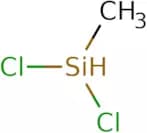
Degré de pureté :Min. 95%Dichloromethylsilane
CAS :Dichloromethylsilane (DCS) is a chemical compound that is used in the synthesis of silicone rubber, silicone elastomers, and silicone sealants. It can also be used as a cross-linking agent for polymers such as polyurethane, epoxy resin, and silicone. The synthesis of DCS is achieved by reacting chlorosilanes with methyl alcohol or methyl chloride in the presence of an acid catalyst. DCS exhibits high chemical stability and can be activated at room temperature. This product has been shown to be useful for fabricating medical devices that are implanted into the human body because it does not react with water or blood.
Formule :CH4Cl2SiDegré de pureté :Min. 95%Masse moléculaire :115.03 g/molRef: 3D-FD59624
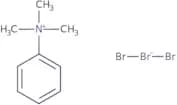
Produit arrêtéPhenyltrimethylammonium tribromide
CAS :Phenyltrimethylammonium tribromide is a quaternary ammonium compound that is used in combination preparations. It is an inhibitor of the replication of RNA and DNA, and modulates enzyme activity. Phenyltrimethylammonium tribromide has been shown to be a potent inhibitor of nicotinic acetylcholine receptors, which are important for nerve transmission. This drug also has been shown to inhibit the replication of HIV-1 and other viruses in vitro. Phenyltrimethylammonium tribromide can be synthesized by reacting epoxides with benzalkonium chloride or other quaternary ammonia compounds. The structural formula for phenyltrimethylammonium tribromide can be viewed here: br> C8H17N+Br− br> C6H5N+(CH3)3+Br− br>
Formule :C9H14Br3NDegré de pureté :Min. 95%Masse moléculaire :375.93 g/molAmmonium bromide
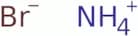
CAS :Ammonium bromide is a chemical compound used in wastewater treatment. It is the active ingredient in a number of water purification methods, including those used to remove nitrates and heavy metals. Ammonium bromide also has inhibitory properties on the release of neurotransmitters from nerve cells. This inhibition of neurotransmitter release may be due to its ability to inhibit the action of neurokinin-1 receptor (NK-1) at the synapse. Ammonium bromide has been shown to have some toxic effects on the heart, although it does not appear to be toxic to other organs or tissues. Experimental solubility data shows that this solution is soluble in water, but insoluble in ethanol and ether. 4-Hydroxycinnamic acid, which can be found in coffee beans, has been shown to increase ammonium bromide solubility in water solutions by forming an inclusion complex with ammonium bromide.
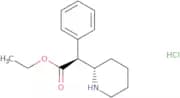
Formule :H4BrNDegré de pureté :Min. 95%Couleur et forme :White SolidMasse moléculaire :97.94 g/mol(aS,2S)-alpha-Phenyl-2-piperidineacetic acid Ethyl ester hydrochloride
CAS :Produit contrôléPlease enquire for more information about (aS,2S)-alpha-Phenyl-2-piperidineacetic acid Ethyl ester hydrochloride including the price, delivery time and more detailed product information at the technical inquiry form on this pageFormule :C15H21NO2·HClDegré de pureté :Min. 95%Masse moléculaire :283.79 g/molo-Chloramine T
CAS :O-Chloramine T is a chemical compound that is used in the treatment of cancer. It is an endoreduplication agent and has been shown to cause endothelial cell growth and apoptosis in cancer cells. O-Chloramine T binds to the membrane of cancer cells, which leads to a decrease in autocrine activity and cell binding. O-Chloramine T also inhibits endothelial cell growth by inhibiting protein synthesis and blocking the synthesis of DNA and RNA. This drug has been shown to have anti-cancer properties in animal models and hyperosmolarity properties, which may be due to its ability to cause vessels to collapse.
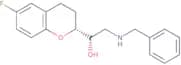
Formule :C7H7ClNNaO2SCouleur et forme :PowderMasse moléculaire :227.64 g/mol(1S,2R)-2-(2-Benzylamino-1-hydroxyethyl)-6-fluorochromane
CAS :Please enquire for more information about (1S,2R)-2-(2-Benzylamino-1-hydroxyethyl)-6-fluorochromane including the price, delivery time and more detailed product information at the technical inquiry form on this page
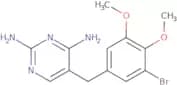
Formule :C18H20FNO2Degré de pureté :Min. 95%Masse moléculaire :301.36 g/mol3-Desmethoxy-3-bromo Trimethoprim
CAS :Please enquire for more information about 3-Desmethoxy-3-bromo Trimethoprim including the price, delivery time and more detailed product information at the technical inquiry form on this page
Formule :C13H15BrN4O2Degré de pureté :Min. 95%Masse moléculaire :339.19 g/molRef: 3D-FD21221
Produit arrêtéAmmonium tetrafluoroborate
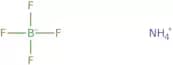
CAS :Ammonium tetrafluoroborate is a salt of the organic compound tetrafluoroborate and ammonium. It is a colorless solid that can be used as a chemical reagent. Ammonium tetrafluoroborate has a higher chemical stability than other salts of tetrafluoroborate, such as ammonium hexafluorophosphate and ammonium hexafluoroarsenate. Ammonium tetrafluoroborate is used to make the dinucleotide phosphate, which is an important component in DNA synthesis. In a redox potential test, ammonium tetrafluoroborate showed no electrochemical activity in water vapor at pH 7. Ammonium tetrafluoroborate reacts with trifluoroacetic acid to produce hydrogen fluoride and ammonium chloride. This reaction is reversible, which means that it can be used for the synthesis of ammonia gas from hydrogen and nitrogen gases or for the
Formule :NH4BF4Degré de pureté :Min. 98%Couleur et forme :White PowderMasse moléculaire :104.84 g/molOxychlordane
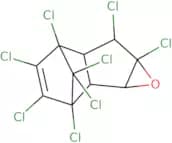
CAS :Oxychlordane is an insecticide that is classified as a chlordane. It is mainly used in agricultural and residential settings to control pests, such as mosquitoes and flies. Oxychlordane has been shown to have dose-dependent effects on rat liver microsomes and mitochondria of humans, with the toxicity being more pronounced in females than males. This chemical also can cause an increase in body mass index for both sexes. Oxychlordane has been shown to decrease the mitochondrial membrane potential, which leads to apoptosis or death of fatty acid cells. Oxychlordane also has a variety of effects on fatty acid synthesis, including inhibiting the activity of enzymes such as phospholipase A2 and acyl-CoA synthetase.
Formule :C10H4Cl8ODegré de pureté :Min. 95%Couleur et forme :PowderMasse moléculaire :423.76 g/mol1-[(4-Chlorophenyl)phenylmethyl]piperazine
CAS :Produit contrôlé1-[(4-Chlorophenyl)phenylmethyl]piperazine is an analytical reagent that is used in the determination of meclozine, a drug used for the treatment of nausea and vomiting. 1-[(4-Chlorophenyl)phenylmethyl]piperazine is a nucleophile, which means that it can donate electrons to other molecules. It can be used as a catalyst to increase the rate of chemical reactions. 1-[(4-Chlorophenyl)phenylmethyl]piperazine may also be used in wastewater treatment because it has been shown to have phospholipidosis inhibiting properties. The levorotatory form (1R-enantiomer) of this compound has been shown to inhibit protein synthesis in vitro and is an amine oxidase inhibitor that binds to proteins with nitrogen atoms. This nucleophilic compound may also be converted into an n-oxide or dinucleotide phosphate by hydrochloric acid and
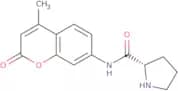
Formule :C17H19ClN2Degré de pureté :Min. 95%Masse moléculaire :286.8 g/molH-Pro-AMC hydrobromide salt
CAS :H-Pro-AMC hydrobromide salt is an enzyme that belongs to the family of proteases. H-Pro-AMC hydrobromide salt has been shown to have carboxypeptidase activity, which cleaves peptides at the C terminus of a single amino acid. It has also been shown to interact with other enzymes and proteins, such as recombinant proteins and enzymes from the ubiquitin-proteasome system. This enzyme's ability to cleave peptides at the C terminus of a single amino acid makes it useful for protein sequencing. H-Pro-AMC hydrobromide salt has also been sequenced and found to share homology with other proteases, such as subtilisin E.
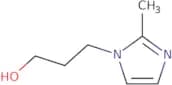
Formule :C15H16N2O3Degré de pureté :Min. 95%Masse moléculaire :272.3 g/mol3-(2-Methyl-1H-imidazol-1-yl)propan-1-ol hydrochloride
CAS :Please enquire for more information about 3-(2-Methyl-1H-imidazol-1-yl)propan-1-ol hydrochloride including the price, delivery time and more detailed product information at the technical inquiry form on this page
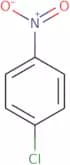
Formule :C7H12N2ODegré de pureté :Min. 95%Masse moléculaire :140.18 g/mol4-Chloronitrobenzene
CAS :4-Chloronitrobenzene is a type strain of the bacterium Nitrosomonas europaea. It has been shown to be toxic to cells in both aerobic and anaerobic culture. 4-Chloronitrobenzene inhibits the activity of hydrogenase enzymes, which are required for the reduction of molecular oxygen to water. The toxicity of 4-chloronitrobenzene is due to its ability to inhibit enzyme activity, leading to cell death. This bacterium also has the ability to use chlorinated hydrocarbons as a carbon source and cause chlorination of other biological molecules. In addition, it can reduce metal hydroxides and form metal complexes with palladium and platinum metals. 4-Chloronitrobenzene is found in soil samples that have high concentrations of chloride ions or neutral pH values. Its phase equilibrium diagram shows that this compound exists mainly in liquid form when it is at low temperature, but becomes more
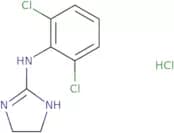
Formule :C6H4ClNO2Degré de pureté :Min. 95%Couleur et forme :SolidMasse moléculaire :157.55 g/molClonidine hydrochloride
CAS :Clonidine hydrochloride is a drug used in the treatment of hypertension and other cardiac diseases. It belongs to the class of drugs called centrally acting alpha-2 adrenergic agonists. Clonidine hydrochloride is also used for its antihypertensive effects in patients with neurogenic orthostatic hypotension, diabetic neuropathy, and glomerular filtration rate. The long-term efficacy and safety profile of clonidine hydrochloride has been established in clinical trials that have shown it to be effective in reducing symptoms of chronic pain and opioid withdrawal, as well as improving quality of life. Clonidine hydrochloride may be administered orally or transdermally. Clonidine binds to both alpha-1 and alpha-2 adrenergic receptors, which are responsible for vasoconstriction, inhibition of renin secretion from the kidneys, decreased sympathetic nerve activity, and increased parasympathetic nerve activity. This drug also has a protective effect on bone cancer cells
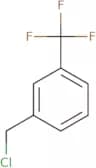
Formule :C9H9Cl2N3•HClDegré de pureté :Min. 95%Couleur et forme :PowderMasse moléculaire :266.55 g/mol3-(Trifluoromethyl)benzyl chloride
CAS :3-(Trifluoromethyl)benzyl chloride is a chloromethylating agent that reacts with magnesium to form a magnesium chloride solution. 3-(Trifluoromethyl)benzyl chloride is also used in the synthesis of pharmaceuticals, pesticides, and dyes. The reaction produces small amounts of chlorinated byproducts such as chloride, which can be found in wastewater. This chemical has been shown to have adverse effects on the environment through its release into waterways or the atmosphere.
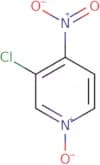
Formule :C8H6ClF3Degré de pureté :Min. 95%Couleur et forme :Clear LiquidMasse moléculaire :194.58 g/mol3-Chloro-4-nitropyridine 1-oxide
CAS :3-Chloro-4-nitropyridine 1-oxide is the condensation product of 2-chloro-3-nitropyridine and nitric acid. 3-Chloro-4-nitropyridine 1-oxide has an isomeric nature and can be purified by recrystallization from water. The compound has a molecular weight of 286.1 g/mol and a monoclinic crystal structure. It has two n-oxides, which are isomers of each other, with nmr spectra that differ by the shift in the chemical shifts of the protons on the aromatic ring. 3-Chloro-4-nitropyridine 1-oxide condenses with lanthanides to form lanthanide complexes, such as Eu(III)(3,5'-ClO 4 ) 2 . This compound is also used in the synthesis of phenoxathiine derivatives that have antihypertensive activity.
Formule :C5H3ClN2O3Degré de pureté :Min. 95%Masse moléculaire :174.54 g/molRef: 3D-FC139827
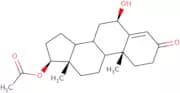
Produit arrêté17b-Acetoxy 6b-hydroxy Trichloropyridyltentagel
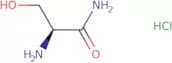
Produit contrôléPlease enquire for more information about 17b-Acetoxy 6b-hydroxy Trichloropyridyltentagel including the price, delivery time and more detailed product information at the technical inquiry form on this pageDegré de pureté :Min. 95%L-Serine amide hydrochloride
CAS :L-Serine amide hydrochloride is a synthetic, anti-HIV drug that is used as an antiviral agent. It inhibits the viral life cycle by inhibiting the activity of acyclic nucleoside phosphonates, which are vital to viral DNA synthesis. L-Serine amide hydrochloride binds to the cyclopentane ring of guanosine and prevents its interaction with the enzyme ribonucleotide reductase. This binding prevents the conversion of guanosine into GTP, thereby preventing HIV from using this molecule in their life cycle. L-Serine amide hydrochloride is not active against cellular proteins or prostaglandins.
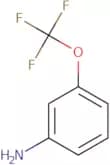
Formule :C3H8N2O2·HClDegré de pureté :Min. 95%Masse moléculaire :140.57 g/mol3-(trifluoromethoxy)aniline
CAS :3-(trifluoromethoxy)aniline is a compound that contains a trifluoromethoxy group. It has been shown to have antiproliferative effects in prostate cancer cells. 3-(trifluoromethoxy)aniline inhibits the activity of pim-1, which is important for cell proliferation and differentiation. The synthesis of 3-(trifluoromethoxy)aniline can be accomplished by one of two methods. In the first method, 3-chloroaniline is reacted with trifluoroacetic acid and bis(trimethylsilyl)acetamide in dichloromethane to form 3-hydroxy-4-chlorobenzenesulfonyl chloride (3HCBSCl). In the second method, the desired product is synthesized from 3-aminophenol and trifluoroacetic acid in acetonitrile. These two methods produce different isomers
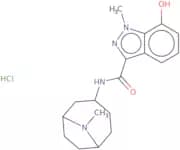
Formule :C7H6F3NODegré de pureté :Min. 95%Couleur et forme :PowderMasse moléculaire :177.12 g/mol7-Hydroxy granisetron hydrochloride
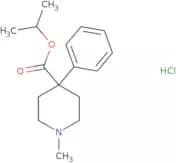
CAS :Produit contrôléPlease enquire for more information about 7-Hydroxy granisetron hydrochloride including the price, delivery time and more detailed product information at the technical inquiry form on this pageFormule :C18H25ClN4O2Degré de pureté :Min. 95%Masse moléculaire :364.87 g/molProperidine hydrochloride
CAS :Produit contrôléPlease enquire for more information about Properidine hydrochloride including the price, delivery time and more detailed product information at the technical inquiry form on this page
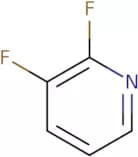
Formule :C16H24ClNO2Degré de pureté :Min. 95%Masse moléculaire :297.82 g/mol2,3-Difluoro pyridine
CAS :2,3-Difluoro pyridine is an organic compound with the chemical formula C6H3F2N. It is a colorless liquid that has a strong odor and a boiling point of 147°C. 2,3-Difluoro pyridine has antibacterial properties and can be used to treat bacterial infections by inhibiting the synthesis of proteins in bacterial cells. This inhibition prevents the formation of new cell walls, which leads to cell death. 2,3-Difluoro pyridine is also used as an intermediate in organic chemistry reactions involving hydrogen fluoride. The transport properties of this compound are low due to its high melting point and low solubility in water. There are three different polymorphs for 2,3-difluoropyridine: form II, form III and form IV, with form II being the most common. Form II has a trigonal planar molecular geometry, whereas forms III and IV have tetragonal
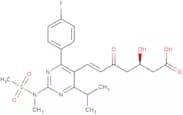
Formule :C5H3F2NDegré de pureté :Min. 95%Couleur et forme :Clear LiquidMasse moléculaire :115.08 g/mol5-Oxo Rosuvastatin
CAS :5-Oxo Rosuvastatin is a drug product that has been synthesized from natural ingredients. It is an analytical standard for the impurity, 5-oxo-rosuvastatin, which is a potential impurity in the API, rosuvastatin. This drug product has been custom synthesized in order to provide an Impurity Standard for HPLC. This drug product is also used as a Synthetic Reference Standard for Drug Development and Research and Development.
Formule :C22H26FN3O6SDegré de pureté :Min. 95%Couleur et forme :Off-White To Light (Or Pale) Yellow To Dark Yellow SolidMasse moléculaire :479.52 g/molRef: 3D-FF103553
Produit arrêté1-(2-Aminoethyl)-3-Phenylurea Hydrochloride
CAS :Please enquire for more information about 1-(2-Aminoethyl)-3-Phenylurea Hydrochloride including the price, delivery time and more detailed product information at the technical inquiry form on this page
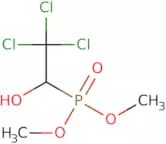
Formule :C9H13N3O·HClDegré de pureté :Min. 95%Masse moléculaire :215.68 g/molTrichlorfon
CAS :Produit contrôléTrichlorfon is a surfactant sodium dodecyl that is used as a pharmacological agent. It is an organophosphate insecticide that inhibits the enzyme cholinesterase and acts as an acetylcholinesterase inhibitor. Trichlorfon has also been shown to inhibit the activity of GSH-px, which is important in the metabolism of xenobiotics and oxidative stress. Trichlorfon has been used in treatment trials for infectious diseases such as malaria. The drug has been shown to have acute toxicities, such as seizures, coma, and respiratory arrest. These side effects are primarily due to its effects on central nervous system functions, including inhibition of acetylcholine receptors and muscarinic receptors, which are involved in basic physiological processes like muscle control and breathing. This drug also affects complex enzymes such as protein synthesis and DNA synthesis.
Formule :C4H8Cl3O4PDegré de pureté :Min. 95%Masse moléculaire :257.44 g/molRef: 3D-FT159085
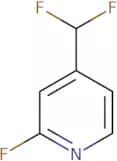
Produit arrêté4-(Difluoromethyl)-2-fluoropyridine
CAS :Please enquire for more information about 4-(Difluoromethyl)-2-fluoropyridine including the price, delivery time and more detailed product information at the technical inquiry form on this page
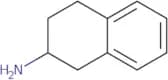
Formule :C6H4F3NDegré de pureté :Min. 95%Masse moléculaire :147.1 g/mol1,2,3,4-Tetrahydronaphthalen-2-amine hydrobromide
CAS :Produit contrôlé1,2,3,4-Tetrahydronaphthalen-2-amine hydrobromide (THNA) is an amine that inhibits the enzyme tyrosine hydroxylase. This inhibition leads to a decrease in the synthesis of dopamine and norepinephrine. THNA has been shown to have inhibitory properties on locomotor activity, acid complex formation, and aminotransferases. It also exhibits receptor binding and agonist binding site activity. One study found that THNA had no effect on rat striatal tissue. The drug has been shown to be effective in metabolic disorders such as obesity.
Formule :C10H13NDegré de pureté :Min. 95%Masse moléculaire :147.22 g/molN-[1-(4-Fluorophenyl)propan-2-Yl]-N-methylprop-2-Yn-1-amine
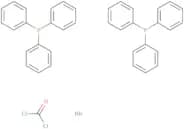
CAS :Produit contrôléN-[1-(4-Fluorophenyl)propan-2-Yl]-N-methylprop-2-Yn-1-amine is a synthetic molecule that has been shown to be an inhibitor of the enzyme nitroethane reductase. This drug is also capable of inhibiting the activity of other enzymes and is being investigated for its potential use in the treatment of various types of cancer. N-[1-(4-Fluorophenyl)propan-2-Yl]-N-methylprop-2-Yn-1-amine inhibits nitroethane reductase by binding reversibly to the active site and competitively inhibiting the substrate. The potency of this drug against nitroethane reductase has been shown to be increased by alkylation.br> The inhibition of nitroethane reductase by N-[1-(4-fluorophenyl)propan-2-Yl]-Formule :C13H16FNDegré de pureté :Min. 95%Masse moléculaire :205.27 g/molCarbonylbis(triphenylphosphine)rhodium(I) Chloride
CAS :Produit contrôléCarbonylbis(triphenylphosphine)rhodium(I) Chloride is a carbonyl compound that is prepared by reacting alcohols with diethyl ether in the presence of rhodium chloride. It is used as a reagent for alkylation, recrystallization, and purification of organic compounds. Carbonylbis(triphenylphosphine)rhodium(I) Chloride has been used to synthesize formaldehyde from ethylene glycol and formaldehyde-based resins. It also has been used as a catalyst in the conversion of aliphatic hydrocarbons to alcohols. This compound is insoluble in water and crystallizes yellow when dried.
Formule :C37H30ClOP2RhDegré de pureté :Min. 95%Masse moléculaire :690.94 g/mol2-Bromopropionic acid
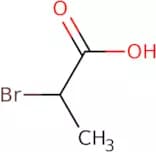
CAS :2-Bromopropionic acid is a tetroxide used in organic synthesis. It is an intermediate in the synthesis of 2,4-dibromopropionamide and 2,4-dibromo-3-methylpentanoic acid. The reaction mechanism of this process starts with the formation of a bromine atom from bromine monoxide and hydrogen peroxide. This bromine atom reacts with the carbon to form an alkyl radical that reacts with another molecule of bromine monoxide to form an alkyl radical that is stabilized by two atoms of hydrogen (i.e., CBr). The alkyl radical then undergoes a nucleophilic attack on iodobenzene to form an iodoalkane intermediate. This intermediate reacts with acetic acid to form the desired product, acetyl chloride. This reaction also produces iodoacetic acid as a byproduct.
Formule :C3H5BrO2Degré de pureté :Min. 95%Masse moléculaire :152.97 g/mol[2-(2,5-Dimethyl-1H-indol-3-yl)ethyl]amine hydrochloride
CAS :Produit contrôléPlease enquire for more information about [2-(2,5-Dimethyl-1H-indol-3-yl)ethyl]amine hydrochloride including the price, delivery time and more detailed product information at the technical inquiry form on this pageFormule :C12H16N2Degré de pureté :Min. 95%Masse moléculaire :188.27 g/mol2,6-Dichloro benzyl bromide
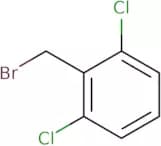
CAS :2,6-Dichlorobenzyl bromide is a pharmacokinetic solvent that is used to dissolve amines. It is an organic solvent that is soluble in water and slightly soluble in ethanol. 2,6-Dichlorobenzyl bromide reacts with Grignard reagents to form acyl halides. This reaction system is called the Friedel-Crafts acylation. 2,6-Dichlorobenzyl bromide can be used for the modification of molecules by alkylation or for the synthesis of neurotensin receptor antagonists or other drugs. There are genotoxic impurities that may be present in this drug, so it should not be used in pregnant women or children because it may cause birth defects or cancer.
Formule :C7H5BrCl2Degré de pureté :Min. 95%Masse moléculaire :239.92 g/molEthyl 5-chloro-1,3-dimethyl-1H-indole-2-carboxylate
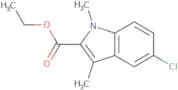
CAS :Produit contrôléPlease enquire for more information about Ethyl 5-chloro-1,3-dimethyl-1H-indole-2-carboxylate including the price, delivery time and more detailed product information at the technical inquiry form on this page
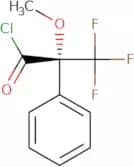
Formule :C13H14ClNO2Degré de pureté :Min. 95%Masse moléculaire :251.71 g/molS-(+)-α-Methoxy-α-(trifluoromethyl)phenylacetic acid chloride
CAS :S-(+)-alpha-Methoxy-alpha-(trifluoromethyl)phenylacetic acid chloride is an optical, amide, and epoxidation derivatizing agent that is used to chiralify amines. It is a liquid at room temperature with a molecular weight of 123.87 g/mol. This chemical reacts with alcohols to form esters, which can be identified by their different retention times in chromatography. It also reacts with hydroxyl groups to form ethers and esters, as well as hydroxyls on other molecules such as amino acids, peptides, and proteins. S-(+)-alpha-Methoxy-alpha-(trifluoromethyl)phenylacetic acid chloride has been used for the synthesis of bisoprolol from metoprolol and triethylphosphite.
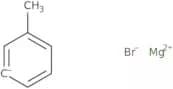
Formule :C10H8ClF3O2Degré de pureté :Min. 95%Masse moléculaire :252.62 g/mol3-Tolylmagnesium bromide - 1.0 M in Tetrahydrofuran
CAS :Produit contrôlé3-Tolylmagnesium bromide is a Grignard reagent that can react with carbinols such as alcohols, phenols, and ethers to form ethers or esters. 3-Tolylmagnesium bromide is also a halogenating agent and can be used in the production of chlorides. It is soluble in organic solvents such as tetrahydrofuran, chloroform, and benzene. 3-Tolylmagnesium bromide reacts with organic compounds containing electron-donating groups such as carbinols, chlorides, and esters. This reaction forms an ion pair between the magnesium cation and the electron-deficient carbon atom of the 3-tolyl group. The reaction between 3-tolylmagnesium bromide and an alkyne produces a reactive intermediate that can undergo substitution by various nucleophiles to form products such as vinyl chloride or glycidyl chloride
Formule :C7H7BrMgDegré de pureté :Min. 95%Masse moléculaire :195.34 g/mol2- (4-Iodophenoxy) - N, N- diethylethanamine
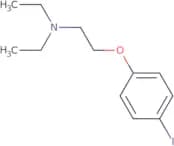
CAS :Produit contrôléPlease enquire for more information about 2- (4-Iodophenoxy) - N, N- diethylethanamine including the price, delivery time and more detailed product information at the technical inquiry form on this page
Formule :C12H18INODegré de pureté :Min. 95%Masse moléculaire :319.18 g/mol2-Amino-1-(4-fluorophenyl)-1-propanone
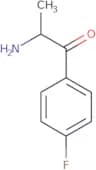
CAS :Produit contrôlé2-Amino-1-(4-fluorophenyl)-1-propanone (Fluoroamphetamine) is a chemical that binds to the serotonin transporter, which is responsible for the reuptake of serotonin into the presynaptic neuron. Fluoroamphetamine has been shown to lower empathy and increase feelings of reward in animals. This drug has no significant effect on dopamine and noradrenaline levels but does cause an increase in metabolic acidosis. Fluoroamphetamine is most often used by analytical laboratories as a synthetic intermediate, but it can also be used as a strategy to develop specific antidotes against serotonin blockers. Fluoroamphetamine's health effects are similar to those of amphetamine with regards to cardiovascular risks and addictive potential.
Formule :C9H10FNODegré de pureté :Min. 95%Masse moléculaire :167.18 g/mol7-Chlorothieno[3,2-B]Pyridine
CAS :7-Chlorothieno[3,2-B]pyridine is a nucleophilic compound that is used as an inhibitor of the tyrosine kinase enzyme. It binds to the ATP binding site and blocks the enzymatic activity of the enzyme, preventing cell proliferation. 7-Chlorothieno[3,2-B]pyridine has been shown to inhibit growth in tumour cell lines and has been shown to be effective against tyrosine kinase receptor positive cancer cells. This drug also shows a cytotoxic activity against tumour cells in vivo, which may be due to its ability to inhibit factor receptor and receptor tyrosine.
Formule :C7H4ClNSDegré de pureté :Min. 95%Masse moléculaire :169.63 g/molAcetyl-ACTH (3-24) (human, bovine, rat) trifluoroacetate salt
CAS :Please enquire for more information about Acetyl-ACTH (3-24) (human, bovine, rat) trifluoroacetate salt including the price, delivery time and more detailed product information at the technical inquiry form on this page
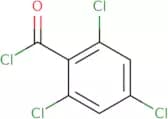
Formule :C126H198N38O28SDegré de pureté :Min. 95%Masse moléculaire :2,725.23 g/mol2,4,6-Trichlorobenzoyl chloride
CAS :2,4,6-Trichlorobenzoyl chloride is a chemical compound that forms during the synthesis of benzalkonium chloride. It can be used as an efficient method for the synthesis of fatty acids and cyclic peptides. The reaction products are chlorinated and have a hydroxyl group. The 2,4,6-trichlorobenzoyl chloride is used in the synthesis of fatty acids by reacting with acetic acid to produce a chlorinated fatty acid. Hydroxyl groups react with 2,4,6-trichlorobenzoyl chloride to form a chlorinated hydroxy fatty acid. This product has been shown to inhibit cervical cancer cell growth and reduce the incidence of cervical cancer by inhibiting DNA replication.
Formule :C7H2Cl4ODegré de pureté :Min. 95%Couleur et forme :Clear LiquidMasse moléculaire :243.9 g/mol




![8-Chloro-1-methyl-2,3,4,5-tetrahydro-1H-benzo[d]azepine](/_next/image/?url=https%3A%2Fstatic.cymitquimica.com%2Fproducts%2F3D%2Fthumb-webp%2FFC148171.webp&w=3840&q=75)
![7-Bromo-[1,2,4]triazolo[1,5-a]pyridin-2-ylamine](/_next/image/?url=https%3A%2Fstatic.cymitquimica.com%2Fproducts%2F3D%2Fthumb-webp%2FFB140382.webp&w=3840&q=75)

![1-[(4-Chlorophenyl)phenylmethyl]piperazine](/_next/image/?url=https%3A%2Fstatic.cymitquimica.com%2Fproducts%2F3D%2Fthumb-webp%2FFC20350.webp&w=3840&q=75)

![N-[1-(4-Fluorophenyl)propan-2-Yl]-N-methylprop-2-Yn-1-amine](/_next/image/?url=https%3A%2Fstatic.cymitquimica.com%2Fproducts%2F3D%2Fthumb-webp%2FFF95966.webp&w=3840&q=75)
![[2-(2,5-Dimethyl-1H-indol-3-yl)ethyl]amine hydrochloride](/_next/image/?url=https%3A%2Fstatic.cymitquimica.com%2Fproducts%2F3D%2Fthumb-webp%2FFD118369.webp&w=3840&q=75)
![7-Chlorothieno[3,2-B]Pyridine](/_next/image/?url=https%3A%2Fstatic.cymitquimica.com%2Fproducts%2F3D%2Fthumb-webp%2FFC53344.webp&w=3840&q=75)