Halogénures organiques
Sous-catégories appartenant à la catégorie "Halogénures organiques"
20442 produits trouvés pour "Halogénures organiques"
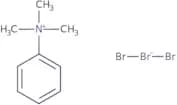
Phenyltrimethylammonium tribromide
CAS :Phenyltrimethylammonium tribromide is a quaternary ammonium compound that is used in combination preparations. It is an inhibitor of the replication of RNA and DNA, and modulates enzyme activity. Phenyltrimethylammonium tribromide has been shown to be a potent inhibitor of nicotinic acetylcholine receptors, which are important for nerve transmission. This drug also has been shown to inhibit the replication of HIV-1 and other viruses in vitro. Phenyltrimethylammonium tribromide can be synthesized by reacting epoxides with benzalkonium chloride or other quaternary ammonia compounds. The structural formula for phenyltrimethylammonium tribromide can be viewed here: br> C8H17N+Br− br> C6H5N+(CH3)3+Br− br>
Formule :C9H14Br3NDegré de pureté :Min. 95%Masse moléculaire :375.93 g/molDimethylcarbamoyl chloride
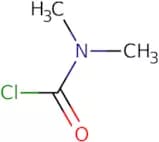
CAS :Dimethylcarbamoyl chloride is a chemical that is used as an ionization reagent in analytical chemistry. It is a colorless liquid with a neutral pH, boiling point of 73 °C, and density of 1.01 g/mL. Dimethylcarbamoyl chloride can be used to synthesize acylated amines and carbonyls for use in pharmaceuticals, polymers, dyes and other chemicals. The chlorine atom can also be substituted with other halogens. The compound has been shown to be chemically stable and resistant to oxidation by catalysts such as oxygen or hydrogen peroxide. Dimethylcarbamoyl chloride is mainly used as an analytical tool for the detection of carbonyl groups in molecules using chemical ionization (CI). Dimethylcarbamoyl chloride has also been shown to have anti-cancer properties due to its effects on choroidal neovascularization (a condition associated with eye diseases) by inhibiting vascular endothelial growth
Formule :C3H6ClNODegré de pureté :Min. 95%Couleur et forme :Colourless To Pale Yellow LiquidMasse moléculaire :107.54 g/molBenzyl bromoacetate
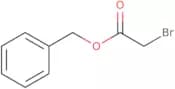
CAS :Benzyl bromoacetate is a bicyclic heterocycle that is metabolized by the enzyme benzyl alcohol dehydrogenase. The resulting metabolites are then converted to methyl benzoate and benzyl alcohol. It has been shown to inhibit prostate cancer cells and basic fibroblasts, which may be due to its ability to inhibit enzymes involved in fatty acid synthesis. Benzyl bromoacetate also has therapeutic effects on autoimmune diseases such as bowel disease, which may be due to its ability to reduce inflammation and suppress the immune system.
Formule :C9H9BrO2Degré de pureté :Min. 95%Couleur et forme :Clear Colourless To Light (Or Pale) Yellow LiquidMasse moléculaire :229.07 g/mol1-Bromo-3,4,5-trifluorobenzene
CAS :1-Bromo-3,4,5-trifluorobenzene is a chemical compound that belongs to the trimethyl group. It is synthesized from cyclohexane by dehydration and chlorination. 1-Bromo-3,4,5-trifluorobenzene has been shown to have a redox potential of -0.76 V vs. Ag/AgCl and is therefore an electron donor in reactions with electron acceptors such as chloride or multi-walled carbon nanotubes. The synthesis process for this compound involves a Suzuki coupling reaction between bromine and phenylacetylene followed by hydrolysis of the resulting intermediate to produce 2-bromopropane. The final step in the synthetic process involves the treatment of the intermediate with hydrogen fluoride to yield 1-bromo-3,4,5-trifluorobenzene. This chemical can be used as an industrial solvent for organic sol
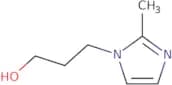
Formule :C6H2BrF3Degré de pureté :Min. 95%Couleur et forme :Clear LiquidMasse moléculaire :210.98 g/mol3-(2-Methyl-1H-imidazol-1-yl)propan-1-ol hydrochloride
CAS :Please enquire for more information about 3-(2-Methyl-1H-imidazol-1-yl)propan-1-ol hydrochloride including the price, delivery time and more detailed product information at the technical inquiry form on this page
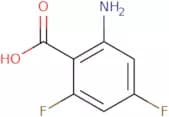
Formule :C7H12N2ODegré de pureté :Min. 95%Masse moléculaire :140.18 g/mol2-Amino-4,6-difluorobenzoic acid
CAS :Please enquire for more information about 2-Amino-4,6-difluorobenzoic acid including the price, delivery time and more detailed product information at the technical inquiry form on this page
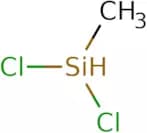
Formule :C7H5F2NO2Degré de pureté :Min. 95%Masse moléculaire :173.12 g/molDichloromethylsilane
CAS :Dichloromethylsilane (DCS) is a chemical compound that is used in the synthesis of silicone rubber, silicone elastomers, and silicone sealants. It can also be used as a cross-linking agent for polymers such as polyurethane, epoxy resin, and silicone. The synthesis of DCS is achieved by reacting chlorosilanes with methyl alcohol or methyl chloride in the presence of an acid catalyst. DCS exhibits high chemical stability and can be activated at room temperature. This product has been shown to be useful for fabricating medical devices that are implanted into the human body because it does not react with water or blood.
Formule :CH4Cl2SiDegré de pureté :Min. 95%Masse moléculaire :115.03 g/molRef: 3D-FD59624
Produit arrêtéPoly(2-hydroxypropyldimethylammonium chloride)
CAS :Produit contrôléPoly(2-Hydroxypropyl Dimethylammonium Chloride) is a polymer that has been shown to inhibit the growth of bacteria by forming stable complexes with chloride ions. Its application include water treatment.Formule :(C5H12ClNO)nDegré de pureté :Min. 95%Couleur et forme :Clear LiquidMethyl 2-methylpropanimidic acid hydrochloride
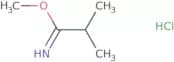
CAS :Methyl 2-methylpropanimidic acid hydrochloride is a neutralizing agent that can be used to react with water, acids, and bases. It has been shown to react with gaseous compounds at temperatures as high as 200°C. Methyl 2-methylpropanimidic acid hydrochloride is soluble in organic solvents such as alcohols, ethers, and acetone and can be used to prepare esters by reacting with the corresponding alcohol or phenol. In addition, it has been shown to interact with haloalkyl groups and oxazinones. This compound also has nod-like receptor binding properties that have been shown to play a role in mediating the transport of organic solutions into cells. A receptor protein that reacts with methyl 2-methylpropanimidic acid hydrochloride has been identified in some organisms. The stereostructure of this compound resembles that of triazines and other organometallic compounds.
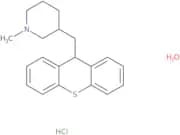
Formule :C5H11NO·HClDegré de pureté :Min. 95%Masse moléculaire :137.61 g/molMethixene hydrochloride hydrate
CAS :Produit contrôléMethixene hydrochloride hydrate is a drug that is used to treat inflammatory bowel disease. It works by inhibiting the activity of enzymes involved in the production of epidermal growth factor, which is a protein that stimulates the growth of cells in the lining of the intestine. Methixene hydrochloride hydrate may also be used for other purposes not listed here. Methixene hydrochloride hydrate can cause liver damage and bone cancer and should not be taken by people with infectious diseases or those who are pregnant. This medication has an effect on dopamine levels and may help with Parkinson's disease. Although methixene hydrochloride hydrate is used to treat many different illnesses, it cannot cure them all.
Formule :C20H26ClNOSDegré de pureté :Min. 95%Couleur et forme :PowderMasse moléculaire :363.95 g/moltrans-Crotyl bromide
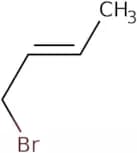
CAS :Trans-crotyl bromide is a pharmaceutical preparation of the hydroxyl group. It is an allylation reagent that reacts with halides to form an organic compound with a new chemical function. Trans-crotyl bromide has been shown to inhibit the activity of inflammatory enzymes, such as kinases and proteases. This inhibition may be due to the release of reactive oxygen species from the active site or by blocking access to the active site. Trans-crotyl bromide also inhibits HIV-1 infection by interfering with viral protein synthesis, which may be due to its ability to bind to polyproteins and inhibit ribosome binding.
Formule :C4H7BrDegré de pureté :Min. 95%Couleur et forme :Colorless Clear LiquidMasse moléculaire :135 g/molrac-N-ethyl amphetamine hydrochloride
CAS :Produit contrôléRacemic amphetamine is a psychoactive substance that has been extensively used in the past as a stimulant, for example in the treatment of ADHD and narcolepsy. Racemic amphetamine is typically used to monitor drug use or to identify adulterants in urine samples. It is also used in the analysis of psychoactive substances and for the detection of phenylpropanolamine (PPA) and formic acid. Racemic amphetamine is a controlled substance that can be found in various forms, including methanolic solution, dilution, analyze, and reaction monitoring. Its use has been shown to be linear and it can be quantified by high-performance liquid chromatography.Formule :C11H18ClNDegré de pureté :Min. 95%Masse moléculaire :199.72 g/mol2,2',5,5'-Tetrachlorobiphenyl
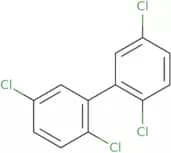
CAS :Produit contrôlé2,2',5,5'-Tetrachlorobiphenyl (PCB) is a biphenyl that has been shown to cause toxicity and oxidative injury in liver cells. PCB interacts with mitochondrial membrane potential by binding to adenine nucleotide and dinucleotide phosphate. This interaction leads to the release of reactive oxygen species, which damages cells by causing oxidative injury. The mechanism of this interaction is not well understood, but it is hypothesized that PCB may bind to the electron transport chain. PCB may also be toxicologically active through its ability to induce cancer gene therapy by inhibiting the activity of a tumor suppressor protein called p53.
Formule :C12H6Cl4Degré de pureté :Min. 95%Masse moléculaire :291.99 g/mol2-Cyano-5-fluoropyridine
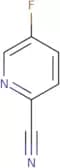
CAS :2-Cyano-5-fluoropyridine is a potential antitubercular agent that has shown penetrability in the central nervous system and activity against Mycobacterium tuberculosis. It is orally active at low doses, and has been shown to be an effective inhibitor of mycobacterial growth and lipid synthesis. In addition, this compound also has antimycobacterial activity against M. avium complex and M. ulcerans, and is a potent inhibitor of β-amyloid aggregation.
Formule :C6H3FN2Degré de pureté :Min. 95%Masse moléculaire :122.1 g/molo-Chloramine T
CAS :O-Chloramine T is a chemical compound that is used in the treatment of cancer. It is an endoreduplication agent and has been shown to cause endothelial cell growth and apoptosis in cancer cells. O-Chloramine T binds to the membrane of cancer cells, which leads to a decrease in autocrine activity and cell binding. O-Chloramine T also inhibits endothelial cell growth by inhibiting protein synthesis and blocking the synthesis of DNA and RNA. This drug has been shown to have anti-cancer properties in animal models and hyperosmolarity properties, which may be due to its ability to cause vessels to collapse.
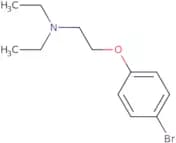
Formule :C7H7ClNNaO2SCouleur et forme :PowderMasse moléculaire :227.64 g/mol2- (4-Bromophenoxy) - N, N- diethylethanamine
CAS :Produit contrôléPlease enquire for more information about 2- (4-Bromophenoxy) - N, N- diethylethanamine including the price, delivery time and more detailed product information at the technical inquiry form on this pageFormule :C12H18BrNODegré de pureté :Min. 95%Masse moléculaire :272.18 g/mol1H,1H-Tridecafluoroheptyl Iodide
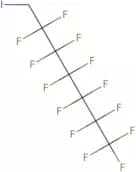
CAS :Please enquire for more information about 1H,1H-Tridecafluoroheptyl Iodide including the price, delivery time and more detailed product information at the technical inquiry form on this page
Formule :C7H2F13IDegré de pureté :Min. 95%Masse moléculaire :459.97 g/molDiethylamine hydrochloride
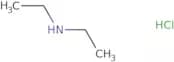
CAS :Produit contrôléDiethylamine hydrochloride is a chemical compound that is used as an intermediate in the manufacture of other chemicals. It can be used to treat metabolic disorders such as diabetes, hypothyroidism, and osteoporosis. Diethylamine hydrochloride has been shown to inhibit group P2 phosphodiesterases (PDEs) and prevent their degradation by the enzyme dipeptidyl peptidase-IV (DPP-IV). This inhibition leads to increased levels of cyclic AMP in cells, which contributes to its anti-inflammatory activity. The structural analysis of diethylamine hydrochloride has been performed using x-ray diffraction data and x-ray crystal structures.
Formule :C4H12ClNDegré de pureté :Min. 95%Masse moléculaire :109.6 g/mol8-Chloro-1-methyl-2,3,4,5-tetrahydro-1H-benzo[d]azepine
CAS :Produit contrôlé8-Chloro-1-methyl-2,3,4,5-tetrahydro-1H-benzo[d]azepine is an antipsychotic drug that is a member of the class of drugs known as serotonin receptor antagonists. It is a synthetic process that has been used to produce antidepressant and antipsychotic drugs. This drug was first synthesized in 1966 by chemists at Smith Kline & French Laboratories as part of a program to develop novel antidepressants. 8-Chloro-1-methyl-2,3,4,5-tetrahydro-1H-benzo[d]azepine is one of the few antipsychotics that does not cause extrapyramidal side effects such as tardive dyskinesia. The enantiomers are active with the (S) form being more potent than the (R) form.Formule :C11H14ClNDegré de pureté :Min. 95%Masse moléculaire :195.69 g/molH-Pro-AMC hydrobromide salt
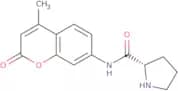
CAS :H-Pro-AMC hydrobromide salt is an enzyme that belongs to the family of proteases. H-Pro-AMC hydrobromide salt has been shown to have carboxypeptidase activity, which cleaves peptides at the C terminus of a single amino acid. It has also been shown to interact with other enzymes and proteins, such as recombinant proteins and enzymes from the ubiquitin-proteasome system. This enzyme's ability to cleave peptides at the C terminus of a single amino acid makes it useful for protein sequencing. H-Pro-AMC hydrobromide salt has also been sequenced and found to share homology with other proteases, such as subtilisin E.
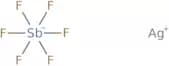
Formule :C15H16N2O3Degré de pureté :Min. 95%Masse moléculaire :272.3 g/molSilver hexafluoroantimonate(V)
CAS :Silver hexafluoroantimonate is a polymeric matrix that is used for its reaction mechanism. The hydroxyl group on the surface of the silver hexafluoroantimonate reacts with hydrochloric acid to produce hydrogen fluoride and an ionic silver chloride complex. Silver hexafluoroantimonate can also be synthesized by cationic polymerization, which involves a coordination complex between the metal and the nitrogen atoms. This coordination geometry allows for hydrogen bonding interactions.
Formule :AgSbF6Degré de pureté :Min. 95%Couleur et forme :White PowderMasse moléculaire :343.62 g/molRef: 3D-FS59850
Produit arrêtéSodium chlorite
CAS :Sodium chlorite is a disinfectant that is used to reduce the number of bacteria in the air, water, and surfaces. It is acidic and has been shown to be effective against infectious diseases such as tuberculosis, cholera, and malaria. Sodium chlorite can be produced through the oxidation of sodium chloride by chlorite ion at high temperatures. The optimum concentration for sodium chlorite is 10-15%. This agent can also be used as an analytical method for determining the presence of organic compounds that are difficult to measure by other methods. Laser ablation coupled with mass spectrometry is one example of this technique. Sodium chlorite can also be used to treat wastewater and inhibits oxidative injury in cells.
Formule :NaClO2Degré de pureté :Min. 95%Couleur et forme :White To Yellow SolidMasse moléculaire :90.44 g/molTetrafluoroterephthalonitrile
CAS :Tetrafluoroterephthalonitrile is a hydroxyl group-containing organic chemical compound with the molecular formula (CF)CO. It has been used in analytical chemistry as a reagent for the determination of peptide binding constants and disulfide bonds. Tetrafluoroterephthalonitrile binds to nucleophilic sites on proteins, such as the pim-1 protein, and can be used to transport other molecules across cell membranes. In addition, it has been used to produce polymers for use in analytical chemistry. This chemical is also able to bind with magnetic particles under constant pressure conditions, which makes it useful for optical sensor applications. Tetrafluoroterephthalonitrile is a hydroxyl group-containing organic chemical compound with the molecular formula (CF)CO. It has been used in analytical chemistry as a reagent for the determination of peptide binding constants and disulfide bonds. Tetrafluoroterephthal
Formule :C8F4N2Degré de pureté :Min. 95%Masse moléculaire :200.09 g/mol3-Desmethylprodine hydrochloride
CAS :Produit contrôléPlease enquire for more information about 3-Desmethylprodine hydrochloride including the price, delivery time and more detailed product information at the technical inquiry form on this page
Formule :C15H22ClNO2Degré de pureté :Min. 95%Masse moléculaire :283.79 g/mol2,6-Difluorobenzyl chloride
CAS :2,6-Difluorobenzyl chloride is a dihedral molecule that can be synthesized from an amide and a chlorinating agent. It is used in the chromatographic method to separate β-unsaturated ketones from their corresponding acid chloride. The 2,6-difluorobenzyl chloride was prepared by condensation of the corresponding acid chloride with phenol in an organic solvent. The validation of this reaction system was done using a chromatographic method on β-unsaturated ketones and chloride gas. The hydrogen chloride gas was bubbled through an ice water bath, generating chlorine gas which was then passed over the sample. The resulting 2,6-difluorobenzyl chloride was identified by its functional groups
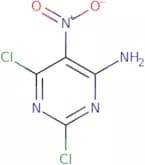
Formule :C7H5ClF2Degré de pureté :Min. 95%Couleur et forme :Clear To Light (Or Pale) Yellow SolidMasse moléculaire :162.5 g/mol2,6-Dichloro-5-nitropyrimidin-4-amine
CAS :2,6-Dichloro-5-nitropyrimidin-4-amine is a chlorinating agent that reacts with aliphatic and aromatic amines to form substituted pyrimidines. The substitution pattern of the product depends on the regioselectivity of the reaction. 2,6-Dichloro-5-nitropyrimidin-4-amine is one of the few chlorinating agents that react with propylamine. Substitution at position 2 of the purine ring has been found to be more selective than substitution at position 6. The 2,6-dichloropyrimidine can also be used as a nitro group source in chemical synthesis or as an intermediate in production of other compounds.
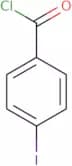
Formule :C4H2Cl2N4O2Degré de pureté :Min. 95%Couleur et forme :SolidMasse moléculaire :208.99 g/mol4-Iodobenzoyl chloride
CAS :4-Iodobenzoyl chloride (4-IB) is a specific agent that is used as a radiopaque contrast agent for X-ray imaging. It binds to cellular chloride ion channels, which are expressed on the cell surface, and allows for the accumulation of intracellular ions. 4-IB is metabolized by the liver and excreted in the bile. This drug has shown no mutagenic or carcinogenic effects in mice. Furthermore, 4-IB has shown an ability to inhibit dopamine uptake into 5HT2A receptors in CD1 mice. Clinical studies have been performed to assess its efficacy in cancer detection with inconclusive results.
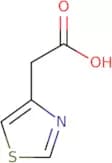
Formule :C7H4ClIODegré de pureté :Min. 95%Masse moléculaire :266.46 g/mol1,3-Thiazol-4-ylacetic acid hydrochloride
CAS :1,3-Thiazol-4-ylacetic acid hydrochloride is an antimicrobial agent that has been shown to be active against Gram-negative bacteria. It is an acidic compound that hydrolyzes in water to produce a carboxylic acid and an alcohol. 1,3-Thiazol-4-ylacetic acid hydrochloride has been used in pharmaceutical preparations as an antimicrobial and blood platelet aggregating agent. It also inhibits the coagulation of blood platelets and the aggregation of platelets. The mechanism for this may involve the interference with phospholipid biosynthesis or with the cytochrome P450 enzyme system involved in the metabolism of arachidonic acid into prostaglandins.
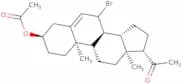
Formule :C5H5NO2SDegré de pureté :Min. 95%Masse moléculaire :143.16 g/mol7-Bromo-3-O-acetyl pregnenolone
CAS :Produit contrôléPlease enquire for more information about 7-Bromo-3-O-acetyl pregnenolone including the price, delivery time and more detailed product information at the technical inquiry form on this page
Formule :C23H33BrO3Degré de pureté :Min. 95%Masse moléculaire :437.41 g/mol2-(Trifluoroacetamido)Ethylamine Hydrochloride
CAS :Please enquire for more information about 2-(Trifluoroacetamido)Ethylamine Hydrochloride including the price, delivery time and more detailed product information at the technical inquiry form on this page
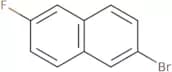
Formule :C4H7F3N2ODegré de pureté :Min. 95%Masse moléculaire :156.11 g/mol2-bromo-6-fluoronaphthalene
CAS :2-bromo-6-fluoronaphthalene is a molecule that has been shown to be a good electron donor in organic solar cells. It is also an analgesic and antinociceptive agent. 2-Bromo-6-fluoronaphthalene has shown to have antiinflammatory effects and inhibit the production of prostaglandins, which are chemical messengers that induce inflammation. The molecular structure of 2-bromo-6-fluoronaphthalene consists of two bromine atoms attached to two naphthalene rings. The bromine atoms provide strong electron donating properties and the naphthalene rings provide stability for the molecule.
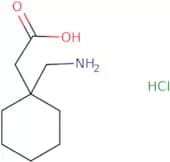
Formule :C10H6BrFDegré de pureté :Min. 95%Masse moléculaire :225.06 g/molGabapentin Hydrochloride
CAS :Produit contrôléGabapentin is a drug that binds to the alpha2-delta subunit of voltage-gated calcium channels, which are found in the brain and peripheral nervous system. This binding prevents the influx of calcium ions into nerve cells, which prevents neurotransmitter release and blocks transmission of pain signals. Gabapentin has been shown to reduce diabetic neuropathy pain in women by inhibiting the release of substance P from sensory nerves in the bladder. The time for gabapentin to be detected in urine can range from 1 day to 2 weeks, depending on the type of test used. Gabapentin is also used for other indications such as epilepsy, postherpetic neuralgia, and bipolar disorder. Gabapentin may be administered as an acid addition salt with hydrochloric acid or trifluoroacetic acid. It is a crystalline polymorph that exhibits different properties when heated or cooled.
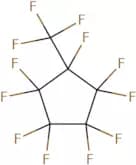
Formule :C9H17NO2·HClDegré de pureté :Min. 95%Masse moléculaire :207.7 g/mol1,1,2,2,3,3,4,4,5-Nonafluoro-5-(Trifluoromethyl)-Cyclopentane
CAS :Produit contrôléNonafluoro-5-(trifluoromethyl)cyclohexane is a film-forming polymer that consists of a mixture of long-chain fatty acids, malic acid and sodium citrate. It is used as an intravitreal injection to fill the eye cavity in patients with eye diseases such as macular degeneration or diabetic retinopathy. The polymer is injected into the eye to form a protective layer on the surface of the retina. The film is insoluble and provides an extended release of fatty acids, malic acid and sodium citrate that are then slowly released into the vitreous humor. This decreases inflammation, prevents the formation of new blood vessels, and reduces the risk of neovascularization. Nonafluoro-5-(trifluoromethyl)cyclohexane has been shown to be effective in reducing fat accumulation in animal models with obesity induced by high-fat diets. It also has been shown to limit weight
Formule :C6F12Degré de pureté :Min. 95%Masse moléculaire :300.05 g/mol1-Methyl-2-(piperazin-1-ylcarbonyl)-1H-indole hydrochloride
CAS :Produit contrôléPlease enquire for more information about 1-Methyl-2-(piperazin-1-ylcarbonyl)-1H-indole hydrochloride including the price, delivery time and more detailed product information at the technical inquiry form on this pageFormule :C14H17N3ODegré de pureté :Min. 95%Masse moléculaire :243.3 g/molBis-trifluoromethyl ethylphosphonate
CAS :Produit contrôléBis-trifluoromethyl ethylphosphonate is a trivalent, cyclic, scientific device that has been used as an additive to graphene oxide. Voltammetric studies have shown that this compound has a high flammability limit and can be used as a rechargeable battery electrode. The chemical's pentavalent form exhibits densities of 1.65 g/cm3 and 2.25 g/cm3 at 20 °C and 0 °C respectively. Bis-trifluoromethyl ethylphosphonate is used in research for its ability to form tervalent bonds with many other elements, including carbon, nitrogen, oxygen and sulfur.
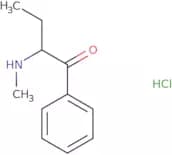
Formule :C6H9F6O3PDegré de pureté :Min. 95%Masse moléculaire :274.1 g/molBuphedrone hydrochloride
CAS :Produit contrôléBuphedrone hydrochloride (BH) is a synthetic cathinone that belongs to the group of stimulants. It has been shown to have similar pharmacological effects as amphetamines, such as increased locomotor activity and decreased food intake. BH also has effects on the brain, including increased neuronal cell division and growth, which are mediated by its interactions with dopamine receptors. BH is structurally similar to methamphetamine and can be synthesized using the same methods. This drug has been found in products labelled as "bath salts" or "plant food."
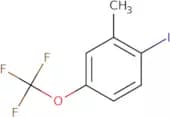
Formule :C11H16ClNODegré de pureté :Min. 95%Masse moléculaire :213.7 g/mol2-Methyl-4-(trifluoromethoxy)iodobenzene
CAS :Please enquire for more information about 2-Methyl-4-(trifluoromethoxy)iodobenzene including the price, delivery time and more detailed product information at the technical inquiry form on this page
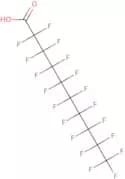
Formule :C8H6F3IODegré de pureté :Min. 95%Masse moléculaire :302.03 g/molNonadecafluorodecanoic acid
CAS :Nonadecafluorodecanoic acid (NDFA) is a fatty acid that has been shown to be an effective solvent for wastewater treatment. This product has been found to have a matrix effect on mouse tumor cells, as well as enzyme activities in vitro. NDFA has also been shown to have acute toxicities in mice and genotoxic activity in vitro. NDFA is not carcinogenic and does not react with DNA, but does cause mutagenic effects such as single-stranded breaks, double-stranded breaks, or cross-linkages between DNA strands. The molecular weight of NDFA is 216 g/mol and the melting point is -52°C. It can be detected by electrochemical detector at concentrations of 0.1 ppm and by optical sensor at concentrations of 1 ppm. The analytical method used for NDFA quantification is gas chromatography/mass spectrometry (GC/MS).
Formule :C10HF19O2Degré de pureté :Min. 95%Couleur et forme :PowderMasse moléculaire :514.08 g/mol3-(trifluoromethoxy)aniline
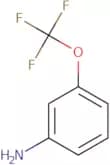
CAS :3-(trifluoromethoxy)aniline is a compound that contains a trifluoromethoxy group. It has been shown to have antiproliferative effects in prostate cancer cells. 3-(trifluoromethoxy)aniline inhibits the activity of pim-1, which is important for cell proliferation and differentiation. The synthesis of 3-(trifluoromethoxy)aniline can be accomplished by one of two methods. In the first method, 3-chloroaniline is reacted with trifluoroacetic acid and bis(trimethylsilyl)acetamide in dichloromethane to form 3-hydroxy-4-chlorobenzenesulfonyl chloride (3HCBSCl). In the second method, the desired product is synthesized from 3-aminophenol and trifluoroacetic acid in acetonitrile. These two methods produce different isomers
Formule :C7H6F3NODegré de pureté :Min. 95%Couleur et forme :PowderMasse moléculaire :177.12 g/mol(2-Iodophenyl)(2,3,6,7-tetrahydro-1H,5H-benzo[ij]quinolizin-9-yl)methanone
2-Iodophenyl)(2,3,6,7-tetrahydro-1H,5H-benzo[ij]quinolizin-9-yl)methanone is a high quality reagent that can be used as a useful intermediate and building block in the synthesis of complex compounds.
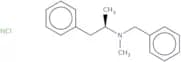
Formule :C19H18INODegré de pureté :Min. 95 Area-%Masse moléculaire :403.26 g/mol(R)-Benzphetamine hydrochloride
CAS :Produit contrôléPlease enquire for more information about (R)-Benzphetamine hydrochloride including the price, delivery time and more detailed product information at the technical inquiry form on this page
Formule :C17H22ClNDegré de pureté :Min. 95%Masse moléculaire :275.82 g/mol3-Chloro-5-(3-chloropropyl)-10,11-dihydro-5H-dibenz[b,f]azepine
CAS :Please enquire for more information about 3-Chloro-5-(3-chloropropyl)-10,11-dihydro-5H-dibenz[b,f]azepine including the price, delivery time and more detailed product information at the technical inquiry form on this page
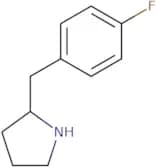
Formule :C17H17Cl2NDegré de pureté :90%MinMasse moléculaire :306.23 g/mol2-(4-Fluoro-benzyl)pyrrolidine
CAS :Produit contrôléPlease enquire for more information about 2-(4-Fluoro-benzyl)pyrrolidine including the price, delivery time and more detailed product information at the technical inquiry form on this page
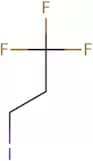
Formule :C11H14FNDegré de pureté :Min. 95%Masse moléculaire :179.23 g/mol1,1,1-Trifluoro-3-iodopropane
CAS :1,1,1-Trifluoro-3-iodopropane is a coordination compound that is used as an additive in the production of polymers. It has been shown to be an effective γ-secretase inhibitor in vitro and in vivo. This drug prevents the formation of β-amyloid protein by blocking proteolytic cleavage of amyloid precursor protein (APP). 1,1,1-Trifluoro-3-iodopropane has also shown potential as a therapeutic agent for Alzheimer’s disease. The toxicity of this drug has been studied using a variety of methods. These studies have shown that this drug is not toxic to cells in culture and does not cause DNA damage or mutagenicity. 1,1,1-Trifluoro-3-iodopropane inhibits the enzyme triazolo metathesis reactions in alkene synthesis and alkylation reactions with pentene.
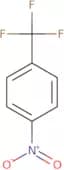
Formule :C3H4F3IDegré de pureté :Min. 95%Couleur et forme :Colourless To Pink Clear LiquidMasse moléculaire :223.96 g/mol4-Nitrobenzotrifluoride
CAS :4-Nitrobenzotrifluoride is a chemical with the formula C6H3N3O2F3. It is a white solid that is soluble in organic solvents and insoluble in water. The compound has been used as a precursor to other compounds, including 4-nitrobenzoic acid, 4-nitrophenol, and 2,4-dinitrobenzenesulfonic acid. The nitro group of this compound can be reduced to an amine by reaction with hydroxide solution. This reaction is exothermic and produces hydrogen gas as a byproduct. Further reactions involving the nitro group can be performed in the presence of aryl chlorides or alkali metals such as potassium or sodium hydroxide. These reactions yield products that have the functional groups RNH2, RCOOH, and RN=C=O. The product of these reactions can be identified using nuclear magnetic resonance spectroscopy
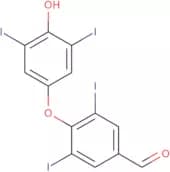
Formule :C7H4F3NO2Degré de pureté :Min. 95%Masse moléculaire :191.11 g/mol3,5,3',5'-Tetraiodo thyroaldehyde
CAS :Please enquire for more information about 3,5,3',5'-Tetraiodo thyroaldehyde including the price, delivery time and more detailed product information at the technical inquiry form on this page
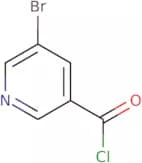
Formule :C13H6I4O3Degré de pureté :Min. 95%Couleur et forme :PowderMasse moléculaire :717.8 g/mol5-Bromonicotinoyl chloride
CAS :5-Bromonicotinoyl chloride is a synthetic compound that has been shown to be an inhibitor of some cancer cells. This compound has been shown to inhibit the enzyme phosphatidylinositol 3-kinase (PI3K) in a specific ligand-dependent manner. The precise mechanism of action is not yet understood, but it is thought that 5-bromonicotinoyl chloride may bind to the enzyme and inhibit its activity by hydrogen bonding interactions. This product inhibits PI3K, which is responsible for generating phosphatidylinositol 3,4,5-triphosphate (PIP3). PIP3 activates protein kinase B (AKT), which promotes cell proliferation and inhibits apoptosis. It also inhibits the enzyme phosphodiesterase type 4 (PDE4), which controls intracellular levels of cyclic GMP. PDE4 activity leads to vasodilation and platelet aggregation.
Formule :C6H3BrClNO2Degré de pureté :Min. 95%Masse moléculaire :236.54 g/molRef: 3D-FB02811
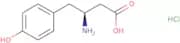
Produit arrêtéL-b-Homotyrosine hydrochloride
CAS :Please enquire for more information about L-b-Homotyrosine hydrochloride including the price, delivery time and more detailed product information at the technical inquiry form on this page
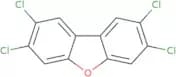
Formule :C10H13NO3·HClDegré de pureté :Min. 95%Masse moléculaire :231.68 g/mol2,3,7,8-Tetrachlorodibenzofuran
CAS :2,3,7,8-Tetrachlorodibenzofuran (2,3,7,8-TCDF) is a congener of polychlorinated dibenzo-p-dioxin. It is found in the environment as a byproduct from the manufacture of chlorophenols and pentachlorophenol. 2,3,7,8-TCDF is an endocrine disruptor that affects cell nuclei and causes oxidative stress to the liver. There are few studies on 2,3,7,8-TCDF because it is not commercially available for use in research or industry. The only study done on this chemical found that it was potent inducer of glucuronide conjugation enzymes and decreased the activity of rat liver microsomes.
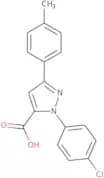
Formule :C12H4Cl4ODegré de pureté :Min. 95%Masse moléculaire :305.97 g/mol1-(4-Chlorophenyl)-3-(4-methylphenyl)-1H-pyrazole-5-carboxylic acid
CAS :Produit contrôléPlease enquire for more information about 1-(4-Chlorophenyl)-3-(4-methylphenyl)-1H-pyrazole-5-carboxylic acid including the price, delivery time and more detailed product information at the technical inquiry form on this pageFormule :C17H13ClN2O2Degré de pureté :Min. 95%Masse moléculaire :312.75 g/mol




![8-Chloro-1-methyl-2,3,4,5-tetrahydro-1H-benzo[d]azepine](/_next/image/?url=https%3A%2Fstatic.cymitquimica.com%2Fproducts%2F3D%2Fthumb-webp%2FFC148171.webp&w=3840&q=75)





![(2-Iodophenyl)(2,3,6,7-tetrahydro-1H,5H-benzo[ij]quinolizin-9-yl)methanone](/_next/image/?url=https%3A%2Fstatic.cymitquimica.com%2Fproducts%2F3D%2Fthumb-webp%2FI-7660.webp&w=3840&q=75)
![3-Chloro-5-(3-chloropropyl)-10,11-dihydro-5H-dibenz[b,f]azepine](/_next/image/?url=https%3A%2Fstatic.cymitquimica.com%2Fproducts%2F3D%2Fthumb-webp%2FFC20114.webp&w=3840&q=75)