Halogénures organiques
Dans cette catégorie, vous trouverez des molécules organiques contenant un ou plusieurs atomes d'halogène dans leur structure. Ces halogénures organiques incluent des composés bromés, iodés, chlorés et des halogénures cycliques. Les halogénures organiques sont largement utilisés en synthèse organique, en pharmaceutique, en agrochimie et en science des matériaux en raison de leur réactivité et de leur capacité à subir une variété de transformations chimiques. Chez CymitQuimica, nous offrons une sélection complète d'halogénures organiques de haute qualité pour soutenir vos applications de recherche et industrielles, garantissant une performance fiable et efficace dans vos projets synthétiques et analytiques.
Sous-catégories appartenant à la catégorie "Halogénures organiques"
20437 produits trouvés pour "Halogénures organiques"
Trier par
Degré de pureté (%)
0
100
|
0
|
50
|
90
|
95
|
100
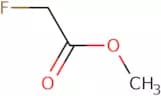
Methyl 2-fluoroacetate
CAS :<p>Methyl 2-fluoroacetate is a nucleophilic drug that has been shown to cause conformational changes in the target protein. It has been shown to be water-soluble, and can be used as a probe for studying biological processes. Methyl 2-fluoroacetate has been shown to be effective against papillary muscle, and is a potential drug for treating cardiac conditions. The mechanism of action of methyl 2-fluoroacetate is not well understood, but it is thought to involve the formation of an alkoxy radical. The molecular structure of methyl 2-fluoroacetate was studied using vibrational spectroscopy and nuclear magnetic resonance (NMR) spectra. This drug was also found to inhibit the growth of tissue culture cells at low concentrations, which may indicate that it can affect cell function.</p>Formule :C3H5FO2Degré de pureté :Min. 95%Masse moléculaire :92.07 g/molTrimesoyl chloride
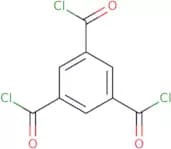
CAS :<p>Trimesoyl chloride is a chitosan quaternary ammonium compound. It has been shown to be effective in the treatment of wastewater and for use in water purification. Trimesoyl chloride has antioxidative properties that are useful in wastewater treatment because it can break down organic compounds, such as chlorinated hydrocarbons, that are present. It also has chemical stability under high salt or acid conditions and is able to transport ionic species across membranes. Trimesoyl chloride is not soluble in water due to its amide group, but it has high water permeability. The compound is neutral at pH 7 and has constant pressure properties, which makes it suitable for use with multi-walled carbon membranes.</p>Formule :C9H3Cl3O3Degré de pureté :Min. 95%Masse moléculaire :265.48 g/molNonafluorohexyltrichlorosilane
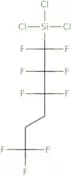
CAS :<p>Nonafluorohexyltrichlorosilane is a silicon-based surfactant that can be used as a surface treatment agent. It is hydrophilic and has excellent wetting properties. Nonafluorohexyltrichlorosilane is also an effective coagulant, which makes it useful for the treatment of wastewater containing suspended solids. This agent can be used to coat surfaces with silicon to make them more hydrophobic, making it useful in the production of photoreceptors, emulsions, and immobilized cell culture. The chemical structure of Nonafluorohexyltrichlorosilane allows it to be easily synthesized by the reaction between chlorosilanes and alcohols.</p>Formule :C6H4Cl3F9SiDegré de pureté :Min. 95%Couleur et forme :Clear LiquidMasse moléculaire :381.53 g/molCotarnine chloride
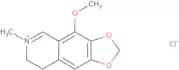
CAS :<p>Cotarnine chloride is an isoquinoline alkaloid, which is a derivative of the opium alkaloid narcotine. It is synthesized through the oxidation and chlorination of narcotine extracted from opium. The mode of action of cotarnine chloride primarily involves its vasoconstrictive properties, which help in reducing blood flow by contracting smooth muscle fibers in blood vessels. This action aids in achieving hemostasis, thereby preventing or controlling hemorrhage.</p>Formule :C12H14ClNO3Degré de pureté :Min. 95%Couleur et forme :Off-White To Yellow SolidMasse moléculaire :255.7 g/mol2-Bromobenzofuran
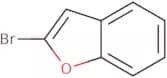
CAS :<p>2-Bromobenzofuran is a compound that has been shown to have antioxidant properties and can be used for the treatment of chronic kidney disease, hepatitis, and degenerative diseases. It has nitrogen atoms in its structure that are reactive with oxygen, which may cause the release of picolinic acid (PA), a compound that has been shown to have anti-inflammatory properties. 2-Bromobenzofuran is an alkynyl group that binds to receptors such as serotonin and dopamine. This group also has carbonyl groups, which can form adducts with amines. The piperazine ring in 2-bromobenzofuran is activated by reaction with hydroxyl groups.</p>Formule :C8H5BrODegré de pureté :Min. 95%Masse moléculaire :197.03 g/mol4-Amino-3-bromoisoquinoline
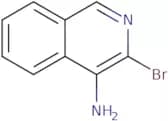
CAS :<p>4-Amino-3-bromoisoquinoline is an isocyanide that reacts with nucleophilic heteroatoms such as the amino group. It also reacts with bromine to form a bromopyridine. The nitrile group of 4-amino-3-bromoisoquinoline can be reduced with sodium borohydride to produce 4-aminoquinoline. This compound has shown potential for use in chemotherapy and treating bacterial infections.</p>Degré de pureté :Min. 95%4-Fluorothiophenol
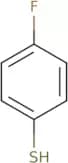
CAS :<p>4-Fluorothiophenol is a reactive chemical that can be used as a monomer for the synthesis of polymers. It has been shown to polymerize with acrylonitrile and methacrylate in the presence of an initiator to form polyacrylonitrile and polymethacrylate, respectively. 4-Fluorothiophenol reacts with unsaturated fatty acids to form thiolates, which are useful intermediates in organic synthesis. 4-Fluorothiophenol also reacts with sulfur transfer agents such as thiourea or mercaptoethanol, leading to S-sulfides that are useful intermediates in organic synthesis. These reactions can be followed by kinetic energy spectroscopy (photoelectron) and nuclear magnetic resonance spectroscopy (NMR). 4-Fluorothiophenol has been shown to undergo intramolecular hydrogen transfer reactions with second order rate constants ranging from</p>Formule :C6H5FSDegré de pureté :Min. 95%Masse moléculaire :128.17 g/mol1-Methyl-2-(piperazin-1-ylcarbonyl)-1H-indole hydrochloride
CAS :Produit contrôlé<p>Please enquire for more information about 1-Methyl-2-(piperazin-1-ylcarbonyl)-1H-indole hydrochloride including the price, delivery time and more detailed product information at the technical inquiry form on this page</p>Formule :C14H17N3ODegré de pureté :Min. 95%Masse moléculaire :243.3 g/mol1-(2-Fluorophenyl)piperazine HCl
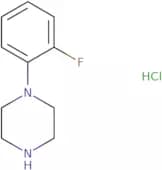
CAS :Produit contrôlé<p>1-(2-Fluorophenyl)piperazine HCl is a psychoactive drug that belongs to the class of piperazines. The compound has been validated for use in spectra, minimizing, and infrared spectroscopy. The compound has also been shown to be psychoactive and can be used as a screening agent for psychoactive substances. The 1-(2-fluorophenyl)piperazine molecule is approximately linear, with two amide linkages and a phenyl ring at one end. It has a calculated molecular weight of 208 g/mol and an empirical formula of C12H14FN3O.</p>Degré de pureté :Min. 95%Benzhexol hydrochloride
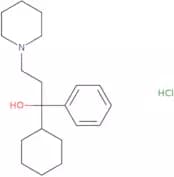
CAS :Produit contrôlé<p>Benzhexol hydrochloride is an ophthalmic, which is used to treat symptoms of eye diseases. It inhibits the immune system and has been shown to be effective in treating autoimmune diseases such as multiple sclerosis. Benzhexol hydrochloride blocks nerve impulses and can cause drooling and hallucinations. This drug can be used in combination with other drugs for the treatment of neurological disorders, including Parkinson's disease. Benzhexol hydrochloride is also used as a diagnostic agent for various conditions, including infectious diseases and geriatric patients with dementia. A linear calibration curve has been observed using a chemiluminescent reaction that is dependent on the concentration-time curve of benzhexol.</p>Formule :C20H32ClNODegré de pureté :Min. 95%Couleur et forme :PowderMasse moléculaire :337.93 g/mol6-Bromohexanoic acid
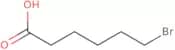
CAS :<p>6-Bromohexanoic acid is a fatty acid that has been shown to be an effective agent for the treatment of cancer. It is used in gene therapy to inhibit the growth of cancer cells by binding to and then activating transcription factors. 6-Bromohexanoic acid can also be used as a chemotherapeutic agent and has been shown to cause apoptosis in monoclonal antibody-treated cells. 6-Bromohexanoic acid has pharmacokinetic properties that are similar to those of other fatty acids. The reaction solution was found to have high chemical stability, which may be due to the presence of nitrogen atoms. This reaction solution was found to adsorb onto the surface of monoclonal antibodies and cell culture, altering their properties.</p>Formule :C6H11BrO2Degré de pureté :Min. 97.0%Couleur et forme :PowderMasse moléculaire :195.05 g/molMethylbenzenethonium chloride
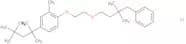
CAS :<p>Methylbenzenethonium chloride is an antimicrobial agent that has been shown to inhibit the growth of leishmania and other parasitic protozoa. It has a high affinity for acidic surfaces, such as those found in the human body. Methylbenzenethonium chloride adsorbs strongly to the surface of bacteria, thereby inhibiting the attachment of these organisms to mucosal surfaces and preventing their adhesion to host cells. This compound also inhibits bacterial surface-associated enzymes, including DNA gyrase and DNA topoisomerase IV. Methylbenzenethonium chloride has been shown to be active against both gram-positive and gram-negative bacteria and is considered safe for use in humans with acute toxicities below 1%.</p>Formule :C28H44CINO2Degré de pureté :Min. 95%Masse moléculaire :565.57 g/mol1-Amino-9-fluorenone
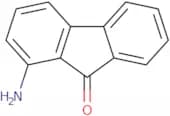
CAS :<p>1-Amino-9-fluorenone is a hydrogen bond acceptor molecule that has been shown to have anticancer activity and rate enhancement. The 1-Amino-9-fluorenone binds to the DNA of cancer cells, inhibiting cell growth and proliferation. This molecule also interacts with the cellular membrane by reversible binding, which leads to an increase in the concentration of intracellular nitric oxide (NO). This increase in NO levels inhibits the growth of cancer cells by blocking their ability to produce ATP. 1-Amino-9-fluorenone has been shown to inhibit hCT116 human colon cancer cells.</p>Formule :C13H9NODegré de pureté :Min. 95%Masse moléculaire :195.22 g/mol1-Chloro-2-(chloromethoxy)ethane
CAS :<p>1-Chloro-2-(chloromethoxy)ethane is an acyclic nucleoside phosphonate that is used as a HIV integrase inhibitor. It binds to the HIV RNA genome and prevents the integration of viral DNA into the host cell's genome, which blocks the replication of HIV. 1-Chloro-2-(chloromethoxy)ethane has been shown to be more potent than other acyclic nucleoside phosphonates in vitro and in vivo. This drug also inhibits herpes simplex virus type 1 (HSV1) thymidine kinase activity, which is essential for viral DNA synthesis. This drug has potential antitumor activities against certain tumor cells due to its ability to inhibit cell proliferation and induce apoptosis through inhibiting rna synthesis.</p>Formule :C3H6Cl2ODegré de pureté :Min. 95%Couleur et forme :Clear LiquidMasse moléculaire :128.98 g/molHexyl carbonochloridate
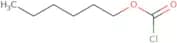
CAS :<p>Hexyl carbonochloridate is a chemical that has been used as a detergent additive. It is also an antimicrobial agent, which has been shown to inactivate enzymes in human serum. Hexyl carbonochloridate is active against hepatitis and other infectious diseases. This compound is also known to be an agonist of toll-like receptor 4 (TLR4), which is a protein that recognizes lipopolysaccharides from gram-negative bacteria. Hexyl carbonochloridate has been shown to have anti-inflammatory properties, possibly due to its hydroxyl group. The analytical method for this compound utilizes gas chromatography with flame ionization detection (GC-FID).</p>Formule :C7H13ClO2Degré de pureté :Min. 95%Masse moléculaire :164.63 g/mol17b-Acetoxy-2a-bromo-5a-androstanone
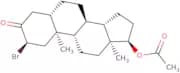
CAS :Produit contrôlé<p>17b-Acetoxy-2a-bromo-5a-androstanone is a chemical that belongs to the class of hydroxysteroids. It is a potent aromatization agent and has been shown to increase the production of estradiol in human placental tissue. 17b-Acetoxy-2a-bromo-5a-androstanone also has been shown to be a potent inhibitor of bacterial growth, with an MIC90 of 0.1 micrograms per milliliter.</p>Formule :C21H31BrO3Degré de pureté :Min. 95%Masse moléculaire :411.37 g/mol4-Iodobenzonitrile
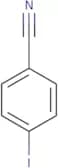
CAS :<p>4-Iodobenzonitrile is an organic compound with the formula CH(CN)I. It is a colorless liquid that is soluble in water and acetone. 4-Iodobenzonitrile can be prepared by transfer of nitrile to iodide. The product has been used as a synthetic intermediate for pharmaceuticals, including the antibiotic erythromycin. It also has been used in the synthesis of other compounds, such as phenylacetic acid and its derivatives, and aromatic amines.</p>Formule :C7H4INDegré de pureté :Min. 95%Couleur et forme :PowderMasse moléculaire :229.02 g/mol4-(4-Chlorophenoxy)butyric acid
CAS :Produit contrôlé<p>4-(4-Chlorophenoxy)butyric acid (4CBA) is a nitrobenzodiazepine derivative. It has been shown to bind to the benzodiazepine receptor at the same site as benzodiazepines, but with a different conformation. This drug has been shown to be an effective treatment for anxiety, but not depression. In addition, 4CBA has been shown to interact with GABA receptors and modulate their activity. It also appears that this drug may be useful in the treatment of epilepsy and other neurological disorders because it can enhance GABAergic transmission. 4CBA binds to the carboxylate site on GABA A receptors and inhibits chloride ion influx, which leads to membrane hyperpolarization. This binding also causes conformational changes in the receptor protein that have an effect on the binding of other ligands at the same site. The molecular modelling techniques used for this research showed that 4CBA binds in a similar manner as benzod</p>Formule :C10H11ClO3Degré de pureté :Min. 95%Masse moléculaire :214.65 g/molDemethyl benzydamine hydrochloride
CAS :Produit contrôlé<p>Please enquire for more information about Demethyl benzydamine hydrochloride including the price, delivery time and more detailed product information at the technical inquiry form on this page</p>Formule :C18H22ClN3ODegré de pureté :Min. 95%Masse moléculaire :331.84 g/mol4-Amino-3,5-difluorobenzoic Acid
CAS :<p>4-Amino-3,5-difluorobenzoic Acid is a chemical compound that is used to manufacture dyes and pharmaceuticals. It is prepared by the reaction of dimethyl formamide with bromobenzoate and hydrobromic acid. The reaction product is decompressed to remove the toxic hydrogen cyanide gas and then reacted with sodium borohydride in liquid ammonia. This process yields 4-amino-3,5-difluorobenzoic acid which can be purified by recrystallization from water or chloroform.</p>Formule :C7H5F2NO2Degré de pureté :Min. 95%Masse moléculaire :173.12 g/mol