Produits biochimiques et réactifs
Sous-catégories appartenant à la catégorie "Produits biochimiques et réactifs"
- Biomolécules(98.557 produits)
- Par Biological Target(101.014 produits)
- Par usage/effets pharmacologiques(6.941 produits)
- Cryoconservation et composés associés aux cryoconservateurs(21 produits)
- Désinfectants, additifs pour les fluides pour bains chauffants et composés apparentés(28 produits)
- Hormones(530 produits)
- Biologie végétale(6.903 produits)
- Métabolites secondaires(14.371 produits)
130589 produits trouvés pour "Produits biochimiques et réactifs"
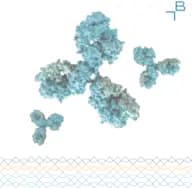
Rabbit anti Cat IgG
Rabbit anti-cat IgG was raised in rabbit using feline IgG F(ab')2 fragment as the immunogen.Degré de pureté :Min. 95%Bradykinin (Human, Bovine, Rat, Mouse)
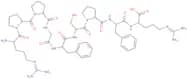
CAS :Bradykinin is a peptide hormone that is produced in the body by the kininase enzyme. It is an activator of ion channels and ligand for the G-protein coupled receptors B1, B2, and B3. Bradykinin is used as a research tool to study cell biology, pharmacology, and life science. It interacts with proteins such as erythrocyte protein band 4.4, alpha-2-macroglobulin receptor, alpha-bungarotoxin binding protein, beta-chain integrin receptor, and platelet membrane glycoprotein IIb/IIIa receptor. Bradykinin has been shown to inhibit the activity of bradykinin B1 receptor (Ki = 0.4 nM) and bradykinin B2 receptor (Ki = 0.6 nM).
Formule :C50H73N15O11Degré de pureté :Min. 95%Masse moléculaire :1,060.2 g/molRAP1B antibody
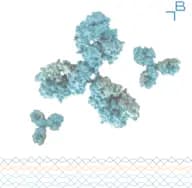
The RAP1B antibody is an acidic growth factor that plays a crucial role in various biological processes. It is commonly used in Life Sciences research to study the functions of RAP1B, a small GTPase protein. This polyclonal antibody is highly specific and binds to RAP1B with high affinity, making it an excellent tool for detecting and quantifying RAP1B levels in different samples.
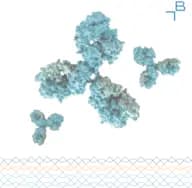
NGAL protein
NGAL protein is a multifunctional protein that plays a crucial role in various biological processes. It acts as an epidermal growth factor and has anti-mesothelin properties, making it valuable in the field of Life Sciences. NGAL protein functions as a growth factor and chemokine, promoting cell proliferation and migration. It can be used as a recombinant protein or antigen for research purposes.Degré de pureté :Min. 95%UBE2E2 antibody
UBE2E2 antibody was raised using a synthetic peptide corresponding to a region with amino acids GDQRESVQQEPEREQVQPKKKEGKISSKTAAKLSTSAKRIQKELAEITLD
DPY19L4 antibody
DPY19L4 antibody was raised using a synthetic peptide corresponding to a region with amino acids APVAAVFAGSPQLMGAIKLCTGWMVTSLPLYNDDDLLKRNENIYQIYSKR
Degré de pureté :Min. 95%GNL3L Blocking Peptide
A synthetic peptide for use as a blocking control in assays to test for specificity of GNL3L antibody, catalog no. 70R-3043
Degré de pureté :Min. 95%TBCB Blocking Peptide
A synthetic peptide for use as a blocking control in assays to test for specificity of TBCB antibody, catalog no. 70R-3673
Degré de pureté :Min. 95%CEBPB antibody
The CEBPB antibody is a highly specific antigen-antibody drug that targets actin, a protein involved in various cellular processes. This monoclonal antibody specifically binds to actin filaments in the nucleus, inhibiting their function and disrupting cellular activities. Additionally, this antibody has been shown to reduce microvessel density, indicating its potential as an anti-angiogenic agent.
Guinea Pig Red Blood Cells
Guinea Pig Red Blood Cells (GPRBC) are widely used in veterinary applications and life sciences research. They serve as a growth factor for various experiments and studies. GPRBC can be stored in glycerin, ensuring their longevity and usability. These red blood cells have been utilized in research on choroidal neovascularization, hemolytic activities, receptor binding, and neutralizing monoclonal antibodies. GPRBC have also been studied for their role in the metabolism of cyp2a6 and racemase enzymes in human serum. With their diverse applications and significant contributions to scientific research, Guinea Pig Red Blood Cells are an essential resource for researchers in the field of life sciences.Degré de pureté :Min. 95%SMU1 Blocking Peptide
A synthetic peptide for use as a blocking control in assays to test for specificity of SMU1 antibody, catalog no. 70R-4370
Degré de pureté :Min. 95%PCNP antibody
PCNP antibody was raised using the middle region of PCNP corresponding to a region with amino acids AKMRMKNIGRDTPTSAGPNSFNKGKHGFSDNQKLWERNIKSHLGNVHDQD
Sumo1 antibody
The Sumo1 antibody is a polyclonal antibody that is used for the immobilization of human serum on an electrode. It is commonly used in research and laboratory settings to study the binding proteins and inhibitors involved in various cellular processes. This antibody has also been shown to have neutralizing effects on interferon, making it a valuable tool in immunology research. Additionally, the Sumo1 antibody has demonstrated neuroprotective properties and has been investigated for its potential use in treating neurodegenerative disorders. However, it is important to note that this antibody may have teratogenic effects and should be handled with caution. In the field of Life Sciences, the Sumo1 antibody plays a crucial role in understanding cellular pathways and protein interactions.
RBM9 Blocking Peptide
A synthetic peptide for use as a blocking control in assays to test for specificity of RBM9 antibody, catalog no. 70R-4816
Degré de pureté :Min. 95%Measles virus protein
The Measles virus protein is a multifunctional protein that exhibits various characteristics. It has insulin-like properties and can interact with alpha-fetoprotein, a growth factor involved in fetal development. Monoclonal antibodies can be used to target this protein for research purposes. Additionally, it has natriuretic properties, meaning it affects the balance of sodium and water in the body. The Measles virus protein also plays a role in fatty acid metabolism and telomerase activity, which is important for maintaining the integrity of DNA. It has been found to localize in the nucleus and may have implications in nuclear processes. Furthermore, it interacts with brain natriuretic peptide and antibodies against this protein can be used as diagnostic tools. If you're looking for Native Proteins & Antigens or acidic growth factor-1 receptor-related products, the Measles virus protein may be of interest to you. Explore our range of Proteins and Antigens to find products related to thisHorse RBC antibody
Horse RBC antibody was raised in rabbit using equine erythrocytes as the immunogen.Degré de pureté :Min. 95%GFP antibody
GFP antibody was raised in goat using a GFP fusion protein corresponding to the full length amino acid sequence (246aa) derived from the jellyfish Aequorea victoria as the immunogen.Degré de pureté :Min. 95%1-Benzyl-3-(3-dimethylaminopropyloxy)-5-(4-methoxyphenylaminocarbonyl)-1H-pyrazole
CAS :1-Benzyl-3-(3-dimethylaminopropyloxy)-5-(4-methoxyphenylaminocarbonyl)-1H-pyrazole is a small molecule that has been shown to activate ion channels. This pyrazole derivative binds to and activates the serine/threonine protein phosphatases PP2A, PP2B, and PP2C. The peptide is also a ligand for the serotonin receptor 5HT2A. It can be used as a research tool in cell biology and pharmacology.
Formule :C23H28N4O3Degré de pureté :Min. 95%Masse moléculaire :408.5 g/molPrefoldin 5 antibody
The Prefoldin 5 antibody is a powerful tool for researchers in the field of Life Sciences. This antibody specifically targets transthyretin, an important protein involved in various biological processes. The antibody-drug complex can be immobilized on an electrode surface and activated under acidic conditions. This enables researchers to study the interaction between transthyretin and other molecules such as chemokines, interferons, and monoclonal antibodies. The Prefoldin 5 antibody is widely used in techniques like immunohistochemistry to visualize the distribution of transthyretin in tissues. With its high specificity and sensitivity, this antibody is an invaluable asset for any researcher working in the field of Life Sciences.
IL16 protein
Region of IL16 protein corresponding to amino acids MPDLNSSTDS AASASAASDV SVESTAEATV CTVTLEKMSA GLGFSLEGGK GSLHGDKPLT INRIFKGAAS EQSETVQPGD EILQLGGTAM QGLTRFEAWN IIKALPDGPV TIVIRRKSLQ SKETTAAGDS.
Heparin antibody
Heparin antibody is a monoclonal antibody that is used to detect and diagnose heparin-induced thrombocytopenia (HIT), a condition in which the body's immune system produces antibodies against heparin, a commonly used blood thinner. This antibody specifically targets the complex formed between heparin and platelet factor 4 (PF4), which is responsible for the immune response leading to HIT. Heparin antibody can also be used in research settings to study the interactions between heparin and other molecules, such as insulin. Additionally, this antibody has been used in the development of therapeutic monoclonal antibodies, such as trastuzumab, which is used to treat certain types of cancer. Its high specificity and sensitivity make it a valuable tool in various applications within the field of life sciences.
RGS13 antibody
RGS13 antibody was raised using the middle region of RGS13 corresponding to a region with amino acids WSRISRAKKLYKIYIQPQSPREINIDSSTRETIIRNIQEPTETCFEEAQK
WDR4 antibody
WDR4 antibody was raised using the C terminal of WDR4 corresponding to a region with amino acids AGADASFSSLYKATFDNVTSYLKKKEERLQQQLEKKQRRRSPPPGPDGHA
CUX2 Blocking Peptide
A synthetic peptide for use as a blocking control in assays to test for specificity of CUX2 antibody, catalog no. 70R-8727
Degré de pureté :Min. 95%C21orf66 Blocking Peptide
A synthetic peptide for use as a blocking control in assays to test for specificity of C21orf66 antibody, catalog no. 70R-8731
Degré de pureté :Min. 95%TMEM123 antibody
TMEM123 antibody was raised using the C terminal of TMEM123 corresponding to a region with amino acids SSVTITTTMHSEAKKGSKFDTGSFVGGIVLTLGVLSILYIGCKMYYSRRG
Degré de pureté :Min. 95%Heparinase III protein
Similar to heparin, located in the extracellular matrix, the glycosaminoglycan of heparan plays important physiological roles in anticoagulation and angiogenesis. The acidic polysaccharide of heparan consists of a heterogeneous disaccharide repeating unit of hexosamine and uronic acid (L-iduronic or D-glucuronic acid) connected through 1-4 linkages and modified with various functional groups. Sulfated regions of heparan sulfate are interspaced with less or non-sulfated regions but heparin sulfate contains no non-sulfated regions.
Degré de pureté :Min. 95%CD4 antibody (FITC)
CD4 antibody (FITC) was raised in rat using cloned murine CTL line V4 as the immunogen.
Apbb1ip Blocking Peptide
A synthetic peptide for use as a blocking control in assays to test for specificity of Apbb1ipsantibody, catalog no. 70R-9495
Degré de pureté :Min. 95%TMEM132B Blocking Peptide
A synthetic peptide for use as a blocking control in assays to test for specificity of TMEM132B antibody, catalog no. 70R-6922
Degré de pureté :Min. 95%COPS4 Blocking Peptide
A synthetic peptide for use as a blocking control in assays to test for specificity of COPS4 antibody, catalog no. 70R-3609
Degré de pureté :Min. 95%Myc antibody
The Myc antibody is a highly specialized monoclonal antibody that targets and neutralizes the growth factor interleukin-6 (IL-6). IL-6 is known to play a crucial role in various biological processes, including cell proliferation and cytotoxicity. By specifically binding to IL-6, the Myc antibody effectively inhibits its activity, preventing excessive cell growth and promoting a balanced cellular environment.
ERG antibody
The ERG antibody is a highly specialized monoclonal antibody that is used in Life Sciences research. It specifically targets the ERG protein, which plays a critical role in cellular processes such as collagen production and TGF-beta1 signaling. This antibody can be used for various applications, including immunohistochemistry, western blotting, and enzyme-linked immunosorbent assays (ELISA). The ERG antibody is designed to provide accurate and reliable results, ensuring the highest level of specificity and sensitivity. It can be used with various enzyme substrates and detection systems to achieve optimal performance. Whether you are studying cell signaling pathways or investigating disease mechanisms, the ERG antibody is an invaluable tool for your research needs. With its exceptional quality and performance, this antibody will help advance your scientific discoveries in the field of Life Sciences.
PAFAH1B2 Blocking Peptide
A synthetic peptide for use as a blocking control in assays to test for specificity of PAFAH1B2 antibody, catalog no. 70R-3207
Degré de pureté :Min. 95%KIAA0040 Blocking Peptide
A synthetic peptide for use as a blocking control in assays to test for specificity of KIAA0040 antibody, catalog no. 70R-8311
Degré de pureté :Min. 95%MST1R antibody
MST1R antibody was raised in rabbit using a synthetic peptide conjugated to KLH as the immunogen.Degré de pureté :Min. 95%GNL3L Blocking Peptide
A synthetic peptide for use as a blocking control in assays to test for specificity of GNL3L antibody, catalog no. 70R-3042
Degré de pureté :Min. 95%AKR1C1 Blocking Peptide
A synthetic peptide for use as a blocking control in assays to test for specificity of AKR1C1 antibody, catalog no. 70R-10003
Degré de pureté :Min. 95%FAS antibody
The FAS antibody is a powerful tool in the field of biomedical research. It is an inhibitor that targets glycosylation, which is a crucial process for the modification of proteins. With its unique properties, this antibody can be used to study the effects of glycosylation on various biological processes.
Leptin protein
Region of Leptin protein corresponding to amino acids MVPIQKVQDD TKTLIKTIVT RINDISHTQS VSSKQKVTGL DFIPGLHPIL TLSKMDQTLA VYQQILTSMP SRNVIQISND LENLRDLLHV LAFSKSCHLP WASGLETLDS LGGVLEASGY STEVVALSRL QGSLQDMLWQ LDLSPGC.Degré de pureté :Min. 95%Alanine Transaminase antibody
Sheep polyclonal Pig Alanine Transaminase antibody
Degré de pureté :Min. 95%STAT6 antibody
STAT6 antibody was raised in rabbit using the C terminal of STAT6 as the immunogenDegré de pureté :Min. 95%FZD2 Blocking Peptide
A synthetic peptide for use as a blocking control in assays to test for specificity of FZD2 antibody, catalog no. 70R-7184
Degré de pureté :Min. 95%SPAG4L Blocking Peptide
A synthetic peptide for use as a blocking control in assays to test for specificity of SPAG4L antibody, catalog no. 70R-4453
Degré de pureté :Min. 95%PSG6 Blocking Peptide
A synthetic peptide for use as a blocking control in assays to test for specificity of PSG6 antibody, catalog no. 70R-3426
Degré de pureté :Min. 95%GST antibody
The GST antibody is a highly reactive and cytotoxic monoclonal antibody that is commonly used in Life Sciences research. It specifically targets the glutathione S-transferase (GST) protein, which plays a crucial role in detoxification processes within cells. The GST antibody can be used to detect and quantify GST levels in various samples, including human serum.Chymotrypsin-Like Blocking Peptide
A synthetic peptide for use as a blocking control in assays to test for specificity of CTRL antibody, catalog no. 70R-5436
Degré de pureté :Min. 95%TRPM4 antibody
The TRPM4 antibody is a highly specialized antibody used in the field of life sciences. It is specifically designed to target and neutralize the TRPM4 protein, which plays a crucial role in cellular processes such as calcium signaling and ion transport. This monoclonal antibody has been extensively tested and proven to be highly reactive and effective in inhibiting the activity of TRPM4.
Dynactin 4 Blocking Peptide
A synthetic peptide for use as a blocking control in assays to test for specificity of DCTN4 antibody, catalog no. 70R-3016
Degré de pureté :Min. 95%Akt antibody
Akt, also known as Protein Kinase B (PKB), is a critical signaling protein in cells that regulates essential processes like cell growth, survival, metabolism, and proliferation. It functions within the PI3K/Akt pathway, one of the primary pathways for cell survival and growth, which is activated by growth factors and hormones such as insulin. Upon activation, Akt is recruited to the cell membrane, where it is phosphorylated by kinases like PDK1, triggering its full activation. This allows Akt to influence downstream processes, promoting cell survival by inhibiting apoptosis, supporting cell growth via pathways like mTOR, and enhancing glucose metabolism—especially important for insulin response.Akt plays a significant role in diseases like cancer and diabetes. Dysregulation of the Akt pathway is frequently observed in cancer, often due to mutations in pathway components such as PI3K, PTEN, or Akt itself, resulting in increased cell survival, growth, and resistance to therapies. In diabetes, insulin resistance diminishes Akt pathway responsiveness, reducing glucose uptake and leading to elevated blood glucose levels. Thus, the Akt pathway is a focal point in therapeutic research, particularly for diseases where its regulatory effects on cell growth and metabolism are implicated.
Atractylodinol
CAS :Atractylodinol is a chemical compound that is found in the Phellodendron amurense and Japonica species. It has potent inhibitory activity against viruses and infectious diseases, such as hepatitis B virus, herpes simplex virus type 1 (HSV-1), herpes simplex virus type 2 (HSV-2), human immunodeficiency virus type 1 (HIV-1), influenza A virus, and West Nile virus. Atractylodinol binds to the receptor binding site of the viral envelope protein, which inhibits viral entry into cells. This compound has shown to be effective against HSV-1, HSV-2, HIV-1, and West Nile Virus in vitro. Atractylodinol also shows inhibitory activity against bacterial cells by inhibiting protein synthesis at the ribosomes.
Formule :C13H10O2Degré de pureté :Min. 95%Masse moléculaire :198.22 g/molUBE2L3 antibody
The UBE2L3 antibody is a highly specialized antibody used in life sciences research. It is designed to target and bind to the UBE2L3 protein, which plays a crucial role in various cellular processes. This antibody is available in both polyclonal and monoclonal forms, providing researchers with options for their specific experimental needs.
TPTE Blocking Peptide
A synthetic peptide for use as a blocking control in assays to test for specificity of TPTE antibody, catalog no. 70R-1628
Degré de pureté :Min. 95%Eledoisin Related Peptide
CAS :Eledoisin is a novel ion channel activator that belongs to the group of peptides. It has been shown to activate voltage-gated sodium channels and calcium channels in cell culture, which may be due to its ability to inhibit the phosphorylation of L-type channels. Eledoisin also binds to human and rat receptors with high affinity, exhibiting a ligand binding affinity of IC50 = 0.5 nM. The amino acid sequence of eledoisin is related to that of other peptides such as beta-amyloid, calcitonin, bombesin, and thyrotropin releasing hormone (TRH).
Formule :C34H58N8O6SDegré de pureté :Min. 95%Masse moléculaire :706.94 g/mol14:0-16:0 PC
CAS :14:0-16:0 PC is a molecule that is synthesized by the human body. It is one of the most abundant fatty acids in the human body, and its levels can be used as an indicator of prostate cancer risk. 14:0-16:0 PC has been shown to promote tumor growth in cultured prostate cancer cells, although it does not affect normal prostate cells. It also binds to epidermal growth factor (EGF) and fluorescein angiography, which allows for visualization of cancerous tissues. The synthesis of 14:0-16:0 PC is regulated by light exposure with a photomultiplier tube or light signal from a photomultiplier.
Formule :C38H76NO8PDegré de pureté :Min. 95%Masse moléculaire :705.99 g/molSARS Spike (306-515)
SARS Coronavirus is an enveloped virus containing 3 outer structural proteins, namely the membrane (M), envelope (E), and spike (S) proteins. Spike (S)-glycoprotein of the virus interacts with a cellular receptor and mediates membrane fusion to allow viral entry into susceptible target cells. Accordingly, S-protein takes part in the virus infection cycle and is the primary target of neutralizing antibodies. The recombinant SARS Spike containing a total of 220 amino acids (306-515) and having a calculated M.W. of 24.8 kDa.SARS Spike is fused to a 6 amino acid His-tag at C-terminus, and is purified by proprietary chromatographic techniques. Of a HEK293 source the formulation of the SARS Spike (306-515) solution (0.5mg/ml) contains Phosphate-Buffered Saline (pH 7.4) and 10% Glycerol.
One-Letter Formula: DGSMRVVPSG DVVRFPNITN LCPFGEVFNA TKFPSVYAWE RKKISNCVAD YSVLYNSTFF STFKCYGVSA TKLNDLCFSN VYADSFVVKG DDVRQIAPGQ TGVIADYNYK LPDDFMGCVL AWNTRNIDAT STGNYNYKYR YLRHGKLRPF ERDISNVPFS PDGKPCTPPA LNCYWPLNDY GFYTTTGIGY QPYRVVVLSF ELLNAPATVC GPKLHHHHHHDegré de pureté :Min. 95%Y1 Receptor antagonist 1
CAS :Y1 Receptor antagonist 1 is a highly specialized pharmaceutical compound, which is derived from synthetic chemical processes, aimed at inhibiting the neuropeptide Y1 receptor. This antagonist operates by selectively blocking the binding of neuropeptide Y (NPY) to the Y1 receptor, a G-protein coupled receptor involved in various physiological processes, including appetite regulation and energy homeostasis.
Formule :C28H33N5O3Degré de pureté :Min. 95%Masse moléculaire :487.6 g/molApoA1 antibody
The 6-Fluoro-3-indoxyl-beta-D-galactopyranoside is an antituberculosis drug that falls under the class of rifamycins. It is highly effective in treating tuberculosis infections and contains active compounds with bactericidal activity. This drug works by binding to DNA-dependent RNA polymerase, which inhibits bacterial growth and prevents transcription and replication. Additionally, it has been extensively studied using the patch-clamp technique on human erythrocytes, demonstrating its high frequency of human activity. The active form of this drug undergoes various metabolic transformations such as hydrolysis by esterases or glucuronidases, oxidation by cytochrome P450 enzymes, reduction by glutathione reductase, or conjugation with glucuronic acid. It also specifically binds to markers expressed in Mycobacterium tuberculosis strains and inhibits cell growth in culture.
PDIA6 Blocking Peptide
A synthetic peptide for use as a blocking control in assays to test for specificity of PDIA6 antibody, catalog no. 70R-5406
Degré de pureté :Min. 95%Endothelin-3 (Human)
CAS :Endothelin-3 (ET-3) is a protein that belongs to the large family of endothelin peptides which activate the G-protein coupled receptors ETA and ETB. However ET-3 has lower affinity for the ETA receptors compared to Endothelin-1 (ET-1) and Endothelin-2 (ET-2), whereas all three endothelins have similar affinity for ETB receptors. As ETB receptors make up around 90% of the endothelin receptors found in the cerebral cortex in humans, ET-3 can be nicknamed the ‘brain endothelin’. Also through ET-3’s activation of ETB receptors, ET-3 is involved in the development of the enteric nervous system which controls within the gut, blood flow, secretion and intestinal motility. This product has disulfide bonds between Cys1-Cys and Cys3-Cys11, is sourced from Porcine, Rat and Rabbit and is available as a 0.1mg vial. It can be use as a research tool for studying the function of endothelin receptors.
Formule :C121H168N26O33S4Degré de pureté :Min. 95%Masse moléculaire :2,643 g/molSFRS7 Blocking Peptide
A synthetic peptide for use as a blocking control in assays to test for specificity of SFRS7 antibody, catalog no. 70R-5017
Degré de pureté :Min. 95%Mouse Thymocyte antibody
Mouse thymocyte antibody was raised in rabbit using RBC-free murine thymus and spleen cells as the immunogen.Degré de pureté :Min. 95%CNTNAP1 Blocking Peptide
A synthetic peptide for use as a blocking control in assays to test for specificity of CNTNAP1 antibody, catalog no. 70R-6158
Degré de pureté :Min. 95%FAM84B antibody
The FAM84B antibody is a monoclonal antibody that specifically targets the FAM84B protein. This protein is involved in various biological processes, including collagen synthesis and adiponectin production. By targeting this molecule, the FAM84B antibody can modulate these processes and potentially have therapeutic effects.
Plexin A2 Blocking Peptide
A synthetic peptide for use as a blocking control in assays to test for specificity of PLXNA2 antibody, catalog no. 70R-6314
Degré de pureté :Min. 95%Hyaluronan protein
Hyaluronan protein is a versatile compound that plays a crucial role in various biological processes. It is a major component of the extracellular matrix and is involved in cell proliferation, migration, and tissue repair. Hyaluronan protein interacts with collagen, fibronectin, alpha-fetoprotein, hemoglobin, interferon, and other proteins to form a protein complex that regulates cellular functions.Degré de pureté :Min. 95%Rabbit IL17 ELISA kit
ELISA Kit for detection of IL17 in the research laboratory
Degré de pureté :Min. 95%FAN antibody
The FAN antibody is a highly versatile and effective tool used in various assays and hybridization techniques. It is an isothiocyanate-conjugated monoclonal antibody that specifically targets alpha-fetoprotein (AFP). This antibody has been widely used in research and diagnostic applications for the detection and quantification of AFP in biological samples.
XK Blocking Peptide
A synthetic peptide for use as a blocking control in assays to test for specificity of XK antibody, catalog no. 70R-7169
Degré de pureté :Min. 95%KDS2010
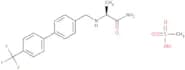
CAS :KDS2010 is a neuroprotective drug that has been shown to reduce the progression of Parkinson's disease and Alzheimer's disease in clinical trials. It is a potent GABA receptor agonist that produces a rapid, reversible increase in intracellular levels of gamma-aminobutyric acid (GABA) by binding to the GABA receptor and inhibiting its ion channel activity. KDS2010 also stimulates the release of dopamine, which may be responsible for its therapeutic effects. KDS2010 is an attenuating agent that reduces neuronal death by attenuating reactive oxygen species generation and preventing the depletion of glutathione.
Formule :C17H17F3N2O·CH3SO3HDegré de pureté :Min. 95%Masse moléculaire :418.43 g/molHSA antibody
The HSA antibody is a monoclonal antibody that is commonly used in steroid assays and other diagnostic tests involving human serum. It has been shown to have an inhibitory effect on the activity of certain antibodies, making it a valuable tool in research and medical settings. This specific monoclonal antibody has also been found to have anti-mesothelin properties, which makes it useful in the study and treatment of mesothelioma, a type of cancer. Additionally, the HSA antibody has demonstrated antioxidant activity and the ability to inhibit the growth factor in certain cell lines. Its versatility and wide range of applications make it an essential tool in the field of life sciences.
CPN-267
CPN-267 is a peptide that is an inhibitor of protein interactions. It has been shown to be a potent inhibitor of the activation of the receptor for the amyloid beta peptide. CPN-267 also inhibits ligand binding to the acetylcholine receptor, and blocks ion channels in neuronal cells. This drug has also been shown to inhibit the activity of some proteins involved in cancer cell proliferation and survival. CPN-267 has been used as a research tool for studying protein interactions and has been labeled with fluorochrome to allow for visualization under a microscope.
CAS: 93627-03-3Degré de pureté :Min. 95%Salmonella antibody
Salmonella antibody was raised in mouse using LPS of Salmonella typhimurium as the immunogen.
Livin antibody
The Livin antibody is a powerful tool in Life Sciences research. It specifically targets mesothelin, a protein that is often overexpressed in various types of cancer. By binding to mesothelin, the Livin antibody can be used to detect and measure its presence in human serum samples. Studies have shown that high levels of mesothelin are associated with increased microvessel density and tumor growth, making it an important marker for cancer prognosis and treatment.
09:0 PC
CAS :09:0 PC is a phospholipid that has shown the ability to protect against renal ischemia-reperfusion injury in rats. This protection was seen both in vitro and in vivo, as well as for apoptosis induced by serum deprivation. 09:0 PC was also found to have an anti-inflammatory effect on rat cardiomyocytes. These effects were due to its ability to inhibit phospholipases and neutralize reactive oxygen species (ROS). It has been found that 09:0 PC contains a serine residue at the active site, which may be important for its activity. Further research on the mechanism of 09:0 PC's activity is needed to understand how it protects cells from injury and death.
Formule :C26H52NO8PDegré de pureté :Min. 95%Masse moléculaire :537.67 g/molPEX5 antibody
PEX5 antibody was raised using the middle region of PEX5 corresponding to a region with amino acids LNMQRKSRGPRGEGGAMSENIWSTLRLALSMLGQSDAYGAADARDLSTLL
Septin 10 antibody
Septin 10 antibody was raised using the C terminal of 40431 corresponding to a region with amino acids ERMKLEEKRRLLEEEIIAFSKKKATSEIFHSQSFLATGSNLRKDKDRKNS
AFAP1L2 Blocking Peptide
A synthetic peptide for use as a blocking control in assays to test for specificity of AFAP1L2 antibody, catalog no. 70R-10013
Degré de pureté :Min. 95%TMEFF2 antibody
The 6-Fluoro-3-indoxyl-beta-D-galactopyranoside is an effective antituberculosis drug belonging to the class of rifamycins. It is specifically designed to target tuberculosis infection and contains active compounds known for their potent bactericidal activity. The key mechanism of action involves binding to DNA-dependent RNA polymerase, preventing transcription and replication. This drug has been extensively tested using advanced techniques such as the patch-clamp technique on human erythrocytes, confirming its high efficacy in inhibiting bacterial growth. Additionally, it undergoes various metabolic transformations including hydrolysis by esterases or glucuronidases, oxidation by cytochrome P450 enzymes, reduction by glutathione reductase, or conjugation with glucuronic acid. It also exhibits specific binding to markers expressed in Mycobacterium tuberculosis strains and inhibits cell growth in culture.
MTHFD1 Blocking Peptide
A synthetic peptide for use as a blocking control in assays to test for specificity of MTHFD1 antibody, catalog no. 70R-2357
Degré de pureté :Min. 95%SPAG6 Blocking Peptide
A synthetic peptide for use as a blocking control in assays to test for specificity of SPAG6 antibody, catalog no. 70R-9257
Degré de pureté :Min. 95%GJA9 antibody
GJA9 antibody was raised using the middle region of GJA9 corresponding to a region with amino acids IDGENNMRQSPQTVFSLPANCDWKPRWLRATWGSSTEHENRGSPPKGNLK
Degré de pureté :Min. 95%