Produits biochimiques et réactifs
Les biochimiques et réactifs sont des substances fondamentales pour la recherche et le développement dans des domaines tels que la biotechnologie, la biologie moléculaire, la pharmacologie et la médecine. Ces produits sont essentiels pour une variété d'applications, y compris la synthèse de composés, l'analyse d'échantillons biologiques, la recherche sur les processus métaboliques et la production de médicaments. Chez CymitQuimica, nous proposons une large sélection de biochimiques et réactifs de haute qualité et pureté, adaptés à divers besoins scientifiques et industriels. Notre catalogue comprend des enzymes, des anticorps, des acides nucléiques, des acides aminés et de nombreux autres produits, tous conçus pour soutenir les chercheurs et les professionnels dans leurs projets de recherche et développement, garantissant des résultats fiables et reproductibles.
Sous-catégories appartenant à la catégorie "Produits biochimiques et réactifs"
- Biomolécules(99.127 produits)
- Par Biological Target(99.160 produits)
- Par usage/effets pharmacologiques(6.787 produits)
- Cryoconservation et composés associés aux cryoconservateurs(21 produits)
- Désinfectants, additifs pour les fluides pour bains chauffants et composés apparentés(28 produits)
- Hormones(346 produits)
- Biologie végétale(6.742 produits)
- Métabolites secondaires(14.222 produits)
130581 produits trouvés pour "Produits biochimiques et réactifs"
Trier par
Degré de pureté (%)
0
100
|
0
|
50
|
90
|
95
|
100
PHLDA3 antibody
<p>PHLDA3 antibody was raised using the N terminal of PHLDA3 corresponding to a region with amino acids LQLFEAKGTGGRPKELSFARIKAVECVESTGRHIYFTLVTEGGGEIDFRC</p>SLA2 antibody
<p>SLA2 antibody was raised in rabbit using the middle region of SLA2 as the immunogen</p>TMEM161B Blocking Peptide
<p>A synthetic peptide for use as a blocking control in assays to test for specificity of TMEM161B antibody, catalog no. 70R-7081</p>Degré de pureté :Min. 95%Goat anti Bovine IgG (Alk Phos)
<p>Goat anti-bovine IgG (Alk Phos) was raised in goat using bovine IgG F(ab')2 fragment as the immunogen.</p>Degré de pureté :Min. 95%WNT5A antibody
<p>WNT5A antibody was raised using the middle region of WNT5A corresponding to a region with amino acids GGCGDNIDYGYRFAKEFVDARERERIHAKGSYESARILMNLHNNEAGRRT</p>Degré de pureté :Min. 95%Cathepsin D antibody
<p>The Cathepsin D antibody is a potent inhibitor that targets and neutralizes the activity of Cathepsin D, an enzyme involved in various cellular processes. This cytotoxic monoclonal antibody acts by blocking the activation of Cathepsin D, preventing its interaction with other proteins and inhibiting its proteolytic activity. By doing so, it effectively disrupts the growth factor signaling pathways that rely on Cathepsin D, leading to reduced cell proliferation and survival.</p>Synapsin antibody
<p>The Synapsin antibody is a highly specialized monoclonal antibody that is used in the field of Life Sciences. It acts as an inhibitor and targets specific chemokines, fatty acids, human serum proteins, phosphatases, polyclonal antibodies, progesterone receptors, superoxide-activated enzymes, antiviral agents, aldehydes, and growth hormone receptors. This versatile antibody can be used for a wide range of applications including research studies, diagnostic assays, and therapeutic treatments. With its high specificity and affinity for its target molecules, the Synapsin antibody is an essential tool for scientists and researchers in various disciplines.</p>BXDC2 antibody
<p>BXDC2 antibody was raised in rabbit using the middle region of BXDC2 as the immunogen</p>Degré de pureté :Min. 95%MDP1 antibody
<p>MDP1 antibody was raised using the N terminal Of Mdp-1 corresponding to a region with amino acids MARLPKLAVFDLDYTLWPFWVDTHVDPPFHKSSDGTVRDRRGQDVRLYPE</p>NDUFV1 Blocking Peptide
<p>A synthetic peptide for use as a blocking control in assays to test for specificity of NDUFV1 antibody, catalog no. 70R-1114</p>Degré de pureté :Min. 95%CPSF4 Blocking Peptide
<p>A synthetic peptide for use as a blocking control in assays to test for specificity of CPSF4 antibody, catalog no. 70R-4619</p>Degré de pureté :Min. 95%HSPB1
<p>HSPB1, also known as heat shock protein beta-1, is a protein that plays a crucial role in various life sciences processes. It has been shown to interact with α-synuclein, elastase protein, fibrinogen, and inhibitors. HSPB1 also regulates ferroptosis and myostatin levels in the body. Additionally, it has been found to have interactions with circumsporozoite protein, natriuretic peptides, glp-1, hemoglobin, and lipoprotein lipase. Antibodies against HSPB1 can be used for research purposes or diagnostic applications related to diseases involving alpha-synuclein.</p>CLDN9 antibody
<p>CLDN9 antibody is a highly specific and sensitive tool used in scientific research to target the caspase-9 oncogene homolog. This antibody can be used in various applications, including cholinergic studies and electrode-based assays. It has been extensively tested and validated for its specificity, ensuring accurate and reliable results.</p>Chk1 antibody
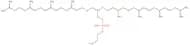
<p>The Chk1 antibody is a highly effective monoclonal antibody that has the ability to neutralize superoxide, a harmful free radical that can cause oxidative damage to cells. This antibody specifically targets and binds to Chk1, a protein involved in cell cycle regulation and DNA repair. By binding to Chk1, the antibody prevents its activation and inhibits its function, leading to cell cycle arrest and increased sensitivity to DNA-damaging agents. Additionally, this antibody has been shown to have cytotoxic effects on cancer cells, making it a potential therapeutic option for cancer treatment. With its high specificity and potency, the Chk1 antibody is a valuable tool for researchers studying cell cycle regulation and exploring novel cancer therapies.</p>1,2-Di-o-phytanyl-sn-glycero-3-phosphoethanolamine
CAS :<p>1,2-Di-o-phytanyl-sn-glycero-3-phosphoethanolamine is a synthetic molecule that has been shown to mimic the function of lipids. 1,2-Di-o-phytanyl-sn-glycero-3-phosphoethanolamine is an amphiphilic compound with a hydrophilic head and hydrophobic tail. It has been shown to form stable bilayers in water, which may be due to its ability to form hydrogen bonds with water molecules. It is also able to form self assembled monolayers at the air/water interface. This dispersive molecule has been shown in microscopy experiments to reduce the thickness of lipid bilayers by up to 50% and increase their permeability by up to ten times.<br>1,2 Di o phytanyl sn glycero 3 phosphate ethanolamine has also been used as a biosensor for ionic liquids due its ability to bind</p>Formule :C45H94NO6PDegré de pureté :Min. 95%Masse moléculaire :776.2 g/molFactor IX antibody
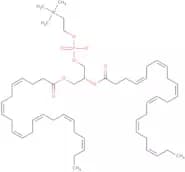
<p>Factor IX antibody was raised in goat using human Factor IX as the immunogen.</p>Degré de pureté :Min. 95%1,2-Docosahexanoyl-SN-glycero-3-phosphocholine, in Chloroform, 10mg/ml
CAS :<p>Docosahexanoyl-sn-glycero-3-phosphocholine (DHA) is a dietary phospholipid that has been shown to have biological activity in several animal models. DHA is a polyunsaturated fatty acid that can be found in the brain and muscle tissue. DHA is important for maintaining the integrity of cellular membranes, which are biomimetic lipid bilayers. These structures make up the outer layer of cells and allow for communication between cells and other molecules outside of the cell membrane. DHA has been shown to delay neurodegenerative diseases such as Alzheimer's disease by preventing oxidative damage to neurons.</p>Formule :C52H80NO8PDegré de pureté :Min. 95%Couleur et forme :Clear LiquidMasse moléculaire :878.17 g/molCD8 antibody
<p>The CD8 antibody is a highly specialized monoclonal antibody used in various immunoassays and life sciences research. It is designed to specifically target and bind to the CD8 antigen, which is expressed on the surface of activated T cells and natural killer cells. This antibody can be used in flow cytometry, immunohistochemistry, and other techniques to detect and quantify CD8-positive cells.</p>BMI1 antibody
<p>The BMI1 antibody is a highly specialized monoclonal antibody that has been isolated for its cytotoxic properties. It specifically targets the BMI1 protein, which plays a crucial role in cell proliferation and self-renewal. By neutralizing the activity of BMI1, this antibody effectively inhibits the growth and survival of cancer cells.</p>TMLHE Blocking Peptide
<p>A synthetic peptide for use as a blocking control in assays to test for specificity of TMLHE antibody, catalog no. 70R-2479</p>Degré de pureté :Min. 95%ZNF280C antibody
<p>ZNF280C antibody was raised in rabbit using the N terminal of ZNF280C as the immunogen</p>Degré de pureté :Min. 95%Goat anti Rat IgG (H + L) (rhodamine)
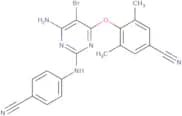
<p>This antibody reacts with heavy (gamma) chains on rat IgG and light chains on all rat immunoglobulins.</p>Degré de pureté :Min. 95%Etravirine D4
CAS :<p>Etravirine D4 is an antiviral agent that inhibits the enzyme reverse transcriptase, which is necessary for the replication of HIV. It is a phosphonate analog that has been shown to be active against a number of mutant strains of HIV. Etravirine D4 has been shown to have immunosuppressive effects as it decreases CD4+ T-cell counts and reduces the production of cytokines. The drug can also cause severe side effects in humans, including hypersensitivity reactions such as toxic epidermal necrolysis, autoimmune disorders, and pediatric diseases. Etravirine D4 should not be used in patients with AIDS or other immunodeficiency disorders.</p>Formule :C20H15BrN6ODegré de pureté :Min. 95%Masse moléculaire :439.3 g/molPPARG antibody
<p>PPARG antibody was raised in Mouse using a purified recombinant fragment of PPARG(aa170-270) expressed in E. coli as the immunogen.</p>TM4SF20 antibody
<p>TM4SF20 antibody was raised using the middle region of TM4SF20 corresponding to a region with amino acids QALLKGPLMCNSPSNSNANCEFSLKNISDIHPESFNLQWFFNDSCAPPTG</p>Degré de pureté :Min. 95%EBI3 antibody
<p>The 6-Fluoro-3-indoxyl-beta-D-galactopyranoside is a powerful antituberculosis drug that falls under the class of rifamycins. It is specifically designed to combat tuberculosis infections and contains active compounds known for their bactericidal activity. This drug works by binding to DNA-dependent RNA polymerase, inhibiting transcription and replication. Its effectiveness has been demonstrated through extensive research using the patch-clamp technique on human erythrocytes. Metabolized through various metabolic transformations, including hydrolysis by esterases or glucuronidases, oxidation by cytochrome P450 enzymes, reduction by glutathione reductase, or conjugation with glucuronic acid, this drug targets markers expressed in Mycobacterium tuberculosis strains and inhibits cell growth in culture.</p>CEBPD Blocking Peptide
<p>A synthetic peptide for use as a blocking control in assays to test for specificity of CEBPD antibody, catalog no. 70R-8265</p>Degré de pureté :Min. 95%STAR antibody
<p>The STAR antibody is a highly specialized monoclonal antibody that is widely used in the field of Life Sciences. It specifically targets and binds to glial fibrillary acidic protein (GFAP), a protein primarily found in the cytoskeleton of astrocytes. This antibody has been extensively validated for its high specificity and sensitivity in detecting GFAP expression in various tissues and cell types.</p>TRIM38 antibody
<p>The TRIM38 antibody is a powerful tool used in the field of biomedical research. It is a polyclonal antibody that specifically targets TRIM38, an oxidase-like protein involved in various cellular processes. This antibody can be used to detect and quantify TRIM38 in pluripotent stem cells, making it an essential component for studying the role of this protein in stem cell biology.</p>PYY antibody
<p>PYY antibody was raised using the middle region of PYY corresponding to a region with amino acids APREDASPEELNRYYASLRHYLNLVTRQRYGKRDGPDTLLSKTFFPDGED</p>Degré de pureté :Min. 95%Salicyclic Acid-HRP
<p>Salicyclic Acid Conjugate for use in immunoassays</p>Degré de pureté :Min. 95%CHTF18 Blocking Peptide
<p>A synthetic peptide for use as a blocking control in assays to test for specificity of CHTF18 antibody, catalog no. 70R-3758</p>Degré de pureté :Min. 95%PCT monoclonal antibody
<p>The PCT monoclonal antibody is a highly specialized product in the field of Life Sciences. It is a monoclonal antibody that specifically targets annexin, a protein involved in the regulation of phosphorylcholine. This monoclonal antibody is produced by a hybridoma cell strain, which is a fusion of two different types of cells - a B-cell and a myeloma cell.</p>TNF α antibody
<p>TNF alpha antibody was raised in mouse using human recombinant tumor necrosis factor alpha as the immunogen.</p>SORBS3 protein (His tag)
<p>Purified recombinant SORBS3 protein (His tag)</p>Degré de pureté :Min. 95%RAB10 antibody
<p>RAB10 antibody was raised in Mouse using a purified recombinant fragment of human RAB10 expressed in E. coli as the immunogen.</p>CRYAB protein
<p>MDIAIHHPWI RRPFFPFHSP SRLFDQFFGE HLLESDLFPT STSLSPFYLR PPSFLRAPSW FDTGLSEMRL EKDRFSVNLD VKHFSPEELK VKVLGDVIEV HGKHEERQDE HGFISREFHR KYRIPADVDP LTITSSLSSD GVLTVNGPRK QVSGPERTIP ITREEKPAVT AAPKK</p>Degré de pureté :Min. 95%RSK1/2/3/4 antibody (Ser221/227/218/232)
<p>Rabbit polyclonal RSK1/2/3/4 antibody (Ser221/227/218/232)</p>NOLA3 antibody
<p>NOLA3 antibody was raised using the middle region of Nola3 corresponding to a region with amino acids MFLQYYLNEQGDRVYTLKKFDPMGQQTCSAHPARFSPDDKYSRHRITIKK</p>C14ORF156 Blocking Peptide
<p>A synthetic peptide for use as a blocking control in assays to test for specificity of C14ORF156 antibody, catalog no. 70R-4685</p>Degré de pureté :Min. 95%MTHFD2L Blocking Peptide
<p>A synthetic peptide for use as a blocking control in assays to test for specificity of MTHFD2L antibody, catalog no. 70R-3409</p>Degré de pureté :Min. 95%ACDC antibody
<p>ACDC antibody was raised using the N terminal Of Acdc corresponding to a region with amino acids KGDIGETGVPGAEGPRGFPGIQGRKGEPGEGAYVYRSAFSVGLETYVTIP</p>Mouse Thrombocyte antibody
<p>Mouse thrombocyte antibody was raised in rabbit using mouse thrombocytes as the immunogen.</p>Degré de pureté :Min. 95%FLJ20674 Blocking Peptide
<p>A synthetic peptide for use as a blocking control in assays to test for specificity of FLJ20674 antibody, catalog no. 70R-7427</p>Degré de pureté :Min. 95%TLR5 antibody
<p>TLR5 antibody was raised using the N terminal of TLR5 corresponding to a region with amino acids QLQLLELGSQYTPLTIDKEAFRNLPNLRILDLGSSKIYFLHPDAFQGLFH</p>Degré de pureté :Min. 95%ICAM1 antibody
<p>ICAM1 antibody was raised in Mouse using a purified recombinant fragment of human ICAM1(28-480aa) expressed in E. coli as the immunogen.</p>CD56 antibody
<p>The CD56 antibody is a monoclonal antibody that specifically targets CD56, a cell adhesion molecule found on the surface of various cell types. It is used in Life Sciences research and diagnostics to detect and analyze CD56 expression. This antibody has also been shown to have potential therapeutic applications, particularly in the treatment of certain cancers.</p>Phytase antibody
<p>The 6-Fluoro-3-indoxyl-beta-D-galactopyranoside is a powerful antituberculosis drug that falls under the class of rifamycins. It is specifically designed to combat tuberculosis infections by targeting active compounds and exhibiting bactericidal activity. This drug works by binding to DNA-dependent RNA polymerase, preventing transcription and replication, ultimately inhibiting bacterial growth. Through various metabolic transformations, such as hydrolysis by esterases or glucuronidases, oxidation by cytochrome P450 enzymes, reduction by glutathione reductase, or conjugation with glucuronic acid, this active form of the drug is metabolized in the body. Additionally, 6-Fluoro-3-indoxyl-beta-D-galactopyranoside has been shown to bind to markers expressed in Mycobacterium tuberculosis strains and inhibit cell growth in culture.</p>Goat anti Mouse IgG + IgA + IgM (H + L) (biotin)
<p>Goat anti-mouse IgG/IgA/IgM (H+L) (biotin) was raised in goat using murine IgG, IgA and IgM whole molecules as the immunogen.</p>Degré de pureté :Min. 95%TPX2 antibody
<p>TPX2 antibody was raised using a synthetic peptide corresponding to a region with amino acids LSGSLVQEPFQLATEKRAKERQELEKRMAEVEAQKAQQLEEARLQEEEQK</p>Degré de pureté :Min. 95%SCG2 antibody
<p>SCG2 antibody was raised using a synthetic peptide corresponding to a region with amino acids KEESSPDYNPYQGVSVPLQQKENGDESHLPERDSLSEEDWMRIILEALRQ</p>IL13 antibody
<p>IL13 antibody was raised in rabbit using highly pure recombinant murine IL-13 as the immunogen.</p>Degré de pureté :Min. 95%GLUT12 antibody
<p>GLUT12 antibody was raised in rabbit using a 15 amino acid peptide from human GT122 as the immunogen.</p>Degré de pureté :Min. 95%TRIM32 antibody
<p>The TRIM32 antibody is a highly specialized antibody used in the field of Life Sciences. It is designed to specifically target and bind to the TRIM32 protein, which is an important molecule involved in various cellular processes. This polyclonal antibody is produced by immunizing animals with the target molecule, resulting in a diverse range of antibodies that can recognize different epitopes on TRIM32.</p>Lyrm4 Blocking Peptide
<p>A synthetic peptide for use as a blocking control in assays to test for specificity of Lyrm4 antibody, catalog no. 70R-9499</p>Degré de pureté :Min. 95%Uhmk1 antibody
<p>Uhmk1 antibody was raised in rabbit using the C terminal of Uhmk1 as the immunogen</p>Degré de pureté :Min. 95%PLCG2 antibody
<p>The PLCG2 antibody is a powerful tool used in Life Sciences research. It is a polyclonal antibody that specifically targets PLCG2, an enzyme involved in various cellular processes. This antibody has been widely used to study the role of PLCG2 in signal transduction pathways and its association with diseases.</p>Collagen Type XI α 2 antibody
<p>Collagen Type XI Alpha 2 antibody was raised using the N terminal of COL11A2 corresponding to a region with amino acids TADRFQAEEYGEGGTDPPEGPYDYTYGYGDDYREETELGPALSAETAHSG</p>Degré de pureté :Min. 95%ADCY2 antibody
<p>ADCY2 antibody was raised in rabbit using the middle region of ADCY2 as the immunogen</p>Degré de pureté :Min. 95%Alkaline Phosphatase antibody
<p>Alkaline phosphatase antibody was raised in mouse using human placental alkaline phosphatase as the immunogen.</p>AQP1 antibody
<p>The AQP1 antibody is a growth factor that belongs to the class of monoclonal antibodies. It has been shown to inhibit the multidrug resistance protein and enhance the expression of E-cadherin, a cell adhesion molecule. This antibody specifically targets AQP1, which is a water channel protein involved in various physiological processes. The AQP1 antibody has been extensively used in life sciences research to study its role in different cellular pathways. Additionally, it has been found to have cytotoxic effects on cancer cells and can interfere with nuclear signaling pathways. Its potential as a therapeutic agent is being explored in various fields, including oncology and immunology.</p>LIX protein (Mouse)
<p>Region of LIX protein corresponding to amino acids TELRCVCLTV TPKINPKLIA NLEVIPAGPQ CPTVEVIAKL KNQKEVCLDP EAPVIKKIIQ KILGSDKKKA.</p>Degré de pureté :Min. 95%C-myc antibody (HRP)
<p>C-myc antibody (HRP) was raised in goat using a synthetic peptide representing amino acid residues 410-419 (EQKLISEEDL) of human myc conjugated to KLH as the immunogen.</p>FGFR3 antibody
<p>The FGFR3 antibody is a histidine-rich interferon family kinase inhibitor that is widely used in the Life Sciences field. It possesses strong inhibitory properties, particularly against diacylglycerol, making it an effective tool for studying various cellular processes. This monoclonal antibody specifically targets and binds to the glycoprotein FGFR3, blocking its activity and preventing the activation of downstream signaling pathways. By inhibiting FGFR3, this antibody can interfere with epidermal growth factor-mediated cell proliferation and survival. Additionally, it has cytotoxic effects on cancer cells that overexpress FGFR3, making it a potential therapeutic option for certain types of cancers. The FGFR3 antibody is available as both monoclonal and polyclonal antibodies, providing researchers with versatile tools for their experiments.</p>PF 3274167
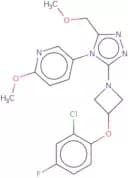
CAS :<p>Antagonist of oxytocin receptor</p>Formule :C19H19ClFN5O3Degré de pureté :Min. 95%Masse moléculaire :419.84 g/molGranulysin antibody
<p>Granulysin antibody was raised using the N terminal of GNLY corresponding to a region with amino acids MASGPLGPGARPTRLHPPFPPPAHIKPGAPPGENPELSGLERILARHQLP</p>