Produits biochimiques et réactifs
Les biochimiques et réactifs sont des substances fondamentales pour la recherche et le développement dans des domaines tels que la biotechnologie, la biologie moléculaire, la pharmacologie et la médecine. Ces produits sont essentiels pour une variété d'applications, y compris la synthèse de composés, l'analyse d'échantillons biologiques, la recherche sur les processus métaboliques et la production de médicaments. Chez CymitQuimica, nous proposons une large sélection de biochimiques et réactifs de haute qualité et pureté, adaptés à divers besoins scientifiques et industriels. Notre catalogue comprend des enzymes, des anticorps, des acides nucléiques, des acides aminés et de nombreux autres produits, tous conçus pour soutenir les chercheurs et les professionnels dans leurs projets de recherche et développement, garantissant des résultats fiables et reproductibles.
Sous-catégories appartenant à la catégorie "Produits biochimiques et réactifs"
- Biomolécules(99.115 produits)
- Par Biological Target(99.160 produits)
- Par usage/effets pharmacologiques(6.787 produits)
- Cryoconservation et composés associés aux cryoconservateurs(21 produits)
- Désinfectants, additifs pour les fluides pour bains chauffants et composés apparentés(28 produits)
- Hormones(346 produits)
- Biologie végétale(6.722 produits)
- Métabolites secondaires(14.222 produits)
130582 produits trouvés pour "Produits biochimiques et réactifs"
Trier par
Degré de pureté (%)
0
100
|
0
|
50
|
90
|
95
|
100
Goat anti Human IgM (mu chain) (FITC)
<p>This antibody reacts with heavy chains on human IgM (mu chain).</p>Degré de pureté :Min. 95%ZNF501 antibody
<p>ZNF501 antibody was raised in rabbit using the C terminal of ZNF501 as the immunogen</p>Degré de pureté :Min. 95%Pin 1 protein
<p>Extracellular Ig-like domain; 22-255 amino acids: MADEEKLPPG WEKRMSRSSG RVYYFNHITN ASQWERPSGN SSSGGKNGQG EPARVRCSHL LVKHSQSRRP SSWRQEKITR TKEEALELIN GYIQKIKSGE EDFESLASQF SDCSSAKARG DLGAFSRGQM QKPFEDASFA LRTGEMSGPV FTDSGIHIIL RTE</p>Degré de pureté :Min. 95%BTK antibody
<p>The BTK antibody is a specific monoclonal antibody that targets Bruton's tyrosine kinase (BTK). It is commonly used in the field of Life Sciences for research purposes. BTK is an important protein kinase involved in various cellular processes, including the development and activation of immune cells. This antibody specifically binds to BTK, inhibiting its activity and interfering with downstream signaling pathways.</p>AHSG protein
<p>AHSG protein is a cytotoxic protein that belongs to the group of Proteins and Antigens. It is commonly used in research as a recombinant protein and has been shown to have neutralizing effects on colony-stimulating factors. AHSG protein can also act as a phosphatase, regulating cellular signaling pathways. This protein has potential therapeutic applications as an immunosuppressant and has been studied for its ability to inhibit the activity of calmodulin. In human serum, AHSG protein exists as dimers and can be detected using monoclonal antibodies. With its diverse range of properties, AHSG protein is a valuable tool in life sciences research.</p>Degré de pureté :Min. 95%PMVK antibody
<p>The PMVK antibody is a highly specialized antibody that plays a crucial role in the immune response. It is activated by interferon-gamma (IFN-gamma) and exhibits cytotoxic activity against target cells. This antibody specifically targets tyrosine residues on growth factors, leading to their neutralization and inhibition of cell proliferation. Additionally, the PMVK antibody has been shown to bind to annexin proteins, which are involved in apoptotic processes. This monoclonal antibody is produced using cutting-edge technology and is highly specific for its target antigen. It has been widely used in life sciences research, including studies on adenine metabolism and the development of antiviral therapies.</p>3-Amino-1-propanol-d4
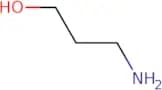
CAS :<p>Please enquire for more information about 3-Amino-1-propanol-d4 including the price, delivery time and more detailed product information at the technical inquiry form on this page</p>Formule :C3H9NODegré de pureté :Min. 95%Masse moléculaire :79.13 g/molAZD-0284
CAS :<p>AZD-0284 is a small molecule that inhibits the transcriptional activity of nuclear receptors. It has shown efficacy in animal models of autoimmune disease and is currently being studied in human clinical trials for treatment of psoriasis. AZD-0284 binds to the ligand binding region at the N-terminus of nuclear receptor DNA-binding domain, preventing it from binding to DNA and initiating transcription. The compound has been shown to inhibit interleukin (IL)-17 production in an IL-17 knockout mouse model. Effects on IL-17 levels were associated with decreased severity of inflammatory skin diseases such as atopic dermatitis, psoriasis, and allergic contact dermatitis.</p>Formule :C21H18F6N2O5SDegré de pureté :Min. 95%Masse moléculaire :524.4 g/molGOT2 antibody
<p>The 6-Fluoro-3-indoxyl-beta-D-galactopyranoside is a powerful antituberculosis drug that falls under the class of rifamycins. It is specifically designed to combat tuberculosis infections by targeting the active compounds responsible for its growth. This bactericidal activity is achieved through its ability to bind to DNA-dependent RNA polymerase, effectively inhibiting transcription and replication processes in the bacteria. The efficacy of this drug has been extensively studied using advanced techniques such as transcription-quantitative polymerase chain and patch-clamp technique. Additionally, it undergoes various metabolic transformations, including hydrolysis by esterases or glucuronidases, oxidation by cytochrome p450 enzymes, reduction by glutathione reductase, or conjugation with glucuronic acid. Its specificity towards Mycobacterium tuberculosis strains makes it a potent weapon against this infectious disease.</p>Pax5 antibody
<p>The Pax5 antibody is a highly effective monoclonal antibody that targets mesothelin, a protein associated with various cancers. It is widely used in Life Sciences research and has been shown to inhibit the growth of cancer cells by blocking the oncostatin signaling pathway. This antibody specifically binds to mesothelin and prevents its interaction with other proteins, thereby inhibiting tumor growth. Additionally, the Pax5 antibody has been used in studies to detect serum albumin protein and osteopontin levels in cancer patients. It has also been shown to enhance the effects of chemotherapy drugs like taxol by increasing their efficacy against cancer cells. Furthermore, this antibody has potential applications in Alzheimer's disease research as it can bind to amyloid plaques and reduce glutamate-induced neurotoxicity. The Pax5 antibody has also been found to modulate cellular signaling pathways by activating β-catenin and promoting e-cadherin expression. Overall, this high-quality monoclonal antibody offers great promise for both diagnostic</p>Degré de pureté :Min. 95%Grp78 antibody
<p>Grp78 antibody was raised in rabbit using a synthetic peptide corresponding to the sequence near the C-terminus of rat Grp78 (BiP) as the immunogen.</p>Degré de pureté :Min. 95%Gastrin antibody
<p>Gastrin antibody was raised in rabbit using human gastrin 17 conjugated to BSA as the immunogen.</p>Degré de pureté :Min. 95%NANP antibody
<p>NANP antibody was raised in rabbit using a synthetic peptide conjugated to KLH as the immunogen.</p>Degré de pureté :Min. 95%HS56
CAS :<p>HS56 is an advanced biopolymer, which is derived from a proprietary synthesis of renewable sources. With its unique molecular configuration, this product stands out due to its sustainable origin and innovative production method. The mode of action involves its ability to form stable complexes with diverse substrates, which can enhance material properties such as strength, flexibility, and biodegradability.</p>Formule :C13H8ClN5OSDegré de pureté :Min. 95%Masse moléculaire :317.75 g/molPAPSS2 antibody
<p>PAPSS2 antibody was raised using the C terminal of PAPSS2 corresponding to a region with amino acids PARHNEFDFISGTRMRKLAREGENPPDGFMAPKAWKVLTDYYRSLEKN</p>RUVBL1 antibody
<p>RUVBL1 antibody was raised in mouse using recombinant Human Ruvb-Like 1 (E. Coli) (Ruvbl1)</p>TRIM17 antibody
<p>TRIM17 antibody was raised in rabbit using the middle region of TRIM17 as the immunogen</p>Degré de pureté :Min. 95%NFKB1 antibody
<p>The NFKB1 antibody is a powerful tool used in Life Sciences research. It specifically targets the NFKB1 gene, which is an oncogene homolog involved in various cellular processes. This monoclonal antibody has been extensively validated and is widely used in bioassays to study the function and regulation of NFKB1.</p>GSTT1 Blocking Peptide
<p>A synthetic peptide for use as a blocking control in assays to test for specificity of GSTT1 antibody, catalog no. 70R-2157</p>Degré de pureté :Min. 95%TNF Receptor 1 antibody
<p>TNF Receptor 1 antibody is a highly effective monoclonal antibody used in the field of Life Sciences. It is specifically designed to neutralize the activity of TNF receptor 1, a cell surface protein involved in various cellular processes. This antibody acts as a potent inhibitor of TNF receptor 1 signaling, which plays a crucial role in inflammation and immune response. The TNF Receptor 1 antibody has been extensively studied and proven to be effective in inhibiting the growth factor-induced activation of downstream pathways. It has also shown promising results in preclinical studies targeting diseases such as cancer and autoimmune disorders. With its high specificity and cytotoxic properties, this antibody holds great potential for therapeutic applications in targeted therapy. Whether used alone or in combination with other antibodies such as anti-VEGF or tyrosinase inhibitors, TNF Receptor 1 antibody offers a promising avenue for researchers and clinicians alike in their quest to combat various diseases effectively.</p>LGR4 antibody
<p>The LGR4 antibody is a powerful tool in the field of life sciences. It is a cytotoxic antibody that specifically targets and binds to LGR4, a histidine-rich receptor protein. This antibody can be used in various research applications, including immunohistochemistry, Western blotting, and flow cytometry.</p>RFFL antibody
<p>RFFL antibody was raised using the middle region of RFFL corresponding to a region with amino acids KDQKGLQHLVSGAEDQNGGAVPSGLEENLCKICMDSPIDCVLLECGHMVT</p>Troponin T antibody (Cardiac)
<p>Troponin T antibody (cardiac) was raised in mouse using free human cTnT as the immunogen.</p>T and B cell activation antigen antibody
<p>Rat monoclonal T and B cell activation antigen antibody</p>Plectin antibody
<p>Plectin antibody was raised in guinea pig using the C-Terminal “C” domain of recombinant human plectin as the immunogen.</p>Degré de pureté :Min. 95%SLC9A9 antibody
<p>SLC9A9 antibody was raised using a synthetic peptide corresponding to a region with amino acids INYQEQASSPCSPPARLGLDQKASPQTPGKENIYEGDLGLGGYELKLEQT</p>Degré de pureté :Min. 95%IgM antibody
<p>The IgM antibody is a powerful tool in the field of Life Sciences. It is a monoclonal antibody that specifically targets the molecule called mesothelin, which is found in the nucleus of cells. This antibody has cytotoxic properties and can effectively neutralize the urokinase plasminogen activator, which plays a role in cell migration and invasion.</p>CYP3A7 antibody
<p>CYP3A7 antibody was raised using the middle region of CYP3A7 corresponding to a region with amino acids KLALVRVLQNFSFKPCKETQIPLKLRFGGLLLTEKPIVLKAESRDETVSG</p>Degré de pureté :Min. 95%GPR151 antibody
<p>GPR151 antibody was raised in rabbit using a synthetic peptide conjugated to KLH as the immunogen.</p>Degré de pureté :Min. 95%CYP2J2 antibody
<p>The CYP2J2 antibody is a highly specialized monoclonal antibody used in Life Sciences research. It is specifically designed to target and detect the CYP2J2 enzyme, which plays a crucial role in the metabolism of drugs and other foreign substances in the body. This antibody is commonly used in studies involving mesenchymal stem cells, reactive oxygen species, and electrode-based assays.</p>HAAO antibody
<p>HAAO antibody was raised using the N terminal of HAAO corresponding to a region with amino acids HRDVVIRQGEIFLLPARVPHSPQRFANTVGLVVERRRLETELDGLRYYVG</p>VASP antibody
<p>The VASP antibody is a highly specialized monoclonal antibody used in Life Sciences research. It specifically targets the epidermal growth factor (EGF)-like domain of VASP (Vasodilator-stimulated phosphoprotein), a protein involved in cell adhesion and migration. This antibody has been extensively characterized and validated for its high specificity and affinity towards VASP.</p>IL17F antibody
<p>The IL17F antibody is a powerful tool in the field of Life Sciences. It is specifically designed to target and neutralize the effects of IL17F, an important cytokine involved in various inflammatory processes. This antibody has been extensively tested and proven to effectively block IL17F activity, making it a valuable asset in research and therapeutic applications.</p>EpCAM antibody
<p>The EpCAM antibody is a monoclonal antibody that has been developed through recombinant technology. It specifically targets the epithelial cell adhesion molecule (EpCAM), which is expressed on the surface of various types of cancer cells. By binding to EpCAM, this antibody inhibits the growth and spread of cancer cells.</p>PIGK antibody
<p>PIGK antibody was raised using the N terminal of PIGK corresponding to a region with amino acids MAVTDSLSRAATVLATVLLLSFGSVAASHIEDQAEQFFRSGHTNNWAVLV</p>Degré de pureté :Min. 95%ANXA3 antibody
<p>The ANXA3 antibody is a growth factor that is widely used in the Life Sciences industry. It is a colloidal solution that contains histidine, which helps stabilize the antibody and maintain its potency. This antibody can be used in various applications, such as electrode coatings, cyclic peptide synthesis, and as a tool for studying protein-protein interactions.</p>SMC1A antibody
<p>SMC1A antibody was raised in rabbit using the C terminal of SMC1A as the immunogen</p>Degré de pureté :Min. 95%HBsAg adw
<p>HBsAg is the surface antigenof the Hepatitis-B-Virus (HBV). The capsid of a virus has different surface proteins from the rest of the virus. The antigen is a protein that binds specifically on one of these surface proteins.</p>Degré de pureté :>95% By Sds-PageB3GALT6 antibody
<p>B3GALT6 antibody was raised using the C terminal of B3GALT6 corresponding to a region with amino acids VQREHDPRFDTEYRSRGCSNQYLVTHKQSLEDMLEKHATLAREGRLCKRE</p>Degré de pureté :Min. 95%Ubiquitin antibody
<p>The Ubiquitin antibody is a highly specific monoclonal antibody that targets the ubiquitin molecule. It is widely used in life sciences research for various applications, including immunoassays and the detection of target molecules. This antibody has been shown to have a high affinity for ubiquitin and can effectively detect its presence in samples.</p>TP53 antibody
<p>The TP53 antibody is a highly specific monoclonal antibody that targets the TP53 protein. This protein plays a crucial role in regulating cell growth and preventing tumor formation. The TP53 antibody has been extensively studied and validated for its high affinity and specificity towards TP53.</p>AKT antibody
<p>Akt, also called Protein Kinase B (PKB), is a serine/threonine-specific protein kinase crucial for regulating cellular functions such as growth, survival, metabolism, and proliferation. It serves as a central component in the PI3K/Akt/mTOR pathway, integrating signals required for cellular adaptation and function. Humans express three primary isoforms of Akt—Akt1, Akt2, and Akt3—each encoded by different genes. Activation of Akt starts when external signals, like growth factors or insulin, bind to cell surface receptors, which then activate phosphoinositide 3-kinase (PI3K). This cascade leads to the formation of PIP3 on the cell membrane, recruiting Akt to undergo two key phosphorylation events at Thr308 and Ser473. Once activated, Akt can travel within the cell to phosphorylate target proteins.The main functions of Akt include enhancing cell survival by blocking apoptosis through the inactivation of pro-apoptotic proteins such as BAD and Caspase-9, and promoting cell growth and proliferation by activating mTOR, a critical regulator of protein synthesis. Akt also plays a central role in metabolism, boosting glucose uptake and glycolysis through GLUT4 translocation and hexokinase activation, which is especially important in muscle and fat tissues. Additionally, Akt facilitates angiogenesis by upregulating VEGF, supporting tissue repair, and enhances cell migration, assisting in wound healing but also enabling the spread of cancer cells. Given its broad role in supporting cell growth and survival, Akt is frequently hyperactivated in cancers, fueling unchecked cell division and tumor development, which makes it a target in cancer treatments. Furthermore, Akt’s role in glucose metabolism connects it to insulin signaling, where pathway disruptions can lead to impaired glucose uptake, contributing to insulin resistance and type 2 diabetes.</p>Degré de pureté :Min. 95%TRPA1 antibody
<p>TRPA1 antibody was raised in rabbit using a synthetic peptide conjugated to KLH as the immunogen.</p>Degré de pureté :Min. 95%REX1 antibody
<p>The REX1 antibody is a highly specialized monoclonal antibody used in Life Sciences research. It is designed to target and detect the presence of cryptosporidium parvum, a parasitic protozoan that causes gastrointestinal infections. The REX1 antibody can be used in immunoassays to identify and quantify the levels of cryptosporidium parvum in samples.</p>4EBP1 antibody
<p>The 6-Fluoro-3-indoxyl-beta-D-galactopyranoside is an antituberculosis drug that falls under the class of rifamycins. It is highly effective in treating tuberculosis infections as it exhibits bactericidal activity. This drug works by binding to DNA-dependent RNA polymerase, inhibiting bacterial growth and preventing transcription and replication. Its potency has been demonstrated through a patch-clamp technique on human erythrocytes. The active form of this drug undergoes various metabolic transformations, including hydrolysis by esterases or glucuronidases, oxidation by cytochrome P450 enzymes, reduction by glutathione reductase, or conjugation with glucuronic acid. Additionally, it specifically targets markers expressed at high levels in Mycobacterium tuberculosis strains and inhibits their cell growth in culture.</p>RALA antibody
<p>The RALA antibody is a highly specific monoclonal antibody that is used in Life Sciences research for ultrasensitive detection. It is designed to bind to the receptor binding site of alpha-fetoprotein, a growth factor that is often associated with various diseases and conditions. The RALA antibody has been proven to be effective in detecting alpha-fetoprotein in human serum samples, making it a valuable tool for diagnostic purposes. Additionally, this antibody can also be used for the detection of amyloid plaque, which is a hallmark of certain neurodegenerative diseases. With its high affinity and specificity, the RALA antibody enables researchers to accurately identify and study these biomarkers, contributing to advancements in disease diagnosis and treatment.</p>ST6GALNAC1 antibody
<p>ST6GALNAC1 antibody was raised using a synthetic peptide corresponding to a region with amino acids LIKGYEQDVGTRTSFYGFTAFSLTQSLLILGNRGFKNVPLGKDVRYLHFL</p>Degré de pureté :Min. 95%Turkey RBC antibody
<p>Turkey RBC antibody was raised in rabbit using turkey erythrocytes as the immunogen.</p>Degré de pureté :Min. 95%CD90.2 antibody
<p>The CD90.2 antibody is a highly sensitive fluorescent probe that is used for ultrasensitive detection in various applications. It is a monoclonal antibody that specifically targets the CD90.2 antigen, which is a cell surface marker found on various cell types, including immune cells and stem cells. This antibody can be used in research and diagnostic settings to detect the presence of CD90.2 in samples such as human serum or tissue sections.</p>SHIP antibody
<p>The SHIP antibody is a highly specialized monoclonal antibody that exhibits cytotoxic properties. It specifically targets elastase, an enzyme involved in various inflammatory processes. By neutralizing elastase activity, the SHIP antibody helps regulate immune responses and reduces tissue damage caused by excessive inflammation. Additionally, this antibody has been found to inhibit the production of autoantibodies, which are antibodies that mistakenly target healthy cells and tissues. This makes it a promising therapeutic option for autoimmune disorders. The SHIP antibody also interacts with lectins, insulin, fibronectin, collagen, and other molecules involved in cell signaling pathways. Its unique binding properties make it a valuable tool for researchers in the field of Life Sciences, as well as for diagnostic purposes in human serum analysis. Furthermore, recent studies have shown that the SHIP antibody has anti-VEGF (vascular endothelial growth factor) activity, making it a potential candidate for anti-angiogenic therapies. In summary, the SHIP antibody offers a wide range</p>EIF4ENIF1 antibody
<p>EIF4ENIF1 antibody was raised in mouse using recombinant Human Eukaryotic Translation Initiation Factor 4E Nuclear Import Factor 1 (Eif4Enif1)</p>ADAD2 Blocking Peptide
<p>A synthetic peptide for use as a blocking control in assays to test for specificity of ADAD2 antibody, catalog no. 70R-4921</p>Degré de pureté :Min. 95%VIPR1 antibody
<p>VIPR1 antibody was raised in rabbit using a synthetic peptide conjugated to KLH as the immunogen.</p>Degré de pureté :Min. 95%MUC4 antibody
<p>The 6-Fluoro-3-indoxyl-beta-D-galactopyranoside is a powerful antituberculosis drug that falls under the class of rifamycins. It is specifically designed to treat tuberculosis infections by targeting the active compounds responsible for the bactericidal activity. This drug works by binding to DNA-dependent RNA polymerase, preventing transcription and replication, thus inhibiting bacterial growth. It has been extensively tested using advanced techniques like the patch-clamp technique on human erythrocytes, confirming its high efficacy in combating tuberculosis. Additionally, it undergoes various metabolic transformations, ensuring effective utilization within the body. With its ability to specifically bind to markers expressed in Mycobacterium tuberculosis strains and inhibit cell growth, this drug is a valuable weapon against tuberculosis.</p>Wnt2B antibody
<p>WNT2B antibody was raised in rabbit using a synthetic peptide conjugated to KLH as the immunogen.</p>Degré de pureté :Min. 95%IMPA2 antibody
<p>IMPA2 antibody was raised using the middle region of IMPA2 corresponding to a region with amino acids RGRGAFCNGQRLRVSGETDLSKALVLTEIGPKRDPATLKLFLSNMERLLH</p>SLC13A3 antibody
<p>SLC13A3 antibody was raised in rabbit using the C terminal of SLC13A3 as the immunogen</p>Degré de pureté :Min. 95%4EBP1 antibody
<p>The 6-Fluoro-3-indoxyl-beta-D-galactopyranoside is a potent antituberculosis drug belonging to the rifamycins class. It is highly effective in treating tuberculosis infections, thanks to its bactericidal activity. By binding to DNA-dependent RNA polymerase, it inhibits bacterial growth by preventing transcription and replication. This drug has been extensively studied using advanced techniques like the patch-clamp technique on human erythrocytes. Metabolized through various metabolic transformations, including hydrolysis, oxidation, reduction, and conjugation, it specifically targets markers expressed in Mycobacterium tuberculosis strains and inhibits cell growth in culture.</p>Degré de pureté :Min. 95%p47 phox antibody
<p>The p47 phox antibody is a highly specialized glycoprotein that plays a crucial role in various cellular processes. This antibody specifically targets the epidermal growth factor and is widely used in research and diagnostic applications. It is available as both polyclonal and monoclonal antibodies, allowing researchers to choose the most suitable option for their specific needs.</p>SIRT5 antibody
<p>SIRT5 antibody was raised using the middle region of SIRT5 corresponding to a region with amino acids PICPALSGKGAPEPGTQDASIPVEKLPRCEEAGCGGLLRPHVVWFGENLD</p>MARCO antibody
<p>MARCO antibody was raised in rabbit using the C terminal of MARCO as the immunogen</p>Degré de pureté :Min. 95%CBX3 antibody
<p>CBX3 antibody was raised in rabbit using the middle region of CBX3 as the immunogen</p>Degré de pureté :Min. 95%ACP6 antibody
<p>ACP6 antibody was raised using the N terminal of ACP6 corresponding to a region with amino acids EADGQCPVDRSLLKLKMVQVVFRHGARSPLKPLPLEEQVEWNPQLLEVPP</p>PDE9A antibody
<p>PDE9A antibody was raised in rabbit using a synthetic peptide conjugated to KLH as the immunogen.</p>Degré de pureté :Min. 95%ACSS2 antibody
<p>The ACSS2 antibody is a monoclonal antibody that has shown promising antiangiogenic properties. It inhibits the growth of blood vessels and can be used in the treatment of conditions such as heparin-induced thrombocytopenia. The ACSS2 antibody targets endothelial growth factor, which is responsible for promoting the growth of new blood vessels. By blocking this growth factor, the antibody prevents angiogenesis and reduces the risk of complications associated with excessive blood vessel formation.</p>ZNF785 antibody
<p>ZNF785 antibody was raised in rabbit using the N terminal of ZNF785 as the immunogen</p>Degré de pureté :Min. 95%RAGE antibody
<p>RAGE antibody was raised in goat using a peptide; PKKPPQRLEWKLNTGRTE, as the immunogen.</p>Degré de pureté :Min. 95%CEA antibody
<p>CEA antibody was raised in mouse using metastasized human liver tumor as the immunogen.</p>HSV Tag antibody
<p>The HSV Tag antibody is a highly effective derivative that inhibits the replication of the Herpes Simplex Virus (HSV). Developed by Life Sciences, this antibody has been extensively tested and proven to be a powerful tool in the field of virology. With its ability to specifically target the HSV surface antigen, it can be used for various applications including research, diagnostics, and therapeutic purposes.</p>