Produits biochimiques et réactifs
Les biochimiques et réactifs sont des substances fondamentales pour la recherche et le développement dans des domaines tels que la biotechnologie, la biologie moléculaire, la pharmacologie et la médecine. Ces produits sont essentiels pour une variété d'applications, y compris la synthèse de composés, l'analyse d'échantillons biologiques, la recherche sur les processus métaboliques et la production de médicaments. Chez CymitQuimica, nous proposons une large sélection de biochimiques et réactifs de haute qualité et pureté, adaptés à divers besoins scientifiques et industriels. Notre catalogue comprend des enzymes, des anticorps, des acides nucléiques, des acides aminés et de nombreux autres produits, tous conçus pour soutenir les chercheurs et les professionnels dans leurs projets de recherche et développement, garantissant des résultats fiables et reproductibles.
Sous-catégories appartenant à la catégorie "Produits biochimiques et réactifs"
- Biomolécules(99.104 produits)
- Par Biological Target(99.074 produits)
- Par usage/effets pharmacologiques(6.784 produits)
- Cryoconservation et composés associés aux cryoconservateurs(21 produits)
- Désinfectants, additifs pour les fluides pour bains chauffants et composés apparentés(28 produits)
- Hormones(346 produits)
- Biologie végétale(6.693 produits)
- Métabolites secondaires(14.218 produits)
130576 produits trouvés pour "Produits biochimiques et réactifs"
Trier par
Degré de pureté (%)
0
100
|
0
|
50
|
90
|
95
|
100
Campylobacter Jejuni Antigen
<p>Campylobacter Jejuni Antigen is an antibody for use in pharmaceutical and diagnostic applications. Please enquire for more information about Campylobacter Jejuni Antigen including the price, delivery time and more detailed product information at the technical inquiry form on this page.</p>Dengue Virus NS1 Antigen Mouse Monoclonal Antibody
<p>With specificity to all four serotypes (DEN-1, DEN-2, DEN-3 and DEN-4) of the Dengue virus NS1 protein, this mouse monoclonal antibody is protein A purified from ascites fluids and presented as a liquid in 0.01M PBS, pH 7.2. IgG1 immunoglobulin subclass clones are available and can be used in ELISA or later flow assays. Specifically Clone 0801036 can be used as a capture antibody with either clone 0801046 or 0801056 as the detection antibodies in ELISA. In lateral flow assays clone 1509107 can be used as the capture antibody along with clone 1609117 as the detection antibody. Therefore monoclonal antoibodies such as this product can be used in the detection and diagnosis of Dengue virus in human patients.<br>Classified as a Flavivirus and a member of the Flaviviridae family, the Dengue virus, through mosquito transition causes dengue fever in humans. Although this virus can inflict asymptomatic or mild symptoms in patients it can lead to severe infections such as dengue hemorrhagic fever, also known as dengue shock syndrome. The Dengue Virus non-structural protein 1 (NS1) to which this mouse monoclonal antibody is complementary, is an important glycoprotein antigen in Dengue viral replication and is secreted from infected host cells as a hexamer. As a secreted hexamer the NS1 protein contains a detergent-sensitive central cavity, hosting around 70 lipid molecules which may allow the NS1 through glycosaminoglycan interactions, to attach to the cell membranes of the host cells. Once the NS1 is anchored into the surface membrane of infected host cells it appears as a membrane associated homodimer. It is believed that NS1 may interact with complement proteins leading to protection of the Dengue virus from complement-dependent lysis and furthermore may be involved in systemic immunity and contribute to vascular leakage, coagulopathy and thromobocytopenia.</p>Degré de pureté :>90% By Immunoelectrophoresis Using Agarose.ABCF2 antibody
<p>ABCF2 antibody was raised using a synthetic peptide corresponding to a region with amino acids DIYHLTREMPPSDKTPLHCVMEVDTERAMLEKEAERLAHEDAECEKLMEL</p>Degré de pureté :Min. 95%C-Reactive Protein Mouse Monoclonal Antibody
<p>Complementary to the human C-Reactive Protein (CRP), this mouse monoclonal antibody is of the immunoglobulin class IgG and has been purified by protein A chromatography and presented as a liquid in PBBS, pH 7.4.<br>CRP is an acute-phase inflammatory, pentameric plasma protein. Awarded its name after being first discovered reacting with the capsular (C)-polysaccharide of the Pneumococcus infection, the CRP has since been found to activate the classical complement pathway of innate immunity. Dependent on the presence of calcium ions on its ligand-binding face, CRP specifically stimulates C1q when binding to phosphocholine and other polysaccharides located on microorganisms. Expression of CRP is increased (primarily in the hepatocytes) when inflammatory cytokines such as interleukin-6 are elevated during infection and some conditions such as rheumatoid arthritis and cardiovascular diseases.<br>Two clones of this product are available clone 2102028 and clone 2002018 . Clone 2102028 is recommended for capture whereas clone 2002018 could be applied as a detection antibody in immunoassay development and clinically to monitor inflammation in diseases such as sepsis and autoimmune diseases.</p>ALS2CR4 antibody
<p>ALS2CR4 antibody was raised in rabbit using the middle region of ALS2CR4 as the immunogen</p>Degré de pureté :Min. 95%Chikungunya Virus Envelope 1 & 2 Antigen Mouse Monoclonal Antibody
<p>A Mouse Monoclonal Antibody complementary to recombinant Chikungunya envelope 1 (E1) and 2 (E2) proteins, which is available as the immunoglobulin subclass IgG1. The product has been purified by ion exchange chromatography and is presented as a liquid in 0.015M potassium phosphate, 0.85% NaCl, pH 7.2.<br>Transmitted by mosquito vectors, Chikungunya is a positive-stranded RNA, alpha virus infecting human musculoskeletal tissues. The two glycoproteins E1 and E2 of the Chikungunya virus, to which this Mab is complementary, are responsible for viral entry into host cells and both contain a transmembrane domain. Furthermore E2 has the three globular domains A, B and C which are linked by a β-ribbon connector region. While E2 is essential for mediating viral attachment, E1’s β-sheet structure and class II viral glycoproteins: DI, DII and DIII domains enable the virus to fuse with the host’s membrane. This primarily occurs through the insertion of the DII domain’s fusion loop into the host’s cell membrane.<br>Together E1 and E2 form a viral spike protein which when binding with high affinity to host alphavirus receptors such as Mxra8, allow this receptor to be inserted into E1 and E2. This results in Mxra8 contact between E2’s A and B domains and E1’s fusion loop. Neutralising antibodies can target these domains, in particular A and B domains within E2, hence preventing viral attachment to host cells. Consequently this antibody could be used to investigate possible treatments to combat Chikungunya virus. Another potential application of this product could be used in antibody and antigen interaction dependent assays to detect the presence of the Chikungunya virus.</p>Degré de pureté :>90% By Sds-Page.PON1 antibody
<p>PON1 antibody was raised using the middle region of PON1 corresponding to a region with amino acids VVAEGFDFANGINISPDGKYVYIAELLAHKIHVYEKHANWTLTPLKSLDF</p>Degré de pureté :Min. 95%Collagen Type X antibody
<p>Collagen type X antibody was raised in rabbit using purified type X collagen from rat chondrosarcoma cells as the immunogen.</p>Degré de pureté :Min. 95%CD107a antibody
<p>The CD107a antibody is a highly effective immunoassay tool used in Life Sciences research. This monoclonal antibody targets the CD107a protein, also known as LAMP-1 (lysosomal-associated membrane protein 1), which plays a crucial role in cell activation and degranulation processes. By binding to CD107a, this antibody allows for the detection and quantification of activated immune cells.</p>Degré de pureté :Min. 95%Masse moléculaire :0 g/molSOCS3 antibody
<p>The 6-Fluoro-3-indoxyl-beta-D-galactopyranoside is a powerful antituberculosis drug from the class of rifamycins. It is specifically designed to combat tuberculosis infections by targeting active compounds and exhibiting bactericidal activity. Through its unique mechanism of action, this drug binds to DNA-dependent RNA polymerase, effectively preventing transcription and replication. Its efficacy has been extensively studied using advanced techniques such as transcription-quantitative polymerase chain and patch-clamp technique. Furthermore, it undergoes various metabolic transformations including hydrolysis by esterases or glucuronidases, oxidation by cytochrome P450 enzymes, reduction by glutathione reductase, or conjugation with glucuronic acid. Additionally, it exhibits high binding specificity to markers expressed in Mycobacterium tuberculosis strains, inhibiting their growth in culture.</p>Dnak protein
<p>ATPase binding domain, N-term; 1-384 amino acids: MGKIIGIDLG TTNSCVAIMD GTTPRVLENA EGDRTTPSII AYTQDGETLV GQPAKRQAVT NPQNTLFAIK RLIGRRFQDE EVQRDVSIMP FKIIAADNGD AWVEVKGQKM APPQISAEVL KKMKKTAEDY LGEPVTEAVI TVPAYFNDAQ RQATKDAGRI AGLEVKRIIN EPTAAALAYG LDKGTGNRTI AVYDLGGGTF DISIIEIDEV DGEKTFEVLA TNGDTHLGGE DFDSRLINYL VEEFKKDQGI DLRNDPLAMQ RLKEAAEKAK IELSSAQQTD VNLPYITADA TGPKHMNIKV TRAKLESLVE DLVNRSIEPL KVALQDAGLS VSDIDDVILV GGQTRMPMVQ KKVAEFFGKE PRKDVNPDEA VAIGAAVQGG VLTG</p>Degré de pureté :Min. 95%RG-12525
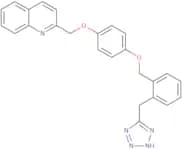
CAS :<p>RG-12525 is an engineered compound designed for targeted genetic modification, which is synthesized from recombinant DNA technology. With precise gene-editing capabilities, it utilizes CRISPR-Cas9 as its mode of action, enabling specific gene sequences to be accurately cut and modified within a variety of eukaryotic cells. The compound's mechanism involves guiding RNA that pairs with target DNA sequences, allowing the Cas9 enzyme to introduce double-strand breaks, which facilitate desired genetic alterations through cellular repair pathways.<br><br>This compound is utilized predominantly in genetic engineering and functional genomics studies. RG-12525 enhances the ability to investigate gene function, develop gene therapies, and create genetically modified organisms for research purposes. Its applications extend to agricultural biotechnology, where it aids in the development of crops with enhanced traits, and to biomedical research, where it contributes to the understanding of genetic diseases and the development of potential treatments.</p>Formule :C25H21N5O2Degré de pureté :Min. 95%Masse moléculaire :423.5 g/molFASN antibody
<p>The FASN antibody is a highly specialized product in the field of Life Sciences. It is used for various applications such as chromatographic and electrophoresis techniques. This polyclonal antibody specifically targets the fatty acid synthase (FASN) antigen, which plays a crucial role in lipid metabolism. By inhibiting FASN activity, this antibody can be used to study the effects of FASN inhibitors on different cell lines, including mda-mb-231 cells. Additionally, this antibody can be utilized in assays to detect FASN expression levels and investigate its involvement in various cellular processes. The FASN antibody is available both as polyclonal and monoclonal antibodies, providing flexibility for researchers in their experiments.</p>IL1R1 protein
<p>The IL1R1 protein is a growth factor that plays a crucial role in various biological processes. It is involved in cell proliferation, differentiation, and immune responses. This protein is highly stable and exhibits excellent photostability, making it ideal for research purposes. IL1R1 protein can be conjugated with other molecules such as cellulose or glycopeptides to enhance its functionality. It can also be used as a molecular target for the development of therapeutic agents. Additionally, monoclonal antibodies targeting IL1R1 have shown promising results in treating certain diseases by blocking its activity. Overall, the IL1R1 protein offers great potential in the field of Life Sciences and holds promise for future advancements in medical research.</p>Degré de pureté :Min. 95%ERC1 antibody
<p>ERC1 antibody was raised in rabbit using the C terminal of ERC1 as the immunogen</p>Degré de pureté :Min. 95%ACTL7B antibody
<p>ACTL7B antibody was raised using the middle region of ACTL7B corresponding to a region with amino acids KLITIGQERFRCSEMLFQPSLAGSTQPGLPELTAACLGRCQDTGFKEEMA</p>Borrelia Garinii Antigen
<p>Borrelia Garinii Antigen is an antibody for use in pharmaceutical and diagnostic applications. Please enquire for more information about Borrelia Garinii Antigen including the price, delivery time and more detailed product information at the technical inquiry form on this page.</p>ANR 94
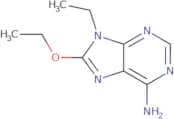
CAS :<p>ANR-94 is a neuroprotective drug that has been shown to be effective in treating epilepsy. It is an antagonist of adenosine receptor, which prevents neuronal death and restores locomotor activity in rats with chronic seizures. ANR-94 has also been shown to have anticancer effects in rats and mice, and may also be used as a treatment for Parkinson’s disease. Preliminary studies have indicated that ANR-94 may be useful in the treatment of depression.</p>Formule :C9H13N5ODegré de pureté :Min. 95%Masse moléculaire :207.23 g/molCP-775146
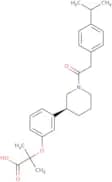
CAS :<p>CP-775146 is a molecule that has been shown to have pharmacological effects on the body. It is currently being researched as a potential treatment for cancer and metabolic disorders such as obesity and diabetes. CP-775146 binds to the beta-3 adrenergic receptor, which regulates blood pressure and insulin sensitivity. This binding increases the production of cyclic AMP, leading to increased thermogenesis in adipose tissue, increased lipolysis and decreased triglyceride lipase activity. CP-775146 also blocks fatty acid synthesis in cancer cells by inhibiting cytochrome P450 enzymes (Cyp1a2, Cyp2b6, Cyp2c8), which are involved in the conversion of arachidonic acid into prostaglandins.</p>Formule :C26H33NO4Degré de pureté :Min. 95%Masse moléculaire :423.54 g/molBS194
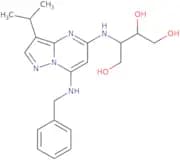
CAS :<p>BS194 is a compound that inhibits the activity of protein kinase C. It has been shown to inhibit the phosphorylation of the Alzheimer's disease-associated tau protein and colorectal carcinoma cells. BS194 has also been shown to have positive effects on cardiovascular disorders, such as hypertension and myocardial infarction. The pharmacokinetic profile of this drug was analyzed in mice with leukemia. BS194 was found to be homologous to a number of other compounds, including bryostatin 1, which is used for cancer therapy. The homology between these two compounds has been confirmed by analyzing the binding affinity and inhibitory phosphorylation profiles of these compounds.</p>Formule :C20H27N5O3Degré de pureté :Min. 95%Masse moléculaire :385.5 g/molPCP4L1 protein (His tag)
<p>Purified recombinant PCP4L1 protein (His tag)</p>Degré de pureté :Min. 95%Acyl 12:0 NBD pc
CAS :<p>Acyl 12:0 NBD pc is a spla2 activity inhibitor that stabilizes membranes, preventing their fission. It also inhibits the enzyme sphingomyelinase, which catalyzes the hydrolysis of sphingomyelin to form phosphatidylcholine. Acyl 12:0 NBD pc mimics glycerophospholipids by binding to the lipid bilayer and stabilizing it, preventing its collapse. This compound has been shown to inhibit the production of secretory phospholipase A2 (sPLA2) and phosphatidylcholine by cells in culture.</p>Formule :C42H74N5O11PDegré de pureté :Min. 95%Masse moléculaire :856.04 g/molCDK1 antibody
<p>The CDK1 antibody is a monoclonal antibody that specifically targets and inhibits the activity of cyclin-dependent kinase 1 (CDK1). CDK1 is a protein kinase involved in cell cycle regulation, making it an important target for therapeutic interventions. This antibody has been shown to effectively block the activity of CDK1, thereby preventing cell proliferation and promoting cell death.</p>Goat anti Human IgG (H + L) (HRP)
<p>Goat anti Human IgG (H + L) secondary antibody (HRP)</p>Degré de pureté :Min. 95%DS44170716
CAS :<p>DS44170716 is a mitochondrial-targeted drug that inhibits the mitochondrial permeability transition pore (MPTP) and prevents Ca2+ overload in mitochondria. It is also a membrane-permeable small molecule, which can be taken up by cells and accumulate in mitochondria. DS44170716 may act as an intracellular Ca2+ chelator, preventing reactive cytosolic Ca2+ from entering the mitochondria and thereby inhibiting cellular signaling pathways involved in cell death. DS44170716 has been shown to prevent liver injury induced by ischemia reperfusion in rats.</p>Formule :C20H18BrNO2Degré de pureté :Min. 95%Masse moléculaire :384.3 g/molSSB antibody
<p>SSB antibody is a monoclonal antibody that specifically targets the SSB protein. This protein plays a crucial role in various biological processes, including DNA replication and repair. The SSB antibody can be used in research and diagnostic applications to study the function of SSB and its interactions with other proteins.</p>Luzindole
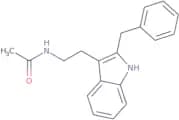
CAS :<p>Melatonin receptor antagonist</p>Formule :C19H20N2ODegré de pureté :Min. 95%Masse moléculaire :292.37 g/mol42-(2-Tetrazolyl)rapamycin
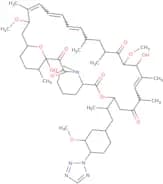
CAS :<p>42-(2-Tetrazolyl)rapamycin is an immunophilin-binding compound, which is derived from the natural product rapamycin. It is a semi-synthetic derivative designed to enhance the properties of the parent compound. As a macrolide, it is sourced from a bacterium called *Streptomyces hygroscopicus*. The mode of action involves binding to FKBP12, forming a complex that inhibits the mammalian target of rapamycin (mTOR), a critical kinase in cell growth, proliferation, and survival pathways.</p>Formule :C52H79N5O12Degré de pureté :Min. 95%Masse moléculaire :966.2 g/molTFG antibody
<p>The TFG antibody is a powerful tool in the field of Life Sciences. It is specifically designed to target and detect cardiomyocytes, making it ideal for studying various aspects of cardiac function. This antibody can be used in multidrug studies, electrophoresis experiments, and polymerase chain reactions to analyze the effects of different substances on cardiomyocyte activity.</p>BSA antibody
<p>BSA antibody was raised in rabbit using bovine albumin as the immunogen.</p>Degré de pureté :Min. 95%FGF21 antibody
<p>The FGF21 antibody is a highly specialized product in the field of Life Sciences. It is an antibody that specifically targets and binds to FGF21, a growth factor involved in various biological processes. This antibody has been extensively studied and characterized for its ability to inhibit the activity of FGF21.</p>UHRF1 antibody
<p>The UHRF1 antibody is a polyclonal antibody that specifically targets the protein UHRF1. UHRF1 plays a crucial role in epigenetic regulation and is involved in various cellular processes, including DNA methylation, chromatin remodeling, and gene expression. This antibody allows for the detection and analysis of UHRF1 levels in different biological samples.</p>PKNOX1 antibody
<p>The PKNOX1 antibody is a highly specialized monoclonal antibody used in Life Sciences research. It specifically targets the PKNOX1 protein, a human protein that plays a crucial role in various cellular processes. This antibody has been extensively characterized and exhibits high specificity and affinity towards PKNOX1.</p>TED-347
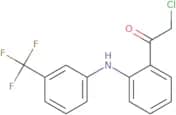
CAS :<p>TED-347 is a covalent inhibitor of the transcriptional coactivator p300. The inhibition of p300 blocks the interaction with DNA and leads to a reduced level of gene expression. TED-347 has shown inhibitory effects on pleural mesothelioma, cancer and other types of diseases. Structural biology experiments have been performed on TED-347 to identify its binding site in mammalian cells. This drug has also been shown to be effective against microcontroller-induced cellular growth factor expression in vitro and in vivo.</p>Formule :C15H11ClF3NODegré de pureté :Min. 95%Masse moléculaire :313.7 g/molCXorf66 antibody
<p>CXorf66 antibody was raised using the middle region of CXorf66 corresponding to a region with amino acids PETQPMLSTADKSSDSSSPERASAQSSTEKLIRPSSLQKPSIPNSAGKLT</p>Degré de pureté :Min. 95%(Des-Asp1-Ile5)angiotensin I trifluoroacetate
CAS :<p>(Des-Asp1-Ile5)angiotensin I trifluoroacetate is an analog of angiotensin I that acts as an inhibitor of kinases. It has been shown to induce apoptosis in human cancer cells and may have potential as an anticancer agent. This compound is derived from Chinese urine and has been found to be effective against a variety of tumors, including those resistant to chloroquine or artesunate treatment. The mechanism by which (Des-Asp1-Ile5)angiotensin I trifluoroacetate exerts its anticancer effects is not fully understood, but it is believed to involve the inhibition of kinase activity and the induction of apoptosis in cancer cells. This compound may hold promise as a novel inhibitor for the treatment of various cancers.</p>Formule :C58H84N16O11•(C2HF3O2)xDegré de pureté :Min. 95%Caspase 7 antibody
<p>The Caspase 7 antibody is a powerful inhibitory factor used in Life Sciences research. This polyclonal antibody specifically targets the protein caspase 7, which plays a crucial role in programmed cell death (apoptosis). By blocking the activity of caspase 7, this antibody allows researchers to investigate its function and explore its potential as a therapeutic target.</p>TentaGel® MB RAM, particle size: 200 - 250 µm
<p>Please enquire for more information about TentaGel® MB RAM, particle size: 200 - 250 µm including the price, delivery time and more detailed product information at the technical inquiry form on this page</p>Degré de pureté :Min. 95%Zika Virus NS1 Antigen Mouse Monoclonal Antibody
<p>Purified by DEAE column chromatography and presented as a liquid in 0.015M potassium phosphate, 0.85% NaCl, pH 7.2, this mouse monoclonal antibody is complementary to the Zika NS1 protein. It is available in the IgG1k immunoglobulin subclass and is potentially suitable for used in the rapid lateral flow detection of Zika NS1 protein.<br>Despite causing mild symptoms in most cases, the mosquito transmitted Zika virus causes a global threat in that in adults it can lead to neurological complications and Guillain-Barré syndrome and during pregnancy it can cause fetal microcephaly and congenital malformations (Zika syndrome). NS1, the protein to which this antibody is complementary, is one of seven non-structural proteins and is involved in Zika virus replication and pathogenesis. For example studies have shown that it can increase the permeability of the umbilical vein, human placentas and brain endothelial cells. It also may be possible for antibodies targeting this Zika NS1 protein to reduce the pathogensis of NS1.</p>Degré de pureté :>90% By Sds-Page.Substance P antibody
<p>Substance P antibody was raised in guinea pig using duplicated N-Terminus of perilipin as the immunogen.</p>Degré de pureté :Min. 95%HSPBP1 antibody
<p>The HSPBP1 antibody is a highly specialized product used in the field of Life Sciences. It is an activated antibody that has been developed to specifically target and bind to HSPBP1, a metal-binding protein involved in various cellular processes. The antibody can be used for a range of applications, including research studies, diagnostic assays, and therapeutic purposes.</p>BMS 509744
CAS :<p>BMS 509744 is a tyrosine kinase inhibitor. It inhibits the activation of the signal pathways that are involved in the proliferation of t-cells. BMS 509744 has been shown to be effective in inhibiting cancer cells, with a particular focus on T-cell lymphomas. The drug also inhibits inflammation by inhibiting toll-like receptor. This drug has been shown to have an effective dose of 10mg in animal studies and is currently undergoing clinical trials for use against inflammatory diseases, such as rheumatoid arthritis and psoriasis.</p>Formule :C32H41N5O4S2Degré de pureté :Min. 95%Masse moléculaire :623.83 g/molAcyl 06:0 NBD pg
CAS :<p>Acetyl 06:0 NBD-PE is a peptide that has been shown to inhibit the binding of an antibody to a receptor. Acetyl 06:0 NBD-PE can be used as a research tool for studying protein interactions, and it has been found to be an effective inhibitor of ion channels. Acetyl 06:0 NBD-PE is also a ligand for specific receptors and ion channels. This product is of high purity and has not been shown to have any adverse effects on cell biology or life sciences.</p>Formule :C34H60N5O11PDegré de pureté :Min. 95%Masse moléculaire :745.84 g/molFADD antibody
<p>The FADD antibody is a highly specialized monoclonal antibody used in Life Sciences research. It is specifically designed to target the Fas-associated death domain (FADD) protein, which plays a crucial role in cell signaling and apoptosis. This antibody has been extensively validated for its specificity and sensitivity in various applications.</p>TentaGel® HL-COOH Resin
<p>Substitution Functional Group:-NH-CO-CH2-CH2-COOHTentaGel; is a gelatinous resin, an important support for solid phase synthesis. TentaGel; resins are constructed with a backbone of low crosslinked polystyrene grafted with polyoxyethylene (polyethylene glycol) as shown below. The typical chain length of POE (n) is approximately 68 ethylene oxide units or an average MW of 3000. This long chain creates a spacer that effectively separates the reactive site (X) from the crosslinked backbone matrix. TentaGel; HL (High Load) (mean particle size 110 μm: capacity 04-06 meq/g)</p>Degré de pureté :Min. 95%Triamcinolone Acetonide antibody
<p>Sheep polyclonal Triamcinolone Acetonide antibody</p>Degré de pureté :Min. 95%TRKC antibody
<p>The TRKC antibody is a water-soluble monoclonal antibody used in Life Sciences. It is specifically designed to target and bind to the TRKC receptor, which plays a crucial role in various cellular processes. This antibody has been extensively tested and proven to have high affinity and specificity for its target.</p>H3B-6545 hydrochloride
CAS :<p>Please enquire for more information about H3B-6545 hydrochloride including the price, delivery time and more detailed product information at the technical inquiry form on this page</p>Formule :C30H30ClF4N5O2Degré de pureté :Min. 95%Masse moléculaire :604 g/molGoat anti Human IgG + IgA + IgM (biotin)
<p>This antibody reacts with heavy chains on human IgA + IgG + IgM and light chains on all human immunoglobulins.</p>Degré de pureté :Min. 95%Mal(12.1)
CAS :<p>Mal(12.1) is a peptide that can act as an activator of ion channels, such as calcium channels. It is a potent inhibitor of protein interactions, and has been shown to be a ligand for the GABA receptor. Mal(12.1) also interacts with the GABAA receptor and is able to induce chloride efflux in cells. The chemical name for Mal(12.1) is 3-amino-2,3-dihydrobenzo[1,4]dioxine-6-carboxamide.</p>Formule :C25H48O11Degré de pureté :Min. 95%Masse moléculaire :524.64 g/molAPLP1 antibody
<p>The APLP1 antibody is a highly specialized antibody used in the field of Life Sciences. It is available in both polyclonal and monoclonal forms, making it versatile for various research purposes. This antibody specifically targets APLP1, which stands for amyloid precursor-like protein 1. APLP1 is involved in various cellular processes, including retinoid metabolism and methyl transferase activity.</p>CD137 antibody
<p>CD137 antibody was raised in goat using highly pure recombinant human 4-1BB receptor as the immunogen.</p>Degré de pureté :Min. 95%DEP1 antibody
<p>The DEP1 antibody is a powerful inhibitory factor that belongs to the family of antibodies. It interacts with mitogen-activated proteins and annexin A2, playing a crucial role in various life sciences applications. This antibody exhibits strong DNA binding activity and has been extensively studied in the context of leukemia inhibitory factor (LIF) signaling pathways. Through its ability to regulate polymerase chain reactions and adenosine A1 receptors, the DEP1 antibody influences cytokine production and transmembrane conductance. With its high specificity and potency, this polyclonal antibody is an essential tool for researchers in the field of life sciences.</p>Norovirus GII.4 Recombinant P Domain
<p>Norovirus GII.4 Recombinant P Domain is a life science tool for use in pharmaceutical and diagnostic applications. Please enquire for more information about Norovirus GII.4 Recombinant P Domain including the price, delivery time and more detailed product information at the technical inquiry form on this page.</p>Neuromedin U (mouse)
<p>Neuromedin U is a peptide that plays a role in the regulation of cardiovascular function and the modulation of pain. It has been found to activate receptors for calcitonin gene-related peptide (CGRP) and vasoactive intestinal peptide (VIP). Neuromedin U has also been found to be an inhibitor of ligand-induced activation of ion channels, such as those activated by bradykinin or histamine. This protein can be used as a research tool in cell biology, pharmacology, and biochemistry.</p>Formule :C125H185N35O33Degré de pureté :Min. 95%Masse moléculaire :2,706 g/mol(S)-5-((1,1'-Biphenyl)-4-ylmethyl)pyrrolidin-2-one
CAS :<p>(S)-5-((1,1'-Biphenyl)-4-ylmethyl)pyrrolidin-2-one is a ligand of the beta2 adrenergic receptor. It is an inhibitor of ion channels and has been shown to be an excellent research tool for studying cell biology and receptor binding. (S)-5-((1,1'-Biphenyl)-4-ylmethyl)pyrrolidin-2-one can be used in the study of peptides or antibodies that interact with the beta2 adrenergic receptor.</p>Formule :C17H17NODegré de pureté :Min. 95%Masse moléculaire :251.32 g/mol2-(1-Chlorocyclohexyl)cyclohexanone
CAS :<p>Please enquire for more information about 2-(1-Chlorocyclohexyl)cyclohexanone including the price, delivery time and more detailed product information at the technical inquiry form on this page</p>Formule :C12H19ClODegré de pureté :Min. 95%Masse moléculaire :214.73 g/molGoat anti Syrian Hamster IgG (H + L) (FITC)
<p>Goat anti-syrian hamster IgG (H + L) (FITC) was raised in goat using hamster IgG (H & L) as the immunogen.</p>SARS-CoV-2 Spike Receptor-Binding Domain (RBD) Mouse Monoclonal Antibody
<p>Mouse monoclonal antibody to SARS-CoV-2 spike receptor binding domain (RBD), purified by protein A chromatography in PBS, pH, 7.4.<br>The Coronavirus Disease-2019 (COVID-19), associated with symptoms such as shortness of breath, fever and muscle ache, is caused by the severe acute respiratory syndrome coronavirus 2 (SARS-CoV-2), whose emergence was first detected in December 2019. This mouse Mab product is complementary to the RBD located on the S1 subunit of the SARs-CoV-2 spike protein which works alongside the S2 subunit of the spike protein to assist in the virus’ entry into the host cells. S1 binds to host angiotensin-converting enzyme 2 (ACE2) receptors located in the host’s organs, namely in the arterial and smooth muscles cells, endothelial cells and in venous endothelial cells. The SARS-CoV-2 can then fuse to the host membrane through S2’s formation of a hairpin structure. Specifically a receptor-binding motif (amino acids 438-506) located on the RBD interacts with the second ACE2 peptidase (a furin-like protease) which cleaves the amino acids 682-685 in-between S1 and S2 subunits. The receptor binding domain is of particular interest for the development of neutralizing antibodies and it can, alongside other spike protein components, be used as an immunogen in vaccine development. Potential applications of this product are in sandwich immunoassays where it can be used as a detection antibody conjugated with HRP, or as either a capture antibody or a detection antibody conjugated with Biotin.</p>KRT5 antibody
<p>The KRT5 antibody is a highly effective substance used in Life Sciences research. It is a monoclonal antibody that specifically targets and binds to the keratin 5 (KRT5) protein, which is commonly found in collagen-rich tissues. This antibody has been extensively tested and validated for its specificity and reliability.</p>CA9 antibody
<p>The CA9 antibody is a monoclonal antibody that has been extensively studied in the field of Life Sciences. It has shown promising results in various applications, including its ability to neutralize aldehyde and interferon autoantibodies. This antibody has a high affinity for low-density albumin and acidic proteins, making it an excellent tool for research purposes. Additionally, the CA9 antibody has been used in studies related to collagen and growth factors, further highlighting its versatility in the field of molecular biology. With its exceptional specificity and binding capacity, this monoclonal antibody is a valuable asset for any laboratory or research facility.</p>Stathmin, His tagged human
CAS :<p>Stathmin is a protein that belongs to the family of stathmins. It is an activator of the small GTPase RhoA and has been shown to regulate ion channels and cell morphology. The antibody we offer recognizes human stathmin, which can be purchased in both His tagged and non-His tagged forms. Stathmin is also a receptor for peptides and ligands, as well as an inhibitor or activator of many other proteins. This protein is involved in the regulation of high voltage-gated calcium channels, potassium channels, and sodium channels in neuronal cells, as well as regulating synaptic transmission. Stathmin has also been shown to inhibit growth factor receptors such as EGF receptors.</p>Degré de pureté :Min. 95%Atagabalin
CAS :<p>Atagabalin is a novel pharmaceutical compound, which is derived from marine biological sources. Its primary mode of action involves the inhibition of the alpha-2-delta subunit of voltage-gated calcium channels. This mechanism modulates synaptic transmission, leading to reduced neuronal excitability.</p>Formule :C10H19NO2Degré de pureté :Min. 95%Masse moléculaire :185.26 g/molPRODH2 antibody
<p>PRODH2 antibody was raised using a synthetic peptide corresponding to a region with amino acids LGIPLDGTVCFGQLLGMCDHVSLALGQAGYVVYKSIPYGSLEEVIPYLIR</p>IRF4 antibody
<p>The IRF4 antibody is a polyclonal antibody used in the field of Life Sciences. It is designed to target and bind to the Interferon Regulatory Factor 4 (IRF4), a protein involved in various cellular processes. This antibody is commonly used in research to study the role of IRF4 in different biological systems.</p>Degré de pureté :Min. 95%Poly(4-styrenesulfonic acid) ammonium solution
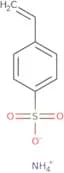
CAS :<p>Poly(4-styrenesulfonic acid) ammonium solution is a prescription drug used to treat eye disorders such as keratitis, conjunctivitis and allergic reactions. It is also used to diagnose certain autoimmune diseases including Sjögren's syndrome and systemic lupus erythematosus. This medicine belongs to the group of drugs called heparinoids and works by inhibiting the activity of enzymes that break down proteins in the body. It has a molecular weight of approximately 5,000 daltons and binds to antithrombin III (ATIII) through an ionic interaction with its carboxylic acid groups. Poly(4-styrenesulfonic acid) ammonium solution is not metabolized or excreted from the body, but it can react with other drugs in the eye.</p>Formule :C8H11NO3SDegré de pureté :Min. 95%Masse moléculaire :201.25 g/molRBN-2397
CAS :<p>RBN-2397 is a poly-adp-ribose polymerase inhibitor that has been shown to have clinical efficacy in the treatment of cancer. RBN-2397 is a molecule that inhibits the activity of poly-adp-ribose polymerase (PARP), an enzyme involved in the homologous recombination repair of DNA. This inhibition leads to DNA damage and cell death by apoptosis, which are associated with tumor development and progression. RBN-2397 has been shown to be effective as an adjunct therapy for people with metastatic melanoma or other cancers who are resistant to interferon alfa-2b and cytosolic colony stimulating factor.</p>Formule :C20H23F6N7O3Degré de pureté :Min. 95%Masse moléculaire :523.4 g/molDonkey anti Sheep IgG (H + L) (HRP)
<p>Donkey anti Sheep IgG (H + L) secondary antibody (HRP) conjugated</p>Degré de pureté :Min. 95%