Produits biochimiques et réactifs
Les biochimiques et réactifs sont des substances fondamentales pour la recherche et le développement dans des domaines tels que la biotechnologie, la biologie moléculaire, la pharmacologie et la médecine. Ces produits sont essentiels pour une variété d'applications, y compris la synthèse de composés, l'analyse d'échantillons biologiques, la recherche sur les processus métaboliques et la production de médicaments. Chez CymitQuimica, nous proposons une large sélection de biochimiques et réactifs de haute qualité et pureté, adaptés à divers besoins scientifiques et industriels. Notre catalogue comprend des enzymes, des anticorps, des acides nucléiques, des acides aminés et de nombreux autres produits, tous conçus pour soutenir les chercheurs et les professionnels dans leurs projets de recherche et développement, garantissant des résultats fiables et reproductibles.
Sous-catégories appartenant à la catégorie "Produits biochimiques et réactifs"
- Biomolécules(99.115 produits)
- Par Biological Target(99.074 produits)
- Par usage/effets pharmacologiques(6.785 produits)
- Cryoconservation et composés associés aux cryoconservateurs(21 produits)
- Désinfectants, additifs pour les fluides pour bains chauffants et composés apparentés(28 produits)
- Hormones(346 produits)
- Biologie végétale(6.693 produits)
- Métabolites secondaires(14.219 produits)
130577 produits trouvés pour "Produits biochimiques et réactifs"
Trier par
Degré de pureté (%)
0
100
|
0
|
50
|
90
|
95
|
100
IL4 Blocking Peptide
<p>A synthetic peptide for use as a blocking control in assays to test for specificity of IL4 antibody, catalog no. 70R-6231</p>Degré de pureté :Min. 95%Cytokeratin 18 antibody (FITC)
<p>Cytokeratin 18 antibody (FITC) was raised in mouse using human cytokeratin 18 from HeLa cytoskeletal preparation as the immunogen.</p>KC antibody
<p>KC antibody was raised in rabbit using highly pure recombinant murine KC as the immunogen.</p>Degré de pureté :Min. 95%Phosphotyrosine antibody
<p>Phosphotyrosine antibody was raised in rabbit using Iodoacetylphosphotyrosine-KLH conjugate as the immunogen.</p>Degré de pureté :Min. 95%DPYSL2 antibody
<p>DPYSL2 antibody was raised using the middle region of DPYSL2 corresponding to a region with amino acids NIFEGMECRGSPLVVISQGKIVLEDGTLHVTEGSGRYIPRKPFPDFVYKR</p>Degré de pureté :Min. 95%MICA antibody
<p>MICA antibody was raised using the N terminal of MICA corresponding to a region with amino acids LHSLQEIRVCEIHEDNSTRSSQHFYYDGELFLSQNLETKEWTMPQSSRAQ</p>Degré de pureté :Min. 95%MARK antibody
<p>The MARK antibody is a monoclonal antibody that specifically targets and binds to the activated form of fatty acid. It is designed to recognize and interact with a specific antigen, such as interleukins or IFN-gamma, which are involved in various biological processes including cell growth and immune response. This antibody can be used in life sciences research to study the role of these molecules in different pathways and diseases. Additionally, the MARK antibody can also be utilized as an inhibitor by blocking the interaction between the targeted molecule and its receptors, thus modulating specific cellular functions. With its high specificity and affinity, this antibody is a valuable tool for researchers in their quest to understand complex biological mechanisms.</p>Degré de pureté :Min. 95%Rat Thrombocyte antibody
<p>Rat thrombocyte antibody was raised in rabbit using mouse thrombocytes as the immunogen.</p>Degré de pureté :Min. 95%Adenosine Kinase antibody
<p>Purified Polyclonal Adenosine Kinase antibody</p>Degré de pureté :Min. 95%RBMXL2 antibody
<p>RBMXL2 antibody was raised using the middle region of RBMXL2 corresponding to a region with amino acids SSRDGYSSRDYREPRGFAPSPGEYTHRDYGHSSVRDDCPLRGYSDRDGYG</p>SOCS3 antibody
<p>The SOCS3 antibody is a highly specific monoclonal antibody that has been developed for use in the field of life sciences. It is used to target and neutralize IL-17A, a cytokine involved in inflammatory responses. This specific antibody can be used in various applications, including as a therapeutic agent or as a research tool for studying IL-17A-mediated signaling pathways.</p>C14orf133 antibody
<p>C14orf133 antibody was raised in Rabbit using Human C14orf133 as the immunogen</p>PRND protein (His tag)
<p>Purified recombinant Human PRND protein (His tag)</p>Degré de pureté :Min. 95%FBLIM1 protein (His tag)
<p>Purified recombinant FBLIM1 protein (His tag)</p>Degré de pureté :Min. 95%POU5F1 antibody
<p>POU5F1 antibody was raised in rabbit using the middle region of POU5F1 as the immunogen</p>Degré de pureté :Min. 95%SNT-207707
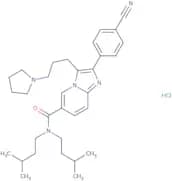
CAS :<p>SNT-207707 is a research tool that is an activator of the receptor. It binds to the peptide ligand and activates the receptor, which leads to downstream effects such as ion channel activation and cell proliferation. SNT-207707 has been shown to inhibit the binding of antibodies to cells, which may be useful in reducing inflammation or autoimmune diseases. SNT-207707 binds to proteins with high affinity, which may be useful in pharmacology research.</p>Formule :C32H44ClN5ODegré de pureté :Min. 95%Masse moléculaire :550.18 g/molISG20 antibody
<p>ISG20 antibody was raised using the middle region of ISG20 corresponding to a region with amino acids TSTDRLLWREAKLDHCRRVSLRVLSERLLHKSIQNSLLGHSSVEDARATM</p>CD11a antibody
<p>The CD11a antibody is a monoclonal antibody that specifically targets CD11a, a protein expressed on the surface of certain cells in the immune system. This antibody has been extensively studied in the field of Life Sciences and has shown promising results in various applications. It has been used to detect CD11a expression in human serum samples and to study its interaction with other molecules, such as TNF-α. The CD11a antibody has also been employed in neuroprotective studies, where it has demonstrated its ability to protect neurons from cytotoxic effects. In addition, this antibody has been utilized in electrode-based assays for hybridization and detection purposes. Its high affinity and specificity make it an ideal tool for researchers working in the field of immunology and cell biology.</p>PR antibody
<p>The PR antibody is a highly specialized product in the field of Life Sciences. It is an antibody that specifically targets and interacts with alpha-fetoprotein, a growth factor found in human serum. This antibody has been shown to have cytotoxic effects on cells expressing alpha-fetoprotein, making it a valuable tool for research and diagnostics.</p>CD4 antibody
<p>The CD4 antibody is a highly specific monoclonal antibody that targets the CD4 protein, which is found on the surface of certain immune cells. This antibody has been extensively studied and shown to have various characteristics and functions. It plays a crucial role in immune responses by binding to the CD4 receptor and modulating T cell activation.</p>GPCR5A antibody
<p>GPCR5A antibody was raised using the C terminal Of Gpcr5A corresponding to a region with amino acids SQEEITQGFEETGDTLYAPYSTHFQLQNQPPQKEFSIPRAHAWPSPYKDY</p>Degré de pureté :Min. 95%His Tag antibody
<p>The His Tag antibody is a highly specific monoclonal antibody that is widely used in Life Sciences research. It is commonly used in assays such as electrophoresis and dodecyl sulfate-polyacrylamide gel (SDS-PAGE) to detect the presence of recombinant proteins with a histidine (His) tag. The His Tag antibody binds specifically to the His tag, allowing for easy detection and purification of the target protein.</p>Histone H4 antibody
<p>The Histone H4 antibody is a highly specialized antibody used in the field of Life Sciences. It is a polyclonal antibody that specifically targets and binds to histone H4, a protein involved in gene regulation and DNA packaging. This antibody has been extensively tested and validated for its specificity and sensitivity.</p>SPK antibody
<p>The SPK antibody is a highly effective growth factor that targets specific protein kinases in the body. It has been extensively studied and proven to neutralize virus surface antigens, making it a valuable tool in viral research and treatment. The SPK antibody is available in both monoclonal and polyclonal forms, allowing for a wide range of applications. Its ability to interfere with the interferon pathway has also been demonstrated, further highlighting its potential in immunological studies. With its buffered formulation and high specificity, the SPK antibody ensures accurate and reliable results in various experiments. Whether you're working in Life Sciences or conducting antigen-antibody reactions, this antibody is an indispensable asset for your research endeavors.</p>TFG antibody
<p>TFG antibody is a monoclonal antibody that specifically targets amyloid plaque, a hallmark of various neurodegenerative diseases. This antibody recognizes and binds to the TFG glycoprotein, which is present in amyloid plaques. By binding to these plaques, the TFG antibody helps to clear them from the brain and reduce their accumulation.</p>BTG4 antibody
<p>BTG4 antibody was raised using the middle region of BTG4 corresponding to a region with amino acids ILERACVESNVDFSHLGLPKEMTIWVDPFEVCCRYGEKNHPFTVASFKGR</p>Degré de pureté :Min. 95%JAM3 antibody
<p>JAM3 antibody was raised using the N terminal of JAM3 corresponding to a region with amino acids SSNRTPVVQEFESVELSCIITDSQTSDPRIEWKKIQDEQTTYVFFDNKIQ</p>Degré de pureté :Min. 95%IGJ antibody
<p>The IGJ antibody is a monoclonal antibody that specifically targets the epidermal growth factor (EGF). It is designed to bind to EGF and neutralize its activity. This antibody has been shown to be reactive against serum albumin protein, making it an effective tool for studying the role of albumin in various biological processes. Additionally, the IGJ antibody can also be used as a research tool to study agonist proteins and their effects on cell signaling pathways. It has been demonstrated to be particularly effective against androgen-independent cell lines, suggesting its potential use in cancer research. The IGJ antibody is activated upon binding to its target antigen, allowing for the detection and quantification of EGF levels in various samples, including human serum. With its high specificity and affinity for EGF, this monoclonal antibody offers researchers a valuable tool for investigating the role of EGF in health and disease.</p>Sheep anti-Rabbit Albumin Antibody
<p>Sheep anti-Rabbit Albumin Polyclonal</p>Degré de pureté :Min. 95%Cystatin 9 antibody
<p>Cystatin 9 antibody was raised using a synthetic peptide corresponding to a region with amino acids IDNCPFQESLELNNVRQGISFPQVHSCGCCMGCGVGTGAADKAIPRDKGK</p>Degré de pureté :Min. 95%P4HB protein
<p>P4HB protein is a biomolecule that plays a crucial role in various biological processes. It acts as a lectin, which means it can bind to specific carbohydrate molecules. P4HB protein also has racemase activity, which allows it to convert amino acids from their L-form to their D-form. This protein is involved in cell lysis and cellulose degradation.</p>Degré de pureté :Min. 95%Pf-06700841 (p-tosylate)
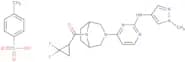
CAS :<p>Pf-06700841 is a peptide that can be used as a research tool for the study of ion channels and protein interactions. It is an inhibitor of the potassium channel, which is involved in the regulation of neuronal excitability. Pf-06700841 also blocks L-type calcium channels, which are important in cell proliferation and differentiation. Pf-06700841 has been shown to inhibit receptor binding at low concentrations, with increased potency at higher concentrations. At high concentrations, it acts as a ligand to activate G protein coupled receptors. Pf-06700841 has been shown to reduce pain in animal models by blocking pain receptors as well as inhibiting the release of inflammatory cytokines from immune cells.</p>Formule :C25H29F2N7O4SDegré de pureté :Min. 95%Masse moléculaire :561.6 g/molCD44 antibody
<p>CD44 antibody was raised in mouse using recombinant human CD44 (21-145aa) purified from E. coli as the immunogen.</p>Cyclin E1 antibody
<p>Human cyclin E1 non-phosphopeptide (Thr395) region immunogen, Rabbit polyclonal Cyclin E1 antibody</p>L1CAM antibody
<p>The L1CAM antibody is a monoclonal antibody that specifically targets the L1 cell adhesion molecule. This nuclear antigen is found in various tissues and plays a crucial role in cell adhesion and migration. The L1CAM antibody can be used for immunohistochemistry to detect the expression of L1CAM in different tissues, including blood plasma, as well as for research purposes in the field of Life Sciences.</p>AKT3 antibody
<p>The AKT3 antibody is a monoclonal antibody used in Life Sciences research. It specifically targets the c-myc protein, which is involved in cell growth and proliferation. This antibody has a high affinity for its target and can be used in various applications, such as Western blotting, immunohistochemistry, and flow cytometry.</p>Tie2 antibody
<p>The Tie2 antibody is a highly specialized monoclonal antibody that targets the carboxyl terminus of the Tie2 receptor. It is commonly used in Life Sciences research to study the role of Tie2 in various biological processes. This antibody specifically binds to human hepatocytes and has been shown to inhibit elastase activity, which is crucial for maintaining tissue integrity. The Tie2 antibody is produced using state-of-the-art hybridization techniques and purified using bovine γ-globulin and streptavidin. Its high specificity and low viscosity make it an ideal tool for studying the natriuretic properties of Tie2 and its potential therapeutic applications.</p>ACO2 antibody
<p>The ACO2 antibody is a monoclonal antibody used in Life Sciences research. It has been developed to target specific proteins and molecules involved in various biological processes. This antibody has shown potential in the study of amyloid plaque formation, as well as in the development of inhibitors that can block the aggregation of these plaques. Additionally, the ACO2 antibody has been found to be effective in assessing microvessel density, which is crucial for understanding angiogenesis and tumor growth. This antibody can also be used to detect activated cells and electrodes, making it a valuable tool in cell biology research. Furthermore, the ACO2 antibody has shown reactivity against proteins such as collagen, alpha-fetoprotein, sclerostin, chemokines, interleukins, and cytotoxic factors present in human serum. Its high specificity and sensitivity make it an indispensable asset for researchers working in various fields of Life Sciences.</p>SF3B4 antibody
<p>SF3B4 antibody was raised using the N terminal of SF3B4 corresponding to a region with amino acids SFDASDAAIEAMNGQYLCNRPITVSYAFKKDSKGERHGSAAERLLAAQNP</p>OR2M2 antibody
<p>OR2M2 antibody was raised in rabbit using the C terminal of OR2M2 as the immunogen</p>Degré de pureté :Min. 95%4-Hydroxy toremifene
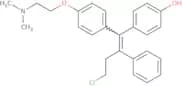
CAS :Produit contrôlé<p>Toremifene is an antiestrogen that binds to the estrogen receptor and blocks the interaction of estrogens with this receptor. It also inhibits epidermal growth factor, which stimulates cell proliferation. Toremifene is a chemotherapeutic agent that has been shown to inhibit oxidative DNA damage in human endometrial cells in vitro. Kinetic data showed that response element-mediated transcriptional activation was inhibited by toremifene at concentrations greater than 0.1 μM. A multicenter phase II trial showed that toremifene was effective for treating metastatic breast cancer. Toremifene can also be used for the treatment of estrogen-dependent cancers, such as prostate cancer and ovarian cancer, and may have other uses, such as in the treatment of metabolic disorders and liver diseases.</p>Formule :C26H28ClNO2Degré de pureté :Min. 95%Masse moléculaire :422 g/molALDH1L1 antibody
<p>The ALDH1L1 antibody is a monoclonal antibody that targets the α1 subunit of glutamate receptors. It is widely used in Life Sciences research for its ability to specifically bind to this target protein. The ALDH1L1 antibody can be used in various applications, including immunohistochemistry, western blotting, and flow cytometry.</p>FGF21 antibody
<p>The FGF21 antibody is a growth factor that is used in the field of Life Sciences. It is a monoclonal antibody that specifically targets and binds to FGF21, a protein involved in various physiological processes. The FGF21 antibody can be used for research purposes, such as studying the role of FGF21 in different disease models or investigating its potential as a therapeutic target.</p>RPS16 antibody
<p>RPS16 antibody was raised in rabbit using the middle region of RPS16 as the immunogen</p>Degré de pureté :Min. 95%BCL2L1 antibody
<p>The BCL2L1 antibody is a highly specialized antibody used in the field of Life Sciences. It targets the BCL2-like 1 protein, which is involved in regulating cell survival and apoptosis. This antibody specifically recognizes and binds to the activated form of the protein kinase, effectively neutralizing its activity.</p>EDO-S101
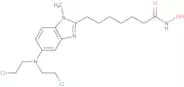
CAS :<p>EDO-S101 is a molecule that binds to the ubiquitin-proteasome pathway and inhibits the function of effector proteins, such as caspases. It has been shown to have anticancer properties in animal models. This drug also inhibits the mitochondrial membrane potential, protein synthesis, and protein transport in cell cultures. EDO-S101 has also been shown to induce pro-apoptotic activity and inhibit histone deacetylase activity in vitro. Clinical trials are currently underway to study the effects of this drug on solid tumours.</p>Formule :C19H28Cl2O2Degré de pureté :Min. 95%Masse moléculaire :359.33 g/molEGFR antibody
<p>EGFR antibody was raised in rabbit using a synthetic peptide conjugated to KLH as the immunogen.</p>Degré de pureté :Min. 95%HHAT antibody
<p>HHAT antibody was raised using the N terminal of HHAT corresponding to a region with amino acids MLPRWELALYLLASLGFHFYSFYEVYKVSREHEEELDQEFELETDTLFGG</p>Degré de pureté :Min. 95%EGLN2 antibody
<p>EGLN2 antibody was raised in rabbit using the C terminal of Egln2 as the immunogen</p>Degré de pureté :Min. 95%ACLY antibody
<p>The ACLY antibody is an activated antibody used in Life Sciences research. It is commonly used in immunoassays and neutralizing experiments to study the role of ACLY (adenylate cyclase-associated protein) in various cellular processes. This monoclonal antibody specifically targets ACLY and can be used to detect its presence in samples such as human serum or cell lysates. The ACLY antibody has been shown to inhibit the activity of ACLY, which plays a crucial role in collagen synthesis, adipose tissue mineralization, and other cellular functions. Researchers often use this antibody to investigate the effects of ACLY inhibitors or other compounds, such as sorafenib, on cellular pathways involving ACLY. With its high specificity and sensitivity, the ACLY antibody is a valuable tool for studying the function and regulation of ACLY in different biological contexts.</p>