Produits biochimiques et réactifs
Sous-catégories appartenant à la catégorie "Produits biochimiques et réactifs"
- Biomolécules(98.557 produits)
- Par Biological Target(101.015 produits)
- Par usage/effets pharmacologiques(6.941 produits)
- Cryoconservation et composés associés aux cryoconservateurs(21 produits)
- Désinfectants, additifs pour les fluides pour bains chauffants et composés apparentés(28 produits)
- Hormones(530 produits)
- Biologie végétale(6.903 produits)
- Métabolites secondaires(14.369 produits)
130563 produits trouvés pour "Produits biochimiques et réactifs"
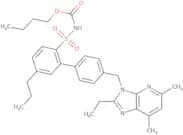
L 162389
CAS :L 162389 is a synthetic, non-steroidal, anti-inflammatory drug (NSAID) that inhibits the enzyme cyclooxygenase. It inhibits the production of prostaglandins, which are known to cause pain and inflammation in the body. L 162389 is used for the treatment of inflammatory conditions such as rheumatoid arthritis and osteoarthritis.
Formule :C31H38N4O4SDegré de pureté :Min. 95%Masse moléculaire :562.7 g/molCB-1158
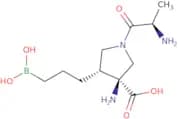
CAS :CB-1158 is an arginase inhibitor, which is a small molecule derived from a synthetic source designed to modulate immune functions. Its mode of action involves the inhibition of the arginase enzyme, a key player in the urea cycle responsible for the hydrolysis of arginine into ornithine and urea. By blocking arginase, CB-1158 effectively prevents the depletion of extracellular arginine, a vital amino acid required for the activation and proliferation of T cells within the immune system. This inhibition leads to enhanced immune responses against tumors.
Formule :C11H22BN3O5Degré de pureté :Min. 95%Masse moléculaire :287.12 g/molRef: 3D-VID73206
Produit arrêtéParainfluenza Virus Type 2 Antigen
Parainfluenza viruses (PIVs) belong to the Paramyxoviridae family and are a common cause of respiratory infections, particularly in children.
There are four main types: Human Parainfluenza virus-1 (HPIV-1), HPIV-2, HPIV-3, and HPIV-4, each associated with different patterns of illness. HPIV-1 and HPIV-2 are the primary causes of colds and croup. HPIV-3 often leads to bronchitis and pneumonia, while it is thought HPIV-4 causes similar symptoms HPIV-3.
Parainfluenza viruses spread through respiratory droplets and while most infections are mild, infants, young children, and immunocompromised individuals may experience severe respiratory illness.
Parainfluenza Virus Type 2 Antigen has potential application in the development of diagnostic assays to detect antibodies in patient samples, confirming HPIV-2 infection. It can also be used as a research tool in vaccine development.Degré de pureté :Min. 95%