


Produits biochimiques et réactifs
Les biochimiques et réactifs sont des substances fondamentales pour la recherche et le développement dans des domaines tels que la biotechnologie, la biologie moléculaire, la pharmacologie et la médecine. Ces produits sont essentiels pour une variété d'applications, y compris la synthèse de composés, l'analyse d'échantillons biologiques, la recherche sur les processus métaboliques et la production de médicaments. Chez CymitQuimica, nous proposons une large sélection de biochimiques et réactifs de haute qualité et pureté, adaptés à divers besoins scientifiques et industriels. Notre catalogue comprend des enzymes, des anticorps, des acides nucléiques, des acides aminés et de nombreux autres produits, tous conçus pour soutenir les chercheurs et les professionnels dans leurs projets de recherche et développement, garantissant des résultats fiables et reproductibles.
Sous-catégories appartenant à la catégorie "Produits biochimiques et réactifs"
- Biomolécules(99.205 produits)
- Par Biological Target(99.900 produits)
- Par usage/effets pharmacologiques(6.790 produits)
- Cryoconservation et composés associés aux cryoconservateurs(21 produits)
- Désinfectants, additifs pour les fluides pour bains chauffants et composés apparentés(28 produits)
- Hormones(346 produits)
- Biologie végétale(6.835 produits)
- Métabolites secondaires(14.345 produits)
130607 produits trouvés pour "Produits biochimiques et réactifs"
Trier par
Degré de pureté (%)
0
100
|
0
|
50
|
90
|
95
|
100
4-Chloro-N-methyl-6-(4-methylpiperazin-1-yl)-5-methylsulfanylpyrimidin-2-amine
CAS :<p>4-Chloro-N-methyl-6-(4-methylpiperazin-1-yl)-5-methylsulfanylpyrimidin-2-amine is a potent inhibitor of protein interactions. It binds to and inhibits the activity of a number of proteins, including receptors, ion channels, and enzymes. This compound has been used as a research tool for understanding protein interactions in biology and pharmacology. 4-Chloro-N-methyl-6-(4-methylpiperazin-1-yl)-5 methylsulfanylpyrimidin 2 amine is highly pure with an assay of ≥99% purity by HPLC.</p>Formule :C11H18ClN5SDegré de pureté :Min. 95%Masse moléculaire :287.81 g/molHis-Leu
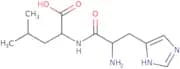
CAS :<p>His-Leu is a signal peptide that contains the amino acid sequence His-Leu. It is used in a variety of diagnostic tests and has been shown to bind to the p-hydroxybenzoic acid inhibitor binding site on the enzyme histone H1. This peptide has also been shown to inhibit the activity of histone H1 enzymes, which are involved in the regulation of DNA replication and transcription. In addition, His-Leu has been shown to inhibit specific enzymes that regulate human serum albumin synthesis, such as preparative high performance liquid chromatography (Hplc) and terminal residues. His-Leu can be used for diagnosis or as an inhibitor for infectious diseases.</p>Formule :C12H20N4O3Degré de pureté :Min. 95%Masse moléculaire :268.31 g/molLH-RH (Human)
CAS :<p>Luteinizing hormone-releasing hormone (LH-RH), also known as Gonadotropin-Releasing Hormone (GnRH), stimulates the pituitary gland’s production and secretion of luteinizing hormone and follicle-stimulating hormone. LHRH is a decapeptide and is itself secreted by the hypothalamus. It is crucial for human reproduction and is heavily involved in the regulation of ovulation, sexual development and the onset of puberty.<br>When secreted, GNRH binds to the G-protein coupled receptor, gonadotropin-releasing hormone receptor (GNRHR) located on pituitary gonadotrophic cells in the anterior pituitary.<br>Medically, the understanding of GnRH is paramount, due to its involvement in the pathogensis of central hypogonadism. Any obstructions to its function in the reproductive system can result in the development of human pathologically conditions. It is important to note that analogs of GnRH can be used in pharmacology, in the treatment of gynaecological diseases, through blocking the secretion of estrogen secretion from the ovary. Additional GNRH analogs can be used to treat ovarian cancer, hormone-dependent cancers, endometriosis and modality in infertility. Therefore this product is a useful research tool and is available in a 0.5mg vial.</p>Formule :C55H75N17O13•(C2H4O2)2Degré de pureté :Min. 95%Masse moléculaire :1,302.4 g/molE-64-c
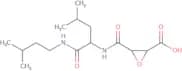
CAS :<p>E-64-c is a research tool that is used to activate the receptor of a cell. This ligand can bind to the receptor and form a complex, which will then be able to interact with other proteins in the cell. This process can lead to changes in ion channel activity, protein synthesis, or gene expression. E-64-c has been shown to inhibit the activity of ion channels such as calcium channels and potassium channels, as well as protein synthesis. It also binds to antibodies and blocks their binding sites on cells.br><br>E-64-c is a high purity ligand that can be used for studying protein interactions or pharmacological purposes. The potency of this ligand has been tested by measuring its ability to inhibit the binding of various peptides such as vasopressin and angiotensin II.</p>Formule :C15H26N2O5Degré de pureté :Min. 95%Masse moléculaire :314.38 g/molGlucagon (Human)
CAS :<p>Glucagon (Human) is a recombinant peptide hormone, which is synthesized to mimic the natural glucagon produced by alpha cells in the pancreas. This biopharmaceutical is derived from a DNA recombinant technology source, offering a high level of purity and consistency. Its mode of action involves binding to glucagon receptors on liver cells, stimulating glycogenolysis and gluconeogenesis. This results in the rapid conversion of glycogen into glucose, thereby raising blood sugar levels.Glucagon (Human) is primarily utilized in the treatment of severe hypoglycemia, especially in diabetic patients unable to consume oral glucose due to unconsciousness or confusion. Its application is critical in acute settings where rapid intervention is necessary to prevent neurological damage from prolonged hypoglycemia. Additionally, the research and clinical use of glucagon extend to investigating its potential in counteracting beta-blocker and calcium channel blocker overdoses, where it acts to increase cardiac output. This hormone's pharmaceutical development has provided a crucial tool in both emergency response and broader therapeutic research contexts.</p>Formule :C153H225N43O49SDegré de pureté :Min. 95%Masse moléculaire :3,482.7 g/molEthyl 5-[[(4-fluorophenyl)sulfonyl]amino]-2-phenyl-3-benzofurancarboxylate
CAS :<p>Ethyl 5-[[(4-fluorophenyl)sulfonyl]amino]-2-phenyl-3-benzofurancarboxylate is a sulfonamide that inhibits protein interactions and is used in cell biology. It binds to the C-terminal of peptides and prevents them from binding to their receptors. This compound has been shown to activate Ligand, which is an enzyme that modifies the activity of ion channels. Ethyl 5-[[(4-fluorophenyl)sulfonyl]amino]-2-phenyl-3-benzofurancarboxylate has been shown to inhibit the activity of Protein kinase C (PKC). Its CAS number is 421579–95–5.</p>Formule :C23H18FNO5SDegré de pureté :Min. 95%Masse moléculaire :439.5 g/molAc-Val-Asp-Val-Ala-Asp-H (aldehyde)
CAS :Ac-Val-Asp-Val-Ala-Asp-H (aldehyde) is a peptide that is a cell biology research tool. It is an inhibitor of protein interactions, activator, ligand or receptor. Ac-Val-Asp-Val-Ala-Asp-H (aldehyde) has high purity and is suitable for life science research. Ac-Val-Asp-Val-Ala-Asp-H (aldehyde) can be used as an ion channel inhibitor in pharmacology studies. Ac Val Asp Val Ala Asp H (aldehyde) also functions as an antibody to a protein of interest.Formule :C23H37N5O10Degré de pureté :Min. 95%Masse moléculaire :543.57 g/molTopfluor lyso pa
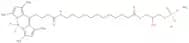
CAS :<p>TopFluor Lyso PA is a fluorescently labeled lipid analog, derived from a lysophosphatidic acid (LPA) source, designed to facilitate the study of lipid-protein and lipid-lipid interactions. Its mode of action involves the integration of a fluorescent moiety onto the LPA backbone, enabling visualization and tracking within biological systems.</p>Formule :C32H54BF2N4O8PDegré de pureté :Min. 95%Masse moléculaire :702.57 g/molSky peptide trifluoroacetate salt
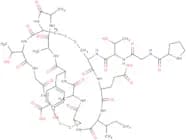
CAS :Sky peptide trifluoroacetate salt is a high purity, peptide ligand that can be used as a research tool. It is an activator of ion channels and has been shown to bind to the acetylcholine receptor. This compound may also inhibit protein interactions, such as those between antibodies and antigens. Sky peptide trifluoroacetate salt is available in CAS No. 1877294-92-2.Formule :C50H79N17O15·C2HF3O2Degré de pureté :Min. 95%Ac-Val-Glu-Ile-Asp-AMC
CAS :<p>Ac-Val-Glu-Ile-Asp-AMC is a peptide that binds to the acetylcholine receptor, which is a protein that plays an important role in the transmission of nerve signals. Ac-Val-Glu-Ile-Asp-AMC is used as a research tool to study the binding of ligands and receptors. It can be purchased from Sigma Aldrich with purity greater than 98%.</p>Formule :C32H43N5O11Degré de pureté :Min. 95%Masse moléculaire :673.71 g/mol(2S)-2-[(2S)-2-[(2S)-2-[(2S)-2-Amino-5-carbamimidamidopentanamido]-5-carbamimidamidopentanamido]-5-carbamimidamidopentanamido]-5-car bamimidamido-N-[(1S)-1-{[(1S)-1-carbamoyl-2-(1H-indol-3-yl)ethyl]carbamoyl}-2-(1H-indol-3-yl)ethyl]pentanamide
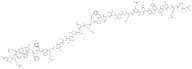
CAS :<p>(2S)-2-[(2S)-2-[(2S)-2-[(2S)-2-Amino-5-carbamimidamidopentanamido]-5-carbamimidamidopentanamido]-5-carbamimidamidopentanamido]-5-car bamimidamido-N-[(1S)-1-{[(1S)-1-carbamoyl-2-(1H-indol-3)ethyl]carbamoyl}-2-(1Hindol)ethyl]pentanamide (TRAMPCP) is a cation channel activator that may have therapeutic potential for the treatment of bladder and ovary disorders. TRAMPCP is a potent activator of calcium release from intracellular stores and an inhibitor of voltage gated calcium channels. It has been shown to be active in tissue culture, and to cause</p>Formule :C46H71N21O6Degré de pureté :Min. 95%Masse moléculaire :1,014.2 g/molGuanylin (Human)
CAS :<p>Guanylin is a human gastrointestinal hormone which can be used to activate the transmembrane receptor Guanylate Cyclase C on the intestinal epithelial cells surface. This product contains disulfide bonds between Cys4-Cys12 and Cys7-Cys15 and is available as a 0.1mg vial.</p>Formule :C58H87N15O21S4Degré de pureté :Min. 95%Masse moléculaire :1,458.7 g/molBig Endothelin-1 (Human, 1-38)
CAS :<p>This product has disulfide bonds between Cys1-Cys15 and Cys3-Cys11 and is available as a 0.5mg vial. Big Endothelin-1 (Human, 1-38) is a peptide that is a member of the endothelin family and is part of the 39 amino acids of Big Endothelin-1 which is a precursor of Endothelin-1 (ET-1). ET-1 exhibits vasoconstrictive properties and is an activator of endothelin G-protein coupled receptors. Furthermore ET-1 is produced when inflammation, vascular stress or hypoxia occurs. In vivo Big Endothelin-1 has a greater half life compared to ET-1 and therefore makes it useful to study secretory activity in the endothelial system.<br>Overall Big Endothelin-1 (Human, 1-38) can be used as a research tool for studying protein interactions, receptor activation and function, and ligand binding. This peptide is also used in pharmacology to study the effects of therapeutic agents on receptor activity and expression.</p>Formule :C189H282N48O56S5Degré de pureté :Min. 95%Masse moléculaire :4,282.9 g/molC18:1 Lyso PAF
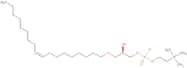
CAS :<p>C18:1 Lyso PAF (or 1-O-(9Z)octadecenyl-2-hydroxy-sn-glycero-3-phosphocholine) is formed by the degradation of platelet-activating factor (PAF). Hydrolysis of the sn-2 position acetyl group of the glycerol backbone results in the production of both acetate and biologically inactive lyso-PAF. Conversely, PAF can be made from Lyso PAF C-18 by the remodeling pathway. Aternatively, Lyso-PAF is a substrate for a coenzyme A-independent transacylase and undergoes by selective acylation.</p>Formule :C26H54NO6PDegré de pureté :Min. 95%Masse moléculaire :507.68 g/molAMG 548
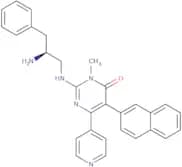
CAS :<p>AMG 548 is a small molecule that binds to the β-catenin protein in the cytoplasm. This binding prevents the formation of covalent linkages between β-catenin and other proteins, thereby inhibiting its role in signal transduction. AMG 548 has been shown to be effective against inflammatory bowel disease in rats and may also have potential for treating autoimmune diseases such as arthritis. AMG 548 is metabolized by peptidases in the gut, liver, and kidney and has a high clearance rate. The pharmacokinetic properties of this drug are not yet known.</p>Formule :C29H27N5ODegré de pureté :Min. 95%Masse moléculaire :461.56 g/molFmoc-Thr[Ac4Galß(1- >3)Ac2GalNAcα(1->O)] -OH-O-ß-2,3,4,6-Tetra-O-Acetyl-D-Galactopyranosyl-(1- >3)-O-α-4,6-Di-O-Acetyl-2-Acetamido-2 -Deoxy-D-Galactopyranosyl-(1- >O)-9-Fluorenylmethoxycarbonyl-L-Threonine
CAS :Fmoc-Thr[Ac4Galß(1- >3)Ac2GalNAcα(1->O)] -OH-O-ß-2,3,4,6-Tetra-O-Acetyl-D-Galactopyranosyl-(1- >3)-O-α-4,6-Di-O-Acetyl-2 -Acetamido -2 -Deoxy -D -Galactopyranosyl-(1->0)-9 Fluorenylmethoxycarbonyl L Thr Fmoc Thr is an amino acid that is used in peptide synthesis. It is a protected form of the amino acid threonine that can be cleaved by hydrogen fluoride to yield free Thr. Fmoc Thr has been shown to inhibit the production of inflammatory cytokines and chemokines in vitro.Formule :C45H54N2O21Degré de pureté :Min. 95%Masse moléculaire :958.91 g/molAc-Arg-OMe • HCl
CAS :<p>Ac-Arg-OMe • HCl is a labile peptide that has been shown to be homologous to the human Arg-Gly-Asp (RGD) sequence. Ac-Arg-OMe • HCl is activated by trypsin and trypsin-like proteases, but inactivated by hemolytic activity and conformation. Ac-Arg-OMe • HCl is an enzyme substrate for peptidases such as trypsin and trypsin like proteases. It has been shown to be a molecule that interacts with various proteins, including hemoglobin.</p>Formule :C9H18N4O3•HCIDegré de pureté :Min. 95%Masse moléculaire :266.72 g/mol3-(6-(Dimethylamino)-4-methylpyridin-3-yl)-2,5-dimethyl-N,N-dipropylpyrazolo[1,5-a]pyrimidin-7-amine hydrochloride
CAS :<p>3-(6-(Dimethylamino)-4-methylpyridin-3-yl)-2,5-dimethyl-N,N-dipropylpyrazolo[1,5-a]pyrimidin-7-amine hydrochloride is a small-molecule inhibitor, which is synthetically derived and primarily used in cancer pharmacology studies. This compound acts as a highly selective inhibitor of specific kinase pathways that are often dysregulated in various forms of cancer, thereby interfering with the proliferation and survival of malignant cells.</p>Formule :C22H33ClN6Degré de pureté :Min. 95%Masse moléculaire :417 g/molRIPA-56
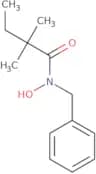
CAS :<p>RIPA-56 is an experimental drug that belongs to a class of acyltransferases. It has shown to be effective in preventing the development of tubulointerstitial injury in the experimental model and prevents cytosolic calcium overload by inhibiting phospholipase A2. RIPA-56 also inhibits apoptosis pathways and has been shown to be effective against autoimmune diseases, such as hepatitis B virus-induced hepatic steatosis and toxic epidermal necrolysis. RIPA-56 interacts with toll-like receptor 4 (TLR4) which is a protein that recognizes bacterial lipopolysaccharides on the surface of cells and activates immune response.</p>Formule :C13H19NO2Degré de pureté :Min. 95%Masse moléculaire :221.3 g/molGlucagon-like Peptide 1 (Human 7-37)
CAS :<p>GLP-1 is a peptide hormone that is released by the pancreas in response to food intake. This hormone activates receptors on the L cells of the ileum and duodenum, which causes increased production of insulin and decreased production of glucagon. GLP-1 also decreases appetite, slows gastric emptying, and reduces blood glucose levels by increasing the uptake of glucose into muscle cells. GLP-1 has been shown to be effective in reducing body weight, lowering blood pressure and cholesterol levels, improving glycemic control, and preventing diabetes. The GLP-1 receptor is found in ion channels and cell biology as well as pharmacology.</p>Formule :C151H228N40O47Degré de pureté :Min. 95%Masse moléculaire :3,355.7 g/molSuc-Gly-Pro-AMC
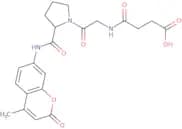
CAS :<p>Suc-Gly-Pro-AMC is a research tool that is used to measure the activation of receptors. It binds to the receptor, which changes its conformation and leads to an ion channel opening. The change in ion concentration alters the voltage across the cell membrane, which can be measured. Suc-Gly-Pro-AMC has been shown to inhibit peptide binding to cells that are sensitive to the peptides, such as those with autoimmune diseases.</p>Formule :C21H23N3O7Degré de pureté :Min. 95%Masse moléculaire :429.42 g/molZ-Asp-CH2-DCB
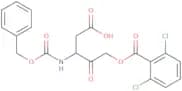
CAS :<p>Z-Asp-CH2-DCB is a peptide that is an activator of cell membrane ion channels and receptor proteins. It has been shown to inhibit the interaction between ligands and receptors, thus blocking the binding of chemical signals with their corresponding cells. This chemical signal can be either neurotransmitters or hormones. Z-Asp-CH2-DCB is also a research tool for studying protein interactions and cellular processes, such as ion channel activation.</p>Formule :C20H17NO7Cl2Degré de pureté :Min. 95%Masse moléculaire :454.26 g/molNeuromedin S (Rat)
CAS :<p>Neuromedin S (Rat) is a peptide that is a potent inhibitor of protein interactions. It binds to the extracellular domain of the receptor and blocks its interaction with the ligand. This can be used as a research tool for studying the role of proteins in cell biology, pharmacology, or ion channels. Neuromedin S (Rat) is a high-purity peptide with CAS No. 843782-19-4 that has been shown to inhibit ligand binding to receptors in vitro and in vivo. Neuromedin S (Rat) also inhibits agonist-induced activation of ion channels at micromolar concentrations and blocks voltage-gated sodium currents at nanomolar concentrations. It has been used to study the role of neurexins in transmission at synapses between neurons by blocking their interaction with neuroligins.</p>Formule :C193H307N57O49SDegré de pureté :Min. 95%Masse moléculaire :4,241.9 g/molBoc-Val-Pro-Arg-AMC
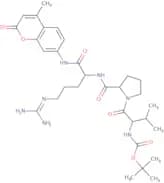
CAS :<p>Boc-Val-Pro-Arg-AMC is a peptide that activates ion channels. It is an agonist of the nicotinic acetylcholine receptor (nAChR) and can be used in research to investigate the pharmacology of nAChRs. Boc-Val-Pro-Arg-AMC can also be used as a high purity ligand for antibody production, which has applications in cell biology and other life science research.</p>Formule :C31H45N7O7Degré de pureté :Min. 95%Masse moléculaire :627.73 g/molc3 Ceramide
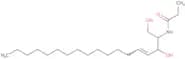
CAS :<p>C3 Ceramide is a human-derived analog of the naturally occurring sphingolipid ceramide. It has been shown to induce apoptosis, or programmed cell death, in cancer cells through activation of kinase pathways. C3 Ceramide has been found in human urine and can be used as a potential therapeutic agent for various cancers. This polysaccharide-based inhibitor has demonstrated potent anticancer effects against tumor cells in vitro and in vivo. Additionally, C3 Ceramide has also shown promise as a protein kinase inhibitor, making it a valuable medicinal tool for cancer research and treatment. Its potential benefits are being explored by scientists worldwide, including those from China who are investigating its efficacy against different types of cancer.</p>Formule :C21H41NO3Degré de pureté :Min. 95%Masse moléculaire :355.6 g/molAbz-Glu-Pro-Phe-Trp-Glu-Asp-Gln-EDDnp
CAS :<p>Abz-Glu-Pro-Phe-Trp-Glu-Asp-Gln-EDDnp is a peptide that is used as a research tool for the study of protein interactions, receptor activation, and ion channels. It has shown to be an activator of receptors and ion channels. The Abz-Glu-Pro-Phe-Trp-Glu-Asp-Gln is a cyclic peptide which can bind to the GluR2 receptor on the postsynaptic membrane. This binding causes an influx of calcium ions and depolarization of the postsynaptic cell membrane.</p>Formule :C59H68N14O19Degré de pureté :Min. 95%Masse moléculaire :1,277.25 g/mol...Bis-ACV
CAS :<p>Bis-ACV is a synthetic compound that has the ability to act as a carbon source for filamentous fungi. It can also be used to regulate the expression of genes and enzymes in filamentous fungi. Bis-ACV has been shown to increase the production of cytosolic calcium, thereby stimulating enzyme activities in various organisms. It is an oligosaccharide with a molecular weight of 548 Daltons and contains two acetyl groups, which are attached to glucose residues on the same side of the molecule. The biological sample was purified by HPLC and the subunits were identified by mass spectrometry. The sequence analysis revealed that Bis-ACV is composed of repeating units that have the structure of N-acetylglucosamine linked via alpha (1->4) glycosidic bonds.</p>Degré de pureté :Min. 95%Masse moléculaire :724.27 g/molTAME hydrochloride
CAS :Tos-Arg-OMe • HCl is a peptide that has been shown to modulate the responsiveness of cells to sodium channels. Tos-Arg-OMe • HCl may also be useful as an anti-cancer drug, as it inhibits cancer cell growth and induces apoptosis. This peptide has been shown to be an effective treatment for HIV infection by inhibiting viral replication. It also reduces inflammation and prevents the development of other opportunistic infections in animal models.Formule :C14H22N4O4S·ClHDegré de pureté :Min. 95%Masse moléculaire :378.87 g/molBeta-Neo-Endorphin (Porcine)
CAS :<p>Beta-Neo-Endorphin is an opioid peptide which binds with high affinity to μ, δ and κ-receptors and has been found to be involved in the modulation of pain, epidermal nerve fiber regulation and skin homeostasis. It is further demonstrated the ability to in human keratinocytes, stimulate wound healing. Beta-neoendorphin is derived from prodynorphin when it is proteolytically cleaved.<br>This product is available as a 0.5mg vials and is sourced from Porcine.</p>Formule :C54H77N13O12Degré de pureté :Min. 95%Masse moléculaire :1,100.3 g/molMOCAc-Arg-Pro-Lys-Pro-Val-Glu-Nva-Trp-Arg-Lys(Dnp)-NH₂
CAS :<p>MOCA-Arg-Pro-Lys-Pro-Val-Glu-Nva-Trp-Arg-Lys(Dnp)-NH2 is a synthetic peptide that interacts with the nicotinic acetylcholine receptor and is a potent agonist. MOCA was found to be a potent activator of the nicotinic acetylcholine receptor, as well as an inhibitor of ligand binding. The affinity for binding to the receptor was found to be high, with an inhibition constant (Ki) of 0.06 μM. It has been shown to inhibit ion channels and ligand binding in cell biology experiments. MOCA can also be used as a research tool for studying protein interactions and receptors.</p>Formule :C78H110N22O20Degré de pureté :Min. 95%Masse moléculaire :1,675.8 g/molTCO Agarose
<p>Please enquire for more information about TCO Agarose including the price, delivery time and more detailed product information at the technical inquiry form on this page</p>Degré de pureté :Min. 95%Cl-Ac-(OH)Leu-Ala-Gly-NH₂
CAS :<p>Cl-Ac-(OH)Leu-Ala-Gly-NH₂ is a peptide with a molecular weight of 736.2 Da. It is an inhibitor of the enzyme protein kinase C (PKC). Cl-Ac-(OH)Leu-Ala-Gly-NH₂ has been shown to activate PKC by binding to specific domains in the enzyme, which leads to the phosphorylation and activation of PKC's regulatory subunits. This peptide can be used as a research tool in studies involving PKC and also as an antibody carrier for Western blotting and immunohistochemistry.</p>Formule :C13H23N4O5ClDegré de pureté :Min. 95%Masse moléculaire :350.8 g/mol2-[[2-[(2-Methylphenyl)methyl]-3-sulfanylpropanoyl]amino]-4-methylsulfanylbutanoic acid
CAS :<p>2-[[2-[(2-Methylphenyl)methyl]-3-sulfanylpropanoyl]amino]-4-methylsulfanylbutanoic acid is a specialized chemical compound often encountered in pharmaceutical and biochemical research contexts. It is typically synthesized through intricate organic chemistry pathways involving the incorporation of thiol and methylphenyl groups onto a butanoic acid backbone. This compound is a derivative of amino acids, making it relevant for studies related to peptide synthesis and enzymatic interactions.</p>Formule :C16H23NO3S2Degré de pureté :Min. 95%Masse moléculaire :341.5 g/molCalciseptine
CAS :<p>A synthetic snake toxin sourced from the black mamba, Dendroaspis polylepis polylepis which can be applied as a L-type Ca2+ channel blocker. This product has disulfide bonds between Cys3-Cys22, Cys17-Cys39, Cys41-Cys52, and Cys53-Cys58 and is available as a 0.1mg vial.</p>Formule :C299H468N90O87S10Degré de pureté :Min. 95%Masse moléculaire :7,036.1 g/molSerum Thymic Factor
CAS :<p>Serum thymic factor (STF) is a peptide that is secreted by the thymus gland. STF has been shown to inhibit the binding of lysosomal enzymes to their receptors in the presence of proteinase inhibitors. STF also activates complement C3 and C4, leading to the production of anaphylatoxins. This peptide has been used as a research tool for studying protein interactions and receptor-ligand interactions. Additionally, STF has been shown to be a ligand that binds to a receptor on human erythrocytes.</p>Formule :C33H54N12O15Degré de pureté :Min. 95%Masse moléculaire :858.85 g/molGSK2239633A
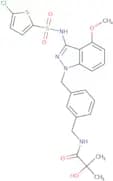
CAS :<p>GSK2239633A is a potent and selective inhibitor of IL-5 receptor alpha. It has been shown to inhibit the production of inflammatory cytokines in bronchial explants from asthma patients, as well as inhibiting chemotaxis and mucosal inflammation. GSK2239633A inhibits the synthesis of IL-5 by binding to the cytoplasmic domain of the IL-5 receptor alpha. This inhibition leads to reduced IL-5 production and subsequently a decrease in eosinophil recruitment into tissue. GSK2239633A also binds to other chemokine receptors, including CCR4 and CCR8, which may contribute to its anti-inflammatory effects.</p>Formule :C24H25ClN4O5S2Degré de pureté :Min. 95%Masse moléculaire :549.06 g/molSuc-Ile-Ala-AMC
CAS :<p>Suc-Ile-Ala-AMC is an inhibitor of the protein interactions that have been shown to be involved in the activation of ion channels. Suc-Ile-Ala-AMC is a synthetic peptide and can be used as a research tool, in cell biology, or as a reagent for high-resolution mapping of ligand binding sites on proteins. Suc-Ile-Ala-AMC inhibits the activity of acetylcholine receptors by blocking binding sites on the postsynaptic membrane. It also binds to NMDA receptors and blocks calcium influx through these channels.</p>Formule :C23H29N3O7Degré de pureté :Min. 95%Masse moléculaire :459.49 g/molBeta-Endorphin (Human)
CAS :<p>Human beta-endorphin is an opioid receptor agonist that belongs to the group of endogenous opioids. It is released by the pituitary gland and binds to receptors in the brain, where it stimulates the release of dopamine, which acts on many regions of the brain. Beta-endorphin has been used as a research tool for its ability to activate opioid receptors and study ligand-receptor interactions. This protein has also been used as a tool for studying ion channels, cell biology, pharmacology, and protein interactions.<br>This product is available as an 0.5mg vial.</p>Formule :C158H251N39O46SDegré de pureté :Min. 95%Masse moléculaire :3,465 g/molDnp-Pro-Gln-Gly-Ile-Ala-Gly-Gln-D-Arg
CAS :Dnp-Pro-Gln-Gly-Ile-Ala-Gly-Gln-D-Arg is a synthetic peptide that is used as a research tool, an activator, and an inhibitor. This peptide is not expected to have any adverse effects on the environment or on animal or human health. It can be used in antibody production and has been shown to inhibit the activity of ion channels. Dnp-Pro-Gln-Gly-Ile-Ala-Gly-Gln-D-Arg binds to receptors and ligands, which may be involved in protein interactions.Formule :C40H61N15O15Degré de pureté :Min. 95%Masse moléculaire :992 g/molNIC3
CAS :<p>Nicotinic acid 3-hydroxylase (NIC3) is a plant enzyme that catalyzes the conversion of 3-hydroxyl-anthranilic acid to nicotinic acid. It is found in higher plants and is involved in the biosynthesis of nicotinamide adenine dinucleotide phosphate (NADP) and nicotinate adenine dinucleotide phosphate (NADPH). It has also been shown to have anti-cancer properties, which may be due to its ability to inhibit protein synthesis. NIC3 is important for the production of NADPH, which is essential for the reduction of hydrogen peroxide and other reactive oxygen species, as well as for the demethylation of DNA. The activity of NIC3 can be inhibited by structurally similar molecules such as 3-hydroxyanthranilic acid.<br>!--</p>Formule :C26H36N2O4Degré de pureté :Min. 95%Masse moléculaire :440.6 g/molAc-Trp-OEt
CAS :<p>Ac-Trp-OEt is a tryptophan derivative that contains an acetyl group, a trityl group, and oleic acid. It is used as a substrate for enzyme assays to investigate the activation energies of enzymes such as chymotrypsin and chymotrypsin-like proteases. Ac-Trp-OEt is fluorescent in the presence of ultraviolet light, which can be detected using spectrophotometry. Ac-Trp-OEt has been used to study the activity of serine proteases such as neurokinin-1 receptor and collagenase. Ac-Trp-OEt also binds to chloride ions with high affinity, which can be used to study ion binding by ion exchange chromatography.</p>Formule :C15H18N2O3Degré de pureté :Min. 95%Masse moléculaire :274.32 g/molBoc-Phe-Ser-Arg-AMC
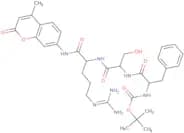
CAS :<p>Boc-Phe-Ser-Arg-AMC is a peptide that can be used as a research tool in the study of protein interactions, receptor activation and ligand binding. It is an inhibitor of ion channels and has been shown to be an antagonist of nicotinic acetylcholine receptors. This product may be used as a research tool for studying cell biology, pharmacology, and life sciences.</p>Formule :C33H43N7O8Degré de pureté :Min. 95%Masse moléculaire :665.74 g/molNocistatin (Human)
CAS :<p>Nocistatin is a peptide that inhibits the activity of various types of ion channels. It does this by binding to their ligand-binding domain and preventing activation. Nocistatin is used as a research tool in pharmacology, cell biology, and biochemistry to study protein interactions and receptor function. Nocistatin has been shown to be an activator for the L-type calcium channel, suggesting that it may be useful for the treatment of conditions such as epilepsy or cardiac arrhythmias. Nocistatin was originally isolated from the venom of the tarantula Phoneutria nigriventer. It is purified from fish, bovine, or human sources.</p>Formule :C149H238N42O53S3Degré de pureté :Min. 95%Masse moléculaire :3,561.9 g/mol2-Deoxy-2-Phthalimido-3,4,6-Tri-O-Acetyl-α-D-Galactopyranosyl Fluoride
CAS :<p>2-Deoxy-2-Phthalimido-3,4,6-Tri-O-Acetyl-α-D-Galactopyranosyl Fluoride is a glycosyl. It is a building block for the synthesis of peptides and other biochemicals. This compound is used in the preparation of fluorinated analogs of carbohydrates and glycosides to study their properties. 2DGTF has been shown to inhibit the activity of many enzymes, including DNA polymerase, topoisomerase II, protein kinase C, phospholipase A2, mitochondrial ATP synthase and proteases.</p>Formule :C20H20NO9FDegré de pureté :Min. 95%Masse moléculaire :437.37 g/mol7,3′,5′-Trihydroxyflavanone
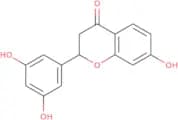
CAS :<p>7,3′,5′-Trihydroxyflavanone is a medicinal compound that has shown potential as an anticancer agent. This analog of flavanone has been found to induce apoptosis in cancer cells by inhibiting kinases and protein synthesis. It also exhibits inhibitory activity against tumor growth and has been shown to be effective against various types of cancers. 7,3′,5′-Trihydroxyflavanone has been used in Chinese traditional medicine for its anti-inflammatory properties and may have potential as a natural remedy for cancer treatment. Its unique chemical structure makes it a promising candidate for the development of kinase inhibitors and other therapeutic agents.</p>Formule :C15H12O5Degré de pureté :Min. 95%Masse moléculaire :272.25 g/mol1-(3-Chlorophenethyl)-3-cyclopentylpyrimidine-2,4,6-(1H,3H,5H)-trione
CAS :<p>1-(3-Chlorophenethyl)-3-cyclopentylpyrimidine-2,4,6-(1H,3H,5H)-trione is a novel ion channel activator that binds to the ligand site of the human ether-a-go-go related gene potassium channel. It has been shown to inhibit the activity of voltage gated sodium channels and calcium activated potassium channels with IC50 values in the low nanomolar range. It has also been shown to be an effective inhibitor of protein binding.</p>Formule :C17H19ClN2O3Degré de pureté :Min. 95%Masse moléculaire :334.8 g/molGIP (Human)
CAS :<p>GIP (Gastric Inhibitory Polypeptide) is a peptide hormone that belongs to the family of incretin hormones. GIP has been shown to have an insulinotropic effect, which is mediated by its activation of glucose-dependent insulin release from pancreatic β-cells. It also has effects on lipid metabolism and plays a role in the regulation of food intake. GIP is produced by K cells in the ileum and colon and released into the bloodstream following food intake. The binding of GIP to its receptors leads to inhibition of gastric acid secretion, stimulation of gallbladder contraction, increased blood flow to the stomach, relaxation of pyloric sphincter muscles, and inhibition of gastric motility. This product is highly pure (> 98%) with no detectable endotoxin or other microbial contamination.</p>Formule :C226H338N60O66SDegré de pureté :Min. 95%Masse moléculaire :4,983.5 g/molSuc-Ala-Ala-Pro-Phe-AMC
CAS :<p>Suc-Ala-Ala-Pro-Phe-AMC is a peptide that is an activator of the acetylcholine receptor. Suc-Ala-Ala-Pro-Phe-AMC has been shown to inhibit the binding of the ligand to the receptor and also prevent activation of ion channels. It has been used as a research tool for studying protein interactions, as well as, antibody production and cell biology. This peptide can also be used as a pharmacological agent, which may be useful in treating diseases such as Alzheimer's disease.</p>Formule :C34H39N5O9Degré de pureté :Min. 95%Masse moléculaire :661.7 g/molAc-Tyr-OEt • H2O
CAS :<p>Ac-Tyr-OEt • H2O is a peptide with biological properties. It is used as a signal peptide, which is a short sequence of amino acids that directs the protein to the endoplasmic reticulum. Ac-Tyr-OEt • H2O has been shown to have colony stimulating factor activity and can be used in the treatment of diseases such as anemia and cancer. The solid state structure of Ac-Tyr-OEt • H2O was determined by X-ray crystallography and found to be a dimer with two molecules bound together through hydrogen bonding. This peptide interacts with enzymes in the proteolytic pathway, inhibiting their ability to function. Ac-Tyr-OEt • H2O also has inhibitory properties against transfer reactions, which are reactions in which one molecule transfers a part of its chemical group or atoms from one molecule to another. Ac-Tyr-OEt •</p>Formule :C13H17NO4•H2ODegré de pureté :Min. 95%Masse moléculaire :269.3 g/mol[Pyr1]-Apelin-13 (Human, Bovine)
CAS :<p>Apelin-13 is a peptide that belongs to the class of activators. It has been shown to activate the ATP-sensitive potassium ion channels and inhibit the calcium ion channels in cells. Apelin-13 also binds to receptors on cells, which leads to activation of signaling pathways. The affinity for these receptors has been determined using an antibody. In addition, it has been shown that Apelin-13 interacts with other proteins and ligands in a variety of ways through protein interactions and receptor binding.</p>Formule :C69H108N22O16SDegré de pureté :Min. 95%Masse moléculaire :1,533.8 g/mol


![Ethyl 5-[[(4-fluorophenyl)sulfonyl]amino]-2-phenyl-3-benzofurancarboxylate](/_next/image/?url=https%3A%2Fstatic.cymitquimica.com%2Fproducts%2F3D%2Fthumb-webp%2FWRA57995.webp&w=3840&q=75)


![(2S)-2-[(2S)-2-[(2S)-2-[(2S)-2-Amino-5-carbamimidamidopentanamido]-5-carbamimidamidopentanamido]-5…](/_next/image/?url=https%3A%2Fstatic.cymitquimica.com%2Fproducts%2F3D%2Fthumb-webp%2FGIA35079.webp&w=3840&q=75)

![Fmoc-Thr[Ac4Galß(1- >3)Ac2GalNAcα(1->O)] -OH-O-ß-2,3,4,6-Tetra-O-Acetyl-D-Galactopyranosyl-(1- >3)…](/_next/image/?url=https%3A%2Fstatic.cymitquimica.com%2Fproducts%2F3D%2Fthumb-webp%2FCAR-22104.webp&w=3840&q=75)

![3-(6-(Dimethylamino)-4-methylpyridin-3-yl)-2,5-dimethyl-N,N-dipropylpyrazolo[1,5-a]pyrimidin-7-ami…](/_next/image/?url=https%3A%2Fstatic.cymitquimica.com%2Fproducts%2F3D%2Fthumb-webp%2FVHA05566.webp&w=3840&q=75)




![2-[[2-[(2-Methylphenyl)methyl]-3-sulfanylpropanoyl]amino]-4-methylsulfanylbutanoic acid](/_next/image/?url=https%3A%2Fstatic.cymitquimica.com%2Fproducts%2F3D%2Fthumb-webp%2FVFA77514.webp&w=3840&q=75)








![[Pyr1]-Apelin-13 (Human, Bovine)](/_next/image/?url=https%3A%2Fstatic.cymitquimica.com%2Fproducts%2F3D%2Fthumb-webp%2FPAP-4361-V.webp&w=3840&q=75)