Produits biochimiques et réactifs
Les biochimiques et réactifs sont des substances fondamentales pour la recherche et le développement dans des domaines tels que la biotechnologie, la biologie moléculaire, la pharmacologie et la médecine. Ces produits sont essentiels pour une variété d'applications, y compris la synthèse de composés, l'analyse d'échantillons biologiques, la recherche sur les processus métaboliques et la production de médicaments. Chez CymitQuimica, nous proposons une large sélection de biochimiques et réactifs de haute qualité et pureté, adaptés à divers besoins scientifiques et industriels. Notre catalogue comprend des enzymes, des anticorps, des acides nucléiques, des acides aminés et de nombreux autres produits, tous conçus pour soutenir les chercheurs et les professionnels dans leurs projets de recherche et développement, garantissant des résultats fiables et reproductibles.
Sous-catégories appartenant à la catégorie "Produits biochimiques et réactifs"
- Biomolécules(99.115 produits)
- Par Biological Target(99.074 produits)
- Par usage/effets pharmacologiques(6.785 produits)
- Cryoconservation et composés associés aux cryoconservateurs(21 produits)
- Désinfectants, additifs pour les fluides pour bains chauffants et composés apparentés(28 produits)
- Hormones(346 produits)
- Biologie végétale(6.693 produits)
- Métabolites secondaires(14.219 produits)
130577 produits trouvés pour "Produits biochimiques et réactifs"
Trier par
Degré de pureté (%)
0
100
|
0
|
50
|
90
|
95
|
100
H-GALDLAKKSIHPDYV-OH
<p>H-GALDLAKKSIHPDYV-OH is a custom peptide that can be synthesized rapidly by our peptide experts in under 2 weeks. H-GALDLAKKSIHPDYV-OH is provided at greater that >80% purity (HPLC) from Cymit Quimica for a variety of research applications. We also offer H-GALDLAKKSIHPDYV-OH in bulk quantities in addition to our standard pack sizes.Please enquire for more information about H-GALDLAKKSIHPDYV-OH at the technical inquiry form on this page</p>Degré de pureté :Min. 95%H-TTSEYQVLVR-OH
<p>H-TTSEYQVLVR-OH is a custom peptide that can be synthesized rapidly by our peptide experts in under 2 weeks. H-TTSEYQVLVR-OH is provided at greater that >95% purity (HPLC) from Cymit Quimica for a variety of research applications. We also offer H-TTSEYQVLVR-OH in bulk quantities in addition to our standard pack sizes.Please enquire for more information about H-TTSEYQVLVR-OH at the technical inquiry form on this page</p>Degré de pureté :Min. 95%GLP-1 (7-36) [Cys(Sulfocyanine5)]
<p>The native form of GLP-1 in humans is the GLP-1 (7-36) amide. GLP-1 (7-36) amide is highly unstable (half-life <-2 minutes) due to proteolytic degradation by the serine protease, dipeptidyl peptidase-IV (DPP-IV). DPP-IV cleaves the N-terminal histidine and alanine residues from GLP-1 to generate two equipotent forms: GLP-1 (9-37) and GLP-1 (9-36) amide. This degradation mitigates against the therapeutic use of GLP-1 itself, therefore DPP-IV-resistant peptide analogues have been developed and licensed for clinical use.Contains a sulfo-Cyanine5 fluorescent dye, an analogy of Cy5® and one of the most popular fluorophores. Sulfo-Cyanine5 is a red emitting fluorescent dye which is highly hydrophilic and water-soluble. Compatible with various equipment such as plate readers, microscopes, and imagers.</p>Couleur et forme :PowderMasse moléculaire :4,162.9 g/molGlutathione peroxidase 3 Heavy
<p>Glutathione peroxidase-3 (GPx-3) is a plasma protein that scavenges reactive oxygen species (ROS) in the extracellular matrix (ECM). GPx-3 is a member of the selenocysteine-containing GPx family and accounts for nearly all the glutathione peroxidase activity in plasma.GPx-3 is highly expressed in the kidney and epididymis, but is also found localised to specific basement membranes in many tissues. The principal source of plasma GPx-3 is kidney proximal convoluted tubule (PCT) cells and the amount of Gpx3 in the kidney is greater than the amount circulating in the plasma. Deficiencies in GPx-3 impair the reductive metabolism of ROS, which leads to decreases in nitrous oxide (NO) bioavailability resulting in platelet-dependent thrombosis and stroke risk in young individuals. The Leucine residue at position 10 of this peptide is isotopically labelled with carbon-13 (6) and nitrogen-15 (1), giving this peptide a mass increase of 7 compared to the unlabelled peptide.</p>Degré de pureté :Min. 95%Masse moléculaire :1,639.8 g/molIcatibant acetate
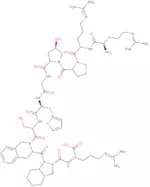
CAS :<p>Icatibant is a 10 amino acid peptidomimetic of bradykinin and a selective antagonist to the bradykinin B2 receptor. Icabinant has been used for the treatment of attacks in patients with hereditary angioedema. Recent evidence has shown a link between dysregulated bradykininâmediated inflammation and acute respiratory distress syndrome (ARDS), a common complication in COVID-19 patients. Icatibant was proposed to inhibit excessive activation of the bradykinin B2 receptor during the SARS-CoV-2 infection, reducing the risk of ARDS.</p>Formule :C59H89N19O13S•(C2H4O2)xDegré de pureté :Min. 98 Area-%Couleur et forme :PowderMasse moléculaire :1,304.52 g/molSARS-CoV-2 Membrane protein (141-158)
<p>SARS-CoV-2 Membrane protein (141-158)</p>Masse moléculaire :1,932.1 g/molelf18
<p>Translation elongation factor thermo unstable (EF-Tu), is a highly conserved protein in bacteria which is essential for the synthesis of new proteins through translation in the ribosome. EF-Tu is also a pathogen-associated molecular pattern (PAMP) protein. PAMPs are elicitors of plant defences and are recognised by pattern recognition receptors in the plant. In Arabidopsis thaliana EF-Tu is recognised by EF-Tu Receptor (EFR), a leucine-rich repeat-receptor kinase XII family member.Elf18 represents the N-terminal of EF-Tu, the region specifically recognised by Arabidopsis. This N-acetylated peptide is a strong inducer of plant defence responses and results in the biosynthesis of ethylene in leaves which triggers resistance to subsequent infection by pathogenic bacteria.</p>Couleur et forme :PowderMasse moléculaire :2,068.1 g/molPD 168393
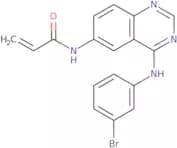
CAS :<p>PD 168393 is a potent and selective irreversible inhibitor of the epidermal growth factor receptor (EGFR) tyrosine kinase. It is synthesized through advanced chemical processes, designed to specifically target and covalently modify the ATP-binding site of EGFR. The mode of action involves the irreversible binding to the cysteine residue in the ATP-binding pocket, leading to the inhibition of EGFR autophosphorylation and subsequent downstream signaling pathways.</p>Formule :C17H13BrN4ODegré de pureté :Min. 95%Couleur et forme :PowderMasse moléculaire :369.22 g/molAc-CLVVNPNYMLED-OH
<p>Peptide Ac-CLVVNPNYMLED-OH is a Research Peptide with significant interest within the field academic and medical research. This peptide is available for purchase at Cymit Quimica in multiple sizes and with a specification of your choice.</p>[5-TAMRA]/[Lys(BHQ-2)] Ubiquitin
<p>This peptide contains an N-terminal a 5-carboxytetramethylrhodamine (5-TAMRA), a widely used fluorescent dye which excites at 546 nm and emits at 579 nm and a black hole quencher 2 (BHQ-2) group.The fluorescence from 5-TAMRA is efficiently quenched by resonance energy transfer to the BHQ-2 group when the peptide is intact, however upon cleavage of the peptide by Mpro, 5-TAMRA and BHQ-2 are separated, allowing fluorescence to be detected. This therefore represents a useful tool for investigating Mpro activity.</p>Couleur et forme :PowderMasse moléculaire :1,812.9 g/molCanine Coronavirus Nucleocapsid Antigen, Recombinant
<p>Canine Coronavirus Nucleocapsid Antigen, Recombinant is a life science tool for use in pharmaceutical and diagnostic applications. Please enquire for more information about Canine Coronavirus Nucleocapsid Antigen, Recombinant including the price, delivery time and more detailed product information at the technical inquiry form on this page.</p>Histone H3 (1-21)
<p>Histone H3 (1-21) is derived from Histone 3 (H3) which is one of the four core histones (H2A, H2B, H3 and H4) fundamental in compacting eukaryotic DNA into a structure known as the nucleosome. The nucleosome arises when 147 base pairs of DNA wrap around a H3-H4 tetramer and two H2A-H2B dimers, forming the histone octamer core. Both H4 and H3 are highly conserved and perform roles in binding to segments of DNA which enter and leave the nucleosome and in chromatin formation. Similar to the other core histone, H3 has a globular domain and a flexible N-terminal domain, 'histone tail' which can undergo modifications such as acetylation, methylation, phosphorylation and ubiquitination. Due to histones containing a large number of lysine and arginine residues they have a positive net charge which interacts in an electrostatic manner with the negatively charged phosphate groups in DNA. The transcriptional activation or silencing of the chromatin is controlled by ATP-dependent chromatin remodelling factors and histone modifying enzymes which target histone proteins. Both processes function to alter the positioning of the nucleosome, allowing the DNA it to be either available or inaccessible to the transcription machinery.Histone H3 (1-21) has been utilised in research as a substrate for methyltransferase (Histone 3 K4 and K9) and acetyltransferase (Histone 3 K9 and K14) assays. Histone H3 (1-21) and these assays have already provided vital insights into the role's modifications play on the core histone functions. However, with so many histone modifications in different conditions still to be characterised the histone H3 (1-21) peptide still has a lot of insight to provide in the field.</p>Masse moléculaire :2,253.3 g/molBiot-LMKNMDPLNDNV-NH2
<p>Peptide Biot-LMKNMDPLNDNV-NH2 is a Research Peptide with significant interest within the field academic and medical research. This peptide is available for purchase at Cymit Quimica in multiple sizes and with a specification of your choice.</p>(Cbz-LGR)2-[Rh110]
<p>The protozoan Trypanosoma cruzi that causes South American trypanosomiasis expresses peptidases during its entire parasitic life cycle. Understanding better the function and specificity of the peptidases may lead to new inhibitors and potential therapies. It has been shown this alkaline peptidase has a preference for basic amino acids at position one and position two of the substrate. The sequence Leu-Gly-Arg was shown to have a high Km and high Vmax compared to other peptides tested.Provided here is a fluorogenic peptide substrate for Trypanosoma cruzi alkaline peptidase. In its entire state, this peptide is not fluorescent. However, this peptide is cleaved by T. cruzi alkaline peptidase. Upon rhodamine 110 fluorophore release, fluorescence can then be detected. This peptide, therefore, allows for the quantification of T. cruzi alkaline peptidase activity. Rhodamine 110 is a widely used red fluorescent probe.</p>Masse moléculaire :1,250.6 g/mol[5-FAM]-GLP-1
<p>Glucagon-like peptide (GLP)-1 is a gastrointestinal peptide hormone with multiple roles in relation to metabolism. The primary role of GLP-1 is increasing insulin secretion in the presence of high plasma glucose levels, in addition, GLP-1 also suppresses glucagon secretion from the pancreas. GLP-1 slows down gastric emptying and regulates appetite, both valuable in reducing food intake and body weight. These roles of GLP-1 make it a useful target in the management of type 2 diabetes mellitus (T2DM).GLP-1 exerts its effects by binding to and activating the class B G protein-coupled receptor (GPCR): GLP-1 receptor (GLP-1R). Receptor activation in turn activates signalling pathways which culminates in insulin secretion via CAMP and Ca2+ signalling.Recently evidence has increased for GLP-1 playing a cardio-protective role as well as regulating immune responses and even in kidney function. GLP-1 may also exert neuroprotective and neurotropic effects as it can decrease endogenous levels of amyloid-β (Aβ) and prevent Aβ-induced cell death.This peptide contains N-terminal 5-Carboxyfluorescein (5-FAM), a widely used green fluorescent tag.</p>Degré de pureté :Min. 95%Couleur et forme :PowderMasse moléculaire :4,467.1 g/molClick pep-1
<p>Pep-1 is a synthetic cell penetrating peptide (CPP) and has been successfully used to deliver a variety of proteins and other biopharmaceutical macromolecules into cells in a non-disruptive manner. It is a CPP with primary amphipathicity, which results from its amino acid sequence as opposed to its folding structure. The primary structure of Pep-1 comprises three main domains: a tryptophan-rich, 'hydrophobic' domain, a hydrophilic domain derived from an NLS (nuclear localisation signal) of SV40 (simian virus 40) large T-antigen, and a spacer.Pep-1 is provided here with a N-terminal alkyne attachment. Two of the most regularly encountered functional groups for click chemistry are azides and alkynes, and the azide-alkyne cycloaddition has become the most popular click reaction. The use of click chemistry with alkyne-Pep1 allows a wide variety of applications particularly for conjugation, modification and peptide design.</p>Couleur et forme :PowderMasse moléculaire :2,840.5 g/molPTH (13-34) Human
<p>PTH 13-34 is a biologically active fragment of parathyroid hormone (PTH) with hypertensive activities. PTH 13-34 is being trialled as a possible treatment for osteoporosis (to replace the existing recombinant human PTH 1-34 treatment peptide).PTH is an 84-amino-acid polypeptide hormone (PTH 1-84) which is secreted by the parathyroid glands along with its fragments (such as PTH 1-34 and PTH 7-84). PTH increases calcium and decrease phosphate levels in the blood and the abundance of PTH-derived peptides is regulated by blood calcium levels. PTH inhibits the bone growth-promoting activity of osteoblasts and induces osteoclasts to resorb bone and release calcium and phosphate ions into the blood. PTH binds to and activates the receptor parathyroid hormone receptor 1 (PTHR1). PTHR1 is a G-protein-coupled receptor (GPCR) which regulates mineral ion homeostasis, bone turnover and skeletal development.</p>Masse moléculaire :2,806.5 g/molRAGE antagonist peptide
<p>RAGE antagonist peptide is an S100P-derived peptide based competitive antagonist for receptor for advanced glycation end product (RAGE). Recent studies have shown it to disrupt the interaction between RAGE and its ligands, such as S100P, S100A4 and HMGB-1 in binding assays and in multiple cancer cell lines. As well as this, it also blocks RAGE-dependent NF-kB activation in MPanc96, MOH and HPAF II tumor cell lines.Systemic administration of RAGE antagonist peptide also diminishes NF-kB signaling in vivo and significantly reduces glioma tumour growth in murine models.</p>Masse moléculaire :1,271.7 g/molH-LDEETGEFL-NH2
<p>Peptide H-LDEETGEFL-NH2 is a Research Peptide with significant interest within the field academic and medical research. This peptide is available for purchase at Cymit Quimica in multiple sizes and with a specification of your choice.</p>PTH (1-13) Human
<p>N-terminal tryptic peptide of parathyroid hormone (PTH), used for quantification and optimisation in LC-MS/MS assays.PTH is an 84-amino-acid polypeptide hormone (PTH 1-84) which is secreted by the parathyroid glands along with its fragments (such as PTH 1-34 and PTH 7-84). PTH increases calcium and decrease phosphate levels in the blood and the abundance of PTH-derived peptides is regulated by blood calcium levels. PTH inhibits the bone growth-promoting activity of osteoblasts and induces osteoclasts to resorb bone and release calcium and phosphate ions into the blood. PTH binds to and activates the receptor parathyroid hormone receptor 1 (PTHR1). PTHR1 is a G-protein-coupled receptor (GPCR) which regulates mineral ion homeostasis, bone turnover and skeletal development</p>Masse moléculaire :1,454.8 g/molPSA antibody
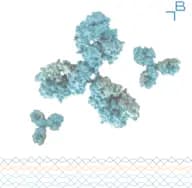
<p>PSA antibody is a monoclonal antibody that specifically targets prostate-specific antigen (PSA). PSA is a glycoprotein that is produced by the prostate gland and is commonly used as a biomarker for prostate cancer. This antibody can be used in various applications, such as immunoassays and immunohistochemistry, to detect and quantify PSA levels in human serum. The PSA antibody works by binding to the PSA antigen, which triggers a series of immune responses that ultimately lead to the lysis or destruction of cells expressing PSA. Additionally, this monoclonal antibody has antiangiogenic properties and can inhibit the growth factor signaling pathways, such as endothelial growth factor and β-catenin, which are involved in tumor angiogenesis. The use of PSA antibody in combination with other therapies, such as interferon, has shown promising results in preclinical studies for the treatment of prostate cancer.</p>IGF1 N15 Human
<p>IGF1 N15 Human is a desiccated, freeze-dried protein that is stable isotope and suitable for use in metabolic studies. IGF1 N15 Human has the same amino acid sequence as human insulin-like growth factor 1 (IGF1). IGF1 N15 Human can be used to study cell proliferation, sulfation, and sulfate conjugation. This protein is also used in Cytokines research as an alternative to recombinant human IGF1. Reconstitute with water or buffer prior to use.</p>Degré de pureté :>97% By Sds-Page And Rp-Hplc.TAT-Beclin 1
<p>TAT-Beclin Scrambled is a peptide derived from a region of Beclin 1, which interacts with a newly identified negative regulator of autophagy, GAPR-1 (also called GLIPR2) to act as a potent inducer of autophagy. Autophagy is an essential process that maintains cellular homeostasis and carries out lysosome-mediated degradation of unwanted proteins in the cytoplasm. It is often examined when looking at disease pathways because of this regulatory function. While the immune system initiates the removal of viruses and pathogens through the autophagic pathway, some viruses (such as HIV) are able to evade this process.TAT (47-57) is present due to its properties as a cell penetrating cationic peptide (CPP). It derived from the N-terminus of the Tat protein, which is a trans-activator of the transcription protein present in the human immunodeficiency virus (HIV). As a CPP, TAT (47-57) is able facilitate the delivery of the Beclin scrambled protein across the plasma membrane.This peptide contains a GG linker between the C-terminus of TAT (47-57) and the N-terminus of Beclin 1.</p>Masse moléculaire :3,738.9 g/molZ-Gln-Gly-OH
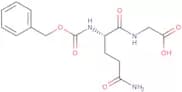
CAS :<p>Z-Gln-Gly-OH is a synthetic dipeptide, which is a modified amino acid sequence commonly used in biochemical applications. It consists of a carbobenzoxy-protected glutamine and a glycine residue. This compound originates from custom organic synthesis, derived through specific chemical protocols to introduce protective groups that block reactive sites on the amino acids. This controlled modification alters the peptide's stability and solubility.The mode of action involves the protection of active sites during complex syntheses, enabling the sequential construction of peptide chains without unintended reactions. This protection is critical in solid-phase peptide synthesis methodologies where precision and specificity of reactions are paramount. The Z-group (benzyloxycarbonyl) ensures the stability of glutamine under various chemical conditions, preventing side reactions that may compromise the integrity of peptide constructs.In research, Z-Gln-Gly-OH finds applications in the design of peptide-based inhibitors, structural studies, and the synthesis of longer chain peptides that mimic biologically relevant structures. The protection strategy allows scientists to develop and manipulate peptides with high fidelity, facilitating advancements in understanding protein functions and interactions in physiological contexts.</p>Formule :C15H19N3O6Degré de pureté :Min. 95%Couleur et forme :PowderMasse moléculaire :337.33 g/molH-EAPWEYQK-OH
<p>H-EAPWEYQK-OH is a custom peptide that can be synthesized rapidly by our peptide experts in under 2 weeks. H-EAPWEYQK-OH is provided at greater that >95% purity (HPLC) from Cymit Quimica for a variety of research applications. We also offer H-EAPWEYQK-OH in bulk quantities in addition to our standard pack sizes.Please enquire for more information about H-EAPWEYQK-OH at the technical inquiry form on this page</p>Degré de pureté :Min. 95%SARS-CoV-2 NSP13 (421-435)
<p>The SARS-CoV-2 non-structural protein 13 (NSP13) has been identified as a target for anti-viral therapeutics due to its highly conserved sequence and is essential for viral replication. NSP13 is part of the helicase superfamily 1B. As an NTPase and RNA helicase, NSP13 binds to RNA-dependent RNA polymerase and acts in concert with the replication-transcription complex to stimulate backtracking and further activate NSP13 helicase activity. These factors make NSP13 a good target for developing new antiviral drugs. In addition, the identification of epitopes within the NSP13 sequence can help design more effective SARS-CoV-2 vaccines.Models have predicted epitopes exhibiting antigenicity, stability and interactions with MHC class-I and class-II molecules. NSP13 (421-435) is an epitope candidate with various HLA restrictions. This epitope can be used to better vaccine design for more durable CD4+ and CD8+ T cell responses for long-lasting immunity.</p>Masse moléculaire :1,742.8 g/molH-LAEIYVNSSFYK-OH
<p>H-LAEIYVNSSFYK-OH is a custom peptide that can be synthesized rapidly by our peptide experts in under 2 weeks. H-LAEIYVNSSFYK-OH is provided at greater that >95% purity (HPLC) from Cymit Quimica for a variety of research applications. We also offer H-LAEIYVNSSFYK-OH in bulk quantities in addition to our standard pack sizes.Please enquire for more information about H-LAEIYVNSSFYK-OH at the technical inquiry form on this page</p>Degré de pureté :Min. 95%BAT3 (340-347), human
<p>BAT3 (340-347) human is derived from BAT3, the human leukocyte antigen B-associated transcript 3 which associates with TIM-3 in T lymphocytes and recruits a Src family kinase.</p>Masse moléculaire :838.4 g/molGTPBP10 antibody
<p>GTPBP10 antibody was raised using a synthetic peptide corresponding to a region with amino acids IILLTKELELYKEELQTKPALLAVNKMDLPDAQDKFHELMSQLQNPKDFL</p>H-YNESIAFFYNRSGGGGSKK-OH
<p>H-YNESIAFFYNRSGGGGSKK-OH is a custom peptide that can be synthesized rapidly by our peptide experts in under 2 weeks. H-YNESIAFFYNRSGGGGSKK-OH is provided at greater that >75% purity (HPLC) from Cymit Quimica for a variety of research applications. We also offer H-YNESIAFFYNRSGGGGSKK-OH in bulk quantities in addition to our standard pack sizes.Please enquire for more information about H-YNESIAFFYNRSGGGGSKK-OH at the technical inquiry form on this page</p>Degré de pureté :Min. 95%SIVmac239 - 12
<p>Custom research peptide; min purity 95%. For different specs please use the Peptide Quote Tool</p>Masse moléculaire :1,618.8 g/molSARS-CoV-2 Nucleoprotein (1-17)
<p>The coronavirus (CoV) nucleoprotein is the major component of CoV structural proteins. The nucleoprotein has a critical role in virus assembly and RNA transcription. The nucleoprotein is essential in the formation of helical ribonucleoproteins and in regulating viral RNA synthesis. The nucleoprotein can also regulate infected host cellular mechanisms. It is highly expressed during infection and may induce protective immune responses against SARS-CoV and SARS-CoV-2.The nucleoprotein residues MSDNGPQNQRNAPRITF (1-17) from SARS-CoV-2 have been identified as a T-cell epitope with a predicted HLA restriction. Immune targeting of confirmed epitopes may potentially offer protection against SARS-CoV-2 and help the development of vaccines for long-lasting immunity.</p>Masse moléculaire :1,944.9 g/molInfluenza A NP (44-52) (HLA-A1)
<p>Influenza A NP (44-52) (HLA-A1) is a CEF control peptide that is derived from Influenza A. Influenza A is an enveloped negative-strand RNA virus that is capable of interfering with host transcription, which can ultimately cause cell death. The action of the virus particles decreases the downstream gene occupancy of RNA polymerase II, as well as instigating cellular stress, resulting in the failure of polymerase II termination at poly(A) sites. Influenza A NP (44-52) (HLA-A1) is defined as a CEF control peptide due to its antigenic properties. Clinically, this peptide is a suitable epitope for CD8+ T cells and can be used to stimulate the release of IFNg. HLA-A1 refers to the cell HLA type that this peptide acts on.The nucleoprotein (NP) is a structural protein that encapsulates the negative strand of viral RNA. NP plays a critical role in the transition of influenza virus RNA synthesis from transcription mode to replication mode.</p>Masse moléculaire :1,070.5 g/molAc-KSLSRHDHIHHH-OH
<p>Peptide Ac-KSLSRHDHIHHH-OH is a Research Peptide with significant interest within the field academic and medical research. This peptide is available for purchase at Cymit Quimica in multiple sizes and with a specification of your choice.</p>RGD peptide
<p>RGD peptide is an adhesive peptide which can be used in a biomaterial context to attach cells to a range of materials. It is located within extracellular matrix (ECM) proteins as the integrin binding domain. The advantage of using RGD peptides over whole ECM proteins is that it reduces the immune reactivity risk.</p>Couleur et forme :PowderMasse moléculaire :593.62 g/molPolybia-MPII
<p>The crude venom of the wasp Polybia paulista consists of 30% polybia-MPII. Polybia-MPII is a mastoparan, it is rapidly distributed around the organism point of inoculation via the circulation. As a secretagogue, polybia-MPII has myotoxic action and minor neurotoxic effects. Polybia-MPII has been injected sub-cutaneously and intra-muscularly into mice for pathology and immunohistochemistry assays.As an antimicrobial agent, polybia-MPII is highly effective, with a lower haemolysis rate compared to other mastoparans. Polybia-MPII also shows considerable anti-fungal activity.</p>Masse moléculaire :1,612 g/molGalanin (13-20) Mouse
<p>Galanin is widely distributed in the central nervous, peripheral, and endocrine systems. Galanin's overarching function is as an inhibitory, hyper-polarizing neuromodulator for classical neurotransmitters like acetylcholine and serotonin. Galanin interacts with 3 receptor subtypes, GalR1-3 G protein-coupled receptors inserted into the plasma membrane. GalR1 is believed to activate a Gβγ pathway to regulate MAPK activation. GalR2 can also activate the MAPK pathway, but unlike GalR1, there is detectable inositol phosphate production. GalR3 is associated with the Galphai/o pathway. Activation of the receptor leads to a cellular influx of K+. Each receptor has been associated with neurological diseases such as GalR3 and epilepsy.Galanin is a key regulator of growth hormone and insulin release and adrenal secretion however the role galanin plays is not clear. Administration of galanin to animal models leads to inhibition of insulin secretion but this is not replicated in humans.N-terminal galanin fragments naturally occur in vivo, but their relevance is unclear. Some N-terminal fragments reduce metabolic and functional disorders in experimental heart damage. Their relative abundance varies, with fragment (13-20) being one of the lowest quantities detected. The physiological relevance of the galanin fragment (13-20) and its affinity to the various Gal receptors has yet to be made clear. Binding assays and displacement assays in rat brain tissue have been performed with similar N-terminal galanin fragments to try and elucidate their function. Using N-terminal fragments such as galanin (13-20) can help clarify the role of full-length galanin in various roles, such as during myocardial ischemia and reperfusion injury. This may highlight new agonists/antagonists for the galanin GalR receptors that can be therapeutic targets.</p>Masse moléculaire :957.5 g/molAF10847
<p>Activation of the inflammatory response is critical to various infectious agents. Pro-inflammatory cytokines like-IL-1α and IL-1β are upregulated upon the initial detection of infection and bind to IL-1R1 to activate the signalling cascade. However, a hyperinflammatory response can lead to oxidative stress, apoptosis, and conditions such as diabetes, rheumatoid arthritis, cancer, and ischemia.To maintain homeostasis there are moderators of the inflammatory response. Binding of interleukin IL-1 to IL-1R1 stimulates the inflammatory cascade. Alternately, AF10847 binds to IL-1R1 resulting in significant conformational change of IL-1R1 but its lack of any cytokine activity locks IL-1R1 in an inactive state inhibiting a signalling event. AF10847 has an exceedingly high affinity for IL-1R1 compared to 1α and IL-1β.Extensive searches for lower molecular mass IL-1R antagonists-for oral delivery as a therapeutic for rheumatoid arthritis are being carried out. AF10847 is a 21-mer that has high affinity for the conserved IL-1R1 binding site that is also recognised by IL-1β. The remarkable high affinity of AF10847 for IL-1R1 makes it a perfect candidate for further investigations into novel IL-1R1 inhibitor development.</p>Couleur et forme :PowderMasse moléculaire :2,604.2 g/molH-VTQARMVSK-OH
<p>H-VTQARMVSK-OH is a custom peptide that can be synthesized rapidly by our peptide experts in under 2 weeks. H-VTQARMVSK-OH is provided at greater that >95% purity (HPLC) from Cymit Quimica for a variety of research applications. We also offer H-VTQARMVSK-OH in bulk quantities in addition to our standard pack sizes.Please enquire for more information about H-VTQARMVSK-OH at the technical inquiry form on this page</p>Degré de pureté :Min. 95%GPS1573
<p>GPS1573 is a potent and dose-dependent peptide antagonist of adrenocorticotrophic (ACTH) -stimulated melanocortin type 2 receptor (MC2R). Along with GPS1574, GPS1773 is an ACTH analogue and as such antagonises MC2R in the nanomolar range.The clinical relevance of GPS1573 is related to Cushing's disease and syndrome, which are both associated with a hypercortisolemic state. Selective antagonism of MC2R using GPS1573 may be a novel treatment modality for Cushing's disease and syndrome.</p>Degré de pureté :Min. 95%Couleur et forme :PowderBiotin-Histone H3 (14-34) K23Me3
<p>H3 is a core component of the nucleosome, functioning in DNA compaction and availability to transcription machinery. DNA accessibility is regulated via a complex set of post-translational modifications of histones, also called histone code, and nucleosome remodelling. Similar to the other core histone, H3 has a globular domain and a flexible N-terminal domain, 'histone tail' which can undergo modifications such as acetylation, methylation, phosphorylation and ubiquitination. There is a wealth of data recording these modifications but understanding their significance is not as clear. H3K23me3, an enriched modification in heterochromatin, is known to bind histone demethylase KDM4A. H3K23me3 is also necessary for timely and accurate meiotic divisions.H3 amino acids 14-34 with lysine 23 trimethylated are provided here with a biotin label for easy use in detection by fluorescence microscopy, ELISA or western blots. Alternatively, it can be purified for protein-protein interactions with the appropriate affinity purification protocol.</p>Couleur et forme :PowderMasse moléculaire :2,376.4 g/molDengue Virus NS1 Mouse Monoclonal Antibody
<p>Please enquire for more information about Dengue Virus NS1 Mouse Monoclonal Antibody including the price, delivery time and more detailed product information at the technical inquiry form on this page</p>α-MSH
<p>Ac-SYSMEHFRWGKPV-NH2 is a custom peptide that can be synthesized rapidly by our peptide experts in under 2 weeks. Ac-SYSMEHFRWGKPV-NH2 is provided at greater that >95% purity (HPLC) from Cymit Quimica for a variety of research applications. We also offer Ac-SYSMEHFRWGKPV-NH2 in bulk quantities in addition to our standard pack sizes.Please enquire for more information about Ac-SYSMEHFRWGKPV-NH2 at the technical inquiry form on this page</p>Formule :C77H109N21O19SDegré de pureté :Min. 95%Masse moléculaire :1,664.9 g/molCelecoxib - Bio-X ™
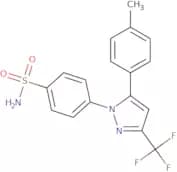
CAS :Produit contrôlé<p>Celecoxib is a pyrazole derivative that acts as a selective COX-2 inhibitor. It has been shown to inhibit prostaglandin synthesis and promote apoptosis in human osteosarcoma cells. Celecoxib also inhibits tumor growth and inhibits angiogenesis in combination with paclitaxel, which is a chemotherapeutic agent. It is a nonsteroidal anti-inflammatory drug, thus a beneficial treatment in conditions such as rheumatoid arthritis, osteoarthritis, musculoskeletal pain, acute pain and juvenile rheumatoid arthritis. Furthermore it can be utilized in patients with familial adenomatous polyposis to reduce colon and rectal polyps.<br>Celecoxib is part of our Bio-X ™ Range. These products are aimed at life science researchers who need high quality ready to use products for assay development, screening or other R&D work. With a solubility datasheet and convenient vials, all of our Bio-X ™ products are in stock across our global warehouses for rapid delivery and ease of use.</p>Formule :C17H14F3N3O2SDegré de pureté :Min. 95%Couleur et forme :PowderMasse moléculaire :381.37 g/molIDR 1002
<p>Synthetic host defence peptide derivative with strong anti-inflammatory properties.</p>Masse moléculaire :1,651 g/molH-APLTKPLK^-OH
<p>Peptide H-APLTKPLK^-OH is a Research Peptide with significant interest within the field academic and medical research. This peptide is available for purchase at Cymit Quimica in multiple sizes and with a specification of your choice.</p>HRP2 antibody
<p>The HRP2 antibody is a highly specialized antibody used in the field of Life Sciences. It is widely used in immunoassays for the detection and quantification of specific proteins. This monoclonal antibody has been extensively studied and proven to have high specificity and affinity for its target protein.</p>


![GLP-1 (7-36) [Cys(Sulfocyanine5)]](/_next/image/?url=https%3A%2Fstatic.cymitquimica.com%2Fproducts%2F3D%2Fthumb-webp%2FCRB1100802.webp&w=3840&q=75)




![[5-TAMRA]/[Lys(BHQ-2)] Ubiquitin](/_next/image/?url=https%3A%2Fstatic.cymitquimica.com%2Fproducts%2F3D%2Fthumb-webp%2FCRB1101610.webp&w=3840&q=75)



![(Cbz-LGR)2-[Rh110]](/_next/image/?url=https%3A%2Fstatic.cymitquimica.com%2Fproducts%2F3D%2Fthumb-webp%2FCRB1001676.webp&w=3840&q=75)
![[5-FAM]-GLP-1](/_next/image/?url=https%3A%2Fstatic.cymitquimica.com%2Fproducts%2F3D%2Fthumb-webp%2FCRB1100880.webp&w=3840&q=75)