Produits biochimiques et réactifs
Sous-catégories appartenant à la catégorie "Produits biochimiques et réactifs"
- Biomolécules(98.679 produits)
- Par Biological Target(100.183 produits)
- Par usage/effets pharmacologiques(6.846 produits)
- Cryoconservation et composés associés aux cryoconservateurs(21 produits)
- Désinfectants, additifs pour les fluides pour bains chauffants et composés apparentés(28 produits)
- Hormones(355 produits)
- Biologie végétale(6.912 produits)
- Métabolites secondaires(14.361 produits)
130271 produits trouvés pour "Produits biochimiques et réactifs"
H-VSLATVDK^-OH
Peptide H-VSLATVDK^-OH is a Research Peptide with significant interest within the field academic and medical research. This peptide is available for purchase at Cymit Quimica in multiple sizes and with a specification of your choice.[Cys]-Galanin (1-30) Human
Galanin (1-30) is an endogenous neuropeptide with endocrine, metabolic and behavioural effects. Galanin has a role in intestinal smooth muscle contraction, insulin and somatostatin release, and synaptic neurotransmission.Galanin is widely distributed in the central nervous, peripheral, and endocrine systems. Galanin's overarching function is as an inhibitory, hyper-polarizing neuromodulator for classical neurotransmitters like acetylcholine and serotonin. Galanin interacts with 3 receptor subtypes, GalR1-3 G protein-coupled receptors inserted into the plasma membrane. GalR1 is believed to activate a Gβγ pathway to regulate MAPK activation. GalR2 can also activate the MAPK pathway, but unlike GalR1, there is detectable inositol phosphate production. GalR3 is associated with the G alpha i/o pathway receptor activation leads to a cellular influx of K+. Each receptor has been associated with neurological diseases such as GalR3 and epilepsy.Galanin protects against various physiological insults in vitro, including excitotoxicity and β-amyloid toxicity. Changes in galanin have been widely studied concerning Alzheimer's disease, and galaninergic neurons are spared in late-stage Alzheimer's relative to non-galaninergic neurones.Galanin (1-30) has been used as an agonist for the GalR2 receptor in vitro for calcium mobilisation assays to understand the role Galanin/GalR2 play in multiple sclerosis.An N-terminal cysteine residue has been included on the galanin (1-30) peptide to allow ease of site-specific conjugation to various molecules.Masse moléculaire :3,258.6 g/molUromodulin (376-385) Heavy
Uromodulin (186-200) is derived from uromodulin which is produced by the kidney and excreted in the urine. It can be used as a marker of progressive kidney disease and to investigate renal tubular function.Degré de pureté :Min. 95%Masse moléculaire :1,134.6 g/molComplement C1r antibody
Complement C1r antibody was raised in sheep using human C1r as the immunogen.
Degré de pureté :Min. 95%Keratin K5/K8 (Pan Epithelial) antibody (biotin)
Keratin K5/K8 (Pan Epithelial) antibody (biotin) was raised in mouse using human keratin K8, purified from SDS PAGE gel as the immunogen.(Tos-YASR)2-[Rh110]
Optimal peptide substrate for kallikrein-related peptidase 14 (KLK14). In its intact state this peptide is not fluorescent, however when this substrate peptide is cleaved by KLK14, Rhodamine 110 is released and thus fluorescence can then be detected. This peptide therefore allows for the quantification of KLK14 peptidase activity. KLK14 is most abundant in the skin, with lower levels in breast and prostate and may form part of the protease cascade responsible for maintaining the epidermal barrier. Aberrant KLK14 proteolytic activity is linked to several skin pathologies. Overexpression of KLK14 seen in several hormone-dependent cancers, including prostate, colon, ovarian, and breast, correlating with higher risk of disease progression. Therefore KLK14 is a potential point of therapeutic intervention in a variety of pathologies.Contains rhodamine 110 group, a widely used red fluorescent tag. The terminal carboxylic acids in this peptide have been activated by the addition of the p-tosyl moiety, allowing for easy addition of functional groups or further peptide residues.Masse moléculaire :1,592.6 g/molPYY (1-36) Heavy
Peptide YY is predominantly produced in the lower gastrointestinal tract from endocrine L cells but is also produced to a lesser extent by the enteric neurons of the stomach and pancreatic endocrine cells. Peptide YY is thought to be a satiety signal, acting to reduce food intake. In rodents, PYY-positive neurons have been identified in the hypothalamus, pons, medulla and spinal cord.Studies suggest that its expression is decreased under pro-inflammatory stimuli, and during the differentiation of monocytes to macrophages. PYY concentrations are also reduced in women with high dietary cognitive restraint (CR) as opposed to women with normal CR. This peptide is altered in various gastrointestinal disorders, and might be one of the causes of chronic idiopathic slow transit constipation (CST). It might also be responsible for the symptoms of inflammatory bowel disease and gastroenteropathy due to long-standing diabetes. However, in some gastrointestinal disorder it might have a positive role, as in the case of systemic sclerosis, celiac disease, and post-intestinal resection state.Degré de pureté :Min. 95%Couleur et forme :PowderMasse moléculaire :4,328.2 g/molRecombinant Human Parathyroid Hormone aa7-84/Nitrogen-15
CAS :Custom research peptide; min purity 95%. For different specs please use the Peptide Quote ToolFormule :C381H629N119O115S2Masse moléculaire :8,781.05 g/molBiotin-β-Amyloid (1-15) human
β-Amyloid 1-15 (Aβ1-15) is one of many short Aβ species found in vivo and is formed by the cleavage of amyloid β precursor protein by β- and alpha-secretase.Amyloid β-protein (Aβ) has been identified as the key subunit of the extracellular plaques found in the brains of patients with Alzheimer's disease (AD) and Down's syndrome (DS). Aβ has therefore been extensively studied as a potential target for treatment of AD.Aβ is formed from the cleavage of the large, transmembrane protein- APP (amyloid precursor protein). Cleavage of APP by β- and then γ-secretases results in the formation of Aβ. Aβ can aggregate to produce amyloid-β oligomers, which are thought to be highly neurotoxic. Over time Aβ can further aggregate to produce the characteristic senile plaques present in AD and DS. Aβ can be degraded by enzymes such as neprilysin, insulin degrading enzyme or endothelin converting enzyme. At physiological levels Aβ may be involved in controlling synaptic activity and neuronal survival.This peptide contains a covalently attached N-Terminal biotin tag for convenient detection and purification.Masse moléculaire :2,052.8 g/molSNC 80
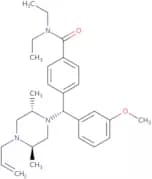
CAS :ÎŽ opioid receptor agonist; anti-nociceptive; anti-depressant
Formule :C28H39N3O2Degré de pureté :Min. 95%Couleur et forme :White to off-white solid.Masse moléculaire :449.63 g/molERAAP substrate Ep
Ep is a peptide-based fluorescent probe that can detect the intracellular amino-peptidase- ER aminopeptidase associated with antigen processing (ERAAP). ERAAP cleaves peptides presented by major histocompatibility complex (MHC) class I molecules to determine which are displayed on cell surfaces for T cell recognition. Down-regulation of ERAAP alters these cell surface peptides resulting in the cell being recognised as foreign. Therefore ERAAP is a potential target for increasing the immune response towards tumours. Down-regulation of ERAAP is also implicated in auto-immunity.Ep contains the fluorescent dye BODIPY and the fluorescent quencher dinitrophenyl (DNP), conjugated to the KK-SIINFECL peptide which is based on a known ERAAP-substrate. Ep initially has low fluorescence due to the proximity of the DNP quencher, however after ERAAP cleaves the N-terminal amino acid of Ep and releases the DNP quencher, a dramatic 20 fold increase in fluorescence is seen.Ep can detect ERAAP in cells in a highly sensitive and specific manner. Ep can detect ERAAP activity in live cells and in high-throughput-screens (HTS), and can compete with endogenous cellular substrates for ERAAP.Masse moléculaire :1,773.7 g/molGIP (1-30) Human amide
GIP (1-30) Human amide is derived from the Gastric inhibitory peptide (GIP). Gastric inhibitory polypeptide (GIP) is an inhibiting hormone of the secretin family of hormones. While GIP is a weak inhibitor of gastric acid secretion, its main role is to stimulate insulin secretion - in a glucose-dependent mechanism. Therefore, GIP is referred to as a glucose-dependent insulinotropic peptide.GIP is derived from a 153-amino acid pro-protein encoded by the GIP gene. It is synthesised by K cells, which are found in the mucosa of the duodenum and the jejunum of the gastrointestinal tract. GIP receptors are seven-transmembrane proteins found on β-cells in the pancreas. These β-cells are those that are able to simultaneously detect glucose and release insulin as a result to GIP binding.The clinical relevance of GIP is related to type 2 diabetes mellitus (T2DM)- studies have found that T2DM diabetics are unresponsive to GIP and have lower levels of GIP secretion after a meal when compared to non-diabetics. In research involving knockout mice, it was found that absence of the GIP receptors correlates with resistance to obesity.
Couleur et forme :PowderMasse moléculaire :3,531.99 g/molERKtide amide
ERKtide Substrate Peptide.Degré de pureté :Min. 95%Couleur et forme :PowderMasse moléculaire :1,674.9 g/molTLK2 antibody
TLK2 antibody was raised using the N terminal of TLK2 corresponding to a region with amino acids VSAQQNSPSSTGSGNTEHSCSSQKQISIQHRQTQSDLTIEKISALENSKNH-VLDTSSLTQSAPASPTNK^-OH
Peptide H-VLDTSSLTQSAPASPTNK^-OH is a Research Peptide with significant interest within the field academic and medical research. This peptide is available for purchase at Cymit Quimica in multiple sizes and with a specification of your choice.Goat anti Rat IgG (H + L) (Fab'2) (Texas Red)
Goat anti-rat IgG (H+L) (Fab'2) was raised in goat using rat IgG whole molecule as the immunogen.Degré de pureté :Min. 95%Histone H3 (1-20) K4Me3, K9Ac, pS10-GG-[Cys(AZ647)]
Histone H3 (1 - 20) K4Me3 is derived from Histone 3 (H3), which is one of the four core histones (H2A, H2B, H3 and H4) fundamental in compacting eukaryotic DNA into the nucleosome. The nucleosome arises when 147 base pairs of DNA wrap around a H3-H4 tetramer and two H2A-H2B dimers, forming the histone octamer core. H4 and H3 are highly conserved and perform roles in binding to segments of DNA which enter and leave the nucleosome and in chromatin formation. Like the other core histone, H3 has a globular domain and a flexible N-terminal domain, 'histone tail' which can undergo modifications such as acetylation, methylation, phosphorylation and ubiquitination. Due to histones containing many lysine and arginine residues, they have a positive net charge which interacts electrostatically with the negatively charged phosphate groups in DNA. The transcriptional activation or silencing of the chromatin is controlled by ATP-dependent chromatin remodelling factors and histone-modifying enzymes which target histone proteins. Both processes alter the positioning of the nucleosome, allowing the DNA to be either available or inaccessible to the transcription machinery.Histone tails can undergo multiple modifications, including acetylation, methylation, ubiquitylation and sumoylation. The purpose of the modifications is believed to alter chromatin function/structure. Lysine 4 of Histone H3 (1 - 20) K4Me3 has been tri-methylated, lysine 9 has been acetylated, and serine 10 has been phosphorylated. This peptide is labelled with the Aurora Fluor 647 fluorescent tag.
Degré de pureté :Min. 95%Masse moléculaire :3,543.6 g/molN-methylated ERAP1substrate
Non-hydrolysable ERAP1 substrate. An optimized ERAP1 substrate with N-methylation of the first amide bond to prevent its degradation by ERAP1.Endoplasmic reticulum aminopeptidase 1 and 2 (ERAP1 and ERAP2) are ER-resident, interferon-γ inducible, metalloaminopeptidase which critically shape the major histocompatibility complex I (MHC I) immunopeptidome. The ERAPs remove N-terminal residues from antigenic precursor peptides and generate optimal-length peptides (i.e. 8-10-mers) to fit into the MHC class I groove. The immune recognition of surface MHC I/peptide complexes initiates activation of CD8+ T cells as a critical step in the elimination of pathogens.ERAP1 has unique substrate preferences, trimming long peptides while sparing shorter ones as well as sequence preferences. ERAP1 and ERAP2 can form a heterodimer (ERAP1/ERAP2) with distinct functional properties. Allelic variants of ERAP1 have been linked to a number of human diseases, including the autoimmune disease ankylosing spondylitis (AS), diabetes, some forms of cervical cancer, and hypertension.Couleur et forme :PowderMasse moléculaire :1,035.6 g/molAcetyl-Alpha-synuclein (1-13) Met5(O) Heavy
Acetylated alpha-synuclein (1-13) is derived from the alpha-synuclein intrinsically disordered protein which is found in the neurons and presynaptic terminals. Encoded by the SNCA1/PARK1 gene alpha-synclein is structurally composed of 140 amino acids, making up the three domains: N-terminal membrane binding domain, a hydrophobic non-amyloid-β component domain and a hydrophilic C-terminal domain. Usually alpha-synuclein plays a role in protecting neurons from apoptotic stimuli and is involved in synaptic vesical trafficking.However it has been found that the accumulation of alpha-synuclein aggregates can lead to neurodegenerative diseases such as Parkinson's disease, dementia with Lewy bodies and multiple system atrophy. It is further involved in the fibrilisation of amyloid-b and tau which play a major role in Alzheimer's disease. Amyloid fibrils are formed from alpha synuclein monomers within the cytosol and when bound to membranes these monomers can undergo conformational changes to form protofibrils and then ring like oligomers. This can result in the formation of transmembrane pores which disrupts the membrane, calcium homeostasis and signalling.Alpha-synuclein can be subjected to the post-translational modifications of phosphorylation and N-terminal acetylation. When acetylation occurs at the N-terminus of an alpha-synuclein monomer, the intramolecular hydrogen bonds are altered thus reducing the rate of alpha-synuclein aggregation and the strength at which it interacts with the membrane is increased.The methionine at position 5 is oxidised and the oxidation of methionine is common in neurodegenerative diseases and promotes the accumulation of altered alpha-synuclein. Furthermore when these methionine residues are oxidised, methionine sulfoxides are produced. The leucine residue at position 8 is isotopically labelled with carbon-13(6) and nitrogen-15(1).Degré de pureté :Min. 95%Masse moléculaire :1,547.8 g/molClick Tat (47-59)
Tat (47-59) is a cell penetrating cationic peptide derived from the N-terminus of the Tat protein, which is a trans-activator of the transcription protein present in the human immunodeficiency virus (HIV). Specifically, TAT (47-57) is located within the arginine-rich basic domain of the TAT peptide. TAT has three domains which function to aid HIV through transactivation, DNA binding and nuclear transport. As a cell penetrating peptide (CPP) TAT aids in the cellular uptake of molecules and hence serves a valuable purpose in transduction methods. This property has been demonstrated through its ability of allowing toxins such as the neurotoxin Botulinum neurotoxin Type A, produced by the Clostridium botulinum type A bacteria to penetrate the skin barrier non-invasively.Tat (47-59) is provided here with a N-terminal alkyne attachment. Two of the most regularly encountered functional groups for click chemistry are azides and alkynes, and the azide-alkyne cycloaddition has become the most popular click reaction. The use of click chemistry with alkyne-Tat (47-59) allows a wide variety of applications particularly for conjugation, modification, and peptide design.Couleur et forme :PowderMasse moléculaire :1,797.1 g/molH-ASQFVGSSIHWYQQR^-OH
Peptide H-ASQFVGSSIHWYQQR^-OH is a Research Peptide with significant interest within the field academic and medical research. This peptide is available for purchase at Cymit Quimica in multiple sizes and with a specification of your choice.LM22A-4 - Bio-X ™
CAS :This product is part of our Bio-X ™ Range. These products are aimed at life science researchers who need high quality ready-to-use products for assay development, screening or other R&D work. With a solubility datasheet and convenient vials, all of our Bio-X ™ products are in stock across our global warehouses for rapid delivery and ease of use.Formule :C15H21N3O6Degré de pureté :Min. 95%Couleur et forme :PowderMasse moléculaire :339.34 g/molPonalrestat - Bio-X ™
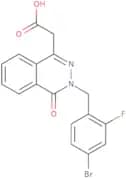
CAS :This product is part of our Bio-X ™ Range. These products are aimed at life science researchers who need high quality ready-to-use products for assay development, screening or other R&D work. With a solubility datasheet and convenient vials, all of our Bio-X ™ products are in stock across our global warehouses for rapid delivery and ease of use.
Formule :C17H12BrFN2O3Degré de pureté :Min. 95%Couleur et forme :PowderMasse moléculaire :391.19 g/molPaquinimod - Bio-X ™
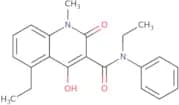
CAS :This product is part of our Bio-X ™ Range. These products are aimed at life science researchers who need high quality ready-to-use products for assay development, screening or other R&D work. With a solubility datasheet and convenient vials, all of our Bio-X ™ products are in stock across our global warehouses for rapid delivery and ease of use.Formule :C21H22N2O3Degré de pureté :Min. 95%Couleur et forme :PowderMasse moléculaire :350.41 g/mol16a-Methyl-9,11-dehydro prednisolone - Bio-X ™
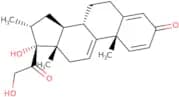
CAS :Produit contrôléThis product is part of our Bio-X ™ Range. These products are aimed at life science researchers who need high quality ready-to-use products for assay development, screening or other R&D work. With a solubility datasheet and convenient vials, all of our Bio-X ™ products are in stock across our global warehouses for rapid delivery and ease of use.Formule :C22H28O4Degré de pureté :Min. 95%Couleur et forme :PowderMasse moléculaire :356.46 g/molH-LLIYSASFLYSGVPSR^-OH
Peptide H-LLIYSASFLYSGVPSR^-OH is a Research Peptide with significant interest within the field academic and medical research. This peptide is available for purchase at Cymit Quimica in multiple sizes and with a specification of your choice.
m-dPEG®8-Azide (Azido-m-dPEG®8)
CAS :m-dPEG®8-Azide (Azido-m-dPEG®8) is a PEG compound with two different functional groups (also known as heterobifunctional). Unlike homobifunctional PEG compounds (same functional group on both ends), this type of compounds are more versatile as have two different anchor points. m-dPEG®8-Azide (Azido-m-dPEG®8) is used as a linker and spacer to add a PEG moiety, via pegylation (a bioconjugation technique) to proteins, peptides, oligonucleotides, small molecules and nanoparticles.Degré de pureté :Min. 95%Masse moléculaire :409.48 g/molAnti-sCTLA-4 antibody 4017 - 0.5mg/mL
Please enquire for more information about Anti-sCTLA-4 antibody 4017 - 0.5mg/mL including the price, delivery time and more detailed product information at the technical inquiry form on this pageComplement C3 Light
Complement C3 is a fundamental factor featured in all three complement system pathways: the classical, lectin and alternative. To activate the complement cascade C3 associates with C3 convertase to produce C3a and C3b. It is also thought that C3 can be cleaved by proteases outside of the complement cascade. C3b can bind to carbohydrate and protein hydroxyl groups through a thioester bond generated by C3 convertase cleavage. This action allows C3b to be used as a 'marker of foreign molecules such as pathogens and ultimately leads to the assembly of the membrane attack complex (MAC) and anaphylatoxin production.Overall the main functions of the complement system are to mark cells for phagocytosis, the recruitment of inflammatory cells and the cell lysis of bacteria cell by the MAC. The anaphylatoxins C3a and C5a recruit neutrophils and causes the inflammatory response while the MAC produces pores in the bacterial membrane thus causing a Ca2+ influx into the cell and bacterial cell death.The complement system as a whole can be associated with the neurological diseases, bacterial meningitis, thrombotic disorders, neurological and autoimmune diseases.Degré de pureté :Min. 95%Couleur et forme :PowderMasse moléculaire :1,864 g/molH-LIFQDK^-OH
Peptide H-LIFQDK^-OH is a Research Peptide with significant interest within the field academic and medical research. This peptide is available for purchase at Cymit Quimica in multiple sizes and with a specification of your choice.
CRF human, rat
The peptide CRF, also known as the Corticotropin Releasing Factor is a 14 amino acid neuropeptide which is produced by the hypothalamus, within the hypothalamic-pituitary adrenal axis in response to stress stimuli. The CRF family exert their function by binding to Corticotropin-releasing factor receptors 1 and 2. During stress the production of CRF stimulates downstream hormones such as glucocorticoids and adrenocorticotropin (ACTH) through binding to CRF1 in the anterior pituitary gland. A negative feedback look is generated through glucocorticoids thus preventing the further release of CRF from the hypothalamus.Studies have shown CRF to be overproduced in patients with depression and can contribute to symptoms such as, reduced quality of sleep, anxiety, reduced appetite and analgesia. Furthermore higher CRF levels has been associated with immune cell dysfunction through preventing T-cell proliferation.Couleur et forme :PowderMasse moléculaire :4,754.5 g/molOxyntomodulin Heavy
Oxyntomodulin is a glucose- and appetite-regulating gut hormone which may work with GLP-1 in the regulation of glucose metabolism and appetite in humans. Secretion of oxyntomodulin is significantly impaired in patients with type 2 diabetes, suggesting it may contribute to the pleiotropic pathophysiology of the disease.Oxyntomodulin is the 29 amino acids of glucagon with an additional C-terminal octapeptide tail. It is produced from proglucagon precursor peptide, along with glucagon-like peptide-1 (GLP-1), glucagon and glucagon-like peptide-2 (GLP-2). Oxyntomodulin activates both the human glucagon receptor and GLP-1 receptor, albeit with reduced efficacy compared to the native peptides. Oxyntomodulin reduces food intake via activity at the GLP-1 receptor, while its activity at the glucagon receptor causes weight loss by increasing energy expenditure.Oxyntomodulin levels are increased by more than 10-fold after gastric bypass surgery, therefore oxyntomodulin analogues many offer novel treatments for obesity. Chronic oxyntomodulin administration improves glucose tolerance by increasing insulin secretion via the GLP-1 receptor and by reducing weight.The leucine residues at position 14 and 26 and the phenylalanine residue at position 22 of this peptide are isotopically labelled with carbon-13 (6) and nitrogen-15 (1) giving this peptide a mass increase of 24 compared to the unlabelled peptide.Degré de pureté :Min. 95%Masse moléculaire :4,471.2 g/molInsulin A Chain (A12-21)
Type I diabetes is an autoimmune condition caused by the destruction of insulin-producing β cells. The initiation mechanism is unclear but involves activating autoreactive T cells against the β-cell-specific antigen, insulin.RIP-B7.1 mice express CD80 on pancreatic β cells and are a model for studying de novo induction of diabetogenic CD8 T cells. Immunization of RIP-B7.1 mice with preproinsulin (ppins)-encoding plasmid DNA induces experimental autoimmune diabetes (EAD). EAD is associated with significant induction of CD8 T cells specific for the (A12-21) restricted epitope leading to the destruction of β cells.The Insulin A Chain (A12-21) epitope is recognised by pancreas-infiltrating CD8 T cells isolated from immunized, diabetic RIP-B7.1 mice as shown by flow cytometry. The Insulin A Chain (A12-21) epitope can also be used to stimulate inducible IFN- expression of ppins-primed CD8 T cells ex vivo as determined by flow cytometry. GFP fusion has shown the expression of insulin A chain (A12-21) epitope in HeLa cells.Masse moléculaire :1,246.3 g/molFolic acid-BSA
Folic acid-BSA is a Hapten Conjugate that consists of folic acid conjugated to bovine serum albumin (BSA). It is commonly used in various research applications in the field of Life Sciences. Folic acid-BSA can be utilized as an antigen to generate monoclonal antibodies specific to folic acid. These antibodies can then be employed in immunoassays, such as ELISA, for the detection and quantification of folic acid in biological samples. Additionally, folic acid-BSA has been used as a carrier protein for the development of DNA vaccines. By conjugating folic acid to BSA, it enhances the immunogenicity of the DNA vaccine and promotes a stronger immune response. This approach has shown promising results in preclinical studies, demonstrating its potential for future use in vaccine development. Furthermore, folic acid-BSA has been utilized in electrode-based assays for the detection of biomolecules. The conjugate acts as aActin Light
Actin is a highly conserved key cytoskeletal protein involved in numerous structural and functional roles.Actin exists as soluble monomers (G-actin) as well as actin filaments (F-actin). G-actin monomers polymerise to form filaments that organise into dynamic networks with crucial roles in multiple and diverse cellular processes. Actin organisation varies greatly across cell types, and the ordered assembly and turnover of actin networks drive multiple cellular processes, including cell movement, cell adhesion, changes in cell morphology, vesicle trafficking, and cytokinesis. The clinical significance of actin is seen in congenital myopathies, which are characterised by muscle weakness. Mutations in smooth-muscle associated alpha-actin (ACTA2) have been seen to cause coronary heart disease, stroke and thoracic aortic disease. The vascular smooth muscle cell (SMC)-specific isoform of alpha-actin (ACTA2) is a major component of the contractile apparatus in SMCs located throughout the arterial system. By studying and manipulating the actin cytoskeleton, the underlying cause of these myopathies can be understood.Degré de pureté :Min. 95%Masse moléculaire :1,197.7 g/molPantinin-2
Pantinin-2, like other pantinin peptides, has high activity against Gram-positive bacteria yet weak activity against Gram-negative bacteria. Pantinin-2 also displays activity against Candida tropicalis and has relatively mild haemolytic activity against human red blood cells.Couleur et forme :PowderMasse moléculaire :1,403.8 g/molCLEAR-Amide Resin (100-200 mesh) (0.3 - 0.5 meq/g)
CLEAR-Amide Resin (100-200 mesh) (0.3 - 0.5 meq/g) is a high purity resin that can be used as a research tool, pharmacology, and protein interactions.Degré de pureté :Min. 95%Leptin antibody
The Leptin antibody is a monoclonal antibody that targets leptin, a hormone involved in regulating energy balance and body weight. Leptin antibody binds to leptin receptors and blocks their activity, thereby reducing the effects of leptin signaling. This antibody has been used in research studies to investigate the role of leptin in various physiological processes, including metabolism, reproduction, and immune function. Additionally, it has potential therapeutic applications for conditions such as obesity and metabolic disorders. The Leptin antibody is widely used in Life Sciences research and offers valuable insights into the mechanisms underlying leptin signaling pathways.ELL2 antibody
ELL2 antibody was raised in mouse using recombinant Human Elongation Factor, Rna Polymerase Ii, 2H-PKQKDGAKKARKPREASGTK-OH
H-PKQKDGAKKARKPREASGTK-OH is a custom peptide that can be synthesized rapidly by our peptide experts in under 2 weeks. H-PKQKDGAKKARKPREASGTK-OH is provided at greater that >95% purity (HPLC) from Cymit Quimica for a variety of research applications. We also offer H-PKQKDGAKKARKPREASGTK-OH in bulk quantities in addition to our standard pack sizes.Please enquire for more information about H-PKQKDGAKKARKPREASGTK-OH at the technical inquiry form on this page
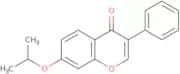
Degré de pureté :Min. 95%Ipriflavone
CAS :Isoflavone; inhibits bone lossFormule :C18H16O3Degré de pureté :Min. 95%Couleur et forme :White PowderMasse moléculaire :280.32 g/molL,L-Dityrosine
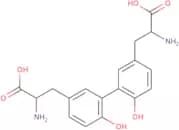
CAS :L,L-Dityrosine is a byproduct of the enzymatic breakdown of proteins. It can be detected in biological samples such as urine, plasma and serum using an antibody that recognizes the Dityrosine amino acid sequence. L,L-Dityrosine can also be used to measure radiation exposure. The signal peptide is cleaved from the protein when it is exposed to radiation and L,L-Dityrosine accumulates. This signal peptide is then removed by proteases and L,L-Dityrosine levels return to normal. L,L-Dityrosine has been shown to inhibit the growth of atherosclerotic lesions in experimental models and may be a potential biomarker for oxidative injury in alveolar type II cells. In addition, this compound has conformational properties that are similar to those found on proteins associated with Alzheimer's disease (AD) and other neurological disorders.END>
Formule :C18H20N2O6Degré de pureté :Min. 95%Couleur et forme :PowderMasse moléculaire :360.4 g/molGad1 Blocking Peptide
A synthetic peptide for use as a blocking control in assays to test for specificity of Gad1 antibody, catalog no. 70R-9261Degré de pureté :Min. 95%Melanotropin α
Custom research peptide; min purity 95%. For different specs please use the Peptide Quote ToolFormule :C75H107N21O18S2Masse moléculaire :1,654.74 g/molSARS-CoV-2 Nucleocapsid (267-276) Heavy
SARS-CoV-2 is an enveloped single-stranded, positive-sense RNA virus. The SARS-CoV-2 nucleocapsid (N) protein is essential for viral RNA replication and new virion assembly. The N protein assembles the positive strand viral genome RNA forming a helical ribonucleocapsid (RNP) during the packaging of the RNA genome. The N protein is also involved in regulating viral RNA synthesis during replication and RNA transcription and modulating metabolism in infected subjects. The arginine residue at position 10 of this peptide is isotopically labelled with carbon-13 (6) and nitrogen-15 (4), giving this peptide a mass increase of 10 compared to the unlabelled peptide.Masse moléculaire :1,135.6 g/mol

![[Cys]-Galanin (1-30) Human](/_next/image/?url=https%3A%2Fstatic.cymitquimica.com%2Fproducts%2F3D%2Fthumb-webp%2FCRB1001479.webp&w=3840&q=75)


![(Tos-YASR)2-[Rh110]](/_next/image/?url=https%3A%2Fstatic.cymitquimica.com%2Fproducts%2F3D%2Fthumb-webp%2FCRB1100444.webp&w=3840&q=75)
![GG-[AMC]](/_next/image/?url=https%3A%2Fstatic.cymitquimica.com%2Fproducts%2F3D%2Fthumb-webp%2FCRB1100969.webp&w=3840&q=75)



![Histone H3 (1-20) K4Me3, K9Ac, pS10-GG-[Cys(AZ647)]](/_next/image/?url=https%3A%2Fstatic.cymitquimica.com%2Fproducts%2F3D%2Fthumb-webp%2FCRB1101681.webp&w=3840&q=75)