


Produits biochimiques et réactifs
Sous-catégories appartenant à la catégorie "Produits biochimiques et réactifs"
- Biomolécules(98.557 produits)
- Par Biological Target(101.015 produits)
- Par usage/effets pharmacologiques(6.941 produits)
- Cryoconservation et composés associés aux cryoconservateurs(21 produits)
- Désinfectants, additifs pour les fluides pour bains chauffants et composés apparentés(28 produits)
- Hormones(530 produits)
- Biologie végétale(6.903 produits)
- Métabolites secondaires(14.369 produits)
130563 produits trouvés pour "Produits biochimiques et réactifs"
EC dipeptide
EC-acid has a formal charge of 0 and a range of biological and chemical uses. CE-acid is also available in our catalogue.Masse moléculaire :250.1 g/molPAI1 antibody
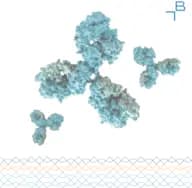
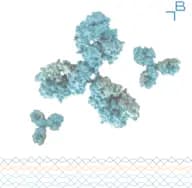
PAI1 antibody was raised in mouse using purified PAI-1 from the human melanoma cell line MJZJ as the immunogen.
Transferrin protein
Transferrin protein is a versatile glycoprotein that plays a crucial role in the transport of iron throughout the body. It is involved in various biological processes, including insulin and collagen synthesis. Native Proteins & Antigens offers high-quality transferrin proteins that are essential for research in the field of Life Sciences.Degré de pureté :≥95% Pure By Sds-PageHEPPS
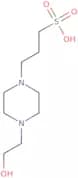
CAS :HEPPS, also known as EPPS, is a piperazinic buffer with an optimal pH range of 7.3-8.7 and a pKa of 8. This pH range is suitable for phosphorylation reaction studies.Formule :C9H20N2O4SDegré de pureté :Min. 95%Couleur et forme :PowderMasse moléculaire :252.33 g/molRSV Antibody
RSV Antibody is a medicament that contains Monoclonal Antibodies, which are highly specific antibodies produced in a laboratory setting. These antibodies are designed to target and neutralize the Respiratory Syncytial Virus (RSV), a common viral infection that affects the respiratory system. RSV Antibody is used in the field of Life Sciences as an antiviral treatment option.Anoplin
Antimicrobial and cytolytic peptide isolated from the venom of the spider wasp Anoplius samariensis. Anoplin has potent and board-spectrum antimicrobial activity against both Gram-positive and Gram-negative bacteria, antifungal properties against some plant pathogenic fungi, and no haemolytic activity against human erythrocytes. At 10 amino acids long, anoplin is the smallest naturally occurring antimicrobial and cytolytic peptide, its small size may have advantages for chemical manipulation and medical application.Masse moléculaire :1,153.5 g/molAstrovirus antibody
Astrovirus antibody was raised in mouse using group antigen of astrovirus as the immunogen.Degré de pureté :Min. 95%Azhx-Penetratin
Identification of cell penetrating conjugates has aided numerous areas of scientific development. The Drosophila transcription factor Antennapedia contains a homeodomain that can be internalised by cells to the cytoplasm and to the nucleus in a receptor-independent mechanism. The key residues for internalisation have been sequenced (RQIKIWFQNRRMKWKK), named penetratin, and used in several studies to aid entry of fusion proteins into cells.The full 60 amino acid homeodomain was fused to a T cell epitope of the influenza nucleoprotein and successfully internalised into T cells for presentation. The fragment known as penetratin was fused to a ligand for Grb-2 resulting in inhibition of downstream Grb-2 signalling events.- Penetratin has also been used in vivo to prime cytotoxic T lymphocytes by conjugating short antigenic peptides to the CPP. This penetratin has been synthesised with an N-terminal 6-azidohexanoic acid (Azhx) which can be used for various applications as a linker.Couleur et forme :PowderMasse moléculaire :2,384.4 g/molGLP (7-36) Heavy
The native form of GLP-1 in humans is the GLP-1 (7-36) amide. GLP-1 (7-36) amide is highly unstable (half-life <-2 minutes) due to proteolytic degradation by the serine protease- dipeptidyl peptidase-IV (DPP-IV). DPP-IV cleaves the N-terminal histidine and alanine residues from GLP-1 to generate two equipotent forms: GLP-1 (9-37) and GLP-1 (9-36) amide. This degradation mitigates against the therapeutic use of GLP-1 itself, therefore DPP-IV-resistant peptide analogues have been developed and licensed for clinical use.In this peptide the phenylalanine residue at position 6 is isotopically labelled with Carbon-13 (6) and Nitrogen-15 (1), the leucine residue at position 14 is isotopically labelled with Carbon-13 (6) and Nitrogen-15 (1), and the leucine residue at position 26 is isotopically labelled with Carbon-13 (6) and Nitrogen-15 (1). Additionally, the peptide contains an uncharged C-terminal amide.Degré de pureté :Min. 95%Couleur et forme :PowderMasse moléculaire :3,319.7 g/molHaptoglobin antibody
The Haptoglobin antibody is a powerful tool in the field of Life Sciences. This monoclonal antibody specifically targets and binds to haptoglobin, a glycoprotein found in human serum. Haptoglobin antibodies are commonly used in research and diagnostic applications, such as immunoassays and western blotting. They can also be utilized for the detection of autoantibodies or as growth factor inhibitors.Degré de pureté :Min. 95%[G]-JAK1 peptide (1015-1027)
This peptide is phosphorylated by Janus kinase 1 (JAK1) and is an ideal substrate for use in kinase assays. The JAK family of kinases is essential for the signalling of a host of immune modulators in tumour, stromal, and immune cells where they are highly expressed. JAK family proteins mediate the signalling of the interferon (IFN), IL-6, and IL-2 families of cytokines.JAK kinases are associated with cytokine receptors. Cytokine binding to these receptors results in activation of JAK kinases and receptor phosphorylation. Phosphorylated cytokine receptors recruit STAT proteins, which are then phosphorylated by the activated JAK kinases. Phosphorylated STAT proteins form homo- and hetero-dimers that translocate into the nucleus and function as transcription factors.This JAK1 substrate peptide contains an N-terminal glycine-residue.Degré de pureté :Min. 95%Couleur et forme :PowderMasse moléculaire :1,630.8 g/molZ-Gln-Gly-OH
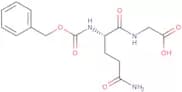
CAS :Z-Gln-Gly-OH is a synthetic dipeptide, which is a modified amino acid sequence commonly used in biochemical applications. It consists of a carbobenzoxy-protected glutamine and a glycine residue. This compound originates from custom organic synthesis, derived through specific chemical protocols to introduce protective groups that block reactive sites on the amino acids. This controlled modification alters the peptide's stability and solubility.The mode of action involves the protection of active sites during complex syntheses, enabling the sequential construction of peptide chains without unintended reactions. This protection is critical in solid-phase peptide synthesis methodologies where precision and specificity of reactions are paramount. The Z-group (benzyloxycarbonyl) ensures the stability of glutamine under various chemical conditions, preventing side reactions that may compromise the integrity of peptide constructs.In research, Z-Gln-Gly-OH finds applications in the design of peptide-based inhibitors, structural studies, and the synthesis of longer chain peptides that mimic biologically relevant structures. The protection strategy allows scientists to develop and manipulate peptides with high fidelity, facilitating advancements in understanding protein functions and interactions in physiological contexts.
Formule :C15H19N3O6Degré de pureté :Min. 95%Couleur et forme :PowderMasse moléculaire :337.33 g/mol[Tyr]-CNP22, Human
C-type natriuretic peptide (CNP) is a novel urinary biomarker which is part of the natriuretic peptide family. CNP is produced in the kidney and the endothelium and has been localised to renal tubules. CNP expression has also been detected in cardiomyocytes, vascular endothelium, and bone.CNP is synthesized as the precursor 103 amino acid (AA) protein, proCNP (AA 1-103), which is then cleaved into NT-proCNP (AA 1-50) and CNP53 (AA 51-103) by the intracellular endoprotease furin. CNP53 is then cleaved to give the biologically active mature form CNP22 (AA 82-103) and inactive form NT-CNP53 (51-81). CNP primarily acts as an autocrine or paracrine factor and has anti-proliferative and anti-fibrotic properties, including suppression of fibroblast proliferation and collagen production, inhibition of vascular smooth muscle cell proliferation and accelerated regeneration of endothelial cells. CNP is a vasodilator and potent venodilator and slightly elevated levels have been detected in heart failure and renal disease states. CNP has renoprotective properties and is activated during renal injury, where it helps preserve glomerular function and suppress pro-fibrotic processes. Hypoxia, cytokines and fibrotic growth factors, are stimuli for CNP production and release.CNP selectively activates the cell surface particulate guanylyl cyclase receptor B (GC-B), catalysing the conversion of GTP to the downstream second messenger, cyclic guanosine monophosphate (cGMP).Masse moléculaire :2,358.2 g/molH-EAPWEYQK-OH
H-EAPWEYQK-OH is a custom peptide that can be synthesized rapidly by our peptide experts in under 2 weeks. H-EAPWEYQK-OH is provided at greater that >95% purity (HPLC) from Cymit Quimica for a variety of research applications. We also offer H-EAPWEYQK-OH in bulk quantities in addition to our standard pack sizes.Please enquire for more information about H-EAPWEYQK-OH at the technical inquiry form on this page
Degré de pureté :Min. 95%Eosinophil Major Basic Protein Antibody
Eosinophil major basic protein antibody was raised in mouse using human eosinophil major basic protein as the immunogen.Ara h 3 (278-284) peanut Allergen Heavy
Ara h 3 is one of the major allergenic proteins from peanut (Arachis hypogaea) which contains approximately 13 potential allergenic proteins. The Ara h 3 allergen is recognised by serum IgE from approximately 45% of peanut allergy patients. Ara h 3 belongs to the glycinin family of legume storage proteins (S11 plant storage proteins) and is extensively proteolytically processed.This peptide represents a tryptic peptide of Ara h 3. The leucine residue at position 6 of this peptide is isotopically labelled with carbon-13 (6) and nitrogen-15 (1), giving this peptide a mass increase of 7 compared to the unlabelled peptide.Degré de pureté :Min. 95%Masse moléculaire :890.5 g/molThymosin β-4 Heavy
Thymosin β-4 (TB4) is an actin binding proteins (ABP), encoded by the TMSB4X gene and is regarded as the principal actin-sequestering protein in many cell types. TB4 is involved in maintaining sufficient amounts of intracellular monomeric actin that is readily available for use if needed. TB4 works by binding monomeric G-actin rendering it resistant to polymerisation into F-actin. TB4 is present in all cells except red blood cells and is located both in the cytoplasm and nucleus of the cell.TB4 is also involved in cell proliferation, migration, differentiation and tissue regeneration and may contribute to repair of human heart muscle damaged by heart disease and heart attack. TB4 reduces levels of inflammatory mediators, lowers reactive oxygen species, and up-regulates anti-oxidative enzymes, anti-inflammatory genes, and anti-apoptotic enzymes.The proline residue at position 4 of this peptide and the lysine residue at position 13 of this peptide are isotopically labelled with carbon-13 and nitrogen-15, giving this peptide a mass increase of 14 compared to the unlabelled peptide.Degré de pureté :Min. 95%Masse moléculaire :1,525.8 g/molCBL-B (98-109) Heavy
CBL-B (98-109) is derived from the CBL-B E3 ubiquitin ligase which targets receptor tyrosine kinases to lysosome degradation. CBL-B and its family member CBL are expressed in hematopoietic cells and as E3 ubiquitin ligases they contain a tyrosine kinase domain and an RF domain joined by a linker domain. The function of the RF domain is to transfer ubiquitin from E2 ubiquitin-conjugating enzymes onto the target protein which is often phosphorylated. Consequently the ubiquitinated substrate, the receptor tyrosine kinases, are ultimately targeted to the lysosome for degradation. EGFR is an example of a receptor tyrosine kinase whose activation is prevented by CBL and CBL-B when they bind and recruit GRb2, the adapter protein to EGFR. Consequently the ubiquitinylation of EGFR occurs and targets it for recognition by the endosomal protein complex and then lysosome degradation.It has also been found that the CBL family can negatively regulate through ubiquitinylation, PI 3-kinases, Rap G-protein guanine nucleotide exchange factor (GEF), C3G and Rho GTPase GEF Vav which are all non-receptors.If CBL or CBL-B becomes non-functional it can be associated with malignancies such as acute myeloid leukemia and myelodysplastic syndrome.The lysine residue at position 11 is isotopically labelled with carbon-13 (6) and nitrogen-15 (2).Degré de pureté :Min. 95%Masse moléculaire :1,348.7 g/molBiotin-PEG2-Claudin-6
Biotin-PEG2-Claudin-6 is derived from the tight junction protein Claudin-6 which is encoded by the CLDN6 gene and can be found within epithelial cell to cell contacts. The Claudin family are transmembrane proteins containing two extracellular loops and are involved in maintaining cell polarity and controlling paracellular ion flux.The expression of Claudin-6 is most commonly seen in early embryonic development where it plays a role in the regulation of blastocyst formation through tight junction enhancement. It is also an important factor for epidermal differentiation and barrier formation. Although it is more commonly seen in embryonic development it is also expressed in mammary epithelial cells. Studies have also shown Cldn6 to be a tumour suppressor in breast cancer.This peptide has a covalently bonded N-terminal Biotin tag that can be used for detection and purification and contains a polyethylene glycol spacer (PEG2).Couleur et forme :PowderMasse moléculaire :2,924.5 g/molhCG antibody
The hCG antibody is a monoclonal antibody that specifically targets and inhibits the activity of human chorionic gonadotropin (hCG). It binds to hCG, preventing it from interacting with its receptors and exerting its biological effects. This antibody has been widely used in research and diagnostic applications in the field of Life Sciences. It has been shown to inhibit the growth of cells that express high levels of c-myc or hepatocyte growth factor, suggesting its potential as a therapeutic agent for certain types of cancer. Additionally, this antibody can be used to detect and quantify hCG levels in various biological samples, making it valuable for pregnancy testing and monitoring. Its high specificity and affinity make it a reliable tool for scientists and clinicians working in the field of reproductive biology.Albumin (237-251) Bovine
Albumin (237-251) Bovine is derived from the globular protein Albumin and is found in the blood-plasma of humans (known as Human Serum Albumin, HSA) where it serves to maintain plasma pressure and nutritional balance. Another role it carries out is the transportation of bound molecules through the blood. Bovine serum albumin (BSA), composed of 583 amino acids, is very similar to HSA thus allowing BSA to be used as a successful model and a standard protein in laboratory experiments.Although BSA and HAS share homology in their three domains, I, II and III, BSA contains 2 tryptophan whereas HAS only contains 1 tryptophan residue.In agriculture the presence of the albumin protein has been used to assess the health of cows to ensure that a suitable quality of milk and meat are produced. Moreover it is important to detect bovine albumin in food and pharmaceutical products due to it being an allergenic protein.Couleur et forme :PowderMasse moléculaire :1,792 g/molNeu antibody
Neu antibody was raised in mouse using cytoplasmic domain of recombinant human c-erbB-2/HER-2 as the immunogen.
Degré de pureté :Min. 95%TNF α Canine
TNF-α is a cytokine that regulates the immune system by stimulating the production of other proteins called cytokines. It also inhibits the growth of bacteria such as Escherichia coli and some viruses. TNF-α has been shown to have a wide range of effects on cells, including inducing cell death (apoptosis) and inhibiting protein synthesis. It is a non-glycosylated polypeptide with molecular mass of 17.3kDa.Degré de pureté :Min. 95%CA 15-3 protein
CA 15-3 protein is a colloidal protein that plays a crucial role in various Life Sciences applications. It is associated with annexin A2 and is commonly used in research as a target for monoclonal antibodies. These neutralizing antibodies can be utilized to study the function of CA 15-3 protein and its interactions with other molecules, such as chemokines. In clinical settings, CA 15-3 protein has been found in pleural fluid and may serve as a potential biomarker for certain diseases, including cardiomyocyte dysfunction. Additionally, it has been observed to have natriuretic effects, suggesting its involvement in regulating fluid balance. Researchers often employ streptavidin-conjugated annexin A2 to detect activated forms of CA 15-3 protein. This allows for the visualization and quantification of this important biomolecule. Overall, CA 15-3 protein is an essential component in the field of Native Proteins & Antigens research, providingDegré de pureté :>95% By Sds-PageSBP1
Fragment of the angiotensin-converting enzyme 2 (ACE2) peptidase domain (PD) alpha1 helix, a domain important for the interaction of ACE2 with the severe acute respiratory syndrome (SARS coronavirus receptor binding domain (SARS-CoV-2-RBD). SBP1 associates with the SARS-CoV-2-RBD with nanomolar affinity and can potentially block the key mechanism by which SARS CoV-2 initiates entry into human cells.Degré de pureté :Min. 95%Couleur et forme :PowderC-terminal Sortagging-[Cys(AF680)] amide
This C-terminal Sortagging peptide acts as an (oligo)glycine nucleophile in the final steps of a sortagging protein labelling reaction. This reaction results in the [Cys(AF680)]- fluorescent moiety being attached to the C-terminus of the target protein or peptide.A substrate peptide containing the LPXTG motif is recognised and cleaved by the enzyme Sortase A (SrtA) from Staphylococcus aureus. The catalytic cysteine residue in the active site of SrtA serves as a nucleophile to cleave the peptide bond between threonine and glycine of the substrate peptide. Cleavage results in the formation of a thioacyl intermediate between the substrate peptide and SrtA. This intermediate is then resolved by the N-terminus of this (oligo)glycine nucleophile peptide, resulting in the creation of a new peptide bond that links the substrate peptide to this peptide and its fluorescent dye. This method of protein labelling is known as sortagging.C-Terminal Sortagging-[Cys(AF680)] peptide contains the AF680 fluorescent dye- AF680 is a bright green dye with excitation at 633 nm, well suited for flow cytometry and imagery. AF680 is particularly photostable, allowing better detection of low abundance conjugates. C-Terminal Sortagging-[Cys(AF680)] amide is provided here. However, the acid version is also available in our catalogue.Masse moléculaire :1,240.3 g/molLL-13-37
LL-13-37 is an active fragment of the LL-37 peptide which has been shown to have anti-fungal properties against Candida albicans.LL-37 is a member of the large cationic family of anti-microbial peptides called cathelicidins which have broad-spectrum anti-microbial activity and are expressed in many species. The only cathelicidin found in humans is LL-37- this is produced in epithelial cells, by proteolytic cleavage from the C-terminal of the hCAP-18 protein. LL-37 can be processed into different forms of anti-microbial peptides. As well as its anti-microbial properties LL-37 also has anti-cancer properties and regulates many aspects of the innate immune system- overexpression of LL-37 has been linked to autoimmune diseases such as asthma and psoriasis.Masse moléculaire :3,043.57 g/molShepherdin (79 - 87)
Shepherdin is an antagonist of the interaction between the apoptosis protein, survivin, and the molecular chaperone, heat shock protein 90 (Hsp90). The sequence of shepherdin corresponds to the site where Hsp90 binds to survivin. Shepherdin therefore has high affinity for Hsp90 and thus disrupts survivin binding and acts as an inhibitor of Hsp90 ATPase function by competing with ATP.The survivin-Hsp90 complex is a regulator of cell proliferation and cell viability in cancer tissue. Shepherdin has anti-cancer properties and can significantly suppress the growth of lung cancer cell lines and acute myeloid leukaemia (AML) by inducing apoptosis.Couleur et forme :PowderMasse moléculaire :948.4 g/molH-VGVNGFGR^-OH
Peptide H-VGVNGFGR^-OH is a Research Peptide with significant interest within the field academic and medical research. This peptide is available for purchase at Cymit Quimica in multiple sizes and with a specification of your choice.Factor X protein
Factor X protein is a multifunctional protein that plays a crucial role in blood coagulation. It is an essential component of the coagulation cascade and is responsible for the activation of prothrombin to thrombin. Factor X protein also acts as an anticoagulant by inhibiting the activity of thrombin and preventing excessive blood clotting.Degré de pureté :Min. 95%SARS-CoV-2 Nucleocapsid (150-169) Heavy
SARS-CoV-2 is an enveloped single-stranded, positive-sense RNA virus. The SARS-CoV-2 nucleocapsid (N) protein is essential for viral RNA replication and new virion assembly. The N protein assembles the positive strand viral genome RNA forming a helical ribonucleocapsid (RNP) during the packaging of the RNA genome. The N protein is also involved in regulating viral RNA synthesis during replication and RNA transcription and modulating metabolism in infected subjects.The lysine residue at position 16 of this peptide is isotopically labelled with carbon-13 (6) and nitrogen-15 (2), giving this peptide a mass increase of 8 compared to the unlabelled peptide.
Degré de pureté :Min. 95%Masse moléculaire :2,067.2 g/molClick R9F2
R9F2 is a specifically designed arginine-rich cell penetrating peptide (CPP) for delivery of antisense molecules (AMOs). Synthetic AMOs are used to interfere with translation and RNA synthesis however their delivery into leukocytes has been an issue. The creation of CPPs such as R9F2 has allowed a new more effective method of delivering AMOs for altering gene expression. The design of the arginine rich peptide with two phenylalanine to the C-terminus allowed better interaction with cell membrane and improved uptake of the cargo. R9F2 has been effectively tested on murine leukocytes to evaluate its efficacy at altering pre-mRNA splicing.R9F2 is provided here with a N-terminal alkyne attachment. Two of the most regularly encountered functional groups for click chemistry are azides and alkynes, and the azide-alkyne cycloaddition has become the most popular click reaction. The use of click chemistry with alkyne-R9F2 allows a wide variety of applications particularly for conjugation, modification, and peptide design.Couleur et forme :PowderMasse moléculaire :1,796.1 g/molGoat anti Mouse IgG (H + L) (HRP)
Goat anti-mouse IgG (H+L) (HRP) was raised in goat using murine IgG, whole molecule as the immunogen.[5-FAM]-C7
Selective peptide ligand for FRalpha, demonstrating specific binding to FRalpha expression cells and tumour targeting ability in vivo. It contains 5-carboxyfluorescein (5-FAM), a widely used green fluorescent tag.Masse moléculaire :1,732.7 g/molN-formylated PSMalpha2
Pathogenic Staphylococcus aureus strains produce N-formylmethionyl containing peptides. Peptides starting with an N-formylated methionyl group constitute a unique hallmark of bacterial as well as mitochondrial metabolism, and professional phagocytes of our innate immune system recognise this microbial/mitochondrial pattern as a danger signal that guides innate immune cells.All PSMα peptides have the same basic functions and promote virulence through effects on discrete neutrophil functions (i.e. chemotaxis) and by being cytotoxic at higher concentrations. PSMα2 and PSMα3 can both bind to FPR2 and trigger superoxide release in neutrophils at low nanomolar concentrations. In addition, at high nanomolar concentrations they display cytotoxicity selectively on apoptotic neutrophil membranes and this occurs in an FPR2 independent manner.Couleur et forme :PowderMasse moléculaire :2,304.4 g/molELA Elabela/Toddler-32
Elabela/Toddler-32 (ELA-32) has been identified as a new endogenous ligand for the apelin G protein coupled receptor (GPCR). Apelin levels have been shown to be reduced in heart failure and pulmonary arterial hypertension (PAH). ELA-32 delivery could be used to supplement the deficit of apelin. It can be cleaved to shorter forms Elabela/Toddler-21, and Elabela/Toddler-11. Apelin and ELA-32 share almost no sequence homology which is unusual for receptor ligands, it suggests a future for apelin receptor biased agonist design.Exogenous administration of ELA-32 to rats has been shown to compensate for the downregulation of apelin seen in PAH. Further research into the potential of this peptide as an endogenous agonist reducing the severity of PAH could provide vital therapeutics in the future for cardiovascular disease.Couleur et forme :PowderMasse moléculaire :3,965.1 g/molDuck liver-derived peptide 2
Duck liver-derived peptide 2 is a novel bioactive peptide with high antioxidant activity. The antioxidant activity is attributed to forming hydrogen bonds between their amino acid residues and free radical molecules. Duck liver-derived peptide 2 increases the activities and mRNA expression levels of intracellular antioxidant enzymes (SOD, CAT, and GSH-Px) in HepG2 oxidative damage cell models. Duck liver-derived peptide 2 can reduce the content of malondialdehyde (MDA) and reactive oxygen species (ROS) accumulation, thereby inhibiting intracellular oxidative damage. Duck liver-derived peptide 2 has the following activity: renin inhibitor, ACE inhibitor, dipeptidyl peptidase IV inhibitor, and antioxidant. This peptide may be used in the research for food-derived bioactive peptides for modified-food development.Masse moléculaire :844.5 g/molGIP (Pro 3)
Gastric inhibitory polypeptide (GIP) is an inhibiting hormone of the secretin family of hormones. While GIP is a weak inhibitor of gastric acid secretion, its main role is to stimulate insulin secretion - in a glucose-dependent mechanism. Therefore, GIP is referred to as a glucose-dependent insulinotropic peptide. In GIP (Pro 3) the glutamic acid at position 3 has been substituted for a proline.GIP is derived from a 153-amino acid proprotein encoded by the GIP gene and circulates as a biologically active 42-amino acid peptide. It is synthesised by K cells, which are found in the mucosa of the duodenum and the jejunum of the gastrointestinal tract. GIP receptors are seven-transmembrane proteins found on β-cells in the pancreas. These β-cells are those that are able to simultaneously detect glucose and release insulin as a result to GIP binding.The clinical relevance of GIP is related to type 2 diabetes mellitus (T2DM)- studies have found that T2DM diabetics are unresponsive to GIP and have lower levels of GIP secretion after a meal when compared to non-diabetics. In research involving knockout mice, it was found that absence of the GIP receptors correlates with resistance to obesity.
Masse moléculaire :4,947.5 g/molBordetella pertussis Lipooligosaccharide A Mouse Monoclonal Antibody
Bordetella pertussis Lipooligosaccharide A Mouse Monoclonal Antibody is a life science tool for use in pharmaceutical and diagnostic applications. Please enquire for more information about Bordetella pertussis Lipooligosaccharide A Mouse Monoclonal Antibody including the price, delivery time and more detailed product information at the technical inquiry form on this page.
Chlamydia trachomatis antibody
Chlamydia trachomatis antibody is a valuable tool in the field of Life Sciences. It is a monoclonal antibody specifically designed to target and bind to the antigen of Chlamydia trachomatis, a common sexually transmitted infection. This antibody can be used for various applications, including diagnostic assays and research studies.3x FLAG peptide
The synthetic canonical Flag sequence has been shown to be most effective with the Asp-Tyr-Lys-Xaa-Xaa-Asp motif triplicated for applications in protein analysis followed by the eight amino acids at the C-terminus of the classic FLAG sequence (Asp-Tyr-Lys-Asp-Asp-Asp-Asp-Lys). Due to the hydrophilic nature of the peptide the Flag tag typically resides on the surface of the recombinant protein thus minimising any effects on the function or transport of the fusion protein. The tag can be used in conjunction with other tags such as HA or myc depending on the application. FLAG is an artificial antigen to which high affinity monoclonal antibodies have been raised, therefore allowing for highly effective protein purification by affinity chromatography as well as accurate localisation of FLAG tagged proteins within living cells, or Western blots. FLAG peptide can be used to effectively purify complexes with multiple proteins as its mild purification procedure tends not to disrupt such complexes. It can be used to obtain proteins of sufficient purity for x-ray crystallography. The 3 x Flag peptide provides powerful detection and purification of recombinant proteins that has been characterised in numerous applications including affinity chromatography, binding assays and structural analysis.Masse moléculaire :3,649.8 g/molPeiminine
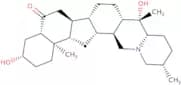
CAS :Inhibitor of TGF-α, CTGF, ERK1/2, NF-κB and FasL; anti-inflammatoryFormule :C27H43NO3Degré de pureté :Min. 98 Area-%Masse moléculaire :429.64 g/molGIP, human
Gastric inhibitory polypeptide (GIP) is an inhibiting hormone of the secretin family of hormones. While GIP is a weak inhibitor of gastric acid secretion, its main role is to stimulate insulin secretion - in a glucose-dependent mechanism. Therefore, GIP is referred to as a glucose-dependent insulinotropic peptide.GIP is derived from a 153-amino acid pro-protein encoded by the GIP gene and circulates as a biologically active 42-amino acid peptide. It is synthesised by K cells, which are found in the mucosa of the duodenum and the jejunum of the gastrointestinal tract. GIP receptors are seven-transmembrane proteins found on β-cells in the pancreas. These β-cells are those that are able to simultaneously detect glucose and release insulin as a result to GIP binding.The clinical relevance of GIP is related to type 2 diabetes mellitus (T2DM)- studies have found that T2DM diabetics are unresponsive to GIP and have lower levels of GIP secretion after a meal when compared to non-diabetics. In research involving knockout mice, it was found that absence of the GIP receptors correlates with resistance to obesity.Couleur et forme :PowderMasse moléculaire :4,980.5 g/molCMV IE-1 (213-225)
CMV pp65 (415-429) (HLA-B7) is a CEF (cytomegalovirus, Epstein-Barr virus, and influenza virus) control peptide that is derived from the Cytomegalovirus (CMV). CMV is capable of infecting a wide range of human cell types, where the body's primary immune response to CMV is innate, and relies on inflammatory cytokines and costimulatory molecules in order to control the spread of the virus. CMV pp65 (415-429) (HLA-B7) is defined as a CEF control peptide due to its antigenic properties. Clinically, these peptides are suitable epitopes for CD8+ T cells and can be used to stimulate the release of IFNg. HLA-B7 refers to the cell HLA type that this peptide acts on.Masse moléculaire :1,516.8 g/mol[Cy3B]-LifeAct (Abp140 1-17)
[Cy3B]-LifeAct (Abp140 1-17) contains the 17amino acid peptide Lifeact derived from amino acids 1-17 of the Saccharomyces cerevisiae actin binding protein, Abp140. These first 17 amino acids of Abp140 are crucial in allowing Lifeact to localise to actin filaments (F-actin) and therefore it can be used as a cytoskeletal marker. On application, lifeact can be used in the study of plant development and pathogen defence as filamentous actin within the plant actin cytoskeleton is important in key processes such as cell division, membrane trafficking and stomatal movements.The addition of the Cy-Dye fluorophore, Cy3B allows the location of the LifeAct (Abp140 1-17) to be detected. Cy3B is described as being conformationally locked meaning it is less likely to undergo photo-isomerization and one of its main applications is within DNA related studies.Couleur et forme :PowderMasse moléculaire :2,465.2 g/molH-QNQLQFNRNVPTNPRNLAVR-OH
H-QNQLQFNRNVPTNPRNLAVR-OH is a custom peptide that can be synthesized rapidly by our peptide experts in under 2 weeks. H-QNQLQFNRNVPTNPRNLAVR-OH is provided at greater that >95% purity (HPLC) from Cymit Quimica for a variety of research applications. We also offer H-QNQLQFNRNVPTNPRNLAVR-OH in bulk quantities in addition to our standard pack sizes.Please enquire for more information about H-QNQLQFNRNVPTNPRNLAVR-OH at the technical inquiry form on this page
Degré de pureté :Min. 95%SGS tripeptide
SGS-acid is a tripeptide consisting of a serine residue followed by a glycine and another serine residue. SGS-acid was synthesised from the dipeptide glycyl-L-serine (GS-acid)- the dipeptide GS-acid is also available in our catalogue. SGS-acid has a net charge of 0, it can act as a Bronsted base by accepting a hydron from a donor thus giving it diverse biological and chemical uses.Masse moléculaire :249.1 g/molStabilized avi tag peptide
Avi tag is a short 15 amino acid peptide that is capable of biotin modification to the lysine residue without effecting the protein function. The avi tag with biotin is highly specific and stable which makes it an ideal choice for protein interaction studies via purification or detection. Avi tag is more effective than a His tag at protein purification, with these advantages the stabilised version with an N-terminal acetylation is a vital tool in many research fields including drug delivery and DNA-protein interactions.Couleur et forme :PowderMasse moléculaire :2,042.19 g/molCellulose synthase 4 (923-936) Light [Populus tomentosa]
Cellulose synthase is a crucial enzyme involved in the synthesis of cellulose. Cellulose is an aggregation of unbranched polymer chains made of β-(1-4)-linked glucose residues, and is a component of primary and secondary cell walls - functioning to primarily maintain strength and shape in cells. Cellulose is synthesised by large cellulose synthase complexes (CSCs), which consist of synthase protein isoforms (CesA) that are arranged into a unique hexagonal structure. Cellulose synthase 4 (923-936) Light [Populus tomentosa] is specific to the Populus tomentosa species.Degré de pureté :Min. 95%Couleur et forme :PowderMasse moléculaire :1,603.7 g/mol



![[G]-JAK1 peptide (1015-1027)](/_next/image/?url=https%3A%2Fstatic.cymitquimica.com%2Fproducts%2F3D%2Fthumb-webp%2FCRB1000479.webp&w=3840&q=75)
![[Tyr]-CNP22, Human](/_next/image/?url=https%3A%2Fstatic.cymitquimica.com%2Fproducts%2F3D%2Fthumb-webp%2FCRB1001623.webp&w=3840&q=75)



![C-terminal Sortagging-[Cys(AF680)] amide](/_next/image/?url=https%3A%2Fstatic.cymitquimica.com%2Fproducts%2F3D%2Fthumb-webp%2FCRB1101685.webp&w=3840&q=75)


![[5-FAM]-C7](/_next/image/?url=https%3A%2Fstatic.cymitquimica.com%2Fproducts%2F3D%2Fthumb-webp%2FCRB1101183.webp&w=3840&q=75)


![[Cy3B]-LifeAct (Abp140 1-17)](/_next/image/?url=https%3A%2Fstatic.cymitquimica.com%2Fproducts%2F3D%2Fthumb-webp%2FCRB1130929.webp&w=3840&q=75)
![Cellulose synthase 4 (923-936) Light [Populus tomentosa]](/_next/image/?url=https%3A%2Fstatic.cymitquimica.com%2Fproducts%2F3D%2Fthumb-webp%2FCRB1000366.webp&w=3840&q=75)