Produits biochimiques et réactifs
Les biochimiques et réactifs sont des substances fondamentales pour la recherche et le développement dans des domaines tels que la biotechnologie, la biologie moléculaire, la pharmacologie et la médecine. Ces produits sont essentiels pour une variété d'applications, y compris la synthèse de composés, l'analyse d'échantillons biologiques, la recherche sur les processus métaboliques et la production de médicaments. Chez CymitQuimica, nous proposons une large sélection de biochimiques et réactifs de haute qualité et pureté, adaptés à divers besoins scientifiques et industriels. Notre catalogue comprend des enzymes, des anticorps, des acides nucléiques, des acides aminés et de nombreux autres produits, tous conçus pour soutenir les chercheurs et les professionnels dans leurs projets de recherche et développement, garantissant des résultats fiables et reproductibles.
Sous-catégories appartenant à la catégorie "Produits biochimiques et réactifs"
- Biomolécules(99.129 produits)
- Par Biological Target(99.160 produits)
- Par usage/effets pharmacologiques(6.787 produits)
- Cryoconservation et composés associés aux cryoconservateurs(21 produits)
- Désinfectants, additifs pour les fluides pour bains chauffants et composés apparentés(28 produits)
- Hormones(346 produits)
- Biologie végétale(6.742 produits)
- Métabolites secondaires(14.222 produits)
130579 produits trouvés pour "Produits biochimiques et réactifs"
Trier par
Degré de pureté (%)
0
100
|
0
|
50
|
90
|
95
|
100
RSV antibody (FITC)
<p>RSV antibody (FITC) was raised in mouse using nucleoprotein of RSV as the immunogen.</p>RNPC3 antibody
<p>RNPC3 antibody was raised using a synthetic peptide corresponding to a region with amino acids LHAPLPPTSPQPPEEPPLPDEDEELSSEESEYESTDDEDRQRMNKLMELA</p>JAK3 antibody
<p>The JAK3 antibody is a monoclonal antibody that specifically targets the activated form of the JAK3 protein. This antibody is commonly used in research and diagnostic applications to detect and quantify the presence of JAK3 in human serum samples. The JAK3 antibody can be immobilized on an electrode or colloidal surface to create a sensitive and specific assay for detecting JAK3 levels. It is also used in studies investigating growth factors, autoantibodies, and collagen-related diseases. The high specificity and affinity of this monoclonal antibody make it an essential tool for researchers studying helicobacter infections and other diseases involving the JAK3 pathway. Additionally, the JAK3 antibody can be used in combination with other antibodies, such as polyclonal antibodies, to enhance detection sensitivity and accuracy.</p>GPR180 antibody
<p>The GPR180 antibody is a highly specialized monoclonal antibody that targets the G protein-coupled receptor 180 (GPR180). This antibody has been developed for use in Life Sciences research and is widely used in various assays and experiments. The GPR180 antibody specifically binds to the GPR180 antigen, neutralizing its activity and preventing downstream signaling events.</p>CD138 antibody
<p>CD138 antibody is a monoclonal antibody used in the field of Life Sciences. It is known for its antiviral properties and its ability to target specific molecules in the body. This antibody specifically binds to CD138, a glycoprotein that is expressed on the surface of activated plasma cells. By binding to CD138, this antibody can inhibit the activity of phosphatases and chemokines, which play important roles in immune responses. Additionally, CD138 antibody has neutralizing effects on certain viruses and can be used in immunoassays to detect the presence of specific antigens in human serum. With its high specificity and effectiveness, CD138 antibody is a valuable tool in research and diagnostic applications within the field of Life Sciences.</p>BLNK antibody
<p>The BLNK antibody is a highly specialized monoclonal antibody used in the field of Life Sciences. It is specifically designed to target and inhibit the activity of glucokinase, a key enzyme involved in glucose metabolism. This antibody shows great potential as a therapeutic agent for various conditions, including diabetes and metabolic disorders.</p>Methyl 5-[2-(2,5-dimethoxyphenyl)ethyl]-2-hydroxybenzoate
CAS :<p>Methyl 5-[2-(2,5-dimethoxyphenyl)ethyl]-2-hydroxybenzoate is a methyl ester that is used in research as an olefination agent. It has been shown to have anti-cancer properties, and is being studied for its potential use in pharmaceuticals. It is a white crystalline solid that can be prepared by the elimination of dimethyl acetate in the presence of ethanol at room temperature. This compound has been shown to be effective against hyperproliferative cells and cancer cells. Methyl 5-[2-(2,5-dimethoxyphenyl)ethyl]-2-hydroxybenzoate can also be used as a precursor to produce 5-formylsalicylic acid which is an intermediate in the synthesis of aspirin. Novartis Pharmaceuticals produces this compound on a large scale using hydrogenation with Raney nickel catalyst.</p>Formule :C18H20O5Degré de pureté :Min. 95%Masse moléculaire :316.3 g/molASAH1 antibody
<p>ASAH1 antibody was raised using a synthetic peptide corresponding to a region with amino acids QSGEGCVITRDRKESLDVYELDAKQGRWYVVQTNYDRWKHPFFLDDRRTP</p>Degré de pureté :Min. 95%BOLA3 protein
<p>BOLA3 protein is a vital component in the field of Life Sciences. It is an endogenous erythropoietin that plays a significant role in promoting the growth and development of adipose tissues. BOLA3 protein has been extensively studied and has shown promising results in various research areas. It can be used as a target for carbon quantum-based peptide agents, monoclonal antibodies, or other therapeutic interventions. Additionally, BOLA3 protein has been found to have neutralizing properties against TGF-beta, a key regulator of cell growth and differentiation. Its potential applications in the development of medicaments and conjugated proteins make it a valuable asset in the field of molecular biology and drug discovery. With its wide range of characteristics, BOLA3 protein offers exciting opportunities for further exploration and utilization in various scientific endeavors.</p>Degré de pureté :Min. 95%PCK antibody
<p>PCK antibody is a monoclonal antibody that specifically targets the tyrosine phosphorylation of PCK, which is an important protein involved in various cellular processes. This antibody has been extensively studied in the field of Life Sciences and has shown promising results in inhibiting the growth of cancer cells. It has also been found to have potential therapeutic applications in targeting interleukin-6 signaling, as well as circumsporozoite protein-mediated immune responses. Additionally, PCK antibody has been used as a valuable tool for studying actin filaments and their role in cell motility and migration. With its high specificity and affinity, this antibody offers researchers a reliable tool for investigating various signaling pathways and molecular interactions in the field of Life Sciences.</p>NRBP2 antibody
<p>NRBP2 antibody was raised using the middle region of NRBP2 corresponding to a region with amino acids VIQMQCNLERSEDKARWHLTLLLVLEDRLHRQLTYDLLPTDSAQDLASEL</p>HSC70 antibody
<p>The 6-Fluoro-3-indoxyl-beta-D-galactopyranoside is an antituberculosis drug that belongs to the class of rifamycins. It is highly effective in treating tuberculosis infection due to its bactericidal activity. This active compound works by binding to DNA-dependent RNA polymerase, inhibiting transcription and replication. Its potency has been demonstrated through various techniques such as the patch-clamp technique on human erythrocytes. The drug undergoes several metabolic transformations, including hydrolysis by esterases or glucuronidases, oxidation by cytochrome P450 enzymes, reduction by glutathione reductase, or conjugation with glucuronic acid. Additionally, it specifically targets markers expressed in Mycobacterium tuberculosis strains and inhibits their growth in culture.</p>TGFB2 antibody
<p>The TGFB2 antibody is a highly specialized antibody that targets the protein transforming growth factor beta 2 (TGFB2). It belongs to the class of antibodies known as polyclonal antibodies, which are produced by multiple B cell clones and can recognize different epitopes on the target antigen. This antibody is widely used in life sciences research to study the role of TGFB2 in various biological processes.</p>SFRS12IP1 antibody
<p>SFRS12IP1 antibody was raised using the middle region of SFRS12IP1 corresponding to a region with amino acids NEEEEKKKEKSKEKIKLKKKRKRSYSSSSTEEDTSKQKKQKYQKKEKKKE</p>TRPM4 antibody
<p>The 6-Fluoro-3-indoxyl-beta-D-galactopyranoside is a powerful antituberculosis drug that falls under the class of rifamycins. It is highly effective in treating tuberculosis infections and contains active compounds that exhibit bactericidal activity. This drug works by binding to DNA-dependent RNA polymerase, preventing transcription and replication, thus inhibiting bacterial growth. Extensive research has shown its high frequency of human activity using a patch-clamp technique on human erythrocytes. Metabolically, it undergoes various transformations such as hydrolysis by esterases or glucuronidases, oxidation by cytochrome P450 enzymes, reduction by glutathione reductase, or conjugation with glucuronic acid. Additionally, it specifically targets markers expressed at high levels in Mycobacterium tuberculosis strains and inhibits their cell growth in culture.</p>PGRMC1 antibody
<p>PGRMC1 antibody was raised using the N terminal of PGRMC1 corresponding to a region with amino acids MAAEDVVATGADPSDLESGGLLHEIFTSPLNLLLLGLCIFLLYKIVRGDQ</p>Degré de pureté :Min. 95%ADNP antibody
<p>ADNP antibody was raised in rabbit using human 114 kDA hADNP protein as the immunogen.</p>Degré de pureté :Min. 95%SCN1B antibody
<p>SCN1B antibody was raised using the middle region of SCN1B corresponding to a region with amino acids NVTYNHSGDYECHVYRLLFFENYEHNTSVVKKIHIEVVDKANRDMASIVS</p>Degré de pureté :Min. 95%GAD67 antibody
<p>The GAD67 antibody is a polyclonal antibody that targets autoantibodies against the enzyme glutamate decarboxylase 67 (GAD67). This antibody is commonly used in Life Sciences research to study the role of GAD67 in various biological processes. It can be used for applications such as immunohistochemistry, Western blotting, and ELISA.</p>Degré de pureté :Min. 95%Apogossypol
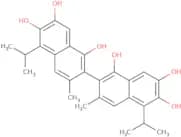
CAS :<p>Apogossypol is a heterocyclic molecule that has been shown to have anti-cancer effects. It binds to the mitochondrial enzyme p-nitrophenyl phosphate, which inhibits the production of ATP and induces apoptosis in cancer cells. Apogossypol also has demonstrated efficacy against autoimmune diseases, including multiple sclerosis and type 1 diabetes, by inhibiting inflammatory cytokine production. Apogossypol has been shown to induce caspase-independent cell death in fetal bovine kidney cells and carcinoma cell lines. This effect is mediated by increased levels of the protein MCL-1.</p>Formule :C28H30O6Degré de pureté :Min. 95%Masse moléculaire :462.5 g/molEHMT2 antibody
<p>EHMT2 antibody was raised in rabbit using the N terminal of EHMT2 as the immunogen</p>Degré de pureté :Min. 95%MCP2 antibody
<p>MCP2 antibody was raised in rabbit using recombinant human MCP-2 as the immunogen.</p>Degré de pureté :Min. 95%SNAP25 antibody
<p>The SNAP25 antibody is a monoclonal antibody that specifically targets clostridial neurotoxins. It is widely used in the field of Life Sciences for research purposes. This antibody has been shown to effectively neutralize the effects of clostridial neurotoxins by binding to them and preventing their interaction with target cells. The SNAP25 antibody is highly specific and does not cross-react with other proteins or molecules commonly found in biological samples. It has been extensively tested in various sample matrices, including human serum, and has shown excellent performance. Additionally, this antibody has been proven to be stable under different storage conditions and retains its activity even after multiple freeze-thaw cycles. Researchers rely on the SNAP25 antibody for its reliability and accuracy in detecting and quantifying clostridial neurotoxins in their experiments.</p>β Tubulin antibody
<p>The beta Tubulin antibody is a highly specific monoclonal antibody that targets the beta-tubulin protein. This protein plays a crucial role in cell division and is essential for the formation of microtubules, which are involved in various cellular processes such as intracellular transport and cell shape maintenance.</p>ID3 antibody
<p>The ID3 antibody is a monoclonal antibody that specifically targets and binds to the protein ID3. This protein is involved in cholinergic signaling and plays a crucial role in various cellular processes. The ID3 antibody can be used for research purposes, such as studying the function of ID3 in different cell types or investigating its role in disease development.</p>nNOS antibody (Ser852)
<p>Synthetic human phosphopeptide nNOS (Ser847) region immunogen, Rabbit polyclonal nNOS antibody (Ser852)</p>OSBPL3 antibody
<p>OSBPL3 antibody was raised using the N terminal of OSBPL3 corresponding to a region with amino acids MMSDEKNLGVSQKLVSPSRSTSSCSSKQGSRQDSWEVVEGLRGEMNYTQE</p>Connexin 26 antibody
<p>Connexin 26 antibody is a highly specialized family kinase inhibitor that belongs to the class of polyclonal antibodies. It targets the epidermal growth factor and other growth factors, inhibiting their activity and preventing cell proliferation. This antibody can also be used in Life Sciences research to study the activation of various signaling pathways, including those involving interferon and β-catenin. Additionally, it has been shown to inhibit phosphatase activity and block the expression of virus surface antigens. Connexin 26 antibody is available as both monoclonal and polyclonal antibodies, providing researchers with a variety of options for their experiments. Its cytotoxic properties make it a valuable tool for studying protein interactions and developing targeted inhibitors.</p>Troponin I antibody
<p>Troponin I antibody is a polyclonal antibody that specifically targets troponin I, a protein found in cardiac muscle. This antibody has a high affinity for troponin I and can be used in various applications such as immunoassays, western blotting, and immunohistochemistry. It has been shown to have low background binding and excellent sensitivity, making it an ideal tool for detecting and quantifying troponin I levels in biological samples. The neutralizing properties of this antibody allow for the inhibition of troponin I function, providing valuable insights into its role in cardiac muscle contraction. Additionally, this antibody can be used for endocytic uptake studies to investigate the internalization of troponin I and its potential involvement in cellular processes. With its nanocomposite colloidal formulation, this antibody offers enhanced stability and ease of use. Whether you are conducting research in the field of life sciences or developing diagnostic assays, the troponin I antibody is an essential tool for studying</p>Influenza A protein
<p>The Influenza A protein is a biomolecule that plays a crucial role in the life cycle of the influenza virus. It is an antigen that can be used to stimulate an immune response and develop immunity against the virus. This recombinant protein is derived from the influenza virus and can be used in research, diagnostics, and vaccine development.</p>Degré de pureté :90% By Sds-PageRANKL antibody
<p>RANKL antibody was raised in rabbit using with highly pure recombinant human sRANKL as the immunogen.</p>Degré de pureté :Min. 95%



![Methyl 5-[2-(2,5-dimethoxyphenyl)ethyl]-2-hydroxybenzoate](/_next/image/?url=https%3A%2Fstatic.cymitquimica.com%2Fproducts%2F3D%2Fthumb-webp%2FAGA77971.webp&w=3840&q=75)