


Produits biochimiques et réactifs
Les biochimiques et réactifs sont des substances fondamentales pour la recherche et le développement dans des domaines tels que la biotechnologie, la biologie moléculaire, la pharmacologie et la médecine. Ces produits sont essentiels pour une variété d'applications, y compris la synthèse de composés, l'analyse d'échantillons biologiques, la recherche sur les processus métaboliques et la production de médicaments. Chez CymitQuimica, nous proposons une large sélection de biochimiques et réactifs de haute qualité et pureté, adaptés à divers besoins scientifiques et industriels. Notre catalogue comprend des enzymes, des anticorps, des acides nucléiques, des acides aminés et de nombreux autres produits, tous conçus pour soutenir les chercheurs et les professionnels dans leurs projets de recherche et développement, garantissant des résultats fiables et reproductibles.
Sous-catégories appartenant à la catégorie "Produits biochimiques et réactifs"
- Biomolécules(99.117 produits)
- Par Biological Target(99.161 produits)
- Par usage/effets pharmacologiques(6.787 produits)
- Cryoconservation et composés associés aux cryoconservateurs(21 produits)
- Désinfectants, additifs pour les fluides pour bains chauffants et composés apparentés(28 produits)
- Hormones(346 produits)
- Biologie végétale(6.710 produits)
- Métabolites secondaires(14.222 produits)
130581 produits trouvés pour "Produits biochimiques et réactifs"
Trier par
Degré de pureté (%)
0
100
|
0
|
50
|
90
|
95
|
100
Human MMP1 ELISA Kit
<p>ELISA kit for detection of MMP1 in the research laboratory</p>Degré de pureté :Min. 95%Human IL4 ELISA Kit
<p>ELISA kit for detection of Human IL4 in the research laboratory</p>Degré de pureté :Min. 95%AMC
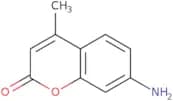
CAS :<p>AMC is a peptide that acts as an activator of the nicotinic acetylcholine receptor. AMC is a high-purity, ion channel ligand with a CAS No. 26093-31-2. It is used in life science research to study cell biology and pharmacology. AMC has been shown to be an inhibitor of the enzyme acetylcholinesterase (AChE) in rat brain slices and it has been reported that it can inhibit the proliferation of human leukemia cells.END></p>Formule :C10H9NO2Degré de pureté :Min. 95%Masse moléculaire :175.18 g/molBig Endothelin-1 (Human, 1-38)
CAS :<p>This product has disulfide bonds between Cys1-Cys15 and Cys3-Cys11 and is available as a 0.1mg vial. Big Endothelin-1 (Human, 1-38) is part of the full lengthed 29 amino acid peptide Big Endothlin-1 which is a precursor peptide of the vasoconstrictorEndothelin-1 (ET-1). ET-1 exhibits vasoconstrictive properties and is an activator of endothelin G-protein coupled receptors. Furthermore ET-1 is produced when inflammation, vascular stress or hypoxia occurs. In vivo Big Endothelin-1 has a greater half life compared to ET-1 and therefore makes it useful to study secretory activity in the endothelial system.<br>Overall Big Endothelin-1 (Human, 1-38) can be used as a research tool for studying protein interactions, receptor activation and function, and ligand binding. This peptide is also used in pharmacology to study the effects of therapeutic agents on receptor activity and expression.</p>Formule :C189H282N48O56S5Degré de pureté :Min. 95%Masse moléculaire :4,282.9 g/molHO1, gst tagged human
CAS :<p>The enzyme HO1, also known as heme oxygenase 1, is a member of the heme oxygenase family. It is an enzyme that catalyzes the oxidation of heme to produce biliverdin and free iron. HO1 is also a receptor for nitric oxide, which can lead to changes in downstream signaling pathways. The recombinant human HO1 protein has been tagged with GST at its C-terminus and purified by affinity chromatography. This product is suitable for use in research tools, cell biology, ion channels, and other applications where HO1 is used as a reagent or control.</p>Degré de pureté :Min. 95%CD152 antibody (PE)
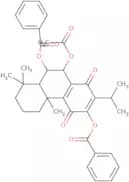
<p>CD152 antibody (PE) was raised in hamster using murine CD152/CTLA-4 as the immunogen.</p>Degré de pureté :Min. 95%(4bS,8aS,9S,10S)-10-(Acetyloxy)-3,9-bis(benzoyloxy)-4b,5,6,7,8,8a,9,10-octahydro-4b,8,8-trimethyl-2-(1-methylethyl)-1,4-phenanthrene dione
CAS :<p>(4bS,8aS,9S,10S)-10-(Acetyloxy)-3,9-bis(benzoyloxy)-4b,5,6,7,8,8a,9,10-octahydro-4b,8,8-trimethyl-2-(1-methylethyl)-1,4-phenanthrene dione is a potent chemokine molecule that is an agonist of the CXCR2 receptor. It has been shown to inhibit cancer stem cells and chemoattractant production in colon carcinoma cells. This compound selectively targets the translation of lamiaceae mRNA and induces apoptosis in colon carcinoma cells.</p>Formule :C36H38O8Degré de pureté :Min. 95%Masse moléculaire :598.7 g/molp-Perfluoroterphenyl
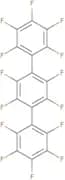
CAS :<p>p-Perfluoroterphenyl is a potent inhibitor of kinases, which are enzymes that play a crucial role in the regulation of cell growth and division. This compound has been extensively studied in Chinese medicinal research for its anticancer properties. It has been shown to inhibit the growth of tumor cells and induce apoptosis, or programmed cell death, in cancer cells. Additionally, p-Perfluoroterphenyl has been found to be an effective inhibitor of protein kinases, which regulate many important cellular processes. This analog has also been detected in human urine samples, indicating its potential as a diagnostic tool for cancer detection and treatment. Overall, p-Perfluoroterphenyl is a promising new compound with potential applications in cancer therapy and diagnosis.</p>Formule :C18F14Degré de pureté :Min. 95%Masse moléculaire :482.2 g/molAzido-dPEG®3-Amine
CAS :<p>Azido-dPEG®3-Amine is a PEG compound with two different functional groups (also known as heterobifunctional). Unlike homobifunctional PEG compounds (same functional group on both ends), this type of compounds are more versatile as have two different anchor points. Azido-dPEG®3-Amine is used as a linker and spacer to add a PEG moiety, via pegylation (a bioconjugation technique) to proteins, peptides, oligonucleotides, small molecules and nanoparticles.</p>Degré de pureté :Min. 95%Masse moléculaire :218.25 g/molSodium pyrophosphate decahydrate
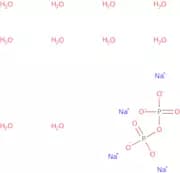
CAS :<p>Sodium pyrophosphate decanhydrate is a methyltransferase inhibitor that blocks the enzyme form of the DNA methyltransferase, which is responsible for maintaining DNA methylation patterns. It has been shown to inhibit the enzymatic activity of this enzyme in a model system. Sodium pyrophosphate decanhydrate inhibits the growth of bacteria by binding to water molecules and preventing them from binding to other molecules, causing dehydration. This drug also has potential as a natriuretic peptide levels inhibitor, with electrochemical impedance spectroscopy studies showing that it may have a high affinity for sodium ions. Studies have also shown that sodium pyrophosphate decanhydrate has no toxicity in mice.</p>Formule :H4O7P2•Na4•(H2O)10Degré de pureté :Min. 95%Couleur et forme :PowderMasse moléculaire :450.09 g/molRapalink-1
CAS :<p>Rapalink-1 is a gene therapy drug that has been shown to be effective against resistant mutants of malignant brain tumors. Rapalink-1 is a protein that has been engineered to bind to mesenchymal markers and inhibit the progression of cancer cells. This protein also has the ability to induce autophagy, which can lead to axonal growth and help with ischemia–reperfusion injury in pediatric patients. Rapalink-1 inhibits tumor growth by triggering autophagy, which can lead to axonal growth and help with ischemia–reperfusion injury in pediatric patients. Rapalink-1 is an autophagy inducer that binds to mesenchymal markers on cancer cells and inhibits the progression of cancer cells. It also has the ability to induce autophagy, which can lead to axonal growth and help with ischemia–reperfusion injury in pediatric patients.</p>Formule :C91H138N12O24Degré de pureté :Min. 95%Masse moléculaire :1,784.1 g/molNeutrophil Gelatinase Associated Lipocalin/Lipocalin-2, human, recombinant
<p>Neutrophil Gelatinase Associated Lipocalin (NGAL) is a lipocalin protein that is involved in many physiological and pathophysiological processes. NGAL binds to bacterial products, such as lipopolysaccharide, and can be used as a biomarker for inflammation or infection. NGAL has been shown to be elevated in the urine of patients with urinary tract infections. Additionally, NGAL has been shown to be associated with neurological diseases, such as Alzheimer's disease and Parkinson's disease. The recombinant human form of this protein can be used for research purposes or for the development of diagnostic tools. Neutrophil Gelatinase Associated Lipocalin (NGAL) is a lipocalin protein that is involved in many physiological and pathophysiological processes. It binds to bacterial products, such as lipopolysaccharide, and can be used as a biomarker for inflammation or infection. NGAL has been shown to be elevated in the urine of patients</p>Degré de pureté :Min. 95%SLV-2436
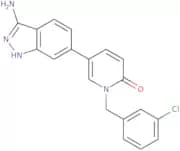
CAS :<p>SLV-2436 is a highly specialized laboratory reagent, which is synthetically derived through an advanced chemical process with rigorous quality control. Its mode of action involves precise interactions at a molecular level, facilitating targeted reactions and transformations essential for a variety of analytical and research applications.</p>Formule :C19H15ClN4ODegré de pureté :Min. 95%Masse moléculaire :350.8 g/molSR-4370
CAS :<p>SR-4370 is a potent inhibitor of the histone deacetylase (HDAC) enzyme class. It has been shown to inhibit cholesterol synthesis and lipid biosynthesis in cells, as well as inhibiting cancer cell proliferation. SR-4370 also has antioxidant effects, which may be due to its ability to inhibit the activation of NF-κB and downstream mediators. In addition, this compound has been shown to have synergistic effects with other HDAC inhibitors and chemotherapy drugs. This drug is being developed for the treatment of cancers such as prostate cancer, melanoma, breast cancer, colon cancer, and head and neck cancer.</p>Formule :C17H18F2N2ODegré de pureté :Min. 95%Masse moléculaire :304.33 g/molα Fodrin ELISA kit
<p>ELISA kit for the detection of Alpha Fodrin in the research laboratory</p>Degré de pureté :Min. 95%GBM ELISA kit
<p>ELISA kit for the detection of GBM in the research laboratory</p>Degré de pureté :Min. 95%Adrenaline/Noradrenaline/Dopamine ELISA Kit (3-CAT)
<p>Adrenaline/Noradrenaline/Dopamine ELISA Kit for the rapid quantitative determination of Adrenaline/Noradrenaline/Dopamine in plasma</p>Degré de pureté :Min. 95%05:0 PC
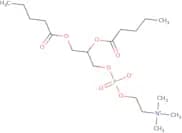
CAS :<p>05:0 PC is a peptide binding sequence that has been shown to inhibit the replication of viral sequences. 05:0 PC binds to the amino acid sequence in protein, which is a model system for peptide binding. The endoplasmic reticulum, or ER, is the site of synthesis for proteins and its low efficiency may be due to the spontaneous nature of the protein synthesis process. The ER can also be seen as an inhibitor molecule that prevents the virus from replicating. 05:0 PC has been shown to inhibit papillomavirus and HIV-1 replication in vitro. This peptide has also been shown to block interactions between viruses and cells that allow viral replication.</p>Formule :C18H36NO8PDegré de pureté :Min. 95%Masse moléculaire :425.45 g/molProlactin Releasing Peptide (1-31), bovine
<p>Catalogue peptide; min. 95% purity</p>Formule :C157H244N54O41SMasse moléculaire :3,576.01 g/molCJC-1295
CAS :<p>CJC-1295 is a synthetic peptide, which is an analogue of growth hormone-releasing hormone (GHRH). It is synthesized through recombinant DNA technology, which allows for precise control over its sequence and length. This particular peptide is designed to bind to GHRH receptors in the pituitary gland. By activating these receptors, CJC-1295 stimulates the release of growth hormone (GH) into the bloodstream.The primary function of CJC-1295 is to influence the endocrine system, particularly enhancing the release of endogenous growth hormone. It achieves this by increasing the amplitude and frequency of GH pulses without affecting the natural negative feedback mechanisms that regulate GH production. This mode of action distinguishes CJC-1295 from other growth hormone therapies, as it promotes a more physiological pattern of hormone secretion.CJC-1295 is used in various scientific contexts, primarily in research focusing on growth hormone deficiencies, muscle wasting conditions, and certain metabolic disorders. Its ability to increase GH release also makes it a subject of interest in studies related to aging, tissue repair, and regeneration. The longer half-life of CJC-1295 compared to natural GHRH peptides further enhances its applications in research, allowing for more sustained and controlled experimentation.</p>Degré de pureté :Min. 95%H-His-Arg-OH
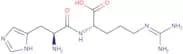
CAS :<p>H-His-Arg-OH is a synthetic peptide that has been shown to have cytotoxic effects on mammalian cells. The H-His-Arg-OH peptide can be used for the treatment of heart disease and autoimmune diseases, such as rheumatoid arthritis. This peptide has been found to be resistant to congestive heart failure, which is caused by a number of factors, including hypertension and valvular stenosis. It has also been shown to have an immunoglobulin G1 (IgG1) genotype.</p>Formule :C12H21N7O3Degré de pureté :Min. 95%Masse moléculaire :311.34 g/molMesotocin trifluroacetate
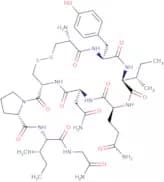
CAS :<p>Mesotocin is a peptide hormone that has a role in the regulation of water permeability and estradiol benzoate. It also regulates the physiological functions of the brain and has been shown to be involved in congestive heart failure, as it causes an increase in blood pressure. Mesotocin is found at high levels in human serum, but its activity is dependent on the presence of other hormones such as estradiol benzoate. The biological properties of mesotocin are largely unknown, although it is known to have receptor activity. The effects of this hormone on the kidney have been studied using mesotocin trifluroacetate (MTFA) and monoclonal antibody (mAb). MTFA causes an increase in glomerular filtration rate (GFR), which may be due to its ability to inhibit angiotensin II-induced vasoconstriction and decrease vascular resistance.</p>Formule :C43H66N12O12S2Degré de pureté :Min. 95%Masse moléculaire :1,007.19 g/molHead activator
<p>Catalogue peptide; min. 95% purity</p>Formule :C54H84N12O14Masse moléculaire :1,125.36 g/molAmyloid beta-Protein (36-38)
CAS :<p>Amyloid beta-Protein (36-38) is a peptide that has molecular weight of 4.3 kDa. It is a fragment of amyloid precursor protein, which is cleaved by enzymes in the brain to create the peptide. Amyloid beta-Protein (36-38) has been found to be involved in Alzheimer's disease as it aggregates into β-sheet bundles and forms amyloid plaques in the brain. This protein can be detected using vibrational spectroscopy and has been observed to have a strain that changes depending on pH. This molecule also undergoes proteolysis by peptidases, which break down proteins into amino acids for analysis with an amino acid analyzer. The solute can be analyzed with an acid analysis or spectrometer, which are used to determine functional groups such as carboxylic acids, hydroxyls, or amides. Amyloid beta-Protein (36-38)</p>Formule :C9H17N3O4Degré de pureté :Min. 95%Masse moléculaire :231.25 g/mol[Ala81]-MBP (74-85)
<p>Catalogue peptide; min. 95% purity</p>Formule :C55H94N20O21Masse moléculaire :1,371.48 g/molMyelin Oligodendrocyte Glycoprotein (35-55) (mouse, rat) trifluoroacetate
CAS :<p>Myelin oligodendrocyte glycoprotein (MOG) is a myelin protein found in the central nervous system. MOG is a ligand for CD200, which is an inhibitory receptor expressed by astrocytes. It has been shown that MOG can induce the proliferation and differentiation of primary cultures of rat astrocytes in vitro. MOG induces the production of reactive oxygen species in mitochondria and increases the expression of acid-binding protein, which are both important factors in the demyelination process. MOG has also been implicated as a potential factor in the development of multiple sclerosis. Further research into this protein may lead to new treatments or cures for disorders such as encephalomyelitis, nervous system diseases, or even cancer.</p>Formule :C118H177N35O29S•C2HO2F3Degré de pureté :Min. 95%Couleur et forme :PowderMasse moléculaire :2,695.98 g/mol

















![[Ala81]-MBP (74-85)](/_next/image/?url=https%3A%2Fstatic.cymitquimica.com%2Fproducts%2F3D%2Fthumb-webp%2FVAC-00644.webp&w=3840&q=75)
