Produits biochimiques et réactifs
Les biochimiques et réactifs sont des substances fondamentales pour la recherche et le développement dans des domaines tels que la biotechnologie, la biologie moléculaire, la pharmacologie et la médecine. Ces produits sont essentiels pour une variété d'applications, y compris la synthèse de composés, l'analyse d'échantillons biologiques, la recherche sur les processus métaboliques et la production de médicaments. Chez CymitQuimica, nous proposons une large sélection de biochimiques et réactifs de haute qualité et pureté, adaptés à divers besoins scientifiques et industriels. Notre catalogue comprend des enzymes, des anticorps, des acides nucléiques, des acides aminés et de nombreux autres produits, tous conçus pour soutenir les chercheurs et les professionnels dans leurs projets de recherche et développement, garantissant des résultats fiables et reproductibles.
Sous-catégories appartenant à la catégorie "Produits biochimiques et réactifs"
- Biomolécules(99.129 produits)
- Par Biological Target(99.160 produits)
- Par usage/effets pharmacologiques(6.787 produits)
- Cryoconservation et composés associés aux cryoconservateurs(21 produits)
- Désinfectants, additifs pour les fluides pour bains chauffants et composés apparentés(28 produits)
- Hormones(346 produits)
- Biologie végétale(6.742 produits)
- Métabolites secondaires(14.222 produits)
130579 produits trouvés pour "Produits biochimiques et réactifs"
Trier par
Degré de pureté (%)
0
100
|
0
|
50
|
90
|
95
|
100
Indolicidin
<p>Indolicidin is a natural cationic cathelicidin family anti-microbial peptide (AMP) with a very wide killing spectrum which includes: Gram-positive and Gram-negative bacteria, fungi, protozoa and HIV. It is also an immune system modulator and an inhibitor of aminoglycoside antibiotic-resistance enzymes.Indolicidin contains 5 tryptophan residues (39% of peptide content)- the highest tryptophan proportion ever seen in a peptide or protein.When indolicidin interacts with biological membranes it assumes a wedge- shaped conformation, with the hydrophobic tryptophan residues in the trough of the wedge, and positively charged regions flanking them at each end. If fully extended, indolicidin is able to span both lipid bilayers despite only consisting of 13 amino acid residues. This is possible because indolicidin adopts an approximate poly-l-proline type II helix conformation, which is characterized by very high helical pitches.The exact mode of action of indolicidin is still unknown. At bactericidal concentrations the peptide appears to translocate through the membrane into the cytosol where it may bind to nucleic acids, whereas at higher concentrations it is membranolytic.</p>Couleur et forme :PowderMasse moléculaire :1,906.28 g/molRKOpep
<p>Peptide identified through phage display that binds to colorectal cancer cell line RKO cells, as well as other cancer cells including Caco-2, HCT 116 and HCT-15, but not to normal cells, possibly through targeting the monocarboxylate transporter 1, which has been implicated in colorectal cancer progression and prognosis.</p>Masse moléculaire :920.4 g/molH-ATNYNAGDR^-OH
<p>Peptide H-ATNYNAGDR^-OH is a Research Peptide with significant interest within the field academic and medical research. This peptide is available for purchase at Cymit Quimica in multiple sizes and with a specification of your choice.</p>[5-FAM]-PTH (1-34)
<p>PTH 1-34, is a biologically active peptide fragment of parathyroid hormone (PTH). PHT 1-34 has been shown to enhance bone fracture healing by promoting osteogenesis. PTH 1-34 also has chondrogenic properties.PTH is an 84-amino-acid polypeptide hormone (PTH 1-84) which is secreted by the parathyroid glands along with its fragments (such as PTH 1-34 and PTH 7-84). PTH increases calcium and decrease phosphate levels in the blood and the abundance of PTH-derived peptides is regulated by blood calcium levels. PTH inhibits the bone growth-promoting activity of osteoblasts and induces osteoclasts to resorb bone and release calcium and phosphate ions into the blood. PTH binds to and activates the receptor parathyroid hormone receptor 1 (PTHR1). PTHR1 is a G-protein-coupled receptor (GPCR) which regulates mineral ion homeostasis, bone turnover and skeletal development.It contains 5-Carboxyfluorescein (5-FAM), a widely used green fluorescent tag.</p>Couleur et forme :PowderMasse moléculaire :4,473.2 g/molGalanin (2-12) acid
<p>Galanin is a neuropeptide synthesised and released by the brainstem locus coeruleus (LC). Galanin is expressed in most LC neurons in rodents and humans. Galanin has been shown to inhibit LC activity by hyperpolarising LC neurons, suppressing their spontaneous firing rate, and enhancing alpha2-adrenergic receptor-mediated negative feedback. Galanin is also a potent trophic and neuroprotective factor throughout the nervous system.Galanin is widely distributed from the central nervous, peripheral, and endocrine systems. Galanin's overarching function is as an inhibitory, hyper-polarizing neuromodulator for classical neurotransmitters like acetylcholine and serotonin. Galanin interacts with 3 receptor subtypes, GalR1-3 G protein-coupled receptors which are inserted into the plasma membrane. GalR1 is believed to activate a Gβγ pathway to regulate MAPK activation. GalR2 can also activate the MAPK pathway, but unlike GalR1, there is detectable inositol phosphate production. GalR3 is associated with the Galphai/o pathway. Activation of the receptor leads to a cellular influx of K+. Each receptor has been associated with neurological diseases such as GalR3 and epilepsy.Some N-terminal fragments naturally occur in vivo but their relevance is unclear. The physiological relevance of the galanin fragment (2-12) and its affinity to the various GalR receptors has yet to be made clear. Binding assays and displacement assays in rat brain tissue have been performed with similar N-terminal galanin fragments to try and elucidate their function. . The use of N-terminal fragments such as galanin (2-12) can help clarify the function of full-length galanin. This may highlight new agonists/antagonists for the galanin GalR receptors that can be putative therapeutic targets for treatments of conditions such as cardiovascular disease.NMR has used this galanin fragment (2-12) to help characterise the structure of galanin. It shows the critical residues Tyr(9), Leu(10), and Leu(11) for interaction with the galR receptors. They cluster together as collapsed hydrophobic residues irrelevant to forming higher-order structures.</p>Masse moléculaire :1,193.6 g/molACTH (11-24)
<p>C- terminal fragment of adrenocorticotropic hormone (ACTH) also known as corticotropin, and competitive antagonist of ACTH receptor (ACTHR), also known as melanocortin type 2 receptor (MC2R).ACTH is a member of the melanocortins-peptide family, this tropic hormone is produced and secreted by the anterior pituitary gland. ACTH is an important component of the hypothalamic-pituitary-adrenal (HPA) axis and is often produced in response to biological stress. ACTH acts to increase the production and release of cortisol via its interaction with ACTHR. Receptor activation increases the intracellular concentration of cAMP via adenylyl cyclase. Abnormal ACTH levels in the body have been linked to primary adrenal insufficiency/Addison's disease, Cushing's disease and secondary adrenal insufficiency.</p>Couleur et forme :PowderMasse moléculaire :1,650.1 g/molMotilin Heavy
<p>Peptide derived from the gastrointestinal hormone motilin, secreted from endocrine cells in the small intestines, mainly from the jejunum and duodenum, in response to the fasting, drinking water or the mechanical stimulus of eating. The phenylalanine at position 5 is isotopically labelled with carbon-13(9) and nitrogen-15(1) and the leucine at position 10 is isotopically labelled with carbon-13(6) and nitrogen-15(1).</p>Degré de pureté :Min. 95%Masse moléculaire :2,714.4 g/molIrisin (48-57) Heavy
<p>In recent years, muscle function and dysfunction has become relevant in metabolic homeostasis. Irisin is an exercise-induced myokine, and is the product of type I membrane protein cleavage encoded by the fibronectin type III domain containing 5 (FNDC5) gene. The main beneficial function attributable to irisin is the change of subcutaneous and visceral adipose tissue into brown adipose tissue, with a consequential increase in thermogenesis.Irisin has also been described as a hormone that may have a key role in glucose homeostasis.The valine residue has been isotopically labelled with carbon-13 (5) and nitrogen-15 (1).</p>Degré de pureté :Min. 95%Couleur et forme :PowderMasse moléculaire :1,213.6 g/molIQVPL (EYGF-56)
<p>During extraction of lecithin from egg yolk, peptide by-products can be isolated and purified by gel filtration. Within the by-products this has led to the discovery of biologically active value-added products. The egg yolk gel filtration (EFGF) fractions were analysed for their antioxidant and angiotensin converting enzyme (ACE) inhibitory activities. EYGF-56 predominantly contained 3 peptides - SDNRNQGY, IQVPL, and KGLWE. IQVPL in EYGF-56 was found to have minimal antioxidant activity. YPSPV showed some angiotensin converting enzyme (ACE) inhibitory activity.</p>Degré de pureté :Min. 95%Masse moléculaire :567.4 g/molPip6a
<p>Pip6a is part of a novel series of transduction peptides termed Pips (PNA/PMO internalisation peptides). Pip peptides were designed around an original R6-penetratin cell penetrating peptide (CPP) and are able to transport PNA/PMO molecules across cell membranes. Pip peptides can be covalently conjugated to PNAs/PMOs to deliver them to a variety of adult tissues, including liver, kidney, skeletal muscle, diaphragm, and heart.Due to its ability to target the heart, pip6a has important implications for the development of therapeutic antisense oligonucleotide therapy using PMOs for diseases such as Duchenne muscular dystrophy (DMD). DMD causes progressive muscle weakening and often results in cardiac failure and death. Pip6a has also been studied for delivery of antisense oligonucleotide therapy in spinal muscular atrophy (SMA).</p>Degré de pureté :Min. 95%Couleur et forme :PowderMasse moléculaire :2,952.6 g/molIg heavy chain V-III region Heavy
<p>Peptide from the human immunoglobulin heavy chain variable region 3 (IGHV3). The IGHV region is divided into 6 families and participates in antigen recognition. Mutations of IGHV are associated with better responses to some treatments and prolonged survival of some B-cell neoplasms like chronic lymphocytic leukaemia.Immunoglobulins are membrane-bound or secreted glycoproteins produced by B lymphocytes which help shape the adaptive immune response. The antigen binding site is formed by the variable domain of one heavy chain, and with that of its associated light chain. Therefore each immunoglobulin has two antigen binding sites with remarkable affinity for a particular antigen. The arginine residue at position 19 of this peptide is isotopically labelled with carbon-13 (6) and nitrogen-15 (4), giving this peptide a mass increase of 10 compared to the unlabelled peptide.</p>Degré de pureté :Min. 95%Masse moléculaire :1,891 g/molH-VVVGAVGV-OH
<p>H-VVVGAVGV-OH is a custom peptide that can be synthesized rapidly by our peptide experts in under 2 weeks. H-VVVGAVGV-OH is provided at greater that >95% purity (HPLC) from Cymit Quimica for a variety of research applications. We also offer H-VVVGAVGV-OH in bulk quantities in addition to our standard pack sizes.Please enquire for more information about H-VVVGAVGV-OH at the technical inquiry form on this page</p>Degré de pureté :Min. 95%Histone H3 (22-30) K27Me3
<p>The Histone H3 (22-30)-K27Me3 is derived from Histone 3 (H3) which is one of the four core histones (H2A, H2B, H3 and H4) fundamental in compacting eukaryotic DNA into the nucleosome. The nucleosome arises when 147 base pairs of DNA wrap around a H3-H4 tetramer and two H2A-H2B dimers, forming the histone octamer core. Both H4 and H3 are highly conserved and perform roles in binding to segments of DNA which enter and leave the nucleosome and in chromatin formation. Similar to the other core histone, H3 has a globular domain and a flexible N-terminal domain, 'histone tail' which can undergo modifications such as acetylation, methylation, phosphorylation and ubiquitination. Due to histones containing a large number of lysine and arginine residues they have a positive net charge which interacts in an electrostatic manner with the negatively charged phosphate groups in DNA. The transcriptional activation or silencing of the chromatin is controlled by ATP-dependent chromatin remodelling factors and histone modifying enzymes which target histone proteins. Both processes function to alter to change the positioning of the nucleosome, allowing the DNA it to be either available to the transcription machinery or inaccessible.The Histone H3 (20-36) lysine 27 has been trimethylated which is usually a marker of repressive chromatin. H3K27 trimethylation also prevents H3 from interacting with SET1-like complexes, thus inhibiting the trimethylation of H3K4.</p>Couleur et forme :PowderMasse moléculaire :1,012.6 g/molInfluenza A protein
<p>Influenza A protein is a versatile molecule that plays a crucial role in various biological processes. It has been extensively studied in the field of Life Sciences due to its diverse characteristics and functions. This protein is involved in important signaling pathways, such as the epidermal growth factor and β-catenin pathways, which regulate cell growth and development.</p>Degré de pureté :Min. 95%SARS-CoV-2 Spike (991-1000)
<p>The SARS-CoV-2 spike protein is present on the outside of the virus particles and can bind to angiotensin-converting enzyme II (ACE2) present on the host cells. The C-terminal receptor binding domain (RBD) of the spike protein binds to the N-terminal peptidase M2 domain of ACE2. This receptor binding results in the internalisation of the virus-receptor complex and is, therefore the mechanism of entry of SARS-CoV-2 into host cells.The spike protein residues VQIDRLITGR (991-1000) from SARS-CoV-2 have been identified as a T-cell epitope with a predicted HLA restriction. Immune targeting of confirmed epitopes may potentially offer protection against SARS-CoV-2 and help the development of vaccines for long-lasting immunity.</p>Masse moléculaire :1,170 g/molInsulin B (9-23)
<p>This insulin B-chain peptide binds to a class II histocompatibility complex (MHC) allele called I-Ag7. A number of autoimmune diseases has been linked to class II proteins encoded by the MHC. Type 1 diabetes, or insulin-dependent diabetes mellitus, is a T cell-mediated disease that results in autoimmune destruction of pancreatic ß cells leading to hyperglycemia. This insulin β peptide may be a self-antigen candidate that could initiate the disease. Immunisation with this peptide in mice led to autoantibodies and insulitis. In the non-obese diabetic (NOD) mouse model, this peptide represents the dominant insulin peptide driving disease initiation.Insulin is a polypeptide composed of two peptide chains referred to as the alpha chain and β chain. Insulin is normally secreted rapidly from the β-cells of the pancreatic islets in response to nutrients absorbed after a meal. In type 1 diabetes mellitus, there may be an absolute insulin deficiency as a consequence of autoimmune destruction of the β-cells.</p>Couleur et forme :PowderMasse moléculaire :1,644.8 g/molBiotinylated L57
<p>The blood-brain barrier (BBB) is a major obstacle to drug delivery into the central nervous system (CNS), in particular for macromolecules such as peptides and proteins. However, certain macromolecules can reach the CNS via a receptor-mediated transcytosis (RMT) pathway, and low-density lipoprotein receptor-related protein 1 (LRP1) is one of the promising receptors for RMT. Recent studies have shown that biotinylated L57 binds to LRP1 (CL4)-Fc more efficiently than Angiopep-7 (a different LRP1 ligand), which might explain the improved BBB permeability of L57.</p>Masse moléculaire :3,110.6 g/molDystrophin (50-61)
<p>Forms of inherited muscular dystrophy such as Duchenne muscular dystrophy (DMD) and Becker muscular dystrophy (BMD) result from mutations targeting the dystrophin gene. These disorders are X-linked, progressive, and cause the gradual weakening of the muscles leading to respiratory failure and ultimately reduces the patient lifespan.In DMD, mutations lead to the production of premature stop codons and hence the truncated dystrophin protein product is vulnerable to nonsense mediated decay and degradation. Therefore, dystrophin production in muscle cells is reduced. On the other hand, nonsense mutations which also contribute to DMD, cause exon skipping in BMD and result in an internally truncated protein product which are partially functional. The symptoms of BMD are later onset compared with DMD which develop in patients between 2 to 7 years.Treatments of dystrophin disorders are in clinical trials including antisense oligonucleotide exon skipping and gene therapy. However, the efficacies of these treatments are not easily quantified. Currently levels of muscular dystrophin are quantified by western blot which can be unreliable. The peptide provided here, aligning residues dystrophin (50-61), has been used to try and create a quantifiable method that is reproducible. The method used was not successful, but dystrophin (50-61) remains a useful tool to create a potential quantification method for diagnosis and progress of dystrophin disorders as it was effectively detected by mass spectrometry and Western blot. Within our catalogue we also have other peptides tested for dystrophin quantification available plus the full-length dystrophin protein.</p>I-RW
<p>The peptide IRW, characterised from egg protein, exhibits inhibitory properties against the angiotensin converting enzyme (ACE2) and could be used to prevent cardiovascular disease with further research. Treatment of hypertensive mice with IRW induced endothelium-dependent vasorelaxation and reduced vascular inflammation. The IRW tripeptide acts as anti-hypertensive by upregulating ACE2 activity via the Mas receptor (MasR) and upregulating Akt/eNOS signalling in the aorta. IRW also induces superoxide dismutase (SOD), catalase (CAT), and glutathione peroxidase (GPx) activity. These may play a factor in IRW's role as an anti-inflammatory. IRW shows promise as a nutraceutical for inflammatory conditions and a tool for drug development in cardiovascular disease.</p>Degré de pureté :Min. 95%Masse moléculaire :1,830.9 g/molAldehyde Dehydrogenase antibody
<p>Aldehyde dehydrogenase antibody was raised in rabbit using aldehyde dehydrogenase isolated from yeast as the immunogen.</p>Degré de pureté :Min. 95%Ubiquitin K48 Light
<p>This sequence corresponds to the peptide bond between mammalian Lys48- (K48) linked Ub proteins- where (GG) corresponds to the C-terminus of the side chain appended Ub.K48-linked chains are the most abundant Ub chain types, and target proteins for proteasomal degradation.</p>Degré de pureté :Min. 95%Masse moléculaire :1,459.8 g/molAlbumin (51-62) Bovine
<p>Albumin (51-62) Bovine is derived from the globular protein Albumin and is found in the blood plasma of humans (known as Human Serum Albumin, HSA) where it serves to maintain plasma pressure and nutritional balance. Another role it carries out is the transportation of bound molecules through the blood. Bovine serum albumin (BSA), composed of 583 amino acids, is very similar to HSA thus allowing BSA to be used as a successful model and a standard protein in laboratory experiments.Although BSA and HAS share homology in their three domains, I, II and III, BSA contains 2 tryptophan whereas HAS only contains 1 tryptophan residue.In agriculture the presence of the albumin protein has been used to assess the health of cows to ensure that a suitable quality of milk and meat are produced. Moreover it is important to detect bovine albumin in food and pharmaceutical products due to it being an allergenic protein.</p>Couleur et forme :PowderMasse moléculaire :1,510.8 g/molOVA (323 - 339) amide
<p>Ova (323-339) is an epitope of interest from egg white albumen, which is widely used in allergy research. Ovalbumin is a glycoprotein that is sufficiently large and complex to be mildly immunogenic. It has been demonstrated that ovalbumin contains B-cell epitopes which are recognized by specific IgE antibodies, and CD4 T cell epitopes restricted by the MHC I-Ad molecule in mice and by HLA-D molecule in human.OVA (323-339) can be used to study binding of class II MHC-peptide and T-cell activation in PBMCs by ELISPOT assays. This method quantifies peptide-epitope specificity and IFN-γ releasing effector cells. It has been shown that OVA (323-339) was responsible for 25-35% of T-cell response of isolated BALB/c mouse. An investigation has demonstrated that OVA and OVA (323-339) induced similar lung inflammation and a Th2-like dominant immune response in mouse model.</p>Masse moléculaire :1,771.9 g/molVarenicline
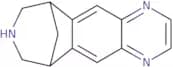
CAS :<p>Partial agonist of α4β2 nicotinic receptors; acetylcholine receptor α7 agonist</p>Formule :C13H13N3Degré de pureté :Min. 95%Couleur et forme :PowderMasse moléculaire :211.26 g/molIRBP (1-20)
<p>IRBP (1-20) is derived from the interphotoreceptor retinoid-binding protein (IRBP), present in the interphotoreceptor matrix and is expressed by cone and rod photoreceptors in the eye. IRBP is involved in retinoid delivery and protects retinal cells from oxidative stress.In retinitis pigmentosa patients, IRBP can be subjected to mutations resulting in a non-secreted form of IRBP to be produced. Furthermore IRBP gene mutations have been associated with high myopia and retinal dystrophy.The expression of IRBP is reduced in diabetes patients which may lead to visual cycle misfunction and the photoreceptors can be vulnerable to damage.</p>Masse moléculaire :2,193.2 g/molBezafibrate - Bio-X ™
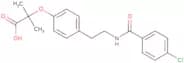
CAS :<p>Bezafibrate is an antilipemic agent that is used in the management of primary and secondary hyperlipidaemia. This mechanism of action for this drug is not well known however it is generally accepted that this drug is an agonist of Peroxisome proliferator-activated receptor (PPAR-alpha). This drug aids in lowering cholesterol level and triglycerides.</p>Formule :C19H20ClNO4Degré de pureté :Min. 95%Couleur et forme :PowderMasse moléculaire :361.82 g/molAngiopep 2
<p>Part of the angiopep family of peptides which have been derived from the Kunitz domain of human aprotinin. These peptides are able to cross the blood brain barrier (BBB) and have been used to facilitate the delivery of pharmacological agents to the brain, for example to target glioblastoma tumours and recurrent brain metastases of pre-treated breast cancers. Angiopep-2 has higher transcytosis capacity and higher brain volume of distribution than aprotinin. Like aprotinin, angiopep-2 interacts with low-density lipoprotein receptor-related protein 1 (LRP1) which is thought to promote its delivery across the BBB via receptor-mediated transcytosis (RMT). However the interaction with LRP1 may not be the only method for angiopep-2 to cross into the brain.</p>Couleur et forme :PowderMasse moléculaire :2,301.51 g/molAlbumin (556-564) Bovine
<p>Albumin (556-564) Bovine is derived from the globular protein Albumin and is found in the blood plasma of humans (known as Human Serum Albumin, HSA) where it serves to maintain plasma pressure and nutritional balance. Another role it carries out is the transportation of bound molecules through the blood. Bovine serum albumin (BSA), composed of 583 amino acids, is very similar to HSA thus allowing BSA to be used as a successful model and a standard protein in laboratory experiments.Although BSA and HAS share homology in their three domains, I, II and III, BSA contains 2 tryptophan whereas HAS only contains 1 tryptophan residue.In agriculture the presence of the albumin protein has been used to assess the health of cows to ensure that a suitable quality of milk and meat are produced. Moreover it is important to detect bovine albumin in food and pharmaceutical products due to it being an allergenic protein.</p>Couleur et forme :PowderMasse moléculaire :1,049.6 g/molH-ASGGAFSSFTISWVR-OH
<p>H-ASGGAFSSFTISWVR-OH is a custom peptide that can be synthesized rapidly by our peptide experts in under 2 weeks. H-ASGGAFSSFTISWVR-OH is provided at greater that >95% purity (HPLC) from Cymit Quimica for a variety of research applications. We also offer H-ASGGAFSSFTISWVR-OH in bulk quantities in addition to our standard pack sizes.Please enquire for more information about H-ASGGAFSSFTISWVR-OH at the technical inquiry form on this page</p>Degré de pureté :Min. 95%Angiotensin II Heavy
<p>Angiotensin II (Ang-II) is a key signalling peptide of the renin angiotensin system (RAS) which is involved in regulating functions such as blood pressure, cardiovascular function and energy balance. RAS activity is elevated in obesity and is widely studied in relation to lifestyle-related diseases.Ang-II is produced from angiotensinogen (AGT) via the intermediate angiotensin I (Ang-I). AGTis cleaved by the aspartyl-protease, renin, to produce Ang-I, which is then cleaved by the dicarboxyl-peptidase angiotensin converting enzyme (ACE), which removes a histidine and a leucine, from the C-terminus of Ang-I to form Ang-II.Ang-II exerts its affect by binding to the G-protein-coupled receptors- Ang II type 1 (AT1) and Ang II type 2 (AT2) receptors. Ang-II plays central roles in glucose metabolism and blood pressure. Increased levels of Ang-II have also been associated with Alzheimer's disease, and certain cancers including oesophageal squamous cell carcinoma (ESCC), brain cancers and breast cancer. The effects of Ang-II appear to be supressed or limited by another branch of the RAS- the ACE2/Ang-(1-7)/Mas pathway.The isoleucine residue at position 5 of this peptide is isotopically labelled with carbon-13 (6) and nitrogen-15 (1), giving this peptide a mass increase of 7 compared to the unlabelled peptide.</p>Degré de pureté :Min. 95%Couleur et forme :PowderMasse moléculaire :1,052.5 g/molPNC 27
<p>Membrane-active peptide that binds to HDM-2 expressed in the membranes of solid tissue tumour cells to induce transmembrane pore formation in cancerous, but not normal cells, resulting in tumour cell necrosis independent of p53 activity.</p>Masse moléculaire :4,029.2 g/molH-LLVSASQDGK-OH
<p>H-LLVSASQDGK-OH is a custom peptide that can be synthesized rapidly by our peptide experts in under 2 weeks. H-LLVSASQDGK-OH is provided at greater that >95% purity (HPLC) from Cymit Quimica for a variety of research applications. We also offer H-LLVSASQDGK-OH in bulk quantities in addition to our standard pack sizes.Please enquire for more information about H-LLVSASQDGK-OH at the technical inquiry form on this page</p>Degré de pureté :Min. 95%Myelin Basic Protein (MBP) (68-82), guinea pig
<p>The 14 amino acid fragment of myelin basic protein (MBP) (68-82) can induce experimental allergic encephalomyelitis (EAE) in Lewis rats. EAE is the most used experimental model for studying the human inflammatory demyelinating diseases, such as multiple sclerosis (MS).MBP is an integral component of myelin found in the central nervous system (CNS). MBP is considered vital for the development and stability of the myelin sheath where it plays a role in membrane adhesion. MPBs constitute an extraordinarily varied collection of splice isoforms which show a myriad of post-translational modifications. MBP may be targeted by auto-antibodies in diseases such as MS. Use of MBP fragments in immunology assays are helping to answer this. The low affinity of MBP (1-9) peptide for major histocompatibility complex (MHC) class II molecules may result in MBP autoreactive T cells escaping central-tolerance, where self-reactive T cells are usually eliminated. The activity induced by MBP (68-82) suggests it can cause EAE but other EAE MBP peptides were found to induce a stronger response. The MBP (68-82) and others available in our catalogue may help to understand the nature of demyelinating diseases and find the target autoantigens of conditions such as MS.</p>Couleur et forme :PowderMasse moléculaire :1,735.8 g/molChlamydia trachomatis protein
<p>Chlamydia trachomatis protein is a natriuretic protein that has been extensively studied in the field of Life Sciences. It is commonly used as a monoclonal antibody target for research purposes. This protein plays a crucial role in various biological processes, including fibroin synthesis and phosphatase activity regulation. Additionally, it has been found to have implications in adipose tissue function, β-catenin signaling, caspase-9 activation, fatty acid metabolism, hormone regulation, and endothelial growth.</p>ERKtide acid
<p>ERKtide Substrate Peptide.</p>Degré de pureté :Min. 95%Masse moléculaire :1,675.9 g/molβ-Amyloid (1-14) Biotin
<p>Amino acids 1-14 of β-amyloid peptide (Aβ).Aβ has been identified as the key subunit of the extracellular plaques found in the brains of patients with Alzheimer's disease (AD) and Down's syndrome (DS). Aβ has therefore been extensively studied as a potential target for treatment of AD. Aβ is formed from the cleavage of the large, transmembrane protein- APP (amyloid precursor protein). Cleavage of APP by β- and then γ-secretases results in the formation of Aβ. Aβ can aggregate to produce amyloid-β oligomers, which are thought to be highly neurotoxic. Over time Aβ can further aggregate to produce the characteristic senile plaques present in AD and DS. Aβ can be degraded by enzymes such as neprilysin, insulin degrading enzyme or endothelin converting enzyme. At physiological levels Aβ may be involved in controlling synaptic activity and neuronal survival.Contains a C-terminal biotin tag for easy detection and purification.</p>Masse moléculaire :1,965.9 g/molNatalizumab LC46-58 KSN deimmunised
<p>Natalizumab LC46-58 KSN deimmunised</p>Masse moléculaire :1,482.8 g/molDyrk1a antibody
<p>Dyrk1a antibody was raised in rabbit using the N terminal of Dyrk1a as the immunogen</p>Degré de pureté :Min. 95%LL-37 fragment (24-29)
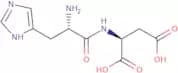
<p>LL-37 is a member of the large cationic family of anti-microbial peptides called cathelicidins which have broad-spectrum anti-microbial activity and are expressed in many species. The only cathelicidin found in humans is LL-37, this is produced in epithelial cells, by proteolytic cleavage from the C-terminal of the hCAP-18 protein. LL-37 can be processed into different forms of anti-microbial peptides. As well as its anti-microbial properties LL-37 also regulates many aspects of the innate immune system and overexpression of LL-37 has been linked to autoimmune diseases such as asthma and psoriasis, making LL-37 the most studied form of the human cathelicidin peptides.More recently, studies have shown that LL-37 binds to SARS-CoV-2 S protein and inhibits binding to its receptor hACE2, which may inhibit viral entry into the cell. LL-37 is upregulated by vitamin D, therefore this may be one mode of action for the positive outcomes seen with vitamin D treatment for Covid-19.</p>Couleur et forme :PowderMasse moléculaire :790.5 g/molH-His-Asp-OH
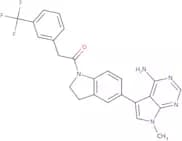
CAS :<p>H-His-Asp-OH is a histidine derivative that has been shown to have antimicrobial activity. It binds to DNA and inhibits the polymerase chain reaction. The drug also has structural similarities with phosphatases, which may be due to its ability to bind to DNA in an activated form. H-His-Asp-OH is a potent inhibitor of bacterial growth and has been shown to inhibit the growth of Eukaryotes.</p>Formule :C10H14N4O5Degré de pureté :Min. 95%Couleur et forme :White PowderMasse moléculaire :270.24 g/molGSK 2606414
CAS :<p>Inhibitor of EIF2AK3/PERK kinases</p>Formule :C24H20F3N5ODegré de pureté :Min. 95%Couleur et forme :PowderMasse moléculaire :451.44 g/molHistone H3 (1-20)
<p>Histone H3 (1-20) with a C-terminal tryptophan (W) is derived from Histone 3 (H3) which is one of the four core histones (H2A, H2B, H3 and H4) fundamental in compacting eukaryotic DNA into a structure known as the nucleosome. The nucleosome arises when 147 base pairs of DNA wrap around a H3-H4 tetramer and two H2A-H2B dimers, forming the histone octamer core. Both H4 and H3 are highly conserved and perform roles in binding to segments of DNA which enter and leave the nucleosome and in chromatin formation. Similar to the other core histone, H3 has a globular domain and a flexible N-terminal domain, 'histone tail' which can undergo modifications such as acetylation, methylation, phosphorylation and ubiquitination. Due to histones containing a large number of lysine and arginine residues they have a positive net charge which interacts in an electrostatic manner with the negatively charged phosphate groups in DNA. The transcriptional activation or silencing of the chromatin is controlled by ATP-dependent chromatin remodelling factors and histone modifying enzymes which target histone proteins. Both processes function to alter the positioning of the nucleosome, allowing the DNA it to be either available or inaccessible to the transcription machinery.</p>Masse moléculaire :2,368.4 g/mol(Des-octanoyl)-Ghrelin Human
<p>Ghrelin is an orexigenic peptide hormone mainly produced in the stomach as precursor preproghrelin. Cleavage of preproghrelin followed by modification leads to the formation of ghrelin with the addition of a fatty acid to its serine 3 residue- ghrelin is capable of activating the growth hormone release receptor (GHSR). Ghrelin is involved in appetite stimulation and growth hormone release.Most circulating ghrelin is in the non-acylated form (des-octanoyl) ghrelin. (Des-octanoyl)-ghrelin has some distinct functions from ghrelin, the lack of acylation prevents binding to the ghrelin receptor and growth hormone release. However, (des-octanoyl) ghrelin has negative inotropic effects on papillary muscle and cardioprotective function. There is evidence (des-octanoyl) ghrelin inhibits proliferation of certain cancer cell lines, while promoting adipogenesis has been observed in other experiments in vivo.</p>Couleur et forme :PowderMasse moléculaire :3,242.8 g/molNeisseria gonorrhoeae antibody
<p>Neisseria gonorrhea antibody was raised in mouse using Neisseria gonorrhea cells as the immunogen.</p>Histone H3 (1-8)
<p>Histone H3 (1-8) is derived from Histone 3 (H3) which is one of the four core histones (H2A, H2B, H3 and H4) fundamental in compacting eukaryotic DNA into the nucleosome. The nucleosome arises when 147 base pairs of DNA wrap around a H3-H4 tetramer and two H2A-H2B dimers, forming the histone octamer core. Both H4 and H3 are highly conserved and perform roles in binding to segments of DNA which enter and leave the nucleosome and in chromatin formation. Similar to the other core histone, H3 has a globular domain and a flexible N-terminal domain 'histone tail' which can undergo modifications such as acetylation, methylation, phosphorylation and ubiquitination. Due to histones containing a large number of lysine and arginine residues they have a positive net charge which interacts in an electrostatic manner with the negatively charged phosphate groups in DNA. The transcriptional activation or silencing of the chromatin is controlled by ATP-dependent chromatin remodelling factors and histone modifying enzymes which target histone proteins. Both processes function to alter the positioning of the nucleosome, allowing the DNA it to be either available or inaccessible to the transcription machinery.</p>Masse moléculaire :931.05 g/molMAP1A (169-178) Light
<p>Amino acids 169-178 of microtubule-associated protein 1A (MAP1A) light chain. MAP1A is expressed from the Map1a gene which encodes a precursor polypeptide which is cleaved to produce MAP1A heavy chain and light chain.MAP1A is a structural protein essential for the organisation of neuronal microtubules (MTs) and is abundantly expressed in the mammalian brain. MAP1A is thought to help maintain the neuronal MT network, and modulate synaptic proteins and neuronal survival in the adult central nervous system (CNS). When MAP1A is disrupted in the body it results in problems in coordination, tremors, and late-onset degeneration of cerebellar Purkinje cells.</p>Degré de pureté :Min. 95%Masse moléculaire :1,158.6 g/molAcetyl-α-synuclein (1-13) Heavy
<p>Acetylated α-synuclein (1-13) is derived from the alpha-synuclein intrinsically disordered protein which is found in the neurons and presynaptic terminals. Encoded by the SNCA1/PARK1 gene alpha-synclein is structurally composed of 140 amino acids, making up the three domains: N-terminal membrane binding domain, a hydrophobic non-amyloid-β component domain and a hydrophilic C-terminal domain. Usually alpha-synuclein plays a role in protecting neurons from apoptotic stimuli and is involved in synaptic vesical trafficking.However it has been found that the accumulation of alpha-synuclein aggregates can lead to neurodegenerative diseases such as Parkinson disease, dementia with Lewy bodies and multiple system atrophy. It is further involved in the fibrilisation of amyloid-b and tau which play a major role in Alzheimer disease. Amyloid fibrils are formed from alpha synuclein monomers within the cytosol and when bound to membranes these monomers can undergo conformational changes to form protofibrils and then ring like oligomers. This can result in the formation of transmembrane pores which disrupts the membrane, calcium homeostasis and signalling.Alpha-synuclein can be subjected to the post-translational modifications of phosphorylation and N-terminal acetylation. When acetylation occurs at the N-terminus of an alpha-synuclein monomer, the intramolecular hydrogen bonds are altered thus reducing the rate of alpha-synuclein aggregation and the strength at which it interacts with the membrane is increased.The leucine residue at position 8 is isotopically labelled with carbon-13(6) and nitrogen-15(1).</p>Degré de pureté :Min. 95%Masse moléculaire :1,531.8 g/molH-FSDISAAK-OH
<p>H-FSDISAAK-OH is a custom peptide that can be synthesized rapidly by our peptide experts in under 2 weeks. H-FSDISAAK-OH is provided at greater that >98% purity (HPLC) from Cymit Quimica for a variety of research applications. We also offer H-FSDISAAK-OH in bulk quantities in addition to our standard pack sizes.Please enquire for more information about H-FSDISAAK-OH at the technical inquiry form on this page</p>Degré de pureté :Min. 95%

![[5-FAM]-PTH (1-34)](/_next/image/?url=https%3A%2Fstatic.cymitquimica.com%2Fproducts%2F3D%2Fthumb-webp%2FCRB1100983.webp&w=3840&q=75)