Hétérocycles soufrés (S)
Ici, vous trouverez une classe de composés organiques contenant un atome de soufre dans l'anneau hétérocyclique. Les hétérocycles contenant du soufre sont cruciaux dans le développement de produits pharmaceutiques, agrochimiques et de matériaux en raison de leurs propriétés chimiques uniques et de leurs activités biologiques. Ces composés sont largement utilisés en chimie médicinale et en science des matériaux. Chez CymitQuimica, nous offrons une sélection variée d'hétérocycles contenant du soufre de haute qualité pour soutenir vos recherches et applications industrielles.
Sous-catégories appartenant à la catégorie "Hétérocycles soufrés (S)"
1000 produits trouvés pour "Hétérocycles soufrés (S)"
Trier par
Degré de pureté (%)
0
100
|
0
|
50
|
90
|
95
|
100
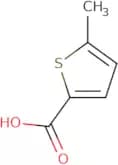
5-Methyl-2-thiophenecarboxylic acid
CAS :<p>5-Methyl-2-thiophenecarboxylic acid is an organic compound with the molecular formula CH3COOH. It has a carboxyl group at one end and a methyl group at the other, hence its name. 5-Methyl-2-thiophenecarboxylic acid is used in the synthesis of esters that are useful as intermediates in the production of pharmaceuticals, pesticides, and other chemicals. The asymmetric synthesis of 5-Methyl-2-thiophenecarboxylic acid was accomplished by reacting it with sodium hydroxide in methanol. The compound is also found to have anticarcinogenic properties. A study conducted on mice showed that 5-Methyl-2-thiophenecarboxylic acid inhibited skin cancer by inducing apoptosis in melanoma cells and inhibiting cell proliferation. 5-Methyl-2-thiophenecarboxylic acid has been shown to</p>Formule :C6H6O2SDegré de pureté :Min. 95%Couleur et forme :PowderMasse moléculaire :142.18 g/mol2,5-Thiophenedicarboxylic acid
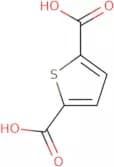
CAS :<p>2,5-Thiophenedicarboxylic acid is an inorganic acid that is a potent inhibitor of the enzyme 2-aminoterephthalic acid (TPA) hydrolase. 2,5-Thiophenedicarboxylic acid has shown antiinflammatory activity and can be used for treating skin cancer. It has been found to inhibit the production of nitric oxide and prostaglandin E2 by inhibiting TPA hydrolase, which is required for the conversion of TPA to its active form. This inhibition causes a reduction in inflammation as well as an anticancer effect. The molecular docking analysis revealed that 2,5-thiophenedicarboxylic acid binds to the active site of TPA hydrolase with high affinity. X-ray crystal structures have revealed coordination geometry between 2,5-thiophenedicarboxylic acid and TPA hydrolase. The fluorescence probe showed that</p>Formule :C6H4O4SDegré de pureté :Min. 95%Couleur et forme :White PowderMasse moléculaire :172.16 g/mol1-Benzothiophene-3-carbohydrazide
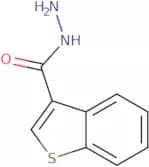
CAS :<p>1-Benzothiophene-3-carbohydrazide (1BZC) is a small molecule that inhibits the growth of cancer cells. It acts by inhibiting the protein kinase pim-1, which is necessary for many cellular processes, including cell proliferation and cell adhesion. 1BZC has been shown to inhibit tumor growth in vivo, as well as in vitro in cancer cell lines and mouse xenografts. The drug has also been shown to disrupt tumor vascularization by targeting the protein vegfr-2. 1BZC has also been shown to be effective against two different human cancers: MDA-MB231 breast cancer cells and MKN45 gastric cancer cells. The drug has anti-proliferative activity against both cell lines and inhibits the growth of MDA-MB231 cells more than MKN45 cells.</p>Formule :C9H8N2OSDegré de pureté :Min. 95 Area-%Couleur et forme :PowderMasse moléculaire :192.24 g/mol2-Ethylthiophene
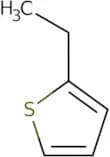
CAS :<p>2-Ethylthiophene is a reactive, heterobicyclic compound that is used as a reagent in organic synthesis. It has been shown to have an activation energy of 51 kcal/mol. 2-Ethylthiophene has been shown to be carcinogenic in experimental models, where it was found to cause cervical cancer in mice. It is also a potent inhibitor of the sodium-dependent glucose transporter and may be effective for treating chronic bronchitis when administered with trifluoroacetic acid.</p>Formule :C6H8SDegré de pureté :(1H-Nmr) Min. 95 Area-%Couleur et forme :Yellow Clear LiquidMasse moléculaire :112.19 g/mol(6α,11β,16α,17α)-6,9-Difluoro-11-hydroxy-16-methyl-spiro[androsta-1,4-diene-17,5'-[1,3]oxathiolane]-2',3,4'-trione
CAS :<p>(6α,11β,16α,17α)-6,9-Difluoro-11-hydroxy-16-methyl-spiro[androsta-1,4-diene-17,5'-[1,3]oxathiolane]-2',3,4'-trione is a fine chemical that can be used as a building block for the synthesis of complex compounds. This compound is also useful as a reagent and specialty chemical. (6α,11β,16α,17α)-6,9-Difluoro-11-hydroxy-16-methyl spiro[androsta-1,4 diene 17.beta., 5'(1'3'oxathiolane)] 2',3',4'-trione has been shown to be an excellent intermediate for organic reactions and may be used as a scaffold in drug design.</p>Formule :C22H24F2O5SDegré de pureté :Min. 95%Masse moléculaire :438.49 g/mol5-Formyl-2-thiopheneboronic acid pinacol ester
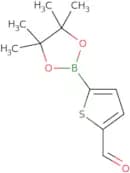
CAS :<p>5-Formyl-2-thiopheneboronic acid pinacol ester is a boron derivative ester that serves as a Suzuki coupling building block. It is a highly versatile building block that can be used in the synthesis of various organic compounds. This compound has been widely used in the pharmaceutical industry for the development of new drugs and other bioactive molecules. Its unique structure makes it an ideal starting material for the synthesis of complex molecules with diverse biological activities. As a key intermediate in organic synthesis, 5-Formyl-2-thiopheneboronic acid pinacol ester has become an important tool for chemists working in drug discovery, materials science, and other fields. With its exceptional reactivity and versatility, this compound is an essential building block for any chemist's toolkit.</p>Formule :C11H15BO3SDegré de pureté :Min. 95%Couleur et forme :PowderMasse moléculaire :238.11 g/mol4-(Trifluoromethyl)thiophenylhydrazine hydrochloride
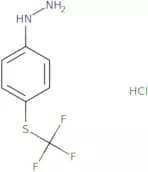
CAS :<p>4-(Trifluoromethyl)thiophenylhydrazine hydrochloride (TFTH) is a chemical compound that belongs to the group of useful scaffolds, versatile building blocks, and reaction components. It has been used as a research chemical in the synthesis of complex compounds with high quality and is an intermediate for speciality chemicals. TFTH can be used as a reagent in organic chemistry for the preparation of amines and amino alcohols. This compound has CAS No. 162258-86-8.br>br><br>4-(Trifluoromethyl)thiophenylhydrazine hydrochloride has been shown to be an excellent building block in organic synthesis because it is stable under mild conditions, reacts rapidly with nucleophiles, and is readily available from commercial sources.</p>Formule :C7H7F3N2S·ClHDegré de pureté :Min. 95%Couleur et forme :Orange PowderMasse moléculaire :244.67 g/molThiophene-2-amidine hydrochloride
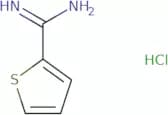
CAS :<p>2-Amidinothiophene Hydrochloride is a drug that is used as an anti-inflammatory agent. It is an isoform of amidinothiophene, which inhibits the production and release of cyclic nucleotides. 2-Amidinothiophene Hydrochloride has shown activity against tracheal muscle, adenosine receptors, and phosphodiesterase isoenzymes. This drug binds to the ATP binding site of the enzyme cyclic nucleotide phosphodiesterase, blocking the breakdown of cAMP into AMP and then ADP.</p>Formule :C5H7ClN2SDegré de pureté :Min. 95%Masse moléculaire :162.64 g/molMethyl-2-formyl-4-thiophenecarboxylate
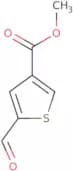
CAS :<p>Methyl-2-formyl-4-thiophenecarboxylate is a high quality reagent that is useful as an intermediate in the synthesis of complex compounds. It has a CAS number of 67808-66-6 and can be used as a building block in the synthesis of biologically active molecules. Methyl-2-formyl-4-thiophenecarboxylate is also a versatile building block that can be used to synthesize speciality chemicals, such as research chemicals and reaction components. This chemical has been shown to have many uses in organic synthesis, including being used for the preparation of pharmaceuticals. Methyl 2 formyl 4 thiophenecarboxylate is also useful for the production of fine chemicals, such as dyes and fragrances.</p>Formule :C7H6O3SDegré de pureté :Min. 95%Couleur et forme :PowderMasse moléculaire :170.19 g/mol2-Phenylbenzo[B]thiophene
CAS :<p>2-Phenylbenzo[B]thiophene is a diphenyl ether that reacts with chloride in the presence of a base to produce diphenylmethane. It has been shown to bind to estrogen receptors and can be used for the treatment of estrogen-dependent cancers. 2-Phenylbenzo[B]thiophene has been shown to have anti-estrogenic properties, which may be due to its ability to compete with estrogen at the receptor binding site. In addition, it is a radical chain compound that can undergo reactions involving oxygen or nitrogen radicals. The nature of these reactions depends on the reaction products involved in the reactions. 2-Phenylbenzo[B]thiophene can react with xanthates such as diethylxanthate to produce pharmaceutical preparations such as phenyltriethyleneglycolxanthate and phenyldiethoxymethoxyethyleneglycolxanthate.</p>Formule :C14H10SDegré de pureté :Min. 95%Couleur et forme :PowderMasse moléculaire :210.3 g/mol5-Methylthiophene-3-carbohydrazide
CAS :<p>5-Methylthiophene-3-carbohydrazide is a white powder that is soluble in water and ethanol. It is used as a reagent for organic synthesis, especially for the production of heterocycles. The chemical name for 5-methylthiophene-3-carbohydrazide is methyl 3-(aminocarbonyl)-5-methylthiophenecarboxylate. It has a molecular weight of 160.06 grams per mole and a melting point of 35°C. It reacts with acid to form an N-methylthiophthalimide, which can then be reacted with various amines to produce diverse products. This compound is also used as a building block in the synthesis of complex molecules such as pharmaceuticals, agrochemicals, or fragrances.</p>Formule :C6H8N2OSDegré de pureté :Min. 95 Area-%Couleur et forme :PowderMasse moléculaire :156.21 g/mol(S)-3-(Allyl(methyl)amino)-1-(thiophen-2-yl)propan-1-ol
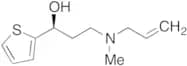
Produit contrôlé<p>Applications (S)-3-(Allyl(methyl)amino)-1-(thiophen-2-yl)propan-1-ol is an intermediate in the syntehsis of 4-Hydroxy Duloxetine β-D-Glucuronide Sodium Salt (H941805), which is a metabolite of Duloxetine.<br>References Lantz, R.J., et al.: Drug Dispos. Metab., 31, 1142 (2003); Detke, M., et al.: J. Clin Psy., 63, 308 (2002); Bymaster, F.P., et al.: Bioorg. Med., Chem. Lett., 13, 4477 (2003);<br></p>Formule :C11H17NOSCouleur et forme :NeatMasse moléculaire :211.3243-Thiophenecarboxylic Acid
CAS :Produit contrôlé<p>Applications 3-Thiophenecarboxylic Acid was used as a lading compound for the development of a clinic useful D-amino acid inhibitor and have the potential to sever as active site proves to elucidate the structure-function relationships of D-amino acids.<br>References Katane, M., et al.: J. Med. Chem., 56, 1894 (2013)<br></p>Formule :C5H4O2SCouleur et forme :NeatMasse moléculaire :128.15Ethyl 2-Aminothiophene-3-carboxylate
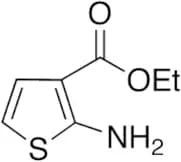
CAS :Produit contrôlé<p>Applications Ethyl 2-Aminothiophene-3-carboxylate (cas# 31891-06-2) is a compound useful in organic synthesis.<br></p>Formule :C7H9NO2SCouleur et forme :NeatMasse moléculaire :171.224-Benzyloxy-2-(2’-carbomethoxy)thiophenylaniline
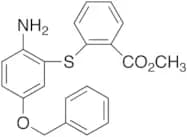
CAS :Produit contrôlé<p>Applications 4-Benzyloxy-2-(2’-carbomethoxy)thiophenylaniline (cas# 329217-05-2) is a compound useful in organic synthesis.<br></p>Formule :C21H19NO3SCouleur et forme :NeatMasse moléculaire :365.454-Benzyloxy-2-(2’-carbomethoxy)thiophenylnitrobenzene
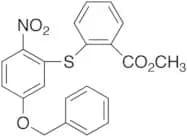
CAS :Produit contrôlé<p>Applications 4-Benzyloxy-2-(2’-carbomethoxy)thiophenylnitrobenzene (cas# 329217-03-0) is a compound useful in organic synthesis.<br></p>Formule :C21H17NO5SCouleur et forme :YellowMasse moléculaire :395.432-Bromothiophene
CAS :<p>2-Bromothiophene is a brominated organic compound with six carbon atoms in a ring. It is synthesized by the Suzuki coupling reaction of 2-bromobenzene and aniline, which forms the pyrazole ring. The molecule can be used as a monomer for cationic polymerization to form polymers with high thermal stability. 2-Bromothiophene has been shown to be effective in treating chronic bronchitis, and can also be used as a photoelectron source.</p>Formule :C4H3BrSDegré de pureté :Min. 95%Couleur et forme :Clear LiquidMasse moléculaire :163.04 g/mol2,5-Dibromothiophene
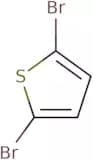
CAS :<p>2,5-Dibromothiophene is a reactive intermediate that has been used in the synthesis of ondansetron hydrochloride. 2,5-Dibromothiophene can be prepared by the reaction of triethyl orthoformate and thiophene. The compound spontaneously undergoes bond cleavage to give the dibromo derivative followed by oxidation with aqueous hydrogen peroxide. 2,5-Dibromothiophene has been shown to have photocatalytic activity under visible light irradiation. This compound functions as a monomer in the polymerization of polythiophenes. 2,5-Dibromothiophene can also be used in palladium-catalyzed cross-coupling reactions with azasetron hydrochloride to form x-ray crystal structures and nmr spectra.</p>Formule :C4H2Br2SDegré de pureté :Min. 95%Couleur et forme :Colourless To Yellow LiquidMasse moléculaire :241.93 g/mol2-Bromo-3-methylthiophene
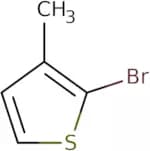
CAS :<p>2-Bromo-3-methylthiophene (2BMT) is an organic chemical compound that has been used for the Suzuki coupling reaction. It can be prepared by reacting 2-bromo-3-methylthiophene with potassium hydroxide in a hydroxide solution. 2BMT has shown to inhibit the activity of tiagabine hydrochloride, which is a drug that regulates GABA neurotransmission. 2BMT is also used as an intermediate in the synthesis of carbonyl group compounds and halides. The structure and physical properties of 2BMT have been studied in detail by x-ray crystallography and nmr spectroscopy.</p>Formule :C5H5BrSDegré de pureté :Min. 95%Couleur et forme :Clear LiquidMasse moléculaire :177.06 g/molBenzo[1,2-b:4,5-b']dithiophene-4,8-dione
CAS :<p>Benzo[1,2-b:4,5-b']dithiophene-4,8-dione is a heterocyclic compound that has been studied for its potential use in electronic devices. The molecule is composed of two aromatic rings and one heterocyclic ring. It is an important building block in the synthesis of many five-membered heterocycles such as benzothiophene and benzofuran. Benzo[1,2-b:4,5-b']dithiophene-4,8-dione can be used as a photoactive material for solar cells due to its ability to absorb light from the visible spectrum and emit it in the near infrared region.</p>Formule :C10H4O2S2Degré de pureté :Min. 95%Couleur et forme :White PowderMasse moléculaire :220.27 g/molMethyl 3-amino-5-methyl thiophene-2-carboxylate
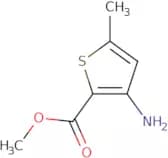
CAS :<p>Methyl 3-amino-5-methyl thiophene-2-carboxylate is a fine chemical that belongs to the group of useful scaffolds, versatile building blocks, useful intermediates for research chemicals and speciality chemicals. It can be used as reaction components in the synthesis of complex compounds. Methyl 3-amino-5-methyl thiophene-2-carboxylate is a high quality reagent with a wide range of applications in organic chemistry.</p>Formule :C7H9NO2SDegré de pureté :Min. 95%Couleur et forme :PowderMasse moléculaire :171.22 g/molThiophene-2-carboxamide
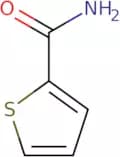
CAS :<p>Thiophene-2-carboxamide is a synthetic chemical that is an inhibitor of the efflux pump, receptor activity, and recombinant cytochrome p450. It has been shown to be effective against colorectal carcinoma cells in vitro and in vivo. Thiophene-2-carboxamide also inhibits the mitochondrial membrane potential and hydrogen bond formation. This compound has potent inhibitory activity for the enzyme synthetase, which may be a potential drug target for cancer treatment. Nitrogen atoms are present in this molecule.</p>Formule :C5H5NOSDegré de pureté :Min. 95%Couleur et forme :White PowderMasse moléculaire :127.17 g/mol2-Aminothiophene-3-methyl carboxylate
CAS :<p>2-Aminothiophene-3-methyl carboxylate is a hydrogen bond that is derived from the amino acid methionine. It has been shown to have potent antitumor activity and can be used for the treatment of cancer. 2-Aminothiophene-3-methyl carboxylate has a molecular weight of 244.6 g/mol, an isolated yield of 0.68%, and a melting point of 245 °C.</p>Formule :C4H2SCOOCH3NH2Degré de pureté :Min. 95%Couleur et forme :Yellow PowderMasse moléculaire :157.19 g/mol4,5-Dihydro-3(2H)-thiophenone-1,1-dioxide
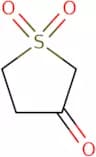
CAS :<p>4,5-Dihydro-3(2H)-thiophenone-1,1-dioxide is a pyridine derivative with a functional group that is used as an antiviral agent. It blocks the serine protease by binding to the active site of the enzyme and preventing it from functioning. 4,5-Dihydro-3(2H)-thiophenone-1,1-dioxide has a carbonyl group that can be used for catalysis and hydroxy groups that are important for hydrogen bonding. This compound also has quinoline derivatives that act as cyclic structures.</p>Formule :C4H6O3SDegré de pureté :Min. 95%Couleur et forme :Light (Or Pale) Yellow SolidMasse moléculaire :134.15 g/molThiophene-2-sulfonamide
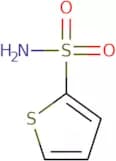
CAS :<p>Thiophene-2-sulfonamide is a fungal biomass inhibitor that binds to specific receptors in the human liver, which decreases the production of hemolytic substances. Thiophene-2-sulfonamide has been shown to have a reversible effect on the metabolism of peptide hormones and metabolic disorders in vivo. The drug also has diagnostic properties and can be used to measure receptor binding activity. Thiophene-2-sulfonamide is an intermediate in the synthesis of diagnostic agents such as 3-(4'-aminophenyl)thiophene-2,5-diol (APTD).</p>Formule :C4H5NO2S2Degré de pureté :Min. 95%Couleur et forme :PowderMasse moléculaire :163.22 g/mol3-Bromothiophene-2-carbaldehyde
CAS :<p>3-Bromothiophene-2-carbaldehyde is an organic compound that has been shown to have antibacterial activity. It can be synthesized by reacting triethyl orthoformate with methyl ketones in the presence of a photocatalyst such as titanium dioxide or zinc oxide. This reaction produces 3-bromothiophene-2-carboxylic acid which reacts with ammonia and hydrogen bromide to form 3-bromothiophene-2-carbaldehyde. 3-Bromothiophene-2-carbaldehyde has been shown to inhibit the growth of cancer cells and induce apoptosis, which may be due to its ability to inhibit angiogenesis. The anticancer properties are most likely due to its ability to bind DNA and inhibit protein synthesis, leading to cell death.</p>Formule :C5H3BrOSDegré de pureté :Min. 95%Couleur et forme :White To Yellow To Light Brown SolidMasse moléculaire :191.05 g/molMethyl 3-chlorosulfonylthiophene-2-carboxylate
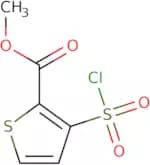
CAS :<p>Methyl 3-chlorosulfonylthiophene-2-carboxylate is a chemical compound that belongs to the family of thiophene carboxylic acid esters. It has been used for the synthesis of bioactive molecules, such as tenoxicam, and heteroarylations. Methyl 3-chlorosulfonylthiophene-2-carboxylate can be used in cross-coupling reactions with chloride as a reagent and is regiospecific. This chemical has also been shown to be reactive towards proteins, nucleic acids, and other biomolecules.</p>Formule :C6H5ClO4S2Degré de pureté :Min. 95%Couleur et forme :PowderMasse moléculaire :240.69 g/mol2-Acetylthiophene
CAS :<p>2-Acetylthiophene is a chemical compound that contains thiophene and acetyl groups. It is a tetrazolium dye which can be used to study the Langmuir adsorption isotherm. 2-Acetylthiophene has been shown to have biological properties in vitro, including apoptotic effects in mammalian cells. 2-Acetylthiophene is an aryl halide with methyl ketones as its conjugate base. It can be synthesized by reacting 2-chlorothiophene with acetyl chloride in the presence of hydrochloric acid. The reaction can also be performed using phosphotungstic acid or hydrochloric acid as catalysts. 2-Acetylthiophene has been shown to have antifungal activity against Candida albicans and Saccharomyces cerevisiae, although it has no effect on Aspergillus niger.</p>Formule :C6H6OSDegré de pureté :90%Couleur et forme :Colorless Clear LiquidMasse moléculaire :126.18 g/mol3,3'-Dimethyl-2,2'-bithiophenyl
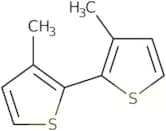
CAS :<p>3,3'-Dimethyl-2,2'-bithiophenyl is a thermochromic polymeric compound that has been used as a colorant in polymers. The compound has a linear structure consisting of two thiophene rings with methyl groups at the 3 and 2 positions. The 3,3'-dimethyl group is attached to the second carbon atom of the thiophene ring and the 2,2'-bithiophenyl group is attached to the first carbon atom of the thiophene ring. The color changes from yellow to orange when heated to above 200 °C. This color change is due to conformational changes in the molecule that occur with thermal energy input.</p>Formule :C10H10S2Degré de pureté :Min. 95%Couleur et forme :Yellow PowderMasse moléculaire :194.32 g/molMethyl 4-methyl-3-[(N-propylalanyl)amino]thiophene-2-carboxylate HCl
CAS :<p>Methyl 4-methyl-3-[(N-propylalanyl)amino]thiophene-2-carboxylate HCl is a local anesthetic. It has been shown to be effective in the treatment of dental pain. Methyl 4-methyl-3-[(N-propylalanyl)amino]thiophene-2-carboxylate HCl acts by inhibiting the sodium channels in nerve cells, thereby blocking the transmission of pain signals and causing muscle relaxation. This drug also provides relief from anxiety, tension, and fear. Methyl 4-methyl-3-[(N-propylalanyl)amino]thiophene-2-carboxylate HCl has a rapid onset of action, with effects lasting up to 45 minutes. The drug is metabolized by hydrolysis to methyl 3-(aminocarbonyl)thiophene carboxylate and excreted in urine as metabolites.</p>Formule :C13H20N2O3S·HClDegré de pureté :Min. 95%Couleur et forme :PowderMasse moléculaire :320.84 g/molThiophene-3-carboxaldehyde
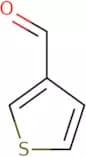
CAS :<p>Thiophene-3-carboxaldehyde is an electron-rich, reactive chemical substance that can be used as a polymer film. It is a heterocyclic compound with a thiophene ring and a carbonyl group in the 3-position. Thiophene-3-carboxaldehyde is synthesized by reacting methyl ketones with glycol ethers. This reaction produces redox potential, malonic acid, and nmr spectra.</p>Formule :C5H4OSDegré de pureté :Min. 95%Couleur et forme :Colorless Clear LiquidMasse moléculaire :112.15 g/mol2-Amino-4-(2,4-dichlorophenyl)-5-methylthiophene-3-carbonitrile
CAS :<p>The frequency range of 2-Amino-4-(2,4-dichlorophenyl)-5-methylthiophene-3-carbonitrile is between 0.1 and 1.0 GHz. The channel is between 1 and 10 MHz. The algorithm used for this frequency is the Gaussian algorithm. This frequency has been shown to have a frequency range of 0.1 to 1.0 GHz with a channel of 1 to 10 MHz and an algorithm of the Gaussian algorithm.</p>Formule :C12H8Cl2N2SDegré de pureté :Min. 95%Couleur et forme :Brown PowderMasse moléculaire :283.18 g/mol5-Bromo thiophene-2-aldehyde
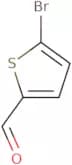
CAS :<p>5-Bromo thiophene-2-aldehyde is a trifluoroacetic acid derivative used as an activatable probe for the study of biomolecular interactions. This compound has been shown to be biocompatible and has a low cytotoxicity. 5-Bromo thiophene-2-aldehyde binds to malonic acid in the presence of x-ray radiation and forms a complex that can be detected by electrochemical impedance spectroscopy. The structure of this complex was determined by x-ray crystal structures. This probe is also able to bind to nitrogen atoms in proteins, which can be used to diagnose cancer resistance through protease activity. 5-Bromo thiophene-2-aldehyde is isolated as its hydrochloride salt, which can be purified with a suzuki coupling reaction.</p>Formule :C5H3BrOSDegré de pureté :Min. 95%Couleur et forme :Yellow PowderMasse moléculaire :191.05 g/mol2,6-Dimethylthiophenol
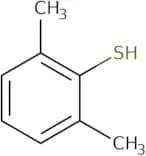
CAS :<p>2,6-Dimethylthiophenol is a structural analog of the natural product sumatrana. It has been shown to be an effective catalyst for the cleavage of carbon-carbon bonds in organic molecules and fatty acids. 2,6-Dimethylthiophenol is unique because it contains two sulfur atoms that are part of a thiolate group, which can easily be oxidized to a sulfoxide or sulfone. This property makes 2,6-dimethylthiophenol an excellent reductant in reactions that require a metallacycle intermediate. The reactivity of this molecule is also influenced by its redox potential and the presence of nitrogen atoms. 2,6-Dimethylthiophenol was synthesized and studied using model compounds, yielding reaction yields as high as 98%.</p>Formule :C8H10SDegré de pureté :Min. 95 Area-%Couleur et forme :Clear LiquidMasse moléculaire :138.23 g/mol3-Tetradecylthiophene
CAS :<p>3-Tetradecylthiophene is a colorless liquid with a refractive index of 1.547, which has an onset of 10-20°C and a dilution of 0.01%. The compound has an absorption spectrum in the region of 230-390 nm, with a maximum at 340 nm and a quantum efficiency of 0.2%. 3-Tetradecylthiophene is used as a monomer for the preparation of polymer films and coatings. It can be copolymerized with other materials to produce polymers that are optically active due to their shift in position on the visible light spectrum.</p>Formule :C18H32SDegré de pureté :Min. 95%Couleur et forme :Clear Colourless Solid Or Liquid (May Vary)Masse moléculaire :280.51 g/mol6-amino-5-thioxo-4,6-dihydro-4,6-diazabenzo[b]thiophen-7-one
CAS :<p>Please enquire for more information about 6-amino-5-thioxo-4,6-dihydro-4,6-diazabenzo[b]thiophen-7-one including the price, delivery time and more detailed product information at the technical inquiry form on this page</p>Formule :C6H5N3OS2Degré de pureté :Min. 95%Couleur et forme :PowderMasse moléculaire :199.25 g/molmethyl 3-(2-indol-3-yl-2-oxoacetylamino)thiophene-2-carboxylate
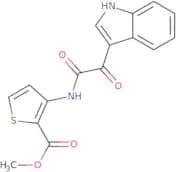
CAS :<p>Please enquire for more information about methyl 3-(2-indol-3-yl-2-oxoacetylamino)thiophene-2-carboxylate including the price, delivery time and more detailed product information at the technical inquiry form on this page</p>Degré de pureté :Min. 95%Methyl 3-amino-5-nitro-1-benzothiophene-2-carboxylate
CAS :<p>Please enquire for more information about Methyl 3-amino-5-nitro-1-benzothiophene-2-carboxylate including the price, delivery time and more detailed product information at the technical inquiry form on this page</p>Formule :C10H8N2O4SDegré de pureté :Min. 95%Couleur et forme :PowderMasse moléculaire :252.25 g/molN-(3-bromophenyl)(3-chlorobenzo[b]thiophen-2-yl)formamide
CAS :<p>Please enquire for more information about N-(3-bromophenyl)(3-chlorobenzo[b]thiophen-2-yl)formamide including the price, delivery time and more detailed product information at the technical inquiry form on this page</p>Formule :C15H9BrClNOSDegré de pureté :Min. 95%Couleur et forme :PowderMasse moléculaire :366.66 g/molmethyl 3-(((4,4-dimethyl-2,6-dioxocyclohexylidene)methyl)amino)thiophene-2-carboxylate
CAS :<p>Please enquire for more information about methyl 3-(((4,4-dimethyl-2,6-dioxocyclohexylidene)methyl)amino)thiophene-2-carboxylate including the price, delivery time and more detailed product information at the technical inquiry form on this page</p>Degré de pureté :Min. 95%Methyl 3-(((4,4-dimethyl-2,6-dioxo-3,5-dioxanylidene)methyl)amino)thiophene-2-carboxylate
CAS :<p>Please enquire for more information about Methyl 3-(((4,4-dimethyl-2,6-dioxo-3,5-dioxanylidene)methyl)amino)thiophene-2-carboxylate including the price, delivery time and more detailed product information at the technical inquiry form on this page</p>Formule :C13H13NO6SDegré de pureté :Min. 95%Couleur et forme :PowderMasse moléculaire :311.31 g/mol2-Chloro-N-[4-[(trifluoromethyl)thio]phenyl]propanamide
CAS :<p>Please enquire for more information about 2-Chloro-N-[4-[(trifluoromethyl)thio]phenyl]propanamide including the price, delivery time and more detailed product information at the technical inquiry form on this page</p>Formule :C10H9ClF3NOSDegré de pureté :Min. 95%Couleur et forme :PowderMasse moléculaire :283.7 g/molmethyl 3-((3-(2-chloro-6-fluorophenyl)-5-methylisoxazol-4-yl)carbonylamino)thiophene-2-carboxylate
CAS :<p>Please enquire for more information about methyl 3-((3-(2-chloro-6-fluorophenyl)-5-methylisoxazol-4-yl)carbonylamino)thiophene-2-carboxylate including the price, delivery time and more detailed product information at the technical inquiry form on this page</p>Degré de pureté :Min. 95%Methyl thiophene-2-acetate
CAS :<p>Methyl thiophene-2-acetate is a reaction product of methyl thiophene-2-carboxylate and nitric acid. It is a synthetic compound that has been used in the synthesis of primary alcohols, alkene and carboxylic acids. Methyl thiophene-2-acetate has been shown to be an effective reactant for the synthesis of hydrogenated polymers and solar cells. The resonance structures of this compound have been identified by nmr spectra. This compound can also form reaction products with nitrate, which can be used as a research tool for organic chemists.</p>Degré de pureté :Min. 95%4,5,6,7-Tetrahydro-7-oxo-benzo[b]thiophene-4-carbonitrile
CAS :Produit contrôlé<p>Applications 4,5,6,7-Tetrahydro-7-oxo-benzo[b]thiophene-4-carbonitrile is a useful synthetic intermediate.<br></p>Formule :C9H7NOSCouleur et forme :NeatMasse moléculaire :177.22Dibenzothiophene-2-ol
CAS :Produit contrôlé<p>Applications A hydroxy derivative of dibenzothiophene. Coal model compound used in chemical coal cleaning studies with molten hydroxides.<br>References Nowak, M.A. et al.: Coal Prep., 7, 29 (1989); Nishioka, M. et al.: Anal. Chem., 57, 1327 (1985);<br></p>Formule :C12H8OSCouleur et forme :White To Off-WhiteMasse moléculaire :200.264,4-Dioctyl-4H-silolo[3,2-b:4,5-b']dithiophene
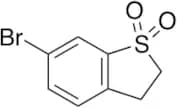
CAS :Produit contrôléFormule :C24H38S2SiCouleur et forme :NeatMasse moléculaire :418.7746-Bromo-2,3-dihydro-1λ6-benzothiophene-1,1-dione
CAS :Produit contrôléFormule :C8H7BrO2SCouleur et forme :NeatMasse moléculaire :247.109(Z)-1-(Benzo[b]thiophen-2-yl)ethanone Oxime
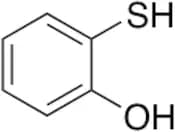
CAS :Produit contrôlé<p>Applications (Z)-1-(Benzo[b]thiophen-2-yl)ethanone Oxime is an isomer of N-(1-Benzo[b]thiophen-2-yl-ethyl)-hydroxylamine a reagent used in the preparation of Zileuton, an anti-asthmatic drug.<br>References Guinchard, X. et al.: J. Org. Chem., 73, 2028 (2008)<br></p>Formule :C10H9NOSCouleur et forme :NeatMasse moléculaire :191.252-Hydroxythiophenol
CAS :Produit contrôlé<p>Stability Unstable in Solution, Air Sensitive<br>Applications 2-HYDROXYTHIOPHENOL (cas# 1121-24-0) is a useful research chemical.<br></p>Formule :C6H6OSCouleur et forme :NeatMasse moléculaire :126.17

![(6α,11β,16α,17α)-6,9-Difluoro-11-hydroxy-16-methyl-spiro[androsta-1,4-diene-17,5'-[1,3]oxathiolane…](/_next/image/?url=https%3A%2Fstatic.cymitquimica.com%2Fproducts%2F3D%2Fthumb-webp%2FFD103607.webp&w=3840&q=75)
![2-Phenylbenzo[B]thiophene](/_next/image/?url=https%3A%2Fstatic.cymitquimica.com%2Fproducts%2F3D%2Fthumb-webp%2FFP67001.webp&w=3840&q=75)




![Benzo[1,2-b:4,5-b']dithiophene-4,8-dione](/_next/image/?url=https%3A%2Fstatic.cymitquimica.com%2Fproducts%2F3D%2Fthumb-webp%2FFB42139.webp&w=3840&q=75)



![Methyl 4-methyl-3-[(N-propylalanyl)amino]thiophene-2-carboxylate HCl](/_next/image/?url=https%3A%2Fstatic.cymitquimica.com%2Fproducts%2F3D%2Fthumb-webp%2FFM130460.webp&w=3840&q=75)


![6-amino-5-thioxo-4,6-dihydro-4,6-diazabenzo[b]thiophen-7-one](/_next/image/?url=https%3A%2Fstatic.cymitquimica.com%2Fproducts%2F3D%2Fthumb-webp%2FFA169100.webp&w=3840&q=75)

![N-(3-bromophenyl)(3-chlorobenzo[b]thiophen-2-yl)formamide](/_next/image/?url=https%3A%2Fstatic.cymitquimica.com%2Fproducts%2F3D%2Fthumb-webp%2FFB169537.webp&w=3840&q=75)


![2-Chloro-N-[4-[(trifluoromethyl)thio]phenyl]propanamide](/_next/image/?url=https%3A%2Fstatic.cymitquimica.com%2Fproducts%2F3D%2Fthumb-webp%2FFT169979.webp&w=3840&q=75)


![4,5,6,7-Tetrahydro-7-oxo-benzo[b]thiophene-4-carbonitrile](/_next/image/?url=https%3A%2Fstatic.cymitquimica.com%2Fproducts%2FTR%2Fthumb-webp%2FT295005.webp&w=3840&q=75)

![4,4-Dioctyl-4H-silolo[3,2-b:4,5-b']dithiophene](/_next/image/?url=https%3A%2Fstatic.cymitquimica.com%2Fproducts%2FTR%2Fthumb-webp%2FD481800.webp&w=3840&q=75)
![(Z)-1-(Benzo[b]thiophen-2-yl)ethanone Oxime](/_next/image/?url=https%3A%2Fstatic.cymitquimica.com%2Fproducts%2FTR%2Fthumb-webp%2FB276765.webp&w=3840&q=75)