Hétérocycles azotés (N)
Sous-catégories appartenant à la catégorie "Hétérocycles azotés (N)"
- Azépane(436 produits)
- Benzotriazoles(438 produits)
- Diazépanes(335 produits)
- Imidazoles(4.031 produits)
- Imidazolines(385 produits)
- Isoxazole(1.088 produits)
- Piperazines(3.758 produits)
- Pipéridines(8.442 produits)
- Pyrazines(1.304 produits)
- Pyrazole(5.960 produits)
- Pyrazolidine(21 produits)
- Pyrazoline(143 produits)
- Pyridazine(860 produits)
- Pyridines(22.006 produits)
- Pyrimidine(6.084 produits)
- Pyrroles(2.450 produits)
- Pyrrolidines(5.840 produits)
- Pyrroline(48 produits)
- Pyrrolo[1,2-b]pyridazine(10 produits)
- Tétrazole(531 produits)
- Triazines(466 produits)
- Triazoles(1.689 produits)
17863 produits trouvés pour "Hétérocycles azotés (N)"
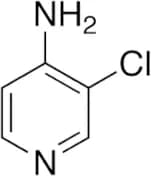
4-Amino-3-chloropyridine
CAS :Produit contrôléApplications 4-Amino-3-chloropyridine is a chlorinated heteroarylamine. 4-Amino-3-chloropyridine is used in the preparation of inhibitor of phosphodiesterase type 4 (PDE4) as antiasthmatic agents as well as other pyridine based pharmaceutical agents
References Ashton, M.J. et al.: J. Med. Chem., 37, 1696 (1994);Formule :C5H5ClN2Couleur et forme :NeatMasse moléculaire :128.564-Amino-3-hydrazino-5-mercapto-1,2,4-triazole
CAS :Produit contrôléStability Light Sensitive
Applications A reagent for the determination of aldehydes and other reactive chemicals.
Not a dangerous good if item is equal to or less than 1g/ml and there is less than 100g/ml in the package
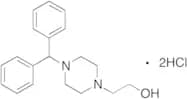
References Dickinson, R.G. and Jacobsen,N.W. : Chem. Commun., 1719, (1970), Del Nozal, M.J. et al.: J. Liq. Chromatography, 16, 1105 (1993),Formule :C2H6N6SCouleur et forme :NeatMasse moléculaire :146.174-Benzhydryl-1-piperazineethanol Dihydrochloride
CAS :Formule :C19H24N2O·2ClHCouleur et forme :NeatMasse moléculaire :369.335-Amino-6-methylbenzimidazolone
CAS :Produit contrôléApplications 5-Amino-6-methylbenzimidazolone
Formule :C8H9N3OCouleur et forme :Light Beige To Light BrownMasse moléculaire :163.18N4-[5-[[4-[[5-(Acetylhydroxyamino)pentyl]amino]-1,4-dioxobutyl]hydroxyamino]pentyl]-N1-[5-[[3-(2,5-dihydro-2,5-dioxo-1H-pyrrol-1-yl)-1-oxopropyl]amino]pentyl]-N1-hydroxybutanediamide
CAS :Produit contrôléApplications N4-[5-[[4-[[5-(Acetylhydroxyamino)pentyl]amino]-1,4-dioxobutyl]hydroxyamino]pentyl]-N1-[5-[[3-(2,5-dihydro-2,5-dioxo-1H-pyrrol-1-yl)-1-oxopropyl]amino]pentyl]-N1-hydroxybutanediamide, is a bifunctional chelator.
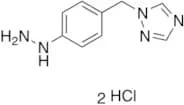
Formule :C32H53N7O11Couleur et forme :NeatMasse moléculaire :711.81-(4-Hydrazinylbenzyl)-1H-1,2,4-triazole
CAS :Produit contrôléApplications 1-(4-Hydrazinylbenzyl)-1H-1,2,4-triazole (cas# 212248-62-9) is a useful research chemical.
Formule :C9H11N5·2HClCouleur et forme :NeatMasse moléculaire :189.225-Bromo-2-(2-methyl-2H-tetrazol-5-yl)pyridine
CAS :Produit contrôléApplications 5-Bromo-2-(2-methyl-2H-tetrazol-5-yl)pyridine is a reagent in the synthesis and structure-activity relationship studies of highly potent novel benzoxazinyl-oxazolidinone which is an antibacterial agent. Benzoxazinyl-oxazolidinone had potent activity against Gram-positive pathogens. 5-Bromo-2-(2-methyl-2H-tetrazol-5-yl)pyridine is also an intermediate in the synthesis of Tedizolid (T013750).
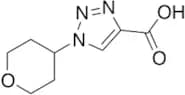
References Xin, Q., et al.: J. Med. Chem., 54, 7493 (2011)Formule :C7H6BrN5Couleur et forme :NeatMasse moléculaire :240.061-(Oxan-4-yl)-1H-1,2,3-triazole-4-carboxylic Acid
CAS :Applications 1-(oxan-4-yl)-1H-1,2,3-triazole-4-carboxylic acid (cas# 1487610-80-9) is a useful research chemical.
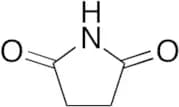
Formule :C8H11N3O3Couleur et forme :White to Pale Brown SolidMasse moléculaire :197.19Succinimide
CAS :Applications Succinimide is a reagent that is used in the synthesis of Lumiflavin (L473900), which is a toxic photolysis product of vitamin B2 (R415000).
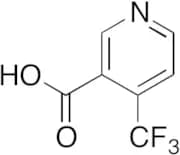
References Zhao, X. et al.: Chemosphere, 63, 1116 (2006); Litke, S.V. et al.: Khim. Fiz., 10, 48 (1991); Ye, W. et al.: Guang. Yaox. Xueb., 12, 175 (1996);Formule :C4H5NO2Couleur et forme :White To Off-WhiteMasse moléculaire :99.094-(Trifluoromethyl)-3-Pyridinecarboxylic Acid
CAS :Produit contrôléApplications 4-(Trifluoromethyl)-3-Pyridinecarboxylic Acid is a useful synthetic intermediate. It can be used to prepare pyridine carboxamides as palm site inhibitors of HCV NS5B polymerase. It can also be used to synthesize pyrazolylcarboxanilides as Ca2+ release-activated Ca2+ (CRAC) channel inhibitors.
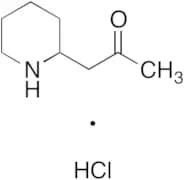
References Cheng, C., et al.: ACS Med. Chem. Lett., 1, 466 (2010); Yonetoku, Y., et al.: Bioorg. Med. Chem., 16, 9457 (2008)Formule :C7H4F3NO2Couleur et forme :YellowMasse moléculaire :191.111-Piperidin-2-ylacetone Hydrochloride
CAS :Produit contrôléApplications 1-Piperidin-2-ylacetone Hydrochloride is an intermediate used in the synthesis of 1-Piperidin-2-ylacetone (B449983), which is a useful research chemical.
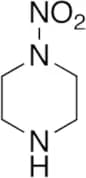
Formule :C8H15NO·HClCouleur et forme :NeatMasse moléculaire :177.671-Nitropiperazine
CAS :Produit contrôléApplications A nitro substituted piperazine.
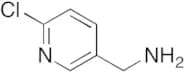
Formule :C4H9N3O2Couleur et forme :NeatMasse moléculaire :131.135-Aminomethyl-2-chloropyridine
CAS :Produit contrôléApplications 5-Aminomethyl-2-chloropyridine is a reagent that is used in the synthesis of macamides and analogs that have FAAH (fatty acid amide hydrolase) inhibitory activity.
Not a dangerous good if item is equal to or less than 1g/ml and there is less than 100g/ml in the package
References Wu, H., et al.: Bioorg. Med. Chem., 21, 5188 (2013);Formule :C6H7ClN2Couleur et forme :NeatMasse moléculaire :142.586N-Succinimidyl 3-Methoxy-4-nitrobenzoate
CAS :Applications N-Succinimidyl 3-Methoxy-4-nitrobenzoate (cas# 2006277-78-5) is a useful research chemical.
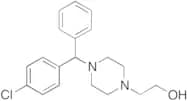
Formule :C12H10N2O7Couleur et forme :White To Off-WhiteMasse moléculaire :294.224-(p-Chloro-alpha-phenylbenzyl)-1-piperazineethanol
CAS :Stability Very Hygroscopic
Applications 4-(p-Chloro-α-phenylbenzyl)-1-piperazineethanol is used in the synthesis of antifungal triazole and imidazole derivatives. Impurity of an intermediate in the formation of Cetrizine.
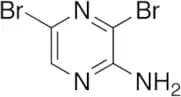
References Rezaei, Z. et al.: Archiv. Pharm., 344, 658 (2011)Formule :C19H23ClN2OCouleur et forme :White To Off-WhiteMasse moléculaire :330.852-Amino-3,5-dibromopyrazine
CAS :Produit contrôléApplications 2-Amino-3,5-dibromopyrazine is used in the preparation of conjugated polymers for neurotoxin detection. 2-Amino-3,5-dibromopyrazine is an intermediate in the preparation of rho kinase (ROCK) inhibitors.
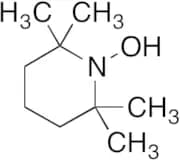
References Thomas, J. et al.: Polym. Prepr., 46, 1211 (2005); Henderson, A.J. et al.: Bioorg. Med. Chem. Lett., 20, 1137 (2010);Formule :C4H3Br2N3Couleur et forme :NeatMasse moléculaire :252.8952,2,6,6-Tetramethyl-1-hydroxypiperidine(May Contain up to 20% Water)
CAS :Produit contrôléApplications 2,2,6,6-Tetramethyl-1-hydroxypiperidine is a reactant used in various synthesis and investigations. It was used as a reactant in the study of predicting organic hydrogen atom transfer rate constants using the Marcus cross relation. 2,2,6,6-Tetramethyl-1-hydroxypiperidine was also used as a reactant in the preparation of ammonia from an iron nitrido complex.
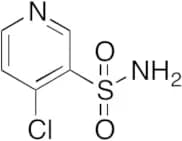
References Scepaniak, J., et al.: Angew. Chem. Int. Ed., 48, 3158 (2009); Warren, J., Mayer, J.: Proc. Natl. Acad. Sci. U.S.A., 107, 5282 (2010);Formule :C9H19NOCouleur et forme :NeatMasse moléculaire :157.254-Chloro-3-pyridinesulfonamide
CAS :Produit contrôléApplications 4-Chloro-3-pyridinesulfonamide is a building block that has been used as a reactant for the preparation of heterocyclic 4-substituted pyridine-3-sulfonamide derivatives as inhibitors of four isoforms of zinc enzyme carbonic anhydrase.
References Slawinski, J., et. al.: Eur. J. Med. Chem., 69, 701 (2013)Formule :C5H5ClN2O2SCouleur et forme :NeatMasse moléculaire :192.626-Methoxy-N2-methylpyridine-2,3-diamine Dihydrochloride
CAS :Produit contrôléApplications 6-Methoxy-N2-methylpyridine-2,3-diamine dihydrochloride (cas# 83732-72-3) is a useful research chemical.
Formule :C7H13Cl2N3OCouleur et forme :NeatMasse moléculaire :226.16,7-Dimethoxy-2-(4-(tetrahydrofuran-2-carbonyl)piperazin-1-yl)quinazolin-4(1H)-one
CAS :Produit contrôléApplications 6,7-Dimethoxy-2-(4-(tetrahydrofuran-2-carbonyl)piperazin-1-yl)quinazolin-4(1H)-one is an analogue of Terazosin (T105000), an α-1-adrenergicblocker related to prazosin (P702325).
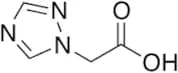
References Patterson, S.E., et al.: J. Chromatog., 311, 206 (1984), Fort, F.L., et al.: Drug Chem. Toxicol., 7, 435 (1984), Lepor, H., et al.: J. Urol., 148, 1467 (1992),Formule :C19H24N4O5Couleur et forme :Off-WhiteMasse moléculaire :388.422-(1h-1,2,4-Triazol-1-yl)acetic Acid
CAS :Produit contrôléApplications 2-(1h-1,2,4-Triazol-1-Yl)Acetic Acid (cas# 28711-29-7) is a useful research chemical.
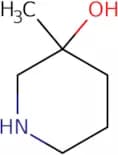
Formule :C4H5N3O2Couleur et forme :NeatMasse moléculaire :127.13-Methylpiperidin-3-ol
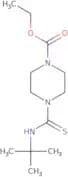
CAS :3-Methylpiperidin-3-ol is a chemical compound that has been found to be useful as a building block for the synthesis of various complex compounds. This product is used in research and as a reagent. 3-Methylpiperidin-3-ol is also known by the CAS number 473730-88-0.Formule :C6H13NODegré de pureté :Min. 95%Couleur et forme :Yellow solid.Masse moléculaire :115.17 g/molEthyl 4-(((tert-butyl)amino)thioxomethyl)piperazinecarboxylate
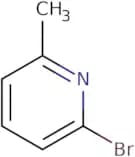
CAS :Please enquire for more information about Ethyl 4-(((tert-butyl)amino)thioxomethyl)piperazinecarboxylate including the price, delivery time and more detailed product information at the technical inquiry form on this pageDegré de pureté :Min. 95%2-Bromo-6-methylpyridine
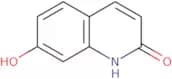
CAS :2-Bromo-6-methylpyridine (2BMPy) is an organic compound that belongs to the group of pyridinium halides. It is soluble in common solvents such as water, ethanol, and acetone. 2BMPy has been shown to act as a glutamate receptor antagonist and has been used in the study of glutamate receptors, including their subtypes. This chemical has also been shown to have antioxidant properties and can be used in the prevention of atherosclerosis.Formule :C6H6BrNDegré de pureté :Min. 95%Couleur et forme :Clear LiquidMasse moléculaire :172.02 g/mol7-Hydroxyquinoline-(1H)-2-one
CAS :7-Hydroxyquinoline-(1H)-2-one is a quinoline derivative that binds to epidermal growth factor (EGF) receptors. It has been shown to inhibit the chloride current in neurons, which may be due to its ability to bind to the dopamine receptors in these cells. 7-Hydroxyquinoline-(1H)-2-one also inhibits DNA and protein synthesis by binding to nucleophilic nitrogen atoms and protonated nitrogen atoms, respectively. It has been shown to have an inhibitory effect on cancer cell growth in control experiments. This drug is not active against normal cells because it does not bind well to them. 7-Hydroxyquinoline-(1H)-2-one binds with high affinity to piperazine and this interaction can be used as a fluorescent probe for the presence of quinoline derivatives.Formule :C9H7NO2Degré de pureté :Min. 95%Couleur et forme :PowderMasse moléculaire :161.16 g/mol6-Methoxyindole-2-carboxylic acid
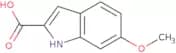
CAS :6-Methoxyindole-2-carboxylic acid (6MI) is a potent inhibitor of the enzyme catechol-O-methyltransferase (COMT). This inhibition prevents the conversion of catecholamines, such as dopamine and norepinephrine, to their corresponding methylated products. COMT inhibitors are used clinically to treat Parkinson's disease and other diseases that result from excessive levels of these neurotransmitters. 6MI is also an effective inhibitor of tyrosinase activity in vitro. It has been shown to inhibit the synthesis of melanin by melanocytes and inhibits the production of eumelanin, which is responsible for black or brown skin pigments. The inhibitory potency of 6MI was found to be greater than that for kojic acid, arbutin, and hydroquinone. Optimization studies showed that 6MI was most potent at a concentration of 1 mM and had an IC50 value of 0.3 mM in
Formule :C10H9NO3Degré de pureté :Min. 95%Couleur et forme :PowderMasse moléculaire :191.18 g/molNd-Pyrazinylcarbonyl-L-ornithine
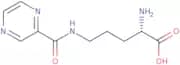
CAS :Nd-Pyrazinylcarbonyl-L-ornithine is a versatile building block for the synthesis of complex compounds. This compound is used as a reagent for research and as a speciality chemical. It has been shown to be an intermediate in organic chemistry and as a reaction component in organic synthesis. Nd-Pyrazinylcarbonyl-L-ornithine is also useful as a scaffold in drug development, with its applications including antiviral agents, antibiotics, anticancer drugs, and antifungal drugs.Formule :C10H14N4O3Degré de pureté :Min. 95%Couleur et forme :SolidMasse moléculaire :238.24 g/molIndole
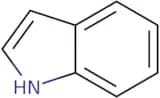
CAS :Indole is a nitrogen-containing heterocyclic aromatic organic compound. Copper chloride in the presence of trifluoroacetic acid and indole gives rise to an indolenine derivative, which reacts with nitrogen atoms to form a copper nitride. This reaction is used as a model system for biological properties of indole. Indolenine has been shown to have bone cancer prevention and treatment effects in mice, and may also be beneficial in autoimmune diseases and metabolic disorders, due to its ability to inhibit toll-like receptor signaling pathways. The wild-type strain has shown resistance to antibiotics, which can be overcome by using mutant strains that are resistant to antibiotic treatments.Formule :C8H7NDegré de pureté :Min. 95 Area-%Couleur et forme :Off-White PowderMasse moléculaire :117.15 g/mol8-Bromoadenine
CAS :8-Bromoadenine is a nucleophile that reacts with electrophiles to form adducts. 8-Bromoadenine has been shown to induce DNA strand breaks and oxidative damage in vitro, which may be due to its ability to react with DNA bases and form intramolecular hydrogen bonds. 8-Bromoadenine has also been shown to cause inflammatory bowel disease in mice by increasing the production of proinflammatory cytokines. 8-Bromoadenine induces Toll-like receptor 4 (TLR4) signaling, which leads to enhancement of radiation response. This drug can also be used as the monosodium salt for treating cancer, although it only has a limited number of sequences that can be synthesized.Formule :C5H4BrN5Degré de pureté :Min. 95%Couleur et forme :White PowderMasse moléculaire :214.02 g/mol2-Chloro-5-nitropyrimidine
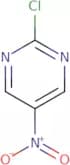
CAS :2-Chloro-5-nitropyrimidine is a molecule that can be used as a model system for studying hydrogen bonds. It has been shown to react with methoxy groups and amines. The reaction mechanism is thought to involve nucleophilic attack by the hydroxyl group of the pyrimidine, which leads to a stepwise reaction. 2-Chloro-5-nitropyrimidine has also been shown to inhibit 5HT2c receptors in vitro, suggesting it may be useful for the treatment of schizophrenia.Formule :C4H2ClN3O2Degré de pureté :Min. 95%Couleur et forme :Yellow PowderMasse moléculaire :159.53 g/mol2,5-Dibromo-3-methylpyridine
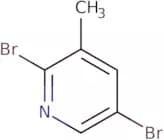
CAS :2,5-Dibromo-3-methylpyridine is used in the synthesis of new ligands for receptor ligand interactions. The compound is synthesized by a cross-coupling reaction with boronic acids. This reaction occurs at room temperature and does not require any harsh chemicals. The product has been shown to be effective against oncologic cells, as well as against cancerous cells in a chloride solution. Cryogenic techniques are also used in this synthesis process.Formule :C6H5Br2NDegré de pureté :Min. 95%Couleur et forme :PowderMasse moléculaire :250.92 g/mol4-Fluoro-1-(1-(2-Thienyl)Cyclohexyl)Piperidine
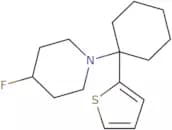
CAS :Produit contrôléFluoxetine is a selective serotonin reuptake inhibitor that has been used clinically to treat depression. This drug inhibits the reuptake of serotonin, which leads to an increase in the concentration of serotonin in the synaptic cleft and an enhancement of serotonergic neurotransmission. Fluoxetine has been shown to be effective at treating insulin resistance and obesity in clinical studies. The linear calibration curve for fluoxetine was found using confocal microscopy and sequence analysis on human adipose tissue. Fluoxetine treatment increased insulin sensitivity and decreased food intake in rats with metabolic syndrome. Logistic regression was used to establish statistical significance between fluoxetine treatment and weight loss as well as insulin sensitivity. Fluoxetine was also found to increase the mitochondrial membrane potential through regulation of voltage-dependent anion channels, leading to antidepressant activity.
Formule :C15H22FNSDegré de pureté :Min. 95%Masse moléculaire :267.41 g/mol2-(Tributylstannyl)pyrimidin-5-amine
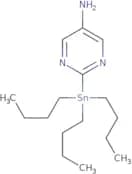
CAS :Produit contrôléPlease enquire for more information about 2-(Tributylstannyl)pyrimidin-5-amine including the price, delivery time and more detailed product information at the technical inquiry form on this pageFormule :C16H31N3SnDegré de pureté :Min. 95%Masse moléculaire :384.15 g/mol5-Ethylindole-2-carboxylic acid
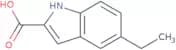
CAS :5-Ethylindole-2-carboxylic acid is an organic compound that is a decarboxylation product of indole. It can be obtained by catalytic dehydrogenation of ethyl ester or 5-ethylindole-2-carboxylic acid. It has been shown to inhibit the growth of bacteria and fungi, as well as to have anti-inflammatory properties.
Formule :C11H11NO2Degré de pureté :Min. 95%Masse moléculaire :189.21 g/molN-(2,6-Dimethylphenyl)-1-piperazineacetamide
CAS :N-(2,6-Dimethylphenyl)-1-piperazineacetamide is a byproduct of solvents and stabilizers. It has been found to be a crystalline solid with a molecular weight of 233.3 g/mol. The crystal structure was determined and found to be composed of two molecules of acetamide that are connected through hydrogen bonds. N-(2,6-Dimethylphenyl)-1-piperazineacetamide is soluble in ethanol and ether, but insoluble in water. This compound interacts with other substances, such as recrystallizing or substituting acetamides.
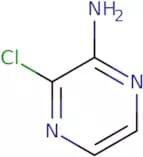
Formule :C14H21N3ODegré de pureté :Min. 95%Masse moléculaire :247.34 g/mol2-Amino-3-chloropyrazine
CAS :2-Amino-3-chloropyrazine is an active analogue of pyrazinamide, which is a potent antimycobacterial drug. It has been shown to have bacteriostatic activity against Mycobacterium tuberculosis in vitro and in vivo. 2-Amino-3-chloropyrazine has been shown to inhibit mitochondrial membrane potential, which may be due to its ability to inhibit hepg2 cell growth by decreasing intracellular ATP levels. It also inhibits the synthesis of bacterial DNA and protein, thereby inhibiting bacterial growth. 2-Amino-3-chloropyrazine has also been shown to have antitumor properties against mouse tumor cells. The pharmacokinetic properties of this drug are not well understood yet, but it has been shown that it can be detected in serum after administration
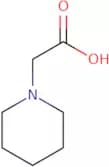
Degré de pureté :Min. 95%Couleur et forme :PowderMasse moléculaire :129.55 g/molPiperidin-1-yl-acetic acid
CAS :Piperidin-1-yl-acetic acid is a nitrogen-containing organic compound, which is an alkanoic acid. It has a molecular weight of 104.09 and empirical formula C6H11NO2. Piperidin-1-yl-acetic acid is not soluble in cold water, but it dissolves in boiling water to form a white solid. This compound can be used as an enzyme inhibitor or as a pharmacological agent.
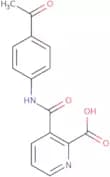
Piperidin-1-yl-acetic acid has been shown to inhibit the transcriptional regulation of enzymes that are involved in the production of porphyrins and other heme protein cofactors such as cytochrome c. The compound also inhibits the synthesis of these enzymes by binding to their active sites and inhibiting their function.Formule :C7H13NO2Degré de pureté :Min. 95 Area-%Couleur et forme :PowderMasse moléculaire :143.18 g/mol3-(N-(4-Acetylphenyl)carbamoyl)pyridine-2-carboxylic acid
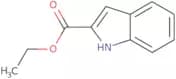
CAS :Please enquire for more information about 3-(N-(4-Acetylphenyl)carbamoyl)pyridine-2-carboxylic acid including the price, delivery time and more detailed product information at the technical inquiry form on this pageFormule :C15H12N2O4Degré de pureté :Min. 95%Couleur et forme :PowderMasse moléculaire :284.27 g/molIndole-2-carboxylic acid ethyl ester
CAS :Indole-2-carboxylic acid ethyl ester is a synthetic compound that binds to cancer cells. It has been shown to inhibit the growth of leukemia cells and breast cancer cells in vitro. Indole-2-carboxylic acid ethyl ester inhibits the binding of collagen to cells, which may be due to its ability to bind to β-carboline alkaloids on collagen. The binding of indole-2-carboxylic acid ethyl ester with these alkaloids prevents them from binding to collagen, thereby preventing the formation of new collagen fibers. This drug also inhibits aldehyde production, which is important for DNA synthesis in cancer cells.Formule :C11H11NO2Degré de pureté :Min. 95%Couleur et forme :PowderMasse moléculaire :189.21 g/mol4-Aminopyrimidin-5-ol
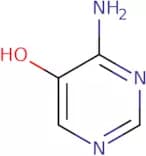
CAS :4-Aminopyrimidin-5-ol (4AP) is a small molecule that has been shown to mitigate populations of bacteria that are resistant to antibiotics. 4AP is a thiol compound that can be synthesized in high quantities using scalable, scalable synthesis. It has been shown to inhibit the protein synthesis of sensitive populations of bacteria by targeting their ribosomes and inhibiting the activity of bacterial DNA gyrase and topoisomerase IV. 4AP inhibits bacterial growth at low concentrations, with no effect on mammalian cells. This drug also shows potential as an antibiotic adjuvant because it utilizes trigonometric calculations, multigram scales, and chromatographic techniques for purification. 4AP is stable under a variety of temperatures, making it suitable for use in many environments.Formule :C4H5N3ODegré de pureté :Min. 95%Couleur et forme :SolidMasse moléculaire :111.1 g/mol5-Ethylthio-1H-tetrazole - Conductivity < 30 uS/cm
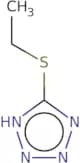
CAS :5-Ethylthio-1H-tetrazole is an angiogenic inhibitor. It has been shown to inhibit the TLR2 and TLR4 pathways by binding to toll-like receptor-inhibitory proteins, which results in the inhibition of the intracellular signaling cascade. This compound also inhibits the expression of inflammatory cytokines and chemokines that are involved in bowel disease. 5-Ethylthio-1H-tetrazole has been shown to be a potent activator of PPARγ, which is a nuclear receptor that regulates the expression of genes important for lipid metabolism and cell proliferation. 5-Ethylthio-1H-tetrazole has also been shown to have antiinflammatory activity through inhibition of cyclooxygenase 2 (COX2) enzyme activity.Formule :C3H6N4SCouleur et forme :White PowderMasse moléculaire :130.17 g/mol2-Methylthiopyrimidine-4,6-diamine
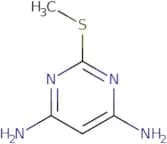
CAS :2-Methylthiopyrimidine-4,6-diamine is a potent inhibitor of the enzyme DNA polymerase. It has shown to be effective against hepg2 cells and other cancer cells. The compound binds covalently to the active site of the enzyme, where it stabilizes the transition state and deshields the electrostatic field around the nucleophilic nitrogen atom. This interaction leads to a decreased affinity for ATP, which is required for DNA synthesis. 2-Methylthiopyrimidine-4,6-diamine also has antimalarial activity and inhibits amide bond formation in hepg2 cells.Formule :C5H8N4SDegré de pureté :Min. 95%Couleur et forme :PowderMasse moléculaire :156.21 g/mol1-(3-Aminopropyl)pyridin-2(1H)-one HCl
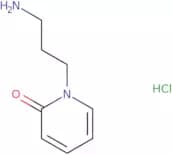
CAS :1-(3-Aminopropyl)pyridin-2(1H)-one HCl is a fine chemical that belongs to the group of heterocyclic compounds. It is a versatile building block that can be used as an intermediate or a scaffold in chemical synthesis. 1-(3-Aminopropyl)pyridin-2(1H)-one HCl is soluble in water and has been shown to react with a variety of other compounds, including amines, alcohols, thiols, and phenols. This compound also has high quality and can be used for research purposes.Formule :C8H12N2O·HClDegré de pureté :Min. 95%Couleur et forme :White PowderMasse moléculaire :188.65 g/mol5-Bromo-2,4-dimethoxypyrimidine
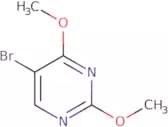
CAS :5-Bromo-2,4-dimethoxypyrimidine is a compound that functions as a potent inhibitor of L-glutamic acid amidohydrolase. This enzyme is essential for the synthesis of gamma-amino butyric acid (GABA) and glutamine, which are neurotransmitters in the central nervous system. 5-Bromo-2,4-dimethoxypyrimidine inhibits the formylation of l-glutamic acid to glutamate by inhibiting the enzyme L-glutamate formate lyase. It also inhibits herpes simplex virus type 1 (HSV1) replication by preventing viral DNA polymerization. 5-Bromo-2,4-dimethoxypyrimidine has been shown to be an effective inhibitor of chloride ion transport in some bacteria. The compound also shows photochromism when exposed to ultraviolet light or visible light under certain conditions. 5BROMO 2, 4 -DIMFormule :C6H7BrN2O2Degré de pureté :Min. 95%Couleur et forme :PowderMasse moléculaire :219.04 g/mol4-Fluoropyridine HCl
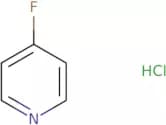
CAS :4-Fluoropyridine HCl is a pyridine that can be used as a stabilizer in organic synthesis. It can react with hydrogen fluoride to give fluorides, which are useful in organic synthesis. 4-Fluoropyridine HCl reacts with anhydrous 4-aminopyridine to give high yields of the salt of 4-aminopyridines, which are aminopyridines that have been substituted by a substituent such as chlorine, bromine, or iodine. This product is also used for the fluorination of benzene and other aromatic substrates.Formule :C5H4FN·HClDegré de pureté :Min. 95%Couleur et forme :PowderMasse moléculaire :133.55 g/mol5-Bromoindole-3-carboxaldehyde
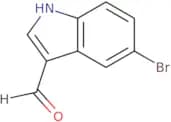
CAS :5-Bromoindole-3-carboxaldehyde is a water molecule that has been crystallized in the form of an amide. It is a chemical substance with asymmetric synthesis and significant antifungal activity. 5-Bromoindole-3-carboxaldehyde is active against some strains of the fungus Candida albicans and has been shown to inhibit the growth of kidney cells. This molecule also binds to the neurokinin 1 receptor and is used as a probe for fluorescence studies. The efficient method for synthesizing 5-Bromoindole-3-carboxaldehyde includes using silico analysis to confirm the structure on a computer, then performing an asymmetric synthesis with an acid catalyst to produce this compound.
Formule :C9H6BrNODegré de pureté :Min. 98 Area-%Couleur et forme :PowderMasse moléculaire :224.05 g/molEthyl 5-methylindole-2-carboxylate
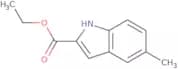
CAS :Ethyl 5-methylindole-2-carboxylate is an antioxidant that is used as a reagent in the synthesis of other compounds. It has been shown to inhibit cancer cell growth in vitro via its ability to inhibit the metabolic activity of human hepatoma cells. Ethyl 5-methylindole-2-carboxylate has also been shown to have cytotoxic activity against human hepatoma cells in vitro, and may be a potential anticancer drug candidate.Formule :C12H13NO2Degré de pureté :Min. 95%Couleur et forme :PowderMasse moléculaire :203.24 g/mol6-Cyanoindole
CAS :6-Cyanoindole is a synthetic compound that has been shown to have functional properties. It binds to the receptor of the chemokine, which is a type of protein that regulates inflammatory responses. It also inhibits the activity of coagulation factors, which are proteins involved in blood clotting. 6-Cyanoindole has been shown to inhibit cancer cell growth and induce apoptosis (cell death) in a number of cancer cell lines. The fluorescence properties and lifetimes of 6-cyanoindole have been studied extensively. It has also been used as a monomer in copolymerization reactions and is used as an intermediate in the synthesis of 6-bromoindole.
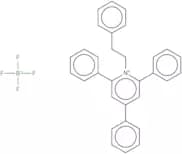
Formule :C9H6N2Degré de pureté :Min. 95%Couleur et forme :White PowderMasse moléculaire :142.16 g/molN-Ethylbenzene-2,4,6-triphenyl pyridinium tetrafluoroborate
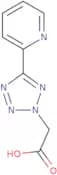
CAS :N-Ethylbenzene-2,4,6-triphenyl pyridinium tetrafluoroborate is a reagent that can be used in chemical reactions. It is a fine chemical and research chemicals with high quality and a versatile scaffold. It is useful as an intermediate in the synthesis of complex compounds. N-Ethylbenzene-2,4,6-triphenyl pyridinium tetrafluoroborate has CAS number 66310-06-3.Formule :C31H26N·BF4Degré de pureté :Min. 95%Couleur et forme :PowderMasse moléculaire :499.35 g/mol(5-Pyridin-2-yl-2H-tetrazol-2-yl)acetic acid
CAS :5-Pyridin-2-yl-2H-tetrazol-2-yl)acetic acid is a chemical compound that can be used as a research chemical, reagent, or speciality chemical in the synthesis of pharmaceuticals, pesticides, and other organic compounds. It is also an intermediate for the production of other compounds and has been shown to have antioxidant properties. 5-(pyridin-2-yl)-2H tetrazole is a useful building block in the synthesis of complex compounds and scaffolds.Formule :C8H7N5O2Degré de pureté :Min. 95%Couleur et forme :PowderMasse moléculaire :205.17 g/mol



![N4-[5-[[4-[[5-(Acetylhydroxyamino)pentyl]amino]-1,4-dioxobutyl]hydroxyamino]pentyl]-N1-[5-[[3-(2,5…](/_next/image/?url=https%3A%2Fstatic.cymitquimica.com%2Fproducts%2FTR%2Fthumb-webp%2FA179115.webp&w=3840&q=75)