Hétérocycles azotés (N)
Sous-catégories appartenant à la catégorie "Hétérocycles azotés (N)"
- Azépane(436 produits)
- Benzotriazoles(438 produits)
- Diazépanes(335 produits)
- Imidazoles(4.031 produits)
- Imidazolines(385 produits)
- Isoxazole(1.088 produits)
- Piperazines(3.758 produits)
- Pipéridines(8.443 produits)
- Pyrazines(1.304 produits)
- Pyrazole(5.960 produits)
- Pyrazolidine(21 produits)
- Pyrazoline(143 produits)
- Pyridazine(860 produits)
- Pyridines(22.006 produits)
- Pyrimidine(6.084 produits)
- Pyrroles(2.450 produits)
- Pyrrolidines(5.840 produits)
- Pyrroline(48 produits)
- Pyrrolo[1,2-b]pyridazine(10 produits)
- Tétrazole(531 produits)
- Triazines(466 produits)
- Triazoles(1.689 produits)
17863 produits trouvés pour "Hétérocycles azotés (N)"
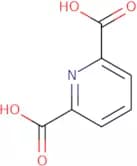
2,6-Pyridinedicarboxylic acid
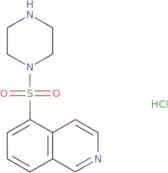
CAS :2,6-Pyridinedicarboxylic acid is a chemical compound that is mainly used as an antimicrobial agent. It binds to DNA by hydrogen bonding interactions and alters the polymerase chain reaction (PCR) process. This leads to inhibition of DNA synthesis and cell death. 2,6-Pyridinedicarboxylic acid has been shown to have synergistic effects when combined with sodium salts. It also inhibits transfer reactions in bacteria, which may be due to its ability to bind to picolinic acid. The structural analysis of 2,6-pyridinedicarboxylic acid showed that it contains a pyridine ring fused with two carboxyl groups. 2,6-Pyridinedicarboxylic acid reacts with picolinic acid in the presence of sodium salts and undergoes a series of reactions leading to the formation of picolinamide, which may explain its inhibitory properties.Formule :C7H5NO4Degré de pureté :Min. 95%Couleur et forme :PowderMasse moléculaire :167.12 g/mol1-(5-Isoquinolinesulfonyl)piperazine hydrochloride
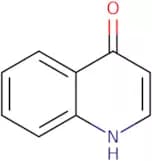
CAS :1-(5-Isoquinolinesulfonyl)piperazine hydrochloride (1-ISOQ-PIP) is a chemical compound that has been shown to inhibit the growth of leukemia cells. It inhibits the expression of leukemia inhibitory factor, which may be due to its ability to introduce modifications into the sequence of DNA. 1-ISOQ-PIP also inhibits pluripotent stem cells and induces adipocyte differentiation. This substance can be used for cancer treatment by inhibiting the growth of leukemia cells and inducing differentiation.Formule :C13H16ClN3O2SDegré de pureté :Min. 95%Couleur et forme :PowderMasse moléculaire :313.8 g/mol4-Hydroxyquinoline
CAS :4-Hydroxyquinoline is a chemical compound that has been shown to have anticancer, anti-inflammatory, and antiviral properties. It is an inhibitor of the enzyme tyrosinase, which is required for the production of melanin. 4-Hydroxyquinoline has also been shown to suppress bowel inflammation by inhibiting the synthesis of 3-hydroxyanthranilic acid in cells. 4-Hydroxyquinoline has been found to be effective against Herpes Simplex Virus Type 1 (HSV1) in cell culture and in vitro assays. 4-Hydroxyquinoline's photochemical properties make it a useful precursor for the synthesis of other biologically active compounds. This chemical undergoes a reaction with trifluoroacetic acid to form diazonium salt intermediate, which then reacts with hydrogen peroxide to form an active oxygen species that damages DNA and kills cells.Formule :C9H7NODegré de pureté :Min. 95%Couleur et forme :White PowderMasse moléculaire :145.16 g/molN-Benzyl-2,4,6-triphenyl pyridinium tetrafluoroborate
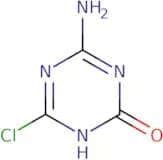
CAS :N-Benzyl-2,4,6-triphenyl pyridinium tetrafluoroborate is a molecule that regulates transcriptional activity. It can be used to isolate regulatory genes from different organisms and identify the specific genes that regulate the expression of other genes. The algorithm for this process is a stepwise, stereoselective, aerobic search. This process starts with an algorithm that identifies the best possible match between the gene sequence and the database sequences. The algorithm then transfers to another stepwise and stereoselective search of the database until it finds a match. The process ends when there are no more matches in the database or when all possible combinations have been searched. N-Benzyl-2,4,6-triphenyl pyridinium tetrafluoroborate has been shown to activate Staphylococcus aureus at very low concentrations but does not cause activation of mammalian cells at these concentrations.Formule :C30H24N•BF4Degré de pureté :Min. 95%Masse moléculaire :485.32 g/mol2-Amino-4-hydroxy-6-chloro-s-triazine
CAS :2-Amino-4-hydroxy-6-chloro-s-triazine is a type strain of a chemical compound with clinical pharmacology. It is an active substance that can be used to treat cancer. 2-Amino-4-hydroxy-6-chloro-s-triazine has been shown to inhibit the growth of prostate cancer cells and phosphatase in hematopoietic cells. This drug also inhibits kinase receptor, which leads to the inhibition of protein synthesis and cell division. The reaction mechanism for 2-amino 4 hydroxy 6 chloros triazine is nucleophilic substitution.
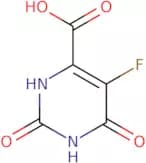
Formule :C3H3ClN4ODegré de pureté :Min. 95%Couleur et forme :White PowderMasse moléculaire :146.53 g/mol5-Fluoroorotic acid hydrate
CAS :Selection reagent for orotidine 5'-phosphate decarboxylase mutants
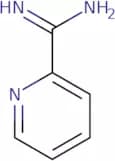
Formule :C5H3FN2O4·xH2ODegré de pureté :(%) Min. 97%Couleur et forme :Off-White Yellow PowderMasse moléculaire :174.09 g/molPyridine-2-carboxamidine
CAS :Pyridine-2-carboxamidine is an organic compound that is used as a pharmaceutical drug. It is a vasodilator that is used to treat congestive heart failure and eye disorders. Pyridine-2-carboxamidine can also be used to treat muscle diseases and has been shown to reduce insulin resistance in people with type 2 diabetes. This drug is also known for its anti-inflammatory properties, which may be due to the hydroxyl group on the carboxylic acid moiety.
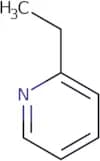
Formule :C6H7N3Degré de pureté :Min. 97 Area-%Couleur et forme :PowderMasse moléculaire :121.14 g/mol2-Ethylpyridine
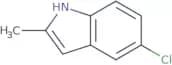
CAS :2-Ethylpyridine is a chemical compound that can be derived from sodium succinate, 2-ethylpyridine, and trifluoroacetic acid. It has been shown to have biological properties such as the inhibition of mitochondrial membrane potential, which is the driving force for ATP synthesis in mitochondria. This drug also inhibits the production of hydrogen peroxide and nitric oxide by reacting with hydrochloric acid or nitrogen atoms. 2-Ethylpyridine can be used as a solid catalyst for reactions involving hydrogen bond formation or intermolecular hydrogen bond formation. 2-Ethylpyridine reacts with protocatechuic acid to form an intramolecular hydrogen bond and a group p2 type of reaction mechanism.Formule :C7H9NDegré de pureté :Min. 95%Couleur et forme :Colorless Clear LiquidMasse moléculaire :107.15 g/mol5-Chloro-2-methylindole
CAS :5-Chloro-2-methylindole is an antimicrobial agent that is used to treat bacterial infections. It binds to the enzyme acetylacetone hydrazide, which prevents it from forming acetoacetate and 5-chloroindole. This leads to a decrease in the formation of serotonin, which may contribute to the alleviation of symptoms in patients with cerebral escherichia coli infection. 5-Chloro-2-methylindole has been shown to have antimicrobial effects against a number of bacteria, including E. coli and Staphylococcus aureus. The drug is injected intraperitoneally as a magnetic resonance imaging contrast agent for myelography, angiography, and other medical imaging procedures.
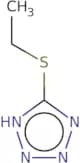
Formule :C9H8ClNDegré de pureté :Min. 95%Masse moléculaire :165.62 g/mol5-Ethylthio-1H-tetrazole - Conductivity < 30 uS/cm
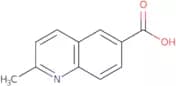
CAS :5-Ethylthio-1H-tetrazole is an angiogenic inhibitor. It has been shown to inhibit the TLR2 and TLR4 pathways by binding to toll-like receptor-inhibitory proteins, which results in the inhibition of the intracellular signaling cascade. This compound also inhibits the expression of inflammatory cytokines and chemokines that are involved in bowel disease. 5-Ethylthio-1H-tetrazole has been shown to be a potent activator of PPARγ, which is a nuclear receptor that regulates the expression of genes important for lipid metabolism and cell proliferation. 5-Ethylthio-1H-tetrazole has also been shown to have antiinflammatory activity through inhibition of cyclooxygenase 2 (COX2) enzyme activity.Formule :C3H6N4SCouleur et forme :White PowderMasse moléculaire :130.17 g/mol2-Methyl-6-quinolinecarboxylic acid
CAS :2-Methyl-6-quinolinecarboxylic acid is a molecule with an affinity for aromatic rings. It has been shown through experiment that this molecule has a stable structure and can be transferred from one ring to another. 2-Methyl-6-quinolinecarboxylic acid has also been shown to have an affinity for aromatic rings in the range of 8.1 × 10 to 8.3 × 10 M−1, with an experimental affinity value of 1.2 × 10 M−1. This compound is known to interact with other molecules in a molecular docking process and can be optimized using parameters such as hydrogen bonding and van der Waals interactions.END> END>
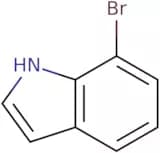
Formule :C11H9NO2Degré de pureté :Min. 95%Couleur et forme :PowderMasse moléculaire :187.19 g/mol7-Bromoindole
CAS :7-Bromoindole is a synthetic compound that has been used as an analog for indole. It has been shown to have some biological activity in vivo, but it is not known if this activity is due to the drug itself or its breakdown products. 7-Bromoindole can be decarboxylated under acid conditions and saponified with sodium hydroxide. The isolated yield of this reaction is about 2 grams per mole of reactant. 7-Bromoindole shows hemolytic activity against human pathogens such as Staphylococcus aureus and Escherichia coli, but not against Bacillus subtilis or Pseudomonas aeruginosa.Formule :C8H6BrNCouleur et forme :PowderMasse moléculaire :196.04 g/mol4-Amino-5-aminomethyl-2-methylpyrimidine dihydrochloride
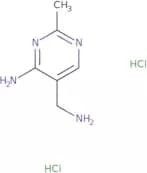
CAS :4-Amino-5-aminomethyl-2-methylpyrimidine dihydrochloride is a vitamin B1 derivative that is biosynthesized by marine algal cells. It is active at high concentrations, and has been shown to have an interaction with the active site residues of hydrogen chloride. This analog has been used in genomic analyses and can be detected by mass spectrometry. It also has the ability to inhibit the growth of phytoplankton, which are microscopic plants living near the surface of water. The concentration of 4-amino-5-aminomethyl-2-methylpyrimidine dihydrochloride in seawater can be determined using a constant scaling factor based on plankton biomass.Formule :C6H10N4•(HCl)2Degré de pureté :Min. 95%Couleur et forme :Slightly Yellow PowderMasse moléculaire :211.09 g/mol6-Bromo-2-pyridinecarbonitrile
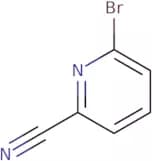
CAS :6-Bromo-2-pyridinecarbonitrile is a small molecule that can be used as a sensitizer for photovoltaic cells. It has been shown to have photocurrents in the visible region of the spectrum and strong luminescence properties. 6-Bromo-2-pyridinecarbonitrile is also an effective chromophore for use in solar cells and can be functionalised by means of pyrazolyl or triazolyl groups. This compound has been shown to bind to antibodies, which are proteins that are produced by the body's immune system to identify and neutralize foreign objects, including bacteria and viruses. The binding of 6-bromo-2-pyridinecarbonitrile with monoclonal antibodies provides a possible route for the development of new biomolecules with antibacterial properties.
Formule :C6H3N2BrDegré de pureté :Min. 95%Couleur et forme :PowderMasse moléculaire :183.01 g/mol1H-Pyrrolo[3,2-b]pyridin-7-amine
CAS :1H-Pyrrolo[3,2-b]pyridin-7-amine is a potent inhibitor of cyclization catalysed by 7-azaindole. It was synthesized as a modification of the 7-azaindole synthesis and has been shown to be a lipophilic heterocycle. This compound is not readily soluble in water and can be used for the synthesis of other heterocycles with similar properties. The yields are high and the modifications are easy to make, making this compound an excellent candidate for use in research.Degré de pureté :Min. 95%Couleur et forme :PowderMasse moléculaire :133.15 g/molN'-[3-Cyano-1-[2,6-dichloro-4-(trifluoromethyl)phenyl]-4-(trifluoromethyl)-1H-pyrazol-5-yl]-N,N-dimethylmethanimidamide
CAS :Please enquire for more information about N'-[3-Cyano-1-[2,6-dichloro-4-(trifluoromethyl)phenyl]-4-(trifluoromethyl)-1H-pyrazol-5-yl]-N,N-dimethylmethanimidamide including the price, delivery time and more detailed product information at the technical inquiry form on this pageFormule :C15H9Cl2F6N5Degré de pureté :Min. 95%Masse moléculaire :444.16 g/mol4,6-Dimethyl-2-mercaptopyrimidine
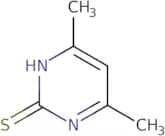
CAS :4,6-Dimethyl-2-mercaptopyrimidine is a protonated form of the compound 4,6-dimethylpyrimidine. It is a member of the group p2 of nitrogenous bases and has a hydrogen bond interaction with its base pair. The reaction mechanism for this molecule is similar to that of other tricyclic antidepressant drugs, as it involves an intermolecular hydrogen bonding reaction where the deprotonated hydroxyl group on one molecule transfers a proton to the adjacent nitrogen atom on another molecule. 4,6-Dimethyl-2-mercaptopyrimidine has been shown to be active in cervical cancer cells and is capable of inhibiting DNA synthesis and protein synthesis. This compound also has antihistamine effects which are likely due to its hydrogen bonding interactions with histamine receptors.Formule :C6H8N2SDegré de pureté :Min. 95%Couleur et forme :Yellow PowderMasse moléculaire :140.21 g/mol2,4-Dichloro-5-ethoxypyrimidine
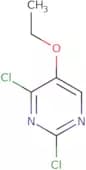
CAS :2,4-Dichloro-5-ethoxypyrimidine is a chemical compound that is used as a reagent and a reaction component in organic synthesis. It is an intermediate for the production of other chemicals. The high purity of this compound makes it suitable for research purposes. It can be used as a versatile building block or as an intermediate to build complex compounds. 2,4-Dichloro-5-ethoxypyrimidine has CAS No. 280582-25-4. This chemical is also known by the name Et2N2Cl5O2P.
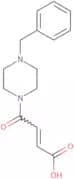
Formule :C6H6Cl2N2ODegré de pureté :Min. 95%Couleur et forme :SolidMasse moléculaire :193.03 g/mol4-Oxo-4-(4-benzylpiperazinyl)but-2-enoic acid
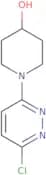
CAS :Produit contrôléPlease enquire for more information about 4-Oxo-4-(4-benzylpiperazinyl)but-2-enoic acid including the price, delivery time and more detailed product information at the technical inquiry form on this pageFormule :C15H18N2O3Degré de pureté :Min. 95%Couleur et forme :PowderMasse moléculaire :274.32 g/mol1-(6-Chloropyridazin-3-yl)piperidin-4-ol
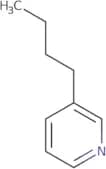
CAS :1-(6-Chloropyridazin-3-yl)piperidin-4-ol (CPP) is an organic compound that is used as a corrosion inhibitor. It has been shown to be effective in the presence of hydrochloric acid and chloride ions in various media. The mechanism of CPP's anti-corrosion properties is due to its ability to form a protective film on metal surfaces, which can be attributed to its electron donating ability. This film prevents the occurrence of metal dissolution or metal oxidation, thereby preventing corrosion. CPP has been shown to inhibit the growth of bacteria by binding with DNA and RNA. It also inhibits protein synthesis through competitive inhibition of ribosomes.Formule :C9H12ClN3ODegré de pureté :(%) Min. 85%Masse moléculaire :213.66 g/mol3-Butylpyridine
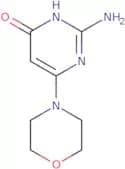
CAS :3-Butylpyridine is a molecule that belongs to the class of organic compounds. The chemical structure of 3-butylpyridine is CH3C6H5N, which has been shown to be a potent inhibitor of bacterial efflux pumps. It binds reversibly to the pump protein and blocks the efflux of antimicrobial agents from the bacterial cell. 3-Butylpyridine is used as a model system for studying molybdenum cofactor biosynthesis in mitochondria. It has been shown to cause cancer in animal models and it also affects mitochondrial membrane potential in cells.Formule :C9H13NDegré de pureté :Min. 95%Couleur et forme :Clear LiquidMasse moléculaire :135.21 g/mol2-Amino-6-morpholin-4-ylpyrimidin-4(3H)-one
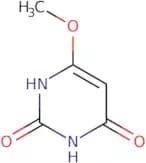
CAS :2-Amino-6-morpholin-4-ylpyrimidin-4(3H)-one (2AP) is a versatile building block for the synthesis of complex compounds. It is used as a reaction component in organic chemistry, as well as a reagent for the synthesis of other chemical substances. 2AP is also useful as an intermediate in the production of pharmaceuticals, agrochemicals, and other research chemicals. 2AP has been shown to be useful in the synthesis of fine chemicals, such as amorphous silicon dioxide and polystyrene sulfonic acid. This substance can be used to make a variety of products with different properties, which makes it an excellent scaffold for research purposes. 2AP can be found under CAS number 37409-97-5.Formule :C8H12N4O2Degré de pureté :Min. 95%Couleur et forme :PowderMasse moléculaire :196.21 g/mol6-Methoxypyrimidine-2,4(1H,3H)-dione
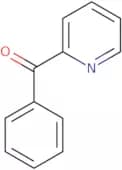
CAS :Produit contrôlé6-Methoxypyrimidine-2,4(1H,3H)-dione is a nucleophilic compound that is formed by the reaction of an electron with a carbon atom in an organic molecule. It is used as a reagent in organic synthesis. 6-Methoxypyrimidine-2,4(1H,3H)-dione can be synthesized from 2-amino-5-methoxybenzaldehyde and chloroacetic acid in three steps. The chloride ion reacts with the 6-methoxypyridine to form the desired product. 6-Methoxypyrimidine-2,4(1H,3H)-dione can also be used as a reagent to catalyze chemical reactions such as alkylation and allylation reactions. 6-Methoxypyrimidine-2,4(1H,3H)-dione has been shown to have barbiturate activityFormule :C5H6N2O3Degré de pureté :Min. 95%Masse moléculaire :142.11 g/mol2-Benzoylpyridine
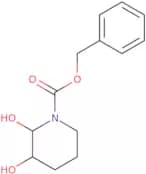
CAS :2-Benzoylpyridine is a novel, potent antimicrobial compound that kills bacteria by targeting the bacterial membrane. 2-Benzoylpyridine binds to the bacterial membrane and causes leakage of ions and other molecules that disrupts the cell's redox potential. It has been shown to be active against human colon adenocarcinoma cells in vitro, with significant cytotoxicity observed. 2-Benzoylpyridine also has a coordination geometry that allows for intermolecular hydrogen bonding, which may contribute to its high potency as an antimicrobial agent.Formule :C12H9NODegré de pureté :Min. 99.0 Area-%Couleur et forme :Slightly Yellow PowderMasse moléculaire :183.21 g/mol2,3-Dihydroxy-1-piperidinecarboxylic acid phenylmethyl ester
CAS :2,3-Dihydroxy-1-piperidinecarboxylic acid phenylmethyl ester is a useful scaffold for making complex compounds. It is a reagent that can be used in reactions to make fine chemicals and a useful building block for the synthesis of complex compounds. It is also a useful intermediate in organic chemistry, with CAS No. 473436-50-9, and it is a versatile building block which can be used to synthesize many different types of chemical products.
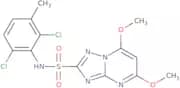
Formule :C13H17NO4Degré de pureté :Min. 95%Couleur et forme :Clear LiquidMasse moléculaire :251.28 g/molMetosulam
CAS :Metosulam is a triazolopyrimidine herbicide that inhibits the growth of weeds by interfering with plant photosynthesis. Metosulam binds to fatty acids and carbohydrates, which prevents these molecules from binding to the enzyme ATP synthase. This results in a loss of energy production, leading to cell death. Metosulam has been shown to cause chronic cough in mice when given at sublethal doses for long periods of time. The chronic cough was found to be due to an interactive effect between metosulam and polymeric matrix in the lungs that caused inflammation.
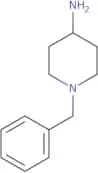
Formule :C14H13Cl2N5O4SDegré de pureté :Min. 90%Couleur et forme :Beige PowderMasse moléculaire :418.26 g/mol4-Amino-1-benzylpiperidine
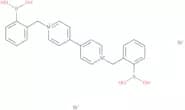
CAS :Produit contrôlé4-Amino-1-benzylpiperidine is a molecule that has potent inhibitory activity against bladder cancer cells. It also has inhibitory effects on tyrosinase and histone lysine methyltransferase activities, which are enzymes important in the production of melanin and amyloid proteins. 4-Amino-1-benzylpiperidine is a benzyl derivative with radical scavenging activities, which may be due to its ability to react with free radicals. This drug is being researched for its potential use as a therapeutic agent for the treatment of bladder cancer, Alzheimer's disease, and other conditions.Formule :C12H18N2Degré de pureté :Min. 97.5 Area-%Couleur et forme :Clear LiquidMasse moléculaire :190.28 g/molN,N'-4,4'-Bis(benzyl-2-boronic acid)-bipyridinium dibromide
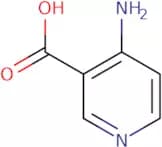
CAS :N,N'-4,4'-Bis(benzyl-2-boronic acid)-bipyridinium dibromide is a high quality reagent that can be used as an intermediate for the synthesis of complex organic compounds. It is a complex compound that contains boronic acid and bipyridinium moieties. N,N'-4,4'-Bis(benzyl-2-boronic acid)-bipyridinium dibromide is useful in the synthesis of fine chemicals and speciality chemicals. It has versatile building block properties and can be used as a reaction component in many chemical reactions.Formule :C24H24B2N2O4Br2Degré de pureté :Min. 95%Couleur et forme :PowderMasse moléculaire :585.89 g/mol4-Amino-3-pyridinecarboxylic acid
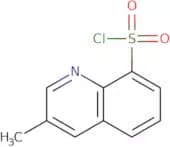
CAS :4-Amino-3-pyridinecarboxylic acid (4APC) is a histidine amino acid. It is an intermediate in the synthesis of 6-aminonicotinic acid, which is an intermediate in the synthesis of nicotinamide, an important vitamin. 4APC has been used as a chemical probe to elucidate the transfer mechanism of amines to histidine. The active methylene group on 4APC can be easily detected by high-throughput analysis using liquid chromatography with fluorescence detection. The 3-aminoisonicotinic acid product can be detected by nmr spectra and electron microscope imaging. A synthetic route for 4APC involves ammonolysis followed by fluorescence resonance energy transfer.Formule :C6H6N2O2Degré de pureté :Min. 95%Couleur et forme :Brown PowderMasse moléculaire :138.12 g/mol3-Methyl-8-quinolinesulfonyl chloride
CAS :3-Methyl-8-quinolinesulfonyl chloride (3MQSC) is a reaction product of 1,2,4-trioxane and thionyl chloride. 3MQSC is used as an intermediate in the production of l-citrulline from chloroacetic acid. It reacts with paraformaldehyde to form a solid phase synthesis catalyst. 3MQSC catalyzes the reaction between phosphorus pentachloride and chlorine to produce ethyl formate and hydrogen chloride gas. This process is industrialized for the production of ethyl formate, which is used for the manufacture of acetic acid, chlorinated solvents, polymers, and plastics. The high yield of this process makes it one of the most popular routes for producing ethyl formate. Catalysis by 3MQSC can be achieved at low temperature and pressure due to its resistance to heat and low boiling point.Formule :C10H8ClNO2SDegré de pureté :Min. 97 Area-%Couleur et forme :White Yellow PowderMasse moléculaire :241.69 g/mol4-[3-(Methylsulfonyl)phenyl]-1-propylpiperidine
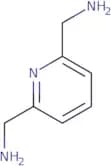
CAS :4-[3-(Methylsulfonyl)phenyl]-1-propylpiperidine is a low-potency, selective inhibitor of cytochrome P450 (CYP). It has been shown to inhibit p450 activity in rat and human liver microsomes. 4-[3-(Methylsulfonyl)phenyl]-1-propylpiperidine is also a neuroprotectant that restores mitochondrial function and protects against the degenerative effects of dopamine. This drug decreases locomotor activity in rats and has been used as an anthelmintic drug. 4-[3-(Methylsulfonyl)phenyl]-1-propylpiperidine is metabolized by CYP enzymes and may have other pharmacological activities due to its ability to inhibit CYPs.Formule :C15H23NO2SDegré de pureté :Min. 95%Couleur et forme :White to off-white solid.Masse moléculaire :281.41 g/mol2,6-Pyridinediyldimethanamine
CAS :2,6-Pyridinediyldimethanamine is a reactive molecule that can be used in clinical studies. It has been shown to have an effect on mammalian cells, and it can also be used for structural studies of the molecule. This compound is mainly used as a chelate ligand in hydrogen bonding reactions. The kinetic of the reaction between 2,6-pyridinediyldimethanamine and chloride has been studied experimentally and found to follow second-order kinetics. X-ray crystal structures show that this compound forms a hydrogen bond with chloride ions.Formule :C7H11N3Degré de pureté :Min. 95%Couleur et forme :Clear LiquidMasse moléculaire :137.18 g/mol1-Methyl-4-pyrrolidin-3-ylpiperazine
CAS :1-Methyl-4-pyrrolidin-3-ylpiperazine is a versatile building block that has been used as a reagent, speciality chemical, and intermediate. It is a complex compound that has been shown to be useful in the synthesis of other compounds. 1-Methyl-4-pyrrolidin-3-ylpiperazine is also a precursor to many pharmaceuticals. The National Institute for Occupational Safety and Health (NIOSH) lists this chemical as "reasonably anticipated to be a human carcinogen."
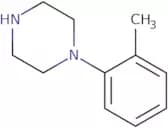
Formule :C9H19N3Degré de pureté :Min. 95%Couleur et forme :Clear LiquidMasse moléculaire :169.27 g/mol1-(o-Tolyl)piperazine
CAS :Produit contrôlé1-(o-Tolyl)piperazine is a potent antagonist of the acetylcholine and serotonin receptors. It has been shown to inhibit the uptake of neurotransmitters in rat brain synaptosomes. 1-(o-Tolyl)piperazine has also been found to be a potent antimicrobial agent that inhibits bacterial growth by binding to bacterial cell walls and blocking the synthesis of essential cell components. Molecular modeling studies have revealed that 1-(o-tolyl)piperazine binds to the receptor site on the oxytocin receptor, which may provide an explanation for its effects on reproductive function.
Formule :C11H16N2Degré de pureté :Min. 95%Masse moléculaire :176.26 g/mol(S)-3-N-Boc-Aminopiperidine
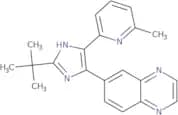
CAS :Intermediate in the synthesis of linagliptinFormule :C10H20N2O2Degré de pureté :Min. 95%Couleur et forme :White PowderMasse moléculaire :200.28 g/molSB-525334
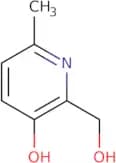
CAS :SB-525334 is a synthetic compound that has been shown to be an inhibitor of the actin molecule. It has been used in cell-based assays to investigate the effects of SB-525334 on renal proximal tubule cells. The compound inhibits the growth and proliferation of carcinoma cells and virus cells, as well as the activity of various types of cell growth factors. SB-525334 is being investigated as a potential diagnostic tool for cancer and other diseases.Formule :C21H21N5Degré de pureté :Min. 95%Couleur et forme :PowderMasse moléculaire :343.43 g/mol3-Hydroxy-2-hydroxymethyl-6-methylpyridine
CAS :3-Hydroxy-2-hydroxymethyl-6-methylpyridine is an intermediate in the synthesis of a variety of organic compounds. It can be prepared by the cross-coupling reaction of 3,4-dihydroquinoline with aniline, which is catalyzed by copper (II) chloride. This compound has a chlorine atom and a hydroxyl group that are both trisubstituted with alkyl groups and it can be oxidized to produce different oxidation products. 3-Hydroxy-2-hydroxymethyl-6-methylpyridine also reacts with halides and triflates to form enolates, which are activated for nucleophilic substitution reactions. The molecular ion [M+H]+, which corresponds to the neutral molecule, can be observed by mass spectrometry when this compound is ionized in the gas phase. The chemical formula is C8H5NClO2.
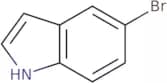
Formule :C7H9NO2Degré de pureté :Min. 95%Couleur et forme :SolidMasse moléculaire :139.15 g/mol5-Bromoindole
CAS :The optimal reaction conditions for the acylation of 5-bromoindole with 2,2,2-trichloroethyl chloroformate are a mixture of methanol and sodium hydroxide solution. Reaction products include 2-chloro-5-(trichloromethyl)quinoline and the quinoline derivative 1-(2,2,2-trichloroethyl)-1H-imidazole. UV absorption spectra of these products have been recorded in the range of 200 to 400 nm. The reaction is successfully monitored by following changes in the NMR spectrum. The liquid chromatography method is based on a reverse phase column and detection at 220 nm.
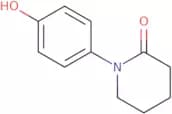
Formule :C8H6BrNCouleur et forme :Slightly Yellow PowderMasse moléculaire :196.04 g/mol1-(4-Hydroxyphenyl)piperidin-2-one
CAS :1-(4-Hydroxyphenyl)piperidin-2-one is a versatile building block that has been used as a research chemical, reagent and reaction component. It can be found in the CAS registry under number 79557-03-2. This compound is used as an intermediate to synthesize other pharmaceutical compounds with a variety of effects including analgesic, antipyretic, antihistaminic, and antidepressant activities. 1-(4-Hydroxyphenyl)piperidin-2-one is also known for its use in the production of high quality reagents for use in laboratory settings.Formule :C11H13NO2Degré de pureté :Min. 95%Couleur et forme :Off-White PowderMasse moléculaire :191.23 g/mol1-Boc-2-[4-(2-pyridinyl)benzylidene]hydrazine
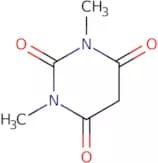
CAS :1-Boc-2-[4-(2-pyridinyl)benzylidene]hydrazine is a compound that is used in the recycling of organic compounds. The sodium formate, which is a byproduct of biodiesel production, can be recycled using this compound. It can also be used to recycle tert-butyl carbazate, which is an intermediate in the synthesis of pharmaceuticals and agrochemicals. 1-Boc-2-[4-(2-pyridinyl)benzylidene]hydrazine has been shown to be effective at high pressures and temperatures, which make it useful for synchrotron experiments on cell parameters. This compound has been shown to have anisotropic properties due to its coordination with magnesium.Formule :C17H21N3O2Degré de pureté :Min. 95%Couleur et forme :White PowderMasse moléculaire :299.37 g/mol1,3-Dimethyl-2,4,6(1H,3H,5H)-pyrimidinetrione
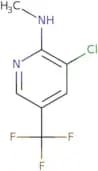
CAS :Produit contrôlé1,3-Dimethyl-2,4,6(1H,3H,5H)-pyrimidinetrione is a heterocyclic organic compound, which is synthesized via established chemical procedures involving catalytic methods or direct condensation reactions. This compound is well-known for its role in the biochemical field as a urease inhibitor. Urease, an enzyme that catalyzes the hydrolysis of urea, is targeted by this compound to potentially mitigate issues related to excessive ammonia production in agricultural and medical settings.In addition to its enzymatic inhibition properties, 1,3-Dimethyl-2,4,6(1H,3H,5H)-pyrimidinetrione serves as a pivotal intermediate in barbiturate synthesis. Barbiturates are psychoactive compounds used historically in medicine for their sedative and anesthetic properties. The compound's structure allows it to participate in the Knoevenagel condensation, facilitating the formation of complex molecules essential in pharmaceutical development. These multifunctional applications make it a valuable tool in various scientific research contexts, exploring both inhibitory mechanisms and synthetic pathways for drug discovery and development.Formule :C6H8N2O3Degré de pureté :Min. 98 Area-%Couleur et forme :PowderMasse moléculaire :156.14 g/mol3-Chloro-N-methyl-5-(trifluoromethyl)-2-pyridinamine
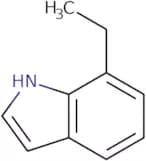
CAS :3-Chloro-N-methyl-5-(trifluoromethyl)-2-pyridinamine is a fine chemical that is used as a versatile building block for the synthesis of other chemical compounds. 3-Chloro-N-methyl-5-(trifluoromethyl)-2-pyridinamine is also useful as an intermediate in research and development, and can be used to produce speciality chemicals. This compound has shown to be a useful reagent and is of high quality.Formule :C7H6ClF3N2Degré de pureté :Min. 95%Masse moléculaire :210.58 g/mol7-Ethylindole
CAS :7-Ethylindole is a fatty acid with a cationic surfactant that belongs to the group of mesoporous materials. It has been synthesized by using chromatographic method and sample preparation techniques. The synthetic process is based on the protonation of 7-ethylindole. It undergoes dehydrogenation and activation energy, which is programmed in copper chromite. The chemical compositions are chloride, hydrogenated, and activated 7-ethylindole.Formule :C10H11NDegré de pureté :Min. 95%Masse moléculaire :145.2 g/molN-Methyl-1-quinolin-2-ylmethanamine dihydrochloride
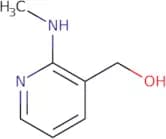
CAS :Please enquire for more information about N-Methyl-1-quinolin-2-ylmethanamine dihydrochloride including the price, delivery time and more detailed product information at the technical inquiry form on this pageFormule :C11H12N2•(HCl)2Degré de pureté :Min. 95%Couleur et forme :PowderMasse moléculaire :245.15 g/mol2-(Methylamino)pyridine-3-methanol
CAS :2-(Methylamino)pyridine-3-methanol is an industrial chemical that is used as a solvent and in the production of potassium sulfate. It has a high boiling point, which makes it a good choice for large-scale industrial processes. 2-(Methylamino)pyridine-3-methanol is also an organic solvent, which can be used to dissolve many other molecules. This product can be used as a conditioner or tertiary butylating agent in the production of organic compounds. Its product yield is high, with only 10 grams needed to produce 1 kilogram.Formule :C7H10N2ODegré de pureté :Min. 95%Couleur et forme :Off-White PowderMasse moléculaire :138.17 g/mol2-Mercaptobenzimidazole zinc salt
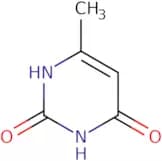
CAS :2-Mercaptobenzimidazole zinc salt is a synthetic, organic solvent that is used as an additive in the manufacture of dyes, paints, and varnishes. It is also used to make photographic film and x-ray film. 2-Mercaptobenzimidazole zinc salt is not soluble in water but can be dissolved by organic solvents such as acrylonitrile. This compound has been shown to have photocatalytic activity when activated by light. It has been found to be heat resistant up to 110°C, which makes it suitable for use in coating and printing applications. 2-Mercaptobenzimidazole zinc salt has carboxylate properties that allow it to react with calcium carbonate and hydrogen tartrate for industrial purposes.Formule :C14H10N4S2ZnCouleur et forme :White Off-White PowderMasse moléculaire :363.8 g/mol6-Methyluracil
CAS :6-Methyluracil is an antimetabolite that inhibits protein synthesis and is therefore used in the treatment of infectious diseases. 6-Methyluracil has two hydroxyl groups, which are located in adjacent positions on the ring. The optimum concentration for this drug is 3-10 μM, which can be achieved with a malonic acid buffer solution at pH 7.4. 6-Methyluracil reacts with sodium succinate to form an acid complex, which may have antiinflammatory activity. 6-Methyluracil has been shown to inhibit prostaglandin synthesis and exhibits a reaction with radiation to produce photoproducts that can be detected by analytical chemistry.Formule :C5H6N2O2Degré de pureté :Min. 95%Couleur et forme :PowderMasse moléculaire :126.12 g/mol6,7-Dihydrothieno[3,2-c]pyridine
CAS :6,7-Dihydrothieno[3,2-c]pyridine is a synthetic compound which has been used as a starting material in the synthesis of clopidogrel. 6,7-Dihydrothieno[3,2-c]pyridine has been shown to be an inhibitor of platelet aggregation. It is also a bifunctional compound that can act as either an acid or base catalyst. This property has led to its use in organic chemistry as a means of converting nitro groups into amines. The synthesis pathway for 6,7-dihydrothieno[3,2-c]pyridine begins with 5-azaindole and ends with the desired product after two steps: hydrogen sulfate reduction and hydrolysis.Formule :C7H7NSDegré de pureté :Min. 95%Couleur et forme :Brown PowderMasse moléculaire :137.2 g/molDipyrazino[2,3-f:2',3'-h]quinoxaline-2,3,6,7,10,11-hexacarbonitrile
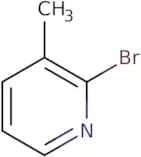
CAS :Dipyrazino[2,3-f:2',3'-h]quinoxaline-2,3,6,7,10,11-hexacarbonitrile is a molecular compound that consists of an aromatic hydrocarbon and boron nitride. It has been shown to have optical properties and an ancillary effect on the transport properties of other molecules. Dipyrazino[2,3-f:2',3'-h]quinoxaline-2,3,6,7,10,11-hexacarbonitrile is also a molecule that can participate in intramolecular hydrogen bonding. This compound has been shown to have coordination geometry with nitrogen atoms that are capable of accepting electrons from other molecules. Dipyrazino[2,3-f:2',3'-h]quinoxaline-2,3,6,7,10,11-hexacarbonitrile is used in diodes as an efficientFormule :C18N12Degré de pureté :Min. 95%Couleur et forme :PowderMasse moléculaire :384.27 g/mol2-Bromo-3-methylpyridine
CAS :2-Bromo-3-methylpyridine is a diazido compound with a hydrogen bond. It reacts rapidly with copper chloride to form the coordination complex Cu(diazido)(Cl)2 and an organic product. 2-Bromo-3-methylpyridine can be synthesized from 2,4-dibromopyridine by a cross coupling reaction with copper chloride and calcium carbonate in the presence of sodium potassium bicarbonate. The coordination geometry of the molecule is tetrahedral, with two bromine atoms on opposite sides of the central nitrogen atom and one bromine atom on each side of the pyridine ring. Reaction products are formed as a result of substitution reactions involving halides, such as methyl chloride or ethyl chloride, which act as electrophiles to react with the diazido group. Potential mechanisms include metathesis reactions or cryogenic processes.Formule :C6H6BrNDegré de pureté :Min. 95%Couleur et forme :Colorless Clear LiquidMasse moléculaire :172.02 g/mol


![1H-Pyrrolo[3,2-b]pyridin-7-amine](/_next/image/?url=https%3A%2Fstatic.cymitquimica.com%2Fproducts%2F3D%2Fthumb-webp%2FFP142011.webp&w=3840&q=75)
![N'-[3-Cyano-1-[2,6-dichloro-4-(trifluoromethyl)phenyl]-4-(trifluoromethyl)-1H-pyrazol-5-yl]-N,N-di…](/_next/image/?url=https%3A%2Fstatic.cymitquimica.com%2Fproducts%2F3D%2Fthumb-webp%2FFN182822.webp&w=3840&q=75)
![4-[3-(Methylsulfonyl)phenyl]-1-propylpiperidine](/_next/image/?url=https%3A%2Fstatic.cymitquimica.com%2Fproducts%2F3D%2Fthumb-webp%2FFM25954.webp&w=3840&q=75)


![1-Boc-2-[4-(2-pyridinyl)benzylidene]hydrazine](/_next/image/?url=https%3A%2Fstatic.cymitquimica.com%2Fproducts%2F3D%2Fthumb-webp%2FFB18876.webp&w=3840&q=75)


![6,7-Dihydrothieno[3,2-c]pyridine](/_next/image/?url=https%3A%2Fstatic.cymitquimica.com%2Fproducts%2F3D%2Fthumb-webp%2FFD22047.webp&w=3840&q=75)
![Dipyrazino[2,3-f:2',3'-h]quinoxaline-2,3,6,7,10,11-hexacarbonitrile](/_next/image/?url=https%3A%2Fstatic.cymitquimica.com%2Fproducts%2F3D%2Fthumb-webp%2FFD42747.webp&w=3840&q=75)