Hétérocycles azotés (N)
Sous-catégories appartenant à la catégorie "Hétérocycles azotés (N)"
- Azépane(436 produits)
- Benzotriazoles(438 produits)
- Diazépanes(335 produits)
- Imidazoles(4.031 produits)
- Imidazolines(385 produits)
- Isoxazole(1.088 produits)
- Piperazines(3.759 produits)
- Pipéridines(8.446 produits)
- Pyrazines(1.304 produits)
- Pyrazole(5.960 produits)
- Pyrazolidine(21 produits)
- Pyrazoline(143 produits)
- Pyridazine(860 produits)
- Pyridines(22.005 produits)
- Pyrimidine(6.085 produits)
- Pyrroles(2.450 produits)
- Pyrrolidines(5.840 produits)
- Pyrroline(48 produits)
- Pyrrolo[1,2-b]pyridazine(10 produits)
- Tétrazole(531 produits)
- Triazines(468 produits)
- Triazoles(1.689 produits)
17863 produits trouvés pour "Hétérocycles azotés (N)"
1-(2-Chloroethyl)-4-[3-(Trifluoromethyl)Phenyl]Piperazine Dihydrochloride
CAS :Produit contrôléPlease enquire for more information about 1-(2-Chloroethyl)-4-[3-(Trifluoromethyl)Phenyl]Piperazine Dihydrochloride including the price, delivery time and more detailed product information at the technical inquiry form on this pageFormule :C13H18Cl3F3N2Degré de pureté :Min. 95%Masse moléculaire :365.65 g/molTetradecyl pyridinium chloride
CAS :Tetradecyl pyridinium chloride is a cationic surfactant that is used in toothpaste, mouthwash and other oral hygiene products. Tetradecyl pyridinium chloride is an antimicrobial agent which can be found in cosmetics, household cleaning products, and various other personal care items. It is effective against bacterial strains such as Streptococcus mutans and Staphylococcus aureus by disrupting the cell membrane. Tetradecyl pyridinium chloride has also been shown to be active against fungi such as Candida albicans, but not against viruses or parasites.
Formule :C19H34ClNDegré de pureté :Min. 98 Area-%Couleur et forme :White PowderMasse moléculaire :311.93 g/mol1-Boc-2-[4-(2-pyridinyl)benzylidene]hydrazine
CAS :1-Boc-2-[4-(2-pyridinyl)benzylidene]hydrazine is a compound that is used in the recycling of organic compounds. The sodium formate, which is a byproduct of biodiesel production, can be recycled using this compound. It can also be used to recycle tert-butyl carbazate, which is an intermediate in the synthesis of pharmaceuticals and agrochemicals. 1-Boc-2-[4-(2-pyridinyl)benzylidene]hydrazine has been shown to be effective at high pressures and temperatures, which make it useful for synchrotron experiments on cell parameters. This compound has been shown to have anisotropic properties due to its coordination with magnesium.Formule :C17H21N3O2Degré de pureté :Min. 95%Couleur et forme :White PowderMasse moléculaire :299.37 g/mol1-Methylindole
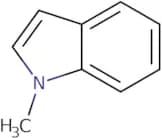
CAS :1-Methylindole is a chemical compound that belongs to the group of pyrimidine compounds. It has been shown to have antibacterial activity against many types of bacteria, including methicillin-resistant Staphylococcus aureus and Clostridium perfringens. 1-Methylindole inhibits bacterial growth by binding to DNA and RNA, preventing the synthesis of proteins necessary for cell division. The high chemical stability and low redox potential make 1-methylindole an excellent candidate for use as an anticancer agent. This drug has been shown to be effective in killing cancer cells in vitro, but more research needs to be done before it can be used in vivo.
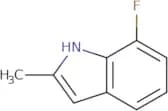
Formule :C9H9NDegré de pureté :Min. 97 Area-%Couleur et forme :Colorless Clear LiquidMasse moléculaire :131.17 g/mol7-Fluoro-2-methyl-1H-indole
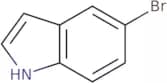
CAS :7-Fluoro-2-methyl-1H-indole is a chemical compound that can be used as a building block to synthesize other organic compounds. The compound is also useful as a reagent in reactions such as the conversion of nitrobenzene to aniline. 7-Fluoro-2-methyl-1H-indole is soluble in acetone, chloroform, and ether. It has CAS number 432025-24-6, which identifies it as a fine chemical with many uses.Formule :C9H8FNDegré de pureté :Min. 95%Couleur et forme :White PowderMasse moléculaire :149.16 g/mol5-Bromoindole
CAS :The optimal reaction conditions for the acylation of 5-bromoindole with 2,2,2-trichloroethyl chloroformate are a mixture of methanol and sodium hydroxide solution. Reaction products include 2-chloro-5-(trichloromethyl)quinoline and the quinoline derivative 1-(2,2,2-trichloroethyl)-1H-imidazole. UV absorption spectra of these products have been recorded in the range of 200 to 400 nm. The reaction is successfully monitored by following changes in the NMR spectrum. The liquid chromatography method is based on a reverse phase column and detection at 220 nm.
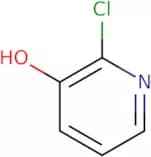
Formule :C8H6BrNCouleur et forme :Slightly Yellow PowderMasse moléculaire :196.04 g/mol2-Chloro-3-hydroxypyridine
CAS :2-Chloro-3-hydroxypyridine is a reactive chemical that can be synthesized from hydrochloric acid and ammonia. It has a high melting point, which is an indication of its strength. 2-Chloro-3-hydroxypyridine has been used in the kinetic and population growth studies for bacteria. The reaction of 2-chloro-3-hydroxypyridine with sodium hydrogen is exothermic and has a red shift, which indicates that the activation energy for this reaction is low. Activation energies are important because they indicate the stability of molecules.Formule :C5H4ClNODegré de pureté :Min. 95%Couleur et forme :PowderMasse moléculaire :129.54 g/molN'-[3-Cyano-1-[2,6-dichloro-4-(trifluoromethyl)phenyl]-4-(trifluoromethyl)-1H-pyrazol-5-yl]-N,N-dimethylmethanimidamide
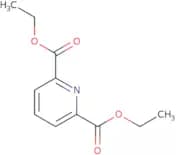
CAS :Please enquire for more information about N'-[3-Cyano-1-[2,6-dichloro-4-(trifluoromethyl)phenyl]-4-(trifluoromethyl)-1H-pyrazol-5-yl]-N,N-dimethylmethanimidamide including the price, delivery time and more detailed product information at the technical inquiry form on this pageFormule :C15H9Cl2F6N5Degré de pureté :Min. 95%Masse moléculaire :444.16 g/molDiethyl 2,6-pyridinedicarboxylate
CAS :Diethyl 2,6-pyridinedicarboxylate is a methyl ketone with an unsymmetrical structure. It is used in the synthesis of fatty acids and optical properties. Diethyl 2,6-pyridinedicarboxylate reacts with trifluoroacetic acid and chlorine to form an active methylene. The presence of this active methylene allows for the synthesis of new molecules that are not possible with other reagents. Magnetic resonance spectroscopy has been used to identify the binding constants for diethyl 2,6-pyridinedicarboxylate and fatty acids. This molecule can be studied using MALDI-TOF mass spectrometry, which generates a molecular weight spectrum from 1,000 to 100,000 Da. Diethyl 2,6-pyridinedicarboxylate has been shown to react with water molecules to form hydrogen peroxide.Formule :C11H13NO4Degré de pureté :Min. 95%Masse moléculaire :223.23 g/mol6-Chloro-imidazo[1,2-b]pyridazine
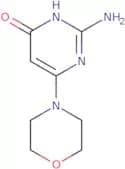
CAS :6-Chloro-imidazo[1,2-b]pyridazine (6CI) is a potent inhibitor of the VEGF pathway. It inhibits the production of TNF-α and other inflammatory mediators by targeting the tumor necrosis factor receptor type 1 (TNFR1). 6CI has been shown to inhibit factor receptor activation in vitro, suggesting that it may also have an inhibitory effect on other receptors. These results suggest that 6CI can be used to treat inflammatory diseases such as rheumatoid arthritis. 6CI has been shown to bind to various halides, which may be due to the presence of hydrogen bonds. The molecular modeling studies show that the hydrogen bond stabilizes the binding between 6CI and TNFR1 and prevents this interaction from occurring with its natural ligand, VEGF.Formule :C6H4ClN3Degré de pureté :Min. 95%Couleur et forme :White to off white crystalline powderMasse moléculaire :153.57 g/mol2-Amino-6-morpholin-4-ylpyrimidin-4(3H)-one
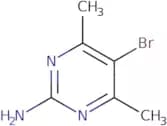
CAS :2-Amino-6-morpholin-4-ylpyrimidin-4(3H)-one (2AP) is a versatile building block for the synthesis of complex compounds. It is used as a reaction component in organic chemistry, as well as a reagent for the synthesis of other chemical substances. 2AP is also useful as an intermediate in the production of pharmaceuticals, agrochemicals, and other research chemicals. 2AP has been shown to be useful in the synthesis of fine chemicals, such as amorphous silicon dioxide and polystyrene sulfonic acid. This substance can be used to make a variety of products with different properties, which makes it an excellent scaffold for research purposes. 2AP can be found under CAS number 37409-97-5.Formule :C8H12N4O2Degré de pureté :Min. 95%Couleur et forme :PowderMasse moléculaire :196.21 g/mol5-Bromo-4,6-dimethylpyrimidin-2-amine
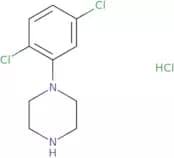
CAS :Please enquire for more information about 5-Bromo-4,6-dimethylpyrimidin-2-amine including the price, delivery time and more detailed product information at the technical inquiry form on this pageFormule :C6H8BrN3Degré de pureté :Min. 95%Couleur et forme :PowderMasse moléculaire :202.05 g/mol1-(2,5-Dichlorophenyl)piperazine hydrochloride
CAS :Produit contrôlé1-(2,5-Dichlorophenyl)piperazine hydrochloride is a versatile building block that can be used for the synthesis of complex compounds. It is a research chemical, reagent and speciality chemical useful for the synthesis of high-quality useful intermediates. This compound is also a reaction component and useful scaffold in organic synthesis. 1-(2,5-Dichlorophenyl)piperazine hydrochloride is an important intermediate in the production of pharmaceuticals, agrochemicals and dyes. It has been used to produce antihistamines, opioid receptor antagonists, antihypertensives and antipsychotics.Formule :C10H12Cl2N2·HClDegré de pureté :Min. 95%Couleur et forme :PowderMasse moléculaire :267.58 g/mol3H-Imidazo[4,5-c]pyridine-7-carboxylic acid
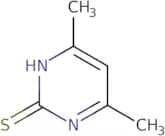
CAS :3H-Imidazo[4,5-c]pyridine-7-carboxylic acid is a useful chemical that can be used as a reaction component for the synthesis of other compounds. It is an intermediate in the synthesis of many other chemicals. 3H-Imidazo[4,5-c]pyridine-7-carboxylic acid is a high quality chemical with a CAS number of 1234616-39-7.Formule :C7H5N3O2Degré de pureté :Min. 95 Area-%Couleur et forme :PowderMasse moléculaire :163.13 g/mol4,6-Dimethyl-2-mercaptopyrimidine
CAS :4,6-Dimethyl-2-mercaptopyrimidine is a protonated form of the compound 4,6-dimethylpyrimidine. It is a member of the group p2 of nitrogenous bases and has a hydrogen bond interaction with its base pair. The reaction mechanism for this molecule is similar to that of other tricyclic antidepressant drugs, as it involves an intermolecular hydrogen bonding reaction where the deprotonated hydroxyl group on one molecule transfers a proton to the adjacent nitrogen atom on another molecule. 4,6-Dimethyl-2-mercaptopyrimidine has been shown to be active in cervical cancer cells and is capable of inhibiting DNA synthesis and protein synthesis. This compound also has antihistamine effects which are likely due to its hydrogen bonding interactions with histamine receptors.Formule :C6H8N2SDegré de pureté :Min. 95%Couleur et forme :Yellow PowderMasse moléculaire :140.21 g/mol6-Amino-2-pyridinecarboxylic acid
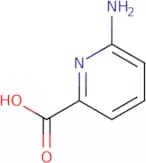
CAS :6-Amino-2-pyridinecarboxylic acid is a potentiating agent that belongs to the class of cyclic peptides. It has been shown to have anti-leukemic activity and can be used for the treatment of leukemia. The mechanism of action is not yet fully understood, but it may involve hydrogen bonding interactions with other molecules or cavities in proteins. 6-Amino-2-pyridinecarboxylic acid forms stable complexes with halides and intramolecular hydrogen bonds. This drug also has quantum theory effects, including a short lifetime in solution and an increase in fluorescence intensity when excited with light at low energies.Formule :C6H6N2O2Degré de pureté :Min. 95%Couleur et forme :PowderMasse moléculaire :138.12 g/molFinerenone
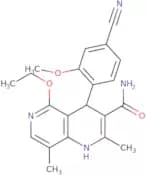
CAS :Please enquire for more information about Finerenone including the price, delivery time and more detailed product information at the technical inquiry form on this pageFormule :C21H22N4O3Degré de pureté :Min. 95%Couleur et forme :PowderMasse moléculaire :378.4 g/mol2-(2-Butyl)-4-{4-[4-(4-methyloxy-phenyl)-piperazin-1-yl]-phenyl}-2,4-dihydro-[1,2,4]-triazol-3-one
CAS :2-(2-Butyl)-4-{4-[4-(4-methyloxy-phenyl)-piperazin-1-yl]-phenyl}-2,4-dihydro-[1,2,4]-triazol-3-one (ITZ) is an antifungal drug that inhibits the synthesis of ergosterol. It is used in the treatment of systemic fungal infections such as candidiasis and cryptococcosis. ITZ is a metabolite of itraconazole and fluconazole. The presence of impurities in ITZ can be detected by liquid chromatography with a diode array detector or a fluorescence detector. An antiinfective drug product should be bioequivalent to the reference product and have comparable levels of impurities. Chromatograms are used to identify peaks on a graph and measure their height (area under the curve) to determine how much of each substance is present in the sample.Formule :C23H29N5O2Degré de pureté :Min. 95%Couleur et forme :White To Yellow SolidMasse moléculaire :407.51 g/mol1-Boc-4-bromomethylpiperidine
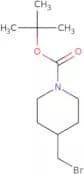
CAS :1-Boc-4-bromomethylpiperidine is a versatile building block for the synthesis of complex compounds with diverse biological activity. It is an excellent reagent for the synthesis of 1,2,3-triazoles, which are useful scaffolds in the synthesis of high quality pharmaceuticals. This compound can be used as a reaction component and as a useful intermediate in various chemical reactions.Formule :C11H20BrNO2Degré de pureté :Min. 97 Area-%Couleur et forme :PowderMasse moléculaire :278.19 g/mol5,6-Diamino-2,3-dicyanopyrazine
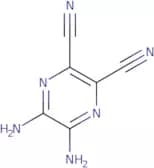
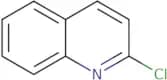
CAS :5,6-Diamino-2,3-dicyanopyrazine (5,6-DDA) is a synthetic compound that has been shown to emit in the visible region. The emission spectrum of 5,6-DDA shows three peaks at 599 nm, 614 nm, and 637 nm. The molecular orbitals of 5,6-DDA are calculated to be sp2 hybridized with a singlet ground state. This molecule has been shown to form imines with aniline and pyrrole in the presence of chloride ions. It also forms a zn complex with zinc chloride and nitrate ions. The thermolysis of furyl derivatives produces the corresponding anions. 5,6-DDA can also undergo a photochemical reaction with chlorine gas to form its molecular ion at 637 nm.Formule :C6N4N6Degré de pureté :(%) Min. 98%Couleur et forme :PowderMasse moléculaire :160.14 g/mol2-Chloroquinoline
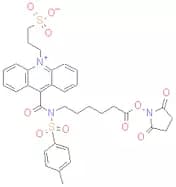
CAS :2-Chloroquinoline is a compound that has antimicrobial properties. It acts by inhibiting bacterial RNA synthesis and protein synthesis. 2-Chloroquinoline has been shown to have toxicological effects in animal studies, including cancer. It also inhibits the activity of the cb2 receptor and the CCR5 receptor, which are involved in tumor growth. The molecular docking analysis for this compound is available, which can be found on PubChem.Formule :C9H6ClNDegré de pureté :Min. 98%Couleur et forme :PowderMasse moléculaire :163.6 g/mol3-(9-((6-(2,5-Dioxopyrrolidin-1-yloxy)-6-oxohexyl)(tosyl)carbamoyl)acridinium-10-yl)propane-1-sulfonate
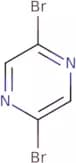
CAS :3-(9-((6-(2,5-Dioxopyrrolidin-1-yloxy)-6-oxohexyl)(tosyl)carbamoyl)acridinium-10-yl)propane-1-sulfonate is a fine chemical that is used as a versatile building block for complex compounds. It can be used in the synthesis of research chemicals or reagents, or as a speciality chemical. 3-(9-((6-(2,5-Dioxopyrrolidin-1-yloxy)-6-oxohexyl)(tosyl)carbamoyl)acridinium-10-yl)propane sulfonate can be reacted with other compounds to form useful scaffolds and reaction components. This compound has CAS number 866366–12–3.Formule :C34H35N3O10S2Degré de pureté :Min. 95%Couleur et forme :PowderMasse moléculaire :709.79 g/mol2,5-Dibromopyrazine
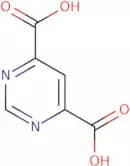
CAS :2,5-Dibromopyrazine is a heterocyclic compound that can be synthesized by the Suzuki coupling reaction of 2-bromo-1,3-dibromopropane with an acceptor. It has been shown to have glycemic parameters and a high rate enhancement for the water molecule photophysical isomerization reaction. Structural isomers of 2,5-dibromopyrazine exist as well and are thought to have different rates of photocatalytic activity. The rate enhancement may be due to the increase in electron density on the heteroatoms in the ring.Formule :C4H2Br2N2Degré de pureté :Min. 98%Couleur et forme :Brown White Off-White Yellow Clear LiquidMasse moléculaire :237.88 g/mol4,6-Pyrimidinedicarboxylic acid
CAS :4,6-pyrimidinedicarboxylic acid is a synthetic compound that is used as a pharmaceutical preparation. It has been shown to have minimal inhibitory concentrations against many bacterial species, including Enterobacteriaceae, Pseudomonas aeruginosa, and Staphylococcus aureus. 4,6-pyrimidinedicarboxylic acid has shown antibacterial activity in the presence of a halogeno or hydroxyl groups. This compound also has matrix metalloproteinase inhibiting activity and can be used to treat degenerative diseases such as cancer or Alzheimer's disease. 4,6-pyrimidinedicarboxylic acid has been studied for its light emitting properties and protein–protein interactions. The light emission properties are due to the intramolecular hydrogen transfer between two hydroxyl groups on the molecule.
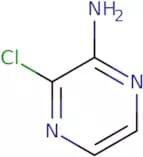
Formule :C6H4N2O4Degré de pureté :Min. 95 Area-%Couleur et forme :White Off-White PowderMasse moléculaire :168.11 g/mol2-Amino-3-chloropyrazine
CAS :2-Amino-3-chloropyrazine is an active analogue of pyrazinamide, which is a potent antimycobacterial drug. It has been shown to have bacteriostatic activity against Mycobacterium tuberculosis in vitro and in vivo. 2-Amino-3-chloropyrazine has been shown to inhibit mitochondrial membrane potential, which may be due to its ability to inhibit hepg2 cell growth by decreasing intracellular ATP levels. It also inhibits the synthesis of bacterial DNA and protein, thereby inhibiting bacterial growth. 2-Amino-3-chloropyrazine has also been shown to have antitumor properties against mouse tumor cells. The pharmacokinetic properties of this drug are not well understood yet, but it has been shown that it can be detected in serum after administration
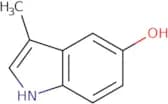
Degré de pureté :Min. 95%Couleur et forme :PowderMasse moléculaire :129.55 g/mol5-Hydroxy-3-methylindole
CAS :5-Hydroxy-3-methylindole (5HMI) is a metabolite of the drug tamoxifen, which is used for the treatment of breast cancer. It is also found in urine samples and has been shown to be reactive with cytochrome P450 2E1 (CYP2E1). 5HMI has been shown to inhibit the activity of CYP2E1 in humans, rats, and mice. 5HMI has also been shown to have anti-epileptic properties in epileptics. This active form is metabolized by adipose tissue or liver cells through oxidation and conjugation with glucuronic acid. The human liver cells show constitutive androstane receptor (CAR) activation, which may be due to its ability to act as an agonist or partial agonist.
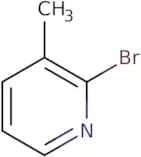
Formule :C9H9NODegré de pureté :Min. 96%Couleur et forme :PowderMasse moléculaire :147.17 g/mol2-Bromo-3-methylpyridine
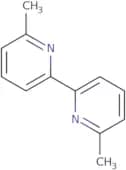
CAS :2-Bromo-3-methylpyridine is a diazido compound with a hydrogen bond. It reacts rapidly with copper chloride to form the coordination complex Cu(diazido)(Cl)2 and an organic product. 2-Bromo-3-methylpyridine can be synthesized from 2,4-dibromopyridine by a cross coupling reaction with copper chloride and calcium carbonate in the presence of sodium potassium bicarbonate. The coordination geometry of the molecule is tetrahedral, with two bromine atoms on opposite sides of the central nitrogen atom and one bromine atom on each side of the pyridine ring. Reaction products are formed as a result of substitution reactions involving halides, such as methyl chloride or ethyl chloride, which act as electrophiles to react with the diazido group. Potential mechanisms include metathesis reactions or cryogenic processes.Formule :C6H6BrNDegré de pureté :Min. 95%Couleur et forme :Colorless Clear LiquidMasse moléculaire :172.02 g/mol6,6'-Dimethyl-2,2'-bipyridine
CAS :6,6'-Dimethyl-2,2'-bipyridine (DMBP) is a bidentate ligand that is used in the functional theory of antibacterial activity. The bond cleavage of DMBP is believed to be due to its high oxidation potential and its ability to form hydrogen bonds with the bacteria cell wall. DMBP has been shown to have an antibacterial effect on both Gram-positive and Gram-negative bacteria. The mechanism of action may be due to its ability to release hydroxyl radicals when exposed to ultraviolet light. This compound also has a boronic acid group that can form a complex with 4-methoxyphenylboronic acid (MPA) which can inhibit bacterial growth.Formule :C12H12N2Degré de pureté :Min. 98%Couleur et forme :PowderMasse moléculaire :184.24 g/mol2,6,8-Trichloropurine ammonium salt
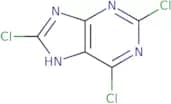
CAS :2,6,8-Trichloropurine ammonium salt is a reaction product of 2,6,8-trichloropurine and ammonium hydroxide. It has been shown to inhibit the synthesis of protein in tissue cultures and to be cytotoxic.Formule :C5HCl3N4NH4Degré de pureté :Min. 95%Masse moléculaire :241.49 g/mol5-Bromopyrimidine
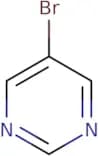
CAS :5-Bromopyrimidine is a reactive intermediate that is used in the synthesis of 4-methoxyphenylboronic acid. It is a crystalline solid with a molecular weight of 164.5 g/mol and an empirical formula of C6H4BrN3O. 5-Bromopyrimidine has been shown to be nucleophilic, reacting with β-amino acids under basic conditions to form the corresponding 2-bromo amide. It also undergoes cross-coupling reactions with halides and can be used as a building block for other organic compounds. 5-Bromopyrimidine has optical properties that are characteristic of aromatic molecules, including strong absorption bands in the ultraviolet region and visible light region.Formule :C4H3BrN2Degré de pureté :Min. 95%Couleur et forme :PowderMasse moléculaire :158.98 g/molPiperonyl butoxide
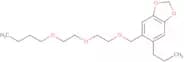
CAS :An insecticide synergist; P450-dependent monooxygenase inhibitor
Formule :C19H30O5Degré de pureté :Min. 90 Area-%Couleur et forme :Clear LiquidMasse moléculaire :338.44 g/mol2-Fluoroadenine
CAS :2-Fluoroadenine is an inhibitor of DNA synthesis, which is used to study the effect of carcinogens on the cell cycle. It is a potent inducer of G2/M arrest in HL-60 cells, and has been shown to be cytotoxic to a number of different carcinoma cell lines. 2-Fluoroadenine disrupts collagen gel networks by binding to nitrogens in the protein matrix. This inhibits the glycosylation process that stabilizes collagen networks. The use of 2-fluoroadenine as a chemotherapeutic agent has been studied in animal models and clinical trials. 2-Fluoroadenine has been shown to inhibit mitochondrial membrane potential, leading to apoptosis caused by oxidative stress.Formule :C5H4FN5Degré de pureté :Min. 98 Area-%Couleur et forme :Off-White PowderMasse moléculaire :153.12 g/mol3-Methylpiperidin-3-ol
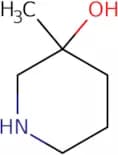
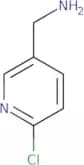
CAS :3-Methylpiperidin-3-ol is a chemical compound that has been found to be useful as a building block for the synthesis of various complex compounds. This product is used in research and as a reagent. 3-Methylpiperidin-3-ol is also known by the CAS number 473730-88-0.Formule :C6H13NODegré de pureté :Min. 95%Couleur et forme :Yellow solid.Masse moléculaire :115.17 g/mol2-Chloro-5-aminomethylpyridine
CAS :2-Chloro-5-aminomethylpyridine is an active substance that is used in medicine. It is a chlorinated compound, which has been shown to be effective against resistant mutants of bacteria. The mechanism of action is not yet clear, but it may be due to the formation of hydrogen chloride, which inhibits the growth of bacteria by binding to DNA and RNA. 2-Chloro-5-aminomethylpyridine has also been shown to act as an inhibitor for enzymes such as succinic dehydrogenase and glucose 6 phosphate dehydrogenase. This drug can also be detected in urine samples with a high sensitivity analytical method.Formule :C6H7ClN2Degré de pureté :Min. 95%Couleur et forme :Off-White PowderMasse moléculaire :142.59 g/molImidazo[1,2-α]pyridin-3-yl-boronic acid pinacol ester
CAS :Imidazo[1,2-a]pyridin-3-yl-boronic acid pinacol ester is a reagent that is used as an intermediate in the synthesis of complex compounds. The compound has been shown to be useful for research purposes and can be used as a building block in the synthesis of chemical compounds. Imidazo[1,2-a]pyridin-3-yl-boronic acid pinacol ester has an CAS number of 1238337-02-4 and is a versatile building block that can be used to synthesize speciality chemicals.Formule :C13H17BN2O2Degré de pureté :Min. 95%Couleur et forme :PowderMasse moléculaire :244.1 g/mol5-Fluoroindole
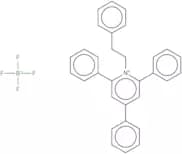
CAS :5-Fluoroindole is a reagent that can be used in organic synthesis. It can be used to synthesize a variety of compounds, including pharmaceuticals and agrochemicals. 5-Fluoroindole is also useful as an intermediate for the synthesis of complex molecules or fine chemicals. 5-Fluoroindole can be used as a building block for the preparation of other chemical compounds. It is a versatile building block with many applications in research and industry.Formule :C8H6FNMasse moléculaire :135.14 g/molN-Ethylbenzene-2,4,6-triphenyl pyridinium tetrafluoroborate
CAS :N-Ethylbenzene-2,4,6-triphenyl pyridinium tetrafluoroborate is a reagent that can be used in chemical reactions. It is a fine chemical and research chemicals with high quality and a versatile scaffold. It is useful as an intermediate in the synthesis of complex compounds. N-Ethylbenzene-2,4,6-triphenyl pyridinium tetrafluoroborate has CAS number 66310-06-3.Formule :C31H26N·BF4Degré de pureté :Min. 95%Couleur et forme :PowderMasse moléculaire :499.35 g/molMethyl-3-Formylindole-5-carboxylate
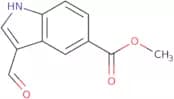
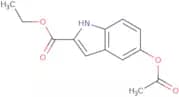
CAS :Please enquire for more information about Methyl-3-Formylindole-5-carboxylate including the price, delivery time and more detailed product information at the technical inquiry form on this pageFormule :C11H9NO3Degré de pureté :Min. 95%Masse moléculaire :203.19 g/molEthyl 5-acetoxyindole-2-carboxylate
CAS :Please enquire for more information about Ethyl 5-acetoxyindole-2-carboxylate including the price, delivery time and more detailed product information at the technical inquiry form on this page
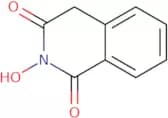
Formule :C13H13NO4Degré de pureté :Min. 95%Masse moléculaire :247.25 g/mol2-Hydroxyisoquinoline-1,3(2H,4H)-dione
CAS :2-Hydroxyisoquinoline-1,3(2H,4H)-dione (2HIQ) is a potent anti-viral agent that has been shown to inhibit the replication of viruses in cell cultures. 2HIQ inhibits viral replication by binding to the enzyme reverse transcriptase and inhibiting its ability to synthesize DNA from RNA. This drug also has inhibitory properties against human immunodeficiency virus type 1 (HIV-1) and hepatitis C virus (HCV). 2HIQ binds to the active site of the enzyme HIV reverse transcriptase, which is a key enzyme in viral replication. It also binds to HCV NS5B polymerase, which is an essential protein in HCV replication. These interactions lead to inhibition of viral replication and thus prevention of disease progression.Formule :C9H7NO3Degré de pureté :Min. 95%Couleur et forme :Off-White To Brown SolidMasse moléculaire :177.16 g/mol6-(4,4,5,5-Tetramethyl-1,3,2-dioxaborolan-2-yl)imidazo[1,2-α]pyridine
CAS :6-(4,4,5,5-Tetramethyl-1,3,2-dioxaborolan-2-yl)imidazo[1,2-a]pyridine is a fine chemical that can be used as a building block in organic synthesis. It is a useful reagent and intermediate for the synthesis of other compounds. 6-(4,4,5,5-Tetramethyl-1,3,2-dioxaborolan-2-yl)imidazo[1,2-a]pyridine is soluble in acetone and ethanol. The compound has been found to be an effective reaction component in the synthesis of various complex molecules.Formule :C13H17BN2O2Degré de pureté :Min. 95%Couleur et forme :SolidMasse moléculaire :244.1 g/mol1-[(5-Methoxy-1-methyl-1H-indol-3-yl)methyl]piperidine-4-carboxylic acid
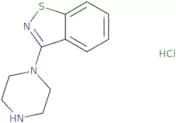
CAS :Produit contrôléPlease enquire for more information about 1-[(5-Methoxy-1-methyl-1H-indol-3-yl)methyl]piperidine-4-carboxylic acid including the price, delivery time and more detailed product information at the technical inquiry form on this pageFormule :C17H22N2O3Degré de pureté :Min. 95%Masse moléculaire :302.37 g/mol3-Piperazinyl-1,2-benzisothiazole hydrochloride
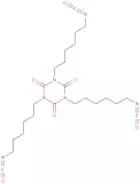
CAS :3-Piperazinyl-1,2-benzisothiazole hydrochloride is an atypical antipsychotic that binds to the dopamine D2 receptor. It is water soluble and reacts with inorganic bases such as mercury oxide (HgO) to form 3-piperazinyl-1,2-benzisothiazole monohydrochloride (3PBZMHC). This product has a reaction time of about 2 hours and an industrial application for the synthesis of atypical antipsychotics. 3PBZMHC also has an impurity level of less than 0.5%.Formule :C11H13N3S•HClDegré de pureté :Min. 95%Couleur et forme :PowderMasse moléculaire :255.77 g/mol(2,4,6-Trioxotriazine-1,3,5(2H,4H,6H)-triyl)tris(hexamethylene) isocyanate
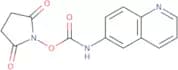
CAS :(2,4,6-Trioxotriazine-1,3,5(2H,4H,6H)-triyl)tris(hexamethylene) isocyanate (TOTI) is a chemical used in the production of polyurethane foams. TOTI is a monomer with an isocyanate group and can be polymerized to form polyurethane foams. It has been shown that TOTI is not absorbed by the skin and does not cause any allergic reactions. TOTI has been found to be chemically stable when exposed to fluorine or sodium carbonate. When extravasated from its original container, it should be handled with caution because it can cause pulmonary edema if inhaled or contact with skin occurs. The acute toxicity of TOTI has been studied in rats and mice and was determined to have low toxicity. This chemical has been shown to have a particle size of less than 10Formule :C24H36N6O6Couleur et forme :Clear LiquidMasse moléculaire :504.58 g/mol6-Aminoquinolyl-N-hydroxysuccinimidyl carbamate, particle size < 0.25 mm
CAS :6-Aminoquinolyl-N-hydroxysuccinimidylcarbamate reacts rapidly with amino acids to form stable urea derivatives. The use of fluorescence detection techniques allows quantification of amines at pmol levels. 6-Aminoquinolyl-N-hydroxysuccinimidylcarbamate was used in a study to derivatize glycated amino acids with the purpose of developing chromatographic assays for their quantification. Glycation of proteins initially gives rise to early glycation adducts, then progresses to advanced glycation end-products, which are markers for conditions such as diabetes, cataracts, uraemia and Alzheimer's disease. We also offer the product FA36291.Formule :C14H11N3O4Couleur et forme :PowderMasse moléculaire :285.25 g/mol1-[4-Methyl-6-(trifluoromethyl)pyrimidin-2-yl]piperidine-3-carboxylic acid
CAS :1-[4-Methyl-6-(trifluoromethyl)pyrimidin-2-yl]piperidine-3-carboxylic acid is a reagent that is used as a complex compound, as a useful intermediate, and as a fine chemical. It has been used in the manufacture of pharmaceuticals, agrochemicals, dyes, and pigments. It also has many applications in research such as its use as a building block for organic synthesis or to synthesize other compounds with potential uses in medicine.Formule :C12H14F3N3O2Degré de pureté :Min. 95%Couleur et forme :PowderMasse moléculaire :289.25 g/mol(S)-3-N-Boc-Aminopiperidine
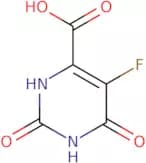
CAS :Intermediate in the synthesis of linagliptinFormule :C10H20N2O2Degré de pureté :Min. 95%Couleur et forme :White PowderMasse moléculaire :200.28 g/mol5-Fluoroorotic acid hydrate
CAS :Selection reagent for orotidine 5'-phosphate decarboxylase mutants
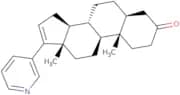
Formule :C5H3FN2O4·xH2ODegré de pureté :(%) Min. 97%Couleur et forme :Off-White Yellow PowderMasse moléculaire :174.09 g/mol(5α)-17-(3-Pyridinyl)androst-16-en-3-one
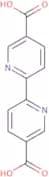
CAS :Produit contrôlé(5α)-17-(3-Pyridinyl)androst-16-en-3-one is a natural metabolite of testosterone that is produced in the liver. It has been identified as an impurity in API, which can be found in drugs used for the treatment of high blood pressure and prostate cancer. (5α)-17-(3-Pyridinyl)androst-16-en-3-one is not active as a drug itself, but it can be used as a standard to study the metabolism of testosterone and other steroids.Formule :C24H31NODegré de pureté :Min. 98 Area-%Couleur et forme :White PowderMasse moléculaire :349.51 g/mol2,2'-Bipyridine-5,5'-dicarboxylic acid
CAS :2,2'-Bipyridine-5,5'-dicarboxylic acid is an algal metabolite that has been shown to have a glucose sensor function. It is synthesized by Chlorella and other green algae in response to light and high concentrations of glucose. This compound can be used as a linker for the immobilization of fluorescent probes or luminescent probes. It also has a catalytic subunit that can be used in oxidation reactions at low temperatures with chloride as the oxidant. 2,2'-Bipyridine-5,5'-dicarboxylic acid is chemically stable and does not react with chloride or ligands. It can also be used as an oxidation catalyst for reactions at high temperatures.Formule :C12H8N2O4Couleur et forme :White PowderMasse moléculaire :244.2 g/mol
![1-(2-Chloroethyl)-4-[3-(Trifluoromethyl)Phenyl]Piperazine Dihydrochloride](/_next/image/?url=https%3A%2Fstatic.cymitquimica.com%2Fproducts%2F3D%2Fthumb-webp%2FFC29221.webp&w=3840&q=75)


![1-Boc-2-[4-(2-pyridinyl)benzylidene]hydrazine](/_next/image/?url=https%3A%2Fstatic.cymitquimica.com%2Fproducts%2F3D%2Fthumb-webp%2FFB18876.webp&w=3840&q=75)
![N'-[3-Cyano-1-[2,6-dichloro-4-(trifluoromethyl)phenyl]-4-(trifluoromethyl)-1H-pyrazol-5-yl]-N,N-di…](/_next/image/?url=https%3A%2Fstatic.cymitquimica.com%2Fproducts%2F3D%2Fthumb-webp%2FFN182822.webp&w=3840&q=75)
![6-Chloro-imidazo[1,2-b]pyridazine](/_next/image/?url=https%3A%2Fstatic.cymitquimica.com%2Fproducts%2F3D%2Fthumb-webp%2FFC11286.webp&w=3840&q=75)
![3H-Imidazo[4,5-c]pyridine-7-carboxylic acid](/_next/image/?url=https%3A%2Fstatic.cymitquimica.com%2Fproducts%2F3D%2Fthumb-webp%2FFI167598.webp&w=3840&q=75)
![2-(2-Butyl)-4-{4-[4-(4-methyloxy-phenyl)-piperazin-1-yl]-phenyl}-2,4-dihydro-[1,2,4]-triazol-3-one](/_next/image/?url=https%3A%2Fstatic.cymitquimica.com%2Fproducts%2F3D%2Fthumb-webp%2FFB19470.webp&w=3840&q=75)

![Imidazo[1,2-α]pyridin-3-yl-boronic acid pinacol ester](/_next/image/?url=https%3A%2Fstatic.cymitquimica.com%2Fproducts%2F3D%2Fthumb-webp%2FFI51745.webp&w=3840&q=75)

![6-(4,4,5,5-Tetramethyl-1,3,2-dioxaborolan-2-yl)imidazo[1,2-α]pyridine](/_next/image/?url=https%3A%2Fstatic.cymitquimica.com%2Fproducts%2F3D%2Fthumb-webp%2FFT159967.webp&w=3840&q=75)
![1-[(5-Methoxy-1-methyl-1H-indol-3-yl)methyl]piperidine-4-carboxylic acid](/_next/image/?url=https%3A%2Fstatic.cymitquimica.com%2Fproducts%2F3D%2Fthumb-webp%2FFM128176.webp&w=3840&q=75)
![1-[4-Methyl-6-(trifluoromethyl)pyrimidin-2-yl]piperidine-3-carboxylic acid](/_next/image/?url=https%3A%2Fstatic.cymitquimica.com%2Fproducts%2F3D%2Fthumb-webp%2FFM129640.webp&w=3840&q=75)