Hétérocycles azotés (N)
Sous-catégories appartenant à la catégorie "Hétérocycles azotés (N)"
- Azépane(436 produits)
- Benzotriazoles(438 produits)
- Diazépanes(335 produits)
- Imidazoles(4.031 produits)
- Imidazolines(385 produits)
- Isoxazole(1.088 produits)
- Piperazines(3.758 produits)
- Pipéridines(8.443 produits)
- Pyrazines(1.304 produits)
- Pyrazole(5.960 produits)
- Pyrazolidine(21 produits)
- Pyrazoline(143 produits)
- Pyridazine(860 produits)
- Pyridines(22.007 produits)
- Pyrimidine(6.084 produits)
- Pyrroles(2.450 produits)
- Pyrrolidines(5.840 produits)
- Pyrroline(48 produits)
- Pyrrolo[1,2-b]pyridazine(10 produits)
- Tétrazole(531 produits)
- Triazines(466 produits)
- Triazoles(1.689 produits)
17863 produits trouvés pour "Hétérocycles azotés (N)"
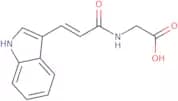
Indole-3-acryloylglycine
CAS :Indole-3-acryloylglycine is a metabolite of tryptophan, which is an essential amino acid for humans. It has been shown to be a potential biomarker for inflammatory bowel disease (IBD). Indole-3-acryloylglycine can be detected in urine samples and can be used as a diagnostic tool to identify IBD patients. This method has also been validated using chromatographic and mass spectrometry methods. Dietary intake of 3-hydroxyanthranilic acid or kynurenine may affect the concentration of indole-3-acryloylglycine in the body.
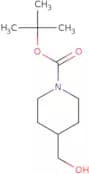
Formule :C13H12N2O3Degré de pureté :Min. 98 Area-%Couleur et forme :White Off-White PowderMasse moléculaire :244.25 g/molN-Boc-4-piperidinemethanol
CAS :N-Boc-4-piperidinemethanol is a curcumin analogue that binds to the epidermal growth factor receptor (EGFR) and prevents the binding of ligands. In vitro studies have shown that N-Boc-4-piperidinemethanol can inhibit tumor growth and induce apoptosis in cancer cells. The drug is also capable of inhibiting the proliferation of normal cells, which may be due to its ability to recruit EGFR from outside the cell membrane. This process triggers signaling events that lead to cell death.
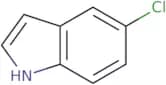
Formule :C11H21NO3Degré de pureté :Min. 98 Area-%Couleur et forme :PowderMasse moléculaire :215.29 g/mol5-Chloroindole
CAS :5-Chloroindole is a molecule that can bind to the CB2 cannabinoid receptor. It has been shown in experiments to be an allosteric modulator of this receptor. 5-Chloroindole has been found to have an inhibitory effect on degenerative diseases, such as Huntington's disease and Alzheimer's disease, and may have therapeutic potential for these disorders. 5-Chloroindole binds to a metal surface by forming hydrogen bonds with the oxygen atom of its carboxyl group and the metal surface. The nucleophilic nature of 5-chloroindole allows it to react with chloride ions present in solution. 5-Chloroindole reacts with the carbon source in tissue culture, which leads to receptor activity and inhibition of cell proliferation.
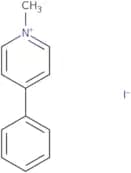
Formule :C8H6ClNCouleur et forme :White PowderMasse moléculaire :151.59 g/molN-Methyl-4-phenylpyridinium iodide
CAS :N-Methyl-4-phenylpyridinium iodide is an experimental drug that has been shown to have a number of biological effects in vitro. These include the inhibition of dopamine uptake and mitochondrial membrane potential, leading to neuronal death. This drug also inhibits the uptake of gamma-aminobutyric acid (GABA) and the synthesis of tubule cells. N-Methyl-4-phenylpyridinium iodide has been shown to cause microglia cell activation by binding with the CB2 receptor on these cells. The compound also causes increased uptake of lithium ions into mitochondria, which leads to a reduction in mitochondrial membrane potential and subsequent neuronal death.
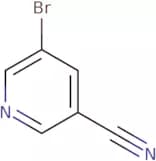
Formule :C12H12INDegré de pureté :Min. 95%Masse moléculaire :297.14 g/mol3-Cyano-5-bromopyridine
CAS :3-Cyano-5-bromopyridine is an enantiopure organic compound that belongs to the group of halides. It is a functional group that is a reagent in organic synthesis, and it can be used as a precursor to dyestuffs. 3-Cyano-5-bromopyridine has been shown to have antimicrobial activity against bacteria and fungi. It also has a metabotropic glutamate receptor subtype selective affinity, which may be due to its ability to bind with glutamate in complex molecules.
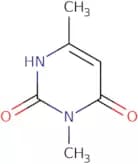
Formule :C6H3BrN2Degré de pureté :Min. 95%Couleur et forme :White To Beige To Light (Or Pale) Yellow SolidMasse moléculaire :183.01 g/mol3,6-Dimethylpyrimidine-2,4(1H,3H)-dione
CAS :3,6-Dimethylpyrimidine-2,4(1H,3H)-dione is a chemical compound that has been found to be active against influenza virus. It is an acidic compound that binds to positively charged amino acids on the viral envelope and inhibits viral fusion with host cells. The linker group in 3,6-dimethylpyrimidine-2,4(1H,3H)-dione is the same as that of dimethylsulfate, which is a chemical compound used for the synthesis of other compounds. X-ray diffraction data for this compound have been obtained at high resolution and show it to be a chloride salt. The chloride ion may be important in the antiviral activity of 3,6-dimethylpyrimidine-2,4(1H,3H)-dione because it can react with radicals formed during influenza replication. This compound also has antiradical activities against Coxsackievirus B3 (
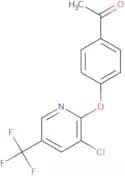
Formule :C6H8N2O2Degré de pureté :Min. 95%Masse moléculaire :140.14 g/mol2-(4-Acetophenoxy)-3-chloro-5-trifluoromethyl pyridine
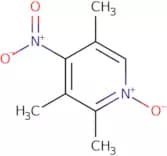
CAS :Please enquire for more information about 2-(4-Acetophenoxy)-3-chloro-5-trifluoromethyl pyridine including the price, delivery time and more detailed product information at the technical inquiry form on this pageFormule :C14H9ClF3NO2Degré de pureté :Min. 95%Couleur et forme :PowderMasse moléculaire :315.67 g/mol2,3,5-Trimethyl-4-nitropyridine 1-oxide
CAS :The reaction of 2,3,5-trimethyl-4-nitropyridine 1-oxide with hydrogen peroxide is an example of a peroxide reaction. The HOOH molecule is a nucleophilic and attacks the CNO group. This leads to the formation of a new bond between the oxygen and carbon atoms in the molecule. The oxygen atom then becomes an oxidizing agent, which can react with other molecules in order to form more products. In this reaction, hydrogen peroxide is used as an oxidizing agent to produce chlorine gas, water vapor, and nitric oxide gas. The reaction can be summarized as follows: 2CNO + 3HOOH → 4CO + 2O + 3N2O + 3HO2
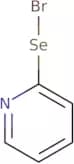
Formule :C8H10N2O3Degré de pureté :Min. 95%Couleur et forme :PowderMasse moléculaire :182.18 g/mol2-Pyridine selenyl bromide
CAS :2-Pyridine selenyl bromide is a co-precursor for the synthesis of 2-selenides. It can be prepared by reacting 2-pyridinesulfonyl chloride with sodium periodate in acetonitrile. This compound can then be converted to a 2-selenide by treatment with methanol and periodic acid. The analytical and preparative methods are shown below:
Analytical: Dissolve the sample in dichloromethane, add triethylamine, and extract into diethyl ether. Add a small amount of potassium bromide to the organic layer and evaporate to dryness under vacuum. Recrystallize from acetonitrile.
Methanolysis: Dissolve the sample in methanol, add a catalytic amount of hydrochloric acid, and heat at reflux for 12 hours. Cool the solution, filter off any insoluble material, evaporate to drynessFormule :C5H4BrNSeDegré de pureté :Min. 95%Masse moléculaire :236.96 g/mol(1-Methylpiperidin-2-yl)methanol
CAS :(1-Methylpiperidin-2-yl)methanol is a gaseous organic acid that belongs to the piperazine class of compounds. It is used as an intermediate in the synthesis of various pharmaceuticals, including antipsychotics and antidepressants. (1-Methylpiperidin-2-yl)methanol has been shown to be an agonist of ganglion cells and can be used for the treatment of glaucoma. This compound also has shown to have anti-inflammatory properties, which may be due to its ability to inhibit nitric oxide production. Furthermore, (1-methylpiperidin-2-yl)methanol has been shown to inhibit 13c nuclear magnetic resonance spectroscopy with epoxides and hydroxyl groups. The reaction product is a crystalline solid with a molecular formula of C6H14O3N2, which corresponds to the molecular formula of 2-(dimethylam
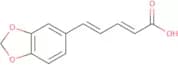
Formule :C7H15NODegré de pureté :Min. 95%Couleur et forme :Clear LiquidMasse moléculaire :129.2 g/mol(E,E)-Piperic acid
CAS :Piperic acid is a metal chelate that has synergistic effects with other antimicrobial agents. It can be used to treat infectious diseases and carcinoma. Piperic acid is a natural compound found in plants, fruits, and vegetables, which has been shown to inhibit drug transporter proteins P-glycoprotein (P-gp) in the mitochondrial membrane potential. This inhibits the transport of drugs from outside the cell into the mitochondrial membrane, which also prevents the production of reactive oxygen species.
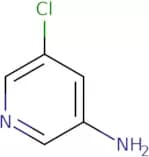
Formule :C12H10O4Degré de pureté :Min. 95%Couleur et forme :Yellow To Green SolidMasse moléculaire :218.21 g/mol5-Chloro-3-pyridinamine
CAS :5-Chloro-3-pyridinamine is a catalyst that is used in the synthesis of polymers. It can be used in ring-opening polymerization reactions and is reactive with a variety of functional groups, including aliphatic and aromatic rings. 5-Chloro-3-pyridinamine also has high activity for ring opening polymerizations, which makes it an ideal choice for the synthesis of polymers. This catalyst can be used to control the molecular weight of polymers by dilution or by altering the amount of catalyst used. 5-Chloro-3-pyridinamine has been shown to be biocompatible and biodegradable, making it a good choice for biomedical applications.
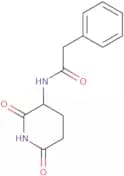
Formule :C5H5ClN2Degré de pureté :Min. 95%Couleur et forme :PowderMasse moléculaire :128.56 g/mol3-Phenylacetylamino-2,6-piperidinedione
CAS :3-Phenylacetylamino-2,6-piperidinedione is a trifluoroacetate analog of the amino acid phenylalanine. It has been shown to be effective against cancer cells. 3-Phenylacetylamino-2,6-piperidinedione inhibits protein synthesis in tumor cells and is used as an antiestrogen in clinical studies. The hydroxyl group on the 3rd carbon atom makes this compound more acidic than its parent compound, 2,6-piperidinedione. This analog also has a high affinity for cancer tissues and urine samples. Treatment with this drug inhibits the growth of carcinoma cell lines MCT7 and MCF7.
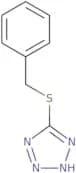
Formule :C13H14N2O3Degré de pureté :Min. 95%Couleur et forme :PowderMasse moléculaire :246.26 g/mol5-Benzylthio-1H-tetrazole
CAS :5-Benzylthio-1H-tetrazole is a tetrazole derivative that is used as a reactant in bioconjugate chemistry. This compound reacts with nucleophiles to form covalent bonds and can be immobilized on solid supports for use in stepwise synthesis of peptides or other molecules. 5-Benzylthio-1H-tetrazole also has the ability to bind to DNA and RNA, which makes it useful in the study of hydrogen bonding interactions. In addition, this molecule has been shown to enhance the sensitivity of uv absorption measurements. Other uses include the development of model systems for chemical biology and the study of cellular processes.
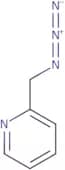
Formule :C8H8N4SDegré de pureté :Min. 98 Area-%Couleur et forme :White PowderMasse moléculaire :192.24 g/mol2-(Azidomethyl)pyridine
CAS :2-(Azidomethyl)pyridine (2-AP) is an organopalladium complex with a molecular weight of 206.2 g/mol. It has been used in magnetic resonance spectroscopy and has been shown to bind to all-trans retinoic acid, which is an active metabolite of vitamin A. 2-AP has also been shown to inhibit the growth of cancer cells by binding to the glycan on cell surfaces. The copper complex has been shown to have anti-inflammatory properties and can inhibit the activity of enzymes such as cyclooxygenase and lipoxygenase, which are involved in inflammatory responses. 2-AP is a second-order rate constant for the exothermic reaction between hydrogen peroxide and azide ion, which produces nitrous oxide ((NO)) and water molecules.
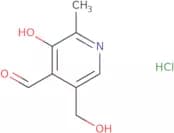
Formule :C6H6N4Degré de pureté :Min. 95%Couleur et forme :Brown PowderMasse moléculaire :134.14 g/molPyridoxal hydrochloride
CAS :Pyridoxal hydrochloride is a vitamin B6 metabolite. It is involved in many biochemical reactions, including trans-sulfuration, amino acid synthesis, and neurotransmitter synthesis. Pyridoxal hydrochloride has been shown to have antimicrobial activity against some bacteria species by inhibiting their enzyme activities. This compound also inhibits the growth of various fungi. The redox potentials of pyridoxal hydrochloride can be determined by titration calorimetry, which can be used to study its structural properties. In vitro experiments with cells have shown that pyridoxal hydrochloride may increase the efficiency of protein production when used during cell transfection. Toxicity studies have shown that pyridoxal hydrochloride is not toxic to humans at doses up to 2000 mg/kg body weight per day for up to 14 days.
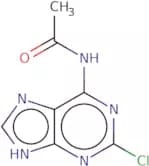
Formule :C8H9NO3·HClDegré de pureté :Min. 98 Area-%Couleur et forme :White PowderMasse moléculaire :203.62 g/mol2-Acetamido-6-chloropurine
CAS :2-Acetamido-6-chloropurine (2ACAP) is a nucleophilic agent that inhibits cancer cells by binding to the enzyme cholinesterase. It is used in the treatment of T-cell leukemia and herpes simplex virus. 2ACAP binds to the amine group of cholinesterase, which prevents it from breaking down acetylcholine. This inhibition leads to accumulation of acetylcholine, which has been shown to induce apoptosis in k562 cells. The molecular modeling study showed that 2ACAP binds to both chlorine atom and benzyl groups in the active site of cholinesterase. 2ACAP also has a potent inhibitory effect on cancer cell proliferation and can be used as an anti-cancer agent for many types of cancers including colon, breast, and prostate cancer.
Formule :C7H6ClN5ODegré de pureté :Min. 97 Area-%Couleur et forme :Yellow PowderMasse moléculaire :211.61 g/molFmoc-D-7-Aza-Trp-OH
CAS :Please enquire for more information about Fmoc-D-7-Aza-Trp-OH including the price, delivery time and more detailed product information at the technical inquiry form on this page
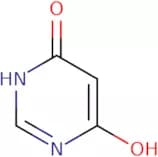
Formule :C25H21N3O4Degré de pureté :Min. 95%Masse moléculaire :427.45 g/mol4,6-Dihydroxypyrimidine
CAS :4,6-Dihydroxypyrimidine is a competitive inhibitor of the bacterial enzyme DNA gyrase. It binds to the ATP-binding site and blocks the conversion of ATP to ADP. This leads to inhibition of the DNA replication process. 4,6-Dihydroxypyrimidine has shown inhibition constants against various bacterial strains. The kinetic data indicate that this compound is a noncompetitive inhibitor for DNA gyrase. 4,6-Dihydroxypyrimidine also binds to sodium hydroxide solution and forms a Langmuir adsorption isotherm that can be described by an equation with a single binding site. The chemical structure of 4,6-dihydroxypyrimidine consists of three atoms: two hydrogen atoms and one oxygen atom. This molecule has been found in electrochemical impedance spectroscopy experiments using methanol solvent as an electrolyte and monosodium salt as a supporting electrolyte.
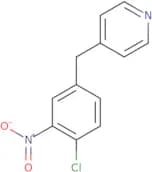
Formule :C4H4N2O2Degré de pureté :Min. 95%Couleur et forme :Yellow PowderMasse moléculaire :112.09 g/mol4-(4-Chloro-3-nitrobenzyl)pyridine
CAS :Ai Product Descriptions 50 Creative
Formule :C12H9ClN2O2Degré de pureté :Min. 95%Couleur et forme :PowderMasse moléculaire :248.66 g/molChloro-7-deazapurine
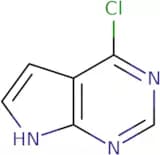
CAS :Intermediate in the synthesis of baricitinib
Formule :C6H4ClN3Degré de pureté :Min. 95%Couleur et forme :Off-White PowderMasse moléculaire :153.57 g/mol4,4'-Dicyano-2,2'-bipyridine
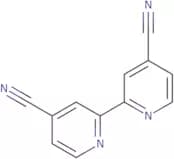
CAS :4,4'-Dicyano-2,2'-bipyridine is a ligand that binds to molybdenum and has been used in the diagnosis of mitochondrial DNA. It has been shown to be an effective treatment for tropical diseases such as malaria. This drug binds to the molybdenum cofactor in the enzyme ribonucleotide reductase, thereby inhibiting the production of ATP. 4,4'-Dicyano-2,2'-bipyridine also reacts with formic acid and ruthenium to produce a redshifted product that can be detected by electron paramagnetic resonance spectroscopy.
Formule :C12H6N4Degré de pureté :Min. 98 Area-%Couleur et forme :PowderMasse moléculaire :206.2 g/mol4,4'-Dipyridyl - 98%
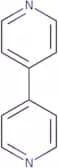
CAS :4,4'-Dipyridyl is a cyclic peptide with a basic structure. It has been found to have inhibitory effects against the growth of bacteria in human serum and group P2. The x-ray crystal structures reveal that it has strong intermolecular hydrogen bonding interactions. Experimental solubility data and coordination models show that 4,4'-dipyridyl is soluble in anhydrous sodium. Structural analysis and kinetic energy calculations indicate that the inhibitor binding site is located on the hydroxyl groups of the backbone of the molecule. This ligand also binds to metal ions such as copper or zinc.
Formule :C10H8N2Couleur et forme :Off-White PowderMasse moléculaire :156.19 g/mol4,4'-Dipyridyl
CAS :Please enquire for more information about 4,4'-Dipyridyl including the price, delivery time and more detailed product information at the technical inquiry form on this page
Formule :C10H8N2Masse moléculaire :156.19 g/mol2-Amino-5-iodopyridine
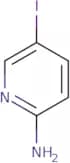
CAS :2-Amino-5-iodopyridine (2-AI) is a water molecule that has been shown to have vibrational and optical properties. 2-AI is an orange pigment that is found in methyl ketones, such as 2,4,6-trimethylheptanone and 3,4,5-trimethylhexanone. 2-AI has also been used as a dye for wool in the past. 2-AI is not found naturally but can be synthesized from an aryl halide and ammonia or ammonium hydroxide. The synthesis of this compound involves the reaction of an aromatic amine and nitrous acid or diazonium salt. 2-AI can be used as an antimicrobial agent against bacteria by interfering with the nicotinic acetylcholine receptor on the bacterial cell membrane. FTIR spectroscopy can be used to identify its chemical structure.
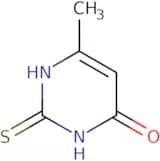
Formule :C5H5IN2Degré de pureté :Min. 98 Area-%Couleur et forme :White PowderMasse moléculaire :220.01 g/mol4-Hydroxy-2-mercapto-6-methy1-pyrimidine
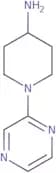
CAS :4-Hydroxy-2-mercapto-6-methylpyrimidine is a structural analysis of the molecule. It is a pyrimidine compound that has been found to be effective against human bowel disease and congestive heart failure, as well as in a model system of infectious diseases. 4-Hydroxy-2-mercapto-6-methylpyrimidine inhibits the activity of cyclin D2 by binding to it and preventing its attachment to the G1/S phase checkpoint. This compound also inhibits the activity of c. glabrata polymerase chain reaction (PCR) and human leukemia cells HL60 cells. 4-Hydroxy-2-mercapto-6-methylpyrimidine is an analytical method for xray diffraction data, which has been shown to have antibacterial properties due to its ability to inhibit methylthiouracil from being converted into thyroxine in the body.Formule :C5H6N2OSDegré de pureté :Min. 95%Couleur et forme :White Clear LiquidMasse moléculaire :142.18 g/mol1-Pyrazin-2-ylpiperidin-4-amine dihydrochloride
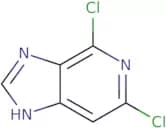
CAS :1-Pyrazin-2-ylpiperidin-4-amine dihydrochloride is a fine chemical that is used as an intermediate for the synthesis of research chemicals, speciality chemicals and other complex compounds. This compound has been shown to be useful in the synthesis of a variety of building blocks, including pharmaceuticals and agrochemicals. It can be used in reactions with a wide range of reagents and catalysts, which makes it an excellent starting point for new product development.Formule :C9H14N4·2HClDegré de pureté :Min. 95%Couleur et forme :PowderMasse moléculaire :251.16 g/mol2,6-Dichloro-3-deazapurine
CAS :2,6-Dichloro-3-deazapurine is an isomer of the nucleoside guanosine. It has been shown to inhibit the synthesis of viruses in cell cultures and may be useful in the treatment of leukemia. The synthesis of 2,6-dichloro-3-deazapurine can be achieved through a solid-phase synthesis that uses synthons as starting materials. The molecular modelling studies have shown that this molecule has a potential to bind to adenosine receptor subtypes A2a, A2b, and A3.
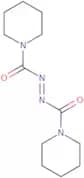
Formule :C6H3Cl2N3Degré de pureté :Min. 95%Couleur et forme :Off-White PowderMasse moléculaire :188.02 g/mol1,1'-(Azodicarbonyl)dipiperidine
CAS :1,1'-(Azodicarbonyl)dipiperidine is an organic compound that has been shown to be a radiosensitizing agent. It is used in the treatment of ovarian cancer and inhibits cell growth by inducing apoptosis. 1,1'-(Azodicarbonyl)dipiperidine modifies the cellular response to ionizing radiation by sensitizing cells to radiation and increasing the amount of DNA damage caused by radiation. This compound was found to increase the radiosensitivity of cells in vitro; however, it does not induce apoptosis in non-malignant cells. The effects are observed at low doses and are more pronounced when combined with other agents such as 3-aminobenzamide (3AB).
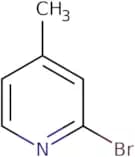
Formule :C12H20N4O2Degré de pureté :Min. 95%Couleur et forme :Yellow PowderMasse moléculaire :252.31 g/mol2-Bromo-4-methylpyridine
CAS :2-Bromo-4-methylpyridine is an organic compound that is used in the synthesis of other compounds. It has been shown to be a potent anticancer agent, inhibiting cell function and inducing apoptosis. 2-Bromo-4-methylpyridine can be used to detect autofluorescent cells by photoreceptor cell fluorescence. This compound also induces lipofuscin accumulation in red blood cells as a result of its protonation, which leads to decreased membrane fluidity and oxidative stress.
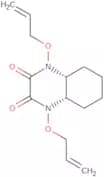
Formule :C6H6BrNDegré de pureté :Min. 95%Couleur et forme :PowderMasse moléculaire :172.02 g/molcis-5,6-Tetramethylen-1,4-diallyloxypiperazine-2,3-dione
CAS :cis-5,6-Tetramethylen-1,4-diallyloxypiperazine-2,3-dione is a versatile building block and useful scaffold for the synthesis of pharmaceuticals. It has been shown to be an excellent reaction component in organic synthesis and as a speciality chemical. cis-5,6-Tetramethylen-1,4-diallyloxypiperazine-2,3-dione is a high quality reagent that can be used in research work.Formule :C14H20N2O4Degré de pureté :Min. 95%Masse moléculaire :280.32 g/molIndole-6-carboxylic acid methyl ester
CAS :Please enquire for more information about Indole-6-carboxylic acid methyl ester including the price, delivery time and more detailed product information at the technical inquiry form on this page
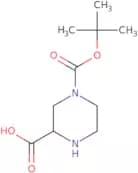
Formule :C10H9NO2Degré de pureté :Min. 95%Couleur et forme :PowderMasse moléculaire :175.19 g/molN-4-Boc-2-piperazine carboxylic acid
CAS :N-4-Boc-2-piperazine carboxylic acid is an organic acid that functions in the metabolism of purine and bile acids. It is also involved in the metabolic pathway of the kidney, which is important for the elimination of waste products from the body. N-4-Boc-2-piperazine carboxylic acid has been shown to be useful as a marker for distinguishing between different types of kidney disease. It is a metabolite found in urine and can be used as an analytical tool for detecting renal function. This compound has also been shown to have long term effects on bile acid metabolism.
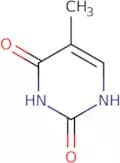
Formule :C10H18N2O4Degré de pureté :Min. 95%Couleur et forme :White PowderMasse moléculaire :230.26 g/molThymine
CAS :Pyrimidine nucleobase; component of nucleic acids
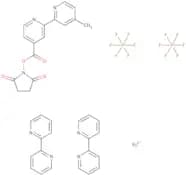
Formule :C5H6N2O2Degré de pureté :Min. 99 Area-%Couleur et forme :White PowderMasse moléculaire :126.11 g/molBis(2,2'-bipyridine)-4'-methyl-4-carboxybipyridine-ruthenium N-succinimidyl ester-bis(hexafluorophosphate)
CAS :Bis(2,2'-bipyridine)-4'-methyl-4-carboxybipyridine-ruthenium N-succinimidyl ester-bis(hexafluorophosphate) is a molecule that inhibits the activity of matrix metalloproteinases. It binds to the active site of the enzyme and blocks its activity. This drug has been shown to be effective in inhibiting the activity of MMPs in cells, but not in tissue culture because it does not cross cell membranes. Bis(2,2'-bipyridine)-4'-methyl-4-carboxybipyridine-ruthenium N-succinimidyl ester-bis(hexafluorophosphate) has also been shown to have a low detection limit and can detect low levels of matrix metalloproteinase activity in cells.
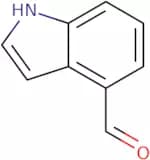
Formule :C36H29F12N7O4P2RuDegré de pureté :Min. 95%Couleur et forme :PowderMasse moléculaire :1,014.66 g/molIndole-4-carboxaldehyde
CAS :Indole-4-carboxaldehyde is a natural compound that can be found in the acetate extract of the roots of Scopolia japonica. It has been shown to have an inhibitory effect on locomotor activity and may also have an inhibitory effect on protein synthesis. The mechanism of this inhibition is not yet known, but it may be due to an intramolecular hydrogen bond or other interactions with proteins. Indole-4-carboxaldehyde has also been shown to induce apoptotic cell death in 3T3-L1 preadipocytes by inducing mitochondrial dysfunction and oxidative stress.
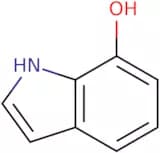
Formule :C9H7NOCouleur et forme :Off-White PowderMasse moléculaire :145.16 g/mol7-Hydroxyindole
CAS :7-Hydroxyindole is a biochemical that is produced by wild-type strains of Escherichia coli. It has been shown to inhibit the action of an efflux pump, which is a protein that pumps drugs and other foreign substances out of the cell. The alkoxy radical reacts with 7-hydroxyindole to form a hydroperoxide intermediate. This intermediate then reacts with molecular oxygen to form hydrogen peroxide, which may be responsible for the antimicrobial activity of 7-hydoxyindole. Studies have shown that this compound can also inhibit multidrug efflux pumps in Pseudomonas aeruginosa cells, which may lead to an increase in antibiotic uptake.
Formule :C8H7NODegré de pureté :Min. 98 Area-%Couleur et forme :Off-White PowderMasse moléculaire :133.15 g/mol2-[N-[(3,5-Difluorophenyl)carbamoylamino]-C-methylcarbonimidoyl]pyridine-3-carboxylic acid
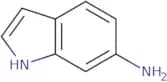
CAS :2-[N-[(3,5-Difluorophenyl)carbamoylamino]-C-methylcarbonimidoyl]pyridine-3-carboxylic acid (2FPC) is a potent herbicide that inhibits the fatty acid synthase enzyme and blocks cellular energy production. Fatty acid synthase is an important enzyme in the synthesis of essential fatty acids and this inhibition can lead to a number of health complications. 2FPC also inhibits epidermal growth factor receptor (EGFR) and glucocorticoid receptors, which can lead to autoimmune diseases. The compound has been shown to produce neurotoxic effects in animals and humans, including optical sensor activation and cation channel modulation. 2FPC is used as a herbicide to control weeds such as knapweed. It is also used as an anti-inflammatory agent in the treatment of rheumatoid arthritis.Formule :C15H12F2N4O3Degré de pureté :Min. 97 Area-%Couleur et forme :PowderMasse moléculaire :334.28 g/mol6-Aminoindole
CAS :6-Aminoindole is a model complex that can be used for studying the interactions of primary amines with acidic molecules in bioinorganic chemistry. The molecule was synthesized by electropolymerization, which involves the oxidation of aniline with bifunctional oxidases. 6-Aminoindole has been shown to have protonation and salicylaldehyde properties. It reacts with metal surfaces to form a molecular target.
Formule :C8H8N2Degré de pureté :Min. 97 Area-%Couleur et forme :PowderMasse moléculaire :132.16 g/molRef: 3D-FA05536
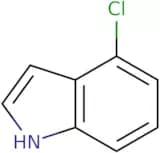
Produit arrêté4-Chloroindole
CAS :4-Chloroindole is an indole compound that is a derivative of salicylic acid. It is used in the production of ethylene and casein, as well as being a major metabolite of anthranilic acid. 4-Chloroindole is also found in environmental pollutants and has been shown to be active against plant pathogens such as Pseudomonas syringae. It has been shown to inhibit the growth of Bacillus cereus by binding to its ribosomal RNA and inhibiting protein synthesis. In addition, it inhibits the biosynthesis of methylindole, which may be due to its ability to inhibit the enzyme tryptophan synthase.
Formule :C8H6ClNDegré de pureté :Min. 98 Area-%Couleur et forme :Clear LiquidMasse moléculaire :151.59 g/mol4-Amino-2-methoxypyridine
CAS :4-Amino-2-methoxypyridine is an antiviral agent that inhibits the activity of the NS5B polymerase, a key enzyme in the replication of the hepatitis C virus. It is a potent inhibitor with a wide range of activity and can be used for treatment and prevention of infection. 4-Amino-2-methoxypyridine has been shown to inhibit replication of hepatitis C virus in cell culture. This compound is stable in vivo and can be administered orally, making it an attractive candidate for oral prophylaxis against hepatitis C. 4-Amino-2-methoxypyridine also exhibits good pharmacokinetic properties, including a low clearance rate and high volume of distribution, which makes it suitable for chronic administration.
Formule :C6H8N2ODegré de pureté :Min. 95%Couleur et forme :White To Light (Or Pale) Orange SolidMasse moléculaire :124.14 g/molRef: 3D-FA33029
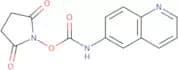
Produit arrêté6-Aminoquinolyl-N-hydroxysuccinimidylcarbamate
CAS :6-Aminoquinolyl-N-hydroxysuccinimidylcarbamate reacts rapidly with amino acids to form stable urea derivatives. The use of fluorescence detection techniques allows quantification of amines at pmol levels. 6-Aminoquinolyl-N-hydroxysuccinimidylcarbamate was used in a study to derivatize glycated amino acids with the purpose of developing chromatographic assays for their quantification. Glycation of proteins initially gives rise to early glycation adducts, then progresses to advanced glycation end-products, which are markers for conditions such as diabetes, cataracts, uraemia and Alzheimer's disease. We also offer the product FA172347 with a particle size < 0.25 mm.Formule :C14H11N3O4Degré de pureté :(Q-1H Nmr) Min 83%Couleur et forme :PowderMasse moléculaire :285.25 g/molRef: 3D-FA36291
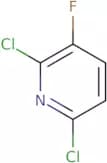
Produit arrêté2,6-Dichloro-3-fluoropyridine
CAS :2,6-Dichloro-3-fluoropyridine is a synthetic organic chemical that can be used as a diazo compound in the synthesis of heterocycles. It is used in industrial applications for the production of nitrobenzene, an intermediate for the synthesis of pharmaceuticals. The reaction time and yield are high, and the selectivity is good. 2,6-Dichloro-3-fluoropyridine can be synthesized by reacting sodium nitrite with piperidine and acidifying with hydrochloric acid. This chemical is mainly used as an industrial intermediate to produce nitrobenzene.
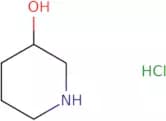
Formule :C5H2Cl2FNDegré de pureté :(%) Min. 95%Couleur et forme :PowderMasse moléculaire :165.98 g/mol3-Hydroxypiperidine hydrochloride
CAS :3-Hydroxypiperidine hydrochloride is a synthetic compound that inhibits the enzyme acetylcholinesterase, which breaks down the neurotransmitter acetylcholine. The specificity of this inhibitor has been shown to be high in human urine samples. 3-Hydroxypiperidine hydrochloride can be used as a tethering agent in exploratory assays. This drug also has an effect on chemokine production and citric acid levels in the urine.
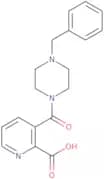
Formule :C5H11NO•HClDegré de pureté :Min. 95%Couleur et forme :PowderMasse moléculaire :137.61 g/mol3-((4-Benzylpiperazinyl)carbonyl)pyridine-2-carboxylic acid
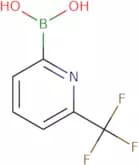
CAS :Produit contrôléPlease enquire for more information about 3-((4-Benzylpiperazinyl)carbonyl)pyridine-2-carboxylic acid including the price, delivery time and more detailed product information at the technical inquiry form on this pageFormule :C18H19N3O3Degré de pureté :Min. 95%Couleur et forme :PowderMasse moléculaire :325.36 g/mol6-(Trifluoromethyl)pyridine-2-boronic acid
CAS :6-(Trifluoromethyl)pyridine-2-boronic acid is a solid chemical that is soluble in organic solvents. It is a building block for the synthesis of more complex compounds, and also serves as an intermediate in the synthesis of pharmaceuticals. 6-(Trifluoromethyl)pyridine-2-boronic acid has been shown to be useful for the preparation of fine chemicals and has been widely used as a reagent in research.
Formule :C6H5BF3NO2Degré de pureté :Min. 95%Couleur et forme :PowderMasse moléculaire :190.92 g/mol1H-Pyrrolo[3,2-b]pyridine-7-carboxylic acid
CAS :1H-Pyrrolo[3,2-b]pyridine-7-carboxylic acid is a chemical compound that belongs to the group of organic compounds. The spatial property of 1H-pyrrolo[3,2-b]pyridine-7-carboxylic acid is protrusion. It has a molecular weight of 293.1 g/mol and optical properties of module and positioning. The actuator module position can be used as an on/off switch for the molecule's optical properties.
Formule :C8H6N2O2Degré de pureté :Min. 95 Area-%Couleur et forme :PowderMasse moléculaire :162.15 g/mol11-Piperazinyldibenzo[b,e][1,4]diazepine
CAS :Piperazine diazepines are a class of synthetic compounds that have been used as anticonvulsants, anxiolytics and muscle relaxants. The compound 11-piperazinyldibenzo[b,e][1,4]diazepine (PBD) belongs to this class of drugs. PBD is an analog of the amino acid phenylalanine and has been shown to be a potent acetylcholine receptor antagonist. It also has high penetrability into brain cells and can activate these cells in vivo studies.
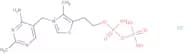
Formule :C17H18N4Degré de pureté :Min. 95%Couleur et forme :PowderMasse moléculaire :278.35 g/molThiamine pyrophosphate
CAS :Thiamine derivative; coenzyme of transketolase
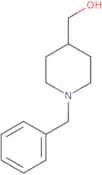
Formule :C12H19ClN4O7P2SDegré de pureté :Min. 93%Couleur et forme :White PowderMasse moléculaire :460.77 g/mol(1-Benzyl-4-piperidyl)methanol
CAS :1-Benzyl-4-piperidyl)methanol is a linker molecule that can be used to connect a variety of heterocycles with the ability to modulate their biological activities. This molecule has been shown to be a potent inhibitor of 5-HT receptor activity and has been used in molecular modeling studies. 1-Benzyl-4-piperidyl)methanol also has the potential for use as an environmental pollutant, which may be due to its reactivity with naphthalene compounds. The modifications that are possible on this molecule include introducing substituents on the benzene ring or amide groups, which can provide potent inhibitory activity.
Formule :C13H19NODegré de pureté :Min. 95 Area-%Couleur et forme :Clear LiquidMasse moléculaire :205.3 g/mol




![2-[N-[(3,5-Difluorophenyl)carbamoylamino]-C-methylcarbonimidoyl]pyridine-3-carboxylic acid](/_next/image/?url=https%3A%2Fstatic.cymitquimica.com%2Fproducts%2F3D%2Fthumb-webp%2FFD101726.webp&w=3840&q=75)

![1H-Pyrrolo[3,2-b]pyridine-7-carboxylic acid](/_next/image/?url=https%3A%2Fstatic.cymitquimica.com%2Fproducts%2F3D%2Fthumb-webp%2FFP167590.webp&w=3840&q=75)
![11-Piperazinyldibenzo[b,e][1,4]diazepine](/_next/image/?url=https%3A%2Fstatic.cymitquimica.com%2Fproducts%2F3D%2Fthumb-webp%2FFP76915.webp&w=3840&q=75)