Composés aliphatiques et dérivés
8758 produits trouvés pour "Composés aliphatiques et dérivés"
3-Mercapto-3-methyl-1-butanol
CAS :3-mercapto-3-methyl-1-butanol, also known as MMB, is an organic volatile compound that belongs to the group alkylthiols. It is a secondary metabolite and is a degradation product of felinine, a feline pheromone. Some studies suggest that due to similarities in odor, 3-mercapto-3-methyl-1-butanol and derivatives such as 3-mercapto-3-methyl-1-butyl-1-formate and 3-methyl-3-(methylsulfanyl)butan-1-ol have similar behaviours as felinine. These findings may provide useful and interesting information about signaling and communication related to reproduction and recognition in mammals. 3-mercapto-3-methyl-1-butanol can be also found in some alcoholic beverages and coffee products. It provides a meaty flavor and aroma, and it is used as a flavoring agent in the food industry.Formule :C5H12OSDegré de pureté :Min. 95%Couleur et forme :Colorless Clear LiquidMasse moléculaire :120.21 g/moltert-Butylisocyanate
CAS :Tert-butylisocyanate is a reactive chemical that contains a carboxylate group. It is an ester hydrochloride that can be synthesized by reacting trifluoroacetic acid with molybdenum trioxide. This compound has been studied using X-ray crystal structures and the intramolecular hydrogen transfer reaction between two nitrogen atoms in the molecule. Tert-butylisocyanate is stable in solution because it does not react with water or alkalis, but does react with sodium carbonate, forming sodium cyanate and tetrabutylammonium hydroxide. Tert-butylisocyanate reacts with inorganic acids such as sulfuric acid to form its corresponding salts. The chelate ligand of tert-butylisocyanate prevents it from reacting with transition metals such as copper and iron, but will react with zinc metal.Formule :C5H9NODegré de pureté :Min. 98 Area-%Couleur et forme :Colorless Clear LiquidMasse moléculaire :99.13 g/molcis-2-Decenoic acid
CAS :cis-2-Decenoic acid is a fatty acid that acts as an antimicrobial agent. It has been shown to inhibit the growth of many human pathogens, including methicillin-resistant Staphylococcus aureus, Pseudomonas aeruginosa, and Candida albicans. cis-2-Decenoic acid also inhibits the production of proinflammatory cytokines by lipopolysaccharide and stimulates the production of anti-inflammatory cytokines. cis-2-Decenoic acid was also found to be effective against diabetic neuropathy biofilm in mice and may be useful for treatment of this condition.
Formule :C10H18O2Degré de pureté :Min. 98 Area-%Couleur et forme :Clear LiquidMasse moléculaire :170.25 g/mol1-Adamantanecarboxylic acid methyl ester
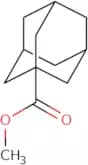
CAS :1-Adamantanecarboxylic acid methyl ester is a specialized chemical compound, classified as an ester derivative from the adamantane structure. It is sourced through the esterification of 1-adamantanecarboxylic acid, often involving methanol as a reagent under catalyzed conditions. The compound's mode of action is primarily as an intermediate in organic synthesis, where it enables the introduction of adamantyl groups into target molecules, influencing molecular structure with its bulky, rigid framework.This ester derivative finds extensive application in the realm of synthetic organic chemistry. It serves as a crucial intermediate in the development of complex organic materials and pharmaceuticals, where the adamantane moiety is required to confer specific steric and electronic properties. The incorporation of adamantane from 1-adamantanecarboxylic acid methyl ester can enhance the thermal stability, lipophilicity, and rigidity of the resultant compounds, making it invaluable for researchers focused on material sciences and drug development. Its versatile reactivity and robust structure make it a sought-after compound for advancing chemical research and innovation.Formule :C12H18O2Degré de pureté :Min. 98%Couleur et forme :White PowderMasse moléculaire :194.27 g/moltert-Butyl isocyanoacetate
CAS :tert-Butyl isocyanoacetate is an organic compound that belongs to the diacid class of organic compounds. It reacts with water to produce the amide and squaramide. Tert-butyl isocyanoacetate has a high affinity for nitrogen atoms, and can be used in uv absorption spectroscopy. It also has a stepwise mechanism and can react with other chemicals to produce new substances. The compound has fluorescence properties and is used in optical devices such as lasers. Tert-butyl isocyanoacetate also has an ester hydrochloride form which is low potency but active methylene catalysed.Formule :C7H11NO2Degré de pureté :Min. 95%Couleur et forme :Brown Clear LiquidMasse moléculaire :141.17 g/mol1-Nonanol
CAS :1-Nonanol is a colorless liquid with a pleasant odor. It can be synthesized from methyl pentanoate by the asymmetric addition of an inorganic acid to the ester hydrochloride. This process results in a mixture of 1-nonanol and its isomer 2-nonanol, which can be separated using an analytical method such as gas chromatography. 1-Nonanol has been shown to have high transport properties, making it useful for detergent compositions. It has also been shown to exhibit strong hydrogen bonding abilities that may contribute to its adsorption mechanism.Formule :C9H20ODegré de pureté :Min. 95%Couleur et forme :Colorless Clear LiquidMasse moléculaire :144.25 g/mol1,1,3,3-Tetramethylbutyl isocyanide
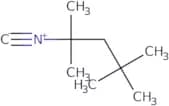
CAS :1,1,3,3-Tetramethylbutyl isocyanide (TMBC) is a palladium complex that has been used in palladium-catalyzed coupling reactions. TMBC is also a ligand for the synthesis of β-amino acid and can be used to form hydrogen bonds with nucleophiles. It has been used in biological studies as well as clinical diagnostics. The solid-phase synthesis of TMBC has been shown to be an efficient method for producing this compound. In addition, TMBC shows stereoselective reactivity with amines and methoxy groups. The nmr spectra of TMBC are characteristic of a carbonyl group at δ 3.20 ppm and two methyl groups at δ 1.36 and 1.37 ppm respectively.Formule :C9H17NDegré de pureté :Min. 98%Couleur et forme :Clear LiquidMasse moléculaire :139.24 g/molSodium pyruvate
CAS :Pyruvate is an intermediary organic acid metabolite in glycolysis and the first of the Embden Meyerhoff pathways that can pass readily in or out of the cell. Thus, the addition of sodium pyruvate to tissue culture medium provides both an energy source and a carbon skeleton for anabolic processes. Furthermore, it assists with maintaining certain specialized cells, is useful when cloning, and may be necessary when the serum concentration is reduced in the medium.Formule :C3H3O3NaDegré de pureté :Min. 95%Couleur et forme :Crystalline PowderMasse moléculaire :110.04 g/molTrifluoromethanesulfonic anhydride
CAS :Trifluoromethanesulfonic anhydride is more frequently known as triflic anhydride, since it derives from triflic acid. It is a versatile and strong electrophile used to insert the triflyl group (represented as Tf-) into chemical molecules (Ouyang, 2018). For example, trifluoromethane sulfonic anhydride interacts with some alkylsulfides to form stable salts that are used in the oxidation of alcohols. Moreover, trifluoromethane sulfonic anhydride has successfully shown high activity as a promoter in glycosylation reactions to obtain disaccharides (Tatai, 2007).Formule :C2F6O5S2Degré de pureté :Min. 95%Couleur et forme :Colorless Slightly Brown Clear LiquidMasse moléculaire :282.14 g/mol3-Mercapto-3-methyl-1-hexanol
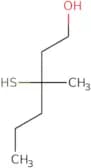
CAS :3-Mercapto-3-methyl-1-hexanol is a molecule that belongs to the group of 3-hydroxyalkanoic acids. It is found in human skin cells and has a high transport rate in these cells. 3-Mercapto-3-methyl-1-hexanol can be converted to 3-hydroxy-3 methylhexanoic acid by bacterial enzymes, including corynebacterium, coli k12, and staphylococci. The molecule has been shown to be an enantiomer of 3,4 dithiadiphosphene. Studies have shown that this compound has antibacterial properties against both Gram positive and Gram negative bacteria, although it does not exhibit any activity against C. difficile or Proteus mirabilis. 3-Mercaptohexanol may also have clinical relevance for humans because it is structurally similar to molecules that are involved in the biosynthesis of important biochemicals such asFormule :C7H16OSDegré de pureté :Min. 95 Area-%Couleur et forme :Colorless Clear LiquidMasse moléculaire :148.27 g/molAgaric acid
CAS :Agaric acid is a high-quality, versatile chemical that is used as an intermediate in many organic and biochemistry reactions. It is also used as a reagent for the isolation of metals such as silver and gold. As a complex compound, it has many uses, including being a useful building block in the synthesis of various drugs. Agaric acid can be used to produce other chemicals such as speciality chemicals or research chemicalsFormule :C22H40O7Masse moléculaire :416.56 g/molRef: 3D-A-3920
-Unit-ggÀ demander1gÀ demander5gÀ demander250mgÀ demander500mgÀ demander2500mgÀ demander1,3-Dibromoadamantane
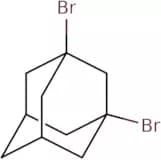
CAS :1,3-Dibromoadamantane is an organic compound that belongs to the group of organobromides. It has a chemical structure with three bromine atoms and one carbon atom, which are bonded to each other in a triangle shape. 1,3-Dibromoadamantane is soluble in solvents such as water and methanol. The reaction yield of 1,3-dibromoadamantane is 100% when it reacts with hydrochloric acid as the catalyst under optimal conditions. The reaction also occurs at a high temperature (100 degrees Celsius) and releases energy efficiently. 1,3-Dibromoadamantane can be used as a substrate molecule for the Suzuki coupling reaction. The coordination chemistry of 1,3-dibromoadamantane involves the formation of a square planar complex with copper ions and ammonia molecules to form copper(I) ammine complexes, which are then able to bindFormule :C10H14Br2Degré de pureté :Min. 95%Couleur et forme :PowderMasse moléculaire :294.03 g/molPivalonitrile
CAS :Please enquire for more information about Pivalonitrile including the price, delivery time and more detailed product information at the technical inquiry form on this page
Formule :C5H9NMasse moléculaire :83.13 g/mol1,2-Diiodoethane
CAS :1,2-Diiodoethane is a useful building block that can be used as a reaction component in organic synthesis. It is also used as a reagent and can be used to produce high quality research chemicals. This chemical has many uses, including as a versatile building block or as an intermediate. 1,2-Diiodoethane is not found naturally in the environment and has been assigned CAS number 624-73-7.Formule :C2H4I2Degré de pureté :Min. 98.5 Area-%Masse moléculaire :281.86 g/mol1,3-Di-(2-pyrenyl)propane
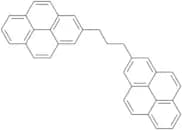
CAS :1,3-Di-(2-pyrenyl)propane is a synthetic molecule that has been used as a model for the phosphatidylethanolamine (PE) component of bacterial membranes. 1,3-Di-(2-pyrenyl)propane has been shown to have a phase transition temperature of -7 degrees Celsius. It is hydrophobic and highly soluble in organic solvents like chloroform, ethanol, ether, and benzene. This molecule is kinetically inert and thermodynamically stable. The monomeric form of 1,3-Di-(2-pyrenyl)propane is not sensitive to ionizing radiation. However, in the bilayer form it is highly sensitive to radiation and can lead to the formation of double bonds that can break down into radicals.
Formule :C35H24Degré de pureté :Min. 95%Couleur et forme :White PowderMasse moléculaire :444.57 g/mol4-Acetoxystyrene Stabilized with TB
CAS :Stabilised with TBFormule :C10H10O2Masse moléculaire :162.19 g/mol2,3-Dimercaptopropanesulfonic acid sodium salt monohydrate
CAS :Chelating agent for heavy metalsFormule :C3H8O3S3·H2O·NaDegré de pureté :(¹H-Nmr) Min. 95 Area-%Couleur et forme :White/Off-White SolidMasse moléculaire :229.3 g/mol11-Mercaptoundecanoic acid
CAS :11-Mercaptoundecanoic acid (11MUA) is a fluorescence probe that reacts with the amide group of proteins. It has been used to study HIV-1 infection and the early stages of human immunodeficiency virus (HIV) replication. 11MUA can be detected by fluorescence spectrometry and gives a strong, selective signal in human serum. This compound is also used as a model system for studying protease activity and electrochemical impedance spectroscopy. 11MUA is stable in solution and can be detected at very low levels, making it an excellent probe for protein degradation studies. The reaction solution containing 11MUA can be prepared using trifluoroacetic acid (TFA), which facilitates the formation of esters from carboxylic acids, or by adding TFA to an acyl chloride derivative of 11-mercaptoundecanoic acid.Formule :C11H22O2SDegré de pureté :Min. 95%Couleur et forme :White PowderMasse moléculaire :218.36 g/mol11-Bromoundecanoic acid
CAS :11-Bromoundecanoic acid is a heterobifunctional reagent that is used in the synthesis of phospholipids. This chemical reacts with an amide group on a phosphatidylcholine to introduce a bromine atom, which can be used as a fluorophore. The reaction is done in an organic solvent, such as dichloromethane, which facilitates the reaction by dissolving the reactants. The reaction can be monitored using fluorescence assay techniques and 11-bromoundecanoic acid is characterized by its constant ring-opening constant and fatty acid chain length.Formule :C11H21BrO2Degré de pureté :Min. 95%Couleur et forme :PowderMasse moléculaire :265.19 g/mol1-Methyl adamantane
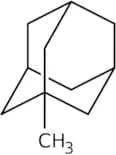
CAS :1-Methyl adamantane is a molecule that is used in the chemical industry. It can be synthesized from 1,3-butadiene, which is obtained from petroleum or coal tar. The molecule has been shown to have anti-inflammatory properties and can be used for the treatment of autoimmune diseases, such as multiple sclerosis and rheumatoid arthritis. This compound has also shown potential as a therapeutic agent for inflammatory diseases like Crohn's disease and ulcerative colitis. The mechanism of action of 1-methyl adamantane may be due to its ability to inhibit the production of inflammatory cytokines such as tumor necrosis factor alpha (TNFα), interleukin-1 beta (IL-1β), and IL-6. This inhibition occurs when 1-methyl adamantane binds to the enzyme cyclooxygenase (COX).Formule :C11H18Degré de pureté :Min. 95%Couleur et forme :White PowderMasse moléculaire :150.26 g/mol9-Azabicyclo[3.3.1]nonane N-oxyl
CAS :9-Azabicyclo[3.3.1]nonane N-oxyl (ABNO) is a reaction component in copper catalysed aerobic oxidation of alcohols. ABNO is a less hindered nitroxyl radical that exhibits an enhanced reactivity compared with TEMPO. Low catalyst loading (1 mol%) of ABNO can efficiently catalyse oxidation of alcohols in the presence of a Cu+ species and atmospheric oxygen to give the corresponding aldehyde or ketone.Formule :C8H14NODegré de pureté :Min. 95 Area-%Couleur et forme :PowderMasse moléculaire :140.2 g/molDibutyl Squarate
CAS :Dibutyl squarate is a new experimental drug that has been shown to have potential in the treatment of autoimmune diseases. Dibutyl squarate is also effective for treating infectious diseases, such as HIV and tuberculosis. The drug has been shown to work by blocking the apoptosis pathway, which prevents the release of pro-inflammatory cytokines. This drug also inhibits the synthesis of chemoattractant proteins, which are important for recruiting cells to the site of infection or injury. In addition, dibutyl squarate blocks cancer cell proliferation and can be used in combination therapy groups. Dibutyl squarate has also been shown to reduce alopecia in mice by inhibiting hair loss caused by inflammation.Formule :C12H18O4Degré de pureté :Min. 96.0 Area-%Couleur et forme :Slightly Yellow Clear LiquidMasse moléculaire :226.27 g/molβ-Glycerophosphate, disodium salt pentahydrate, max. 2% α
CAS :Beta-Glycerophosphate, Disodium Salt Pentahydrate is a complex compound that is used as a reagent, useful intermediate, and fine chemical. It is also useful as a scaffold or building block for the synthesis of organic compounds. Beta-glycerophosphate has CAS No. 13408-09-8 and is classified as a speciality chemical. This compound can be used in research and development for versatile building blocks and reaction components to synthesize organic compounds.Formule :C3H17Na2O11PMasse moléculaire :306.12 g/molRef: 3D-G-4200
-Unit-kgkgÀ demander1kgÀ demander100gÀ demander250gÀ demander500gÀ demander2500gÀ demanderCyclamic acid
CAS :Artificial sweetener
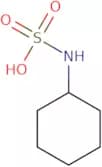
Formule :C6H13NO3SCouleur et forme :PowderMasse moléculaire :179.24 g/molPentachlorocyclopropane
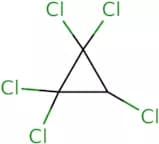
CAS :Pentachlorocyclopropane is a chemical compound that belongs to the class of cyclic chlorinated hydrocarbons. It is a colorless liquid with a strong odor and a boiling point of 176 °C. Pentachlorocyclopropane has been used as an intermediate for the production of other chemicals, such as alkyl chlorides, amines, and polymers. Pentachlorocyclopropane can be synthesized from hydrogen chloride and 1-chloro-2-propanone in the presence of aluminum chloride or zinc chloride. The Friedel-Crafts reaction can also be used to produce pentachlorocyclopropane from benzene and chlorine gas. The chemical stability of pentachlorocyclopropane is due to its intramolecular hydrogen bonds. This allows it to be stored at room temperature without undergoing any reactions or decomposing. Pentachlorocyclopropane is notFormule :C3HCl5Degré de pureté :Min. 95%Couleur et forme :Colorless Clear LiquidMasse moléculaire :214.3 g/molLinoleic acid - 60%min
CAS :Linoleic acid is a polyunsaturated fatty acid that is an important component of the human diet. It has been shown to have inhibitory properties on liver cells, and may be related to body mass index. Linoleic acid is a precursor for gamma-aminobutyric acid (GABA), which functions as a neurotransmitter in the central nervous system. Linoleyl alcohol is a metabolite of linoleic acid and has been shown to inhibit the production of antimicrobial peptides, such as cathelicidin and beta-defensin. The inhibition of this peptide may be responsible for the observed reduction in inflammatory responses and infections.Formule :C18H32O2Degré de pureté :Min. 95%Couleur et forme :Yellow Clear LiquidMasse moléculaire :280.45 g/mol2-Amino-1-cyclopentene-1-carbonitrile
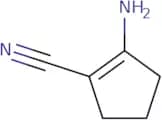
CAS :2-Amino-1-cyclopentene-1-carbonitrile is a chemical compound with the formula CH2N(C=O)CH2NH. It is a white crystalline solid that is soluble in water and polar organic solvents. The compound has been used as an impurity in the synthesis of cyclic polymers, as a transition metal ligand, and as a chroma for dyes. 2-Amino-1-cyclopentene-1-carbonitrile is also used to introduce cyclic groups into polyphosphoric acid and to convert paraformaldehyde to acrylonitrile.
2-Amino-1-cyclopentene-1-carbonitrile reacts with hydrocarbons to form adiponitrile and cyclohexanone.Formule :C6H8N2Degré de pureté :Min. 95%Couleur et forme :PowderMasse moléculaire :108.14 g/molEthyl propiolate
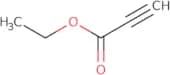
CAS :Ethyl propiolate is a halide that is structurally related to the alkylating agent trifluoroacetic acid. Ethyl propiolate inhibits the activity of several enzymes including phosphofructokinase and pyruvate kinase, which are important for energy metabolism in cells. It also has been shown to have beneficial effects on autoimmune diseases such as lupus erythematosus. The mechanism of action of ethyl propiolate is due to its ability to react with activated oxygen and form an intramolecular hydrogen bond with carbon atoms in the substrate molecule. The reaction between ethyl propiolate and diethyl ketomalonate results in the formation of diethyl 2-propiolate, which can then be hydrolyzed by water into acetaldehyde and diethyl ketomalonate.Formule :C5H6O2Degré de pureté :Min. 98 Area-%Couleur et forme :Colorless Clear LiquidMasse moléculaire :98.1 g/mol(+)-Diacetyl-D-tartaric acid
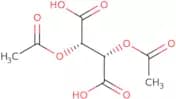
CAS :(+)-Diacetyl-D-tartaric acid is a chiral organic compound that is soluble in organic solvents. It can be used as a catalyst for the asymmetric synthesis of organic compounds and has been shown to cleave bonds with high stereoselectivity. (+)-Diacetyl-D-tartaric acid also exhibits mesomorphic properties, meaning it changes from liquid to solid and vice versa at certain temperatures. The optical activity of this compound can be seen by its magnetic resonance spectrum, which displays two peaks at different wavelengths. This molecule has been shown to have potential uses in microscopy, as well as for the preparation of monomers for magnetic materials.Formule :C8H10O8Degré de pureté :Min. 95%Couleur et forme :White PowderMasse moléculaire :234.16 g/mol1,3-Adamantanediamine dihydrochloride
CAS :1,3-Adamantanediamine dihydrochloride is a mimetic that has been shown to inhibit the fibrinolytic activity of nipecotic acid. This compound also inhibits the platelet aggregation induced by the activation of collagen receptors. It has been shown to have an antagonistic effect on NMDA receptors and to induce apoptosis in cancer cells. The structure of 1,3-Adamantanediamine dihydrochloride is similar to that of adamantane, which is a naturally occurring molecule found in plants and animals.Formule :C10H18N2·2HClDegré de pureté :Min. 95%Couleur et forme :White PowderMasse moléculaire :239.18 g/mol2,3-Dibromopropene - stabilized with copper chip
CAS :2,3-Dibromopropene - stabilized with copper chip (2,3-DBPC) is a novel bromination reagent that can be used for the synthesis of polypeptides. This compound has been shown to react with acyl halides in an asymmetric synthesis. The reaction mechanism is thought to be via the addition of 2,3-DBPC to the carbonyl group of an acyl halide and subsequent elimination of bromoethane. 2,3-DBPC also reacts with ethanolamine in the presence of carbon disulphide and x-ray diffraction data have shown that this reaction proceeds through a 1,4 addition mechanism.Formule :C3H4Br2Degré de pureté :Min. 90 Area-%Couleur et forme :Brown Colorless Yellow Clear LiquidMasse moléculaire :199.87 g/mol(1S,4R)-4-Amino-2-cyclopentene-1-methanol hydrochloride
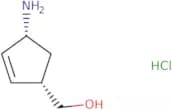
CAS :(1S,4R)-4-Amino-2-cyclopentene-1-methanol hydrochloride is a reagent and building block for the synthesis of many different compounds. It is a useful scaffold for synthetic organic chemistry, producing a wide range of high quality research chemicals. (1S,4R)-4-Amino-2-cyclopentene-1-methanol hydrochloride is an intermediate in the synthesis of complex compounds and fine chemicals. This compound is also used as a reactant in chemical reactions to produce other compounds.
Formule :C6H11NO·HClDegré de pureté :Min. 97 Area-%Couleur et forme :PowderMasse moléculaire :149.62 g/mol2,2,2-Trifluoroethanol
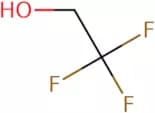
CAS :2,2,2-Trifluoroethanol is a trifluoroacetic acid analogue that has been shown to be an effective antimicrobial agent. It binds to the active site of the enzyme enoyl reductase, inhibiting the synthesis of fatty acids and disrupting cell membrane function. 2,2,2-Trifluoroethanol has also been shown to have anti-inflammatory effects. The drug binds to human serum albumin and inhibits hydrogen peroxide release from neutrophils. This complexation with albumin prevents the release of hydroxyl radicals that are generated in response to oxidative stress. Intramolecular hydrogen bonding between 2,2,2-trifluoroethanol molecules may also contribute to its activity as a natural drug.Formule :C2H3F3ODegré de pureté :Min. 95%Couleur et forme :Clear LiquidMasse moléculaire :100.04 g/mol3-Bromoadamantane-1-carboxylic acid
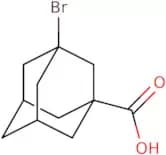
CAS :3-Bromoadamantane-1-carboxylic acid is a potent inhibitor of sphingosine kinase. It is a synthetic compound that was developed to inhibit the activity of sphingosine kinase and thus reduce the levels of sphingosines in cells. 3-Bromoadamantane-1-carboxylic acid has been shown to be effective against multikinases, including caspases and protein kinases. The drug is also able to inhibit tumor growth in animals. The mechanism by which 3-bromoadamantane-1-carboxylic acid inhibits tumor growth is unknown but may involve its ability to bind to the ATP binding site on the enzyme complex or its ability to form a noncompetitive inhibitor with ATP.
Formule :C11H15BrO2Degré de pureté :Min. 95%Couleur et forme :White Off-White PowderMasse moléculaire :259.14 g/mol2-Chloroethyl isocyanate
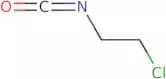
CAS :Inhibitor of DNA repair mechanisms
Formule :C3H4ClNODegré de pureté :Min. 98%Couleur et forme :Colorless Clear LiquidMasse moléculaire :105.52 g/mol2-Iodoethanol - stabilised with copper
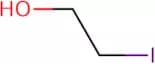
CAS :2-Iodoethanol is a chemical compound that has the chemical formula CH2CHIO2. It is used as a reagent in analytical chemistry, as well as in pharmaceutical preparations and polymerase chain reactions. The hydroxyl group on the ethoxy side of this molecule is important for its reactivity, with 2-iodoethanol having an electron affinity of 5.4 eV. This reactivity can also be seen when it is reacted with sodium carbonate to form sodium ethoxide, which has been shown to have anti-hyperproliferative properties. 2-Iodoethanol has been shown to be particularly effective against plant metabolites, such as 5-membered heteroaryl compounds.Formule :C2H5IODegré de pureté :Min. 98.5 Area-%Couleur et forme :PowderMasse moléculaire :171.96 g/mol(1-Methylpiperidin-4-yl)methanol
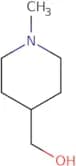
CAS :(1-Methylpiperidin-4-yl)methanol is a potent inhibitor of the kinases vegfr-2 and vesicular glutamate transporter 2 (vglut2). It is also active against human tumor xenografts. The inhibitory activity was determined to be due to its ability to bind and covalently modify tyrosine residues in the kinase domain. The inhibitory potency of (1-Methylpiperidin-4-yl)methanol was found to be constant, regardless of oxygenation status. This suggests that the inhibition is not due to the binding of oxygenated metabolites. In vitro experiments showed that it inhibits cellular proliferation by blocking protein synthesis and arresting cells at G1 phase. This drug has potential as an antitumor agent because it inhibits tumor growth without affecting normal tissue or causing significant toxicity in animal models.
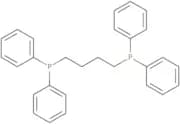
Formule :C7H15NODegré de pureté :Min. 95%Couleur et forme :Colourless to yellow liquid.Masse moléculaire :129.2 g/mol1,4-Bis-(diphenylphosphino)butane
CAS :1,4-Bis-(diphenylphosphino)butane is a coordination compound that contains a bicyclic heterocycle. The compounds are made up of phosphorus and nitrogen atoms which are arranged in a tetrahedral geometry. It has photochemical properties and can be used to inhibit the growth of myeloid leukemia cells. The complexes bind to amines and form stable complexes with hydroxyl groups, so they are also able to cross mitochondrial membranes. This compound has been shown to bind to copper ions in x-ray crystal structures. 1,4-Bis-(diphenylphosphino)butane binds more strongly to ethylene diamine than it does to aryl halides such as chloroethane or phenylethane. Activation energies for the binding of 1,4-bis-(diphenylphosphino)butane with ethylene diamine have been found by measuring the free energy change for its formation fromFormule :C28H28P2Degré de pureté :Min. 95%Couleur et forme :White PowderMasse moléculaire :426.47 g/mol2,3-Butanedione monoxime
CAS :2,3-Butanedione monoxime (BDM) is a metabolite of the glycol ether, 2,3-butanedione. It has been shown to have a beneficial effect on metabolic disorders in rats by modulating several enzyme activities. The optimum concentration of BDM is 2 mmol/L. This compound has also been shown to inhibit the oxidation of xanthine oxidase and the formation of hydroxyl radicals in vitro. BDM has also been found to have synchronous fluorescence with papillary muscles from guinea pigs and cytosolic ca2+ levels in rat liver cells. The structure analysis revealed that BDM binds to the active site of the x-ray crystal structures for mitochondrial cytochrome C oxidase and cardiac ATP synthase with an affinity similar to that of CoQ10. The Langmuir adsorption isotherm for BDM was calculated as 0.913 +/- 0.034 cm/g at 20 degrees Celsius,
Formule :C4H7O2NDegré de pureté :(%) Min. 99%Couleur et forme :White PowderMasse moléculaire :101.1 g/mol(R,R)-2,8-Diazabicyclo[4.3.0]nonane
CAS :(R,R)-2,8-Diazabicyclo[4.3.0]nonane is an antibacterial agent that is synthesized from piperazine and fluoroquinolone derivatives. It has a high yield of (R,R)-2,8-diazabicyclo[4.3.0]nonane and a low reaction time in the microwave amination reaction. This compound can be used to replace environmentally hazardous chemicals such as mercury(II) chloride in the synthesis of (R,R)-2,8-diazabicyclo[4.3.0]nonane by avoiding the use of toxic mercury compounds and reducing the cost of production by using microwave irradiation.Formule :C7H14N2Degré de pureté :Min. 95%Couleur et forme :PowderMasse moléculaire :126.2 g/mol12-Amino-1-dodecanol
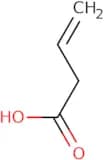
CAS :12-Amino-1-dodecanol is a monolayer that has been synthesized by reacting dodecanol with phosphorus pentoxide in the presence of diacetate. 12-Amino-1-dodecanol is an amphiphilic molecule, which means it can form both hydrophobic and hydrophilic regions. This property allows it to form a monolayer on the surface of cells, such as the Caco2 cell line. The film is composed of fatty acids and contains functional groups that provide phosphatase activity and neutral pH. 12-Amino-1-dodecanol may be used for drug delivery, specifically for the treatment of intestinal disorders or cell monolayers.Formule :C12H27NODegré de pureté :Min. 95%Couleur et forme :PowderMasse moléculaire :201.35 g/mol3-Butenoic acid
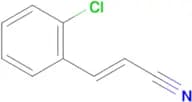
CAS :3-Butenoic acid is a fatty acid that belongs to the group of short chain carboxylic acids. It is used in detergent compositions where it functions as a cationic surfactant and has a hydroxyl group that can be used for polymerization reactions. 3-Butenoic acid is also used as an analytical reagent, e.g., in electrochemical impedance spectroscopy, in which it has been shown to have phase transition temperature of around 38°C. 3-Butenoic acid can be synthesized by reacting butanol with hydrochloric acid and copper chloride in the presence of a cationic surfactant such as alkyltrimethylammonium chloride or benzalkonium chloride. 3-Butenoic acid also acts as a Jak1 inhibitor and has receptor activity against all types of receptors, including those for histamine, acetylcholine, dopamine, serotonin, and GABA (gamma aminobFormule :C4H6O2Degré de pureté :Min. 95 Area-%Couleur et forme :Colorless Clear LiquidMasse moléculaire :86.09 g/mol(E)-3-(2-Chlorophenyl)acrylonitrile
CAS :Degré de pureté :98%Couleur et forme :SolidMasse moléculaire :163.60000613-Phenylprop-2-en-1-ol
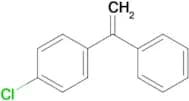
CAS :Formule :C9H10ODegré de pureté :95%Couleur et forme :Low Melting SolidMasse moléculaire :134.1781-(1-(4-CHLOROPHENYL)VINYL)BENZENE
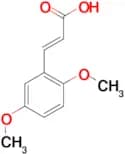
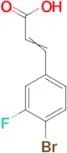
CAS :Formule :C14H11ClDegré de pureté :95%(stabilized with TBC)Couleur et forme :LiquidMasse moléculaire :214.693-(4-Bromo-3-fluorophenyl)acrylic acid
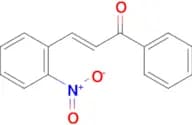
CAS :Formule :C9H6BrFO2Degré de pureté :98%Couleur et forme :SolidMasse moléculaire :245.047(2E)-3-(2-nitrophenyl)-1-phenylprop-2-en-1-one
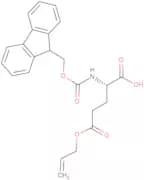
CAS :Formule :C15H11NO3Degré de pureté :98%Couleur et forme :SolidMasse moléculaire :253.257Fmoc-Glu(OAll)-OH
CAS :M06243 - Fmoc-Glu(OAll)-OH
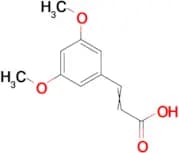
Formule :C23H23NO6Degré de pureté :95%Couleur et forme :Solid, White powderMasse moléculaire :409.4383-(3,5-Dimethoxyphenyl)acrylic acid
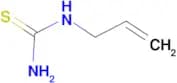
CAS :Formule :C11H12O4Degré de pureté :95%Couleur et forme :SolidMasse moléculaire :208.2131-Allyl-2-thiourea
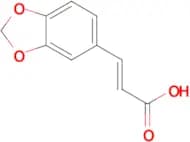
CAS :Formule :C4H8N2SDegré de pureté :97%Couleur et forme :SolidMasse moléculaire :116.183,4-(Methylenedioxy)cinnamic acid
CAS :Formule :C10H8O4Degré de pureté :97%Couleur et forme :SolidMasse moléculaire :192.17Geranyl Acetate
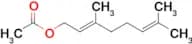
CAS :Formule :C12H20O2Degré de pureté :70%Couleur et forme :LiquidMasse moléculaire :196.29(S)-2-((((9H-Fluoren-9-yl)methoxy)carbonyl)amino)-2-methylhept-6-enoic acid
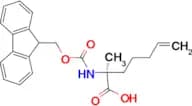
CAS :Formule :C23H25NO4Degré de pureté :95%Couleur et forme :LiquidMasse moléculaire :379.4567-Oxabicyclo[4.1.0]heptan-3-ylmethyl acrylate
CAS :Formule :C10H14O3Degré de pureté :97%(stabilized with HQ)Masse moléculaire :182.2191-Morpholinoprop-2-en-1-one
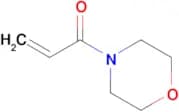
CAS :Formule :C7H11NO2Degré de pureté :98% (stabilized with 1000ppm MEHQ)Couleur et forme :LiquidMasse moléculaire :141.17allyl (2S,4S)-4-(acetylthio)-2-(hydroxymethyl)pyrrolidine-1-carboxylate
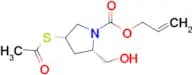
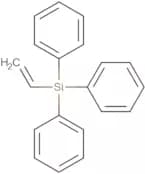
CAS :Degré de pureté :95%Masse moléculaire :259.3200073Triphenylvinylsilane
CAS :S20725 - Triphenylvinylsilane
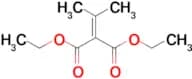
Formule :C20H18SiDegré de pureté :98%Couleur et forme :Solid, White to very pale yellow powderMasse moléculaire :286.449Diethyl 2-(1-Methylethylidene)malonate
CAS :Formule :C10H16O4Degré de pureté :96%Masse moléculaire :200.2344-Bromo-1-fluoro-2-[(2-methyl-2-propen-1-yl)oxy]benzene
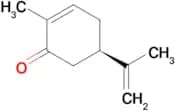
CAS :Degré de pureté :98%Masse moléculaire :245.091(R)-2-Methyl-5-(prop-1-en-2-yl)cyclohex-2-enone
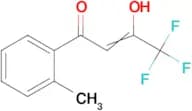
CAS :Formule :C10H14ODegré de pureté :95%Couleur et forme :Liquid, ClearMasse moléculaire :150.2214,4,4-Trifluoro-1-(o-tolyl)butane-1,3-dione
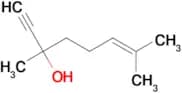
CAS :Formule :C11H9F3O2Degré de pureté :97%Couleur et forme :SolidMasse moléculaire :230.1863,7-Dimethyloct-6-en-1-yn-3-ol
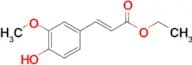
CAS :Formule :C10H16ODegré de pureté :95%Couleur et forme :SolidMasse moléculaire :152.237Methyl 4-hydroxycinnamate
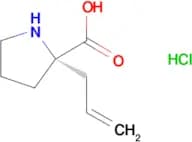
CAS :Formule :C10H10O3Degré de pureté :95.0%Couleur et forme :SolidMasse moléculaire :178.187(S)-2-allylpyrrolidine-2-carboxylic acid hydrochloride
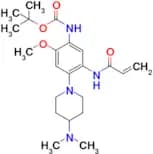
CAS :Degré de pureté :97%Masse moléculaire :191.6600037tert-Butyl N-(4-(4-(dimethylamino)piperidine-1-yl)-2-methoxy-5-(prop-2-enamido)phenyl)carbamate
CAS :Degré de pureté :98%Masse moléculaire :418.53799442-Aminoethyl methacrylate hydrochloride
CAS :Formule :C6H12ClNO2Degré de pureté :95% contains ~500 ppm phenothiazine as stabilizerCouleur et forme :SolidMasse moléculaire :165.62tert-Butyl (4-vinylphenyl) carbonate, stabilised with TBC
CAS :Degré de pureté :95%(stabilized with TBC)Couleur et forme :LiquidMasse moléculaire :220.2680054N-[4-Cyano-3-(trifluoromethyl)phenyl]-2-methacrylamide
CAS :Formule :C12H9F3N2ODegré de pureté :95%Couleur et forme :SolidMasse moléculaire :254.2122-Methylpent-4-enoic acid
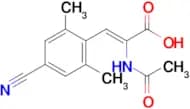
CAS :Formule :C6H10O2Degré de pureté :95.0%Couleur et forme :Liquid, ClearMasse moléculaire :114.144(Z)-2-acetamido-3-(4-cyano-2,6-dimethylphenyl)acrylic acid
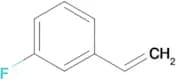
CAS :Degré de pureté :97%Masse moléculaire :258.27700811-Fluoro-3-vinylbenzene
CAS :Formule :C8H7FDegré de pureté :98% (stabilized with TBC)Couleur et forme :Liquid, ClearMasse moléculaire :122.142Fmoc-Asp-OAll
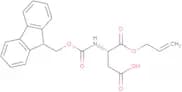
CAS :M03408 - Fmoc-Asp-OAll
Formule :C22H21NO6Degré de pureté :95%Couleur et forme :Solid, White crystalline powderMasse moléculaire :395.411Sodium ethenesulfonate(25% in H2O)
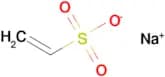
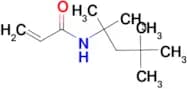
CAS :Formule :C2H3NaO3SDegré de pureté :95.0%Couleur et forme :LiquidMasse moléculaire :130.09N-tert-Octylacrylamide
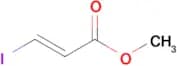
CAS :Formule :C11H21NODegré de pureté :98%Couleur et forme :SolidMasse moléculaire :183.295(E)-Methyl 3-iodoacrylate
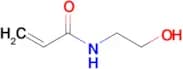
CAS :Formule :C4H5IO2Degré de pureté :95%Couleur et forme :SolidMasse moléculaire :211.986N-(2-Hydroxyethyl)acrylamide
CAS :Degré de pureté :98% (stabilized with MEHQ)Masse moléculaire :115.1320038Benzyl methacrylate
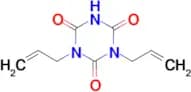
CAS :Formule :C11H12O2Degré de pureté :95.0%Couleur et forme :No data available.Masse moléculaire :176.2151,3-Diallyl-1,3,5-triazinane-2,4,6-trione
CAS :Formule :C9H11N3O3Degré de pureté :95%Couleur et forme :SolidMasse moléculaire :209.205(E)-4-Morpholinobut-2-enoic acid
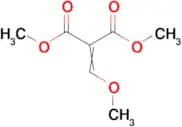
CAS :Degré de pureté :97%Couleur et forme :SolidMasse moléculaire :171.1959991Dimethyl 2-(methoxymethylene)malonate
CAS :Formule :C7H10O5Degré de pureté :95%Couleur et forme :Solid, White to slightly pale reddish yellow powderMasse moléculaire :174.152Pentafluorophenyl methacrylate
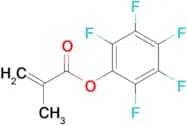
CAS :Degré de pureté :97%Couleur et forme :LiquidMasse moléculaire :252.1399994(Z)-But-2-ene-1,4-diyl diacetate
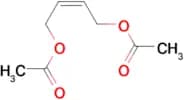
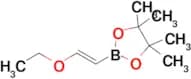
CAS :Formule :C8H12O4Degré de pureté :95%Couleur et forme :LiquidMasse moléculaire :172.18(E)-(2-Ethoxyvinyl)boronic acid pinacol ester
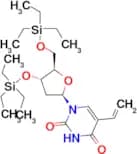
CAS :Formule :C10H19BO3Degré de pureté :95%Couleur et forme :LiquidMasse moléculaire :198.071-((2R,4S,5R)-4-((TRIETHYLSILYL)OXY)-5-(((TRIETHYLSILYL)OXY)METHYL)TETRAHYDROFURAN-2-YL)-5-VINYLPYRIMIDINE-2,4(1H,3H)-DIONE
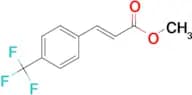
Degré de pureté :95% (stabilized with TBC)Masse moléculaire :482.7680054(E)-METHYL 3-(4-(TRIFLUOROMETHYL)PHENYL)ACRYLATE
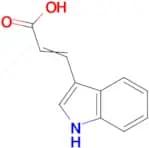
CAS :Formule :C11H9F3O2Degré de pureté :98%Couleur et forme :No data available.Masse moléculaire :230.1863-Indoleacrylic acid
CAS :Formule :C11H9NO2Degré de pureté :97.0%Couleur et forme :SolidMasse moléculaire :187.0632-(4-Benzoyl-3-hydroxyphenoxy)ethyl acrylate
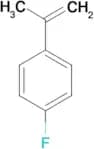
CAS :Formule :C18H16O5Degré de pureté :98%Couleur et forme :SolidMasse moléculaire :312.3214-Fluoro-a-methylstyrene
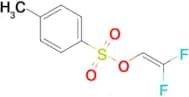
CAS :Formule :C9H9FDegré de pureté :95%Couleur et forme :LiquidMasse moléculaire :136.1692,2-Difluorovinyl 4-methylbenzenesulfonate
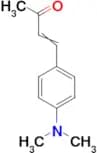
CAS :Degré de pureté :95%Couleur et forme :LiquidMasse moléculaire :234.22000124-(4-(Dimethylamino)phenyl)but-3-en-2-one
CAS :Formule :C12H15NODegré de pureté :97%Masse moléculaire :189.258













![9-Azabicyclo[3.3.1]nonane N-oxyl](/_next/image/?url=https%3A%2Fstatic.cymitquimica.com%2Fproducts%2F3D%2Fthumb-webp%2FFA59534.webp&w=3840&q=75)






![(R,R)-2,8-Diazabicyclo[4.3.0]nonane](/_next/image/?url=https%3A%2Fstatic.cymitquimica.com%2Fproducts%2F3D%2Fthumb-webp%2FFD21506.webp&w=3840&q=75)



![7-Oxabicyclo[4.1.0]heptan-3-ylmethyl acrylate](/_next/image/?url=https%3A%2Fstatic.cymitquimica.com%2Fproducts%2F10%2Fthumb-webp%2FF519500.webp&w=3840&q=75)
![4-Bromo-1-fluoro-2-[(2-methyl-2-propen-1-yl)oxy]benzene](/_next/image/?url=https%3A%2Fstatic.cymitquimica.com%2Fproducts%2F10%2Fthumb-webp%2FF986098.webp&w=3840&q=75)






![N-[4-Cyano-3-(trifluoromethyl)phenyl]-2-methacrylamide](/_next/image/?url=https%3A%2Fstatic.cymitquimica.com%2Fproducts%2F10%2Fthumb-webp%2FF050422.webp&w=3840&q=75)