Composés aliphatiques et dérivés
Les composés aliphatiques et leurs dérivés sont des composés organiques caractérisés par des structures en chaîne droite ou ramifiée, par opposition aux structures en anneau trouvées dans les composés aromatiques. Ces composés incluent les alcanes, alcènes, alkynes et leurs dérivés fonctionnalisés, jouant un rôle essentiel dans divers processus chimiques et applications industrielles. Chez CymitQuimica, nous offrons une sélection diversifiée de composés aliphatiques de haute pureté et de leurs dérivés, méticuleusement sélectionnés et testés pour répondre aux exigences strictes des besoins de recherche et industriels. Notre catalogue couvre une large gamme de composés, y compris des hydrocarbures, alcools, aldéhydes, cétones et acides, chacun connu pour sa réactivité et sa polyvalence en synthèse organique, en pharmacie et en science des matériaux. En fournissant des composés aliphatiques et dérivés de haute qualité, nous soutenons les chercheurs et les professionnels dans la réalisation de transformations chimiques précises et efficaces, favorisant l'innovation et les avancées dans de nombreux domaines scientifiques et technologiques.
8718 produits trouvés pour "Composés aliphatiques et dérivés"
Trier par
Degré de pureté (%)
0
100
|
0
|
50
|
90
|
95
|
100
2-(2-Phenoxyethoxy)ethanol
CAS :<p>2-(2-Phenoxyethoxy)ethanol (BPE) is a polycarboxylic acid that is used as an additive in the production of coatings, adhesives and plastics. It is a colorless liquid with a mild odor. BPE has synergic effect with cationic polymers and surfactants, which results in high resistance to water, oil and gas. This product can be used as an additive for cationic polymerization, which will increase the hydrophobicity of the material. BPE also has a high degree of resistance to biological treatment (e.g., potassium dichromate).</p>Formule :C10H14O3Degré de pureté :Min. 95%Couleur et forme :Clear LiquidMasse moléculaire :182.22 g/moltert-Butyl 3-bromopropionate
CAS :<p>Tert-butyl 3-bromopropionate is a linker for the synthesis of pleuromutilin derivatives. It has been used as a model substrate for studying the effects of hypertrophy on cardiac muscle. Tert-butyl 3-bromopropionate has also been shown to inhibit the production of proinflammatory cytokines in response to bacterial infection, and can be used as an antibacterial agent. Tert-butyl 3-bromopropionate binds to RNA and inhibits protein synthesis, which leads to cell death by preventing the production of proteins vital for cell division. Tert-butyl 3-bromopropionate is also a potent inhibitor of chloride channels that are found in nerve cells and prevents the flow of chloride ions through these channels, leading to paralysis. This drug also inhibits hydrogen fluoride excretion in rats, which may be due to its ability to bind with chloride ions in the kidney tubules, preventing their</p>Formule :C7H13BrO2Degré de pureté :Min. 95%Couleur et forme :Colorless Clear LiquidMasse moléculaire :209.08 g/molTriisopropylsilyl trifluoromethanesulphonate
CAS :<p>Triisopropylsilyl trifluoromethanesulphonate (TIPS) is a naturally occurring compound that inhibits the enzyme dipeptidyl peptidase IV (DPP-IV). It has been shown to be active against alopecia areata in a mouse model and may have therapeutic potential for other autoimmune diseases. TIPS also has an inhibitory effect on sodium-dependent glucose transport, which may be useful in the treatment of hypertension. The reactive group of TIPS is hydroxyl, which can form a covalent bond with serine proteases and inhibit their activity. This reaction mechanism provides a new way to treat disorders such as metabolic diseases and infectious diseases. TIPS also has an inhibitory effect on ns3 protease, which is involved in the replication of human immunodeficiency virus type 1 (HIV-1) and other retroviruses.</p>Formule :C10H21F3O3SSiDegré de pureté :Min. 95%Couleur et forme :Colourless Clear LiquidMasse moléculaire :306.42 g/molEthanesulfonic acid, 70% aqueous solution
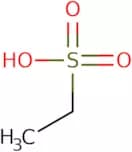
CAS :<p>Ethanesulfonic acid solution - 70 wt. % in H2O is a monosodium salt that is used as an enzymatic reagent for the determination of bacteria and fungi, as well as for the detection of infectious diseases. It has been shown to be effective against microdialysis probes with a high degree of sensitivity and specificity. Ethanesulfonic acid solution - 70 wt. % in H2O has been shown to have significant physiological effects on various regions of the body, including bowel disease, polymerase chain reaction (PCR), glycol ethers, antimicrobial agents, and radiation. Ethanesulfonic acid solution - 70 wt. % in H2O also inhibits the growth of bacteria by acting as a coumarin derivative that reacts with nucleotides to form dinucleotide phosphate, which blocks DNA synthesis and transcription from RNA templates.</p>Formule :C2H6O3SDegré de pureté :(Titration) 68.0 To 72.0%Couleur et forme :Clear LiquidMasse moléculaire :110.13 g/molMethanesulfonic anhydride
CAS :<p>Methanesulfonic anhydride is a white crystalline solid that is soluble in water and ethanol. It has been shown to be a potent inhibitor of acetaminophen metabolism and the formation of reactive metabolites. Methanesulfonic anhydride inhibits the metabolic activity of cytochrome P450 enzymes, which are responsible for the oxidation of acetaminophen. This inhibition leads to lower levels of toxic metabolites and less tissue damage. Methanesulfonic anhydride also modulates other assays, such as those for nitric oxide synthase and prostaglandin E2 receptors. Methanesulfonic anhydride is used as a catalyst in chemical reactions, including those that produce hydrogen sulfide gas for use in gold mining. It has also been used to study the localization of various proteins by using probes labeled with methanesulfonic anhydride. Methanesulfonic anhydride may cause hypertension due to its ability to inhibit the degradation of norepinephrine, leading to increased</p>Formule :C2H6O5S2Degré de pureté :Min. 95%Couleur et forme :PowderMasse moléculaire :174.2 g/molMesityl oxide
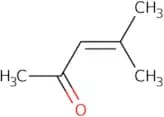
CAS :<p>Mesityl oxide is a nitro compound that is used as an intermediate for the synthesis of other compounds. It is prepared by the reaction of acetone and malonic acid in the presence of phosphorus pentoxide. The optimum concentration for this reaction is 1.5 M in acetone and 0.1 M in malonic acid. The product is purified by solid phase extraction using a microextraction device and then recrystallized from acetone-methanol to obtain pure mesityl oxide. Mesityl oxide has been shown to inhibit prostate cancer cells, which may be due to its ability to react with hydroxyl groups on proteins to form methoxy radicals, which break down DNA molecules.</p>Formule :C6H10ODegré de pureté :Min. 95%Couleur et forme :Clear LiquidMasse moléculaire :98.14 g/mol2,2,4,4,6,8,8-Heptamethylnonane
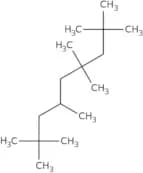
CAS :<p>2,2,4,4,6,8,8-Heptamethylnonane is a hydrogenated form of 2-methylnonane. It is used as a model system for fatty acids in order to study the kinetics of air entrainment and constant pressure distillation. The chemical stability of 2,2,4,4,6,8,8-heptamethylnonane has been shown to be excellent when heated at 200°C under nitrogen. This compound can also be used as an analytical method for ethylene diamine in pharmaceutical preparations of sodium salts and boron nitride. The use of 2-methylnonane as a starting material may lead to the production of chinese herb by reacting with acetic acid or formic acid.</p>Formule :C16H34Degré de pureté :Min. 95%Couleur et forme :PowderMasse moléculaire :226.44 g/molN-Methylbutane-1,4-diamine, dihydrochloride
CAS :<p>Putrescine is a metabolite that is produced by the breakdown of amino acids and proteins. It can be synthesized from ornithine, citrulline, and arginine. Putrescine is a precursor to polyamines such as spermidine and spermine, which are important for cell growth. Mouse studies have shown that putrescine is a conjugate base that may act as a neurotransmitter or neuromodulator in the central nervous system.</p>Formule :C5H16Cl2N2Degré de pureté :Min. 95%Couleur et forme :PowderMasse moléculaire :175.1 g/mol1-Amino-1-cyclopentanecarboxamide
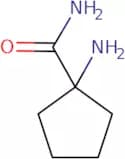
CAS :<p>1-Amino-1-cyclopentanecarboxamide is a bicyclic heterocycle that has been shown to have therapeutic effects in the treatment of autoimmune diseases and cancer. It is structurally related to chemokines, which are cytokines that induce inflammatory responses by activating the immune system. 1-Amino-1-cyclopentanecarboxamide binds to specific receptors on white blood cells, resulting in an increase in the production of chemokines and other proinflammatory molecules. This leads to an increase in inflammation, as well as an increase in blood pressure. The chemical also has anti-inflammatory properties and can be used for the treatment of inflammatory diseases such as arthritis. 1-Amino-1-cyclopentanecarboxamide has been shown to inhibit cancer cell growth by inducing apoptosis (programmed cell death).</p>Formule :C6H12N2ODegré de pureté :Min. 95%Couleur et forme :PowderMasse moléculaire :128.17 g/molTrifluoromethanesulfonic acid
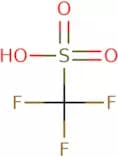
CAS :<p>Trifluoromethanesulfonic acid is a strong oxidizing agent that is used as a catalyst for the synthesis of organic compounds. It is an excellent solvent for many types of reactions and has been shown to be an effective catalyst for the synthesis of triflate, which can be used in cationic polymerization. Trifluoromethanesulfonic acid also has potential applications in carbohydrate chemistry and asymmetric synthesis, due to its ability to reduce carboxylic acids and nitriles. Trifluoromethanesulfonic acid can be synthesized by reacting potassium hexafluorophosphate with amines or nitrogen atoms under activated conditions.</p>Formule :CHF3O3SDegré de pureté :Min. 95%Couleur et forme :Clear LiquidMasse moléculaire :150.08 g/molPerfluoroheptanoyl chloride
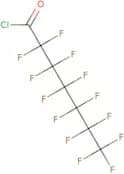
CAS :<p>Perfluoroheptanoyl chloride is a fluorinated hydrocarbon that is used as a surfactant in detergent compositions. It has been shown to be biostable, which means it does not react with other molecules in the environment. This compound also has low environmental toxicity because of its resistance to peroxidation and its ability to form stable complexes with metals. Perfluoroheptanoyl chloride has been shown to cause allergic reactions in some people and may cause adverse effects on animal health. Research on the effects of perfluoroheptanoyl chloride on Xenopus oocytes has demonstrated that this compound can affect gene expression and result in cell death.</p>Formule :C7CIF13ODegré de pureté :Min. 95%Couleur et forme :Colourless LiquidMasse moléculaire :382.51 g/mol1,4,7-Triazacyclononane trihydrochloride
CAS :<p>1,4,7-Triazacyclononane trihydrochloride is a coordination compound that belongs to the class of ligands. It is a chelate ring with six phosphate groups and six nitrogen atoms. It has been shown to behave as an irreversible oxidation catalyst for carboxylate and amine molecules. This molecule also has redox potentials in the range of -0.35 to -0.5 volts and can reversibly oxidize inorganic acids with strong electron-donating properties such as phosphoric acid, nitric acid, and sulfuric acid. 1,4,7-Triazacyclononane trihydrochloride has been shown to be effective as a hydrogen bonding agent in x-ray crystal structures.</p>Formule :C6H15N3·3HClDegré de pureté :Min. 95%Couleur et forme :Off-White PowderMasse moléculaire :238.59 g/mol2-Bromo-2-nitro-1,3-propanediol
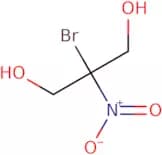
CAS :<p>2-Bromo-2-nitro-1,3-propanediol (BNP) is a preservative that is used in wastewater treatment. It is an antimicrobial agent that has synergistic effects with other antimicrobial agents such as triclosan, benzalkonium chloride and sesquiterpene lactones. 2-Bromo-2-nitro-1,3-propanediol has been shown to have a phase transition temperature of -28°C, which can be used to identify it in the laboratory. This compound also has a pK value of 4.4, which indicates that it is weakly acidic. 2-Bromo-2-nitro-1,3-propanediol can be used as an analytical method for the determination of p - hydroxybenzoic acid in aqueous samples by electrochemical impedance spectroscopy (EIS).</p>Formule :C3H6BrNO4Degré de pureté :Min. 95%Couleur et forme :PowderMasse moléculaire :199.99 g/mol10-Nitro oleic acid
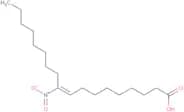
CAS :<p>10-Nitro oleic acid is a nitro compound that has been shown to have a low binding affinity for DNA. It has been shown to induce reactive oxygen species (ROS) in cells, which may be caused by its ability to bind to the response element of the promoter region of an interferon-induced gene. In addition, 10-Nitro oleic acid also binds to single-stranded RNA and induces protein thiols. The polymerase chain reaction (PCR) technique has been used to detect 10-Nitro oleic acid in rat urine and human erythrocytes. 10-Nitro oleic acid is not active against human polymorphonuclear leukocytes or human mdr1 cells; however, it is active against kidney injury cells and chronic liver diseases cells.</p>Formule :C18H33NO4Degré de pureté :Min. 95%Couleur et forme :PowderMasse moléculaire :327.46 g/mol2-(2-Phenoxyethoxy)ethanol
CAS :<p>2-(2-Phenoxyethoxy)ethanol is a fine chemical and a useful building block. It is an important intermediate in the synthesis of other chemicals, such as pharmaceuticals, herbicides, and pesticides. 2-(2-Phenoxyethoxy)ethanol can be used as a research chemical or reagent. It can also be used to prepare complex compounds and versatile scaffolds. CAS No. 104-68-7</p>Formule :C10H14O3Degré de pureté :Min. 95.0 Area-%Masse moléculaire :182.24 g/mol1,2-Ethanedithiol
CAS :<p>1,2-Ethanedithiol is a molecule that consists of a sulfur atom and two ethyl groups. It can form stable complexes with hydrogen fluoride and trifluoroacetic acid as well as hydrochloric acid. 1,2-Ethanedithiol is reactive with nucleophiles such as amines, thiols, and alcohols. The molecule has an electrochemical impedance spectroscopy (EIS) model system that has shown to react with the electron flow from the electrode to the solution of a compound. The EIS model system also showed that a conformational change in the molecule could result in light emission.</p>Formule :C2H6S2Degré de pureté :Min. 95%Couleur et forme :Colorless Clear LiquidMasse moléculaire :94.2 g/molHexabromoethane
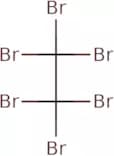
CAS :<p>Hexabromoethane is a metal chelate that has been shown to activate the polymerization of cyclohexane rings. It is often used as a light-sensitive initiator for the production of polymers, such as polyethylene. Hexabromoethane can also be found in some halogenated compounds and hydroxyl groups. The molecule is made up of six bromine atoms, an ethane chain, and one hydrogen atom. Hexabromoethane has significant interactions with other functional groups, including hydroxyls and monomers.</p>Formule :C2Br6Degré de pureté :Min. 95%Couleur et forme :PowderMasse moléculaire :503.45 g/molDocosane
CAS :<p>Please enquire for more information about Docosane including the price, delivery time and more detailed product information at the technical inquiry form on this page</p>Formule :C22H46Degré de pureté :Min. 95%Masse moléculaire :310.6 g/moltert-Butylisocyanate
CAS :<p>Please enquire for more information about tert-Butylisocyanate including the price, delivery time and more detailed product information at the technical inquiry form on this page</p>Formule :C5H9NODegré de pureté :Min. 98.5 Area-%Masse moléculaire :99.13 g/mol3-Methyl-1-butanol
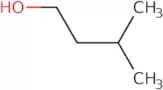
CAS :<p>Volatile compound with banana scent</p>Formule :C5H12ODegré de pureté :Min. 95%Couleur et forme :Clear LiquidMasse moléculaire :88.15 g/mol