Composés aliphatiques et dérivés
Les composés aliphatiques et leurs dérivés sont des composés organiques caractérisés par des structures en chaîne droite ou ramifiée, par opposition aux structures en anneau trouvées dans les composés aromatiques. Ces composés incluent les alcanes, alcènes, alkynes et leurs dérivés fonctionnalisés, jouant un rôle essentiel dans divers processus chimiques et applications industrielles. Chez CymitQuimica, nous offrons une sélection diversifiée de composés aliphatiques de haute pureté et de leurs dérivés, méticuleusement sélectionnés et testés pour répondre aux exigences strictes des besoins de recherche et industriels. Notre catalogue couvre une large gamme de composés, y compris des hydrocarbures, alcools, aldéhydes, cétones et acides, chacun connu pour sa réactivité et sa polyvalence en synthèse organique, en pharmacie et en science des matériaux. En fournissant des composés aliphatiques et dérivés de haute qualité, nous soutenons les chercheurs et les professionnels dans la réalisation de transformations chimiques précises et efficaces, favorisant l'innovation et les avancées dans de nombreux domaines scientifiques et technologiques.
8720 produits trouvés pour "Composés aliphatiques et dérivés"
Trier par
Degré de pureté (%)
0
100
|
0
|
50
|
90
|
95
|
100
3,4-Dihydroxy-3-cyclobutene-1,2-dione
CAS :<p>3,4-Dihydroxy-3-cyclobutene-1,2-dione is a small molecule that has been shown to be an effective antimicrobial agent. It is structurally related to squaric acid and has high reactivity with hydrogen fluoride. 3,4-Dihydroxy-3-cyclobutene-1,2-dione has the ability to lyse cells through the formation of hydrogen bonds with nucleic acids. This chemical compound can also act as a fluorescence probe for group P2 human serum proteins. The kinetic energy of this molecule was found to be very high in comparison to other molecules in its structural class.</p>Formule :C4H2O4Degré de pureté :Min 99.0%Couleur et forme :Off-White PowderMasse moléculaire :114.06 g/mol1-Adamantanol
CAS :<p>1-Adamantanol is a cyclic molecule with a hydroxyl group. It is produced by the oxidation of 2-methyl-2-adamantanol. 1-Adamantanol has been shown to be an effective substrate for bioremediation in wastewater treatment plants and can be used as a precursor to produce trifluoroacetic acid. The reaction mechanism is thought to involve the oxidation of 1-adamantanol by an oxidizing agent, such as hydrogen peroxide or ozone, to form a radical intermediate that spontaneously reacts with oxygen in solution. The reaction solution can be cooled down or heated up to increase the rate of the reaction. 1-Adamantanol also undergoes thermal expansion when heated up, which may be due to its high boiling point.</p>Formule :C10H16ODegré de pureté :Min. 98.5%Couleur et forme :White PowderMasse moléculaire :152.24 g/mol1,1,3,3-Tetramethylbutyl isocyanide
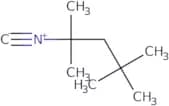
CAS :<p>1,1,3,3-Tetramethylbutyl isocyanide (TMBC) is a palladium complex that has been used in palladium-catalyzed coupling reactions. TMBC is also a ligand for the synthesis of β-amino acid and can be used to form hydrogen bonds with nucleophiles. It has been used in biological studies as well as clinical diagnostics. The solid-phase synthesis of TMBC has been shown to be an efficient method for producing this compound. In addition, TMBC shows stereoselective reactivity with amines and methoxy groups. The nmr spectra of TMBC are characteristic of a carbonyl group at δ 3.20 ppm and two methyl groups at δ 1.36 and 1.37 ppm respectively.</p>Formule :C9H17NDegré de pureté :Min. 98%Couleur et forme :Clear LiquidMasse moléculaire :139.24 g/molDichloroacetic anhydride
CAS :<p>Please enquire for more information about Dichloroacetic anhydride including the price, delivery time and more detailed product information at the technical inquiry form on this page</p>Formule :C4H2Cl4O3Degré de pureté :Min. 95%Couleur et forme :Solidified MassMasse moléculaire :239.9 g/mol(S)-(+)-2-Amino-3-methylbutane
CAS :<p>(S)-(+)-2-Amino-3-methylbutane is a chiral, optically active pyruvate. It can be used as an optical reagent to determine the configuration of an amino acid in the presence of a hydrazone or amine. The 2-amino group is attached to the C1 carbon atom and the methyl group is attached to the C4 carbon atom. Hydrogenolysis of (S)-(+)-2-amino-3-methylbutane produces ethyl pyruvate and hydrogen gas.</p>Formule :C5H13NDegré de pureté :Min. 95%Couleur et forme :Clear LiquidMasse moléculaire :87.17 g/mol4-Anisylchlorodiphenylmethane
CAS :<p>4-Anisylchlorodiphenylmethane is a trifluoroacetic acid derivative of diphenyl sulfoxide. It is activated by hydrochloric acid and hydrogen chloride to form the corresponding anisyl chlorodiphenylmethane chloride. This compound has a high resistance to nucleophilic attack, with a reaction solution that is resistant to nucleophiles such as water, amines, alcohols, and carboxylic acids. 4-Anisylchlorodiphenylmethane can be synthesized from uridine and acetic acid in the presence of diphenyl sulfoxide and a base. The reaction is then heated at reflux for 24 hours. 4-Anisylchlorodiphenylmethane binds to DNA as well as RNA templates in vitro and can be used for linear regression analysis of DNA sequences. It also has inhibitory effects on cell growth in culture.</p>Formule :C20H17ClODegré de pureté :Min. 95%Couleur et forme :White PowderMasse moléculaire :308.8 g/mol1-Butene-3,4-diol
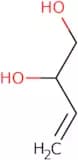
CAS :<p>1-Butene-3,4-diol is a reactive compound that is used in analytical methods. It can be synthesized by an asymmetric synthesis from 1,2-butanediol. This product has been shown to inhibit aminotransferase activity in rat liver microsomes and to be metabolized through the cytochrome P450 system. 1-Butene-3,4-diol also inhibits polymerase chain reactions and is reactive with hydrochloric acid. It may cause fatty acid metabolism and hydroxyl group formation.</p>Formule :C4H8O2Degré de pureté :Min. 95%Couleur et forme :Colorless Clear LiquidMasse moléculaire :88.11 g/mol1,4-Diazabicyclo[3.2.2]nonane dihydrochloride
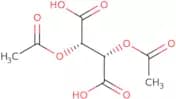
CAS :<p>1,4-Diazabicyclo[3.2.2]nonane dihydrochloride is a fine chemical that is used as an intermediate in the synthesis of other chemicals. It has been shown to be a versatile building block for research chemicals and as a reaction component in the synthesis of complex compounds. 1,4-Diazabicyclo[3.2.2]nonane dihydrochloride is also useful in the synthesis of pharmaceuticals and other speciality chemicals due to its high quality and ability to function as a reagent.<br>1,4-Diazabicyclo[3.2.2]nonane dihydrochloride has been shown to have anti-inflammatory properties by inhibiting prostaglandin synthesis and can be used for the treatment of asthma, arthritis, and other inflammatory conditions.</p>Formule :C7H14N2·2HClDegré de pureté :Min. 95%Couleur et forme :SolidMasse moléculaire :199.12 g/mol(+)-Diacetyl-D-tartaric acid
CAS :<p>(+)-Diacetyl-D-tartaric acid is a chiral organic compound that is soluble in organic solvents. It can be used as a catalyst for the asymmetric synthesis of organic compounds and has been shown to cleave bonds with high stereoselectivity. (+)-Diacetyl-D-tartaric acid also exhibits mesomorphic properties, meaning it changes from liquid to solid and vice versa at certain temperatures. The optical activity of this compound can be seen by its magnetic resonance spectrum, which displays two peaks at different wavelengths. This molecule has been shown to have potential uses in microscopy, as well as for the preparation of monomers for magnetic materials.</p>Formule :C8H10O8Degré de pureté :Min. 95%Couleur et forme :White PowderMasse moléculaire :234.16 g/mol1-Amino-1-cyclopropanecarboxylic acid
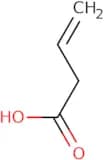
CAS :<p>1-Amino-1-cyclopropanecarboxylic acid (ACC) is a precursor of ethylene, which is a plant hormone that regulates many aspects of plant growth and development. ACC can be converted to ethylene by the enzyme ACC synthase. The conversion of ACC to ethylene is facilitated by the enzymes ACC oxidase and ACC deaminase. Ethylene has been shown to regulate the expression of genes involved in photosynthesis, protein synthesis, and other metabolic pathways. Ethylene also modulates physiological processes such as fruit ripening, leaf senescence, and stomatal closure. This molecule participates in a variety of biological reactions including receptor activity and protein degradation via ubiquitin ligases. It also regulates calcium levels in cells through its role in signal transduction pathways.</p>Formule :C4H7NO2Degré de pureté :Min. 95%Couleur et forme :PowderMasse moléculaire :101.1 g/mol3-Butenoic acid
CAS :<p>3-Butenoic acid is a fatty acid that belongs to the group of short chain carboxylic acids. It is used in detergent compositions where it functions as a cationic surfactant and has a hydroxyl group that can be used for polymerization reactions. 3-Butenoic acid is also used as an analytical reagent, e.g., in electrochemical impedance spectroscopy, in which it has been shown to have phase transition temperature of around 38°C. 3-Butenoic acid can be synthesized by reacting butanol with hydrochloric acid and copper chloride in the presence of a cationic surfactant such as alkyltrimethylammonium chloride or benzalkonium chloride. 3-Butenoic acid also acts as a Jak1 inhibitor and has receptor activity against all types of receptors, including those for histamine, acetylcholine, dopamine, serotonin, and GABA (gamma aminob</p>Formule :C4H6O2Degré de pureté :Min. 95 Area-%Couleur et forme :Colorless Clear LiquidMasse moléculaire :86.09 g/mol10H-Phenothiazine-10-propanesulfonic acid sodium salt
CAS :<p>As a derivative of phenothiazine this compound may have various applications, including in the field of pharmaceuticals or materials science, depending on its specific properties and reactivity. Phenothiazine derivatives, in general, have been explored for their diverse biological and chemical activities, ranging from antipsychotic properties to use as dyes and light-sensitive materials.</p>Formule :C15H14NNaO3S2Degré de pureté :Min. 98 Area-%Couleur et forme :PowderMasse moléculaire :343.4 g/molBis(trifluoromethane)sulfonimide lithium salt
CAS :<p>Please enquire for more information about Bis(trifluoromethane)sulfonimide lithium salt including the price, delivery time and more detailed product information at the technical inquiry form on this page</p>Formule :C2F6LiNO4S2Masse moléculaire :287.09 g/molRef: 3D-Q-101273
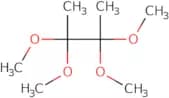
1kgÀ demander5kgÀ demander250gÀ demander500gÀ demander2500gÀ demander-Unit-kgkgÀ demander2,2,3,3-Tetramethoxybutane
CAS :<p>The butane analog with CAS 176798-33-7 is a useful research chemical used in organic synthesis.</p>Formule :C8H18O4Degré de pureté :Min. 95%Couleur et forme :Colourless LiquidMasse moléculaire :178.23 g/molMethanesulfonamide
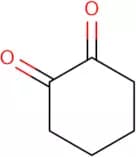
CAS :<p>Methanesulfonamide is a drug that is used to treat infectious diseases and in the treatment of HIV. It is a non-steroidal anti-inflammatory drug that inhibits prostaglandin synthesis by blocking the activity of cyclooxygenase (COX) enzymes, COX-1 and COX-2. Methanesulfonamide has been shown to have chemoprotective effects against HIV infection and may reduce the risk of opportunistic infections associated with AIDS. Methanesulfonamide may also inhibit the production of inflammatory cytokines such as tumor necrosis factor alpha (TNFα) and interleukin-1β (IL-1β).</p>Formule :CH5NO2SDegré de pureté :Min. 95%Couleur et forme :PowderMasse moléculaire :95.12 g/molCyclohexane-1,2-dione
CAS :<p>Cyclohexane-1,2-dione is a natural compound that can be found in kidney beans and other plants. It has been shown to inhibit the growth of tumor cells in vitro. Cyclohexane-1,2-dione binds to DNA polymerase, preventing replication and transcription. This reaction mechanism is similar to that of the rifamycins. Cyclohexane-1,2-dione has also been shown to bind enzymes such as nitrite ion reductase with high affinity and inhibit their activity. Cyclohexane-1,2-dione is chemically stable and does not react with metal ions or form stable complexes with biological molecules. The redox potentials for this molecule are -0.42 V (5/6) under aerobic conditions and -0.52 V (5/6) under anaerobic conditions.</p>Formule :C6H8O2Degré de pureté :Min. 96.5%Couleur et forme :PowderMasse moléculaire :112.13 g/mol1,3-Diamino-2-hydroxypropane
CAS :<p>Intermediate 1,3-Diamino-2-hydroxypropane, also known as 1,3-Diamino-2-propanol, is the simplest amino alcohol containing two primary amino groups and one secondary alcohol group. 1,3-diamino-2-hydroxypropane is quite versatile, serving as a building block for the synthesis of many organometallic compounds and for the biological synthesis of peptides. In industry, 1,3-diamino-2-hydroxypropane is often used as a scrubber for industrial exhaust gases, used in organic synthesis and used biochemically for proteomics research.</p>Formule :C3H10N2ODegré de pureté :Min. 97 Area-%Couleur et forme :Yellow PowderMasse moléculaire :90.12 g/moltert-Butyl isocyanoacetate
CAS :<p>tert-Butyl isocyanoacetate is an organic compound that belongs to the diacid class of organic compounds. It reacts with water to produce the amide and squaramide. Tert-butyl isocyanoacetate has a high affinity for nitrogen atoms, and can be used in uv absorption spectroscopy. It also has a stepwise mechanism and can react with other chemicals to produce new substances. The compound has fluorescence properties and is used in optical devices such as lasers. Tert-butyl isocyanoacetate also has an ester hydrochloride form which is low potency but active methylene catalysed.</p>Formule :C7H11NO2Degré de pureté :Min. 95%Couleur et forme :Brown Clear LiquidMasse moléculaire :141.17 g/mol2,2,2-Trifluoroethanol
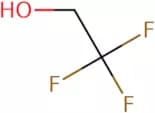
CAS :<p>2,2,2-Trifluoroethanol is a trifluoroacetic acid analogue that has been shown to be an effective antimicrobial agent. It binds to the active site of the enzyme enoyl reductase, inhibiting the synthesis of fatty acids and disrupting cell membrane function. 2,2,2-Trifluoroethanol has also been shown to have anti-inflammatory effects. The drug binds to human serum albumin and inhibits hydrogen peroxide release from neutrophils. This complexation with albumin prevents the release of hydroxyl radicals that are generated in response to oxidative stress. Intramolecular hydrogen bonding between 2,2,2-trifluoroethanol molecules may also contribute to its activity as a natural drug.</p>Formule :C2H3F3ODegré de pureté :Min. 95%Couleur et forme :Clear LiquidMasse moléculaire :100.04 g/mol2-Methyl-3-biphenylmethanol
CAS :<p>2-Methyl-3-biphenylmethanol (2MBPM) is a low potency chemical that is used as a surrogate for 2,4,6-trinitrotoluene (TNT). It has been shown to bind to the same sites on the death protein as TNT and other nitroaromatic compounds. 2MBPM can be synthesized by coupling biphenyl with methylmagnesium bromide in the suzuki coupling reaction. 2MBPM inhibits the growth of cancer cells by inhibiting PD-L1 expression. This compound also has oxidative properties and can act as an oxidation catalyst.</p>Formule :C14H14ODegré de pureté :Min. 95%Couleur et forme :PowderMasse moléculaire :198.26 g/mol1,8-Diazido-3,6-dioxaoctane
CAS :<p>1,8-Diazido-3,6-dioxaoctane is a synthetic molecule that is used in the synthesis of macrolactones, polymers, and biomolecules. It can be used as a bioconjugate to attach other functional groups to biomaterials and polymers, such as azido groups. This compound has high sensitivity and thermal stability with good solubility in organic solvents. 1,8-Diazido-3,6-dioxaoctane has been shown to be compatible with many functional groups and is an important monomer for use in cross-linked polymers.</p>Formule :C6H12N6O2Degré de pureté :Min. 95%Couleur et forme :Colorless PowderMasse moléculaire :200.2 g/mol4-Acetoxystyrene, stabilized with TBC
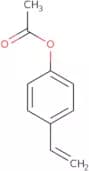
CAS :<p>4-Acetoxystyrene is a monomer that belongs to the group of hydroxylated styrenes. It is stabilized with TBC, which protects the hydroxyl group from reactive substances such as hydrogen fluoride and hydrochloric acid. 4-Acetoxystyrene has a phase transition temperature of 130°C, high resistance to oxidation and reduction, and a high affinity for metal hydroxides. The molecule has been shown to scavenge anion radicals in the presence of hydrogen fluoride or hydrochloric acid and can be used as a hydrogenation catalyst in the palladium-catalyzed coupling reaction. It also has polymerization properties and copolymerizes with malonic acid to produce polyester resins. 4-Acetoxystyrene is also used in electrochemical impedance spectroscopy (EIS) studies, where it acts as an effective solvent for fatty acids.</p>Formule :C10H10O2Degré de pureté :Min. 98 Area-%Couleur et forme :Colorless Clear LiquidMasse moléculaire :162.19 g/mol8-Chloro-1-octanol
CAS :<p>8-Chloro-1-octanol is an organic compound with a hydroxyl group at the 8th position of the octane ring. It has been shown to inhibit bacterial growth in vitro by binding to fatty acid biosynthesis enzymes and preventing the formation of fatty acids, which are vital for bacterial cell wall synthesis. The 8-chloro-1-octanol also inhibits the population growth of bacteria in corneal epithelium, leading to reduced biofilm formation. This compound has been shown to have regulatory effects on microbial populations. 8-Chloro-1-octanol is currently under study for its potential use as a topical antibacterial agent for treating corneal infections.</p>Formule :C8H17ClODegré de pureté :Min. 95%Couleur et forme :Colorless Clear LiquidMasse moléculaire :164.67 g/mol1,8-Octanediol
CAS :<p>1,8-Octanediol is a long-term efficacy drug that is used in the treatment of granulosa cell tumors. It has been shown to inhibit the proliferation of these cells by binding to them and inhibiting their metabolism. 1,8-Octanediol can be considered as an analog of progesterone and works by binding to progesterone receptors present in the tumor cells. This binding leads to a decrease in the production of estrogen and decreases the risk of cancer recurrence. 1,8-Octanediol has also been shown to increase body mass index (BMI) in women with polycystic ovary syndrome (PCOS). 1,8-Octanediol is soluble in water and has a phase transition temperature at around 37 degrees Celsius, which makes it biocompatible.</p>Formule :C8H18O2Degré de pureté :Min. 98 Area-%Couleur et forme :White PowderMasse moléculaire :146.23 g/mol1,4-Cyclohexanedione monoethlylene acetal
CAS :<p>1,4-Cyclohexanedione monoethlylene acetal is a hydrochloric acid analog of pyrazole. It has been shown to bind selectively to serotonin receptors in the central nervous system and is used as an anti-inflammatory drug. 1,4-Cyclohexanedione monoethlylene acetal has a stereoselective profile that can be used for the treatment of inflammatory diseases. It has also been shown to have immunosuppressant properties, which may be due to its ability to inhibit T-cell proliferation and cytokine production.</p>Formule :C8H12O3Degré de pureté :Min. 95%Couleur et forme :White PowderMasse moléculaire :156.18 g/molDipropyl ether
CAS :<p>Dipropyl ether is a reagent that is used in organic synthesis as a reaction component or building block for the preparation of complex compounds. It is also known to be an intermediate in the production of propylene oxide, which is used in the production of polyurethane. Dipropyl ether has been shown to be useful as a research chemical and speciality chemical. This compound has CAS number 111-43-3 and can be prepared by reacting diethyl ether with propene, acetone, or chloroform.</p>Formule :C4H9NO2SMasse moléculaire :135.19 g/mol(3-Phenoxyphenyl)-2-nitroethene
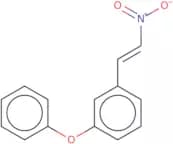
CAS :<p>(3-Phenoxyphenyl)-2-nitroethene is a high quality building block that can be used to produce a variety of complex compounds. This chemical is a versatile building block with many uses, including as a reagent for synthesizing other chemicals and as a useful intermediate. It can also be used as a reaction component to produce fine chemicals such as pharmaceuticals, agrochemicals, and specialty chemicals.</p>Formule :C14H11NO3Degré de pureté :Min. 95%Couleur et forme :PowderMasse moléculaire :241.24 g/mol4-Bromo-1-butene
CAS :<p>4-Bromo-1-butene is a useful building block, reaction component, and useful scaffold that can be used in the synthesis of various chemical compounds. This compound is a high quality, complex compound with versatile building blocks that can be used as a reagent in research or as a speciality chemical. 4-Bromo-1-butene has been found to have many uses in the production of other chemicals such as pharmaceuticals, pesticides, and cosmetics.</p>Formule :C3H8INMasse moléculaire :185.01 g/molCyclamic acid
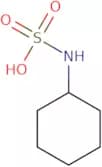
CAS :<p>Artificial sweetener</p>Formule :C6H13NO3SCouleur et forme :PowderMasse moléculaire :179.24 g/mol1,3-Adamantanediamine dihydrochloride
CAS :<p>1,3-Adamantanediamine dihydrochloride is a mimetic that has been shown to inhibit the fibrinolytic activity of nipecotic acid. This compound also inhibits the platelet aggregation induced by the activation of collagen receptors. It has been shown to have an antagonistic effect on NMDA receptors and to induce apoptosis in cancer cells. The structure of 1,3-Adamantanediamine dihydrochloride is similar to that of adamantane, which is a naturally occurring molecule found in plants and animals.</p>Formule :C10H18N2·2HClDegré de pureté :Min. 95%Couleur et forme :White PowderMasse moléculaire :239.18 g/mol10-Undecen-1-ol
CAS :<p>10-Undecen-1-ol is a fatty acid with a hydroxyl group at the 10th position. It has strong intermolecular hydrogen bonding and reacts to form esters and ethers. 10-Undecen-1-ol is used as a multi-walled carbon for wastewater treatment, which removes organic contaminants. This compound also has a high degree of chemical stability, which makes it suitable for use in anhydrous sodium synthesis methods.</p>Formule :C11H22ODegré de pureté :Min. 98%Couleur et forme :Colorless Clear LiquidMasse moléculaire :170.29 g/mol2-Methylamino-2-phenylbutanol hydrochloride
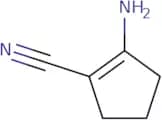
CAS :<p>2-Methylamino-2-phenylbutanol hydrochloride is a fine chemical that can be used in the production of research chemicals, pharmaceuticals, and other specialty chemicals. It is a versatile building block with many applications in organic synthesis. 2-Methylamino-2-phenylbutanol hydrochloride is an intermediate for the production of other useful compounds and has many reactions that are applicable to complex compounds. 2-Methylamino-2-phenylbutanol hydrochloride can also be used as a reagent and has high quality standards.</p>Formule :C11H17NO•HClDegré de pureté :(%) Min. 95%Couleur et forme :PowderMasse moléculaire :215.72 g/mol2-Amino-1-cyclopentene-1-carbonitrile
CAS :<p>2-Amino-1-cyclopentene-1-carbonitrile is a chemical compound with the formula CH2N(C=O)CH2NH. It is a white crystalline solid that is soluble in water and polar organic solvents. The compound has been used as an impurity in the synthesis of cyclic polymers, as a transition metal ligand, and as a chroma for dyes. 2-Amino-1-cyclopentene-1-carbonitrile is also used to introduce cyclic groups into polyphosphoric acid and to convert paraformaldehyde to acrylonitrile.<br>2-Amino-1-cyclopentene-1-carbonitrile reacts with hydrocarbons to form adiponitrile and cyclohexanone.</p>Formule :C6H8N2Degré de pureté :Min. 95%Couleur et forme :PowderMasse moléculaire :108.14 g/mol2-(2-Methoxyethoxy)ethanol
CAS :<p>2-(2-Methoxyethoxy)ethanol is a sodium salt that has a synergic effect with other solvents. It is used in the preparation of samples for analytical purposes and in the reaction solution of various glycol ethers. 2-(2-Methoxyethoxy)ethanol also has an effect on thermal expansion, which can be utilized to monitor this parameter during sample preparation. The presence of nitrogen atoms in its structure makes it possible to use it as a reagent for the synthesis of styryl dyes. 2-(2-Methoxyethoxy)ethanol is an antirheumatic drug that belongs to the class of glycol esters and benzalkonium chloride.</p>Formule :C5H12O3Degré de pureté :Min. 95%Couleur et forme :Colorless Clear LiquidMasse moléculaire :120.15 g/molOctyl isocyanate
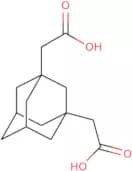
CAS :<p>Octyl isocyanate is a non-steroidal anti-inflammatory drug that belongs to the class of isocyanates. The biological activity of octyl isocyanate has been studied extensively, and it has been shown to inhibit the polymerase chain reaction (PCR). Octyl isocyanate also inhibits the growth of bacteria in vitro through metal chelation and polymyxin B., which are antibiotics that bind metal ions and disrupt bacterial cell membranes. Octyl isocyanate has been shown to be reactive in vivo, leading to autophagy and necrosis.</p>Formule :C9H17NODegré de pureté :Min. 97 Area-%Couleur et forme :Clear LiquidMasse moléculaire :155.24 g/mol1,3-Adamantanediacetic acid
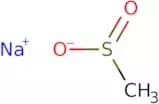
CAS :<p>1,3-Adamantanediacetic acid is a linker molecule that is used in analytical chemistry. It is a bifunctional reagent that reacts with trifluoroacetic acid and triflic acid to form a chelate ring. This reaction product can be analyzed using analytical methods such as gas chromatography or nuclear magnetic resonance spectroscopy. 1,3-Adamantanediacetic acid has been shown to react with amides and hydrogen bonding interactions to form supramolecular structures. The introduction of this compound into the synthesis of peptides has allowed for the elucidation of the structural analysis of these molecules.</p>Formule :C14H20O4Degré de pureté :Min. 98 Area-%Couleur et forme :PowderMasse moléculaire :252.31 g/molMethanesulfinic acid sodium salt
CAS :<p>Methanesulfinic acid sodium salt (MSAS) is a chemical compound that inhibits the growth of bacteria by inhibiting the synthesis of proteins. It is used as an antimicrobial agent in plant physiology and has been shown to be effective against infectious diseases including HIV infection. MSAS inhibits protein synthesis by binding to the hydroxyl group of a substrate molecule, which is required for amino acid formation. This inhibitory effect leads to a decrease in the production of proteins vital for cell division. Inhibiting protein synthesis also prevents the production of enzymes needed for metabolism, leading to metabolic disorders.</p>Formule :CH3O2S·NaDegré de pureté :Min. 95%Couleur et forme :PowderMasse moléculaire :102.09 g/molSodium pyruvate
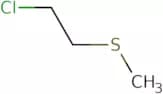
CAS :<p>Pyruvate is an intermediary organic acid metabolite in glycolysis and the first of the Embden Meyerhoff pathways that can pass readily in or out of the cell. Thus, the addition of sodium pyruvate to tissue culture medium provides both an energy source and a carbon skeleton for anabolic processes. Furthermore, it assists with maintaining certain specialized cells, is useful when cloning, and may be necessary when the serum concentration is reduced in the medium.</p>Formule :C3H3NaO3Degré de pureté :Min. 98.0 Area-%Masse moléculaire :110.05 g/mol2-Chloroethyl methyl sulfide
CAS :<p>2-Chloroethyl methyl sulfide (2CEMS) is a reactive compound that has been shown to enhance membrane interactions and fatty acid metabolism in experimental models. 2CEMS is a substrate molecule for the reaction mechanism of the enzyme phospholipase A2, which plays an important role in the production of arachidonic acid. 2CEMS has been shown to have cytotoxic effects on 3T3-L1 preadipocytes, with cell death occurring as a result of kinetic energy emissions. The halides in 2CEMS can coordinate with hematopoietic cells, leading to the inhibition of their proliferation and differentiation. 2CEMS is also able to bind with various metals such as copper and zinc, which may be useful for pharmaceutical drug applications.</p>Formule :C3H7ClSDegré de pureté :Min. 96 Area-%Couleur et forme :Colorless Yellow Clear LiquidMasse moléculaire :110.61 g/molAgaricinic acid
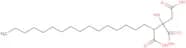
CAS :<p>Organic tricarboxylic acid; inducer of MPT</p>Formule :C22H40O7Degré de pureté :Min. 95%Couleur et forme :PowderMasse moléculaire :416.55 g/mol1,2,5,6-Diepoxycyclooctane
CAS :<p>1,2,5,6-Diepoxycyclooctane is a chemical compound that has been used as a crosslinking agent for the polymerization of epoxies. It is also used as a reactive intermediate in organic synthesis. 1,2,5,6-Diepoxycyclooctane can be prepared by reacting epichlorohydrin with ethylene oxide and then hydrogenation. This chemical compound is stable to ultraviolet light and does not react with cationic surfactants. 1,2,5,6-Diepoxycyclooctane can form monoadducts or diploid adducts when it reacts with chemicals such as dioxane and benzene. The nmr spectra of 1,2,5,6-diepoxycyclooctane show signals characteristic of epoxides.</p>Formule :C8H12O2Degré de pureté :Min. 95%Couleur et forme :PowderMasse moléculaire :140.18 g/moltrans-1,4-Dihydroxy-2-butene
CAS :<p>Extender in polyurethane synthesis</p>Formule :C4H8O2Degré de pureté :Min. 95%Couleur et forme :Colorless PowderMasse moléculaire :88.11 g/molTrifluoromethanesulfonic anhydride
CAS :<p>Trifluoromethanesulfonic anhydride is more frequently known as triflic anhydride, since it derives from triflic acid. It is a versatile and strong electrophile used to insert the triflyl group (represented as Tf-) into chemical molecules (Ouyang, 2018). For example, trifluoromethane sulfonic anhydride interacts with some alkylsulfides to form stable salts that are used in the oxidation of alcohols. Moreover, trifluoromethane sulfonic anhydride has successfully shown high activity as a promoter in glycosylation reactions to obtain disaccharides (Tatai, 2007).</p>Formule :C2F6O5S2Degré de pureté :Min. 95%Couleur et forme :Colorless Slightly Brown Clear LiquidMasse moléculaire :282.14 g/mol1-Phenoxy-2-propanol
CAS :<p>1-Phenoxy-2-propanol is an antimicrobial agent that belongs to the group of glycol ethers. It has a hydroxyl group and atp levels, which are both vital for its activity index. 1-Phenoxy-2-propanol is used as a preservative in cosmetics and pharmaceuticals, with the exception of eye products. It also has been shown to have a low level of toxicity for humans and other mammals, such as rats and guinea pigs. The EPA has classified 1-phenoxy-2 propanol as Group D - not classifiable as to human carcinogenicity. 1-Phenoxy-2 propanol is toxic to bacteria, yeast, fungi, algae, plants, and invertebrates when present in high concentrations.</p>Formule :C9H12O2Degré de pureté :Min. 95%Couleur et forme :Colorless Clear LiquidMasse moléculaire :152.19 g/moltert-Butylisocyanate
CAS :<p>Tert-butylisocyanate is a reactive chemical that contains a carboxylate group. It is an ester hydrochloride that can be synthesized by reacting trifluoroacetic acid with molybdenum trioxide. This compound has been studied using X-ray crystal structures and the intramolecular hydrogen transfer reaction between two nitrogen atoms in the molecule. Tert-butylisocyanate is stable in solution because it does not react with water or alkalis, but does react with sodium carbonate, forming sodium cyanate and tetrabutylammonium hydroxide. Tert-butylisocyanate reacts with inorganic acids such as sulfuric acid to form its corresponding salts. The chelate ligand of tert-butylisocyanate prevents it from reacting with transition metals such as copper and iron, but will react with zinc metal.</p>Formule :C5H9NODegré de pureté :Min. 98 Area-%Couleur et forme :Colorless Clear LiquidMasse moléculaire :99.13 g/mol2,3-Butanedione monoxime
CAS :<p>2,3-Butanedione monoxime (BDM) is a metabolite of the glycol ether, 2,3-butanedione. It has been shown to have a beneficial effect on metabolic disorders in rats by modulating several enzyme activities. The optimum concentration of BDM is 2 mmol/L. This compound has also been shown to inhibit the oxidation of xanthine oxidase and the formation of hydroxyl radicals in vitro. BDM has also been found to have synchronous fluorescence with papillary muscles from guinea pigs and cytosolic ca2+ levels in rat liver cells. The structure analysis revealed that BDM binds to the active site of the x-ray crystal structures for mitochondrial cytochrome C oxidase and cardiac ATP synthase with an affinity similar to that of CoQ10. The Langmuir adsorption isotherm for BDM was calculated as 0.913 +/- 0.034 cm/g at 20 degrees Celsius,</p>Formule :C4H7O2NDegré de pureté :(%) Min. 99%Couleur et forme :White PowderMasse moléculaire :101.1 g/molLithium bis(trifluoromethanesulfonimide)
CAS :<p>Lithium bis(trifluoromethanesulfonimide) is a salt that is used in analytical chemistry as a reagent for the preparation of lithium salts. The sample should be dissolved in an organic solution and then reacted with lithium bis(trifluoromethanesulfonimide). Lithium bis(trifluoromethanesulfonimide) has been shown to have good transport properties, but the reaction mechanism is not well-understood. It has an activation energy of approximately 18 kcal/mol and can decompose at high temperatures. Lithium bis(trifluoromethanesulfonimide) can also react with strong acids or bases, so it is necessary to use an electrolyte when preparing the solution.</p>Formule :C2F6LiNO4S2Degré de pureté :Min 98%Couleur et forme :White Off-White PowderMasse moléculaire :287.09 g/molPropionamide
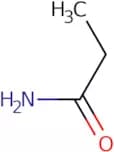
CAS :<p>Propionamide is an amide that inhibits bacterial growth by binding to the DNA-dependent RNA polymerase and preventing transcription. It is used in treatment trials for bacterial infections. Propionamide has been shown to inhibit the growth of bacteria in vitro and in vivo, as well as to have an inhibitory effect on experimental solubility data. The chemical properties of propionamide are consistent with a potential use as a drug for treating metabolic disorders, such as diabetes mellitus and obesity.</p>Formule :C3H7NODegré de pureté :Min. 95%Couleur et forme :White PowderMasse moléculaire :73.09 g/mol1-(Bromomethyl)adamantane
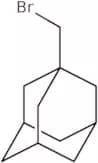
CAS :<p>1-(Bromomethyl)adamantane is a synthetic chemical that is used in the preparation of other chemicals. The active site of 1-(bromomethyl)adamantane can be found on its bromine atom, which has been shown to react with copper. The regioselectivity is determined by the 1-position on adamantane, and the thermodynamic constants are affected by the carbon-halogen bond, which is present in 1-(bromomethyl)adamantane. This compound has been shown to have chromatographic properties that make it useful for separating compounds that are similar in structure. It can also be used as a reagent to synthesize other chemicals or prepare them for use in experiments.</p>Formule :C11H17BrDegré de pureté :Min. 95%Couleur et forme :White PowderMasse moléculaire :229.16 g/mol1,2-Diiodoethane
CAS :<p>1,2-Diiodoethane is a useful building block that can be used as a reaction component in organic synthesis. It is also used as a reagent and can be used to produce high quality research chemicals. This chemical has many uses, including as a versatile building block or as an intermediate. 1,2-Diiodoethane is not found naturally in the environment and has been assigned CAS number 624-73-7.</p>Formule :C2H4I2Degré de pureté :Min. 98.5 Area-%Masse moléculaire :281.86 g/mol




![1,4-Diazabicyclo[3.2.2]nonane dihydrochloride](/_next/image/?url=https%3A%2Fstatic.cymitquimica.com%2Fproducts%2F3D%2Fthumb-webp%2FFD07110.webp&w=3840&q=75)