Composés aliphatiques et dérivés
Les composés aliphatiques et leurs dérivés sont des composés organiques caractérisés par des structures en chaîne droite ou ramifiée, par opposition aux structures en anneau trouvées dans les composés aromatiques. Ces composés incluent les alcanes, alcènes, alkynes et leurs dérivés fonctionnalisés, jouant un rôle essentiel dans divers processus chimiques et applications industrielles. Chez CymitQuimica, nous offrons une sélection diversifiée de composés aliphatiques de haute pureté et de leurs dérivés, méticuleusement sélectionnés et testés pour répondre aux exigences strictes des besoins de recherche et industriels. Notre catalogue couvre une large gamme de composés, y compris des hydrocarbures, alcools, aldéhydes, cétones et acides, chacun connu pour sa réactivité et sa polyvalence en synthèse organique, en pharmacie et en science des matériaux. En fournissant des composés aliphatiques et dérivés de haute qualité, nous soutenons les chercheurs et les professionnels dans la réalisation de transformations chimiques précises et efficaces, favorisant l'innovation et les avancées dans de nombreux domaines scientifiques et technologiques.
8720 produits trouvés pour "Composés aliphatiques et dérivés"
Trier par
Degré de pureté (%)
0
100
|
0
|
50
|
90
|
95
|
100
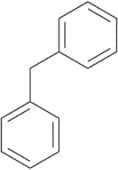
Diphenylmethane
CAS :<p>Diphenylmethane is a chemical that has been used in the synthesis of pharmaceuticals and other organic compounds. It is also a useful reagent for the preparation of synthetic amines. Diphenylmethane can be used to synthesize drugs such as epidermal growth factor, which stimulates the growth and differentiation of keratinocytes. This chemical also has a number of potential therapeutic uses for metabolic disorders and infectious diseases, including hepatitis. The mechanism by which this compound reacts with nitrogen atoms is not fully understood, but it may involve the formation of diphenylmethanesulfinic acid.</p>Formule :C13H12Degré de pureté :Min. 99 Area-%Couleur et forme :White PowderMasse moléculaire :168.23 g/mol4-Biphenylmethanol
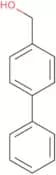
CAS :<p>4-Biphenylmethanol is a low potency naphthalene derivative that has been shown to be carcinogenic in animal studies. It is also an inhibitor of protein synthesis, which may play a role in its carcinogenic potential. 4-Biphenylmethanol has been shown to inhibit the growth of Salmonella typhimurium and Saccharomyces cerevisiae strain when used at concentrations of 50 μg/mL or higher. This compound can react with hydrochloric acid to form hydrogen bonding interactions, which may account for its observed antibacterial activity.</p>Formule :C13H12ODegré de pureté :Min. 95%Couleur et forme :PowderMasse moléculaire :184.23 g/mol1-Adamantanemethanol
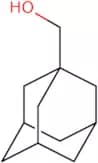
CAS :<p>Adamantanemethanol is a molecule used in the process of translation. It is structurally analyzed by trifluoromethanesulfonic acid, which is a cavity. The pharmacokinetic properties of adamantanemethanol are determined by its acyl chain. Adamantanemethanol has been studied in clinical trials, and the minimal inhibitory concentration for this drug is determined by chloride. This molecule also forms hydrogen bonds with hydroxyl groups and functional groups. Adamantanemethanol has been shown to be an effective antimicrobial agent against bacterial replication in cell culture and has optical properties that can be used to identify it.</p>Formule :C11H18ODegré de pureté :Min. 95%Couleur et forme :White PowderMasse moléculaire :166.26 g/mol1-Adamantanecarboxylic acid methyl ester
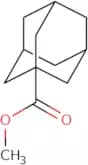
CAS :<p>1-Adamantanecarboxylic acid methyl ester is a specialized chemical compound, classified as an ester derivative from the adamantane structure. It is sourced through the esterification of 1-adamantanecarboxylic acid, often involving methanol as a reagent under catalyzed conditions. The compound's mode of action is primarily as an intermediate in organic synthesis, where it enables the introduction of adamantyl groups into target molecules, influencing molecular structure with its bulky, rigid framework.This ester derivative finds extensive application in the realm of synthetic organic chemistry. It serves as a crucial intermediate in the development of complex organic materials and pharmaceuticals, where the adamantane moiety is required to confer specific steric and electronic properties. The incorporation of adamantane from 1-adamantanecarboxylic acid methyl ester can enhance the thermal stability, lipophilicity, and rigidity of the resultant compounds, making it invaluable for researchers focused on material sciences and drug development. Its versatile reactivity and robust structure make it a sought-after compound for advancing chemical research and innovation.</p>Formule :C12H18O2Degré de pureté :Min. 98%Couleur et forme :White PowderMasse moléculaire :194.27 g/mol1,2-Dioleoyl-sn-glycerol
CAS :<p>1,2-Dioleoyl-sn-glycerol is a lipid molecule that contains an acyl chain of carbon atoms with two double bonds. It is formed through the union of glycerol and oleic acid. 1,2-Dioleoyl-sn-glycerol has been shown to activate diacylglycerol and fatty acid, which are important for cell signaling. The enzyme activity of 1,2-dioleoyl-sn-glycerol is dependent on its concentration in the body. This molecule also interacts with membranes by hydrogen bonding and can form a hydrophobic region that may be used to stabilize membrane structures.</p>Formule :C39H72O5Degré de pureté :Min. 95%Couleur et forme :LiquidMasse moléculaire :620.99 g/molDL-Tartaric acid
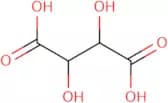
CAS :<p>DL-Tartaric acid is a calcium salt of tartaric acid. It is used as a standard in the analysis of total calcium and tartaric acid content in beverages, wines, foodstuffs, and pharmaceuticals. DL-Tartaric acid can be used to prepare standard solutions for the determination of benzalkonium chloride and other natural compounds by chromatographic methods. The rate constants for the reaction between DL-tartaric acid and calcium pantothenate have been determined by electrochemical impedance spectroscopy. The fluorescence intensity of chemiluminescent reactions with DL-tartaric acid has been found to be proportional to the concentration of tartrate ions in solution. X-ray diffraction data confirm that DL-tartaric acid is an orthorhombic crystal system with space group P2/c.</p>Formule :C4H6O6Couleur et forme :White PowderMasse moléculaire :150.09 g/mol4-Amino-1-butanol
CAS :<p>4-Amino-1-butanol is a natural compound that is not toxic to humans. It is amide with a hydrophilic interaction chromatography property, and has been shown to have hemolytic activity against human erythrocytes. 4-Amino-1-butanol has been shown to be an inhibitor of the HIV virus, with minimal toxicity. It has also been shown to inhibit the replication of the wild type virus in cells in vitro and in vivo, which is due to its ability to bind with the enzyme ethylene diamine. The inhibition of this enzyme leads to a reduction in biological activity of amines.</p>Formule :C4H11NODegré de pureté :Min. 95%Couleur et forme :Slightly Yellow Clear LiquidMasse moléculaire :89.14 g/mol2,3-Dibromopropene - stabilized with copper chip
CAS :<p>2,3-Dibromopropene - stabilized with copper chip (2,3-DBPC) is a novel bromination reagent that can be used for the synthesis of polypeptides. This compound has been shown to react with acyl halides in an asymmetric synthesis. The reaction mechanism is thought to be via the addition of 2,3-DBPC to the carbonyl group of an acyl halide and subsequent elimination of bromoethane. 2,3-DBPC also reacts with ethanolamine in the presence of carbon disulphide and x-ray diffraction data have shown that this reaction proceeds through a 1,4 addition mechanism.</p>Formule :C3H4Br2Degré de pureté :Min. 90 Area-%Couleur et forme :Brown Colorless Yellow Clear LiquidMasse moléculaire :199.87 g/mol4-Bromo-1-butene
CAS :<p>4-Bromo-1-butene is a useful building block, reaction component, and useful scaffold that can be used in the synthesis of various chemical compounds. This compound is a high quality, complex compound with versatile building blocks that can be used as a reagent in research or as a speciality chemical. 4-Bromo-1-butene has been found to have many uses in the production of other chemicals such as pharmaceuticals, pesticides, and cosmetics.</p>Formule :C3H8INMasse moléculaire :185.01 g/molMethanesulfinic acid sodium salt
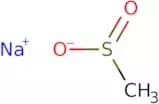
CAS :<p>Methanesulfinic acid sodium salt (MSAS) is a chemical compound that inhibits the growth of bacteria by inhibiting the synthesis of proteins. It is used as an antimicrobial agent in plant physiology and has been shown to be effective against infectious diseases including HIV infection. MSAS inhibits protein synthesis by binding to the hydroxyl group of a substrate molecule, which is required for amino acid formation. This inhibitory effect leads to a decrease in the production of proteins vital for cell division. Inhibiting protein synthesis also prevents the production of enzymes needed for metabolism, leading to metabolic disorders.</p>Formule :CH3O2S·NaDegré de pureté :Min. 95%Couleur et forme :PowderMasse moléculaire :102.09 g/mol2-(2-(2-Chloroethoxy)ethoxy)ethanol
CAS :<p>2-(2-(2-Chloroethoxy)ethoxy)ethanol (CETOI) is a coumarin derivative that is used as an additive in the fabrication of polyurethane. Magnetic resonance spectroscopy has shown that CETOI can be used as a probe to study amide groups by its ability to form hydrogen bonds with amide groups. This chemical can also be used in regenerative medicine and cyclic peptides. Azobenzene monomers have been shown to inhibit viral replication, including influenza virus, through the formation of covalent bonds with phosphate groups on dsDNA.</p>Formule :C6H13ClO3Degré de pureté :Min. 95%Couleur et forme :Colorless Clear LiquidMasse moléculaire :168.62 g/molN-Succinimidyl myristate
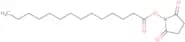
CAS :<p>N-Succinimidyl myristate is a long-chain fatty acid that contains a sulfur atom at its head. It is used in the production of diagnostic products and insulin analogs, as well as in the industrial production of organic solvents. N-Succinimidyl myristate reacts with serum albumin, forming an activated product that can be used in diagnostic tests. This reaction product is also used to bind proteins to fluorine atoms for use in industrial processes.</p>Formule :C18H31NO4Degré de pureté :Min. 95%Couleur et forme :PowderMasse moléculaire :325.44 g/mol4-Acetoxystyrene, stabilized with TBC
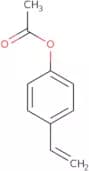
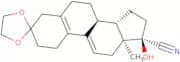
CAS :<p>4-Acetoxystyrene is a monomer that belongs to the group of hydroxylated styrenes. It is stabilized with TBC, which protects the hydroxyl group from reactive substances such as hydrogen fluoride and hydrochloric acid. 4-Acetoxystyrene has a phase transition temperature of 130°C, high resistance to oxidation and reduction, and a high affinity for metal hydroxides. The molecule has been shown to scavenge anion radicals in the presence of hydrogen fluoride or hydrochloric acid and can be used as a hydrogenation catalyst in the palladium-catalyzed coupling reaction. It also has polymerization properties and copolymerizes with malonic acid to produce polyester resins. 4-Acetoxystyrene is also used in electrochemical impedance spectroscopy (EIS) studies, where it acts as an effective solvent for fatty acids.</p>Formule :C10H10O2Degré de pureté :Min. 98 Area-%Couleur et forme :Colorless Clear LiquidMasse moléculaire :162.19 g/molCyclic-3-(1,2-ethanediylacetal)-17β-cyano-17α-hydroxy-estra-5(10),9(11)-dien-3-one
CAS :<p>Cyclic-3-(1,2-ethanediylacetal)-17beta-cyano-17alpha-hydroxy-estra-5(10),9(11)-dien-3 -one is a chemical compound that is used as a reaction component, reagent, and high quality research chemical. It can be used as a useful scaffold or building block for the synthesis of complex compounds. Cyclic-3-(1,2-ethanediylacetal)-17beta-cyano-17alpha -hydroxyestra-5(10),9(11)-diene 3 one has CAS number 3330019 5.</p>Formule :C21H27NO3Degré de pureté :Min. 95%Couleur et forme :White to off-white solid.Masse moléculaire :341.44 g/mol4D-Hydroxysphinganine
CAS :<p>Sphingolipid; cell membrane component; anti-inflammatory agent</p>Formule :C18H39NO3Degré de pureté :Min. 97 Area-%Couleur et forme :White PowderMasse moléculaire :317.51 g/mol4-Acetoxystyrene Stabilized with TB
CAS :<p>Stabilised with TB</p>Formule :C10H10O2Masse moléculaire :162.19 g/mol11-Bromoundecanoic acid
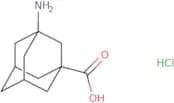
CAS :<p>11-Bromoundecanoic acid is a heterobifunctional reagent that is used in the synthesis of phospholipids. This chemical reacts with an amide group on a phosphatidylcholine to introduce a bromine atom, which can be used as a fluorophore. The reaction is done in an organic solvent, such as dichloromethane, which facilitates the reaction by dissolving the reactants. The reaction can be monitored using fluorescence assay techniques and 11-bromoundecanoic acid is characterized by its constant ring-opening constant and fatty acid chain length.</p>Formule :C11H21BrO2Degré de pureté :Min. 95%Couleur et forme :PowderMasse moléculaire :265.19 g/mol3-Amino-adamantane-1-carboxylic hydrochloride
CAS :<p>3-Amino-adamantane-1-carboxylic hydrochloride is a versatile building block that can be used as a research chemical, reagent, speciality chemical, and useful scaffold in the synthesis of various complex compounds. It is a high quality intermediate and reaction component that can be used in the synthesis of fine chemicals. 3-Amino-adamantane-1-carboxylic hydrochloride has a variety of uses due to its versatility and can be used in the production of pharmaceuticals, agrochemicals, dyes, plastics, perfumes, pesticides, herbicides, explosives, and more.</p>Formule :C11H17NO2•HClDegré de pureté :Min. 95%Couleur et forme :PowderMasse moléculaire :231.72 g/mol3-Mercapto-3-methyl-1-butanol
CAS :<p>3-mercapto-3-methyl-1-butanol, also known as MMB, is an organic volatile compound that belongs to the group alkylthiols. It is a secondary metabolite and is a degradation product of felinine, a feline pheromone. Some studies suggest that due to similarities in odor, 3-mercapto-3-methyl-1-butanol and derivatives such as 3-mercapto-3-methyl-1-butyl-1-formate and 3-methyl-3-(methylsulfanyl)butan-1-ol have similar behaviours as felinine. These findings may provide useful and interesting information about signaling and communication related to reproduction and recognition in mammals.<br>3-mercapto-3-methyl-1-butanol can be also found in some alcoholic beverages and coffee products. It provides a meaty flavor and aroma, and it is used as a flavoring agent in the food industry.</p>Formule :C5H12OSDegré de pureté :Min. 95%Couleur et forme :Colorless Clear LiquidMasse moléculaire :120.21 g/molcis-4,7,10,13,16,19-Docosahexaenoic acid
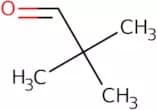
CAS :<p>cis-4,7,10,13,16,19-Docosahexaenoic acid (also known as DHA or cervonic acid) is one of the omega-3 fatty acids (a group of highly unsaturated fatty acids). As for most omega-3 fatty acids, good sources of DHA include fish oils and other seafoods. DHA plays a key role in human brain development and function and is also found in high concentration in the retina, central nervous system and skin. As such DHA is a key nutrient which is widely used as a dietary supplement, particularly for infants and pregnant women, with its potential health benefits currently being investigated across a number of different disease areas.</p>Formule :C22H32O2Degré de pureté :Min. 80 Area-%Couleur et forme :Yellow Clear LiquidMasse moléculaire :328.49 g/molPivaldehyde
CAS :<p>Intermediate in organic syntheses; stereoselective synthesis</p>Formule :C5H10ODegré de pureté :Min. 95%Couleur et forme :Colorless Clear LiquidMasse moléculaire :86.13 g/molDiphenylcyclopropenone
CAS :<p>Strained cyclopropene analogue. Used as topical therapy for cutaneous warts, atopic dermatitis and alopecia areata. Efficacy as a single agent for the treatment of cutaneous metastatic melanoma has been reported.</p>Formule :C15H10ODegré de pureté :Min. 99 Area-%Couleur et forme :White PowderMasse moléculaire :206.24 g/mol2-Azido-ethanol
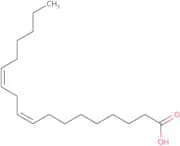
CAS :<p>2-Azido-ethanol is a chemical compound that is used to synthesize ethylene diamine. It can be produced by reacting ethanol with sodium azide in the presence of an acid catalyst. 2-Azido-ethanol is stable under most conditions and has minimal toxicity, which makes it an attractive option for ethylene diamine production. The compound reacts with a variety of substrates, including diazido, amide, and β-unsaturated ketone compounds. Magnetic resonance spectroscopy (MRS) studies have shown that 2-azido-ethanol binds to water molecules at the site of its β-unsaturated ketone group and creates a new carbon source. This product also exhibits ft-ir spectroscopy properties, which can be used to measure the transport properties and photoelectron emission from the π* orbitals of its carbon atoms.</p>Formule :C2H5N3ODegré de pureté :Min. 95%Couleur et forme :Colorless Slightly Yellow Clear LiquidMasse moléculaire :87.08 g/molLinoleic acid - liquid
CAS :<p>Linoleic acid is a type of essential fatty acid that is found in vegetable oils. It is the most predominant polyunsaturated fatty acid and can be classified as either a cis- or trans-isomer. Linoleic acid has been shown to have inhibitory properties against bowel disease, polymerase chain reaction (PCR) analysis, and disease activity. Linoleic acid may also be used as an analytical method for determining levels of linoleate, linoleic acid, or p-hydroxybenzoic acid in body proteins. The inhibition of cancer cell proliferation by linoleic acid may be due to its ability to inhibit the production of signal peptide or 3t3-l1 preadipocytes.</p>Formule :C18H32O2Degré de pureté :94 To 96%Couleur et forme :Colorless Clear LiquidMasse moléculaire :280.45 g/molCyclamic acid
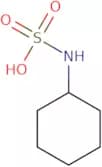
CAS :<p>Artificial sweetener</p>Formule :C6H13NO3SCouleur et forme :PowderMasse moléculaire :179.24 g/mol4-Bromo-1-butene
CAS :<p>4-Bromo-1-butene is a colorless liquid with a boiling point of 102°C. It is soluble in ethanol, acetone, and chloroform. 4-Bromo-1-butene undergoes an acid-catalyzed phase transition to the solid form at temperatures below its melting point. 4-Bromobutene can be synthesized by reacting ethyl bromide with 1-butene in the presence of a catalyst such as copper or silver oxide. The kinetic energy of the reaction is determined by measuring the rate of evolution of hydrogen bromide gas from the reaction mixture. The β-unsaturated ketone reacts with dimethyl fumarate in the presence of sodium hydroxide to produce 4-bromobutene and 2,2'-difluoroethanol. This product has been shown to have IR spectra similar to those for other products containing a hydroxyl group such as phenol and</p>Formule :C4H7BrDegré de pureté :Min. 95%Couleur et forme :Colorless Clear LiquidMasse moléculaire :135 g/mol8-Chloro-1-octanol
CAS :<p>8-Chloro-1-octanol is an organic compound with a hydroxyl group at the 8th position of the octane ring. It has been shown to inhibit bacterial growth in vitro by binding to fatty acid biosynthesis enzymes and preventing the formation of fatty acids, which are vital for bacterial cell wall synthesis. The 8-chloro-1-octanol also inhibits the population growth of bacteria in corneal epithelium, leading to reduced biofilm formation. This compound has been shown to have regulatory effects on microbial populations. 8-Chloro-1-octanol is currently under study for its potential use as a topical antibacterial agent for treating corneal infections.</p>Formule :C8H17ClODegré de pureté :Min. 95%Couleur et forme :Colorless Clear LiquidMasse moléculaire :164.67 g/mol2-(4-Benzyloxyphenyl)ethanol
CAS :<p>2-(4-Benzyloxyphenyl)ethanol is an organic compound that has a particle size of less than 10 μm and is soluble in water. It is used as a reaction system for the production of tannins, which are polyphenolic compounds that have antioxidant properties. 2-(4-Benzyloxyphenyl)ethanol also inhibits maltase activity and metal ion-induced allylic oxidation. This compound can be used to inhibit fatty acid synthesis, which is important for the prevention of atherosclerosis and other cardiovascular diseases.</p>Formule :C15H16O2Degré de pureté :Min. 95%Couleur et forme :PowderMasse moléculaire :228.29 g/mol6-Azido-hexan-1-ol
CAS :<p>6-Azido-hexan-1-ol is an organic compound with the chemical formula CH3CH2OCH2CH2N3. It is a colorless liquid that boils at 29°C and has a melting point of -60°C. 6-Azido-hexan-1-ol has been shown to be a reactive site in polymerization kinetics, with a kinetic rate constant of 2.0x10^5 M^(-1)s^(-1). This compound also exhibits high reactivity when used as a substrate for ring opening polymerization, which may be due to its hydroxy group and functional groups. 6-Azido-hexan-1-ol can be synthesized by reacting 4 vinylbenzyl alcohol with hydrazine hydrate in the presence of an acid catalyst, such as sulfuric acid or pyridine. The reaction can be monitored using matrix assisted laser desorption ionization time of flight (MALDI</p>Formule :C6H13N3ODegré de pureté :Min. 95%Couleur et forme :Clear LiquidMasse moléculaire :143.19 g/molN-(3-Aminopropyl)-N-dodecylpropane-1,3-diamine
CAS :<p>N-(3-Aminopropyl)-n-dodecylpropane-1,3-diamine, also called N,N-bis(3-aminopropyl)dodecylamine and laurylamine dipropylenediamine, is dodecylamine substituted with 2 propylamine units. Laurylamine dipropylenediamine is a non-ionic surfactant, antimicrobial agent, preservative, emulsifying agent, dispersing agent, corrosion inhibitor and an anti-static agent used in hair products.</p>Formule :C18H41N3Degré de pureté :(¹H-Nmr) Min. 85 Area-%Couleur et forme :Colorless Clear LiquidMasse moléculaire :299.54 g/mol1-Nonanol
CAS :<p>1-Nonanol is a colorless liquid with a pleasant odor. It can be synthesized from methyl pentanoate by the asymmetric addition of an inorganic acid to the ester hydrochloride. This process results in a mixture of 1-nonanol and its isomer 2-nonanol, which can be separated using an analytical method such as gas chromatography. 1-Nonanol has been shown to have high transport properties, making it useful for detergent compositions. It has also been shown to exhibit strong hydrogen bonding abilities that may contribute to its adsorption mechanism.</p>Formule :C9H20ODegré de pureté :Min. 95%Couleur et forme :Colorless Clear LiquidMasse moléculaire :144.25 g/molSodium pyruvate
CAS :<p>Pyruvate is an intermediary organic acid metabolite in glycolysis and the first of the Embden Meyerhoff pathways that can pass readily in or out of the cell. Thus, the addition of sodium pyruvate to tissue culture medium provides both an energy source and a carbon skeleton for anabolic processes. Furthermore, it assists with maintaining certain specialized cells, is useful when cloning, and may be necessary when the serum concentration is reduced in the medium.</p>Formule :C3H3O3NaDegré de pureté :Min. 95%Couleur et forme :Crystalline PowderMasse moléculaire :110.04 g/mol1,1,3,3-Tetramethylbutyl isocyanide
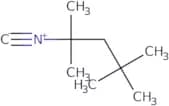
CAS :<p>1,1,3,3-Tetramethylbutyl isocyanide (TMBC) is a palladium complex that has been used in palladium-catalyzed coupling reactions. TMBC is also a ligand for the synthesis of β-amino acid and can be used to form hydrogen bonds with nucleophiles. It has been used in biological studies as well as clinical diagnostics. The solid-phase synthesis of TMBC has been shown to be an efficient method for producing this compound. In addition, TMBC shows stereoselective reactivity with amines and methoxy groups. The nmr spectra of TMBC are characteristic of a carbonyl group at δ 3.20 ppm and two methyl groups at δ 1.36 and 1.37 ppm respectively.</p>Formule :C9H17NDegré de pureté :Min. 98%Couleur et forme :Clear LiquidMasse moléculaire :139.24 g/mol12-Amino-1-dodecanol
CAS :<p>12-Amino-1-dodecanol is a monolayer that has been synthesized by reacting dodecanol with phosphorus pentoxide in the presence of diacetate. 12-Amino-1-dodecanol is an amphiphilic molecule, which means it can form both hydrophobic and hydrophilic regions. This property allows it to form a monolayer on the surface of cells, such as the Caco2 cell line. The film is composed of fatty acids and contains functional groups that provide phosphatase activity and neutral pH. 12-Amino-1-dodecanol may be used for drug delivery, specifically for the treatment of intestinal disorders or cell monolayers.</p>Formule :C12H27NODegré de pureté :Min. 95%Couleur et forme :PowderMasse moléculaire :201.35 g/molDipropyl ether
CAS :<p>Dipropyl ether is an ether that has a glycol ether backbone. It is used as a solvent in the production of optical sensors, and it may be used as a carrier for fatty acids. Dipropyl ether also has the ability to transport water, which makes it useful for wastewater treatment. This compound is synthesized by reacting ethylene diamine with two equivalents of propylene oxide. The glycol chain consists of two hydroxyl groups that are separated by an intramolecular hydrogen bond, which stabilizes the molecule and prevents it from reacting with other substances.</p>Formule :C6H14ODegré de pureté :Min. 99.0 Area-%Couleur et forme :Colorless Clear LiquidMasse moléculaire :102.17 g/mol6-Bromo-1-hexanol
CAS :<p>6-Bromo-1-hexanol is an azobenzene polymer film that is used in the manufacture of a number of pharmaceuticals. The polymer has been shown to have a broad spectrum of activity against bacteria and fungi, including human maltase glucoamylase, which is found in the gut. The polymers are prepared by reacting sodium salts with maleate, hydroxyl group, and x-ray crystal structures. 6-Bromo-1-hexanol has been shown to have good optical properties and can be used as a sample preparation material for x-ray diffraction studies. It also has a high chloride ion content and acts as a halide donor in cell culture experiments. This polymer also fluoresces under UV light.!--</p>Formule :C6H13BrODegré de pureté :Min. 97 Area-%Couleur et forme :Colorless Clear LiquidMasse moléculaire :181.07 g/molTrimethylolpropane tris(2-mercaptoacetate)
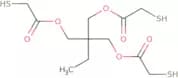
CAS :<p>Trimethylolpropane tris(2-mercaptoacetate) (TMPTMA) is a functional group that is used as an actuator in organic solvent-based inkjet printing. It has been shown to be a cross-linking agent and a treatment effect modifier. TMPTMA has been shown to be a hydroxyl group donor and has the ability to form vinyl groups. In addition, it can act as an organic acid by donating protons and carboxyl groups. TMPTMA can also function as a heat energy absorber and has low molecular weight, making it highly reactive with other substances. The alicyclic structure of TMPTMA makes it susceptible to ring opening reactions with strong acids or bases.</p>Formule :C12H20O6S3Degré de pureté :Min. 95%Couleur et forme :PowderMasse moléculaire :356.48 g/mol3-(Cyclohexylamino)-1-propanesulfonic acid sodium salt
CAS :<p>CAS No. 105140-23-6 is a cyclic sulfonic acid that is used as a reagent, building block, and intermediate in the synthesis of organic compounds. It is soluble in water and has a high melting point, making it useful for research purposes. CAS No. 105140-23-6 is also an excellent scaffold for complex compounds with many functional groups, making it versatile for use in reactions and syntheses.</p>Formule :C9H18NO3SNaMasse moléculaire :243.3 g/moltert-Butyl isocyanoacetate
CAS :<p>tert-Butyl isocyanoacetate is an organic compound that belongs to the diacid class of organic compounds. It reacts with water to produce the amide and squaramide. Tert-butyl isocyanoacetate has a high affinity for nitrogen atoms, and can be used in uv absorption spectroscopy. It also has a stepwise mechanism and can react with other chemicals to produce new substances. The compound has fluorescence properties and is used in optical devices such as lasers. Tert-butyl isocyanoacetate also has an ester hydrochloride form which is low potency but active methylene catalysed.</p>Formule :C7H11NO2Degré de pureté :Min. 95%Couleur et forme :Brown Clear LiquidMasse moléculaire :141.17 g/mol1,3-Di-(2-pyrenyl)propane
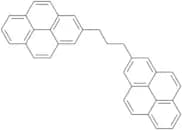
CAS :<p>1,3-Di-(2-pyrenyl)propane is a synthetic molecule that has been used as a model for the phosphatidylethanolamine (PE) component of bacterial membranes. 1,3-Di-(2-pyrenyl)propane has been shown to have a phase transition temperature of -7 degrees Celsius. It is hydrophobic and highly soluble in organic solvents like chloroform, ethanol, ether, and benzene. This molecule is kinetically inert and thermodynamically stable. The monomeric form of 1,3-Di-(2-pyrenyl)propane is not sensitive to ionizing radiation. However, in the bilayer form it is highly sensitive to radiation and can lead to the formation of double bonds that can break down into radicals.</p>Formule :C35H24Degré de pureté :Min. 95%Couleur et forme :White PowderMasse moléculaire :444.57 g/mol6-Mercapto-1-hexanol
CAS :<p>6-Mercapto-1-hexanol is a redox active molecule that has been shown to be a potent inhibitor of human immunodeficiency virus type 1 reverse transcriptase. It has also been shown to inhibit the polymerase chain reaction and transfer reactions, including those mediated by DNA-dependent RNA polymerase. 6-Mercapto-1-hexanol can be detected with high sensitivity in human serum, which is its main application for the diagnosis of HIV infection. This compound reacts with molecular oxygen to form superoxide radicals, which are responsible for its redox potential. The rate constant for this reaction has been shown to be dependent on pH and temperature. 6-Mercapto-1-hexanol can also form stable complexes with proteins such as albumin or human immunoglobulin G (IgG). These complexes have been shown to exhibit electrochemical impedance spectroscopy activity at low concentrations and chemical stability in biological media.</p>Formule :C6H14OSDegré de pureté :Min. 96%Couleur et forme :Clear LiquidMasse moléculaire :134.24 g/mol1,2-Epoxy-5-cyclooctene
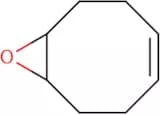
CAS :<p>1,2-Epoxy-5-cyclooctene is a cyclic epoxide that undergoes ring opening with the addition of a nucleophile. This reaction is catalyzed by a bromonium ion, which acts as the electrophile. The product of this reaction is 2-hydroxy-1,2-epoxycyclohexane. 1,2-Epoxy-5-cyclooctene has been used in synthesizing various compounds such as monoepoxides and hydrosilanes. It can also be used to produce compounds that are difficult to access through other methods. 1,2-Epoxy-5-cyclooctene has been studied using x-ray crystallography and conformational analysis.</p>Formule :C8H12ODegré de pureté :Min. 98 Area-%Couleur et forme :Clear LiquidMasse moléculaire :124.18 g/mol1-Adamantane carbonitrile
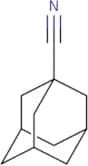
CAS :<p>1-Adamantane carbonitrile is a compound that has been shown to have high binding constants to the covid-19 pandemic. The compound has been shown to be a good candidate for oxidation catalysts and radiation. 1-Adamantane carbonitrile is also a metastable molecule, which means it can exist in two different states with different energy levels. This compound has been found to bind to an endogenous enzyme, as well as being crystalline and having a coordination complex. It has been shown that 1-Adamantane carbonitrile reacts with hydrogen chloride and produces reactive intermediates such as hydrogen chloride. 1-Adamantane carbonitrile has also been shown to have antiviral properties against influenza virus with nmr spectra data showing the presence of this compound in the active site of the influenza virus.</p>Formule :C11H15NDegré de pureté :Min. 96.0%Couleur et forme :PowderMasse moléculaire :161.24 g/molTrimethyl orthovalerate
CAS :<p>Used for synthesis of dihydropyran-4-ones</p>Formule :C8H18O3Degré de pureté :Min. 97 Area-%Couleur et forme :Colorless Clear LiquidMasse moléculaire :162.23 g/mol1-Bromo-2-(trifluoromethoxy)ethane
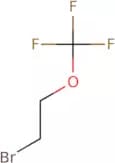
CAS :<p>1-Bromo-2-(trifluoromethoxy)ethane is a chemical compound with the formula CBrFO. It is a colorless liquid that reacts violently with water and alkali metals. 1-Bromo-2-(trifluoromethoxy)ethane has been used as a precursor to 2-chloroethyl peroxide, which can be used in organic synthesis as an oxidant or in solvents to produce chloroprene. The bromine atom in this molecule can be replaced by fluorine or chlorine atoms, forming 1-fluoro-2-(trifluoromethoxy)ethane and 1,1,1-trichloroethylene.</p>Formule :C3H4BrF3ODegré de pureté :Min. 95%Couleur et forme :PowderMasse moléculaire :192.96 g/molPentachlorocyclopropane
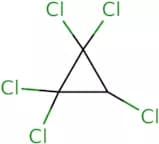
CAS :<p>Pentachlorocyclopropane is a chemical compound that belongs to the class of cyclic chlorinated hydrocarbons. It is a colorless liquid with a strong odor and a boiling point of 176 °C. Pentachlorocyclopropane has been used as an intermediate for the production of other chemicals, such as alkyl chlorides, amines, and polymers. Pentachlorocyclopropane can be synthesized from hydrogen chloride and 1-chloro-2-propanone in the presence of aluminum chloride or zinc chloride. The Friedel-Crafts reaction can also be used to produce pentachlorocyclopropane from benzene and chlorine gas. The chemical stability of pentachlorocyclopropane is due to its intramolecular hydrogen bonds. This allows it to be stored at room temperature without undergoing any reactions or decomposing. Pentachlorocyclopropane is not</p>Formule :C3HCl5Degré de pureté :Min. 95%Couleur et forme :Colorless Clear LiquidMasse moléculaire :214.3 g/molN,N'-Dimethyl-trans-1,2-cyclohexanediamine
CAS :<p>N,N'-Dimethyl-trans-1,2-cyclohexanediamine (DMCDA) is a hydroxy compound that can be used as an intermediate for the synthesis of various organic compounds. It has been shown to have a stable hydroxy group and hydrogen bond donor. DMCDA is also reactive, with a reaction rate of 10.5x10 mol/s at room temperature. DMCDA forms reaction intermediates such as oxazolidinones and 1,4-dioxanes. These intermediates have been studied by structural studies and kinetic methods to understand the mechanism of the reaction. The chronic oral toxicity of DMCDA has been determined in rats through a series of experiments and tests on protein genes. The oral LD50 value was found to be more than 5000 mg/kg body weight. This means that there is no adverse effect on the body when 5000 mg/kg or more is taken orally over an extended period (usually 28 days). Functional</p>Formule :C8H18N2Degré de pureté :Min. 98.5%Couleur et forme :Clear Liquid Solidified MassMasse moléculaire :142.24 g/molEthyl propiolate
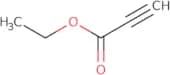
CAS :<p>Ethyl propiolate is a halide that is structurally related to the alkylating agent trifluoroacetic acid. Ethyl propiolate inhibits the activity of several enzymes including phosphofructokinase and pyruvate kinase, which are important for energy metabolism in cells. It also has been shown to have beneficial effects on autoimmune diseases such as lupus erythematosus. The mechanism of action of ethyl propiolate is due to its ability to react with activated oxygen and form an intramolecular hydrogen bond with carbon atoms in the substrate molecule. The reaction between ethyl propiolate and diethyl ketomalonate results in the formation of diethyl 2-propiolate, which can then be hydrolyzed by water into acetaldehyde and diethyl ketomalonate.</p>Formule :C5H6O2Degré de pureté :Min. 98 Area-%Couleur et forme :Colorless Clear LiquidMasse moléculaire :98.1 g/mol2-Methyl-3-biphenylmethanol
CAS :<p>2-Methyl-3-biphenylmethanol (2MBPM) is a low potency chemical that is used as a surrogate for 2,4,6-trinitrotoluene (TNT). It has been shown to bind to the same sites on the death protein as TNT and other nitroaromatic compounds. 2MBPM can be synthesized by coupling biphenyl with methylmagnesium bromide in the suzuki coupling reaction. 2MBPM inhibits the growth of cancer cells by inhibiting PD-L1 expression. This compound also has oxidative properties and can act as an oxidation catalyst.</p>Formule :C14H14ODegré de pureté :Min. 95%Couleur et forme :PowderMasse moléculaire :198.26 g/molTrifluoromethanesulfonic anhydride
CAS :<p>Trifluoromethanesulfonic anhydride is more frequently known as triflic anhydride, since it derives from triflic acid. It is a versatile and strong electrophile used to insert the triflyl group (represented as Tf-) into chemical molecules (Ouyang, 2018). For example, trifluoromethane sulfonic anhydride interacts with some alkylsulfides to form stable salts that are used in the oxidation of alcohols. Moreover, trifluoromethane sulfonic anhydride has successfully shown high activity as a promoter in glycosylation reactions to obtain disaccharides (Tatai, 2007).</p>Formule :C2F6O5S2Degré de pureté :Min. 95%Couleur et forme :Colorless Slightly Brown Clear LiquidMasse moléculaire :282.14 g/mol