Building Blocks
Sous-catégories appartenant à la catégorie "Building Blocks"
- Acides boroniques et dérivés de l'acide boronique(5.778 produits)
- Building Blocks Chiraux(1.243 produits)
- Building Blocks Hydrocarbonés(6.099 produits)
- Building Blocks organiques(61.038 produits)
205376 produits trouvés pour "Building Blocks"
4H,5H-[1,2,4]Triazolo[1,5-a]pyrimidin-5-one
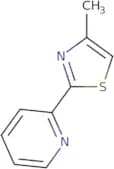
CAS :4H,5H-[1,2,4]Triazolo[1,5-a]pyrimidin-5-one is a heterocyclic compound that is structurally related to the purines. It has been shown to bind to phenanthroline and bipyridine as ligands. The X-ray structure reveals that the molecule consists of two bridging pyridine rings with an azopyrimidine ring in the center. 4H,5H-[1,2,4]Triazolo[1,5-a]pyrimidin-5-one binds anionic ligands such as trimethylammonium ions and formates through its nitrogen atoms.Formule :C5H4N4ODegré de pureté :Min. 95%Masse moléculaire :136.11 g/mol2-(4-Methyl-1,3-thiazol-2-yl)pyridine
CAS :Versatile small molecule scaffoldFormule :C9H8N2SDegré de pureté :Min. 95%Masse moléculaire :176.2 g/mol2-(1H-tetrazol-5-yl)pyridine
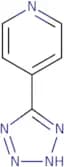
CAS :2-(1H-Tetrazol-5-yl)pyridine (TPZ) is a hydrogen bonding molecule that has been extensively used as a probe to study the coordination geometry of metal ions. The TPZ molecule has a trigonal planar structure with three nitrogen atoms and one chloride ligand. The TPZ molecule is a strong base with a pKb value of 8.6, which makes it a good candidate for protonating other molecules. The TPZ molecule can be synthesized in various forms, including the hydrochloride salt form.
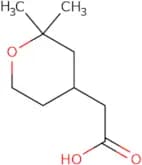
Formule :C6H5N5Degré de pureté :Min. 95%Masse moléculaire :147.14 g/mol2-(2,2-Dimethyloxan-4-yl)acetic acid
CAS :Versatile small molecule scaffoldFormule :C9H16O3Degré de pureté :Min. 95%Masse moléculaire :172.22 g/mol4-Chloro-5,6-dimethyl-pyrimidin-2-ylamine
CAS :Versatile small molecule scaffoldFormule :C6H8ClN3Degré de pureté :Min. 95%Masse moléculaire :157.6 g/mol4-Bromo-2-methylbenzene-1-thiol
CAS :4-Bromo-2-methylbenzene-1-thiol is a chemical compound that is not found in nature. It can be accessed via the etoricoxib reaction with 4,4'-biphenylsulfonyl chloride in the presence of sodium hydroxide. The compound has anisotropic properties and its magnetic resonance data show methyl sulfonyl groups with Covid-19 at 3.3 ppm and Covid-19 Pandemic at 5.8 ppm as well as intermediates at 2.6 and 2.8 ppm. It also shows resonance peaks for an element at 8.0 ppm and diamagnetic properties at 1.5ppm.Formule :C7H7BrSDegré de pureté :Min. 95%Masse moléculaire :203.1 g/mol4-Bromo-3-methyl-benzenethiol
CAS :4-Bromo-3-methyl-benzenethiol is an experimental compound that belongs to the class of fluorine compounds. It has a molecular weight of 221.8 and a chemical formula of C6H5BrSCH2. 4-Bromo-3-methyl-benzenethiol contains a methoxy substituent, which is located on the central carbon atom. This compound also contains two bromine atoms, which are located on either side of the central sulfur atom. 4-Bromo-3-methyl-benzenethiol has been shown to have sulfhydryl group in its structure, and can form couplings with other molecules through this group.
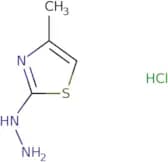
Formule :C7H7BrSDegré de pureté :Min. 95%Masse moléculaire :203.1 g/mol2-Hydrazino-4-methyl-1,3-thiazole Hydrochloride
CAS :Versatile small molecule scaffoldFormule :C4H7N3S·HClDegré de pureté :Min. 95%Masse moléculaire :165.64 g/mol6-Chloro-2-(hydroxymethyl)-3,4-dihydroquinazolin-4-one
CAS :Versatile small molecule scaffoldFormule :C9H7ClN2O2Degré de pureté :Min. 95%Masse moléculaire :210.62 g/mol(1-Hydroxy-cyclohexyl)-acetic acid
CAS :1-Hydroxy-cyclohexyl)-acetic acid (1HCAA) is a polystyrene-based monomer that is used in the production of polymers such as vinyl ethers. 1HCAA has been shown to undergo mechanistic reactions with solvents and alkali metal chlorides, which are both required for its synthesis. The 1HCAA molecule can react with water molecules and form monocarboxylic acids, carboxylic acids, or recemic products. 1HCAA also catalyzes cross-linking reactions when it reacts with an oxidizing agent such as iodine.Formule :C8H14O3Degré de pureté :Min. 95%Masse moléculaire :158.19 g/mol2-(tert-Butoxy)ethanimidamide hydrochloride
CAS :Versatile small molecule scaffoldFormule :C6H15ClN2ODegré de pureté :Min. 95%Masse moléculaire :166.65 g/mol1,4-(Diamidino)benzene dihydrochloride
CAS :1,4-Diamidino-benzene dihydrochloride (DABD) is a synthetic, crystalline organic compound that is insoluble in water. This chemical compound has been shown to be a reactive electron donor towards carbamazepine and its derivatives. DABD has also been immobilized on an electrode surface for use as a stable and sustainable electrode material. The immobilization of DABD on an electrode surface was done by covalently binding the DABD molecule to the surface with triazine molecules by covalent bonds. This process resulted in a stable and functional electrode material that can be used for up to 12 hours.Formule :C8H12Cl2N4Degré de pureté :Min. 95%Masse moléculaire :235.11 g/molProp-2-ene-1-sulfonyl chloride
CAS :Prop-2-ene-1-sulfonyl chloride is an organic compound that is used as a pharmaceutical intermediate. It has been shown to have potent inhibitory activity against pancreatic lipase, which makes it a potential treatment for inflammatory diseases such as arthritis. The active form of prop-2-ene-1-sulfonyl chloride binds to the receptor site of the molecule and prevents it from binding with other molecules, thereby blocking the inflammatory response. Prop-2-ene-1-sulfonyl chloride also binds to cholesterol esters in cells and prevents them from being transferred. This inhibits cholesterol production and reduces inflammation caused by high levels of cholesterol.
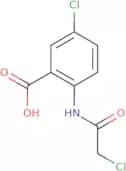
Formule :C3H5ClO2SDegré de pureté :Min. 95%Masse moléculaire :140.59 g/mol5-Chloro-2-(2-chloroacetamido)benzoic acid
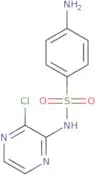
CAS :Versatile small molecule scaffoldFormule :C9H7Cl2NO3Degré de pureté :Min. 95%Masse moléculaire :248.06 g/mol4-Amino-N-(3-chloropyrazin-2-yl)benzenesulfonamide
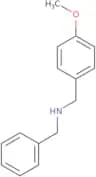
CAS :Versatile small molecule scaffoldFormule :C10H9ClN4O2SDegré de pureté :Min. 95%Masse moléculaire :284.72 g/molBenzyl-(4-methoxy-benzyl)-amine
CAS :Benzyl-(4-methoxy-benzyl)-amine is a chemical compound that has the molecular formula CHNO. It is an organic compound with a nitrate group, which are common in esters and phenolates. This compound can be synthesized by debenzylating benzyl amines and reacting them with nitric acid. Benzyl-(4-methoxy-benzyl)-amine may also be prepared by reacting benzaldehyde with ammonium hydroxide or ammonia gas. The synthesis of this compound is chemoselective, meaning it only reacts at one point on the molecule, rather than two. Benzyl-(4-methoxy-benzyl)-amine is used as a precursor to other compounds such as ammonium nitrate, esters, phenolates, and amides.
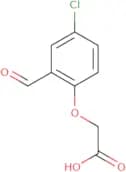
Formule :C15H17NODegré de pureté :Min. 95%Masse moléculaire :227.3 g/mol2-(4-Chloro-2-formylphenoxy)acetic acid
CAS :2-(4-Chloro-2-formylphenoxy)acetic acid is a chemical compound that is found in microalgae. The compound has been shown to inhibit the growth of bacteria by binding to glucose transporters and inhibiting their ability to absorb glucose. This process leads to a decrease in ATP levels, energy depletion, and cell death. In addition, this compound has been shown to have trophic effects on microalgae. This compound also inhibits the expression of malic enzyme genes and ammonium transporter genes in bacteria. 2-(4-Chloro-2-formylphenoxy)acetic acid is a steerable molecule that can be used for sectioning biological material with ultrafast lasers due to its high fluorescence.Formule :C9H7ClO4Degré de pureté :Min. 95%Masse moléculaire :214.6 g/mol2-{[2-({2-[(2-Hydroxyethyl)sulfanyl]ethyl}sulfanyl)ethyl]sulfanyl}ethan-1-ol
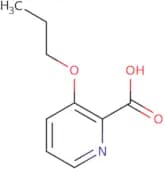
CAS :2-{[2-({2-[(2-Hydroxyethyl)sulfanyl]ethyl}sulfanyl)ethyl]sulfanyl}ethan-1-ol is a polymer with a heterocyclic ring that is soluble in organic solvents. It has been used as an activator, coactivator and/or stabilizer for the thermal treatment of inorganic acids to produce imidazolines and halogens. 2-{[2-({2-[(2-Hydroxyethyl)sulfanyl]ethyl}sulfanyl)ethyl]sulfanyl}ethan-1-ol has been shown to be effective in the production of polymeric materials with good stability and low volatility.Formule :C8H18O2S3Degré de pureté :Min. 95%Masse moléculaire :242.4 g/mol3-Propoxypyridine-2-carboxylic acid
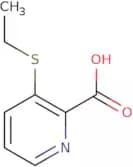
CAS :3-Propoxypyridine-2-carboxylic acid is a benzene ring containing piperidine with a carboxamide substituent. It has shown to be selective for human eosinophils, and is an antagonist at the benzodiazepine site of GABAA receptors. 3-Propoxypyridine-2-carboxylic acid can also be derivatized to form a potent antagonist of benzodiazepine sites on GABAA receptors.Formule :C9H11NO3Degré de pureté :Min. 95%Masse moléculaire :181.19 g/mol3-(Ethylsulfanyl)pyridine-2-carboxylic acid
CAS :Versatile small molecule scaffoldFormule :C8H9NO2SDegré de pureté :Min. 95%Masse moléculaire :183.23 g/mol3-{[(Benzyloxy)carbonyl]amino}-3-phenylpropanoic acid
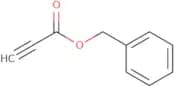
CAS :Versatile small molecule scaffoldFormule :C17H17NO4Degré de pureté :Min. 95%Masse moléculaire :299.32 g/molBenzyl propiolate
CAS :Benzyl propiolate is a molecule that is structurally related to propiolic acid. It has been shown to act as an adrenergic receptor agonist, which leads to platelet aggregation and thrombocytopenia. Benzyl propiolate also forms methyl esters with alcohols and is synthesized by methyl esterification of benzyl alcohol and propionic acid. This compound is electron deficient, which allows it to react with electron-rich substances, such as thromboplastin in the reaction solution for heparin-induced thrombocytopenia.
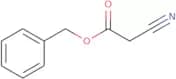
Formule :C10H8O2Degré de pureté :Min. 95%Masse moléculaire :160.17 g/molBenzyl 2-cyanoacetate
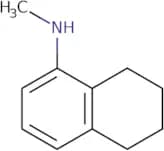
CAS :Benzyl 2-cyanoacetate is an aliphatic hydrocarbon that has been used in the synthesis of various quinoline derivatives. It can be prepared by the reaction of malonic acid with hydrochloric acid, followed by borohydride reduction and the addition of active methylene. Benzyl 2-cyanoacetate is also a precursor to a number of other compounds, including β-amino acids, which are used as pharmaceutical preparations. The chloride ions in benzyl 2-cyanoacetate react with nitro groups to form chloroquinolines. This compound is also an efflux pump inhibitor that blocks bacterial cells from exporting antibiotic molecules out of the cell.Formule :C10H9NO2Degré de pureté :Min. 95%Masse moléculaire :175.19 g/molN-Methyl-5,6,7,8-tetrahydronaphthalen-1-amine
CAS :Versatile small molecule scaffoldFormule :C11H15NDegré de pureté :Min. 95%Masse moléculaire :161.24 g/mol4-[(4-Methoxyphenyl)sulfanyl]aniline
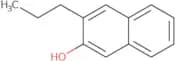
CAS :Versatile small molecule scaffoldFormule :C13H13NOSDegré de pureté :Min. 95%Masse moléculaire :231.32 g/mol3-Propylnaphthalen-2-ol
CAS :Versatile small molecule scaffoldFormule :C13H14ODegré de pureté :Min. 95%Masse moléculaire :186.25 g/mol3-Phenyl-2-[(prop-2-en-1-yl)amino]propanoic acid
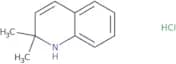
CAS :Versatile small molecule scaffoldFormule :C12H15NO2Degré de pureté :Min. 95%Masse moléculaire :205.25 g/mol2,2-Dimethyl-1,2-dihydroquinoline hydrochloride
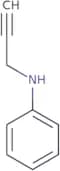
CAS :Versatile small molecule scaffoldFormule :C11H14ClNDegré de pureté :Min. 95%Masse moléculaire :195.69 g/molPhenyl-prop-2-ynyl-amine
CAS :Phenyl-prop-2-ynyl-amine is a primary amine with neuroprotective properties. It can be activated to the corresponding aniline by treatment with a base. Phenyl-prop-2-ynyl-amine has been shown to have neuroprotective effects in a model system of Parkinson's disease. It also possesses ring-opening activity on quinoline derivatives and gold nanoparticles. This reaction is slow, but it can be accelerated by the addition of a carboxylic acid. The use of this method for the synthesis of phenylpropene derivatives provides an efficient route for the construction of complex molecules with functional groups in their skeletons.Formule :C9H9NDegré de pureté :Min. 95%Masse moléculaire :131.17 g/mol1-Z-2-Pyrrolidinone
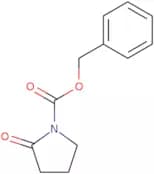
CAS :Versatile small molecule scaffoldFormule :C12H13NO3Degré de pureté :Min. 95%Masse moléculaire :219.24 g/mol4-Bromopentanenitrile
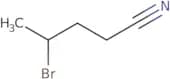
CAS :4-Bromopentanenitrile is a medicinal molecule that has been shown to have oral bioavailability. This compound is an antagonist of the chemokine receptor CXCR4 and blocks the binding of SDF-1α and other ligands to this receptor, which inhibits the migration of lymphocytes from bone marrow into peripheral tissues. 4-Bromopentanenitrile has also been shown to inhibit cell proliferation in vitro and in vivo, which may be due to its ability to block DNA replication. 4-Bromopentanenitrile has been tested for its ability to inhibit the growth of cancer cells in mice models.
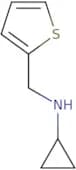
Formule :C5H8BrNDegré de pureté :Min. 95%Masse moléculaire :162.03 g/molCyclopropyl-thiophen-2-ylmethyl-amine
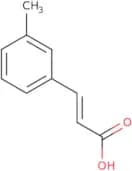
CAS :Versatile small molecule scaffoldFormule :C8H11NSDegré de pureté :Min. 95%Masse moléculaire :153.25 g/mol(E)-3-(m-Tolyl)acrylic acid
CAS :(E)-3-(m-Tolyl)acrylic acid is a natural flavonoid compound found in plants. It is an intermediate in the biosynthesis of phenylpropanoids, which are a group of plant secondary metabolites. (E)-3-(m-Tolyl)acrylic acid has been shown to inhibit the production of heterocyclic amines, which are carcinogenic compounds formed during the cooking process of meat and fish. In addition, this compound has been shown to have cytotoxic effects on cancer cells and inhibitory effects on malonic acid production in plants. (E)-3-(m-Tolyl)acrylic acid is synthesized from cinnamic acid derivatives and hydroxyl groups. It is also produced by sulfonation of eugenol with sulfuric acid followed by oxidation with hydrogen peroxide.Formule :C10H10O2Degré de pureté :Min. 95%Masse moléculaire :162.19 g/mol3-Chlorocinnamic acid
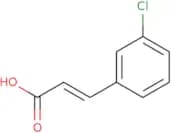
CAS :3-Chlorocinnamic acid is a potential anticancer agent that has been shown to stimulate the growth of epidermal cells. It inhibits the activity of epidermal growth factor (EGF) and is active against some forms of cancer. 3-Chlorocinnamic acid binds to an activated form of the epidermal growth factor receptor and prevents its activation. 3-Chlorocinnamic acid also inhibits pro-apoptotic protein kinase activities, which may be useful for treating conditions such as tuberculosis. The chemical group in this compound is responsible for its optical properties and its ability to bind to proteins with cinnamoyl groups.Formule :C9H7ClO2Degré de pureté :Min. 95%Masse moléculaire :182.6 g/mol3,5,5-Trimethyl-2-pyrrolidinone
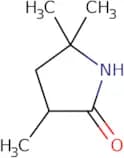
CAS :3,5,5-Trimethyl-2-pyrrolidinone is a cyclic hydrocarbon that is produced by the photolysis of acetonylacetone. It undergoes hydrolysis to form 3,5,5-trimethyl-3-oxazolidinone and 2-oxopropanal. The former reacts with nitrones to form oxaziridines and pyrrolidinones. 3,5,5-Trimethyl-2-pyrrolidinone can be used as a protecting group for hydroxyl groups in organic synthesis.
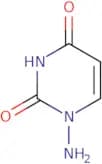
Formule :C7H13NODegré de pureté :Min. 95%Masse moléculaire :127.18 g/mol1-Amino-1,2,3,4-tetrahydropyrimidine-2,4-dione
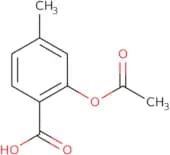
CAS :1-Amino-1,2,3,4-tetrahydropyrimidine-2,4-dione is an alkynyl amine that is used in the agricultural industry as a binding agent for acid. It has been shown to bind to cyanoalkyl, haloalkyl and aminouracil groups. The compound also has a variety of other uses in the pharmaceutical industry including use as a nerve toxin. 1-Amino-1,2,3,4-tetrahydropyrimidine-2,4-dione is also used as a spectrum diluent and can be used in refluxing reactions with nitro compounds.Formule :C4H5N3O2Degré de pureté :Min. 95%Masse moléculaire :127.1 g/mol2-(Acetyloxy)-4-methylbenzoic acid
CAS :2-(Acetyloxy)-4-methylbenzoic acid (AMBA) is a compound that is used in the field of health care. It has been shown to have neuroprotective effects and to reduce neuronal apoptosis, which may be due to its ability to attenuate proinflammatory responses. AMBA has also been shown to inhibit the formation of amyloid plaques in Alzheimer's disease. This compound has also shown anti-inflammatory properties and can be used as a treatment for neuroinflammation. AMBA inhibits the activation of caspases, which are responsible for initiating the apoptosis pathway by cleaving proteins necessary for cell survival, such as PARP1 or Bcl-2. The mechanism of action is not fully understood but it appears that AMBA alters mitochondrial function and reduces intracellular calcium levels.Formule :C10H10O4Degré de pureté :Min. 95%Masse moléculaire :194.18 g/mol2-(Acetyloxy)-5-methylbenzoic acid
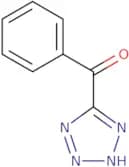
CAS :Versatile small molecule scaffoldFormule :C10H10O4Degré de pureté :Min. 95%Masse moléculaire :194.18 g/mol5-Benzoyl-2H-1,2,3,4-tetrazole
CAS :5-Benzoyl-2H-1,2,3,4-tetrazole is a pyrazole compound that can be synthesized by reacting an aliphatic azide with a sulfoxide. The reaction of the sulfoxide with potassium hydroxide and dimethylbenzoyl chloride produces the desired product. 5-Benzoyl-2H-1,2,3,4-tetrazole is used in research as a short term substrate for enzymes such as diazo compounds and tetrazole. It has also been shown to be capable of forming covalent bonds with alkali metal ions such as sodium and potassium. This compound is also useful for the synthesis of 2H-1,2,3,4-tetrazoles via diazotization.Formule :C8H6N4ODegré de pureté :Min. 95%Masse moléculaire :174.16 g/mol5H,6H,7H,8H-Imidazo[1,5-c]pyrimidin-5-one
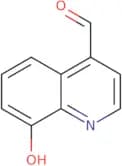
CAS :5H,6H,7H,8H-Imidazo[1,5-c]pyrimidin-5-one is a marine alkaloid that belongs to the family of histamine. It is found in the sponge pseudoceratina and has been shown to have antifouling properties. 5H,6H,7H,8H-Imidazo[1,5-c]pyrimidin-5-one can be used as a treatment for hyperhistaminemia and may inhibit tyrosine hydroxylase activity.Formule :C6H7N3ODegré de pureté :Min. 95%Masse moléculaire :137.14 g/mol8-Hydroxy-4-quinolinecarboxaldehyde
CAS :8-Hydroxy-4-quinolinecarboxaldehyde is an alkaloid that is found in the bark of Broussonetia papyrifera, a tree native to Asia. Alkaloids are nitrogenous organic compounds that contain basic properties. 8-Hydroxy-4-quinolinecarboxaldehyde can be synthesized by reacting oxime with hydroquinone. This compound has been studied using spectroscopic methods and can be used as a starting point for the synthesis of other alkaloids.Formule :C10H7NO2Degré de pureté :Min. 95%Masse moléculaire :173.17 g/mol2-Amino-3-[(2-phenylethyl)sulfanyl]propanoic acid
CAS :Versatile small molecule scaffoldFormule :C11H15NO2SDegré de pureté :Min. 95%Masse moléculaire :225.31 g/mol[(2-Chloroethyl)(dimethylamino)phosphoryl]dimethylamine
CAS :Versatile small molecule scaffoldFormule :C6H16ClN2OPDegré de pureté :Min. 95%Masse moléculaire :198.63 g/molSpiro[4.5]dec-6-en-8-one
CAS :Spiro[4.5]dec-6-en-8-one is a natural product isolated from the leaves of plants in Madagascar. It has an inhibitory effect on insects and was sampled by researchers at the University of Florida. Spiro[4.5]dec-6-en-8-one can be extracted from camphene, naphthalene, and solenopsis. The compound inhibits the growth of insects through its inhibitory effects on protein synthesis by binding to ribosomal RNA. This activity is more pronounced in insect cells than in human cells, which may be due to a lower expression of ribosomal RNA in human cells.Formule :C10H14ODegré de pureté :Min. 95%Couleur et forme :Clear LiquidMasse moléculaire :150.22 g/mol2-Amino-5-methoxybenzoxazole
CAS :Versatile small molecule scaffoldFormule :C8H8N2O2Degré de pureté :Min. 95%Masse moléculaire :164.16 g/mol5-Nitrobenzo[d]oxazol-2-amine
CAS :Versatile small molecule scaffoldFormule :C7H5N3O3Degré de pureté :Min. 95%Masse moléculaire :179.13 g/mol4-Phenoxybutan-1-amine hydrochloride
CAS :Versatile small molecule scaffoldFormule :C10H16ClNODegré de pureté :Min. 95%Masse moléculaire :201.69 g/mol2-Mercapto-1-methyl-1H-imidazole-5-carboxylic acid
CAS :Versatile small molecule scaffoldFormule :C5H6N2O2SDegré de pureté :Min. 95%Masse moléculaire :158.18 g/mol5-Methyl-2H,3H-[1,2,4]triazolo[3,4-b][1,3]thiazol-3-one
CAS :Versatile small molecule scaffold
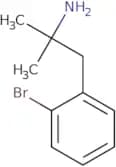
Formule :C5H5N3OSDegré de pureté :Min. 95%Masse moléculaire :155.18 g/mol1-(2-Bromophenyl)-2-methylpropan-2-amine hydrochloride
CAS :Produit contrôléVersatile small molecule scaffoldFormule :C10H14BrNDegré de pureté :Min. 95%Masse moléculaire :228.13 g/mol2-Methyl-1-(2-methylphenyl)propan-2-amine hydrochloride
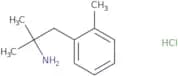
CAS :Produit contrôléVersatile small molecule scaffoldFormule :C11H18ClNDegré de pureté :Min. 95%Masse moléculaire :199.72 g/mol3-Chloroprop-2-en-1-yl 2-hydroxypropanoate
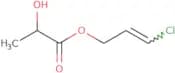
CAS :Versatile small molecule scaffoldFormule :C6H9ClO3Degré de pureté :Min. 95%Masse moléculaire :164.59 g/mol5-[(3-Methoxyphenyl)sulfanyl]pyridin-2-amine
CAS :Versatile small molecule scaffoldFormule :C12H12N2OSDegré de pureté :Min. 95%Masse moléculaire :232.3 g/mol6-Methoxyimidazo[1,2-b]pyridazine-2-carboxylic acid
CAS :Versatile small molecule scaffoldFormule :C8H7N3O3Degré de pureté :Min. 95%Masse moléculaire :193.16 g/mol2-Fluoro-2-phenylethan-1-amine hydrochloride
CAS :Versatile small molecule scaffoldFormule :C8H11ClFNDegré de pureté :Min. 95%Masse moléculaire :175.63 g/mol2,5-Diiodoaniline
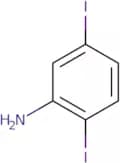
CAS :Versatile small molecule scaffoldFormule :C6H5I2NDegré de pureté :Min. 95%Masse moléculaire :344.92 g/molTetrahydro-2H-thiopyran-4-carboxylic acid 1,1-dioxide
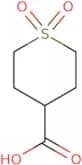
CAS :Versatile small molecule scaffoldFormule :C6H10O4SDegré de pureté :Min. 95%Masse moléculaire :178.21 g/mol2-(2,6-Dimethylphenoxy)acetohydrazide
CAS :2-(2,6-Dimethylphenoxy)acetohydrazide is a herbicide that inhibits the growth of monocotyledon and dicotyledon plants. It is used to control weeds in fields of soybeans, rice, corn, wheat, oats, barley and rye. The compound was found to be the most effective herbicide for the control of weeds in bioassays conducted with various types of plants. 2-(2,6-Dimethylphenoxy)acetohydrazide has been shown to inhibit the growth of Brassica species such as cabbage and broccoli by interfering with phenol synthesis.Formule :C10H14N2O2Degré de pureté :Min. 95%Masse moléculaire :194.24 g/mol2-{Bicyclo[2.2.1]heptan-2-yl}acetonitrile
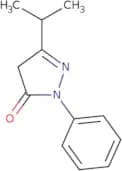
CAS :Versatile small molecule scaffoldFormule :C9H13NDegré de pureté :Min. 95%Masse moléculaire :135.21 g/mol3-Isopropyl-1-phenyl-1H-pyrazol-5(4H)-one
CAS :Versatile small molecule scaffold
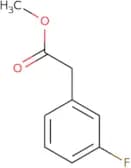
Formule :C12H14N2ODegré de pureté :Min. 95%Masse moléculaire :202.25 g/molMethyl 3-Fluorophenylacetate
CAS :Methyl 3-Fluorophenylacetate is an alkali, cyclopropene carboxamide that has a nucleophilic functionality. It is positioned strategically in biomolecular chemistry and biomolecular function. Methyl 3-Fluorophenylacetate has been used as a building block to synthesize bioactive molecules such as peptides and polymers. In addition, it can be used as a fluorescent probe for the identification of nucleophilic functionalities.
Formule :C9H9FO2Degré de pureté :Min. 95%Masse moléculaire :168.17 g/mol2-{4-Chloro-1H-pyrazolo[3,4-d]pyrimidin-1-yl}ethan-1-ol
CAS :Versatile small molecule scaffoldFormule :C7H7ClN4ODegré de pureté :Min. 95%Masse moléculaire :198.61 g/mol[3-(1H-1,3-Benzodiazol-2-yl)propyl](methyl)amine
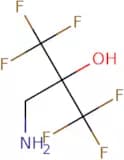
CAS :Versatile small molecule scaffoldFormule :C11H15N3Degré de pureté :Min. 95%Masse moléculaire :189.26 g/mol3-Amino-1,1,1-trifluoro-2-(trifluoromethyl)propan-2-ol
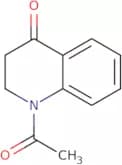
CAS :Versatile small molecule scaffoldFormule :C4H5F6NODegré de pureté :Min. 95%Masse moléculaire :197.08 g/mol1-acetyl-1,2,3,4-tetrahydroquinolin-4-one
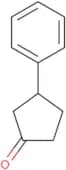
CAS :1-Acetyl-1,2,3,4-tetrahydroquinolin-4-one is a chemical compound that can be prepared by nitration of quinolin-4-one with concentrated sulfuric acid. This chemical has the following constants:Formule :C11H11NO2Degré de pureté :Min. 95%Masse moléculaire :189.21 g/mol3-Phenyl-cyclopentanone
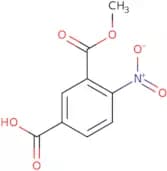
CAS :3-Phenyl-cyclopentanone is a conformational chiral reagent that is used in the synthesis of enantiomerically pure compounds. It is a substrate for many enzymatic reactions, such as alkylation, and can be used to prepare one of the two possible stereoisomers. 3-Phenyl-cyclopentanone has been shown to show positive dichroism in the visible region and negative dichroism in the near infrared region. This compound also has potential for use as an analytical reagent due to its ability to separate solutes based on their chromatographic properties.Formule :C11H12ODegré de pureté :Min. 95%Masse moléculaire :160.21 g/mol3-(Methoxycarbonyl)-4-nitrobenzoic acid
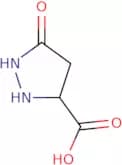
CAS :Versatile small molecule scaffoldFormule :C9H7NO6Degré de pureté :Min. 95%Masse moléculaire :225.16 g/mol5-Oxopyrazolidine-3-carboxylic acid
CAS :Versatile small molecule scaffold
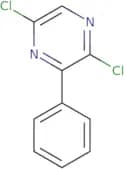
Formule :C4H6N2O3Degré de pureté :Min. 95%Masse moléculaire :130.1 g/mol2,5-Dichloro-3-phenylpyrazine
CAS :Versatile small molecule scaffoldFormule :C10H6Cl2N2Degré de pureté :Min. 95%Masse moléculaire :225.07 g/molDiethyl[(piperidin-2-yl)methyl]amine
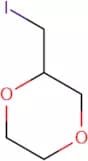
CAS :Versatile small molecule scaffoldFormule :C10H22N2Degré de pureté :Min. 95%Masse moléculaire :170.3 g/mol2-(iodomethyl)-1,4-dioxane
CAS :2-(iodomethyl)-1,4-dioxane is a cytotoxic moiety that binds to the capsid protein of a virus. It has been shown to be an antiviral agent against HIV-1 and other retroviruses. 2-(iodomethyl)-1,4-dioxane is hydrophobic, connecting and binds to hydrophobic regions in proteins. The compound was also observed to have antiviral activity against HIV-2 and SIV. 2-(iodomethyl)-1,4-dioxane was found to form hydrogen bonds with the capsid proteins of both HIV-1 and HIV-2, which are important for viral infectivity. This compound has been used as a linker for attaching cytotoxic molecules such as doxorubicin or camptothecin to liposomes or nanoparticles.Formule :C5H9IO2Degré de pureté :Min. 95%Masse moléculaire :228.03 g/molSpiro[benzo[d][1,3]dioxole-2,1'-cyclohexan]-5-amine
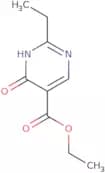
CAS :Versatile small molecule scaffoldFormule :C12H15NO2Degré de pureté :Min. 95%Masse moléculaire :205.26 g/molEthyl 2-ethyl-6-oxo-1,6-dihydropyrimidine-5-carboxylate
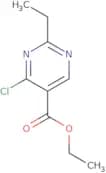
CAS :Versatile small molecule scaffoldFormule :C9H12N2O3Degré de pureté :Min. 95%Masse moléculaire :196.2 g/molEthyl 4-chloro-2-ethylpyrimidine-5-carboxylate
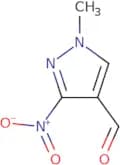
CAS :Versatile small molecule scaffoldFormule :C9H11ClN2O2Degré de pureté :Min. 95%Masse moléculaire :214.65 g/mol1-Methyl-3-nitro-1H-pyrazole-4-carbaldehyde
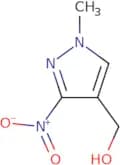
CAS :Versatile small molecule scaffoldFormule :C5H5N3O3Degré de pureté :Min. 95%Masse moléculaire :155.11 g/mol(1-Methyl-3-nitro-1H-pyrazol-4-yl)methanol
CAS :Versatile small molecule scaffold
Formule :C5H7N3O3Degré de pureté :Min. 95%Masse moléculaire :157.13 g/mol2-Methylpiperidine-1-carbonyl chloride
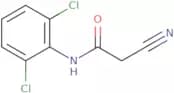
CAS :Versatile small molecule scaffoldFormule :C7H12ClNODegré de pureté :Min. 95%Masse moléculaire :161.63 g/mol2-Cyano-N-(2,6-dichlorophenyl)acetamide
CAS :Versatile small molecule scaffoldFormule :C9H6Cl2N2ODegré de pureté :Min. 95%Masse moléculaire :229.06 g/mol2-[(3-Fluorophenyl)amino]acetonitrile
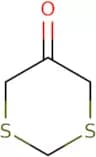
CAS :Versatile small molecule scaffoldFormule :C8H7FN2Degré de pureté :Min. 95%Masse moléculaire :150.15 g/mol1,3-Dithian-5-one
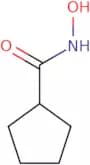
CAS :1,3-Dithian-5-one is a carbonyl compound that contains an aromatic ring. It has been used as a herbicide and bactericide. Spectroscopic data has shown that the carbonyl group in 1,3-dithian-5-one is responsible for its spectra. These spectral data also show that it is an antisymmetric molecule with a carbonyl group at the center of the molecule. The carbonyl group absorbs light in the visible range, which can be seen in its spectrum. This compound also has gas phase equilibrium interactions with sulfur.Formule :C4H6OS2Degré de pureté :Min. 95%Masse moléculaire :134.2 g/molN-Hydroxycyclopentanecarboxamide
CAS :Versatile small molecule scaffoldFormule :C6H11NO2Degré de pureté :Min. 95%Masse moléculaire :129.16 g/molMethyl 6-methyl-5-nitropyridine-2-carboxylate
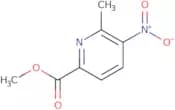
CAS :Versatile small molecule scaffold
Formule :C8H8N2O4Degré de pureté :Min. 95%Masse moléculaire :196.16 g/mol4,7-Dimethylquinoline-2-thiol
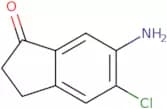
CAS :Versatile small molecule scaffoldFormule :C11H11NSDegré de pureté :Min. 95%Masse moléculaire :189.28 g/mol6-Amino-5-chloro-2,3-dihydro-1H-inden-1-one
CAS :Versatile small molecule scaffoldFormule :C9H8ClNODegré de pureté :Min. 95%Masse moléculaire :181.62 g/mol6-Chloro-3-oxo-2,3-dihydro-1H-indene-5-sulfonyl chloride
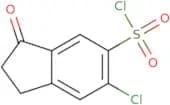
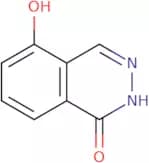
CAS :Versatile small molecule scaffoldFormule :C9H6Cl2O3SDegré de pureté :Min. 95%Masse moléculaire :265.11 g/mol5-Hydroxy-1,2-dihydrophthalazin-1-one
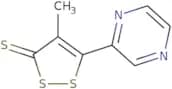
CAS :Versatile small molecule scaffoldFormule :C8H6N2O2Degré de pureté :Min. 95%Masse moléculaire :162.15 g/molOltipraz-d3
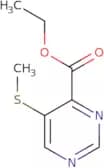
CAS :Oltipraz-d3 is a chemopreventive agent that has been shown to inhibit the production of reactive oxygen species and inflammatory cytokines. Oltipraz-d3 inhibits the activation of the nuclear factor kappa B (NF-κB) pathway by preventing phosphorylation and degradation of IkappaBα, which is an inhibitor of NF-κB. It also reduces oxidative stress in the cell by increasing glutathione levels. Oltipraz-d3 has been shown to reduce DNA damage in human cells exposed to aflatoxin and may be useful for treating chronic liver diseases, such as cancer or injury.Formule :C8H3D3N2S3Degré de pureté :Min. 95%Masse moléculaire :229.36 g/molEthyl 5-(methylsulfanyl)pyrimidine-4-carboxylate
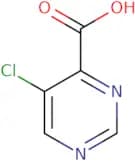
CAS :Versatile small molecule scaffoldFormule :C8H10N2O2SDegré de pureté :Min. 95%Masse moléculaire :198.24 g/mol5-Chloropyrimidine-4-carboxylic acid
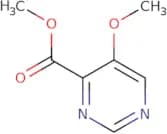
CAS :5-Chloropyrimidine-4-carboxylic acid is a herbicide that is used in weed control. It has a broad spectrum of activity, which includes grasses and broadleaf weeds. This herbicide is also used in the treatment of soil contaminated with phenyl. 5-Chloropyrimidine-4-carboxylic acid inhibits the growth of weeds by inhibiting the synthesis of amino acids from their corresponding amino acid precursors.Formule :C5H3ClN2O2Degré de pureté :Min. 95%Masse moléculaire :158.54 g/mol5-Methoxy-pyrimidine-4-carboxylic acid methyl ester
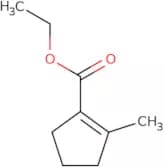
CAS :Versatile small molecule scaffoldFormule :C7H8N2O3Degré de pureté :Min. 95%Masse moléculaire :168.15 g/molEthyl 2-methylcyclopent-1-ene-1-carboxylate
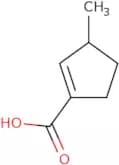
CAS :Versatile small molecule scaffoldFormule :C9H14O2Degré de pureté :Min. 95%Masse moléculaire :154.21 g/mol3-Methylcyclopent-1-ene-1-carboxylic acid
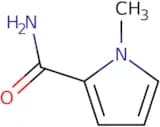
CAS :Versatile small molecule scaffoldFormule :C7H10O2Degré de pureté :Min. 95%Masse moléculaire :126.15 g/mol1-methyl-1H-pyrrole-2-carboxamide
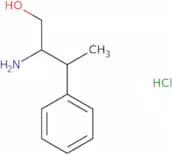
CAS :1-methyl-1H-pyrrole-2-carboxamide is a heterocycle that has been shown to interact with specific DNA sequences. It is a conformational analog of the natural nucleoside guanosine, which has been shown to be a key component in the development of oligonucleotide drugs. 1-methyl-1H-pyrrole-2-carboxamide can be synthesized by the condensation of 1,2-diaminopropane and pyrrole. This compound also has magnetic properties, which allow it to be used in magnetic resonance imaging (MRI).Formule :C6H8N2ODegré de pureté :Min. 95%Masse moléculaire :124.14 g/mol2-Amino-3-phenylbutan-1-ol hydrochloride
CAS :Versatile small molecule scaffoldFormule :C10H16ClNODegré de pureté :Min. 95%Masse moléculaire :201.69 g/mol1,2,4-Benzotriazine-3-carboxylic acid
CAS :1,2,4-Benzotriazine-3-carboxylic acid is a reagent that is used in organic chemistry to produce diazonium salts. It reacts with borohydride to form tetrachloropalladate, which can be reacted with thiazoles to form the corresponding benzothiazoles. 1,2,4-Benzotriazine-3-carboxylic acid also reacts with sodium borohydride in the presence of carbonyl compounds to form the corresponding triazoles. The compound can also be alkylated using alkyl halides or tricyclic compounds.Formule :C8H5N3O2Degré de pureté :Min. 95%Masse moléculaire :175.14 g/mol3-Fluoro-2,2-dimethylpropanoic acid
CAS :Versatile small molecule scaffold
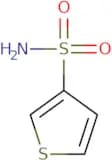
Formule :C5H9FO2Degré de pureté :Min. 95%Masse moléculaire :120.12 g/molThiophene-3-sulfonamide
CAS :The thiophene-3-sulfonamide is a potent inhibitor of the enzyme carbonic anhydrase. It has been shown to inhibit the calcium ion's entry into cells, leading to a decrease in intracellular calcium ion concentration. The thiophene-3-sulfonamide has also been shown to bind to the endothelin receptor and block its function. The binding of this compound to the endothelin receptor blocks the effects of endothelin on vascular smooth muscle cells, which leads to vasodilation and increased blood flow.Formule :C4H5NO2S2Degré de pureté :Min. 95%Masse moléculaire :163.2 g/mol3-{[5-(4-Nitrophenyl)furan-2-yl]methylidene}-2,3-dihydro-1H-indol-2-one
CAS :Versatile small molecule scaffoldFormule :C19H12N2O4Degré de pureté :Min. 95%Masse moléculaire :332.3 g/mol5-Bromo-2,3-dihydro-benzo[b]thiophene 1,1-dioxide
CAS :Versatile small molecule scaffold
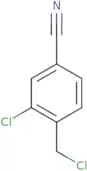
Formule :C8H7BrO2SDegré de pureté :Min. 95%Masse moléculaire :247.11 g/mol3-Chloro-4-(chloromethyl)benzonitrile
CAS :Versatile small molecule scaffoldFormule :C8H5Cl2NDegré de pureté :Min. 95%Masse moléculaire :186.03 g/mol
![4H,5H-[1,2,4]Triazolo[1,5-a]pyrimidin-5-one](/_next/image/?url=https%3A%2Fstatic.cymitquimica.com%2Fproducts%2F3D%2Fthumb-webp%2FPAA38466.webp&w=3840&q=75)





![2-{[2-({2-[(2-Hydroxyethyl)sulfanyl]ethyl}sulfanyl)ethyl]sulfanyl}ethan-1-ol](/_next/image/?url=https%3A%2Fstatic.cymitquimica.com%2Fproducts%2F3D%2Fthumb-webp%2FPAA44077.webp&w=3840&q=75)
![3-{[(Benzyloxy)carbonyl]amino}-3-phenylpropanoic acid](/_next/image/?url=https%3A%2Fstatic.cymitquimica.com%2Fproducts%2F3D%2Fthumb-webp%2FPAA44098.webp&w=3840&q=75)
![4-[(4-Methoxyphenyl)sulfanyl]aniline](/_next/image/?url=https%3A%2Fstatic.cymitquimica.com%2Fproducts%2F3D%2Fthumb-webp%2FPAA45385.webp&w=3840&q=75)
![3-Phenyl-2-[(prop-2-en-1-yl)amino]propanoic acid](/_next/image/?url=https%3A%2Fstatic.cymitquimica.com%2Fproducts%2F3D%2Fthumb-webp%2FPAA46399.webp&w=3840&q=75)

![5H,6H,7H,8H-Imidazo[1,5-c]pyrimidin-5-one](/_next/image/?url=https%3A%2Fstatic.cymitquimica.com%2Fproducts%2F3D%2Fthumb-webp%2FPAA50966.webp&w=3840&q=75)
![2-Amino-3-[(2-phenylethyl)sulfanyl]propanoic acid](/_next/image/?url=https%3A%2Fstatic.cymitquimica.com%2Fproducts%2F3D%2Fthumb-webp%2FPAA51018.webp&w=3840&q=75)
![[(2-Chloroethyl)(dimethylamino)phosphoryl]dimethylamine](/_next/image/?url=https%3A%2Fstatic.cymitquimica.com%2Fproducts%2F3D%2Fthumb-webp%2FPAA51801.webp&w=3840&q=75)
![Spiro[4.5]dec-6-en-8-one](/_next/image/?url=https%3A%2Fstatic.cymitquimica.com%2Fproducts%2F3D%2Fthumb-webp%2FPAA52353.webp&w=3840&q=75)

![5-Nitrobenzo[d]oxazol-2-amine](/_next/image/?url=https%3A%2Fstatic.cymitquimica.com%2Fproducts%2F3D%2Fthumb-webp%2FPCA03716.webp&w=3840&q=75)


![5-Methyl-2H,3H-[1,2,4]triazolo[3,4-b][1,3]thiazol-3-one](/_next/image/?url=https%3A%2Fstatic.cymitquimica.com%2Fproducts%2F3D%2Fthumb-webp%2FPCA04059.webp&w=3840&q=75)
![5-[(3-Methoxyphenyl)sulfanyl]pyridin-2-amine](/_next/image/?url=https%3A%2Fstatic.cymitquimica.com%2Fproducts%2F3D%2Fthumb-webp%2FPCA06436.webp&w=3840&q=75)
![6-Methoxyimidazo[1,2-b]pyridazine-2-carboxylic acid](/_next/image/?url=https%3A%2Fstatic.cymitquimica.com%2Fproducts%2F3D%2Fthumb-webp%2FPCA06809.webp&w=3840&q=75)

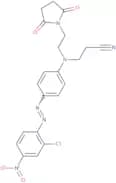
![2-{Bicyclo[2.2.1]heptan-2-yl}acetonitrile](/_next/image/?url=https%3A%2Fstatic.cymitquimica.com%2Fproducts%2F3D%2Fthumb-webp%2FPCA11809.webp&w=3840&q=75)
![2-{4-Chloro-1H-pyrazolo[3,4-d]pyrimidin-1-yl}ethan-1-ol](/_next/image/?url=https%3A%2Fstatic.cymitquimica.com%2Fproducts%2F3D%2Fthumb-webp%2FPCA12715.webp&w=3840&q=75)
amine](/_next/image/?url=https%3A%2Fstatic.cymitquimica.com%2Fproducts%2F3D%2Fthumb-webp%2FPCA13752.webp&w=3840&q=75)
![Diethyl[(piperidin-2-yl)methyl]amine](/_next/image/?url=https%3A%2Fstatic.cymitquimica.com%2Fproducts%2F3D%2Fthumb-webp%2FPCA16809.webp&w=3840&q=75)
![Spiro[benzo[d][1,3]dioxole-2,1'-cyclohexan]-5-amine](/_next/image/?url=https%3A%2Fstatic.cymitquimica.com%2Fproducts%2F3D%2Fthumb-webp%2FPCA17941.webp&w=3840&q=75)

![2-[(3-Fluorophenyl)amino]acetonitrile](/_next/image/?url=https%3A%2Fstatic.cymitquimica.com%2Fproducts%2F3D%2Fthumb-webp%2FPCA20453.webp&w=3840&q=75)



![3-{[5-(4-Nitrophenyl)furan-2-yl]methylidene}-2,3-dihydro-1H-indol-2-one](/_next/image/?url=https%3A%2Fstatic.cymitquimica.com%2Fproducts%2F3D%2Fthumb-webp%2FPCA25883.webp&w=3840&q=75)
![5-Bromo-2,3-dihydro-benzo[b]thiophene 1,1-dioxide](/_next/image/?url=https%3A%2Fstatic.cymitquimica.com%2Fproducts%2F3D%2Fthumb-webp%2FPCA26076.webp&w=3840&q=75)