Building Blocks
Sous-catégories appartenant à la catégorie "Building Blocks"
- Acides boroniques et dérivés de l'acide boronique(5.774 produits)
- Building Blocks Chiraux(1.237 produits)
- Building Blocks Hydrocarbonés(6.098 produits)
- Building Blocks organiques(60.980 produits)
205158 produits trouvés pour "Building Blocks"
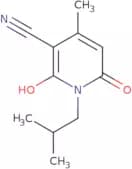
6-Hydroxy-4-methyl-1-(2-methylpropyl)-2-oxo-1,2-dihydropyridine-3-carbonitrile
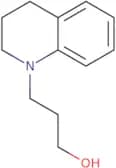
CAS :Versatile small molecule scaffoldFormule :C11H14N2O2Degré de pureté :Min. 95%Masse moléculaire :206.24 g/mol3-(1,2,3,4-Tetrahydroquinolin-1-yl)propan-1-ol
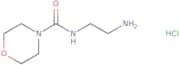
CAS :Versatile small molecule scaffoldFormule :C12H17NODegré de pureté :Min. 95%Masse moléculaire :191.27 g/molN-(2-Aminoethyl)morpholine-4-carboxamide hydrochloride
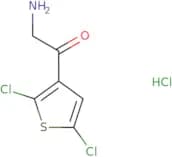
CAS :Versatile small molecule scaffoldFormule :C7H16ClN3O2Degré de pureté :Min. 95%Masse moléculaire :209.67 g/mol2-Amino-1-(2,5-dichlorothiophen-3-yl)ethan-1-one hydrochloride
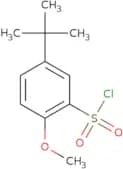
CAS :Versatile small molecule scaffoldFormule :C6H6Cl3NOSDegré de pureté :Min. 95%Masse moléculaire :246.5 g/mol5-tert-Butyl-2-methoxy-benzenesulfonyl chloride
CAS :Versatile small molecule scaffoldFormule :C11H15ClO3SDegré de pureté :Min. 95%Masse moléculaire :262.76 g/molMethyl imidazo[1,2-a]pyridine-5-carboxylate
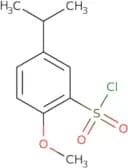
CAS :Methyl imidazo[1,2-a]pyridine-5-carboxylate is a fluorescent compound that can be used as a reagent to measure the activity of esterases. It has been shown to bind to 4-methylumbelliferone and react with it in a process that is catalyzed by esterases. 4-Methylumbelliferone is a fluorescent compound that can be used as a substrate for estersase activity.Formule :C9H8N2O2Degré de pureté :Min. 95%Masse moléculaire :176.17 g/mol5-Isopropyl-2-methoxybenzene-1-sulfonyl chloride
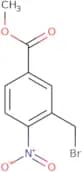
CAS :Versatile small molecule scaffoldFormule :C10H13ClO3SDegré de pureté :Min. 95%Masse moléculaire :248.73 g/molMethyl 3-(bromomethyl)-4-nitrobenzoate
CAS :Methyl 3-(bromomethyl)-4-nitrobenzoate is a chemical compound that belongs to the group of medicinal compounds. It has been shown to be nontoxic in mice, and stimulates the production of nitric oxide in macrophages by activating toll-like receptor-4. Methyl 3-(bromomethyl)-4-nitrobenzoate is also catalytic for the synthesis of palladium complexes with a variety of ligands, including acetates, carbonates, and chlorides. This chemical has been used as a probe for identifying proteins involved in cell signaling pathways and as a screening tool for the identification of new therapeutic targets.
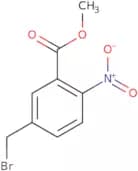
Formule :C9H8BrNO4Degré de pureté :Min. 95%Masse moléculaire :274.07 g/molMethyl 5-(bromomethyl)-2-nitrobenzoate
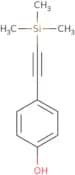
CAS :Versatile small molecule scaffoldFormule :C9H8BrNO4Degré de pureté :Min. 95%Masse moléculaire :274.07 g/mol4-((Trimethylsilyl)ethynyl)phenol
CAS :4-((Trimethylsilyl)ethynyl)phenol is an analog of 4-hydroxytamoxifen, which is a synthetic estrogen. 4-((Trimethylsilyl)ethynyl)phenol has been shown to be a potent, selective, and irreversible antagonist of estradiol at the ERβ receptor. It has also been shown to have anti-inflammatory activities. The compound is soluble in organic solvents.
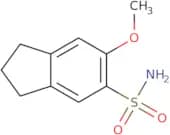
Formule :C11H14OSiDegré de pureté :Min. 95%Masse moléculaire :190.32 g/mol6-Methoxy-2,3-dihydro-1H-indene-5-sulfonamide
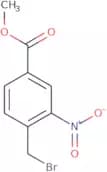
CAS :Versatile small molecule scaffoldFormule :C10H13NO3SDegré de pureté :Min. 95%Masse moléculaire :227.3 g/molMethyl 4-(bromomethyl)-3-nitrobenzoate
CAS :Methyl 4-(bromomethyl)-3-nitrobenzoate is a nitro compound that has been found to have anti-leishmanial activity. It inhibits the growth of Leishmania spp. and reverses the resistance to estradiol in Leishmania donovani, leading to a decrease in parasite load and an increase in survival time. Methyl 4-(bromomethyl)-3-nitrobenzoate is synthesized by coupling activated methyl 3-nitrobenzoate with bromoacetic acid. The nitro group can be photolabile and easily cleaved by ultraviolet light, which makes this drug suitable for use as a photosensitizer for photodynamic therapy (PDT). This drug has been shown to be effective against human cells in vitro, but not against mouse or rat cells.
Formule :C9H8BrNO4Degré de pureté :Min. 95%Masse moléculaire :274.07 g/molButyl(3-chloropropyl)amine hydrochloride
CAS :Versatile small molecule scaffold
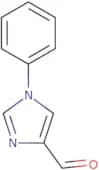
Formule :C7H17Cl2NDegré de pureté :Min. 95%Masse moléculaire :186.12 g/mol1-Phenyl-1H-imidazole-4-carbaldehyde
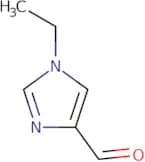
CAS :Versatile small molecule scaffoldFormule :C10H8N2ODegré de pureté :Min. 95%Masse moléculaire :172.18 g/mol1-Ethyl-1H-imidazole-4-carbaldehyde
CAS :Versatile small molecule scaffold
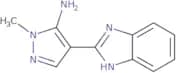
Formule :C6H8N2ODegré de pureté :Min. 95%Masse moléculaire :124.14 g/mol4-(1H-1,3-Benzodiazol-2-yl)-1-methyl-1H-pyrazol-5-amine
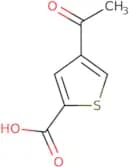
CAS :Versatile small molecule scaffoldFormule :C11H11N5Degré de pureté :Min. 95%Masse moléculaire :213.24 g/mol4-Acetylthiophene-2-carboxylic acid
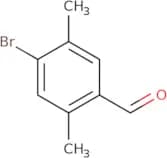
CAS :Versatile small molecule scaffoldFormule :C7H6O3SDegré de pureté :Min. 95%Masse moléculaire :170.19 g/mol4-Bromo-2,5-dimethylbenzaldehyde
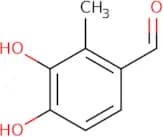
CAS :4-Bromo-2,5-dimethylbenzaldehyde is a chiral compound with photoelectrochemical properties. It has been shown to be an efficient sensitizer for introducing fluorophores into organic materials, such as polymers and plastics. 4-Bromo-2,5-dimethylbenzaldehyde is also a fluorescent compound that can be used in affinity tests. It has been used in optical voltammetry to study the oxidation of organic compounds. The photovoltaic effect of this compound has been studied using cyclic voltammetry and ultrafast spectroscopy. 4-Bromo-2,5-dimethylbenzaldehyde has been applied in transfer and transport experiments on ruthenium surfaces. This enantiomer is also used as a catalyst for the synthesis of other compounds.Formule :C9H9BrODegré de pureté :Min. 95%Masse moléculaire :213.07 g/mol3,4-Dihydroxy-2-methylbenzaldehyde
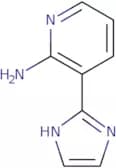
CAS :Versatile small molecule scaffoldFormule :C8H8O3Degré de pureté :Min. 95%Masse moléculaire :152.15 g/mol3-(1H-Imidazol-2-yl)pyridin-2-amine
CAS :Versatile small molecule scaffold
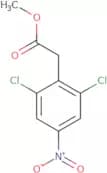
Formule :C8H8N4Degré de pureté :Min. 95%Masse moléculaire :160.18 g/molMethyl 2-(2,6-dichloro-4-nitrophenyl)acetate
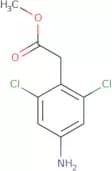
CAS :Versatile small molecule scaffoldFormule :C9H7Cl2NO4Degré de pureté :Min. 95%Masse moléculaire :264.06 g/molMethyl 2-(4-amino-2,6-dichlorophenyl)acetate
CAS :Versatile small molecule scaffold
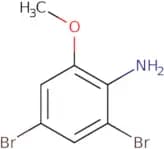
Formule :C9H9Cl2NO2Degré de pureté :Min. 95%Masse moléculaire :234.08 g/mol2,4-Dibromo-6-methoxyaniline
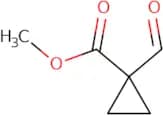
CAS :Versatile small molecule scaffoldFormule :C7H7Br2NODegré de pureté :Min. 95%Masse moléculaire :280.95 g/molmethyl 1-formylcyclopropane-1-carboxylate
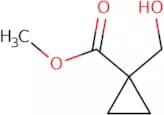
CAS :Versatile small molecule scaffoldFormule :C6H8O3Degré de pureté :Min. 95%Masse moléculaire :128.1 g/molMethyl 1-(hydroxymethyl)cyclopropanecarboxylate
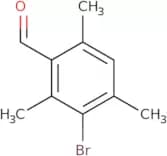
CAS :Versatile small molecule scaffoldFormule :C6H10O3Degré de pureté :Min. 95%Masse moléculaire :130.14 g/mol3-Bromo-2,4,6-trimethylbenzaldehyde
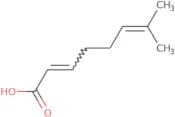
CAS :Versatile small molecule scaffoldFormule :C10H11BrODegré de pureté :Min. 95%Masse moléculaire :227.1 g/mol(2E)-7-Methylocta-2,6-dienoic acid
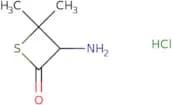
CAS :Versatile small molecule scaffoldFormule :C9H14O2Degré de pureté :Min. 95%Masse moléculaire :154.21 g/mol(3R)-3-Amino-4,4-dimethylthietan-2-one hydrochloride
CAS :Versatile small molecule scaffoldFormule :C5H10ClNOSDegré de pureté :Min. 95%Masse moléculaire :167.66 g/mol3-Chloro-5-(chloromethyl)-8-thia-4,6-diazatricyclo[7.4.0.0,2,7]trideca-1(9),2,4,6-tetraene
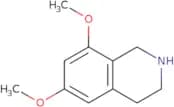
CAS :Versatile small molecule scaffoldFormule :C11H10Cl2N2SDegré de pureté :Min. 95%Masse moléculaire :273.2 g/mol6,8-Dimethoxy-1,2,3,4-tetrahydroisoquinoline
CAS :Versatile small molecule scaffold
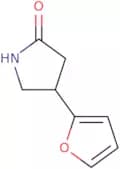
Formule :C11H15NO2Degré de pureté :Min. 95%Masse moléculaire :193.24 g/mol4-(Furan-2-yl)pyrrolidin-2-one
CAS :Versatile small molecule scaffold
Formule :C8H9NO2Degré de pureté :Min. 95%Masse moléculaire :151.16 g/mol(3S)-3-{[(tert-Butoxy)carbonyl]amino}-4-oxo-4-(prop-2-en-1-yloxy)butanoic acid
CAS :Versatile small molecule scaffold
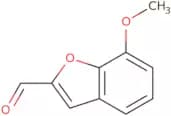
Formule :C12H19NO6Degré de pureté :Min. 95%Masse moléculaire :273.28 g/mol7-Methoxy-1-benzofuran-2-carbaldehyde
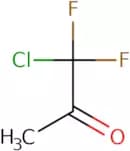
CAS :Versatile small molecule scaffoldFormule :C10H8O3Degré de pureté :Min. 95%Masse moléculaire :176.17 g/mol1-Chloro-1,1-difluoropropan-2-one
CAS :Versatile small molecule scaffoldFormule :C3H3ClF2ODegré de pureté :Min. 95%Masse moléculaire :128.5 g/molMethyl 2-azabicyclo[2.2.1]heptane-3-carboxylate hydrochloride
CAS :Versatile small molecule scaffoldFormule :C8H14ClNO2Degré de pureté :Min. 95%Masse moléculaire :191.65 g/mol2-Azabicyclo[2.2.1]heptane-3-carboxylic acid
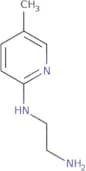
CAS :2-Azabicyclo[2.2.1]heptane-3-carboxylic acid (AAV) is an antiviral agent that inhibits the replication of a number of viruses, including HIV and hepatitis C virus. It has been shown to be effective in treating patients with cirrhosis and multigram hepatitis B or C. 2-Azabicyclo[2.2.1]heptane-3-carboxylic acid is structurally similar to other antiviral agents, such as serine protease inhibitors, which are used to treat chronic hepatitis B and C virus infections. This drug has been shown to inhibit the NS3 protease enzyme that is essential for viral replication in vitro and in vivo. 2-Azabicyclo[2.2.1]heptane-3-carboxylic acid also has structural similarity to ester hydrochloride drugs, which are used for the treatment of emFormule :C7H11NO2Degré de pureté :Min. 95%Masse moléculaire :141.17 g/molN-(2-Aminoethyl)-5-methylpyridin-2-amine
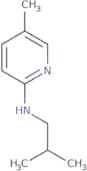
CAS :Versatile small molecule scaffoldFormule :C8H13N3Degré de pureté :Min. 95%Masse moléculaire :151.21 g/mol5-Methyl-N-(2-methylpropyl)pyridin-2-amine
CAS :Versatile small molecule scaffold
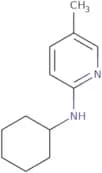
Formule :C10H16N2Degré de pureté :Min. 95%Masse moléculaire :164.25 g/molN-Cyclohexyl-5-methylpyridin-2-amine
CAS :Versatile small molecule scaffold
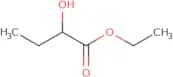
Formule :C12H18N2Degré de pureté :Min. 95%Masse moléculaire :190.28 g/mol(S)-Ethyl 2-hydroxybutanoate
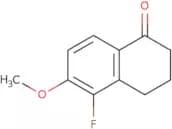
CAS :Versatile small molecule scaffoldFormule :C6H12O3Degré de pureté :Min. 95%Masse moléculaire :132.16 g/mol5-Fluoro-6-methoxy-1,2,3,4-tetrahydronaphthalen-1-one
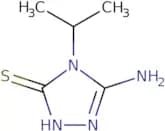
CAS :Versatile small molecule scaffoldFormule :C11H11FO2Degré de pureté :Min. 95%Masse moléculaire :194.2 g/mol5-Amino-4-(propan-2-yl)-4H-1,2,4-triazole-3-thiol
CAS :Versatile small molecule scaffoldFormule :C5H10N4SDegré de pureté :Min. 95%Masse moléculaire :158.23 g/mol6-Amino-1-(phenylsulfanyl)hexan-1-one hydrochloride
CAS :Versatile small molecule scaffold
Formule :C12H18ClNOSDegré de pureté :Min. 95%Masse moléculaire :259.8 g/mol1-[4-Methyl-2-(propylamino)-1,3-thiazol-5-yl]ethan-1-one hydrochloride
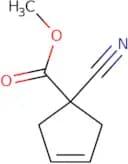
CAS :Versatile small molecule scaffoldFormule :C9H15ClN2OSDegré de pureté :Min. 95%Masse moléculaire :234.75 g/mol3-Cyclopentene-1-carboxylic acid,1-cyano-,methyl ester
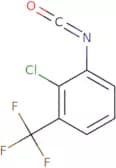
CAS :Versatile small molecule scaffoldFormule :C8H9NO2Degré de pureté :Min. 95%Masse moléculaire :151.16 g/mol2-Chloro-1-isocyanato-3-(trifluoromethyl)benzene
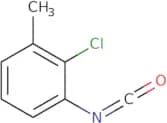
CAS :Versatile small molecule scaffoldFormule :C8H3ClF3NODegré de pureté :Min. 95%Masse moléculaire :221.56 g/mol2-Chloro-1-isocyanato-3-methylbenzene
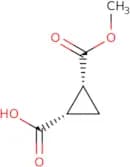
CAS :Versatile small molecule scaffoldFormule :C8H6ClNODegré de pureté :Min. 95%Masse moléculaire :167.59 g/mol(1S,2R)-2-(Methoxycarbonyl)cyclopropane-1-carboxylic acid ee
CAS :Versatile small molecule scaffoldFormule :C6H8O4Degré de pureté :Min. 95%Masse moléculaire :144.13 g/mol2-Chloroethyl methanesulfonylmethanesulfonate
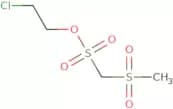
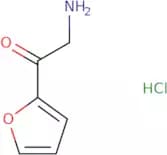
CAS :2-Chloroethyl methanesulfonylmethanesulfonate (2CEMS) is a potent and selective inhibitor of the enzyme methyltransferase. This drug has been shown to be effective against leukemic mice, as well as against carcinoma cell lines in vitro. 2CEMS is also active in vivo, inhibiting the growth of bladder tumours in rats. The mechanism of action is not fully understood but may involve carbamoylation, which inhibits the production of fatty acids and nucleic acids. 2-Chloroethyl methanesulfonylmethanesulfonate has been shown to enhance antitumour activity when used in combination with specific antibodies.Formule :C4H9ClO5S2Degré de pureté :Min. 95%Masse moléculaire :236.7 g/mol2-Amino-1-(furan-2-yl)ethan-1-one hydrochloride
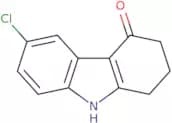
CAS :Versatile small molecule scaffoldFormule :C6H8ClNO2Degré de pureté :Min. 95%Masse moléculaire :161.58 g/mol6-Chloro-2,3,4,9-tetrahydro-1H-carbazol-4-one
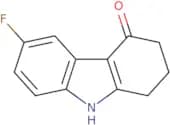
CAS :Versatile small molecule scaffoldFormule :C12H10ClNODegré de pureté :Min. 95%Masse moléculaire :219.66 g/mol6-Fluoro-2,3,4,9-tetrahydro-1H-carbazol-4-one
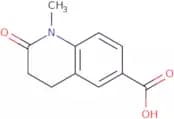
CAS :Versatile small molecule scaffoldFormule :C12H10FNODegré de pureté :Min. 95%Masse moléculaire :203.21 g/mol1-Methyl-2-oxo-1,2,3,4-tetrahydroquinoline-6-carboxylic acid
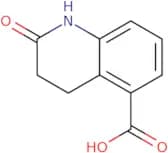
CAS :Versatile small molecule scaffoldFormule :C11H11NO3Degré de pureté :Min. 95%Masse moléculaire :205.21 g/mol2-oxo-1,2,3,4-tetrahydroquinoline-5-carboxylic acid
CAS :Versatile small molecule scaffoldFormule :C10H9NO3Degré de pureté :Min. 95%Masse moléculaire :191.18 g/mol4-[(3,4-Dimethylphenoxy)methyl]benzoic acid
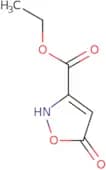
CAS :Versatile small molecule scaffoldFormule :C16H16O3Degré de pureté :Min. 95%Masse moléculaire :256.3 g/molEthyl 5-hydroxy-1,2-oxazole-3-carboxylate
CAS :Ethyl 5-hydroxy-1,2-oxazole-3-carboxylate is an antidepressant drug that belongs to the isoxazole class of compounds. It has been shown to have antidepressant-like effects in a number of functional assays and animal models. This compound has been shown to bind with high affinity to nicotinic acetylcholine receptors as well as serotonin transporters. In addition, ethyl 5-hydroxy-1,2-oxazole-3-carboxylate prevents the reuptake of both acetylcholine and serotonin in rat brain synaptosomes. These results suggest that this compound may be useful for the treatment of depression and other neurological disorders related to neurotransmitter dysfunction.Formule :C6H7NO4Degré de pureté :Min. 95%Masse moléculaire :157.12 g/mol3-Methyl-5-(methylamino)-1,2-thiazole-4-carbonitrile
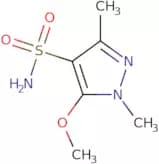
CAS :Versatile small molecule scaffoldFormule :C6H7N3SDegré de pureté :Min. 95%Masse moléculaire :153.21 g/mol5-Methoxy-1,3-dimethyl-1H-pyrazole-4-sulfonamide
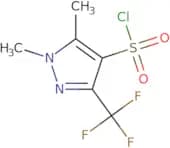
CAS :Versatile small molecule scaffoldFormule :C6H11N3O3SDegré de pureté :Min. 95%Masse moléculaire :205.24 g/mol1,5-Dimethyl-3-(trifluoromethyl)-1H-pyrazole-4-sulfonyl chloride
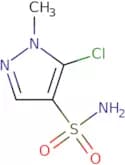
CAS :Versatile small molecule scaffoldFormule :C6H6ClF3N2O2SDegré de pureté :Min. 95%Masse moléculaire :262.63 g/mol5-Chloro-1-methyl-1H-pyrazole-4-sulfonamide
CAS :Versatile small molecule scaffold
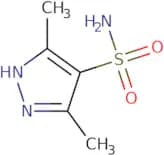
Formule :C4H6ClN3O2SDegré de pureté :Min. 95%Masse moléculaire :195.63 g/mol3,5-Dimethyl-1H-pyrazole-4-sulfonamide
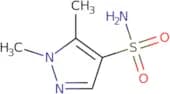
CAS :Versatile small molecule scaffoldFormule :C5H9N3O2SDegré de pureté :Min. 95%Masse moléculaire :175.21 g/mol1,5-Dimethyl-1H-pyrazole-4-sulfonamide
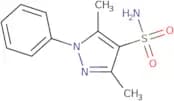
CAS :Versatile small molecule scaffoldFormule :C5H9N3O2SDegré de pureté :Min. 95%Masse moléculaire :175.21 g/mol3,5-Dimethyl-1-phenyl-1H-pyrazole-4-sulfonamide
CAS :Versatile small molecule scaffoldFormule :C11H13N3O2SDegré de pureté :Min. 95%Masse moléculaire :251.31 g/molmethyl 5-chloro-1-methyl-1H-pyrazole-4-carboxylate
CAS :Versatile small molecule scaffold
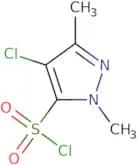
Formule :C6H7N2O2ClDegré de pureté :Min. 95%Masse moléculaire :174.58 g/mol4-Chloro-1,3-dimethyl-1H-pyrazole-5-sulfonyl chloride
CAS :Versatile small molecule scaffold
Formule :C5H6Cl2N2O2SDegré de pureté :Min. 95%Masse moléculaire :229.08 g/mol5-Chloro-1,3-dimethyl-1H-pyrazole-4-sulfonyl chloride
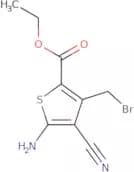
CAS :Versatile small molecule scaffoldFormule :C5H6Cl2N2O2SDegré de pureté :Min. 95%Masse moléculaire :229.08 g/molEthyl 5-amino-3-(bromomethyl)-4-cyanothiophene-2-carboxylate
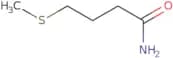
CAS :Versatile small molecule scaffoldFormule :C9H9BrN2O2SDegré de pureté :Min. 95%Masse moléculaire :289.15 g/mol4-(Methylsulfanyl)butanamide
CAS :4-(Methylsulfanyl)butanamide is a chiral compound that is derived from the amino acids valine, threonine, and methionine. It has been shown to inhibit the growth of Rhodococcus erythropolis in culture by blocking nitrile synthesis and hydrolysis. The mechanism of action for 4-(methylsulfanyl)butanamide is not clear. However, it has been shown to contain sequences related to those found in other amino acid sequences that are known to be involved in cell division.Formule :C5H11NOSDegré de pureté :Min. 95%Masse moléculaire :133.21 g/mol2-[4-(Hydroxymethyl)phenyl]propan-2-ol
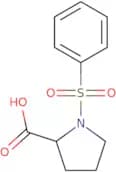
CAS :Versatile small molecule scaffoldFormule :C10H14O2Degré de pureté :Min. 95%Masse moléculaire :166.22 g/mol(2S)-1-(Benzenesulfonyl)pyrrolidine-2-carboxylic acid
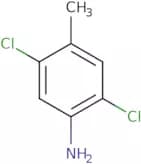
CAS :Versatile small molecule scaffoldFormule :C11H13NO4SDegré de pureté :Min. 95%Masse moléculaire :255.29 g/mol2,5-Dichloro-4-methylaniline
CAS :Versatile small molecule scaffoldFormule :C7H7Cl2NDegré de pureté :Min. 95%Masse moléculaire :176.04 g/molN-[2-(4-Amino-2,5-dimethoxyphenyl)ethyl]acetamide
CAS :Produit contrôléVersatile small molecule scaffoldFormule :C12H18N2O3Degré de pureté :Min. 95%Masse moléculaire :238.28 g/mol5-(3-Bromophenyl)-1,3,4-oxadiazole-2-thiol
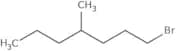
CAS :Versatile small molecule scaffoldFormule :C8H5BrN2OSDegré de pureté :Min. 95%Masse moléculaire :257.11 g/mol1-Bromo-4-methylheptane
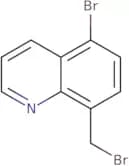
CAS :1-Bromo-4-methylheptane is a chiral molecule with two stereogenic centers. It has been used as a pheromone in the study of insect behavior, and has been shown to have a similar effect on humans. It has been found that human subjects responded more strongly to an enantiomeric mixture than to either of the pure enantiomers. This suggests that 1-bromo-4-methylheptane is a racemate, or a molecule with two different configurations.Formule :C8H17BrDegré de pureté :Min. 95%Masse moléculaire :193.12 g/mol5-Bromo-8-(bromomethyl)quinoline
CAS :Versatile small molecule scaffoldFormule :C10H7Br2NDegré de pureté :Min. 95%Masse moléculaire :300.98 g/mol5-Chloro-1H-[1,2,3]triazole-4-carbonitrile
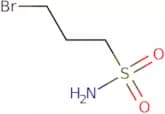
CAS :5-Chloro-1H-[1,2,3]triazole-4-carbonitrile is a chemical compound that can be prepared by reacting ethyl orthoformate with an acetal of ethylene. This chemical compound has the formula CHClN and can be described by three isomers, namely 5-chloro-1H-[1,2,3]triazole-4-carbonitrile, 5-chloro[1,2,3]-triazole-4-carbonitrile and 5-[1,2,3]-triazole-4-carbonitrile. It has been used in the synthesis of ethylene acetals as well as in alkylation reactions to produce ethyl orthoformates. The reaction product of this chemical compound with methyl iodide produces acetaldehyde dimethylacetal. This chemical compound also reacts with diethylzinc to form methyl azide and diethyl ether.Formule :C3HClN4Degré de pureté :Min. 95%Masse moléculaire :128.52 g/mol3-Bromopropane-1-sulfonamide
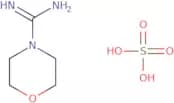
CAS :Versatile small molecule scaffoldFormule :C3H8BrNO2SDegré de pureté :Min. 95%Masse moléculaire :202.07 g/molMorpholine-4-carboximidamide sulfate
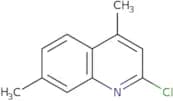
CAS :Versatile small molecule scaffoldFormule :C5H13N3O5SDegré de pureté :Min. 95%Masse moléculaire :227.24 g/mol2-Chloro-4,7-dimethylquinoline
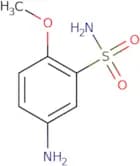
CAS :Versatile small molecule scaffoldFormule :C11H10ClNDegré de pureté :Min. 95%Masse moléculaire :191.65 g/mol5-Amino-2-methoxybenzenesulfonamide
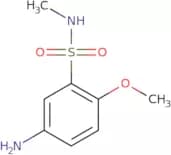
CAS :5-Amino-2-methoxybenzenesulfonamide is an optical copolymer that belongs to the group of liquid crystalline polymers. It consists of a chiral, thermotropic monomer and a copolymerized, non-chiral monomer. 5-Amino-2-methoxybenzenesulfonamide has a crystal melting point of 195°C and is soluble in organic solvents. This polymer has been shown to form liquid crystalline phases with different optical properties depending on the composition of the mixture.Formule :C7H10N2O3SDegré de pureté :Min. 95%Masse moléculaire :202.23 g/mol5-Amino-2-methoxy-N-methylbenzene-1-sulfonamide
CAS :Versatile small molecule scaffoldFormule :C8H12N2O3SDegré de pureté :Min. 95%Masse moléculaire :216.26 g/mol2-Iodopyridin-4-amine
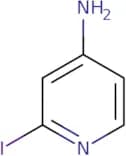
CAS :Versatile small molecule scaffold
Formule :C5H5IN2Degré de pureté :Min. 95%Masse moléculaire :220.01 g/mol3-Methylisothiazole-5-carboxaldehyde
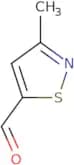
CAS :3-Methylisothiazole-5-carboxaldehyde is a potent antiviral agent that has been shown to be active against human viruses in vitro. It has also been shown to have an inhibitory effect on the infectivity of influenza virus in mice. 3-Methylisothiazole-5-carboxaldehyde prevents the virus from penetrating the cell membrane, thereby preventing viral replication and inhibiting the release of new viruses into the host. This compound can be used as a chemotherapeutic agent for respiratory infections because it is orally bioavailable and inhibits viral replication.Formule :C5H5NOSDegré de pureté :Min. 95%Masse moléculaire :127.16 g/mol4-Methylisothiazole-5-carbaldehyde
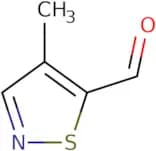
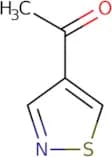
CAS :Versatile small molecule scaffoldFormule :C5H5NOSDegré de pureté :Min. 95%Masse moléculaire :127.16 g/mol1-(1,2-Thiazol-4-yl)ethan-1-one
CAS :Versatile small molecule scaffoldFormule :C5H5NOSDegré de pureté :Min. 95%Masse moléculaire :127.17 g/molPyrimidine-2-carboxamide
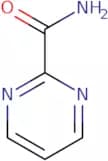
CAS :Pyrimidine-2-carboxamide is an amide that has been shown to have antiinflammatory activity. It has been clinically studied for the treatment of diabetic neuropathy, inflammatory bowel disease, and autoimmune diseases. Pyrimidine-2-carboxamide inhibits the production of proinflammatory cytokines by inhibiting hydrogen bond formation between the amide group and DNA bases. This compound also has a number of other biological activities, including antiviral effects against HIV infection and cancer. Pyrimidine-2-carboxamide is a chemotherapeutic agent that has been used in clinical trials for bladder cancer and bowel disease.
Formule :C5H5N3ODegré de pureté :Min. 95%Masse moléculaire :123.11 g/molmethyl 3-amino-2-methylpropanoate hydrochloride
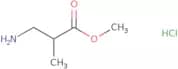
CAS :Versatile small molecule scaffoldFormule :C5H12ClNO2Degré de pureté :Min. 95%Masse moléculaire :153.6 g/mol2-(4,5-Dimethoxy-2-methylphenyl)acetic acid
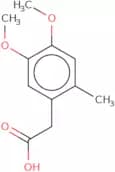
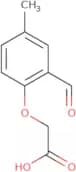
CAS :Versatile small molecule scaffoldFormule :C11H14O4Degré de pureté :Min. 95%Masse moléculaire :210.2 g/mol2-(2-Formyl-4-methylphenoxy)acetic acid
CAS :Versatile small molecule scaffold
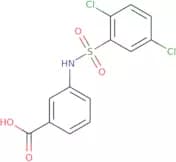
Formule :C10H10O4Degré de pureté :Min. 95%Masse moléculaire :194.18 g/mol3-(2,5-Dichloro-benzenesulfonylamino)-benzoic acid
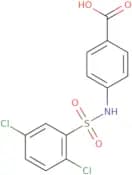
CAS :Versatile small molecule scaffoldFormule :C13H9Cl2NO4SDegré de pureté :Min. 95%Masse moléculaire :346.2 g/mol4-(2,5-Dichlorobenzenesulfonamido)benzoic acid
CAS :Versatile small molecule scaffold
Formule :C13H9Cl2NO4SDegré de pureté :Min. 95%Masse moléculaire :346.2 g/mol3,3-Dimethyl-2-[(trimethylsilyl)oxy]butanenitrile
CAS :Versatile small molecule scaffoldFormule :C9H19NOSiDegré de pureté :Min. 95%Masse moléculaire :185.34 g/mol7-Chloro-benzo[1,3]dioxole-5-carbaldehyde
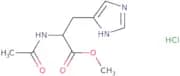
CAS :Produit contrôléVersatile small molecule scaffoldFormule :C8H5ClO3Degré de pureté :Min. 95%Masse moléculaire :184.58 g/molMethyl (2S)-2-acetamido-3-(1H-imidazol-4-yl)propanoate hydrochloride
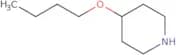
CAS :Versatile small molecule scaffoldFormule :C9H14ClN3O3Degré de pureté :Min. 95%Masse moléculaire :247.68 g/mol4-Butoxypiperidine
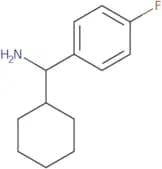
CAS :Versatile small molecule scaffoldFormule :C9H19NODegré de pureté :Min. 95%Masse moléculaire :157.25 g/molCyclohexyl(4-fluorophenyl)methanamine
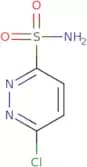
CAS :Versatile small molecule scaffoldFormule :C13H18FNDegré de pureté :Min. 95%Masse moléculaire :207.29 g/mol6-Chloropyridazine-3-sulfonamide
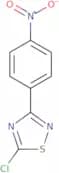
CAS :Versatile small molecule scaffoldFormule :C4H4ClN3O2SDegré de pureté :Min. 95%Masse moléculaire :193.61 g/mol5-Chloro-3-(4-nitrophenyl)-1,2,4-thiadiazole
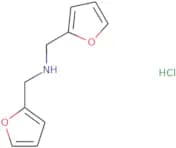
CAS :Versatile small molecule scaffoldFormule :C8H4ClN3O2SDegré de pureté :Min. 95%Masse moléculaire :241.66 g/mol1-(2-Furyl)-N-(2-furylmethyl)methanamine hydrochloride
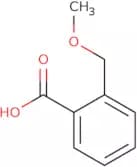
CAS :Versatile small molecule scaffoldFormule :C10H12ClNO2Degré de pureté :Min. 95%Masse moléculaire :213.66 g/mol2-(Methoxymethyl)benzoic acid
CAS :2-(Methoxymethyl)benzoic acid is a natural product that has been shown to have antibacterial activity. It is an ethylene precursor and is synthesized by the alkaline hydrolysis of 2-hydroxybenzoic acid. 2-(Methoxymethyl)benzoic acid has been shown to inhibit the growth of bacteria, such as E. coli, in the presence of hexanoic or octanoic acids. This compound also inhibits the growth of other bacterial species, including lamiaceae and eugenol, at low concentrations. The inhibitory effect may be due to its ability to bind to hydrophobic sites on bacterial cell membranes. 2-(Methoxymethyl)benzoic acid acts as a phenolic compound with a hydrocarbon group.
Formule :C9H10O3Degré de pureté :Min. 95%Masse moléculaire :166.18 g/mol

![Methyl imidazo[1,2-a]pyridine-5-carboxylate](/_next/image/?url=https%3A%2Fstatic.cymitquimica.com%2Fproducts%2F3D%2Fthumb-webp%2FNDA04755.webp&w=3840&q=75)

![3-Chloro-5-(chloromethyl)-8-thia-4,6-diazatricyclo[7.4.0.0,2,7]trideca-1(9),2,4,6-tetraene](/_next/image/?url=https%3A%2Fstatic.cymitquimica.com%2Fproducts%2F3D%2Fthumb-webp%2FNDA20317.webp&w=3840&q=75)
![(3S)-3-{[(tert-Butoxy)carbonyl]amino}-4-oxo-4-(prop-2-en-1-yloxy)butanoic acid](/_next/image/?url=https%3A%2Fstatic.cymitquimica.com%2Fproducts%2F3D%2Fthumb-webp%2FNDA22427.webp&w=3840&q=75)
![Methyl 2-azabicyclo[2.2.1]heptane-3-carboxylate hydrochloride](/_next/image/?url=https%3A%2Fstatic.cymitquimica.com%2Fproducts%2F3D%2Fthumb-webp%2FNDA25998.webp&w=3840&q=75)
![2-Azabicyclo[2.2.1]heptane-3-carboxylic acid](/_next/image/?url=https%3A%2Fstatic.cymitquimica.com%2Fproducts%2F3D%2Fthumb-webp%2FNDA26006.webp&w=3840&q=75)

![1-[4-Methyl-2-(propylamino)-1,3-thiazol-5-yl]ethan-1-one hydrochloride](/_next/image/?url=https%3A%2Fstatic.cymitquimica.com%2Fproducts%2F3D%2Fthumb-webp%2FNDA32389.webp&w=3840&q=75)
![4-[(3,4-Dimethylphenoxy)methyl]benzoic acid](/_next/image/?url=https%3A%2Fstatic.cymitquimica.com%2Fproducts%2F3D%2Fthumb-webp%2FNDA38247.webp&w=3840&q=75)


![2-[4-(Hydroxymethyl)phenyl]propan-2-ol](/_next/image/?url=https%3A%2Fstatic.cymitquimica.com%2Fproducts%2F3D%2Fthumb-webp%2FNDA41658.webp&w=3840&q=75)
![N-[2-(4-Amino-2,5-dimethoxyphenyl)ethyl]acetamide](/_next/image/?url=https%3A%2Fstatic.cymitquimica.com%2Fproducts%2F3D%2Fthumb-webp%2FNDA44102.webp&w=3840&q=75)

![5-Chloro-1H-[1,2,3]triazole-4-carbonitrile](/_next/image/?url=https%3A%2Fstatic.cymitquimica.com%2Fproducts%2F3D%2Fthumb-webp%2FNDA47432.webp&w=3840&q=75)
![3,3-Dimethyl-2-[(trimethylsilyl)oxy]butanenitrile](/_next/image/?url=https%3A%2Fstatic.cymitquimica.com%2Fproducts%2F3D%2Fthumb-webp%2FNDA52273.webp&w=3840&q=75)
![7-Chloro-benzo[1,3]dioxole-5-carbaldehyde](/_next/image/?url=https%3A%2Fstatic.cymitquimica.com%2Fproducts%2F3D%2Fthumb-webp%2FNDA52551.webp&w=3840&q=75)