


Building Blocks
Sous-catégories appartenant à la catégorie "Building Blocks"
- Acides boroniques et dérivés de l'acide boronique(5.783 produits)
- Building Blocks Chiraux(1.242 produits)
- Building Blocks Hydrocarbonés(6.105 produits)
- Building Blocks organiques(61.055 produits)
205383 produits trouvés pour "Building Blocks"
(1-Bromoethyl)cyclohexane
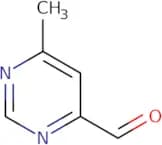
CAS :Versatile small molecule scaffoldFormule :C8H15BrDegré de pureté :Min. 95%Masse moléculaire :191.11 g/mol6-Methylpyrimidine-4-carbaldehyde
CAS :Versatile small molecule scaffoldFormule :C6H6N2ODegré de pureté :Min. 95%Masse moléculaire :122.12 g/mol4-(Methylsulfanyl)pyrimidin-2-amine
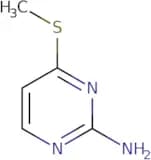
CAS :4-(Methylsulfanyl)pyrimidin-2-amine is a benzoyl derivative of pyrimidin-2-amine. It is a heterocyclic compound that can be synthesized from the reaction of cyanamide and benzoyl chloride. 4-(Methylsulfanyl)pyrimidin-2-amine is used as an intermediate in organic synthesis to produce other compounds.Formule :C5H7N3SDegré de pureté :Min. 95%Masse moléculaire :141.2 g/molPyrimidine-4-carbaldehyde oxime
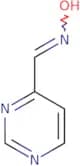
CAS :Versatile small molecule scaffoldFormule :C5H5N3ODegré de pureté :Min. 95%Masse moléculaire :123.11 g/mol1-(Oxolan-2-yl)propan-2-one
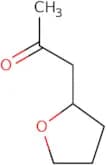
CAS :Versatile small molecule scaffold
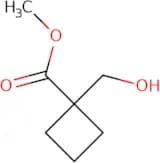
Formule :C7H12O2Degré de pureté :Min. 95%Masse moléculaire :128.17 g/molMethyl 1-(hydroxymethyl)cyclobutane-1-carboxylate
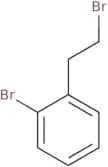
CAS :Versatile small molecule scaffoldFormule :C7H12O3Degré de pureté :Min. 95%Masse moléculaire :144.17 g/mol1-bromo-2-(2-bromoethyl)benzene
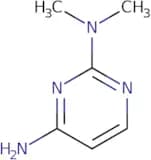
CAS :1-Bromo-2-(2-bromoethyl)benzene is a quantified compound that is synthesized from 2-bromoethanol and magnesium. It has been shown to be an effective cancer drug, as it inhibits the reuptake of neurotransmitters by the amines. This compound is also used as a catalyst in organic reactions. The reaction time for this compound can be increased by using a substituent with electron withdrawing properties. 1-Bromo-2-(2-bromoethyl)benzene binds to receptors with affinity for magnesium, which may be due to its ability to form covalent bonds with reactive groups on the receptor surface.Formule :C8H8Br2Degré de pureté :Min. 95%Masse moléculaire :263.96 g/mol4-Imino-N,N-dimethyl-1,4-dihydropyrimidin-2-amine
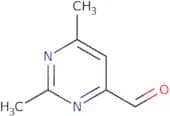
CAS :Versatile small molecule scaffoldFormule :C6H10N4Degré de pureté :Min. 95%Masse moléculaire :138.17 g/mol2,6-Dimethylpyrimidine-4-carbaldehyde
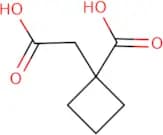
CAS :Versatile small molecule scaffoldFormule :C7H8N2ODegré de pureté :Min. 95%Masse moléculaire :136.15 g/mol1-(Carboxymethyl)cyclobutane-1-carboxylic acid
CAS :Versatile small molecule scaffoldFormule :C7H10O4Degré de pureté :Min. 95%Masse moléculaire :158.15 g/mol1-Bromo-2-(3-bromopropyl)benzene
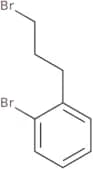
CAS :Versatile small molecule scaffoldFormule :C9H10Br2Degré de pureté :Min. 95%Masse moléculaire :277.98 g/mol1-{Bicyclo[4.2.0]octa-1,3,5-trien-7-yl}ethan-1-one
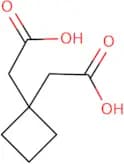
CAS :Versatile small molecule scaffoldFormule :C10H10ODegré de pureté :Min. 95%Masse moléculaire :146.19 g/mol2,2'-(Cyclobutane-1,1-diyl)diacetic acid
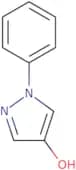
CAS :Ammonium 2,2'-(cyclobutane-1,1-diyl)diacetate (ACDA) is a salt of ACDA and ammonium. It is an analogue of barbiturates that has been used in medicine to relieve neuralgia and sciatica. ACDA is injected intravenously or intramuscularly as the ammonium salt. The toxic effects of ACDA are similar to those of other barbiturates. These are due to its depressant effect on the central nervous system and include narcosis, respiratory depression, and death from respiratory arrest.Formule :C8H12O4Degré de pureté :Min. 95%Masse moléculaire :172.18 g/mol1-Phenyl-1H-pyrazol-4-ol
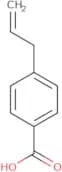
CAS :1-Phenyl-1H-pyrazol-4-ol is an organic compound that is a white crystalline solid with a strong odor. It is used in the manufacture of pyrazoles and as a reagent for the synthesis of other compounds. 1-Phenyl-1H-pyrazol-4-ol can be used to synthesize pyrazoles, which are important in the production of several pharmaceuticals.Formule :C9H8N2ODegré de pureté :Min. 95%Masse moléculaire :160.17 g/mol4-(Prop-2-en-1-yl)benzoic acid
CAS :Glycinamide ribonucleotide (GAR) is a glycinamide that is used as an inhibitor of formyltransferase. It forms a reversible covalent bond with the active site cysteine residue of the enzyme, thereby inhibiting its activity. GAR has been shown to inhibit both eukaryotic and prokaryotic formyltransferases, and also inhibits the related enzyme ribonucleotide reductase. This compound may have potential for use in treating cancer due to its ability to inhibit tumor growth by interfering with DNA synthesis.
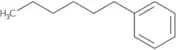
Formule :C10H10O2Degré de pureté :Min. 95%Masse moléculaire :162.18 g/molHexylbenzene
CAS :Hexylbenzene is a colorless liquid that is soluble in alcohol, ether, and benzene. Hexylbenzene has been shown to undergo a suzuki coupling reaction with aniline and phenylboronic acid. The yield of chloride was site specific, as the reaction occurred more readily at the ortho-positions than the para-positions. Hexylbenzene has been used as a model system for studying transfer reactions in proteins. In this system, hexylbenzene reacts with peroxidase to form hydrogen peroxide, which then reacts with p-nitroaniline to produce p-aminophenol and nitrite ions. The detection sensitivity of light emission from hexylbenzene was significantly higher than that of other compounds such as tetracycline or ampicillin.
Formule :C12H18Degré de pureté :Min. 95%Masse moléculaire :162.28 g/mol3-[(4-Methylphenyl)amino]propanenitrile
CAS :Versatile small molecule scaffold
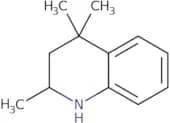
Formule :C10H12N2Degré de pureté :Min. 95%Masse moléculaire :160.22 g/mol2,4,4-Trimethyl-1,2,3,4-tetrahydroquinoline
CAS :Versatile small molecule scaffoldFormule :C12H17NDegré de pureté :Min. 95%Masse moléculaire :175.27 g/mol2,6-Dimethyl-3H,4H,5H,6H,7H,8H-pyrido[4,3-d]pyrimidin-4-one
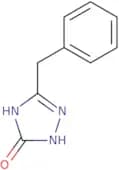
CAS :Versatile small molecule scaffoldFormule :C9H13N3ODegré de pureté :Min. 95%Masse moléculaire :179.22 g/mol3-benzyl-4,5-dihydro-1H-1,2,4-triazol-5-one
CAS :Versatile small molecule scaffold
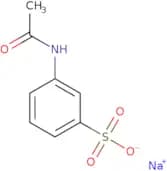
Formule :C9H9N3ODegré de pureté :Min. 95%Masse moléculaire :175.19 g/molSodium 3-acetamidobenzene-1-sulfonate
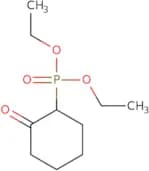
CAS :Versatile small molecule scaffoldFormule :C8H8NNaO4SDegré de pureté :Min. 95%Masse moléculaire :237.21 g/molDiethyl (2-oxocyclohexyl)phosphonate
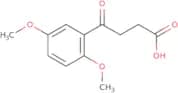
CAS :Versatile small molecule scaffoldFormule :C10H19O4PDegré de pureté :Min. 95%Masse moléculaire :234.23 g/mol3-(2′,5′-Dimethoxybenzoyl)propionic acid
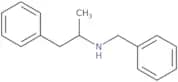
CAS :Versatile small molecule scaffoldFormule :C12H14O5Degré de pureté :Min. 95%Masse moléculaire :238.24 g/molBenzyl(1-phenylpropan-2-yl)amine
CAS :Produit contrôléBenzyl(1-phenylpropan-2-yl)amine is a piperidine derivative that acts as an inhibitor of cytochrome P450 enzymes. It binds to the CYP2D6 enzyme and has been shown to have an inhibitory effect on the activity of this enzyme in rat liver microsomes. The binding constants for benzyl(1-phenylpropan-2-yl)amine with the CYP2D6 enzyme were determined by competitive inhibition studies and it was found that this compound has a high binding affinity with the CYP2D6 enzyme. Studies also demonstrated that benzyl(1-phenylpropan-2-yl)amine inhibits the activity of CYP3A4 and CYP3A5 enzymes. This drug may be useful in treating some individuals who are taking drugs metabolized by these two enzymes, but will not be effective in people who are not taking any drugs metabolized by these two enzymes.Formule :C16H19NDegré de pureté :Min. 95%Masse moléculaire :225.33 g/mol(2S)-3-Carbamoyl-2-[5-(dimethylamino)naphthalene-1-sulfonamido]propanoic acid
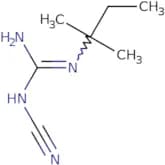
CAS :(2S)-3-Carbamoyl-2-[5-(dimethylamino)naphthalene-1-sulfonamido]propanoic acid is a fluorescent probe that binds to human serum albumin. It has been used as an inhibitor of the enzyme α1-acid glycoprotein, which is involved in the degradation of fatty acids and glycopeptides. The binding constants have been determined by fluorescence titration and are site specific. (2S)-3-Carbamoyl-2-[5-(dimethylamino)naphthalene-1-sulfonamido]propanoic acid is a molecule that can be used for metal chelation, which has been demonstrated by its ability to inhibit the activity of enzymes such as α1-acid glycoprotein. This compound also has a role in endogenous substances such as fatty acids and tryptophan fluorescence.Formule :C16H19N3O5SDegré de pureté :Min. 95%Masse moléculaire :365.4 g/molN-Cyano-N'-(2-methylbutan-2-yl)guanidine
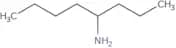
CAS :N-Cyano-N'-(2-methylbutan-2-yl)guanidine is an antihypertensive drug that inhibits the activity of enzymes involved in the synthesis of fatty acids. It has been shown to be effective against cardiac hypertrophy, as it reduces the activity of phospholipase A2, which is required for the formation of arachidonic acid, a precursor to prostaglandins and thromboxanes. This drug also has a depressant effect on fatty acid metabolism and decreases the production of fatty alcohols by inhibiting their synthesis. N-Cyano-N'-(2-methylbutan-2-yl)guanidine is used as a pharmaceutical dosage for treatment of hypertension and depressive disorders.Formule :C7H14N4Degré de pureté :Min. 95%Masse moléculaire :154.21 g/molOctan-4-amine
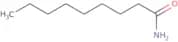
CAS :Octan-4-amine is a metastable cation that has been used as a label for deuterium in various studies. The labeling of octan-4-amine with deuterium has been shown to produce stable, nonradioactive isotopes for use in various studies. It has also been shown to be an effective radical cations and cleavage agent. As a result, it can be used to generate molecular ions and isomers from larger molecules. Octan-4-amine is also capable of isomerizing other compounds and generating radical cations when heated. This chemical may be used as a precursor to create other compounds through the process of isomerization, such as the production of isomers by the addition of hydrogen atoms or removal of hydrogens from their molecular structure.Formule :C8H19NDegré de pureté :Min. 95%Masse moléculaire :129.24 g/molNonanamide
CAS :Nonanamide is a glycol ester with an amide group. It has been shown to be effective against infectious diseases, such as HIV and hepatitis B. It has a pyrazole ring that interacts with the amide group, forming hydrogen bonds. Nonanamide has also been shown to inhibit the production of inflammatory cytokines in mice with autoimmune disease, which may be due to its ability to inhibit water vapor. The molecular weight of nonanamide is 134.2 g/mol and it has a melting point of -54°C. Nonanamide is soluble in water and glycol ethers but insoluble in alcohols and oils.
Formule :C9H19NODegré de pureté :Min. 95%Masse moléculaire :157.25 g/mol2-Hydroxybenzenethiol
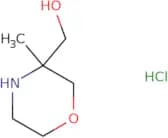
CAS :2-Hydroxybenzenethiol is an analytical reagent that reacts with oxygen to form a fluorescent complex. It is used for the detection of infectious diseases, such as tuberculosis and other bacterial infections. 2-Hydroxybenzenethiol is also used in analytical chemistry as a reaction solution to study the oxidation of organic compounds. The compound has been shown to react with nitrogen atoms in certain groups, such as p2, by forming chelate ligands. This compound can be prepared by reacting hydrochloric acid with molybdenum (Mo), which has been electrochemically coated with a hydroxyl group on one side and a hydroxy group on the other. The Mo acts as a model system for studying intramolecular hydrogen bonding between two hydroxy groups that are separated by one carbon atom.Formule :C6H6OSDegré de pureté :Min. 95%Masse moléculaire :126.17 g/mol(3-Methylmorpholin-3-yl)methanol hydrochloride
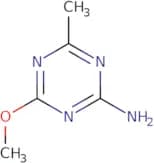
CAS :Versatile small molecule scaffoldFormule :C6H14ClNO2Degré de pureté :Min. 95%Masse moléculaire :167.63 g/mol4-Methoxy-1,3,5-triazin-2-amine
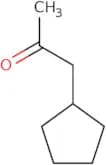
CAS :Versatile small molecule scaffoldFormule :C4H6N4ODegré de pureté :Min. 95%Masse moléculaire :126.12 g/mol1-Cyclopentylpropan-2-one
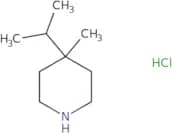
CAS :Cyclopentylpropan-2-one (1CPA) is an aliphatic hydrocarbon that has been shown to act as a light-sensitive molecule. It is used as a polymerization initiator and is also found in the human body as a metabolic intermediate. 1CPA is found in the form of a diacylglycerol and can be converted into an allyl carbonate, which reacts with methoxy groups to form an allyl ether. 1CPA has also been shown to have structural similarities with pyrimidine compounds and formyl groups. The 1CPA molecule contains a carbonyl group, which is the reactive functional group that allows for this chemical to react with other compounds.Formule :C8H14ODegré de pureté :Min. 95%Masse moléculaire :126.2 g/mol4-Methyl-4-(propan-2-yl)piperidine hydrochloride
CAS :Versatile small molecule scaffold
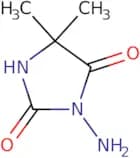
Formule :C9H20ClNDegré de pureté :Min. 95%Masse moléculaire :177.71 g/mol3-Amino-5,5-dimethylimidazolidine-2,4-dione
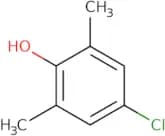
CAS :Versatile small molecule scaffoldFormule :C5H9N3O2Degré de pureté :Min. 95%Masse moléculaire :143.14 g/mol4-Chloro-2,6-dimethylphenol
CAS :4-Chloro-2,6-dimethylphenol is a reactive molecule that is found in the environment and can be produced by the human body. It is an antimicrobial agent that reversibly binds to nucleophilic sites on peroxidases and other enzymes, thereby blocking their activity. 4-Chloro-2,6-dimethylphenol inhibits enzymatic reactions in bacteria by reacting with the hydroxyl group of enzymes such as catalase and glutathione reductase. This agent has been shown to have an effect on human pathogens such as Staphylococcus aureus and Escherichia coli.
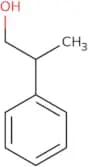
Formule :C8H9ClODegré de pureté :Min. 95%Masse moléculaire :156.61 g/mol2-Phenyl-1-propanol
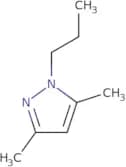
CAS :2-Phenyl-1-propanol is a molecule with a hydroxyl group at the 2 position and a phenyl group at the 1 position. It is used as a film-forming polymer in coatings, adhesives, and elastomers. It is also used as an ingredient in glycol ethers, fatty acids, and enolate anions. 2-Phenyl-1-propanol has been shown to be synthesized by oxidative dehydrogenation of benzaldehyde and acetophenone. This reaction mechanism has been shown using chromatographic methods on two different solvents: one polar (water) and one nonpolar (tetrahydrofuran). The reaction proceeds with the formation of an enolate anion intermediate that reacts with water to form the alcohol product. The hydration process can be catalyzed by either sodium or potassium salts. The phase transition temperature for this compound is between -30°C and 60°Formule :C9H12ODegré de pureté :Min. 95%Masse moléculaire :136.19 g/mol3,5-Dimethyl-1-propyl-1H-pyrazole
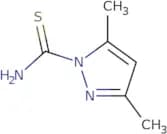
CAS :Versatile small molecule scaffoldFormule :C8H14N2Degré de pureté :Min. 95%Masse moléculaire :138.21 g/mol3,5-Dimethyl-1H-pyrazole-1-carbothioamide
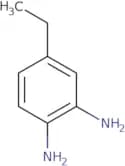
CAS :3,5-Dimethyl-1H-pyrazole-1-carbothioamide (DMPC) is a nitrogen-containing compound that has been shown to have high cytotoxic effects on leukemia cells. DMPC interacts with cisplatin and thiosemicarbazide, both of which are inorganic molecules that have been used as chemotherapeutic drugs for the treatment of cancer. DMPC is an amide with two nitrogen atoms and a conformational vibrational frequency at 4.6 MHz. It is also a ligand for the cytotoxic effect of cisplatin and thiosemicarbazide.Formule :C6H9N3SDegré de pureté :Min. 95%Masse moléculaire :155.22 g/mol4-Ethylbenzene-1,2-diamine
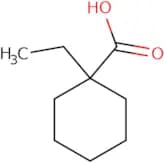
CAS :Versatile small molecule scaffoldFormule :C8H12N2Degré de pureté :Min. 95%Masse moléculaire :136.19 g/mol1-Ethylcyclohexane-1-carboxylic acid
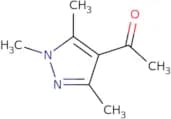
CAS :1-Ethylcyclohexane-1-carboxylic acid is an organic compound that is a monocarboxylic acid. It is a liquid at room temperature and has a boiling point of 110°C. 1-Ethylcyclohexane-1-carboxylic acid can be used as an inhibitor for tissue plasminogen activator, which is a protease that activates plasminogen to break down fibrin. 1-Ethylcyclohexane-1-carboxylic acid inhibits the activity of this enzyme, preventing clot lysis and promoting blood coagulation. 1-Ethylcyclohexane-1-carboxylic acid also has been shown to be cytotoxic to mammalian cells in culture, but not to bacterial cells.Formule :C9H16O2Degré de pureté :Min. 95%Masse moléculaire :156.22 g/mol1-(1,3,5-Trimethyl-1H-pyrazol-4-yl)ethanone
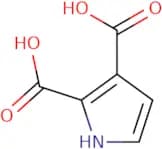
CAS :Versatile small molecule scaffoldFormule :C8H12N2ODegré de pureté :Min. 95%Masse moléculaire :152.2 g/mol1H-Pyrrole-2,3-dicarboxylic acid
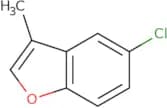
CAS :1H-Pyrrole-2,3-dicarboxylic acid is a naturally occurring organic compound that is an important building block for the synthesis of melanin. It has been shown to inhibit tyrosinase activity and to be cytotoxic at high concentrations. 1H-Pyrrole-2,3-dicarboxylic acid has also been used as a model system for skin cancer and hydrochloric acid has been shown to have a protective effect on the morphology of 1H-pyrrole-2,3-dicarboxylic acid crystals.Formule :C6H5NO4Degré de pureté :Min. 95%Masse moléculaire :155.11 g/mol5-Chloro-3-methylbenzofuran
CAS :5-Chloro-3-methylbenzofuran is a condensation product of 5-chloro-2,4-dinitrobenzene and 3-methylbenzoic acid. It is an antimicrobial agent that belongs to the thiazolidinone class of anticonvulsant drugs. This compound has been shown to have antitubercular activity and has been used in the treatment of Mycobacterium tuberculosis. 5-Chloro-3-methylbenzofuran also has anticonvulsant effects and can be used for the treatment of epilepsy.Formule :C9H7OClDegré de pureté :Min. 95%Masse moléculaire :166.6 g/mol5-Formyl-2-methylfuran-3-carboxylic acid
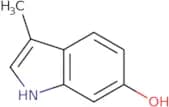
CAS :Versatile small molecule scaffoldFormule :C7H6O4Degré de pureté :Min. 95%Masse moléculaire :154.12 g/mol3-Methyl-1H-indol-6-ol
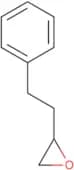
CAS :3-Methyl-1H-indol-6-ol is a metabolite of estrone sulfate, which is produced by the activity of cytochrome P450 enzymes. It has been shown to be an effective inhibitor of chemical reactions in urine samples and primary cells. 3-Methyl-1H-indol-6-ol also has a role in the metabolism of estrogens and may play a part in the development of symptoms such as those seen in human liver disease or testicular cancer. 3-Methylindole can be found as an endogenous metabolite in schizophrenic patients and is known to inhibit constitutive androstane receptor (CAR) activity, which regulates gene expression and cellular growth.Formule :C9H9NODegré de pureté :Min. 95%Masse moléculaire :147.18 g/mol2-(2-Phenylethyl)oxirane
CAS :2-(2-Phenylethyl)oxirane is an organic compound that belongs to the class of epoxides. It is a colorless liquid with a strong odor. It can be used as a chemical treatment for phosphine, epoxides and haloalkyl, and has been shown to have efficient methods for synthesizing polymers. 2-(2-Phenylethyl)oxirane is also an adrenergic receptor agonist that has been shown to produce neurodegenerative diseases in rats.
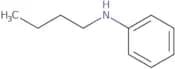
Formule :C10H12ODegré de pureté :Min. 95%Masse moléculaire :148.2 g/molN-Butylaniline
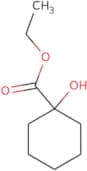
CAS :N-Butylaniline is a reactive chemical that is used as a cross-linking agent, and to prepare quinoline derivatives. It is also used in the preparation of polycarboxylic acids and electrochemical methods. N-Butylaniline can be used for bladder cancer treatments, and has been shown to inhibit viral replication in vitro. This chemical is not toxic to humans at low doses, but it may cause autoimmune diseases such as systemic lupus erythematosus if ingested in high doses.Formule :C10H15NDegré de pureté :Min. 98.0 Area-%Masse moléculaire :149.24 g/molEthyl 1-hydroxycyclohexanecarboxylate
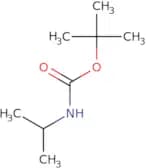
CAS :Ethyl 1-hydroxycyclohexanecarboxylate is an aliphatic, cyclic compound that belongs to the group of superacids. It is a byproduct of the reaction between benzene and ethyl chloroformate. This reaction requires a catalyst, such as potassium tert-butoxide or tetrabutylammonium fluoride. The molecule has a tetrahydrofuran ring with a hydroxy group and can be classified as an aldehyde, which is formed by the removal of two hydrogen atoms from the carbonyl carbon atom. Ethyl 1-hydroxycyclohexanecarboxylate also undergoes a shift in its equilibrium position when it interacts with other compounds, such as elemental analysis or five-membered hydrocarbons.Formule :C9H16O3Degré de pureté :Min. 95%Masse moléculaire :172.22 g/molTert-Butyl N-(Propan-2-Yl)Carbamate
CAS :Versatile small molecule scaffold
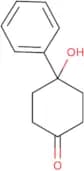
Formule :C8H17NO2Degré de pureté :Min. 95%Masse moléculaire :159.23 g/mol4-Hydroxy-4-phenylcyclohexan-1-one
CAS :4-Hydroxy-4-phenylcyclohexan-1-one is an alkylating agent that inhibits the activation of chemokine receptors. It has been shown to inhibit the human serum albumin, and acts as a potent inhibitor of chemokine receptor CXCR2. This molecule was synthesized in a multistep process from commercially available starting materials. 4-Hydroxy-4-phenylcyclohexan-1-one has been validated for its potent inhibitory activity against chemokines, with a selectivity index of > 100 against other chemotactic molecules. The structure of this molecule was found to be a good pharmacophore for inhibition of chemotaxis by homologous compounds.Formule :C12H14O2Degré de pureté :Min. 95%Masse moléculaire :190.24 g/molMethyl 1-bromocyclobutanecarboxylate
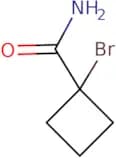
CAS :Methyl 1-bromocyclobutanecarboxylate is an alicyclic compound that can be synthesized by the reaction of methyl acetoacetate, formaldehyde and hydrogen bromide. The product can be analyzed using x-ray crystallography to determine its structural properties. The structural analysis suggests that there are two possible substituents on the nitrogen atom.Formule :C6H9BrO2Degré de pureté :Min. 95%Masse moléculaire :193.04 g/mol1-Bromocyclobutane-1-carboxamide
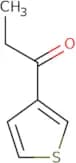
CAS :Versatile small molecule scaffoldFormule :C5H8BrNODegré de pureté :Min. 95%Masse moléculaire :178.03 g/mol1-(Thiophen-3-yl)propan-1-one
CAS :Versatile small molecule scaffold
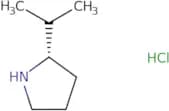
Formule :C7H8OSDegré de pureté :Min. 95%Masse moléculaire :140.2 g/mol(S)-2-Isopropylpyrrolidine HCl ee
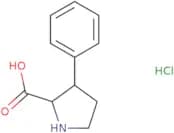
CAS :Versatile small molecule scaffoldFormule :C7H16ClNDegré de pureté :Min. 95%Masse moléculaire :149.66 g/mol(2S,3R)-3-Phenylpyrrolidine-2-carboxylic acid hydrochloride
CAS :Versatile small molecule scaffoldFormule :C11H14ClNO2Degré de pureté :Min. 95%Masse moléculaire :227.69 g/molMetolachlor
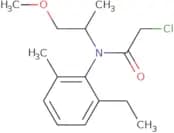
CAS :Metolachlor is a herbicide with antimicrobial properties that is used to control weeds in agricultural and other settings. Metolachlor is a potent inducer of liver enzymes CYP1A2, CYP3A4, and CYP2E1. It also causes drug interactions with drugs metabolized by these enzymes such as the anti-HIV drug efavirenz. Metolachlor has been shown to cause toxic effects in the kidneys, heart, and brain. The chemical structure of metolachlor was first determined by X-ray crystallography in 1969. Metolachlor is not active against many common plant pests, but it does have activity against some fungi and bacteria. Metolachlor can be used for the control of infectious diseases caused by bacteria, such as salmonella or chlamydia.
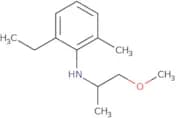
Formule :C15H22ClNO2Degré de pureté :Min. 95%Masse moléculaire :283.79 g/mol2-Ethyl-N-(2-methoxy-1-methylethyl)-6-methyl-benzenamine
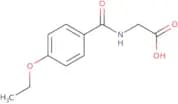
CAS :Versatile small molecule scaffoldFormule :C13H21NODegré de pureté :Min. 95%Masse moléculaire :207.31 g/mol(4-Ethoxy-benzoylamino)-acetic acid
CAS :Versatile small molecule scaffoldFormule :C11H13NO4Degré de pureté :Min. 95%Masse moléculaire :223.22 g/mol2-{[4-(Propan-2-yloxy)phenyl]formamido}acetic acid
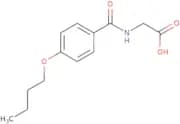
CAS :Versatile small molecule scaffoldFormule :C12H15NO4Degré de pureté :Min. 95%Masse moléculaire :237.25 g/mol(4-Butoxy-benzoylamino)-acetic acid
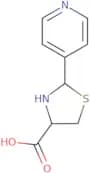
CAS :4-Butoxy-benzoylamino)-acetic acid is a hydrophobic compound. The interaction of the compound with ionic liquids is strong, and it is insoluble in water or organic solvents. The molecular weight of this compound is 197.4 g/mol and its melting point is -54 °C. This compound can be used as an excipient for pharmaceuticals, and it can also be used to create homopolymers that are functionalized.Formule :C13H17NO4Degré de pureté :Min. 95%Masse moléculaire :251.28 g/mol2-(Pyridin-4-yl)-1,3-thiazolidine-4-carboxylic acid
CAS :2-(Pyridin-4-yl)-1,3-thiazolidine-4-carboxylic acid is a glycol ether with a hydrocarbon group. It is used as an ethoxylate in the production of surfactants and cationic surfactants. This chemical has been shown to inhibit the growth of microorganisms such as fungi and bacteria. 2-(Pyridin-4-yl)-1,3-thiazolidine-4-carboxylic acid can be used as an emulsifier to make lemongrass oil more soluble in water. It also has antifungal properties, which may be due to its ability to inhibit fatty acid synthesis by inhibiting the enzyme acetyl coenzyme A carboxylase (ACCase).
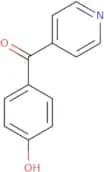
Formule :C9H10N2O2SDegré de pureté :Min. 95%Masse moléculaire :210.26 g/mol(4-Hydroxyphenyl)(4-pyridyl)methanone
CAS :Versatile small molecule scaffold
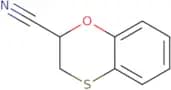
Formule :C12H9NO2Degré de pureté :Min. 95%Masse moléculaire :199.21 g/mol2,3-Dihydro-1,4-benzoxathiine-2-carbonitrile
CAS :Versatile small molecule scaffold
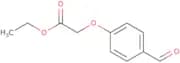
Formule :C9H7NOSDegré de pureté :Min. 95%Masse moléculaire :177.22 g/molEthyl (4-formylphenoxy)acetate
CAS :Ethyl (4-formylphenoxy)acetate is a molecule that belongs to the group of quinoline derivatives. It is a copper complex that has shown cytotoxic activity against cancer cells in vitro. The cytotoxicity of ethyl (4-formylphenoxy)acetate has been attributed to its ability to form conjugates with monoclonal antibodies, which may be important for treatment and diagnosis of cancer. Studies have demonstrated the interaction between ethyl (4-formylphenoxy)acetate and DNA, as well as the application of radiation and crystallography techniques to optimize labeling.Formule :C11H12O4Degré de pureté :Min. 95%Masse moléculaire :208.21 g/molEthyl (2-ethoxy-4-formylphenoxy)acetate
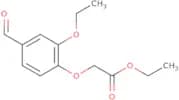
CAS :Versatile small molecule scaffold
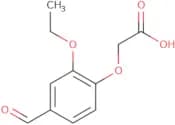
Formule :C13H16O5Degré de pureté :Min. 95%Masse moléculaire :252.26 g/mol(2-Ethoxy-4-formyl-phenoxy)-acetic acid
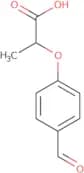
CAS :Versatile small molecule scaffoldFormule :C11H12O5Degré de pureté :Min. 95%Masse moléculaire :224.21 g/mol2-(4-Formylphenoxy)propanoic acid
CAS :Versatile small molecule scaffold
Formule :C10H10O4Degré de pureté :Min. 95%Masse moléculaire :194.18 g/mol2-(4-Formyl-2-methoxyphenoxy)propanoic acid
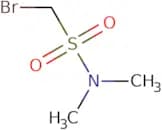
CAS :Versatile small molecule scaffoldFormule :C11H12O5Degré de pureté :Min. 95%Masse moléculaire :224.21 g/mol1-Bromo-N,N-dimethylmethanesulfonamide
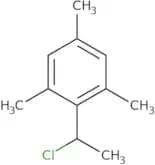
CAS :Versatile small molecule scaffoldFormule :C3H8BrNO2SDegré de pureté :Min. 95%Masse moléculaire :202.07 g/mol2-(1-Chloroethyl)-1,3,5-trimethylbenzene
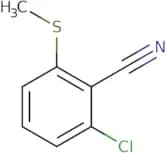
CAS :2-(1-Chloroethyl)-1,3,5-trimethylbenzene is a solvents that can be used to make cationic polymers. It is a compound that has been shown to be an effective inhibitor of cationic polymerization with styrene. 2-(1-Chloroethyl)-1,3,5-trimethylbenzene can also be used as an initiator in the synthesis of ethylene dichloride. This chemical is insoluble in water and is not reactive with acids or alkalines.Formule :C11H15ClDegré de pureté :Min. 95%Masse moléculaire :182.69 g/mol2-Chloro-6-(methylsulfanyl)benzonitrile
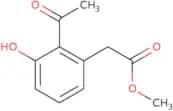
CAS :Versatile small molecule scaffoldFormule :C8H6ClNSDegré de pureté :Min. 95%Masse moléculaire :183.66 g/molMethyl 2-(2-acetyl-3-hydroxyphenyl)acetate
CAS :Methyl 2-(2-acetyl-3-hydroxyphenyl)acetate (1) is an ester that can be synthesized by reacting methanol with isobenzofuran. The radical cations of 1 are stable, and the spectra show a strong C=O stretching frequency at 1750 cm−1, as well as a weak C=C stretching frequency at 1360 cm−1. These spectral data were confirmed by infrared and mass spectrometry. The synthesis of 1 was also confirmed by the analysis of its electron impact mass spectrum, which shows molecular ion peaks at m/z 107 and 131.
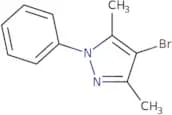
Methyl 2-(2-acetyl-3-hydroxyphenyl)acetate has been isolated from Australian rainforest plants.Formule :C11H12O4Degré de pureté :Min. 95%Masse moléculaire :208.21 g/mol4-Bromo-3,5-dimethyl-1-phenyl-1H-pyrazole
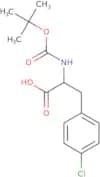
CAS :Versatile small molecule scaffoldFormule :C11H11BrN2Degré de pureté :Min. 95%Masse moléculaire :251.12 g/mol2-((tert-Butoxycarbonyl)amino)-3-(4-chlorophenyl)propanoic acid
CAS :Versatile small molecule scaffold
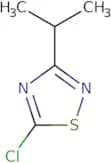
Formule :C14H18ClNO4Degré de pureté :Min. 95%Masse moléculaire :299.75 g/mol5-Chloro-3-(propan-2-yl)-1,2,4-thiadiazole
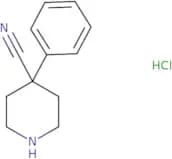
CAS :Versatile small molecule scaffoldFormule :C5H7ClN2SDegré de pureté :Min. 95%Masse moléculaire :162.64 g/mol4-Cyano-4-phenylpiperidine hydrochloride
CAS :4-Cyano-4-phenylpiperidine hydrochloride is used as an intermediate in the synthesis of organic compounds. It is a white crystalline solid that reacts with water to form hydrogen cyanide and 4-phenylpiperidine. This compound has been shown to be a potent inhibitor of thionyl chloride and benzyl chloride, which are both toxic industrial chemicals. 4-Cyano-4-phenylpiperidine hydrochloride also reacts with diethanolamine to form a benzyl ether, which can then react with other nucleophiles such as piperidine to produce amines.Formule :C12H14N2•HClDegré de pureté :Min. 95%Masse moléculaire :222.71 g/molN-[4-(Hydroxymethyl)-2-thiazolyl]acetamide
CAS :Versatile small molecule scaffoldFormule :C6H8N2O2SDegré de pureté :Min. 95%Masse moléculaire :172.2 g/molN-Butyl-1H-1,3-benzodiazol-2-amine
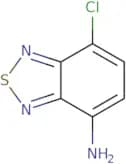
CAS :N-Butyl-1H-1,3-benzodiazol-2-amine is an organic compound that belongs to the group of benzimidazoles. It is a fungicide that inhibits the growth of fungi by inhibiting their DNA synthesis. This drug has been shown to inhibit the growth of fungi that cause plant diseases such as rice blast, wheat stem rust and barley yellow dwarf.Formule :C11H15N3Degré de pureté :Min. 95%Masse moléculaire :189.26 g/mol4-Amino-7-chloro-2,1,3-benzothiadiazole
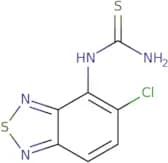
CAS :Versatile small molecule scaffoldFormule :C6H4ClN3SDegré de pureté :Min. 95%Masse moléculaire :185.63 g/mol(5-Chloro-2,1,3-benzothiadiazol-4-yl)thiourea
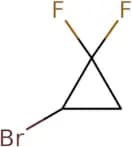
CAS :Versatile small molecule scaffoldFormule :C7H5ClN4S2Degré de pureté :Min. 95%Masse moléculaire :244.7 g/mol2-Bromo-1,1-difluorocyclopropane
CAS :Versatile small molecule scaffoldFormule :C3H3BrF2Degré de pureté :Min. 95%Masse moléculaire :156.96 g/mol1-Amino-4-tert-butylcyclohexane-1-carbonitrile hydrochloride
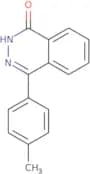
CAS :Versatile small molecule scaffoldFormule :C11H21ClN2Degré de pureté :Min. 95%Masse moléculaire :216.75 g/mol4-(4-Methylphenyl)-1,2-dihydrophthalazin-1-one
CAS :Versatile small molecule scaffoldFormule :C15H12N2ODegré de pureté :Min. 95%Masse moléculaire :236.27 g/mol1-[5-(4-Bromophenyl)thiophen-2-yl]ethan-1-one
CAS :Versatile small molecule scaffoldFormule :C12H9BrOSDegré de pureté :Min. 95%Masse moléculaire :281.17 g/mol1-[5-(4-Chlorophenyl)-2-thienyl]-1-ethanone
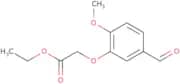
CAS :Versatile small molecule scaffoldFormule :C12H9ClOSDegré de pureté :Min. 95%Masse moléculaire :236.72 g/molethyl 2-(5-formyl-2-methoxyphenoxy)acetate
CAS :Versatile small molecule scaffold
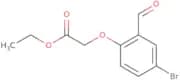
Formule :C12H14O5Degré de pureté :Min. 95%Masse moléculaire :238.24 g/molEthyl (4-bromo-2-formylphenoxy)acetate
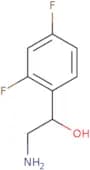
CAS :Versatile small molecule scaffoldFormule :C11H11BrO4Degré de pureté :Min. 95%Masse moléculaire :287.1 g/mol2-Amino-1-(2,4-difluorophenyl)ethan-1-ol
CAS :Versatile small molecule scaffoldFormule :C8H9F2NODegré de pureté :Min. 95%Masse moléculaire :173.16 g/mol2-Amino-1-(3,4-difluorophenyl)ethan-1-ol hydrochloride
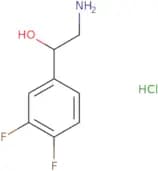
CAS :Versatile small molecule scaffold
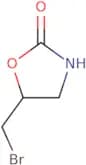
Formule :C8H10ClF2NODegré de pureté :Min. 95%Masse moléculaire :209.62 g/mol5-(Bromomethyl)-1,3-oxazolidin-2-one
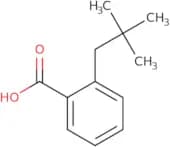
CAS :5-(Bromomethyl)-1,3-oxazolidin-2-one is a synthetic compound that has been shown to be pharmacologically active in mice. It can be synthesized by the electrochemical oxidation of benzene and alcohols. 5-(Bromomethyl)-1,3-oxazolidin-2-one has been shown to have selectivities for cyclic and nucleophilic substrates over tetrafluoroborate substrates. The yields of this reaction are typically low due to the competing reactions between the substrate and oxidant. 5-(Bromomethyl)-1,3-oxazolidin-2-one has been shown to have selective chiral centers due to its spirocyclic structure. It also shows pharmacological effects in mice, which may be due to its ability to inhibit cyclooxygenase (COX) activity.Formule :C4H6BrNO2Degré de pureté :Min. 95%Masse moléculaire :180 g/mol2-(2,2-Dimethylpropyl)benzoic acid
CAS :2-(2,2-Dimethylpropyl)benzoic acid is an organic compound with the formula CH3COCH2C6H5CO2H. It is a white crystalline solid that is soluble in water and polar organic solvents. The compound is used in the synthesis of other compounds. 2-(2,2-Dimethylpropyl)benzoic acid can be prepared by reacting benzoic acid with magnesium to form a Grignard reagent, which reacts with chlorobenzene to yield the desired product. This compound has been shown to react selectively with substituents on benzyl chloride to produce substituted benzoates.
Formule :C12H16O2Degré de pureté :Min. 95%Masse moléculaire :192.25 g/mol(4-Chloro-3,5-dimethyl-1H-pyrazol-1-yl)methanol
CAS :Versatile small molecule scaffold
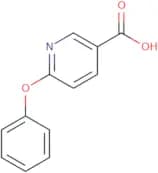
Formule :C6H9ClN2ODegré de pureté :Min. 95%Masse moléculaire :160.6 g/mol6-Phenoxynicotinic acid
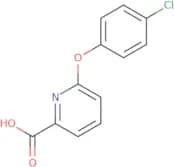
CAS :6-Phenoxynicotinic acid is an anticancer agent that is potent against a number of human cancer cell lines. It has shown anti-cancer efficacy in animal models and is known to interact with the cancer cells by modifying their DNA. 6-Phenoxynicotinic acid inhibits the growth of cancer cells by inhibiting the synthesis of specific proteins required for cell division. This compound has been synthesized and shown to have potent anticancer activity, which may be due to its ability to inhibit tyrosine kinases, leading to inhibition of protein synthesis.Formule :C12H9NO3Degré de pureté :Min. 95%Masse moléculaire :215.2 g/mol6-(4-Chlorophenoxy)pyridine-2-carboxylic acid
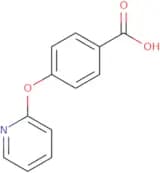
CAS :Versatile small molecule scaffoldFormule :C12H8ClNO3Degré de pureté :Min. 95%Masse moléculaire :249.65 g/mol4-(Pyridin-2-yloxy)benzoic acid
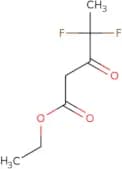
CAS :Versatile small molecule scaffoldFormule :C12H9NO3Degré de pureté :Min. 95%Masse moléculaire :215.2 g/molEthyl 4,4-difluoro-3-oxopentanoate
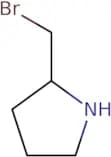
CAS :Versatile small molecule scaffoldFormule :C7H10F2O3Degré de pureté :Min. 95%Masse moléculaire :180.15 g/mol(2S)-2-(Bromomethyl)pyrrolidine hydrobromide
CAS :Versatile small molecule scaffoldFormule :C5H10BrNDegré de pureté :Min. 95%Masse moléculaire :164.04 g/molDec-9-en-1-amine
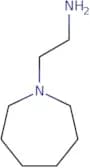
CAS :Dec-9-en-1-amine is a heterobifunctional amine with a diazonium salt. It can be used to immobilize biomolecules to surfaces using electrochemical methods. Dec-9-en-1-amine reacts with oxalyl chloride to produce the corresponding amide, which is then reacted with a secondary amine to form an oxazoline. The reaction of a primary amine with the oxazoline forms an azide and the final product is an oxazolidinone. The hybridization of DNA fragments can be detected by labeling one of the strands with a fluorescent dye and measuring changes in fluorescence as the two strands separate during hybridization.Formule :C10H21NDegré de pureté :Min. 95%Masse moléculaire :155.28 g/mol2-Azepan-1-yl-ethylamine
CAS :Versatile small molecule scaffold
Formule :C8H18N2Degré de pureté :Min. 95%Masse moléculaire :142.25 g/mol3-[(Diethylamino)methyl]-4-ethoxyaniline
CAS :Versatile small molecule scaffoldFormule :C13H22N2ODegré de pureté :Min. 95%Masse moléculaire :222.33 g/mol


![1-{Bicyclo[4.2.0]octa-1,3,5-trien-7-yl}ethan-1-one](/_next/image/?url=https%3A%2Fstatic.cymitquimica.com%2Fproducts%2F3D%2Fthumb-webp%2FBAA07530.webp&w=3840&q=75)
![3-[(4-Methylphenyl)amino]propanenitrile](/_next/image/?url=https%3A%2Fstatic.cymitquimica.com%2Fproducts%2F3D%2Fthumb-webp%2FBAA07724.webp&w=3840&q=75)
![2,6-Dimethyl-3H,4H,5H,6H,7H,8H-pyrido[4,3-d]pyrimidin-4-one](/_next/image/?url=https%3A%2Fstatic.cymitquimica.com%2Fproducts%2F3D%2Fthumb-webp%2FBAA07816.webp&w=3840&q=75)
![(2S)-3-Carbamoyl-2-[5-(dimethylamino)naphthalene-1-sulfonamido]propanoic acid](/_next/image/?url=https%3A%2Fstatic.cymitquimica.com%2Fproducts%2F3D%2Fthumb-webp%2FBAA10023.webp&w=3840&q=75)



![2-{[4-(Propan-2-yloxy)phenyl]formamido}acetic acid](/_next/image/?url=https%3A%2Fstatic.cymitquimica.com%2Fproducts%2F3D%2Fthumb-webp%2FBCA22054.webp&w=3840&q=75)
![N-[4-(Hydroxymethyl)-2-thiazolyl]acetamide](/_next/image/?url=https%3A%2Fstatic.cymitquimica.com%2Fproducts%2F3D%2Fthumb-webp%2FBCA30738.webp&w=3840&q=75)


![1-[5-(4-Bromophenyl)thiophen-2-yl]ethan-1-one](/_next/image/?url=https%3A%2Fstatic.cymitquimica.com%2Fproducts%2F3D%2Fthumb-webp%2FBCA33589.webp&w=3840&q=75)
![1-[5-(4-Chlorophenyl)-2-thienyl]-1-ethanone](/_next/image/?url=https%3A%2Fstatic.cymitquimica.com%2Fproducts%2F3D%2Fthumb-webp%2FBCA33590.webp&w=3840&q=75)


![3-[(Diethylamino)methyl]-4-ethoxyaniline](/_next/image/?url=https%3A%2Fstatic.cymitquimica.com%2Fproducts%2F3D%2Fthumb-webp%2FBCA38807.webp&w=3840&q=75)