Building Blocks
Sous-catégories appartenant à la catégorie "Building Blocks"
- Acides boroniques et dérivés de l'acide boronique(5.786 produits)
- Building Blocks Chiraux(1.246 produits)
- Building Blocks Hydrocarbonés(6.107 produits)
- Building Blocks organiques(61.079 produits)
205461 produits trouvés pour "Building Blocks"
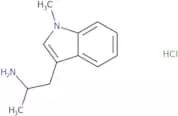
1-(1-Methyl-1H-indol-3-yl)propan-2-amine hydrochloride
CAS :Produit contrôléVersatile small molecule scaffoldFormule :C12H17ClN2Degré de pureté :Min. 95%Masse moléculaire :224.73 g/mol1,3-Diphenylpropan-1-amine
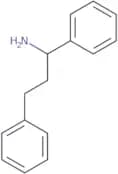
CAS :Versatile small molecule scaffold
Formule :C15H17NDegré de pureté :Min. 95%Masse moléculaire :211.3 g/molPropane-1,2-cyclic sulfate
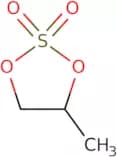
CAS :Propane-1,2-cyclic sulfate is a diphenyl ether that is an organic solvent. It has been shown to be effective in the treatment of aliphatic hydrocarbons and alkynes with carboxylates. Propane-1,2-cyclic sulfate also reacts with vinylene and plate test as a nonaqueous electrolyte. The optimal reaction temperature is around 40°C and the optimal pH is around 6.5.Formule :C3H6O4SDegré de pureté :Min. 95%Masse moléculaire :138.14 g/mol2-Amino-2,3-dihydro-1H-benzo[de]isoquinoline-1,3-dione
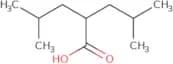
CAS :2-Amino-2,3-dihydro-1H-benzo[de]isoquinoline-1,3-dione (BENZENE) is a chemical compound that has been used to study the photochemical properties of epoxides. It is also used as a starting material in the synthesis of polymers. The synthesis of polymers may be accomplished by cationic polymerization or ring opening. Nitro groups on BENZENE are commonly used to synthesize nitro polymers and other compounds containing nitro groups. This chemical can be synthesized by chlorination with formamide and subsequent reaction with nitrous acid or acrylates. BENZENE is also capable of localizing fluorescent dyes within a specific region of a sample and can be used to measure distances between molecules.Formule :C12H8N2O2Degré de pureté :Min. 95%Masse moléculaire :212.2 g/mol4-Methyl-2-(2-methylpropyl)pentanoic acid
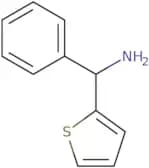
CAS :Versatile small molecule scaffoldFormule :C10H20O2Degré de pureté :Min. 95%Masse moléculaire :172.26 g/molPhenyl(thiophen-2-yl)methanamine
CAS :Versatile small molecule scaffold
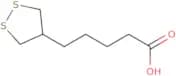
Formule :C11H11NSDegré de pureté :Min. 95%Masse moléculaire :189.28 g/mol5-(1,2-Dithiolan-4-yl)pentanoic acid
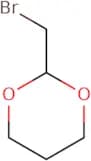
CAS :Versatile small molecule scaffoldFormule :C8H14O2S2Degré de pureté :Min. 95%Masse moléculaire :206.3 g/mol2-(Bromomethyl)-1,3-dioxane
CAS :Versatile small molecule scaffold
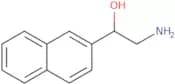
Formule :C5H9BrO2Degré de pureté :Min. 95%Masse moléculaire :181.03 g/mol2-Amino-1-(2-naphthyl)-1-ethanol
CAS :2-Amino-1-(2-naphthyl)-1-ethanol (2NPE) is an atypical amino alcohol that is used as a pharmacological agent. It has been shown to have glucuronide and phenolic hydroxyl groups, which are reactive metabolites. 2NPE may be carcinogenic due to its ability to inhibit the activity of the enzyme glutathione reductase, which is involved in the detoxification of hydrogen peroxide and organic hydroperoxides. The metabolic pathways for 2NPE include sulfation by phenolic hydroxyl groups, which can lead to a residue of phenolic compounds in humans and animals. 2NPE has been found to have a thymic effect similar to natural n-substituted amino alcohols.
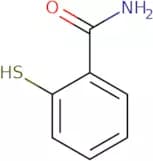
Formule :C12H13NODegré de pureté :Min. 95%Masse moléculaire :187.24 g/mol2-Sulfanylbenzamide
CAS :2-Sulfanylbenzamide is a chemical compound that has been used as an anti-inflammatory drug and as a medicine for the treatment of autoimmune diseases. It has been shown to bind to basic proteins in human serum, which is responsible for its neutral pH. This agent also binds to primary cells and is chemically stable, with ethylene diamine as a matrix effect. 2-Sulfanylbenzamide has been shown to be effective against inflammatory diseases by inhibiting the synthesis of inflammatory mediators such as prostaglandins and leukotrienes.
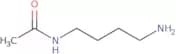
Formule :C7H7NOSDegré de pureté :Min. 95%Masse moléculaire :153.2 g/molN-(4-Aminobutyl)acetamide
CAS :N-(4-Aminobutyl)acetamide (4-ABAA) is a polyamine that can be found in the body as a byproduct of putrescine and spermidine. It is a potential biomarker for cancer, and has been shown to inhibit the activity of enzymes involved in energy metabolism. 4-ABAA is also present in maternal blood, where it can be used as a measure of disease activity during pregnancy. The basic structure of 4-ABAA is N-(4-aminobutyl)acetamide, which contains a nitrogen atom and an amine group. This molecule is soluble in water and has been used for analytical purposes.Formule :C6H14N2ODegré de pureté :Min. 95%Couleur et forme :Clear LiquidMasse moléculaire :130.19 g/mol1,4-Diazaspiro[5.5]undecane-3,5-dione
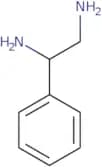
CAS :Versatile small molecule scaffoldFormule :C9H14N2O2Degré de pureté :Min. 95%Masse moléculaire :182.22 g/mol1-Phenylethane-1,2-diamine
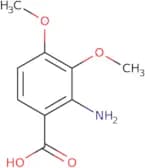
CAS :1-Phenylethane-1,2-diamine (1PD) is a diamine tetraacetic acid salt that is a conformational analogue of the chemokine CXCL12. It has been shown to bind to its receptor and inhibit chemotaxis in vitro. 1PD has also been shown to be stereoselective in its binding to the receptor, with the sodium salt showing greater selectivity for CXCR4 than CXCR5. The solvation of 1PD has been studied by spectroscopic techniques and it is found that the solvation process is dominated by hydrogen bonding interactions with solvent molecules. This drug has not yet been analysed for human use or toxicity.Formule :C8H12N2Degré de pureté :Min. 95%Masse moléculaire :136.19 g/mol2-Amino-3,4-dimethoxybenzoic acid
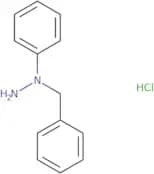
CAS :2-Amino-3,4-dimethoxybenzoic acid is a chemotherapeutic agent that inhibits the function of P-glycoprotein (Pgp) and other ATPase pumps. It has been shown to be effective in inhibiting the growth of human cancer cells with functionalities such as epidermal growth factor, p-glycoprotein, and TNF-α. This drug also inhibits the production of alicyclic compounds in the body by blocking their metabolic pathways. 2-Amino-3,4-dimethoxybenzoic acid is a fluorescent compound that emits green light when excited at 350 nm and 450 nm.Formule :C9H11NO4Degré de pureté :Min. 95%Masse moléculaire :197.19 g/mol1-Benzyl-1-phenylhydrazine hydrochloride
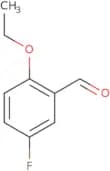
CAS :1-Benzyl-1-phenylhydrazine hydrochloride is a selective androgen receptor modulator that binds to the prostate response element (RARE) in the promoter region of prostate cancer cells. It is used for the treatment of prostatic hyperplasia and benign prostatic hypertrophy. 1-Benzyl-1-phenylhydrazine hydrochloride has been shown to reduce the symptoms of urinary obstruction and to slow the progression of prostate cancer cells in vitro. It also has side effect profiles that are similar to those of nonsteroidal anti-inflammatory drugs, such as gastrointestinal upset and diarrhea.Formule :C13H15ClN2Degré de pureté :Min. 95%Masse moléculaire :234.72 g/mol2-Ethoxy-5-fluorobenzaldehyde
CAS :Versatile small molecule scaffoldFormule :C9H9FO2Degré de pureté :Min. 95%Masse moléculaire :168.17 g/mol(2-Phenylethyl)[(pyridin-4-yl)methyl]amine
CAS :Produit contrôléVersatile small molecule scaffold
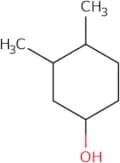
Formule :C14H16N2Degré de pureté :Min. 95%Masse moléculaire :212.29 g/mol3,4-Dimethylcyclohexanol (mixture of isomers)
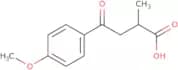
CAS :3,4-Dimethylcyclohexanol is a trimer of cyclohexanol that has a boiling point of 113.2°C and a density of 0.816 g/mL at 20°C. The mixture is composed of two isomers, cis-3,4-dimethylcyclohexanol and trans-3,4-dimethylcyclohexanol. 3,4-Dimethylcyclohexanol is soluble in water and alcohols and can form hydrogen bonds with other molecules. The equilibrium constant for the formation of the cis-isomer from the trans-isomer is 2.05x10^5 at 25°C and 1 atm pressure. At equilibrium, the concentrations are 0.25 mol/L for cis-3,4-dimethylcyclohexanol and 0.75 mol/L for trans-3,4-dimethylcyclohexanol.Formule :C8H16ODegré de pureté :Min. 95%Masse moléculaire :128.22 g/mol4-(4-Methoxyphenyl)-2-methyl-4-oxobutanoic acid
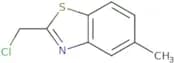
CAS :Versatile small molecule scaffoldFormule :C12H14O4Degré de pureté :Min. 95%Masse moléculaire :222.24 g/mol2-(Chloromethyl)-5-methyl-1,3-benzothiazole
CAS :Versatile small molecule scaffold
Formule :C9H8ClNSDegré de pureté :Min. 95%Masse moléculaire :197.69 g/mol3,9-Dihydro-4H-pyrimido[4,5-b]indol-4-one
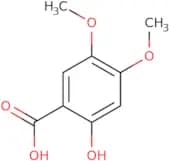
CAS :Versatile small molecule scaffoldFormule :C10H7N3ODegré de pureté :Min. 95%Masse moléculaire :185.18 g/mol4,5-Dimethoxysalicylic Acid
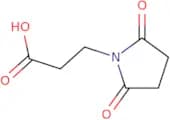
CAS :4,5-Dimethoxysalicylic Acid is a synthetic chemical that is used to remove pollutants from the environment. It is a colorless liquid that reacts with benzene to form the salicylate salt. 4,5-Dimethoxysalicylic acid is also used in the synthesis of acotiamide, which is an organic solvent. The compound is a byproduct of hydrochloric acid and has been detected in high concentrations in industrial waste water. 4,5-Dimethoxysalicylic acid may be harmful to the environment and can contaminate water supplies.Formule :C9H10O5Degré de pureté :Min. 95%Masse moléculaire :198.17 g/mol3-(2,5-Dioxopyrrolidin-1-yl)propanoic acid
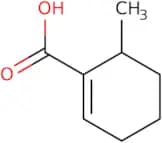
CAS :Versatile small molecule scaffoldFormule :C7H9NO4Degré de pureté :Min. 95%Masse moléculaire :171.15 g/mol6-Methylcyclohex-1-enecarboxylic acid
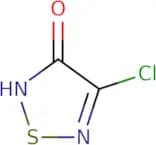
CAS :Versatile small molecule scaffoldFormule :C8H12O2Degré de pureté :Min. 95%Masse moléculaire :140.18 g/mol4-Chloro-1,2,5-thiadiazol-3-ol
CAS :4-Chloro-1,2,5-thiadiazol-3-ol is an antibacterial agent that belongs to the class of imidazolidinones. It inhibits the growth of bacteria by reacting with sulfur in their cell walls and chlorinating them. 4-Chloro-1,2,5-thiadiazol-3-ol has been shown to be effective against a wide range of bacteria including Staphylococcus aureus, Escherichia coli, Pseudomonas aeruginosa, and Enterobacter cloacae. 4-Chloro-1,2,5-thiadiazol 3-ol also has been shown to react with chloride ions in body fluids and form hydrochloric acid which may be responsible for some of its antibacterial activity.Formule :C2HClN2OSDegré de pureté :Min. 95%Couleur et forme :PowderMasse moléculaire :136.56 g/mol2'-Cyano[1,1'-biphenyl]-4-carboxylic acid
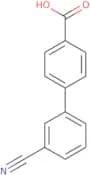
CAS :Versatile small molecule scaffoldFormule :C14H9NO2Degré de pureté :Min. 95%Masse moléculaire :223.23 g/mol3'-Cyano-biphenyl-4-carboxylic acid
CAS :Versatile small molecule scaffold
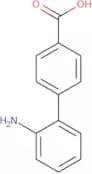
Formule :C14H9NO2Degré de pureté :Min. 95%Masse moléculaire :223.23 g/mol2'-Aminobiphenyl-4-carboxylic acid
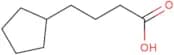
CAS :Versatile small molecule scaffoldFormule :C13H11NO2Degré de pureté :Min. 95%Masse moléculaire :213.23 g/mol4-Cyclopentylbutanoic acid
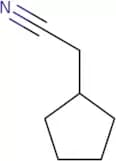
CAS :4-Cyclopentylbutanoic acid is a cyclic compound that is synthesized from succinic acid. This chemical has a wide range of applications in the pharmaceutical industry, including as an intermediate in the synthesis of hydantoins and hydroxylamides. 4-Cyclopentylbutanoic acid also reacts with potassium to form a cyclopentenone, which can be used to produce esters and chiral cyclopentenones. 4-Cyclopentylbutanoic acid can be used to inhibit the growth of microorganisms by inhibiting protein synthesis.Formule :C9H16O2Degré de pureté :Min. 95%Masse moléculaire :156.22 g/molCyclopentylacetonitrile
CAS :Cyclopentylacetonitrile is a solvent that is used in the manufacture of organic chemicals. It is an organic compound that is a colorless liquid with a boiling point of about 111°C and a melting point of about -102°C. Cyclopentylacetonitrile has been shown to be effective as an etchant for silicon dioxide, as well as being used as a lithographic printing plate developer. Cyclopentylacetonitrile can also be used as a diluent for hydrogen fluoride gas during the production of fluorocarbons.
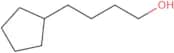
Formule :C7H11NDegré de pureté :Min. 95%Masse moléculaire :109.17 g/mol4-Cyclopentylbutan-1-ol
CAS :4-Cyclopentylbutan-1-ol is a cyclic ester that is used in the production of fragrances. It is found naturally in sandalwood oil, which contains about 85% of this ester. 4-Cyclopentylbutan-1-ol has cytoprotective properties and can prevent lipid peroxidation induced by reactive oxygen species (ROS) and reactive nitrogen species (RNS). The molecule has an aromatic ring that consists of a benzene ring fused to a cyclopropane ring. This substance belongs to the class of alkenes, which are unsaturated hydrocarbons containing one or more carbon-carbon double bonds. Furthermore, it has an alkenyl group, which is a hydrocarbon that contains one or more carbon atoms with at least one triple bond.Formule :C9H18ODegré de pureté :Min. 95%Masse moléculaire :142.24 g/mol2-Oxaspiro[4.4]nonan-1-one
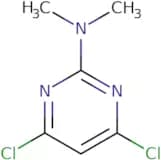
CAS :Versatile small molecule scaffoldFormule :C8H12O2Degré de pureté :Min. 95%Masse moléculaire :140.18 g/mol4,6-Dichloro-N,N-dimethyl-2-pyrimidinamine
CAS :Versatile small molecule scaffold
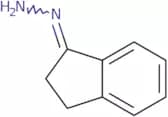
Formule :C6H7Cl2N3Degré de pureté :Min. 95%Masse moléculaire :192.05 g/mol(2,3-Dihydro-1H-inden-1-ylidene)hydrazine
CAS :Versatile small molecule scaffoldFormule :C9H10N2Degré de pureté :Min. 95%Masse moléculaire :146.19 g/mol(4-Chloro-6-methyl-pyrimidin-2-yl)-methyl-amine
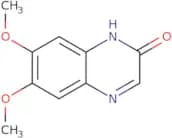
CAS :Versatile small molecule scaffoldFormule :C6H8ClN3Degré de pureté :Min. 95%Masse moléculaire :157.6 g/mol2-Hydroxy-6,7-dimethoxyquinoxaline
CAS :Versatile small molecule scaffoldFormule :C10H10N2O3Degré de pureté :Min. 95%Masse moléculaire :206.2 g/molSpiro[2.6]nonan-4-one
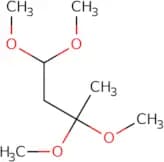
CAS :Versatile small molecule scaffoldFormule :C9H14ODegré de pureté :Min. 95%Masse moléculaire :138.21 g/mol1,1,3,3-Tetramethoxybutane
CAS :1,1,3,3-Tetramethoxybutane is an organic compound that is used as a raw material in the synthesis of other fluorinated compounds. It can be synthesized from formaldehyde and methoxyacetone by dehydration reactions. It has been shown to react with hydrazines to form acetals and trifluoroacetylation.
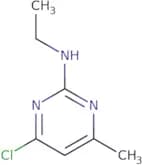
Formule :C8H18O4Degré de pureté :Min. 95%Masse moléculaire :178.23 g/mol(4-Chloro-6-methylpyrimidin-2-yl)Ethylamine
CAS :Versatile small molecule scaffoldFormule :C7H10N3ClDegré de pureté :Min. 95%Masse moléculaire :171.62 g/mol4,5-Dimethylpyridazine-3,6-diol
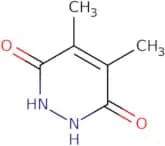
CAS :Versatile small molecule scaffold
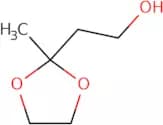
Formule :C6H8N2O2Degré de pureté :Min. 95%Masse moléculaire :140.14 g/mol2-Methyl-1,3-dioxolane-2-ethanol
CAS :2-Methyl-1,3-dioxolane-2-ethanol is a ketone that can be extracted from the reaction of ethanol and methyl vinyl ketone with ethyl acetate in the presence of an acid catalyst. This ketone is used as a reagent in organic synthesis. The target compounds for this product are acids, alcohols, esters, amides, nitriles, and other organic compounds. It is also used to synthesize glycols and ethylene glycols. 2-Methyl-1,3-dioxolane-2-ethanol has an efficient yield and can be isolated by distillation or crystallization. 2-Methyl-1,3-dioxolane-2-ethanol is not toxic to humans or animals because it is not metabolized in the body.
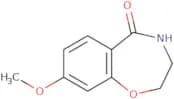
Formule :C6H12O3Degré de pureté :Min. 95%Masse moléculaire :132.16 g/mol8-Methoxy-2,3,4,5-tetrahydro-1,4-benzoxazepin-5-one
CAS :Versatile small molecule scaffold
Formule :C10H11NO3Degré de pureté :Min. 95%Masse moléculaire :193.2 g/mol3-(tert-Butylsulfanyl)propan-1-ol
CAS :Versatile small molecule scaffold
Formule :C7H16OSDegré de pureté :Min. 95%Masse moléculaire :148.27 g/mol[(2-Bromoethyl)sulfanyl]cyclohexane
CAS :Versatile small molecule scaffoldFormule :C8H15BrSDegré de pureté :Min. 95%Masse moléculaire :223.18 g/mol2-[(2-Bromoethyl)sulfanyl]propane
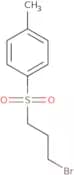
CAS :Versatile small molecule scaffoldFormule :C22H25N3O5SDegré de pureté :Min. 95%Masse moléculaire :443.5 g/mol1-(3-Bromopropanesulfonyl)-4-methylbenzene
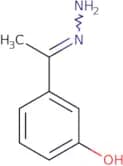
CAS :Versatile small molecule scaffoldFormule :C10H13BrO2SDegré de pureté :Min. 95%Masse moléculaire :277.18 g/mol3-Ethanehydrazonoylphenol
CAS :Versatile small molecule scaffold
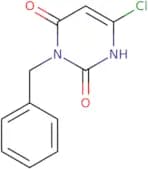
Formule :C8H10N2ODegré de pureté :Min. 95%Masse moléculaire :150.18 g/mol3-Benzyl-6-chloro-1H-pyrimidine-2,4-dione
CAS :Versatile small molecule scaffoldFormule :C11H9ClN2O2Degré de pureté :Min. 95%Masse moléculaire :236.65 g/mol2-Butynoic acid
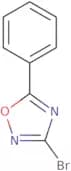
CAS :2-Butynoic acid is a trifluoroacetic acid derivative that has been shown to inhibit the production of cytokines and inflammatory mediators in human macrophages. It has been used as a model system for studying the effects of alkanoic acids on antibody production. This drug may also be useful in treating autoimmune diseases by inhibiting the formation of antibodies. 2-Butynoic acid is an α-subunit inhibitor that prevents cellular transformation and tumor growth by preventing proliferation and metastasis. The drug inhibits the formation of disulfide bonds, which are essential for protein folding and function. 2-Butynoic acid has also shown synergistic effects with other drugs such as doxorubicin or hydrogen fluoride, which may lead to a more effective treatment for cancerous cells.Formule :C4H4O2Degré de pureté :Min. 95%Couleur et forme :Yellow PowderMasse moléculaire :84.07 g/mol3-Bromo-5-phenyl-1,2,4-oxadiazole
CAS :3-Bromo-5-phenyl-1,2,4-oxadiazole (3BrO) is an organic compound that can be synthesized by coupling a benzoyl chloride with a cyanide salt. 3BrO is also produced in the pyrolysis of benzophenone and 1,2,4-triazole. The fragmentation of 3BrO produces catechol and phenylhydrazine. The deoxygenative coupling reaction of 3BrO with sodium azide produces the explosive compound 2,4,6-trinitrobenzamide. This chemical has been used as the starting material for the synthesis of many other explosives such as RDX and TNT.
Formule :C8H5BrN2ODegré de pureté :Min. 95%Masse moléculaire :225.04 g/mol3-Bromo-4H-1,2,4-triazole
CAS :3-Bromo-4H-1,2,4-triazole is a triazole that is soluble in water. It has been shown to be an effective inhibitor of the enzyme DNA gyrase at low temperatures (4 degrees Celsius). 3-Bromo-4H-1,2,4-triazole has been analysed by spectroscopic methods and found to possess vibrational and annular spectra. The tautomers of this substance are also known to exist.Formule :C2HBrN3Degré de pureté :Min. 95%Couleur et forme :PowderMasse moléculaire :146.95 g/mol(S)-tert-Butyl 3-(methylamino)pyrrolidine-1-carboxylate
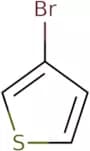
CAS :(S)-tert-Butyl 3-(methylamino)pyrrolidine-1-carboxylate is a research chemical that can be used as a versatile building block for the synthesis of complex compounds. It is also a reaction component in the synthesis of speciality chemicals and useful scaffolds. It has been shown to have high quality, reagent grade and purity.Formule :C10H20N2O2Degré de pureté :Min. 95%Couleur et forme :PowderMasse moléculaire :200.28 g/mol3-Bromothiophene
CAS :3-Bromothiophene is a homogeneous catalyst that can be used in organic synthesis. It has been shown to convert all-trans retinoic acid into 9-cis,11-trans retinoic acid. This conversion occurs through nucleophilic attack of the bromide ion on the carbon atom adjacent to the double bond in the carboxyl group of all-trans retinoic acid. 3-Bromothiophene has also been shown to have light emission properties in polymer films and metal halides.Formule :C4H3BrSDegré de pureté :Min. 98%Couleur et forme :Colorless Clear LiquidMasse moléculaire :163.04 g/molBis[(pinacolato)boryl]methane
CAS :Bis[(pinacolato)boryl]methane is a bifunctional organoboron reagent with an allyl group on one end and a cyclopropane on the other end. It is useful in organic synthesis as a nucleophile for allylation, as well as for the synthesis of unsymmetrical cyclopropanes. This compound can be used to catalyze asymmetric methods, such as the synthesis of alicyclic compounds. Bis[(pinacolato)boryl]methane can also be used to synthesize biomolecules.Formule :C13H26B2O4Degré de pureté :Min. 95%Couleur et forme :White To Off-White SolidMasse moléculaire :267.97 g/molBis[2-(perfluorooctyl)ethyl] phosphate
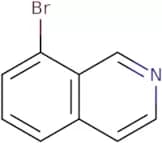
CAS :Produit contrôléBis[2-(perfluorooctyl)ethyl] phosphate is a perfluorinated compound that can be used as an alternative to polyvinyl chloride in the manufacture of children's toys and other consumer products. It has been shown to have no health effects on humans, unlike other perfluorinated compounds, in a study where human serum was analyzed. Bis[2-(perfluorooctyl)ethyl] phosphate also has a high affinity for polyfluoroalkyl substances (PFASs) and can be used in analytical methods for their detection. The optimised extraction procedure is simple and rapid, using ultrasonic extraction with no need for any organic solvents. Recoveries are high (>99%) and the method does not require any volatile solvents.Formule :C20H9F34O4PDegré de pureté :Min. 95%Masse moléculaire :990.2 g/mol8-Bromoisoquinoline
CAS :8-Bromoisoquinoline is a bifunctional alkylating agent that is used to synthesize esters and amides. It is commonly used for the synthesis of amino acids, peptides, and other biologically active molecules. 8-Bromoisoquinoline has been shown to have a synergistic effect with hydroxyalkyl carbamates, which may be due to its ability to form an ionic bond with the carboxylic acid in these compounds. This chemical can also react with nitro groups and serve as a chlorinating agent, as well as react with anions such as phosphate and acetate. 8-Bromoisoquinoline can be synthesized by reacting ethyl bromoacetate with tetrahydroisoquinolinium chloride in hydrochloric acid or isopropyl alcohol.
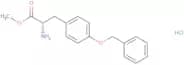
Formule :C9H6BrNDegré de pureté :Min. 95%Couleur et forme :PowderMasse moléculaire :208.05 g/molO-Benzyl-L-tyrosine methyl ester hydrochloride
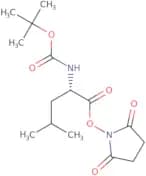
CAS :Please enquire for more information about O-Benzyl-L-tyrosine methyl ester hydrochloride including the price, delivery time and more detailed product information at the technical inquiry form on this pageFormule :C17H19NO3·HClDegré de pureté :Min. 95%Couleur et forme :PowderMasse moléculaire :321.8 g/molBoc-L-leucine N-hydoxysuccinimide ester
CAS :The Boc-L-leucine N-hydoxysuccinimide ester is a synthetic molecule that is often used as a model for studying the effects of lysine on the activity of glutamic acid. This compound is biodegradable and has been shown to be less toxic than other compounds in its class. The Boc-L-leucine N-hydoxysuccinimide ester has potent inhibitory activity against mammalian cells, which may be due to its ability to inhibit chloride transport across membranes.Formule :C15H24N2O6Degré de pureté :Min. 95%Couleur et forme :White/Off-White SolidMasse moléculaire :328.36 g/mol4-tert-Butylbenzaldehyde
CAS :4-tert-Butylbenzaldehyde is an organic compound with the molecular formula CH3COCH2C6H5. It is a viscous liquid that is insoluble in water and has a boiling point of 146 °C. 4-tert-Butylbenzaldehyde reacts with cationic surfactants to form polymeric micelles, which are spherical structures composed of many small spherical subunits. These polymeric micelles are used as model systems for studying the properties of surfactant aggregates in solution. The reaction mechanism for this polymerization process involves the oxidation of 4-tert-butylbenzaldehyde by hydrogen peroxide and the subsequent condensation of 4-tert-butylbenzoic acid with malonic acid or other cinnamic acid derivatives to form the corresponding esters. The oxidized product, 4-tert-butylbenzoic acid, can be regenerated by boiling a mixture containing itFormule :C11H14ODegré de pureté :Min. 96.5%Couleur et forme :Colorless Clear LiquidMasse moléculaire :162.23 g/mol4-Bromo-2-phenylthiazole
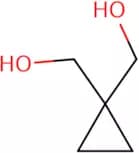
CAS :4-Bromo-2-phenylthiazole is a reactive arylating agent that has been used in the Suzuki reaction to form biaryl compounds. It is also used in the synthesis of heterocycles and alkene cross-coupling reactions. The 4-bromo group can be replaced by other halides, such as chlorides, bromides, or iodides. The substituents on the phenyl ring can be varied to yield different products. Reactive groups are an important factor in optimizing yields and preventing side reactions. This molecule is a useful starting point for the synthesis of complex molecules with functional groups.Formule :C9H6BrNSDegré de pureté :Min. 95%Masse moléculaire :240.12 g/mol1,1-Bis(hydroxymethyl)cyclopropane
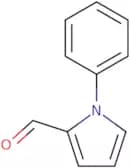
CAS :Disulfonates are a class of compounds that have a sulfonyl group bound to two adjacent carbon atoms. They are typically synthetic and rarely occur in nature. Disulfonates are used as industrial solvents, such as for the manufacture of polyurethane foams and plastics. The most common disulfonate is 1,1-Bis(hydroxymethyl)cyclopropane (HMC). HMC is synthesized from 2-hydroxypropene by the addition of hydrogen chloride, followed by conversion to the imine and then hydrolysis to the final product. In addition to being an industrial solvent, HMC has been shown to be an effective inhibitor of HIV replication. It binds to chemokine receptors on cells, preventing HIV entry into the cell. HMC also inhibits the growth of cancer cells in vitro and exhibits anti-inflammatory properties that may be due to its ability to inhibit prostaglandin synthesis. END>Formule :C5H10O2Degré de pureté :Min. 95%Masse moléculaire :102.13 g/mol1-Phenyl-1H-pyrrole-2-carbaldehyde
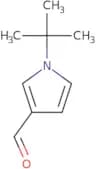
CAS :Versatile small molecule scaffoldFormule :C11H9NODegré de pureté :Min. 95%Masse moléculaire :171.2 g/mol1-tert-Butyl-1H-pyrrole-3-carbaldehyde
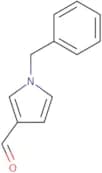
CAS :Versatile small molecule scaffoldFormule :C9H13NODegré de pureté :Min. 95%Masse moléculaire :151.21 g/mol1-Benzyl-1H-pyrrole-3-carbaldehyde
CAS :1-Benzyl-1H-pyrrole-3-carbaldehyde is an acylpyrrole that can be synthesized from the reaction of sodium borohydride with acetaldehyde or benzaldehyde. It is used in heteroarylation reactions, which are efficient methods for the synthesis of a variety of indoles. 1-Benzyl-1H-pyrrole-3-carbaldehyde has also been shown to be effective in reductive amination reactions, which are used to generate pyrroles from indole and aldehyde precursors.Formule :C12H11NODegré de pureté :Min. 95%Masse moléculaire :185.22 g/mol4,5-Dimethylthiophene-3-carbaldehyde
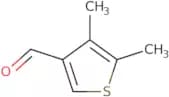
CAS :Versatile small molecule scaffoldFormule :C7H8OSDegré de pureté :Min. 95%Masse moléculaire :140.2 g/mol2-Ethylthiomorpholine
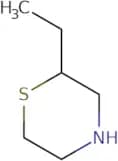
CAS :Versatile small molecule scaffoldFormule :C6H13NSDegré de pureté :Min. 95%Masse moléculaire :131.24 g/mol2-Methylthiomorpholine hydrochloride
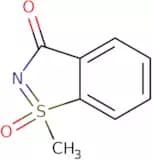
CAS :Versatile small molecule scaffoldFormule :C5H12ClNSDegré de pureté :Min. 95%Masse moléculaire :153.7 g/mol1-Methyl-3H-1λ⁶,2-benzothiazole-1,3-dione
CAS :Versatile small molecule scaffoldFormule :C8H7NO2SDegré de pureté :Min. 95%Masse moléculaire :181.21 g/molrac-(3aR,6aR)-Hexahydrofuro[3,4-d][1,3]oxazol-2-one
CAS :Versatile small molecule scaffold
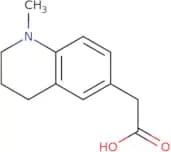
Formule :C5H7NO3Degré de pureté :Min. 95%Masse moléculaire :129.1 g/mol2-(1-Methyl-1,2,3,4-tetrahydroquinolin-6-yl)acetic acid
CAS :Versatile small molecule scaffold
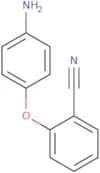
Formule :C12H15NO2Degré de pureté :Min. 95%Masse moléculaire :205.25 g/mol2-(4-Aminophenoxy)benzonitrile
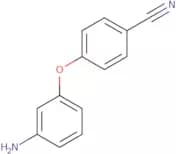
CAS :Versatile small molecule scaffoldFormule :C13H10N2ODegré de pureté :Min. 95%Masse moléculaire :210.23 g/mol4-(3-Aminophenoxy)benzonitrile
CAS :Versatile small molecule scaffoldFormule :C13H10N2ODegré de pureté :Min. 95%Masse moléculaire :210.23 g/mol3-(4-Methoxyphenyl)pentanoic acid
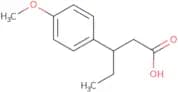
CAS :Versatile small molecule scaffold
Formule :C12H16O3Degré de pureté :Min. 95%Masse moléculaire :208.25 g/mol2-Bromothiobenzamide
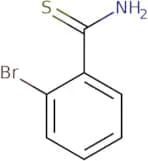
CAS :2-Bromothiobenzamide is an organic solvent that is used as a reactant in the production of 2-bromothiolane. It is synthesized from the reaction of bromine with thiourea, which is then hydrolyzed to form the desired product. The reaction system is acidic, which leads to high yields and can be carried out on a large scale. It has a ligand that reacts with copper metal to form a reagent that can be used for the synthesis of various organic compounds. This product has a high yield (90%), and can be easily purified by filtration. Its efficiency makes it an ideal choice for industrial use.
Formule :C7H6BrNSDegré de pureté :Min. 95%Masse moléculaire :216.1 g/mol2-(3-Bromophenyl)-1,3-thiazole
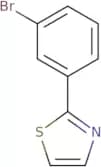
CAS :Versatile small molecule scaffold
Formule :C9H6BrNSDegré de pureté :Min. 95%Masse moléculaire :240.12 g/mol4-(2-Bromophenyl)-1,3-thiazole
CAS :Versatile small molecule scaffold
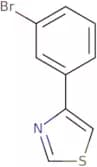
Formule :C9H6BrNSDegré de pureté :Min. 95%Masse moléculaire :240.12 g/mol4-(3-Bromophenyl)-1,3-thiazole
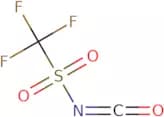
CAS :Versatile small molecule scaffoldFormule :C9H6BrNSDegré de pureté :Min. 95%Masse moléculaire :240.12 g/molTrifluoromethanesulfonyl isocyanate
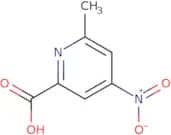
CAS :Trifluoromethanesulfonyl isocyanate (TMS) is a linker molecule that has been used to connect copper salt and hydroxyl groups. TMS has been shown to absorb ultraviolet light, which affects its conformational properties. TMS is also an aromatic hydrocarbon with vibrational and amide bonds. This compound can be used in the synthesis of anti-HIV drugs and as a metal halide. TMS is also a molecule consisting of carbon, hydrogen, fluorine, sulfur, and nitrogen atoms.Formule :C2F3NO3SDegré de pureté :90%MinMasse moléculaire :175.09 g/mol6-methyl-4-nitropyridine-2-carboxylic acid
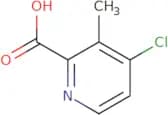
CAS :6-Methyl-4-nitropyridine-2-carboxylic acid is an antagonist that is structurally related to pyridine. It has been shown to inhibit the binding of norepinephrine and serotonin to their receptors in vitro, with a potency that is comparable to other phenoxybenzamine analogues. The compound has also been shown to have a high affinity for the α1A receptor, as well as for other homologous receptors. In addition, 6-methyl-4-nitropyridine-2-carboxylic acid inhibits the hydrolysis of cyano groups and nitriles, which allows it to be used as a synthetic precursor in the synthesis of various drugs.Formule :C7H6N2O4Degré de pureté :Min. 95%Masse moléculaire :182.1 g/mol4-chloro-3-methylpyridine-2-carboxylic acid
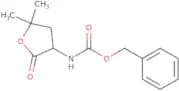
CAS :Versatile small molecule scaffoldFormule :C7H6ClNO2Degré de pureté :Min. 95%Masse moléculaire :171.6 g/molBenzyl N-(5,5-dimethyl-2-oxooxolan-3-yl)carbamate
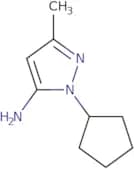
CAS :Versatile small molecule scaffoldFormule :C14H17NO4Degré de pureté :Min. 95%Masse moléculaire :263.29 g/mol2-Cyclopentyl-5-methyl-2H-pyrazol-3-ylamine
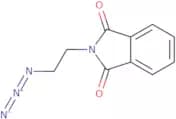
CAS :Versatile small molecule scaffoldFormule :C9H15N3Degré de pureté :Min. 95%Masse moléculaire :165.24 g/mol2-(2-azidoethyl)-1H-isoindole-1,3(2H)-dione
CAS :Versatile small molecule scaffoldFormule :C10H8N4O2Degré de pureté :Min. 95%Masse moléculaire :216.2 g/mol6'-Methoxy-3',4'-dihydro-2'H-spiro[imidazolidine-4,1'-naphthalene]-2,5-dione
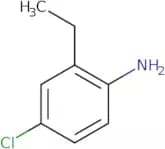
CAS :Versatile small molecule scaffoldFormule :C13H14N2O3Degré de pureté :Min. 95%Masse moléculaire :246.26 g/mol(4-Chloro-2-ethylphenyl)amine
CAS :4-Chloro-2-ethylphenyl)amine is a carcinogen that has been shown to damage mammalian cells. The compound causes mutations in the DNA of cells, and is mutagenic and damaging. 4-Chloro-2-ethylphenyl)amine can be eliminated from the body through metabolic processes, but also can be metabolized by reagents to form other compounds that are mutagenic or carcinogenic. This chemical has been shown to cause mutations in the DNA of Salmonella typhimurium and Typhimurium strains, as well as causing damage to their DNA.
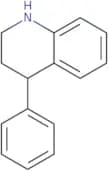
Formule :C8H10ClNDegré de pureté :Min. 95%Masse moléculaire :155.63 g/mol4-Phenyl-1,2,3,4-tetrahydroquinoline
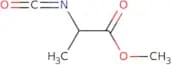
CAS :Versatile small molecule scaffoldFormule :C15H15NDegré de pureté :Min. 95%Masse moléculaire :209.29 g/molMethyl (2R)-2-isocyanatopropanoate
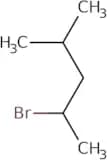
CAS :Versatile small molecule scaffoldFormule :C5H7NO3Degré de pureté :Min. 95%Masse moléculaire :129.11 g/mol2-Bromo-4-methylpentane
CAS :2-Bromo-4-methylpentane is an isomeric, branched-chain fatty acid. It has been observed to desorb from the surface of polyethylene terephthalate in a conformational fashion. This reaction was shown to be first order with respect to bromine concentration and was found to be reversible. The kinetics were found to be second order with respect to bromine concentration and first order with respect to polyethylene terephthalate surface area. The rates of the desorption of 2-bromo-4-methylpentane were found not to be affected by the presence of chloride ions.
2-Bromo-4-methylpentane can also undergo a Suzuki coupling reaction with amines in the presence of palladium catalysts and chiral phosphoric acid ligands. This reaction can produce substituted benzo[b]thiophenes, which are useful for organic synthesis reactions such as phthalFormule :C6H13BrDegré de pureté :Min. 95%Masse moléculaire :165.08 g/mol4'-Chloro-2,2-dimethylpropiophenone
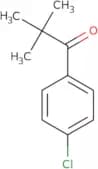
CAS :Versatile small molecule scaffoldFormule :C11H13ClODegré de pureté :Min. 95%Masse moléculaire :196.67 g/mol4',2,2-Trimethylpropiophenone
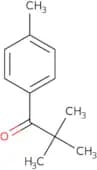
CAS :4',2,2-Trimethylpropiophenone is a benzyl derivative that lowers blood glucose levels in animals by inhibiting the activity of glycogen synthase. It also enhances the efficiency of maltase and decreases the rate of red blood cell maturation. 4',2,2-Trimethylpropiophenone has been shown to be a radioprotector in mice, protecting against radiation damage and hyperglycemia in diabetic mice. The drug has been shown to decrease the severity of diabetes mellitus type 1 in rats, as well as reduce the incidence and severity of diabetes mellitus type 2 in rats fed a high-fat diet. This drug is not active against lactose or animal cells.Formule :C12H16ODegré de pureté :Min. 95%Masse moléculaire :176.26 g/mol4'-Bromo-2,2-dimethylpropiophenone
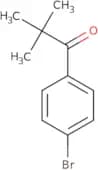
CAS :Versatile small molecule scaffoldFormule :C11H13BrODegré de pureté :Min. 95%Masse moléculaire :241.13 g/mol1-(3,4-Dimethoxyphenyl)-2-(morpholin-4-yl)ethan-1-ol
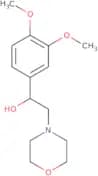
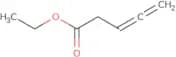
CAS :Produit contrôléVersatile small molecule scaffoldFormule :C14H21NO4Degré de pureté :Min. 95%Masse moléculaire :267.32 g/molEthyl penta-3,4-dienoate
CAS :Versatile small molecule scaffold
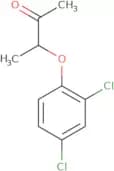
Formule :C7H10O2Degré de pureté :Min. 95%Masse moléculaire :126.15 g/mol3-(2,4-Dichlorophenoxy)butan-2-one
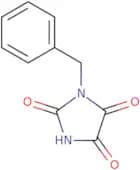
CAS :Versatile small molecule scaffoldFormule :C10H10Cl2O2Degré de pureté :Min. 95%Masse moléculaire :233.09 g/mol1-Benzylimidazolidine-2,4,5-trione
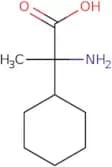
CAS :Versatile small molecule scaffoldFormule :C10H8N2O3Degré de pureté :Min. 95%Masse moléculaire :204.18 g/mol(2S)-2-Amino-2-cyclohexylpropanoic acid
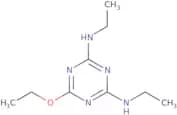
CAS :Versatile small molecule scaffoldFormule :C9H17NO2Degré de pureté :Min. 95%Masse moléculaire :171.24 g/mol6-Ethoxy-2-N,4-N-diethyl-1,3,5-triazine-2,4-diamine
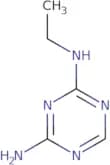
CAS :Versatile small molecule scaffoldFormule :C9H17N5ODegré de pureté :Min. 95%Masse moléculaire :211.26 g/mol2-N-Ethyl-1,3,5-triazine-2,4-diamine
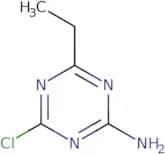
CAS :Versatile small molecule scaffoldFormule :C5H9N5Degré de pureté :Min. 95%Masse moléculaire :139.16 g/mol4-chloro-6-ethyl-1,3,5-triazin-2-amine
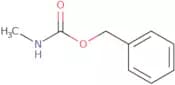
CAS :Versatile small molecule scaffoldFormule :C5H7N4ClDegré de pureté :Min. 95%Masse moléculaire :158.59 g/molBenzyl N-methylcarbamate
CAS :Benzyl N-methylcarbamate is an adrenergic receptor agonist that binds with high affinity to the 2-adrenergic receptors. It has been shown to have physiological effects on the gastrointestinal tract and has been used as a treatment for bowel disease. In addition, it also has anti-inflammatory properties that are mediated by its ability to inhibit the release of inflammatory mediators such as nitric oxide. Benzyl N-methylcarbamate is used in the treatment of inflammatory diseases, including rheumatoid arthritis and asthma. This drug is also effective against cancer cells and autoimmune diseases.Formule :C9H11NO2Degré de pureté :Min. 95%Masse moléculaire :165.19 g/mol

![2-Amino-2,3-dihydro-1H-benzo[de]isoquinoline-1,3-dione](/_next/image/?url=https%3A%2Fstatic.cymitquimica.com%2Fproducts%2F3D%2Fthumb-webp%2FFAA69046.webp&w=3840&q=75)
![1,4-Diazaspiro[5.5]undecane-3,5-dione](/_next/image/?url=https%3A%2Fstatic.cymitquimica.com%2Fproducts%2F3D%2Fthumb-webp%2FFAA69991.webp&w=3840&q=75)
![(2-Phenylethyl)[(pyridin-4-yl)methyl]amine](/_next/image/?url=https%3A%2Fstatic.cymitquimica.com%2Fproducts%2F3D%2Fthumb-webp%2FFAA71384.webp&w=3840&q=75)
![3,9-Dihydro-4H-pyrimido[4,5-b]indol-4-one](/_next/image/?url=https%3A%2Fstatic.cymitquimica.com%2Fproducts%2F3D%2Fthumb-webp%2FFAA71950.webp&w=3840&q=75)
![2'-Cyano[1,1'-biphenyl]-4-carboxylic acid](/_next/image/?url=https%3A%2Fstatic.cymitquimica.com%2Fproducts%2F3D%2Fthumb-webp%2FFAA72844.webp&w=3840&q=75)
![2-Oxaspiro[4.4]nonan-1-one](/_next/image/?url=https%3A%2Fstatic.cymitquimica.com%2Fproducts%2F3D%2Fthumb-webp%2FFAA73298.webp&w=3840&q=75)

![Spiro[2.6]nonan-4-one](/_next/image/?url=https%3A%2Fstatic.cymitquimica.com%2Fproducts%2F3D%2Fthumb-webp%2FFAA74385.webp&w=3840&q=75)

![[(2-Bromoethyl)sulfanyl]cyclohexane](/_next/image/?url=https%3A%2Fstatic.cymitquimica.com%2Fproducts%2F3D%2Fthumb-webp%2FFAA75561.webp&w=3840&q=75)
![2-[(2-Bromoethyl)sulfanyl]propane](/_next/image/?url=https%3A%2Fstatic.cymitquimica.com%2Fproducts%2F3D%2Fthumb-webp%2FFAA75562.webp&w=3840&q=75)



![Bis[(pinacolato)boryl]methane](/_next/image/?url=https%3A%2Fstatic.cymitquimica.com%2Fproducts%2F3D%2Fthumb-webp%2FFB18774.webp&w=3840&q=75)
![Bis[2-(perfluorooctyl)ethyl] phosphate](/_next/image/?url=https%3A%2Fstatic.cymitquimica.com%2Fproducts%2F3D%2Fthumb-webp%2FFB18790.webp&w=3840&q=75)


![rac-(3aR,6aR)-Hexahydrofuro[3,4-d][1,3]oxazol-2-one](/_next/image/?url=https%3A%2Fstatic.cymitquimica.com%2Fproducts%2F3D%2Fthumb-webp%2FFBA19756.webp&w=3840&q=75)

![6'-Methoxy-3',4'-dihydro-2'H-spiro[imidazolidine-4,1'-naphthalene]-2,5-dione](/_next/image/?url=https%3A%2Fstatic.cymitquimica.com%2Fproducts%2F3D%2Fthumb-webp%2FFBA26510.webp&w=3840&q=75)