Building Blocks
Sous-catégories appartenant à la catégorie "Building Blocks"
- Acides boroniques et dérivés de l'acide boronique(5.784 produits)
- Building Blocks Chiraux(1.242 produits)
- Building Blocks Hydrocarbonés(6.105 produits)
- Building Blocks organiques(61.065 produits)
205418 produits trouvés pour "Building Blocks"
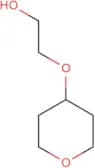
2-(Oxan-4-yloxy)ethan-1-ol
CAS :Versatile small molecule scaffoldFormule :C7H14O3Degré de pureté :Min. 95%Masse moléculaire :146.18 g/mol2-(2-Ethoxyphenoxy)acetic acid
CAS :Versatile small molecule scaffoldFormule :C10H12O4Degré de pureté :Min. 95%Masse moléculaire :196.2 g/molN-(4-Bromophenyl)-N-phenylacrylamide
CAS :Versatile small molecule scaffoldFormule :C15H12BrNODegré de pureté :Min. 95%Couleur et forme :PowderMasse moléculaire :302.16 g/mol2-Cyclopropylphenol
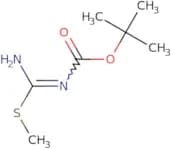
CAS :2-Cyclopropylphenol is a hydrogen chloride derivative of 2-cyclohexen-1-one. It has been shown to have high affinity for the α receptor, which is a functional group in the integrin receptor that mediates cell adhesion. 2-Cyclopropylphenol has been shown to be effective for the treatment of hepatitis. 2-Cyclopropylphenol also forms an organometallic complex with platinum, which can be used as an anticancer agent and shows good antiviral activity against hepatitis C virus (HCV). The molecular modeling of this compound was done by using quantum chemical calculations and NMR spectra. The synthesis of this compound was developed from benzene and ethynylbenzene. The photochemical properties of this compound were investigated by methane monooxygenase reconstitution studies.Formule :C9H10ODegré de pureté :Min. 95%Masse moléculaire :134.18 g/mol1-N-Boc-2-Methyl-Isothiourea
CAS :Versatile small molecule scaffoldFormule :C7H14N2O2SDegré de pureté :Min. 95%Masse moléculaire :190.26 g/mol6-Hydroxyquinoline-4-carboxylic acid
CAS :Versatile small molecule scaffoldFormule :C10H7NO3Degré de pureté :Min. 95%Masse moléculaire :189.17 g/mol(2,3-Dihydrobenzo[b][1,4]dioxin-5-yl)boronic acid
CAS :Versatile small molecule scaffoldFormule :C8H9BO4Degré de pureté :Min. 95%Masse moléculaire :179.97 g/mol2,2-Difluorobenzo[d][1,3]dioxol-5-ol
CAS :Versatile small molecule scaffoldFormule :C7H4F2O3Degré de pureté :Min. 95%Masse moléculaire :174.1 g/mol(1S,4S)-tert-Butyl 2,5-diazabicyclo[2.2.1]heptane-2-carboxylate
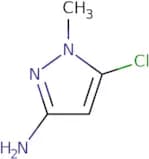
CAS :Please enquire for more information about (1S,4S)-tert-Butyl 2,5-diazabicyclo[2.2.1]heptane-2-carboxylate including the price, delivery time and more detailed product information at the technical inquiry form on this pageDegré de pureté :Min. 95%5-Chloro-1-methyl-1H-pyrazol-3-amine
CAS :Versatile small molecule scaffold
Formule :C4H6N3ClDegré de pureté :Min. 95%Masse moléculaire :131.56 g/moltert-Butyl 9-oxo-4,8-diazaspiro[4.4]nonane-4-carboxylate
CAS :Versatile small molecule scaffoldFormule :C12H20N2O3Degré de pureté :Min. 95%Masse moléculaire :240.3 g/molMethyl 2-cyanoprop-2-enoate, stabilized with MEHQ
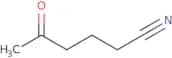
CAS :Please enquire for more information about Methyl 2-cyanoprop-2-enoate, stabilized with MEHQ including the price, delivery time and more detailed product information at the technical inquiry form on this pageFormule :C5H5NO2Degré de pureté :Min. 95%Masse moléculaire :111.10 g/mol5-Ketohexanenitrile
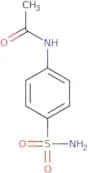
CAS :5-Ketohexanenitrile is a liquid that is used in the production of medicine. The compound has been shown to be an effective inhibitor of the enzyme, dehydrogenase, which catalyzes the conversion of 5-ketohexanoic acid to hexadecanoic acid. This reaction is important for the oxidation of fatty acids and can be found in all living organisms. 5-Ketohexanenitrile has also been shown to inhibit the enzyme, hydrogen peroxide oxidase, which catalyzes the conversion of hydrogen peroxide to water and oxygen gas. 5-Ketohexanenitrile is also an intermediate in acrylonitrile production. It can be produced by vaporizing hexadecanoic acid with a catalyst such as trimethylpyridine or acetic acid. 5-Ketohexanenitrile can exist as two isomers: cis and trans. It is a primary amine that reacts with alkali metals such asFormule :C6H9NODegré de pureté :Min. 95%Masse moléculaire :111.14 g/mol4-Acetamidobenzenesulfonamide
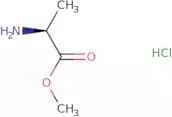
CAS :4-Acetamidobenzenesulfonamide is a drug that inhibits the activity of several enzymes and is used in wastewater treatment. It has been shown to have a beneficial effect on metabolic disorders, such as insulin resistance, obesity, and type 2 diabetes. 4-Acetamidobenzenesulfonamide also regulates transcriptional activity by inhibiting the interaction between DNA and RNA polymerases. This drug has been shown to be active in treating autoimmune diseases, such as multiple sclerosis, rheumatoid arthritis, lupus erythematosus and Crohn's disease. It also aids in HIV infection by acting as an inhibitor of toll-like receptor signalling pathways. The drug binds to hydrogen bonds and hydrophobic interactions with water molecules to form a hydrophobic layer on the surface of cells in order to reduce water permeability. The drug also reduces bowel diseases such as ulcerative colitis and liver lesions caused by alcohol consumption or congestiveFormule :C8H10N2O3SDegré de pureté :Min. 95%Masse moléculaire :214.24 g/molL-Alanine methyl ester HCl
CAS :L-Alanine methyl ester HCl is a compound that is used in wastewater treatment. It has been shown to inhibit the enzyme DPP-IV, which is associated with metabolic disorders. L-Alanine methyl ester HCl also has been shown to have antimicrobial activity against a number of bacteria, including methicillin resistant Staphylococcus aureus (MRSA). L-Alanine methyl ester HCl has been shown to have anti-inflammatory properties and can be used for the treatment of autoimmune diseases. This compound also has a significant effect on biological properties such as phase transition temperature and thermal expansion.Formule :C4H10NO2ClDegré de pureté :Min. 95%Couleur et forme :White PowderMasse moléculaire :139.58 g/mol6-Amino-3-pyridinethiol dihydrochloride
CAS :Please enquire for more information about 6-Amino-3-pyridinethiol dihydrochloride including the price, delivery time and more detailed product information at the technical inquiry form on this page
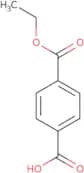
Formule :C5H6N2S•(HCl)2Degré de pureté :Min. 95%Masse moléculaire :199.1 g/mol1,4-Benzenedicarboxylic acid, monoethyl ester
CAS :1,4-Benzenedicarboxylic acid, monoethyl ester (1,4-BDE) is a monomer that is used in the manufacture of polycarbonates and other plastics. 1,4-BDE is also used as a solvent for xylene and butanol. It has been shown to be useful in the production of polyester fibers. The monomer can be synthesized by reacting ethylene with terephthalic acid or dimethyl terephthalate (DMT). This reaction produces 1,4-BDE and methanol as byproducts. The process is carried out at temperatures of 250 °C to 300 °C and under atmospheric pressure. The purified product can be isolated using distillation or extraction with organic solvents such as benzene or butanol. The reaction can be carried out in the presence of ruthenium, which acts as a catalyst.Formule :C10H10O4Degré de pureté :Min. 95%Couleur et forme :White PowderMasse moléculaire :194.18 g/molDL-Tropic acid
CAS :Please enquire for more information about DL-Tropic acid including the price, delivery time and more detailed product information at the technical inquiry form on this pageFormule :C9H10O3Degré de pureté :Min. 95%Masse moléculaire :166.17 g/moltert-Butyl 3-(4-aminophenyl)pyrrolidine-1-carboxylate
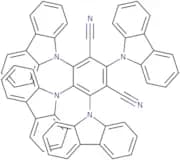
CAS :Versatile small molecule scaffoldFormule :C15H22N2O2Degré de pureté :Min. 95%Masse moléculaire :262.35 g/mol2,4,5,6-Tetra(9H-carbazol-9-yl)isophthalonitrile
CAS :2,4,5,6-Tetra(9H-carbazol-9-yl)isophthalonitrile is a redox molecule that emits light when excited by an electron or photon. It is used in organic light emitting devices (OLEDs) as the emissive material. This compound has been shown to have low chemical stability and limited transport properties. Its efficiency can be improved by increasing the concentration of the molecule. Activated 2,4,5,6-tetra(9H-carbazol-9-yl)isophthalonitrile emits a bright red orange emission with a maximum at 569 nm and it is activated by electron transfer from an electrode. 2,4,5,6-Tetra(9H-carbazol-9-yl)isophthalonitrile has been shown to emit blue light when excited by UV light in the presence of oxygen as an oxidant.Formule :C56H32N6Degré de pureté :Min. 98 Area-%Couleur et forme :PowderMasse moléculaire :788.89 g/mol3-bromo-1-methyl-1H-pyrazole-5-carboxylic acid
CAS :Versatile small molecule scaffoldFormule :C5H5BrN2O2Degré de pureté :Min. 95%Masse moléculaire :205 g/mol3-iodo-5-(trifluoromethyl)benzoic acid
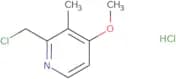
CAS :Versatile small molecule scaffoldFormule :C8H4F3IO2Degré de pureté :Min. 95%Masse moléculaire :316 g/mol2-(Chloromethyl)-4-methoxy-3-methylpyridine hydrochloride
CAS :2-(Chloromethyl)-4-methoxy-3-methylpyridine hydrochloride is a lead compound that belongs to the family of pyridine derivatives. It has been shown to be a potent inhibitor of bacterial RNA synthesis, with an IC50 value of 1.2 μM for Escherichia coli and 8 μM for Bacillus subtilis. 2-(Chloromethyl)-4-methoxy-3-methylpyridine hydrochloride also inhibits the growth of Gram negative bacteria such as Pseudomonas aeruginosa and Enterobacter cloacae. The compound binds to the nucleophilic site on ribosomes, which prevents the formation of peptide bonds between amino acids in protein synthesis. This leads to cell death by inhibiting protein synthesis, leading to cell division.Formule :C8H11Cl2NODegré de pureté :Min. 95%Masse moléculaire :208.08 g/mol1,2,3,4-Tetrahydro-1,7-naphthyridine
CAS :Versatile small molecule scaffoldFormule :C8H10N2Degré de pureté :Min. 95%Couleur et forme :Clear LiquidMasse moléculaire :134.18 g/mol4-Fluoro-2-methoxy-5-nitroaniline
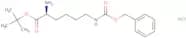
CAS :Intermediate in the synthesis of osimertinib (AZD9291)Formule :C7H7FN2O3Degré de pureté :Min. 95%Masse moléculaire :186.14 g/molNe-Z-L-lysine tert-butyl ester hydrochloride
CAS :Ne-Z-L-lysine tert-butyl ester hydrochloride is a multidrug that inhibits the activity of the P-glycoprotein (Pgp) transporter. This drug is an antigen that can be used as a marker for cytostatic drugs, and it can be used in radionuclide localization. Ne-Z-L-lysine tert-butyl ester hydrochloride has been shown to have cytostatic effects on malignant cells, but its cytotoxicity varies depending on the type of cancer cell. Ne-Z-L-lysine tert-butyl ester hydrochloride has also been shown to be degradable and to possess conjugates with antibodies, which makes it useful for treating some types of cancers. Ne-Z-L-lysine tert-butyl ester hydrochloride is not active against resistant cells such as those expressing Pgp or MRP1 proteins.Formule :C18H28N2O4·HClDegré de pureté :Min. 95%Couleur et forme :White PowderMasse moléculaire :372.89 g/molMethanesulfonato(diadamantyl-n-butylphosphino)-2'-amino-1,1'-biphenyl-2-yl)palladium(II) dichloromethane adduct
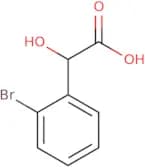
CAS :Please enquire for more information about Methanesulfonato(diadamantyl-n-butylphosphino)-2'-amino-1,1'-biphenyl-2-yl)palladium(II) dichloromethane adduct including the price, delivery time and more detailed product information at the technical inquiry form on this pageFormule :C37H52NO3PPdSDegré de pureté :Min. 95%Masse moléculaire :728.27 g/mol2-(2-Bromophenyl)-2-hydroxyacetic acid
CAS :2-Bromophenyl-2-hydroxyacetic acid is a ligand that binds to the ethylene receptor in plants and can be used as a monomer for the polymerization of polyethylene. It has been shown that 2-bromophenyl-2-hydroxyacetic acid can also be used as an initiator for the polymerization of β-cyclodextrin. This compound has also been shown to be an analyte in gas chromatography, which is used to separate compounds based on their chemical properties. The use of this compound as a tethering agent has also been investigated with copolymerization reactions in order to create more stable polymers. 2-Bromophenyl-2-hydroxyacetic acid has been found to inhibit nonsteroidal antiinflammatory drugs and may have potential applications for chiral synthesis, such as mandelic acid production.
Formule :C8H7BrO3Degré de pureté :Min. 95%Masse moléculaire :231.04 g/mol(3-Aminopropyl)(3-phenylpropyl)amine
CAS :Versatile small molecule scaffoldFormule :C12H20N2Degré de pureté :Min. 95%Masse moléculaire :192.3 g/mol5-Bromo-2-dimethylaminopyridine
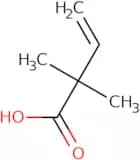
CAS :Produit contrôléPlease enquire for more information about 5-Bromo-2-dimethylaminopyridine including the price, delivery time and more detailed product information at the technical inquiry form on this pageFormule :C7H9BrN2Degré de pureté :Min. 95%Masse moléculaire :201.01 g/mol2,2-Dimethylbut-3-enoic acid
CAS :2,2-Dimethylbut-3-enoic acid is a bioactive compound that is used to synthesize other compounds. It has been shown to have a number of functions, such as being an electrolyte and having an electron deficient group in its structure. 2,2-Dimethylbut-3-enoic acid reacts with electrophilic functional groups at high temperatures to form allylation products. This reaction is called cheletropic and has been shown to be reversible.
Formule :C6H10O2Degré de pureté :Min. 95%Masse moléculaire :114.14 g/mol[2'-(Amino-ºN)[1,1'-biphenyl]-2-yl-C][[3,6-dimethoxy-2',4',6'-tris(1-methylethyl)[1,1'-biphenyl]-2-yl]bis(1,1-dimethylethyl)phosphin e-ºP](methanesulfonato-ºO)palladium (tBuBrettPhos Pd G3)
CAS :The chemical is a palladium-based complex that inhibits the activity of α4β7 integrin. It has been shown to be effective in prophylaxis and treatment of inflammatory diseases, such as autoimmune diseases, and other conditions, such as congenital disorders. The compound has been shown to inhibit the growth of plants by causing phytotoxic effects.Formule :C44H62NO5PPdSDegré de pureté :Min. 95%Masse moléculaire :854.43 g/mol7-Oxa-2-azaspiro[3.5]nonane hydrochloride
CAS :Versatile small molecule scaffoldFormule :C7H14ClNODegré de pureté :Min. 95%Masse moléculaire :163.6 g/mol5-Boc-4H,5H,6H,7H,8H-pyrazolo[1,5-a][1,4]diazepine-2-carboxylic acid
CAS :Versatile small molecule scaffoldFormule :C13H19N3O4Degré de pureté :Min. 95%Masse moléculaire :281.31 g/mol1,1',1''-(1,3,5-Triazinane-1,3,5-triyl)tris(2-bromoethan-1-one)
CAS :Please enquire for more information about 1,1',1''-(1,3,5-Triazinane-1,3,5-triyl)tris(2-bromoethan-1-one) including the price, delivery time and more detailed product information at the technical inquiry form on this page
Formule :C9H12Br3N3O3Degré de pureté :Min. 95%Couleur et forme :PowderMasse moléculaire :449.82 g/mol6-Chlorohexanol
CAS :6-Chlorohexanol is a fatty alcohol with a hydroxyl group. It is soluble in water and has a phase transition temperature of -114°C. 6-Chlorohexanol can be synthesized by reacting 2,6-dichlorophenol with hydrochloric acid and sodium hydroxide in the presence of azobenzene. The reaction solution is then heated to about 300°C for 3 hours. 6-Chlorohexanol is used as a model system for studying the photochemical reactions of fatty acids. Hydroxy groups are susceptible to light exposure, which leads to the formation of carbonyl compounds such as malonic acid and chloride monomers.Formule :C6H13ClODegré de pureté :Min. 95%Couleur et forme :PowderMasse moléculaire :136.62 g/molcis-6-Boc-octahydropyrrolo[3,4-b]morpholine
CAS :Versatile small molecule scaffold
Formule :C11H20N2O3Degré de pureté :Min. 95%Masse moléculaire :228.29 g/molR-(-)-3-Chloro-1,2-propanediol
CAS :R-(-)-3-Chloro-1,2-propanediol is a chiral epoxide that is used in the synthesis of other chemicals. It has been shown to be active against bacterial strains such as corynebacterium and coryneform bacteria. This chemical can be synthesized from hydrochloric acid and chlorinated propane with an asymmetric synthesis. The R-(-)-3-Chloro-1,2-propanediol can also be synthesized through electrochemical methods using chloride ion as the reducing agent. This compound is soluble in water and shows kinetic activity with carbon sources when used as an antibiotic.
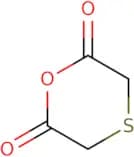
Formule :C3H7ClO2Degré de pureté :Min. 95%Couleur et forme :Colorless Clear LiquidMasse moléculaire :110.54 g/molThiodiglycolic Anhydride
CAS :Thiodiglycolic anhydride is a synthetic reagent that is used in the synthesis of erdosteine. It also has been used in the synthesis of other products, such as magnetic particles for imaging and therapeutic uses. Thiodiglycolic anhydride can be used to synthesize erdosteine, which is a substrate for the enzyme hydroxylase and contains a hydroxy group in its structure. The hydroxyl group on erdosteine reacts with thiodiglycolic anhydride to form acrylonitrile, which then reacts with benzyl groups to form benzylthio-esters. These benzylthio-esters are then converted into acid transporters.Formule :C4H4O3SDegré de pureté :Min. 95%Masse moléculaire :132.14 g/mol1-(4-Chloro-2,6-dimethylphenyl)ethanone
CAS :Versatile small molecule scaffoldFormule :C10H11ClODegré de pureté :Min. 95%Masse moléculaire :182.64 g/mol(1R,5S,6r)-rel-3-Oxabicyclo[3.1.0]hexane-6-carboxylic acid
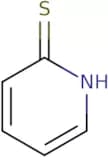
CAS :Versatile small molecule scaffoldFormule :C6H8O3Degré de pureté :Min. 95%Masse moléculaire :128.13 g/mol2-Mercaptopyridine
CAS :2-Mercaptopyridine is a quinone that has been used as an inhibitor of the HIV reverse transcriptase enzyme. It binds to the active site of the enzyme and inhibits its activity by forming a stable covalent bond with two cysteine residues in the enzyme. The molecule is stabilized by two adjacent sulfide bonds, which form a six-membered ring with three nitrogen atoms and one oxygen atom. This ring coordinates to the zinc ion in the active site of the enzyme. 2-Mercaptopyridine has also been found to be effective against methicillin-resistant Staphylococcus aureus (MRSA) and Mycobacterium tuberculosis. 2-Mercaptopyridine binds to DNA at positions where it is complementary to guanine or adenine nucleotides, thus preventing RNA synthesis and replication.Formule :C5H5NSDegré de pureté :Min. 95%Couleur et forme :PowderMasse moléculaire :111.17 g/mol(Ir[dF(CF3)ppy]2(dtbpy))PF6
CAS :Ir(dF(CF3)ppy)2 (dtbpy)PF6 is a photosensitizer that can be used in cycloaddition reactions. It is soluble in nonpolar solvents and can be used as a catalyst for cycloadditions involving uncharged substrates. Ir(dF(CF3)ppy)2 (dtbpy)PF6 has been shown to catalyze the transfer of an electron from a donor molecule to an acceptor molecule, which generates energy that can be transferred to the environment. This process is called "energy transfer."Formule :C42H34F16IrN4PDegré de pureté :Min. 95%Masse moléculaire :1,121.91 g/molOctadecanedioic Acid
CAS :Octadecanedioic acid (ODA) is a fatty acid with the chemical formula CH3(CH2)14COOH. It is a colorless oily liquid that is soluble in water and alcohols. ODA is used in wastewater treatment, as it can remove metal hydroxides and organic substances such as alcohol residue. It has been shown to have low toxicity to humans, with no significant changes in blood chemistry or urinalysis parameters following exposure. It also has been shown to be chemically stable and biodegradable. ODA may be used in pharmaceutical preparations and process optimization, such as biological treatment of wastewater.Formule :C18H34O4Degré de pureté :Min. 95%Couleur et forme :White PowderMasse moléculaire :314.46 g/molN-(4-Aminophenyl)-N-methyl-2-(4-methylpiperazin-1-yl)acetamide
CAS :N-(4-Aminophenyl)-N-methyl-2-(4-methylpiperazin-1-yl)acetamide is an environmental and industrial chemical that is used as a formate, benzoate, and methyl benzoate intermediate. It reacts with nitric acid to form N-(4-aminophenyl)-N-methyl-2-(4-nitrophenoxy)acetamide (NPA). NPA has been shown to have antiangiogenic properties. NPA inhibits the proliferation of endothelial cells by interfering with the cell cycle and inducing apoptosis.Formule :C14H22N4ODegré de pureté :Min. 95%Masse moléculaire :262.35 g/mol2-(Morpholin-4-yl)acetyl chloride hydrochloride
CAS :2-(Morpholin-4-yl)acetyl chloride hydrochloride is a fine chemical that is used as a building block for the synthesis of other compounds. It can be used in research and development, or as a reagent. 2-(Morpholin-4-yl)acetyl chloride hydrochloride has high purity and is easily soluble in water. This compound can be used as an intermediate to synthesize other compounds, or it can be used as a scaffold for the formation of complex structures.Formule :C6H11Cl2NO2Degré de pureté :Min. 95%Couleur et forme :PowderMasse moléculaire :200.06 g/mol4-{[(tert-butoxy)carbonyl]amino}bicyclo[2.2.2]octane-1-carboxylic acid
CAS :Versatile small molecule scaffoldFormule :C14H23NO4Degré de pureté :Min. 95%Masse moléculaire :269.3 g/mol5-Bromo-2,4-dimethoxypyridine
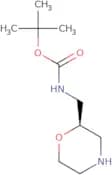
CAS :Versatile small molecule scaffoldFormule :C7H8BrNO2Degré de pureté :Min. 95%Masse moléculaire :218.05 g/mol(R)-2-(N-Boc-aminomethyl)morpholine
CAS :Versatile small molecule scaffoldFormule :C10H20N2O3Degré de pureté :Min. 95%Masse moléculaire :216.28 g/molL-Arginine-7-amido-4-methylcoumarin hydrochloride
CAS :Please enquire for more information about L-Arginine-7-amido-4-methylcoumarin hydrochloride including the price, delivery time and more detailed product information at the technical inquiry form on this page
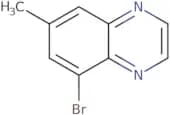
Formule :C16H21N5O3•HClDegré de pureté :Min. 95%Masse moléculaire :367.83 g/mol5-Bromo-7-methylquinoxaline
CAS :Versatile small molecule scaffoldFormule :C9H7BrN2Degré de pureté :Min. 95%Masse moléculaire :223.07 g/mol5-Oxotetrahydrofuran-2-carboxylic acid
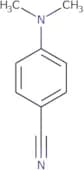
CAS :5-Oxotetrahydrofuran-2-carboxylic acid is a solid phase extraction compound that can be used to extract and purify compounds from biological samples. It is synthesized by an asymmetric synthesis of the acetate ester of 5-hydroxytetrahydrofuran-2-carboxylic acid, which is then hydrolyzed to give the desired product. 5-Oxotetrahydrofuran-2-carboxylic acid has been used in cell culture studies as a diagnostic agent for cancer cells. The reactive nature of this molecule allows it to react with chloride ions and fatty acids, which leads to the death of cancer cells.Formule :C5H6O4Degré de pureté :Min. 95%Masse moléculaire :130.1 g/mol1-Cyano-4-(dimethylamino)benzene
CAS :1-Cyano-4-(dimethylamino)benzene is a molecule that has been shown to inhibit the growth of hamster v79 cells. It also inhibits the synthesis of DNA and RNA. The binding constants for this molecule have been determined to be 1.0 x 10^9 M^-1, with an n-octanol/water partition coefficient (log P) of 5.5. This molecule is soluble in nonpolar solvents and may be used as a model system for hydrogen bonding interactions or reaction mechanisms in organic chemistry. This compound contains a deuterium isotope and can be used to study the effects of hydrogen bonding on reactions in organic chemistry at high temperatures, with the use of preparative hplc.Formule :C9H10N2Degré de pureté :Min. 95%Couleur et forme :Beige PowderMasse moléculaire :146.19 g/mol(R)-(-)-3-Amino-3-phenylpropionic acid
CAS :(R)-(-)-3-Amino-3-phenylpropionic acid is a hydrogenated, stereoselective β-amino acid that is involved in the biosynthesis of animal health. The enzyme acylase catalyzes this reaction by binding with chiral pyridoxal phosphate to form an acylation product. The stereospecificity of the reaction is determined by whether the enzyme has a preference for L or D amino acids. Acylases are found in organisms such as mammals and bacteria.Formule :C9H11NO2Degré de pureté :Min. 95%Couleur et forme :PowderMasse moléculaire :165.19 g/moltert-butyl (2-amino-2-methylpropyl)carbamate
CAS :Versatile small molecule scaffoldFormule :C9H20N2O2Degré de pureté :Min. 95%Masse moléculaire :188.27 g/mol(3R,4R)-3-[(6-Amino-4-pyrimidinyl)methylamino]-4-methyl-β-oxo-1-piperidinepropanenitrile
CAS :Please enquire for more information about (3R,4R)-3-[(6-Amino-4-pyrimidinyl)methylamino]-4-methyl-β-oxo-1-piperidinepropanenitrile including the price, delivery time and more detailed product information at the technical inquiry form on this page
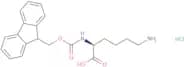
Formule :C14H20N6ODegré de pureté :Min. 95%Masse moléculaire :288.35 g/molFmoc-Lys-OH·HCl
CAS :Fmoc-Lys-OH·HCl is an acidic pyrylium that has been shown to be a potent inhibitor of tumor vasculature. It binds to the human serum albumin and inhibits the binding of ligands to the receptor tyrosine kinases, which are involved in brain tumor proliferation. Fmoc-Lys-OH·HCl has also been shown to inhibit the growth of cancer cells by binding to cell membrane receptors and inhibiting protein synthesis. This compound is also isomeric, meaning it can exist in different forms with different properties.Formule :C21H24N2O4·HClDegré de pureté :Min. 95 Area-%Couleur et forme :White PowderMasse moléculaire :404.89 g/molN-Methoxymethyl-N-(trimethylsilylmethyl)benzylamine
CAS :N-Methoxymethyl-N-(trimethylsilylmethyl)benzylamine is a chiral, electron deficient reagent that reacts with aldehydes and boronic esters to form products with high chemical yields. This compound can be used as a catalyst for acylation reactions, such as the synthesis of p-nitrophenol. N-Methoxymethyl-N-(trimethylsilylmethyl)benzylamine is synthesized by the reaction of trifluoroacetic acid and an amine, followed by chloroformate displacement. The product is then reacted with acylating agents in the presence of catalysts.Formule :C13H23NOSiDegré de pureté :Min. 95%Couleur et forme :Clear Colourless To Pale Yellow LiquidMasse moléculaire :237.41 g/molCyclobutanesulfonyl chloride
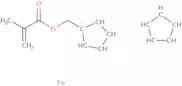
CAS :Cyclobutanesulfonyl chloride is a reagent that is used for the synthesis of 1-6-alkylcyclobutanes. It can be used to synthesize heterocyclic compounds, including those with high optical purity. Cyclobutanesulfonyl chloride has been shown to have antiviral and antiproliferative properties. It has also been shown to exhibit anticancer activity in vitro and in vivo. The mechanism of action for this compound is unclear, but it may inhibit protein synthesis by attacking the amino acid methionine in proteins or by inhibiting DNA replication.Formule :C4H7ClO2SDegré de pureté :Min. 95%Couleur et forme :Clear LiquidMasse moléculaire :154.62 g/molFerrocenylmethyl methacrylate
CAS :Ferrocenylmethyl methacrylate is a reactive, irreversible oxidation agent. It is used in the synthesis of hydroxylated polymers and redox-active biological sensors. Ferrocenylmethyl methacrylate has been used as a component in polymerization reactions to produce polymers with recording potential. It has also been used for the detection of cancer cells and for the diagnosis of prostate cancer.Formule :C15H16FeO2Degré de pureté :Min. 95%Masse moléculaire :284.13 g/mol2,6-Dichloro-4-fluorobenzoic acid
CAS :Versatile small molecule scaffoldFormule :C7H3Cl2FO2Degré de pureté :Min. 95%Masse moléculaire :209 g/molCyclopent-2-en-1-ol
CAS :Cyclopent-2-en-1-ol is a reactive monomer that can react with chloride and hydroxyl groups. It can also undergo reaction with sodium carbonate to form a cyclic ester. Cyclopent-2-en-1-ol can be converted to an epoxide by the use of acid catalyst. This compound also has the ability to polymerize, forming polymers that are used in rayon production.Formule :C5H8ODegré de pureté :Min. 95%Couleur et forme :Clear LiquidMasse moléculaire :84.12 g/molCucurbit[7]uril
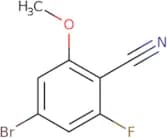
CAS :Cucurbit[7]uril is a chemical compound that can be used as a fluorescent probe for protein target. It has been shown to produce significant cytotoxicity against cancer cell lines in vitro. Cucurbit[7]uril also exhibits hydrophobic effects, which bind to the cell nuclei of cancer cells and inhibits DNA replication. The photophysical properties of cucurbit[7]uril are stable under physiological conditions and it can be used in vivo as a styryl dye. This chemical compound is also able to form stable complexes with carbonyl oxygens, making it an interesting candidate for anti-cancer drug development.Formule :C42H42N28O14Degré de pureté :Min. 95%Couleur et forme :White To Yellow SolidMasse moléculaire :1,162.96 g/mol4-Bromo-2-fluoro-6-methoxybenzonitrile
CAS :Versatile small molecule scaffoldFormule :C8H5NOFBrDegré de pureté :Min. 95%Masse moléculaire :230.03 g/mol6-Bromo-3-methyl-2,3-dihydro-1,3-benzoxazol-2-one
CAS :Versatile small molecule scaffold
Formule :C8H6BrNO2Degré de pureté :Min. 95%Masse moléculaire :228.04 g/molN-Carbethoxy-4-hydroxypiperidine
CAS :N-Carbethoxy-4-hydroxypiperidine is a drug substance that is a h1 receptor antagonist. It is used as an antihistamine to treat the symptoms of hay fever and other allergic reactions. N-Carbethoxy-4-hydroxypiperidine is available in two enantiomers, or mirror images, which are labelled S and R. The R enantiomer is more potent than the S enantiomer for inhibiting histamine h1 receptors. This drug has been shown to inhibit the growth of tuberculosis bacteria in cell culture and animal models, but not against Mycobacterium avium complex. N-Carbethoxy-4-hydroxypiperidine has also been shown to have significant antibacterial activity against Clostridium perfringens with minimal toxicity in mice.
Formule :C8H15NO3Degré de pureté :Min. 95%Masse moléculaire :173.21 g/moltert-Butyl N-[3-(tetramethyl-1,3,2-dioxaborolan-2-yl)propyl]carbamate
CAS :Versatile small molecule scaffoldFormule :C14H28BNO4Degré de pureté :Min. 95%Masse moléculaire :285.19 g/moln-Butyl methanesulfonate
CAS :N-butyl methanesulfonate is a genotoxic agent that inhibits the growth of bacteria by binding to the DNA. N-butyl methanesulfonate is effective against typhimurium and has shown carcinogenic effects in hamster cells. N-butyl methanesulfonate is also capable of inhibiting quinoline derivatives, which are carcinogens that are found in tobacco smoke. This chemical can be used as a natural compound for the treatment of diabetic neuropathy and cryptococcus neoformans. It may also be used as an antiviral agent for the treatment of influenza virus.Formule :C5H12O3SDegré de pureté :Min. 95%Masse moléculaire :152.21 g/mol(2R,6R)-2,6-Dimethylmorpholine
CAS :(2R,6R)-2,6-Dimethylmorpholine is an isomerizing agent that converts (2S,6S)-2,6-dimethylmorpholine to (2R,6R)-2,6-dimethylmorpholine. It has been used in the synthesis of pharmaceuticals and optimization of reaction conditions. The optimum condition for the conversion is a temperature of 40°C with a time of 4 hours. It can also be used to synthesize mandelic acid from phenylglyoxal and nitroethane. This compound has been shown to have antibacterial activity against tonsillar bacteria and enantiomers with different sensitivities may be analyzed using plates coated with silica gel or polymeric resins. Parameters such as pH and temperature must also be optimized for this process.Formule :C6H13NODegré de pureté :Min. 95%Masse moléculaire :115.17 g/mol3-Boc-3-azabicyclo[3.2.1]octan-8-amine
CAS :Versatile small molecule scaffoldFormule :C12H22N2O2Degré de pureté :Min. 95%Masse moléculaire :226.32 g/mol3,4-Difluoro-1H-Pyrrole
CAS :3,4-Difluoro-1H-Pyrrole is a neutral compound with a molecular weight of 136.17 g/mol. It has the chemical formula C6H3F2N and it can be found in reactions involving the congener and coordination chemistry. 3,4-Difluoro-1H-Pyrrole is an intermediate in organic synthesis that is used as starting material for other organic compounds such as pharmaceuticals and agrochemicals. The redox potential of 3,4-Difluoro-1H-Pyrrole is -0.42 V for the reaction with chloride solution and its basicity is 0.89 mM at 25°C. This molecule has been studied by X-ray crystallography and by titration calorimetry for hydrogen bonding interactions.Formule :C4H3F2NDegré de pureté :Min. 95%Masse moléculaire :103.07 g/mol1-tert-butyl 2-methyl (2R,4S)-4-aminopyrrolidine-1,2-dicarboxylate hydrochloride
CAS :Versatile small molecule scaffoldFormule :C11H21ClN2O4Degré de pureté :Min. 95%Masse moléculaire :280.7 g/mol5-Methyl-4-[(pyrrolidin-1-yl)methyl]-1,2-oxazole-3-carboxylic acid hydrochloride
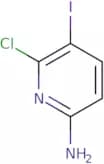
CAS :Versatile small molecule scaffoldFormule :C10H15ClN2O3Degré de pureté :Min. 95%Masse moléculaire :246.69 g/mol6-Chloro-5-iodopyridin-2-amine
CAS :Versatile small molecule scaffold
Formule :C5H4ClIN2Degré de pureté :Min. 95%Masse moléculaire :254.46 g/mol6-Chloro-2,8-dimethylimidazo[1,2-b]pyridazine
CAS :Versatile small molecule scaffoldFormule :C8H8ClN3Degré de pureté :Min. 95%Masse moléculaire :181.62 g/mol1-Azaspiro[3.3]heptane hydrochloride
CAS :Versatile small molecule scaffold
Formule :C6H12ClNDegré de pureté :Min. 95%Masse moléculaire :133.62 g/mol(2,2-Difluoroethyl)hydrazine hydrochloride
CAS :Versatile small molecule scaffoldFormule :C2H7ClF2N2Degré de pureté :Min. 95%Masse moléculaire :132.54 g/molTert-butyl N-(8-bromooctyl)carbamate
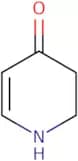
CAS :Please enquire for more information about Tert-butyl N-(8-bromooctyl)carbamate including the price, delivery time and more detailed product information at the technical inquiry form on this pageFormule :C13H26BrNO2Degré de pureté :Min. 95%Masse moléculaire :308.26 g/mol1,2,3,4-Tetrahydropyridin-4-one
CAS :1,2,3,4-Tetrahydropyridin-4-one is an organic compound that can be synthesized by a cross-coupling reaction between a pyridine and chloroformate. The reaction mechanism involves nucleophilic addition of the amine to the electrophile followed by reductive elimination. This process leads to the formation of a tetrahydroquinoline skeleton with stereoselectivity. Tetrahydropyridin-4-one can also be synthesized from an iminium ion or an activated pyridinium salt. The resulting product will have a different skeleton because it was synthesized through different mechanisms.Formule :C5H7NODegré de pureté :Min. 95%Masse moléculaire :97.12 g/mol3-Dimethylamino-1-pyridin-3-yl-propenone
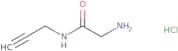
CAS :Versatile small molecule scaffoldFormule :C10H12N2ODegré de pureté :Min. 95%Masse moléculaire :176.22 g/mol2-Amino-N-(prop-2-yn-1-yl)acetamide hydrochloride
CAS :Versatile small molecule scaffold
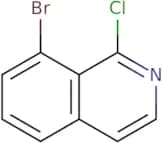
Formule :C5H9ClN2ODegré de pureté :Min. 95%Masse moléculaire :148.59 g/mol8-Bromo-1-chloroisoquinoline
CAS :Versatile small molecule scaffold
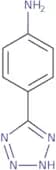
Formule :C9H5BrClNDegré de pureté :Min. 95%Masse moléculaire :242.5 g/mol4-(1H-Tetrazol-5-yl)aniline
CAS :Please enquire for more information about 4-(1H-Tetrazol-5-yl)aniline including the price, delivery time and more detailed product information at the technical inquiry form on this page
Formule :C7H7N5Degré de pureté :Min. 95%Masse moléculaire :161.16 g/mol4-(Aminomethyl)pyridine-2-carbonitrile hydrochloride
CAS :Versatile small molecule scaffoldFormule :C7H8ClN3Degré de pureté :Min. 95%Masse moléculaire :169.61 g/mol4-Bromo-2-cyclopropylpyridine
CAS :Versatile small molecule scaffold
Formule :C8H8NBrDegré de pureté :Min. 95%Masse moléculaire :198.05 g/mol6-Amino-4H,5H,6H,7H,8H-thieno[3,2-b]azepin-5-one hydrochloride
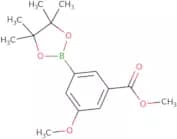
CAS :Versatile small molecule scaffoldFormule :C8H11ClN2OSDegré de pureté :Min. 95%Masse moléculaire :218.7 g/mol3-Methoxy-5-(methoxycarbonyl)phenylboronic acid pinacol ester
CAS :Versatile small molecule scaffoldFormule :C15H21BO5Degré de pureté :Min. 95%Masse moléculaire :292.14 g/mol5-{2-Ethoxy-5-[(4-methylpiperazin-1-yl)sulfonyl]phenyl}-1-methyl-3-(2-methylpropyl)-1H,6H,7H-pyrazolo[4,3-d]pyrimidin-7-one
CAS :Tadalafil is a synthetic drug that is used as a treatment for erectile dysfunction. It works by inhibiting the PDE5 enzyme, which is responsible for breaking down cGMP. Tadalafil has been shown to be effective in the treatment of male erectile dysfunction and pulmonary hypertension, with few side effects. This drug is taken orally, with a meal or without one, and can be administered with or without food. To improve absorption, tadalafil should be taken at least 30 minutes before sexual activity. The dosage of tadalafil ranges from 2.5 to 20 mg, and it should not exceed 40 mg per day.
Formule :C23H32N6O4SDegré de pureté :Min. 95%Masse moléculaire :488.6 g/mol1-(1-Benzyl-1H-pyrazol-4-yl)-ethanone
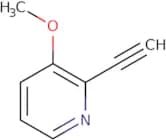
CAS :Versatile small molecule scaffoldFormule :C12H12N2ODegré de pureté :Min. 95%Masse moléculaire :200.23 g/mol2-Ethynyl-3-methoxypyridine
CAS :2-Ethynyl-3-methoxypyridine is a chiral, alkynyl compound that can be synthesized from the reaction of acetone and ethyne. This compound is axially chiral and has two rotational isomers, which are optically active. The synthesis of this compound was first reported in 1952 by cyclizing 2-ethynylpyridine with methoxyacetophenone in the presence of acetic acid. The photochemical reactions of this compound have been studied extensively and it has shown to be a useful substrate for pyridines.Formule :C8H7NODegré de pureté :Min. 95%Masse moléculaire :133.14 g/mol5-amino-2-chloropyridin-4-ol
CAS :Versatile small molecule scaffoldFormule :C5H5ClN2ODegré de pureté :Min. 95%Masse moléculaire :144.56 g/mol3-(Methoxycarbonyl)pyridine-4-carboxylic acid
CAS :Versatile small molecule scaffold
Formule :C8H7NO4Degré de pureté :Min. 95%Masse moléculaire :181.15 g/mol1-Boc 3-(2-bromoethyl)pyrrolidine
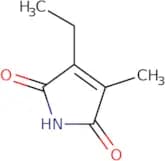
CAS :Versatile small molecule scaffoldFormule :C11H20BrNO2Degré de pureté :Min. 95%Masse moléculaire :278.19 g/mol3-Ethyl-4-methyl-pyrrole-2,5-dione
CAS :3-Ethyl-4-methylpyrrole-2,5-dione is a chlorophyll analog. It has been found to be an electron donor in photosystem II of the chlorobium reaction center. The compound was prepared by evaporation of a solution of chlorobenzene and ethyl acetoacetate in carbon tetrachloride with the aid of a vacuum pump. 3-Ethyl-4-methylpyrrole-2,5-dione has also been used as a reagent for the preparation of phycocyanin from Spirulina platensis, which is an important component of blue algae. The compound reacts with phenoxy and furyl groups under acidic conditions to produce carboxylate and calcium carbonate, respectively. Oxidation products are formed in reactions with ethyl group and other organic compounds under alkaline conditions.
Formule :C7H9NO2Degré de pureté :Min. 95%Masse moléculaire :139.15 g/mol7-Bromo-3,4-dihydro-1H-quinolin-2-one
CAS :Versatile small molecule scaffoldFormule :C9H8BrNODegré de pureté :Min. 95%Masse moléculaire :226.07 g/moltert-Butyl N-(4-methylphenyl)carbamate
CAS :Tert-butyl N-(4-methylphenyl)carbamate is a reusable, efficient method for the synthesis of tert-butyl carbamates from amines and carbon dioxide. This reaction is an example of a C–H bond activation that proceeds through an anion intermediate. The reaction time can be reduced by irradiation to increase the efficiency. Electrons are unpaired during this process, which is modeled with quantum mechanics software. Chloride is used as a catalyst to activate the electron and generate a reactive intermediate. Amine functionalities are added to the molecule in order to give it desired properties. The chloride group can be replaced with other anions such as bromide or iodide, which will also introduce different reactivity patterns.Formule :C12H17NO2Degré de pureté :Min. 95%Masse moléculaire :207.27 g/mol4-bromo-1H-imidazole-2-carbaldehyde
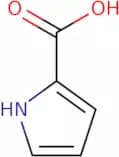
CAS :Versatile small molecule scaffoldFormule :C4H3BrN2ODegré de pureté :Min. 95%Masse moléculaire :175 g/molPyrrole-2-carboxylic acid
CAS :Pyrrole-2-carboxylic acid is a polycyclic aromatic compound that can be found in coal tar. It has been shown to have anti-inflammatory, antiallergic, and antifungal properties. Pyrrole-2-carboxylic acid is produced by the human body as an intermediate in the metabolism of tryptophan. This compound can also be synthesized and used to treat chronic bronchitis, which is caused by excessive mucus production and inflammation of the airways. The reaction mechanism for pyrrole-2-carboxylic acid is similar to that of other drugs that are used in respiratory therapy, such as aminophylline or acetylcysteine.
Formule :C5H5NO2Degré de pureté :Min. 95%Masse moléculaire :111.1 g/mol3-Pyridylboronic acid pinacol ester
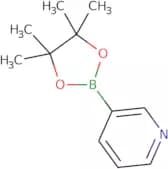
CAS :3-Pyridylboronic acid pinacol ester is a versatile reagent that can be used in the synthesis of polymers with reactive functionalities. This compound is a crosslinker, which means that it reacts with two or more other molecules to form a covalent bond. 3-Pyridylboronic acid pinacol ester has been shown to react with ring-opening methacrylate monomers and expand their polymer backbone, which leads to an increase in the number of reactive groups on the chain. The introduction of 3-pyridylboronic acid pinacol ester can also introduce fluorescent units into polymers for use as probes for biological systems. There are many possible applications for this versatile reagent, including its use in the synthesis of imidazopyridine ligands.
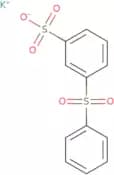
Formule :C11H16BNO2Degré de pureté :Min. 95%Couleur et forme :PowderMasse moléculaire :205.06 g/molPotassium 3-(phenylsulfonyl)benzenesulfonate
CAS :Potassium 3-(phenylsulfonyl)benzenesulfonate is a chemical compound that is used as an anti-aging agent. It has been shown to reduce the viscosity of acrylonitrile, and is most effective when it is at a concentration of 1%. Potassium 3-(phenylsulfonyl)benzenesulfonate also reduces the strain on polymer fibers, which can be caused by temperatures or deionized water. The optimum temperature for this compound is about 50°C. Potassium 3-(phenylsulfonyl)benzenesulfonate does not have any adverse effects with other chemicals in the production process, and does not react with hexamethylenetetramine or aminopropyl naphthenate. This chemical also has a low cost and high tolerance for additives such as styrene or additives such as resistant
Formule :C12H9KO5S2Degré de pureté :Min. 95%Couleur et forme :PowderMasse moléculaire :336.43 g/mol



![(2,3-Dihydrobenzo[b][1,4]dioxin-5-yl)boronic acid](/_next/image/?url=https%3A%2Fstatic.cymitquimica.com%2Fproducts%2F3D%2Fthumb-webp%2FZUA76988.webp&w=3840&q=75)
![2,2-Difluorobenzo[d][1,3]dioxol-5-ol](/_next/image/?url=https%3A%2Fstatic.cymitquimica.com%2Fproducts%2F3D%2Fthumb-webp%2FLYB53982.webp&w=3840&q=75)
![(1S,4S)-tert-Butyl 2,5-diazabicyclo[2.2.1]heptane-2-carboxylate](/_next/image/?url=https%3A%2Fstatic.cymitquimica.com%2Fproducts%2F3D%2Fthumb-webp%2FFB45380.webp&w=3840&q=75)
![tert-Butyl 9-oxo-4,8-diazaspiro[4.4]nonane-4-carboxylate](/_next/image/?url=https%3A%2Fstatic.cymitquimica.com%2Fproducts%2F3D%2Fthumb-webp%2FWYB81845.webp&w=3840&q=75)









![[2'-(Amino-ºN)[1,1'-biphenyl]-2-yl-C][[3,6-dimethoxy-2',4',6'-tris(1-methylethyl)[1,1'-biphenyl]-2…](/_next/image/?url=https%3A%2Fstatic.cymitquimica.com%2Fproducts%2F3D%2Fthumb-webp%2FLLC47372.webp&w=3840&q=75)
![7-Oxa-2-azaspiro[3.5]nonane hydrochloride](/_next/image/?url=https%3A%2Fstatic.cymitquimica.com%2Fproducts%2F3D%2Fthumb-webp%2FSGC63309.webp&w=3840&q=75)
![5-Boc-4H,5H,6H,7H,8H-pyrazolo[1,5-a][1,4]diazepine-2-carboxylic acid](/_next/image/?url=https%3A%2Fstatic.cymitquimica.com%2Fproducts%2F3D%2Fthumb-webp%2FFEC17097.webp&w=3840&q=75)


![cis-6-Boc-octahydropyrrolo[3,4-b]morpholine](/_next/image/?url=https%3A%2Fstatic.cymitquimica.com%2Fproducts%2F3D%2Fthumb-webp%2FNFA02702.webp&w=3840&q=75)


![(1R,5S,6r)-rel-3-Oxabicyclo[3.1.0]hexane-6-carboxylic acid](/_next/image/?url=https%3A%2Fstatic.cymitquimica.com%2Fproducts%2F3D%2Fthumb-webp%2FFCA78088.webp&w=3840&q=75)
![(Ir[dF(CF3)ppy]2(dtbpy))PF6](/_next/image/?url=https%3A%2Fstatic.cymitquimica.com%2Fproducts%2F3D%2Fthumb-webp%2FVJB98763.webp&w=3840&q=75)



![4-{[(tert-butoxy)carbonyl]amino}bicyclo[2.2.2]octane-1-carboxylic acid](/_next/image/?url=https%3A%2Fstatic.cymitquimica.com%2Fproducts%2F3D%2Fthumb-webp%2FNJB30476.webp&w=3840&q=75)




![(3R,4R)-3-[(6-Amino-4-pyrimidinyl)methylamino]-4-methyl-β-oxo-1-piperidinepropanenitrile](/_next/image/?url=https%3A%2Fstatic.cymitquimica.com%2Fproducts%2F3D%2Fthumb-webp%2FFA184079.webp&w=3840&q=75)




![Cucurbit[7]uril](/_next/image/?url=https%3A%2Fstatic.cymitquimica.com%2Fproducts%2F3D%2Fthumb-webp%2FFC171865.webp&w=3840&q=75)


![tert-Butyl N-[3-(tetramethyl-1,3,2-dioxaborolan-2-yl)propyl]carbamate](/_next/image/?url=https%3A%2Fstatic.cymitquimica.com%2Fproducts%2F3D%2Fthumb-webp%2FAZC30580.webp&w=3840&q=75)


![3-Boc-3-azabicyclo[3.2.1]octan-8-amine](/_next/image/?url=https%3A%2Fstatic.cymitquimica.com%2Fproducts%2F3D%2Fthumb-webp%2FFDC76351.webp&w=3840&q=75)


![5-Methyl-4-[(pyrrolidin-1-yl)methyl]-1,2-oxazole-3-carboxylic acid hydrochloride](/_next/image/?url=https%3A%2Fstatic.cymitquimica.com%2Fproducts%2F3D%2Fthumb-webp%2FXWB84700.webp&w=3840&q=75)
![6-Chloro-2,8-dimethylimidazo[1,2-b]pyridazine](/_next/image/?url=https%3A%2Fstatic.cymitquimica.com%2Fproducts%2F3D%2Fthumb-webp%2FSAA41223.webp&w=3840&q=75)
![1-Azaspiro[3.3]heptane hydrochloride](/_next/image/?url=https%3A%2Fstatic.cymitquimica.com%2Fproducts%2F3D%2Fthumb-webp%2FLED33729.webp&w=3840&q=75)





![6-Amino-4H,5H,6H,7H,8H-thieno[3,2-b]azepin-5-one hydrochloride](/_next/image/?url=https%3A%2Fstatic.cymitquimica.com%2Fproducts%2F3D%2Fthumb-webp%2FTHC97972.webp&w=3840&q=75)
![5-{2-Ethoxy-5-[(4-methylpiperazin-1-yl)sulfonyl]phenyl}-1-methyl-3-(2-methylpropyl)-1H,6H,7H-pyraz…](/_next/image/?url=https%3A%2Fstatic.cymitquimica.com%2Fproducts%2F3D%2Fthumb-webp%2FRFC05395.webp&w=3840&q=75)