Building Blocks
Sous-catégories appartenant à la catégorie "Building Blocks"
- Acides boroniques et dérivés de l'acide boronique(5.784 produits)
- Building Blocks Chiraux(1.242 produits)
- Building Blocks Hydrocarbonés(6.105 produits)
- Building Blocks organiques(61.061 produits)
205399 produits trouvés pour "Building Blocks"
Benzophenone-4,4'-dicarboxylic acid
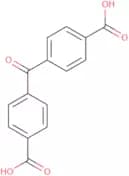
CAS :Benzophenone-4,4'-dicarboxylic acid is a reactive compound that can form ethylene. It has been shown to be an ultrafast encapsulation material for organic molecules and metal ions. Benzophenone-4,4'-dicarboxylic acid can be used in simulations to study the molecule's surface properties and densities. The linker also plays an important role in determining the diffraction of the molecule. This compound is susceptible to delamination when exposed to silicon surfaces.Formule :C15H10O5Degré de pureté :Min. 95%Couleur et forme :White PowderMasse moléculaire :270.24 g/mol(1S,4S)-tert-Butyl 2,5-diazabicyclo[2.2.1]heptane-2-carboxylate
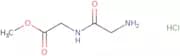
CAS :Please enquire for more information about (1S,4S)-tert-Butyl 2,5-diazabicyclo[2.2.1]heptane-2-carboxylate including the price, delivery time and more detailed product information at the technical inquiry form on this pageDegré de pureté :Min. 95%Gly-Gly-OMe·HCl
CAS :Gly-Gly-OMe·HCl is a diagnostic agent that can be used to diagnose atherosclerotic lesions. It is conjugated to an organic molecule and then radiolabeled. The conjugate can be detected by cyclopentadienyl, which emits gamma rays when it decays. This conjugate has been shown to selectively accumulate in atherosclerotic lesions of the coronary arteries, where it accumulates with a higher concentration than in the surrounding tissue. This product also has gastroprotective effects on the stomach and liver and can reduce lipid levels in hyperlipidaemic patients.Formule :C5H10N2O3•HClDegré de pureté :Min. 95 Area-%Couleur et forme :Slightly Rose PowderMasse moléculaire :182.61 g/mol4-Hydrazinobenzoic acid hydrochloride
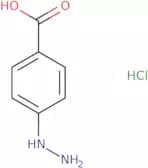
CAS :4-Hydrazinobenzoic acid hydrochloride is a chemical species that has an oxidative effect on DNA. It is a reactive oxygen species (ROS) that changes the hydrogen spectrum of water. The hydrogen bond is broken and the electrons in the molecule are excited to a higher energy level, which results in ROS formation. 4-Hydrazinobenzoic acid hydrochloride also inhibits mitochondrial function and causes heart disease by increasing blood pressure and weakening the heart muscle. This compound can be used as a cancer treatment for human cells, because it suppresses genes that promote cell growth. In addition, 4-hydrazinobenzoic acid hydrochloride may inhibit endothelial cell proliferation in animal experiments.
Formule :C7H8N2O2•HClDegré de pureté :Min. 95%Couleur et forme :PowderMasse moléculaire :188.61 g/mol4-Hydrazinobenzoic acid
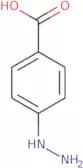
CAS :4-Hydrazinobenzoic acid is a chemical compound that is used as an inhibitor of DNA synthesis. It prevents the formation of hydrogen bonds between nucleotides in DNA, which prevents the synthesis of new DNA strands. 4-Hydrazinobenzoic acid has been shown to inhibit the growth of human breast cancer cells by reactivating the tumor suppressor genes p21 and Rb1, which are responsible for regulating cell cycle progression. This compound also inhibits the production of hydrogen chloride (HCl) in reaction solutions containing sodium hypochlorite (NaOCl).
Formule :C7H8N2O2Degré de pureté :Min. 95%Couleur et forme :Slightly Yellow PowderMasse moléculaire :152.15 g/mol8-Hydroxyquinoline hemisulfate salt hemihydrate
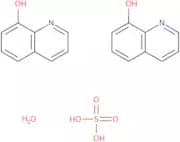
CAS :8-Hydroxyquinoline is a sweet, water soluble, and heat stable inhibitor that has been used in the treatment of kidney disease. 8-Hydoxyquinoline has been shown to inhibit the growth of the rootstock Asiaticus by interfering with cell metabolism. It is also an insecticide that kills insects by causing damage to their cells. 8-Hydoxyquinoline inhibits polymerase chain reaction (PCR) by binding to DNA polymerase, blocking its activity and reducing its ability to synthesize DNA. This drug is also a potent blocker of angiotensinogen synthesis, which leads to reduced blood pressure levels.Formule :C9H7NOH2SO4H2OCouleur et forme :Yellow PowderMasse moléculaire :203.21 g/mol1-Hydroxypyridine-2-thione zinc
CAS :Zinc pyrithione is a chemical compound that can be used as an antifungal agent. It has been shown to have genotoxic activity in vitro and in vivo. Zinc pyrithione binds to the surface of the fungal cell wall and inhibits the synthesis of ergosterol, a component of the fungal cell membrane. This binding prevents the formation of an ergosterol-zinc complex with cytochrome P450 enzymes, which are required for sterol biosynthesis, leading to inhibition of energy metabolism. The model system for zinc pyrithione is a mixture of 1-hydroxypyridine-2-thione (1HP) and zinc ions in water. Some studies have shown that zinc pyrithione can cause long-term toxicity, including glycol ether toxicity, when applied topically on hair or skin. Acute toxicities may include skin irritation or contact dermatitis from shampoos containing this substance.
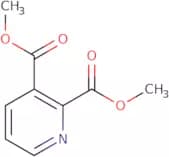
Formule :C10H8N2O2S2ZnDegré de pureté :Min. 95%Couleur et forme :White/Off-White SolidMasse moléculaire :317.69 g/mol2,3-Pyridinedicarboxylic acid dimethylester
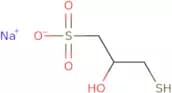
CAS :2,3-Pyridinedicarboxylic acid dimethylester (PDDE) is a methylated derivative of 3-nitrophthalic anhydride. It has been shown to be a stereoselective receptor blocker that binds to the glutamate site of the N-methyl-D-aspartate receptor. PDDE has also been shown to have high affinity for the cerebral cortex and is able to penetrate the blood brain barrier. PDDE blocks the NMDA receptor by binding to it and preventing ion flow, which leads to inhibition of neurotransmitter release. This drug is used as an injectable methyl derivative with a molecule weight of 217. The ionization detector can detect PDDE in tetrahydrofuran at concentrations of 1,000 ng/mL or less.Formule :C9H9NO4Degré de pureté :Min. 95%Masse moléculaire :195.17 g/mol2-Hydroxy-3-mercapto-1-propanesulfonic acid sodium salt
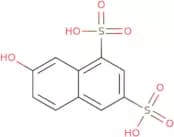
CAS :2-Hydroxy-3-mercapto-1-propanesulfonic acid sodium salt (2HMP) is a diagnostic agent that can be used for the detection of bacterial infections. The conformational properties of 2HMP are similar to those of ATP, which allows it to bind to the polymerase chain reaction enzyme and initiate an enzymatic reaction. This leads to the production of a signal that can be detected by spectrophotometry or fluorometry. 2HMP has also been shown to have chemokine activity in vitro, but this has not been tested in vivo. 2HMP is a competitive inhibitor of human protein serine proteases, such as trypsin and chymotrypsin, with an IC50 value of approximately 1 μM.Formule :C3H7NaO4S2Degré de pureté :Min. 95%Masse moléculaire :194.2 g/mol2-Naphthol-6,8-disulfonic acid
CAS :2-Naphthol-6,8-disulfonic acid is a synthetic organic compound that was identified as an impurity in the glyphosate formulation, Roundup. 2-Naphthol-6,8-disulfonic acid has been shown to have good analytical properties and can be used for the analysis of glyphosate in wastewater samples. It is thermally stable with a melting point of about 220°C. The UV detection wavelength ranges from 220nm to 240nm and the chloride ion is detectable at concentrations greater than 0.1 ppm. 2-Naphthol-6,8-disulfonic acid can also be used for the analysis of fatty acids in plants and animals.Formule :C10H8O7S2Degré de pureté :Min. 95%Couleur et forme :White PowderMasse moléculaire :304.3 g/mol1H-Indol-2-ylmethanol
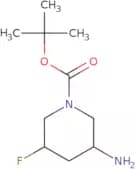
CAS :1H-Indol-2-ylmethanol is a model compound for the synthesis of bioactive molecules. It is used in biological studies as an inhibitor of chronic lymphocytic leukemia, heart disease, and inflammatory pain. The nitro group on 1H-Indol-2-ylmethanol has been shown to activate various enzymes involved in the inflammatory response. The hydroxy group on 1H-Indol-2-ylmethanol has been shown to inhibit cyclooxygenase (COX) enzymes, which are responsible for the production of prostaglandins that cause inflammation.Formule :C9H9NODegré de pureté :Min. 95%Couleur et forme :PowderMasse moléculaire :147.17 g/moltert-Butyl (3S,5S)-3-amino-5-fluoropiperidine-1-carboxylate
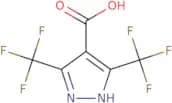
CAS :Versatile small molecule scaffoldFormule :C10H19FN2O2Degré de pureté :Min. 95%Masse moléculaire :218.27 g/mol3,5-Bis(trifluoromethyl)-1H-pyrazole-4-carboxylic acid
CAS :3,5-Bis(trifluoromethyl)-1H-pyrazole-4-carboxylic acid is a chiral compound that has been shown to be an active building block for coordination frameworks. It is prepared from the reaction of 3,5-bis(trifluoromethyl)-1H-pyrazole with a carboxylic acid and can be used in the synthesis of metalloporphyrins. 3,5-Bis(trifluoromethyl)-1H-pyrazole-4-carboxylic acid has been shown to form stable coordination complexes with ligands such as bidentate or tridentate phosphoramidites and dimethylammonium chloride. This compound undergoes thermal treatment during the preparation process and reacts with various solvents and reagents.Formule :C6H2F6N2O2Degré de pureté :Min. 95%Masse moléculaire :248.08 g/mol(R)-(-)-3-Amino-3-phenylpropionic acid
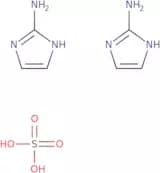
CAS :(R)-(-)-3-Amino-3-phenylpropionic acid is a hydrogenated, stereoselective β-amino acid that is involved in the biosynthesis of animal health. The enzyme acylase catalyzes this reaction by binding with chiral pyridoxal phosphate to form an acylation product. The stereospecificity of the reaction is determined by whether the enzyme has a preference for L or D amino acids. Acylases are found in organisms such as mammals and bacteria.Formule :C9H11NO2Degré de pureté :Min. 95%Couleur et forme :PowderMasse moléculaire :165.19 g/mol2-Aminoimidazole sulfate
CAS :2-Aminoimidazole sulfate is a chemical compound that is used as a transfection reagent. It has been shown to have high transfection efficiency with low cytotoxicity. The diameter of the molecule is in the range of 2 - 3 nm, which allows it to be taken up by cells and thus be active in them. This chemical can be dehydrogenated to form imidazole-2-sulfonic acid, which may interact with other molecules. There have been many advances in this area, including modifications and gaseous forms of the molecule. Research into the interactions of this compound with other chemicals and their effects on cellular uptake are ongoing.
Formule :C3H5N3•(H2O4S)0Degré de pureté :Min. 95%Couleur et forme :Off-White PowderMasse moléculaire :264.26 g/mol3,3-Diethoxypropan-1-amine
CAS :3,3-Diethoxypropan-1-amine is a synthetic drug that reversibly inhibits the growth of bacteria. It has been shown to be effective against methicillin resistant strains of Staphylococcus aureus and Clostridium perfringens, with no detectable activity against acid-fast bacteria such as Mycobacterium tuberculosis or Mycobacterium avium complex. 3,3-Diethoxypropan-1-amine is a heterobifunctional compound that binds to epidermal growth factor with high affinity. 3,3-Diethoxypropan-1-amine can also bind to collagen and liposomal formulations, which may be useful for the treatment of wounds. This drug has been shown to inhibit δ opioid receptors in mice and rats, which is thought to contribute to its analgesic effects.Formule :C7H17NO2Degré de pureté :Min. 95%Masse moléculaire :147.22 g/molTimonacic
CAS :Timonacic is an analog of nicotinamide that has been shown to be an effective inhibitor of energy metabolism in the mitochondria. It has antioxidative properties and can protect against the development of heart disease by inhibiting the production of reactive oxygen species. Timonacic's anti-inflammatory properties may be due to its ability to inhibit prostaglandin synthesis. It also has a high affinity for fatty acids, which may contribute to its inhibitory effects on lipid peroxidation. This drug has a carboxy terminal and is used as a sodium salt, which may play a role in its enzyme inhibition activity. Timonacic inhibits the activities of enzymes such as carnitine acetyltransferase and pyruvate dehydrogenase kinase, which are involved in the biosynthesis of fatty acids. The intramolecular hydrogen bonds formed with timonacic may contribute to its inhibitory effect on these enzymes.
Formule :C4H7NO2SDegré de pureté :Min. 95%Masse moléculaire :133.17 g/molAdamantane
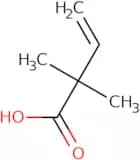
CAS :Adamantane is a potent antiviral drug for the treatment of influenza. It is an oxidation catalyst that also has biological properties, such as a potent antitumor activity and potent antiviral resistance. Adamantane has been used to treat many human pathogens, including viruses, fungi and bacteria. Adamantane is a skeleton-like structure with four carbons and six hydrogen atoms that can be oxidized to adamantane oxide or reduced to adamantane alcohol. The adamantane molecule binds to the viral protein at a site called the toll-like receptor. This binding prevents viral replication by inhibiting mRNA synthesis in the virus.Formule :C10H16Degré de pureté :Min. 95%Couleur et forme :White Off-White PowderMasse moléculaire :136.23 g/mol2,2-Dimethylbut-3-enoic acid
CAS :2,2-Dimethylbut-3-enoic acid is a bioactive compound that is used to synthesize other compounds. It has been shown to have a number of functions, such as being an electrolyte and having an electron deficient group in its structure. 2,2-Dimethylbut-3-enoic acid reacts with electrophilic functional groups at high temperatures to form allylation products. This reaction is called cheletropic and has been shown to be reversible.
Formule :C6H10O2Degré de pureté :Min. 95%Masse moléculaire :114.14 g/mol2-Cyclopropylphenol
CAS :2-Cyclopropylphenol is a hydrogen chloride derivative of 2-cyclohexen-1-one. It has been shown to have high affinity for the α receptor, which is a functional group in the integrin receptor that mediates cell adhesion. 2-Cyclopropylphenol has been shown to be effective for the treatment of hepatitis. 2-Cyclopropylphenol also forms an organometallic complex with platinum, which can be used as an anticancer agent and shows good antiviral activity against hepatitis C virus (HCV). The molecular modeling of this compound was done by using quantum chemical calculations and NMR spectra. The synthesis of this compound was developed from benzene and ethynylbenzene. The photochemical properties of this compound were investigated by methane monooxygenase reconstitution studies.Formule :C9H10ODegré de pureté :Min. 95%Masse moléculaire :134.18 g/mol4-(Methylamino)benzene-1-sulfonamide
CAS :Versatile small molecule scaffold
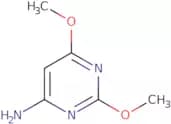
Formule :C7H10N2O2SDegré de pureté :Min. 95%Masse moléculaire :186.23 g/mol4-Amino-2,6-dimethoxypyrimidine
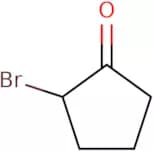
CAS :4-Amino-2,6-dimethoxypyrimidine is an organic compound that has been shown to be a methylating agent. It reacts with the hydrogen chloride present in seawater to form methyl chloride and hydrochloric acid. 4-Amino-2,6-dimethoxypyrimidine also interacts with hydrogen bonds and forms hydrogen bonds with other molecules. The molecular modeling study revealed that this compound is soluble in mineral acids such as sulfuric acid and hydrochloric acid. The solubility data also showed that 4-amino-2,6-dimethoxypyrimidine is soluble in water but not in chlorinated water. This drug has shown significant antifungal activity against Cryptococcus neoformans and Gram-negative organisms such as Escherichia coli, Salmonella typhi, Pseudomonas aeruginosa, Klebsiella pneumoniae, Proteus mirabilis, EnterobacterFormule :C6H9N3O2Degré de pureté :Min. 95%Masse moléculaire :155.15 g/mol2-Bromocyclopentanone
CAS :2-Bromocyclopentanone is an organic molecule that is used in the synthesis of epoxides. It is also a potential precursor for the synthesis of polymers, dyes, and pharmaceuticals. 2-Bromocyclopentanone has been shown to undergo photolysis when irradiated with ultraviolet light or through chemical reaction with acetonitrile. This product has two conformers with different rotational barriers and corresponding spectral properties. The two conformers can be distinguished by their ultraviolet spectra. The synthetic methods for 2-bromocyclopentanone involve halogenation followed by hydrolysis to yield bromoacetic acid, which is then converted to the desired product by acylation or alkylation.
Formule :C5H7BrODegré de pureté :Min. 95%Masse moléculaire :163.01 g/molMethyl 3-chloropropionate
CAS :Methyl 3-chloropropionate is an alkyl ether that has been used in clinical studies as a liquid phase ion-pair extraction solvent. It was developed to replace the use of hexane, which is not environmentally friendly and can also cause irritation. Methyl 3-chloropropionate has been shown to have a higher viscosity than hexane at room temperature and is less likely to evaporate than hexane. Methyl 3-chloropropionate has also been used as a synthetic process solvent, with the reaction time being shorter than that of hexane. This compound can be used for chromatography without any effect on the solute or the stationary phase. Methyl 3-chloropropionate has also been shown to be effective in lipase and agarose gel assays, as well as chloride ion extraction from water samples.
Formule :C4H7ClO2Degré de pureté :Min. 95%Couleur et forme :Clear LiquidMasse moléculaire :122.55 g/mol1-Phenyl-1-butanol
CAS :1-Phenyl-1-butanol (1PB) is a chiral compound that forms hydrogen bonds with itself. It is a colorless liquid that is soluble in organic solvents and has a boiling point of 61 °C. 1PB has been found to inhibit the growth of Pseudomonas aeruginosa by inhibiting fatty acid synthesis, which may be due to its ability to inhibit β-hydroxylase activity. 1PB also inhibits the growth of some bacteria (e.g., Staphylococcus aureus) by blocking the synthesis of fatty acids, which are important for bacterial cell membrane integrity. The hydroxyl group in 1PB helps it form hydrogen bonds with other molecules, including proteins and DNA strands, which makes it useful for chromatographic separation and as an antioxidant in food preservation.Formule :C10H14ODegré de pureté :Min. 95%Masse moléculaire :150.22 g/mol2-Bromo-1-(4-chloro-3-fluorophenyl)ethanone
CAS :Please enquire for more information about 2-Bromo-1-(4-chloro-3-fluorophenyl)ethanone including the price, delivery time and more detailed product information at the technical inquiry form on this pageFormule :C8H5BrCIFODegré de pureté :Min. 95%Masse moléculaire :354.94 g/mol3,3²-Dithiobis(propionitrile)
CAS :3,3²-Dithiobis(propionitrile) is a molecule that includes sodium hydroxide solution and acrylonitrile. It reacts with 3-mercaptopropionic acid to form sodium hydrogen ester compounds. This reaction takes place in a sealed container and is catalyzed by carbonic and hydrochloric acids. The product of this reaction is 3-thiocyanatoacrylic acid.Formule :C6H8N2S2Degré de pureté :Min. 95%Masse moléculaire :172.27 g/moltert-Butyl 3-bromo-1,4,6,7-tetrahydro-5H-pyrazolo[4,3-c]pyridine-5-carboxylate
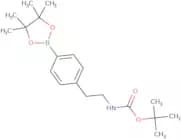
CAS :Versatile small molecule scaffoldFormule :C11H16BrN3O2Degré de pureté :Min. 95%Masse moléculaire :302.17 g/moltert-butyl 4-(4,4,5,5-tetramethyl-1,3,2-dioxaborolan-2-yl)phenethylcarbamate
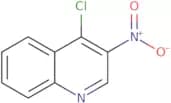
CAS :Versatile small molecule scaffoldFormule :C19H30BNO4Degré de pureté :Min. 95%Masse moléculaire :347.26 g/mol4-Chloro-3-nitroquinoline
CAS :4-Chloro-3-nitroquinoline is a quinoline derivative that can be synthesized by cross-coupling reaction. The amide and n-oxide functional groups are the most reactive sites. It can react with nucleophiles such as haloamines, azides, and pyridazines to form covalent bonds. 4-Chloro-3-nitroquinoline has been shown to have anti-HIV activity in vitro and in vivo in animal models. In addition, this compound has shown potential use for the treatment of leishmania.Formule :C9H5ClN2O2Degré de pureté :Min. 95%Couleur et forme :Slightly Yellow PowderMasse moléculaire :208.6 g/mol5-Iodo-2-methylphenol
CAS :Versatile small molecule scaffoldFormule :C7H7IODegré de pureté :Min. 95%Masse moléculaire :234.03 g/molCymiazole
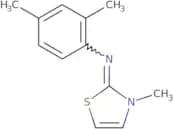
CAS :Veterinary drug, ectoparasiticide
Formule :C12H14N2SDegré de pureté :Min. 95%Couleur et forme :Brown Clear LiquidMasse moléculaire :218.32 g/mol6-Hydroxyquinoline-4-carboxylic acid
CAS :Versatile small molecule scaffoldFormule :C10H7NO3Degré de pureté :Min. 95%Masse moléculaire :189.17 g/mol2-Octyldecanoic acid
CAS :2-Octyldecanoic acid is a fatty acid that is used as a stabilizer in detergent compositions. This stabilizer is also utilizable at high alkali metal concentrations, which makes it suitable for use in hard water conditions. 2-Octyldecanoic acid has a low viscosity at room temperature, and the nature of its hydrocarbon chain leads to increased stability against decomposition when heated or exposed to carbon tetrachloride. It can be synthesized from an aliphatic hydrocarbon, such as octane, to form a macrocyclic ring structure. 2-Octyldecanoic acid also has optical properties that depend on the configuration of the carbon atoms. The molecule has two chiral centers and can exist in four different forms: erythro (E), threo (T), dithreo (D) and meso (M). The optical activity of 2-octyldecanoic acid dependsFormule :C18H36O2Degré de pureté :Min. 95%Masse moléculaire :284.5 g/moltert-Butyl (2S)-2-formylmorpholine-4-carboxylate
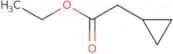
CAS :Versatile small molecule scaffoldFormule :C10H17NO4Degré de pureté :Min. 95%Masse moléculaire :215.25 g/molethyl cyclopropaneacetate
CAS :Ethyl cyclopropaneacetate is an organic compound that belongs to the class of aminophenyl ethyl esters. It has been shown to inhibit neutrophil migration and angiotensin II-induced vasoconstriction in cerebral arteries, suggesting that it may have a role in the treatment of chronic bronchitis. Ethyl cyclopropaneacetate has also been shown to have antimycotic activity against Candida albicans and Aspergillus niger, as well as cancer-fighting effects. This compound is synthesized by reacting triethyl orthoformate with adenosine under mild conditions. The reaction system is high yielding and can be used for the synthesis of other drugs.Formule :C7H12O2Degré de pureté :Min. 95%Masse moléculaire :128.17 g/mol5-Oxotetrahydrofuran-2-carboxylic acid
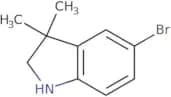
CAS :5-Oxotetrahydrofuran-2-carboxylic acid is a solid phase extraction compound that can be used to extract and purify compounds from biological samples. It is synthesized by an asymmetric synthesis of the acetate ester of 5-hydroxytetrahydrofuran-2-carboxylic acid, which is then hydrolyzed to give the desired product. 5-Oxotetrahydrofuran-2-carboxylic acid has been used in cell culture studies as a diagnostic agent for cancer cells. The reactive nature of this molecule allows it to react with chloride ions and fatty acids, which leads to the death of cancer cells.Formule :C5H6O4Degré de pureté :Min. 95%Masse moléculaire :130.1 g/mol5-bromo-3,3-dimethyl-2,3-dihydro-1H-indole
CAS :5-bromo-3,3-dimethyl-2,3-dihydro-1H-indole is an activator that is used in palladium catalyzed reactions to form a phosphine ligand. 5-bromo-3,3-dimethyl-2,3-dihydro-1H-indole is also used as a vasotropic agent and reagent for organic synthesis. It is used to synthesize ethylesters and salts of 5-(5'-bromo)-2,2'-dihydroquinoline carboxylic acid. This compound can be hydrolyzed with alkaline solution to produce the corresponding amine.
Formule :C10H12BrNDegré de pureté :Min. 95%Masse moléculaire :226.1 g/moltert-Butyl 5-bromo-3,4-dihydro-2,7-naphthyridine-2(1H)-carboxylate
CAS :Versatile small molecule scaffoldFormule :C13H17BrN2O2Degré de pureté :Min. 95%Masse moléculaire :313.19 g/moltert-butyl 2-amino-8-azaspiro[4.5]decane-8-carboxylate
CAS :Versatile small molecule scaffoldFormule :C14H26N2O2Degré de pureté :Min. 95%Masse moléculaire :254.37 g/mol1,2,3,4-Tetrahydro-1,7-naphthyridine
CAS :Versatile small molecule scaffoldFormule :C8H10N2Degré de pureté :Min. 95%Couleur et forme :Clear LiquidMasse moléculaire :134.18 g/mol3-(3-Bromopropyl)thiophene
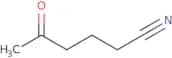
CAS :Versatile small molecule scaffoldFormule :C7H9BrSDegré de pureté :Min. 95%Masse moléculaire :205.12 g/mol5-Ketohexanenitrile
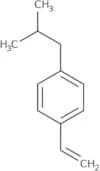
CAS :5-Ketohexanenitrile is a liquid that is used in the production of medicine. The compound has been shown to be an effective inhibitor of the enzyme, dehydrogenase, which catalyzes the conversion of 5-ketohexanoic acid to hexadecanoic acid. This reaction is important for the oxidation of fatty acids and can be found in all living organisms. 5-Ketohexanenitrile has also been shown to inhibit the enzyme, hydrogen peroxide oxidase, which catalyzes the conversion of hydrogen peroxide to water and oxygen gas. 5-Ketohexanenitrile is also an intermediate in acrylonitrile production. It can be produced by vaporizing hexadecanoic acid with a catalyst such as trimethylpyridine or acetic acid. 5-Ketohexanenitrile can exist as two isomers: cis and trans. It is a primary amine that reacts with alkali metals such asFormule :C6H9NODegré de pureté :Min. 95%Masse moléculaire :111.14 g/molp-Isobutylstyrene-d7
CAS :p-Isobutylstyrene-d7 is a solid catalyst that can be used in the synthesis of organic compounds. It has been shown to have good activity for the transfer of acid chloride groups to aromatic ring systems and for the synthesis of thiadiazoles. p-Isobutylstyrene-d7 has been shown to be an excellent catalyst for the conversion of hydrochloric acid into hydrogen chloride, which can then be recycled. The toxicity studies on this compound have shown that it is not toxic to bacterial strains, which may make it a good candidate for use as a catalyst in bioremediation or a growth substrate. This catalyst has also been shown to have photocatalytic activity and may be used in the purification of water contaminated with heavy metals.Formule :C12H9D7Degré de pureté :Min. 95%Masse moléculaire :167.3 g/mol2,4,6-Trichloronicotinic acid
CAS :Versatile small molecule scaffoldFormule :C6H2Cl3NO2Degré de pureté :Min. 95%Masse moléculaire :226.44 g/moltert-Butyl 4-amino-4-(aminomethyl)piperidine-1-carboxylate
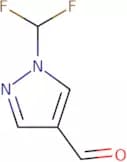
CAS :Versatile small molecule scaffoldFormule :C11H23N3O2Degré de pureté :Min. 95%Masse moléculaire :229.32 g/mol1-(Difluoromethyl)-1H-pyrazole-4-carbaldehyde
CAS :Versatile small molecule scaffoldFormule :C5H4F2N2ODegré de pureté :Min. 95%Masse moléculaire :146.09 g/mol4-Iodo-1-methyl-1h-pyrazole-5-carbonitrile
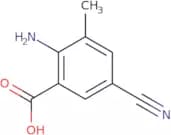
CAS :4-Iodo-1-methyl-1H-pyrazole-5-carbonitrile is a tetrazole molecule that has been shown to have potent and selective inhibitory activity against human PCSK9. This compound binds to the catalytic site of PCSK9 and prevents the formation of an active enzyme, therefore inhibiting the production of LDL cholesterol. 4-Iodo-1-methyl-1H-pyrazole-5-carbonitrile is a prodrug that is metabolized by acetaldehyde dehydrogenase to form an active inhibitor. The reaction proceeds in a chiral and enantioselective manner, which allows for the synthesis of racemic mixtures of this drug.Formule :C5H4IN3Degré de pureté :Min. 95%Masse moléculaire :233.01 g/mol2-amino-5-cyano-3-methylbenzoic acid
CAS :2-Amino-5-cyano-3-methylbenzoic acid is a diester of methylamine. It is an acid ester that has been used in the synthesis of other compounds. 2-Amino-5-cyano-3-methylbenzoic acid is an intermediate in the synthesis of some pharmaceuticals, such as carbamazepine and methylphenidate. This compound has not been shown to have any biological activity.Formule :C9H8N2O2Degré de pureté :Min. 95%Masse moléculaire :176.18 g/mol2-Amino-5-fluoro-4-methoxybenzoic acid
CAS :Versatile small molecule scaffoldFormule :C8H8FNO3Degré de pureté :Min. 95%Masse moléculaire :185.15 g/molN-Boc Palbociclib-d4
CAS :Versatile small molecule scaffold
Formule :C29H33D4N7O4Degré de pureté :Min. 95%Masse moléculaire :551.67 g/mol2-Oxa-spiro[3.3]heptan-6-ol
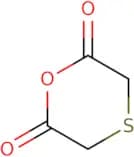
CAS :Versatile small molecule scaffoldFormule :C6H10O2Degré de pureté :Min. 95%Masse moléculaire :114.14 g/molThiodiglycolic Anhydride
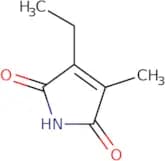
CAS :Thiodiglycolic anhydride is a synthetic reagent that is used in the synthesis of erdosteine. It also has been used in the synthesis of other products, such as magnetic particles for imaging and therapeutic uses. Thiodiglycolic anhydride can be used to synthesize erdosteine, which is a substrate for the enzyme hydroxylase and contains a hydroxy group in its structure. The hydroxyl group on erdosteine reacts with thiodiglycolic anhydride to form acrylonitrile, which then reacts with benzyl groups to form benzylthio-esters. These benzylthio-esters are then converted into acid transporters.Formule :C4H4O3SDegré de pureté :Min. 95%Masse moléculaire :132.14 g/mol3-Ethyl-4-methyl-pyrrole-2,5-dione
CAS :3-Ethyl-4-methylpyrrole-2,5-dione is a chlorophyll analog. It has been found to be an electron donor in photosystem II of the chlorobium reaction center. The compound was prepared by evaporation of a solution of chlorobenzene and ethyl acetoacetate in carbon tetrachloride with the aid of a vacuum pump. 3-Ethyl-4-methylpyrrole-2,5-dione has also been used as a reagent for the preparation of phycocyanin from Spirulina platensis, which is an important component of blue algae. The compound reacts with phenoxy and furyl groups under acidic conditions to produce carboxylate and calcium carbonate, respectively. Oxidation products are formed in reactions with ethyl group and other organic compounds under alkaline conditions.
Formule :C7H9NO2Degré de pureté :Min. 95%Masse moléculaire :139.15 g/molFG-2216
CAS :FG-2216 is a peptide that activates the G protein-coupled receptor, leading to increased intracellular calcium. FG-2216 is a potent agonist of the GPRC6A receptor and has been shown to inhibit pain perception in animal models. FG-2216 has been shown to have no effect on ion channels and does not affect cellular proliferation or migration. FG-2216 may be useful as a research tool for studying the function of the GPRC6A receptor in animal models.Formule :C12H9ClN2O4Degré de pureté :Min. 95%Masse moléculaire :280.66 g/mol2-(2-Ethoxyphenoxy)acetic acid
CAS :Versatile small molecule scaffoldFormule :C10H12O4Degré de pureté :Min. 95%Masse moléculaire :196.2 g/molMethyl 1-methyl-4-oxocyclohexanecarboxylate
CAS :Versatile small molecule scaffoldFormule :C9H14O3Degré de pureté :Min. 95%Masse moléculaire :170.21 g/mol3,5-Dibromopyridin-4-ol
CAS :Versatile small molecule scaffoldFormule :C5H3Br2NODegré de pureté :Min. 95%Masse moléculaire :252.89 g/mol1-Azaspiro[3.3]heptane hydrochloride
CAS :Versatile small molecule scaffold
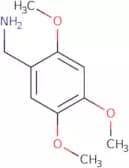
Formule :C6H12ClNDegré de pureté :Min. 95%Masse moléculaire :133.62 g/mol2,4,5-Trimethoxybenzylamine
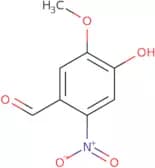
CAS :2,4,5-Trimethoxybenzylamine is a synthetic compound that can be used as a precursor to the synthesis of other chemicals. It is prepared by reacting phenol with deuterium gas in a process called amination. This reaction is followed by reductive quaternization with cyanide. 2,4,5-Trimethoxybenzylamine is often used as an intermediate for the synthesis of drugs such as tamoxifen and clonidine.Formule :C10H15NO3Degré de pureté :Min. 95%Couleur et forme :PowderMasse moléculaire :197.23 g/mol4-hydroxy-5-methoxy-2-nitrobenzaldehyde
CAS :4-Hydroxy-5-methoxy-2-nitrobenzaldehyde (4HMN) is a proton donor that can be used as a crosslinking agent. It is an acidic compound that binds to the substrate, usually via hydrogen bonds. 4HMN has been shown to have good binding affinity for tumour cell lines and can be used as a crosslinking agent in bioconjugation reactions. It is also a reversible chemical reaction, which means it can be hydrolyzed under certain conditions. 4HMN has been shown to be capable of enhancing the rate of enzymatic reactions by acting as a cofactor or coenzyme, such as degradable enzymes and enzymes with low turnover rates. The kinetic process of these reactions are measured by fluorescence techniques and gel permeation chromatography.Formule :C8H7NO5Degré de pureté :Min. 95%Couleur et forme :PowderMasse moléculaire :197.1 g/molTriglycol dichloride
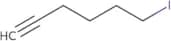
CAS :Triglycol dichloride is a synthetic, water-soluble solid that is prepared by the reaction of 3-chloroperoxybenzoic acid with a hydroxide solution. It has been used in a variety of applications such as the preparation of hemicyanine, the synthesis of polymers, and the degradation of chlorinated hydrocarbons. Triglycol dichloride also has synergistic effects with other photocatalysts, increasing their activity and reducing their cost. Triglycol dichloride can be used to synthesize polymer films or coatings that are biodegradable, have low environmental impact, and are structurally stable. This compound is also unaffected by water or neutral pH and can be used in the production of semiconductors.Formule :C6H12Cl2O2Degré de pureté :Min. 95%Couleur et forme :Clear LiquidMasse moléculaire :187.06 g/mol6-Iodo-1-hexyne
CAS :Versatile small molecule scaffoldFormule :C6H9IDegré de pureté :Min. 95%Masse moléculaire :208.04 g/mol2-Oxohexanoic acid
CAS :2-Oxohexanoic acid (2-OHBA) is a fatty acid that is synthesized from the amino acids lysine and methionine. It is involved in mitochondrial metabolism and has been found to be necessary for spermatozoa motility. 2-OHBA has been shown to inhibit the activity of glutamate dehydrogenase, an enzyme that catalyzes the conversion of glutamate to α-ketoglutarate, which is required for energy production. This inhibition leads to a decrease in ATP levels, which may cause a variety of symptoms, including fatigue and weight loss. Furthermore, 2-OHBA inhibits protein synthesis by blocking the incorporation of amino acids into proteins. The inhibition of this process can lead to high ammonia levels in the blood and accumulation of other nitrogenous wastes in tissues such as liver or muscle tissue. Analysis of urine samples has shown that 2-OHBA is excreted unchanged in urine.Formule :C6H10O3Degré de pureté :Min. 95%Masse moléculaire :130.14 g/mol4-{[(tert-butoxy)carbonyl]amino}bicyclo[2.2.2]octane-1-carboxylic acid
CAS :Versatile small molecule scaffoldFormule :C14H23NO4Degré de pureté :Min. 95%Masse moléculaire :269.3 g/mol3-Bromo-6,7-dihydro-4H-pyrazolo[1,5-a]pyrazine-5-carboxylic acid tert-butyl ester
CAS :Versatile small molecule scaffold
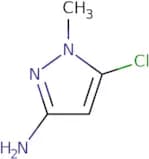
Formule :C11H16BrN3O2Degré de pureté :Min. 95%Masse moléculaire :302.17 g/mol5-Chloro-1-methyl-1H-pyrazol-3-amine
CAS :Versatile small molecule scaffold
Formule :C4H6N3ClDegré de pureté :Min. 95%Masse moléculaire :131.56 g/mol5-Bromo-1,3-oxazole hydrochloride
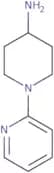
CAS :Versatile small molecule scaffoldFormule :C3H3BrClNODegré de pureté :Min. 95%Masse moléculaire :184.42 g/mol(1-Pyridin-2-yl)piperidin-4-amine
CAS :(1-Pyridin-2-yl)piperidin-4-amine is a drug that acts as an anorexiant. It binds to the serotonin 5HT3 receptor, which is involved in the regulation of appetite and mood. It also blocks the action of serotonin at the 5HT4 receptor, which is involved in mediating intestinal motility. This agent has been shown to have a potent antagonist effect on the 1-4c alkyl group of serotonin receptors. The phenoxy group and methyl group are also responsible for binding with serotonin receptors and blocking their activity.Formule :C10H15N3Degré de pureté :Min. 95%Masse moléculaire :177.25 g/moltert-Butyl 3,9-diazaspiro[5.5]undecane-3-carboxylate hydrochloride
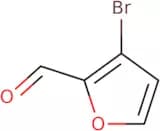
CAS :Versatile small molecule scaffoldFormule :C14H27ClN2O2Degré de pureté :Min. 95%Masse moléculaire :290.83 g/mol3-Bromofuran-2-carbaldehyde
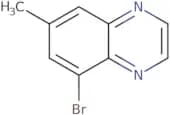
CAS :3-Bromofuran-2-carbaldehyde is a chemical compound that belongs to the group of carbonyl compounds. It is an acetylated form of 3-bromofuran and its molecular formula is C6H5BrO. This chemical contains a carbonyl group, which reacts with the hydroxyl group in epidermal growth factor (EGF) to produce epidermal growth. 3-Bromofuran-2-carbaldehyde has been shown to be an adrenergic receptor agonist and can be used as a structural formula blocker or hydrochloric acid. The chemical can also be synthesized in acidic conditions using methods such as fluorination, chlorination, and acetylation.Formule :C5H3BrO2Degré de pureté :Min. 95%Masse moléculaire :174.98 g/mol5-Bromo-7-methylquinoxaline
CAS :Versatile small molecule scaffoldFormule :C9H7BrN2Degré de pureté :Min. 95%Masse moléculaire :223.07 g/mol2,6-Dichloro-4-fluorobenzoic acid
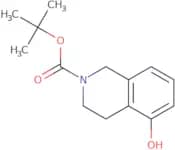
CAS :Versatile small molecule scaffoldFormule :C7H3Cl2FO2Degré de pureté :Min. 95%Masse moléculaire :209 g/moltert-Butyl 5-hydroxy-3,4-dihydroisoquinoline-2(1H)-carboxylate
CAS :Versatile small molecule scaffoldFormule :C14H19NO3Degré de pureté :Min. 95%Masse moléculaire :249.31 g/mol6-(Chloromethyl)pteridine-2,4-diamine monohydrochloride
CAS :Please enquire for more information about 6-(Chloromethyl)pteridine-2,4-diamine monohydrochloride including the price, delivery time and more detailed product information at the technical inquiry form on this pageFormule :C7H7ClN6•HClDegré de pureté :Min. 95%Masse moléculaire :247.08 g/moltert-Butyl 9-oxo-4,8-diazaspiro[4.4]nonane-4-carboxylate
CAS :Versatile small molecule scaffoldFormule :C12H20N2O3Degré de pureté :Min. 95%Masse moléculaire :240.3 g/molPentanimidamide hydrochloride
CAS :Pentanimidamide hydrochloride is a drug that belongs to the group of aromatic hydrocarbon drugs. It is a potent antihypertensive agent with a rapid onset and long duration of action. Pentanimidamide hydrochloride has been shown to inhibit the production of reactive oxygen species, which are generated by the respiratory chain in mitochondria, and to prevent the formation of pyrazinoic acid, an inhibitor of blood vessel relaxation. This drug also has been shown to reduce blood pressure in animal models by binding to specific receptors on cells in the cardiovascular system. The active form is bound to plasma proteins such as albumin and alpha-1-acid glycoprotein, which are found in high concentrations in erythrocytes. Pentanimidamide hydrochloride also binds to alkynyl groups and phenyl groups, which may be due to its ability to form covalent bonds with these functional groups.Formule :C5H13ClN2Degré de pureté :Min. 95%Masse moléculaire :136.62 g/mol1-(Oxan-2-yl)-3-phenyl-5-(tetramethyl-1,3,2-dioxaborolan-2-yl)-1H-pyrazole
CAS :Versatile small molecule scaffoldFormule :C20H27BN2O3Degré de pureté :Min. 95%Masse moléculaire :354.3 g/molMethyl 4-(2-Bromoethyl)benzoate
CAS :Methyl 4-(2-bromoethyl)benzoate is a potent HDAC6 inhibitor. It has been shown to inhibit cancer cell growth and induce apoptosis in vitro and in vivo. Methyl 4-(2-Bromoethyl)benzoate is also an anti-cancer agent that inhibits the histone deacetylase enzyme, which then prevents the transcription of genes involved in cancer development. In addition, this agent inhibits the production of prostaglandin E2, which may contribute to its anti-cancer activity. The most common side effects are nausea and vomiting.Formule :C10H11BrO2Degré de pureté :Min. 95%Masse moléculaire :243.1 g/mol2-Bromothieno[3,2-c]pyridin-4(5H)-one
CAS :Versatile small molecule scaffoldFormule :C7H4BrNOSDegré de pureté :Min. 95%Masse moléculaire :230.08 g/molCyanidin 3-O-rutinoside
CAS :Please enquire for more information about Cyanidin 3-O-rutinoside including the price, delivery time and more detailed product information at the technical inquiry form on this pageFormule :C27H31O15Degré de pureté :Min. 95%Masse moléculaire :595.53 g/mol6-Hydroxy-1-naphthoic acid
CAS :6-Hydroxy-1-naphthoic acid is a synthetic carboxylate compound with an analog structure that has been shown to be cytotoxic to cancer cells. It inhibits the activity of protein kinases by binding to ATP, which blocks the phosphorylation of tyrosine residues on proteins. 6-Hydroxy-1-naphthoic acid has been shown to inhibit growth factor receptors and induce apoptosis in tumor cells. The mechanism of action for this drug is believed to be through ring opening and hydrolysis of the naphthalene ring, followed by reaction with p-hydroxybenzoic acid. This results in inhibition of histone deacetylase activity, leading to decreased expression of genes involved in cell proliferation.Formule :C11H8O3Degré de pureté :Min. 95%Couleur et forme :PowderMasse moléculaire :188.18 g/mol4-Chloro-N-[2-(1,2-dihydro-2-oxo-4-quinolinyl)ethyl]benzamide
CAS :Please enquire for more information about 4-Chloro-N-[2-(1,2-dihydro-2-oxo-4-quinolinyl)ethyl]benzamide including the price, delivery time and more detailed product information at the technical inquiry form on this page
Formule :C18H15ClN2O2Degré de pureté :Min. 95%Masse moléculaire :326.78 g/mol(αR)-α-(2-Chlorophenyl)-2H-tetrazole-2-ethanol
CAS :Please enquire for more information about (αR)-α-(2-Chlorophenyl)-2H-tetrazole-2-ethanol including the price, delivery time and more detailed product information at the technical inquiry form on this page
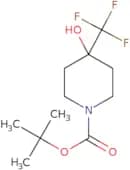
Formule :C9H9ClN4ODegré de pureté :Min. 95%Masse moléculaire :224.65 g/moltert-Butyl 4-hydroxy-4-(trifluoromethyl)piperidine-1-carboxylate
CAS :Versatile small molecule scaffoldFormule :C11H18F3NO3Degré de pureté :Min. 95%Masse moléculaire :269.26 g/molD-Carnosine trifluoroacetate
CAS :Please enquire for more information about D-Carnosine trifluoroacetate including the price, delivery time and more detailed product information at the technical inquiry form on this page
Formule :C9H14N4O3•(C2HF3O2)xDegré de pureté :Min. 95%5-Bromo-3-(difluoromethyl)pyridine-2-carboxylic acid
CAS :Versatile small molecule scaffoldFormule :C7H4BrF2NO2Degré de pureté :Min. 95%Masse moléculaire :252.01 g/molN-[2-[(2S)-2-Cyano-4,4-difluoro-1-pyrrolidinyl]-2-oxoethyl]-6-[methyl[3-(1-piperazinyl)propyl]amino]-4-quinolinecarboxamide trifluor oacetate
CAS :Please enquire for more information about N-[2-[(2S)-2-Cyano-4,4-difluoro-1-pyrrolidinyl]-2-oxoethyl]-6-[methyl[3-(1-piperazinyl)propyl]amino]-4-quinolinecarboxamide trifluor oacetate including the price, delivery time and more detailed product information at the technical inquiry form on this pageFormule :C25H31F2N7O2•(C2HF3O2)xDegré de pureté :Min. 95%Masse moléculaire :499.56 g/mol1-Bromo-4-isobutylbenzene
CAS :1-Bromo-4-isobutylbenzene is a ketone that can be synthesized by the reaction of benzene with acetonitrile in the presence of a catalytic amount of oxone. The synthesis is an example of an arylation, which is the addition of an aromatic group to another molecule. It has been shown experimentally that 1-bromo-4-isobutylbenzene undergoes a transition from the x-ray structure analysis to the crystal x-ray structure when dissolved in acetonitrile and heated to 100°C. The final product is then purified by recrystallization with ethylene as a solvent.Formule :C10H13BrDegré de pureté :Min. 95%Masse moléculaire :213.11 g/mol2-Chlorobenzonitrile
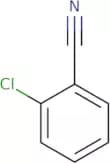
CAS :2-Chlorobenzonitrile is a white solid that is soluble in organic solvents. It is an aryl halide and has a chemical structure of C6ClCN. 2-Chlorobenzonitrile is used as a raw material for the production of dyes and pharmaceuticals. This compound reacts with hydrochloric acid to form 4-chlorobenzonitrile, which can be used in the synthesis of other chemicals. 2-Chlorobenzonitrile can also react with n-dimethyl formamide in an optimal reaction solution to form 4-chlorobenzonitrile. The FTIR spectroscopy on this compound shows that it has a chloride group at 795 cm−1. The optimum reaction temperature for this compound is between 100 and 120 °C, but it will react with inorganic acids such as sulfuric acid or phosphoric acid at higher temperatures. Synthesis of this compound can be done by reactingFormule :C7H4ClNDegré de pureté :Min. 95%Couleur et forme :White PowderMasse moléculaire :137.57 g/mol2-Chloro-3-(hydroxymethyl)pyridine
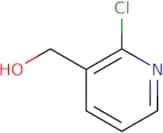
CAS :2-Chloro-3-(hydroxymethyl)pyridine is an organic compound that is used as a building block for the synthesis of other heterocycles. This compound can be synthesized from 2-chloronicotinic acid, which is obtained by oxidation of nicotine with sodium hypochlorite in the presence of potassium ion. The reaction proceeds via a cleavage of the C-Cl bond and formation of a pyridine ring. The catalytic process can be performed at room temperature and at atmospheric pressure in a variety of solvents, including water.
2-Chloro-3-(hydroxymethyl)pyridine has been shown to have high yields for the preparation of compounds such as 2,4-dichloropyridine and 4,5-dichloropyrimidine. It also has been used in the preparation of pharmaceuticals such as atrial natriuretic factor (ANF).Formule :C6H6ClNODegré de pureté :Min. 98 Area-%Couleur et forme :PowderMasse moléculaire :143.57 g/mol2,4,5,6-Tetra(9H-carbazol-9-yl)isophthalonitrile
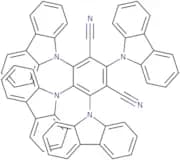
CAS :2,4,5,6-Tetra(9H-carbazol-9-yl)isophthalonitrile is a redox molecule that emits light when excited by an electron or photon. It is used in organic light emitting devices (OLEDs) as the emissive material. This compound has been shown to have low chemical stability and limited transport properties. Its efficiency can be improved by increasing the concentration of the molecule. Activated 2,4,5,6-tetra(9H-carbazol-9-yl)isophthalonitrile emits a bright red orange emission with a maximum at 569 nm and it is activated by electron transfer from an electrode. 2,4,5,6-Tetra(9H-carbazol-9-yl)isophthalonitrile has been shown to emit blue light when excited by UV light in the presence of oxygen as an oxidant.Formule :C56H32N6Degré de pureté :Min. 98 Area-%Couleur et forme :PowderMasse moléculaire :788.89 g/mol(5-methylbenzofuran-2-yl)boronic acid
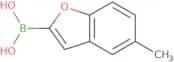
CAS :Versatile small molecule scaffoldFormule :C9H9BO3Degré de pureté :Min. 95%Masse moléculaire :175.98 g/molNe-Z-L-lysine tert-butyl ester hydrochloride
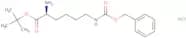
CAS :Ne-Z-L-lysine tert-butyl ester hydrochloride is a multidrug that inhibits the activity of the P-glycoprotein (Pgp) transporter. This drug is an antigen that can be used as a marker for cytostatic drugs, and it can be used in radionuclide localization. Ne-Z-L-lysine tert-butyl ester hydrochloride has been shown to have cytostatic effects on malignant cells, but its cytotoxicity varies depending on the type of cancer cell. Ne-Z-L-lysine tert-butyl ester hydrochloride has also been shown to be degradable and to possess conjugates with antibodies, which makes it useful for treating some types of cancers. Ne-Z-L-lysine tert-butyl ester hydrochloride is not active against resistant cells such as those expressing Pgp or MRP1 proteins.Formule :C18H28N2O4·HClDegré de pureté :Min. 95%Couleur et forme :White PowderMasse moléculaire :372.89 g/mol2,3-Dihydro-1H-pyrrolo[3,2-c]pyridine hydrochloride
CAS :Versatile small molecule scaffoldFormule :C7H8N2·HClDegré de pureté :Min. 95%Masse moléculaire :156.62 g/molOctadecanedioic Acid
CAS :Octadecanedioic acid (ODA) is a fatty acid with the chemical formula CH3(CH2)14COOH. It is a colorless oily liquid that is soluble in water and alcohols. ODA is used in wastewater treatment, as it can remove metal hydroxides and organic substances such as alcohol residue. It has been shown to have low toxicity to humans, with no significant changes in blood chemistry or urinalysis parameters following exposure. It also has been shown to be chemically stable and biodegradable. ODA may be used in pharmaceutical preparations and process optimization, such as biological treatment of wastewater.Formule :C18H34O4Degré de pureté :Min. 95%Couleur et forme :White PowderMasse moléculaire :314.46 g/mol2-Phenoxyaniline
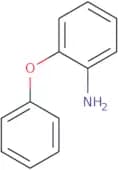
CAS :2-Phenoxyaniline is a nitro compound that can be converted to the corresponding palladium complexes. It is an inhibitor of the acylation reaction, which is a type of chemical reaction in which an organic molecule reacts with an acid. The inhibition of this reaction has been shown to have an effect on heart disease, specifically by lowering cholesterol levels and reducing atherosclerosis. 2-Phenoxyaniline has also been shown to inhibit the activation energy for electron transfer reactions, making it useful as a catalyst in analytical methods. 2-Phenoxyaniline also undergoes vibrational spectroscopy when exposed to liquid chromatography and other analytical methods.
Formule :C12H11NODegré de pureté :Min. 95%Couleur et forme :Brown PowderMasse moléculaire :185.22 g/mol2-Imidazolidone-4-carboxylic acid
CAS :2-Imidazolidone-4-carboxylic acid is a potent inhibitor of matrix metalloproteinases, which are enzymes that break down proteins in the extracellular matrix. 2-Imidazolidone-4-carboxylic acid inhibits the activity of both serine protease and matrix metalloproteinase, two enzymes involved in the inflammation process. 2-Imidazolidone-4-carboxylic acid has been shown to inhibit the transport of amino acids, leading to decreased protein synthesis and cell growth. It also inhibits cancer cells by disrupting their ability to grow new blood vessels and invade other tissues.Formule :C4H6N2O3Degré de pureté :Min. 95%Masse moléculaire :130.1 g/mol2,5-Dibromo-3-aminopyrazine
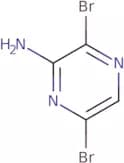
CAS :2,5-Dibromo-3-aminopyrazine is an experimental drug with anticancer activity. It has been shown to have a high affinity for DNA and inhibit the growth of tumor cells in vivo. 2,5-Dibromo-3-aminopyrazine has undergone stability tests in vivo and in vitro and also completed clinical trials. This drug binds to DNA and inhibits the enzyme protein kinase C, leading to suppression of cellular proliferation. The pharmacokinetics of this drug were evaluated by measuring the concentration of 2,5-dibromo-3-aminopyrazine in plasma after oral administration to mice. This study found that the maximum concentration was achieved at 1 hour post dose and that there was a decrease in concentration over time. The drug has been shown to bind to the dimethoxybenzene metabolic pathway, which is involved in regulating cell proliferation.
2,5-Dibromo-3-aminopyrazineFormule :C4H3Br2N3Degré de pureté :Min. 95%Couleur et forme :PowderMasse moléculaire :252.89 g/mol6,6-difluoro-1,4-oxazepane hydrochloride
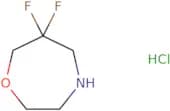
CAS :Versatile small molecule scaffoldFormule :C5H10ClF2NODegré de pureté :Min. 95%Masse moléculaire :173.6 g/mol

![(1S,4S)-tert-Butyl 2,5-diazabicyclo[2.2.1]heptane-2-carboxylate](/_next/image/?url=https%3A%2Fstatic.cymitquimica.com%2Fproducts%2F3D%2Fthumb-webp%2FFB45380.webp&w=3840&q=75)









![tert-Butyl 3-bromo-1,4,6,7-tetrahydro-5H-pyrazolo[4,3-c]pyridine-5-carboxylate](/_next/image/?url=https%3A%2Fstatic.cymitquimica.com%2Fproducts%2F3D%2Fthumb-webp%2FLCD42906.webp&w=3840&q=75)






![tert-butyl 2-amino-8-azaspiro[4.5]decane-8-carboxylate](/_next/image/?url=https%3A%2Fstatic.cymitquimica.com%2Fproducts%2F3D%2Fthumb-webp%2FBAC01090.webp&w=3840&q=75)







![2-Oxa-spiro[3.3]heptan-6-ol](/_next/image/?url=https%3A%2Fstatic.cymitquimica.com%2Fproducts%2F3D%2Fthumb-webp%2FNEC38108.webp&w=3840&q=75)


![1-Azaspiro[3.3]heptane hydrochloride](/_next/image/?url=https%3A%2Fstatic.cymitquimica.com%2Fproducts%2F3D%2Fthumb-webp%2FLED33729.webp&w=3840&q=75)


![4-{[(tert-butoxy)carbonyl]amino}bicyclo[2.2.2]octane-1-carboxylic acid](/_next/image/?url=https%3A%2Fstatic.cymitquimica.com%2Fproducts%2F3D%2Fthumb-webp%2FNJB30476.webp&w=3840&q=75)
![3-Bromo-6,7-dihydro-4H-pyrazolo[1,5-a]pyrazine-5-carboxylic acid tert-butyl ester](/_next/image/?url=https%3A%2Fstatic.cymitquimica.com%2Fproducts%2F3D%2Fthumb-webp%2FWXB15425.webp&w=3840&q=75)

![tert-Butyl 3,9-diazaspiro[5.5]undecane-3-carboxylate hydrochloride](/_next/image/?url=https%3A%2Fstatic.cymitquimica.com%2Fproducts%2F3D%2Fthumb-webp%2FLJA40647.webp&w=3840&q=75)


![tert-Butyl 9-oxo-4,8-diazaspiro[4.4]nonane-4-carboxylate](/_next/image/?url=https%3A%2Fstatic.cymitquimica.com%2Fproducts%2F3D%2Fthumb-webp%2FWYB81845.webp&w=3840&q=75)


![2-Bromothieno[3,2-c]pyridin-4(5H)-one](/_next/image/?url=https%3A%2Fstatic.cymitquimica.com%2Fproducts%2F3D%2Fthumb-webp%2FDBA94860.webp&w=3840&q=75)


![4-Chloro-N-[2-(1,2-dihydro-2-oxo-4-quinolinyl)ethyl]benzamide](/_next/image/?url=https%3A%2Fstatic.cymitquimica.com%2Fproducts%2F3D%2Fthumb-webp%2FFC184071.webp&w=3840&q=75)


![N-[2-[(2S)-2-Cyano-4,4-difluoro-1-pyrrolidinyl]-2-oxoethyl]-6-[methyl[3-(1-piperazinyl)propyl]amin…](/_next/image/?url=https%3A%2Fstatic.cymitquimica.com%2Fproducts%2F3D%2Fthumb-webp%2FFC184139.webp&w=3840&q=75)

![2,3-Dihydro-1H-pyrrolo[3,2-c]pyridine hydrochloride](/_next/image/?url=https%3A%2Fstatic.cymitquimica.com%2Fproducts%2F3D%2Fthumb-webp%2FFAA91219.webp&w=3840&q=75)