


Building Blocks
Sous-catégories appartenant à la catégorie "Building Blocks"
- Acides boroniques et dérivés de l'acide boronique(5.783 produits)
- Building Blocks Chiraux(1.242 produits)
- Building Blocks Hydrocarbonés(6.105 produits)
- Building Blocks organiques(61.055 produits)
205383 produits trouvés pour "Building Blocks"
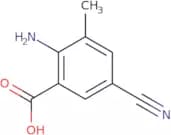
2-amino-5-cyano-3-methylbenzoic acid
CAS :2-Amino-5-cyano-3-methylbenzoic acid is a diester of methylamine. It is an acid ester that has been used in the synthesis of other compounds. 2-Amino-5-cyano-3-methylbenzoic acid is an intermediate in the synthesis of some pharmaceuticals, such as carbamazepine and methylphenidate. This compound has not been shown to have any biological activity.Formule :C9H8N2O2Degré de pureté :Min. 95%Masse moléculaire :176.18 g/mol7H,8H-Pyrido[2,3-d]pyridazin-8-one
CAS :Versatile small molecule scaffoldFormule :C7H5N3ODegré de pureté :Min. 95%Couleur et forme :PowderMasse moléculaire :147.13 g/moltert-Butyl 4-amino-4-(aminomethyl)piperidine-1-carboxylate
CAS :Versatile small molecule scaffoldFormule :C11H23N3O2Degré de pureté :Min. 95%Masse moléculaire :229.32 g/molThiophen-3-ylmethanamine hydrochloride
CAS :Versatile small molecule scaffold
Formule :C5H8ClNSDegré de pureté :Min. 95%Masse moléculaire :149.64 g/moltert-Butyl 3,9-diazaspiro[5.5]undecane-3-carboxylate hydrochloride
CAS :Versatile small molecule scaffoldFormule :C14H27ClN2O2Degré de pureté :Min. 95%Masse moléculaire :290.83 g/mol2-(Morpholin-4-yl)acetyl chloride hydrochloride
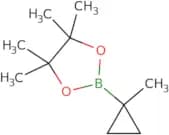
CAS :2-(Morpholin-4-yl)acetyl chloride hydrochloride is a fine chemical that is used as a building block for the synthesis of other compounds. It can be used in research and development, or as a reagent. 2-(Morpholin-4-yl)acetyl chloride hydrochloride has high purity and is easily soluble in water. This compound can be used as an intermediate to synthesize other compounds, or it can be used as a scaffold for the formation of complex structures.Formule :C6H11Cl2NO2Degré de pureté :Min. 95%Couleur et forme :PowderMasse moléculaire :200.06 g/mol4,4,5,5-Tetramethyl-2-(1-methylcyclopropyl)-1,3,2-dioxaborolane
CAS :Versatile small molecule scaffoldFormule :C10H19BO2Degré de pureté :Min. 95%Masse moléculaire :182.07 g/mol(2R,3S)-Benzyl 6-oxo-2,3-diphenylmorpholine-4-carboxylate
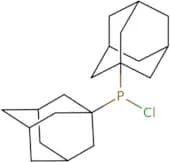
CAS :(2R,3S)-Benzyl 6-oxo-2,3-diphenylmorpholine-4-carboxylate is a molecule with an enantioselective synthesis and a preparative method. It has been catalysed by chiral reagents such as chiral catalysts, chiral auxiliaries, and chiral ligands. This molecule can be synthesized in racemic form or in the form of its two enantiomers. The two enantiomers have different physical properties and biological activities. (2S,3S)-Benzyl 6-oxo-2,3-diphenylmorpholine-4-carboxylate is known to be an inhibitor of protein kinase C (PKC) that causes the release of intracellular calcium ions from cytoplasmic stores. The other enantiomer (2R,3S)-benzyl 6-oxo-2,3-dFormule :C24H21NO4Degré de pureté :Min. 95%Masse moléculaire :387.43 g/molDi(1-adamantyl)chlorophosphine
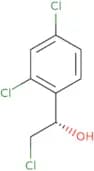
CAS :Di(1-adamantyl)chlorophosphine is a bifunctional ligand that can be used for the palladium-catalyzed coupling of aryl chlorides and amines. Di(1-adamantyl)chlorophosphine is synthesized from adamantane, phosphorous pentachloride, and anhydrous ammonia in the presence of catalytic amounts of palladium. Di(1-adamantyl)chlorophosphine is immobilized on silica gel to prevent hydrolysis. This ligand reacts with primary amines to form iminophosphoranes, which can then be reacted with aryl chlorides to form aryl chloroamines.Formule :C20H30ClPDegré de pureté :Min. 95%Masse moléculaire :336.88 g/mol(S)-2,4-Dichloro-±-(chloromethyl)benzyl Alcohol
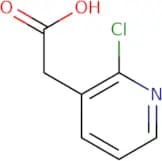
CAS :Versatile small molecule scaffoldFormule :C8H7Cl3ODegré de pureté :Min. 95%Masse moléculaire :225.49 g/mol(2-Chloropyridin-3-yl)acetic acid
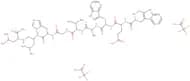
CAS :Versatile small molecule scaffoldFormule :C7H6ClNO2Degré de pureté :Min. 95%Masse moléculaire :171.6 g/molRC-3095 trifluoroacetate
CAS :Please enquire for more information about RC-3095 trifluoroacetate including the price, delivery time and more detailed product information at the technical inquiry form on this pageFormule :C56H79N15O9•C2HF3O2Degré de pureté :Min. 95%Masse moléculaire :1,220.35 g/molMethyl Pyridin-3-ylacetate
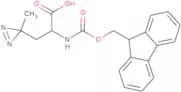
CAS :Methyl Pyridin-3-ylacetate is an organic compound that is the methyl ester of pyridine-3-carboxylic acid. It has a melting point of 197°C, with an ionization potential of 1.78 eV and a lactam. Methyl Pyridin-3-ylacetate has been shown to react with hydrochloric acid to form picric acid and methyl 3-(hydroxymethyl)pyridine-2,5-dicarboxylate. Methyl Pyridin-3-ylacetate can be used in the preparation of picrates, which are used in the synthesis of dyes and explosives such as picric acid and TNT. Methyl Pyridin-3-ylacetate can also be demethylated by heating with sodium methoxide to give methyl pyridine carboxylate.Formule :C8H9NO2Degré de pureté :Min. 95%Masse moléculaire :151.16 g/molFmoc-L-photo-leucine
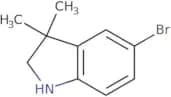
CAS :Versatile small molecule scaffoldFormule :C20H19N3O4Degré de pureté :Min. 95%Masse moléculaire :365.4 g/mol5-bromo-3,3-dimethyl-2,3-dihydro-1H-indole
CAS :5-bromo-3,3-dimethyl-2,3-dihydro-1H-indole is an activator that is used in palladium catalyzed reactions to form a phosphine ligand. 5-bromo-3,3-dimethyl-2,3-dihydro-1H-indole is also used as a vasotropic agent and reagent for organic synthesis. It is used to synthesize ethylesters and salts of 5-(5'-bromo)-2,2'-dihydroquinoline carboxylic acid. This compound can be hydrolyzed with alkaline solution to produce the corresponding amine.
Formule :C10H12BrNDegré de pureté :Min. 95%Masse moléculaire :226.1 g/mol3-Bromo-2-fluoro-6-methylpyridine
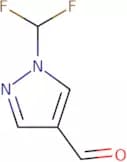
CAS :Please enquire for more information about 3-Bromo-2-fluoro-6-methylpyridine including the price, delivery time and more detailed product information at the technical inquiry form on this pageFormule :C6H5BrFNDegré de pureté :Min. 95%Masse moléculaire :190.01 g/mol1-(Difluoromethyl)-1H-pyrazole-4-carbaldehyde
CAS :Versatile small molecule scaffoldFormule :C5H4F2N2ODegré de pureté :Min. 95%Masse moléculaire :146.09 g/mol2,4,6-Trichloronicotinic acid
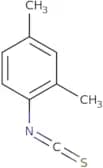
CAS :Versatile small molecule scaffoldFormule :C6H2Cl3NO2Degré de pureté :Min. 95%Masse moléculaire :226.44 g/mol2,4-Dimethylphenyl isothiocyanate
CAS :2,4-Dimethylphenyl isothiocyanate (DMIT) is a dipole molecule that has been used as a preservative and antimicrobial agent. DMIT has been shown to be an effective anti-microbial agent against Gram-positive bacteria such as Staphylococcus aureus, Enterococcus faecalis, and Streptococcus pyogenes. It also inhibits the growth of Gram-negative bacteria such as Escherichia coli, Pseudomonas aeruginosa, and Klebsiella pneumoniae. DMIT has been shown to be non-toxic to animals at high concentrations. It is also safe for use in food products because it does not react with polyunsaturated compounds.
Formule :C9H9NSDegré de pureté :Min. 95%Masse moléculaire :163.24 g/mol(4R)-5,7-Difluoro-3,4-dihydro-2H-1-benzopyran-4-ol
CAS :Versatile small molecule scaffoldFormule :C9H8F2O2Degré de pureté :Min. 95%Masse moléculaire :186.15 g/mol3-Methoxy-1-methyl-1H-pyrazole-4-carbaldehyde
CAS :Versatile small molecule scaffoldFormule :C6H8N2O2Degré de pureté :Min. 95%Couleur et forme :PowderMasse moléculaire :140.14 g/mol5-Bromo-3-(difluoromethyl)pyridine-2-carboxylic acid
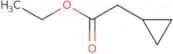
CAS :Versatile small molecule scaffoldFormule :C7H4BrF2NO2Degré de pureté :Min. 95%Masse moléculaire :252.01 g/molethyl cyclopropaneacetate
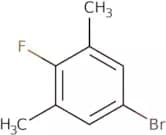
CAS :Ethyl cyclopropaneacetate is an organic compound that belongs to the class of aminophenyl ethyl esters. It has been shown to inhibit neutrophil migration and angiotensin II-induced vasoconstriction in cerebral arteries, suggesting that it may have a role in the treatment of chronic bronchitis. Ethyl cyclopropaneacetate has also been shown to have antimycotic activity against Candida albicans and Aspergillus niger, as well as cancer-fighting effects. This compound is synthesized by reacting triethyl orthoformate with adenosine under mild conditions. The reaction system is high yielding and can be used for the synthesis of other drugs.Formule :C7H12O2Degré de pureté :Min. 95%Masse moléculaire :128.17 g/mol5-Bromo-2-fluoro-1,3-dimethylbenzene
CAS :Please enquire for more information about 5-Bromo-2-fluoro-1,3-dimethylbenzene including the price, delivery time and more detailed product information at the technical inquiry form on this pageFormule :C8H8BrFDegré de pureté :Min. 95%Couleur et forme :Clear Colourless To Yellow LiquidMasse moléculaire :203.05 g/mol3-Bromo-2-hydroxy-5-iodopyridine
CAS :Versatile small molecule scaffoldFormule :C5H3BrINODegré de pureté :Min. 95%Masse moléculaire :299.89 g/molBenzophenone-4-carboxylic acid
CAS :Organic intermediate
Formule :C14H10O3Degré de pureté :Min. 98 Area-%Couleur et forme :White PowderMasse moléculaire :226.23 g/mol4-Bromobenzaldehyde
CAS :4-Bromobenzaldehyde is a chemical compound that belongs to the group of aromatic compounds. It has been shown to have a potent stimulatory effect on locomotor activity in mice, which may be due to its ability to increase levels of epidermal growth factor and gamma-aminobutyric acid in the brain. 4-Bromobenzaldehyde can be synthesized from 2,4-dibromophenol and anhydrous copper chloride in the presence of sodium hydroxide. The reaction mechanism for this synthesis is believed to involve an intermediate enamine form of 4-bromobenzaldehyde, which can then undergo hydrolysis into 2,4-dibromophenol and benzaldehyde. This product is used as a reagent in organic synthesis because it can be used to form esters with trifluoroacetic acid or hydrochloric acid in high yield.
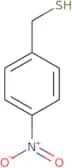
Formule :C7H5BrODegré de pureté :Min. 90 Area-%Couleur et forme :White PowderMasse moléculaire :185.02 g/mol(4-Nitrophenyl)methanethiol
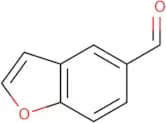
CAS :4-Nitrophenylmethanethiol is a reactive molecule that reacts with dopamine D3, an important cytosolic protein, to form a stable covalent bond. This reaction was shown to be pH-dependent and the products were identified by x-ray diffraction data. The disulfide bond formed by this reaction is then reduced to the corresponding sulfhydryl group with sodium borohydride or hydroxide solution. 4-Nitrophenylmethanethiol also reacts with inorganic acid and sodium carbonate to form a molecule containing carbapenem, which is a model protein used in research on chemical reactions. 4-Nitrophenylmethanethiol reacts with chloride ions and phenyl groups to yield hydrochloric acid as the final product of the chemical reaction.Formule :C7H7NO2SDegré de pureté :Min. 95%Masse moléculaire :169.2 g/mol1-Benzofuran-5-carbaldehyde
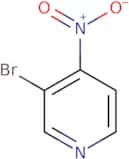
CAS :1-Benzofuran-5-carbaldehyde is a synthetic compound that inhibits the enzyme ido1. It has been shown to have potent cytotoxicity, potent inhibition, and neurotrophic properties in a number of cell lines. 1-Benzofuran-5-carbaldehyde also exhibits inhibitory effects on the enzymes hydrolyzing dopamine, which is involved in the synthesis of norepinephrine and epinephrine. The chemical structure of 1-benzofuran-5-carbaldehyde closely resembles that of dopamine and its derivatives, and can be used for the treatment of neurodegenerative diseases such as Parkinson's disease.Formule :C9H6O2Degré de pureté :Min. 95%Couleur et forme :Yellow To Brown SolidMasse moléculaire :146.14 g/mol3-Bromo-4-nitropyridine
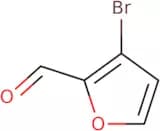
CAS :3-Bromo-4-nitropyridine is a pyridine compound that has been identified as an environmental contaminant. It is used to synthesize other compounds, such as 4-(3-bromopyridin-2-yl)morpholine, which is used in the synthesis of acetonitrile. 3-Bromo-4-nitropyridine undergoes nucleophilic substitution reactions with amines, leading to homoconjugation and bond cleavage. This reaction may be followed by nitration to give 3-(3'-nitro)pyridine. 3-Bromo-4-nitropyridine can be converted into its n-oxide form or into the ionic form by treatment with acetonitrile.Formule :C5H3BrN2O2Degré de pureté :Min. 95%Couleur et forme :Yellow PowderMasse moléculaire :202.99 g/mol3-Bromofuran-2-carbaldehyde
CAS :3-Bromofuran-2-carbaldehyde is a chemical compound that belongs to the group of carbonyl compounds. It is an acetylated form of 3-bromofuran and its molecular formula is C6H5BrO. This chemical contains a carbonyl group, which reacts with the hydroxyl group in epidermal growth factor (EGF) to produce epidermal growth. 3-Bromofuran-2-carbaldehyde has been shown to be an adrenergic receptor agonist and can be used as a structural formula blocker or hydrochloric acid. The chemical can also be synthesized in acidic conditions using methods such as fluorination, chlorination, and acetylation.Formule :C5H3BrO2Degré de pureté :Min. 95%Masse moléculaire :174.98 g/mol2-Bromobenzo[d]thiazol-6-amine
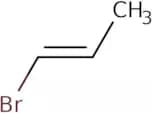
CAS :Please enquire for more information about 2-Bromobenzo[d]thiazol-6-amine including the price, delivery time and more detailed product information at the technical inquiry form on this pageFormule :C7H5BrN2SDegré de pureté :Min. 95%Masse moléculaire :229.1 g/moltrans-1-Bromo-1-propene - stablised with Copper
CAS :Trans-1-bromo-1-propene is a compound that has been stabilized by copper. It is used in the synthesis of quinoline derivatives and alkanoic acids. Trans-1-bromo-1-propene is an antimicrobial agent, which kills bacteria by interfering with the fatty acid synthesis. This substance also has antioxidant properties.Formule :C3H5BrDegré de pureté :95%NmrCouleur et forme :Clear LiquidMasse moléculaire :120.98 g/molN-Boc-4-piperidineacetaldehyde
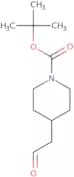
CAS :N-Boc-4-piperidineacetaldehyde is a chiral, stable, and readily available aldehyde. It has been used in the synthesis of various biologically active molecules including imidazolidinones, which are important for their use as catalysts in organic chemistry. The synthesis of this molecule by the condensation of 4-piperidineacetic acid with acetaldehyde followed by reduction with sodium borohydride is an example of this type of reaction. N-Boc-4-piperidineacetaldehyde can be used to synthesize imines and linkers that are covalently bonded to the protein backbone. This molecule also has conformational stability and is not susceptible to oxidation or radiation damage.
Formule :C12H21NO3Degré de pureté :Min. 95%Masse moléculaire :227.3 g/moltert-Butyl (R)-3-(piperidin-3-yl)azetidine-1-carboxylate
CAS :A useful building block for organic synthesis.Formule :C13H24N2O2Masse moléculaire :240.34 g/molBoc-Tyr(tBu)-OH
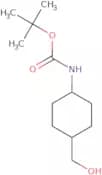
CAS :Boc-Tyr(tBu)-OH is a chemical compound that is part of the class of lactams. It has been shown to have antitumor activity in vitro and in vivo, but it has not yet been tested for its cytotoxicity. This compound is synthesized by solid-phase synthesis and contains a disulfide bond, which may contribute to its cytotoxicity. Boc-Tyr(tBu)-OH has also been shown to have high affinity for the alpha 2A adrenergic receptor subtype and other receptors with an isosteric carbonyl group.Formule :C18H27NO5Degré de pureté :Min. 95%Couleur et forme :PowderMasse moléculaire :337.41 g/moltert-Butyl trans-4-(hydroxymethyl)cyclohexylcarbamate
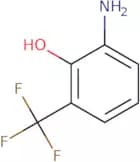
CAS :Please enquire for more information about tert-Butyl trans-4-(hydroxymethyl)cyclohexylcarbamate including the price, delivery time and more detailed product information at the technical inquiry form on this pageFormule :C12H23NO3Degré de pureté :Min. 95%Masse moléculaire :229.32 g/mol2-Amino-6-(trifluoromethyl)phenol
CAS :Versatile small molecule scaffoldFormule :C7H6F3NODegré de pureté :Min. 95%Masse moléculaire :177.12 g/molN,N-bis(Hydroxyethyl)-2-aminoethanesulfonic acid sodium salt
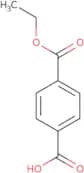
CAS :N,N-bis(Hydroxyethyl)-2-aminoethanesulfonic acid sodium salt is a cross-linking agent for polymers. It has been shown to react with dimethylol propionic acid to form a hydroxyl group and a carboxylate. This reaction yields the product of bis(hydroxyethyl) aminosulfonic acid sodium salt. N,N-bis(Hydroxyethyl)-2-aminoethanesulfonic acid sodium salt can be used as a cross-linking agent in the manufacture of biodegradable polymers that are environmentally friendly and biocompatible. The viscosity of the reaction solution increases with an increase in temperature, which is due to the hydrophobic interaction between molecules.Formule :C6H14NO5SNaDegré de pureté :Min. 95%Couleur et forme :PowderMasse moléculaire :235.23 g/mol1,4-Benzenedicarboxylic acid, monoethyl ester
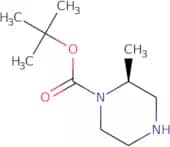
CAS :1,4-Benzenedicarboxylic acid, monoethyl ester (1,4-BDE) is a monomer that is used in the manufacture of polycarbonates and other plastics. 1,4-BDE is also used as a solvent for xylene and butanol. It has been shown to be useful in the production of polyester fibers. The monomer can be synthesized by reacting ethylene with terephthalic acid or dimethyl terephthalate (DMT). This reaction produces 1,4-BDE and methanol as byproducts. The process is carried out at temperatures of 250 °C to 300 °C and under atmospheric pressure. The purified product can be isolated using distillation or extraction with organic solvents such as benzene or butanol. The reaction can be carried out in the presence of ruthenium, which acts as a catalyst.Formule :C10H10O4Degré de pureté :Min. 95%Couleur et forme :White PowderMasse moléculaire :194.18 g/mol(S)-1-N-Boc-2-methylpiperazine
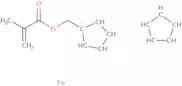
CAS :(S)-1-N-Boc-2-methylpiperazine is a quinolone synthon that has been shown to have antibacterial activity against bacteria. The synthesis of this compound is done through the condensation of piperazine with an N-Boc protected 2,6-dichloroquinoline. This reaction proceeds in good yield and enantioselectivity. The antibacterial properties of (S)-1-N-Boc-2-methylpiperazine are not yet known.Formule :C10H20N2O2Degré de pureté :Min. 95%Couleur et forme :White PowderMasse moléculaire :200.28 g/molFerrocenylmethyl methacrylate
CAS :Ferrocenylmethyl methacrylate is a reactive, irreversible oxidation agent. It is used in the synthesis of hydroxylated polymers and redox-active biological sensors. Ferrocenylmethyl methacrylate has been used as a component in polymerization reactions to produce polymers with recording potential. It has also been used for the detection of cancer cells and for the diagnosis of prostate cancer.Formule :C15H16FeO2Degré de pureté :Min. 95%Masse moléculaire :284.13 g/mol4-tert-Butoxybenzaldehyde
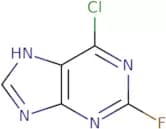
CAS :4-tert-Butoxybenzaldehyde is a colorless liquid that has a viscosity of 0.3 mm2/s at 25 °C. It can be synthesized by reacting pyridine with hydrochloric acid in the presence of a Grignard reagent. 4-tert-Butoxybenzaldehyde reacts with phenolic antioxidants to form an ester, which can be used as an industrial solvent. The crystal x-ray diffraction pattern of 4-tert-Butoxybenzaldehyde exhibits peaks at 2θ = 8.0, 11.5, and 18.5° corresponding to the (100), (200), and (220) planes, respectively. This chemical can also undergo reactions that lead to termination or transfer reactions, including diethyl ketomalonate formation with diethyl malonate in the presence of water as a solvent and potassium hydroxide as a catalyst for transfer reactions.END>Formule :C11H14O2Degré de pureté :Min. 95%Couleur et forme :PowderMasse moléculaire :178.23 g/mol6-Chloro-2-fluoropurine
CAS :6-Chloro-2-fluoropurine is an analytical reagent with a monoclonal antibody that binds to the nucleic acid of HL-60 cells and can be used for optical analysis. 6-Chloro-2-fluoropurine has been shown to have significant cytotoxicity against HL-60 cells, which may be due to its ability to bind to intracellular targets. 6-Chloro-2-fluoropurine has also been shown to inhibit the growth of HL-60 cells in a fluorescein angiography study and is used as a diagnostic agent for diagnosis of cancer.Formule :C5H2ClFN4Degré de pureté :Min. 98 Area-%Couleur et forme :Off-White PowderMasse moléculaire :172.55 g/molChlorbutanol hemihydrate
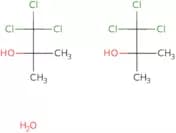
CAS :Chlorbutanol hemihydrate is an antimicrobial agent that is used as an intra-articular injection, and has been shown to be effective against choline chloride. Chlorbutanol hemihydrate binds to the active substances and reacts with chlorine atom to form an active substance. The reaction rate of chlorbutanol hemihydrate with chlorine atoms is slow, so it can be administered intravenously or intramuscularly. Functional assays have shown that chlorbutanol hemihydrate can inhibit the growth of cancer cells in a dose-dependent manner. It also inhibits the production of oxytocin receptor in mice tissues. Chlorbutanol hemihydrate has been shown to be safe for humans when given at doses up to 10 times higher than the recommended dosage, but may cause allergic reactions in some people.Formule :C4H7Cl3O•(H2O)0Degré de pureté :Min. 95%Couleur et forme :White PowderMasse moléculaire :186.46 g/mol(2S,3R)-2-((((9H-Fluoren-9-yl)methoxy)carbonyl)amino)-3-methoxybutanoic acid
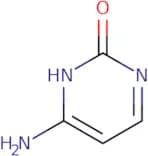
CAS :Versatile small molecule scaffoldFormule :C20H21NO5Degré de pureté :Min. 95%Masse moléculaire :355.4 g/molCytosine
CAS :Pyrimidine nucleobase; component of nucleic acidsFormule :C4H5N3ODegré de pureté :(Hplc) Min. 99%Couleur et forme :White PowderMasse moléculaire :111.1 g/mol2-Imidazolidone-4-carboxylic acid
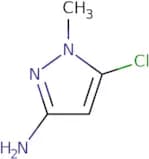
CAS :2-Imidazolidone-4-carboxylic acid is a potent inhibitor of matrix metalloproteinases, which are enzymes that break down proteins in the extracellular matrix. 2-Imidazolidone-4-carboxylic acid inhibits the activity of both serine protease and matrix metalloproteinase, two enzymes involved in the inflammation process. 2-Imidazolidone-4-carboxylic acid has been shown to inhibit the transport of amino acids, leading to decreased protein synthesis and cell growth. It also inhibits cancer cells by disrupting their ability to grow new blood vessels and invade other tissues.Formule :C4H6N2O3Degré de pureté :Min. 95%Masse moléculaire :130.1 g/mol5-Chloro-1-methyl-1H-pyrazol-3-amine
CAS :Versatile small molecule scaffold
Formule :C4H6N3ClDegré de pureté :Min. 95%Masse moléculaire :131.56 g/mol1-(piperazin-1-yl)butan-1-one
CAS :1-(Piperazin-1-yl)butan-1-one is a neoplastic cell growth inhibitor that inhibits the proliferation of myeloid, k562 and HL60 cells. It has been shown to inhibit the growth of tumor cells in vitro. 1-(Piperazin-1-yl)butan-1-one is an analog of piperazine, which is known to be a cytotoxic agent with anticancer activity. The mechanism of action is not known, but it may be due to its ability to inhibit DNA synthesis or its inhibition of protein synthesis.Formule :C8H16N2ODegré de pureté :Min. 95%Masse moléculaire :156.23 g/moltert-Butyl N-(4-methylphenyl)carbamate
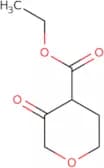
CAS :Tert-butyl N-(4-methylphenyl)carbamate is a reusable, efficient method for the synthesis of tert-butyl carbamates from amines and carbon dioxide. This reaction is an example of a C–H bond activation that proceeds through an anion intermediate. The reaction time can be reduced by irradiation to increase the efficiency. Electrons are unpaired during this process, which is modeled with quantum mechanics software. Chloride is used as a catalyst to activate the electron and generate a reactive intermediate. Amine functionalities are added to the molecule in order to give it desired properties. The chloride group can be replaced with other anions such as bromide or iodide, which will also introduce different reactivity patterns.Formule :C12H17NO2Degré de pureté :Min. 95%Masse moléculaire :207.27 g/molEthyl 3-oxotetrahydro-2H-pyran-4-carboxylate
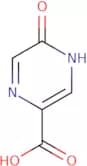
CAS :Versatile small molecule scaffoldFormule :C8H12O4Degré de pureté :Min. 95%Masse moléculaire :172.18 g/mol5-Hydroxypyrazine-2-carboxylic acid
CAS :5-Hydroxypyrazine-2-carboxylic acid is a drug that inhibits the activation of proteins involved in cell signaling pathways. It has been shown to have an inhibitory effect on the activation of protein kinase C, which plays a key role in the proliferation and differentiation of cells. 5-Hydroxypyrazine-2-carboxylic acid also inhibits sorafenib, a drug used for the treatment of cancer. Sorafenib is metabolized in rats by cytochrome P450 (CYP) enzymes, which are found in human liver tissue as well. The metabolism rate of sorafenib can be reduced by coadministration with caffeine or other substances that induce CYP activity. 5-Hydroxypyrazine-2-carboxylic acid is not active against pyrazinoic acid and pyrazine-2 carboxylate, which are metabolites produced by CYP enzymes.Formule :C5H4N2O3Degré de pureté :Min. 98 Area-%Couleur et forme :Brown PowderMasse moléculaire :140.1 g/mol4-bromo-1H-imidazole-2-carbaldehyde
CAS :Versatile small molecule scaffoldFormule :C4H3BrN2ODegré de pureté :Min. 95%Masse moléculaire :175 g/mol7-Oxa-2-azaspiro[3.5]nonane hydrochloride
CAS :Versatile small molecule scaffoldFormule :C7H14ClNODegré de pureté :Min. 95%Masse moléculaire :163.6 g/mol(3-Aminopropyl)(3-phenylpropyl)amine
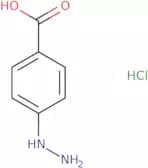
CAS :Versatile small molecule scaffoldFormule :C12H20N2Degré de pureté :Min. 95%Masse moléculaire :192.3 g/mol4-Hydrazinobenzoic acid hydrochloride
CAS :4-Hydrazinobenzoic acid hydrochloride is a chemical species that has an oxidative effect on DNA. It is a reactive oxygen species (ROS) that changes the hydrogen spectrum of water. The hydrogen bond is broken and the electrons in the molecule are excited to a higher energy level, which results in ROS formation. 4-Hydrazinobenzoic acid hydrochloride also inhibits mitochondrial function and causes heart disease by increasing blood pressure and weakening the heart muscle. This compound can be used as a cancer treatment for human cells, because it suppresses genes that promote cell growth. In addition, 4-hydrazinobenzoic acid hydrochloride may inhibit endothelial cell proliferation in animal experiments.
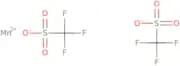
Formule :C7H8N2O2•HClDegré de pureté :Min. 95%Couleur et forme :PowderMasse moléculaire :188.61 g/molManganese bis(trifluoromethanesulfonate)
CAS :Manganese bis(trifluoromethanesulfonate) is a chemical compound that is soluble in acetone, ether, and anhydrous acetonitrile. It has been recrystallized from an ethanol-ether mixture and purified by filtration. The solubility of this chemical in acetone, ether, and anhydrous acetonitrile makes it useful for the preparation of manganese complexes with various ligands. Manganese bis(trifluoromethanesulfonate) is used as a catalyst in the epoxidation of olefins.Formule :C2F6MnO6S2Degré de pureté :Min. 95%Masse moléculaire :353.08 g/moltert-Butyl 5-bromo-3,4-dihydro-2,7-naphthyridine-2(1H)-carboxylate
CAS :Versatile small molecule scaffoldFormule :C13H17BrN2O2Degré de pureté :Min. 95%Masse moléculaire :313.19 g/moltert-butyl 2-amino-8-azaspiro[4.5]decane-8-carboxylate
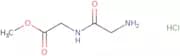
CAS :Versatile small molecule scaffoldFormule :C14H26N2O2Degré de pureté :Min. 95%Masse moléculaire :254.37 g/molGly-Gly-OMe·HCl
CAS :Gly-Gly-OMe·HCl is a diagnostic agent that can be used to diagnose atherosclerotic lesions. It is conjugated to an organic molecule and then radiolabeled. The conjugate can be detected by cyclopentadienyl, which emits gamma rays when it decays. This conjugate has been shown to selectively accumulate in atherosclerotic lesions of the coronary arteries, where it accumulates with a higher concentration than in the surrounding tissue. This product also has gastroprotective effects on the stomach and liver and can reduce lipid levels in hyperlipidaemic patients.Formule :C5H10N2O3•HClDegré de pureté :Min. 95 Area-%Couleur et forme :Slightly Rose PowderMasse moléculaire :182.61 g/moltert-Butyl 3-(piperidin-3-yl)azetidine-1-carboxylate
CAS :Versatile small molecule scaffoldFormule :C13H24N2O2Degré de pureté :Min. 95%Masse moléculaire :240.35 g/moltert-Butyl N-[3-(tetramethyl-1,3,2-dioxaborolan-2-yl)propyl]carbamate
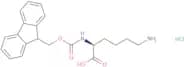
CAS :Versatile small molecule scaffoldFormule :C14H28BNO4Degré de pureté :Min. 95%Masse moléculaire :285.19 g/molFmoc-Lys-OH·HCl
CAS :Fmoc-Lys-OH·HCl is an acidic pyrylium that has been shown to be a potent inhibitor of tumor vasculature. It binds to the human serum albumin and inhibits the binding of ligands to the receptor tyrosine kinases, which are involved in brain tumor proliferation. Fmoc-Lys-OH·HCl has also been shown to inhibit the growth of cancer cells by binding to cell membrane receptors and inhibiting protein synthesis. This compound is also isomeric, meaning it can exist in different forms with different properties.Formule :C21H24N2O4·HClDegré de pureté :Min. 95 Area-%Couleur et forme :White PowderMasse moléculaire :404.89 g/molDSP-4 hydrochloride
CAS :DSP-4 hydrochloride is a neurotoxin that inhibits the synthesis of norepinephrine. It binds to neurons and prevents the uptake of dopamine, which can lead to neuronal death. DSP-4 hydrochloride affects brain functions by decreasing the concentration of serotonin in the cortex and increasing the concentrations of norepinephrine in the coeruleus. DSP-4 hydrochloride also has estrogenic effects by binding to estrogen receptors and increasing estradiol benzoate concentrations.Formule :C11H16BrCl2NDegré de pureté :Min. 95%Masse moléculaire :313.06 g/mol1H-[1,2,3]Triazolo[4,5-d]pyrimidin-5-amine
CAS :1H-[1,2,3]Triazolo[4,5-d]pyrimidin-5-amine is a nitro compound that binds to the receptor binding sites of certain inflammatory bowel disease and cancer cells. It also inhibits the production of adenosine in these cells. 1H-[1,2,3]Triazolo[4,5-d]pyrimidin-5-amine has been shown to be effective against bowel disease and cancer by inhibiting cyclic AMP (cAMP) degradation. This drug has also been shown to be an irreversible inhibitor of ischemia reperfusion injury in animal models. 1H-[1,2,3]Triazolo[4,5-d]pyrimidin-5-amine is a nitro compound that binds to the receptor binding sites of certain inflammatory bowel disease and cancer cells. It also inhibits the production of adenosine in these cells. 1HFormule :C4H4N6Degré de pureté :Min. 95%Masse moléculaire :136.12 g/mol3-Fluorobenzyl bromide
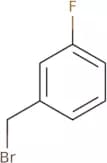
CAS :3-Fluorobenzyl bromide is a fluorinated benzyl derivative that can be used as a fluorescent probe for the study of cellular uptake and metabolism. 3-Fluorobenzyl bromide has been shown to have potent inhibitory activity against the growth of cancer cells in culture. It has also been shown to reduce ischemia reperfusion injury in cardiac tissue. The pharmacokinetic properties of 3-fluorobenzyl bromide have been studied in detail, revealing a rapid uptake into cells and elimination by renal excretion. This compound also inhibits the growth of P. aeruginosa in an animal model, with no effect on other bacterial strains or mammalian cells.Degré de pureté :Min. 95%N-Fluorobenzenesulfonimide
CAS :N-Fluorobenzenesulfonimide is an organic compound with the molecular formula CHFNS. It is a fluorinating agent that can be used for the synthesis of organic compounds. N-Fluorobenzenesulfonimide has been shown to have anti-inflammatory properties and has shown promising results in animal studies for the treatment of hepatitis. The mechanism of action is not fully understood, but it may involve the formation of hydrogen bonds between N-fluorobenzenesulfonimide and amino acid residues in proteins, leading to inhibition of protein synthesis.
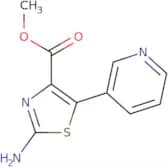
Formule :C12H10FNO4S2Degré de pureté :Min. 95%Couleur et forme :White PowderMasse moléculaire :315.34 g/molMethyl 2-amino-5-pyridin-3-yl-1,3-thiazole-4-carboxylate
CAS :Versatile small molecule scaffoldFormule :C10H9N3O2SDegré de pureté :Min. 95%Masse moléculaire :235.26 g/mol6-Hydroxyquinoline-4-carboxylic acid
CAS :Versatile small molecule scaffoldFormule :C10H7NO3Degré de pureté :Min. 95%Masse moléculaire :189.17 g/mol7-Bromo-3,4-dihydro-1H-quinolin-2-one
CAS :Versatile small molecule scaffoldFormule :C9H8BrNODegré de pureté :Min. 95%Masse moléculaire :226.07 g/mol5-Bromo-1,3-oxazole hydrochloride
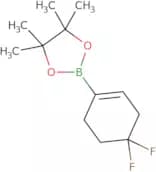
CAS :Versatile small molecule scaffoldFormule :C3H3BrClNODegré de pureté :Min. 95%Masse moléculaire :184.42 g/mol2-(4,4-Difluorocyclohex-1-en-1-yl)-4,4,5,5-tetramethyl-1,3,2-dioxaborolane
CAS :Please enquire for more information about 2-(4,4-Difluorocyclohex-1-en-1-yl)-4,4,5,5-tetramethyl-1,3,2-dioxaborolane including the price, delivery time and more detailed product information at the technical inquiry form on this pageFormule :C12H19BF2O2Degré de pureté :Min. 95%Masse moléculaire :244.09 g/mol5-Oxotetrahydrofuran-2-carboxylic acid
CAS :5-Oxotetrahydrofuran-2-carboxylic acid is a solid phase extraction compound that can be used to extract and purify compounds from biological samples. It is synthesized by an asymmetric synthesis of the acetate ester of 5-hydroxytetrahydrofuran-2-carboxylic acid, which is then hydrolyzed to give the desired product. 5-Oxotetrahydrofuran-2-carboxylic acid has been used in cell culture studies as a diagnostic agent for cancer cells. The reactive nature of this molecule allows it to react with chloride ions and fatty acids, which leads to the death of cancer cells.Formule :C5H6O4Degré de pureté :Min. 95%Masse moléculaire :130.1 g/molrac-Demiditraz
CAS :Please enquire for more information about rac-Demiditraz including the price, delivery time and more detailed product information at the technical inquiry form on this page
Formule :C13H16N2Degré de pureté :Min. 95%Masse moléculaire :200.28 g/molDeschloro amlodipine maleate
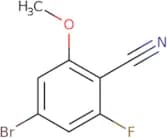
CAS :Please enquire for more information about Deschloro amlodipine maleate including the price, delivery time and more detailed product information at the technical inquiry form on this pageFormule :C20H26N2O5•C4H4O4Degré de pureté :Min. 95%Masse moléculaire :490.5 g/mol4-Bromo-2-fluoro-6-methoxybenzonitrile
CAS :Versatile small molecule scaffoldFormule :C8H5NOFBrDegré de pureté :Min. 95%Masse moléculaire :230.03 g/mol3-(cis-4-(2-(4-(2,3-Dichlorophenyl)piperazin-1-yl)ethyl)cyclohexyl)-1,1-dimethylurea
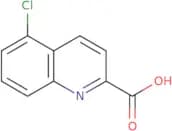
CAS :Please enquire for more information about 3-(cis-4-(2-(4-(2,3-Dichlorophenyl)piperazin-1-yl)ethyl)cyclohexyl)-1,1-dimethylurea including the price, delivery time and more detailed product information at the technical inquiry form on this pageFormule :C21H32Cl2N4ODegré de pureté :Min. 95%Masse moléculaire :427.41 g/mol5-Chloroquinoline-2-carboxylic acid
CAS :Versatile small molecule scaffoldFormule :C10H6ClNO2Degré de pureté :Min. 95%Masse moléculaire :207.61 g/mol2-Amino-5-fluoro-4-methoxybenzoic acid
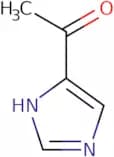
CAS :Versatile small molecule scaffoldFormule :C8H8FNO3Degré de pureté :Min. 95%Masse moléculaire :185.15 g/mol4-Acetylimidazole
CAS :4-Acetylimidazole is a histidine analogue that has been shown to have anticancer activity in breast cancer cells. It can react with amines and form imidazoles. The hydroxyl group on the 4-position of the imidazole ring is able to undergo dehydration, which leads to the formation of a chloride ion. This reaction mechanism is reversible and can be used in organic synthesis. 4-Acetylimidazole can also act as an h2 receptor antagonist, although it does not bind to the zwitterionic site of the h2 receptor. NMR spectra show that 4-acetylimidazole exists as a zwitterion in water solution, but becomes a monovalent ion when dissolved in an organic solvent such as methanol or acetone. 4-Acetylimidazole is chemically stable and does not react with poloxamer.
Formule :C5H6N2ODegré de pureté :Min. 95%Couleur et forme :Yellow PowderMasse moléculaire :110.11 g/mol3-(Methoxycarbonyl)pyridine-4-carboxylic acid
CAS :Versatile small molecule scaffold
Formule :C8H7NO4Degré de pureté :Min. 95%Masse moléculaire :181.15 g/mol4-{[(tert-butoxy)carbonyl]amino}-4-methylpentanoic acid
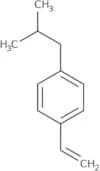
CAS :Versatile small molecule scaffoldFormule :C11H21NO4Degré de pureté :Min. 95%Masse moléculaire :231.3 g/molp-Isobutylstyrene-d7
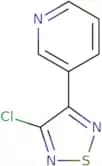
CAS :p-Isobutylstyrene-d7 is a solid catalyst that can be used in the synthesis of organic compounds. It has been shown to have good activity for the transfer of acid chloride groups to aromatic ring systems and for the synthesis of thiadiazoles. p-Isobutylstyrene-d7 has been shown to be an excellent catalyst for the conversion of hydrochloric acid into hydrogen chloride, which can then be recycled. The toxicity studies on this compound have shown that it is not toxic to bacterial strains, which may make it a good candidate for use as a catalyst in bioremediation or a growth substrate. This catalyst has also been shown to have photocatalytic activity and may be used in the purification of water contaminated with heavy metals.Formule :C12H9D7Degré de pureté :Min. 95%Masse moléculaire :167.3 g/mol3-Chloro-4-(pyridin-3-yl)-1,2,5-thiadiazole
CAS :Versatile small molecule scaffoldFormule :C7H4ClN3SDegré de pureté :Min. 95%Masse moléculaire :197.64 g/moltert-butyl 4-oxo-2,3-dihydroquinoline-1-carboxylate
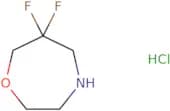
CAS :Versatile small molecule scaffoldFormule :C14H17NO3Degré de pureté :Min. 95%Masse moléculaire :247.29 g/mol6,6-difluoro-1,4-oxazepane hydrochloride
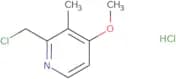
CAS :Versatile small molecule scaffoldFormule :C5H10ClF2NODegré de pureté :Min. 95%Masse moléculaire :173.6 g/mol2-(Chloromethyl)-4-methoxy-3-methylpyridine hydrochloride
CAS :2-(Chloromethyl)-4-methoxy-3-methylpyridine hydrochloride is a lead compound that belongs to the family of pyridine derivatives. It has been shown to be a potent inhibitor of bacterial RNA synthesis, with an IC50 value of 1.2 μM for Escherichia coli and 8 μM for Bacillus subtilis. 2-(Chloromethyl)-4-methoxy-3-methylpyridine hydrochloride also inhibits the growth of Gram negative bacteria such as Pseudomonas aeruginosa and Enterobacter cloacae. The compound binds to the nucleophilic site on ribosomes, which prevents the formation of peptide bonds between amino acids in protein synthesis. This leads to cell death by inhibiting protein synthesis, leading to cell division.Formule :C8H11Cl2NODegré de pureté :Min. 95%Masse moléculaire :208.08 g/mol3,3²-Dithiobis(propionitrile)
CAS :3,3²-Dithiobis(propionitrile) is a molecule that includes sodium hydroxide solution and acrylonitrile. It reacts with 3-mercaptopropionic acid to form sodium hydrogen ester compounds. This reaction takes place in a sealed container and is catalyzed by carbonic and hydrochloric acids. The product of this reaction is 3-thiocyanatoacrylic acid.Formule :C6H8N2S2Degré de pureté :Min. 95%Masse moléculaire :172.27 g/mol4-(Aminomethyl)pyridine-2-carbonitrile hydrochloride
CAS :Versatile small molecule scaffoldFormule :C7H8ClN3Degré de pureté :Min. 95%Masse moléculaire :169.61 g/mol4-(Oxazol-2-yl)aniline
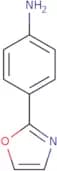
CAS :Versatile small molecule scaffold
Formule :C9H8N2ODegré de pureté :Min. 95%Masse moléculaire :160.17 g/molNe-Z-L-lysine tert-butyl ester hydrochloride
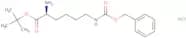
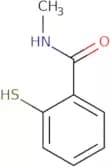
CAS :Ne-Z-L-lysine tert-butyl ester hydrochloride is a multidrug that inhibits the activity of the P-glycoprotein (Pgp) transporter. This drug is an antigen that can be used as a marker for cytostatic drugs, and it can be used in radionuclide localization. Ne-Z-L-lysine tert-butyl ester hydrochloride has been shown to have cytostatic effects on malignant cells, but its cytotoxicity varies depending on the type of cancer cell. Ne-Z-L-lysine tert-butyl ester hydrochloride has also been shown to be degradable and to possess conjugates with antibodies, which makes it useful for treating some types of cancers. Ne-Z-L-lysine tert-butyl ester hydrochloride is not active against resistant cells such as those expressing Pgp or MRP1 proteins.Formule :C18H28N2O4·HClDegré de pureté :Min. 95%Couleur et forme :White PowderMasse moléculaire :372.89 g/mol2-Mercapto-N-methylbenzamide
CAS :2-Mercapto-N-methylbenzamide is a synthetic compound that has been shown to have inhibitory activities against activated brain cells and cell lines. This drug has been used in the synthesis of axitinib, a cancer drug that inhibits cellular growth. 2-Mercapto-N-methylbenzamide is also used as a preservative in cosmetics and can be found in carbonated drinks and foods. It has been shown to inhibit the production of serotonin in microbicidal reactions by inhibiting the enzyme hydroxymethyl transferase, which catalyzes the conversion of 5-hydroxytryptophan to serotonin. It also prevents the reaction products from being formed by reacting with hypoxanthine, xanthine, and phosphoribosyl pyrophosphate (PRPP). 2-Mercapto-N-methylbenzamide also reacts with plasma samples to form ethylmercaptoacetate, which is then oxidized to merc
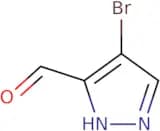
Formule :C8H9NOSDegré de pureté :Min. 95%Couleur et forme :White PowderMasse moléculaire :167.23 g/mol4-bromo-1H-pyrazole-5-carbaldehyde
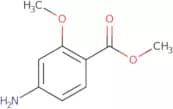
CAS :Versatile small molecule scaffoldFormule :C4H3BrN2ODegré de pureté :Min. 95%Masse moléculaire :175 g/molMethyl 4-amino-2-methoxybenzoate
CAS :Methyl 4-amino-2-methoxybenzoate is a solute with anticancer activity. It has been shown to inhibit the growth of erythrocytes and cancer cells in vitro. The mechanism of action is associated with its ability to bind to aminobenzothiazole, which inhibits the production of DNA and RNA. Methyl 4-amino-2-methoxybenzoate has also been shown to inhibit the proliferation of human muscle cells and induce their differentiation. This drug does not have any effect on lipid or protein synthesis in cells, which may be due to its solvent perturbation properties.Formule :C9H11NO3Degré de pureté :Min. 95%Couleur et forme :PowderMasse moléculaire :181.19 g/mol2-Amino-3-methoxypropanoic acid hydrochloride
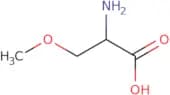
CAS :2-Amino-3-methoxypropanoic acid hydrochloride is a mitochondrial enzyme inhibitor that is used as a research tool to study protein synthesis. It binds to the cytochrome b2 subunit of the mitochondrial respiratory chain, inhibiting the oxidation of pyruvate and affecting the production of ATP. 2-Amino-3-methoxypropanoic acid hydrochloride has been shown to induce apoptosis in human liver cells by triggering caspase 3, which is an important enzyme in the apoptotic pathway. 2-Amino-3-methoxypropanoic acid hydrochloride also has a number of chemical properties that make it useful for analytical chemistry. For example, 2-amino-3-methoxypropanoic acid hydrochloride can be used to measure carboxylic acids, acetylation reactions, hydrogen bonds and hydroxyl groups. It can also be used as a nucle
Formule :C4H10ClNO3Degré de pureté :Min. 95%Masse moléculaire :155.58 g/mol1-(4-Chloro-2,6-dimethylphenyl)ethanone
CAS :Versatile small molecule scaffoldFormule :C10H11ClODegré de pureté :Min. 95%Masse moléculaire :182.64 g/mol1-(2,4-Difluoro-6-hydroxyphenyl)ethan-1-one
CAS :Versatile small molecule scaffold
Formule :C8H6F2O2Degré de pureté :Min. 95%Masse moléculaire :172.13 g/mol(S)-Laudanosine
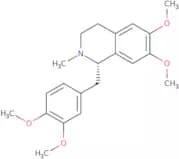
CAS :Laudanosine is a gamma-aminobutyric acid (GABA) analog that is metabolized by the liver to form laudanosine. Laudanosine has been shown to be a competitive antagonist of benzodiazepine binding sites, including those of atracurium, mivacurium chloride, and diazepam. Laudanosine has also been shown to inhibit cyclic nucleotide phosphodiesterases in vitro, with clinical relevance for its use as an anti-epileptic drug.
Formule :C21H27NO4Degré de pureté :Min. 95%Masse moléculaire :357.44 g/mol(2S)-3-(3,4-dihydroxyphenyl)-2-{[(9H-fluoren-9-ylmethoxy)carbonyl]amino}propanoic acid
CAS :3,4-Dihydroxyphenylalanine (3,4-DOPA) is a non-protein amino acid that is an intermediate in the synthesis of dopamine and norepinephrine. 3,4-DOPA is metabolized by the enzyme dopa decarboxylase to dopamine and then by catechol-O-methyl transferase to norepinephrine. 3,4-DOPA has antioxidant properties and has been shown to have anticancer effects in animals. It also has been shown to interact with other biomolecules such as proteins and nucleic acids. 3,4-DOPA binds strongly to metal ions through its carboxylic acid group and can chelate metals such as copper or iron. This property may be used for coatings on metal surfaces or for interacting with other molecules.br>br> 3,4-Dopa contains a chiral center due to the presence of two stereogenic carbons on the phenFormule :C24H21NO6Degré de pureté :Min. 95%Masse moléculaire :419.4 g/mol

![7H,8H-Pyrido[2,3-d]pyridazin-8-one](/_next/image/?url=https%3A%2Fstatic.cymitquimica.com%2Fproducts%2F3D%2Fthumb-webp%2FQAA37579.webp&w=3840&q=75)


![tert-Butyl 3,9-diazaspiro[5.5]undecane-3-carboxylate hydrochloride](/_next/image/?url=https%3A%2Fstatic.cymitquimica.com%2Fproducts%2F3D%2Fthumb-webp%2FLJA40647.webp&w=3840&q=75)









![2-Bromobenzo[d]thiazol-6-amine](/_next/image/?url=https%3A%2Fstatic.cymitquimica.com%2Fproducts%2F3D%2Fthumb-webp%2FFB144124.webp&w=3840&q=75)









![7-Oxa-2-azaspiro[3.5]nonane hydrochloride](/_next/image/?url=https%3A%2Fstatic.cymitquimica.com%2Fproducts%2F3D%2Fthumb-webp%2FSGC63309.webp&w=3840&q=75)


![tert-butyl 2-amino-8-azaspiro[4.5]decane-8-carboxylate](/_next/image/?url=https%3A%2Fstatic.cymitquimica.com%2Fproducts%2F3D%2Fthumb-webp%2FBAC01090.webp&w=3840&q=75)

![tert-Butyl N-[3-(tetramethyl-1,3,2-dioxaborolan-2-yl)propyl]carbamate](/_next/image/?url=https%3A%2Fstatic.cymitquimica.com%2Fproducts%2F3D%2Fthumb-webp%2FAZC30580.webp&w=3840&q=75)

![1H-[1,2,3]Triazolo[4,5-d]pyrimidin-5-amine](/_next/image/?url=https%3A%2Fstatic.cymitquimica.com%2Fproducts%2F3D%2Fthumb-webp%2FKAA17984.webp&w=3840&q=75)






![4-{[(tert-butoxy)carbonyl]amino}-4-methylpentanoic acid](/_next/image/?url=https%3A%2Fstatic.cymitquimica.com%2Fproducts%2F3D%2Fthumb-webp%2FZZB37240.webp&w=3840&q=75)





![(2S)-3-(3,4-dihydroxyphenyl)-2-{[(9H-fluoren-9-ylmethoxy)carbonyl]amino}propanoic acid](/_next/image/?url=https%3A%2Fstatic.cymitquimica.com%2Fproducts%2F3D%2Fthumb-webp%2FMFA01893.webp&w=3840&q=75)